
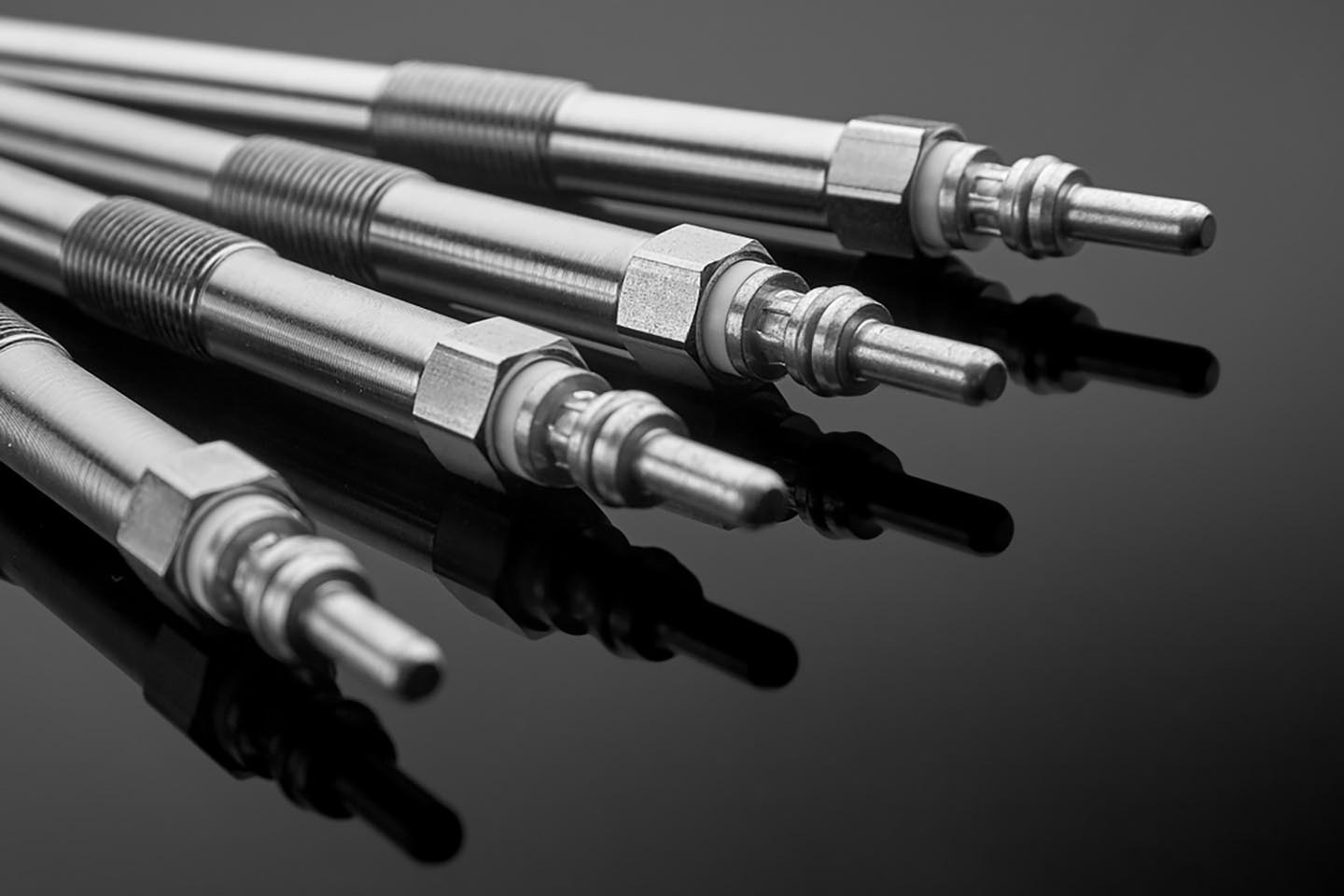
Diesel engines have built a reputation for durability and efficiency. However, one component that often receives less attention is the glow plug. This small but crucial part helps a diesel engine start properly, especially when temperatures drop.
Some diesel vehicles come fitted with glow plugs that are known to last the life of the engine, requiring little to no maintenance. Others tend to experience frequent glow plug or heater failures, which can lead to starting issues and expensive repairs.
Choosing the right diesel vehicle should involve more than just checking fuel economy or torque numbers. It is also important to understand how reliable the vehicle’s cold start system is.
When glow plugs function well for many years, they reduce the chances of engine strain during ignition and make the driving experience more dependable during the winter months.
On the other hand, some diesel cars are known to struggle with heating system faults. They either burn through glow plugs too fast or suffer from weak control modules that affect the heater circuit.
We are going to compare five diesel vehicles that offer reliable long-term glow plug performance with five others that have a record of glow plug or heater issues. Each vehicle is examined in terms of its heating system design, long-term reliability, and real-world user experience.
This comparison should help diesel car buyers make informed choices, especially those living in colder regions where reliable starting performance is essential. Let us begin with the diesels that maintain excellent heater plug performance over many years.
5 Diesels with Lifetime Glow Plugs
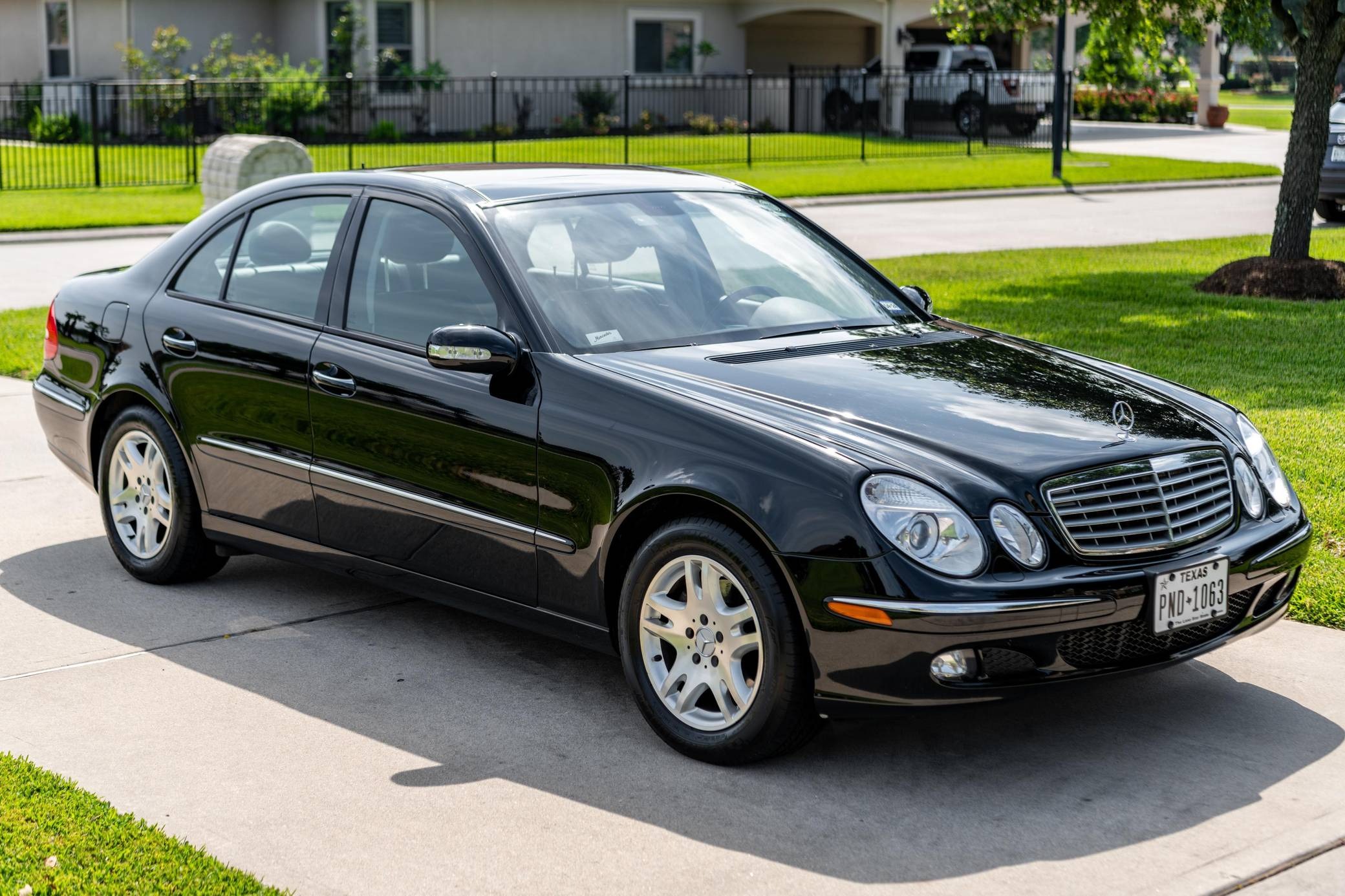
1. Mercedes-Benz E320 CDI (2005-2009)
The E320 CDI from Mercedes-Benz stands out for having one of the most dependable diesel heating systems of its generation. This model uses a straight-six diesel engine known as the OM648.
The engine is fitted with glow plugs that are not only highly durable but also well-supported by a solid electronic control unit. Many drivers have reported using this car for more than 200,000 miles without replacing the glow plugs, which puts it in a league of diesel engines that rarely require maintenance in the cold start department.
One factor that makes the glow plugs on this vehicle so resilient is the intelligent glow plug control module. Instead of just preheating for a short period, this system allows the plugs to stay active for a while after the engine starts.
This extended glow time reduces carbon buildup and thermal shock, which are common causes of early glow plug failure. Also, the plugs themselves are made from materials that resist wear after a while, making them suitable for frequent cold starts.
Another strength of the E320 CDI is how the vehicle communicates glow plug issues. If a plug does begin to fail, the car does not leave the driver guessing.
A fault light appears on the dashboard, and diagnostic tools easily identify which plug needs attention. Because the plugs are accessible and do not require disassembling large parts of the engine, any replacement, if needed, is straightforward.
The E320 CDI blends comfort with strength, making it one of the best diesel cars for long-term use in regions with cold winters. Its glow plug system does not suffer frequent breakdowns and can endure many years of use without replacement. For those seeking a used diesel vehicle with lifetime glow plug performance, this model should be high on the list.

2. Toyota Land Cruiser Prado 3.0 D-4D
Toyota’s 3.0-litre D-4D engine, found in the Land Cruiser Prado, has earned respect across different continents for its strong performance and low maintenance. One of the reasons this diesel SUV remains reliable in different climates is its glow plug system.
Designed for toughness, the glow plugs in the 3.0 D-4D engine can often serve the entire engine life without needing replacement, especially when used with quality diesel fuel and maintained properly.
The engine control unit manages the glow plug operation carefully. Instead of overworking the glow plugs or relying on short cycles, Toyota’s system uses a balanced approach.
Glow plugs warm the combustion chambers efficiently before start-up and often stay active a bit longer after ignition to smooth out engine operation during colder starts. This prolongs their life by avoiding unnecessary stress.
Another reason for the longevity is the engine’s strong design. With a pre-chamber combustion setup, the Land Cruiser’s diesel unit achieves better mixing of fuel and air. This design reduces stress on the glow plugs during ignition because combustion is more controlled. Less shock during cold starts means longer service life for the glow plugs.
In terms of ownership experience, many users report going well beyond 150,000 miles without touching the glow plugs. In rare cases where plugs are replaced, it is due to wear from extreme conditions rather than poor design. Also, parts are easy to source, and service procedures are simple.
The Land Cruiser Prado 3.0 D-4D remains a top choice for drivers who live in regions with harsh winters or who take on rugged terrain. With glow plugs built for endurance, the vehicle can handle regular use without leaving drivers stranded due to cold start failures.
Also Read: 5 Cars That Stay Valuable Enough to Buy New vs 5 That You Should Always Buy Used

3. BMW 335d (2009-2011)
The BMW 335d from the E90 generation stands out as one of the best-performing diesel sedans offered in the US. Under the hood, it uses the 3.0-litre twin-turbocharged inline-six diesel engine known as the M57.
While performance often takes the spotlight, this model also impresses with its solid glow plug setup. The heating elements and control unit are designed for long-lasting operation, and many units maintain original glow plugs well beyond 120,000 miles.
The M57 engine uses ceramic glow plugs, which are a step above older steel types. These ceramic plugs heat up faster, handle higher temperatures, and maintain their shape longer.
This durability ensures the plugs can go through thousands of heating cycles without breaking or failing. BMW’s engine control module also supports post-glow operation, meaning the plugs continue working after engine start. This reduces emissions and ensures the engine warms evenly.
Servicing the glow plugs in the 335d is not difficult, provided that the engine is maintained regularly. When issues arise, the vehicle quickly throws a fault code, allowing technicians to diagnose specific plugs. However, owners often report that the original glow plugs remain in service for many years without trouble.
The BMW 335d provides excellent fuel economy and brisk acceleration, but its hidden advantage lies in the longevity of its components. The glow plug system, often overlooked, plays a major role in the engine’s smooth cold starts and emission control. For drivers looking for a luxury diesel sedan with dependable heating components, the 335d deserves serious consideration.

4. Ford F-250 Super Duty 6.7 Power Stroke (2011-2014)
Among heavy-duty pickups, the Ford F-250 Super Duty with the 6.7-litre Power Stroke diesel is well known for its towing strength and rugged build. Beyond its hauling capabilities, the 6.7 Power Stroke engine also features a glow plug system that holds up well through heavy use.
Ford designed this system with long-life performance in mind, making it possible for many owners to reach 200,000 miles or more before needing to replace glow plugs.
The secret to the durability lies in the material and function of the plugs. The 6.7 Power Stroke uses ceramic glow plugs, which respond quicker and last longer than conventional ones.
They are managed by a smart control module that adjusts the heating duration based on ambient temperatures and engine load. This prevents the plugs from overheating and wearing out early.
Drivers often report reliable cold starts even in sub-zero temperatures. Ford’s system preheats quickly and provides enough glow time to ensure proper combustion on startup. It is a system that has earned respect among diesel pickup owners who operate in mountain or northern states.
In addition to reliability, servicing the glow plugs is relatively simple. The engine bay allows decent access, and the parts are reasonably priced. Fault codes are easy to scan using a diagnostic tool, so plug problems do not remain hidden. This reduces the chances of secondary damage from poor combustion or misfires.
The Ford F-250 with the 6.7-litre engine offers not only brute strength but also a cold-start system that resists wear. For truck buyers who need long-lasting components, this model proves itself in both power and reliability.
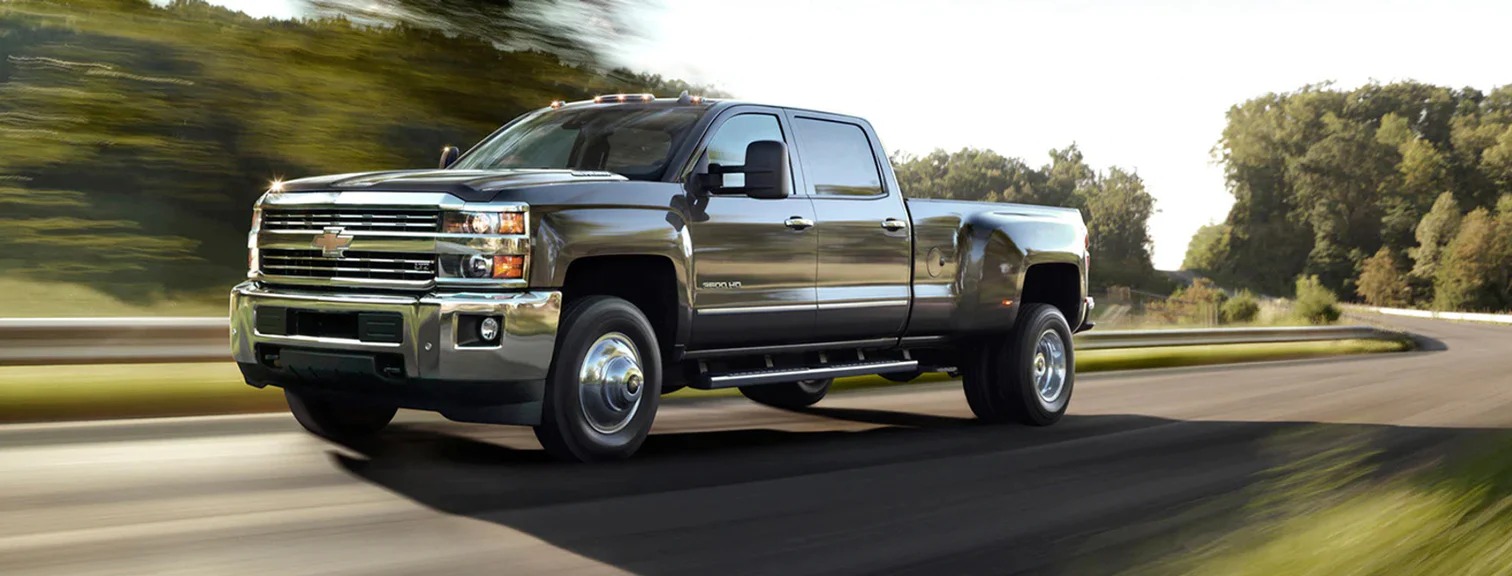
5. Chevrolet Silverado 2500HD Duramax LML (2011-2016)
The Chevrolet Silverado 2500HD with the Duramax LML engine represents one of the most dependable diesel trucks in the GM lineup. It comes equipped with a 6.6-litre V8 diesel engine, and part of what makes this truck stand out is the impressive reliability of its glow plug system. Many owners reach high mileage without experiencing any glow plug failure, thanks to solid engineering and a well-calibrated control system.
Duramax LML engines use fast-heating ceramic glow plugs, which reduce stress on the starting system by providing consistent and even heat. The control module monitors the air temperature and only activates the glow plugs for as long as necessary. This intelligent operation prevents overheating and extends the service life of each plug.
Another reason the LML glow plug system works so well is due to the placement and installation design. These plugs are positioned in such a way that they do not collect excess carbon buildup, which can be a common issue in other engines. This helps reduce the chance of plugs getting stuck or breaking during service.
Truck owners have spoken highly about the Duramax diesel’s ability to start cleanly in cold climates, including places with heavy snowfall. The heating system rarely fails and contributes to the truck’s dependable cold-weather performance. Even when temperatures drop well below freezing, the engine fires up with minimal hesitation.
If service is ever required, the plugs are accessible and rarely lead to complicated repairs. Combined with the truck’s other strong points, such as torque delivery and fuel economy, the long-lasting glow plug system helps the Silverado 2500HD maintain its reputation as a hard-working and trustworthy pickup.
5 Diesels with Failing Heaters
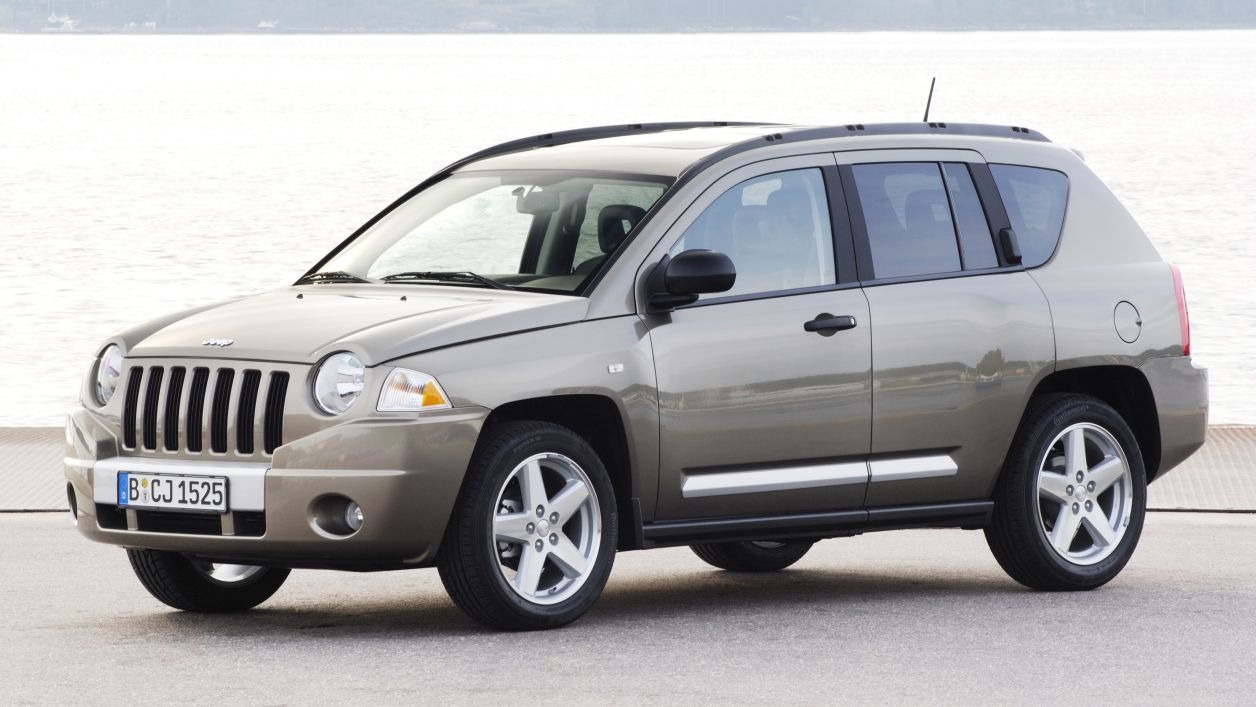
1. Jeep Grand Cherokee 3.0 CRD (2007-2010)
While the Jeep Grand Cherokee with the 3.0-litre CRD diesel engine offers strong torque and smooth highway performance, its glow plug and heater system has been a common point of frustration.
This model uses a Mercedes-sourced OM642 diesel engine, which itself is durable. However, the heating elements and glow plug control module tend to fail much earlier than expected.
Drivers have reported that glow plug warning lights begin appearing after just 60,000 miles, especially in colder regions. Often, one or more glow plugs burn out completely, leaving the engine to struggle during cold starts.
The control module also tends to fail, either from electrical surges or faulty wiring. When that happens, all glow plug operation stops completely, even if some of the plugs are still working.
Replacing glow plugs on this engine is more difficult than on others in its class. The location of the plugs makes access tight, especially near the firewall. When they break during removal, it creates a situation that may require engine head removal, making the repair job costly. These complications have led many owners to dread any issue related to the heater system.
The problem is worsened by the fact that the electronic system may not always pinpoint the failed plug correctly. This leads to extra diagnostic time and sometimes unnecessary replacements. When cold weather hits, a malfunctioning glow plug system in this model can result in extended cranking, poor idle, or even failure to start entirely.
While the Grand Cherokee CRD has other strong qualities, such as strong towing capacity and a refined ride, its weak glow plug setup lowers its long-term dependability. Buyers considering this diesel SUV should be aware of the heater-related issues and budget for potential repairs if operating in areas with harsh winters.
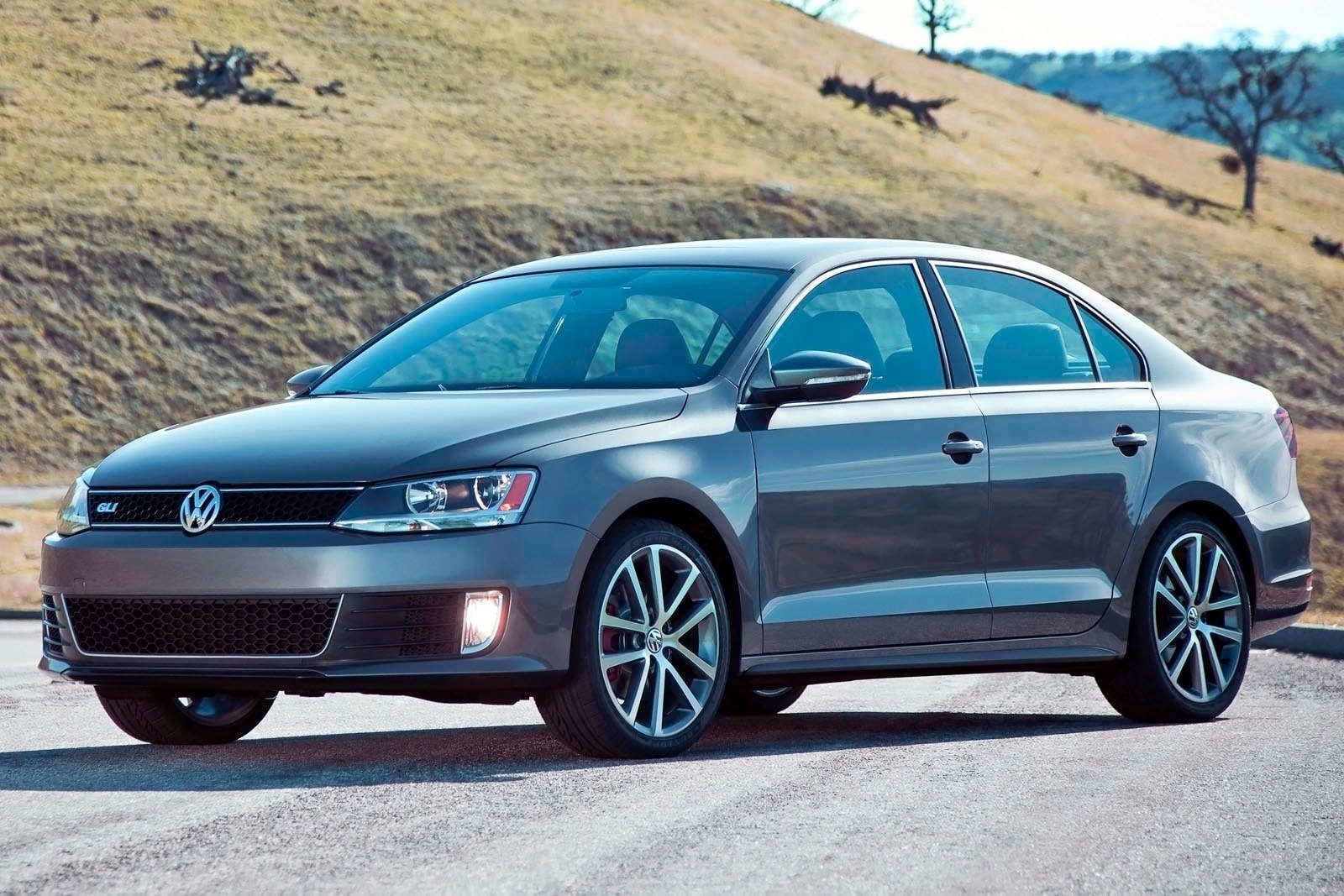
2. Volkswagen Jetta TDI (2006-2014)
The Volkswagen Jetta TDI has long been a favorite among diesel compact car lovers due to its fuel efficiency and driving comfort. Despite its strengths, it has a history of unreliable glow plug and heater element function. Many owners have experienced early failures, particularly in colder climates where a dependable glow system is essential.
Models within this range often come with steel glow plugs that do not last as long as the newer ceramic types. These older plugs take longer to heat and are more sensitive to wear. As a result, they tend to fail around the 70,000-mile mark or even earlier, especially if the car is started frequently in freezing weather.
One of the more serious concerns involves the glow plug control module. It often becomes unresponsive or starts giving out incorrect signals. This leads to scenarios where glow plugs stay active for too long or not long enough, which can shorten their lifespan. The module’s poor performance can also cause starting issues and excessive white smoke from unburned diesel.
Another issue involves carbon buildup around the glow plug threads. This buildup makes it hard to remove plugs when service is needed. Mechanics often warn about the risk of the plugs snapping during removal, which adds repair costs and extends downtime. It is not uncommon for repairs related to glow plugs to cost more than what many would expect for a car of this size.
Although the Jetta TDI continues to have strong resale value and low fuel costs, its glow plug and heater troubles place it at a disadvantage when compared to newer or more refined diesel systems.
For anyone considering this vehicle in colder environments, it would be wise to check for glow plug service records and ensure the control module is in good working condition.
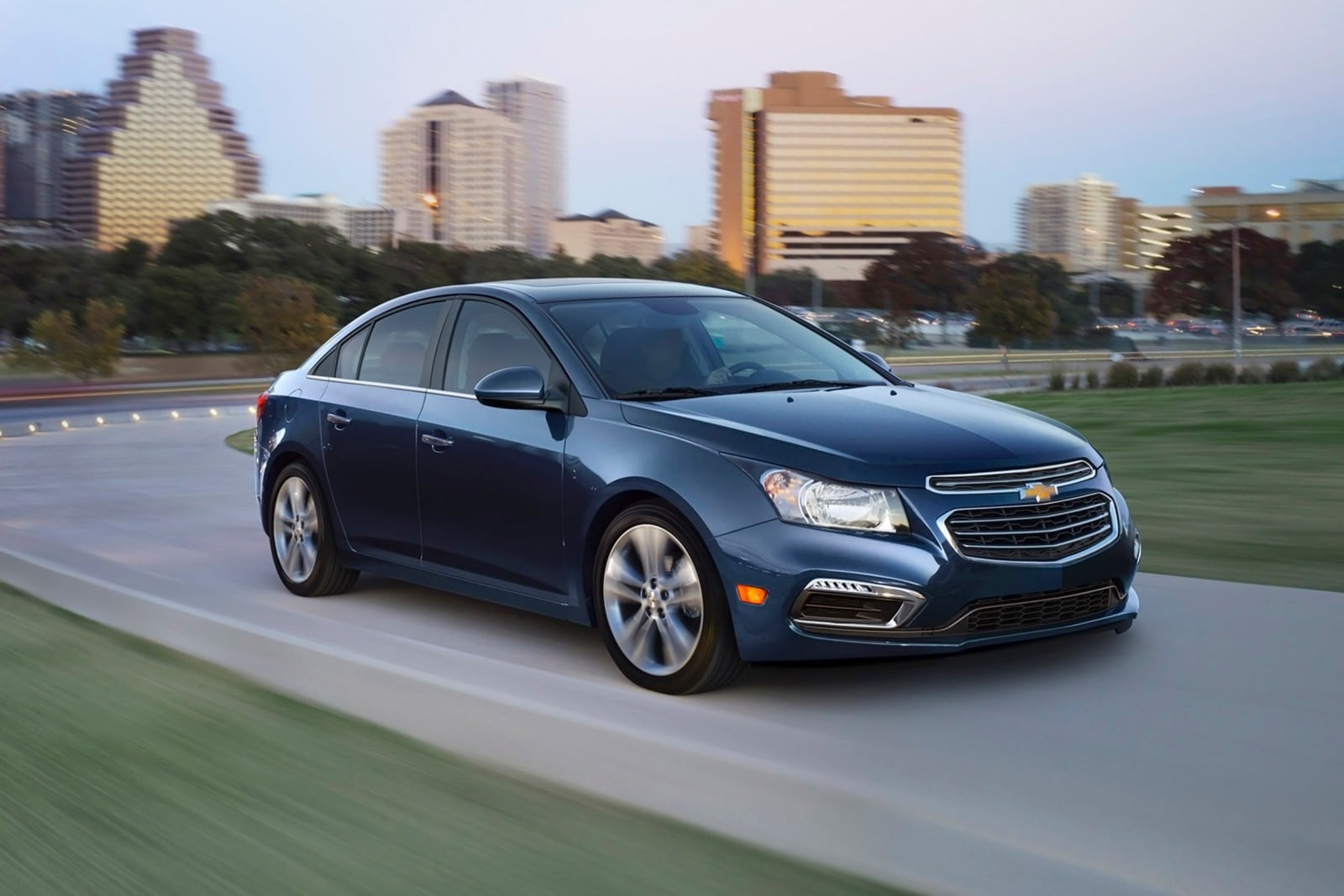
3. Chevrolet Cruze Diesel (2014-2015)
The Chevrolet Cruze Diesel may seem like a practical compact sedan with good fuel economy, but its glow plug reliability has been one of its biggest weaknesses. Many users have complained about poor cold starts and frequent glow plug replacements that begin far earlier than most diesel owners would expect.
Under the hood, the Cruze Diesel uses a 2.0-litre engine sourced from Europe. While this engine performs well on the highway, it struggles during early morning startups in colder regions.
The glow plugs in this engine are known to fail around 50,000 to 80,000 miles, often without warning. Once one plug begins to fail, others tend to follow shortly after, leading to a string of service appointments.
Even more concerning is that the glow plug control module frequently develops faults. It sometimes delivers uneven power to the plugs or fails to cycle them correctly.
This leads to slow cranking, rough idling, and long wait times before the engine catches fire during winter. On some occasions, the system does not even light up a warning on the dashboard, leaving the driver unsure of what the issue is.
Owners who have tried to service these components often encounter complications. The plugs are positioned in tight spots that require careful handling. If a plug breaks while being removed, the engine head might need to be taken off. Additionally, the price of parts and labor can be high, especially since this engine was not widely supported in the US market for long.
While the Cruze Diesel remains a budget-friendly option for daily driving, its cold start reliability is not dependable. The heating system’s failure rate, combined with awkward service design, creates a situation that many diesel car owners would prefer to avoid. Anyone considering this model should factor in the cost of glow plug replacements within a relatively short time.

4. Audi A6 3.0 TDI (2005-2011)
The Audi A6 3.0 TDI offers strong road presence and refined power delivery. However, its diesel heating system has been an ongoing concern for many owners, especially those living in colder areas. This model has developed a record for early glow plug failure and unreliable control units.
The V6 diesel engine in this A6 uses steel glow plugs, which are less durable compared to ceramic versions found in newer vehicles. These plugs usually wear out faster and are prone to carbon buildup.
Owners often experience their first glow plug warning lights before reaching 80,000 miles. Once one plug fails, it is usually followed by more, which suggests a weakness in the system design rather than isolated defects.
The control unit that manages the glow time has also drawn criticism. In many cases, it either underperforms or becomes unresponsive, making it hard for the plugs to reach the necessary temperature for smooth ignition. Cold weather starts to become harder, and drivers report long cranking times or stalling shortly after the engine turns over.
Another issue lies in servicing. Accessing the glow plugs on this V6 engine can be complicated due to the engine layout. The plugs are mounted deep in the cylinder head and require extra care during removal. A single broken plug can lead to engine head removal, which raises repair costs.
While the A6 TDI brings comfort and performance to the table, its heater plug reliability remains questionable. Even well-maintained examples have experienced multiple failures, often requiring replacement of both the glow plugs and the control unit. For someone seeking trouble-free cold starts, this vehicle may pose more stress than expected.
Also Read: 5 Performance Cars That Stay Valuable And 5 That Become Worthless

5. Dodge Ram 2500 Cummins 5.9 (2003-2007)
The Dodge Ram 2500 with the 5.9-litre Cummins engine has long been seen as one of the toughest diesel trucks available. It delivers raw torque and a straightforward design that many diesel lovers admire. Still, when it comes to glow plug and heater grid reliability, this truck is not without issues.
Unlike traditional glow plugs, the Cummins 5.9 does not use individual plugs for each cylinder. Instead, it uses a single heater grid located in the intake system.
This heater grid warms the incoming air before it enters the cylinders during cold starts. While the idea is solid, many of these grid heaters have shown early signs of weakness, especially under heavy use or in freezing weather.
Failures often begin with the relay or the control solenoid. These parts sometimes stop working well after about 60,000 to 80,000 miles.
When the system fails, starting the engine becomes a challenge during the winter months. Hard cranking and rough idling are common symptoms. The truck may still start due to the strength of the engine itself, but it takes longer and puts more strain on the battery.
In some cases, owners have found melted connectors or burnt-out wires connected to the heater grid. This raises concerns about the safety of the system and the risk of engine bay fires. Though such events are rare, the wiring quality and relay design have raised doubts among mechanics who frequently service these trucks.
Servicing the heater grid is possible without major disassembly, but frequent failures make it an ongoing maintenance point for many owners.
The durability of the Cummins engine does not extend to its heating system. For people who use this truck in warm regions, the issue might not be serious. But for those in colder states, the heating grid setup can lead to winter starting headaches.
Choosing a diesel vehicle involves more than just checking horsepower or towing figures. The ability of an engine to start reliably in cold weather should also be taken into account.
Some diesels, like those from Toyota, BMW, and Mercedes-Benz, have proven that glow plugs can last for the entire life of the engine with little or no intervention. These vehicles offer peace of mind, especially for drivers in colder climates.
Others, including models from Jeep, Volkswagen, and Dodge, have struggled to deliver consistent heating performance. Repeated glow plug failures, hard starts, and expensive service bills have made them less attractive for long-term ownership in regions with harsh winters.
Before buying any used or new diesel vehicle, it is wise to check the track record of its glow plug system. A solid heating setup not only reduces maintenance costs but also ensures the engine runs smoothly when the temperatures drop. Reliable cold starts begin with a dependable glow plug system, and it is one factor that should never be ignored.
