
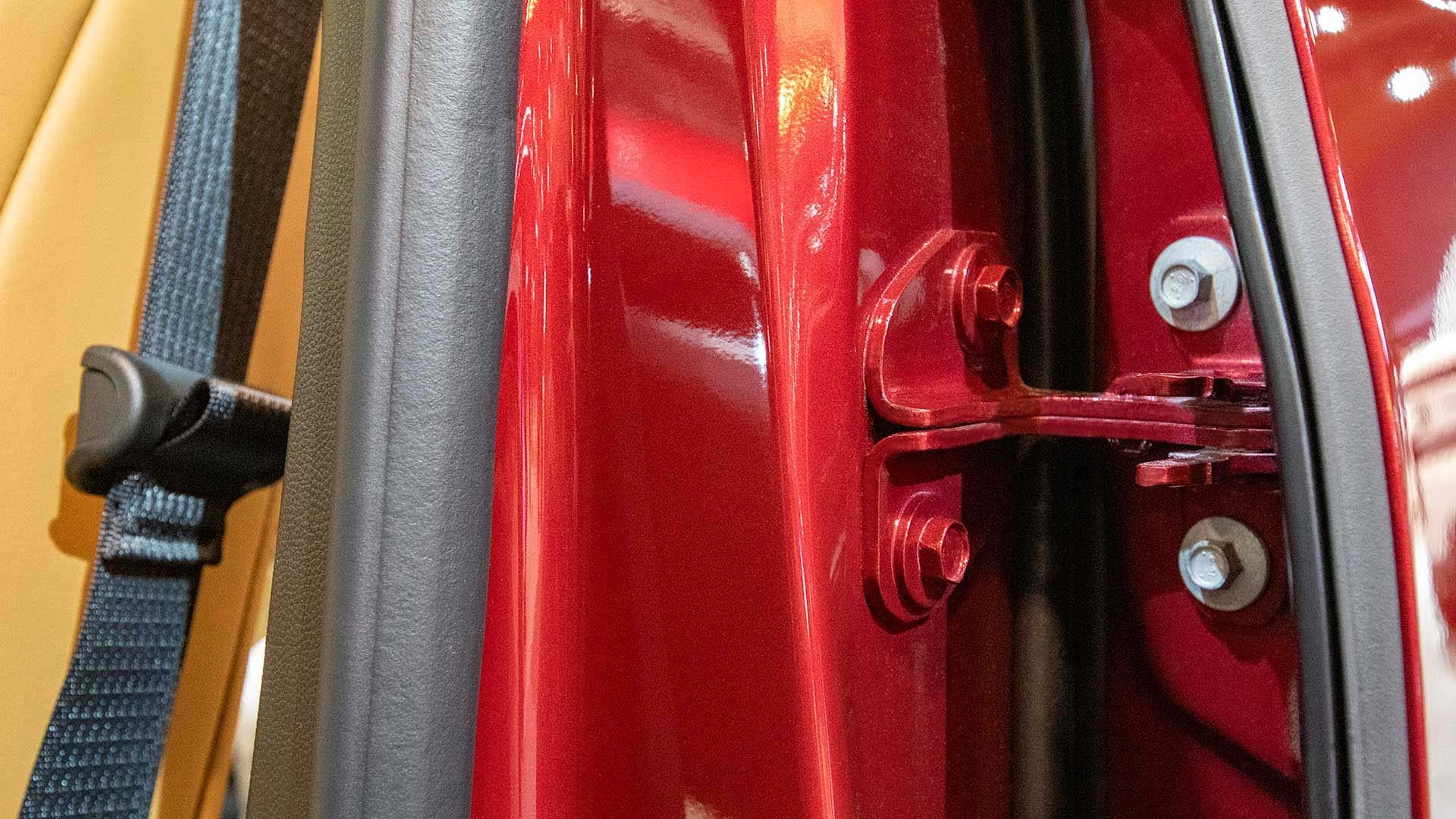
When you open the back of a vehicle, the tailgate or hatch plays a big role in how easy it feels to load and unload cargo. Whether it is groceries, sports gear, or tools, that hatch should stay open firmly and close with ease. But some vehicles give owners trouble after some years.
A sagging tailgate that starts falling on your back or refuses to stay up can be very frustrating, especially when you are in a hurry or trying to manage other tasks. On the other hand, certain cars never give problems in that area, even after being driven for many years.
The strength of the hatch hinge matters more than most drivers expect. While most people focus on engine performance, fuel economy, or styling, the long-term durability of hatch hinges tends to be ignored until it causes stress.
A hatch hinge that lasts for the entire life of the car without needing replacement is a small but strong advantage. It saves you money, time, and physical stress. But when a tailgate begins to sag, the repair might look small but can be expensive or hard to fix properly.
The experience of dealing with such problems can ruin a car that was once dependable. The difference between a well-built hinge system and a weak one usually comes from the material, the hinge structure, and how well the car was assembled.
On this page, you will see five cars that hardly ever develop tailgate issues even after many years, and five others that often get sagging problems after a while.
Whether you are thinking of buying a car that is already used or trying to understand how your current one measures up, these examples give you a clear picture of what to expect. You might be surprised at some of the names that fall on each side. This type of detail can help any car owner or buyer avoid unnecessary stress.
5 Cars with Hatch Hinges that Rarely Fail
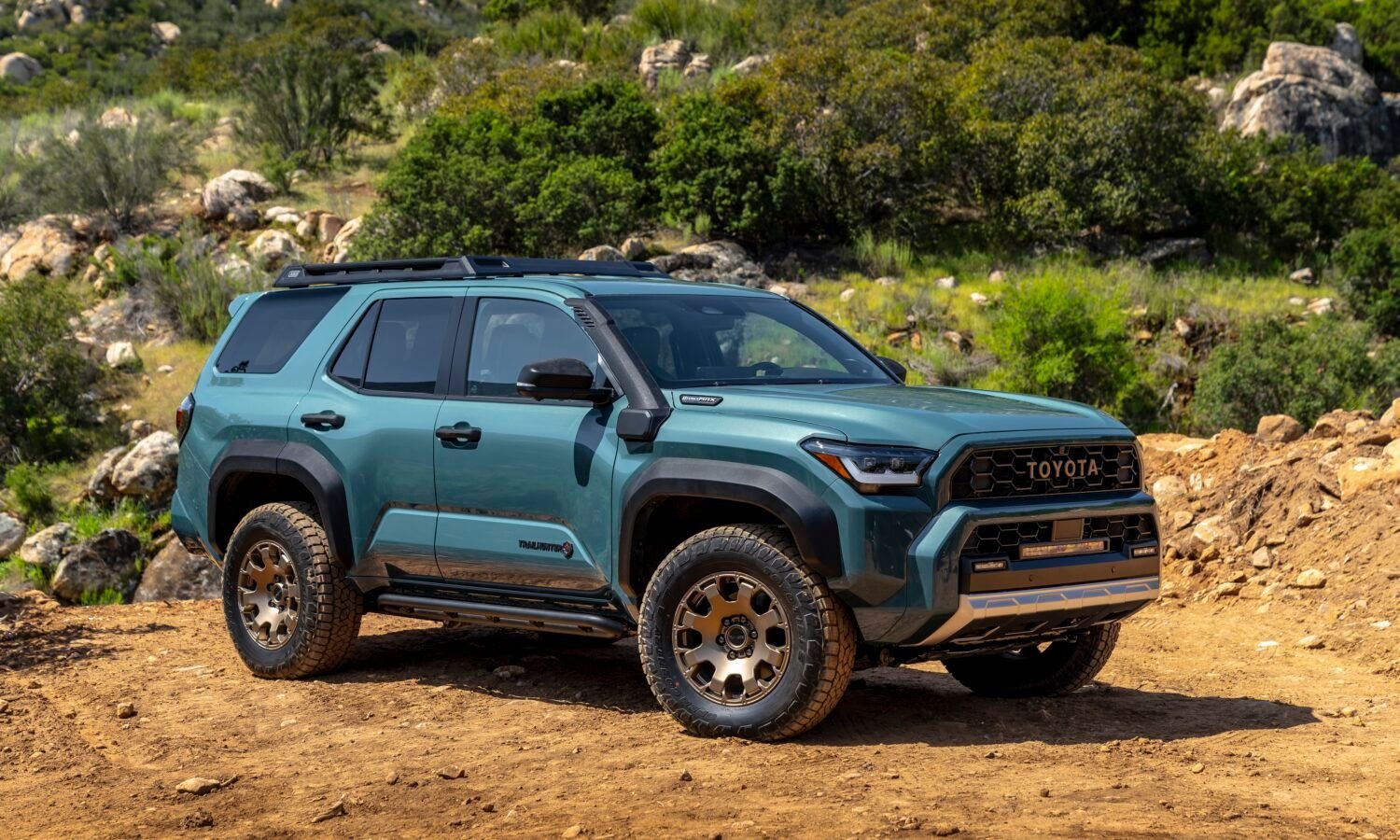
1. Toyota 4Runner
Toyota built the 4Runner to handle rough roads, off-road travel, and heavy cargo without complaining. One thing that quietly supports its reputation is the long-lasting hatch hinge.
This SUV’s rear hatch remains sturdy after many years of regular use. Owners often report that the tailgate opens smoothly and stays in position, even when parked on uneven surfaces. The reason behind this lies in Toyota’s solid engineering and use of reliable hinge materials.
The hinge design in the 4Runner avoids unnecessary complication. The structure is simple but tough, which reduces the chances of breakage or sagging. Whether you are in cold or hot weather, the hinge holds up well.
It does not lose tension quickly like what is seen in other models. The gas struts that assist the lift also last longer than average, and when replacement is needed, it is usually straightforward and affordable.
People who keep the 4Runner for more than ten years often do not need to worry about tailgate failure. Even those who frequently go off-road or haul large items in the trunk space have positive experiences. This gives extra value to the SUV, especially for people who often carry gear. The back door feels balanced, even after constant opening and closing.
Compared to many SUVs in its class, the 4Runner’s hatch strength is ahead. While others start having issues with weak hinges or faulty lifts, this one continues to serve without complaints. For those planning long-term ownership, this part of the vehicle adds quiet confidence.
Also Read: 5 Older Cars Whose Airbags & ABS Still Work vs 5 with Safety Equipment Failures
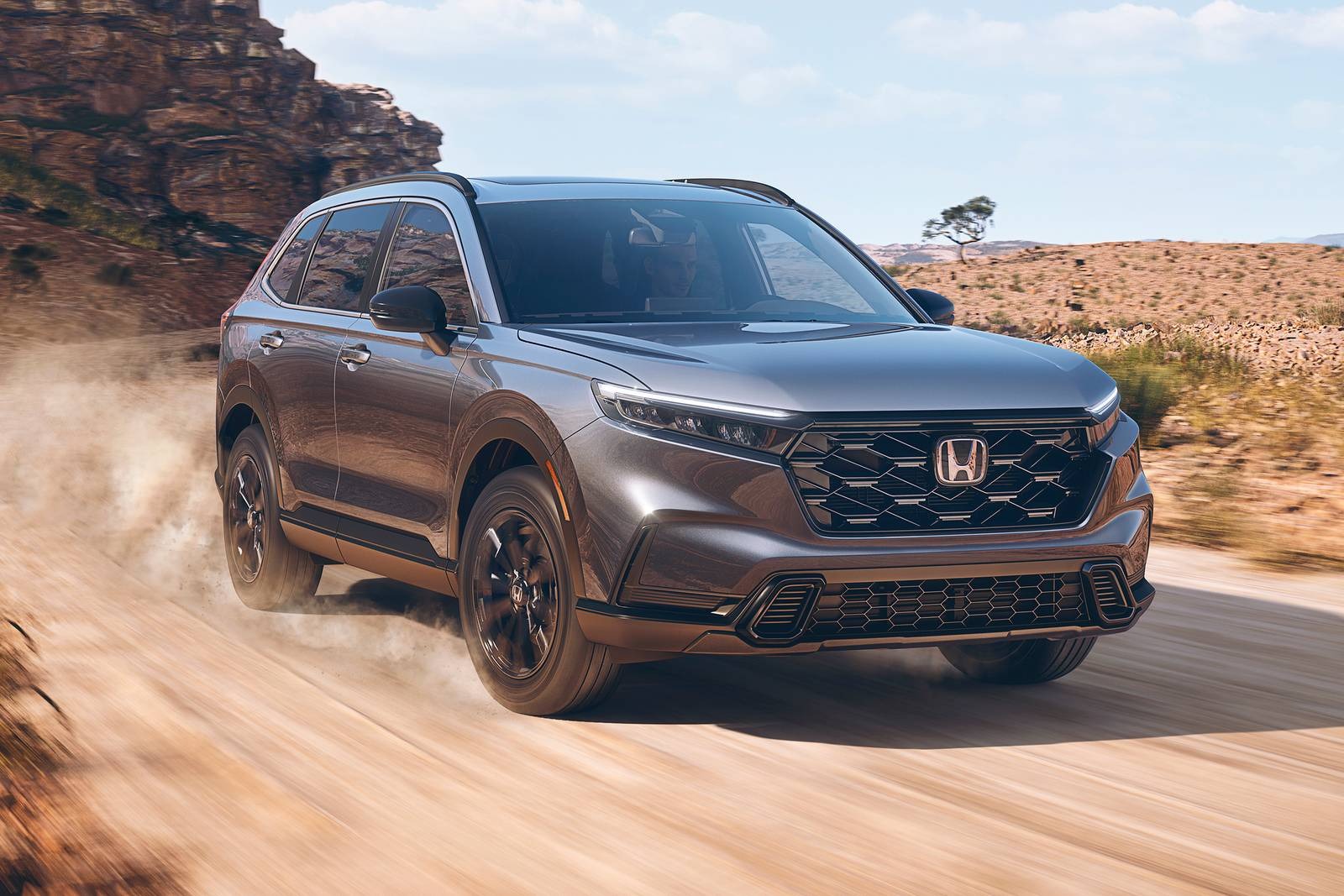
2. Honda CR-V
The CR-V has long been one of Honda’s most trusted models, and its rear hatch plays a part in that good reputation. Honda designed the hinges on this SUV to remain strong, with a smooth operation that rarely fails after some time. Even after being driven for many years and used frequently, the hatch tends to stay solid and firm.
Drivers who use the CR-V daily for commuting, school runs, or weekend trips often comment that the hatch never gives them stress. The metal used for the hinge is corrosion-resistant, which means it does not rust easily, even in areas with wet weather or road salt. The struts that assist the opening and closing usually hold their pressure well beyond 100,000 miles, which is rare among compact SUVs.
Another thing that helps is how the CR-V’s rear section is balanced. There’s not too much pressure on the hinge from the tailgate itself. This keeps the weight from wearing out the parts too quickly. Even if the struts start to lose strength after many years, the hatch still stays open without dropping suddenly.
For owners who rely on the trunk for heavy shopping bags, travel items, or pet cages, this long-lasting hatch design brings peace of mind. The CR-V continues to offer comfort without surprise repairs, and that includes the back door. That attention to detail is part of why many people buy another CR-V when it is time to upgrade.
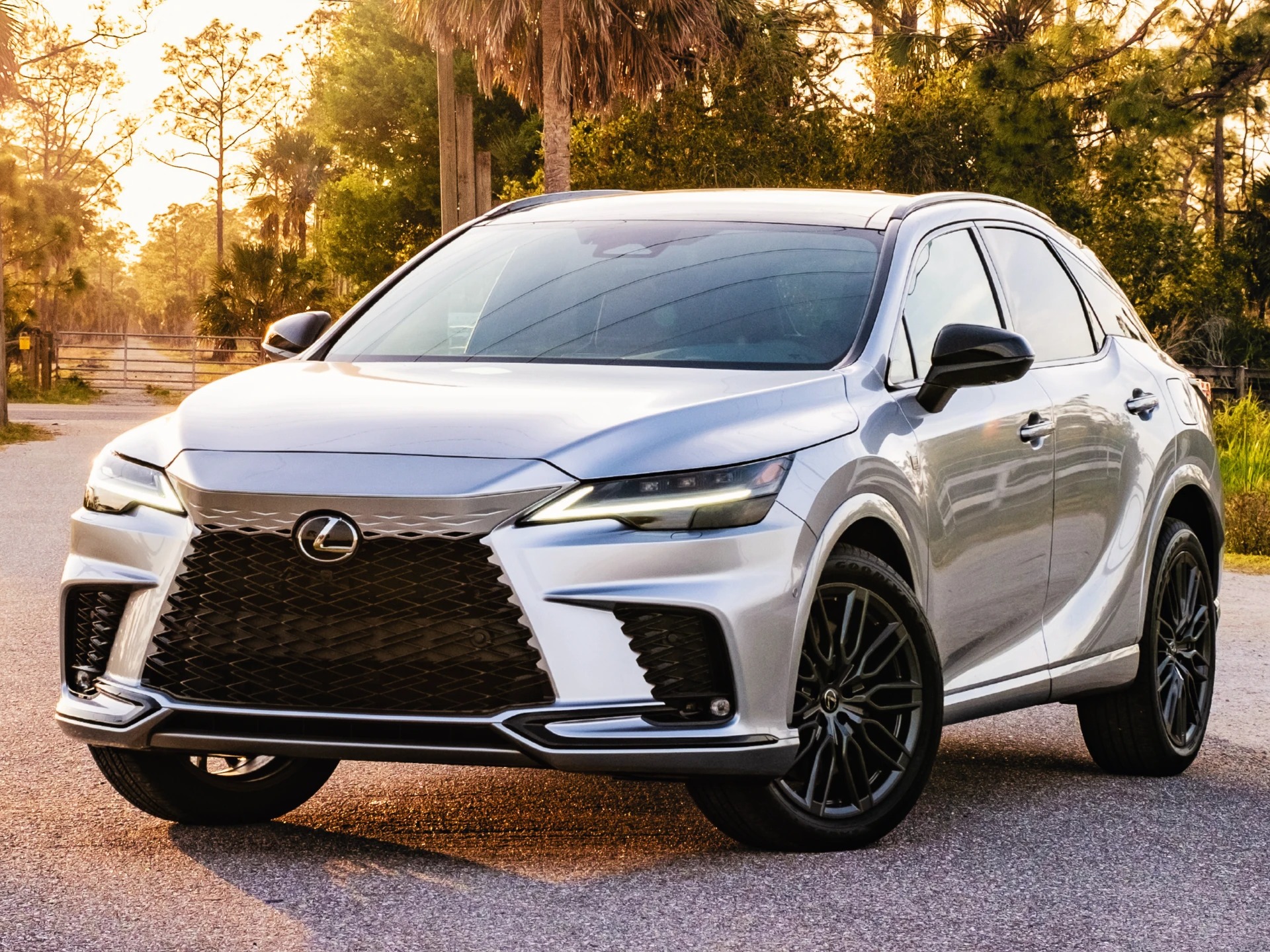
3. Lexus RX
Lexus vehicles are built with high attention to long-term durability, and the RX is a strong example. Its rear hatch hinges are one of those parts that give satisfaction without attracting much notice. People who drive this luxury SUV for long distances or many years usually experience very few issues with the rear hatch.
What helps the Lexus RX is the way its components are carefully aligned during production. The hinge gets support from a carefully tuned spring system and gas struts that share the pressure evenly. This makes it open and close with little effort. Even as the vehicle ages, this balance remains solid.
Also, the materials used are premium grade, which means the hinge can handle weather extremes better than cheaper alternatives. Snow, heat, or frequent movement rarely affect the strength of the hatch. This design focus keeps the rear hatch from becoming a weak spot, even when the vehicle reaches high mileage.
Luxury buyers expect everything to feel premium and function without issues. Lexus did not disappoint with the RX in that regard. The tailgate does not sag with time, and the opening height stays consistent. For people who carry golf clubs, groceries, or baby strollers often, the ease of use stays the same across many years.
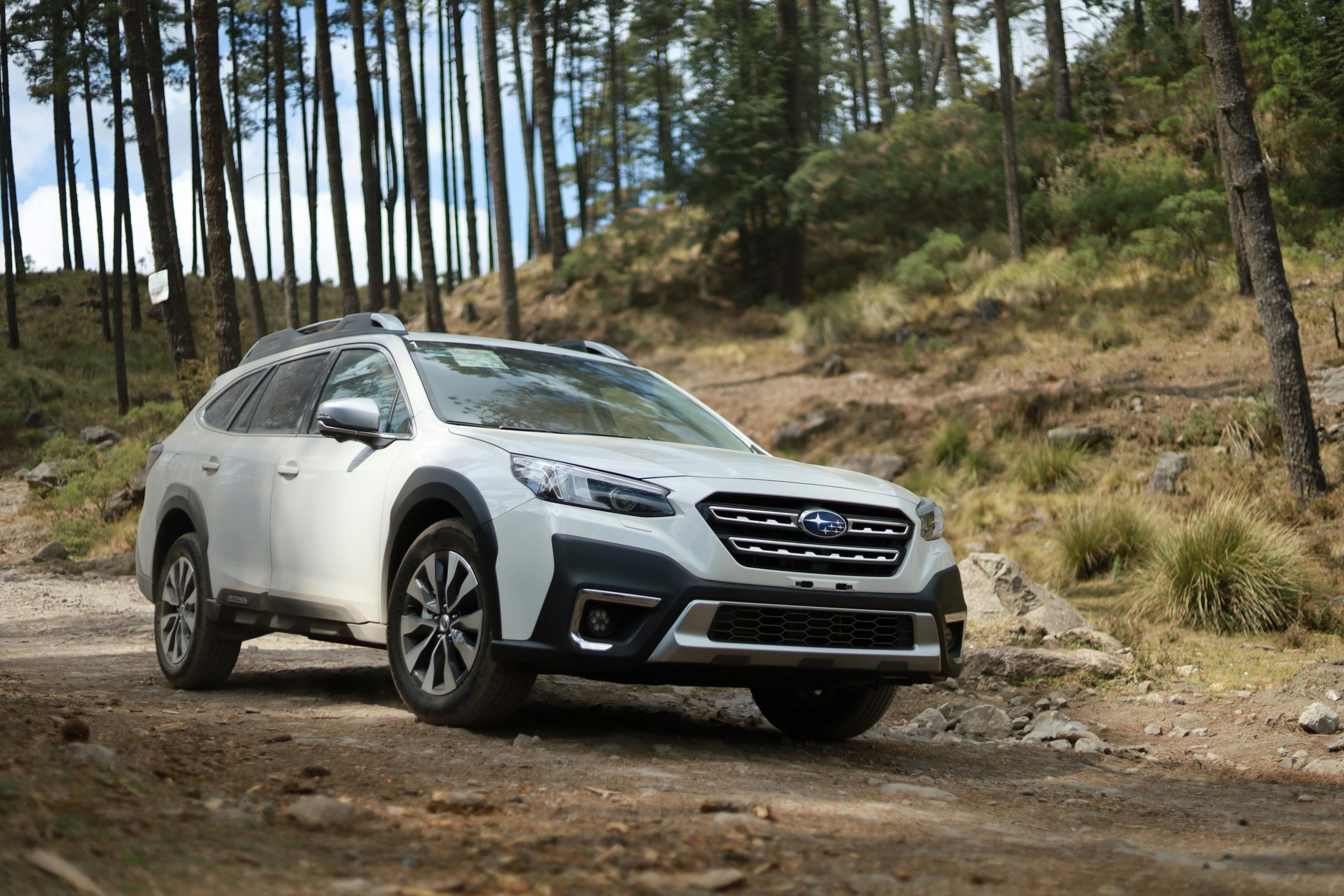
4. Subaru Outback
The Subaru Outback is well known for long-distance travel, mountain trips, and tough road conditions. So, it is not surprising that the rear hatch was built to meet the same high standard. Drivers often mention that the tailgate stays firm and reliable, even with regular use over ten years or more.
Subaru made sure the hinge system could handle frequent opening without getting weak. The hinge structure spreads pressure across a wider area than many rivals, which lowers the chance of wear and tear. The result is a hatch that stays up without falling or sagging.
For those who go camping or carry bicycles and gear, this makes life much easier. Even when parked on slopes or rough terrain, the hatch stays secure when open. The hinge works with the lift support to give a smooth and quiet motion, without jerking or sticking.
Also, because the Outback is often used in cold areas, the company added extra protection against freezing or rust. This helps the hinge stay clean and strong, with less risk of cracking or corrosion. That kind of build quality adds real value for anyone planning to own the car for many years.
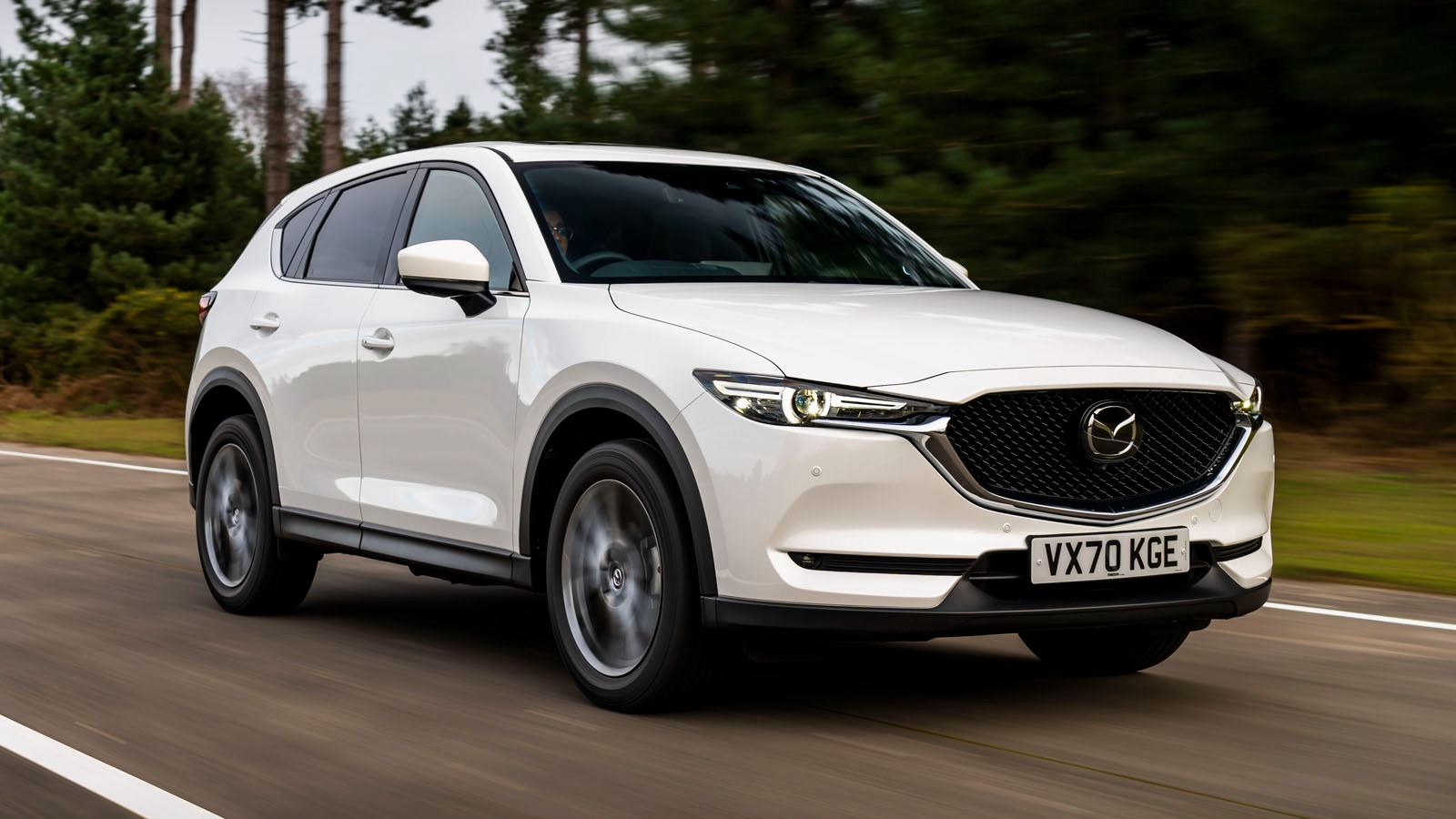
5. Mazda CX-5
Mazda’s CX-5 has gained strong praise for its design and performance, but one hidden benefit is how reliable the hatch hinge is. It stays strong even as the vehicle gets older, which adds comfort for owners who need easy trunk access daily.
The CX-5’s hinge design is sleek but strong, with a spring-loaded system that reduces stress on the gas struts. This makes the tailgate feel lighter when opening and more stable when closing. Drivers do not usually face the issue of the hatch dropping down without warning.
Mazda’s attention to detail shows here. The hinges resist rust, and the movement stays smooth year after year. It does not creak or groan after being parked outside in rain or sun for long periods. Even in crowded city areas where people open the hatch several times a day, the durability remains consistent.
For parents loading strollers or workers loading tools, this makes a big difference. Nobody wants a hatch that becomes heavy or unstable. With the CX-5, you can trust the tailgate to stay where you leave it without surprises. That small feature plays a big part in long-term satisfaction with the car.
5 Cars That Commonly Develop Sagging Tailgate Issues
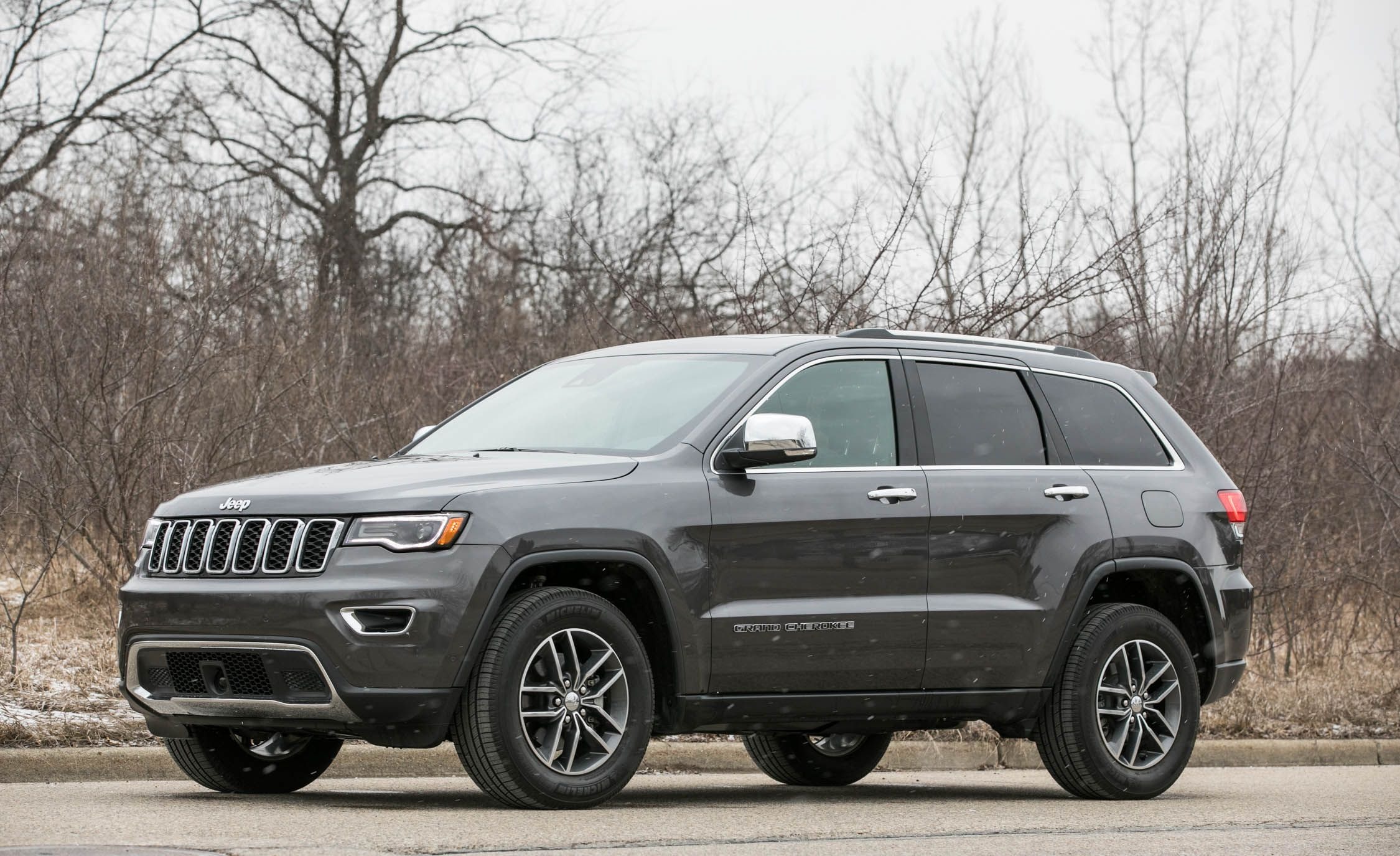
1. Jeep Grand Cherokee
The Jeep Grand Cherokee has always attracted those who enjoy a strong mix of luxury and off-road power. But one thing many long-time owners complain about is the rear tailgate becoming weak or saggy after some years of use. This problem shows up more often than people expect, especially once the car goes beyond 80,000 miles or sees constant outdoor use.
What usually causes the sagging is the weakening of the gas struts and the hinge support. The tailgate on the Grand Cherokee is heavier than it appears, and that extra weight puts stress on the support arms after some time.
When the struts lose their gas pressure, the hatch starts to fall slowly or refuses to stay up completely. In some cases, owners have reported the tailgate dropping without warning, which can be dangerous and frustrating.
The build quality of the hinge does not match the entire expectations for a vehicle in this price range. Some years of the Grand Cherokee, especially older models, used hinges that wear out quicker due to poor sealing and exposure to rain or snow. Once rust or debris enters the hinge area, the smooth movement becomes shaky, and the tailgate loses its proper alignment.
Even when replacement parts are available, many drivers find the cost of repairing or replacing the struts and hinges a bit too high for such a common issue. It creates a weak point in a vehicle that’s meant to feel durable.
Those who load cargo regularly or use the tailgate as part of their daily routine often feel disappointed by how fast this part of the vehicle wears down. Although the Grand Cherokee has a strong engine and good performance, the tailgate issue leaves some owners unhappy after a few years.
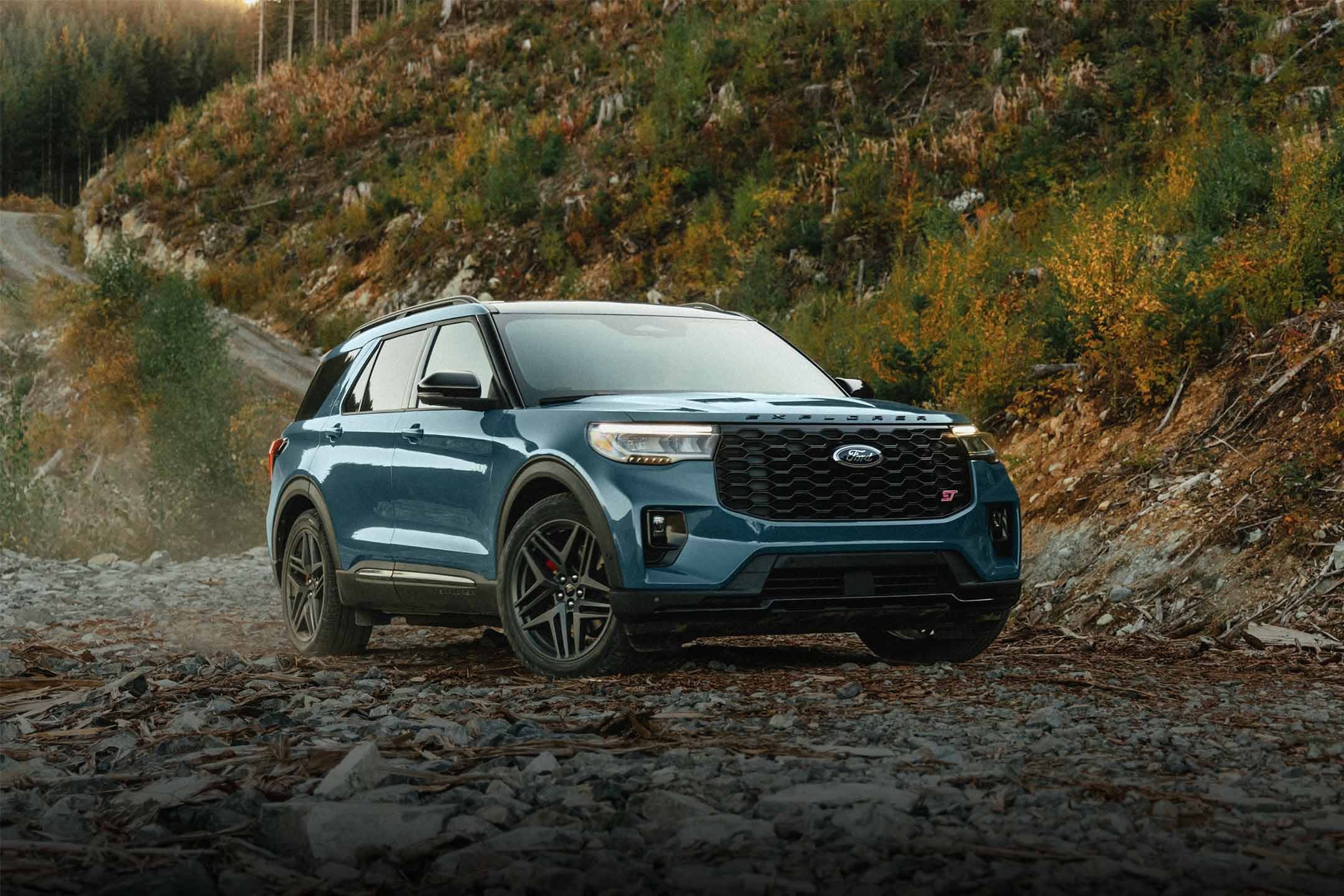
2. Ford Explorer
Ford’s Explorer has long been a family favorite, especially in the United States. With three rows of seating and strong towing abilities, it serves as a dependable ride for many households. But many Explorer owners have faced tailgate troubles, especially related to sagging or failing hatches.
A major issue comes from the power liftgate system used in several Explorer models. While it was designed to add convenience, it often ends up becoming a problem.
The hinges in some Explorers begin to weaken after frequent use, and the tailgate starts to close slowly or unevenly. In some cases, the liftgate does not stay open, especially when the weather is cold.
The design flaw seems to affect both manual and power-operated models, though the powered version often shows issues sooner. The motor system struggles when the struts begin to fail, causing the hatch to stop midway or drop unexpectedly. Some owners have reported needing multiple repairs over the years just to keep the hatch functioning safely.
Also, the tailgate on the Explorer is large and heavy. This adds pressure on the struts and hinges every time it is opened or closed. If the struts lose strength, the entire weight changes onto the hinge, which then bends or loosens after some time. This makes the tailgate feel off-balance or unstable.
Another problem comes from exposure to rain and moisture. Rust builds up around the hinge area, and this leads to stiffness, which causes more pressure on the motor or on the user trying to open it manually. The replacement parts are not always cheap, and some models need professional help to fix the tailgate system.
3. Dodge Journey
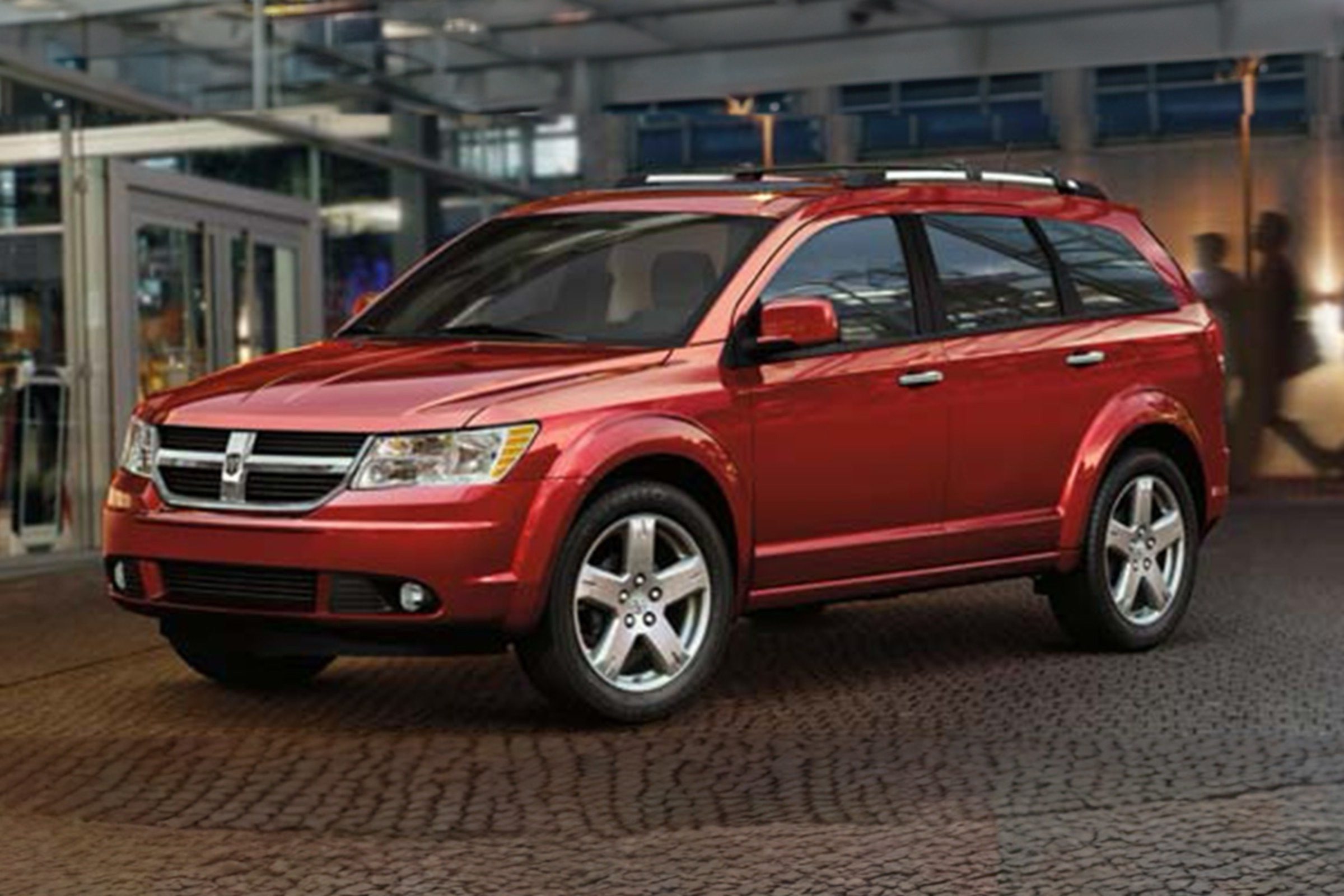
The Dodge Journey is known as a budget-friendly SUV with decent space, but many drivers have experienced one issue that keeps repeating: a sagging rear tailgate. After a few years of use, especially with regular family driving, the liftgate on the Journey begins to show signs of weakness.
One cause is the low-quality lift support used in many models. The struts that help raise and hold the tailgate in place lose their gas quickly, making the back door feel heavy and unreliable. Owners often report needing to hold up the tailgate by hand or risk it falling on them. This makes everyday use stressful and inconvenient.
The hinge design in the Journey is also not strong enough to handle repeated use, especially when the car is used for errands, travel, or school pickups. The metal hinge wears out faster than expected, especially in areas with strong sunlight or wet climates. After some time, the hatch loses proper alignment, and the motion becomes stiff and awkward.
Another concern is how hard it becomes to close the hatch properly when it starts sagging. You might think the door is shut, only to find it bounces back open or fails to latch. This can affect safety, especially when driving at high speeds.
For those who bought the Journey expecting easy maintenance and reliability, the tailgate issue often brings frustration. Repairing it may not cost much at first, but repeated problems with the hinge and lift support turn into long-term stress. While the Journey fits many budgets, its tailgate system leaves much to be desired.
4. Chevrolet Equinox
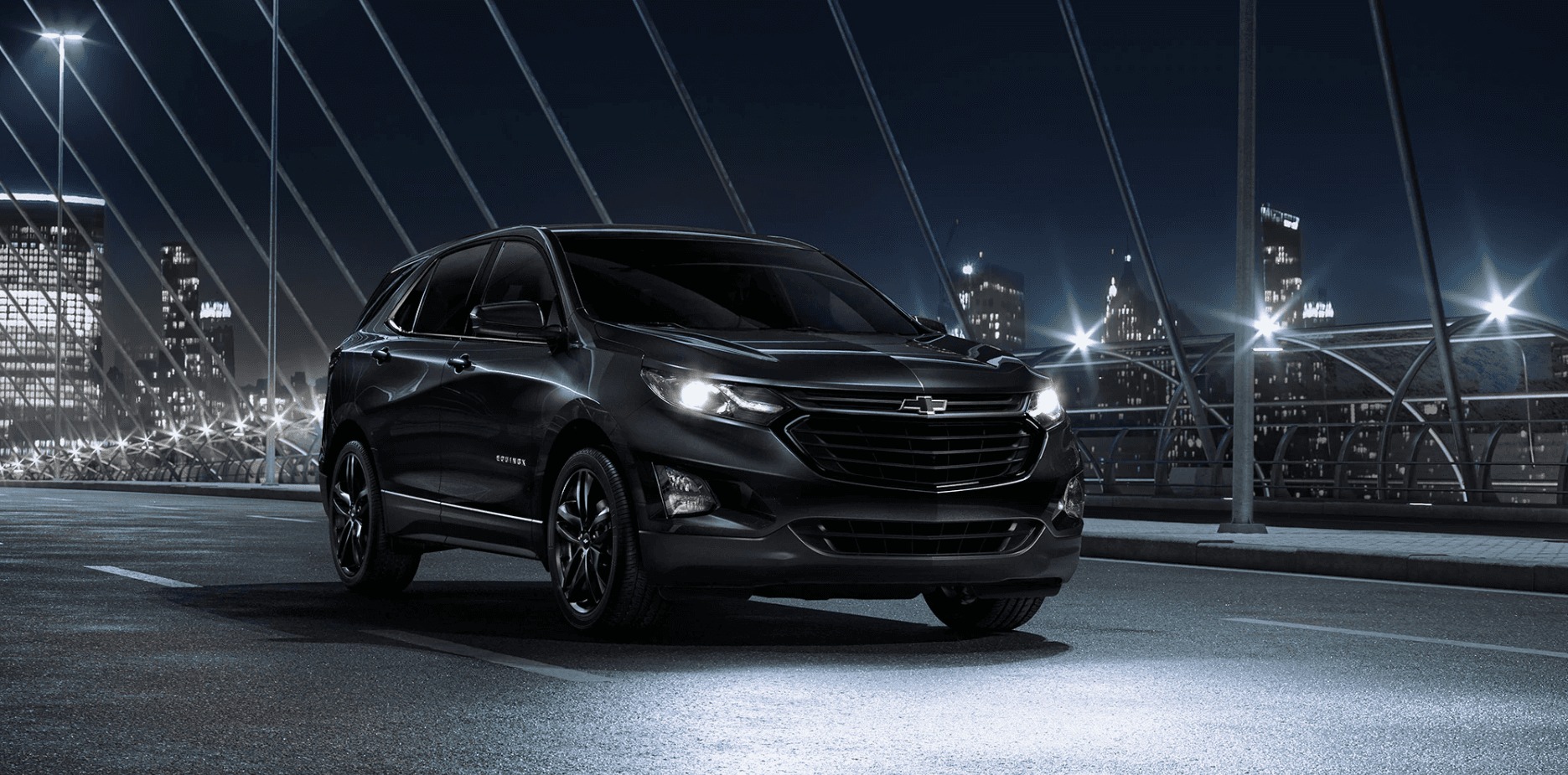
The Chevrolet Equinox has been a top choice for small families and daily commuters, but its rear hatch has received plenty of complaints from longtime users. One of the common problems is that the tailgate starts to sag after the vehicle crosses about 70,000 miles. This becomes even more common in models with the power lift option.
The sagging often begins with weakened gas struts. Once the struts lose pressure, the hatch becomes hard to lift, or it starts falling back down when open. Some drivers have described the hatch as dropping suddenly, which creates safety concerns, especially when small children or pets are nearby.
The power liftgate system, which was meant to offer comfort, adds more problems. When the hinge or strut fails, the motor struggles to lift or close the hatch, and the movement becomes slow or jerky. Replacing both the struts and motor can be costly. Even in newer models, these parts don’t always last as long as buyers expect.
Another thing that makes the situation worse is the weather. In colder areas, the liftgate sometimes refuses to open fully, and in wet regions, rust builds up around the hinge area. This increases the wear and shortens the life of the whole system.
Even though the Equinox offers a good ride and nice features, the tailgate often becomes a weak point as the car gets older. For people who rely on the trunk space regularly, the repeated repairs or adjustments to the liftgate can take away from the enjoyment of owning the vehicle.
Also Read: 5 Cars That Stay Dry and Mold-Free and 5 That Leak Like a Faucet
5. Hyundai Santa Fe
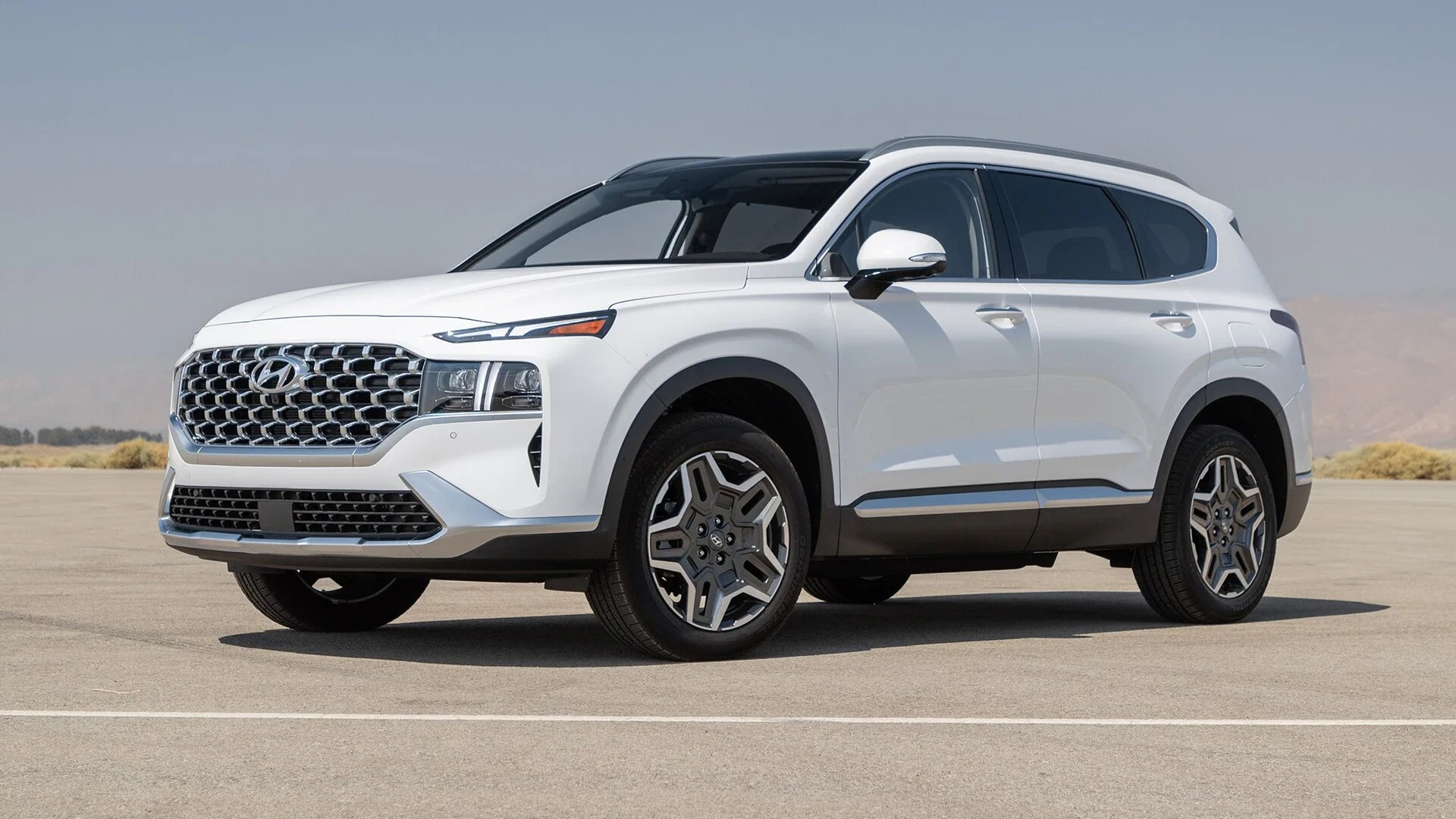
Hyundai has built its name with reliable sedans and crossovers, but the Santa Fe has shown a few weak spots, especially in its tailgate design. While the vehicle delivers good comfort and fuel economy, the hatch tends to develop sagging issues as the years go by.
Several Santa Fe owners have complained that the rear hatch starts to become difficult to open or won’t stay up without help. The gas struts lose their strength earlier than expected, and the weight of the hatch pushes down on the hinges. This stress affects the alignment and leads to a slow but steady decline in how well the tailgate functions.
One thing that worsens this issue is the size of the tailgate. It’s larger than what many people notice, and when the struts lose pressure, all the weight changes toward the hinge. The result is either a hatch that won’t stay open or one that struggles to close properly. In some cases, the tailgate even rattles when the vehicle is in motion.
The weather also plays a role. Rain, snow, and dust can easily settle in the hinge area, especially if the car is parked outdoors most of the time. This causes wear and can damage the hinge movement. Once the alignment is off, opening and closing the hatch becomes rough and unreliable.
While Hyundai has improved many of its models in recent years, the Santa Fe’s hatch hinge and strut issues continue to show up in reviews and forums. Owners who value long-term ease of use often mention this part of the car as something they wish had been built better.
When you take time to compare vehicles with strong hatch hinges against those that develop sagging tailgates, one thing becomes clear. The small parts of a car, like hinges and struts, can have a big effect on how comfortable and stress-free your daily experience feels.
Cars like the Toyota 4Runner, Honda CR-V, and Lexus RX prove that a well-built tailgate can stay reliable for many years. These vehicles give drivers confidence, especially when they need easy access to the cargo area without worrying about parts giving way or doors falling.
Models such as the Jeep Grand Cherokee and Dodge Journey show how frustrating a weak hinge system can be after some time. A sagging tailgate turns into a daily annoyance and sometimes even a safety risk. It can spoil the ownership experience, even if the rest of the car performs well.
Before buying a car, new or used, it helps to check long-term feedback on parts that often get overlooked. Paying attention to things like hatch hinges may save you from future repairs and unnecessary frustration. A strong tailgate setup is not just about convenience. It is a sign of smart engineering and long-lasting value.
