
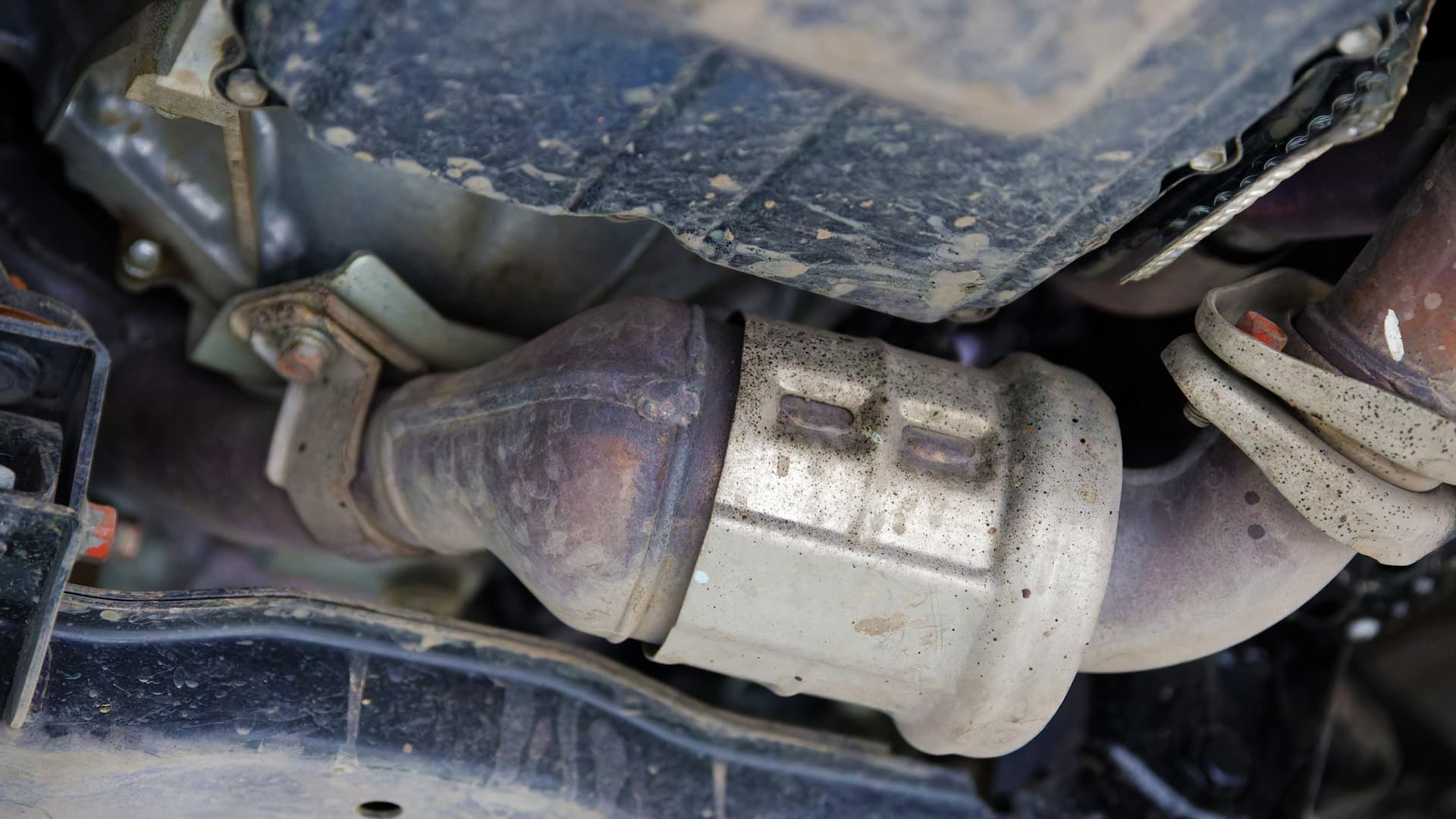
Catalytic converters are very important when it comes to managing emissions in modern cars. This component helps reduce the harmful gases that come out of a vehicle’s exhaust system. Over the years, the catalytic converter has become more reliable, but not every car is built with the same standard of durability.
Some models are known to maintain excellent converter function for the life of the car, while others tend to experience early failures, which usually lead to costly replacements and higher maintenance bills. It is important for drivers to understand how their vehicle handles emissions long-term.
While some cars are designed with better engine management systems and high-quality components that preserve the converter, others may suffer from engine designs or fuel systems that allow unburned fuel to damage the converter too early. This difference can be the deciding factor between a low-maintenance experience and constant repair concerns.
Right here, we will give attention to vehicles that have gained a reputation for either maintaining their catalytic converter performance without issue or for developing converter-related problems sooner than expected.
This type of comparison helps buyers and current owners understand what they might expect down the road. The five cars listed first are examples of vehicles where owners frequently drive for hundreds of thousands of miles without needing to replace the catalytic converter.
These cars usually have well-tuned engines and carefully calibrated air-fuel ratios that protect the converter over time. After that, we will focus on five models that have struggled with early catalytic converter breakdown, sometimes even before reaching 100,000 miles.
Choosing a car should never just be about appearance or speed. Long-term maintenance costs and parts durability matter just as much. If the catalytic converter fails too soon, it can affect both your budget and the car’s ability to pass emissions tests.
Let us now examine both groups of vehicles closely so that anyone looking to buy or keep a car will have a clearer picture of what to expect when it comes to catalytic converter life.
5 Cars With Long-Lasting Catalytic Converters
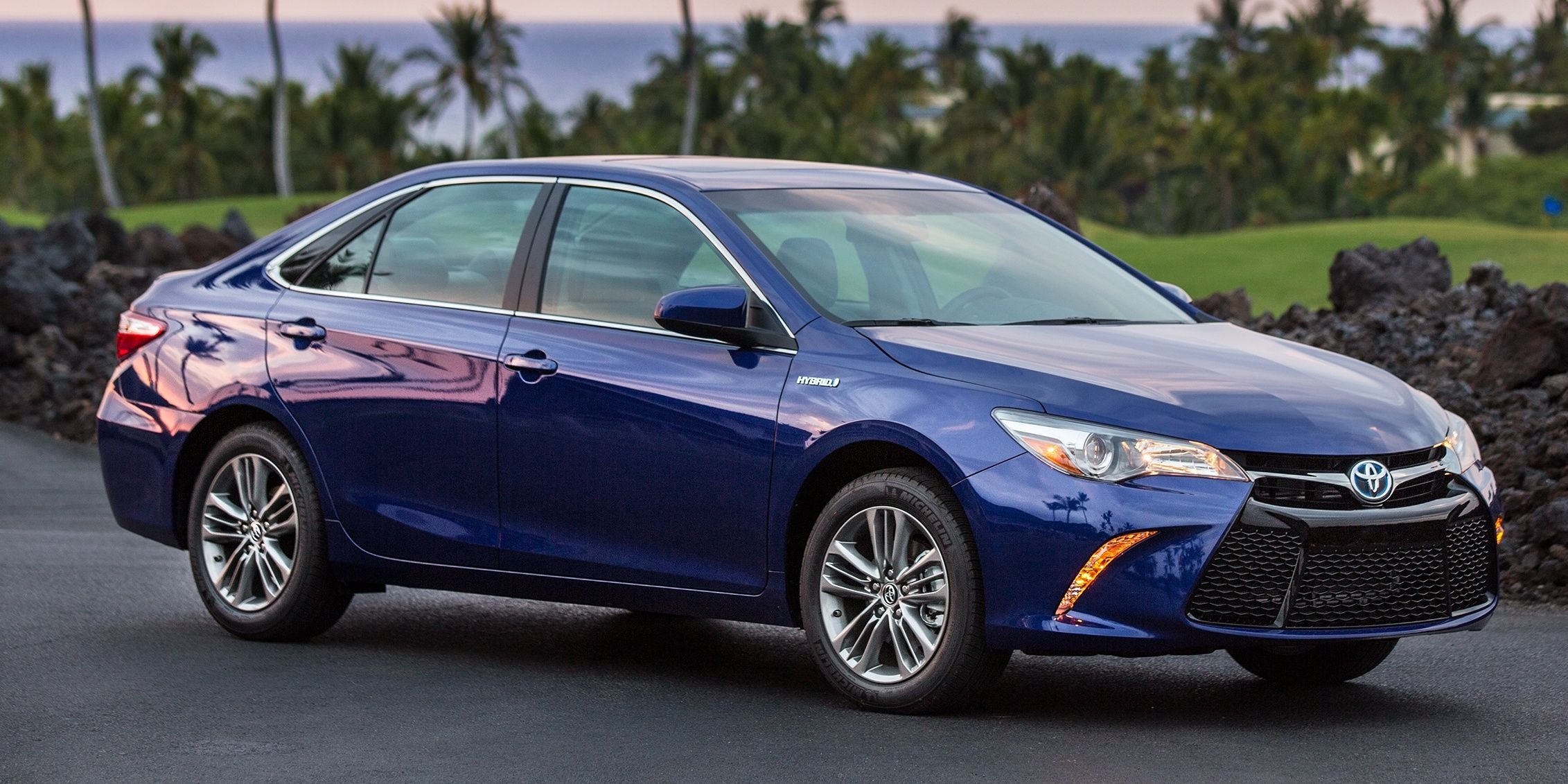
1. Toyota Camry (2012-2020)
The Toyota Camry has been praised for how long its components stay functional, and the catalytic converter is one of those parts that usually lasts for the entire life of the car.
Owners of the Camry, especially models made between 2012 and 2020, have often shared positive stories about driving well past 200,000 miles without ever touching the exhaust system. Toyota’s focus on fuel efficiency and low emissions plays a big role in this success.
The engine management system in the Camry keeps the combustion process steady, and this helps prevent unburned fuel from entering the catalytic converter. When fuel burns completely, the exhaust gases remain cleaner, which allows the converter to do its job without stress. Also, Toyota’s quality control is among the best in the industry, and that means each part is built to perform with precision.
Another important thing is that the Camry rarely has engine misfires or oil leaks, two common issues that can lead to early damage of catalytic converters. If an engine misfires often, unburned fuel enters the converter and overheats it, eventually damaging the ceramic material inside. The Camry’s reliable ignition and fuel systems keep such problems to a minimum.
Even though maintenance is still important, the Camry usually needs only basic upkeep. As long as the oil is changed at the right time and the spark plugs are not ignored, the catalytic converter tends to last as long as the car itself. This level of dependability makes the Camry a solid choice for anyone who wants to avoid major exhaust repairs in the long run.
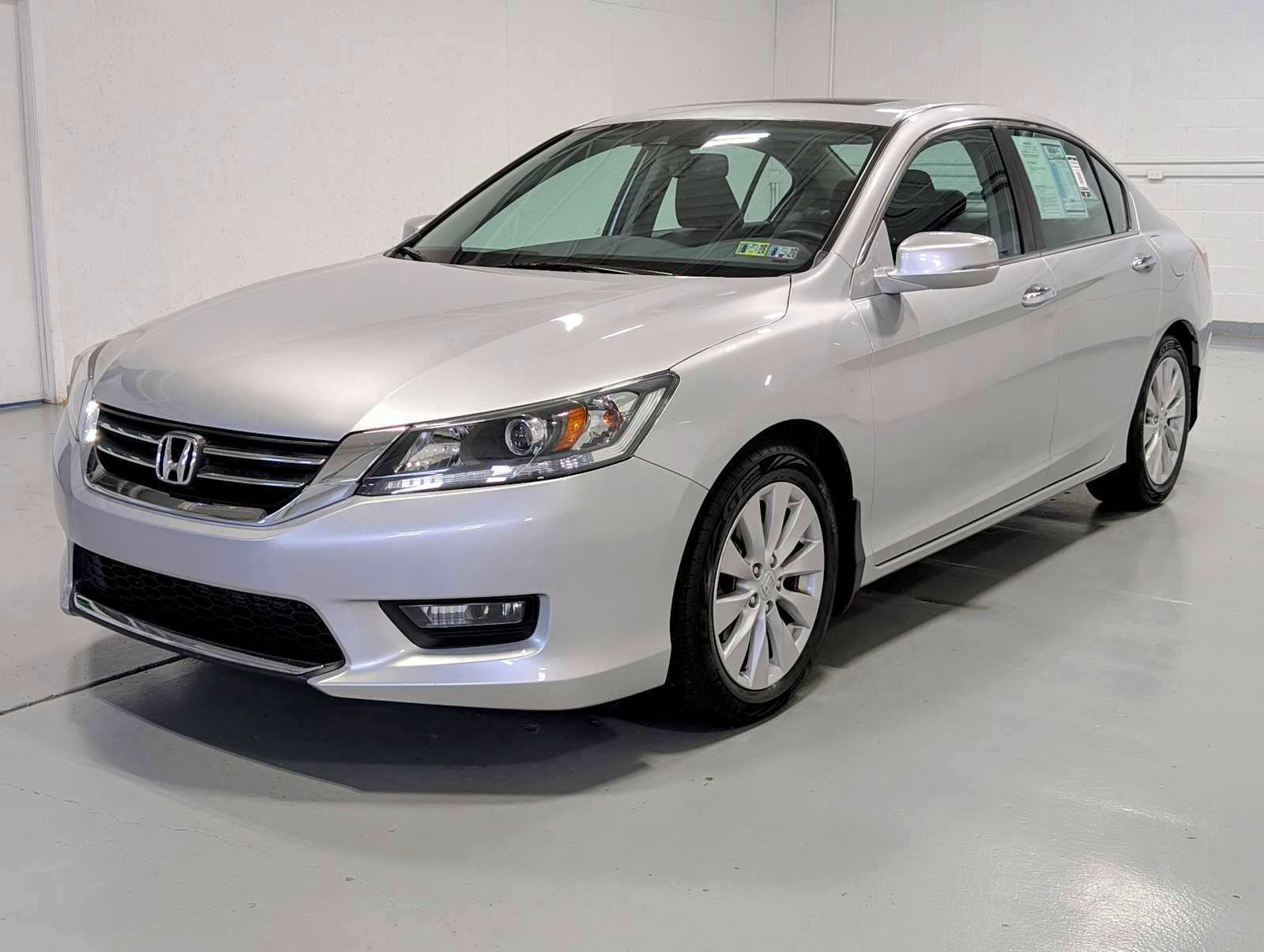
2. Honda Accord (2013-2021)
The Honda Accord has remained a top pick in the midsize sedan category, not just because of comfort or performance, but because it requires very little repair attention after some time.
One major advantage of owning an Accord from 2013 to 2021 is that the catalytic converter hardly ever fails before the car reaches high mileage. This is made possible by Honda’s detailed engineering when it comes to air-fuel mixing and exhaust flow.
The vehicle’s onboard systems are designed to closely monitor combustion quality and make quick adjustments. This means less unburned fuel finds its way into the converter.
When a converter stays clean and cool, its internal structure stays in good shape. Drivers who use high-quality fuel and follow regular maintenance routines often see their Accord’s catalytic converter last beyond 250,000 miles.
Another area where the Accord shines is in how smoothly the engine runs. This helps avoid the sudden pressure changes that put stress on exhaust components. Also, the 4-cylinder engines used during this period are lighter on fuel and generate less heat, which helps keep the catalytic converter in good condition.
Even those who live in states with strict emissions rules find that their Accord easily passes inspection year after year. That kind of consistency gives drivers peace of mind and helps avoid spending on repairs. With proper care, an Accord is one of the cars where you can expect the catalytic converter to last as long as you keep driving the car.
Also Read: 5 Forgotten GM Cars That Run vs 5 Recent GM Models With Major Issues
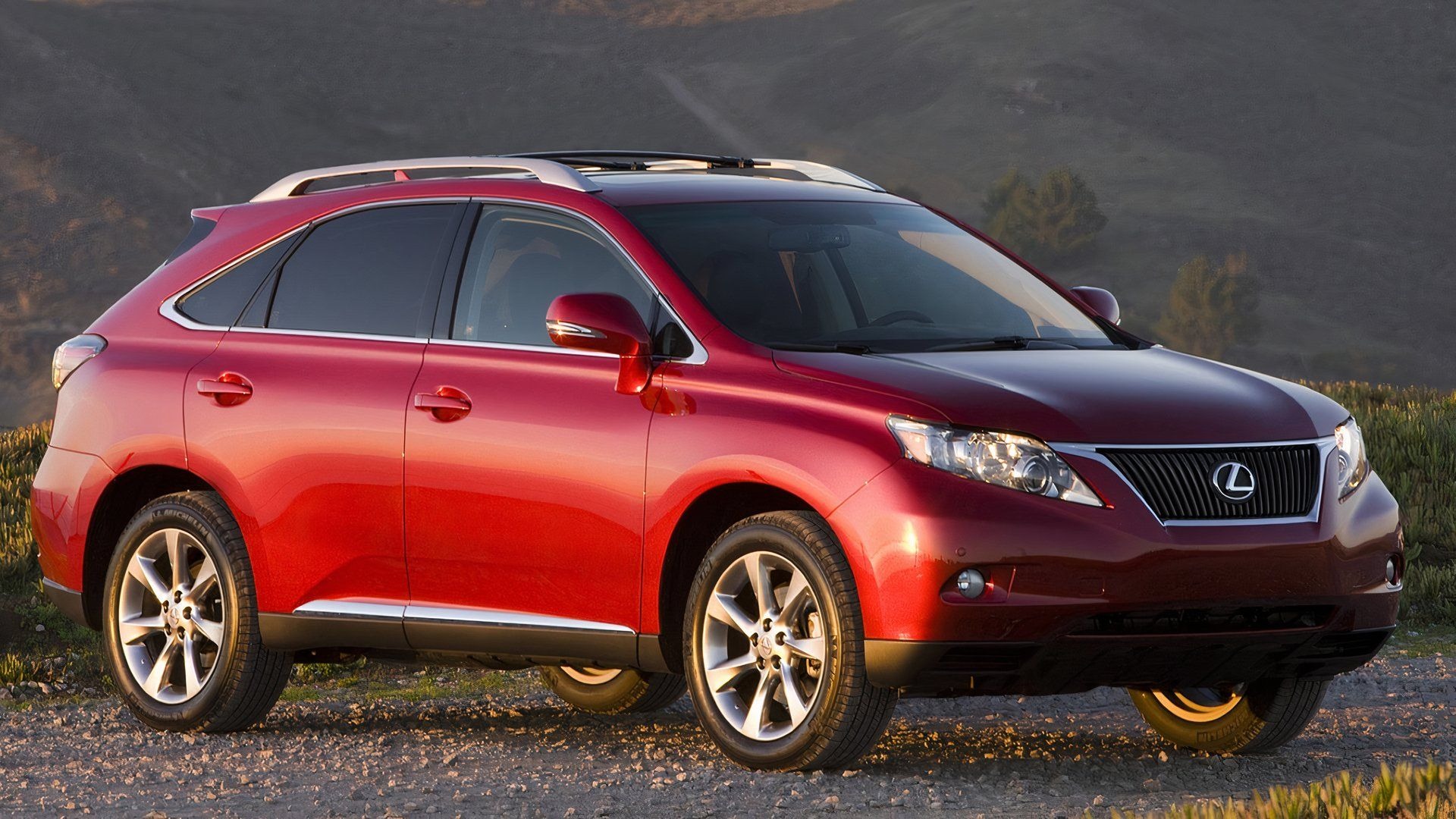
3. Lexus RX 350 (2010-2018)
Lexus vehicles are built to stay strong for the long haul, and the RX 350 is no exception. Many owners report zero problems with the catalytic converter even after owning the car for more than ten years. This level of dependability stems from both Lexus’s use of premium materials and its attention to engine performance.
The RX 350 comes with a V6 engine that burns fuel cleanly, which lowers the chance of soot and debris clogging the converter. Its onboard computer watches every part of the combustion process and adjusts fuel delivery in real-time. This kind of balance keeps harmful particles low and allows the converter to work without overloading it.
One thing that also works in the RX 350’s favour is how smoothly it changes gears and handles acceleration. Sudden bursts of unburned fuel, often caused by rough driving or faulty spark plugs, are rare in this vehicle. Because the engine runs in a steady, controlled way, the catalytic converter stays within safe temperature limits.
In addition, Lexus puts serious effort into making parts that do not wear out quickly. While other vehicles may use thinner metals or cheaper ceramics, the RX 350’s converter is built to handle high mileage without falling apart. For drivers who want both luxury and low repair costs, the RX 350 proves itself by delivering dependable performance with minimal converter issues.
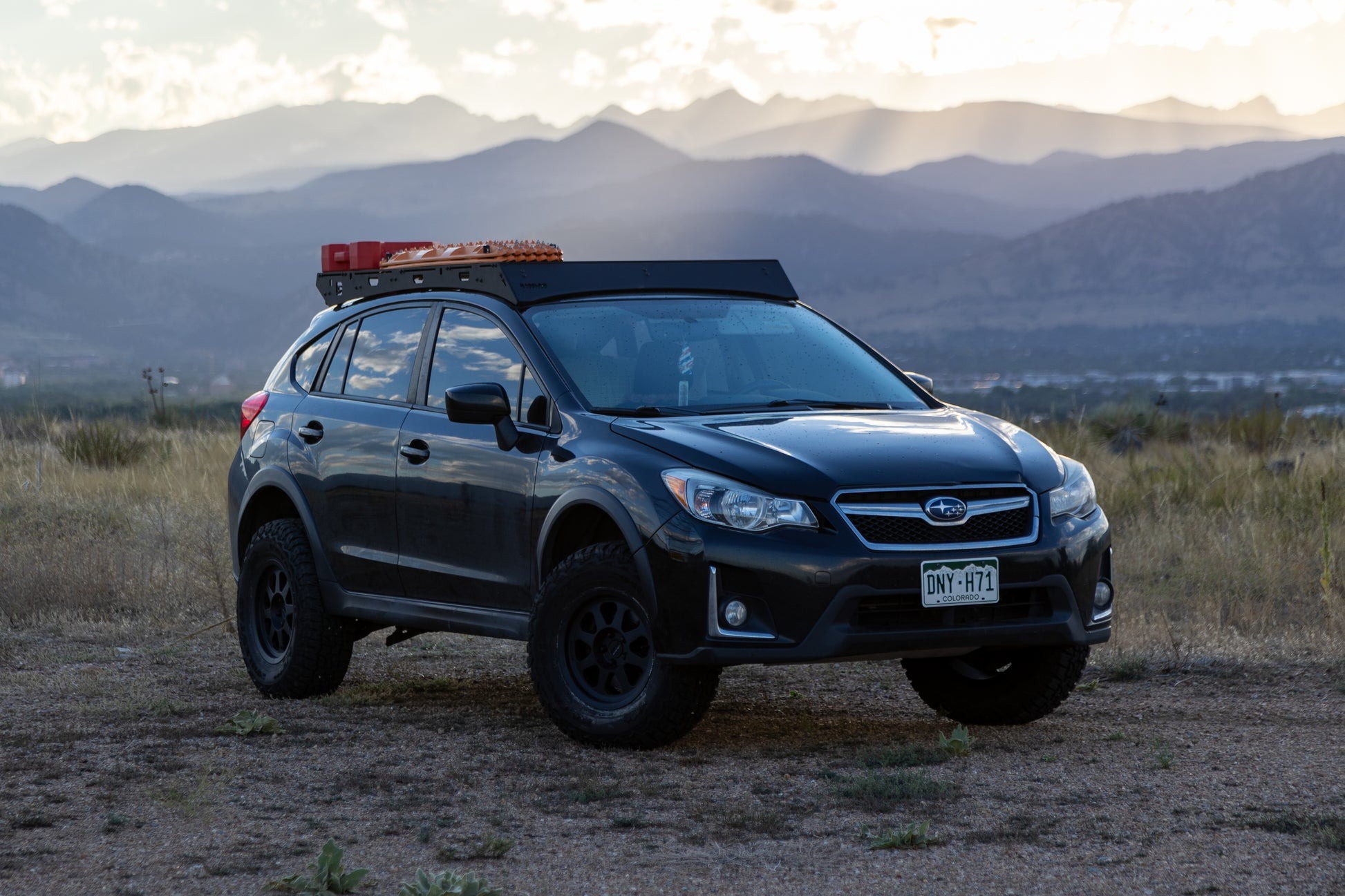
4. Subaru Outback (2015-2022)
The Subaru Outback is known for being ready for long journeys and different road conditions. What many people may not realise is that this vehicle also handles emissions well, with a catalytic converter that holds up for many years. Models from 2015 to 2022 show strong performance when it comes to keeping their converter systems in proper shape.
Subaru’s boxer engine layout helps balance heat across the entire exhaust system, and this limits hot spots that might cause converter damage. Also, the engine’s low centre of gravity reduces vibration, allowing all internal components to last longer. When it comes to the catalytic converter, this means less risk of the ceramic inside breaking down due to shock or temperature spikes.
Another point to note is how Subaru’s engineers programmed the engine to run a bit lean, which burns fuel more completely and keeps the emissions cleaner. Cleaner exhaust means the catalytic converter does not have to work as hard to treat the gases. This directly extends the life of the part and reduces the chance of early failure.
People who drive the Outback across rough terrains or cold climates often worry about repair costs, but many report that the catalytic converter is one part they hardly ever touch. When you maintain the engine well and avoid cheap fuel, the converter should serve you reliably for the life of the car.
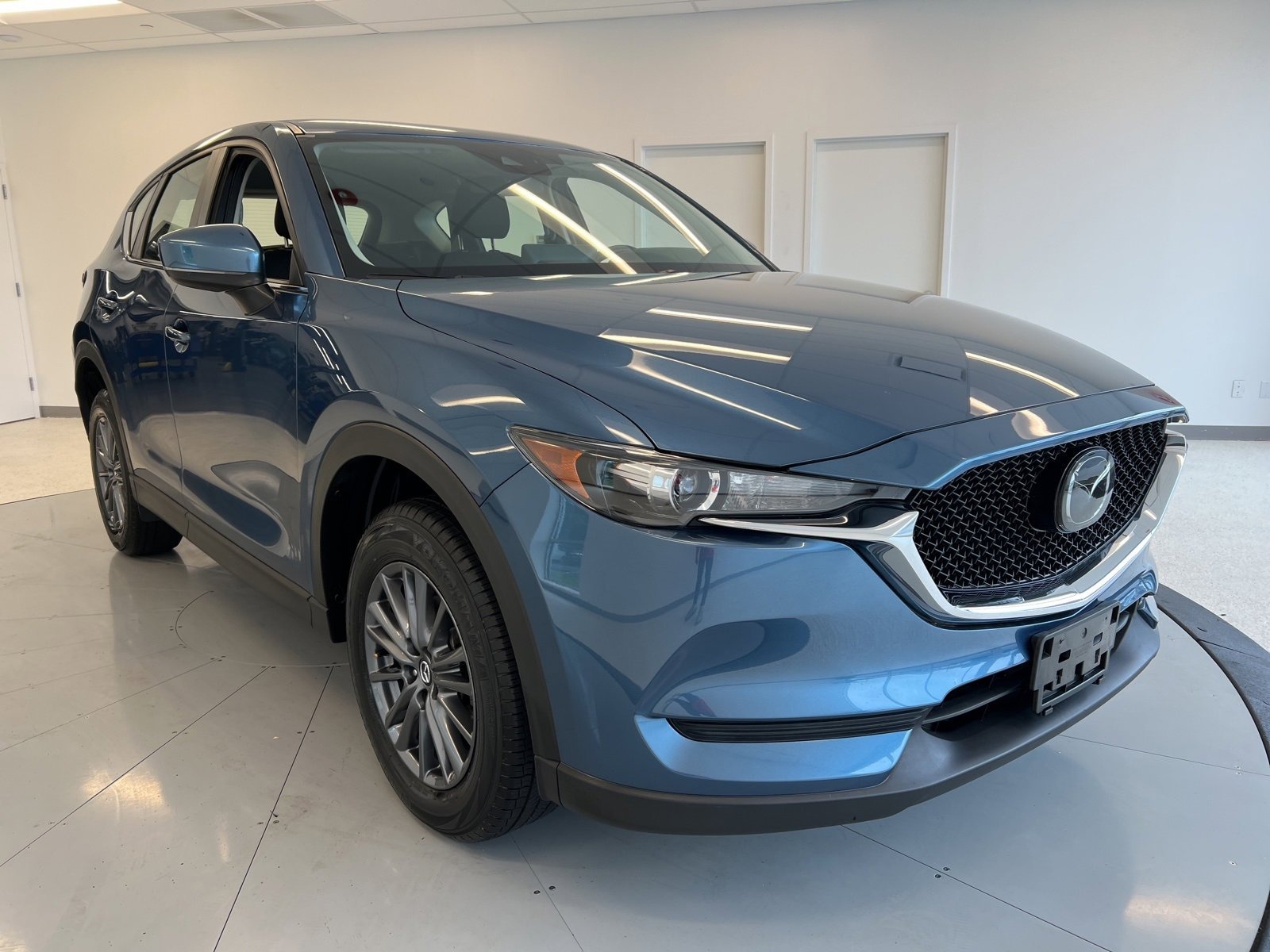
5. Mazda CX-5 (2014-2021)
The Mazda CX-5 brings together fuel efficiency and dependable design, and this approach extends to how well its catalytic converter performs as time goes on. Owners of the CX-5 made during 2014 through 2021 often enjoy long-term use without converter trouble. Mazda’s Skyactiv technology has played a strong role in making this possible.
The Skyactiv engine is tuned to burn fuel at high compression, which helps it use every drop more effectively. When combustion is efficient, there is less leftover material in the exhaust. That means the converter deals with fewer particles that can block or overheat it. This leads to fewer repairs and longer-lasting exhaust components.
Mazda also keeps the air-fuel ratio well managed with smart sensors. These sensors detect even small changes and send corrections quickly. The converter stays protected because it only deals with clean, well-processed exhaust gases most of the time. This protection adds years to its useful life.
Drivers who have logged high mileage with the CX-5 often find that they do not need to replace the catalytic converter even once. As long as spark plugs, oxygen sensors, and oil changes are kept in check, the converter usually lasts just as long as the engine. For those wanting an SUV that doesn’t come with frequent repair costs, the CX-5 remains a safe bet.
5 Cars with Early Catalytic Converter Failures
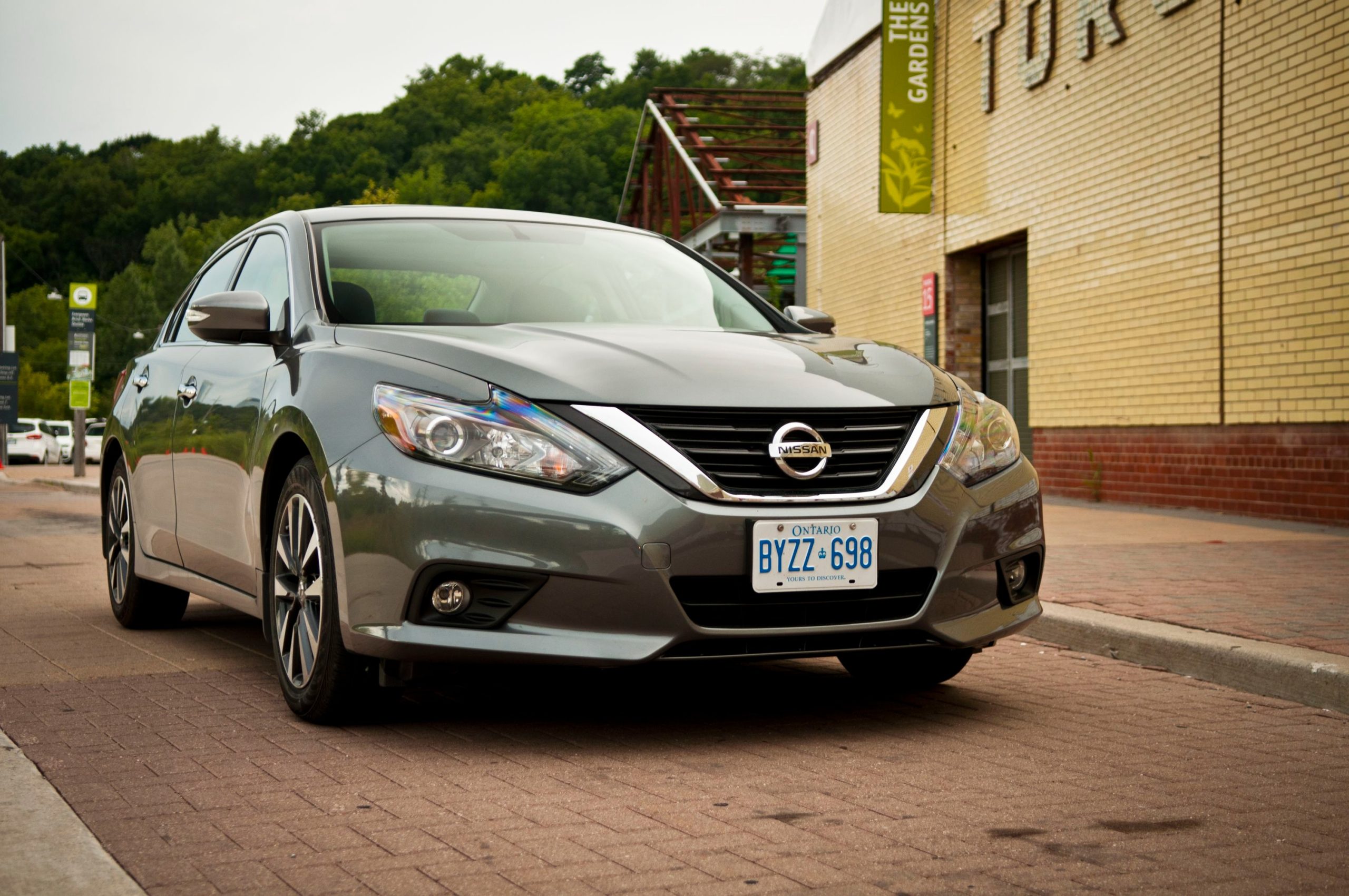
1. Nissan Altima (2013-2018)
While the Nissan Altima remains a popular midsize sedan for its comfort and fuel economy, many drivers have complained about early catalytic converter issues, especially in models built between 2013 and 2018.
Several owners have faced situations where the converter starts showing signs of weakness even before the car reaches 100,000 miles. This has created unexpected repair bills and, in some cases, difficulty passing emissions tests.
One common issue affecting these Altima models is connected to the 2.5-liter 4-cylinder engine. When this engine begins to burn oil, the excess particles and residue can quickly build up inside the catalytic converter.
Once clogged, the converter loses efficiency and might trigger the check engine light. This problem becomes worse if the car is driven over long distances without regular maintenance. Another point of concern lies in how some Altima engines misfire or overheat, especially if the ignition system is worn or the fuel mixture is unbalanced.
When such things happen, unburned fuel makes its way into the exhaust system, which puts too much strain on the converter. Since converters are made of ceramic materials that cannot withstand extreme conditions for long, they end up breaking down far earlier than expected.
Some drivers try to address the issue by using premium fuel or changing the spark plugs often, but these steps do not always stop the problem. In several cases, owners have been forced to replace the converter twice within 150,000 miles, which raises the cost of ownership. Although the Altima offers smooth driving, this early catalytic converter failure is something that many users have found difficult to overlook.
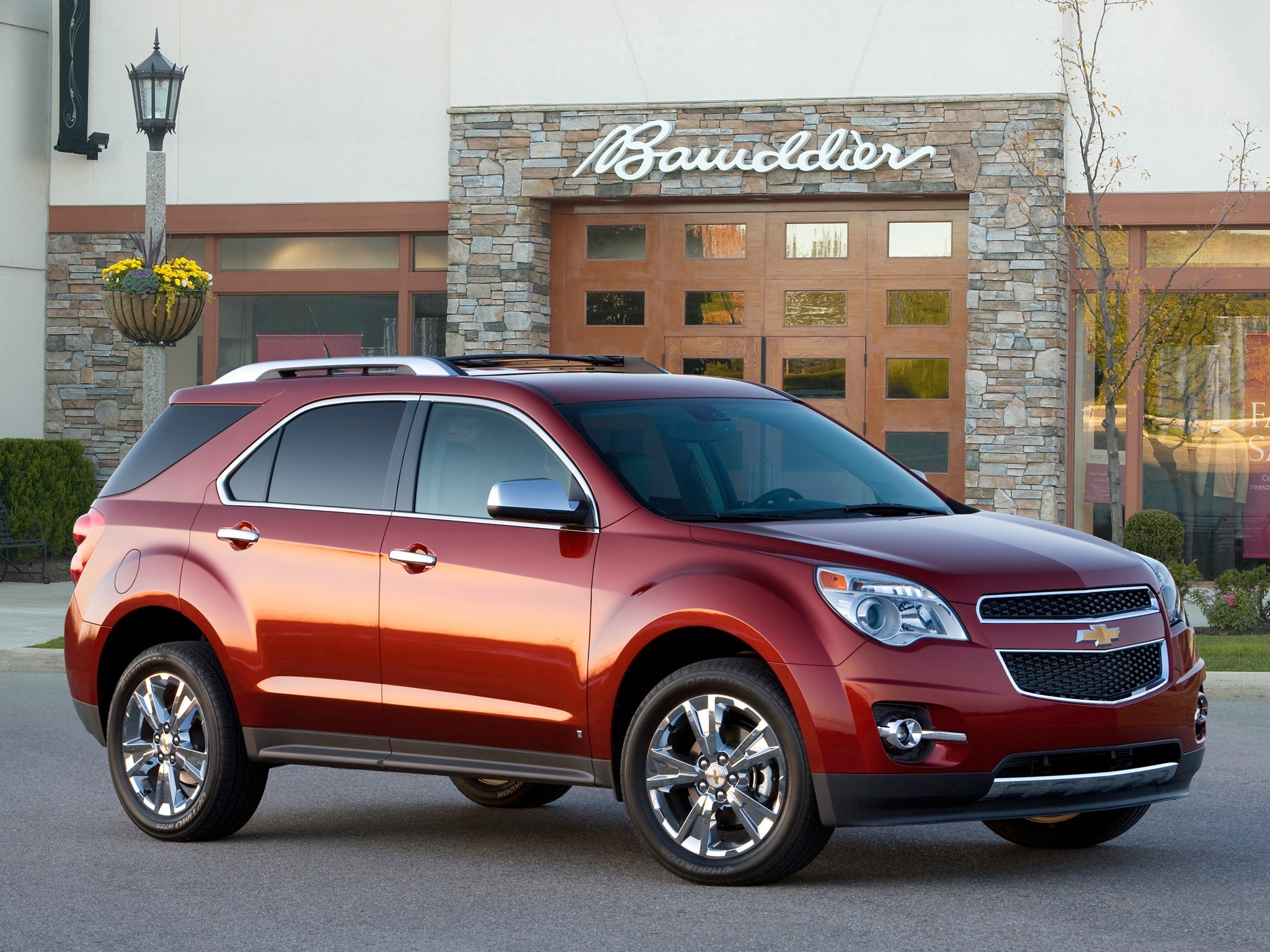
2. Chevrolet Equinox (2010-2017)
The Chevrolet Equinox, especially the 4-cylinder models made from 2010 to 2017, has gained attention for having problems with early catalytic converter wear. Many vehicle owners have dealt with converter failure before 90,000 miles, and this usually leads to more than just replacement costs it can also affect the car’s ability to maintain fuel economy and smooth acceleration.
One of the main causes behind this issue is linked to excessive oil consumption, which affects the 2.4-liter engine used in many Equinox models during this period.
When the engine burns oil at a higher rate than normal, leftover carbon enters the exhaust system. This carbon sticks to the inner walls of the catalytic converter and causes blockages. Once blocked, the converter can no longer break down harmful gases properly.
Another concern is that this build-up can also raise back pressure, making the engine work harder just to move the exhaust out. This reduces performance and may even lead to stalling in extreme cases.
In some instances, owners have experienced reduced throttle response or sluggish acceleration long before the converter warning appears on the dashboard. Although some people attempt to solve the problem with engine flushes or oil additives, the core issue often returns unless the entire converter is replaced.
The vehicle’s software is not always quick to detect the problem early, so damage continues silently for many months. These repeated failures have left many Equinox drivers disappointed, especially when facing repair costs that approach $1,000 or more.
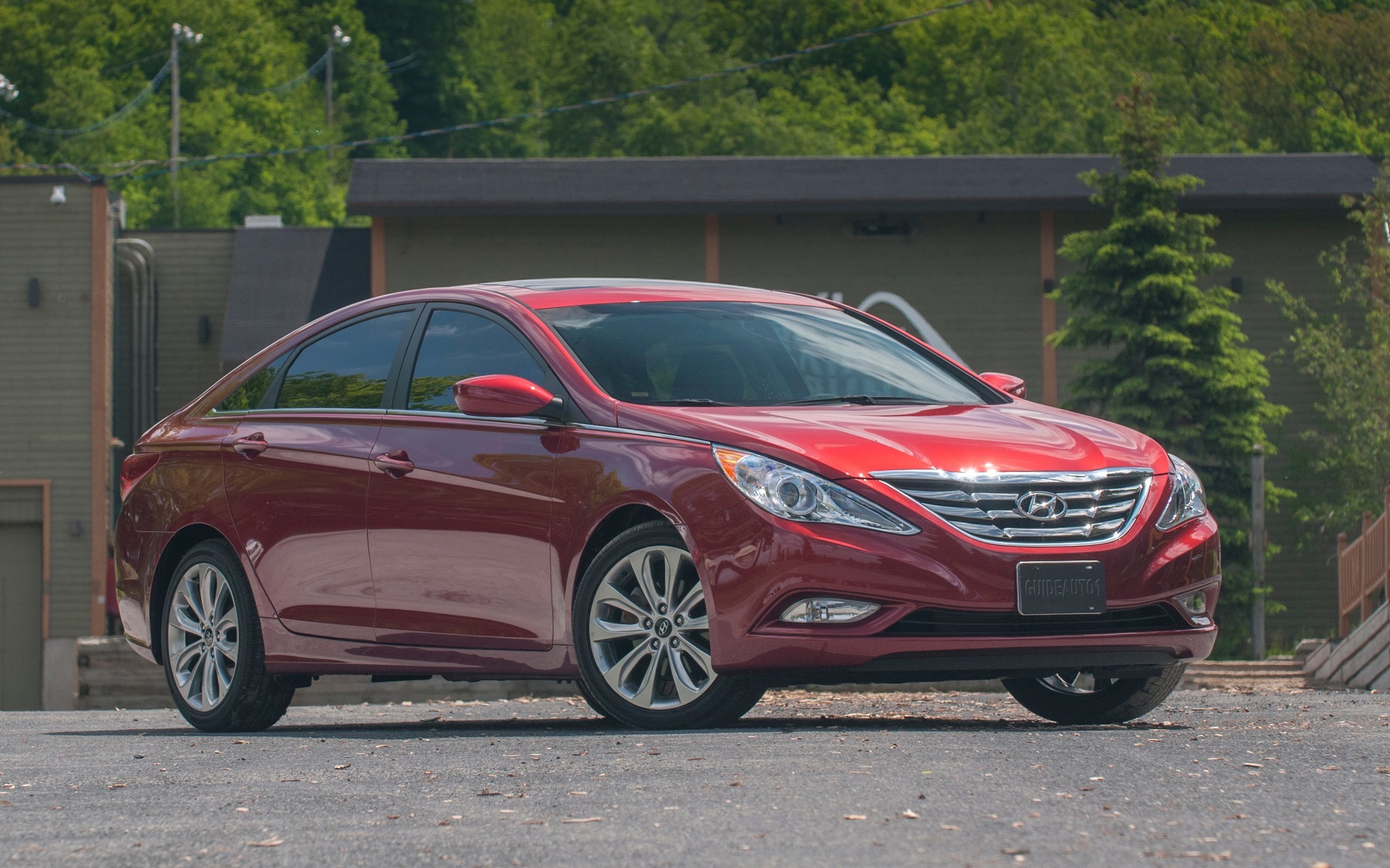
3. Hyundai Sonata (2011-2015)
The Hyundai Sonata has made strides in style and comfort, but several drivers of the 2011 to 2015 models have dealt with catalytic converter troubles sooner than they expected.
Many cases involve converter damage appearing between 70,000 and 100,000 miles, even when the car was maintained regularly. These issues are usually linked to how the engine burns fuel and how it handles internal heat.
The 2.4-liter engine found in many Sonatas from these years has shown signs of fuel delivery imbalance and spark misfire, especially when ignition coils become weak.
Once the spark timing gets affected, the fuel does not burn evenly. This leftover fuel travels into the exhaust system, where it stresses the catalytic converter. High heat and pressure inside the converter then lead to cracking or clogging.
When the converter begins to fail, drivers often notice signs like poor acceleration, increased fuel use, or strange smells coming from the exhaust. In worst cases, the engine light comes on due to a failed emissions reading. Even if the rest of the engine seems to run fine, the catalytic converter does not recover once the ceramic core is damaged.
Some owners have had to replace this part well before hitting 100,000 miles, which is earlier than expected for a vehicle in this category. Though Hyundai has addressed this issue with software updates and some engine design changes in later models, those with affected vehicles have often struggled to keep up with the repair costs. This experience has made many drivers more cautious about long-term maintenance expectations.
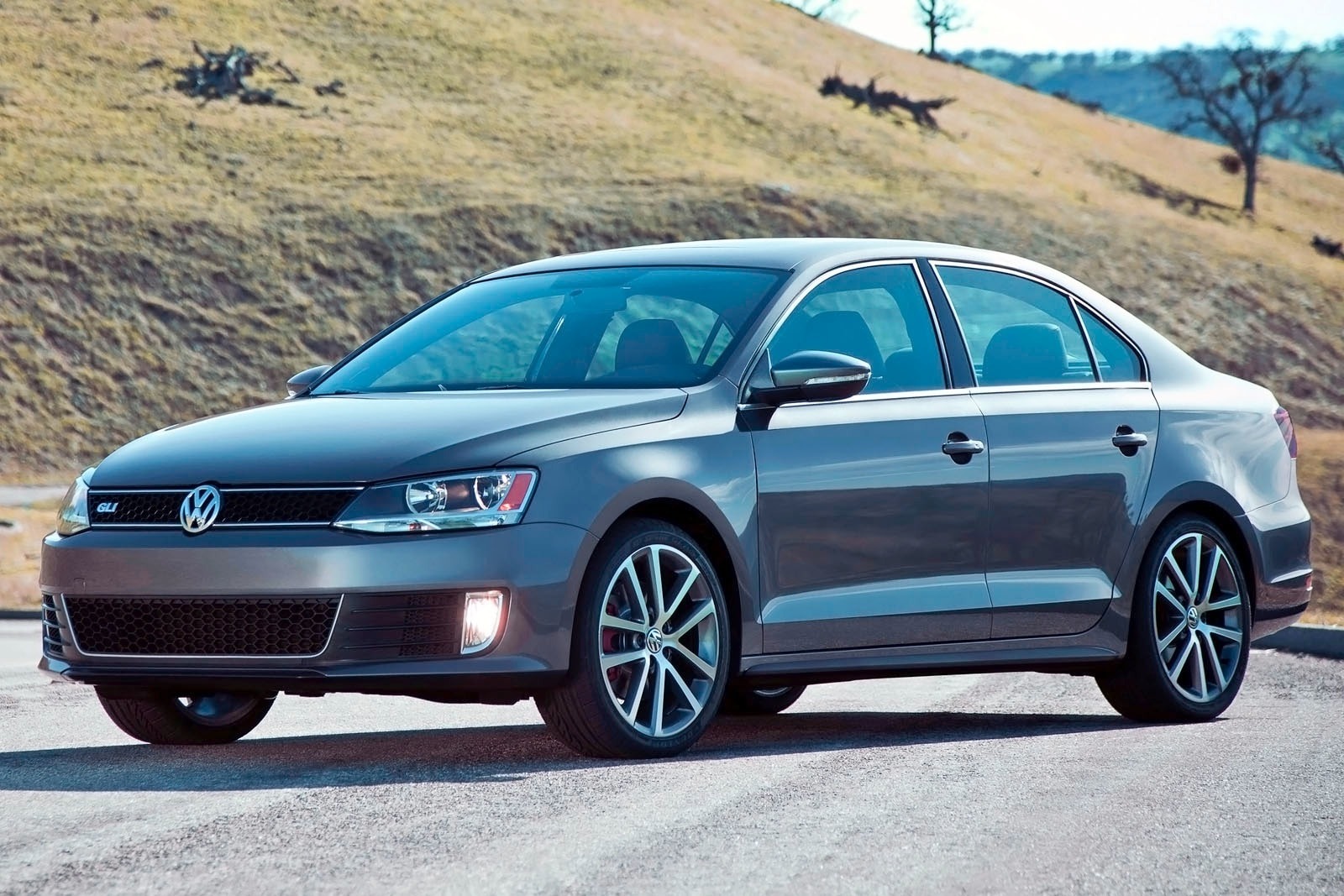
4. Volkswagen Jetta (2008-2014)
Volkswagen’s Jetta has long been viewed as a stylish and efficient sedan, but certain models from 2008 to 2014 have experienced early catalytic converter wear. This tends to affect the 2.0-liter turbocharged engines, where the balance between performance and emissions control can sometimes lead to extra heat being passed into the converter.
One problem that comes up often with these engines is excess fuel entering the exhaust under hard acceleration or during cold starts. If the fuel does not burn completely in the cylinder, it continues burning inside the catalytic converter.
This raises the temperature inside the part to dangerous levels, which damages the ceramic honeycomb structure and eventually triggers the check engine light. Another challenge lies in oil contamination, especially when turbo seals begin to wear out.
Once oil enters the exhaust stream, it sticks to the internal walls of the converter and creates soot deposits. These deposits reduce airflow and block chemical reactions inside the converter, which reduces its effectiveness and may lead to engine hesitation or emissions failure.
While some owners try to reduce risk by sticking to gentle driving or switching to synthetic oils, the damage to the converter may already be done by the time symptoms show.
Repair costs often fall on the owner if the warranty has ended, and some have reported needing two replacements within 120,000 miles. The early wear of this part has frustrated many Jetta users, who expected better performance from a car in this segment.
Also Read: 5 Cars With Lifetime Engine Seals vs 5 That Leak Oil by 100,000 Miles
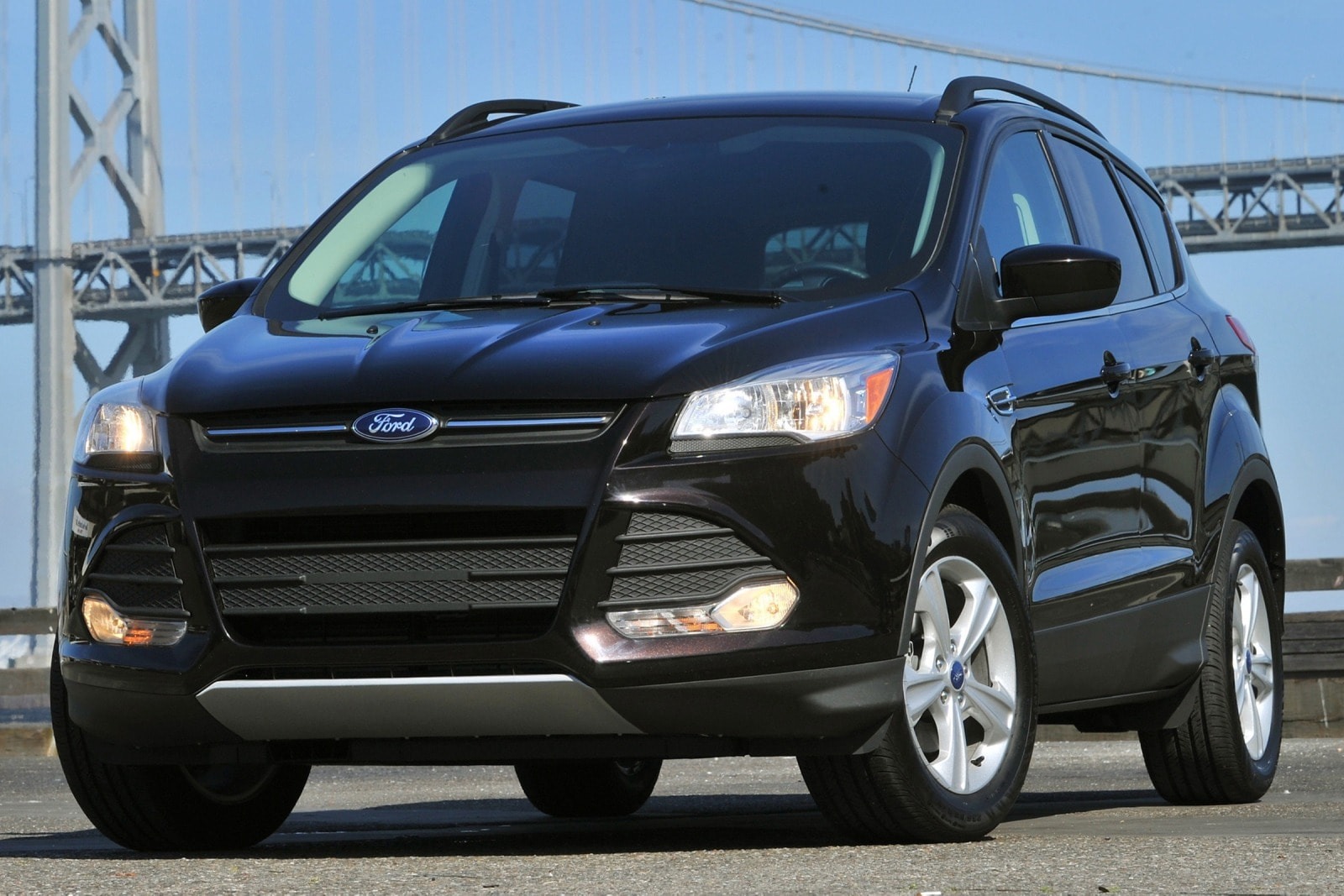
5. Ford Escape (2010-2015)
The Ford Escape has served as a flexible and compact SUV for many families, but drivers of the 2010 to 2015 models have noticed a pattern with early catalytic converter wear, especially in vehicles using the 2.5-liter engine. These engines have had issues with combustion control, which allows unburned fuel and engine oil to make their way into the exhaust system.
When these fluids enter the catalytic converter, they react with the precious metals inside and reduce their ability to clean the exhaust. If the converter becomes coated with carbon or oil, it cannot handle emissions properly. This leads to a performance drop and frequent check engine lights related to oxygen sensor faults or converter efficiency codes.
Many Escape owners first notice rough idling, slow acceleration, or reduced fuel economy. As time goes on, the car may also struggle to maintain highway speeds. These signs often appear around the 80,000-mile mark, long before most people expect such a repair. In colder climates, the issue may show up even earlier because of cold-start stress on the exhaust.
Even though Ford made some efforts to improve the system through updates and part redesigns in later models, affected drivers often had to deal with the cost of converter replacement on their own.
In some reports, drivers replaced the catalytic converter and then faced another failure just a few years later. This early breakdown has left many feeling like the Escape is more expensive to maintain than it seems at first glance.
When you are selecting a vehicle, looking beyond the basic features and paying close attention to long-term performance can save you from unnecessary stress and high expenses.
The catalytic converter, though often out of sight, plays a central role in your car’s health. Whether it fails early or lasts the life of the vehicle depends on how well the engine is designed, how cleanly it burns fuel, and how carefully the systems work together to manage emissions.
Understanding how different vehicles handle emissions helps you make better choices. A car that needs a new catalytic converter before 100,000 miles may cost less at the dealership, but it could demand more from your pocket later. A slightly more expensive car with a stronger converter durability can offer better peace of mind.
So when thinking of what car to own next or whether to keep the one you have, it’s smart to consider how long the catalytic converter is expected to last. This one detail may determine whether your experience will be smooth or filled with unexpected repair challenges. Making the right call early can keep your car cleaner, your budget safer, and your time better spent.
