
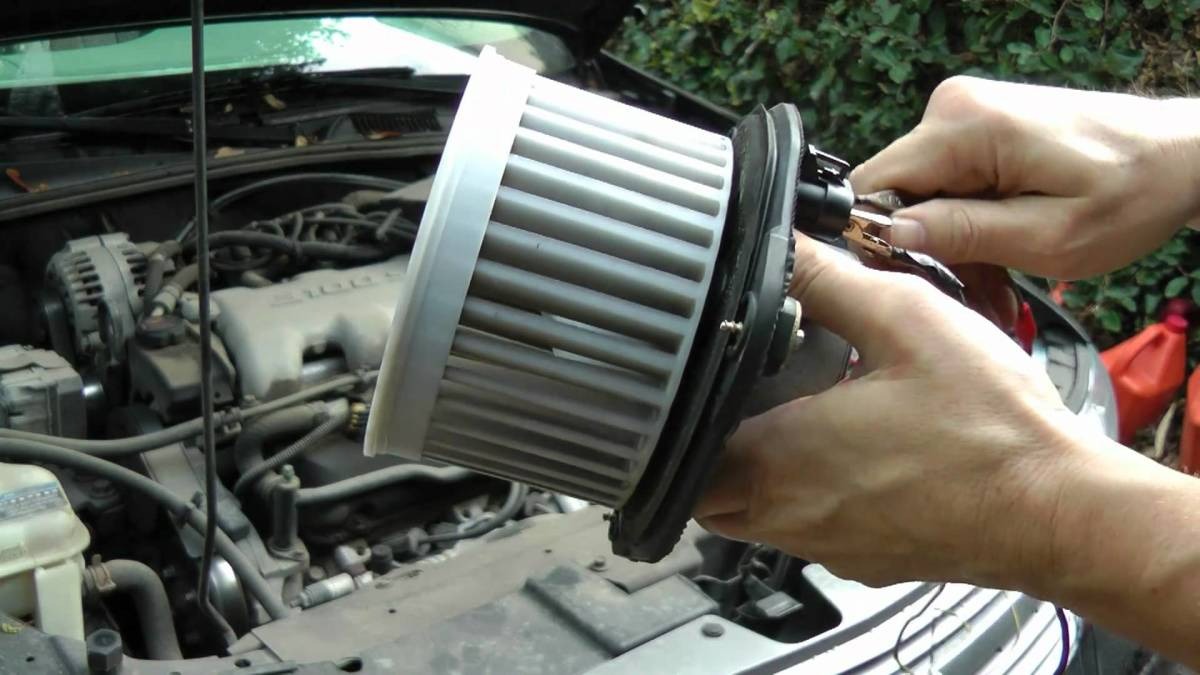
One of the most underestimated parts of a car’s interior comfort system is the HVAC blower. This component is responsible for circulating air through the vents, providing warm or cool air as needed. Whether it is the heat in winter or the chill of summer, the HVAC blower is expected to function without interruption.
While most drivers think of the engine or transmission as the main wear points in a car, the blower motor also deserves attention. It plays an essential role in making the ride bearable, especially during extreme temperatures.
Some vehicles come fitted with blowers that last as long as the car itself. These blowers are engineered to operate efficiently for years with little to no maintenance. On the other side, some cars come with blower systems that are prone to failure.
These tend to break down within a few years, sometimes requiring repeated replacements. Repairing or replacing a faulty blower can be costly, especially if labour charges are added to the cost of a new part. This becomes frustrating for owners who expect reliability and comfort from their cars.
Understanding which vehicles are equipped with durable HVAC blowers and which are not can help buyers make informed choices.
On this page, we will compare five cars known for having long-lasting HVAC blowers with five that are frequently reported for blower failures. Each car will be discussed in detail to explain the reliability or lack of it in the HVAC system. This breakdown will help prospective car buyers who prioritise low maintenance and comfort.
It can also serve as a guide for current car owners who are experiencing HVAC issues and are considering an upgrade. Here are the cars that make it to each list, starting with those known for dependable HVAC blowers.
5 Cars with Lifetime HVAC Blowers
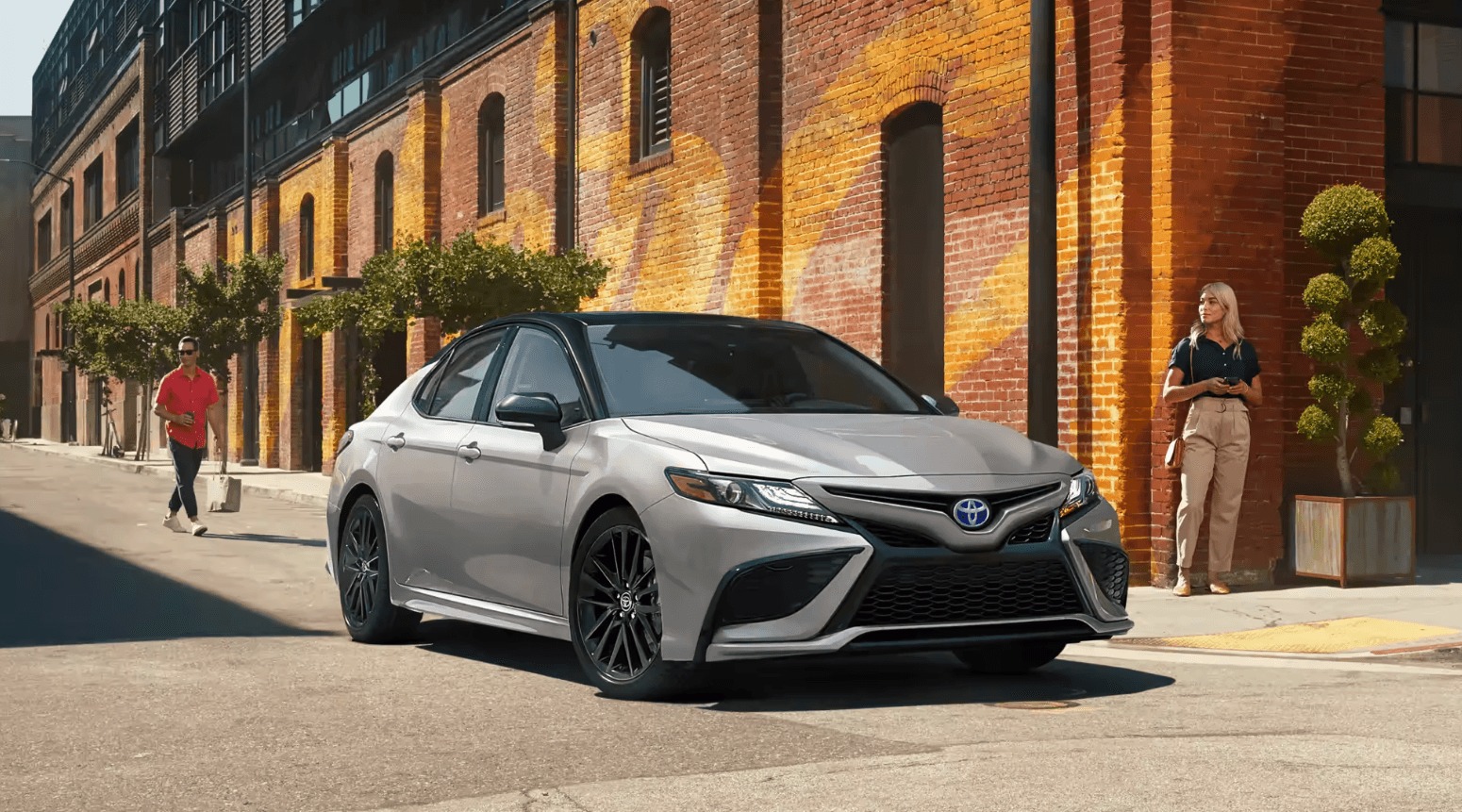
1. Toyota Camry
The Toyota Camry has built its reputation over the years on long-term reliability and low maintenance needs. A consistent performer in different climates and road conditions, this mid-size sedan is often chosen for its dependable components.
The HVAC blower in the Camry is among the parts that rarely fail, even after hundreds of thousands of miles. Owners who drive this car for many years often report that the air conditioning and heating systems continue to perform efficiently without a drop in performance.
Part of the reason the Camry blower lasts so long is the quality of the materials used. Toyota engineers design this blower system with durability as a main objective. It includes copper-wound motors and stable bearings that reduce internal wear.
The control modules that regulate airflow are also carefully calibrated to avoid putting unnecessary pressure on the motor. In normal driving conditions, this blower is rarely exposed to heat spikes or excessive moisture that would normally cause damage after a while.
Another factor working in the Camry’s favour is its well-sealed cabin. When external elements like dust or moisture are kept out, the HVAC system does not suffer the type of internal contamination that can clog or rust the blower.
The maintenance routine for the Camry is also straightforward. Regular filter changes are enough to maintain proper airflow, which further protects the blower motor from working harder than it should.
Many Camry models from past decades are still running today with their original HVAC systems intact. This includes both heating and cooling functions, making it clear that Toyota’s approach to HVAC engineering is designed with longevity in mind.
For drivers who want to avoid surprise repair bills and keep their cabin temperature comfortable through all seasons, the Camry is a strong choice.
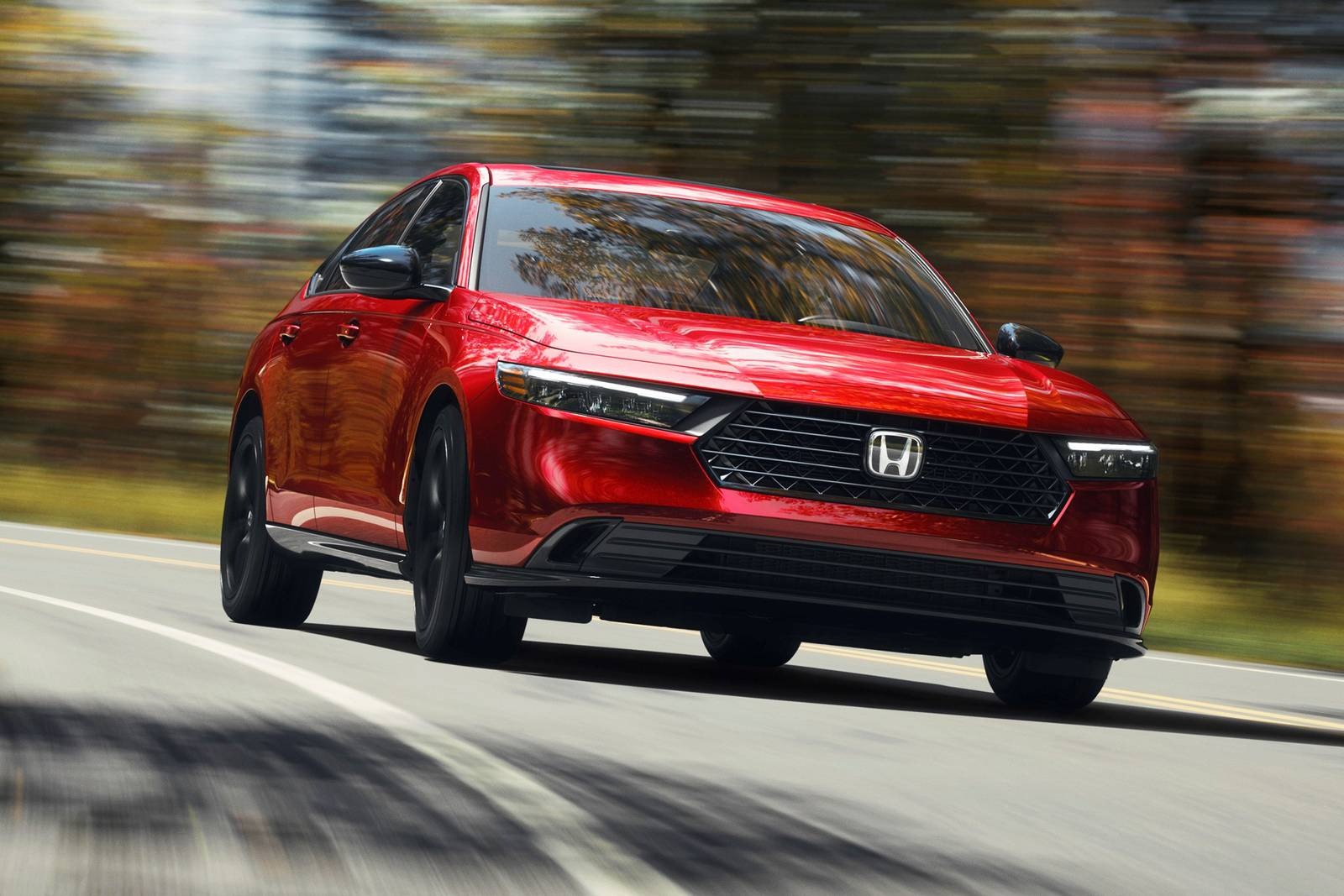
2. Honda Accord
Honda Accord remains one of the most reliable vehicles when it comes to core systems like the HVAC unit. Over several generations, Honda has maintained a consistent standard of quality.
The blower motor in the Accord is engineered to function with minimal noise and maximum efficiency for extended periods. Long-term owners of the Accord often note that their HVAC systems are still working effectively after well over 150,000 miles.
The durability of the Accord’s HVAC blower can be traced to the engineering detail applied during manufacturing. Honda uses high-quality insulation to protect blower wiring and employs motors with balanced rotors to reduce vibration.
Reduced vibration means fewer mechanical failures after a while. The motor is also installed in a housing that shields it from dust, which can cause early breakdowns in cheaper setups.
Another reason the blower lasts long is that the car’s electronics work seamlessly with the mechanical parts. The climate control system in the Accord does not cause stress on the blower by over-pulsing or running the fan at unnecessarily high speeds.
By distributing usage evenly across settings, the blower wears out at a slower rate. This thoughtful design is part of Honda’s strategy to reduce maintenance costs for owners.
Field reports and user reviews show that many people who own Honda Accords only ever replace their cabin air filters. The blower itself stays reliable unless there has been electrical damage due to unrelated issues. For people living in areas with severe temperature changes, the Accord holds up well without creating comfort problems due to HVAC failures.
If someone is seeking a mid-size sedan with an HVAC system that rarely causes issues, the Honda Accord stands as a proven choice. It balances comfort, quietness, and reliability without requiring expensive interventions over its lifespan.
Also Read: 10 Cars That Can Be Repaired With Only Basic Tools
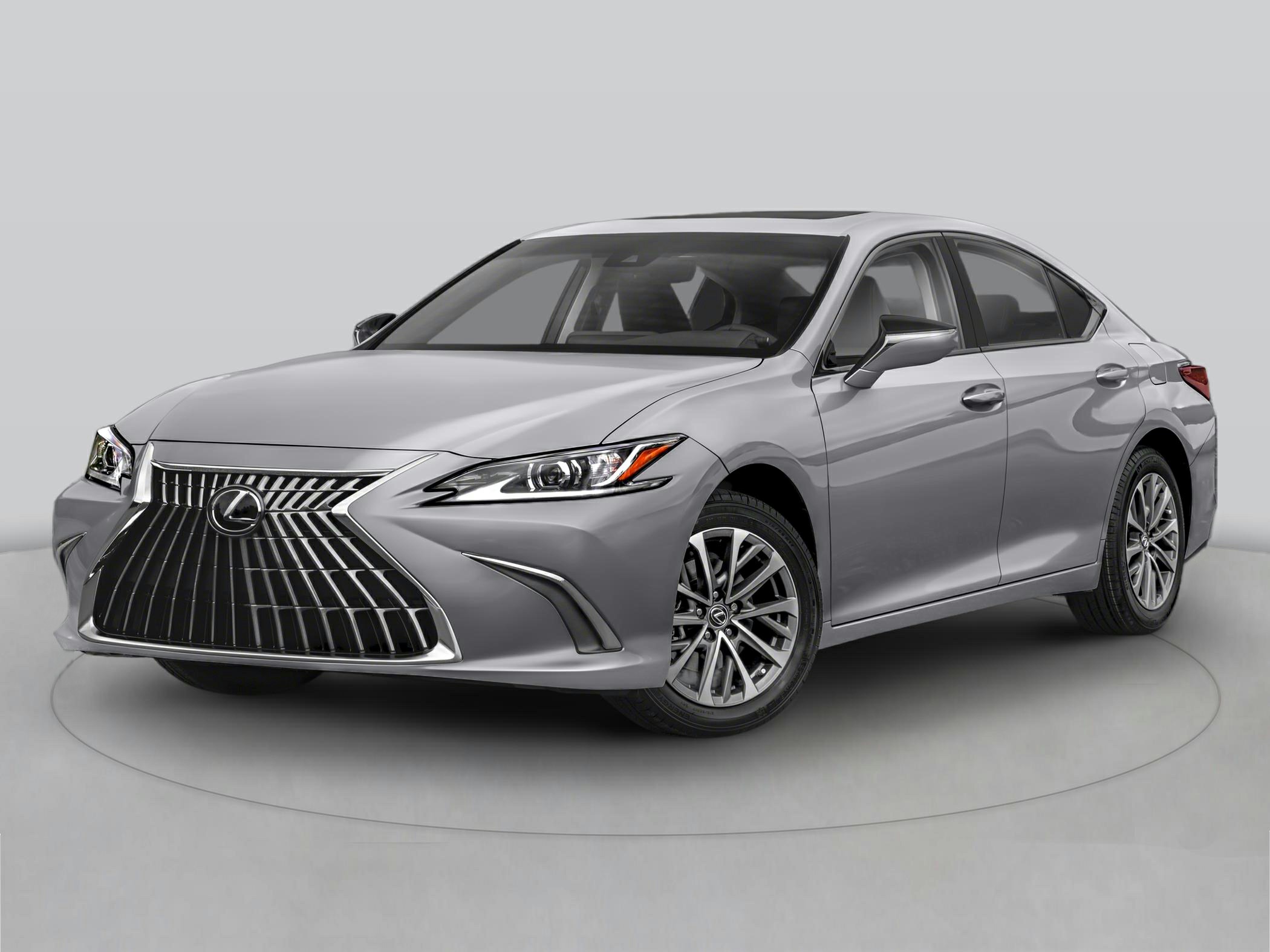
3. Lexus ES350
Luxury vehicles are often expected to combine comfort with durability. The Lexus ES350 achieves this by offering one of the most dependable HVAC systems among premium sedans.
Owners who purchase the ES350 often remark on how quietly the cabin stays cool or warm, even after several years of use. The blower motor rarely gives any signs of trouble, thanks to Lexus’ strict quality control.
The ES350 shares many components with its Toyota cousins, including the long-lasting blower motor. However, Lexus takes the reliability a step further by adding advanced climate control systems that prevent the blower from being overused.
Instead of simply turning on or off, the ES350 adjusts fan speeds in small increments, reducing wear and maintaining a stable cabin environment. This consistent operation places less strain on the motor and extends its lifespan.
Build quality is another major reason the ES350’s blower lasts longer than what is found in many other cars. The motor housing is constructed from high-grade materials, and the internal components are shielded from moisture. The car’s interior filter system also plays a role in this durability. It traps fine particles that would otherwise damage or clog the blower motor.
People who drive this vehicle daily in both hot and cold climates report almost no issues with the HVAC system. Even models that are ten years old or more tend to keep their original blower motors. Maintenance requirements are low, and the cost of upkeep is minimal when compared with other luxury brands that require frequent part replacements.
The ES350 is an excellent choice for drivers who value both luxury and minimal maintenance. With its HVAC blower built to perform for the long haul, it removes one more worry from vehicle ownership.
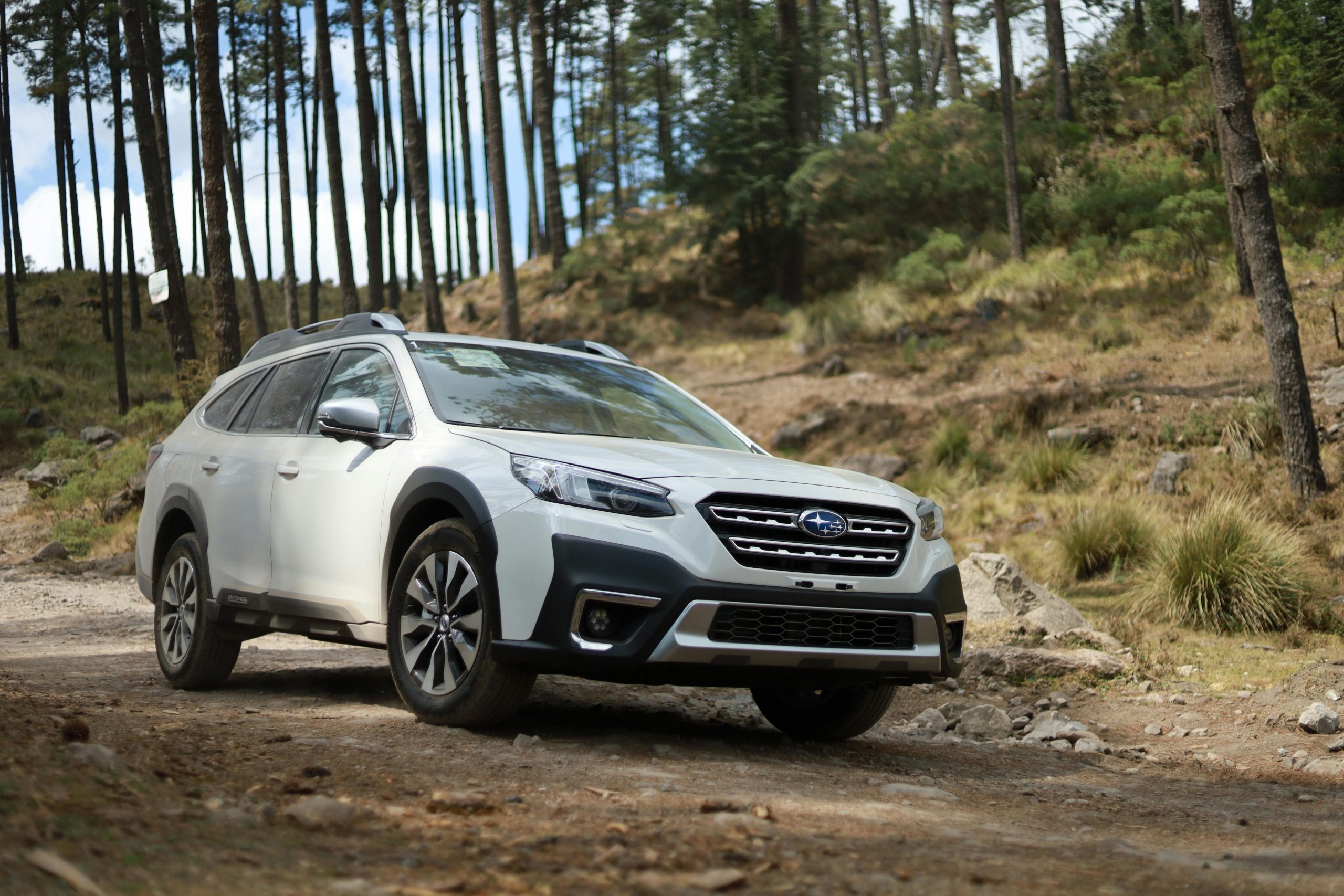
4. Subaru Outback
Subaru’s engineering is built around durability and performance under harsh conditions. The Outback stands out as one of the most reliable vehicles in areas that see snow, rain, and dust. Its HVAC system is designed to work consistently regardless of environmental challenges. The blower motor, in particular, is constructed to last through varying levels of stress without failure.
Subaru equips the Outback with a motor that runs quietly and resists heat damage. It is fitted in a part of the car that remains shielded from excessive moisture, even when the exterior is exposed to wet conditions. The wiring harness and connectors are also protected against corrosion, preventing electrical faults that could damage the blower motor.
Another strength of the Outback’s HVAC system is its smooth operation as time goes on. Many car models will start to develop loud fan noise or decreased airflow as they age.
The Outback avoids these issues due to the stable motor design and well-insulated system. The placement of the blower within the dashboard also limits vibration and friction, which are common causes of motor failure in other cars.
Subaru drivers often use their cars for long-distance travel or off-road adventures. Even under such demanding use, the blower motor keeps working effectively. Vehicles that are more than eight years old continue to show reliable HVAC performance, which is rare for cars regularly driven in extreme environments.
Subaru’s design focus on functionality and resilience makes the Outback a trustworthy option for anyone seeking longevity in cabin comfort systems. It handles all weather conditions without compromising the performance of the HVAC blower. For car owners who do not want to worry about sudden blower failures, the Outback serves as a dependable companion.
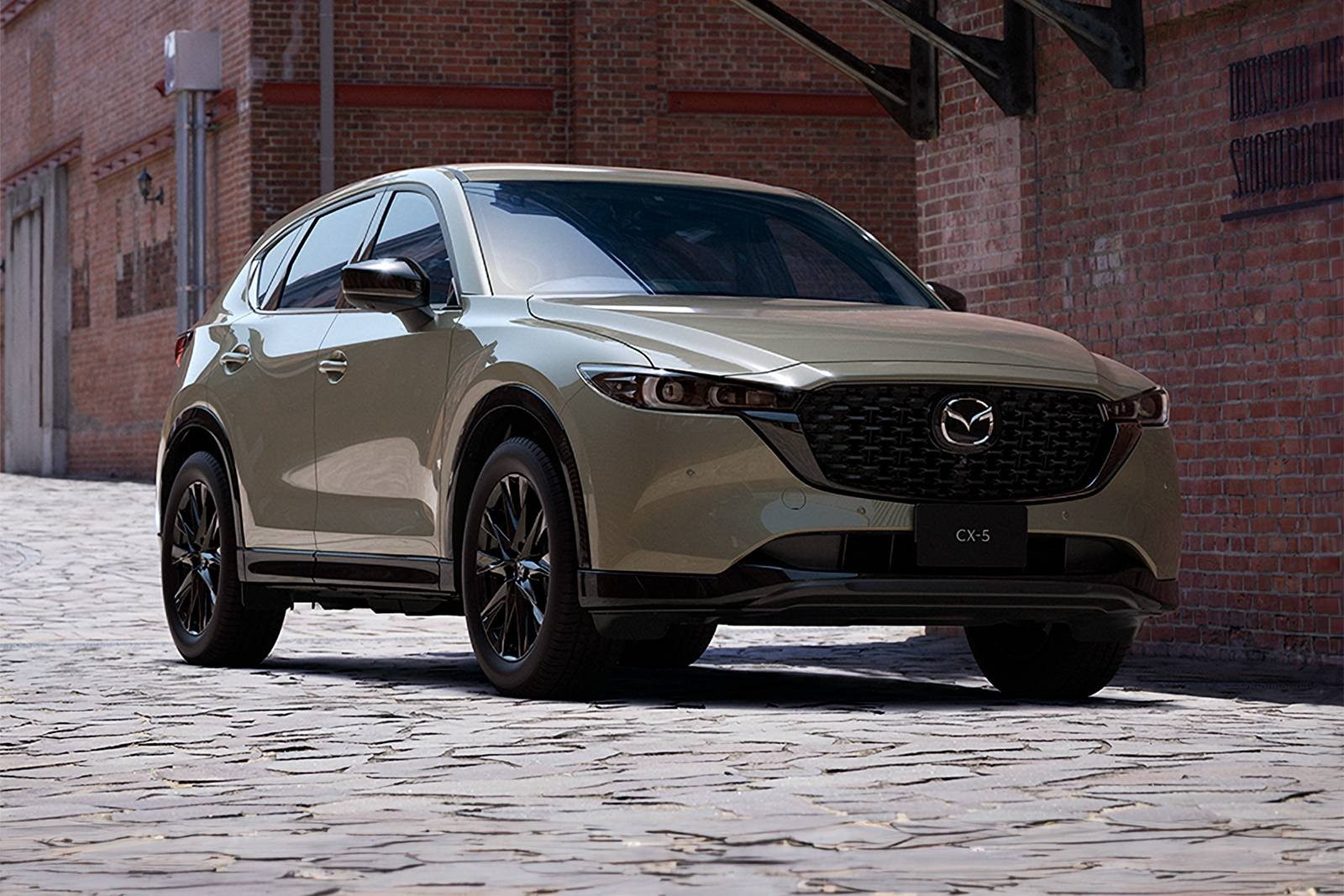
5. Mazda CX-5
Mazda has earned a reputation for blending design quality with lasting mechanical parts. The CX-5, one of the brand’s best-selling SUVs, is a great example of this philosophy.
The HVAC blower in the CX-5 operates reliably year after year, with very few complaints from long-term owners. This consistency comes from Mazda’s approach to engineering compact yet durable components that are protected against wear.
The CX-5 uses a blower motor that is designed to reduce internal friction. It includes carefully crafted bearings and a lightweight motor core, allowing the blower to run efficiently without heating up. This means it can handle long hours of operation during road trips or summer drives without affecting its lifespan.
Another factor that helps the CX-5 blower endure is the design of its cabin filtration system. This system catches most of the dust and airborne particles that would normally enter the blower motor and cause damage. With less exposure to debris, the blower can maintain optimal performance without requiring repair or replacement.
Owners often praise the quietness and strength of the airflow even in older models. Reports show that even after seven to ten years, the blower motor performs as expected. There are a few signs of slowing down or breakdowns, which is not always the case with SUVs in the same class.
Mazda’s focus on manufacturing excellence makes the CX-5 a reliable option for those who need an HVAC blower they can count on. Whether used for commuting or long trips, the blower system holds its own without adding to maintenance costs.
5 Cars with HVAC Blowers That Burn Out
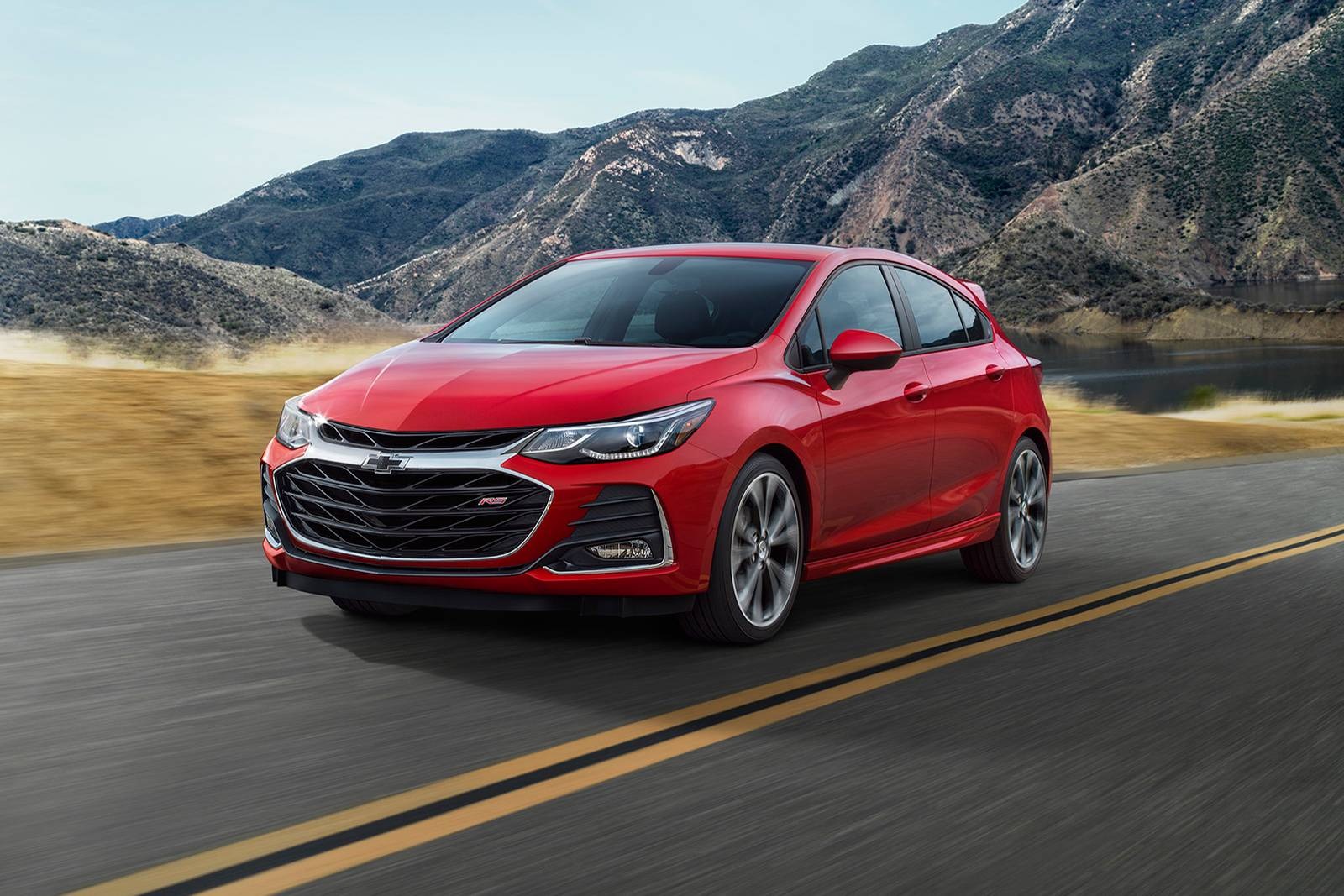
1. Chevrolet Cruze
The Chevrolet Cruze has been a common choice among compact car buyers for years, especially in North America. While it delivers decent fuel economy and a comfortable ride, its HVAC blower system is often a point of concern for many owners.
Several complaints have surfaced about the blower motor either losing strength or failing after just a few years of use. For drivers who depend on reliable airflow, especially during hot or freezing months, this can be a serious inconvenience.
One major problem that contributes to blower failure in the Cruze is the quality of the motor itself. The materials used in the motor’s construction tend to wear out quickly, especially under continuous use. Some owners report that the fan speed gradually declines before stopping entirely.
This suggests that the internal components are breaking down from heat or friction. There have also been issues with faulty resistors, which control fan speed settings. When these resistors fail, the motor cannot operate properly, causing discomfort for the driver and passengers.
Moisture intrusion is another contributing factor. In certain Cruze models, water leaks from the windshield or air intake area can seep into the HVAC system. When moisture reaches the blower motor, it can cause corrosion or short-circuit the motor.
The design flaw in the water drainage around the HVAC intake creates a condition where long-term reliability is compromised. Replacing the motor and fixing the water leak often becomes necessary.
Owners often end up replacing the blower motor multiple times during the life of the vehicle. In many cases, the cost of labour and parts makes it a frustrating expense.
While the Cruze remains a practical car for some, the reliability of its HVAC system falls short. Anyone considering this model should be aware of the repeated blower issues that may require attention earlier than expected.
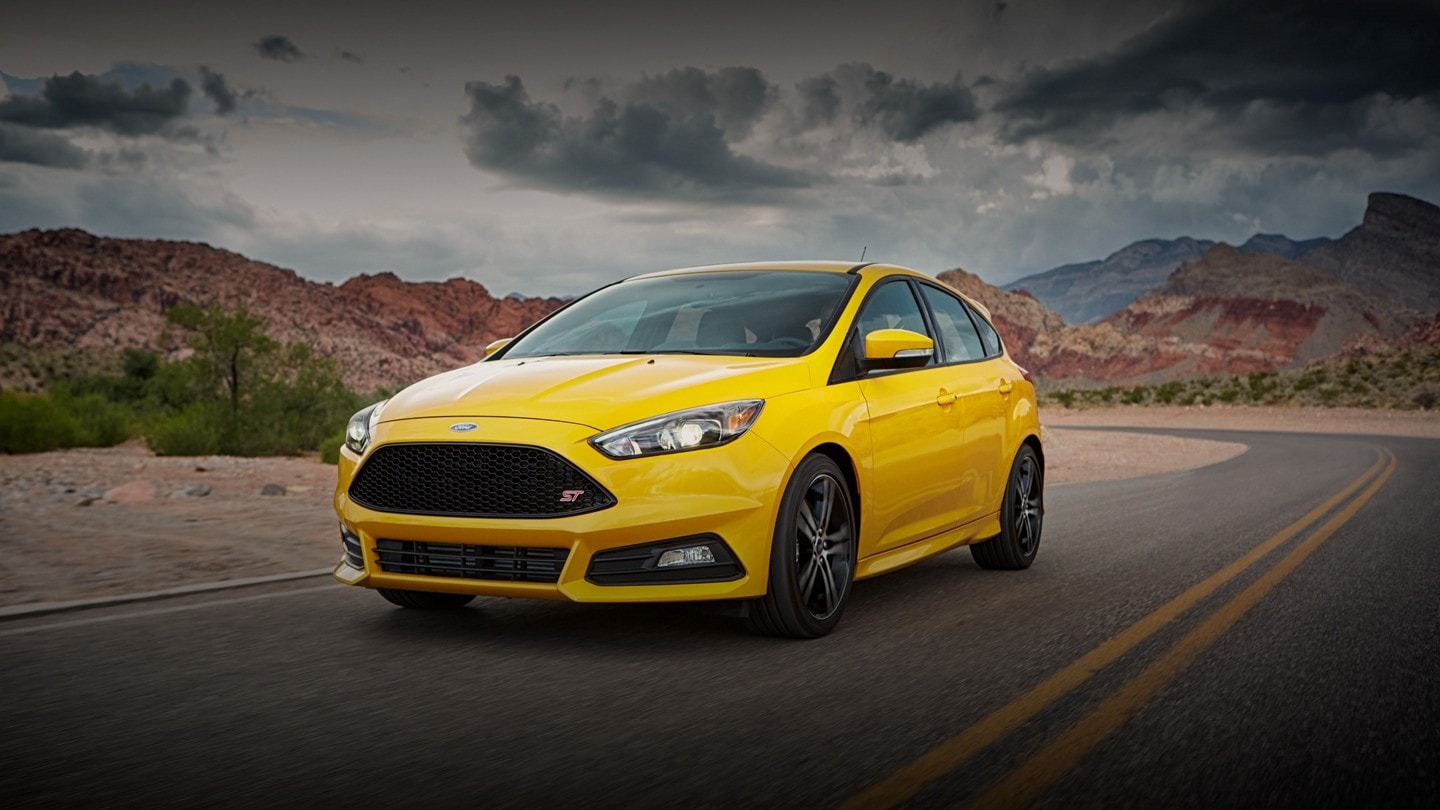
2. Ford Focus
The Ford Focus is well-known for being fun to drive and relatively affordable. However, when it comes to HVAC blower reliability, the Focus has had its share of problems. Many owners have reported blower motor problems that occur sooner than they should.
These complaints often begin with the fan making unusual noises, followed by a complete loss of airflow through the vents. In some cases, the failure happens during peak summer or winter months, making the issue even more disruptive.
One major cause behind the problem is the weak design of the blower motor. Unlike stronger units found in some competitors, the motor in the Focus is prone to wear due to cheap brushes and limited insulation.
The motor can become noisy after some time, usually due to bearing wear or internal friction. As the issue grows, the motor starts drawing excessive current, eventually blowing out the fuse or burning the wiring harness.
Another weak spot in the Focus is the resistor pack. This component regulates the speed of the blower fan. If it fails, only one fan speed may work or none at all. These resistors overheat easily and often take the motor with them when they fail. A faulty resistor not only causes speed loss but also adds pressure on the blower motor, shortening its service life.
Water leaks have also been a recurring issue. When water enters the blower housing, it can rust internal parts or cause electrical shorts. In older Focus models, the cowl seal design allowed water to drip into the HVAC system, accelerating motor damage. Many repairs are temporary unless the source of the leak is fully addressed.
Given these problems, the Ford Focus ranks among cars with HVAC blowers that require frequent replacements. Owners who depend on consistent air circulation may find themselves disappointed with the frequent costs associated with this part.
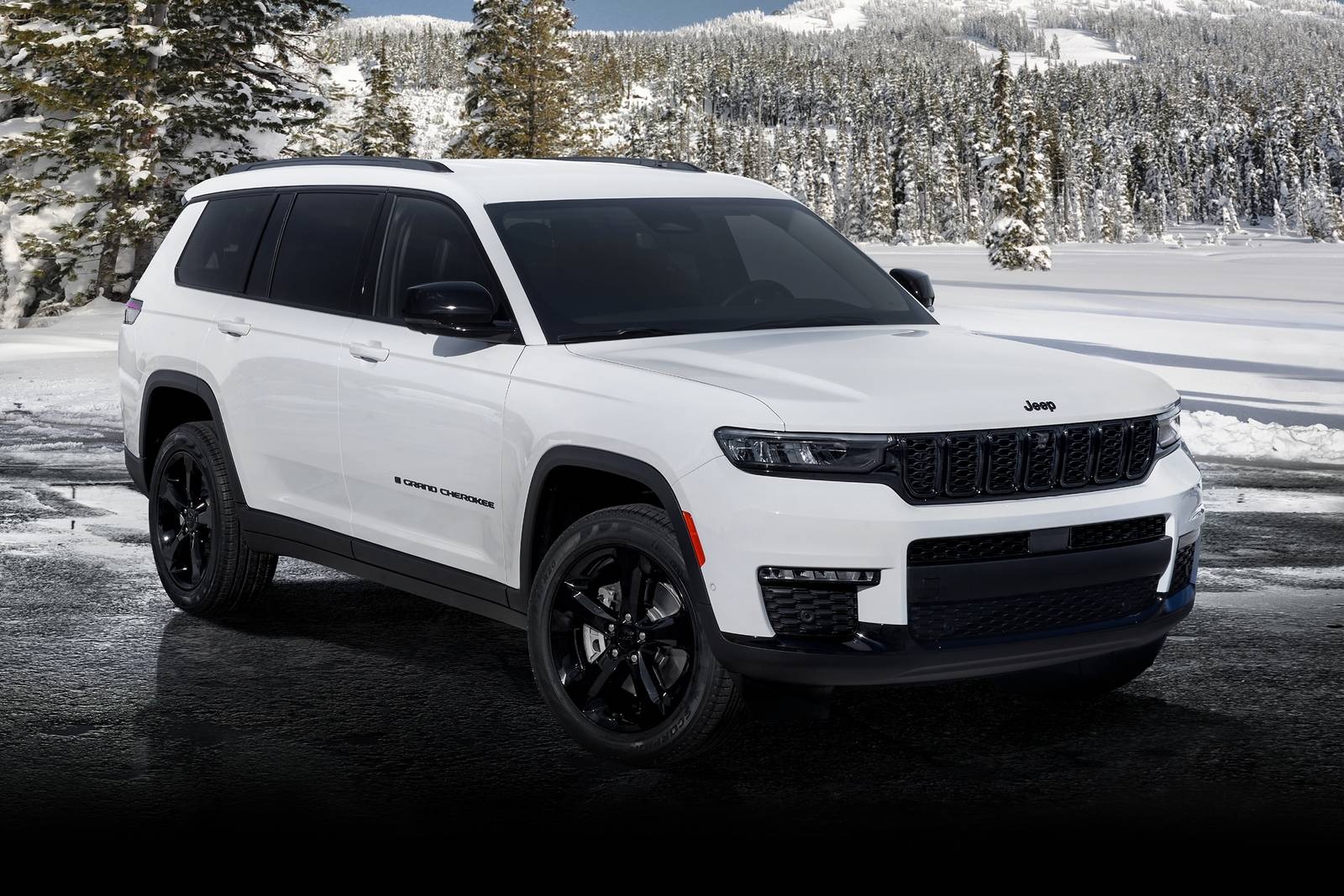
3. Jeep Grand Cherokee
Jeep Grand Cherokee may be praised for its off-road strength and rugged build, but its HVAC blower motor does not reflect the same level of durability.
Many owners have had to deal with heating and cooling issues caused by failing blower motors. Reports indicate that some models experience problems as early as 50,000 miles, which is disappointing for an SUV of this class.
One of the causes of blower failure in the Grand Cherokee is the high load placed on the HVAC system. The SUV is designed for large cabin space, and as a result, the blower has to push air across a wider area.
Unfortunately, the blower motor often lacks the endurance to handle extended operation under these conditions. After some time, the motor starts making loud whirring or grinding noises, a sign that the internal bearings are worn or the brushes are deteriorating.
In many cases, the HVAC module and the resistor also play a part in the system failure. A faulty resistor will either limit airflow to a single speed or stop it completely.
This puts more pressure on the motor, forcing it to work under unstable voltage conditions, which shortens its lifespan. The blower relay can also fail, resulting in intermittent operation.
Another issue is the build-up of debris within the blower housing. Since many Grand Cherokees are used in off-road or dusty environments, the air intake system often collects dirt and leaves. If these particles reach the blower, they can cause internal blockage or imbalance in the motor shaft. This leads to early burnout.
Even with routine maintenance, the blower motor in the Grand Cherokee often requires attention far too early. Replacing this part is not cheap, especially if damage has extended to wiring or control modules. While the Grand Cherokee holds up well in rugged conditions, its HVAC blower system remains a weak point.
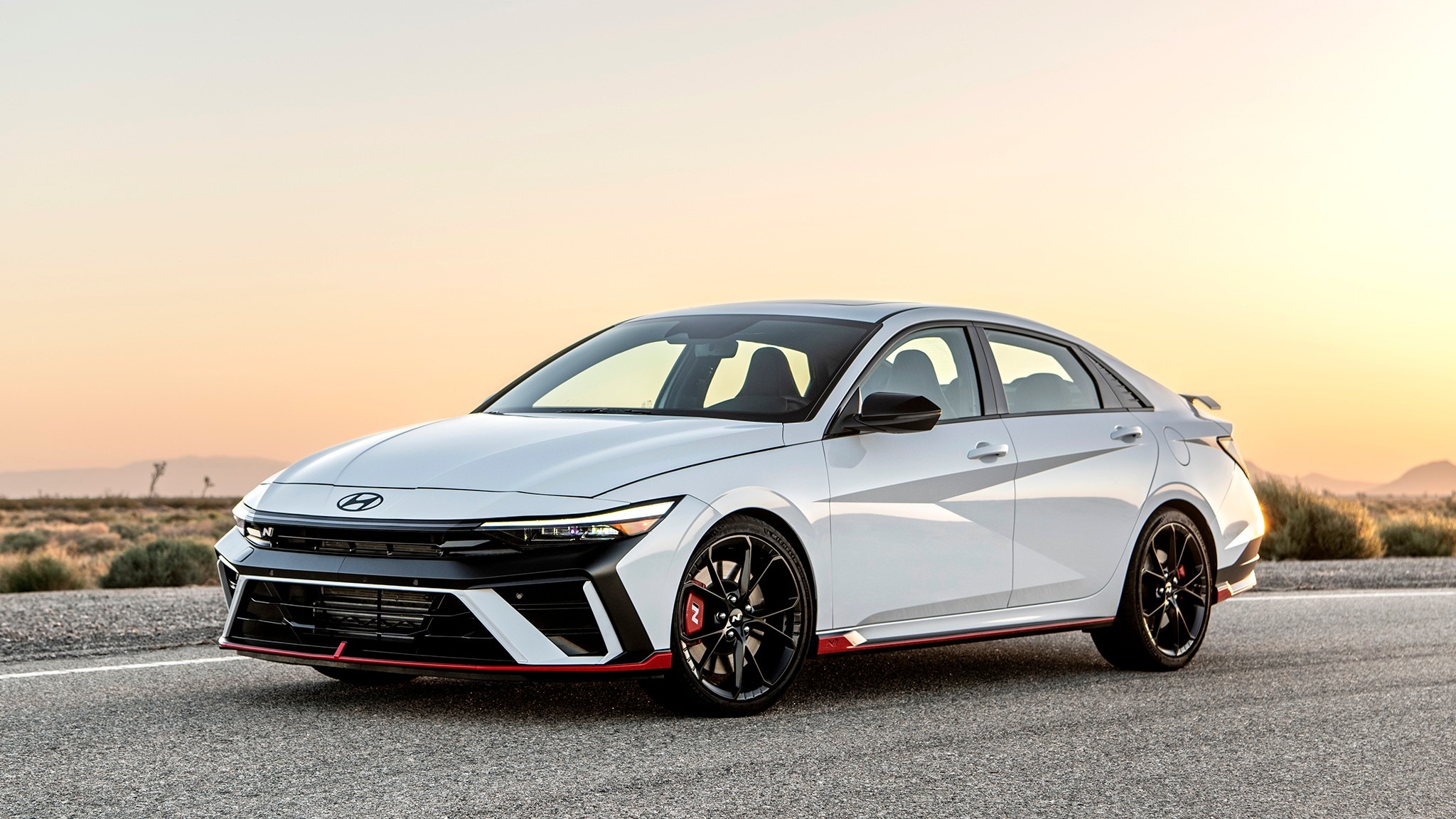
4. Hyundai Elantra
The Hyundai Elantra is often selected for its affordability and smooth styling. While many components in the Elantra hold up well, the HVAC blower system tends to show weaknesses with age.
Drivers often complain of reduced airflow or total loss of air from the vents. These issues usually appear after just a few years of ownership and often require replacement of the blower motor or related parts.
One of the recurring problems lies in the blower motor bearings. These components wear out faster than expected, causing the blower to operate noisily before failing.
In some cases, the blower will work only at high speeds or shut off randomly. These signs indicate a struggling motor that cannot maintain consistent performance due to internal damage.
The Elantra’s resistor is another component prone to breakdown. Once it goes bad, the fan speed cannot be controlled properly. This creates uneven pressure on the blower, forcing it to work harder and fail sooner. The resistor pack is also located near heat sources, making it more vulnerable to thermal damage.
Another issue tied to the blower system is poor protection against moisture. The design allows water and condensation to seep into the blower housing, especially during the rainy season or after washing the car.
Moisture leads to corrosion, which eats into the motor’s metal parts and interrupts electrical flow. These faults are not always easy to fix without full replacement of the affected components.
Many owners report that they have replaced their blower motors two or more times during ownership. Though the Elantra remains efficient and budget-friendly, its HVAC blower system tends to wear out faster than expected. Drivers looking for long-term reliability in their air circulation system may want to consider alternative options or prepare for early repairs.
Also Read: 5 Older Cars Whose Airbags & ABS Still Work vs 5 with Safety Equipment Failures
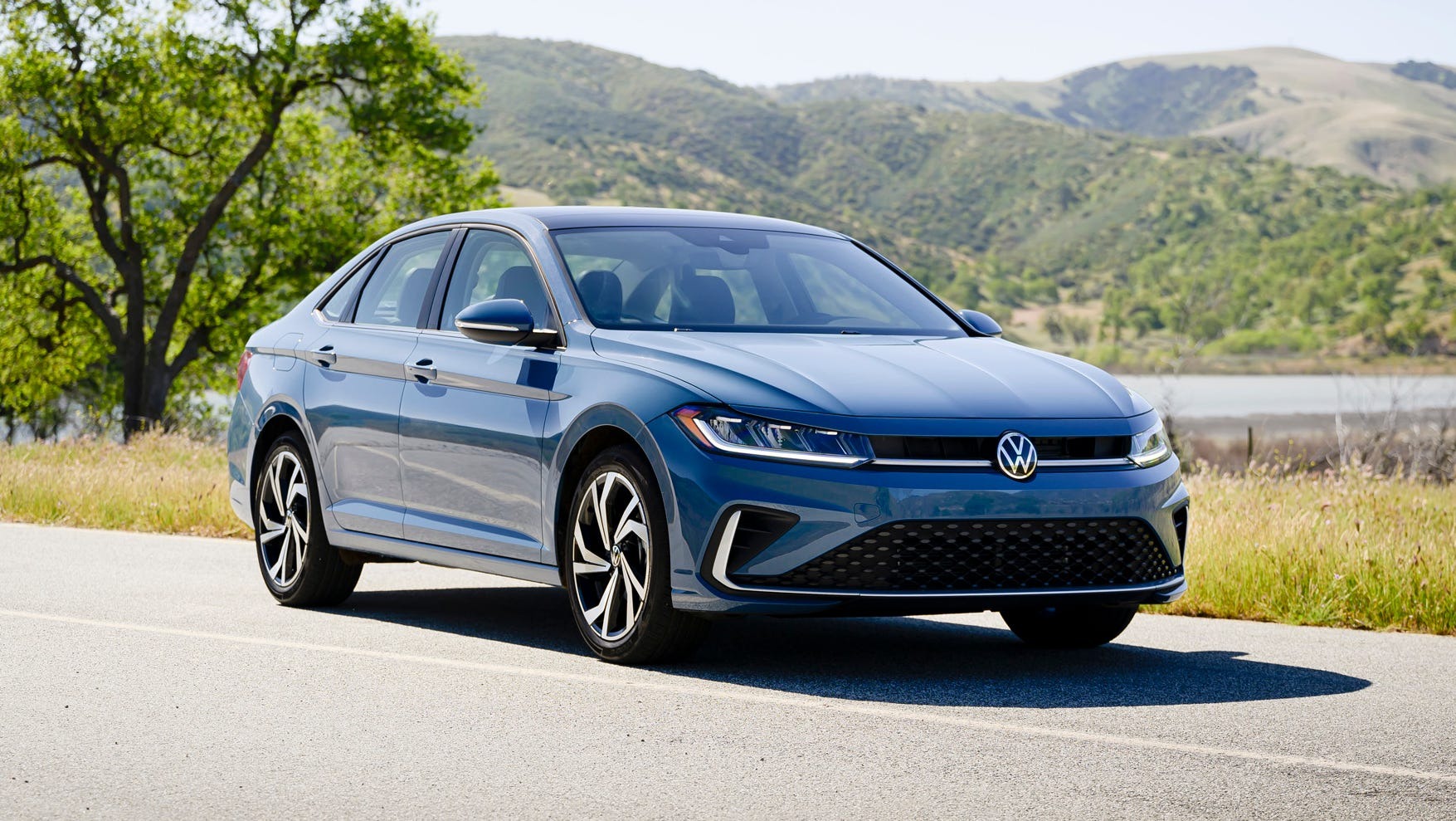
5. Volkswagen Jetta
Volkswagen Jetta has long been seen as a reliable choice for those who want European driving characteristics in a compact sedan. Yet, the HVAC blower system in several Jetta models has been a cause of repeated customer complaints.
The most common issues include the blower working intermittently, stopping without warning, or emitting loud grinding noises. These faults often appear after moderate use, making it a troublesome part for many owners.
The problem can often be traced back to the poor construction of the blower motor. Volkswagen used plastic components in areas that are typically metal in other cars.
These parts can warp or degrade due to heat, leading to poor motor alignment and eventual failure. As the internal structure weakens, the blower struggles to deliver the expected airflow, often requiring replacement far earlier than expected.
Another area of concern is the HVAC control module. This component regulates fan speed and operation. In some Jetta models, the module malfunctions and sends the wrong signals to the blower motor, causing it to run irregularly or stop entirely. The resulting electrical stress can burn out the motor, even if it was working fine initially.
The location of the blower unit under the dashboard also makes it prone to dust accumulation. After some time, debris builds up and affects the rotation of the fan blades.
In some situations, this causes friction that leads to early motor failure. Poor sealing in the intake area also increases the chance of water intrusion, especially during heavy rain.
Though the Jetta has strong points in ride quality and performance, its HVAC system remains an area that often requires attention. Owners should be prepared for blower motor issues that could require repair or replacement sooner than expected. Preventative maintenance helps, but design limitations make frequent blower problems a common part of Jetta ownership.
