
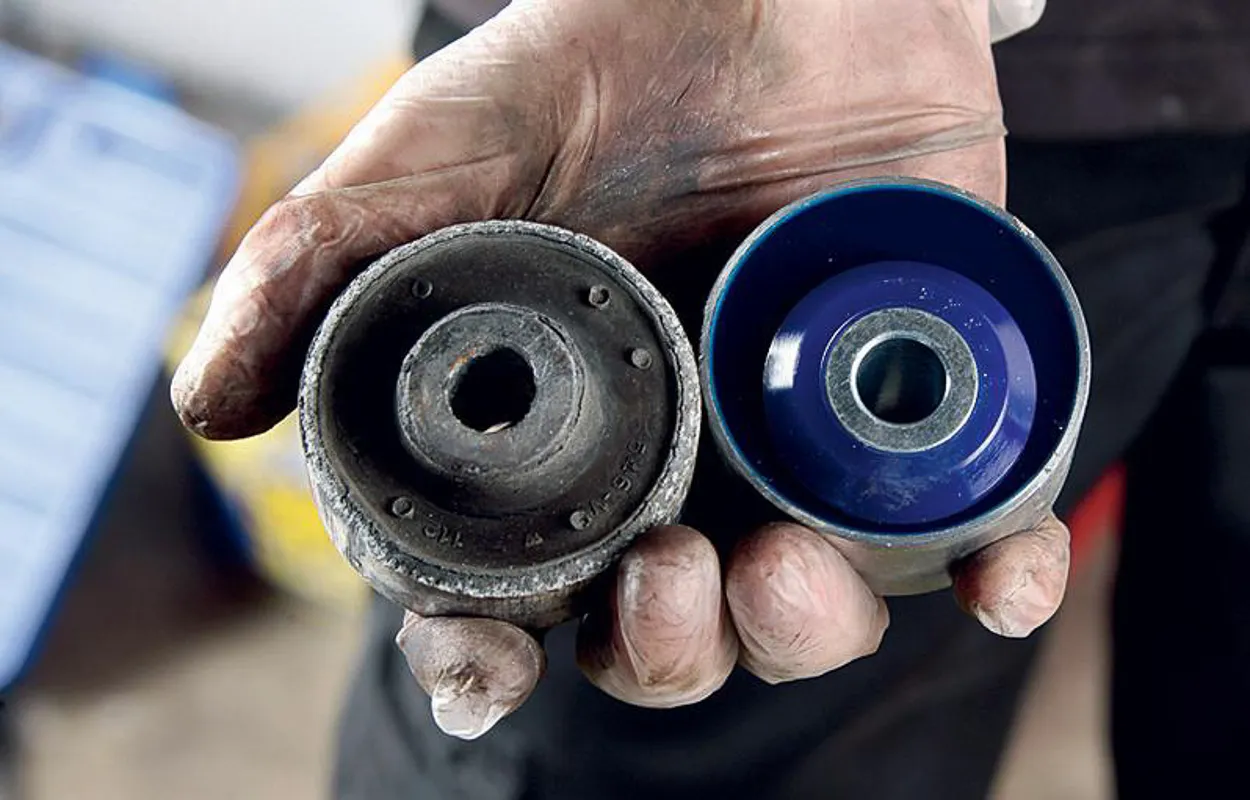
Suspension bushings play a vital role in how a truck handles, absorbs vibrations, and responds to road conditions. Whether a vehicle is used for heavy-duty hauling, commercial use, or off-road adventures, the type and condition of bushings can influence comfort, control, and long-term durability.
Bushings act as cushions between suspension parts and the vehicle’s frame, absorbing shocks and reducing noise or vibrations. They come in various materials, but polyurethane and rubber are the most common.
Trucks fitted with polyurethane bushings are often favoured for their durability, performance consistency, and resistance to environmental wear.
These bushings retain their shape better under stress and heat, giving users tighter handling and improved responsiveness, especially during off-road or towing applications. While they can transmit more vibration than their rubber counterparts, they last longer and hold alignment settings more effectively.
By comparison, rubber bushings are the standard in most factory settings due to their softness and noise-dampening ability. However, they degrade faster under heat, oil, salt, and age. When rubber bushings begin to crack, they lose their ability to cushion suspension components properly.
This degradation often leads to squeaking noises, uneven tire wear, and a less stable ride. Cracked rubber bushings can compromise a vehicle’s handling and create a safety concern if not addressed promptly.
Let us examine five trucks that benefit from polyurethane bushings and compare them with five trucks struggling with cracked rubber bushings. Each example offers insight into how bushing material impacts real-world performance.
While the vehicles featured with polyurethane bushings tend to deliver better longevity and sharper handling, those with deteriorating rubber bushings showcase the issues that can arise when this crucial component wears out.
These ten trucks provide a balanced perspective on how bushing materials affect suspension performance, handling, maintenance, and long-term reliability.
5 Trucks with Polyurethane Bushings
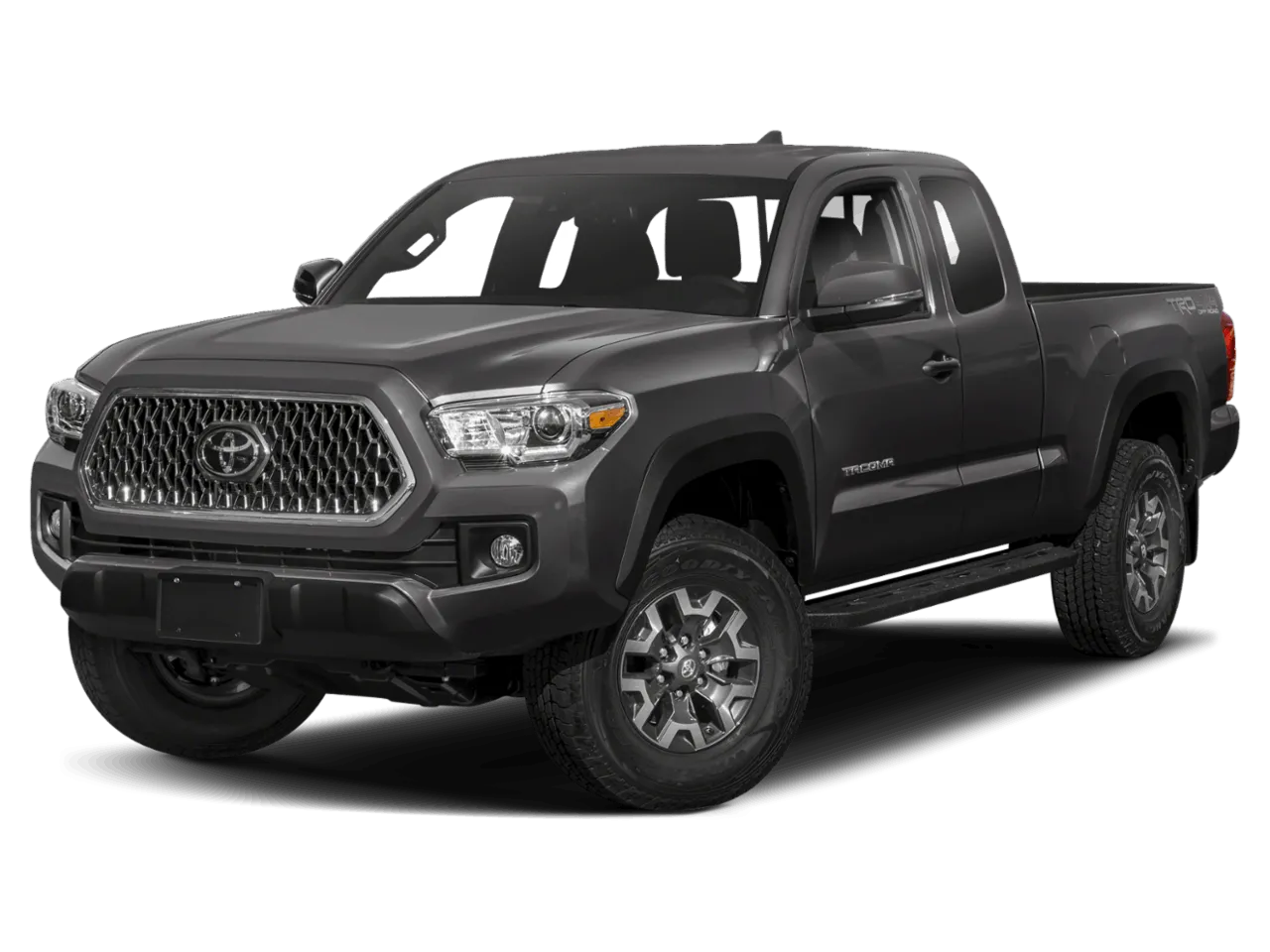
1. Toyota Tacoma TRD Off-Road
The Toyota Tacoma TRD Off-Road has earned a reputation for tackling rough terrain with confidence, and part of this strength comes from suspension modifications that often include polyurethane bushings.
Although not factory-equipped with polyurethane bushings, many owners install aftermarket bushings to improve the vehicle’s off-road capability. This choice becomes essential when dealing with uneven terrain, high articulation demands, and heavier suspension movement.
Once polyurethane bushings are added to components like control arms, sway bars, and leaf spring shackles, the Tacoma TRD Off-Road shows noticeable improvements in steering response and chassis stability.
Unlike rubber, which tends to deform under pressure, polyurethane bushings hold firm and reduce unwanted movement in suspension joints. This change helps the driver maintain better control through rugged trails and while hauling gear in the bed.
Owners also appreciate that polyurethane resists oil, road salt, and extreme heat much better than rubber. These trucks are often exposed to muddy trails, water crossings, and road chemicals, and polyurethane bushings are better suited to withstand those conditions.
The bushing material helps preserve suspension geometry over time, reducing the likelihood of uneven tire wear or alignment problems.
Another point is that drivers benefit from a firmer but more connected feel. While there may be a slight increase in vibration, most off-road enthusiasts see it as a fair trade-off for the increased precision and durability.
On long drives, especially over backroads or rocky terrain, polyurethane bushings help reduce deflection that can otherwise lead to body sway or imprecise steering inputs.
For Tacoma TRD Off-Road owners serious about off-roading or looking for extended component life, replacing factory rubber bushings with polyurethane becomes a valuable modification. It allows the vehicle to perform more predictably, reduces wear on other parts, and supports the lifestyle that this truck was built to support.

2. Ford F-150 FX4
The Ford F-150 FX4 trim is engineered for those who expect strength, capability, and dependability from their pickup. Many owners take the extra step of upgrading their factory suspension with polyurethane bushings, especially when they engage in trail driving or haul loads frequently.
The FX4 package includes upgraded shocks, skid plates, and off-road-tuned features, but polyurethane bushings add another layer of performance enhancement.
When polyurethane bushings are installed in the suspension system, they limit the amount of flex and shift that commonly occurs with rubber.
This firm support helps the F-150 FX4 maintain better alignment under heavy braking or when turning sharply. It’s particularly useful when maneuvering on steep trails or pulling a trailer since the suspension stays more composed.
Another reason F-150 owners prefer polyurethane is due to its resistance to environmental factors. Rubber bushings tend to crack and degrade when exposed to salt, oil, and UV rays.
In regions where trucks are driven year-round in harsh conditions, polyurethane bushings provide long-term consistency. These bushings maintain their shape and stiffness even after repeated punishment from daily use or seasonal extremes.
Performance-wise, drivers often report a more controlled feel from the front and rear suspension after upgrading. There is less nosedive under braking and reduced sway when cornering. This added stiffness also translates to more accurate handling, which is critical when driving at higher speeds or through unpredictable terrain.
Though the firmer compound may slightly increase cabin vibration, the trade-off is usually seen as positive. Maintenance intervals between bushing replacements are extended, and it’s less likely that surrounding components like control arms will suffer from stress-related wear.
With the Ford F-150 FX4 already geared toward rugged performance, polyurethane bushings further solidify its place among pickups that can deliver both daily comfort and weekend adventure without compromising suspension integrity.
Also Read: 5 Once-Popular Cars Now Selling Below MSRP vs 5 That Still Sell Above Sticker
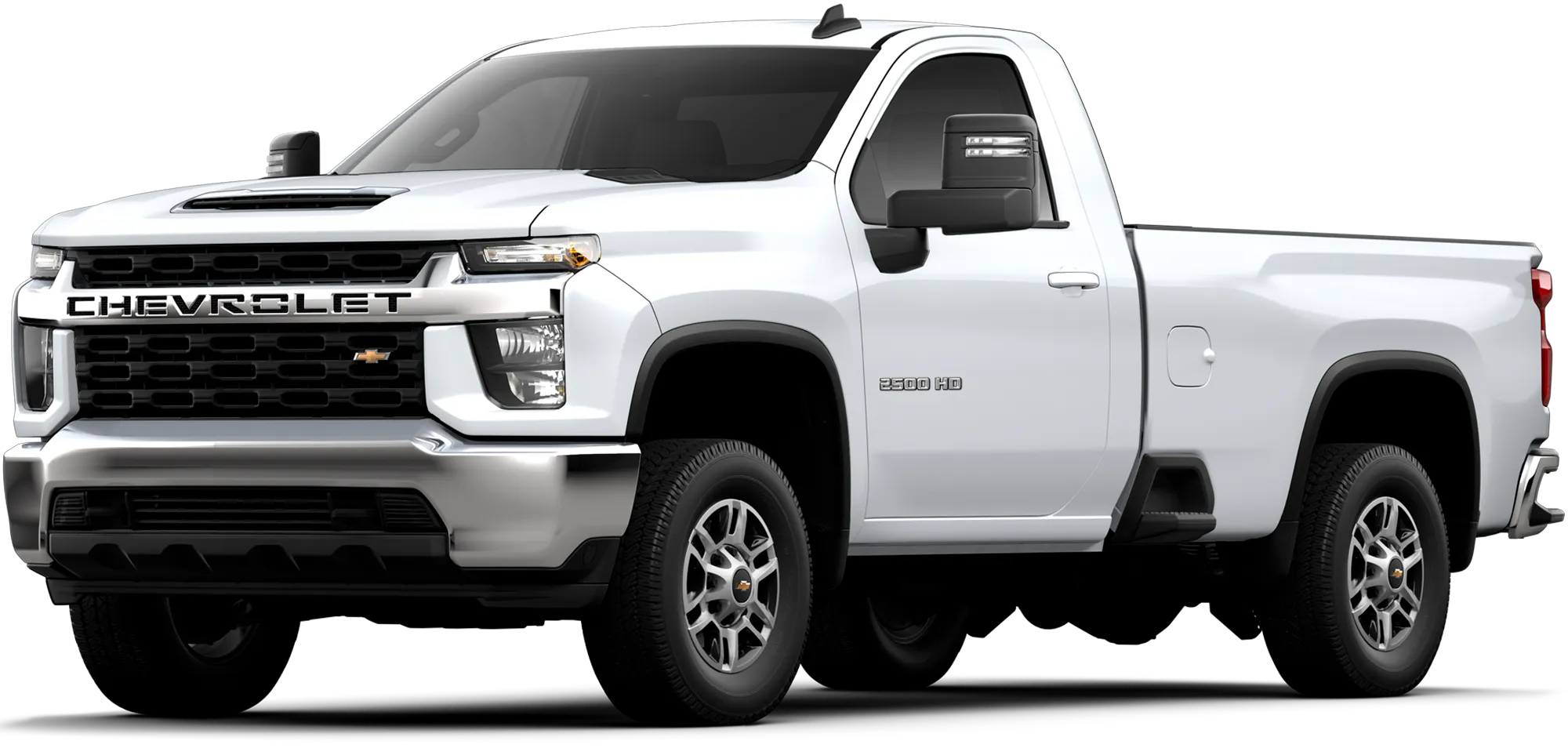
3. Chevrolet Silverado 2500HD
The Chevrolet Silverado 2500HD is built to perform under demanding conditions. Whether used for towing, hauling, or industrial work, this heavy-duty truck experiences a lot of stress on its suspension components.
Owners who rely on the Silverado 2500HD to endure long workdays or rough terrain often switch to polyurethane bushings to improve durability and control.
Rubber bushings tend to wear out faster in high-load situations. Polyurethane, on the other hand, provides a tougher and more resilient alternative.
When installed in suspension arms, track bars, and leaf springs, these bushings keep the suspension tight and consistent. This helps to reduce chassis roll and delay alignment changes that often result from heavy towing or uneven road conditions.
With polyurethane in place, Silverado 2500HD users report more accurate handling during load shifts and better feedback from the steering wheel. There is a noticeable difference when towing trailers or driving over bumpy roads, as the stiffer bushings prevent components from shifting unexpectedly.
Another benefit lies in maintenance. Polyurethane bushings are usually greasable and last significantly longer than rubber, meaning reduced downtime and fewer service needs. This reliability appeals to commercial operators and individual owners who want peace of mind without compromising performance.
Some drivers mention a slightly firmer ride, especially over rough pavement, but that is expected from this type of material. The trade-off is stability and a reduction in long-term wear, which saves money on alignment corrections and replacement parts.
When a Silverado 2500HD is equipped with polyurethane bushings, the suspension system works with greater efficiency. It handles stress more effectively and holds up well under daily punishment, making it an ideal upgrade for a truck designed to tackle heavy-duty tasks without fault.
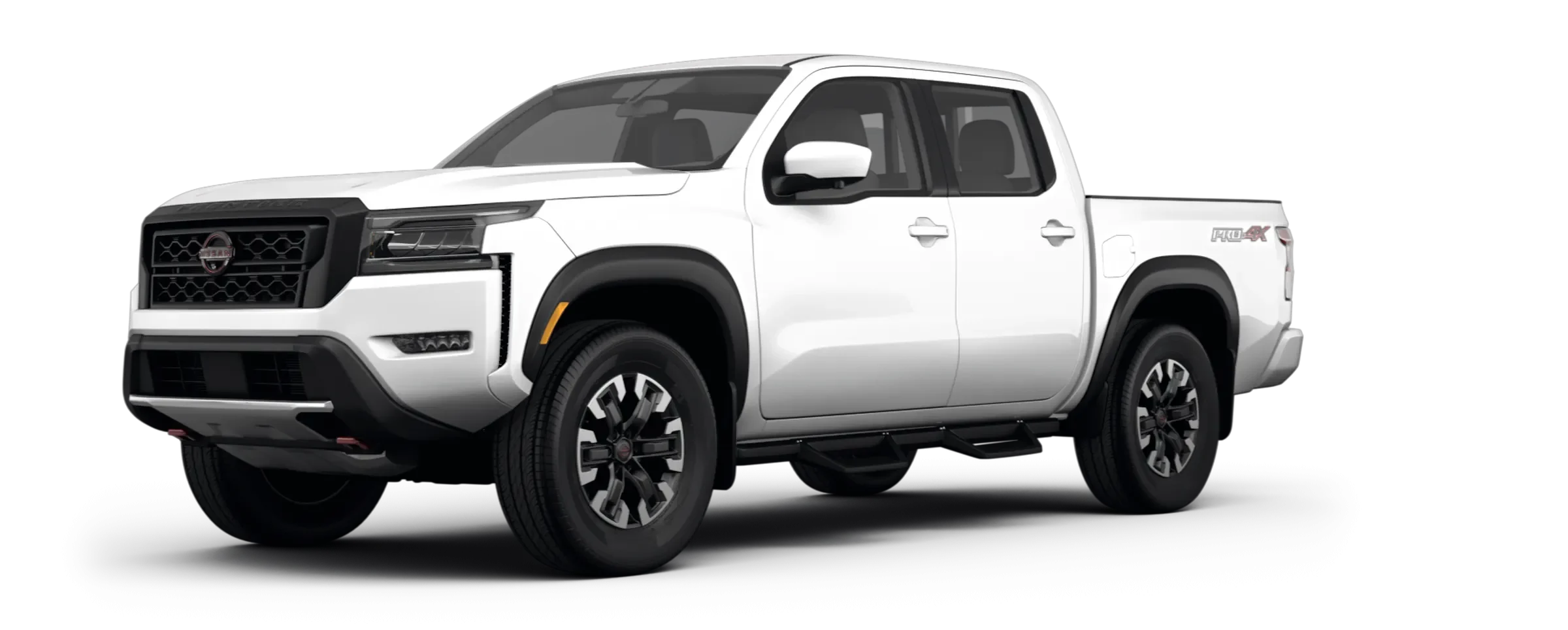
4. Nissan Frontier Pro-4X
The Nissan Frontier Pro-4X is known for blending off-road readiness with urban practicality. While the truck performs reasonably well with its stock rubber bushings, upgrading to polyurethane provides an immediate benefit in terms of rigidity and durability. This upgrade is popular among enthusiasts who frequently examine trails or carry equipment in the bed.
The addition of polyurethane bushings creates a stronger connection between the suspension and frame. These bushings limit movement and isolate main components in a more controlled manner. For the Frontier Pro-4X, this means tighter handling and reduced body roll, especially during off-road articulation or emergency maneuvers.
Rubber bushings may start to crack or tear after exposure to debris, chemicals, or extreme temperature changes. Polyurethane resists these conditions more effectively, preserving its shape and function much longer. This resistance is particularly helpful when the truck is used for trail riding, where mud, water, and rocks are frequently encountered.
Frontier owners report less clunking noise and improved feedback after switching to polyurethane bushings. The suspension feels more precise, and the vehicle responds more immediately to driver input. These upgrades do not just help with off-roading; they also improve highway performance by minimizing float and improving straight-line stability.
From a maintenance point of view, polyurethane bushings reduce the frequency of replacements. They are often serviceable with grease fittings and do not collapse like rubber after a period of time. This means fewer visits to the mechanic and fewer concerns about safety or alignment problems developing without warning.
For those who use the Nissan Frontier Pro-4X for both adventure and utility, polyurethane bushings provide an ideal balance. They reinforce the suspension system and maintain consistency where rubber bushings tend to fall short, giving the truck longer life and sharper control under all conditions.
5. Jeep Gladiator Rubicon
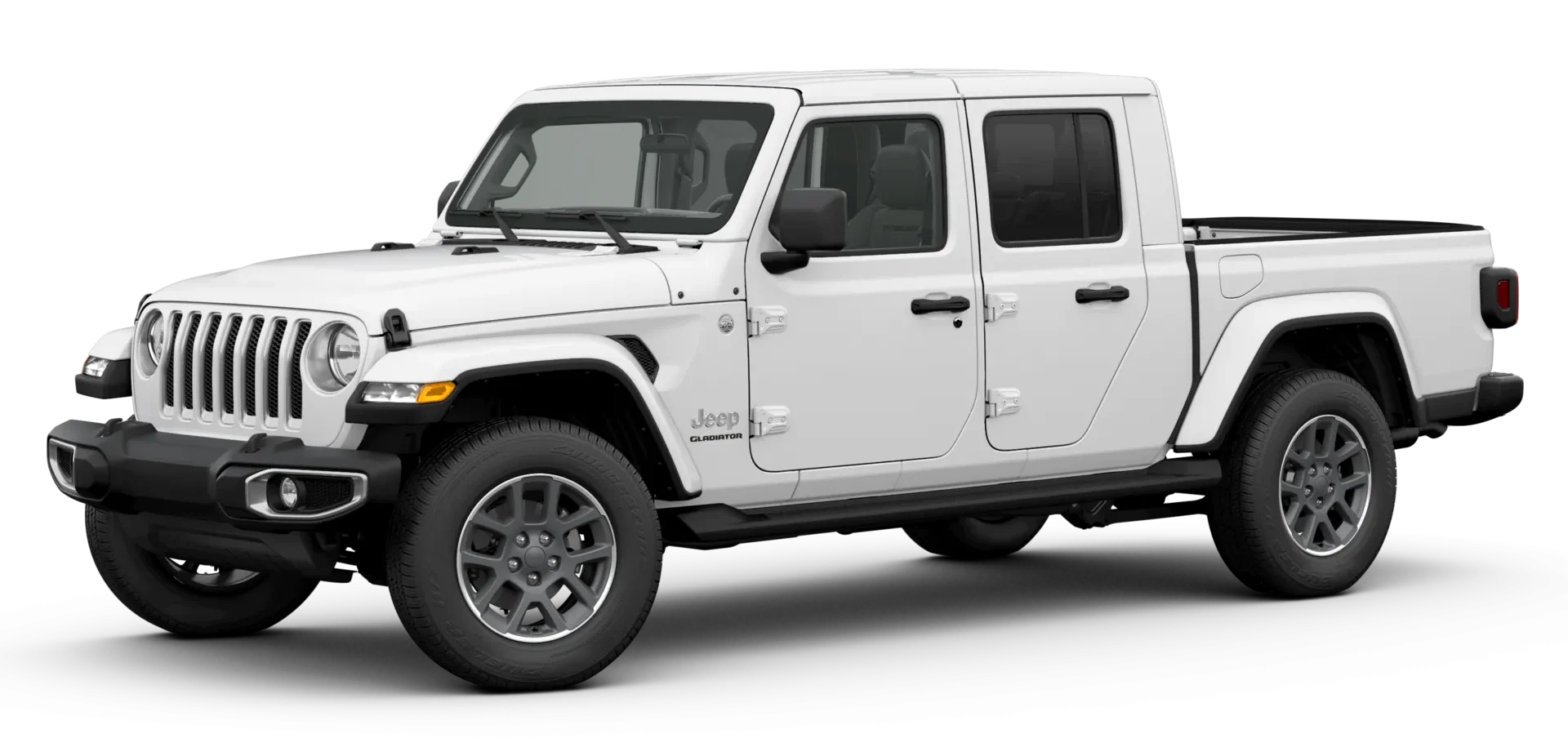
The Jeep Gladiator Rubicon is built to take on rugged landscapes with confidence, and enthusiasts who drive it on rock trails or desert paths often upgrade to polyurethane bushings for added strength and handling precision.
Although factory-equipped with rubber bushings, the benefits of switching to polyurethane become clear once the vehicle is tested under real off-road conditions.
Rubber bushings compress and flex under load, which can lead to unwanted movement in control arms and sway bars. Polyurethane maintains its shape and delivers a firmer response.
For the Gladiator Rubicon, this means less body movement during steep climbs, descents, and tight cornering. The change enhances the truck’s ability to maintain traction and stability on rough surfaces.
Drivers notice that with polyurethane in place, the Gladiator’s suspension behaves more predictably. This is especially valuable when driving across rocks or through deep ruts where precision is essential. Suspension parts stay properly aligned, and steering input results in quicker reaction from the chassis.
Another benefit is the durability of the material. Polyurethane handles road salt, water, mud, and UV rays without deteriorating like rubber. Since off-road conditions often expose trucks to all of these elements, it makes sense to use a material that can withstand them without cracking or weakening after a while.
Owners who tow trailers or carry heavy loads in the Gladiator’s bed also benefit from the added control polyurethane provides. During acceleration and braking, the bushings reduce unwanted suspension flex, allowing the truck to maintain better road contact and stopping ability.
Though it might transmit slightly more vibration into the cabin, many drivers find the improved responsiveness worth the change. Polyurethane bushings turn the Gladiator Rubicon into a tighter, more focused machine that keeps handling sharp, whether on the trail or the road, giving off-road enthusiasts the performance edge they seek.
Trucks with Cracked Rubber Bushings
1. Ram 1500 Big Horn
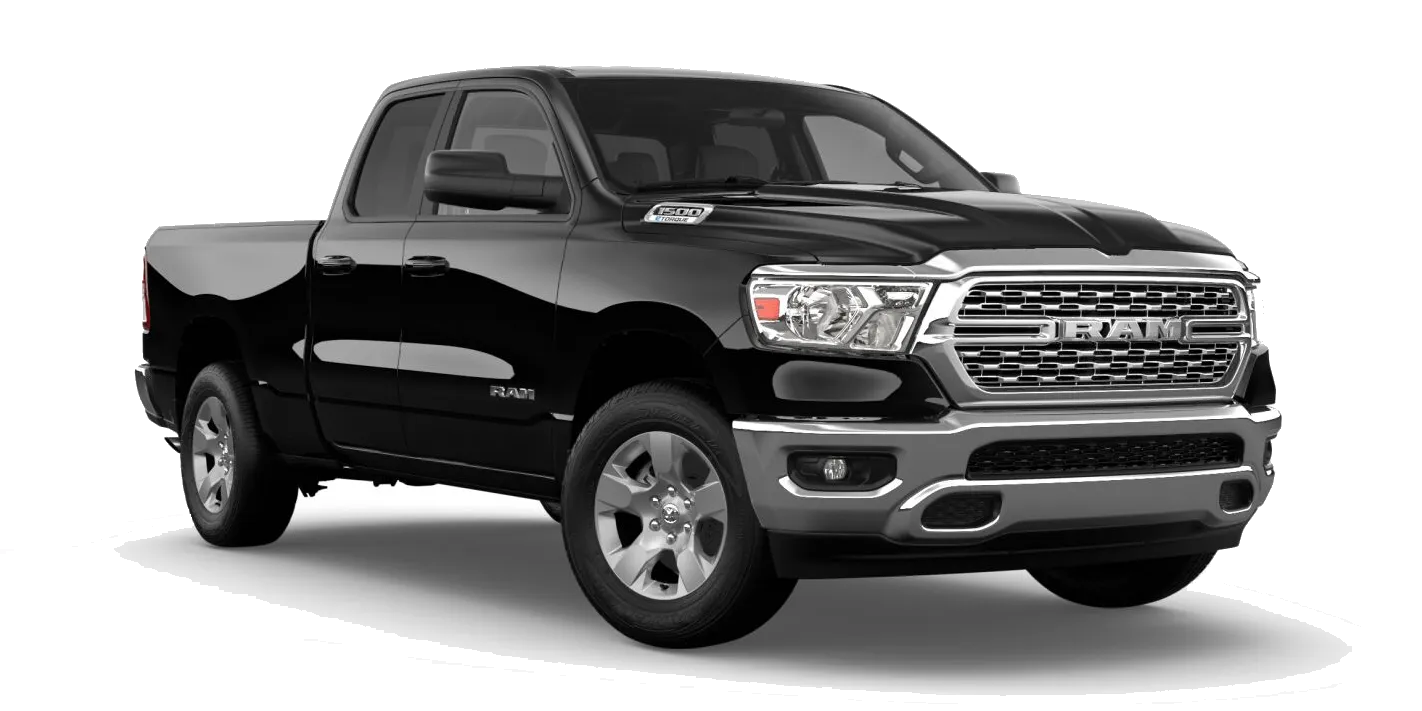
The Ram 1500 Big Horn is a full-size pickup that combines work-ready capability with comfort. However, when rubber bushings begin to crack and degrade due to age or exposure, the suspension performance suffers. This truck, while solid in build, depends on healthy suspension components to retain smoothness and control.
As rubber bushings age, they become dry and brittle. Once cracks develop, the material loses its ability to absorb shock or isolate vibration. In the Ram 1500 Big Horn, cracked bushings often lead to increased clunking noises, a floating sensation at higher speeds, and a loose steering feel. These changes reduce the confidence drivers have in their vehicle’s response.
One area where this problem becomes clear is during braking and turning. With worn bushings, the suspension moves more than it should, which can make the truck feel unstable under pressure. During highway driving, this instability creates discomfort for both the driver and passengers, especially when encountering potholes or uneven surfaces.
The impact on tire wear is another concern. When bushings can no longer hold parts in alignment, it results in uneven pressure on the tires. This not only reduces tire life but also affects traction and fuel efficiency. After a while, owners may spend more on tires and alignments than they expect.
These cracked bushings also place additional stress on other components such as ball joints, control arms, and strut mounts. If left unchecked, it can result in a cascade of suspension issues that require costly repairs.
Owners who recognize these symptoms often consider replacing the worn rubber with polyurethane or fresh rubber bushings to restore the suspension’s integrity. Until that happens, the Ram 1500 Big Horn remains undercut by a weakened support system that affects comfort, safety, and performance on both city streets and job sites.
2. GMC Sierra 1500 SLE
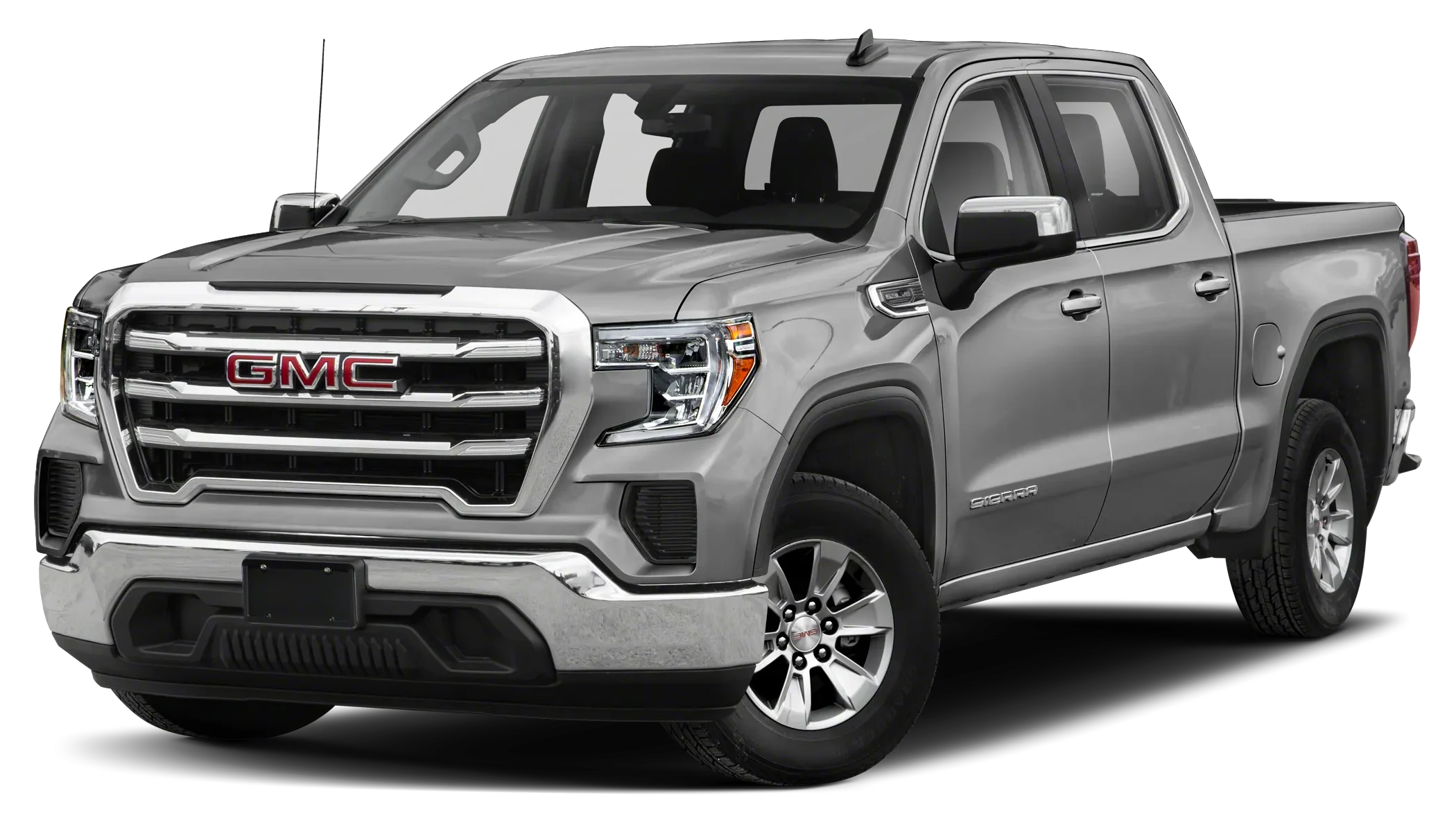
The GMC Sierra 1500 SLE is engineered for versatility, serving both family transport and work demands. However, with cracked rubber bushings, its suspension loses the consistency that many drivers count on. This issue becomes more frequent in older models or those exposed to harsh road conditions after a while.
Rubber bushings serve to cushion metal components and absorb vibrations, but as they age, especially under heat and repeated stress, the surface begins to split.
Cracks allow excessive movement between joints, resulting in a wandering steering feel and inconsistent alignment. Drivers of the Sierra 1500 SLE with worn bushings often report that the truck feels unstable when changing lanes or making sharp turns.
Suspension noise increases, too. A once-silent ride becomes riddled with squeaks and clunks, especially over speed bumps or potholes. The bushings lose their elasticity and stop holding the suspension parts in place properly. This affects not just comfort, but the precision of the truck’s response to driver input.
Cracked rubber bushings can also damage other connected components. When control arms or stabilizer bars are not held securely, the extra motion leads to accelerated wear in ball joints or mounting brackets. The entire suspension system becomes less reliable, making each drive unpredictable.
In a truck like the Sierra 1500 SLE, which is often used for towing or carrying tools and cargo, the effect of suspension weakness becomes more noticeable. With added weight, the deteriorated bushings cause the rear end to sag or bounce excessively, leading to uneven tire wear and strain on the chassis.
Replacing damaged rubber bushings becomes essential for restoring the truck’s stability and comfort. Until then, the vehicle’s true capabilities remain hindered by the failure of a small but crucial component.
3. Ford Ranger XLT
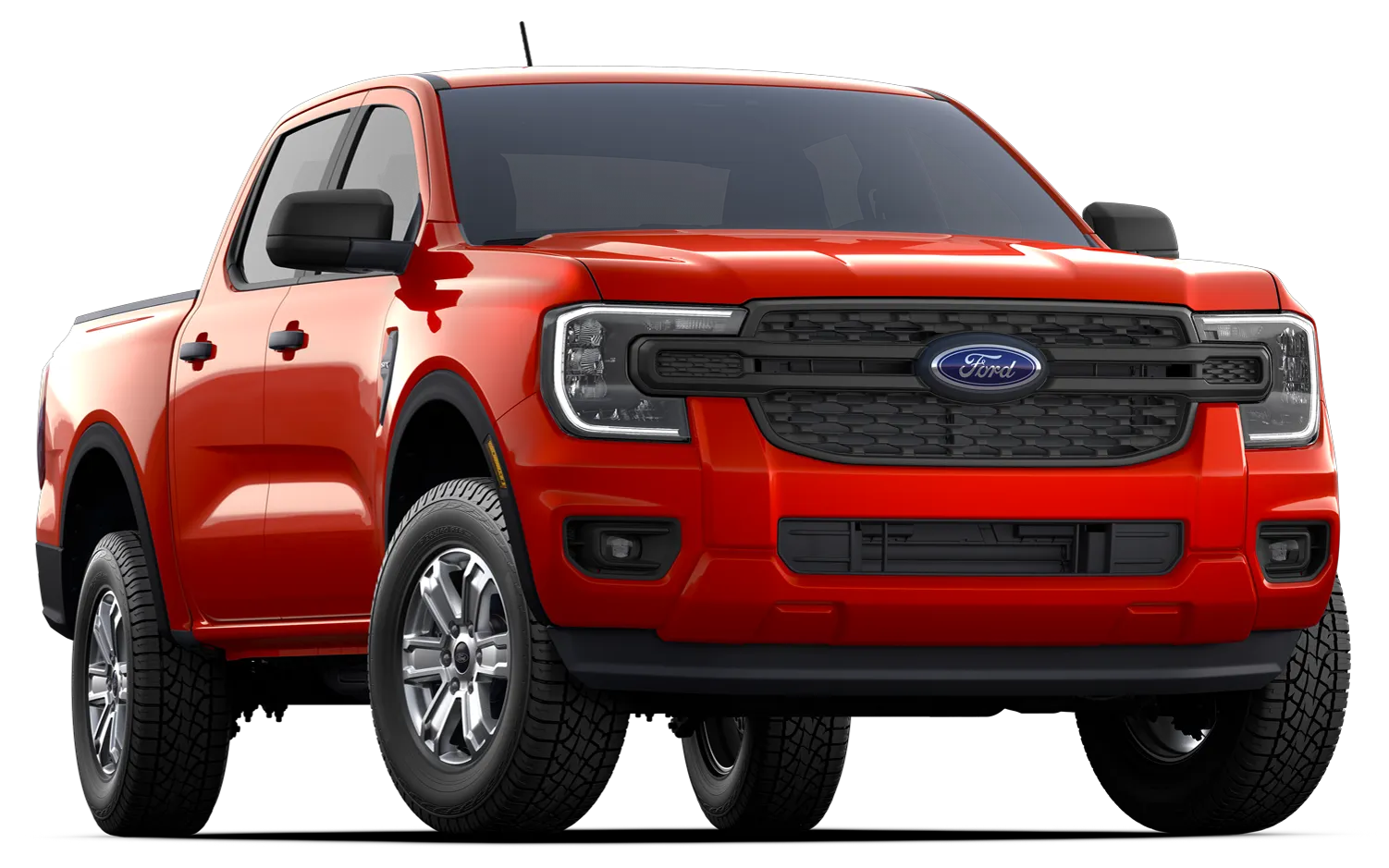
The Ford Ranger XLT is a midsize pickup that balances fuel efficiency with utility, but when its rubber bushings develop cracks, the suspension begins to suffer. Cracked bushings interfere with alignment and introduce noise, vibration, and instability into what should be a smooth driving experience.
Rubber bushings are designed to absorb road shocks and isolate the frame from suspension jolts. With age or exposure to oil and UV rays, these bushings harden and begin to split. In the Ford Ranger XLT, this leads to excessive play in the suspension arms, resulting in wheel misalignment and unpredictable handling.
Owners often report vibration through the steering wheel, especially when driving at higher speeds. Even small bumps on the road start to feel exaggerated.
As the cracks deepen, the bushings no longer center suspension components, causing the vehicle to pull slightly in one direction and increasing driver fatigue on long trips.
In wet or off-road conditions, cracked bushings make the Ranger more difficult to control. Suspension travel becomes inconsistent, and the truck may bottom out or bounce unexpectedly. The rubber’s failure reduces support in major load-bearing areas, which can create safety issues when braking suddenly or turning sharply.
Tire life is also affected. When alignment suffers due to worn bushings, the tires develop uneven tread patterns. This results in higher replacement costs and worsened grip on slippery roads. Brake performance may decline, too, as the suspension no longer holds components in the proper orientation for clean stopping action.
Restoring the Ranger XLT’s ride quality involves replacing the failed bushings. Polyurethane bushings offer one solution, giving a firmer ride with longer durability, but even fresh rubber will perform better than cracked and broken stock bushings. Without the repair, the truck remains compromised in ride comfort and handling precision.
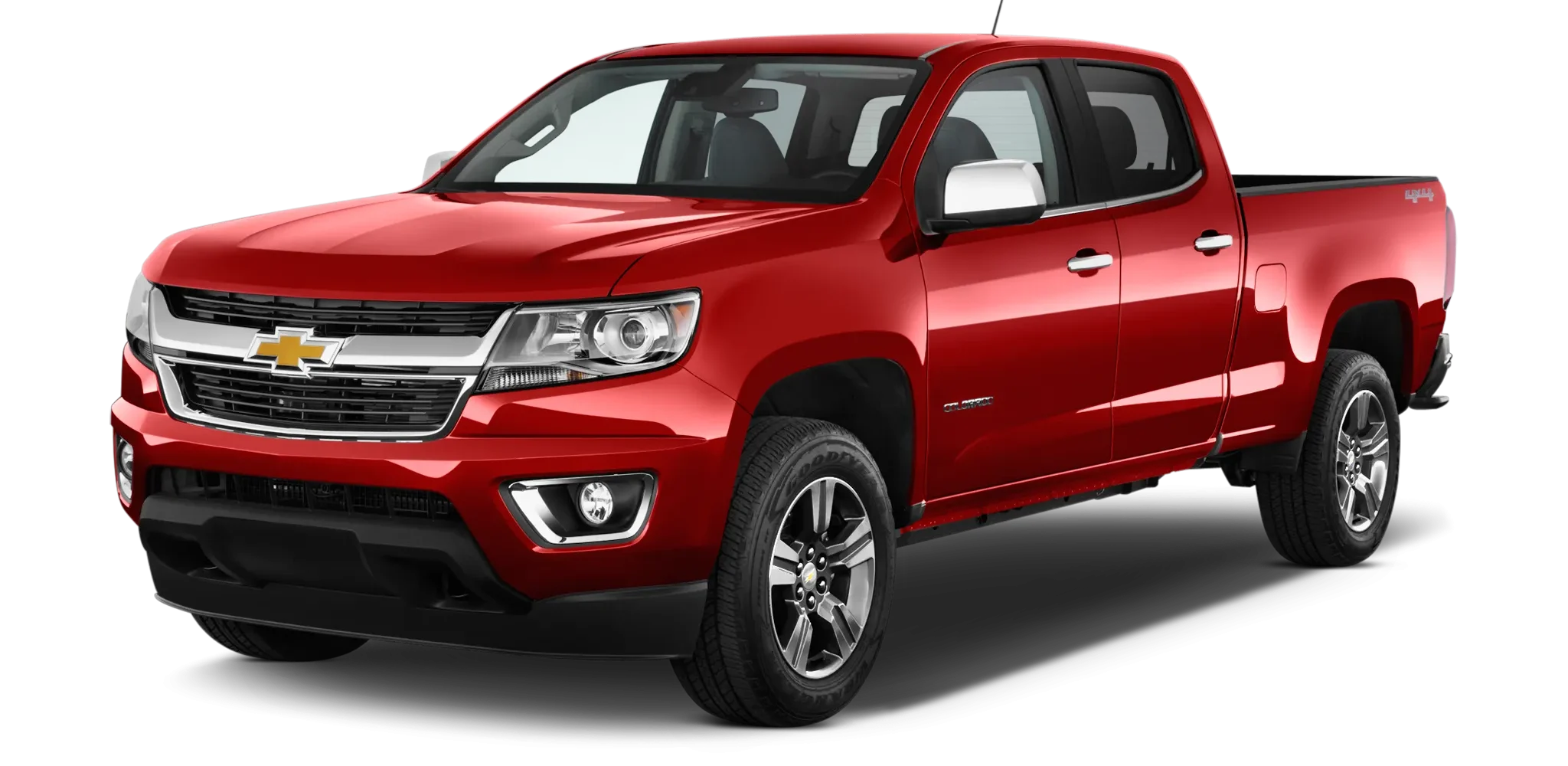
4. Chevrolet Colorado Z71
The Chevrolet Colorado Z71 is appreciated for its blend of mid-size agility and off-road potential. However, like many trucks relying on rubber bushings, the Colorado Z71 becomes affected once those components begin to crack.
These bushings are responsible for keeping suspension arms, sway bars, and links aligned and cushioned, but wear and exposure to harsh conditions lead to gradual breakdown.
When cracks form, the bushings no longer dampen vibration effectively. Owners of the Z71 notice that road imperfections become more noticeable, and the vehicle begins to feel loose or unstable during cornering. The feedback through the steering wheel becomes less direct, with an increase in steering effort needed to keep the truck in line.
Clunking or rattling sounds also become common, especially over uneven roads or during braking. These noises are clear signs that the bushings are no longer securing parts properly, allowing metal-to-metal contact. In the Z71, which may be used off-road or on gravel roads, this issue is worsened as the suspension is placed under frequent stress.
Another concern involves component alignment. When bushings lose their shape due to cracks, control arms and suspension links do not sit as they should.
This misalignment affects camber and caster angles, which in turn results in uneven tire wear. Tires may wear faster on one edge, reducing traction and creating the need for premature replacement.
The increased movement also adds wear to the mounting points and joints connected to the bushings. If left unaddressed, this small failure can lead to the need for replacing larger suspension components. Fuel economy may also suffer because the vehicle works harder to compensate for the loss of stability and precision.
To restore performance, owners usually need to replace the damaged bushings. While new rubber bushings may return the truck to its factory ride feel, some drivers choose polyurethane for the added rigidity and durability.
Either way, cracked bushings must be addressed to ensure the Colorado Z71 continues to deliver capable and composed handling on all surfaces.
Also Read: 5 Pioneering Cars That Introduced Reliable Safety vs 5 Early Adopters with Issues
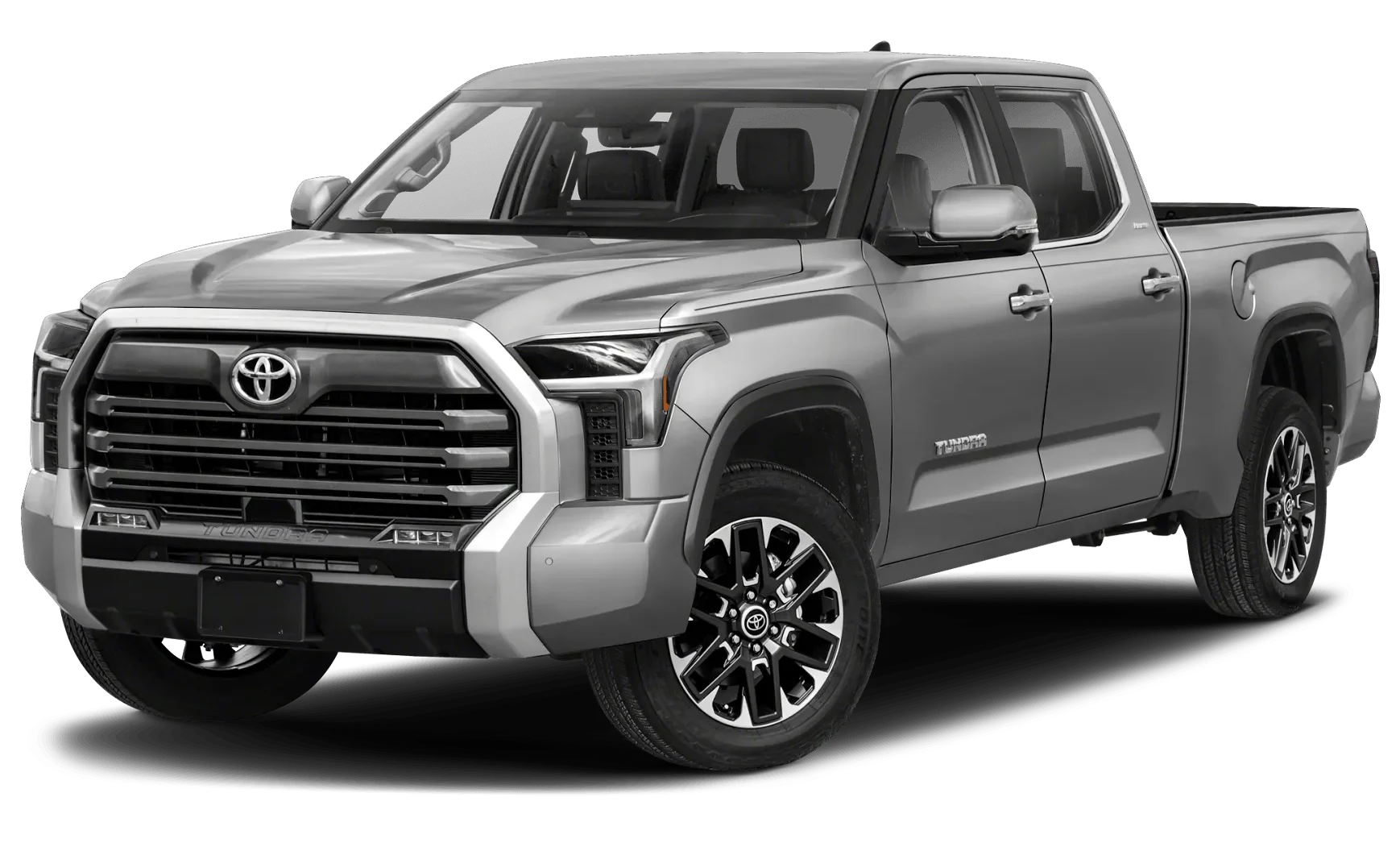
5. Toyota Tundra SR5
The Toyota Tundra SR5 is built for durability and towing strength, but its rubber bushings are not immune to aging. Once they begin to crack, the suspension system’s performance starts to decline, and the ride becomes less refined.
Although the Tundra SR5 is known for reliability, cracked rubber bushings can compromise that reputation when left unchecked.
These bushings are intended to isolate movement in the suspension and reduce vibration passed into the cabin. As they deteriorate, they lose their ability to provide cushioning between metal parts.
Drivers of the Tundra SR5 often report that once the bushings crack, the truck feels rougher on the road. There is more bouncing over bumps, and the steering feels less responsive.
Suspension noise also increases. What was once a quiet ride becomes filled with creaks and rattles, especially during acceleration or when going over dips. These sounds are not just cosmetic issues; they signal that the bushings can no longer absorb impact or hold parts firmly in place.
Towing and hauling performance is also affected. With cracked bushings, the suspension may sag or feel unstable under load. The truck might sway more when pulling a trailer, making the driver work harder to maintain control. The added strain on suspension components can shorten their life span, increasing maintenance costs.
Alignment issues also follow. Once bushings lose their shape, the suspension cannot hold wheels at the correct angles. This affects both tire life and driving safety. Uneven tire wear, reduced braking effectiveness, and increased fuel use all result from poor alignment caused by worn bushings.
To bring the Tundra SR5 back to form, replacing the bushings is necessary. While factory rubber can provide a soft and quiet ride, switching to polyurethane can offer more durability, especially for drivers who regularly haul or drive in tough conditions. Until the repair is made, the vehicle’s strong chassis and powerful engine are let down by a failing support structure.
The performance of any truck depends not only on engine power or design but also on the reliability of its suspension system. Bushings play a foundational role in ensuring smooth handling, quiet rides, and alignment stability.
Trucks equipped with polyurethane bushings benefit from a firmer connection, longer service life, and better handling, especially when used for off-road driving or heavy-duty tasks.
Trucks running with cracked rubber bushings face a variety of problems. From noisy suspensions and unpredictable handling to uneven tire wear and increased stress on related components, these issues build up after a while. Addressing them early with quality replacements can restore performance and extend the life of the vehicle.
Choosing the right bushing material is about more than comfort; it is about safety, consistency, and cost-effectiveness. For owners who value long-term reliability and precise control, polyurethane becomes a smart upgrade.
For those who prefer a softer and quieter experience, fresh rubber bushings may still be the better option. Either way, avoiding neglect and staying ahead of wear ensures that these trucks continue to deliver strong, dependable performance for years to come.
