
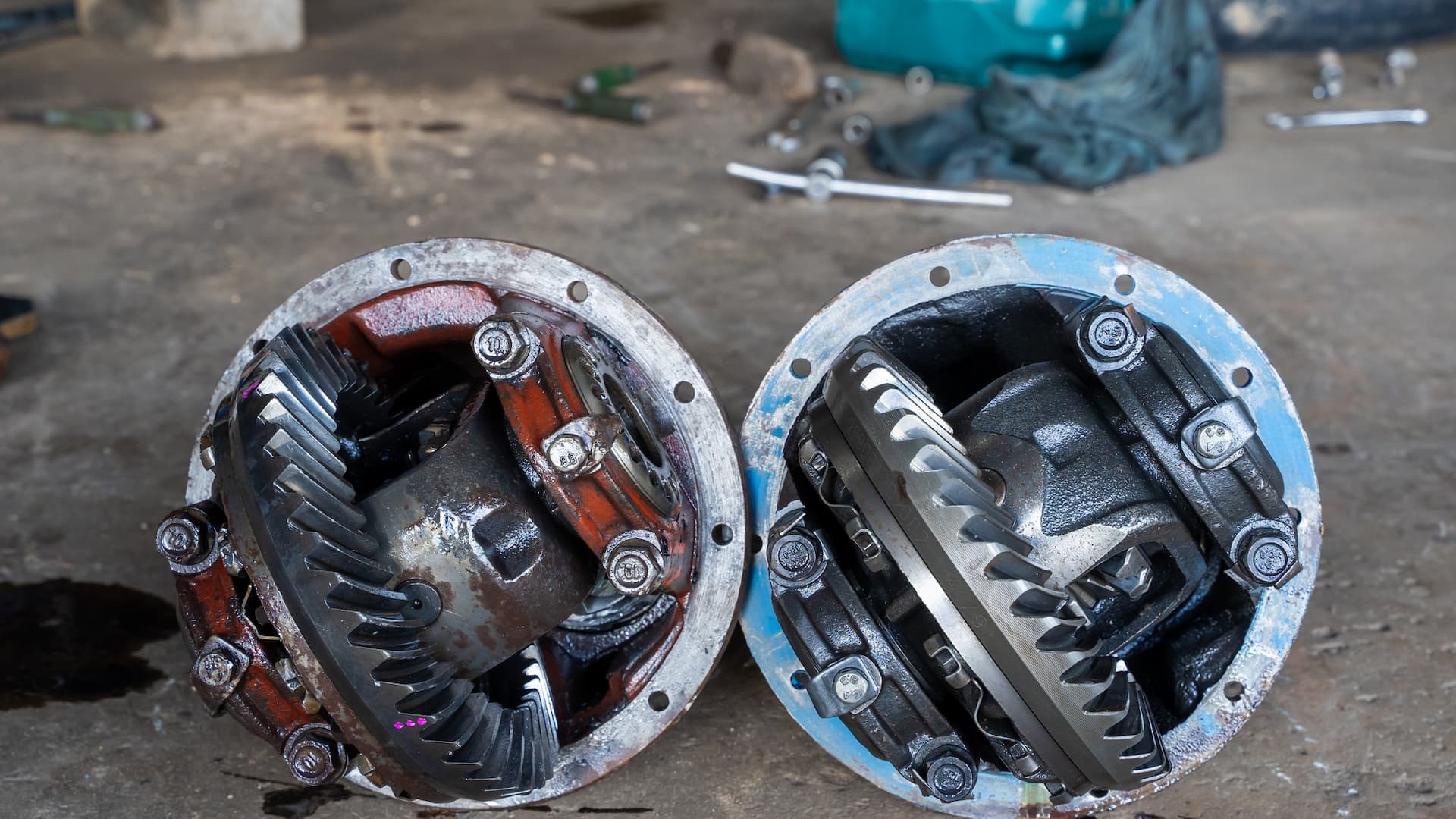
Rear differentials play an important role in determining how a vehicle handles power distribution between its rear wheels. When a differential is properly sealed, it protects the gear oil from leaking, ensuring that the mechanical components inside receive the right amount of lubrication.
This protection helps maintain performance, prolongs the life of parts, and reduces the risk of costly repairs. On the flip side, some SUVs have developed reputations for rear-end oil leaks, either due to poor sealing, flawed designs, or age-related issues. Once fluid begins to leak, drivers may notice whining noises, rougher rides, or complete failure of the rear differential.
SUVs serve a wide range of purposes, from off-road adventures to daily commutes and family road trips. For this reason, reliability in major drivetrain components, like the rear differential, becomes essential.
A sealed unit gives owners peace of mind, knowing that maintenance costs will likely remain low and their vehicle will keep operating as expected. However, some SUV models have seen recurring complaints from users about leaking differentials, prompting concerns about durability and design oversight.
We will present you with five SUVs known for having well-sealed, dependable rear differentials, and compare them with five others that have gained attention for leaking issues in their rear ends. Each vehicle will be discussed based on owner experiences, mechanical design, and general durability.
Whether you are a buyer searching for a dependable used SUV or a driver seeking information about your current ride, understanding these differences could help you make better decisions on maintenance, repairs, or future purchases.
5 SUVs with Sealed Rear Differentials
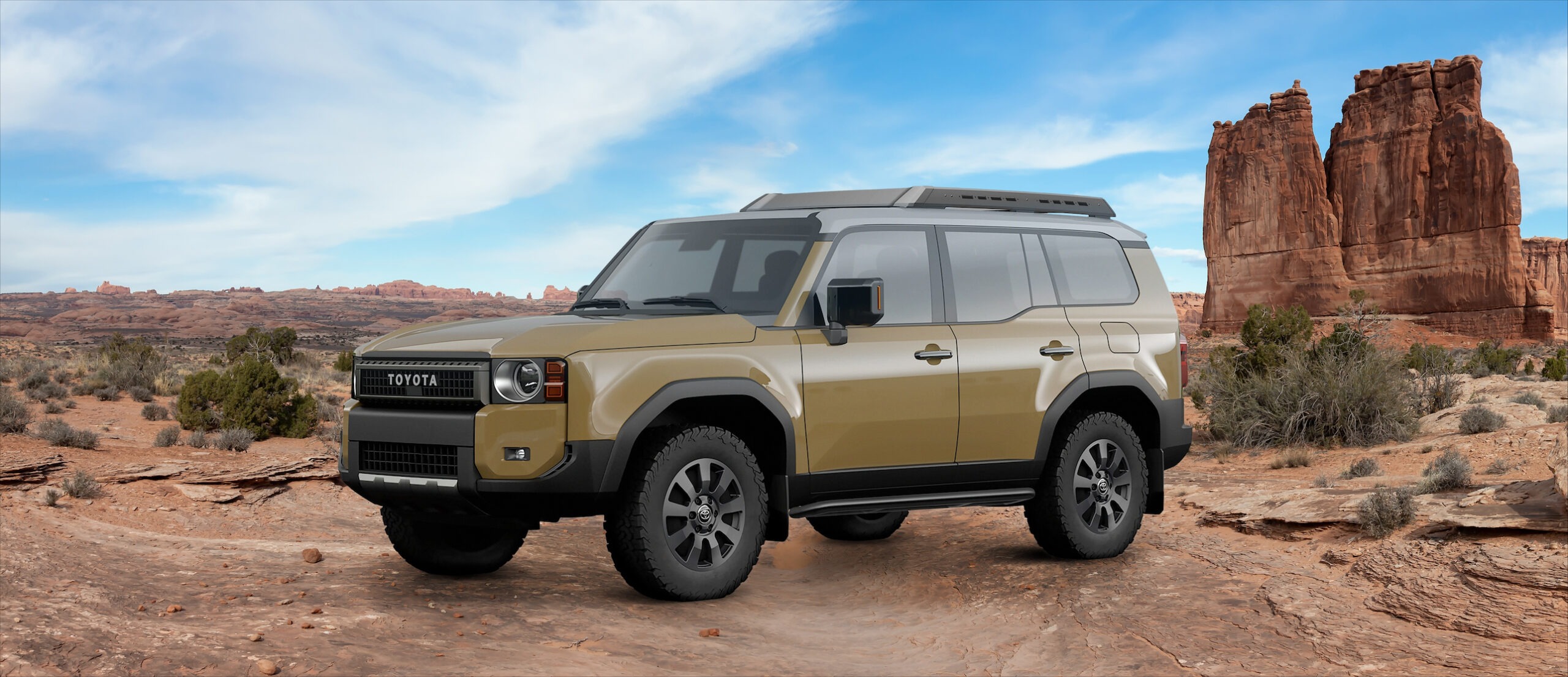
1. Toyota Land Cruiser
The Toyota Land Cruiser is often seen as a symbol of long-lasting engineering, particularly when it comes to its drivetrain durability. Among its various components, the rear differential stands out as one of the most reliable in its class.
Toyota has consistently designed this SUV with a strong focus on off-road use, which includes incorporating high-strength axle housings and tightly sealed differential covers that resist leakage even under extreme stress. Owners frequently drive this vehicle for hundreds of thousands of miles without experiencing major issues related to the rear end.
The reason behind this strength lies in Toyota’s careful approach to engineering. The rear differential housing on the Land Cruiser is built with durable cast iron and features strong welds and robust seals that protect against both road debris and fluid seepage.
Whether cruising on the highway or crawling through rocky trails, the differential oil remains well-contained, providing constant lubrication to the gears.
Another point to note is that Toyota uses high-quality factory gaskets and sealants that reduce the need for constant maintenance. Unlike other SUVs that may require re-sealing or gasket replacements within a few years, the Land Cruiser often holds up much longer.
Mechanics who service these vehicles often find no evidence of leaks even after extended usage, as long as routine fluid checks are performed.
This SUV has also become popular among overlanding communities, many of whom rely on its sealed differentials to perform during long, remote trips without access to repair shops.
This real-world usage only adds to its reputation. With such attention to drivetrain reliability, the Toyota Land Cruiser proves to be a top performer for those who value strong, leak-free rear differentials.
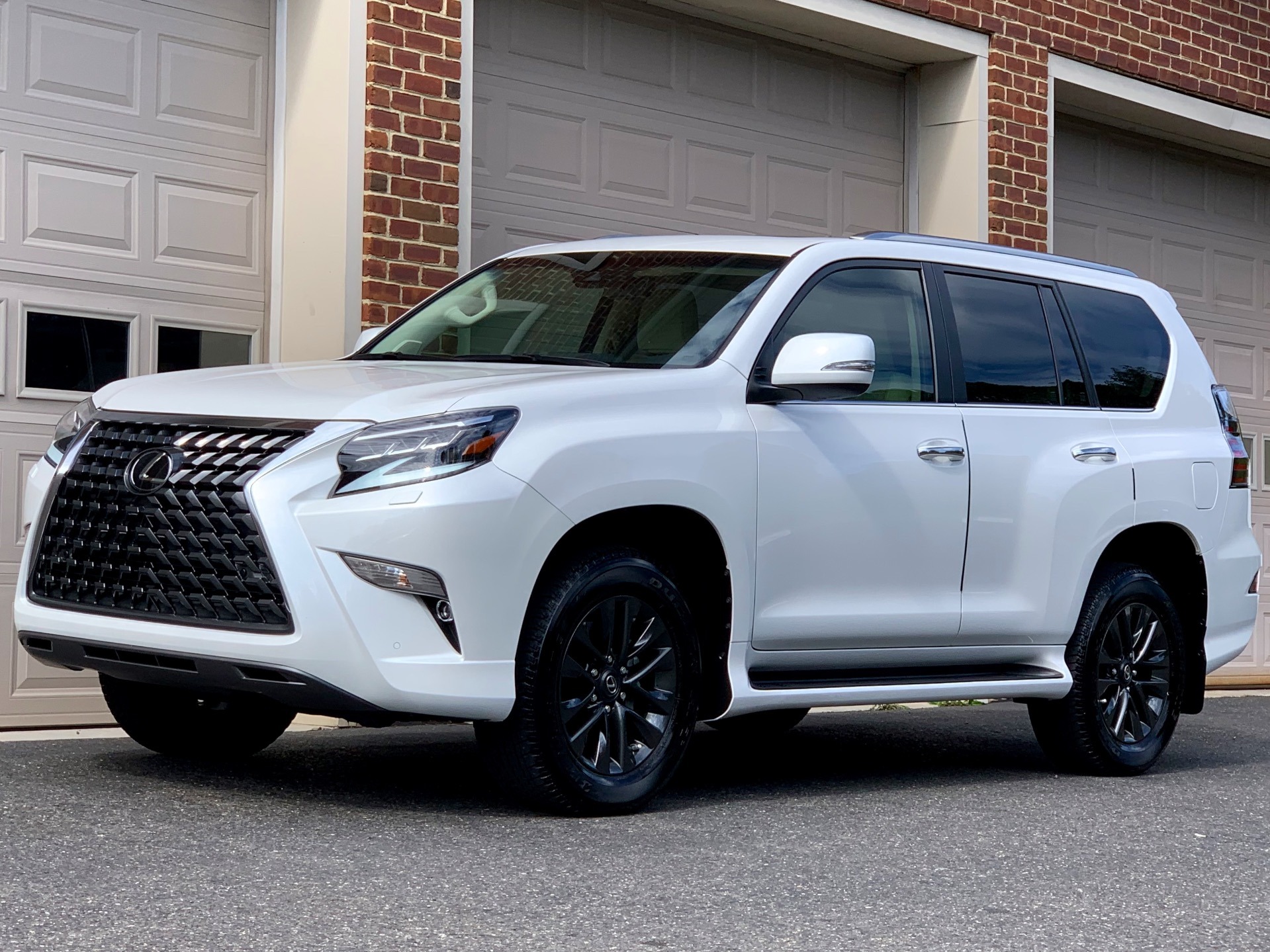
2. Lexus GX 460
The Lexus GX 460 shares a platform with the Toyota Land Cruiser Prado, and this connection has allowed it to inherit the same level of mechanical strength, particularly in its rear differential design.
Although marketed as a luxury SUV, the GX 460 comes with a rugged body-on-frame layout and full-time four-wheel drive, meaning its underbody components are constantly exposed to stress. Despite this, the rear differential has maintained a record of reliability and minimal fluid leakage.
A major reason for this performance is Lexus’ attention to detail when it comes to manufacturing tolerances and part assembly. The rear axle assembly is fitted with high-grade seals, and the differential casing is tightly machined to prevent seepage in the long run.
Lexus also applies a factory-applied sealant that is designed to hold up under varying temperatures and road conditions, which reduces the likelihood of cracks or fluid escape even in cold climates.
Apart from the mechanical aspects, owner experiences also point to the effectiveness of the rear-end sealing. Many users have gone past the 200,000-mile mark without needing to reseal or rebuild the differential. This makes the GX 460 attractive for both luxury SUV buyers and outdoor enthusiasts who appreciate a solid platform that doesn’t compromise under pressure.
Service technicians have also noted that during scheduled maintenance, the differential often shows clean oil without contamination, a sign that the seal has done its job. With such consistency, the Lexus GX 460 presents a balance of luxury and dependability where the rear end is well-protected against leaks and damage.
Also Read: 10 Cars With Cheap Replacement Parts That Tend To Last
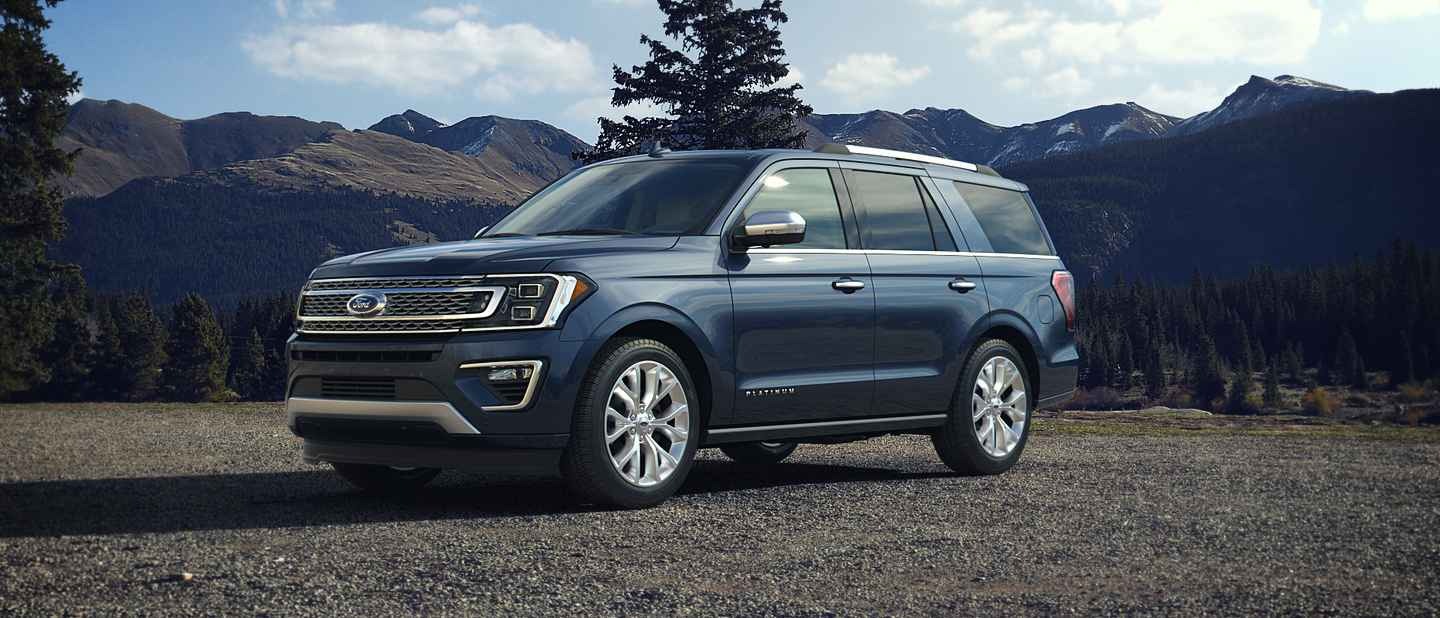
3. Ford Expedition (2018-present)
Ford has made remarkable improvements in drivetrain durability with its newer generation Expedition models. Starting from 2018, the vehicle was reengineered with a fresh platform and upgraded mechanical parts, including a rear differential that now comes with stronger seals and improved insulation against heat expansion.
As a full-size SUV meant for towing and family travel, it demands a stable rear-end system, and Ford has largely succeeded in delivering that. The rear differential housing in the newer Expeditions is made from a sturdy blend of aluminium and steel, which offers strength without adding excessive weight.
It is also designed with reinforced gaskets and synthetic oil, which work together to prevent leaks and keep gears well-lubricated. These updates make the rear axle more capable of handling heavy-duty use, including trailering and long-distance road trips.
Compared to older Ford models that were occasionally flagged for minor leaks, the current Expedition presents a noticeable improvement. Mechanics have observed fewer cases of differential fluid seepage in the newer generation. Regular servicing has shown that the differential fluid levels remain stable as time goes on, which is a good indication that the seals are holding up as expected.
What also helps is Ford’s decision to include better underbody protection and heat shielding around the rear axle, limiting the kind of thermal stress that often contributes to early seal wear.
All these upgrades contribute to a rear differential that remains sealed and functional across varying usage types. For large SUV buyers seeking confidence in drivetrain durability, the Expedition stands out for its well-contained rear axle.
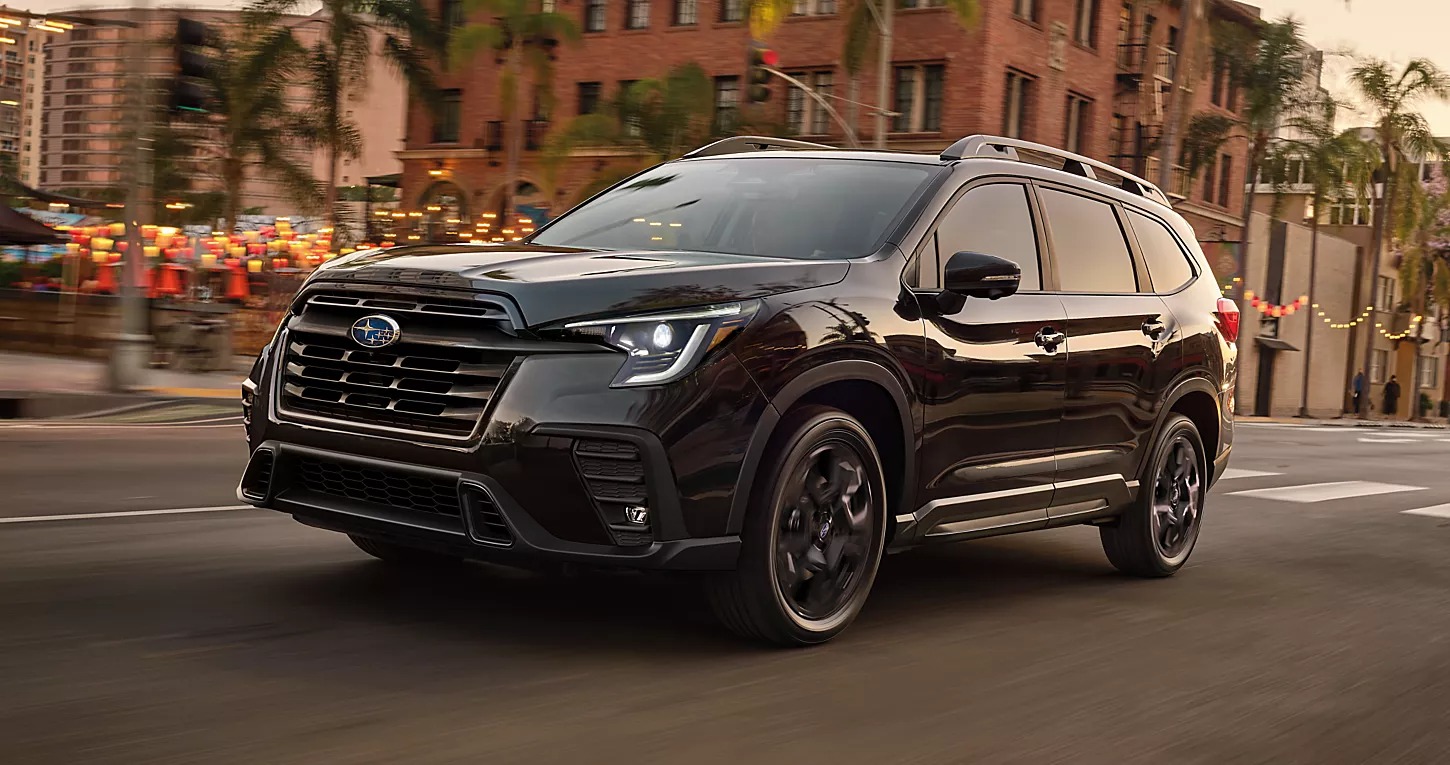
4. Subaru Ascent
Although Subaru is better known for its compact all-wheel-drive vehicles, the Ascent represents the brand’s entry into the mid-size SUV segment. It comes equipped with a symmetrical all-wheel-drive system and a carefully engineered rear differential designed to distribute torque evenly.
Subaru ensured that the rear differential unit is well-sealed and resistant to both internal pressure and external contaminants.
The rear differential on the Ascent includes a finned aluminium casing, which helps with heat dissipation. The design also features thick, high-temperature gaskets that maintain a strong seal under diverse driving conditions. Subaru also uses factory-applied RTV sealants on the differential cover, which has proven effective in resisting both oil leaks and moisture entry.
Subaru drivers have reported fewer rear-end issues with the Ascent compared to older models like the Tribeca. In many user forums and maintenance reports, it is uncommon to find mentions of leaky differentials among Ascent owners.
Even after long-distance driving and heavy cargo hauling, the differential fluid remains at expected levels, proving that the seals remain intact.
Another benefit lies in the vehicle’s service intervals, which show long-lasting performance of the rear diff without early degradation.
This has made the Ascent a reliable choice for families that need a three-row SUV with strong all-wheel-drive capabilities. Subaru’s focus on clean mechanical design and effective sealing helps the Ascent maintain its position among SUVs with dependable, leak-free rear ends.

5. Honda Passport
The Honda Passport is a mid-size crossover SUV designed for light off-roading and family transport. Though it is not built on a body-on-frame chassis, Honda paid attention to the sealing of its rear differential system to ensure fluid retention and component protection.
The rear axle assembly uses a viscous coupling system and a multi-plate clutch pack that relies on steady oil pressure, which makes effective sealing necessary.
Honda engineers addressed this requirement by using double-lip seals and precision-machined surfaces to form a tight connection between the differential casing and its internal components.
The differential also benefits from a high mounting position, which protects it from road debris and reduces exposure to water during shallow water crossings.
Owners have reported that even after years of driving, there are minimal signs of fluid leakage or rear-end noise, indicating that the seals continue to hold well. Service technicians have also highlighted that during rear diff fluid changes, the oil appears clean and properly contained, with no evidence of leaks along the casing seams.
The Passport’s sealed differential setup makes it suitable for light towing and rough terrain without the fear of oil seepage or mechanical wear.
Drivers looking for a crossover that does not require frequent rear-end maintenance have found the Passport dependable. With the inclusion of proper fluid management and well-applied seals, Honda has produced a reliable and leak-resistant differential design in the Passport.
5 SUVs with Leaky Rear Ends
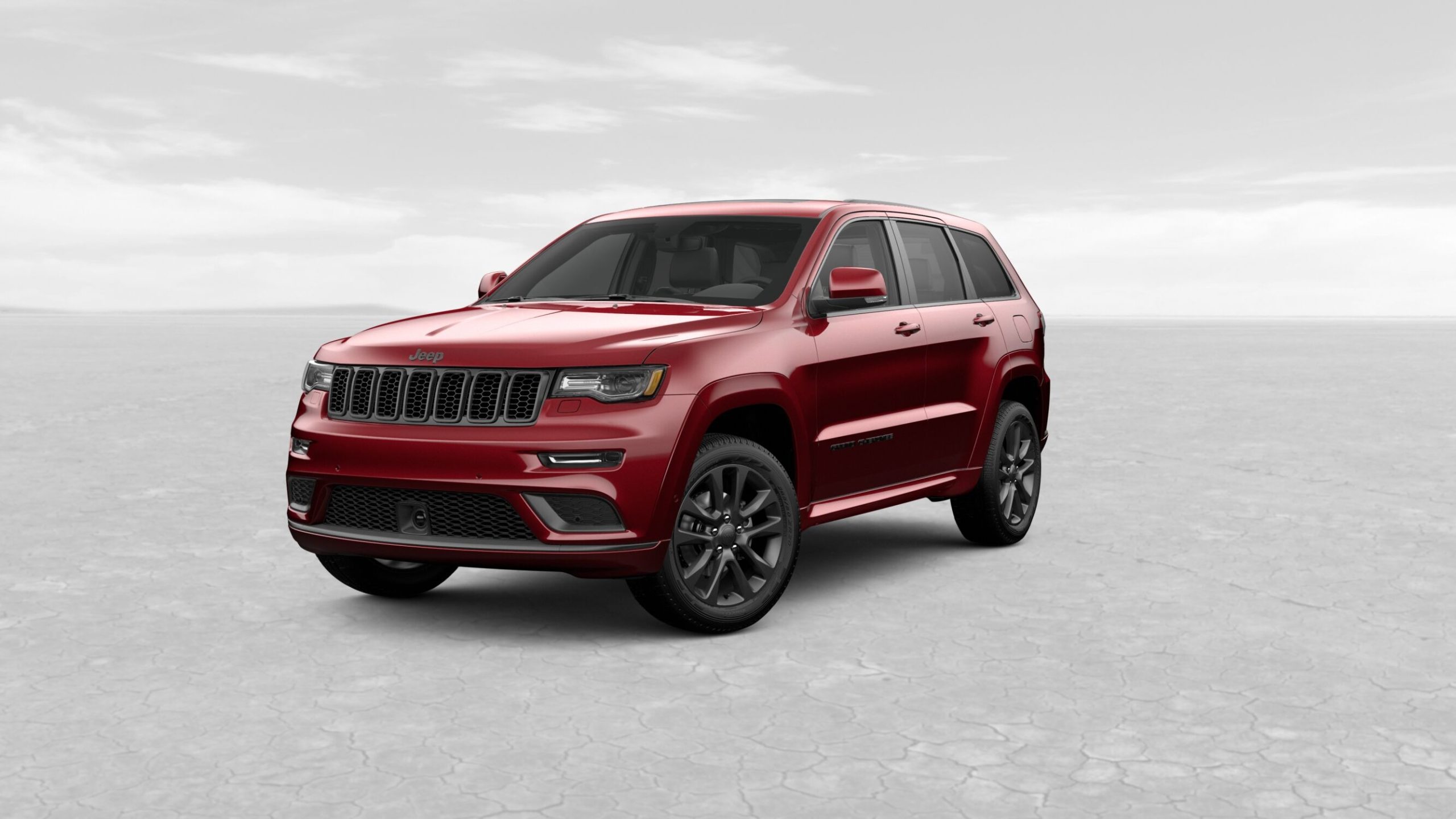
1. Jeep Grand Cherokee (2011-2019)
While the Jeep Grand Cherokee offers strong off-road ability and an attractive interior, many owners of the 2011 to 2019 models have experienced concerns involving the rear differential. A common issue raised across several repair reports and owner complaints is leakage from the rear differential housing.
In many cases, the leaks appear after only moderate mileage, sometimes well before the 100,000-kilometre mark. This has made maintenance more frequent and costly for owners who were not expecting such early drivetrain problems.
One reason this problem persists is due to the sealing method Jeep used during assembly. The differential cover uses a gasket material that seems to degrade in the long run or fail under high temperatures.
The fluid used in the rear differential also tends to break down faster in these models, and without proper sealing, it escapes through the seams, leading to low fluid levels and increased friction.
Technicians working on these SUVs often report oil residues visible on the rear axle or near the pinion seal. Some owners also notice a whining noise during acceleration or deceleration, which can indicate internal wear caused by low fluid. Ignoring the leak for too long can lead to gear damage, which then requires a complete differential rebuild or replacement.
Many Grand Cherokee users have had to reseal the rear end or replace gaskets and pinion seals to fix the issue. Even after repairs, the recurrence of leaks has been a concern. While the Grand Cherokee offers strong road performance and luxury trims, its rear differential issues have proven to be a weak link.
Drivers considering a used model from this generation should inspect the rear end closely for signs of oil seepage and be prepared for potential repair costs if the issue arises again.
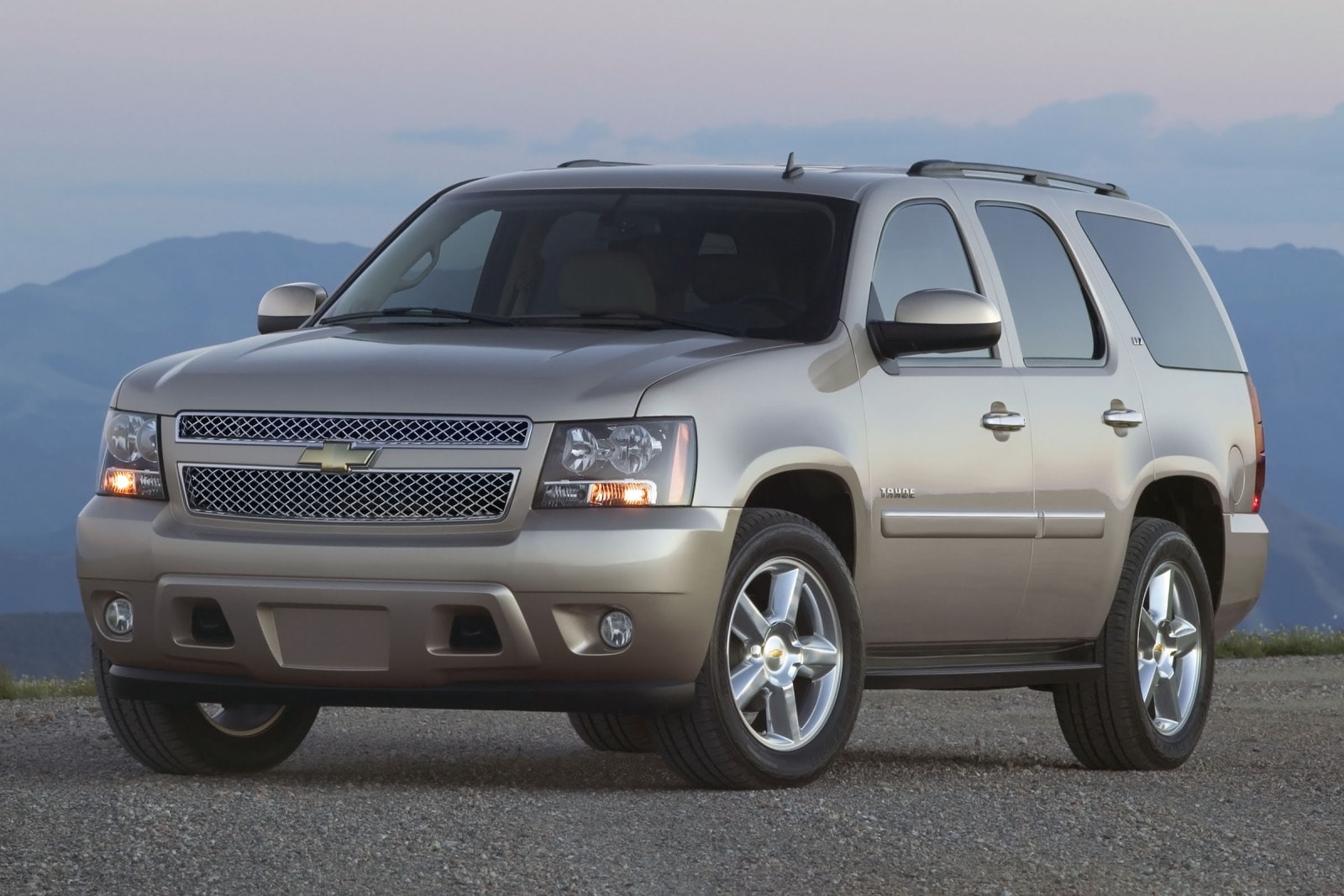
2. Chevrolet Tahoe (2007-2014)
The Chevrolet Tahoe from the late 2000s into the early 2010s is known for being a large, capable SUV, particularly popular for towing and large families. However, one of its recurring issues has been related to the rear differential, especially when it comes to leaking fluid.
Many owners from this generation have reported wet spots on their driveways or rear-end noise, which are early signs that the differential seals have failed or are beginning to fail.
This generation of the Tahoe often experiences pinion seal leaks, where the driveshaft connects to the differential. The factory-installed seals can wear out faster than expected, especially if the vehicle is used for towing or off-roading.
Heat and pressure can also degrade the rubber material used in the seals, which then allows oil to escape from the casing. Once the fluid level drops too low, the internal gears start running dry, increasing the risk of wear and damage.
Technicians servicing these SUVs frequently recommend replacing the differential fluid earlier than the manufacturer suggests to help manage the risk of leaks. In several cases, they also advise replacing the pinion seal or even the axle seals if oil is observed along the edges of the casing. Some Tahoe owners have had to replace the entire differential assembly due to delayed maintenance or unnoticed leaks that caused severe gear wear.
Another factor contributing to this problem is the differential’s placement, which leaves it exposed to road debris, water, and heat from nearby components. This exposure can increase the chances of seal deterioration.
While the Tahoe continues to be praised for its size, towing strength, and comfort, its rear differential has often required more attention than buyers expected. Those planning to use this SUV for long drives or towing should inspect the rear end regularly and watch for any fluid signs near the wheels or axle.
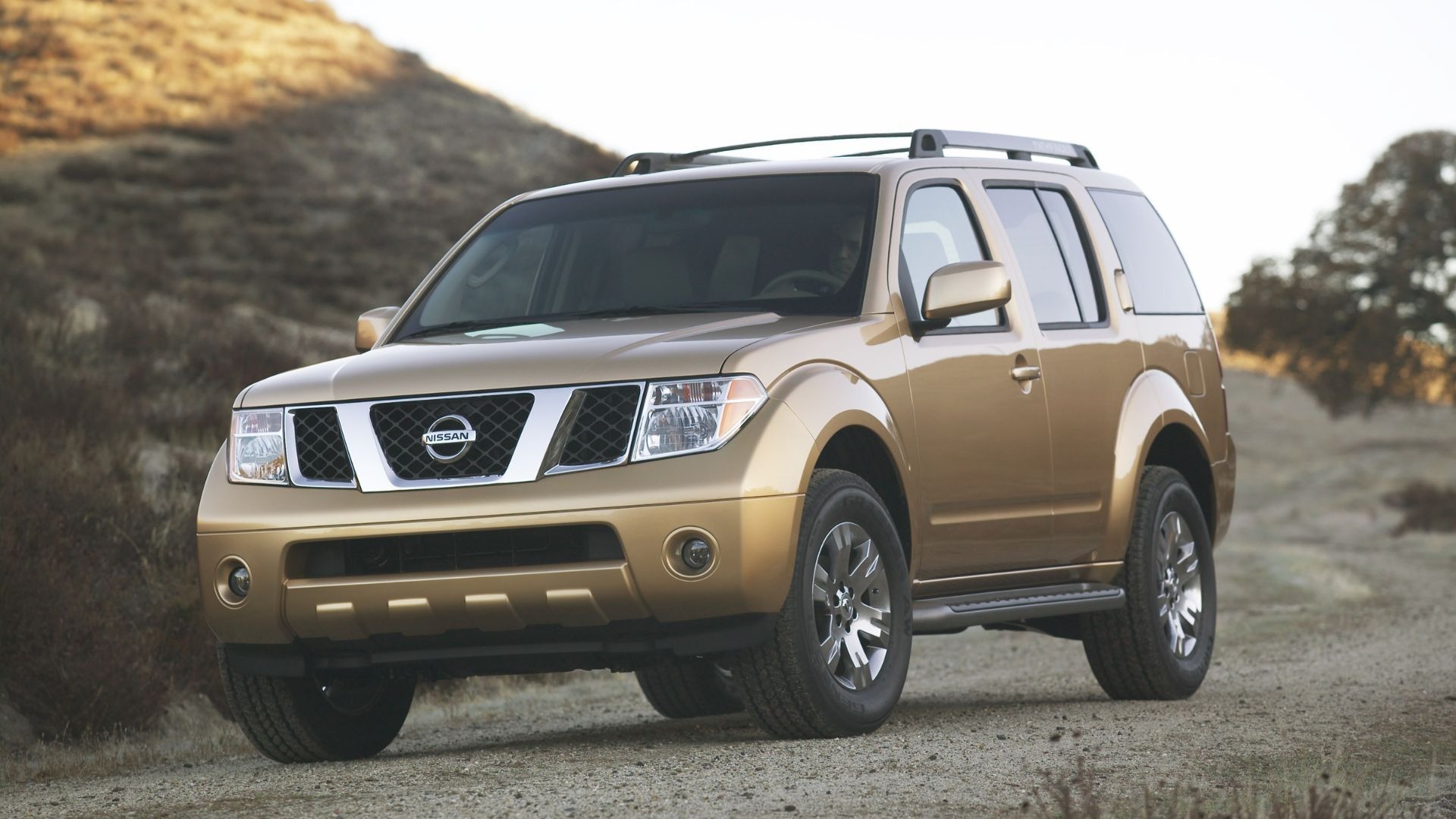
3. Nissan Pathfinder (2005-2012)
During the 2005 to 2012 production years, the Nissan Pathfinder offered rugged performance, especially with its body-on-frame design. However, one area that consistently drew complaints was the rear differential.
Many users reported fluid leaks coming from the rear axle area, often leading to drivetrain noise and poor handling. This issue was not only widespread but also frequent enough that it impacted the model’s reputation for long-term reliability.
A major cause of the leaking issue lies in the use of poor-quality axle seals and gaskets. As time goes on, these parts dry out or crack, especially when exposed to extreme heat or under the load of towing.
The axle seals, in particular, tend to allow gear oil to seep out, resulting in oily residue near the rear wheels. Some users have even mentioned smelling burnt oil, which can occur when leaked fluid makes contact with hot parts near the exhaust.
Mechanics servicing Pathfinders from this period often inspect the rear axle for signs of leaks as part of routine checks. They frequently replace both the pinion and axle seals, sometimes even before reaching 100,000 kilometres.
While seal replacement is a relatively affordable job, it becomes expensive when ignored, as gear damage may occur due to insufficient lubrication. Some Pathfinder owners also complained of rear-end noise or vibrations at high speeds, both of which can stem from differential wear due to leaks.
This SUV also suffered from cooling system issues, which in some rare cases mixed with the transmission fluid, affecting the driveline. Combined with leaking rear diffs, it made the vehicle less desirable for those prioritising mechanical dependability.
While the Pathfinder has good off-road features and spaciousness, the rear differential problem should not be overlooked. Prospective buyers are advised to lift the rear end during inspections and check for oil stains around the axle housing before making a purchase.
4. BMW X5 (2007-2013)
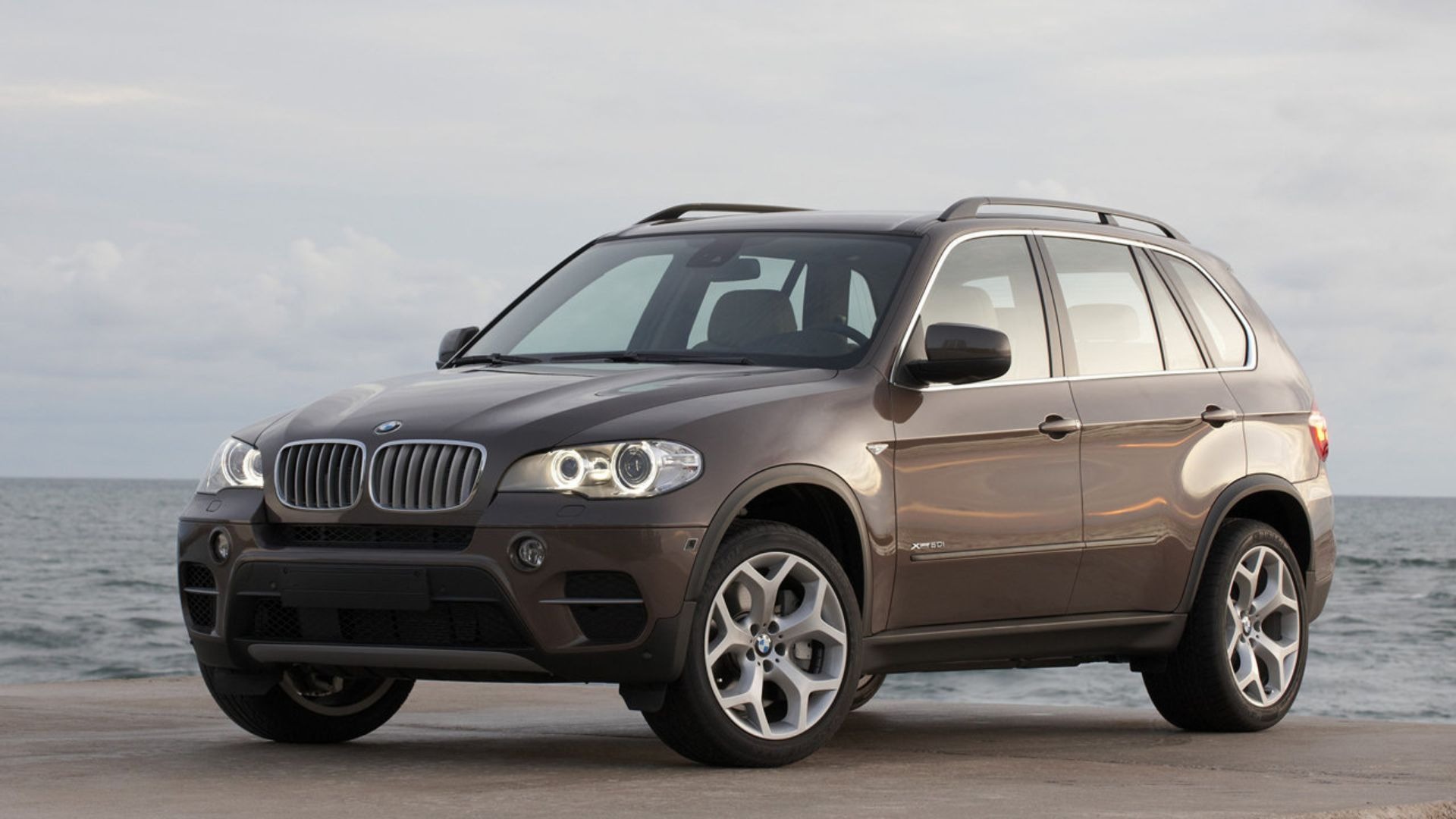
BMW’s X5 combines sporty driving with SUV practicality, but the 2007 to 2013 models have seen repeated complaints regarding the rear differential. While BMW is recognised for its performance, these years of the X5 were reported to have leaky differentials that raised maintenance costs and reliability concerns. Many owners noticed oil drops in their garages or noises from the rear while driving, only to discover that the source was a leaking differential.
One of the major contributors to this issue was the design of the rear axle. The X5’s rear differential uses a complicated setup that relies on precise fluid management, but unfortunately, the seals around the differential casing and driveshafts tend to wear down quickly.
BMW used rubber seals that are prone to shrinking under thermal cycles, especially in regions with harsh winters or long summers. When those seals lose flexibility, they begin to leak, letting gear oil escape.
Once the oil level drops, the internal gears do not get enough lubrication. This condition increases friction, generates noise, and leads to faster component degradation. In some cases, the repair goes beyond a simple seal replacement. Owners have had to spend thousands to replace worn gears or even the full differential.
Another issue is that access to the differential on the X5 is not straightforward. This complicates routine servicing and makes it more expensive to address what should be a simple fluid top-up or seal job. The presence of electronic sensors around the rear end also adds to labour costs during repair.
While the X5 offers engaging handling and premium interior features, its rear differential problems are enough to cause headaches for long-term users. Buyers are strongly advised to check service records for past repairs and inspect the differential casing closely when evaluating a used unit.
Also Read: 5 Cars That Lose Value After 100,000 Miles vs 5 That Retain Value Past 100,000
5. Dodge Durango (2011-2018)
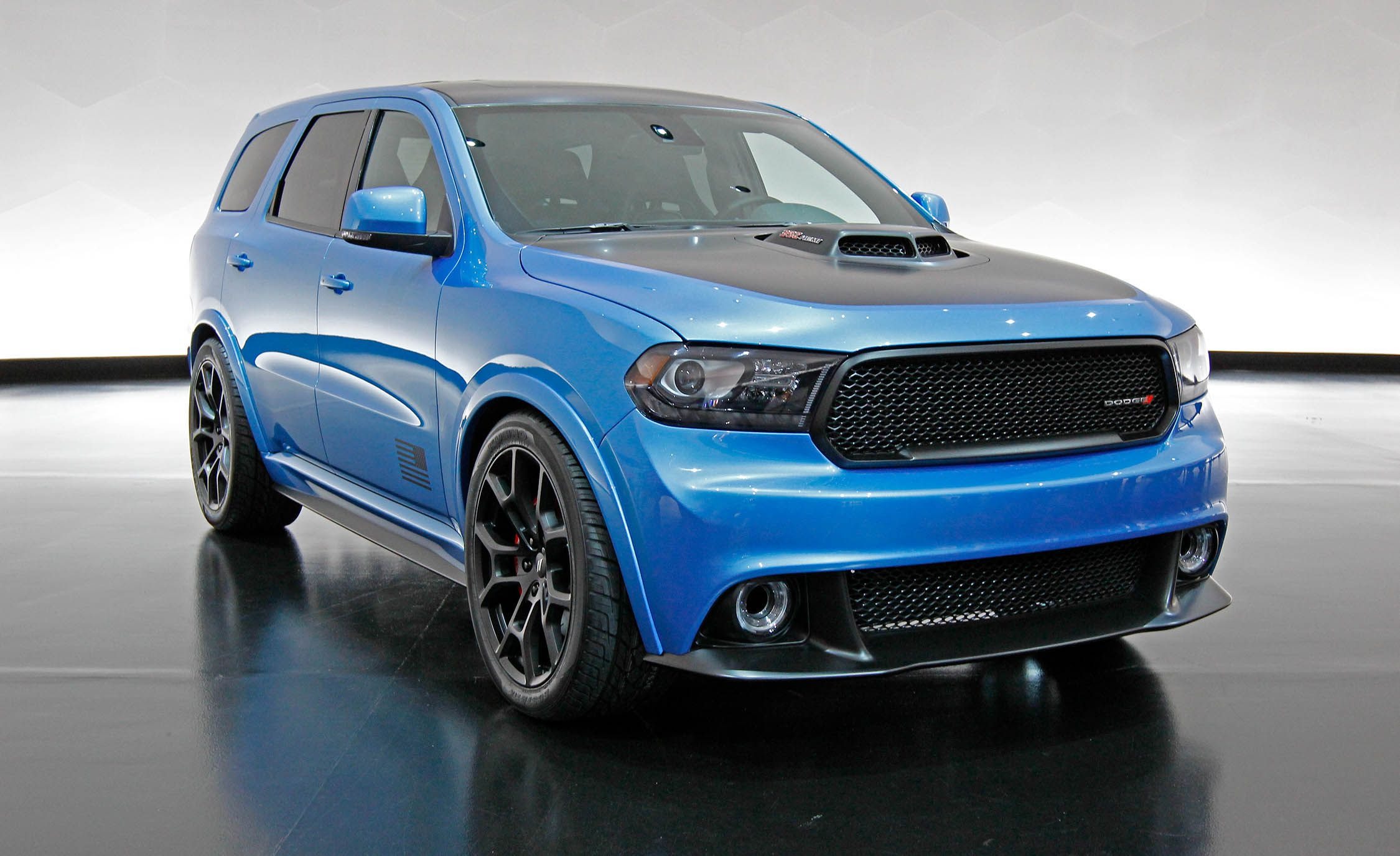
The Dodge Durango, especially between 2011 and 2018, offered three-row utility with muscle-like performance. Yet one issue that has trailed this SUV is the rear differential’s tendency to leak.
Users who have kept the vehicle past the mid-mileage point often start noticing fluid on the ground or slight noises when accelerating. The problem has been tied to a combination of rear pinion seal failure and weak gaskets on the differential housing.
The leak typically starts small, with minor oil residue appearing near the differential cover. But with time, the loss of fluid becomes enough to reduce gear lubrication. If the vehicle is used for towing or heavy cargo transport, the added strain on the rear end speeds up the wear process. Eventually, drivers may hear humming or growling sounds from the rear axle, indicating that the gears are starting to run dry.
Dealers and mechanics have addressed this issue frequently, especially in models with higher mileage. Some Durango units have required new pinion bearings and axle seals, which, while not overly expensive, become a regular maintenance concern. Several repair shops have also reported that the differential breather gets clogged, which increases internal pressure and pushes oil out through the seals.
This issue has discouraged some owners from using the Durango for trailer duty, even though its specs suggest it is capable. The presence of rear-end leaks means that even routine tasks like long road trips could be affected if the fluid level drops unexpectedly.
Drivers considering a used Durango from this period should check the differential fluid level and inspect the axle housing for signs of recent oil cleanup or leaks. While the vehicle remains powerful and spacious, the attention required for its rear end may be a deal-breaker for those seeking a low-maintenance SUV.
