When shopping for a used car, mechanical reliability isn’t the only factor—rust resistance can be just as important. In areas with harsh winters, coastal air, or frequent rain, corrosion can silently eat away at a vehicle’s underbody, brake lines, and even its structural integrity.
While some cars are engineered to shrug off rust with clever design and protective coatings, others fall victim to it quickly, even with routine care.
In this article, we highlight five vehicles known for outstanding rust resistance—and five that are notoriously rust-prone. If you live in a snowbelt state, this guide could save you thousands in future repairs.
5 Cars That Often Do (Rust Out Prematurely)
1. Mazda3 (2010–2014): Rust Woes Beneath the Surface
The 2010–2014 Mazda3 earned praise for its sporty handling and fuel efficiency, but these models suffer from a major flaw: rust. Particularly problematic for drivers in the Midwest, rust frequently appeared on rear wheel arches and rocker panels within just a few years. The issue extended beyond appearance, eventually threatening structural integrity.
A key cause was Mazda’s flawed drainage design, which trapped moisture and road salt in hidden areas. Once paint was chipped, corrosion advanced rapidly, often unnoticed until major damage had occurred. Compounding the issue, Mazda used minimally treated steel and offered little underbody protection during this era.
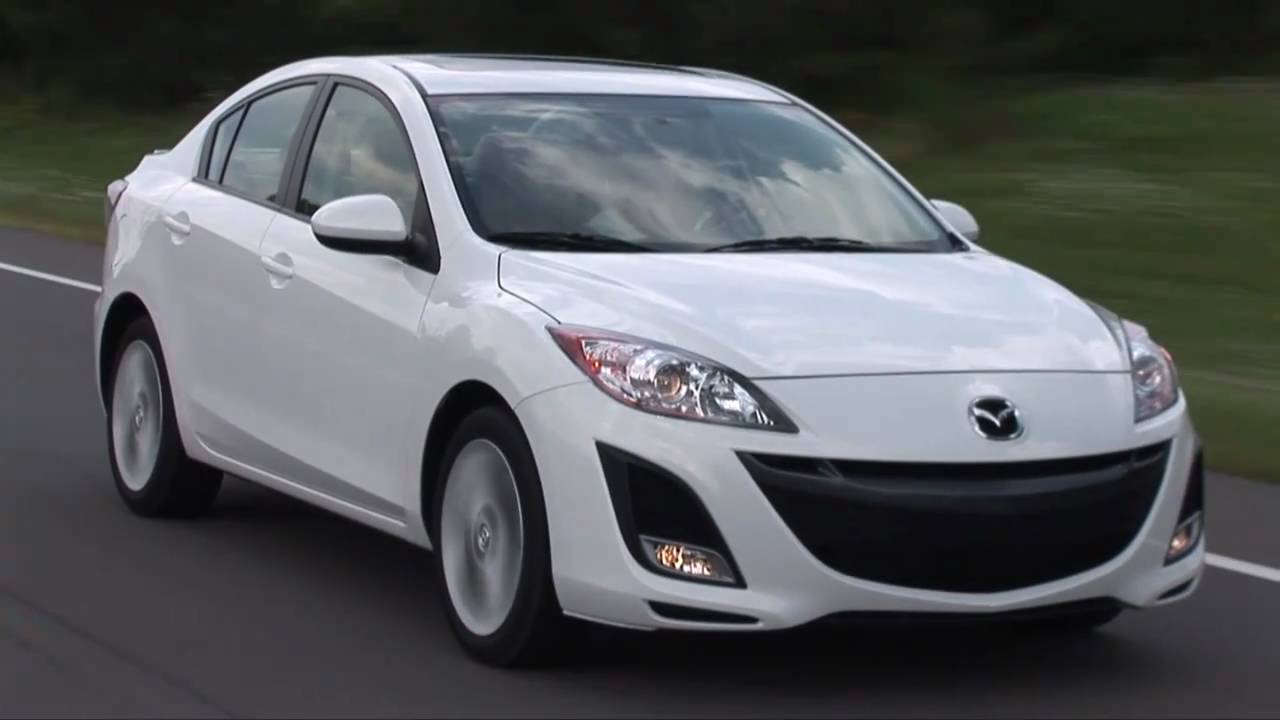
While newer Mazda3 models benefited from improved rust prevention, this generation became notorious for fast-spreading corrosion. Owners often found DIY efforts insufficient, and resale values plummeted as a result. For used car buyers in snowy regions, the 2010–2014 Mazda3 stands as a cautionary example of the importance of rust protection.
2. Chevrolet Silverado (2007–2013): Corrosion Crisis
The 2007–2013 Chevrolet Silverado, while known for its power and utility, developed a troubling reputation in the Midwest for severe rust issues. Owners frequently encountered rusted-out rocker panels, failing brake lines, and, most alarmingly, frame rot. GM’s inadequate rustproofing left these trucks vulnerable in salt-heavy winter climates.
The frame coating used during this period often failed to bond properly, allowing salt and moisture to corrode the metal from within. Reports of frames flaking, delaminating, or even cracking became common, raising serious safety concerns, especially during towing. The rocker panels and cab corners also suffered, as salt-laden water trapped behind plastic trim quietly ate away at the metal.
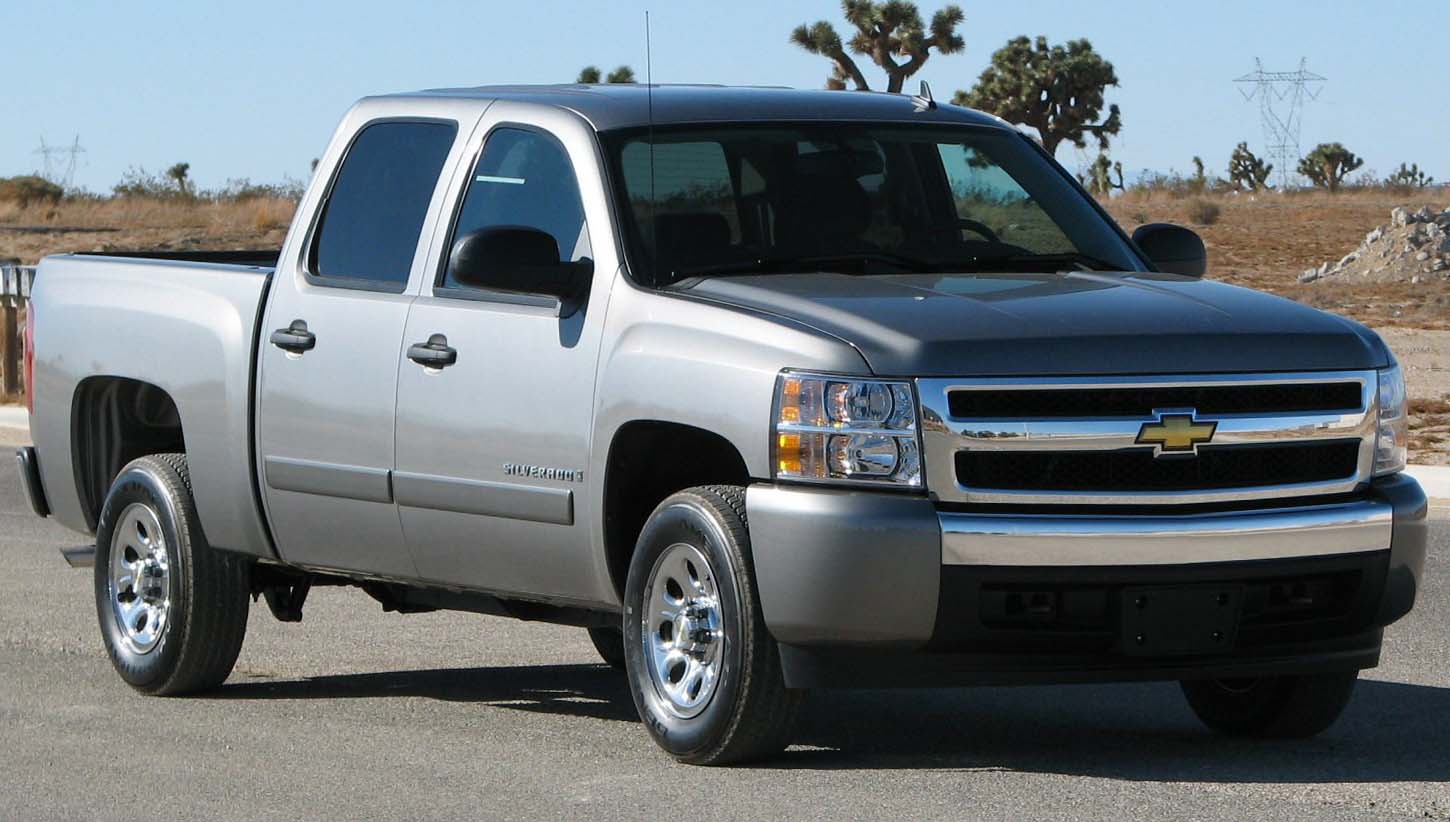
Brake and fuel lines weren’t spared either. Poorly coated steel left them prone to corrosion, sometimes leading to dangerous leaks or failures. Though later models saw improvements, used Silverados from this generation now demand careful inspection before purchase, especially in rust-prone regions.
3. Nissan Altima (2002–2006): Rust Runs Deep
The 2002–2006 Nissan Altima may have been affordable and well-equipped, but in salt-heavy regions like the Midwest, it quickly developed a reputation for severe rust problems. The most notorious issue is floorboard rot—rust often eats straight through the underbody, leaving holes that allow water and salt to enter the cabin, leading to mold, wet carpets, and even electrical issues.
Another major concern is the rear subframe, which lacked adequate protective coatings. Exposure to road salt frequently led to subframe corrosion and even structural failure, affecting suspension alignment and posing serious safety risks. Externally, rust commonly appears around wheel wells, trunk lids, and lower doors, where poor drainage and thin undercoating allowed corrosion to take hold quickly.
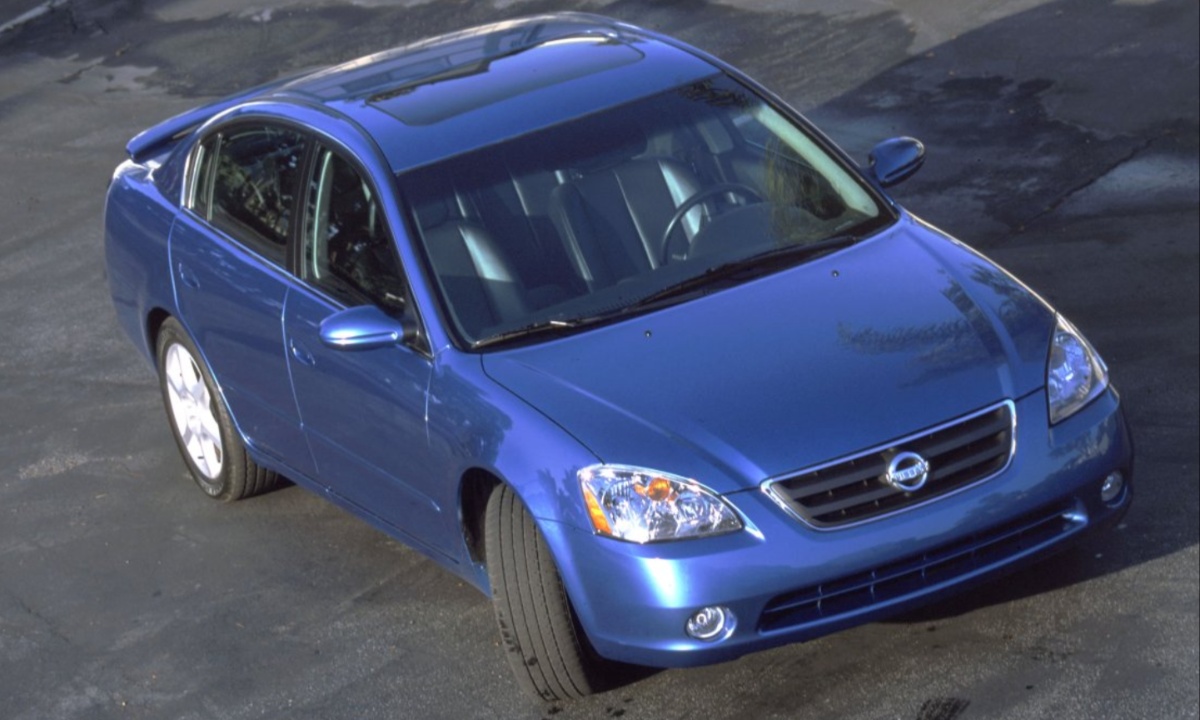
Although Nissan improved rust protection in later models, the 2002–2006 Altima remains a cautionary tale for Midwest drivers. Without significant restoration, these cars continue to struggle against relentless corrosion with each winter drive.
4. Dodge Caravan (2001–2007): Rust-Prone Family Hauler
The 2001–2007 Dodge Caravan may be an affordable and practical choice for families, but it’s notorious for rust issues in snowy, salt-prone regions like the Midwest. These vans commonly show corrosion before reaching 100,000 miles, especially on the underbody, floor pans, sliding door tracks, and rear wheel wells.
A major vulnerability lies in the sliding door mechanisms and lower frame rails, where saltwater collects and causes structural rust. This often leads to doors that stick, misalign, or even detach—posing safety risks for families. The undercarriage is equally problematic: exposed brake lines and fuel tank straps frequently corrode, sometimes leading to sudden brake failure.
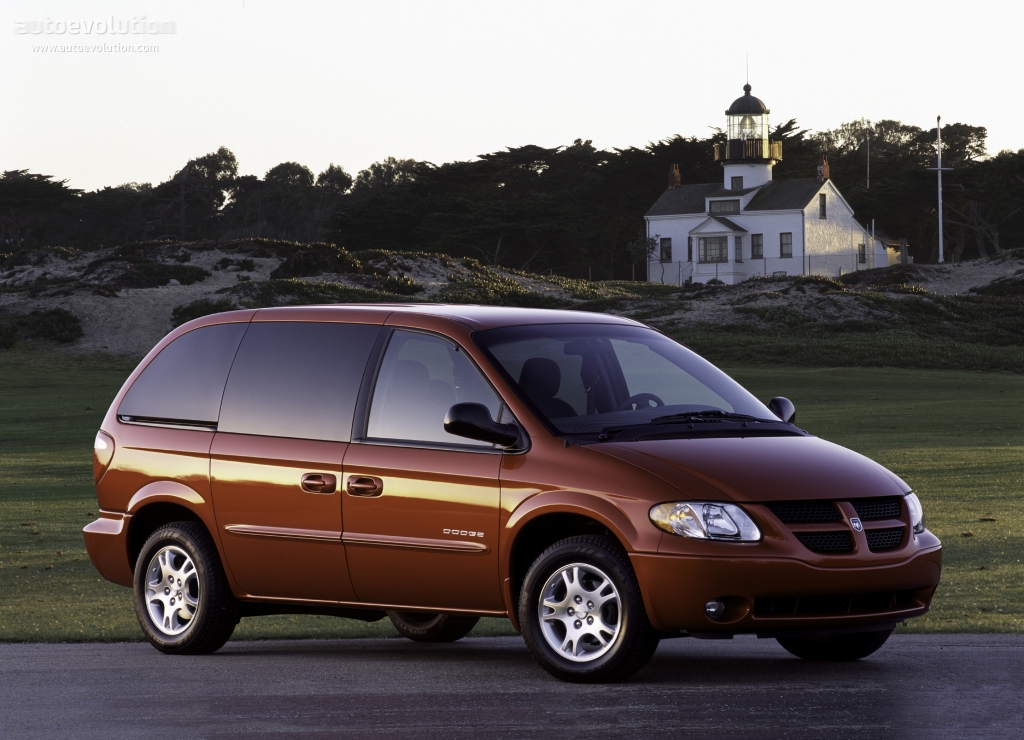
Additionally, rust builds up quickly in rocker panels and wheel wells due to poor drainage and thin coatings. Many owners resort to aftermarket rustproofing or costly repairs just to keep the van roadworthy. Despite its utility, this Caravan generation struggles to withstand Midwest winters without extensive care.
5. Hyundai Sonata (2006–2010): Hidden Danger
The 2006–2010 Hyundai Sonata delivered strong value through comfort and fuel efficiency, but its rust vulnerability made it a risky choice in salt-prone regions. In particular, drivers across the Midwest found these cars plagued by underbody and rear subframe corrosion that often set in well before the 100,000-mile mark. Despite Hyundai’s mechanical reliability, the Sonata’s weak rust resistance cast a long shadow over its overall appeal.
The rear subframe was especially problematic. As a key suspension support, its failure due to rust could lead to unpredictable handling and dangerous driving conditions. While Hyundai issued limited recalls, many affected cars remained on the road with significant corrosion. The rust often developed quietly, only becoming evident after serious damage had already occurred.
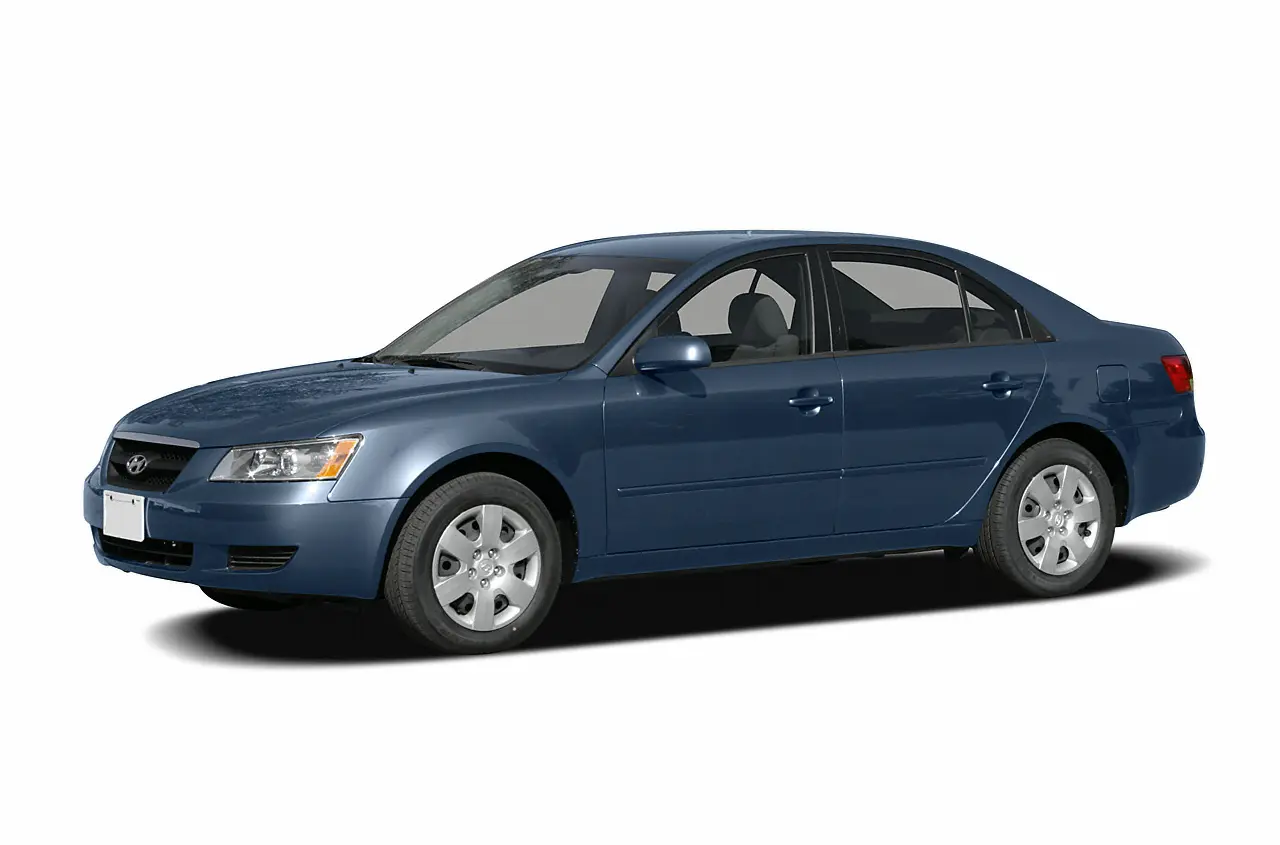
Adding to the problem was the Sonata’s poor-quality paint and thin protective coatings. Chips and scratches frequently led to exposed bare metal, which quickly rusted when exposed to Midwest salt. Rust spread rapidly to door bottoms, trunk lids, and wheel arches—sometimes appearing in as little as five winters.
Even with repairs, corrosion often returned due to lingering salt deposits and insufficient sealing. This made the Sonata a hard sell in the used car market. Owners were forced to invest heavily in rustproofing, repairs, or accept significant loss in resale value. For many, the car simply couldn’t withstand repeated winters without major deterioration.
Ultimately, the 2006–2010 Hyundai Sonata became a cautionary tale. While it ran well mechanically, its lack of durable rust protection meant that it couldn’t endure Midwest winters without major upkeep. For cold-climate drivers, it emphasized an important truth: longevity depends as much on a car’s resistance to corrosion as it does on what’s under the hood.
Also Read: 5 Cars That Run Quiet Even at 200K Miles and 5 That Sound Like They’re Dying
5 Cars That Never Do (Built to Resist Rust)
1. Toyota 4Runner: A Midwest Winter Warrior
The Toyota 4Runner is highly regarded for its exceptional rust resistance, making it a reliable choice for Midwest winters. Its body-on-frame construction offers superior durability and easier repairs compared to unibody SUVs. After earlier rust issues with other Toyota models, the company upgraded the 4Runner with enhanced undercoating, improved drainage, and galvanized components to better withstand salt exposure.
One of its key advantages is high ground clearance, which limits the undercarriage’s contact with snow and road salt. This design not only protects vulnerable areas but also simplifies underbody cleaning, a crucial habit in rust-prone regions.
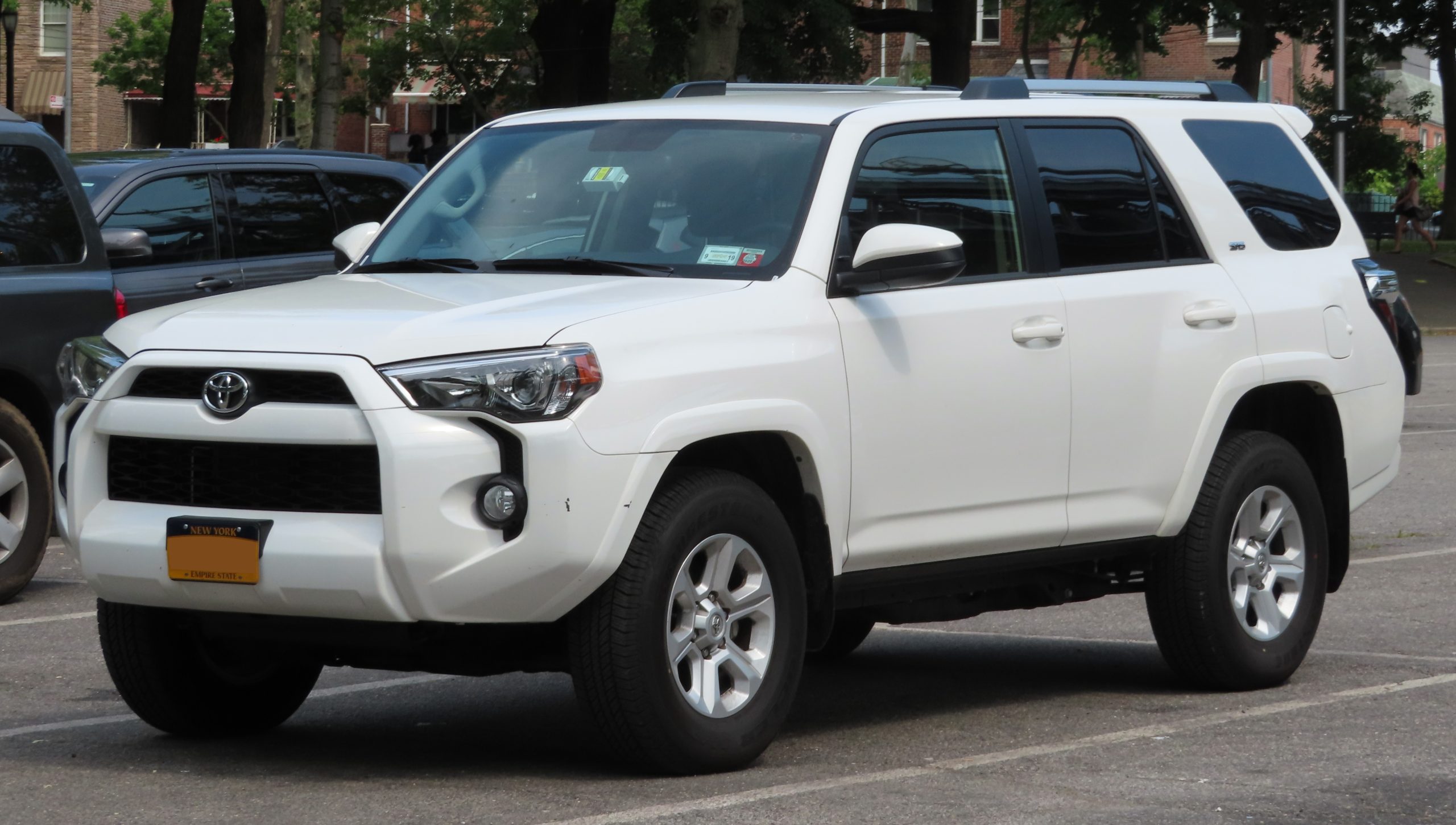
The 4Runner’s accessible layout allows for easy maintenance and rust checks, even for DIY owners. Paired with a wide array of aftermarket rustproofing options, from skid plates to undercoating kits, owners can further reinforce the vehicle’s protection. With these strengths, the 4Runner remains one of the most rust-resilient SUVs for snowy, salt-heavy climates.
2. Subaru Outback: Winter-Ready and Rust-Resistant
The Subaru Outback stands out as a rust-resistant champion among midsize crossovers, making it a smart pick for Midwest drivers. While its all-wheel drive earns most of the attention, it’s Subaru’s corrosion-fighting design that truly sets the Outback apart. Post-2010 models benefit from widespread use of galvanized steel, which delays rust formation by shielding metal surfaces with a protective zinc coating.
Subaru also excels in weatherproofing. The Outback features extensive sealing along its doors, liftgate, and underbody to prevent salty moisture from infiltrating hidden areas. Its wheel wells are engineered for proper airflow and drainage, reducing the buildup of snow and ice.
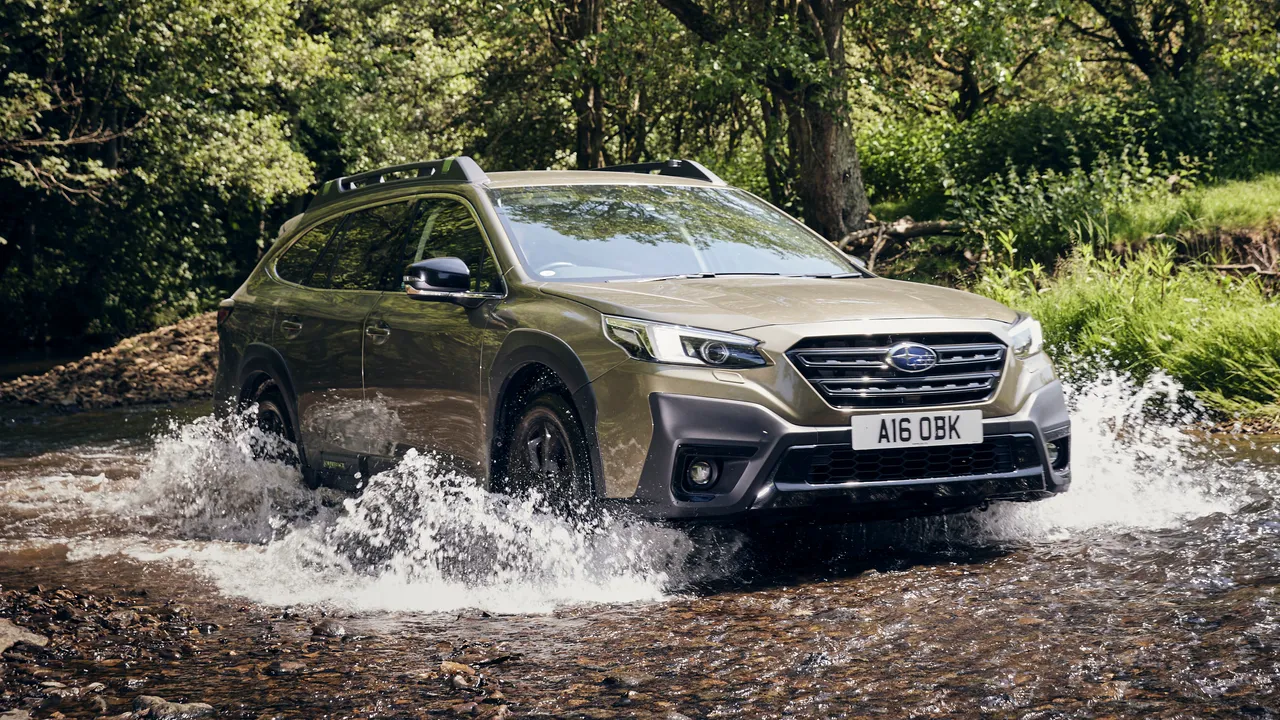
With narrow fender gaps and well-insulated inner wells, splash-back and salt exposure are minimized, helping vital components last longer. An active owner community further boosts longevity through regular undercoating and protective add-ons. As a result, many Outbacks exceed 200,000 miles with minimal visible rust.
3. Honda CR-V (2017+): A Rust-Resistant Redesign for Midwest Roads
Since its 2017 redesign, the Honda CR-V has become a much stronger contender for Midwest drivers concerned about rust. Honda addressed corrosion complaints from earlier models by reinforcing key vulnerable zones like rocker panels, door seams, and wheel wells. This shift in design made the CR-V not only more durable but better suited to face the salt-heavy winters of northern states.
One of the most effective improvements is the use of sealed wheel arches and robust plastic liners. These additions shield sensitive metal components from direct contact with road salt and moisture, helping to prevent rust formation at the source. Enhanced drainage systems also help by directing melted snow and salty runoff away from areas where it could otherwise accumulate and cause corrosion.
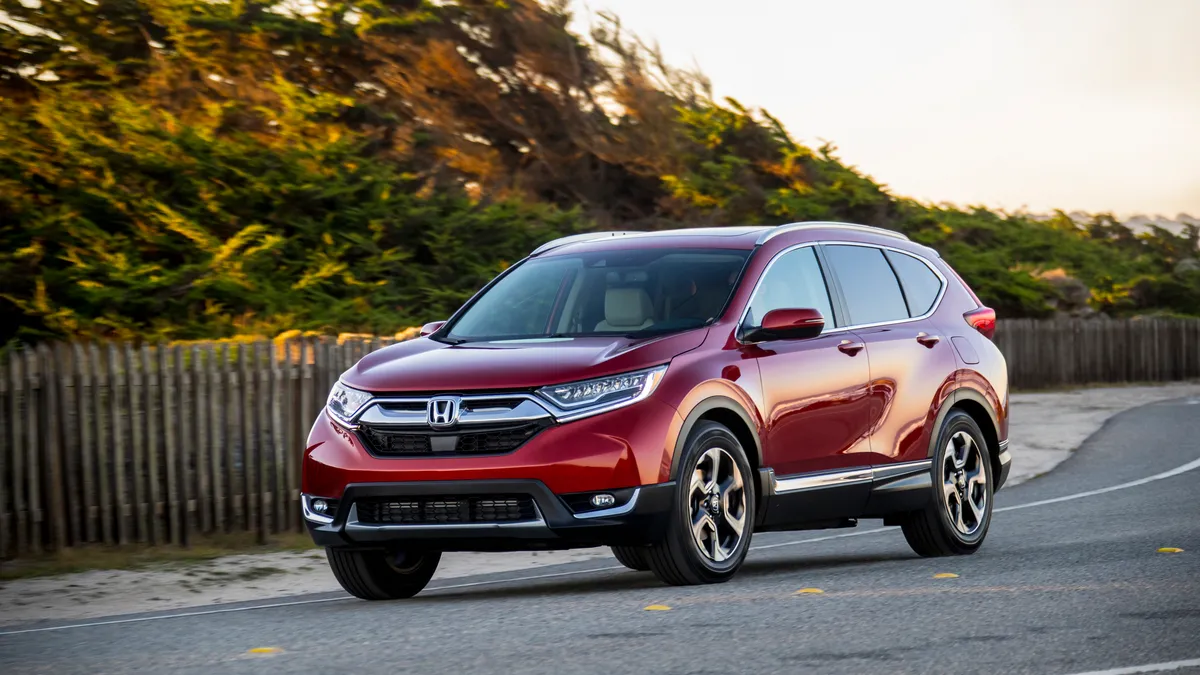
The factory undercoating in newer CR-Vs is far superior to that of previous generations. It adds vital protection to subframes, fuel lines, and brake lines—common rust failure points in winter-driven vehicles. Even small touches, like corrosion-resistant fasteners and improved exhaust materials, reflect Honda’s focus on durability.
The CR-V also hits a practical sweet spot. Its elevated ground clearance reduces salt splash exposure, yet it remains compact enough for easy cleaning and garage storage. This ease of maintenance, combined with smart design, means owners can protect their vehicles from rust without excessive effort or expense.
Strong owner communities further extend the CR-V’s rust resistance. In the Midwest, many drivers share DIY tips, recommend rustproofing sprays, and promote seasonal care habits online. As a result, it’s not unusual to see CR-Vs well into their second decade with minimal rust—a clear sign that Honda’s design updates, along with proactive care, truly pay off.
4. Ford F-150 Aluminum Body: Rust Resistance Revolution
In 2015, Ford revolutionized the pickup truck market by introducing the F-150 with a military-grade aluminum-alloy body. This shift drastically improved rust resistance, as aluminum does not corrode like traditional steel. For Midwest drivers battling harsh winters and salted roads, this innovation means the truck’s body panels—including doors, hood, fenders, and bed—are far less prone to the rust issues common in older steel-bodied models.
While the F-150’s frame remains steel and vulnerable, Ford significantly enhanced its corrosion protection after learning from earlier models’ frame rust problems. Post-2015 trucks benefit from improved coatings, sealants, and welds that better block saltwater intrusion. Many owners also add aftermarket undercoatings to further protect the frame and prolong the truck’s lifespan.
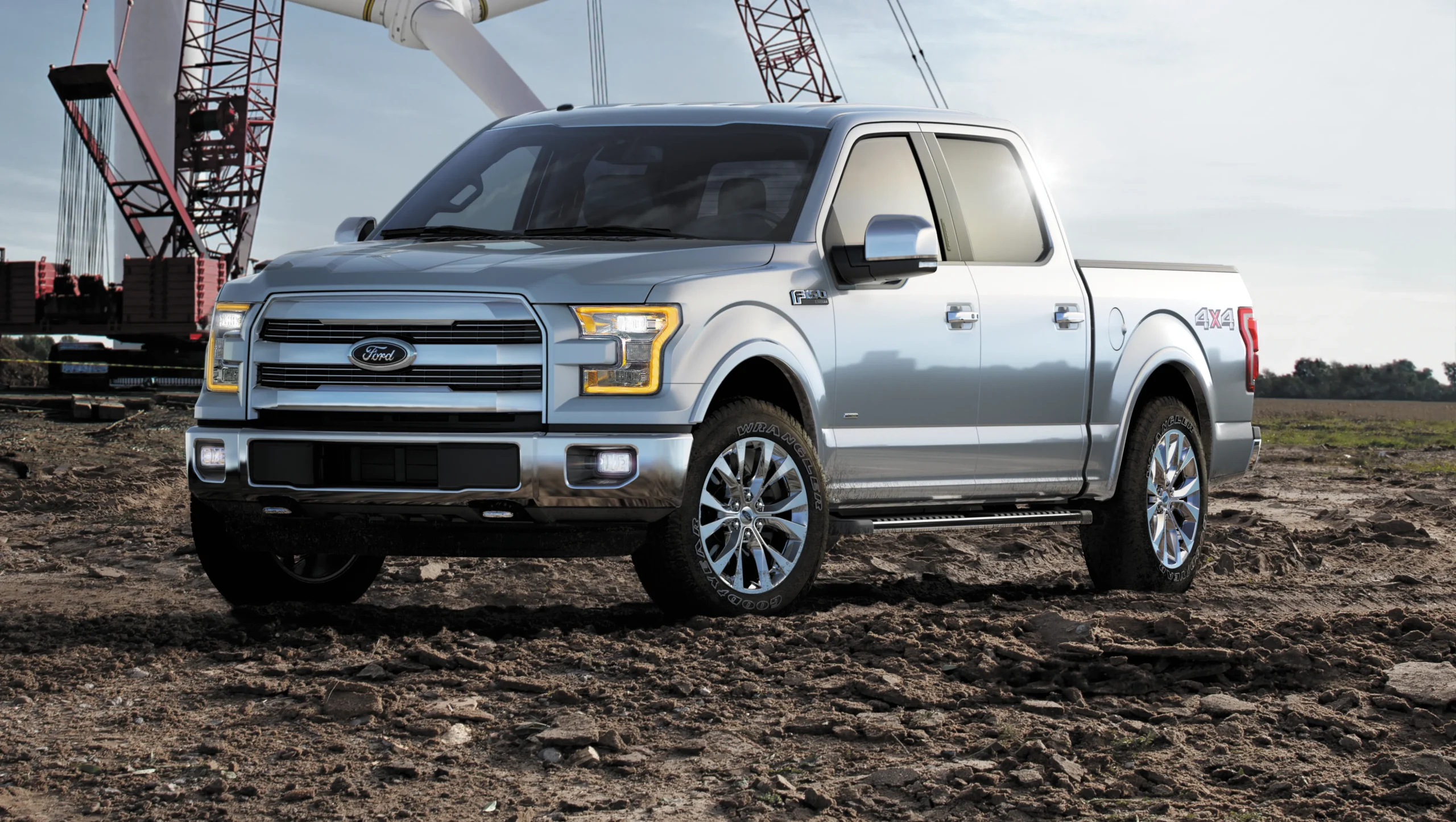
Ford’s design also includes practical rust prevention features like well-designed wheel well liners and mud flaps, which reduce salt splash and keep vital areas cleaner than competitor trucks. Skid plates provide added protection for critical parts such as the oil pan and transmission housing.
Additionally, Ford supports durability with a range of OEM accessories, from mud guards to spray-on bedliners and off-road packages, all aimed at enhancing rust protection. These tools help owners tailor their trucks for the toughest conditions and maximize longevity.
Thanks to these combined efforts, the aluminum-body F-150 stands out as one of the best full-size trucks for rust resistance. When properly maintained, it can easily withstand years of Midwest winters without suffering the severe corrosion that prematurely ages many other trucks.
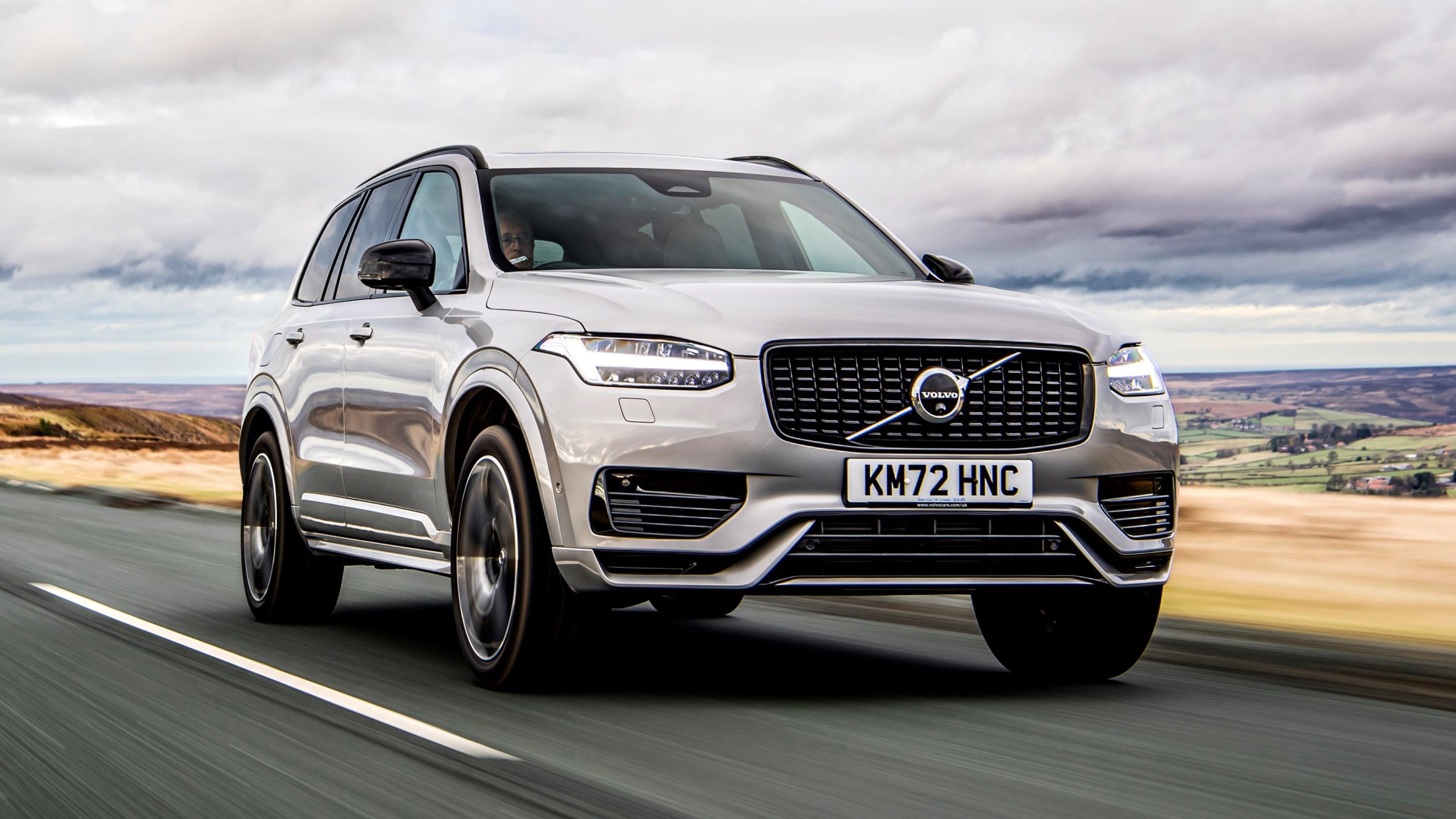
5. Volvo XC90: Scandinavian Engineering Built for Rust Resistance
The Volvo XC90 is engineered with Nordic winters in mind, making it exceptionally suited for harsh, salt-heavy environments like the Midwest. Its corrosion resistance centers on extensive use of galvanized steel and anti-corrosion sealants, protecting key areas such as doors, hood, and tailgate from moisture and rust.
Even smaller components, like bolts and brackets, are treated or made from stainless steel to prevent corrosion.
A nearly flat, sealed undercarriage reduces saltwater buildup and hidden corrosion risks, while aerodynamic design adds efficiency. Volvo also shields mechanical parts—suspension, brakes, and exhaust—with treated rotors and coated calipers to withstand constant exposure to salty, wet roads.
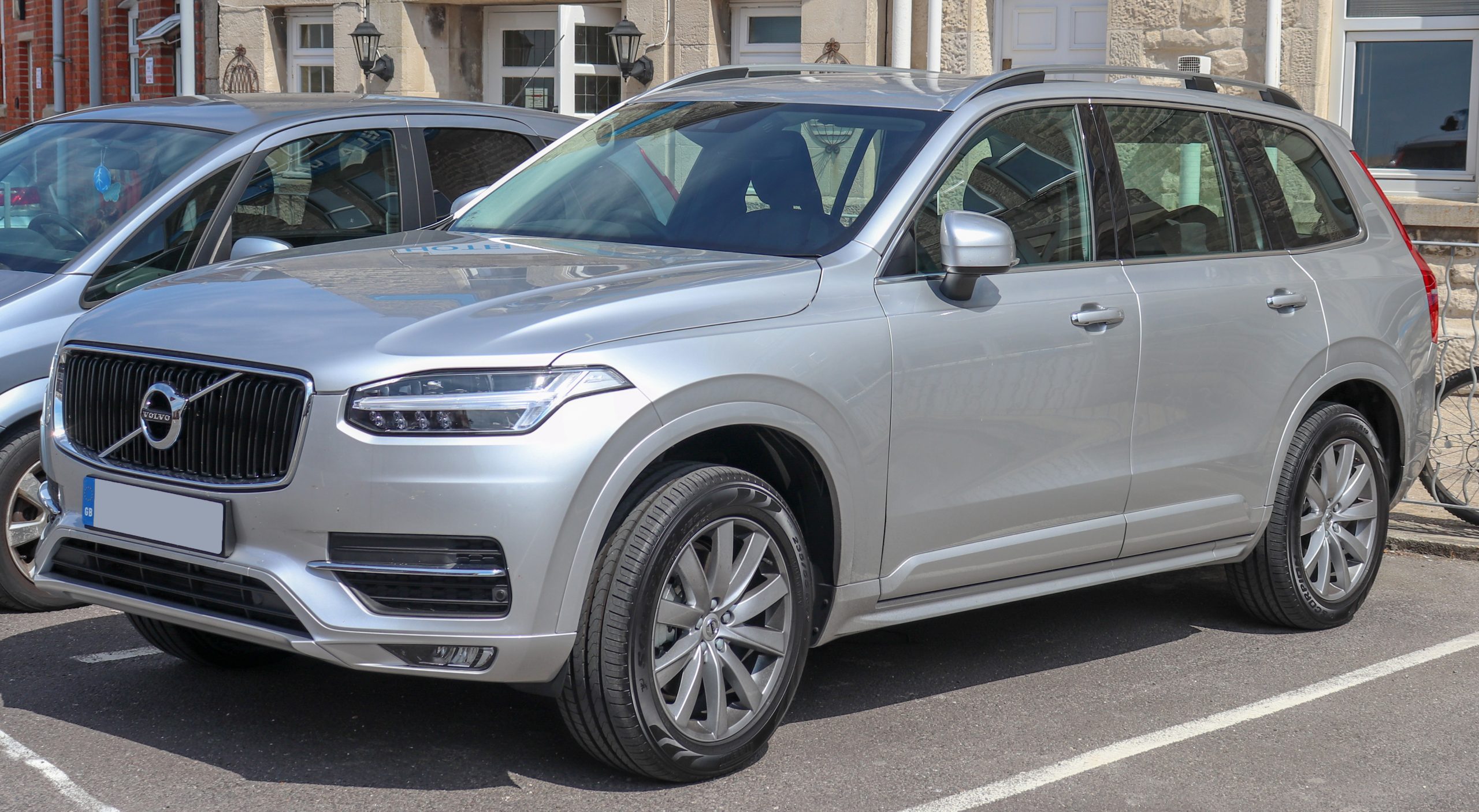
Rooted in Sweden’s rigorous winter durability standards, Volvo’s long history of anti-rust innovation ensures the XC90 offers lasting protection. This blend of luxury and rugged reliability makes the XC90 a top choice for Midwest drivers seeking a premium SUV built to endure corrosive winter conditions.
Rust can be a vehicle’s silent killer—especially in regions where winter brings snow, ice, and relentless road salt. While some cars are armored with smart engineering and anti-corrosion coatings, others fall victim to rust far too quickly.
For buyers in the Midwest, rust resistance isn’t just a nice bonus—it’s essential to safety, longevity, and resale value. Whether you’re choosing a family SUV or a rugged pickup, consider how well it can survive years of salt exposure.
The right car won’t just run reliably—it’ll stay structurally sound through even the harshest winters. Choose wisely, and your vehicle will thank you for decades.
Also Read: 5 Cars With Tight Drivetrain Feel and 5 With Sloppy Responses