
Car seats are designed to provide comfort and safety while driving. But in some vehicles, you cannot adjust the seat unless the ignition is on or the engine is running. This can be annoying when you just want to settle in first.
For example, you might want to move forward to reach the pedals, slide back for extra legroom, or adjust the height for better visibility. In these cars, you must turn the key before making these changes, even if parked.
Automakers don’t do this without reason. They design the system to save battery power, reduce wear on seat motors, and follow safety regulations. Still, for drivers, this feature can feel like an unnecessary obstacle in simple situations.
Imagine getting into your car on a hot day, wanting to move the seat back before switching on the air conditioner. Instead, you first need to turn the ignition. It adds a small delay that can feel bigger when uncomfortable.
Sharing the car with family members makes this issue more noticeable. If one person adjusts the seat differently, the next driver must start the ignition just to make themselves comfortable before driving, adding an extra step to an already busy moment.
Some vehicles allow you to adjust seats in “accessory mode” by partially turning the key or pressing the start button without the engine running. But in many models, even this is not an option for the driver.
This setup is common in both budget-friendly and luxury cars. It’s not tied to price instead, it’s about the manufacturer’s design choice. Even high-end vehicles with advanced features sometimes keep seat adjustments locked until ignition.
Knowing which cars work this way is helpful before buying. It allows you to prepare for daily driving habits, especially if you regularly share your car or park in tight spots where quick seat movement is needed.
In this article, we’ll look at ten popular vehicles where you can’t adjust the seat without the ignition on. These are all good cars in their own right but this is one small detail worth noting before purchase.
1) Toyota Camry
The Toyota Camry is a popular midsize sedan loved for its comfort, reliability, and smooth ride. But in some trims, especially older model years, the power seat will not move unless the ignition is turned on. This surprises many new owners.
Imagine sitting down in your Camry, ready to get comfortable before starting the engine. You reach for the seat controls to move forward, back, or adjust the height, but nothing happens. The seat remains still until you switch on the ignition.
This design choice is not accidental. Toyota engineers often do this to protect the car’s battery from draining when the engine is off. Power seats draw electricity, and over time, this can weaken the battery if used freely.
It’s also about preserving the life of the seat motors. Constant adjustments when the car is off could wear out the system sooner. By linking seat movement to ignition power, Toyota ensures the motors work only when necessary.
However, for drivers, this can feel inconvenient in daily life. Picture entering your car on a hot day, wanting to move the seat back before turning on the air conditioner. Instead, you must first start the ignition, adding extra steps.
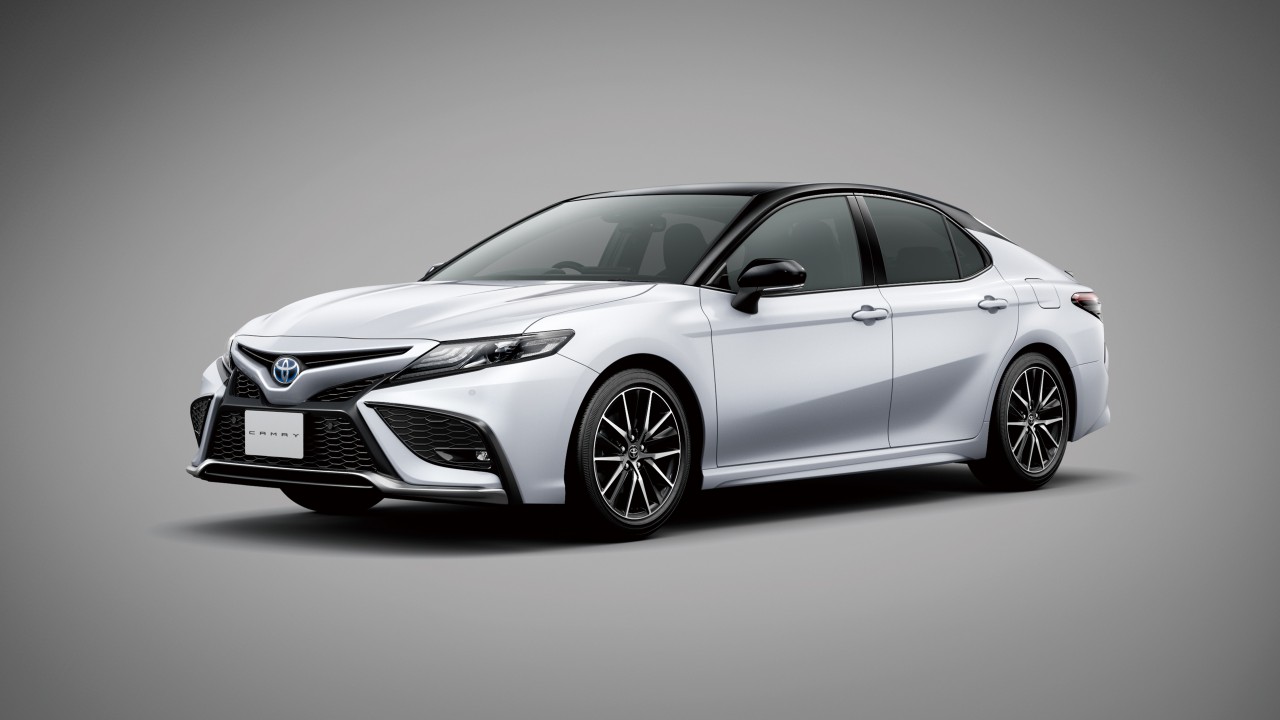
Sharing the Camry with family members makes this even more noticeable. If another driver changes the seat position, you’ll need to start the ignition just to adjust it again, even if you’re not yet ready to drive.
Some drivers work around this by using “accessory mode,” where the key is turned halfway or the start button is pressed without starting the engine. But in certain trims, even this doesn’t allow seat movement, which can be frustrating.
This is a small detail, but it’s worth knowing before buying a Camry. While the feature helps protect the battery and seat components, it’s something that affects daily comfort. Being aware means fewer surprises and smoother driving experiences from day one.
2) Honda Accord
The Honda Accord is known for its comfort, smooth ride, and dependable design. But in several trims, you can’t adjust the power seat unless the ignition or accessory mode is on. This can be surprising for first-time Accord owners.
Imagine getting into your Accord, ready to adjust your seat before starting the engine. You want to slide forward, lean back, or raise the height for better visibility. But unless you turn the key or press the start button, nothing happens.
Honda designed this feature to protect the car’s battery. Power seats require electricity, and letting them work without ignition could drain the battery faster, especially if adjustments are made often while the engine is off.
It’s also a way to prevent unnecessary strain on the seat motors. Limiting movement to ignition or accessory mode ensures the motors only work when needed, helping them last longer over the years of regular use.
While this makes sense from a design standpoint, it can still feel inconvenient. Picture entering your car on a hot day, wanting to push the seat back before starting the air conditioner. Instead, you must activate the ignition first.
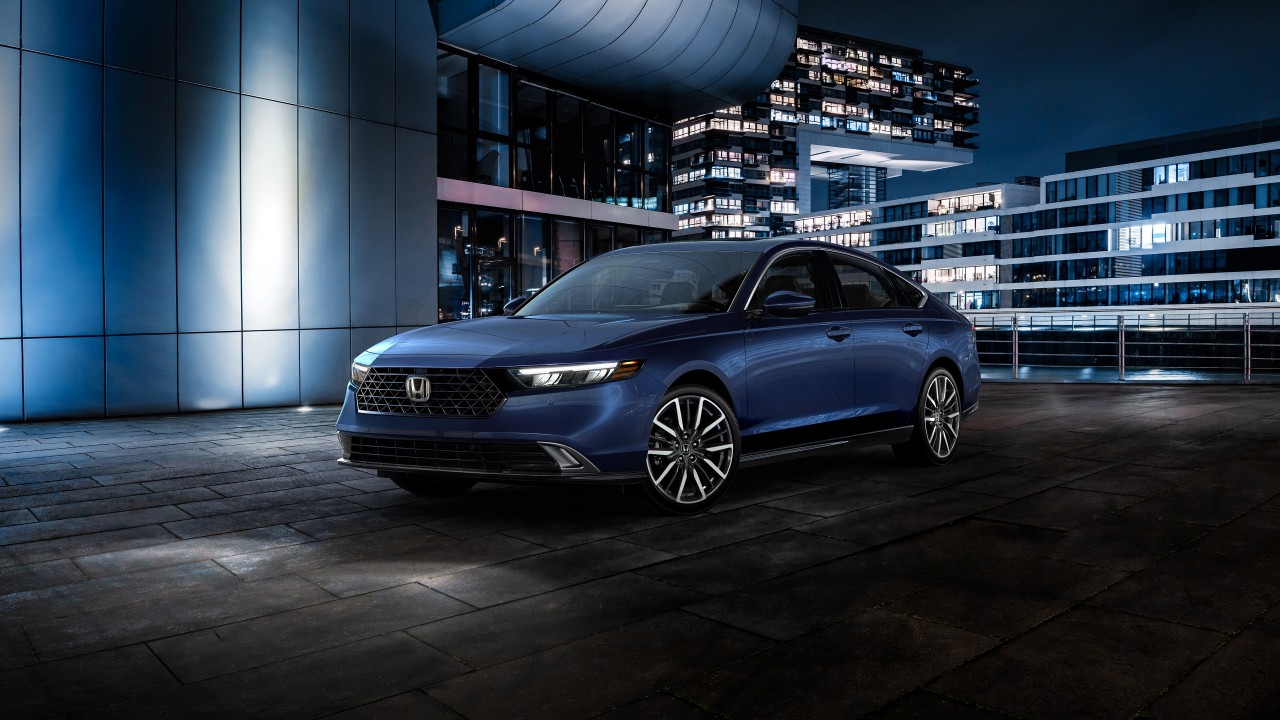
If you share your Accord with family or friends, the extra step becomes more noticeable. After another driver changes the seat position, you’ll need to turn the ignition on before making adjustments, even if you’re just preparing to drive later.
Some models allow you to adjust seats in “accessory mode” without starting the engine fully. This helps save fuel while still giving you control. However, in some trims, even accessory mode is required for the seat to move at all.
This might seem like a small detail, but it’s worth knowing if you’re considering a Honda Accord. It affects daily comfort and routine, especially for drivers who value quick seat adjustments without powering up the whole car.
3) Ford Explorer
The Ford Explorer is a well-known SUV that combines space, comfort, and power. But in most models from the mid-2000s onwards, the power seat will not move unless the ignition or accessory mode is turned on first.
Picture getting into your Explorer, ready to slide the seat forward or back for the perfect position. You reach for the seat controls — but nothing happens until you insert the key or press the start button to activate power.
Ford made this choice mainly to protect the battery. Power seats use electric motors that draw current, and allowing them to work without ignition could slowly drain the battery if used often when the engine is off.
It also helps extend the life of the seat motors. Limiting adjustments to times when the ignition is on ensures the motors are used only when necessary, reducing wear over the years of ownership.
However, for drivers, this setup can feel inconvenient. Imagine loading passengers on a cold morning and wanting to adjust the seat before turning on the heater. You’ll still need to start the ignition before making any seat changes.

This is especially noticeable when multiple people drive the same Explorer. If one driver leaves the seat far forward or tilted, the next driver must turn on the ignition before making themselves comfortable, even if they are not ready to drive yet.
Some Explorers allow adjustments in accessory mode without fully starting the engine, which can save fuel and reduce noise. But in many trims, even accessory mode is required before the seat controls will respond.
It may seem like a small design detail, but it can affect everyday convenience. Knowing about it before buying an Explorer helps drivers prepare for the extra step and avoid frustration during busy moments.
Also Read: 5 Hidden Gem Convertibles vs 5 Popular Convertibles With Leaky Tops
4) Chevrolet Malibu
The Chevrolet Malibu is a stylish and comfortable sedan that’s popular for its smooth drive and practical features. But in many models, the power seat controls do not work when the car is off, which can surprise first-time Malibu owners.
Imagine getting into your Malibu and wanting to move the seat forward, backward, or adjust the height for better visibility. You press the controls, but nothing happens unless you turn the ignition key or press the start button first.
Chevrolet designed this feature for a reason. Power seats rely on electric motors, which use the car’s battery. Allowing them to run when the engine is off could drain battery power over time, especially if adjustments are made frequently.
This setup also helps protect the seat motors. By limiting use to ignition or accessory mode, Chevrolet reduces wear on the motors and ensures they last longer throughout the vehicle’s life, saving owners potential repair costs in the future.
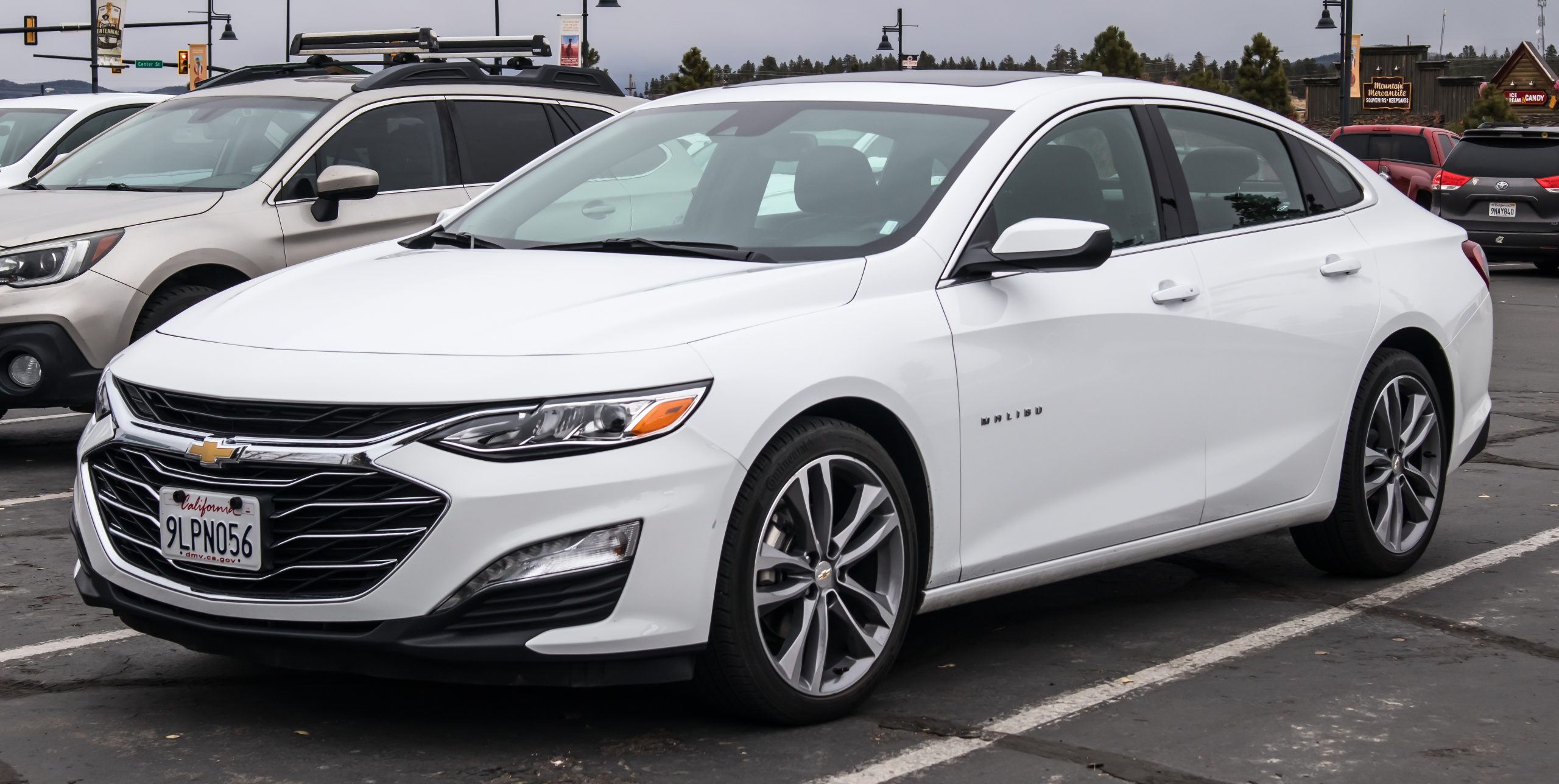
While this makes sense from a technical point of view, it can be inconvenient in daily life. Imagine sitting down on a hot day and wanting to slide the seat back before starting the air conditioning. You’ll have to turn the ignition on first.
The issue is even more noticeable when multiple people share the same car. If someone leaves the seat too far forward or reclined, you’ll need to activate the ignition before making changes, even if you’re not planning to drive immediately.
Some Malibu models let you use “accessory mode” to adjust seats without starting the engine fully. This saves fuel and avoids engine noise, but you still need to power on the electronics before moving the seat at all.
It may seem like a small design detail, but it’s worth knowing before buying a Malibu. Understanding how the seat system works helps drivers plan their routines and avoid frustration when getting ready to hit the road.
5) Hyundai Sonata
The Hyundai Sonata is a well-known midsize sedan praised for its comfort, technology, and smooth ride. But in certain models, the power seat will only move when the ignition is on, which can catch some drivers off guard during daily use.
Imagine getting into your Sonata, wanting to slide the seat forward, recline the backrest, or adjust the height before driving. You press the seat controls but nothing happens unless you first turn the key or press the start button.
Hyundai includes this setup mainly to protect the battery. Power seats use small electric motors, and if they worked freely when the car was off, frequent adjustments could slowly drain battery power, especially in vehicles that sit unused for long periods.
It also helps preserve the seat motors themselves. By requiring ignition power, Hyundai limits unnecessary use, making sure the motors last longer and reducing the chances of costly repairs due to wear and tear over the years.

Still, this design choice can feel inconvenient. Picture a hot day when you just want to push your seat back before starting the air conditioner. You’ll need to power on the car first, adding an extra step to your routine.
For households where multiple people share the Sonata, the limitation is even more noticeable. If the previous driver left the seat in an uncomfortable position, you’ll need to turn on the ignition before making adjustments, even if you’re not leaving right away.
Some Sonata trims allow adjustments in “accessory mode” without starting the engine fully. This can be a good compromise, saving fuel while still letting you move the seat, but you still must activate the car’s electronics to do so.
While this may seem like a minor detail, it’s worth knowing before purchasing or driving a Sonata. Understanding this feature helps drivers prepare for small but important differences in how they interact with the car every day.
6) Kia Sorento
The Kia Sorento is a popular midsize SUV known for its space, comfort, and family-friendly design. But in many models, you can’t adjust the power seat unless the key is turned or the ignition is in accessory mode, surprising some owners.
Imagine stepping into your Sorento, ready to get comfortable before starting your trip. You reach for the seat controls to move forward, back, or tilt the backrest, but nothing happens until you turn the key or press the start button.
Kia designed this feature mainly to protect the car’s battery. Power seats run on small electric motors, and letting them operate without ignition could drain the battery if adjustments are made often when the engine is off.
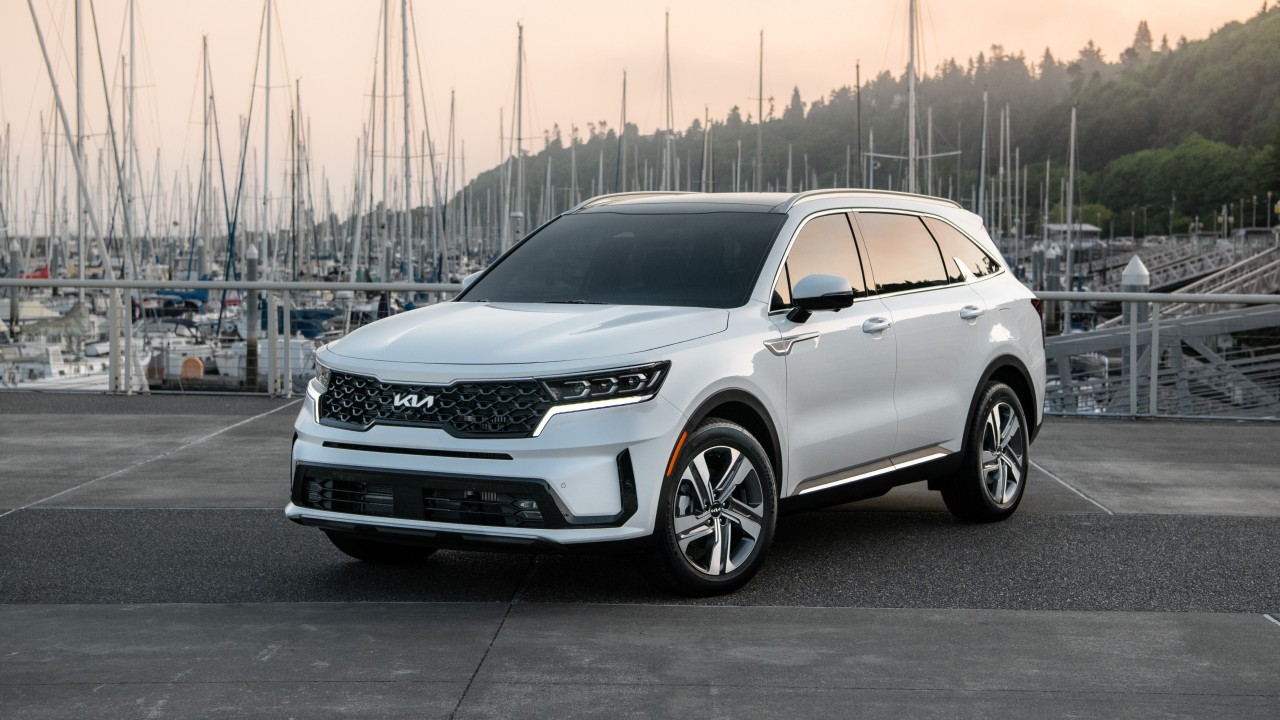
It’s also a way to extend the life of the seat motors. By linking them to ignition or accessory mode, Kia ensures they’re only used when necessary, reducing wear and avoiding expensive repairs over the lifetime of the vehicle.
Still, this setup can feel inconvenient in daily life. Picture getting into the SUV on a hot day and wanting to move the seat back before turning on the air conditioning, you’ll have to power up the vehicle first.
This becomes more noticeable when the Sorento is shared between drivers. If someone leaves the seat too far forward or reclined, the next driver must turn on the ignition before adjusting, even if they’re not planning to leave immediately.
Some Sorento trims allow seat movement in “accessory mode” without starting the engine completely. This can save fuel while still giving access to adjustments, but it still requires the electronics to be powered on first.
While this might seem like a small detail, it’s worth knowing before buying or driving a Sorento. It’s one of those minor features that can influence daily comfort and convenience. Being aware means fewer surprises later.
Also Read: 10 Cars With Tricky Seatbelt Buckles for Elderly Passengers
7) Jeep Grand Cherokee
The Jeep Grand Cherokee is a well-loved SUV known for its comfort, capability, and upscale features. But in many models, you can’t adjust the power seat without turning the ignition on or using accessory mode, which can surprise new owners.
Imagine climbing into your Grand Cherokee, ready to shift the seat forward, back, or adjust the recline before driving. You press the seat control, but nothing happens until you insert the key or press the start button to activate power.
Jeep designed this feature to protect the battery. Power seats use electric motors, and if they could run freely with the vehicle off, frequent adjustments could slowly drain the battery, especially if the SUV sits unused for long periods.
It also helps extend the lifespan of the seat motors. By limiting movement to ignition or accessory mode, Jeep reduces unnecessary use, preventing premature wear and avoiding costly repairs over the years of ownership.

However, this setup can feel inconvenient in everyday situations. Picture parking on a hot day and wanting to move the seat back before starting the air conditioning, you’ll have to switch on the ignition first, adding an extra step.
The inconvenience grows if multiple drivers share the Grand Cherokee. If the previous driver leaves the seat in an uncomfortable position, the next driver must turn on the ignition before adjusting, even if they’re not planning to drive immediately.
Some trims allow adjustments in “accessory mode” without starting the engine fully. This can be a good middle ground, letting you save fuel and reduce noise, but you still need to activate the vehicle’s electronics before moving the seat.
While this may seem like a minor detail, it’s something potential buyers should know. It’s a small part of the experience, but it can affect daily comfort, especially for families or shared vehicles.
8) BMW 3 Series
The BMW 3 Series is one of the most popular luxury sedans in the world, admired for its performance, style, and comfort. Yet in many models, you can’t adjust the power seat unless the ignition or accessory mode is activated.
Imagine stepping into your 3 Series, wanting to slide the seat forward, recline slightly, or adjust the height for better visibility. You press the controls, but nothing happens until you press the start button or turn the key partway.
BMW includes this setup to protect the battery. Power seats use electric motors that draw energy, and letting them operate without ignition could drain the battery faster, an issue that’s even more critical in vehicles with many electronic systems.
It also helps extend the life of the seat motors. By linking movement to ignition or accessory power, BMW limits unnecessary usage, keeping the motors in good shape and avoiding costly repairs over the lifetime of the car.
Still, for daily use, this design can feel inconvenient. Picture a cold winter morning when you just want to move the seat back before turning on the heater. You’ll need to power on the vehicle first, adding extra time.

The inconvenience is greater if the 3 Series is shared between drivers. If someone leaves the seat in a very different position, the next driver must activate the ignition before adjusting, even if they’re not yet ready to set off.
Some trims and years allow adjustments in “accessory mode” without starting the engine completely. This saves fuel and avoids unnecessary engine noise, but it still requires turning on the car’s electronics before the seat will move.
While this may seem like a small detail, it’s worth knowing for anyone considering a BMW 3 Series. Even in a luxury car, small design choices can affect everyday comfort and convenience.
9) Mercedes-Benz C-Class
The Mercedes-Benz C-Class is known for its luxury, comfort, and advanced technology. But in several model years, the power seat will not move unless the ignition is turned on or the accessory mode is activated, which can surprise even experienced Mercedes drivers.
Imagine sitting in your C-Class, ready to adjust the seat before starting your trip. You press the seat controls, expecting smooth movement but nothing happens until you insert the key or press the start button to power the car.
Mercedes designed this feature to protect the vehicle’s battery. Power seats use electric motors that draw power, and if they worked freely without ignition, frequent adjustments could slowly drain the battery, especially in cars with many other electronic systems.
It also helps extend the life of the seat adjustment motors. By linking them to ignition or accessory mode, Mercedes ensures they are only used when necessary, reducing wear and avoiding expensive repairs in the long run.

However, this setup can feel inconvenient in daily life. Picture getting into your car on a hot summer day, wanting to move the seat back before switching on the air conditioning, you’ll still have to power on the vehicle first.
The issue becomes even more noticeable when multiple people share the C-Class. If the previous driver left the seat too far forward or reclined, you’ll have to activate the ignition before adjusting, even if you’re not yet ready to drive.
Some C-Class models allow seat adjustments in “accessory mode,” letting you avoid starting the engine fully while still having seat control. But this still requires turning on the car’s electronics before making any changes.
It may seem like a small detail, but it’s worth knowing if you’re considering a C-Class. Even luxury vehicles have design quirks that can affect everyday comfort and convenience.
10) Nissan Altima
The Nissan Altima is a popular midsize sedan praised for its comfort, fuel efficiency, and smooth driving experience. But in most trims, the power seat will not move unless the ignition is on or the accessory mode is activated, surprising some drivers.
Imagine getting into your Altima, ready to adjust the seat before starting your trip. You reach for the controls to move forward, back, or tilt the backrest but nothing happens until you turn the key or press the start button.
Nissan designed this system to help protect the battery. Power seats use small electric motors that draw energy, and if they were allowed to work without ignition, frequent use could slowly drain battery power, especially in cars that sit unused.
It also helps extend the life of the seat motors. By requiring ignition or accessory power, Nissan limits unnecessary wear, ensuring the components last longer and reducing the risk of costly repairs over the life of the vehicle.

Still, for daily routines, this setup can feel inconvenient. Picture a hot day when you want to slide the seat back before starting the air conditioner, you’ll still need to power on the car first, adding an extra step.
The inconvenience is greater if you share your Altima with family members. If another driver leaves the seat in a different position, you’ll have to switch on the ignition before making adjustments, even if you’re not ready to drive.
While this might seem like a minor design detail, it can impact daily comfort and convenience. Being aware of it helps drivers set realistic expectations before buying or driving the Altima.