

The automotive landscape is filled with vehicles that promise reliability, efficiency, and longevity, but not all cars are created equal when it comes to standing the test of time and mileage.
While some vehicles continue to purr along smoothly well past 200,000 miles, others begin showing their age and developing costly problems long before they reach the 80,000-mile mark.
Understanding which vehicles fall into each category can save you thousands of dollars in repair costs and help you make informed decisions whether you’re buying new or used.
The difference between a car that lasts and one that doesn’t often comes down to engineering philosophy, build quality, maintenance requirements, and the robustness of key components like engines, transmissions, and electrical systems
Some manufacturers have built their reputations on creating vehicles that can withstand the rigors of daily driving for decades, while others have prioritized features, performance, or cost-cutting measures that may compromise long-term reliability.
In today’s market, with the average vehicle price continuing to rise and supply chain issues affecting new car availability, finding a reliable high-mileage vehicle has become more important than ever.
Whether you’re a budget-conscious buyer looking for maximum value or someone who simply wants a dependable daily driver, knowing which cars to seek out and which to avoid can make all the difference in your automotive experience.
5 High-Mileage Cars That Keep Going
These exceptionally engineered vehicles feature robust powertrains and superior build quality that maintain reliable operation through hundreds of thousands of miles without catastrophic mechanical failures.
Their thoughtful design includes reinforced engine internals and precision-manufactured transmission components that resist the stress concentrations typically created by extended highway cruising and daily commuting cycles.
From extreme temperature variations that challenge cooling systems to the constant vibration of high-mileage operation, these remarkable automobiles continue running smoothly without developing terminal mechanical problems.
Owners report well over 300,000 trouble-free miles with these dependable transportation solutions a testament to engineering excellence that proves its worth through consistent reliability and maintained performance throughout extended ownership.
1. Toyota Camry
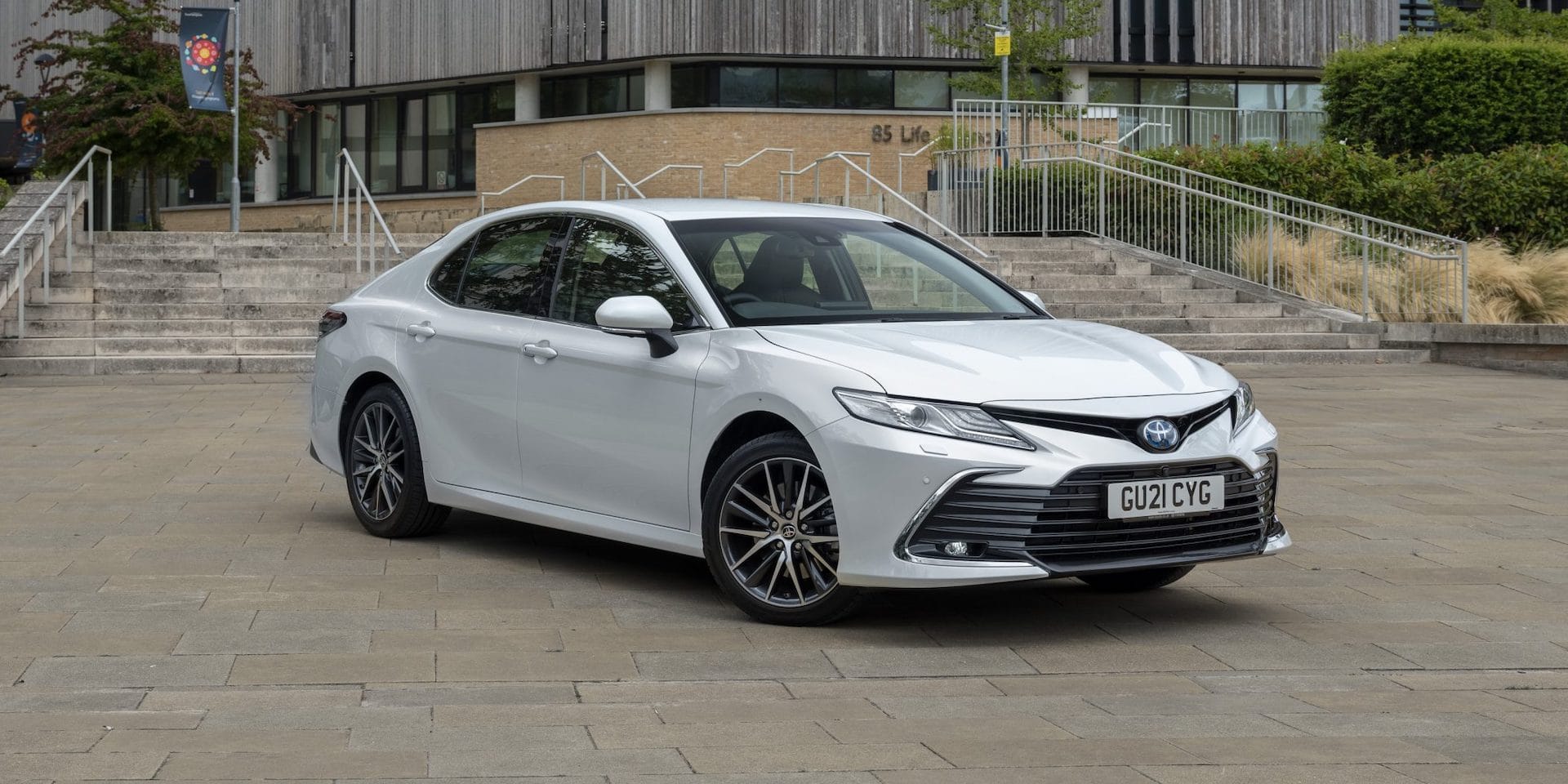
The Toyota Camry has earned its reputation as one of the most reliable sedans on the road, consistently ranking among the top choices for drivers seeking longevity and dependability.
This mid-size sedan has been a cornerstone of Toyota’s lineup for decades, and its track record for high-mileage durability is virtually unmatched in the automotive industry.
What makes the Camry such a high-mileage champion is Toyota’s commitment to proven engineering and conservative design philosophy. The Camry’s engines, particularly the 2.5-liter four-cylinder and 3.5-liter V6 options, are known for their robust construction and excellent long-term reliability.
These powerplants feature time-tested technology with adequate cooling systems, quality internal components, and oil circulation designs that minimize wear over time. Many Camry owners report trouble-free operation well beyond 200,000 miles with nothing more than routine maintenance.
The transmission systems in the Camry are equally impressive in their durability. Both the manual and automatic transmissions are engineered with generous service intervals and robust internal components that can handle the demands of daily driving for years.
The automatic transmission, in particular, benefits from Toyota’s conservative tuning approach, which prioritizes smooth operation and longevity over aggressive performance characteristics.
Maintenance requirements for the Camry are refreshingly straightforward and affordable. The vehicle uses common fluids and filters that are readily available at competitive prices, and many routine maintenance tasks can be performed by independent mechanics rather than requiring expensive dealership service.
This accessibility helps keep long-term ownership costs manageable, which is crucial for high-mileage vehicles where maintenance becomes increasingly important.
The Camry’s electrical systems have also proven remarkably durable over time. Unlike some vehicles that develop mysterious electrical gremlins as they age, the Camry’s wiring harnesses, control modules, and sensors tend to remain functional well into high-mileage territory.
This reliability extends to critical systems like the engine management system, anti-lock brakes, and air conditioning, all of which can be expensive to repair in other vehicles.
Body and interior durability are additional strengths of the Camry. The paint tends to hold up well against the elements, and the interior materials, while not always luxurious, are designed to withstand years of use without significant wear.
Door handles, window regulators, and other frequently used components are built to last, reducing the likelihood of annoying and potentially expensive repairs down the road.
From a value perspective, the Camry’s reputation for reliability means that well-maintained high-mileage examples often retain reasonable resale value compared to less reliable competitors.
This can be particularly beneficial for buyers who may need to sell or trade their vehicle in the future. The widespread availability of parts and service expertise also means that when repairs are needed, they’re typically less expensive and more convenient than with less common vehicles.
2. Honda Civic
The Honda Civic stands as another testament to Japanese engineering excellence and has consistently proven itself as one of the most reliable compact cars for high-mileage driving.
For decades, the Civic has been the go-to choice for drivers seeking an affordable, fuel-efficient vehicle that can deliver dependable transportation well beyond the 100,000-mile mark.
Honda’s approach to engine design in the Civic exemplifies the company’s commitment to long-term reliability. The various four-cylinder engines used in the Civic, including the naturally aspirated and VTEC variants, are renowned for their ability to maintain performance and efficiency even as mileage accumulates.
These engines feature robust internal components, excellent oil circulation systems, and timing chains or belts that are designed for extended service intervals. Many Civic owners report engines that continue running smoothly at 200,000 miles or more with only routine maintenance.
The Civic’s transmission systems, both manual and automatic, have earned praise for their durability and smooth operation over time. The manual transmissions, in particular, are known for their precise shifting feel and ability to withstand aggressive driving without premature wear.
The automatic transmissions, while occasionally requiring fluid changes, are generally robust and can handle the daily grind of stop-and-go traffic for years without major issues.
One of the Civic’s greatest strengths is its exceptional fuel economy, which becomes increasingly important as gas prices fluctuate and environmental concerns grow.
High-mileage Civic models often continue to deliver impressive fuel efficiency, making them economical choices for drivers who accumulate significant annual mileage. This efficiency, combined with the car’s reliability, creates a compelling value proposition for both new and used car buyers.

The Civic’s reputation for reliability extends beyond just the powertrain. The electrical systems in most Civic models are well-designed and durable, with fewer reported issues compared to many competitors.
This reliability encompasses everything from the alternator and starter to the various sensors and control modules that manage modern engine and safety systems. When electrical issues do arise, they’re typically straightforward to diagnose and repair.
Maintenance costs for the Civic are generally reasonable, thanks to Honda’s use of common parts and fluids, as well as the widespread availability of service expertise.
Many routine maintenance tasks can be performed by independent mechanics, and parts are competitively priced. This accessibility is crucial for high-mileage vehicles where preventive maintenance becomes increasingly important for continued reliability.
The Civic’s build quality extends to its body and interior components as well. While some early model years experienced issues with paint and rust, more recent generations have shown improved corrosion resistance and paint durability.
Interior components, though not always luxurious, are typically well-constructed and designed to withstand years of use without significant wear or failure.
From a practical standpoint, the Civic offers excellent space utilization for a compact car, providing adequate room for passengers and cargo while maintaining manageable exterior dimensions.
This practicality, combined with its reputation, makes it an attractive option for a wide range of drivers, from young professionals to families seeking economical transportation.
3. Toyota Prius
The Toyota Prius represents a unique position in the high-mileage reliability discussion, as it combines proven hybrid technology with Toyota’s reputation for building vehicles that last.
Despite initial skepticism about hybrid vehicle longevity, the Prius has demonstrated remarkable durability and has become a favorite among high-mileage drivers, particularly those who prioritize fuel efficiency. The Prius hybrid system, while complex, has proven surprisingly robust over time.
The combination of a gasoline engine and electric motor, managed by sophisticated control systems, might seem like it would create more potential failure points, but Toyota’s conservative engineering approach has resulted in a system that can operate reliably for hundreds of thousands of miles. Many Prius owners report minimal issues with the hybrid system components, even as their vehicles accumulate significant mileage.
The gasoline engine in the Prius operates on an efficient Atkinson cycle, which reduces internal stress and wear compared to conventional engines.
This design, combined with the hybrid system’s ability to reduce engine load during certain driving conditions, contributes to exceptional engine longevity. The electric motor assistance also means the gasoline engine doesn’t work as hard as it would in a conventional vehicle, further extending its lifespan.
One of the most impressive aspects of Prius reliability is the performance of its hybrid battery pack. While early concerns focused on potential battery replacement costs, real-world experience has shown that most Prius hybrid batteries can last well beyond 150,000 miles with proper maintenance.
When replacement is eventually needed, costs have decreased significantly, and many independent shops now offer battery reconditioning services that can extend battery life at a fraction of the cost of replacement.
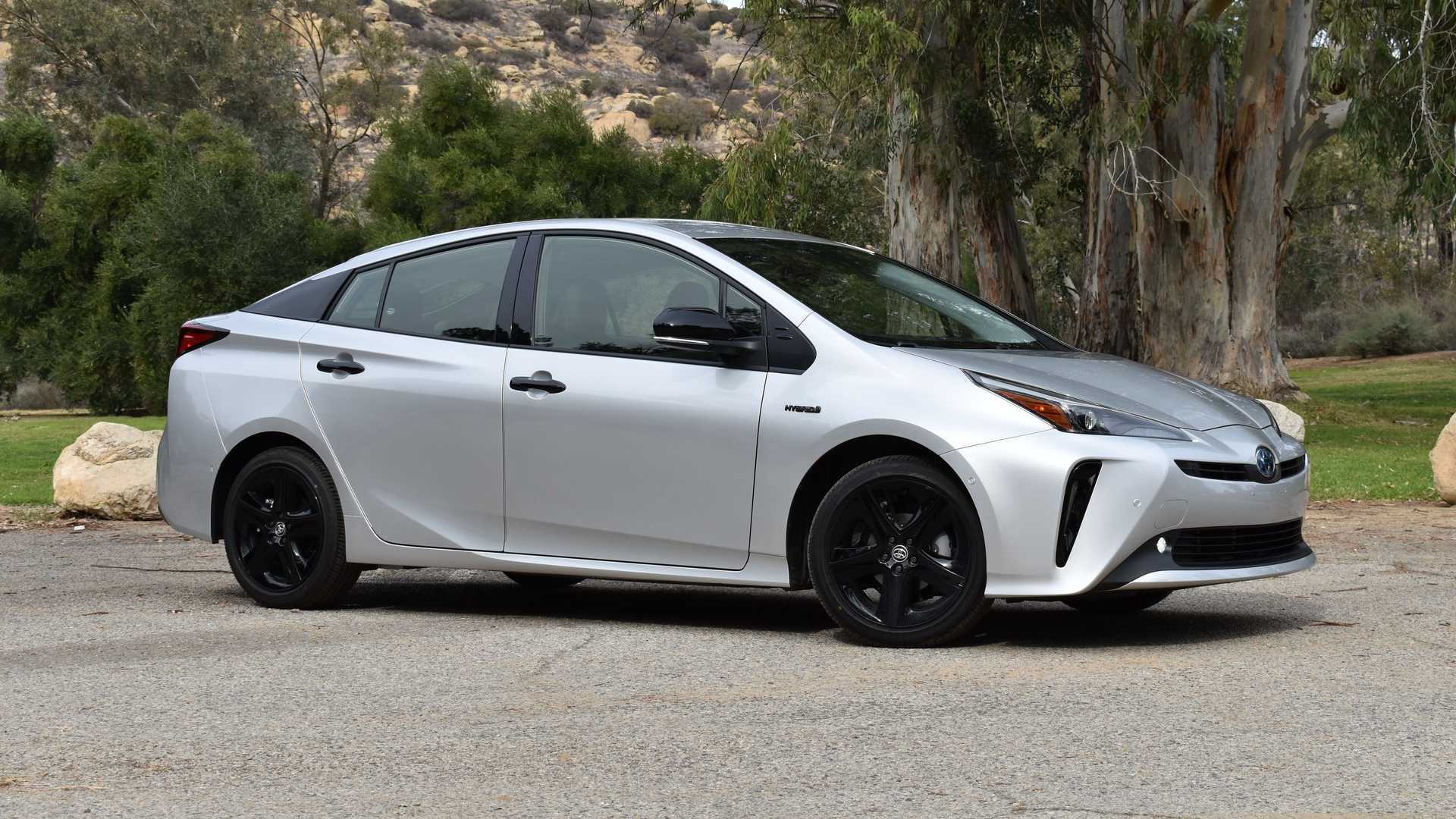
The Prius excels in fuel efficiency, which is particularly beneficial for high-mileage drivers. Many owners report achieving 45-50 miles per gallon or better, even in older, high-mileage vehicles.
This exceptional fuel economy can result in significant savings over the life of the vehicle, helping to offset any potential maintenance costs associated with the hybrid system.
Maintenance requirements for the Prius are generally manageable, though some procedures may require specialized knowledge of hybrid systems. Routine maintenance like oil changes, brake service, and tire replacement are straightforward, and the regenerative braking system actually extends brake pad life significantly compared to conventional vehicles.
The sophisticated engine management system also helps optimize performance and efficiency while reducing wear on engine components. The Prius has also proven durable in terms of its electrical systems and body construction.
The complex electrical architecture that manages the hybrid system has shown good reliability over time, and the body construction has improved significantly in recent generations. Interior durability is adequate, though some materials may show wear in high-use areas over time.
From an environmental perspective, the Prius offers the advantage of reduced emissions and fuel consumption, which becomes increasingly important as environmental regulations tighten and fuel costs rise.
This environmental benefit, combined with proven reliability, makes the Prius an attractive choice for environmentally conscious drivers seeking long-term dependability.
4. Honda Accord
The Honda Accord has long been considered one of the most reliable mid-size sedans available, earning countless awards and accolades for its combination of performance, efficiency, and long-term dependability.
For drivers seeking a vehicle that can provide comfortable, reliable transportation well into high-mileage territory, the Accord represents an excellent choice backed by decades of proven performance.
Honda’s engineering philosophy in the Accord emphasizes durability and refinement, resulting in engines that can deliver strong performance while maintaining reliability over time.
The various four-cylinder and V6 engines used in the Accord are known for their smooth operation and ability to maintain performance characteristics even as mileage accumulates. These engines feature robust internal components, effective cooling systems, and well-designed oil circulation that minimizes wear over time.
The Accord’s transmission systems have earned particular praise for their smooth operation and long-term reliability. Both manual and automatic transmissions are engineered with attention to durability, and many owners report trouble-free operation well beyond 150,000 miles.
The automatic transmissions, in particular, benefit from Honda’s conservative tuning approach, which prioritizes smooth shifts and longevity over aggressive performance characteristics. One of the Accord’s greatest strengths is its balance of performance and efficiency.
The vehicle provides adequate power for most driving situations while maintaining reasonable fuel economy, making it an attractive choice for drivers who accumulate significant annual mileage. This balance becomes particularly important in high-mileage vehicles where efficiency can help offset ownership costs.
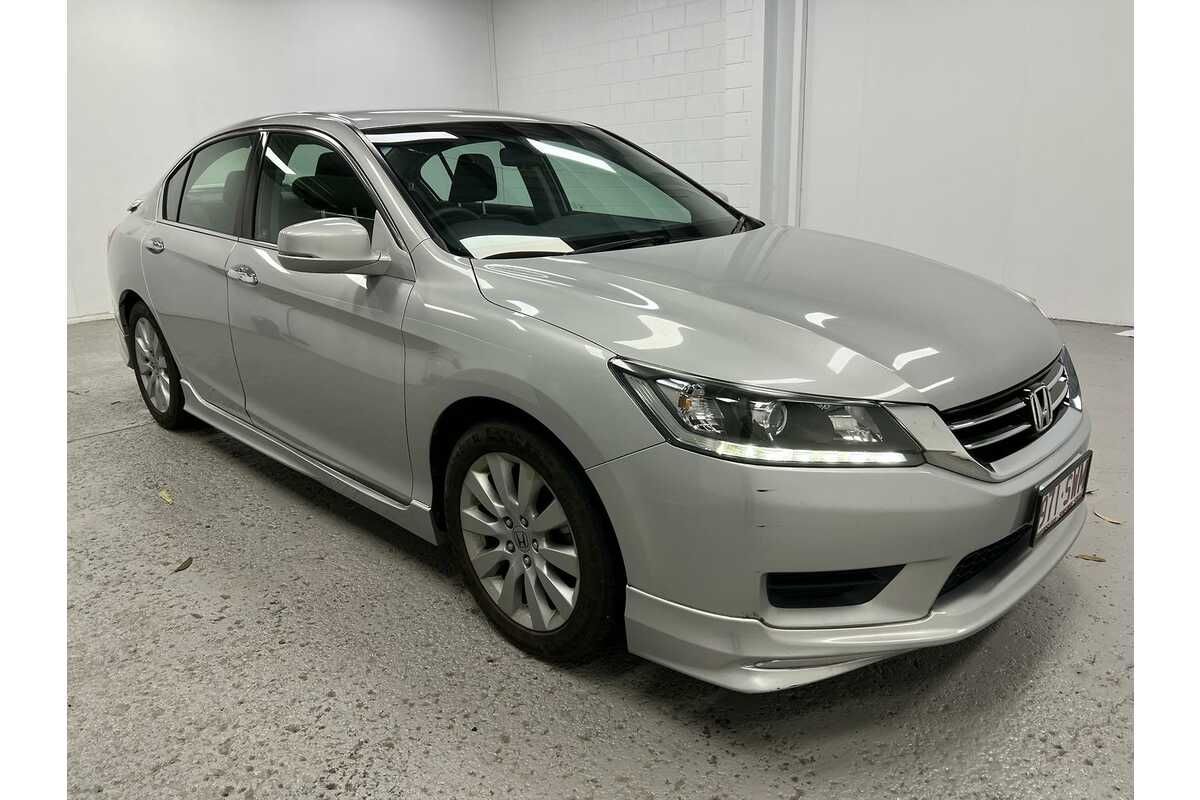
The Accord’s reputation for reliability extends beyond just the powertrain to encompass the entire vehicle. Electrical systems are generally well-designed and durable, with fewer reported issues compared to many competitors in the mid-size sedan segment.
This reliability covers everything from the charging system to the various sensors and control modules that manage modern engine and safety systems.
Maintenance costs for the Accord are typically reasonable, thanks to Honda’s use of common parts and fluids, as well as the widespread availability of service expertise.
Many routine maintenance tasks can be performed by independent mechanics, and parts are competitively priced. This accessibility is particularly important for high-mileage vehicles where preventive maintenance becomes crucial for continued reliability.
The Accord’s build quality is evident in its body construction and interior materials. Paint quality and corrosion resistance have improved significantly over the years, and interior components are generally well-constructed and designed to withstand years of use.
Door handles, window regulators, and other frequently used components are built to last, reducing the likelihood of annoying repairs as the vehicle ages.
From a comfort and convenience standpoint, the Accord offers excellent space utilization and a comfortable driving experience that doesn’t deteriorate significantly as mileage accumulates.
The suspension system is designed to provide good ride quality while maintaining reasonable durability, and many owners report minimal issues with suspension components even in high-mileage vehicles.
Also Read: 5 Engines With Legendary Camshafts and 5 That Always Need Top-End Work
5. Subaru Outback
The Subaru Outback occupies a unique position in the high-mileage reliability discussion, combining the durability of Subaru’s all-wheel-drive system with the practicality of a wagon-style vehicle.
For drivers seeking a reliable vehicle that can handle various driving conditions while accumulating significant mileage, the Outback has proven to be an excellent choice.
Subaru’s boxer engine design, while different from conventional inline or V-type engines, has demonstrated good long-term reliability in the Outback.
The horizontally opposed engine configuration provides a low center of gravity and smooth operation, and when properly maintained, these engines can deliver reliable service well beyond 150,000 miles. The key to Outback engine longevity is adhering to Subaru’s maintenance schedule, particularly regarding oil changes and cooling system service.
The Outback’s standard all-wheel-drive system is one of its greatest strengths and a major contributor to its high-mileage appeal. Unlike some all-wheel-drive systems that are complex and prone to failure, Subaru’s system is relatively simple and has proven durable over time.
This system provides excellent traction in various driving conditions without significantly compromising fuel economy or adding excessive complexity to the vehicle.

One area where the Outback excels is in its ability to handle diverse driving conditions and environments. The vehicle’s ground clearance, all-wheel-drive system, and robust construction make it suitable for everything from city driving to light off-road adventures. This versatility means that Outback owners can rely on their vehicle for a wide range of activities without needing multiple vehicles.
The Outback’s transmission systems, both manual and continuously variable automatic (CVT), have shown reasonable reliability over time. While the CVT has faced some criticism in early implementations, more recent versions have proven more durable and provide smooth operation that can contribute to engine longevity by keeping the engine in its optimal operating range.
Maintenance requirements for the Outback are generally straightforward, though some procedures may require specialized knowledge of Subaru’s systems. The all-wheel-drive system requires periodic service, but this is typically limited to fluid changes and basic inspections. Engine maintenance follows conventional patterns, and most routine service can be performed by independent mechanics familiar with Subaru vehicles.
The Outback’s build quality is evident in its body construction and interior durability. The vehicle is designed to withstand various environmental conditions, and many owners report minimal issues with rust or corrosion even in harsh climates. Interior materials are generally durable and designed to withstand years of use, though some surfaces may show wear in high-use areas.
From a practical standpoint, the Outback offers excellent cargo space and passenger accommodation, making it suitable for families or individuals who need to transport various items regularly. This practicality, combined with its reliability reputation, makes it an attractive choice for drivers who want a single vehicle that can handle multiple roles.
5 Cars You Never See Past 80k Miles
These problematic vehicles suffer from fundamental design flaws and cost-cutting measures that create catastrophic failures and expensive repairs that exceed their market value before reaching typical mileage milestones.
Their components feature inadequate materials, insufficient engineering margins, or manufacturing deficiencies that promote rapid deterioration when subjected to normal driving stress and environmental exposure.
From transmission failures that total the vehicle to engine problems that cost more to repair than replacement, these automobiles consistently develop terminal issues that force early retirement.
The recurring nature of these failures demonstrates how poor initial design and manufacturing decisions can create vehicles with inherently limited lifespans that become economically unviable to maintain.
1. Chrysler 200
The Chrysler 200, produced from 2011 to 2017, represents a cautionary tale in automotive reliability and serves as a prime example of a vehicle that struggles to maintain dependability as mileage accumulates.
Despite initial promises of improved quality and refined driving dynamics, the 200 has earned a reputation for developing significant problems well before reaching high-mileage territory.
Engine issues plague the Chrysler 200 throughout its production run, with the most common problems involving the 2.4-liter four-cylinder engine. Owners frequently report issues with excessive oil consumption, timing chain problems, and premature engine failure.
The timing chain, in particular, has proven problematic, with many vehicles experiencing chain stretch or failure at relatively low mileage. This can result in catastrophic engine damage that often costs more to repair than the vehicle is worth.
The transmission systems in the 200 are equally problematic, with both the manual and automatic transmissions experiencing higher-than-normal failure rates.
The nine-speed automatic transmission, in particular, has been the subject of numerous complaints and recalls due to issues with shifting quality, premature failure, and software problems.
These transmission problems often manifest as harsh shifting, delayed engagement, or complete transmission failure, typically occurring well before the vehicle reaches 80,000 miles.
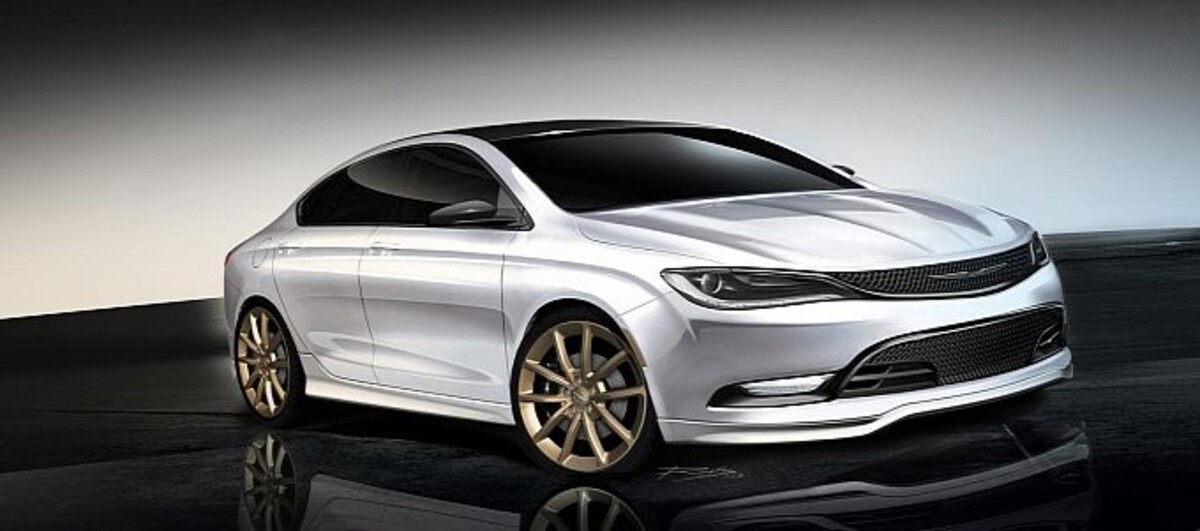
Electrical system reliability is another major concern with the Chrysler 200. Owners report a wide range of electrical issues, including problems with the infotainment system, power windows, air conditioning, and various sensors.
These electrical gremlins can be particularly frustrating because they’re often intermittent and difficult to diagnose, leading to repeated trips to the dealer and expensive repair bills.
The 200s’ build quality issues extend beyond just mechanical components to encompass overall construction quality. Paint problems, interior component failures, and body panel alignment issues are commonly reported.
The vehicle’s interior materials, while initially appearing acceptable, often show premature wear and have a tendency to break or malfunction with regular use.
From a maintenance perspective, the 200 requires more frequent attention than many competitors, and repairs tend to be expensive due to the complexity of some systems and the need for specialized dealer service.
Many independent mechanics are reluctant to work on these vehicles due to the complexity of the electrical systems and the frequency of unusual problems.
The 200’s poor reliability record has significantly impacted its resale value, making it a poor investment for buyers. Many owners find themselves facing repair costs that exceed the vehicle’s value, leading to a high rate of early disposal. This poor resale value, combined with high repair costs, makes the 200 an unattractive choice for buyers seeking long-term reliability.
2. Jeep Compass
The Jeep Compass, particularly models from the 2007-2017 generation, has developed a reputation for reliability issues that often manifest before the vehicle reaches high-mileage status.
Despite the appeal of the Jeep brand and the Compass’s SUV styling, this vehicle has proven to be problematic for many owners seeking dependable transportation.
Engine problems are among the most significant issues facing Compass owners. The 2.0-liter and 2.4-liter four-cylinder engines used in various model years have shown higher-than-normal failure rates, with common problems including oil consumption issues, timing chain problems, and premature engine wear.
Many owners report engines that begin consuming excessive amounts of oil well before 80,000 miles, often requiring frequent top-ups and potentially leading to engine damage if not carefully monitored.
The Compass’s transmission systems have also proven problematic, with both manual and continuously variable automatic (CVT) transmissions experiencing higher failure rates than industry standards.
The CVT, in particular, has been the subject of numerous complaints related to premature failure, harsh operation, and expensive repair costs. These transmission problems often result in complete transmission replacement, which can cost more than the vehicle is worth.
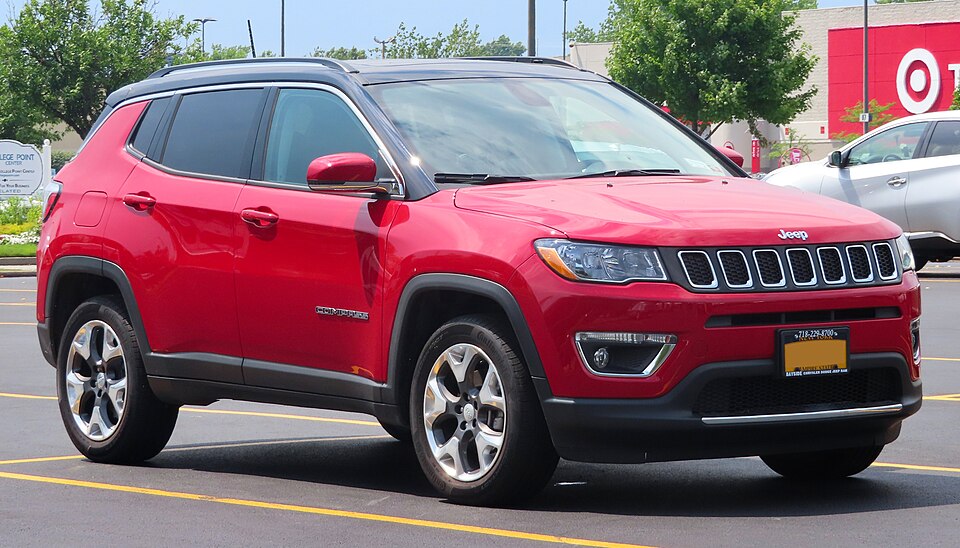
Electrical system reliability is another major concern with the Compass. The vehicle’s complex electrical architecture, which manages everything from the engine to the infotainment system, has shown a tendency to develop problems that can be difficult and expensive to diagnose and repair.
Common electrical issues include problems with the power windows, air conditioning, and various sensors that are critical for proper engine operation.
The Compass’s four-wheel-drive system, while appealing to buyers seeking off-road capability, has proven to be a source of reliability problems. The system’s complexity and the harsh conditions it’s designed to handle can lead to premature wear of components, resulting in expensive repairs that often aren’t covered under warranty after the vehicle reaches a certain age or mileage.
Build quality issues with the Compass extend to various components throughout the vehicle. Interior materials often show premature wear, and various switches and controls have a tendency to fail or malfunction. The vehicle’s exterior is also prone to paint problems and rust issues, particularly in harsh climates or environments.
From a maintenance standpoint, the Compass requires more frequent attention than many competitors, and repairs tend to be expensive due to the complexity of some systems and the need for specialized dealer service.
Many independent mechanics are reluctant to work on these vehicles due to the frequency of unusual problems and the complexity of the electrical systems.
The Compass’s poor reliability record has significantly impacted its resale value, making it a poor investment for buyers. Many owners find themselves facing major repair bills before the vehicle reaches 80,000 miles, often leading to early disposal rather than expensive repairs.
3. Dodge Journey
The Dodge Journey, produced from 2009 to 2020, represents another example of a vehicle that struggles to maintain reliability as mileage accumulates.
Despite its appealing three-row seating configuration and affordable pricing, the Journey has earned a reputation for developing significant problems well before reaching high-mileage territory.
Engine reliability issues plague the Journey throughout its production run, with particular problems affecting the 2.4-liter four-cylinder and 3.6-liter V6 engines.
The 2.4-liter engine is prone to oil consumption issues, timing chain problems, and premature wear of internal components. Many owners report engines that begin consuming excessive oil before 60,000 miles, often leading to engine damage if not carefully monitored. The 3.6-liter V6, while generally more reliable, has its own set of issues, including problems with the timing chain and various sensors.
Transmission problems are endemic to the Journey, with both four-speed and six-speed automatic transmissions experiencing higher-than-normal failure rates.
The four-speed automatic, in particular, has been the subject of numerous complaints related to harsh shifting, premature failure, and expensive repair costs.
These transmission problems often manifest as delayed engagement, harsh shifting, or complete transmission failure, typically occurring well before the vehicle reaches 80,000 miles.
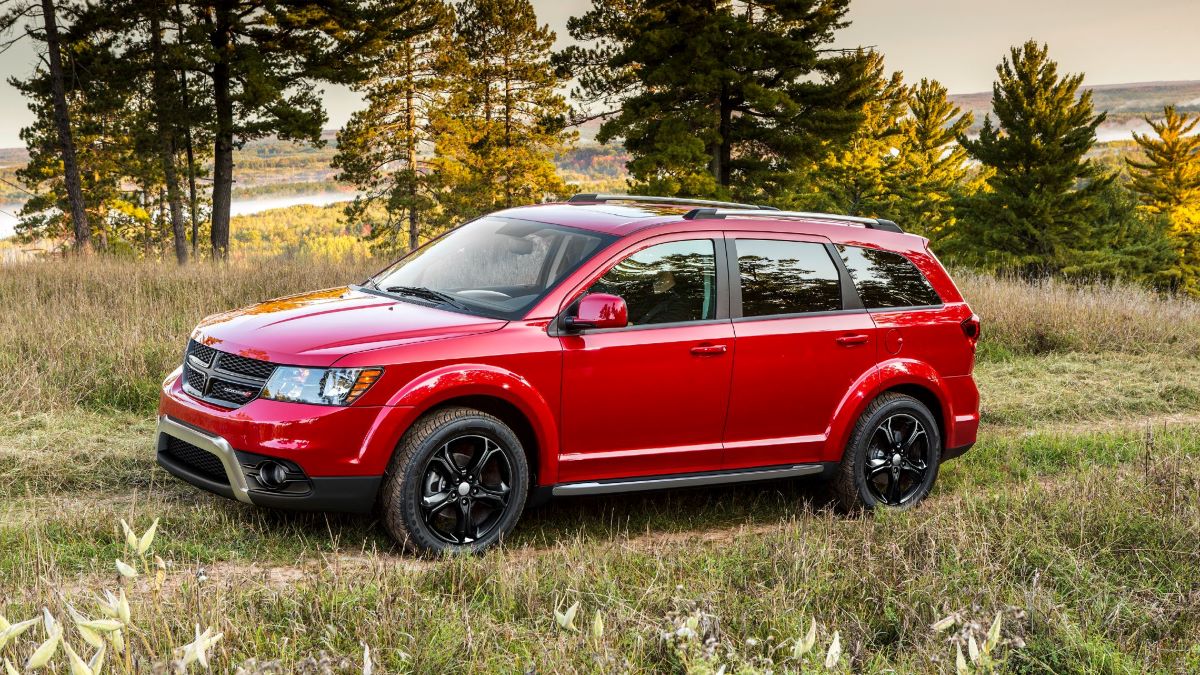
The Journey’s electrical systems have proven problematic, with owners reporting a wide range of issues including problems with the power windows, air conditioning, infotainment system, and various engine sensors.
These electrical problems can be particularly frustrating because they’re often intermittent and difficult to diagnose, leading to repeated trips to the dealer and expensive diagnostic fees.
Build quality issues with the Journey are evident throughout the vehicle. Interior materials are often cheap and prone to premature wear, and various components have a tendency to break or malfunction with regular use. The vehicle’s exterior is also prone to paint problems and rust issues, particularly around the wheel wells and door frames.
The Journey’s suspension system has also proven problematic, with many owners reporting premature wear of shock absorbers, struts, and other suspension components. These problems can affect ride quality and handling, and replacement parts can be expensive, particularly for the rear suspension components.
From a maintenance perspective, the Journey requires more frequent attention than many competitors, and repairs tend to be expensive due to the complexity of some systems and the need for specialized dealer service.
Many independent mechanics are reluctant to work on these vehicles due to the frequency of unusual problems and the complexity of the electrical systems.
The Journey’s poor reliability record has significantly impacted its resale value, making it a poor investment for buyers. Many owners find themselves facing major repair bills before the vehicle reaches 80,000 miles, often leading to early disposal rather than expensive repairs.
4. Nissan CVT Models (Altima, Sentra, Rogue)
Several Nissan models equipped with continuously variable transmissions (CVT) have developed a reputation for reliability issues that often manifest before reaching high-mileage status.
The Altima, Sentra, and Rogue, in particular, have been plagued by CVT problems that can result in expensive repairs or complete transmission replacement well before 80,000 miles.
The CVT transmission problems in these Nissan models are well-documented and widespread, affecting vehicles from approximately 2013 to 2018. The most common issues include premature failure of internal components, harsh operation, and complete transmission failure.
Many owners report transmissions that begin exhibiting problems such as jerky acceleration, delayed engagement, or complete loss of power transmission before the vehicle reaches 60,000 miles.
The root causes of these CVT problems appear to be related to both design flaws and manufacturing issues. The CVT system in these vehicles uses a steel belt and pulleys to provide continuously variable gear ratios, but the belt and pulley system has proven prone to premature wear and failure.
Additionally, the CVT fluid used in these transmissions has specific requirements, and failure to maintain proper fluid levels and quality can accelerate transmission problems.
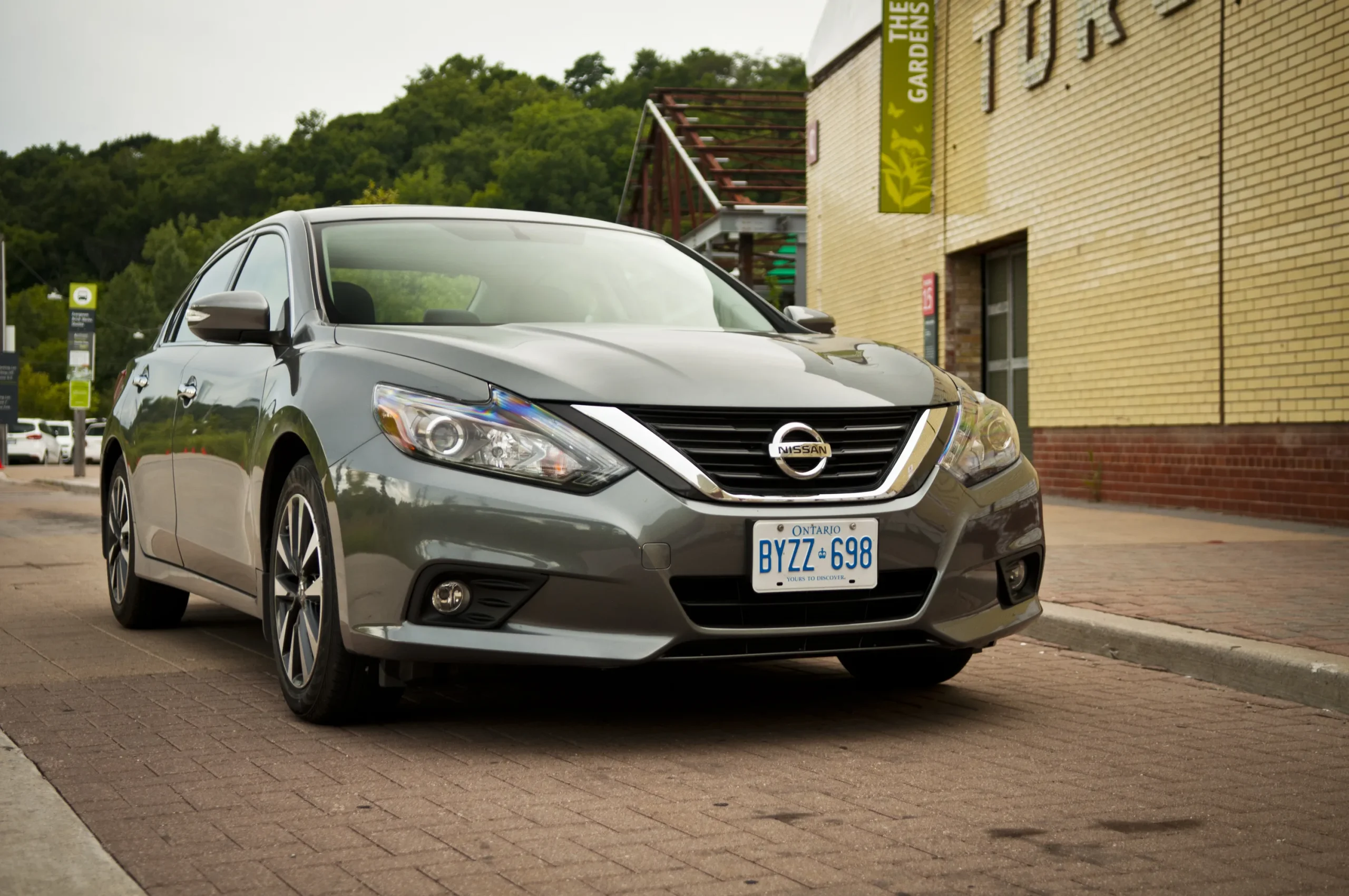
Engine issues also affect these Nissan models, though to a lesser extent than the transmission problems. The 2.5-liter four-cylinder engine used in the Altima and various other models has shown some reliability concerns, including oil consumption issues and problems with the timing chain. While these engine problems are less common than the CVT issues, they can still result in expensive repairs.
The electrical systems in these Nissan models have also shown some reliability concerns, particularly related to the CVT control systems and various sensors.
Problems with the CVT control module can cause transmission problems even when the mechanical components are functioning properly, and these electronic issues can be difficult and expensive to diagnose and repair.
From a maintenance standpoint, these Nissan CVT models require careful attention to transmission fluid changes and quality. The CVT fluid must be changed at specific intervals using the correct specification fluid, and failure to maintain proper fluid quality can accelerate transmission problems. However, even with proper maintenance, many of these transmissions fail prematurely.
The widespread nature of these CVT problems has led to multiple class-action lawsuits and extended warranties from Nissan, but these measures don’t fully address the underlying reliability issues.
Many owners find themselves facing transmission replacement costs that can exceed $4,000-$6,000, often on vehicles that are otherwise in good condition.
The poor reliability record of these CVT-equipped Nissan models has significantly impacted their resale value, making them poor investments for buyers. Many owners choose to dispose of these vehicles rather than face expensive transmission repairs, contributing to their rarity in the high-mileage used car market.
5. BMW 3 Series (Certain Model Years)
While BMW has built a reputation for engineering excellence and driving dynamics, certain model years of the 3 Series have proven problematic for owners seeking long-term reliability.
Specifically, models from the mid-2000s through early 2010s have developed reputations for expensive maintenance requirements and reliability issues that often manifest before reaching high-mileage status.
Engine problems are among the most significant issues affecting these 3 Series models. The N54 and N55 turbocharged engines, while providing excellent performance, have shown higher-than-normal failure rates for various components.
Common problems include high-pressure fuel pump failures, turbocharger issues, and carbon buildup on intake valves. These problems often occur before 80,000 miles and can result in repair costs that exceed the vehicle’s value.
The cooling system in these BMW models has also proven problematic, with common failures including water pump problems, thermostat failures, and radiator issues.
The complexity of the cooling system, combined with the use of plastic components in high-heat environments, contributes to premature failures that can be expensive to repair. Cooling system failures can also lead to engine damage if not addressed promptly.

Electrical system reliability is another major concern with these 3 Series models. BMW’s complex electrical architecture, which manages everything from the engine to the infotainment system, has shown a tendency to develop problems that can be difficult and expensive to diagnose and repair.
Common electrical issues include problems with the power windows, air conditioning, and various sensors that are critical for proper engine operation.
The 3 Series’ advanced features, while appealing to buyers seeking luxury and convenience, often become sources of reliability problems as the vehicle ages.
Systems like the electronic parking brake, adaptive headlights, and various driver assistance features have shown higher failure rates than simpler systems, and repairs often require specialized dealer service.
Maintenance costs for these BMW models are significantly higher than for most mainstream vehicles, due to both the complexity of the systems and the cost of parts and labor.
Many routine maintenance procedures require specialized tools and knowledge, limiting the ability of independent mechanics to service these vehicles affordably.
The 3 Series’ transmission systems, while generally well-engineered, require careful maintenance to ensure longevity. The automatic transmissions, in particular, require regular fluid changes using specific BMW-approved fluids, and failure to maintain proper service intervals can lead to premature transmission problems.
From a reliability standpoint, these BMW models require more frequent attention than many competitors, and repairs tend to be expensive due to the complexity of the systems and the high cost of parts. Many independent mechanics are reluctant to work on these vehicles due to the specialized knowledge and tools required.
The combination of high maintenance costs and reliability issues has significantly impacted the resale value of these 3 Series models, making them poor investments for buyers seeking long-term reliability.
Many owners find themselves facing major repair bills before the vehicle reaches 80,000 miles, often leading to early disposal rather than expensive repairs.
Also Read: 5 Cars That Handle Long Commutes With Ease and 5 That Age Rapidly
