
Toyota has earned its stripes as a go-to brand for dependable, long-lasting vehicles—and nowhere is that reputation more tested than in its SUV lineup.
From rugged off-road warriors to family-friendly crossovers, Toyota has churned out a wide range of sport utility vehicles over the years. Some have become icons of reliability, known for clocking hundreds of thousands of miles with minimal fuss. Others? Not so much.
Behind the badge and branding, not every Toyota SUV is created equal. Some models are practically bulletproof—built to handle anything from mountain trails to school runs without breaking a sweat. Then there are the ones that look great on paper but disappoint in the real world, plagued by mechanical issues, underwhelming performance, or just plain poor value for the money.
Toyota SUVs That Go the Distance
In this article, we’re cutting through the marketing noise to spotlight 5 Toyota SUVs that truly go the distance—the ones owners swear by, year after year.
And we’re also calling out 5 that miss the mark, the ones that remind us even Toyota isn’t immune to missteps. Whether you’re shopping for your next ride or just love a good automotive reality check, this list pulls no punches.
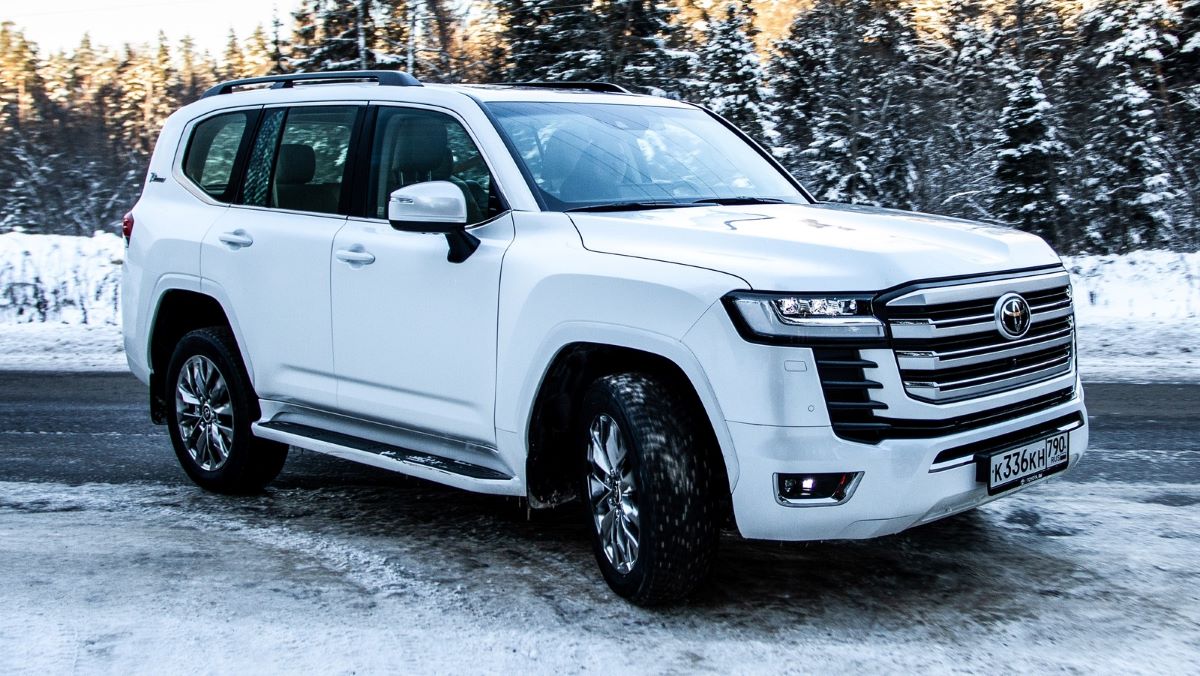
1. Toyota Land Cruiser (Any Generation)
The Land Cruiser is Toyota’s flagship of reliability, renowned for lasting well beyond 300,000 miles with routine maintenance.
Built with overengineering in mind, its V8 engines, body-on-frame construction, and bulletproof drivetrain make it a global favorite in rough terrains.
Whether it’s the 80 Series or the more recent 200 Series, these SUVs are designed to outlive most of their owners.
- Common High Mileage: 300,000–500,000 miles.
- Notable Feature: Full-time 4WD and heavy-duty axles make it ideal for off-road longevity.
The 20 Series Land Cruiser marked Toyota’s transition from military-grade trucks to consumer-ready SUVs. Marketed as the new “civilian version” of the military truck, this generation aimed to appeal to everyday drivers.
This Land Cruiser featured a curvier body and a roomier cabin, adding a touch of style and comfort that earlier models lacked. Toyota also upgraded the suspension system and shortened the wheelbase, improving overall handling.
Most notably, the 20 Series was the first Toyota Land Cruiser sold in the United States. It arrived in 1958 alongside the Toyopet Crown sedan, marking Toyota’s debut in the U.S. market.
The Land Cruiser’s next three generations—the 40 Series, 55 Series, and 60 Series—continued to build on Toyota’s growing reputation for off-road performance. The 40 Series stood out as the first Land Cruiser to feature low gear shifting, a feature that dramatically enhanced maneuverability over tough obstacles.
This model remained available in the U.S. until 1983. The 55 Series, introduced in 1967, took a different approach. It was larger and more family-oriented, sacrificing some ruggedness for practicality.
Still, it maintained its iconic status. In 1975, both the 40 and 55 Series received mechanical upgrades: a more powerful 4.2-liter six-cylinder engine replaced the older powerplant, and the aging three-speed transmission was swapped for a more modern four-speed version.
In 1980, Toyota rolled out the 60 Series, which focused more on road comfort while retaining the Land Cruiser’s signature off-road toughness. This generation featured live axles in both the front and rear and came standard with four-wheel drive, making it an ideal family SUV with serious off-road chops.
The 60 Series also received a new engine: a 4.0-liter 3F-type six-cylinder that, despite its slightly smaller displacement compared to the previous 4.2-liter, delivered improved performance. Horsepower increased from 125 to 155, and torque jumped from 200 to 220 lb-ft.
Globally, the 70 Series took over from the 40 Series, though it never made it to the U.S. market. This generation was a no-compromise off-roader, built to conquer extreme terrain. We spent a month driving a 70 Series in Costa Rica, and it handled everything from rugged mountain paths to dirt-road grocery runs without breaking a sweat.
After receiving several modern updates in 1990, the 70 Series was eventually succeeded in some regions by the Toyota Land Cruiser Prado. In certain parts of the world, however, the 70 Series is still available brand new.
By 1996, many markets had transitioned to the 90 Series Prado, which, like its predecessor, also never reached the U.S. market. The Prado lineup offered a balance of space, comfort, and true off-road capability—an underrated gem in the Land Cruiser family tree.
The 80 Series launched in 1990 with major updates, particularly to its four-wheel-drive system. This system became a full-time setup that allowed the vehicle to operate on “dry pavement without binding.”
In 1993, Toyota added a more powerful six-cylinder engine, and optional locking differentials in both the front and rear gave the 80 Series even greater off-road ability.
Then, in 1995, Lexus entered the scene with the LX450, its own rebadged version of the Land Cruiser 80 Series. Nearly identical mechanically to the Toyota model, the LX450 distinguished itself with premium interior appointments, Lexus branding, and a higher price tag, giving luxury buyers a new way to experience the Land Cruiser’s proven platform.
Also Read: Top 10 Most Reliable Used Cars You Can Buy for Under $10,000 in 2025
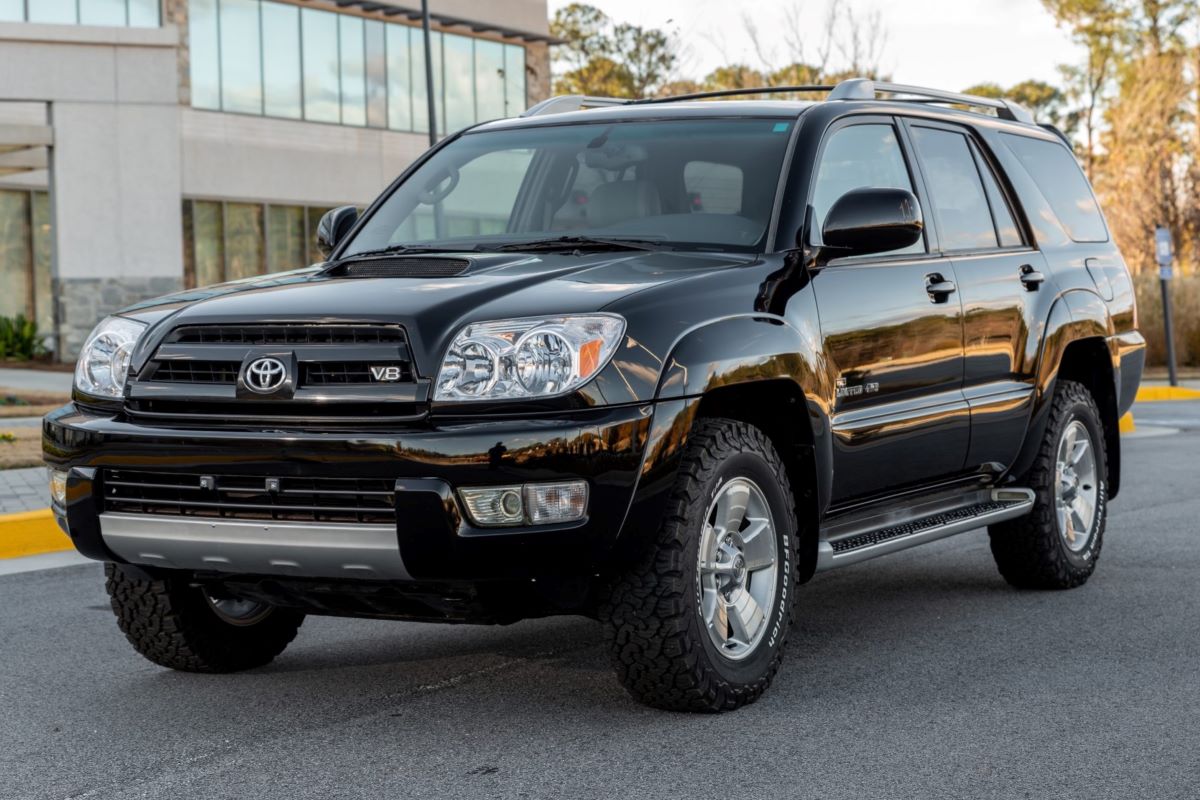
2. Toyota 4Runner (2003–Present)
This SUV has one of the highest resale values in the market, and for good reason. The 4.0L V6 engine is simple, durable, and relatively easy to service.
Its truck-like platform and proven suspension setup make it a favorite for overlanding and off-road use, often racking up 250,000+ miles without major issues.
- Common High Mileage: 250,000–400,000 miles.
- Notable Feature: Body-on-frame design provides superior long-term durability.
In 1984, Toyota followed the lead of rivals like the Ford Bronco and Chevrolet Blazer by transforming a short-bed Toyota Hilux pickup into what would become the Toyota 4Runner SUV. To achieve this, the company removed the rear wall and window behind the seats, added a second row of seating, and installed a removable fiberglass top.
These first-generation, two-door, five-passenger 4Runners were available with either a 2.4-liter inline-four or a 3.0-liter V-6 engine. Initially built with a solid front axle, the 4Runner underwent a key suspension change in 1986, switching to an independent front suspension design.
The second-generation 4Runner debuted in 1990 with a more cohesive and refined look. Most models in this generation came with four doors, although Toyota continued to offer a two-door version for a time. The rear suspension system also evolved, replacing the original leaf springs with coil springs, which improved ride comfort and handling.
By 1996, Toyota introduced the third-generation 4Runner, built on an all-new chassis shared with the four-door Toyota Land Cruiser Prado wagon.
This generation offered a more upscale interior and new engine choices, including a 2.7-liter inline-four and a 3.4-liter V-6. Speaking about the 1996 model, we noted: “Should the fantasy of escaping the work-a-day world come true, the new 4Runner has all the rock-climbing and mud-slinging capabilities you can use. And until then, it will help you endure the wait, no matter how long that may be.”
The fourth generation of the Toyota 4Runner brought even more capability and versatility. It offered a 245-horsepower 4.0-liter V-6 engine, as well as a more powerful 4.7-liter V-8, which produced between 235 and 260 horsepower depending on the configuration.
This was also the first generation to include an optional third-row seat, expanding the SUV’s family-friendly appeal. Throughout this era, Toyota released several updates and special edition models to keep the 4Runner competitive and appealing to a wide range of buyers.
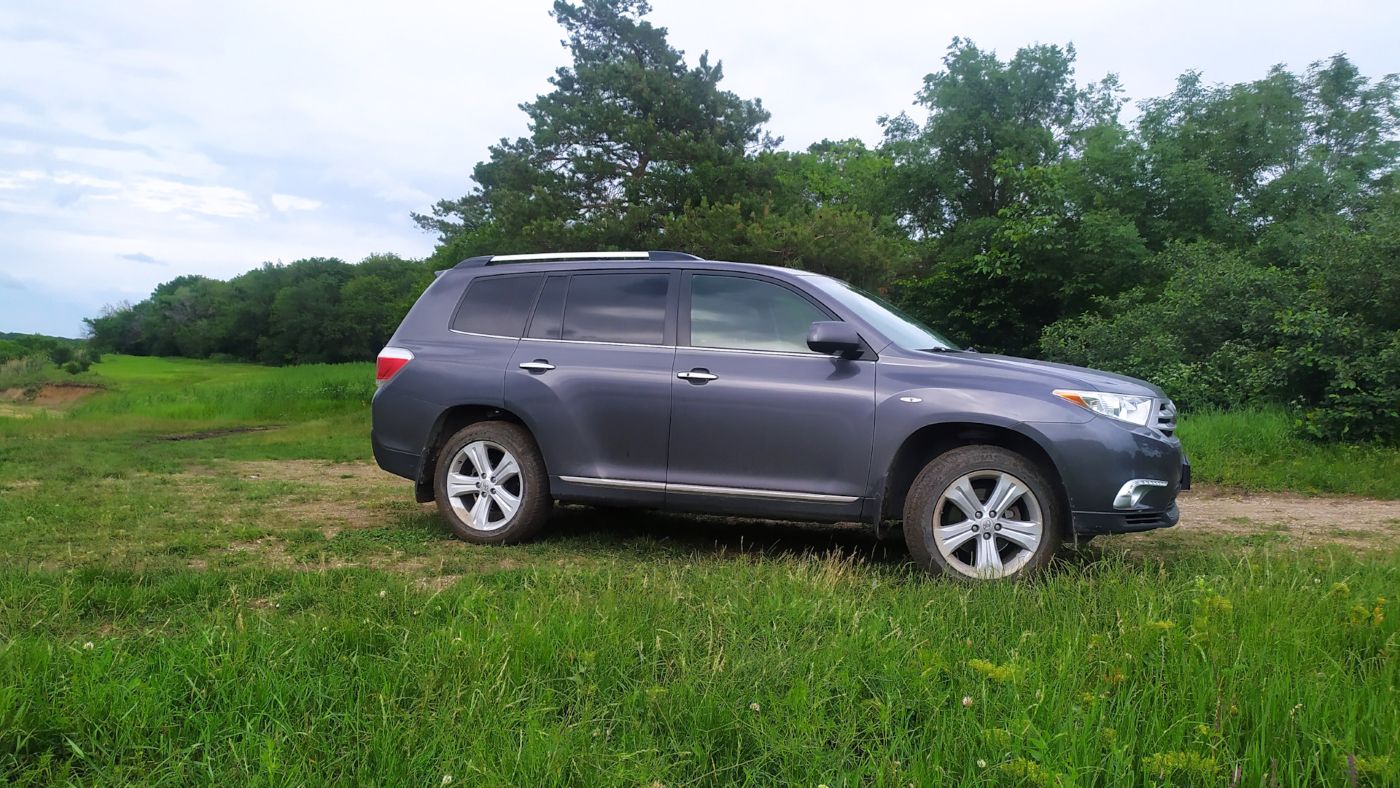
3. Toyota Highlander (2011–2019)
These Highlanders feature the 3.5L V6 (2GR-FE), a nearly indestructible powerplant found across multiple Toyota and Lexus models.
The vehicle balances comfort and toughness well, making it ideal for families who want longevity without sacrificing ride quality.
- Common High Mileage: 200,000–300,000 miles.
- Notable Feature:NTimely timing chain instead of a belt less long-term maintenance.
The 2019 Toyota Highlander LE 4-cylinder 2WD trim has a starting price of $31,830 and comes in an SUV body style with front-wheel drive (FWD). It is powered by a 2.7-liter inline 4-cylinder engine that delivers 185 horsepower at 5,800 rpm and 184 lb-ft of torque at 4,200 rpm.
This engine is paired with an ECT-i automatic transmission featuring manual mode. Classified under the unleaded fuel category, the Highlander achieves a standard fuel economy of “20/24 mpg” and offers a driving range of 422 miles.
In terms of dimensions, the Highlander measures 192.5 inches in length, 75.8 inches in width, and 68.1 inches in height. Although its wheelbase is not specified, the SUV maintains a ground clearance of 8.0 inches.
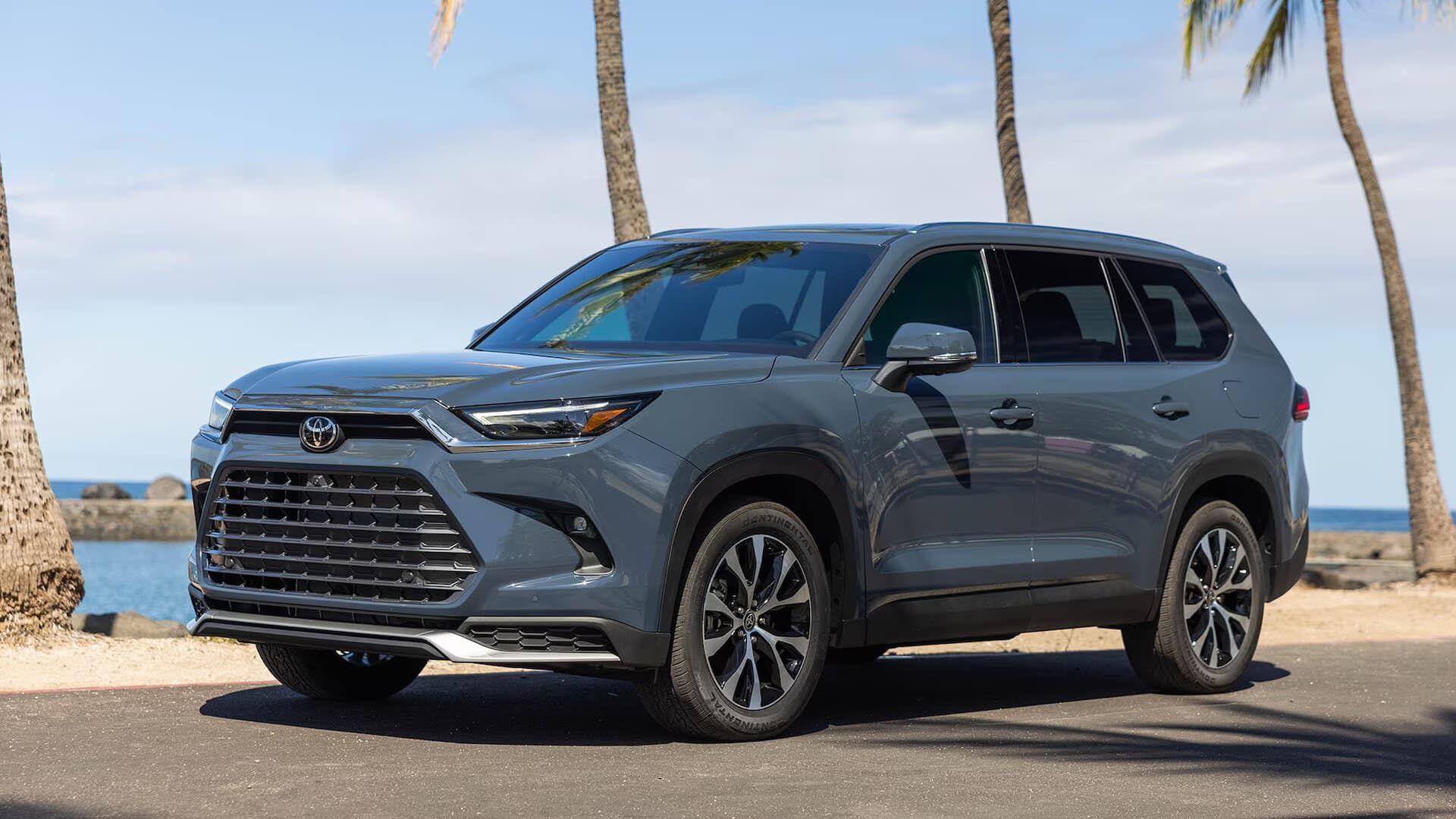
It has a curb weight of 4,134 pounds and a gross vehicle weight rating (GVWR) of 5,665 pounds. The vehicle’s payload capacity comes in at 1,531 pounds, and its towing capacity is rated at 1,500 pounds.
The 2019 Highlander offers seating for up to eight passengers. Interior space includes 40.7 inches of front headroom and 39.9 inches in the rear, along with 44.2 inches of front legroom and 38.4 inches in the rear. Shoulder room is measured at 59.3 inches in the front and 59.6 inches in the rear.
Cargo capacity varies from 13.8 cubic feet behind the third row to a maximum of 83.7 cubic feet with the second and third rows folded down. The cylinder configuration is in-line, and while the engine size and class are not specified, the Highlander maintains a solid profile for drivers seeking an efficient, midsize SUV with balanced performance and practicality.
4. Toyota Sequoia (2008–2022)
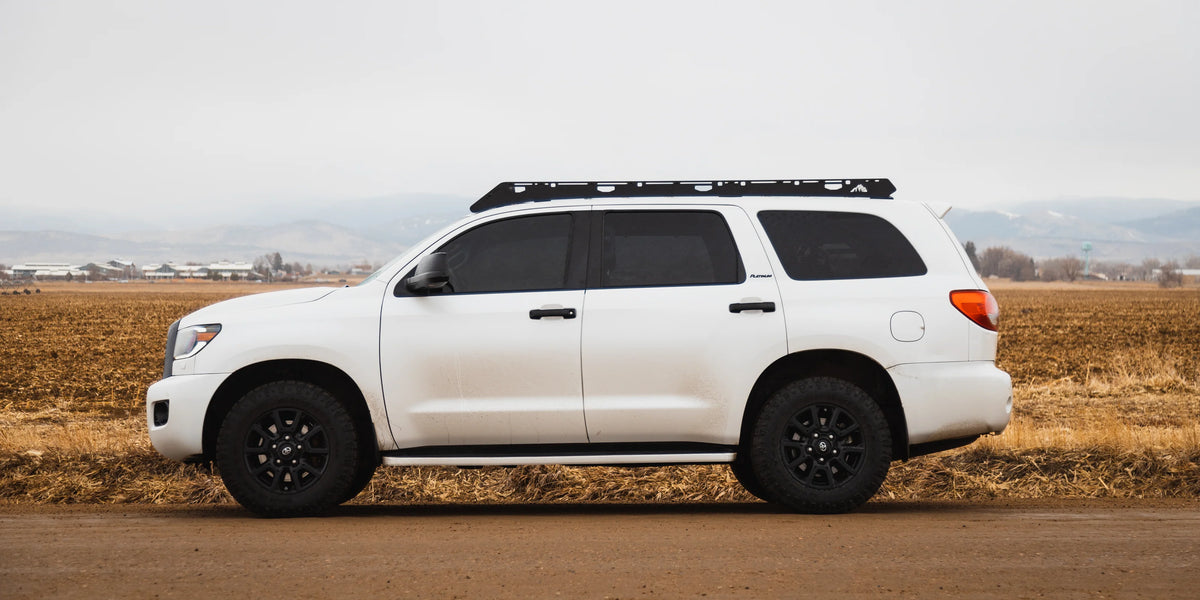
The second-generation Sequoia rides on a modified Tundra platform and uses the same legendary 5.7L V8.
This combination results in an SUV capable of hauling heavy loads for hundreds of thousands of miles. It’s not great on gas, but it rarely lets owners down in reliability.
- Common High Mileage: 250,000–400,000 miles.
- Notable Feature: Tow-ready platform built for abuse and long-term hauling.
There’s value in sticking to the old adage, “ain’t broke, don’t fix.” When automakers ignore this principle, the results can be downright bizarre—like replacing a steering wheel with aircraft-style controls (yes, that actually happened), or introducing other questionable engineering choices seemingly dreamed up in a chaotic, juice-box-fueled brainstorm.
However, Toyota may have taken this philosophy too far with the 2022 Toyota Sequoia, a model that hasn’t received a meaningful update in over a decade. It still runs on a thirsty V8 engine bolted to a pickup truck chassis shared with the Toyota Tundra.
The interior is filled with hard plastic surfaces that seem better suited to a commercial van than a $60,000 SUV. Even the 7-inch touchscreen display feels outdated, especially when compared to the large, high-resolution units found in its more recently refreshed competitors.
Yet despite these shortcomings, the Sequoia remains a sensible option for families in need of a large SUV backed by Toyota’s reputation for dependability. Its spacious three-row cabin can comfortably seat up to eight passengers, with ample room for cargo even behind the third row.
There are numerous power outlets throughout the cabin to keep devices charged, and an abundance of small storage compartments to stash those devices and other items.
For drivers who enjoy venturing off the beaten path, the Sequoia offers two dedicated off-road trims that are genuinely capable in rough terrain. Additionally, the Sequoia boasts a towing capacity of up to 7,400 pounds, making it a strong contender for hauling trailers, boats, or other gear-heavy loads.
Also Read: 5 Engines With Legendary Camshafts and 5 That Always Need Top-End Work
5. Toyota RAV4 (2013–2018)
While earlier models had their quirks, the 2013–2018 RAV4s nailed the formula. The 2.5L 4-cylinder engine is straightforward, reliable, and sips fuel efficiently.
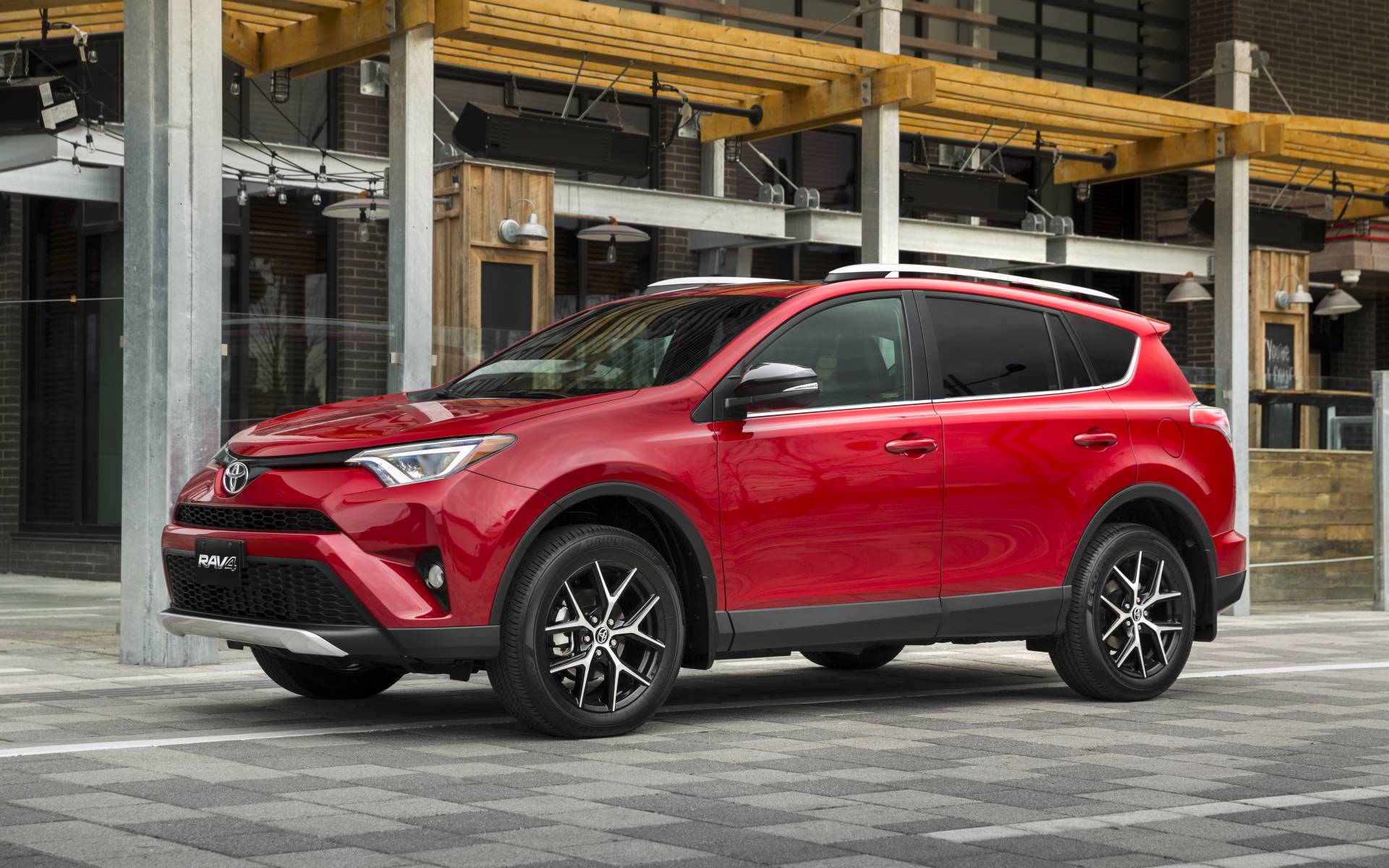
CVT issues found in some newer models aren’t present here, making it one of the best compact SUVs for long-term ownership.
- Common High Mileage: 200,000–300,000 miles.
- Notable Feature: Low-maintenance powertrain and solid interior build quality.
The name RAV4 stands for “Recreational Active Vehicle with 4-wheel-drive.” The Toyota RAV4 is a well-regarded 5-seater SUV, known for its roomy interior and comfortable driving dynamics. It’s powered by a 4-cylinder engine paired with a tried-and-true conventional 6-speed automatic transmission.
The rear seat features a 60/40 split, which both reclines and folds down flat. When the rear seats are folded, the RAV4 offers an impressive 73.4 cubic feet of cargo capacity. The RAV4 Hybrid variant was introduced in 2016, though it remains relatively rare and is not included in this review.
There are several key pros to owning a Toyota RAV4. First, reliability is a major advantage—Toyota has a longstanding reputation for building dependable vehicles, and the RAV4 is no exception.
It features a simple and durable engine along with a traditional 6-speed automatic transmission, without the complexities of a turbocharger or continuously variable transmission (CVT). In terms of fuel efficiency, the 2016 Toyota RAV4 with the 2.5-liter engine and all-wheel drive is rated at “22/28 mpg city/highway.”
The spacious interior is another strength, offering ample legroom and cargo space, which contributes to a comfortable experience for both the driver and passengers.
Later models from 2016 onward in the U.S. also include advanced safety features such as forward collision warning, lane departure warning, and adaptive cruise control. Lastly, the RAV4 has excellent resale value, holding its worth well over time and remaining easy to sell.
However, there are some cons worth noting. The interior design is rather plain and utilitarian. While it’s functional, it lacks the upscale feel that some competitors offer.
The base model’s entertainment system is also relatively basic, missing some of the more advanced features available in higher trims or newer vehicles. As for acceleration, while it’s adequate for daily driving, some drivers may find it underwhelming compared to sportier options in the segment.
When it comes to issues, the Toyota RAV4 has a notably low number of complaints relative to other SUVs in its class. Still, a few concerns have surfaced. Some owners have pointed out that the navigation and rear-view camera screen is difficult to view in bright daylight due to glare.
While aftermarket screen shades are available on Amazon, user reviews are mixed. Additionally, there have been a few reports of water pump failures.
Signs include pinkish fluid under the car, low coolant levels, and a reddish-white residue near the engine belt area—specifically on the left side when viewing the engine under the hood. Replacing a water pump typically costs between $70–$150 for the part, with an additional $200–$350 for labor, plus extra for coolant.
Another issue seen primarily in the 2014 model involves the infotainment system, which some owners reported would randomly reboot or stop functioning altogether.
While infotainment issues aren’t unique to Toyota, repairs can be costly if the system is out of warranty. Replacing the factory audio unit can exceed $1,000. Many RAV4 owners have opted to install aftermarket units instead, which typically range from $220 to $500.
Reviews on Amazon suggest that aftermarket units priced between $229–$260 generally perform well. However, in some cases, certain steering wheel audio controls may stop functioning. For those looking for a tailored fit, visiting a local auto electronics shop to explore available options may be the best route.
Toyota SUVs That Disappoint
In this article, we’re taking an honest look at the Toyota SUVs that disappoint—models that might carry the right badge but bring the wrong results. If you’re shopping for a used Toyota or wondering which ones to steer clear of, this list might save you from a costly mistake.
1. Toyota RAV4 (2019–2021)
This generation suffers from numerous complaints about the new 8-speed automatic transmission, with owners reporting hesitation, jerky shifts, and early failure.
The introduction of more complex electronics has also led to gremlins in infotainment and driver-assist systems.
- Common Issues: Transmission jerking, software glitches, weak AC systems.
- Average Mileage Before Problems: Under 100,000 miles.
The 2019 RAV4 gets a 2.5-liter engine that produces 203 horsepower, which is 27 hp more than last year’s model. And it’s not just more powerful, it’s more efficient, too.
The new engine, plus a new eight-speed automatic transmission and a lighter curb weight compared to last year, help the new RAV4 get an EPA-estimated 30 mpg combined (26 city/35 highway), which makes it one of the most fuel-efficient crossovers available.
Inside, the RAV4 is comfortable and spacious. The controls are easy to find and, depending on the trim level you select, there are nice surfaces lining the cabin.
Apple CarPlay comes standard on every RAV4, as does Toyota’s Safety Sense Suite 2.0, which includes adaptive cruise control, lane keeping assist, and forward collision mitigation with automatic braking. On a lot of other SUVs, you have to upgrade to the more expensive trim levels to get these safety features.
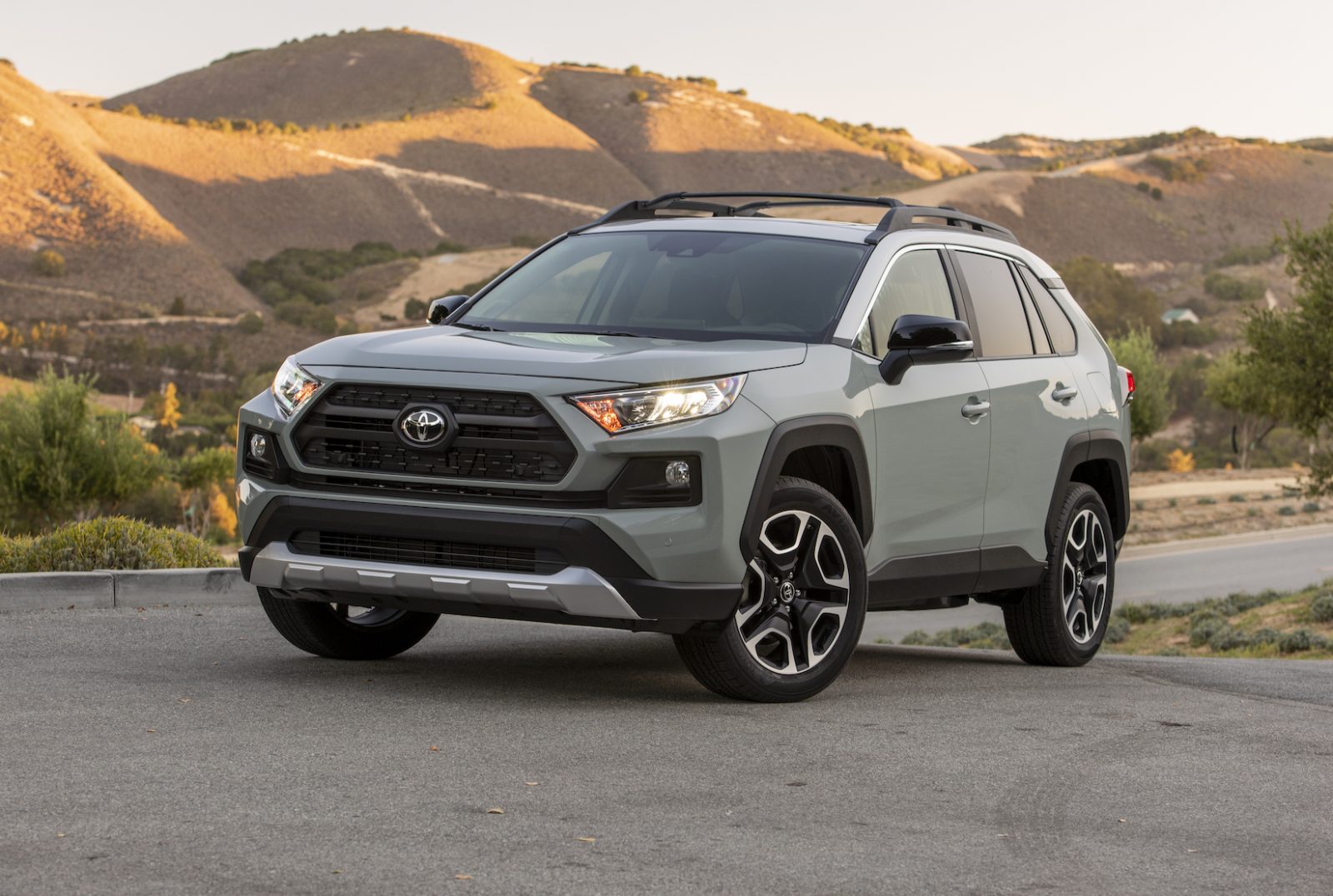
Toyota is still offering an Adventure trim level this year. Notably, it gets some styling cues to make it look a little more like Toyota’s trucks plus a special all-wheel-drive system that can provide extra traction.
Then you have all of the traditional RAV4 strengths. It has excellent cargo space, a big back seat, and a comfortable ride on the highway. In short, the new RAV4 has gotten significantly better without losing any of the versatility that has made it so popular in the past.
There are some minor drawbacks. Even with the new engine, acceleration isn’t exactly thrilling, and Toyota doesn’t offer any engine upgrades. And while the updated infotainment interface is a significant improvement compared to last year, it can be difficult to learn and use.
If these are deal-breakers for you, you should take a look at the impressively well-rounded Honda CR-V or the stylish Mazda CX-5. Overall, however, we think just about every small SUV shopper should take a look at the redesigned 2019 Toyota RAV4.
2. Toyota Sequoia (2001–2007)
Although its V8 is solid, the first-gen Sequoia is plagued by excessive rust issues especially in the rear subframe and suspension arms.
Many units were recalled for rust-related failures, and owners in snowy regions often found themselves with failing underbodies within a decade.
- Common Issues: Frame rust, tailgate latch failures, poor fuel economy.
- Average Mileage Before Problems: 150,000 miles with frame rust likely before that.
Toyota is making a serious play for dominance in the full-size SUV segment with the 2002 Sequoia. Having debuted just a year prior, this model sits between the 4Runner and the Land Cruiser in terms of price, though not in size.
In fact, the Sequoia surpasses both the Chevrolet Tahoe and GMC Yukon in overall dimensions, and is roughly on par with the Ford Expedition. Its length, width, height, wheelbase, and interior volume all exceed those of the Chevy and GMC rivals.
However, while the Sequoia does offer generous third-row and cargo space comparable to the competition, it accommodates only eight passengers—whereas the Tahoe, Yukon, and Expedition can seat up to nine.
Underneath, the Sequoia shares its foundation with the Toyota Tundra pickup but incorporates key changes to improve on-road manners. From the front doors forward, the SUV is structurally identical to the Tundra, but it receives added frame reinforcements and features a refined five-link coil spring rear suspension.
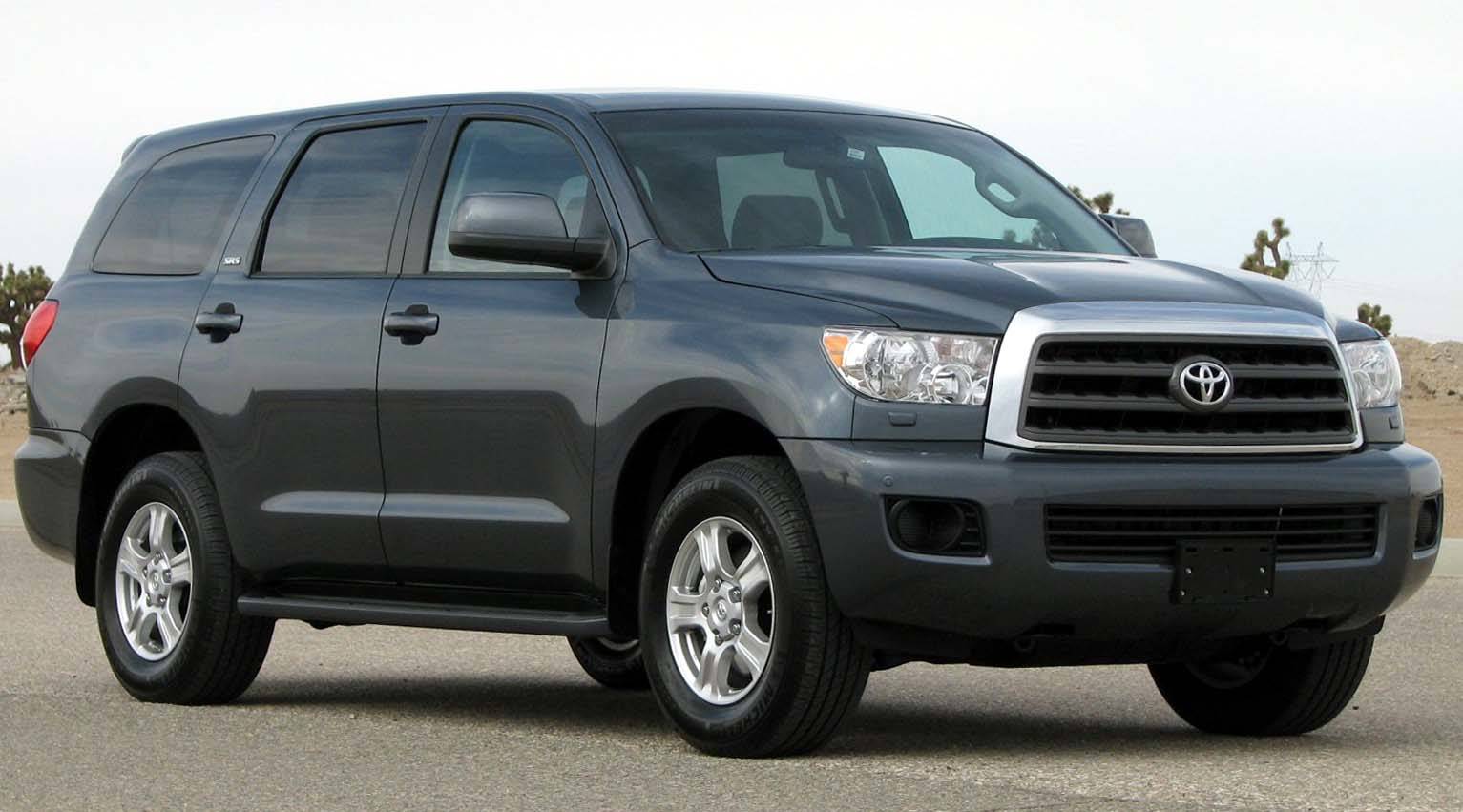
These enhancements significantly boost ride quality and handling. Despite its considerable footprint, the Sequoia feels unexpectedly nimble in urban environments, offering a driving experience that feels closer to a Camry than a traditional full-size SUV.
The powertrain is a smooth, nearly silent 4.7-liter V8 engine that produces 240 horsepower and 315 pound-feet of torque—all while running on regular unleaded gas. This engine also earns the distinction of being Toyota’s first truck powertrain certified as a ULEV (ultra-low-emission vehicle).
Buyers can choose between two-wheel-drive and four-wheel-drive configurations. As for towing, the Sequoia is rated to haul up to 6,500 pounds in its two-wheel-drive variant (and 6,200 pounds with four-wheel drive)—a respectable, though not class-leading, capacity when compared to more heavy-duty rivals.
Toyota didn’t skimp on safety features either. All Sequoia models come equipped with a traction control system and Vehicle Skid Control (VSC), which is Toyota’s stability management system designed to help keep the vehicle composed during oversteer or traction-loss scenarios.
Additional safety hardware includes anti-lock brakes with Electronic Brake Distribution (EBD), dual front airbags, and three-point seatbelts at every seating position.
The front belts include force limiters and pre-tensioners, while all other seating positions—except the driver’s—come with ALR/ELR retractors for easier installation of child safety seats. Optional safety upgrades include side airbags and head-protection side curtain airbags.
Buyers can select from two trims: the base-level SR5 or the more upscale Limited. The Limited trim brings a host of premium features such as leather upholstery, power-folding exterior mirrors, dual-zone air conditioning, heated front seats, a ten-speaker JBL audio system, and aluminum wheels.
It also comes standard with third-row seating, privacy glass, a roof rack, and a towing hitch. Both trims deliver excellent comfort for passengers in both the front and rear seats.
3. Toyota Highlander Hybrid (2006–2010)
While Toyota hybrids are generally reliable, the early Highlander Hybrid models had complex electrical systems that sometimes failed at high cost.
Battery replacements and inverter issues turned these otherwise efficient SUVs into expensive repair bills.
Unlike smaller hybrid cars that clearly demonstrate fuel economy advantages, the argument for hybrid sport-utility vehicles is not always as straightforward. On one side, these larger hybrids help to popularize hybrid technology by combining it with family-friendly practicality.
However, critics are quick to note that many hybrid SUVs don’t offer dramatically better fuel efficiency than their gasoline-only counterparts—delivering benefits that feel good on paper but aren’t always matched by tangible fuel savings.
Still, when it comes to the redesigned 2008 Toyota Highlander Hybrid, the improvements are clear. Not only is it a larger and more versatile family hauler compared to the original Highlander Hybrid, but according to the EPA’s revised fuel economy rating system, it maintains impressive fuel efficiency.
For those familiar with the previous generation of the Highlander Hybrid, the new model’s drivetrain will be instantly recognizable. At the core is a 3.3-liter gasoline V6 engine producing 208 horsepower. Supplemented by two electric motors—one mounted at the front and one at the rear—the 2008 Highlander Hybrid delivers a combined 270 horsepower.
There is also a third electric motor that acts as a generator and starts the engine. Toyota continues to use what it calls an “electronically controlled continuously variable transmission.” Unlike a traditional CVT, this system operates as a simplified power-split device that manages the distribution and coordination of power from the gas engine and electric motors.
Because of the rear electric motor, the Highlander Hybrid technically qualifies as a four-wheel-drive vehicle. However, in practice, it functions primarily as a front-wheel-drive SUV.
The rear motor activates only when extra traction or torque is required. It’s important to recognize that this setup differs significantly from the conventional 4WD or all-wheel-drive system offered on the standard Highlander.
There’s no center differential, and the V6 engine never sends power directly to the rear wheels. As a result, drivers in regions with harsh winters may find that the Highlander Hybrid lacks the rugged capability needed for extreme snow or off-road conditions.
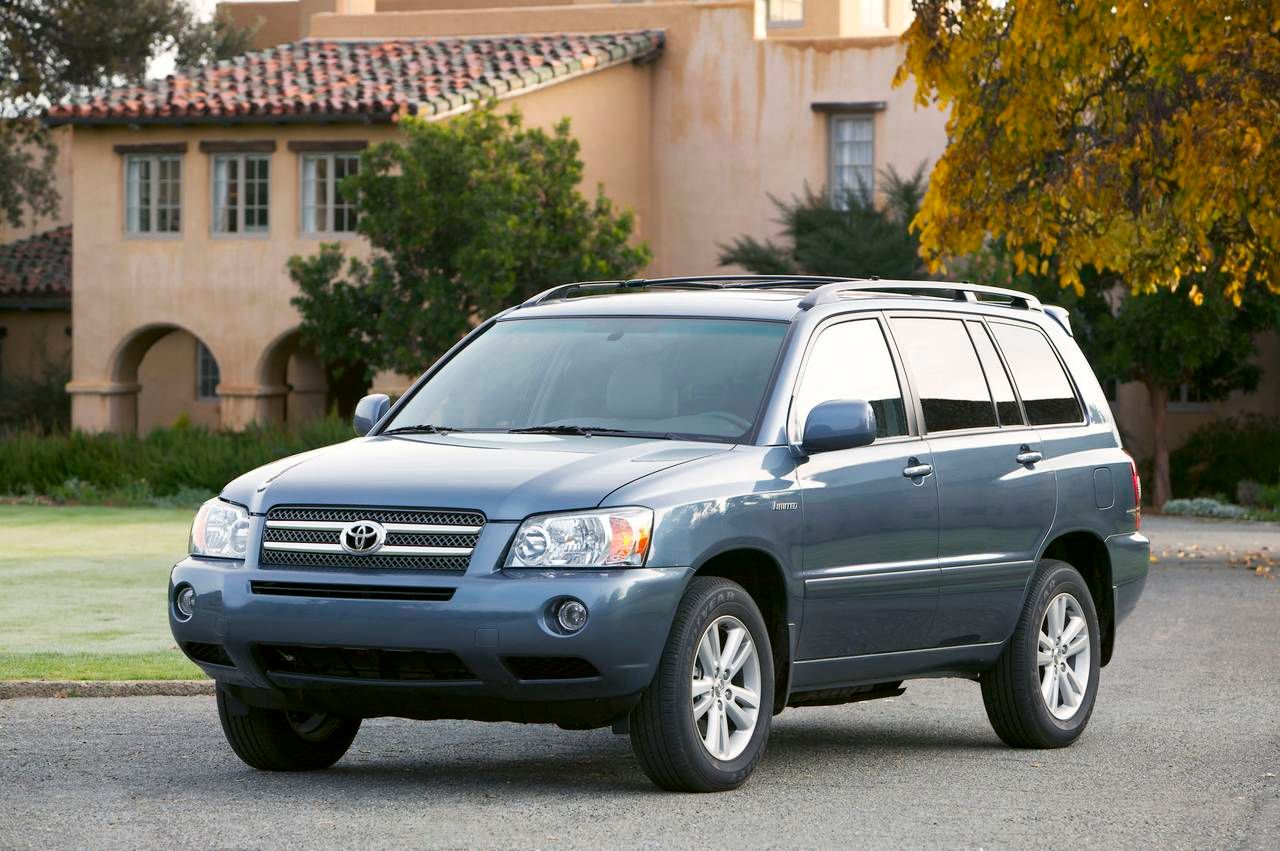
For buyers in more temperate regions, though, the 2008 Highlander Hybrid presents a very practical choice. The available third-row seat is spacious enough for adults in a pinch, and the second-row seats fold easily, making it simple for young children to get in and out on their own.
Alternatively, they can walk between the second-row seats thanks to the bench’s 40/20/40 split. The middle “20” section can be removed and stowed away using Toyota’s “Center Stow” feature, converting the bench into a pair of captain’s chairs reminiscent of a minivan layout.
While larger families might still gravitate toward full-size minivans or bigger crossovers like the GMC Acadia or Mazda CX-9 for added interior space, the Highlander Hybrid offers a compelling option for those with environmental concerns.
With EPA ratings of 27 mpg in the city and 25 mpg on the highway, it holds the title of the most fuel-efficient seven-passenger vehicle available in 2008
- Common Issues: Hybrid battery failure, brake actuator issues, inverter faults.
- Average Mileage Before Problems: 120,000–160,000 miles.
4. Toyota FJ Cruiser (2007–2014)
A cult favorite in styling and off-road cred, the FJ Cruiser is mechanically capable but comes with poor visibility, awkward ergonomics, and interior trim that wears quickly.
Also, the suicide doors and narrow rear seating limit practicality, reducing long-term usability.
- Common Issues: Visibility concerns, water leaks, peeling interior plastics.
- Average Mileage Before Problems: Mostly cosmetic and ergonomic—mechanically fine but frustrating for daily use.
Toyota tapped into the legacy of the 1960–83 FJ40-series Land Cruiser when it introduced the 2007–2014 FJ Cruiser, a rugged SUV inspired by its iconic predecessor. Built on a modified version of the contemporary 4Runner’s frame, the FJ Cruiser rides on a wheelbase that’s 3.9 inches shorter than its mid-size sibling.
Thanks to this configuration, it boasts impressive approach and departure angles of up to 34.0 and 31.0 degrees—figures that surpass those of both the 4Runner and Land Cruiser from the same era. Its compact 183.9-inch overall length, paired with up to 9.6 inches of ground clearance, allows the FJ to handle off-road terrain with agility and confidence.
Visibility, however, is not its strong suit. The upright windshield, thick C-pillars, oversized side mirrors resembling elephant ears, and a small rear window all contribute to limited outward visibility, whether on trails or city streets.
Still, the FJ Cruiser makes up for these drawbacks with a distinctive aesthetic that holds undeniable appeal. Its design is both functional and bold, featuring three windshield wipers and a pair of rear-hinged half-doors that make it easier for passengers to access the back seats.
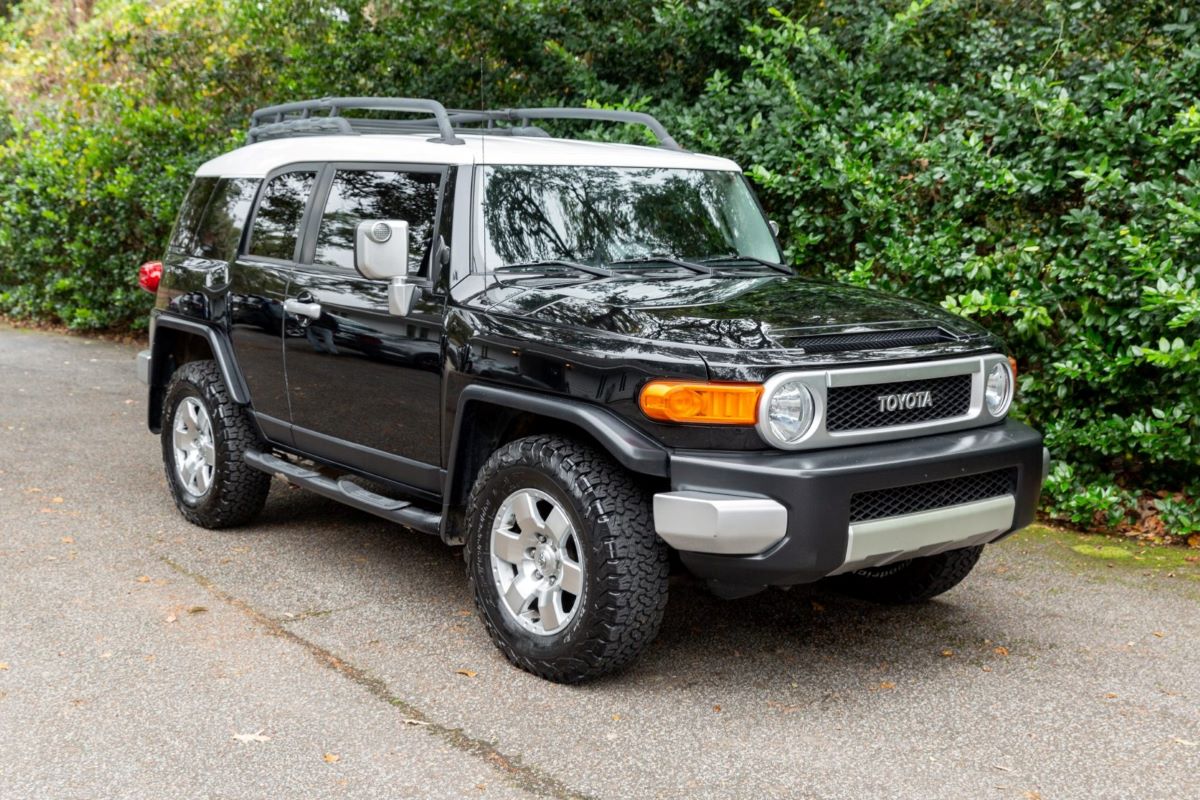
Although it doesn’t offer the open-air driving experience that makes the Jeep Wrangler so popular, the FJ Cruiser delivers similar off-road prowess while wrapping it in unique styling and the long-standing dependability Toyota is known for.
5. Toyota Venza (2009–2015)
Though marketed as an SUV, the Venza was more of a crossover with car-like limitations. Owners often report premature wheel bearing failures, weak suspension components, and awkward ergonomics.
It didn’t have the long-haul durability of Toyota’s truck-based models.
- Common Issues: Wheel bearing noise, worn suspension bushings, cramped driving position.
- Average Mileage Before Problems: 100,000–150,000 miles.
A few years back, the Toyota Venza stood out as a top contender in its segment, earning praise for its smooth, carlike driving dynamics and generous list of standard features.
However, in today’s more competitive market, the Venza’s appeal has waned somewhat. Its uninspiring four-cylinder fuel economy and the absence of more advanced safety technologies—shortcomings that have been around for a while—are now being brought into sharper relief by newer rivals that offer more comprehensive packages.
That said, the Venza hasn’t fallen completely out of the game. Its robust and confident V6 engine remains one of the best in the class, and Toyota has made some worthwhile tech updates for the 2015 model year. A 6.1-inch touchscreen now comes standard, bringing improved infotainment capabilities along with a rearview camera.
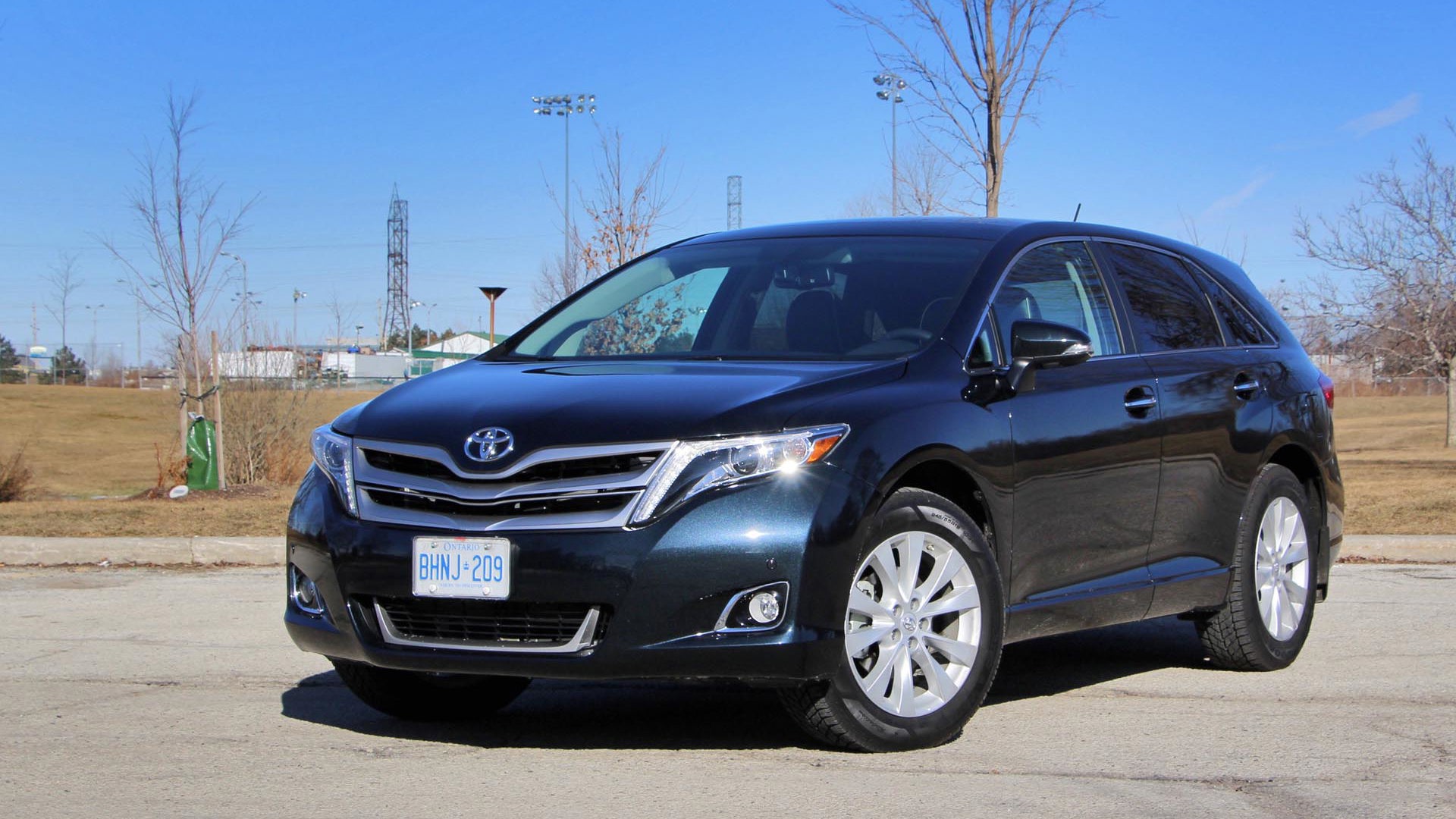
Practicality continues to be a strong point, with rear seatbacks that fold down effortlessly via a lever to reveal a spacious cargo area. There’s also ample room for passengers in both the front and rear seats, and the vehicle’s tall door openings combined with a low step-in height make it particularly accommodating for individuals with limited mobility.
Still, if you’re shopping for a two-row crossover in this price bracket, other options are likely to stand out more. Chief among them is the all-new 2015 Subaru Outback, which outperforms the four-cylinder Venza by a full 7 mpg on the highway, features a more refined interior, and even includes one-touch folding rear seats—mirroring one of the Venza’s key conveniences.
3Also entering the fray are the redesigned 2015 Ford Edge and the 2015 Nissan Murano, both of which offer more modern styling and cutting-edge tech. The Venza still holds merit, particularly for buyers who favor its strong V6 engine, but by today’s standards, it’s beginning to show its age.
