
Suspension systems are among the most underappreciated components of a car — until they fail. A smooth ride, precise handling, and long-term durability all depend on suspension components like struts, shocks, bushings, and control arms doing their job without complaint.
But as many long-term owners know, not all suspensions are created equal. Some vehicles glide over potholes for over a decade with minimal wear. Others begin squeaking, creaking, and clunking before they even hit 50,000 miles.
This list highlights both extremes: cars that rarely need suspension work even after 10+ years of ownership, and those that seem to be in and out of the shop (or at least constantly making noise) far too early.
Whether it’s due to high-quality components, smart engineering, or sheer simplicity, certain vehicles have earned reputations for outlasting their peers when it comes to suspension reliability.
On the other hand, some models are known for premature bushing wear, noisy suspensions, and frustrating dealer visits.
For buyers looking for long-term value, a quiet, drama-free suspension matters — not just for comfort, but for cost. In this article, we spotlight five vehicles that keep rolling without suspension drama, and five that just won’t stop squeaking.
Also Read: 5 Engines That Thrive at High RPM and 5 That Can’t Handle Daily Driving Stress
5 Cars That Don’t Need Suspension Work for 10+ Years
When it comes to long-term vehicle ownership, the suspension system is often one of the most overlooked aspects — until it fails.
While most people focus on engine reliability, brake life, or transmission performance, suspension parts quietly bear the burden of every mile driven.
They absorb potholes, smooth out rough roads, and keep handling tight — all while being exposed to extreme temperatures, water, grime, and stress. That’s why it’s such a pleasant surprise when certain vehicles go a decade or more without needing any real suspension repairs.
This list focuses on those rare cars that seem immune to common suspension wear. Whether it’s due to robust design, quality bushings and struts, or simply thoughtful engineering, these models hold up exceptionally well.
Many of them are praised by owners and mechanics alike for delivering comfortable, quiet rides year after year, even as odometers climb past 150,000 miles.
They don’t develop annoying creaks or thumps, and they rarely require the kind of costly control arm or shock absorber replacements that plague lesser vehicles.
The absence of suspension work isn’t just about comfort — it also represents serious savings. Parts and labor for suspension repair can easily run into the thousands, especially on modern cars with complex setups. Avoiding that for a decade or more is a major win for any long-term owner.
These five vehicles aren’t necessarily flashy, but they’re the kinds of cars people tend to hold onto — because they just work.
Whether you’re a commuter, a rural driver, or someone who simply hates surprise repair bills, these are the models that deliver a smooth ride not just today, but ten years from now.
1. Toyota Camry
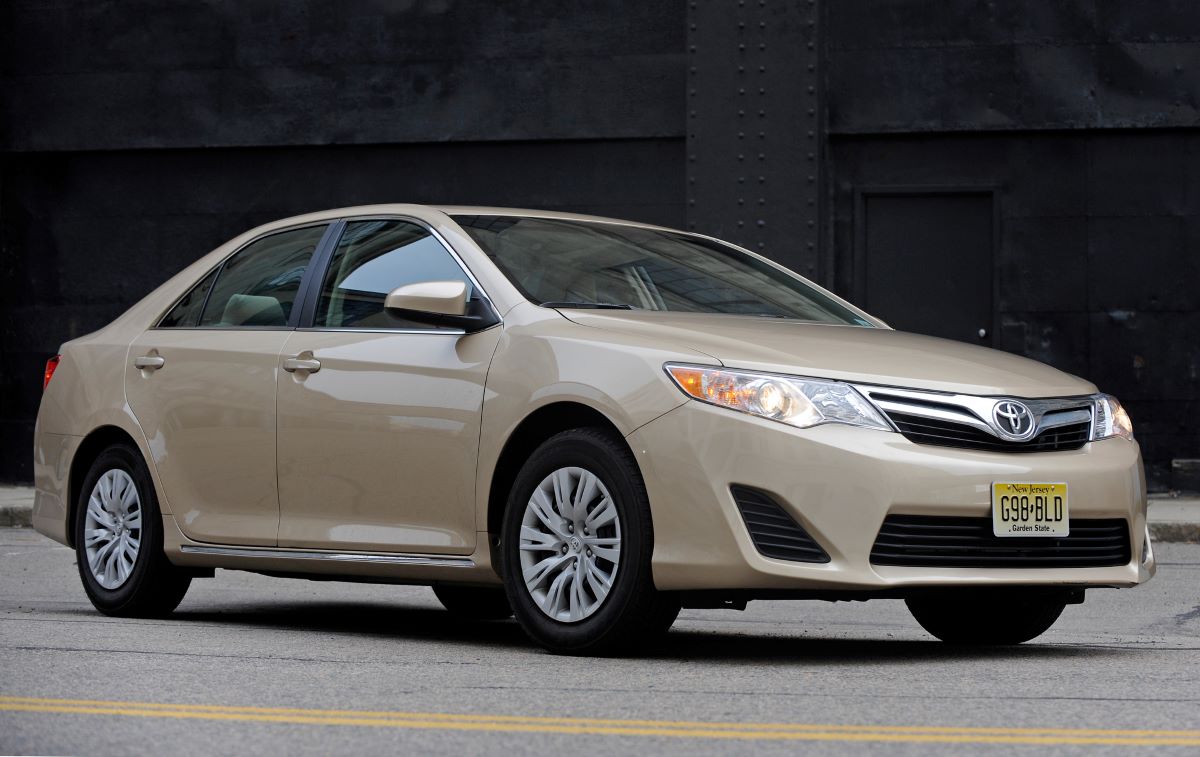
The Toyota Camry has long been a symbol of durability, and its suspension system is no exception. Year after year, generation after generation, the Camry continues to prove that it’s more than just a reliable engine and a quiet cabin — it’s also one of the few sedans that can go a decade or more without needing major suspension repairs.
For many owners, it’s the car that quietly does everything right, including gliding over rough roads with minimal fuss and almost no mechanical complaints.
What makes the Camry’s suspension so resilient? It starts with a conservative, proven design. Toyota opts for a tried-and-tested MacPherson strut setup in the front and a well-calibrated multi-link or dual-link rear suspension (depending on the generation).
These configurations are simple, robust, and tuned more for comfort than aggressive performance, meaning they endure wear and tear better over the long term.
Camry suspension components — including strut mounts, bushings, and control arms — are made from high-quality materials and often outlast those found in rival sedans.
It’s not uncommon for original shocks and struts to last well beyond 100,000–150,000 miles without serious degradation in ride quality. Unlike some competitors that develop squeaks, clunks, or loose-feeling steering by the 60K mark, the Camry holds firm and quiet.
Owners frequently report passing the 10-year mark or 200,000-mile milestone without ever needing to touch the suspension beyond basic alignments or tire rotations.
Even in regions with harsh winters or rough pavement, the Camry shrugs off road imperfections with impressive consistency.
Mechanics often comment that it’s rare to see one in for control arm replacements or bushing deterioration unless the car has been abused or used in extreme environments.
It also helps that Toyota doesn’t over-engineer the system. There are no adaptive dampers, air suspension, or complex electronics to fail — just tried-and-true mechanical components designed to last. This makes repair, if ever needed, both simple and affordable.
In a market filled with increasingly complex suspensions and high-maintenance setups, the Toyota Camry’s simplicity is its strength. For drivers who value peace of mind and minimal repair bills, it remains one of the most suspension-reliable vehicles money can buy.
2. Honda Accord
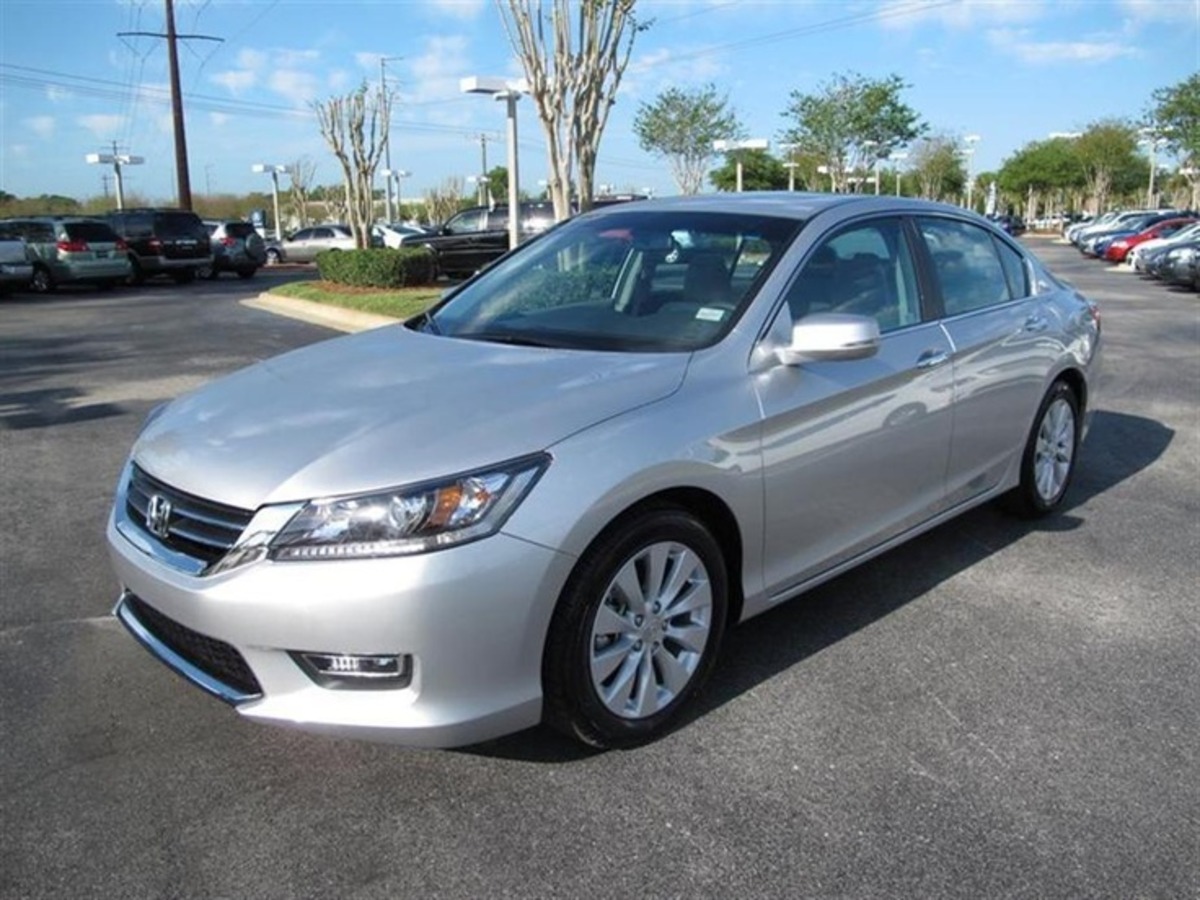
The Honda Accord, much like its perennial rival the Toyota Camry, has earned a reputation for long-term reliability — and that extends to its suspension system.
Whether you’re talking about the eighth-generation models from the late 2000s or the current turbocharged sedans, the Accord has a consistent track record of going 10+ years without suspension headaches.
For many owners, it’s a “set-it-and-forget-it” car that remains quiet, composed, and solid on the road well past the 150,000-mile mark.
What sets the Accord apart is its balance of ride comfort and handling stability. Honda has historically tuned the Accord’s suspension to deliver more driver feedback than the Camry, but without sacrificing long-term durability.
Most models use a MacPherson strut front suspension and either a double-wishbone or multi-link rear setup — both of which are known for their strength and wear resistance.
These systems are built to absorb real-world driving abuse, from potholes to speed bumps, without developing squeaks, rattles, or clunks.
Honda engineers also get the little things right. High-quality bushings, control arm joints, and ball joints resist early failure, especially in normal driving conditions.
The car doesn’t suffer from premature shock absorber wear, and even in older models, the ride remains impressively composed. Many Accord owners report still riding on the original suspension well past 100,000 miles with no need for strut replacement or other major work.
One of the reasons for this longevity is the Accord’s focus on mechanical simplicity. While newer trims may offer adaptive damping in some performance variants, the vast majority of Accords use traditional suspension components that are time-tested and easy to maintain. Even the sportier trims manage to keep a firm yet durable ride without sacrificing reliability.
Another strength is regional adaptability. Whether you’re driving in snowy Northern states, rainy coastal towns, or dry, rough Southwestern roads, the Accord holds up.
It rarely suffers from the type of corrosion-related bushing failure or rear suspension sag that affects some competitors in similar climates.
All in all, the Honda Accord remains one of the safest bets for buyers who want a suspension system that stays solid year after year. It’s the kind of car that rewards long-term ownership with fewer repair bills and a ride that feels newer than it should, even after a decade.
3. Lexus RX
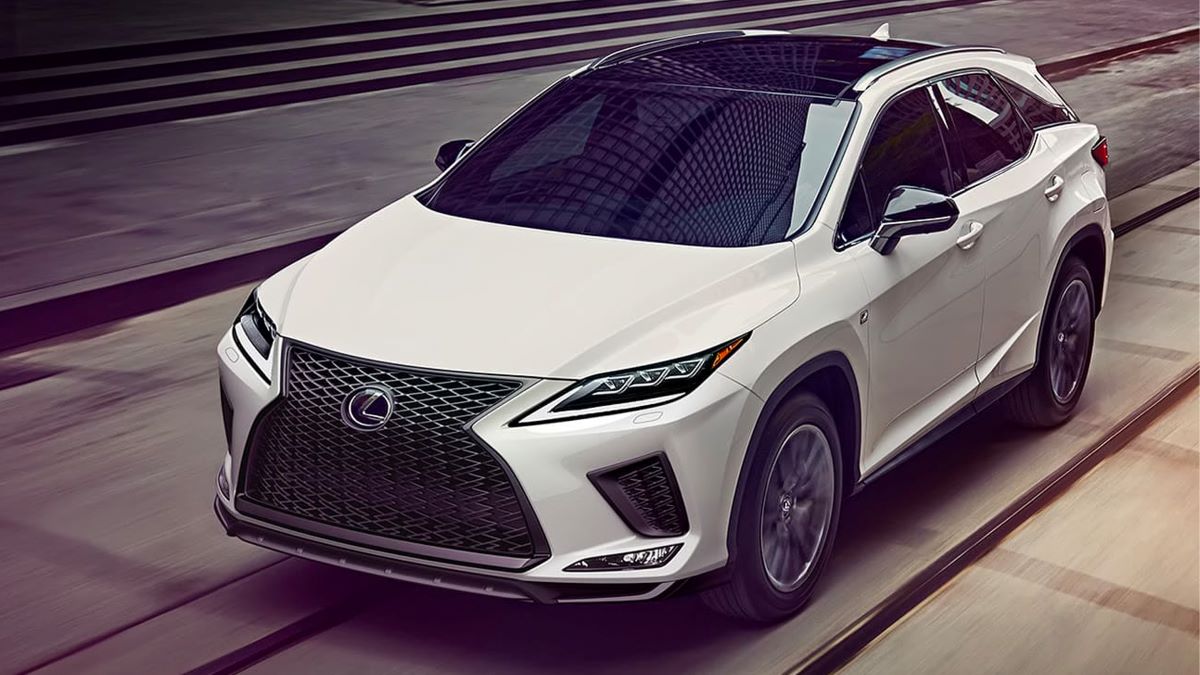
The Lexus RX isn’t just one of the most popular luxury SUVs in the world — it’s also one of the most quietly reliable, especially when it comes to suspension durability.
Unlike many premium crossovers that develop squeaks, clunks, or suspension-related repair bills after just a few years, the RX is built to last.
In fact, many RX owners report driving well beyond the 10-year mark without needing to replace a single suspension component, even on models with six-figure mileage.
This longevity starts with Lexus’s engineering philosophy: prioritize long-term comfort, not just short-term performance. The RX doesn’t aim to be the sportiest SUV on the market.
Instead, it uses a conservative suspension setup — a MacPherson strut front and a dual-link strut rear — tuned specifically for smooth, quiet ride quality. That gentler tuning reduces stress on the suspension components, allowing them to last significantly longer.
The materials used are top-tier. From thick bushings to sealed ball joints and high-quality strut mounts, Lexus ensures that every piece of the RX’s suspension system is designed to handle daily driving, seasonal changes, and even light off-road use without breaking down prematurely.
Owners often praise how the RX continues to glide over imperfections even after 150,000 miles, with no degradation in ride comfort or handling precision.
Even in regions with harsh winters or salted roads, corrosion-related failures are rare. Rust-resistant coatings and smart underbody design help prevent issues that commonly affect suspension arms and links in lesser SUVs.
And since Lexus shares many components with Toyota — particularly in older RX models — parts availability and long-term serviceability are excellent.
Notably, the RX also avoids the pitfall of overly complex systems. While air suspension is offered on some trims, the majority of RX models come with standard mechanical setups that don’t require expensive electronic damper replacements or recalibrations. As a result, the long-term cost of ownership remains impressively low for a luxury vehicle.
For those seeking a plush, quiet, and ultra-reliable SUV that won’t give you suspension problems every few years, the Lexus RX is an easy choice. It delivers what many luxury vehicles promise — long-term comfort — without the usual repair surprises.
4. Subaru Outback
The Subaru Outback is a favorite among outdoor enthusiasts, snowbelt commuters, and families alike — and it’s not just because of its all-wheel drive or rugged image.
One of the key reasons it builds such loyalty is that it stays reliable even under harsh conditions, and its suspension is a standout example.
Unlike many crossovers that start clunking or bouncing by 60,000 miles, the Outback’s suspension often stays rock-solid for well over a decade with little to no attention needed.
The secret lies in Subaru’s pragmatic engineering. The Outback is built to handle rough terrain, unpaved trails, and poorly maintained rural roads. To do this, Subaru equips it with a raised, reinforced suspension system.
Most models use a MacPherson strut front suspension and a double-wishbone rear — both proven setups known for their strength and long-term dependability. Components are rugged and generously sized for a midsize wagon, giving it not just off-road ability, but excellent longevity.
Subaru also focuses on real-world durability. Struts, control arms, bushings, and sway bar links are built to handle weather extremes and high mileage.
Owners in snowy climates often report going 150,000 to 200,000 miles without touching the suspension — even when driving through salted roads and pothole-ridden surfaces. In contrast to many SUVs and wagons that begin creaking and leaning with age, the Outback remains remarkably composed.
Unlike some manufacturers that overcomplicate their suspension designs, Subaru sticks to proven mechanical simplicity. The Outback doesn’t rely on air suspension, active damping, or adaptive setups in most trims, which means fewer electronic components to fail.
Even the “X” off-road-oriented trims keep things conventional — and that’s a good thing for long-term reliability and lower maintenance costs.

What’s more impressive is that Subaru achieves this without sacrificing ride comfort. The Outback strikes a great balance between soft suspension tuning for comfort and firm damping for control, and it continues to ride well even after years of abuse.
Whether it’s hauling gear, passengers, or enduring rough seasonal conditions, the suspension simply holds up.
For drivers who demand dependability over flash, the Subaru Outback delivers — quietly, confidently, and for years longer than many expect.
5. Ford Crown Victoria
The Ford Crown Victoria may not be the first car that comes to mind in today’s era of EVs and turbocharged crossovers, but when it comes to suspension durability, few vehicles can match its track record.
Built on the legendary Panther platform, the Crown Vic was designed with one goal in mind: survive abuse.
Whether serving as a police cruiser, taxi, or long-distance commuter, the Crown Victoria’s suspension system is practically bulletproof — often going well beyond 10 years and 200,000 miles without significant repairs.
A huge reason for this longevity is the platform itself. The body-on-frame construction gives it truck-like toughness, while its suspension setup — coil-over-shock in the front and solid axle with coil springs in the rear — is as simple and sturdy as it gets.
These components were designed to take daily punishment from potholes, curbs, high-speed chases, and city driving without falling apart. Many former police units still ride smoothly today with only minimal suspension maintenance.
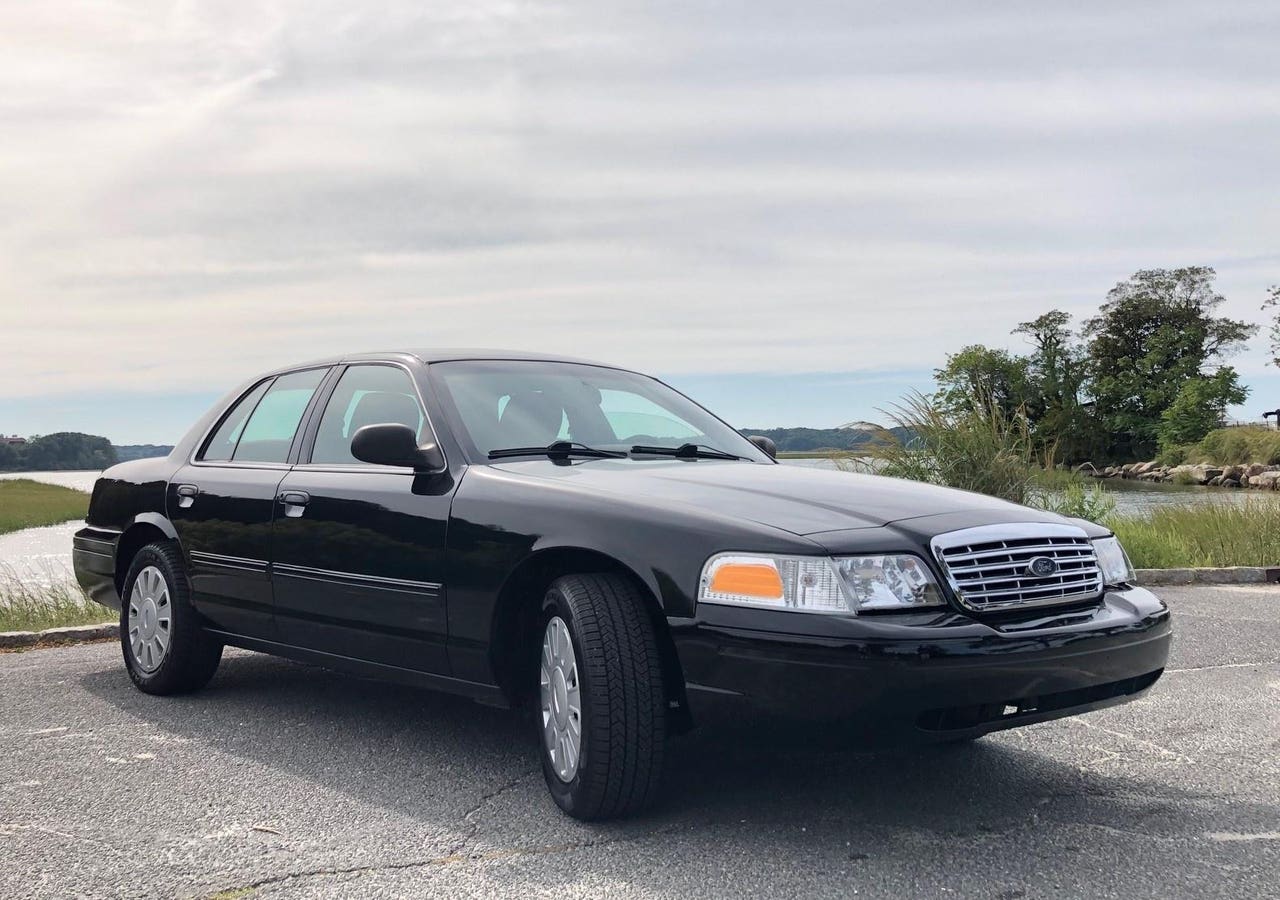
The Crown Vic also benefits from inexpensive and overbuilt parts. Bushings, control arms, shocks, and sway bar links are all designed for durability and are widely available.
Routine wear items like ball joints and tie rod ends rarely fail prematurely, and even when they do, repairs are straightforward and affordable. It’s not uncommon for original components to last well beyond 100,000 miles, especially in civilian models not subjected to police-level use.
Even more impressive is the vehicle’s resistance to creaks, squeaks, or looseness over time. Crown Victorias remain eerily quiet over bumps and dips — even when they’ve seen years of hard driving. This is a testament to the robust suspension tuning that prioritized comfort and control without overengineering.
Although the Crown Vic was discontinued after 2011, it remains a favorite among fleet buyers, taxi companies, and enthusiasts for one reason: it just keeps going.
In an age where complex electronics and fragile components often shorten a car’s lifespan, the Crown Vic is a reminder that old-school engineering still has its place — especially when you want your suspension to last a decade or more with no drama.
5 Cars That Always Squeak
While some cars quietly age with grace, others begin making their presence known far too early — through constant squeaks, rattles, and creaks from the suspension.
For many drivers, these sounds aren’t just an annoyance; they’re a sign of deeper problems brewing beneath the surface. Suspension noise often starts subtly — maybe a light squeak over speed bumps or a faint clunk during turns.
But in some vehicles, these small sounds escalate quickly, turning into persistent reminders that something just isn’t right underneath.
In this list, we examine five cars that have become notorious for suspension issues that lead to chronic squeaking and early part replacements — often before they even cross the 60,000-mile mark.
These vehicles suffer from a mix of cheap bushing materials, weak control arm designs, poor chassis isolation, or overly stiff setups that wear out prematurely. The result? Suspension systems that don’t hold up to daily wear, particularly on rough roads or in extreme climates.
What makes these vehicles frustrating isn’t just the frequency of the issues — it’s how quickly they return even after repairs.
In many cases, drivers report fixing squeaky parts only to hear the same sounds again within a year or two. And since noise doesn’t always equal failure, dealerships sometimes refuse to cover it under warranty.
Whether it’s due to cost-cutting, poor design choices, or neglecting real-world testing, these five cars fall short when it comes to long-term suspension durability. If silence and comfort matter to you, they may be worth avoiding.
1. Jeep Compass
The Jeep Compass has long promised rugged looks and off-road-inspired styling, but when it comes to long-term suspension reliability, it falls short — especially when judged by the sounds it makes.
Owners frequently report that the Compass begins squeaking and clunking far earlier than expected, with some complaints appearing as early as 20,000 to 30,000 miles. While it may have the appearance of a trail-ready SUV, its suspension behaves more like a worn-out economy car over time.
The most common complaints center around the front suspension, where worn-out control arm bushings, sway bar links, and strut mounts are frequent culprits.
These parts tend to wear prematurely, especially in climates with rough roads, salted winter surfaces, or large seasonal temperature swings.
The result is a persistent squeaking or knocking noise over bumps, during slow turns, or when braking — and it’s often difficult to isolate without a detailed inspection.
Even more frustrating is the recurrence of issues. Many Jeep Compass owners report that suspension noises return just months after repairs.
Control arms are sometimes replaced multiple times within the car’s first 60,000 miles, and squeaks often resurface despite dealership “fixes.” The factory bushings tend to be made of soft rubber that degrades quickly, especially under stress.
Another contributor is the Compass’s chassis tuning. The ride is generally on the firmer side for a compact SUV, and that stiffness can transmit road impacts more directly into the cabin. When combined with low-quality dampers and poorly insulated joints, it results in a suspension system that doesn’t age quietly.
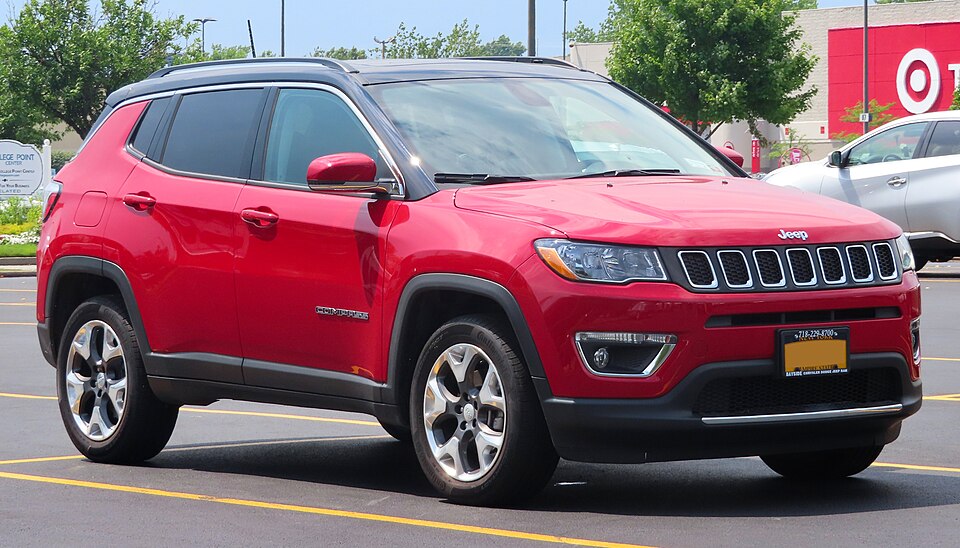
These issues aren’t limited to just one generation. Both the first-generation (2007–2016) and the more modern second-generation Compass (2017–present) have seen recurring suspension complaints in owner forums and reliability reports.
For a vehicle marketed with Jeep’s tough image, the Compass falls well short in terms of suspension longevity and silence.
If you’re the kind of driver who values a quiet, smooth ride and low repair frequency, the Jeep Compass is one vehicle to approach with caution. It might look rugged, but its suspension sure doesn’t sound that way.
2. Chevrolet Equinox
The Chevrolet Equinox is one of GM’s best-selling crossovers, and on paper, it checks many boxes for the average driver — practical size, decent fuel economy, and attractive pricing. But when it comes to suspension longevity and refinement, it often leaves owners frustrated.
One of the most persistent complaints? Constant squeaking and clunking noises from underneath, often showing up well before the 60,000-mile mark.
The problem lies in a combination of cost-cutting design decisions and underbuilt suspension components.
In particular, Equinox models — especially those built between 2010 and 2017 — have a reputation for premature failure of front struts, sway bar end links, and control arm bushings.
These components not only wear out faster than expected but tend to make their presence known through an orchestra of creaks and groans over even mildly uneven pavement.
Rear suspension noise is also a frequent issue. Loose trailing arms, aging bushings, and noisy shock mounts often begin complaining after a few years of normal use. It’s not unusual for drivers to mistake these sounds for something far more serious, as the cabin tends to amplify the noise rather than insulate it.
Making matters worse is the inconsistency in repairs. Some Equinox owners report spending hundreds on suspension fixes, only to have the same noises return within a year.
GM has issued several service bulletins related to suspension noises over the years, but many of them fall outside the factory warranty coverage, leaving owners on the hook for repeated repairs. For many, the issue becomes less about mechanical failure and more about noise fatigue.
The problem spans multiple generations. While newer Equinox models (2018 onward) have improved ride quality, suspension noise complaints — particularly in colder climates — remain an issue.
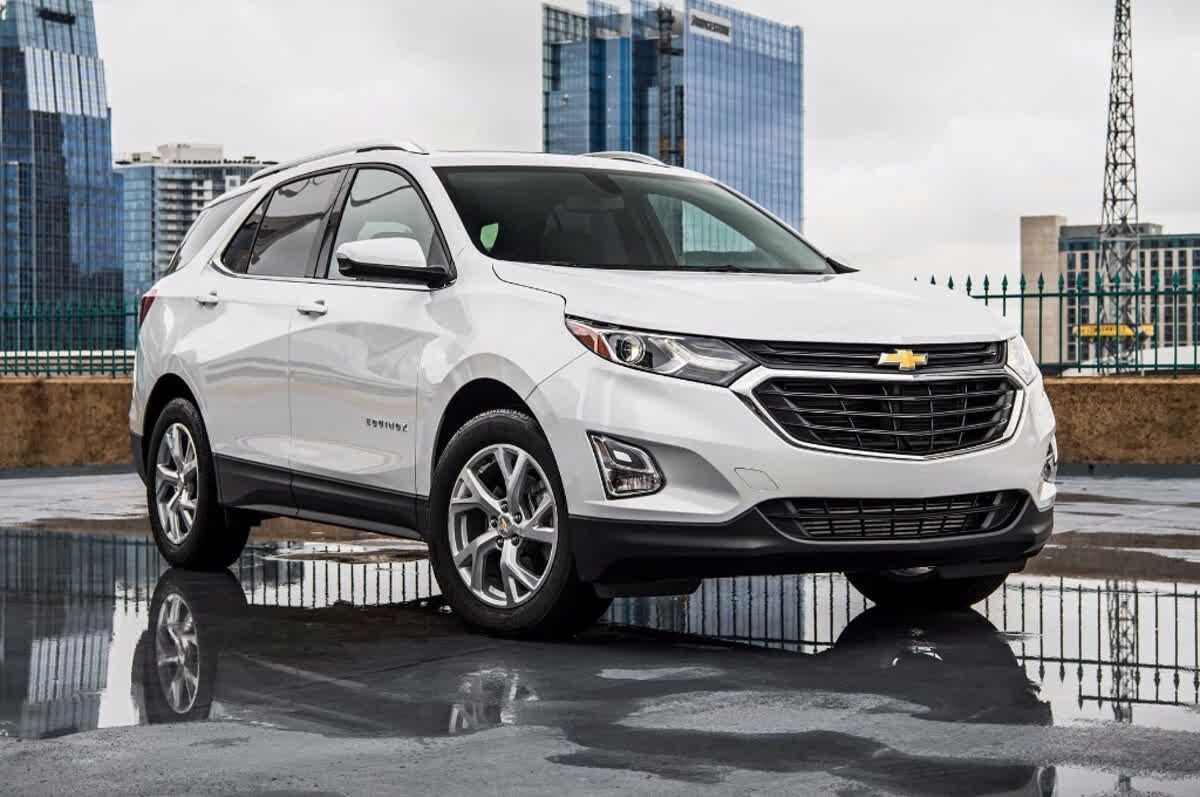
The rubber used in bushings and mounts often becomes brittle, leading to squeaks during temperature changes or over minor road imperfections.
If you’re expecting the Equinox to offer a peaceful, low-maintenance ride over the long haul, its suspension system may disappoint.
While it’s a decent value on paper, the persistent suspension noise and recurring part failures make it one of the louder and more frustrating options in the compact SUV class.
3. Dodge Journey
The Dodge Journey has long been marketed as a budget-friendly midsize SUV, but it’s often cited by owners and mechanics alike as one of the most problem-prone vehicles when it comes to suspension noise — especially squeaking and clunking that begins earlier than expected.
Whether new or used, many Journey owners experience a variety of irritating sounds from the undercarriage, with symptoms that often start as early as 30,000–40,000 miles and become increasingly persistent as the vehicle ages.
The main culprits are low-grade suspension components that wear out quickly. The front end, in particular, is problematic.
Premature wear in the sway bar links, control arm bushings, and ball joints is extremely common, leading to noticeable squeaks when going over bumps, turning the steering wheel, or even driving at low speeds.
These parts tend to degrade quickly under normal use — and even faster in harsh climates or urban areas with rough roads.
The rear suspension is no better. Shock absorber mounts and trailing arm bushings are also known for early failure, which leads to rattles and creaks that travel into the cabin.
Even after replacements, some owners find themselves back at the shop within a year, facing the same sounds again. It’s not just a durability issue — it’s a design issue that’s been baked into the Journey across multiple model years.
Another factor that adds to the problem is the Journey’s overall build quality. Cabin insulation is minimal, so any suspension noise — no matter how small — is clearly heard inside the vehicle. This amplifies the discomfort and makes every bump in the road feel louder and more unsettling than it should.
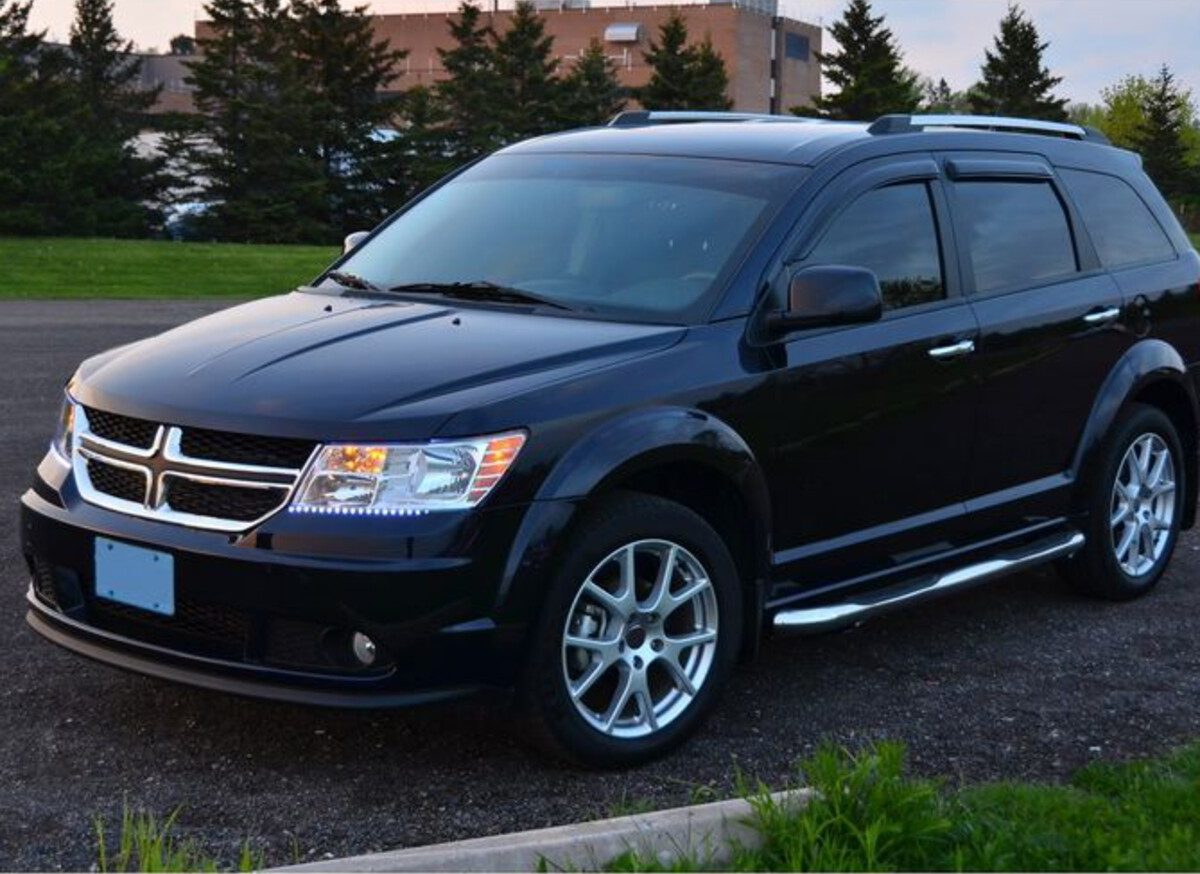
Despite being in production for over a decade (from 2009 to 2020), Dodge never made significant improvements to the suspension design.
Even later models carried over the same flawed components. This means whether you’re buying a 2010 model or a 2019, you’re likely to encounter the same issues.
The Dodge Journey may appeal to buyers looking for space on a budget, but its squeaky suspension quickly undermines any initial savings. It’s a vehicle where noise fatigue and constant undercarriage complaints are almost guaranteed over time.
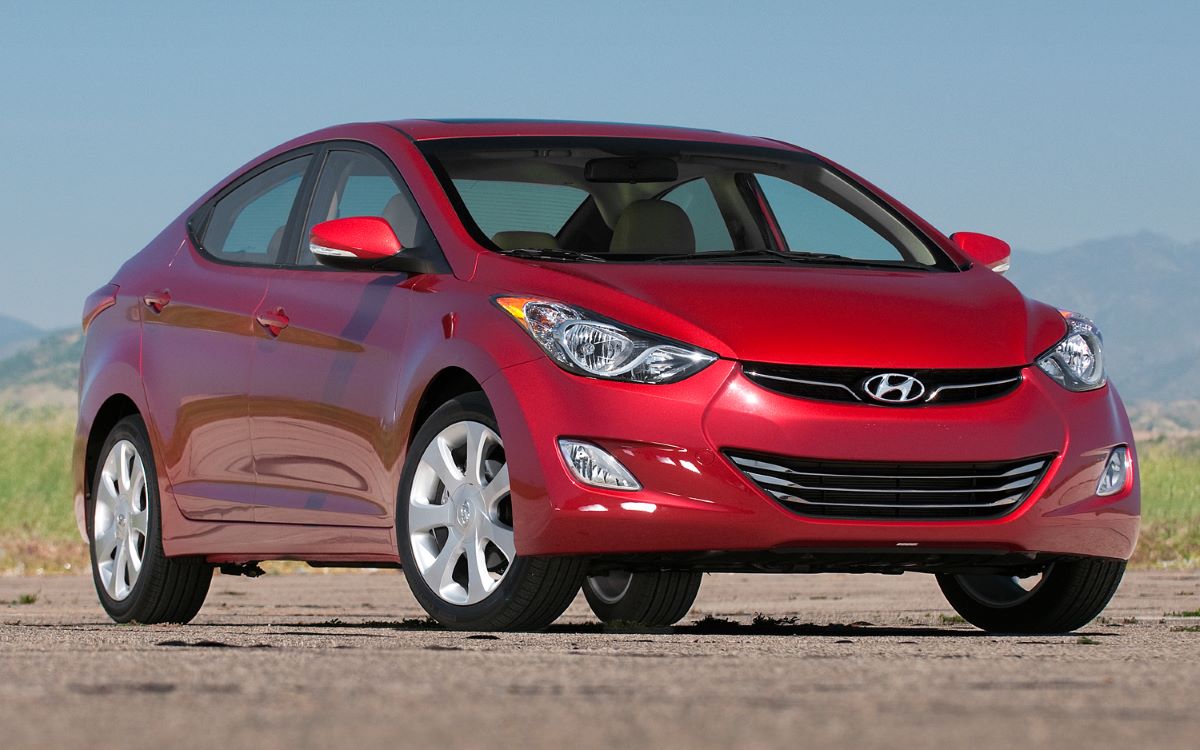
4. Hyundai Elantra
The Hyundai Elantra has evolved significantly over the years, improving in areas like fuel economy, safety, and styling — but one issue that has persisted across several generations is suspension noise, especially squeaking and clunking sounds that surface surprisingly early.
While the Elantra is marketed as an affordable and efficient compact sedan, many owners have learned that its ride quality begins to degrade quickly, not in terms of function, but in terms of unwanted noise and recurring suspension wear.
The most common problem areas involve the front suspension system. Strut mounts and bushings frequently wear out prematurely, often as early as 30,000 to 50,000 miles.
These components, made from relatively soft materials, can begin to squeak over bumps, during cold starts, or when turning the steering wheel. In many cases, the noise is especially noticeable in colder climates where rubber parts harden and lose flexibility.
The rear suspension isn’t immune either. Older models with torsion beam setups tend to suffer from rear-end clunking and squeaks over uneven pavement.
Even in newer models with more refined multi-link designs, creaking from trailing arms or spring seats isn’t uncommon.
Hyundai has issued multiple technical service bulletins over the years addressing these concerns, but repairs aren’t always covered under warranty and sometimes fail to fully resolve the noise.
To make matters worse, these noises tend to return even after parts are replaced. Many owners report that newly installed strut mounts or bushings begin squeaking again within a year or two — especially if aftermarket parts are used rather than OEM.
Inexpensive components keep the Elantra’s price tag low, but they also lead to a higher frequency of suspension-related complaints.
Another issue is the sound insulation in the cabin. While the Elantra is competitive in its segment, it lacks the noise-dampening refinement found in higher-end competitors.
As a result, every squeak, knock, or bounce from the suspension is heard clearly inside, making the ride feel more worn out than it may actually be.
For budget-conscious shoppers, the Elantra’s value is clear — but if you’re sensitive to noises or expect your suspension to stay quiet past 50K miles, this car might not meet your expectations.
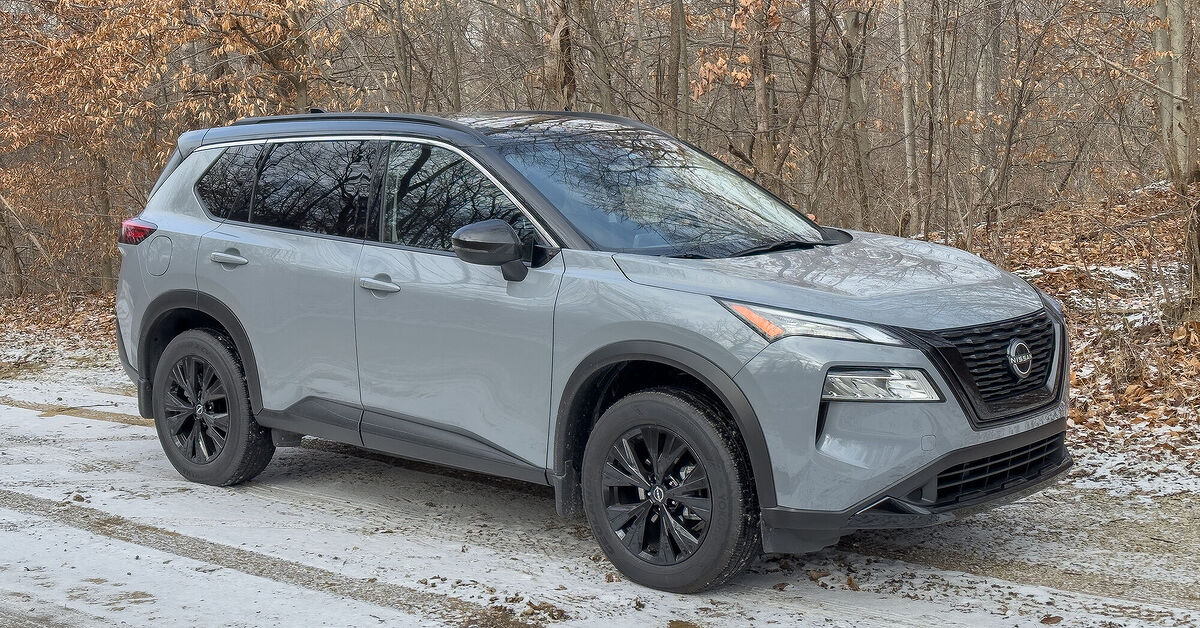
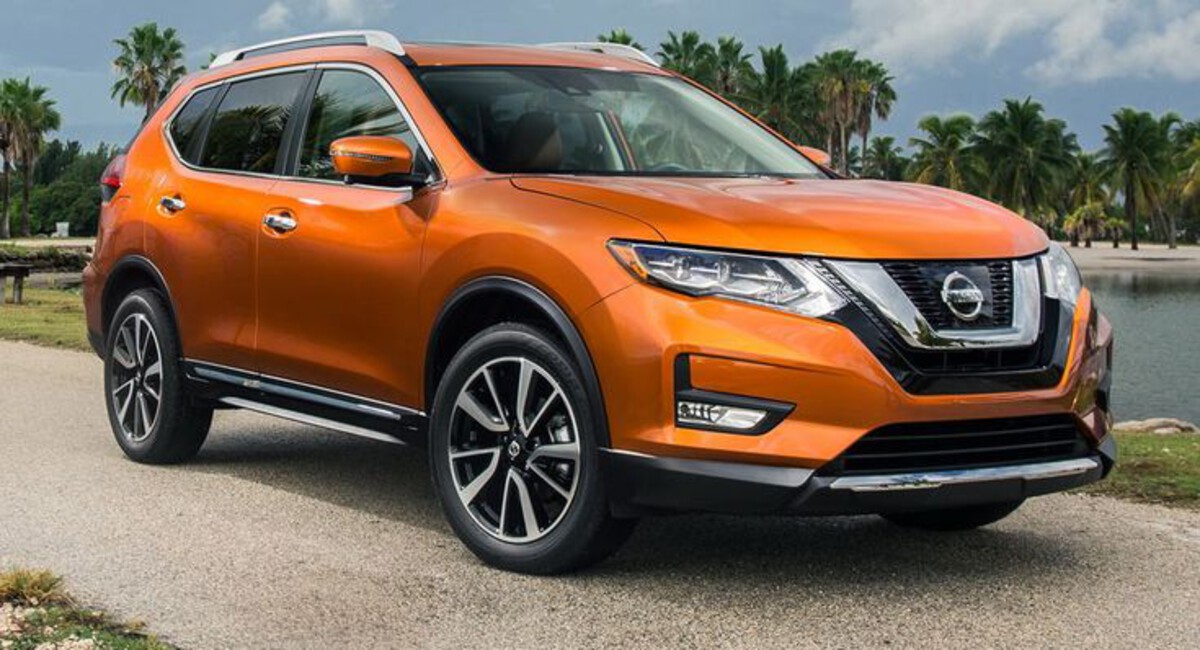
5. Nissan Rogue
The Nissan Rogue has been one of the brand’s best-selling vehicles for over a decade, praised for its fuel efficiency, practicality, and affordability.
However, one consistent weak point across multiple generations is its suspension system — not necessarily because it fails catastrophically, but because it rarely stays quiet.
Squeaks, rattles, and clunks from the front and rear suspension are among the most common complaints from Rogue owners, often surfacing well before the odometer hits 60,000 miles.
The issue largely comes down to component quality and tuning. Nissan’s approach with the Rogue has often prioritized a soft, comfort-focused ride, which ironically leads to faster suspension wear.
The front strut assemblies, control arm bushings, and sway bar links are frequent sources of squeaking. These parts degrade quickly under stress, especially in colder climates or on poorly maintained roads. The rubber used in many of these components simply doesn’t hold up well, leading to flexing, drying, and eventually — noise.
The rear suspension isn’t much better. Early failures of shock absorber bushings and noisy trailing arm connections are common.
Some owners report hearing creaking sounds from the rear even while slowly backing out of a driveway or going over a mild speed bump. While these noises don’t always indicate imminent failure, they contribute to an overall impression of a car aging prematurely.
Dealerships often struggle to resolve the issue permanently. Nissan has issued service bulletins for specific squeak-related complaints, but repairs tend to involve part replacements that may only temporarily fix the problem.
Once the factory warranty runs out, owners are often left deciding whether to live with the noise or spend hundreds on recurring suspension work.
Even newer Rogues (2021–present) continue to receive suspension noise complaints, despite a complete platform redesign. While ride quality has improved overall, the long-term durability of key suspension components remains questionable.
For buyers expecting a quiet, refined ride that holds up well past the 60,000-mile mark, the Rogue may prove disappointing.
While it offers great features and a smooth drive when new, it has a tendency to develop suspension noises far too soon — and those squeaks may stay with you for the long haul.
Suspension systems often go unnoticed until they start making noise — and once they do, it’s hard to ignore. A quiet, well-tuned suspension doesn’t just make for a smoother ride; it’s a strong indicator of overall vehicle build quality and long-term engineering integrity.
As we’ve seen, some vehicles go a decade or more without any real suspension issues, quietly eating up miles and road imperfections. Others, unfortunately, begin squeaking, clunking, and wearing out far too soon, causing frustration and unexpected repair costs.
On the reliable end, cars like the Toyota Camry, Honda Accord, Lexus RX, Subaru Outback, and Ford Crown Victoria demonstrate that it’s possible to build a suspension system that simply lasts. These vehicles combine simple mechanical setups with durable parts, and they rarely fall victim to early wear.
Their owners enjoy years of trouble-free driving without ever needing to hear a squeak from beneath the car. In many cases, suspension components last over 150,000 miles without replacement — something few modern vehicles can claim.
In contrast, the Jeep Compass, Chevrolet Equinox, Dodge Journey, Hyundai Elantra, and Nissan Rogue show what happens when cost-cutting or flawed design compromises durability.
For owners of these vehicles, suspension noise often becomes a constant companion — one that resists fixes and returns after repairs.
Even when the underlying structure holds up, the rubber bushings, strut mounts, and sway bar links often degrade far too soon, undermining ride quality and peace of mind.
As more drivers hold onto their cars for longer, long-term suspension performance is becoming a bigger part of the reliability conversation.
It’s not just about what breaks — it’s about what annoys, what wears, and what quietly makes every drive feel either refined or rundown.
Ultimately, if you’re shopping for a vehicle you can depend on for 10+ years, suspension design and reputation should be part of your research. Because when a car stays quiet underneath, it’s not just more comfortable — it’s proof that it was built to last.
Also Read: 5 Engines That Thrive at High RPM and 5 That Can’t Handle Daily Driving Stress
