Everyday driving can seem routine and harmless, but certain habits behind the wheel can silently wreak havoc on your engine. While some engine issues result from age or manufacturing defects, many are caused by how you drive and maintain your vehicle.
From skipping warm-ups to ignoring tire pressure, these behaviors slowly wear down critical engine parts. Most drivers don’t realize the damage until it’s too late—and the repair bills start piling up.
Understanding these common yet damaging habits can help you prevent costly breakdowns and extend the life of your vehicle with just a few small adjustments.
1. Flooring the Gas Pedal
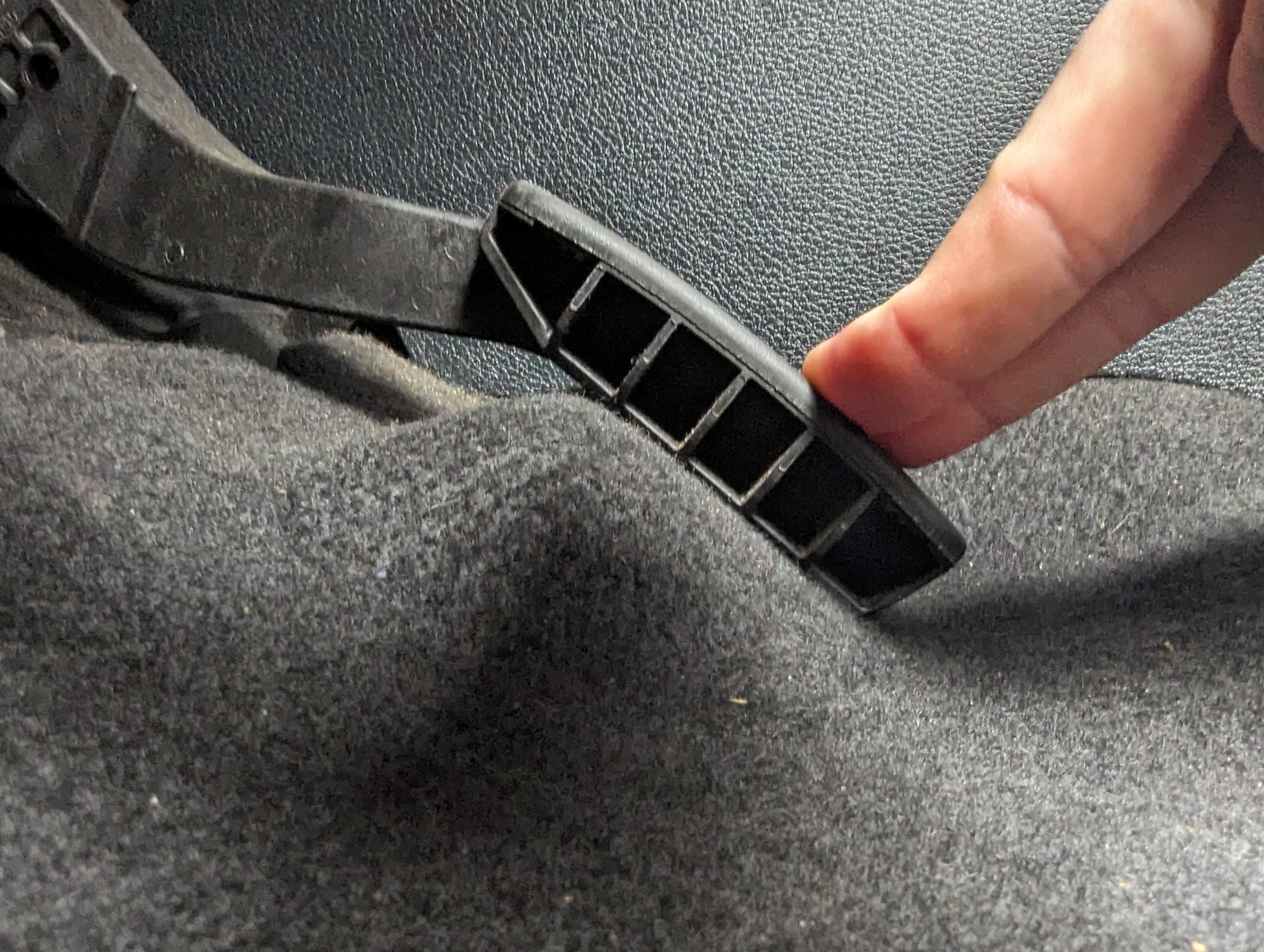
Slamming the accelerator causes sudden engine stress, especially in automatic cars. It forces the engine to jump rapidly through gear shifts without sufficient transition time. This harsh treatment can damage the transmission and wear out internal components prematurely.
Fast acceleration also increases fuel consumption and lowers overall efficiency. While it may feel exhilarating to floor it now and then, consistently aggressive driving leads to avoidable engine wear.
Instead, adopt a smoother driving style, accelerating gradually and giving the engine time to adjust. It’s better for your engine’s longevity and results in a more fuel-efficient and comfortable drive.
2. Early Shifting Without Stopping
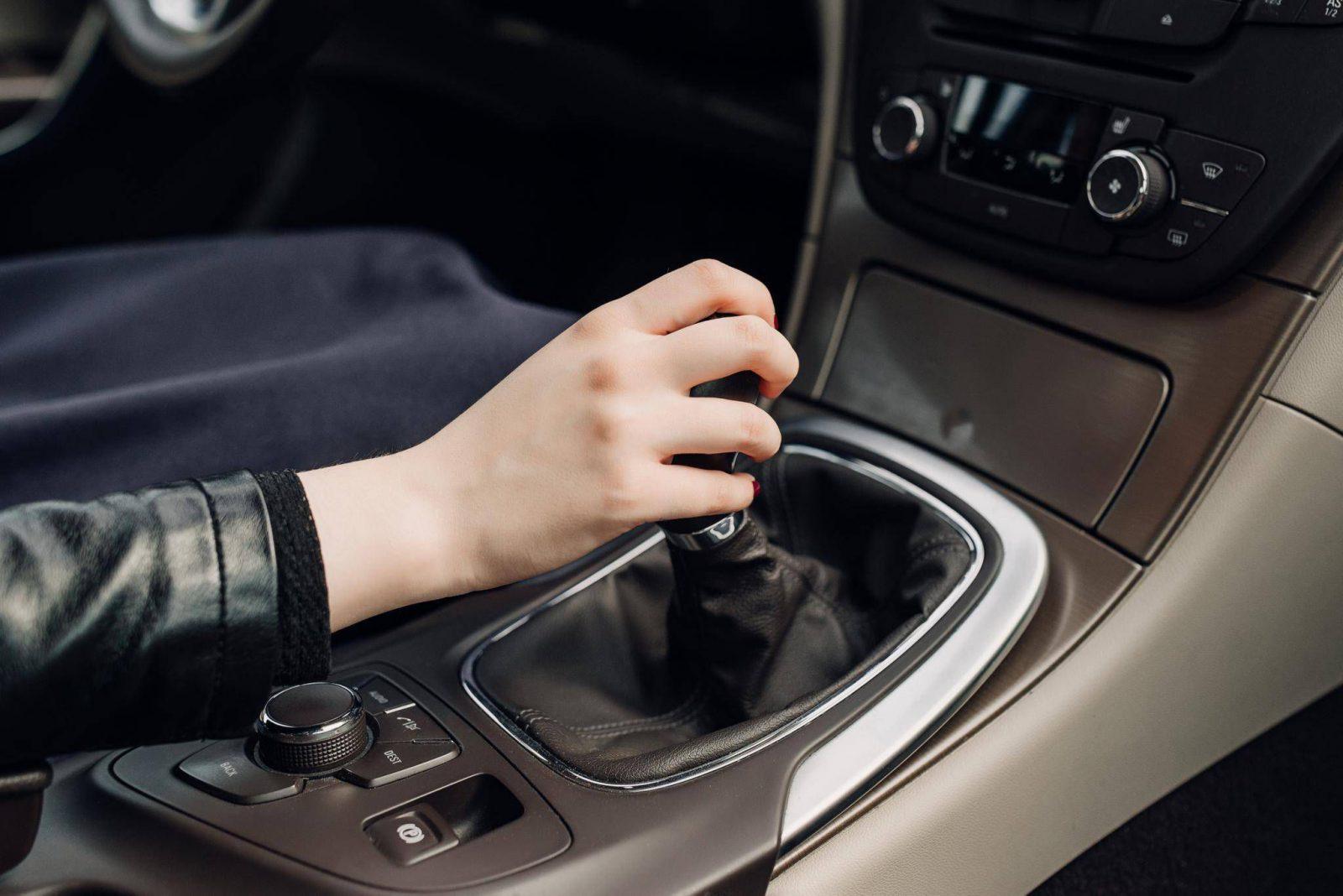
Shifting from drive to reverse—or vice versa—without coming to a full stop is a habit many drivers develop over time. While it may seem like a time-saver, this action forces the drivetrain to absorb the stress of reversing torque, leading to damage over time.
The parts most affected—such as the transmission and axles—are expensive and labor-intensive to repair. Forcing gears mid-motion can also disrupt engine timing and performance.
The best practice is to let the car come to a complete stop before switching between drive modes. This small change can help prevent long-term, expensive engine and drivetrain damage.
3. Ignoring Low Tire Pressure
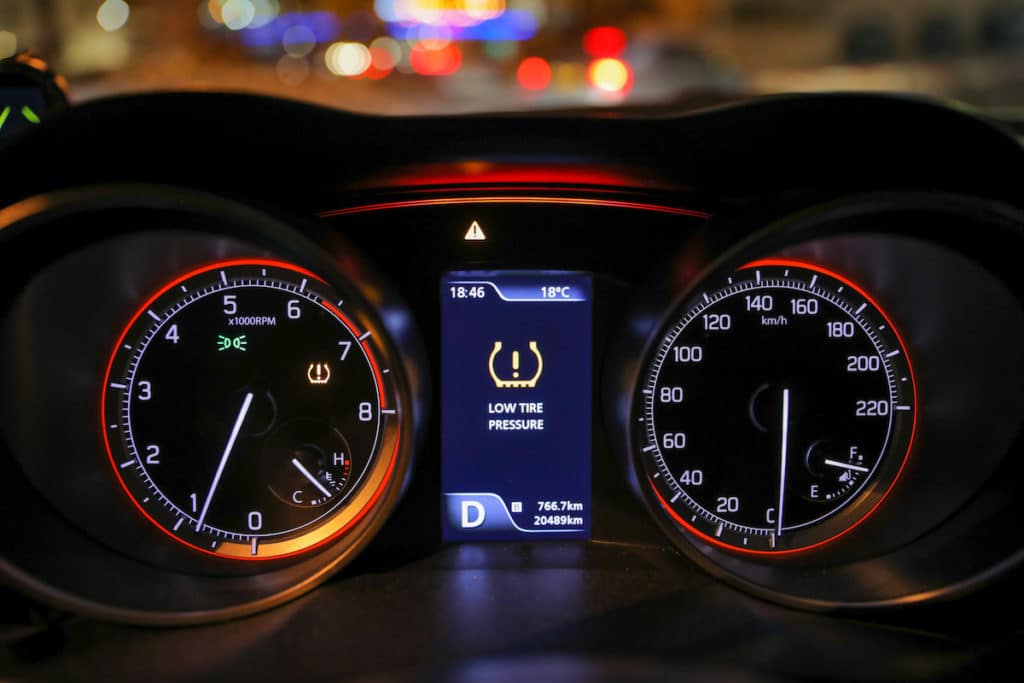
Driving with underinflated tires might seem unrelated to engine health, but it directly impacts it. Low pressure increases rolling resistance, forcing the engine to work harder to maintain speed and control.
This extra strain causes faster engine wear and reduces fuel economy. Underinflated tires also increase the risk of blowouts and suspension damage. Because tire pressure can fluctuate with temperature and minor leaks, regular checks are essential.
Maintain the recommended PSI for your vehicle, usually found on a sticker inside the door or in the manual. Proper tire pressure keeps your engine efficient and your vehicle safer on the road.
4. Overloading Your Vehicle
Many drivers underestimate the impact of carrying too much weight. When you exceed your vehicle’s recommended load limit, the engine has to exert extra effort—especially during acceleration or hill climbs.
This leads to overheating, faster fuel burn, and increased wear on the powertrain. Overloading also strains suspension components and brakes, which indirectly puts more pressure on the engine.
Always check the manufacturer’s weight guidelines and remove unnecessary cargo from your car. Travel light when possible, and avoid using your vehicle as mobile storage. Reducing excess weight is a simple way to improve both engine efficiency and longevity.

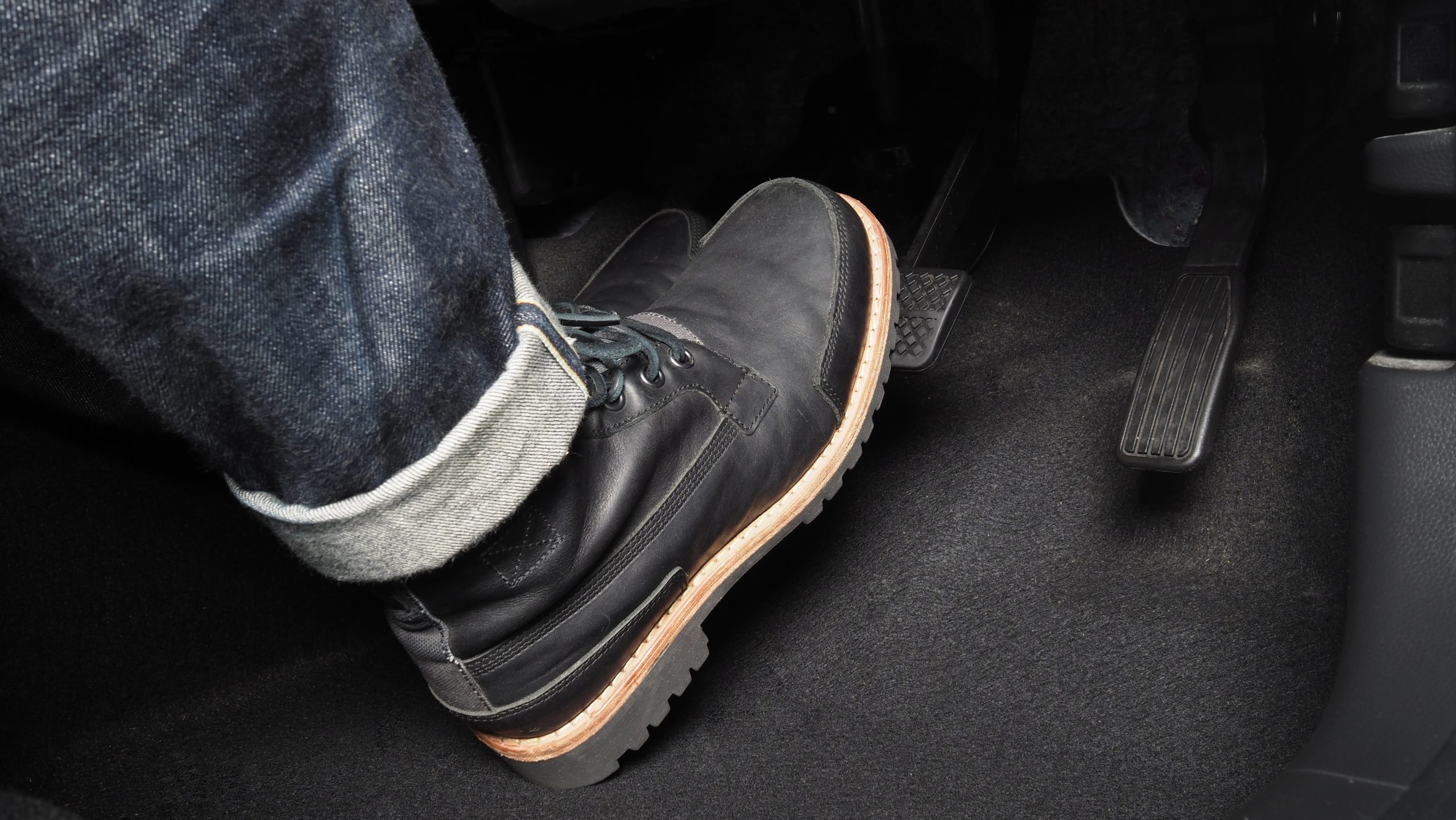
5. Sudden and Hard Braking
While occasional hard braking is unavoidable, doing it frequently can hurt more than just your brake pads. Slamming on the brakes abruptly throws the engine into a stressed state as various components are forced into rapid adjustments.
It also disrupts fluid balance and places pressure on motor mounts. Repeated stress can lead to misalignment and overheating of nearby systems. Safe, gradual braking gives your engine and drivetrain time to respond naturally.
Develop a habit of anticipating stops early, keeping a safe following distance, and avoiding last-minute reactions. This not only protects your engine but improves your driving safety overall.
Also Read: 10 Affordable Maintenance Tips That Can Add Years to Your Car and Save You Costly Repairs
6. Skipping the Warm-Up
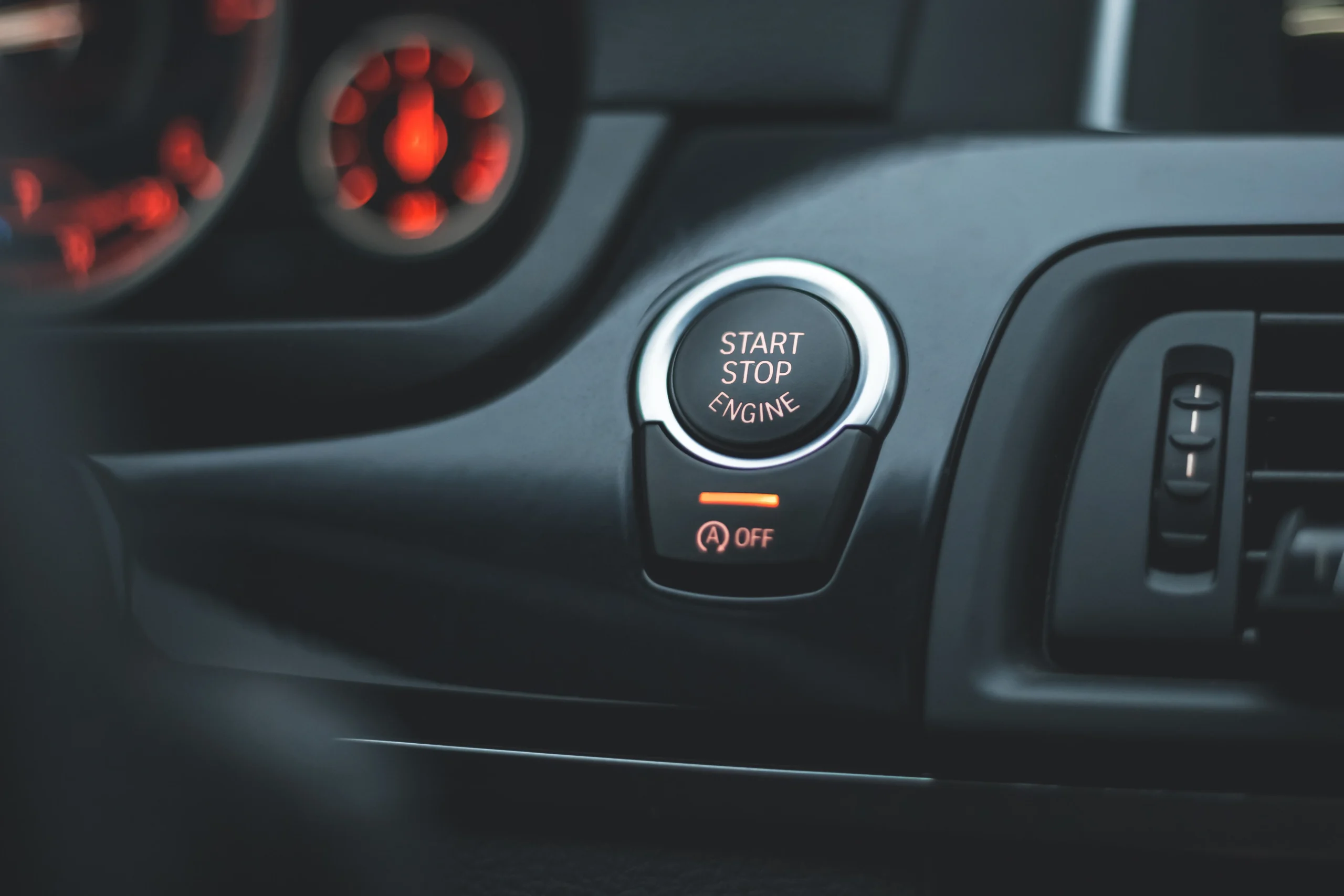
Cold starts can be rough on your engine, especially if you immediately begin driving aggressively. Engine oil takes time to circulate and reach optimal viscosity, which ensures all internal parts are properly lubricated. Driving too fast too soon after ignition increases friction and accelerates wear.
This habit is especially harmful in colder climates where fluid movement is sluggish. Instead, let the car idle briefly and drive gently for the first few minutes to let fluids reach operating temperature. Giving your engine a few moments to warm up is an easy, effective way to promote long-term mechanical health.
7. Ignoring the Check Engine Light
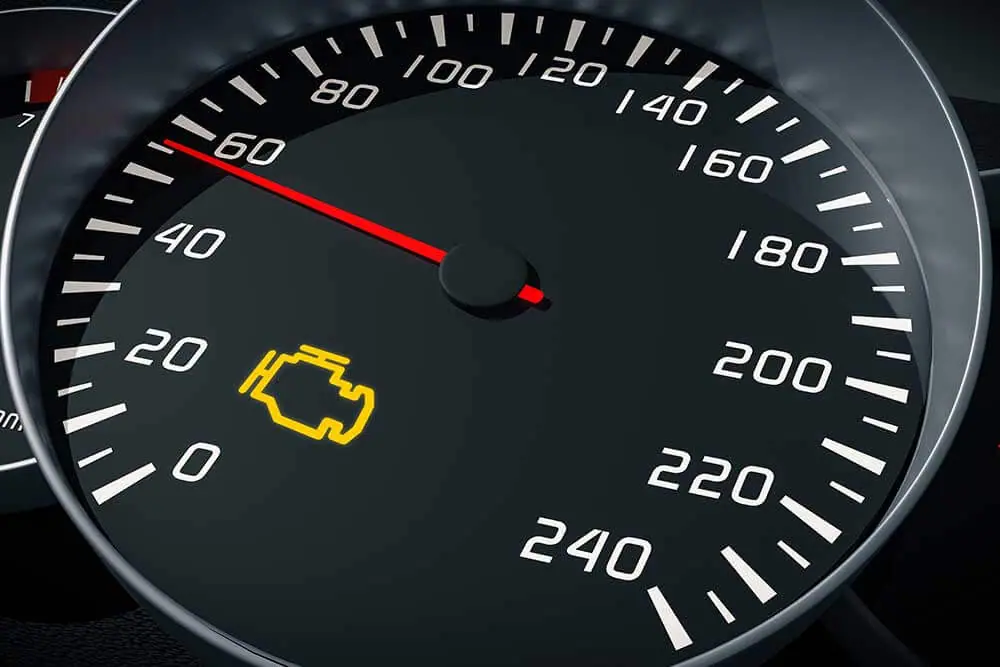
The check engine light isn’t just a suggestion—it’s a direct alert that something may be wrong with your vehicle. Ignoring it can allow small, fixable problems to snowball into major engine issues. The light may indicate anything from a faulty sensor to serious engine misfires.
Some drivers put off diagnostics to save time or money, but doing so often results in costlier repairs later. The best course of action is to get the system scanned immediately when the light appears. Acting early ensures you address minor issues before they evolve into expensive, irreversible engine damage.
8. Poor Clutch Habits
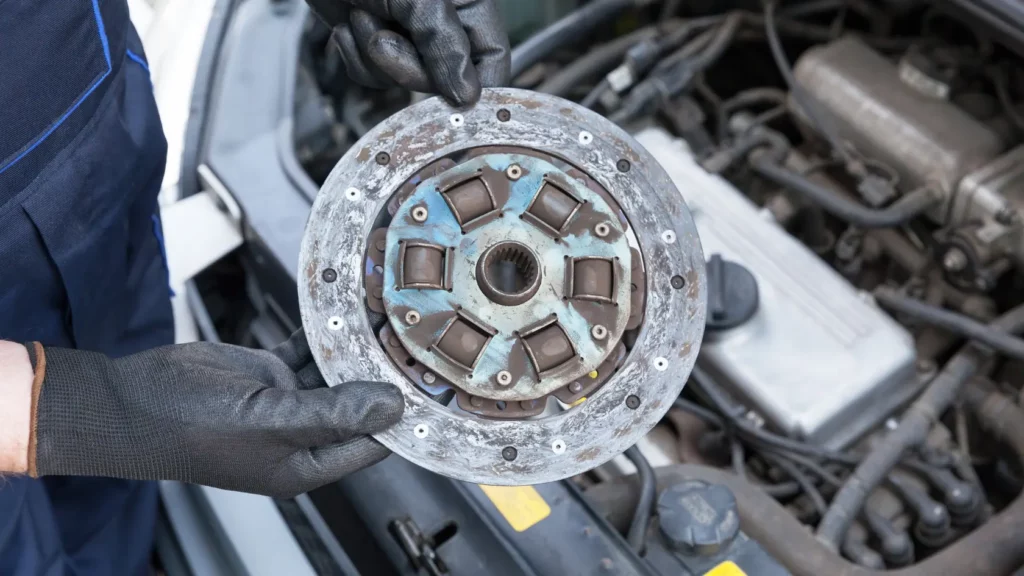
Manual transmission drivers are especially prone to habits that damage the engine over time. “Riding the clutch,” or keeping light pressure on the pedal between shifts, creates unnecessary friction.
Over time, this wears out the clutch disc and affects how power is transferred from the engine. Another bad habit is grinding gears—shifting too fast or at the wrong RPM. Both issues lead to premature engine wear and transmission strain.
Always fully release the clutch between shifts and learn the proper RPM range for smooth transitions. Mastering good clutch habits not only improves driving efficiency but also protects the engine.
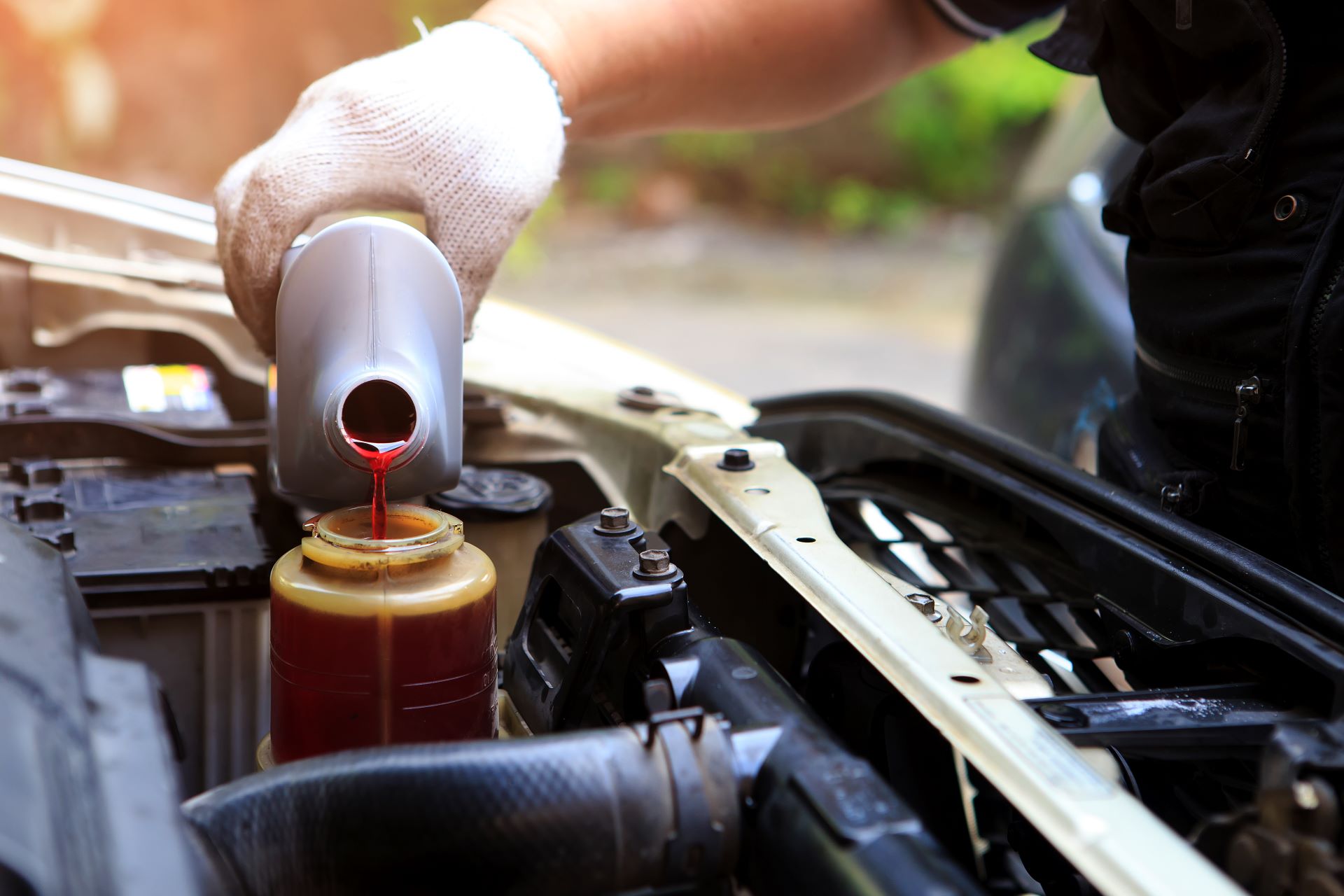
9. Neglecting Fluid Levels
Engine oil, coolant, brake fluid, and transmission fluid are vital to your vehicle’s health. Letting any of these fluids run low can result in overheating, metal-on-metal contact, and even engine seizure. For example, low oil levels reduce lubrication and increase friction, which destroys engine parts rapidly.
Similarly, inadequate coolant can lead to overheating and cracked engine blocks. Checking and topping off fluids monthly should be a non-negotiable part of your maintenance routine. Use your car manual as a guide for fluid locations and types. Staying on top of fluids keeps your engine clean, cool, and running reliably.
10. Overlooking Road Hazards
Potholes, uneven pavement, and road debris may not seem like a big deal, but hitting them repeatedly can jolt your engine and supporting systems. The impact can damage engine mounts, misalign suspension parts, and even lead to fluid leaks—all of which add stress to your engine.
The constant jarring also contributes to faster wear of belts and hoses. It’s easy to avoid these issues by staying alert, slowing down on rough roads, and swerving carefully when safe to do so. Driving with attention to the road surface protects not just your wheels, but your engine’s core stability.

Your engine is the heart of your vehicle, and how you treat it every day makes a big difference. Many drivers unintentionally shorten their engine’s lifespan by repeating bad habits they may not even be aware of. The good news is that most of these behaviors are easy to correct once you recognize them.
From maintaining fluid levels to avoiding hard stops and overloading, small changes can yield big results in performance and durability. Commit to more mindful driving and regular maintenance, and your engine will reward you with smoother rides, better fuel economy, and fewer repair bills.
Also Read: 8 Tips to Prevent Engine Overheating Permanently and Keep Your Car Road-Ready Always