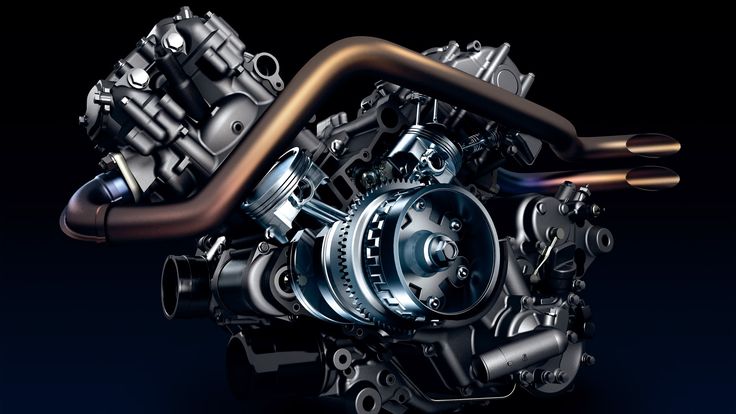
Engine design isn’t just about horsepower and torque—it’s also about how a motor performs under real-world conditions. While some engines are built to scream to the redline and keep pulling like race-bred beasts, others fall apart when faced with the mundane torture of daily commutes.
High-revving engines are often seen in performance cars, where engineers balance lightweight components, aggressive cam profiles, and precise tolerances to deliver exhilarating top-end power.
These engines not only survive at high RPM—they beg for it. They’re engineered for the track but often tame enough for the road, providing a thrilling experience without crumbling under the pressure.
On the flip side, some engines just aren’t built to endure repetitive stop-and-go traffic, inconsistent maintenance, or prolonged idle times.
These motors may look good on paper, but develop ticking, oil leaks, or catastrophic failures when subjected to the routine stress of everyday driving. In this list, we’ll spotlight five engines that thrive when pushed hard and five that can’t handle the grind of daily use.
Whether you’re looking for an engine that delivers race-worthy performance or want to avoid a maintenance nightmare, this guide will help you make a smarter choice the next time you go shopping for a car.
5 Engines That Thrive at High RPM
These engines don’t just tolerate high RPM—they’re engineered for it. Built with precision internals, aggressive valvetrains, and forged components, they shine when pushed hard.
Whether they power motorcycles or performance coupes, they prove that high-revving doesn’t mean short-lived. From Honda’s VTEC marvels to Italian screamers, these engines are made to rev—and keep on revving reliably.
ALSO READ: 8 Tips to Prevent Engine Overheating Permanently and Keep Your Car Road-Ready Always
1. Honda F20C
The Honda F20C engine, found in the S2000, is a legend for its ability to scream to 9,000 RPM without flinching. Producing 240 horsepower from just 2.0 liters, the F20C held the world record for the highest specific output of any naturally aspirated engine for years.
It achieves this feat with a forged steel crankshaft, lightweight pistons, and a DOHC VTEC system that shifts cam profiles at 6,000 RPM, delivering a violent surge to redline.

What sets the F20C apart isn’t just its RPM ceiling—it’s how comfortably it lives there. With meticulous engineering and ultra-tight tolerances, the engine begs to be driven hard.
Track junkies love it, not just for its exhilarating powerband but also its bulletproof reliability. With regular oil changes and cooling system maintenance, these motors can surpass 200,000 miles even with spirited driving.
It’s a race motor for the road—one that thrives when many others would scream in protest. It’s not torquey down low, but if you love a rewarding drive that gets better the harder you push, the F20C delivers in spades
2. BMW S85 V10
The BMW S85 V10, found in the E60 M5 and E63 M6, is a Formula One-inspired masterpiece that lives for high RPMs.
It revs to 8,250 RPM and produces 500 horsepower from just 5.0 liters, using individual throttle bodies, double-VANOS variable valve timing, and a free-breathing valvetrain.
What makes the S85 so special is its dual personality. It’s docile around town but transforms into a monster when you bury the throttle.
Above 6,000 RPM, the sound becomes intoxicating, and the engine pulls with relentless urgency to redline.
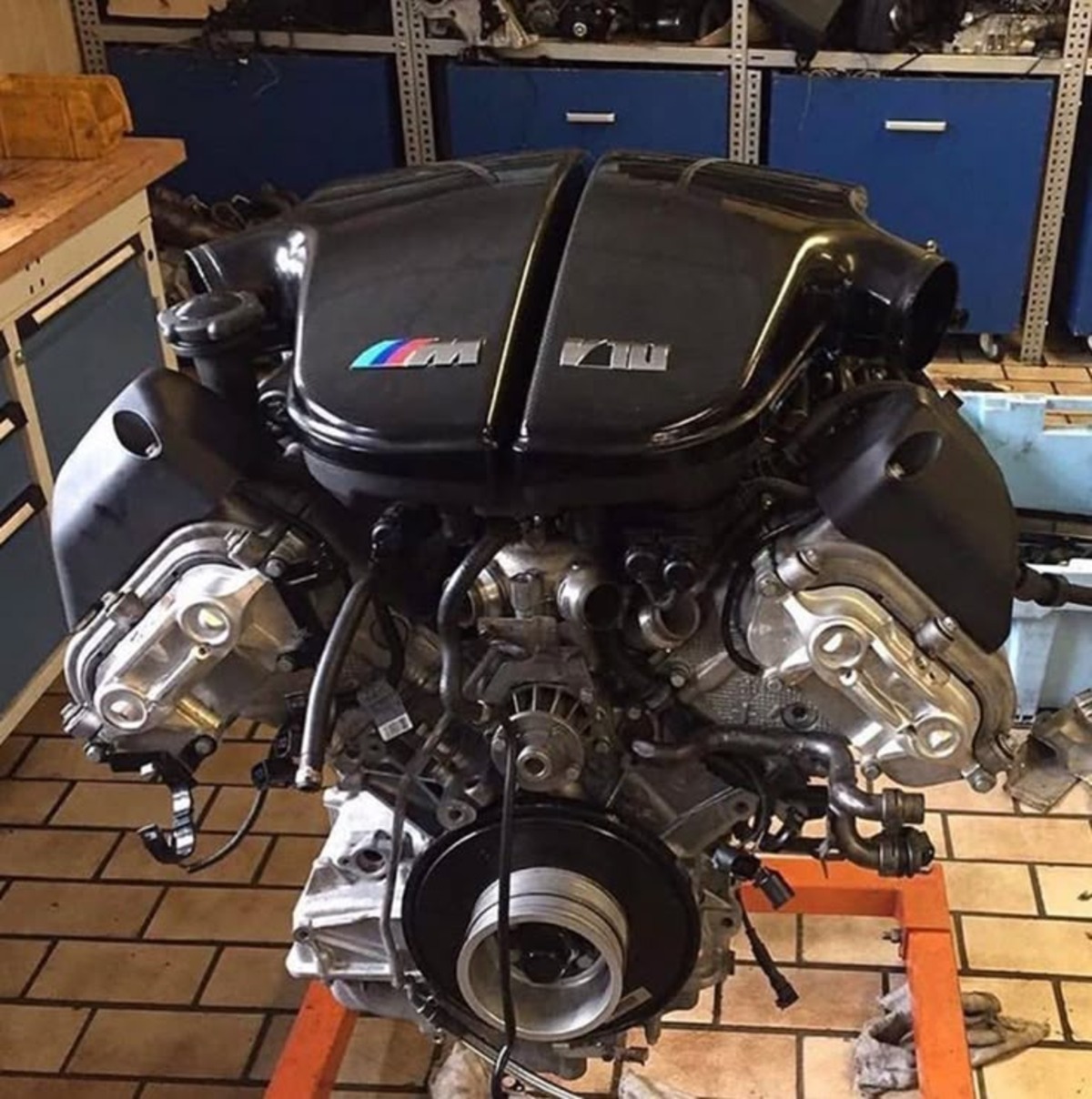
Built with lightweight internals and an 11:1 compression ratio, the S85 delivers both rev-happy characteristics and impressive longevity—if maintained religiously.
However, it’s not a cheap engine to own. It demands top-tier oil, regular rod bearing inspections, and cooling system attention.
But for enthusiasts who understand the cost of performance, the S85 rewards with a one-of-a-kind driving experience.
It may not be the most reliable in traffic, but on an open road or track, this engine comes alive in a way few naturally aspirated motors can match.
3. Toyota 2ZZ-GE
Co-developed with Yamaha, the Toyota 2ZZ-GE is a 1.8-liter inline-4 that revs happily to 8,200 RPM and delivers 180+ horsepower in lightweight platforms like the Lotus Elise and Toyota Celica GT-S.
It features VVTL-i (Variable Valve Timing and Lift intelligent system), Toyota’s answer to Honda’s VTEC, which switches cam profiles around 6,200 RPM for a second wind that feels turbo-like in delivery.
The 2ZZ thrives on being wrung out. Below the cam switch, it’s a mild-mannered daily driver. Above it, it becomes a screamer, delivering linear power and a soundtrack that eggs you on to push harder.
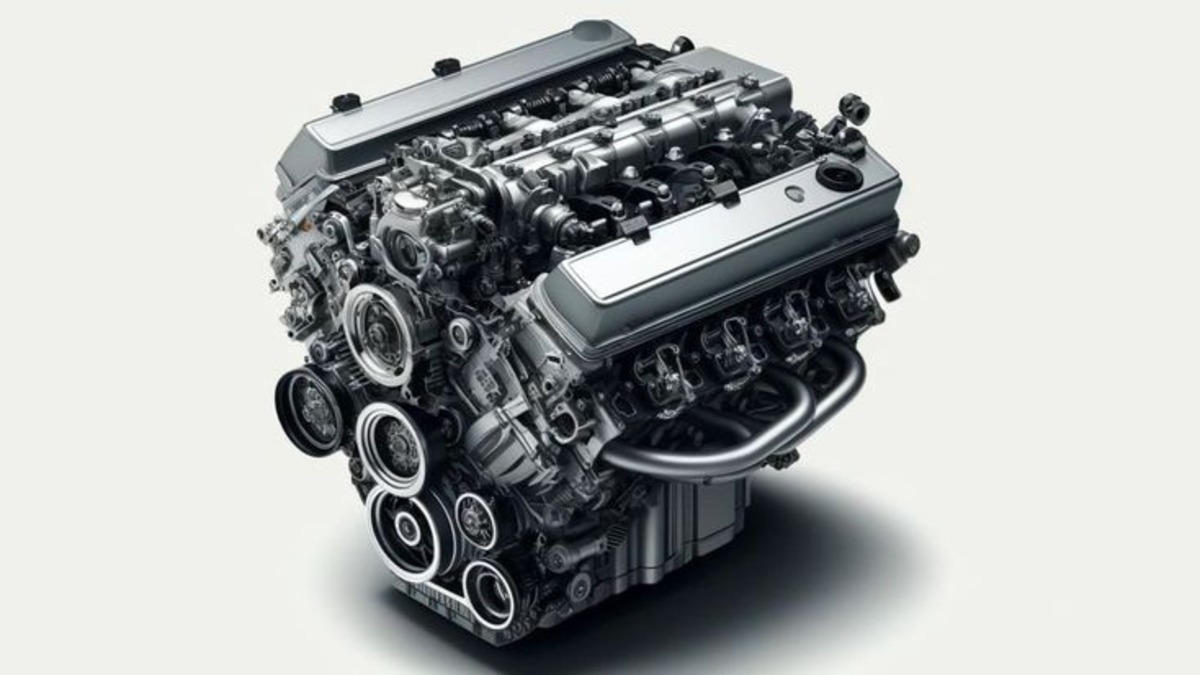
It uses forged connecting rods, an aluminum block, and solid oiling to handle the abuse of high-revving track sessions.
While some may find the torque lacking for low-speed daily use, its high-revving nature rewards drivers who know how to keep it in the powerband.
Moreover, with proper maintenance, these engines can easily hit 200,000 miles, even with regular track time. It’s a budget-friendly high-RPM hero that feels far more exotic than its economy car origins suggest.
4. Porsche Mezger Flat-6
The Porsche Mezger flat-six, used in the 996 and 997 Turbo and GT3 models, is one of the most revered performance engines of the 2000s.
Built with racing heritage from the Porsche 911 GT1 and 962 Le Mans cars, it’s a high-revving, dry-sump, turbocharged monster that delivers both durability and ferocity.
This engine revs to 8,400 RPM in GT3 form and holds up to incredible punishment. The reason? It’s essentially a race engine that Porsche adapted for road use.
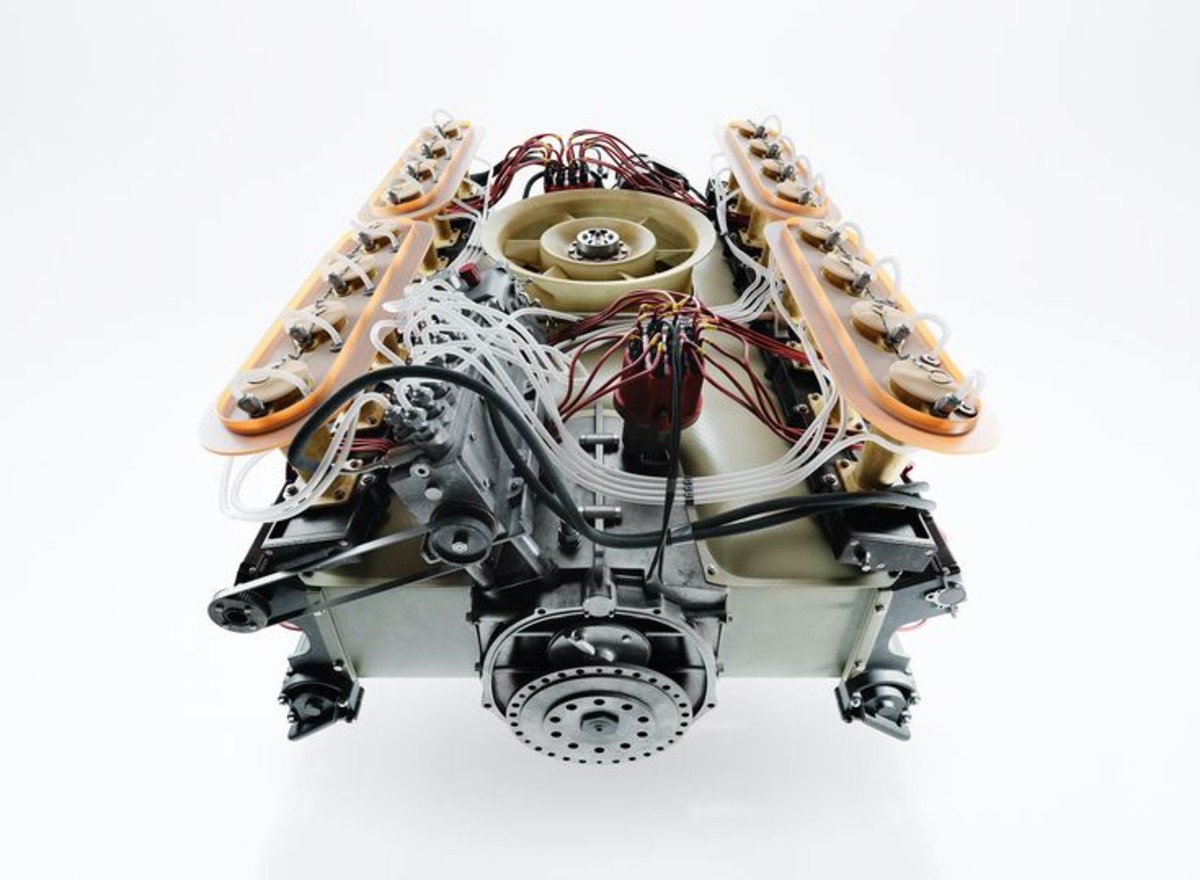
Titanium connecting rods, sodium-filled valves, and a crankcase that separates the cylinders from the oil passages mean this engine doesn’t just tolerate high RPM—it was bred for it.
While newer Porsche flat-sixes have seen IMS bearing failures and cylinder scoring, the Mezger block remains a legend of longevity and resilience.
It thrives on track days, spirited canyon runs, and high-speed autobahn blasts. Even turbocharged versions handle tuning and power increases well, making it a favorite among modifiers.
5. Yamaha R1 Crossplane Inline-4
Though technically from a motorcycle, the Yamaha R1’s 998cc crossplane inline-four deserves a spot on any high-RPM hall of fame. Reaching a staggering 13,500 RPM redline, this engine delivers instant throttle response and linear torque, thanks to its unique firing order that mimics a V4.
The engine’s balance and refinement allow it to spin up quickly, hold RPM effortlessly, and resist wear surprisingly well for a high-strung motor.
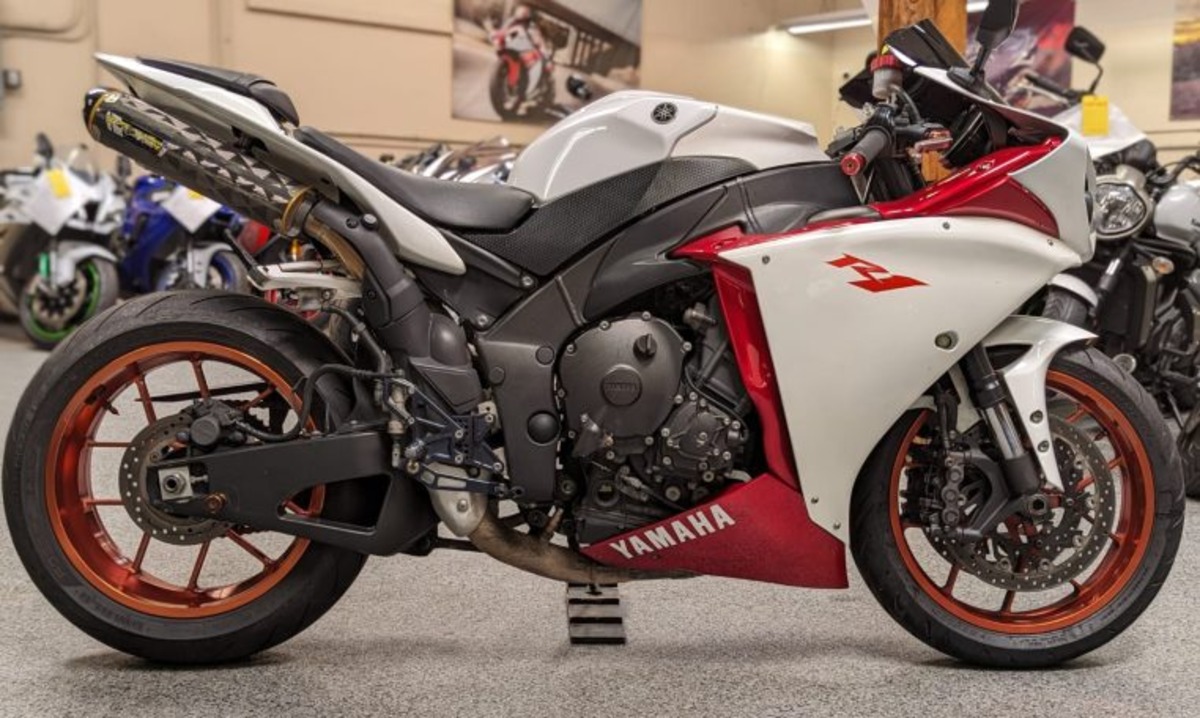
It uses forged internals, close tolerances, and advanced fueling strategies to make sure it lasts despite the abuse.
Many owners report crossing 50,000 miles of aggressive riding with little more than oil and valve adjustments. It’s a marvel of engineering that proves high-revving doesn’t have to mean fragile.
5 Engines That Can’t Handle Daily Driving Stress
While they might perform well under specific conditions or on a dyno sheet, these engines often fall apart when exposed to the stop-and-go reality of daily use. Known for ticking lifters, oil sludge, overheating, or premature failures, they’re best avoided if you’re planning to rack up miles without frequent trips to the shop—or the junkyard.
ALSO READ: 5 Engines That Never Overheat Even in Traffic and 5 That Need a Tow in Summer
1. Chrysler 2.7L V6
The Chrysler 2.7L V6, used extensively in vehicles like the Dodge Intrepid, Chrysler Sebring, and Concorde from the late ‘90s through the mid-2000s, is infamous for its inability to handle the stress of daily driving.
While it offered decent performance on paper—about 200 horsepower—real-world reliability was a disaster, especially under typical commuting conditions.
One of the engine’s worst flaws was its tendency to develop oil sludge, often leading to catastrophic engine failure well before 100,000 miles. The oil passages were poorly designed and extremely sensitive to inconsistent maintenance, which, unfortunately, is common in daily-driven family sedans.
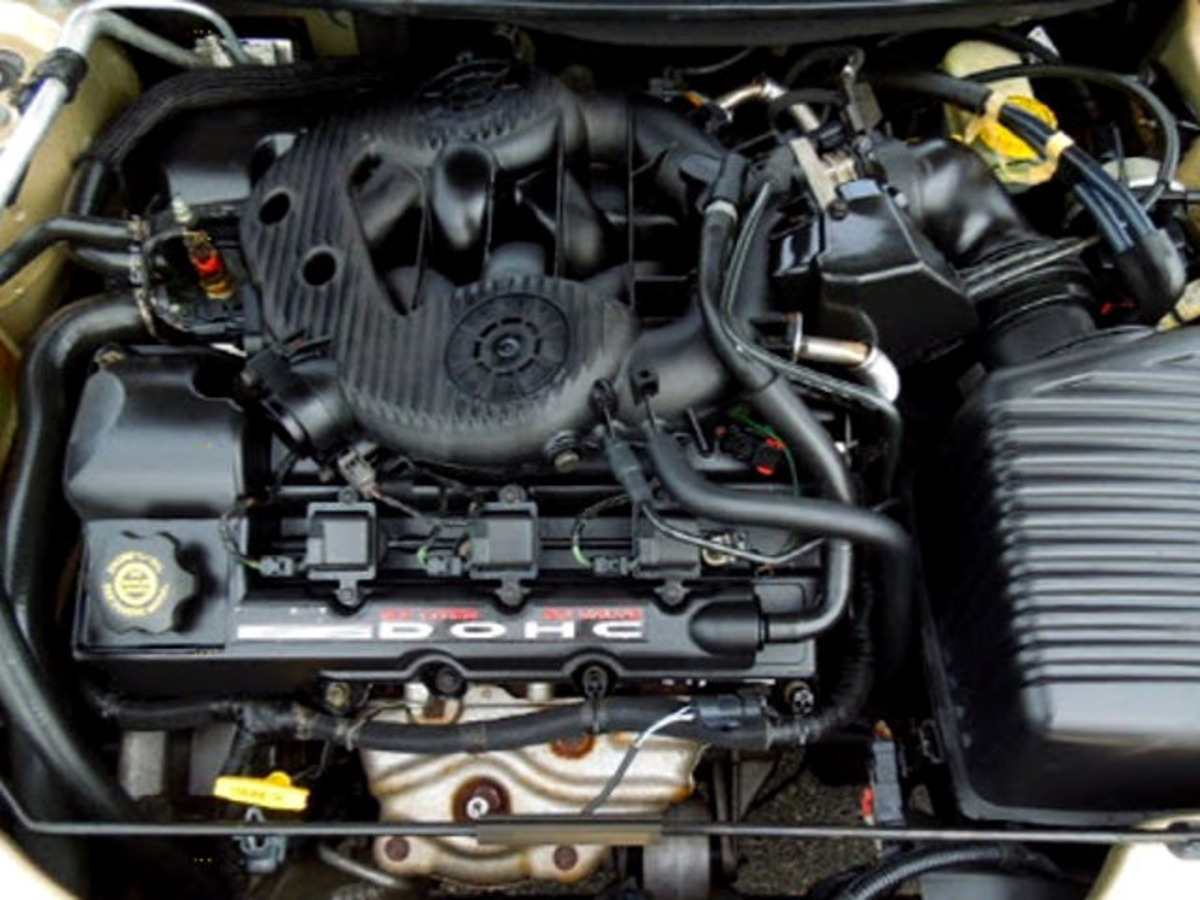
Many owners complained of seized engines even with regular oil changes. The water pump was also internally located, and when it failed (as it frequently did), it would leak coolant directly into the oil supply, ruining bearings and accelerating sludge issues.
This engine wasn’t built for the long haul. Despite being in relatively affordable and popular models, the 2.7L V6 became a poster child for why you don’t cut corners on engineering.
It couldn’t handle hot summers, traffic jams, or long idles—all of which are hallmarks of daily use. Today, it’s largely avoided by used car buyers who’ve heard the horror stories.
2. Subaru 2.5L Turbo (EJ255/EJ257)
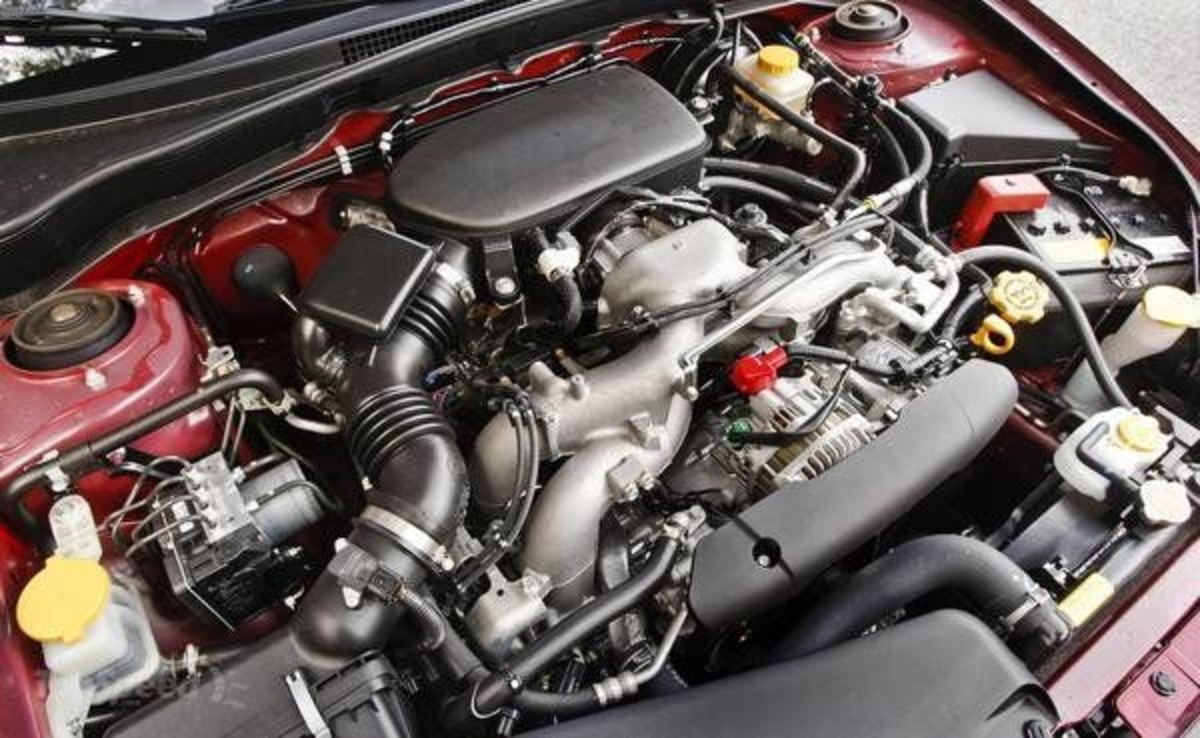
The Subaru EJ255 and EJ257 turbocharged flat-fours, found in vehicles like the WRX, WRX STI, and Forester XT, are loved for their rally-bred performance but notorious for failing when subjected to the harsh demands of daily use, especially without obsessive maintenance.
These engines suffer from several weak points: fragile ringlands on the pistons, head gasket failures, oil consumption, and knock-prone tuning from the factory.
The top-mounted intercooler, while effective for performance bursts, becomes a heat soak in city traffic, increasing detonation risk. Many engines don’t make it past 120,000 miles before needing a rebuild or full replacement—even when unmodified.
Subaru enthusiasts will argue that careful maintenance, premium fuel, and upgraded internals can extend engine life.
That may be true, but in the hands of the average commuter who’s not checking oil every 1,000 miles or letting the turbo cool down properly, the EJ-series turbos are a financial liability.
They’re built for performance bursts and off-road thrills, not bumper-to-bumper traffic or daily work runs. Unless you’re dedicated to their care, these engines can—and often do—fail prematurely.
3. BMW N54 Inline-6
The BMW N54 twin-turbo inline-six, found in the 335i, 135i, and early Z4 models, is a performance gem that just can’t deal with daily driving without becoming a headache.
On paper, it’s brilliant: 300 horsepower, strong torque, and excellent tuning potential. But in practice, the N54 demands the attention of a full-time mechanic.
Common issues include high-pressure fuel pump (HPFP) failures, carbon buildup on intake valves (thanks to direct injection), leaking oil filter housing gaskets, turbo wastegate rattle, and cooling system failures.
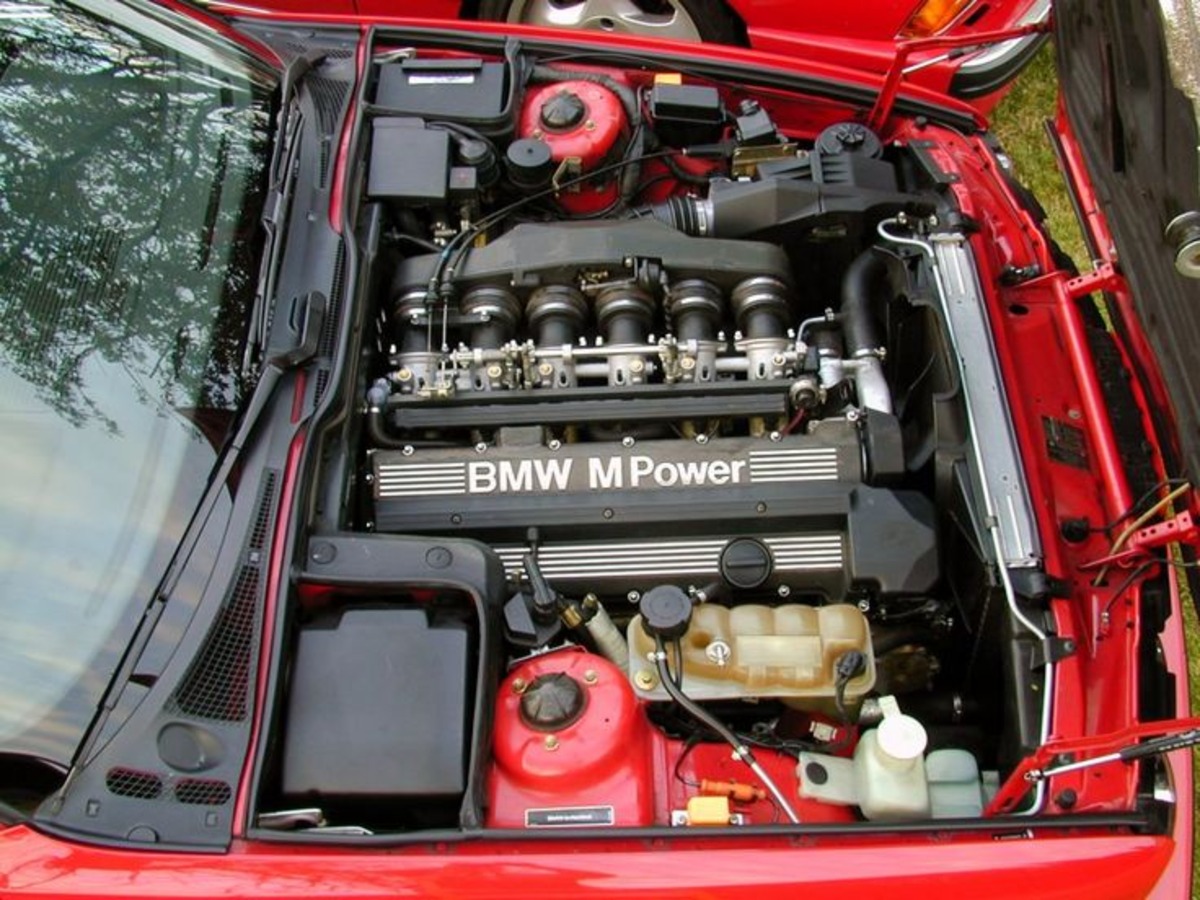
While the engine block itself is solid, all the accessories and peripherals suffer under daily heat cycles and urban driving conditions.
The N54 can easily last over 200,000 miles, but not without regular walnut blasting, constant part replacements, and lots of labor hours.
For someone commuting in stop-and-go traffic or doing short drives daily, the turbo heat and lack of airflow make problems worse. What’s worse is that many of these issues crop up before 80,000 miles, making the N54 a high-maintenance diva in a world that often demands a no-fuss companion.
It’s an engine that thrives in bursts but buckles under the burden of monotony.
4. Ford 1.6L EcoBoost
The 1.6L EcoBoost engine, used in the Ford Fiesta ST, Focus, Escape, and Fusion, was designed to offer turbocharged performance and fuel efficiency.
Unfortunately, it’s also known for issues that make it a poor choice for long-term daily driving, particularly in warmer climates or poorly ventilated conditions.
One of the most well-documented problems was engine overheating and, in worst cases, engine fires due to coolant circulation problems and cracked cylinder heads. Ford even issued recalls for some models, but not all cars were covered, leaving many owners with costly repairs.
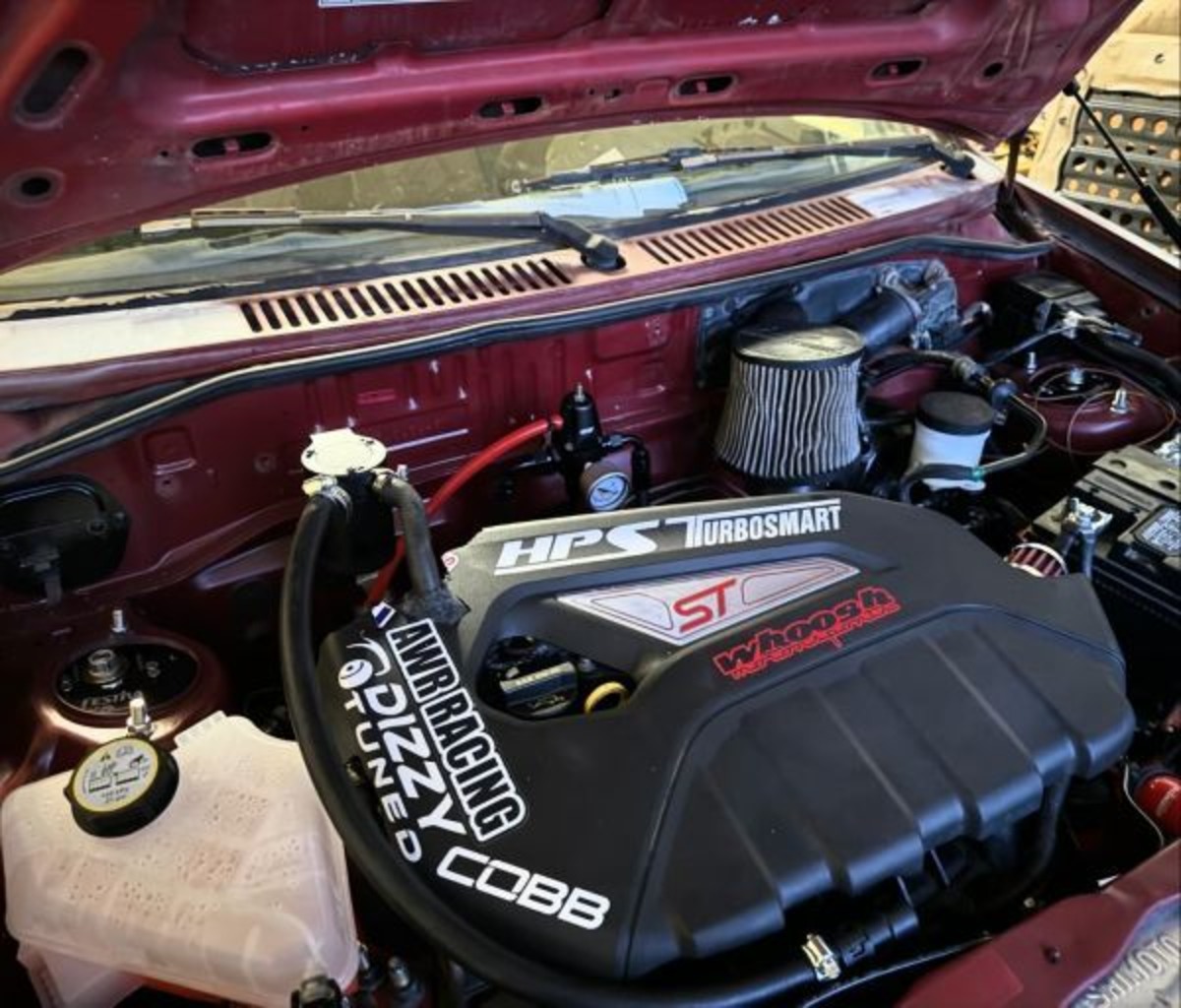
Adding to that, the turbo system is sensitive to oil quality and driving conditions. Inconsistent maintenance or using the wrong oil can lead to turbo failure or engine knocking.
Carbon buildup and coolant leaks are other recurring issues. For daily commuters who may not warm up or cool down their engine properly, this motor is a ticking time bomb. It was an ambitious attempt at downsizing with turbocharging, but reliability just didn’t match expectations.
The 1.6L EcoBoost might offer a fun drive, but if your daily route includes traffic jams or urban stoplights, you’re asking a lot from a motor that’s already overworked by design.
5. Mazda 1.3L Wankel (Rotary)
The rotary engine used in the Mazda RX-8 is one of the most unique powerplants in automotive history. It’s compact, lightweight, and capable of spinning to a sky-high 9,000 RPM.
But while it thrives in short bursts of aggressive driving, the 1.3L Renesis rotary absolutely crumbles under the pressure of daily driving.
Its biggest flaw is oil consumption—by design, it burns oil to lubricate the rotor seals. While that’s fine in a weekend car, it becomes a nightmare for commuters.

Many owners don’t realize just how frequently oil must be checked and topped off. Combine that with apex seal wear, flooding issues after short trips, and poor fuel economy, and you’ve got a recipe for disaster.
Rotaries also hate being cold-started and shut off quickly—something daily drivers inevitably do. Rebuilds are common under 100,000 miles, and mechanics with rotary experience are rare and expensive.
Unless you’re deeply passionate and mechanically inclined, the RX-8 is a beautiful, high-revving engine that simply can’t handle real-world traffic, school runs, or long-term ownership without a fight.
Engines, like personalities, come in all shapes and temperaments. Some thrive on excitement and pressure—racing to redline day after day without skipping a beat. Others are delicate performers, built for special occasions but unable to endure the grind of daily life. The key to long-term engine happiness is understanding what your car was built to do—and how you’ll actually use it.
High-revving engines like the Honda F20C and Porsche’s Mezger flat-six are marvels of engineering that offer thrilling performance without compromising reliability, as long as they’re maintained with care. They reward those who push the limits. Meanwhile, the likes of the Chrysler 2.7L V6 or Subaru’s EJ257 may look good on paper but quickly unravel when subjected to the stop-and-go demands of daily life, often requiring expensive repairs before they even hit 100K miles.
If you’re seeking excitement and performance, don’t shy away from a high-revving engine—but know what you’re getting into. Likewise, if daily dependability is your goal, it’s crucial to avoid motors that have a track record of struggling in everyday use. Choose wisely, and your engine won’t just perform—it’ll endure.