When it comes to buying a truck, fuel efficiency might not be the top priority for most buyers—but it’s definitely not something to ignore, especially with gas prices swinging unpredictably.
Automakers love advertising high EPA (Environmental Protection Agency) fuel economy ratings, but here’s the truth: not every truck lives up to those numbers in real-world driving.
Some pickups genuinely match or even exceed their EPA ratings in daily use, while others fall embarrassingly short once you get them on the highway, haul a load, or just drive them like a normal person.
EPA numbers are calculated in a lab under ideal conditions—no heavy loads, no off-roading, no stop-and-go traffic. That’s where real-world MPG tests come in, giving us a much clearer picture of how a truck performs in everyday life.
Whether you’re looking to maximize your fuel budget or simply want a truck that delivers what the sticker promises, it’s important to separate the marketing hype from actual performance.
In this blog, we highlight 5 trucks that stay true to their EPA claims and 5 that consistently disappoint owners and reviewers when it comes to real-world fuel economy. Let’s dive into which trucks walk the talk—and which ones burn your wallet.
5 Trucks With Real-World MPG That Match EPA Claims
Some trucks defy the stereotype by delivering fuel economy that holds up beyond the test lab. These are the pickups praised by real drivers for matching or even exceeding their EPA mileage ratings. Whether due to efficient engines, smart transmissions, or clever aerodynamics, these trucks deliver honest MPG without compromising performance or utility.
ALSO READ: 5 Cars With Original Alternators After 200K and 5 That Go Through 3 Before 100K
1. Ford Maverick Hybrid
The Ford Maverick Hybrid is one of the most fuel-efficient pickups on the road today—and it backs up every bit of the hype.
The EPA rates it at 42 mpg city and 33 mpg highway, and countless real-world tests confirm that those numbers hold true, even with a full load of passengers or moderate cargo.
Its 2.5L hybrid powertrain, combined with a CVT transmission and lightweight unibody frame, makes it less of a gas-guzzler and more of a budget-friendly urban warrior.
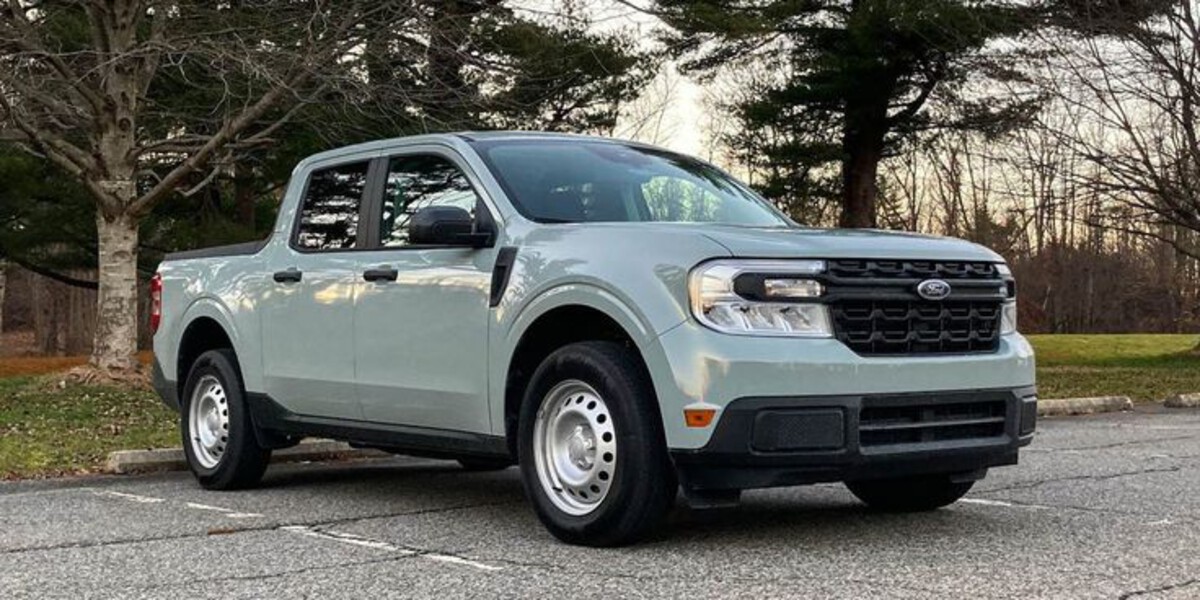
Reviewers and owners alike have reported fuel economy matching or even exceeding the EPA estimate. One real-world test logged an impressive 39.5 mpg average, proving this small truck doesn’t fake its efficiency.
The Maverick isn’t built for heavy towing or extreme off-roading, but for daily commutes, light-duty hauling, and errand runs, it’s nearly perfect.
In a world of oversized V8s and thirsty turbochargers, the Maverick Hybrid is a breath of fresh air for fuel-conscious buyers.
It’s a reminder that real-world usability doesn’t have to come at the cost of efficiency, and in this case, the EPA rating is the real deal.
2. Toyota Tacoma 2WD 4-Cylinder
The Toyota Tacoma isn’t always known for stellar fuel economy, especially in off-road trims. But the base 2WD 4-cylinder version delivers exactly what it promises.
The EPA estimates 21 mpg city and 25 mpg highway, and owners regularly report hitting those numbers in mixed-use driving.
With its simple 2.7L engine and rear-wheel-drive layout, this Tacoma isn’t built for thrills, but it is consistent. Real-world reviews show averages between 23 and 25 mpg, matching the EPA closely and showing minimal drop-off under normal driving.
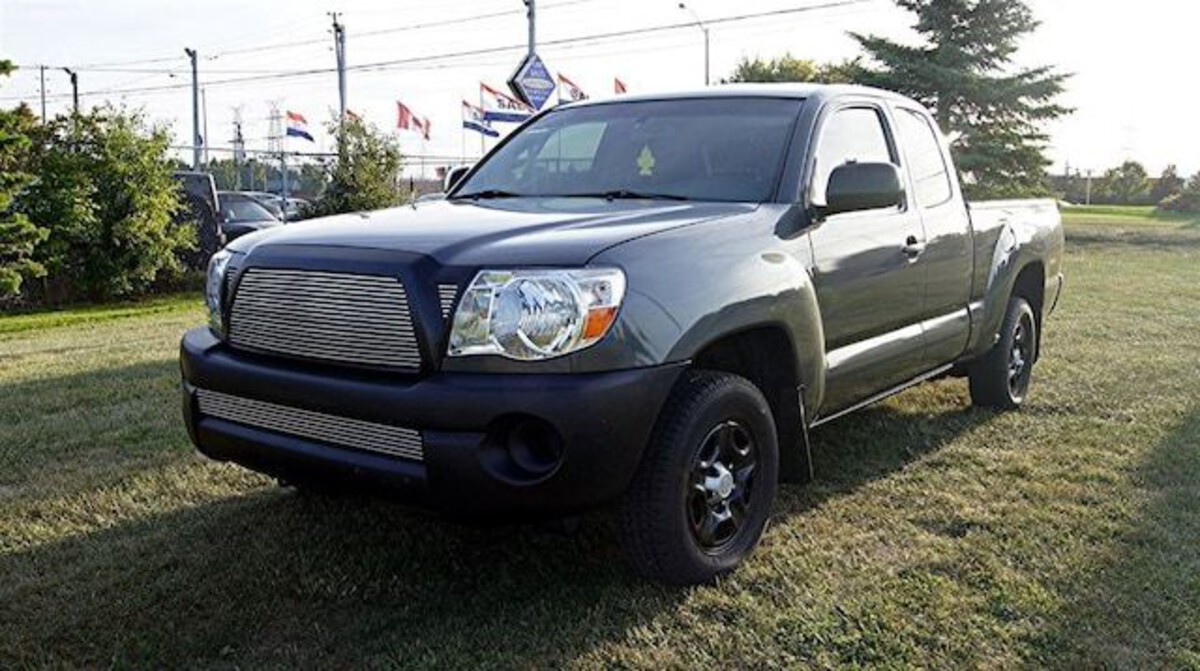
That’s largely thanks to its older, tried-and-tested platform, which avoids the complexity of turbocharging or hybridization.
Sure, it may not be the quickest or most modern truck on the market, but it doesn’t pretend to be anything else.
For drivers who value reliability and honesty in a midsize package, the base Tacoma earns its keep. It’s especially good for those who do a lot of urban commuting or light-duty use.
In a segment where advertised MPG often feels more like fiction, the Tacoma’s straightforward engineering and predictable performance help it stand out.
3. Chevrolet Silverado 1500 3.0L Duramax Diesel
The Silverado 1500 with the 3.0L Duramax diesel is a true standout when it comes to efficiency and honesty. Rated at 24 mpg city and 29 mpg highway in 2WD form, this full-size truck can match those numbers in the real world without much effort.
Testers have consistently recorded averages between 27 and 30 mpg on the highway, making it one of the most efficient full-size pickups ever made.
The smooth inline-6 diesel engine is not only fuel-sipping, but also provides a solid 460 lb-ft of torque, making it ideal for towing and highway cruising.
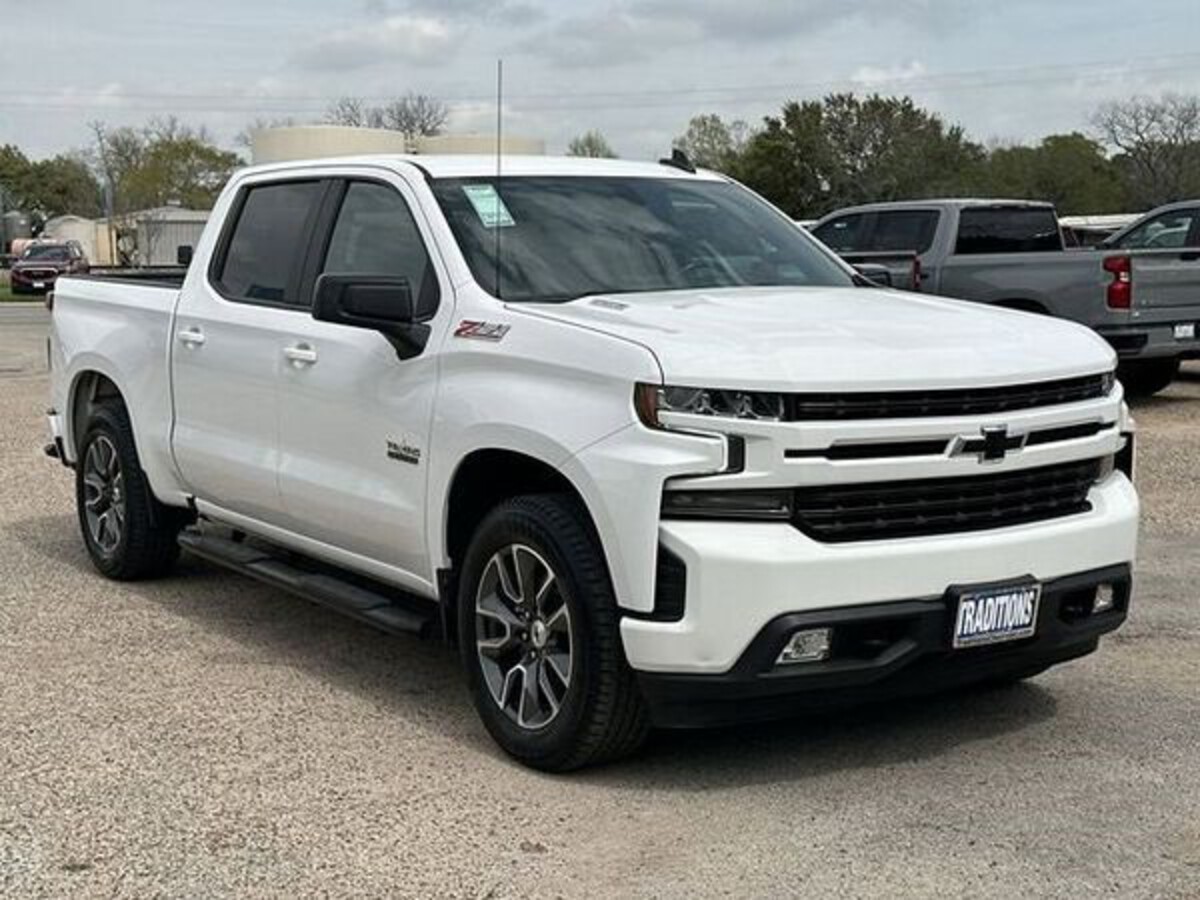
Whether it’s loaded with gear or just heading down the interstate, the Duramax proves to be as efficient as advertised.
Chevy deserves credit here—the combination of 10-speed automatic transmission, efficient gearing, and diesel torque makes this truck impressively frugal.
Unlike some turbo gas engines that boast great numbers only under ideal conditions, the Duramax delivers consistency. For long-distance drivers, fleet managers, or anyone needing a big truck that doesn’t punish at the pump, this Silverado is a winner.
4. Honda Ridgeline
Although it’s not a traditional body-on-frame pickup, the Honda Ridgeline consistently meets its EPA fuel economy ratings in real-world testing.
Rated at 18 mpg city and 24 mpg highway, the Ridgeline’s unibody construction and 3.5L V6 make it more efficient than most similarly sized rivals.
Owners and testers frequently report real-world numbers around 22–24 mpg combined, especially in highway or suburban driving.
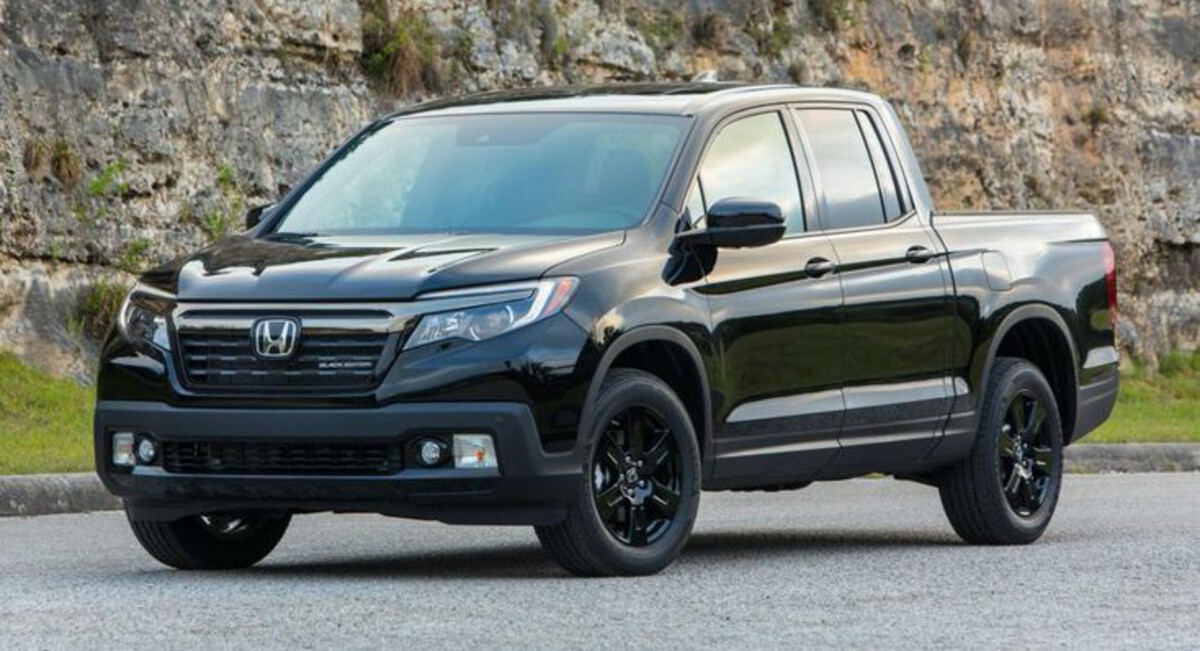
Its all-wheel-drive system and smooth 9-speed automatic help optimize power delivery without excessive fuel use.
The Ridgeline is particularly efficient during steady cruising, making it ideal for daily driving or road trips.
What makes the Ridgeline shine is its balance—it offers good space, solid power, and SUV-like comfort while still holding up its end of the bargain on fuel use.
You don’t get the rugged capability of a true workhorse truck, but for homeowners, weekend warriors, or urban truck buyers, the Ridgeline is a rare mix of refinement and consistency.
And most importantly, it delivers MPG that won’t surprise you at the pump.
5. Ram 1500 EcoDiesel
The Ram 1500 EcoDiesel is another full-size truck that impresses by sticking close to its EPA numbers. Rated at 22 mpg city and 32 mpg highway for the 2WD version, this truck’s 3.0L V6 turbo diesel engine actually delivers in the real world.
Drivers report highway mileage close to 30 mpg, with combined numbers consistently in the 24–26 mpg range. That’s impressive for a vehicle of this size and capability.
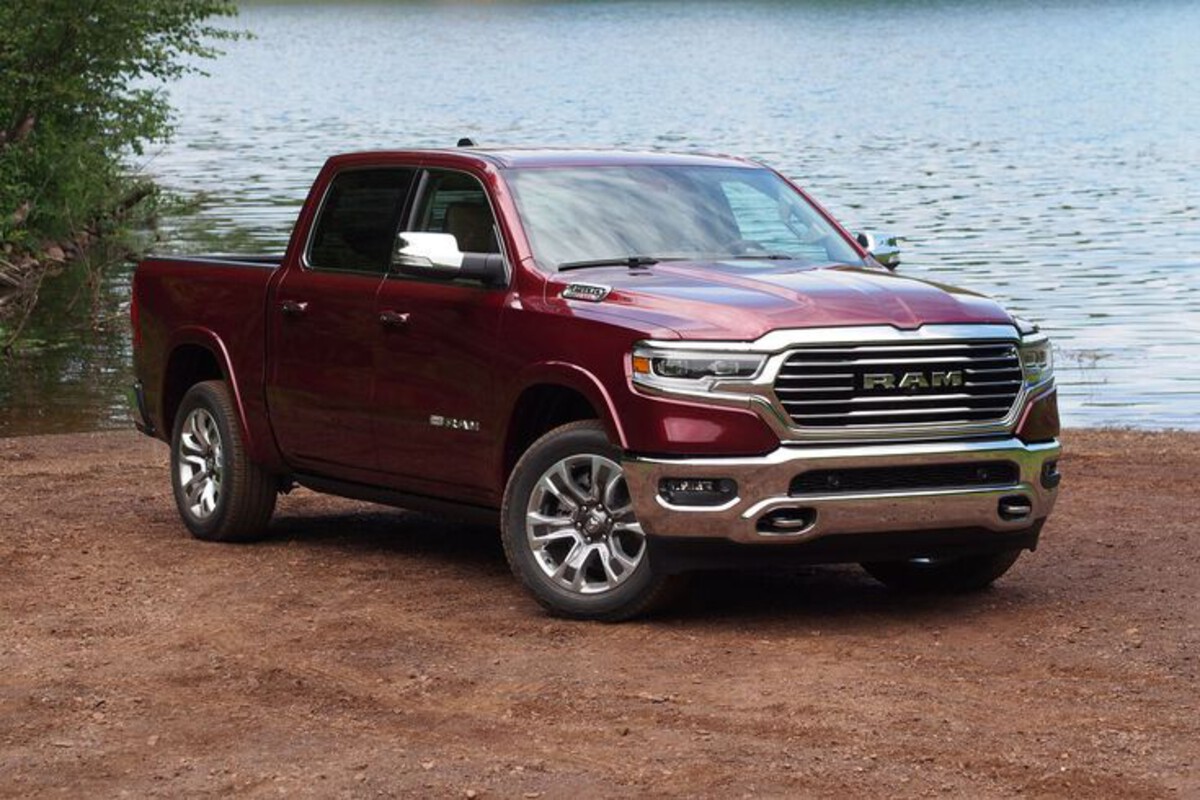
Even when towing moderate loads, the EcoDiesel still manages to stay in a respectable range, something that many gas trucks struggle to do.
The 8-speed automatic transmission works seamlessly with the diesel’s low-end torque to minimize fuel consumption. Plus, Ram’s aerodynamic design and smooth ride help keep things efficient.
While diesel fuel may cost a bit more, the EcoDiesel’s longevity and real-world economy can make up for it over time.
For those who want a full-size pickup with honest, dependable MPG, the Ram 1500 EcoDiesel is hard to beat.
5 Trucks That Fall Way Short
Not every truck lives up to the promises printed on its sales sheet. These are the pickups that frequently disappoint when it comes to real-world fuel economy, often falling several miles per gallon below EPA ratings. Whether it’s due to weight, powertrain tuning, or poor aerodynamics, these trucks leave buyers watching their gas gauge drop faster than expected.
ALSO READ: 5 SUVs With Factory Sealed Transmissions That Never Fail and 5 That Do
1. Toyota Tundra (2022+ Twin-Turbo V6)
When Toyota replaced the V8 with a twin-turbo V6 in the 2022 Tundra, it promised better performance and improved fuel economy.
On paper, the numbers looked good—up to 20 mpg city and 24 mpg highway for the 2WD variant. However, real-world tests paint a very different picture.
Many owners and testers report combined mileage closer to 16–18 mpg, with highway numbers barely touching the EPA estimates unless driving conservatively and unladen.
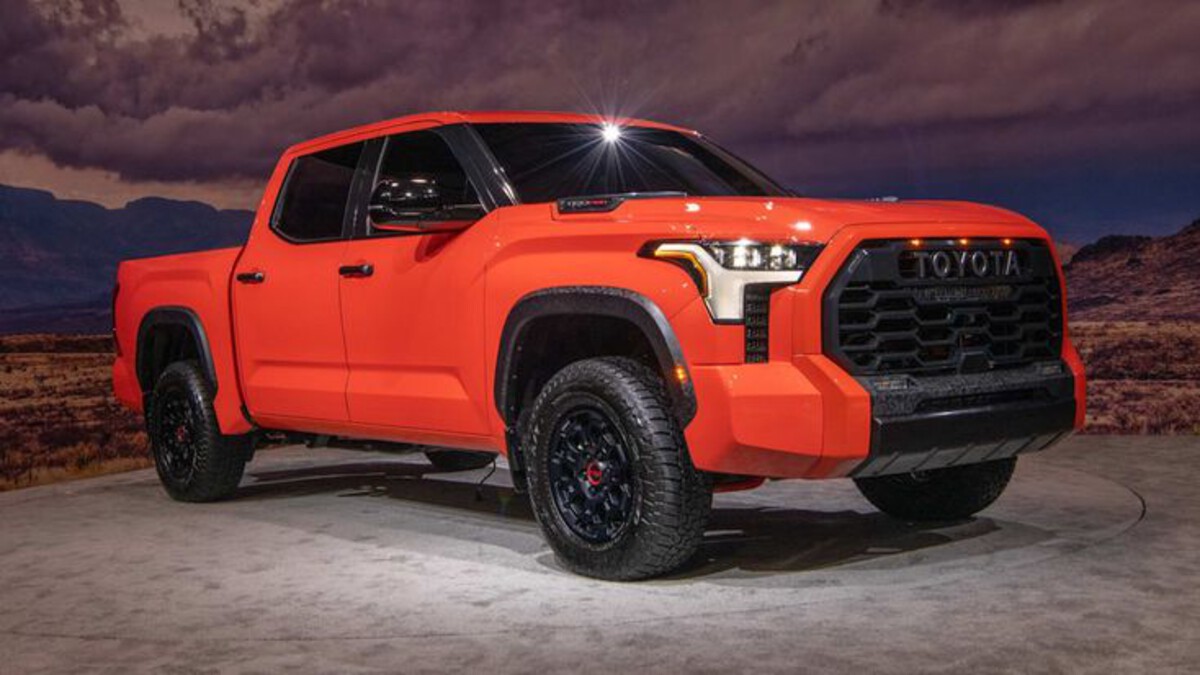
The problem isn’t the engine itself—it’s capable and powerful—but rather how the truck behaves in real-life conditions. Add passengers, cargo, or drive in hilly terrain, and the fuel economy drops dramatically.
The Tundra’s 10-speed automatic and twin-turbo setup often struggle to deliver seamless efficiency during stop-and-go traffic or frequent gear changes, which are common in daily driving. While Toyota’s reliability is still a strong point, fuel economy is not where this truck shines.
For those expecting significant fuel savings compared to the outgoing V8, the new Tundra might be a letdown unless driven under perfect conditions.
It’s a classic example of how EPA lab numbers don’t always translate to real-world results, especially when downsized engines are pushed hard.
2. Chevrolet Colorado ZR2 (Gas V6)
The Colorado ZR2 is a rugged off-roader with serious trail credentials—but don’t count on it for fuel efficiency.
Chevy claims 16 mpg city and 18 mpg highway, but real-world figures often fall closer to 14–15 mpg combined, especially with any off-road use, cargo, or highway cruising.
This midsize truck uses a naturally aspirated 3.6L V6 that’s plenty capable but not tuned for economy.
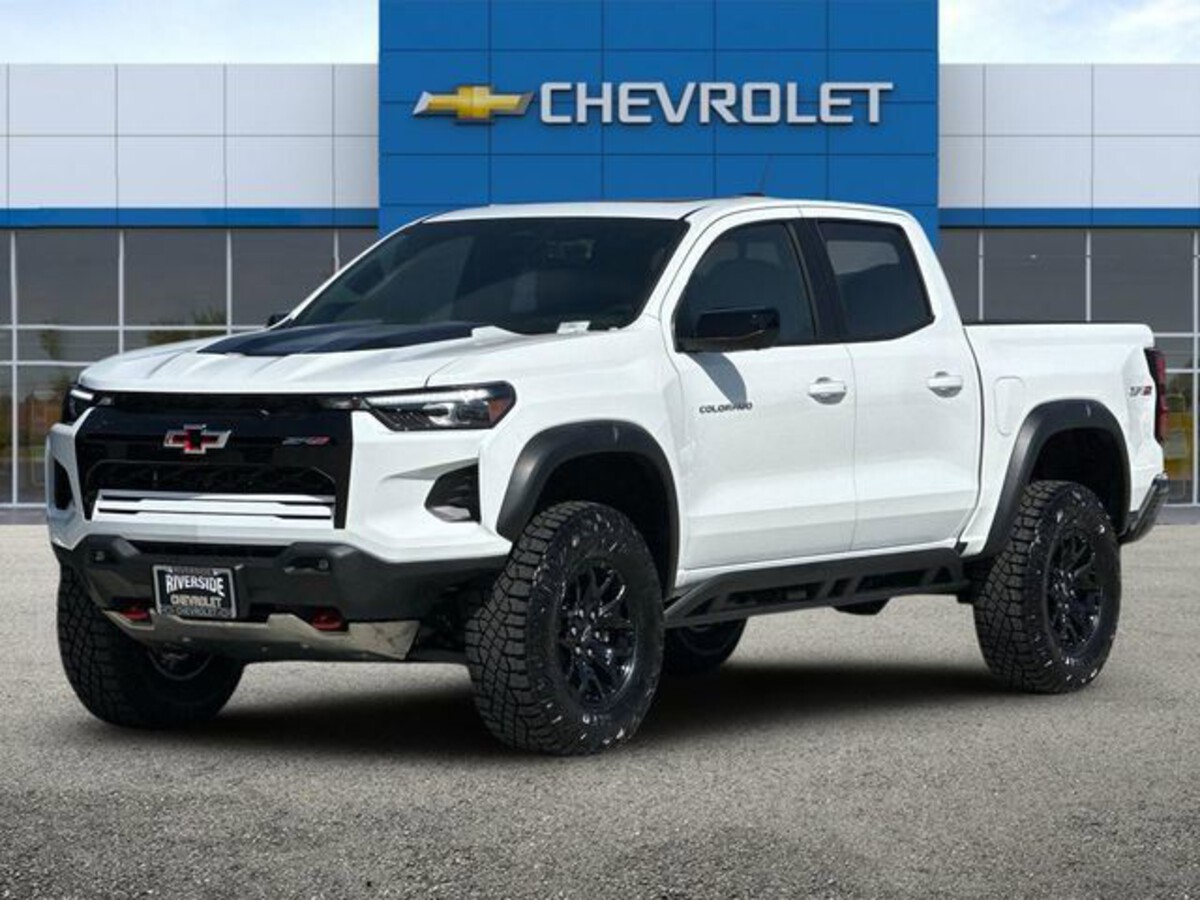
The added weight from skid plates, lifted suspension, off-road tires, and wide stance significantly hurt aerodynamics and fuel performance.
Plus, the gearing in the ZR2 is designed for crawling, not cruising—meaning highway driving isn’t as fuel-efficient as the EPA tests suggest.
Owners frequently complain that the real-world mileage doesn’t improve much even under gentle conditions. It’s not uncommon to see a full-size truck like the Silverado 1500 Diesel get better fuel economy than the Colorado ZR2.
If you’re buying this truck for its off-road chops, you’ll love its capability—but if you expect decent fuel economy based on the sticker, you’ll likely be disappointed.
The ZR2 proves that features like aggressive tires and lifted suspension come at a real-world fuel cost that’s hard to ignore.
3. Nissan Titan
The Nissan Titan hasn’t seen a major overhaul in years, and it shows, especially in the fuel economy department.
Despite an EPA estimate of 16 mpg city and 21 mpg highway, many Titan owners report struggling to get more than 15 mpg combined, even with 2WD variants.
Its 5.6L V8 engine is smooth and powerful but dated. Without modern fuel-saving technologies like cylinder deactivation or turbocharging, the Titan simply can’t keep up with rivals in real-world efficiency.
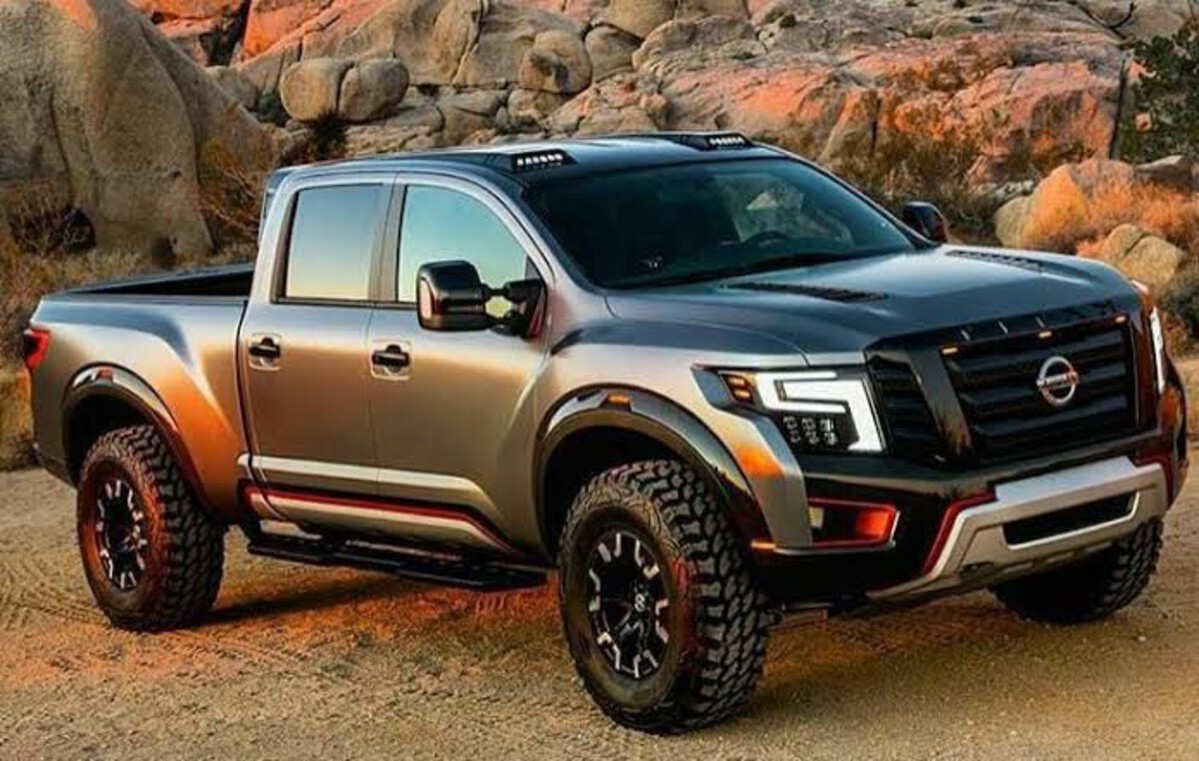
It’s also one of the heaviest trucks in the segment, which further drags down mileage. Even light driving conditions or unloaded cruising yield underwhelming MPG results.
The Titan’s 9-speed automatic transmission helps somewhat, but it’s not enough to offset the engine’s thirst.
In an era where many trucks are turning toward hybrid or diesel alternatives, the Titan feels stuck in the past. For buyers who prioritize fuel economy, this truck ranks near the bottom.
Nissan’s reliability and straightforward features are worth noting, but when it comes to real-world MPG, the Titan is a gas-guzzler that can’t keep up with its EPA promises.
4. Ford F-150 Raptor
The Ford F-150 Raptor is a beast on the dunes and trails, but it’s also a beast at the fuel pump. With a twin-turbocharged 3.5L EcoBoost V6, the Raptor is rated at 15 mpg city and 18 mpg highway.
However, real-world results consistently fall short, with many owners reporting 12–14 mpg combined in daily use.
The culprit is a combination of weight, power, and aggressive tuning. The Raptor’s massive off-road tires, lifted suspension, and heavy-duty components make it less efficient than a standard F-150.
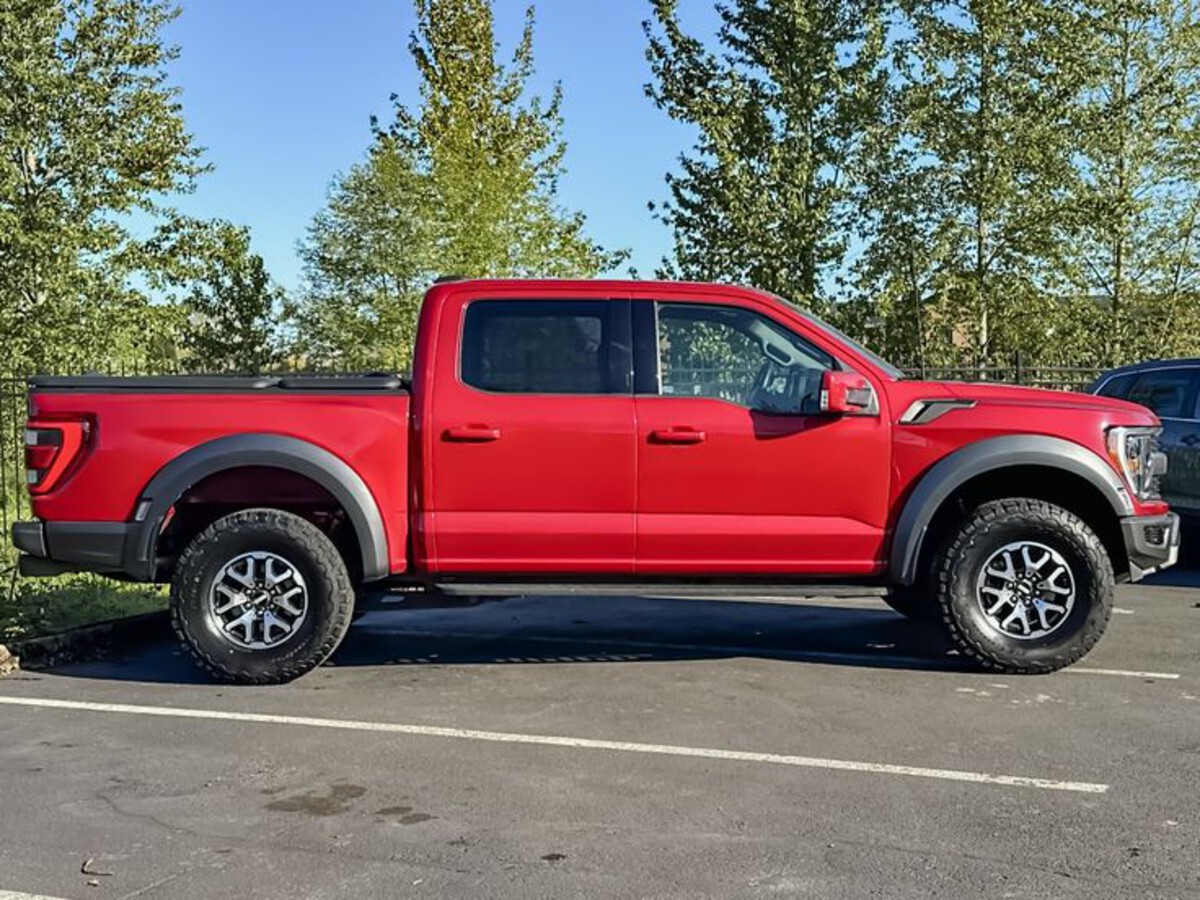
And while the EcoBoost engine may be smaller than a V8, it’s often working overtime to move this 6,000+ pound truck at speed, especially under hard acceleration or off-road conditions.
Ford markets the Raptor as a high-performance off-road machine, not a fuel-sipper, and it delivers on that promise. But if you’re looking at the EPA sticker and expecting decent gas mileage for a full-size truck, think again.
The Raptor is thrilling to drive and looks menacing, but you’ll feel the pain at the pump long before you hear the turbo spool. It’s a fun truck, no doubt, but honest MPG isn’t part of the package.
5. Jeep Gladiator Mojave
The Jeep Gladiator Mojave combines Jeep’s signature off-road prowess with truck bed utility, but all that fun comes at a serious cost to fuel economy.
The EPA rates it at 17 mpg city and 22 mpg highway, yet in the real world, many owners struggle to get even 16 mpg combined.
Equipped with a 3.6L Pentastar V6 and heavy-duty off-road upgrades, the Mojave is built for high-speed desert running, not fuel efficiency.
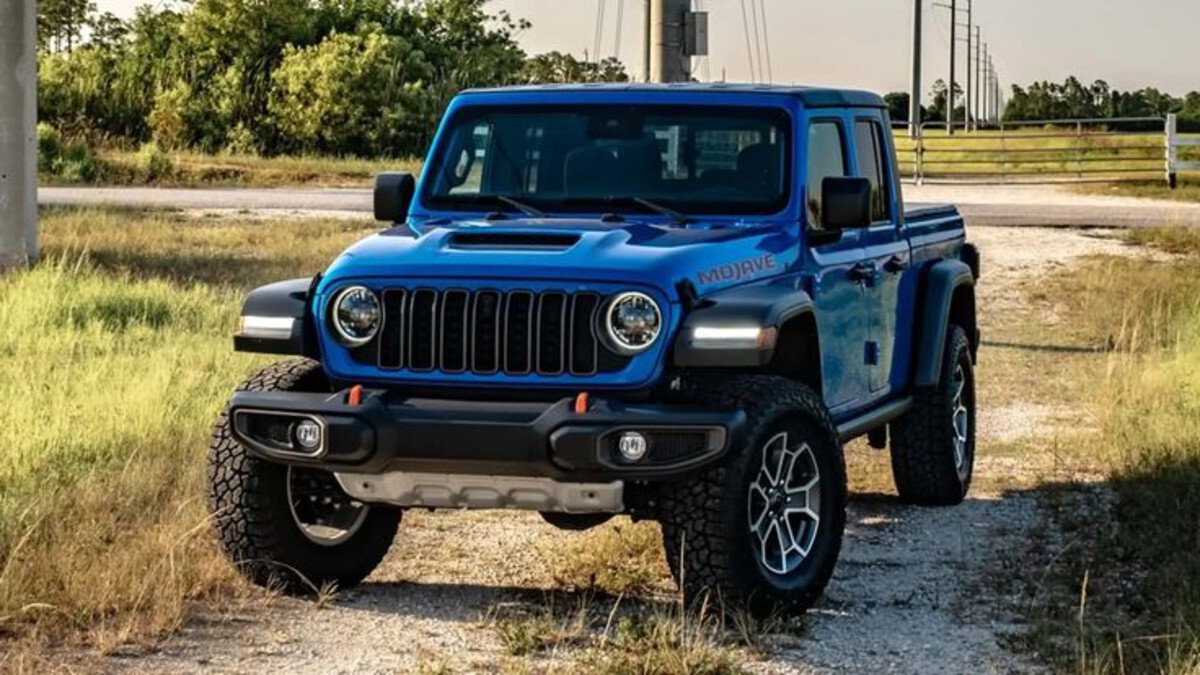
Its beefy tires, soft suspension, and boxy design create substantial aerodynamic drag. Add in the optional 4.10 axle ratio and the extra weight, and it’s no surprise that this Jeep truck underperforms in mileage.
Even with light driving, testers report falling short of the EPA numbers by 2–3 mpg. And during actual off-roading or when loaded with gear, the MPG drops even further.
While it’s a capable and unique offering in the midsize truck market, the Gladiator Mojave is not for the MPG-conscious.
Like many Jeeps, it sacrifices efficiency for style and capability, but when you’re spending that much on gas, it’s hard not to notice.
In the age of rising fuel prices and increasingly eco-conscious consumers, real-world MPG is becoming a make-or-break factor for truck buyers.
While EPA ratings offer a general guideline, they can’t capture the full scope of real-life driving: heavy loads, traffic, varied terrain, and personal driving habits all play a massive role in actual fuel economy.
As we’ve seen, some trucks—like the Ford Maverick Hybrid and Chevy Silverado Duramax—live up to the hype, delivering consistent MPG that aligns with or even exceeds EPA expectations. Others, like the Toyota Tundra and Ford Raptor, fall well short, often leaving buyers frustrated and reaching deeper into their wallets.
The difference between a truck that matches its EPA rating and one that doesn’t can amount to hundreds of gallons of fuel per year—and potentially thousands of dollars over the vehicle’s lifetime.
That’s why it’s critical to do your homework, read owner reviews, and trust real-world road tests before making a purchase.
At the end of the day, the best truck is one that not only fits your needs in terms of size and power but also gives you what it promises when it comes to fuel use. Because when the tank runs dry, the truth in MPG really matters.