
As winter rolls in and road conditions deteriorate, many drivers rely on all-wheel-drive (AWD) crossovers to provide added traction and stability. However, not all AWD systems are equal when it comes to dealing with snow, slush, and black ice.
Some crossovers are engineered with winter in mind, featuring sophisticated traction management and responsive drivetrains. Others, despite wearing the AWD badge, struggle to maintain control when the weather turns rough.
In this report, we examine ten AWD crossovers—five that shine in icy conditions, and five that disappoint. Drawing from expert reviews, real-world performance data, and driver feedback, this list highlights which vehicles can be trusted on slick roads, and which might leave you slipping behind.
AWD Crossovers That Never Slip
Whether you’re battling black ice on a morning commute or navigating through a snowy mountain pass, these crossovers rise to the challenge every single time.
So, if you’re in the market for a winter-ready ride that won’t let you down when things get slippery, these are the AWD crossovers worth your attention.
1. Subaru Outback
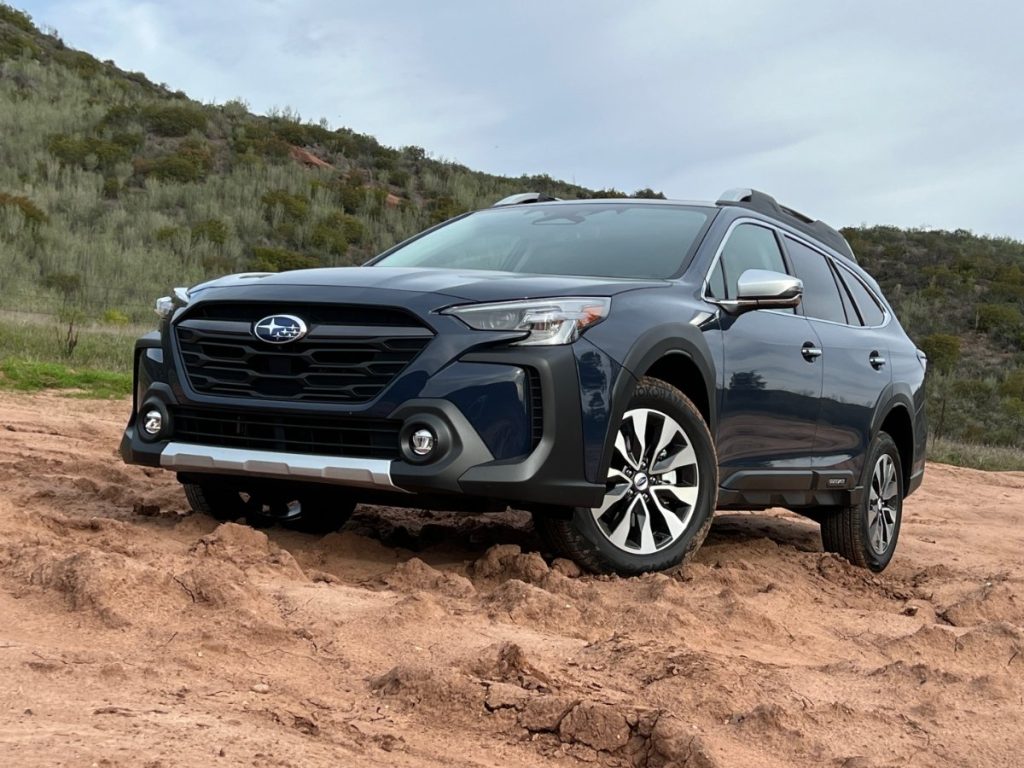
Long known for its symmetrical AWD system, the Subaru Outback continues to earn praise for its ability to tackle harsh winter conditions. The system delivers power evenly to all four wheels and adjusts automatically when slip is detected.
Combined with higher ground clearance and X-Mode for low-friction surfaces, the Outback remains one of the most reliable snow performers in the segment.
Subaru claims that “lateral sway” has been cut by 42%, which should translate to a car that feels more composed and less floaty on the road.
Even more notable, though, is Subaru’s complete reversal in interior controls — and it’s a welcome one. Physical buttons and knobs are back for key features like temperature, fan speed, and the heated and cooled seats (if equipped).
While many automakers are pushing to bury climate controls inside touchscreen menus, Subaru has gone the other way, putting ease of use first for functions that matter most to daily driving. A physical volume knob and shortcut buttons for the new infotainment system also remain in place.
That infotainment setup is a huge improvement over the old Starlink system. The previous version was sluggish, clunky, and frustrating — trying to do too much with too little hardware. “It was like the brand wanted to stuff 20 pounds worth of features into a 10-pound bag — it just did not work.”
This time around, Subaru has turned to Android Automotive, Google’s in-car software platform, backed by a new processor that dramatically boosts performance. The centerpiece is a 12.1-inch landscape-oriented display with sharp graphics and snappy response times, making it something you won’t dread interacting with every day.
Paired with this is a new 12.3-inch digital instrument cluster that offers four configurable views. One mode displays a traditional speedometer and tachometer, while a “calm” screen reduces clutter for a more minimalist layout. Other options highlight driver-assist systems or navigation maps depending on the driver’s preference.
Mechanically, things remain familiar. The standard powertrain is a naturally aspirated 2.5-liter four-cylinder engine producing 180 horsepower and 178 lb-ft of torque.
For those craving more performance, the XT and Wilderness models feature a turbocharged 2.4-liter four-cylinder that delivers 260 horsepower and 277 lb-ft of torque. Every 2026 Outback still uses a continuously variable transmission (CVT) and comes standard with Subaru’s well-known all-wheel drive system.
One thing that’s still missing: a hybrid option. While Subaru hasn’t announced a hybrid Outback yet, there’s a chance it could follow the same timeline as the new Forester. Considering the growing popularity of hybrids, it wouldn’t be surprising to see Subaru bring over the hybrid powertrain from the Forester in the near future. Until then, it’s a waiting game.
What hasn’t changed is Subaru’s emphasis on safety. All 2026 Outback models come loaded with a wide range of advanced driver assistance features.
These include front pre-collision braking, adaptive cruise control, lane centering, lane departure and sway warnings, emergency stop assist, front cross-traffic braking, acceleration override assist, a vibrating haptic steering wheel, and more.
In addition, Subaru plans to introduce Highway Hands Free Assist — allowing drivers to engage in hands-off, eyes-on driving at speeds up to 85 mph. That feature will roll out at a later date.
Also Read: Top 12 Cars That Run Like New Even After 15 Years With Minimal Maintenance
2. Toyota RAV4 Adventure/TRD Off-Road
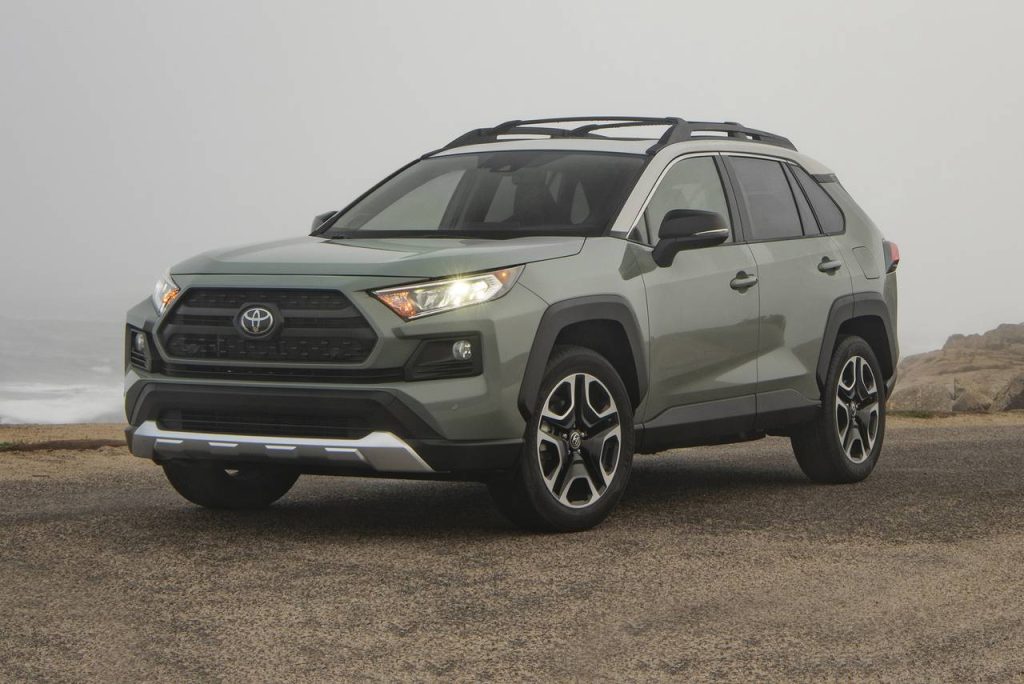
The standard RAV4 AWD system is competent, but the Adventure and TRD Off-Road trims bring in dynamic torque vectoring and terrain management modes. These models are purpose-built for unpaved and icy roads, distributing torque where it’s needed most and offering impressive grip on snow-covered surfaces.
The 2024 Toyota RAV4 enters its sixth year of production in the current generation. Since its debut in 2019, Toyota has made only incremental updates, such as introducing new tech features and additional trim levels.
Given the RAV4’s strong sales performance, it’s easy to see why Toyota has opted not to make major changes — the old saying “don’t fix what isn’t broken” seems to apply here.
This approach continues with the 2024 model, as speculation builds around a full redesign for the 2025 RAV4. Reports suggest that Toyota might eliminate the traditional gasoline engine altogether and move to an all-hybrid lineup, mirroring what’s planned for the upcoming Camry.
But for now, the 2024 RAV4 remains in the mix, going head-to-head with fresher competitors like the newly redesigned Honda CR-V and Kia Sportage.
3. Audi Q5 Quattro
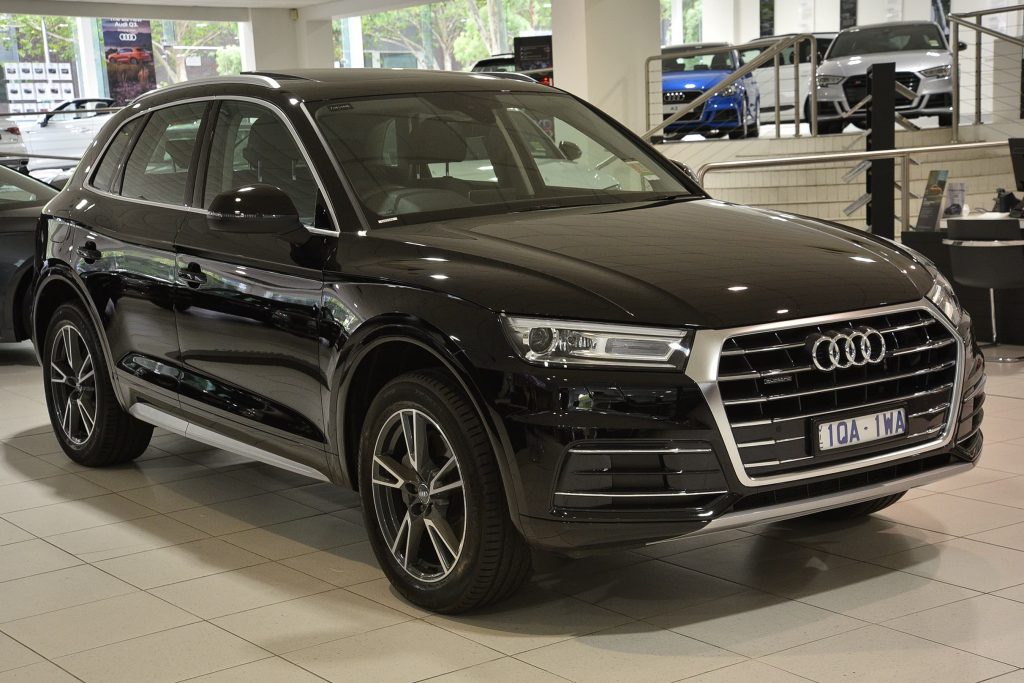
Audi’s Quattro system is among the most advanced AWD setups on the market. The Q5 blends luxury with performance, and its AWD system reacts almost instantaneously to loss of traction. The result is confident, sure-footed handling even on icy highways or steep inclines.
Every Q5 model is equipped with a turbocharged four-cylinder engine, but the newly redesigned generation offers just one configuration: a 268-horsepower turbo-four paired with all-wheel drive and a seven-speed automatic transmission.
For the previous-generation Q5, the standard powertrain found in the Q5 40 includes a 201-hp turbocharged four-cylinder, also connected to a seven-speed automatic and Audi’s Quattro all-wheel drive system.
Upgrading to the Q5 45 — which delivers 261 horsepower — comes with a $3,400 premium, and that extra cost is money well spent. While the Q5 40’s engine is serviceable, the 45’s additional 60 horsepower provides a noticeable boost, injecting much-needed energy into otherwise mundane drives.
The quickest model from the outgoing generation remains the Q5 55 plug-in hybrid, which combines the gasoline engine with electric motors for a total system output of 362 horsepower.
The previous Q5’s suspension was well-tuned, offering a smooth and composed ride across various road conditions. For drivers seeking more agility without sacrificing comfort, an optional adaptive suspension was available and mostly delivered on that balance.
During our time behind the wheel of the new-generation Q5, we found the experience to be refined and enjoyable, marked by a responsive powertrain and a ride quality that remains comfortable and composed.
4. Mazda CX-50
Mazda’s i-Activ AWD system in the CX-50 uses dozens of sensors to monitor everything from wheel slip to outside temperature. The result is seamless power distribution that preemptively reacts to changing conditions. This system, combined with winter driving modes and strong chassis tuning, makes the CX-50 remarkably stable in snow and ice.
Mazda has refreshed the CX-50 for 2025 with several thoughtful upgrades, especially to the base model. The previously standard 8.8-inch infotainment display is no longer offered; instead, all trims now come with a larger 10.3-inch screen as standard. Amazon’s Alexa voice assistant has also been added to every model in the lineup.
The brand has improved its driver-assistance technology as well, introducing a new rear-seat alert system and enhancing the pedestrian detection system’s nighttime performance.
Additionally, the wireless smartphone charging pad, which was once exclusive to the top-tier Premium Plus trim, is now standard on all versions except the base-level Select. Mazda is also introducing a new CX-50 Hybrid this year, though that model is reviewed separately.
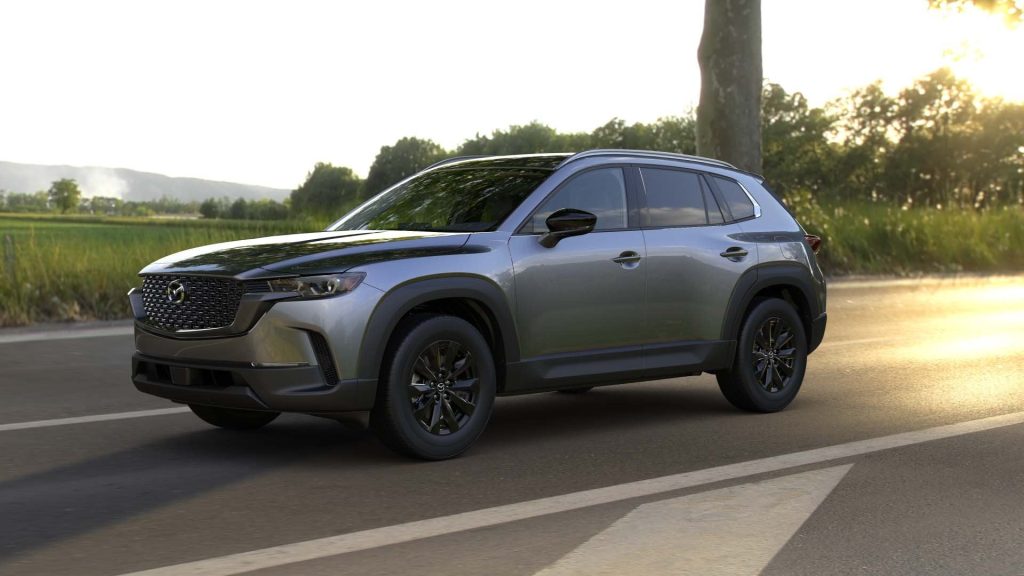
With so many trims available—ranging from practical to plush—Mazda is clearly offering a wide spectrum of choices. That said, the sweet spot in the lineup is the Turbo Meridian Edition.
This model includes the more robust 256-hp turbocharged four-cylinder engine and boosts the towing capacity to 3500 pounds. On top of that, it’s loaded with features like a panoramic sunroof and leather-trimmed, heated front seats, making it a compelling choice for buyers seeking performance without sacrificing comfort.
For those who want to compare the 2025 CX-50 to other vehicles in the segment, Mazda now offers a new comparison tool. It allows users to get a side-by-side look at up to five cars of their choice, complete with detailed specs and pricing.
As for performance, every CX-50 comes with a 2.5-liter four-cylinder engine paired with a six-speed automatic transmission and standard all-wheel drive. While the base engine delivers 187 horsepower, the turbocharged variant significantly ups the ante with 256 horsepower.
Mazda has fine-tuned the CX-50 to handle with agility, staying true to the brand’s reputation for fun-to-drive vehicles. During our testing, we found it delivered an engaging driving experience with sharp, responsive steering and a smooth, composed ride.
Mazda has also added a hybrid version of the CX-50 to the lineup, which borrows its powertrain from the Toyota RAV4 Hybrid. That model, however, is reviewed separately.
5. Volvo XC60
Volvo’s commitment to safety extends to its AWD systems. The XC60’s electronically controlled AWD balances power efficiently between the front and rear wheels. Coupled with excellent stability control and winter-focused driving modes, the XC60 proves to be both secure and comfortable in icy environments.
The Volvo XC60 sits squarely in the middle of the brand’s gas-powered SUV lineup, positioned between the smaller XC40 and the larger, three-row XC90. This five-passenger luxury SUV serves as a solid alternative to its German and Japanese rivals.
Although the XC60 hasn’t seen a full redesign in several years, it remains competitive thanks to a series of steady updates over time. One of the key highlights is the available T8 AWD plug-in hybrid model, which delivers both more power and an all-electric driving range.
While many of the XC60’s direct rivals have undergone full redesigns since the current generation launched in 2018, Volvo’s midsize SUV still deserves attention.
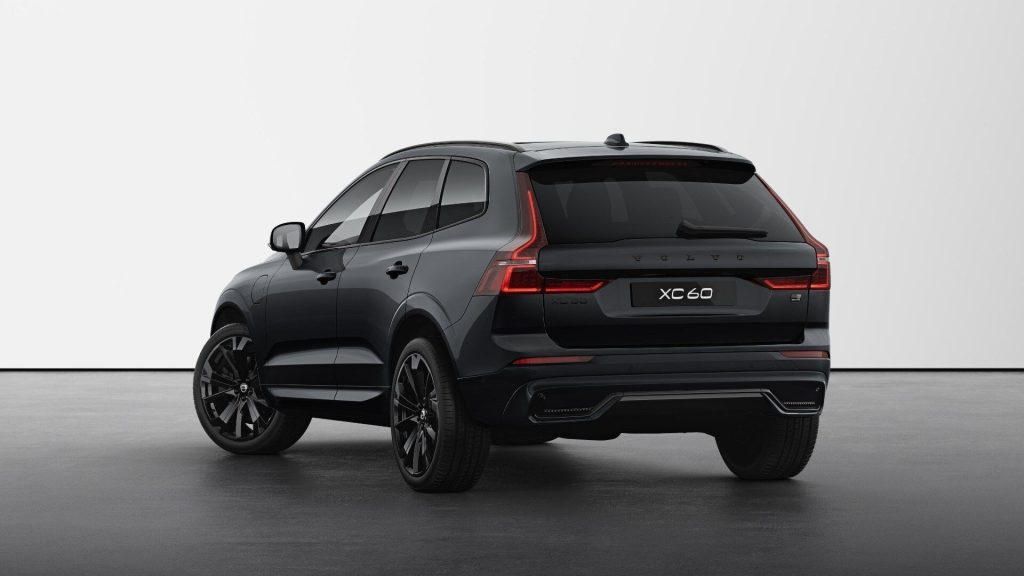
It continues to be a compelling option in the luxury SUV segment, offering a long list of standard and optional safety features, a robust Google-based infotainment system, and one of the most spacious cabins in its class for both passengers and cargo.
The XC60 feels luxurious, is built to a high standard, and offers strong comfort for everyday driving. The T8 AWD plug-in hybrid model stands out for delivering strong performance and a competitive electric driving range.
However, the XC60 isn’t without its drawbacks. The interior, though clean and premium, is beginning to show its age—especially as competitors embrace larger and more advanced digital displays.
It also lacks some of the cutting-edge tech found in the latest offerings from rival brands. And while the XC60 is refined and easy to drive, it falls short when it comes to delivering a truly engaging driving experience.
AWD Crossovers That Can’t Handle Ice
Whether it’s poorly tuned AWD software, a lack of proper weight distribution, or just underwhelming cold-weather performance, these vehicles fall short when you need them most.
If you’re shopping for a dependable winter warrior, knowing which models to avoid is just as important as knowing which to trust. Here are the AWD crossovers that promise traction but falter when it’s time to deliver.
1. Jeep Compass AWD
Despite Jeep’s reputation for off-road dominance, the Compass’ AWD system lacks refinement in slick conditions. It can be slow to respond to slippage and lacks the advanced snow-specific features found in competitors. On icy roads, the Compass can feel unsettled, especially when compared to more composed rivals.
With the Renegade and Cherokee discontinued in 2023, the Compass now holds the position as Jeep’s smallest and most affordable SUV. Despite its entry-level status in the Jeep lineup, it remains one of the most expensive vehicles in its class, even though it’s also among the oldest.
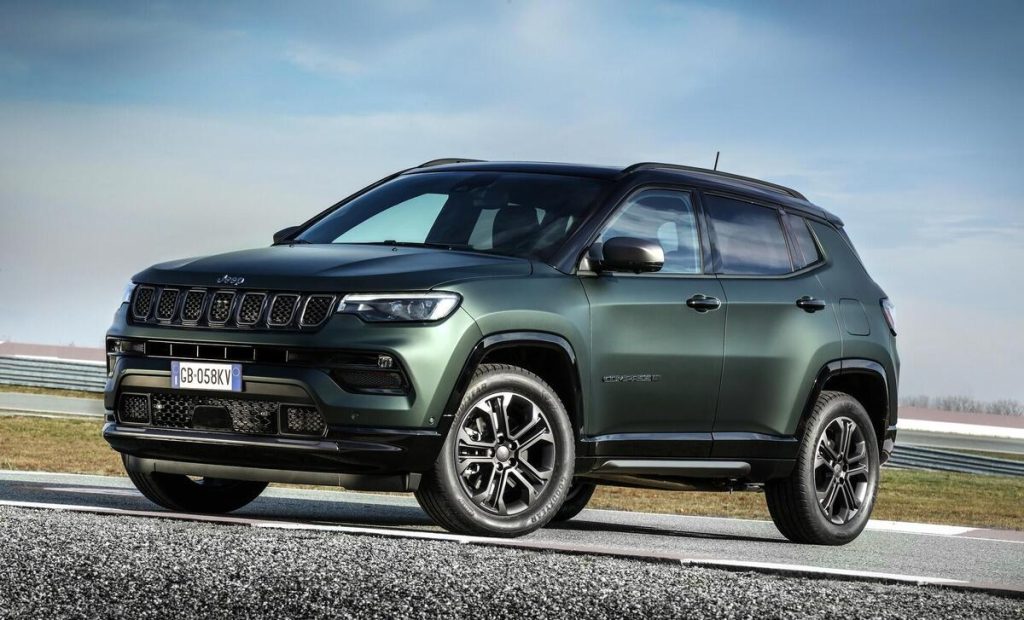
The Compass does come with some appealing qualities, such as a strong engine, standard all-wheel drive, and a spacious interior. However, when stacked up against newer and more modern competitors, it struggles to keep pace.
For those planning to take their SUV off the beaten path, the Trailhawk version is a solid pick, offering real off-road capability. Jeep has made a few changes for the 2025 model year, dropping the Latitude Lux trim and enhancing the standard Latitude trim with heated seats, a heated steering wheel, and remote engine start.
2. Nissan Rogue
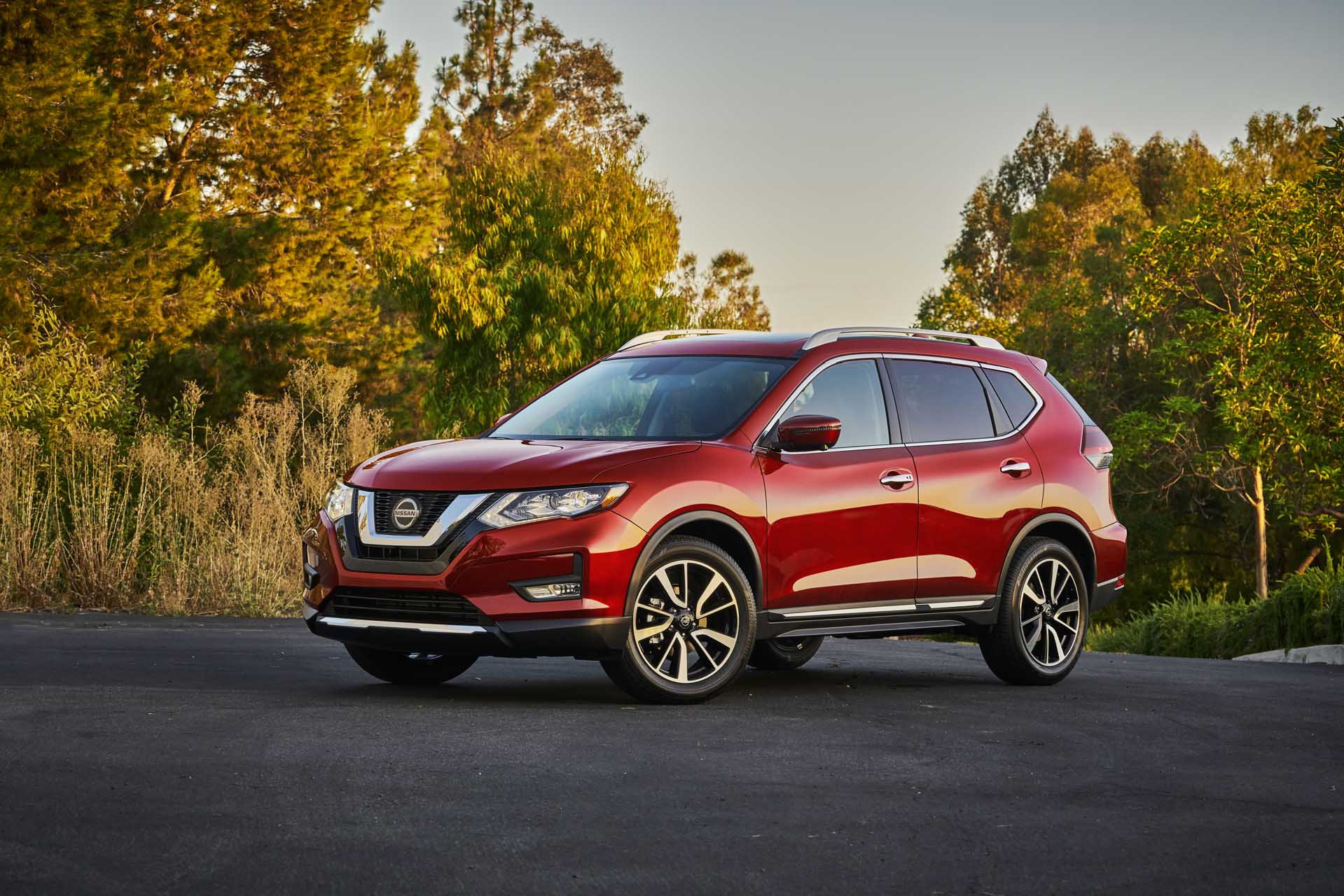
While the Rogue offers an AWD system, it struggles with real-world snow and ice performance. Reviews frequently cite vague steering feel and unpredictable traction response in low-friction environments. The lack of dedicated snow driving modes makes it less confidence-inspiring in wintry conditions.
The Nissan Rogue stands as not only the brand’s most popular model, but also one of the hottest-selling crossovers in the compact SUV segment. It’s easy to see why the Rogue is moving quickly off dealership lots. Redesigned just two years ago, the current version is a major step up from its rather bland predecessor.
Its exterior now features far more stylish sheetmetal, and the interior brings an appealing blend of design and technology. Highlights inside include a fully digital instrument cluster, wireless Apple CarPlay, and Nissan’s ProPilot Assist suite of advanced driver aids, all of which add to the Rogue’s appeal.
When it comes to availability, there are 41,141 listings for the Rogue for sale nationwide, offering buyers plenty of options to choose from. One such listing is a 2023 Nissan Rogue SL 4dr SUV priced at $26,397 — a great price — with 14,590 miles, no accidents, and a 1-owner corporate fleet history.
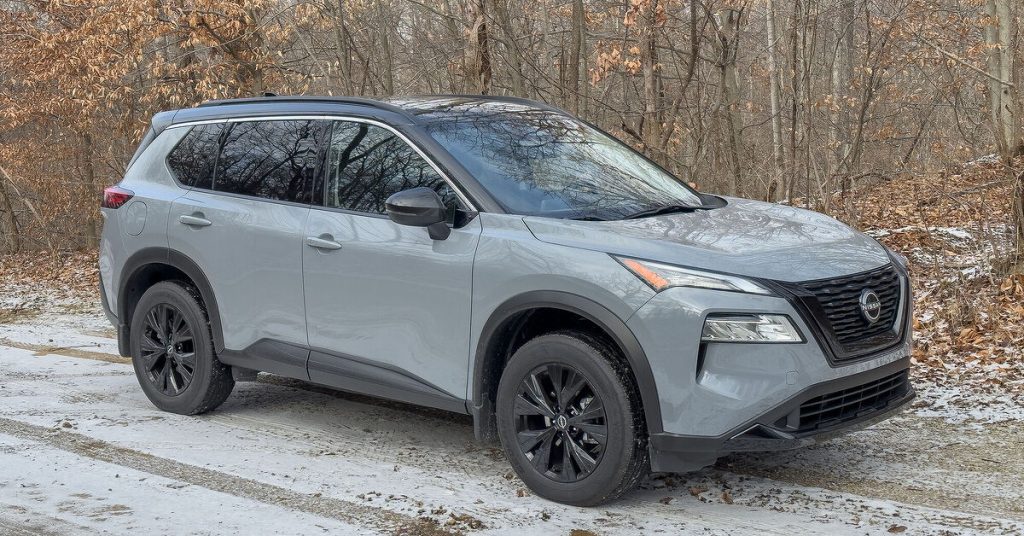
It features five seats, an EPA rating of 29 city / 36 highway MPG, and is available at EchoPark Automotive Dallas (Grand Prairie), located 925 miles away. The vehicle also includes Bluetooth, leather seats, sunroof/moonroof, keyless entry/start, and upgraded headlights, offered by a Five Star Dealer.
The 2023 Rogue carries over most of the changes from the previous year, when Nissan replaced the 2021 model’s naturally aspirated four-cylinder engine with a more efficient and punchy turbocharged inline-three. For this model year, updates are minimal.
A Midnight Edition package has been introduced for the Rogue SV, which adds black-painted wheels and blacked-out exterior trim. Meanwhile, the SL and Platinum trims now include Amazon Alexa compatibility. Outside of these additions, the Rogue remains unchanged for 2023.
The compact SUV category is one of the most saturated and fiercely competitive segments in the market, with rivals from virtually every mainstream automaker.
3. Honda HR-V AWD
The HR-V’s AWD system is basic at best. It only sends power to the rear wheels when slippage is detected, which often leads to delayed traction recovery. Owners in colder climates report issues with wheel spin and uneven grip when navigating snow-packed streets or icy driveways.
The 2025 Honda HR-V delivers much of the practicality and satisfaction that buyers have come to expect from the brand’s larger CR-V, only in a smaller, more compact subcompact-class form. Inside, the HR-V offers an impressively roomy cabin with a clean, pleasant design.
There are plenty of smartly placed storage cubbies, and the SUV includes all the connectivity and driver-assistance features expected in a modern vehicle. However, its biggest shortcomings lie in the powertrain.
The HR-V is powered by a 2.0-liter four-cylinder engine paired with a continuously variable automatic transmission (CVT), a setup that makes it one of the slowest vehicles in its class. While the engine delivers reliability, it lacks the responsiveness and performance that driving enthusiasts will miss.
A hybrid version with more spirited performance is currently offered in markets outside the U.S., and we’re hoping Honda eventually brings that variant to the American lineup.
Until then, the existing powertrain is the only option, and it dampens the HR-V’s appeal for those who appreciate engaging driving dynamics. For shoppers prioritizing fun behind the wheel, alternatives like the Mazda CX-30 and Hyundai Kona are more satisfying choices.

The price of the 2025 Honda HR-V starts at $26,795 and goes up to $30,895, depending on the trim and options. The base LX trim starts at $26,795, while the recommended Sport trim is priced at $28,895.
At the top of the lineup is the EX-L, which comes in at $30,895. The Sport trim level offers the best value, adding more standard features than the LX without breaking the $30,000 mark. It also sports 18-inch black wheels, giving it a sportier look. Regardless of trim, all-wheel drive costs an additional $1500.
While global markets have access to a hybrid version of the HR-V, the U.S. continues to receive only a single powertrain: a gasoline-powered 2.0-liter four-cylinder engine producing 158 horsepower. If that engine sounds familiar, it’s because it also powers the base versions of the Honda Civic sedan and hatchback.
However, in the heavier HR-V, the engine feels especially sluggish. Since the HR-V shares its platform with the Civic, there’s hope that Honda might eventually introduce a more powerful option—perhaps a 180-hp 1.5-liter turbocharged engine or a hybrid setup. For now, front-wheel drive and a CVT come standard, with all-wheel drive available as an option across all trims.
In performance testing, the HR-V completed a 0–60 mph run in a sluggish 9.4 seconds. That’s more than a full second slower than the non-turbo Mazda CX-30, which is already known for its more dynamic feel. The HR-V’s lack of quickness is especially noticeable during highway merges or when attempting to pass on a two-lane road.
4. Ford EcoSport AWD
The EcoSport suffers from outdated drivetrain technology and a sluggish AWD system that’s not tuned for ice or snow. It lacks advanced stability features, and its compact size doesn’t help when dealing with slippery surfaces. Reviewers have noted that it underperforms in snow compared to others in the segment.
With a name like EcoSport, you might assume Ford’s newest crossover offers a high-octane driving experience with an eye toward efficiency. In reality, it doesn’t deliver on either front.
Fuel economy is just so-so, and acceleration doesn’t reach the modest bar set by the rest of the class. But a large, flexible cargo area and an intuitive technology interface make the 2019 Ford EcoSport a viable choice for shoppers.
Even though the Ford EcoSport’s been on sale in other countries for the better part of a decade, its interior feels remarkably new. The cabin design is similar to what you’ll find in other small Fords, and the materials quality is appropriate for the price.
Four adults should fit without issue — provided they aren’t exceptionally tall — and the cargo area is one of the largest in the class. We also like the Sync 3 infotainment system. With an intuitive interface and quick reactions to user inputs, we think it’s one of the best systems out there.
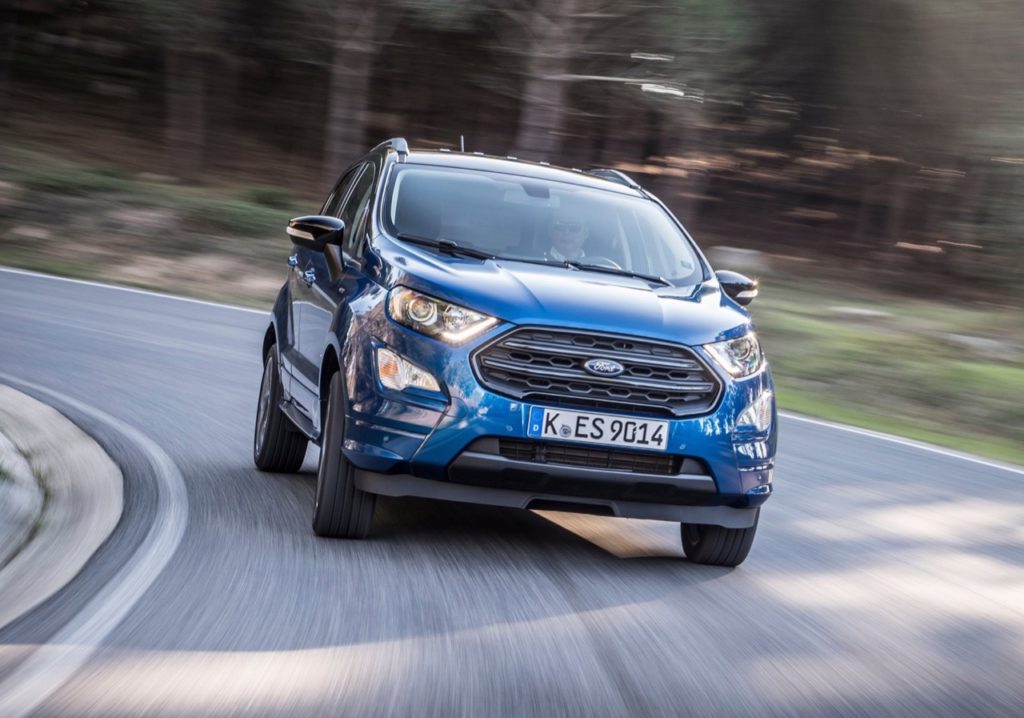
That isn’t to say the EcoSport is without faults. Aside from the slow acceleration and middling fuel economy, the ride is rougher compared to rivals, the throttle is jumpy, and thick pillars impact outward visibility. And while the touchscreen interface is better than most, the lack of advanced driving aids might deter some tech-savvy shoppers.
In a broader sense, the EcoSport doesn’t offer anything unique. Buyers looking for a fun-to-drive crossover might consider the Mazda CX-3 or the Toyota C-HR. The Honda HR-V has more passenger and cargo space, while the Subaru Crosstrek and the Jeep Renegade both offer rugged off-road ability.
5. Chevrolet Trax AWD
Despite being marketed with AWD capability, the Trax is hampered by a basic system that does little to inspire confidence on slick roads. It lacks snow-driving features and doesn’t distribute power as effectively as its rivals. Drivers often report inconsistent traction and lackluster performance in winter conditions.
When choosing an AWD crossover for winter driving, it’s important to look beyond the badge. Not all systems are created equal, and some vehicles offer advanced technology that provides true winter capability, while others simply tick a marketing box.
The 2018 Chevrolet Trax receives only minor equipment updates across its trim levels. All versions now come equipped with the latest iteration of Chevy’s MyLink infotainment system.
The Chevrolet Trax originally made its U.S. debut for the 2015 model year. At the time, we observed that it was “an affordable suburban runabout that’s easy to drive, easy to park and has up-to-date technology features” but added that “it’s not quick, though, and its interior materials are far from best in class.”
Three years later, the 2018 Chevrolet Trax continues to offer that same easy-to-drive character, but Chevrolet has only partially addressed the earlier criticisms.
Last year, Chevrolet refreshed the Trax’s styling both inside and out and added more modern technology features. However, the mechanical underpinnings of the vehicle remained unchanged.
As a result, despite those enhancements, the 2018 Trax still lags behind its competition when it comes to ride quality, overall performance, and fuel economy—especially since many of its main rivals have either been completely redesigned or newly introduced in recent years.
That said, the Trax remains competitively priced and includes desirable features like Chevy’s MyLink infotainment system as standard. The interior is smartly arranged to make good use of its compact dimensions, and the seating is comfortable.
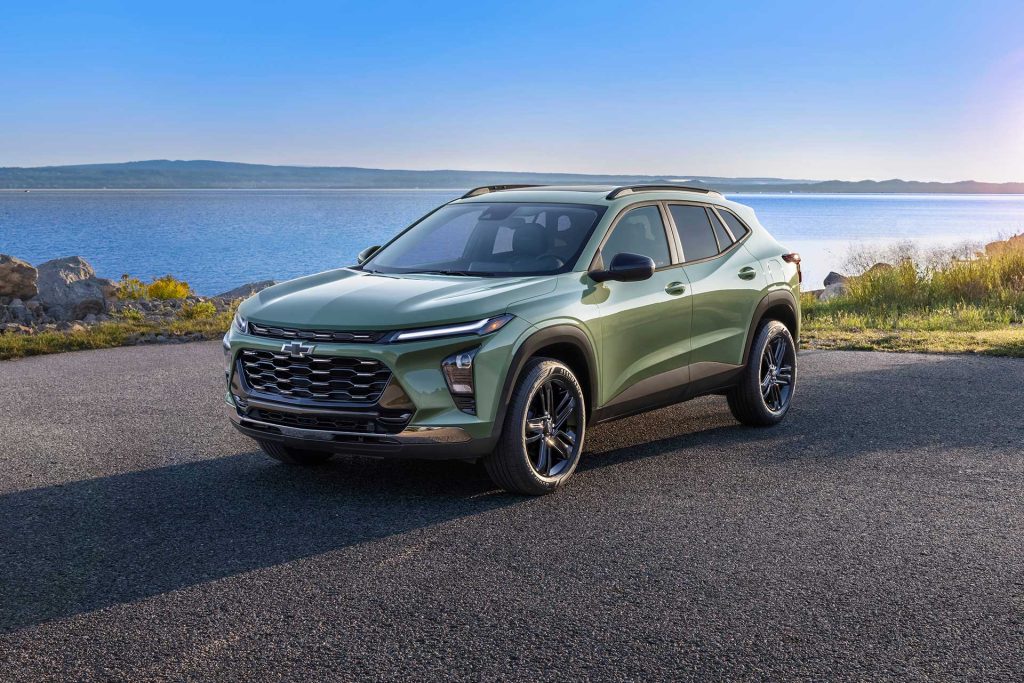
Visibility from the driver’s seat is also a strong point. While the Trax does have its appealing aspects, its shortcomings prevent us from giving it a full recommendation.
There are newer competitors in this segment that are worth considering. The Mazda CX-3 stands out with its sporty and engaging driving dynamics. The Honda HR-V offers an impressively roomy and flexible cabin. Meanwhile, shoppers looking for a more rugged crossover might prefer the Jeep Renegade or the Subaru Crosstrek, the latter of which also boasts an excellent suite of driver aids and active safety features.
The 2018 Chevrolet Trax is a pint-size crossover SUV that’s affordable, easy to drive and offers up-to-date technology. Unfortunately, the ride quality is unrefined, and both performance and fuel efficiency are disappointing. Other rival crossovers are more enjoyable to drive.
In terms of driving performance, the Trax delivers average braking for its class and has precise—though numb—steering. However, overall performance and handling trail behind other vehicles in the segment. Its small engine struggles during acceleration, and the tires complain even in moderately aggressive turns.
The most notable comfort-related highlight of the Trax is its supportive seating. Outside of that, the ride quality is noticeably choppy, and road noise is more prominent than in some rivals. Other options in the class provide a more composed ride and a more enjoyable driving experience.
Inside, the Trax benefits from a well-thought-out cabin design that efficiently uses the vehicle’s compact—but class-competitive—interior space. The driver enjoys good outward visibility, the controls are simple and intuitive, and ingress and egress are easy.
When it comes to utility, cargo capacity is a bit lower than what some competitors offer. However, folding the rear seats is a simple process, and the front passenger seat can also fold flat to accommodate longer items. The maximum cargo space measures 48.4 cubic feet.
On the tech front, Chevy’s MyLink infotainment system is user-friendly and, when paired with OnStar, delivers a robust suite of features. Standard technology includes Android Auto, Apple CarPlay, and Wi-Fi hotspot capability. While only the Premier trim comes with the full package of active safety technologies, some features are available on the mid-tier LT.
Edmunds recommends the LT trim as the best value in the Trax lineup. This version includes useful extras such as LED daytime running lights, cruise control, and roof rails. For added value, shoppers should consider the Driver Confidence package—which requires the LT Convenience package—as it provides additional safety tech and interior upgrades for a reasonable price.
Front-wheel drive is likely sufficient for most buyers; choosing all-wheel drive adds weight, which only further dampens the Trax’s already slow acceleration, and is best reserved for those who regularly drive in wet or snowy climates.
Crossovers like the Subaru Outback and Audi Q5 demonstrate what well-engineered AWD can accomplish when paired with thoughtful design and safety features. On the other hand, models such as the Jeep Compass and Chevrolet Trax show that without the right tech and tuning, AWD is no guarantee of winter performance.
If you’re shopping with snow, slush, and ice in mind, make sure to dig deeper into each vehicle’s AWD credentials—because in winter driving, confidence is everything.
