
Let’s be real — in 2025, a car’s infotainment system can make or break the driving experience. Whether you’re syncing your phone, navigating through traffic, or just trying to change the damn song without crashing into a curb, that touchscreen is your co-pilot.
And while some automakers have finally figured out how to deliver systems that just work — smooth, intuitive, fast — others are still out here serving laggy menus, random crashes, and Bluetooth connections that disappear like ghosts.
It’s frustrating, especially when you’ve spent serious money on a car only to wrestle with its tech every time you start the engine. So, to help you steer clear of the digital lemons and find the gems, we’ve rounded up 5 cars with infotainment systems you can count on — the kind that boot up fast, pair instantly, and don’t require a manual thicker than your glove box.
Cars With Reliable Infotainment Systems
And then, of course, we’re calling out 5 that glitch nonstop, because no one deserves to suffer through another frozen screen mid-drive. If tech matters to you — and let’s be honest, it should — then this list is your road map to a smarter, smoother ride.
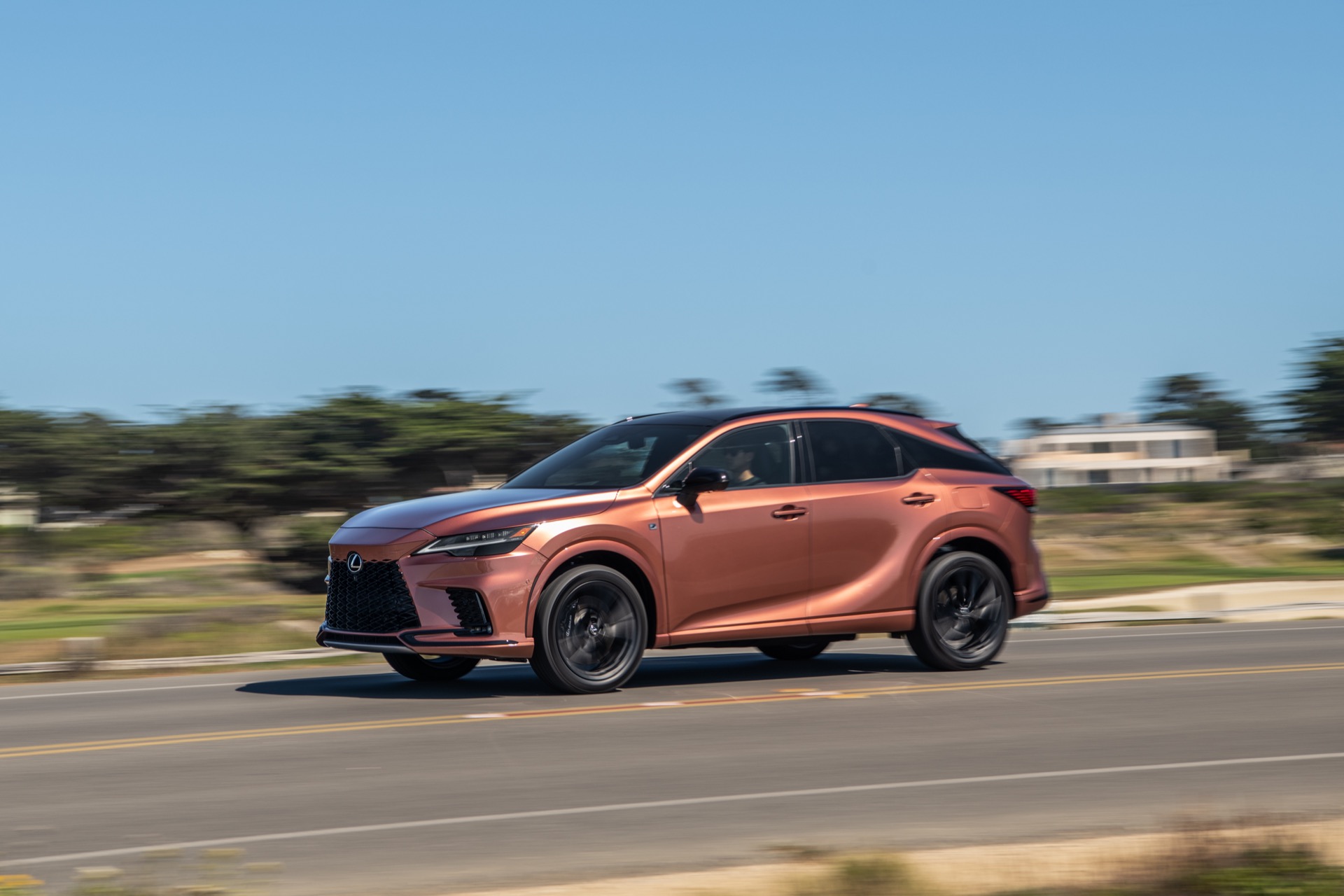
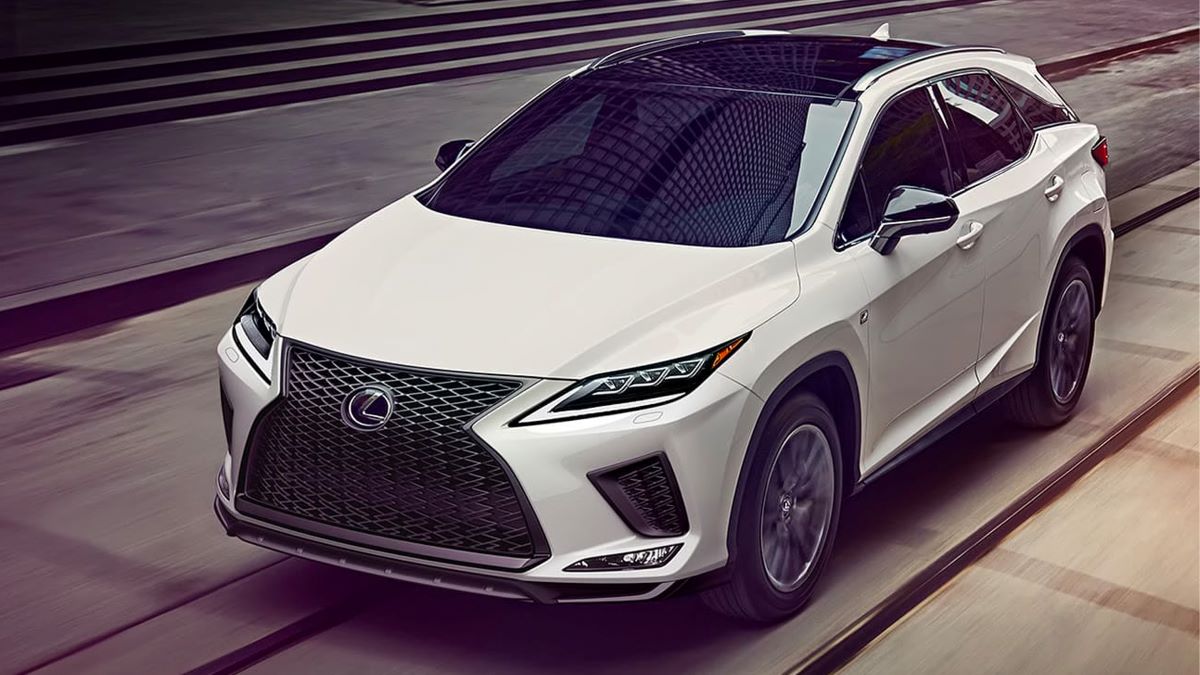
1. Lexus RX (2023–Present) – Lexus Interface
Lexus was once behind the curve, but the all-new Lexus Interface introduced in the latest RX has changed that reputation. It features a fast, intuitive touch interface with crystal-clear graphics and a responsive voice assistant.
The midsize luxury SUV market is a competitive one, yet the Lexus RX manages to distinguish itself, particularly after its most recent redesign for the 2023 model year. The exterior styling now showcases a more refined take on Lexus’ signature spindle grille, while the updated cabin boasts expansive, high-resolution displays that elevate the overall tech-forward feel.
One of the RX’s standout qualities is the variety of powertrain options it offers. From the base RX350, which comes with a turbocharged four-cylinder engine, to the more advanced plug-in hybrid RX450h+, Lexus provides buyers with meaningful choices.
That said, the base engine and its automatic transmission are underwhelming when it comes to performance and overall smoothness — a fact we pointed out in our First Test of the F Sport variant.
Among the lineup, we find the hybrid models to be the most compelling, offering both refined power delivery and brisk acceleration. The 350h variant we evaluated delivered a serene, polished drive, although the steering feel left something to be desired.
For 2024, Lexus introduced the RX450h+, which provides up to 37 miles of electric-only range. Though it carries a premium price, this version’s composed handling and comfort make it an attractive, well-balanced option.
Positioned as the performance-focused member of the RX family, the RX500h aims to deliver a sportier driving experience. In a head-to-head comparison with the Mercedes-Benz GLE450e 4Matic, the RX500h took the win, thanks to its agile dynamics, well-tuned suspension, and robust tech features.
It also came out ahead in a direct competition with another long-standing rival, the Acura RDX Type S. That said, we can’t help but wish its power output lived up to its aggressive styling. Lexus does up the drama with a sharp-looking Black Line appearance package, which includes eye-catching orange brake calipers.
In the luxury space, having options is essential — and in this regard, the RX delivers. While it may not offer the most generous interior space or the most exhilarating drive in its class, it still stands out for its variety and versatility. If you’re exploring midsize luxury SUVs, chances are one of the RX’s many configurations will align with your preferences.
For the 2025 model year, Lexus continues to offer the RX with four distinct powertrains. The gas-only RX350 comes standard with front-wheel drive, although all-wheel drive is available as an upgrade. All other RX variants come equipped with AWD as standard.
- Pros: Clean layout, Google Maps integration, minimal lag
- Standout Feature: “Hey Lexus” voice command rivaling Mercedes MBUX
- Reliability Verdict: Consistently praised in owner surveys for stability and ease of use
Also Read: 5 Sedans With Best Bluetooth-Pairing Success and 5 That Drop Connections
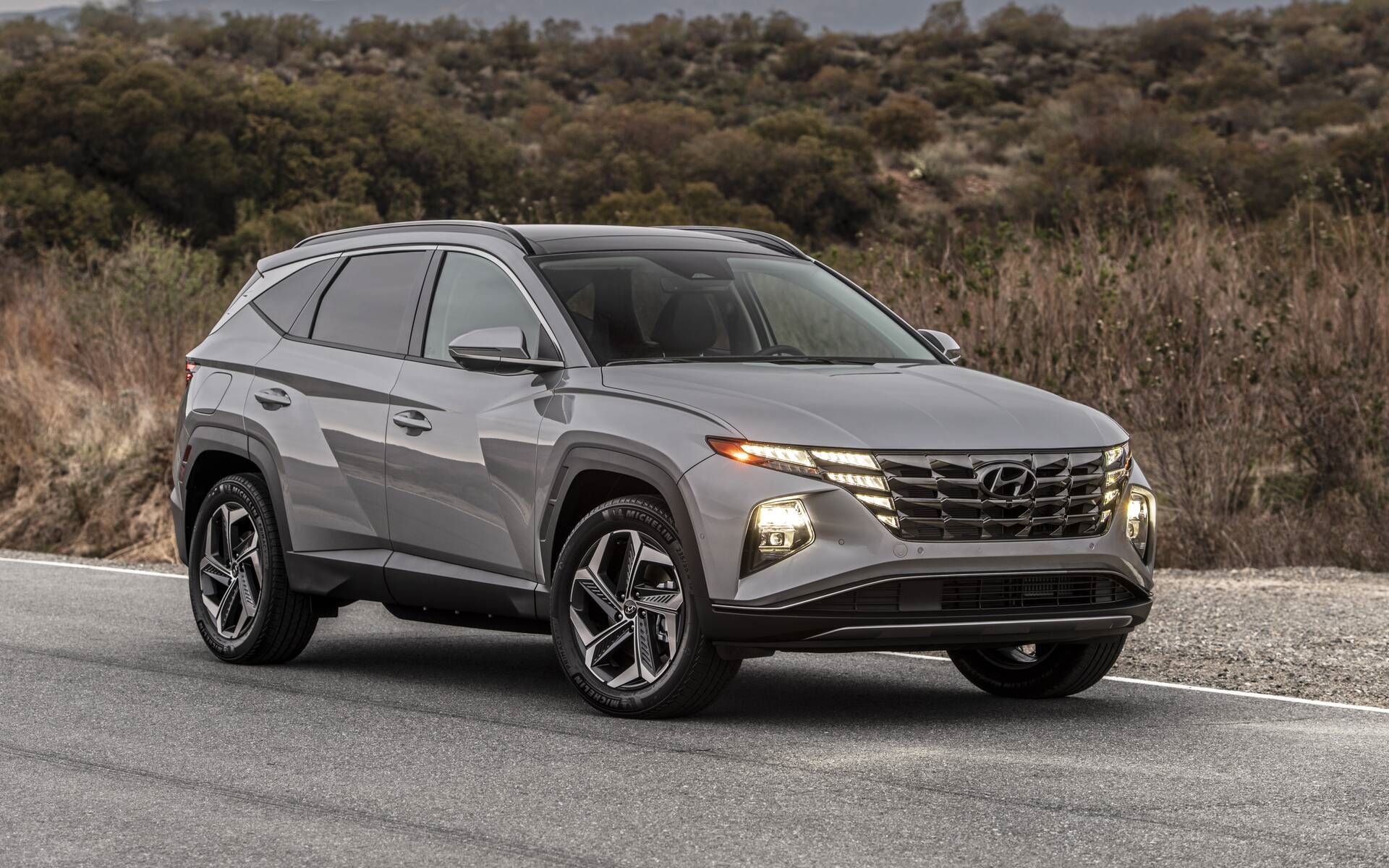
2. Hyundai Tucson (2022–Present) – 10.25-inch Touchscreen
Hyundai has rapidly matured its infotainment systems. The Tucson’s interface offers snappy performance, frequent over-the-air updates, and rare software crashes.
The 2022 Hyundai Tucson arrives with a bold and eye-catching new design that seems built to stir things up in the compact SUV market. The base version of the Tucson is powered by a more traditional 2.5-liter four-cylinder gasoline engine, the same one used in the Hyundai Sonata.
However, Hyundai also offers hybrid and plug-in hybrid versions, both of which feature a turbocharged 1.6-liter four-cylinder engine paired with an electric motor. These electrified variants are reviewed separately.
Regardless of powertrain, the Tucson comes well-equipped and ranks as one of the most visually distinctive options in its segment. Competing against strong nameplates like the Honda CR-V, Mazda CX-5, Toyota RAV4, and Volkswagen Tiguan, the new Tucson brings a fresh approach that earned it a coveted Editors’ Choice award for 2022.
In the latest rankings of compact SUVs, the 2022 Hyundai Tucson holds the number three spot. It follows closely behind the Mazda CX-5 and the Volkswagen Tiguan, with the Tucson Hybrid coming in fourth.
Other vehicles in the top six include the Honda CR-V and the Ford Bronco Sport. For anyone looking to evaluate their options, a new comparison tool is available that allows a detailed, side-by-side analysis of up to five different vehicles at once.
The 2022 Tucson has undergone a complete redesign, embracing Hyundai’s latest design philosophy to deliver a bolder and more assertive look. Pricing for the Tucson starts at $26,245 and goes as high as $36,595 depending on trim and features.
The trim lineup begins with the SE and progresses through SEL, SEL Convenience, SEL Premium, N Line, XRT, and tops out at the Limited. We recommend the SEL Convenience trim, which offers a well-rounded blend of features and value.
Standard equipment at this level includes heated front seats, blind-spot monitoring, adaptive cruise control, a sunroof, and a 10.3-inch digital gauge display.
New for 2022, the sporty N Line and rugged XRT trims offer appealing styling twists, but buyers hoping these models bring high-performance enhancements will be let down — both are purely visual packages without powertrain upgrades.
The Tucson’s engine lineup starts with a 187-horsepower 2.5-liter four-cylinder mated to an eight-speed automatic transmission. Front-wheel drive is standard, while all-wheel drive is optional for this base engine and standard on the hybrid models.
Performance is adequate for urban commuting and highway merging, though drivers looking for more robust acceleration may be left wanting.
In testing, our all-wheel-drive Limited test model managed a 0–60 mph time of 8.8 seconds. The hybrid and plug-in hybrid models feel livelier on the road but still fall short of the acceleration offered by segment leaders like the Toyota RAV4 Prime.
While it’s not built for aggressive driving, the Tucson impresses with confident handling, responsive steering, and a composed, comfortable ride. The standout trait, however, is how quiet and refined the Tucson feels while cruising.
That serene, upscale driving character lends the SUV a near-luxury ambiance that’s not easy to find in this price bracket, helping the Tucson distinguish itself in a crowded field.
- Pros: Logical menu structure, fast boot-up
- Standout Feature: Split-screen multitasking
- Reliability Verdict: Very few owner complaints about bugs or freezing
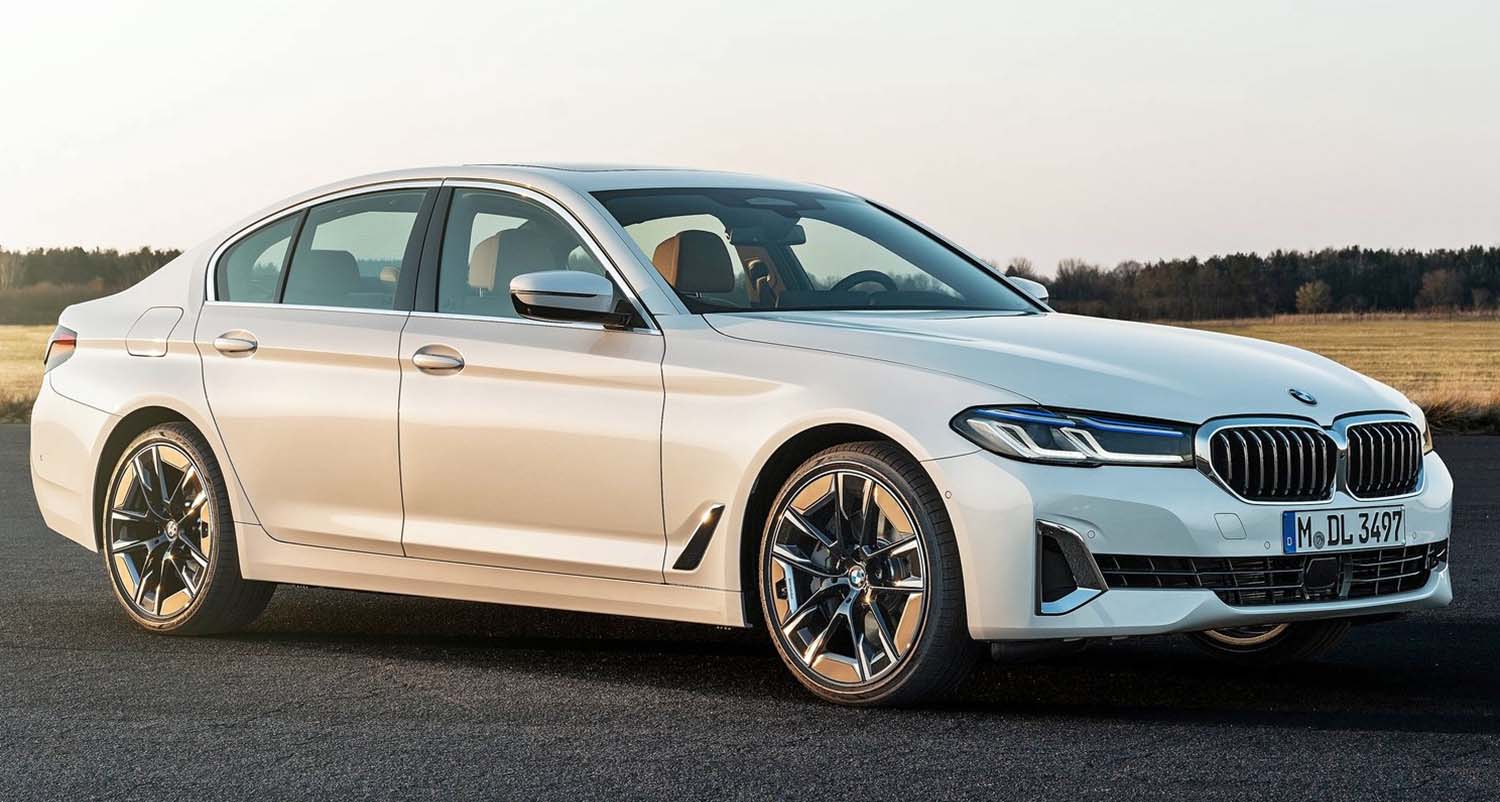
3. BMW 5 Series (2021–Present) – iDrive 7 & 8
BMW’s iDrive system is widely regarded as one of the best. Versions 7 and 8 have evolved with sharp graphics, a rotary controller for tactile input, and near-zero software crashes.
If quiet luxury and elegant design rank high on your list of priorities for a new car, the 2021 BMW 5-series sedan is a strong contender. Its cabin is spacious, refined, and comfortable, making it an ideal companion for everyday commuting.
BMW offers a variety of powertrain options to match different needs—whether your focus is fuel economy or you’re chasing the thrill of a V-8. A visual update for 2021 gives the 5-series sharper styling, enhancing its upscale appeal, while new tech features keep it competitive against core rivals like the Audi A6, Genesis G80, and Mercedes-Benz E-class.
In the 2021 rankings for best luxury mid-size cars, the 5-series takes the number eight spot. Leading the pack is the Mercedes-AMG E-Class, followed by the Genesis G80, Mercedes-Benz E-class, Audi A7, and Audi A6.
The BMW 5-series slots in just behind these at a starting price of $55,195. For a detailed comparison with other top vehicles in the segment, shoppers can now use an updated comparison tool that allows side-by-side evaluation of up to five cars.
For the 2021 model year, the 5-series lineup sees several notable changes. Visually, it gets a freshened design. Mechanically, the 540i benefits from a new 48-volt hybrid powertrain. The infotainment system grows to a 12.3-inch display, and driver-assistance technologies see meaningful upgrades.
Pricing for the 2021 BMW 5-series ranges from $55,195 to $77,795, depending on trim level and selected features. The lineup includes the 530i at $55,195, the 530e at $58,195, the 540i at $60,445, and the range-topping M550i at $77,795.
Among these, the mid-level 540i remains the standout for value, offering a well-balanced blend of performance and comfort. It comes standard with rear-wheel drive, though all-wheel drive is optional.
We recommend the Convenience package, which adds heated front seats, a power-operated trunk lid, and remote start. For buyers interested in semi-autonomous driving features, opting for the Driving Assistance Plus package is the way to go.
Drivers who want to compare the 2021 5-series with other models they’re considering can now take advantage of a robust comparison tool for a full, side-by-side breakdown of key metrics and features.
When it comes to performance, both the 530i’s four-cylinder and the 540i’s six-cylinder engines deliver a driving experience that’s smooth, responsive, and efficient.
For 2021, the 540i’s powertrain gets an added assist from a new 48-volt hybrid system. Both engines pair with an eight-speed automatic transmission that’s responsive and well-calibrated to extract maximum power. The 540i’s inline-six is not only potent but also refined, with a pleasing engine note.
Stepping up to the M550i means unlocking serious performance—this version comes with a twin-turbocharged 4.4-liter V-8 and is the sportiest variant short of the high-performance M5, which is reviewed separately. In our testing, the M550i outpaced the Audi S6 and Mercedes-AMG E53, accelerating to 60 mph in just 4.1 seconds.
Every 5-series model handles with composure, though none quite deliver the lively, engaging feel traditionally associated with BMW sedans.
Steering feedback is on the lighter side, and even the M550i—with its sport-tuned intentions—prioritizes comfort over driver involvement. The result is a refined ride that fits the luxury brief, even if it doesn’t fully satisfy enthusiasts looking for razor-sharp dynamics.
- Pros: Smooth performance, high customization
- Standout Feature: Physical and touchscreen controls coexist harmoniously
- Reliability Verdict: Rarely freezes or crashes, even with high usage
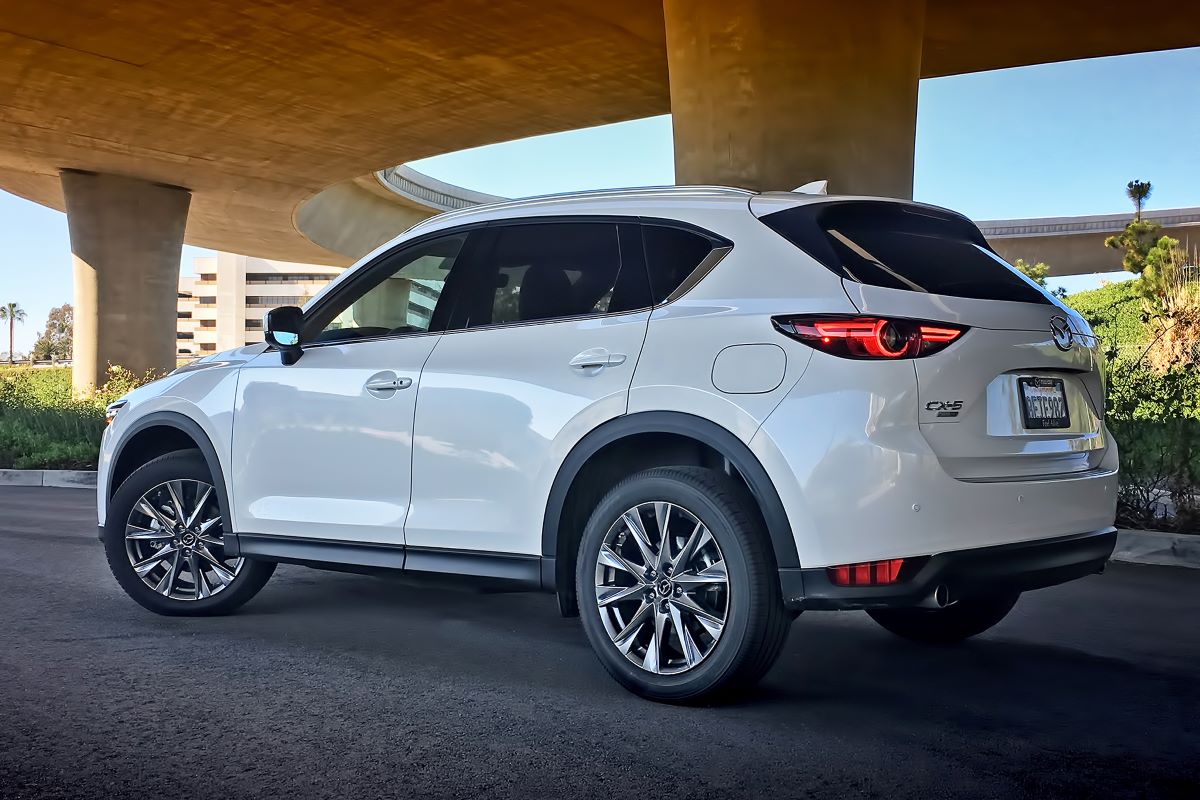
4. Mazda CX-5 (2019–Present) – Mazda Connect (New Gen)
Mazda keeps things simple with a rotary-controlled infotainment interface that is less prone to distraction or lag. The latest version balances aesthetics and function well.
For the 2019 model year, Mazda expands the CX-5 lineup with two new trim levels: Grand Touring Reserve and Signature. These trims bring a more extensive list of premium features and conveniences, and both come equipped with a new turbocharged 2.5-liter four-cylinder engine as standard. Sourced from the larger CX-9, this engine delivers up to 250 horsepower and a robust 310 pound-feet of torque.
The introduction of this turbocharged 2.5-liter engine effectively addresses one of the CX-5’s longstanding criticisms—its standard four-cylinder engine has often been viewed as underpowered compared to competitors.
In addition to this improvement, Mazda is also introducing a 2.2-liter diesel engine late in the model year, which will be available exclusively on the CX-5 Signature trim. This diesel variant is designed to offer enhanced towing capabilities and improved fuel efficiency. However, both upgraded engines are restricted to the highest trim levels, which means they come at a premium.
Regardless of which CX-5 trim you select, you’ll find that it offers less passenger and cargo space than several other models in the same class. That said, the CX-5 remains a standout in the segment.
It strikes a commendable balance between sporty handling, ride comfort, and everyday practicality. On top of that, its interior feels notably upscale, offering a level of refinement that’s uncommon among its peers. All things considered, it’s a smart and rewarding choice.
- Pros: Easy to navigate with minimal bugs
- Standout Feature: No touchscreen while driving reduces system overload
- Reliability Verdict: Almost no system faults reported, even on older models
Also Read: 5 Pickups With Best Front-Driving Visibility and 5 With Big Blind Zones
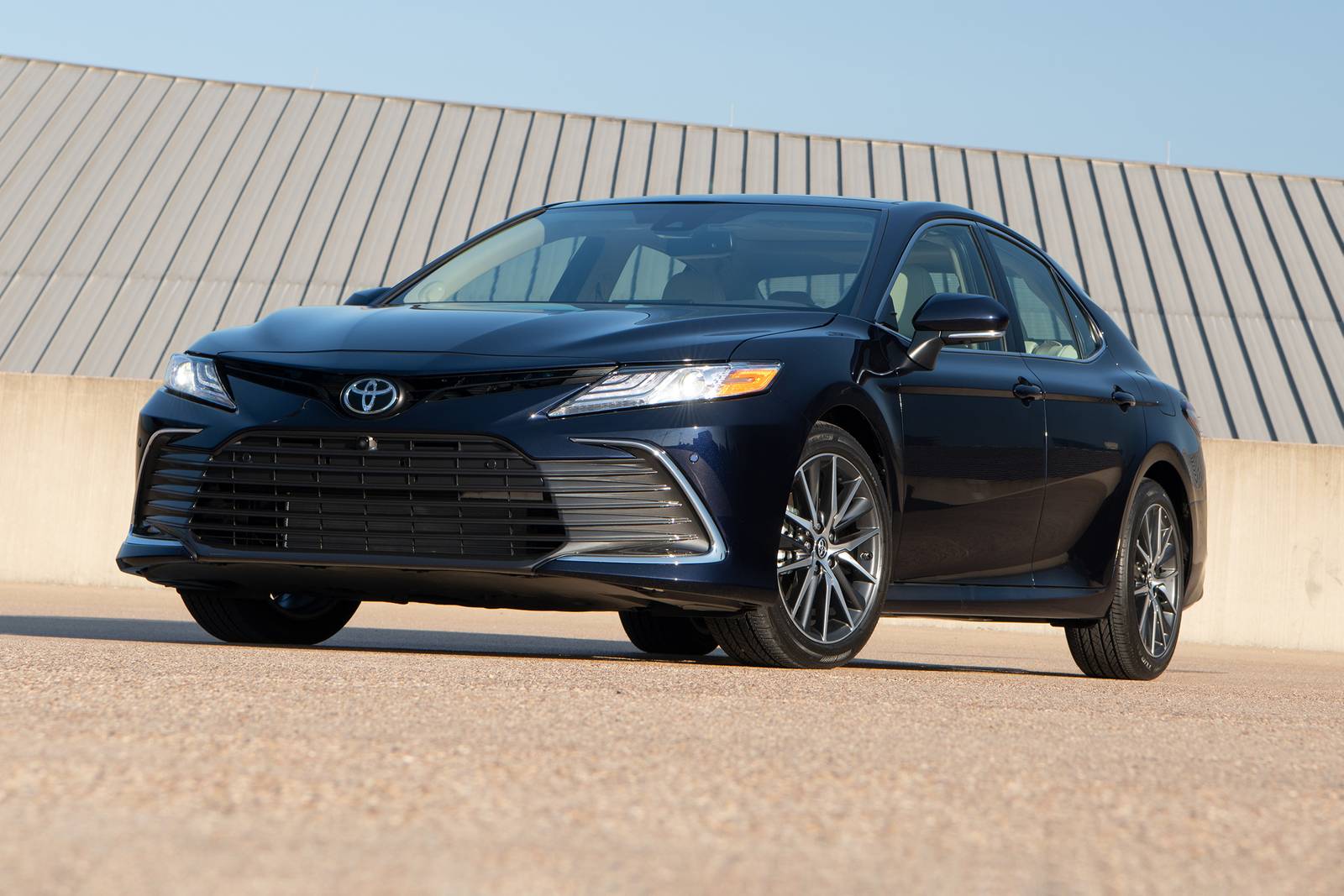
5. Toyota Camry (2021–Present) – Toyota Audio Plus / Premium
Toyota’s updated infotainment systems have become remarkably reliable. Though not flashy, the system in the Camry is quick, stable, and now includes wireless Apple CarPlay and Android Auto.
The Camry might be labeled boring, but that doesn’t make it a bad car. Inside the cabin, the overall layout hasn’t changed much compared to models from before 2021, though a new floating infotainment display gives the interior a slight visual upgrade.
In the models we’ve tested, interior materials feel average for the class, and the design—both inside and out—is largely unremarkable.
In terms of driving dynamics, even though this is the best-handling Camry chassis Toyota has ever offered, the overall handling can still feel loose, with more body movement than we’d prefer. In a head-to-head comparison with the Nissan Altima, we noted that in the Camry, “you’ll get where you’re going but forget how you got there.”
What really sets the Camry apart is its strength in two key areas: fuel efficiency and safety. The four-cylinder models post impressive mileage figures, even if that efficiency comes at the cost of lively performance. The hybrid version, in particular, sips fuel with impressive restraint.
The Camry’s recognition as a 2020 IIHS Top Safety Pick+ underscores its solid crash-test credentials, and we appreciate that Toyota includes its full suite of active safety features as standard on every trim.
We also noticed a tangible traction advantage in the AWD version. For those who want a bit more performance, the Camry TRD is the most affordable way to access the V-6 engine, although we were underwhelmed by how Toyota applied the TRD badge in this case.
Our impression of the Camry might be more favorable if its competitors weren’t so well executed. Before committing to the Toyota, we strongly recommend test-driving a Honda Accord—you’ll immediately understand the difference. When it comes to performance and fuel economy, Camry buyers have the choice between a four-cylinder and a six-cylinder engine.
The standard engine is a 2.5-liter inline-four that produces between 203 and 206 horsepower and 182 to 186 lb-ft of torque, depending on trim and drivetrain configuration. Power is routed through an eight-speed automatic transmission and is available in either front- or all-wheel drive.
- Pros: Seamless smartphone integration, basic but responsive
- Standout Feature: Rarely needs resets or reboots
- Reliability Verdict: Toyota’s conservative design results in few glitches or update issues
Cars That Glitch Nonstop
In this roundup, we’re zeroing in on the cars that just can’t seem to get their digital act together. Whether it’s a luxury SUV with an overhyped interface or a mainstream model whose screen can’t keep up, these are the vehicles where infotainment issues aren’t the exception—they’re the norm.
If you’re shopping for a car and can’t stand the idea of your screen freezing while navigating rush hour traffic, you’ll want to steer clear of these models.
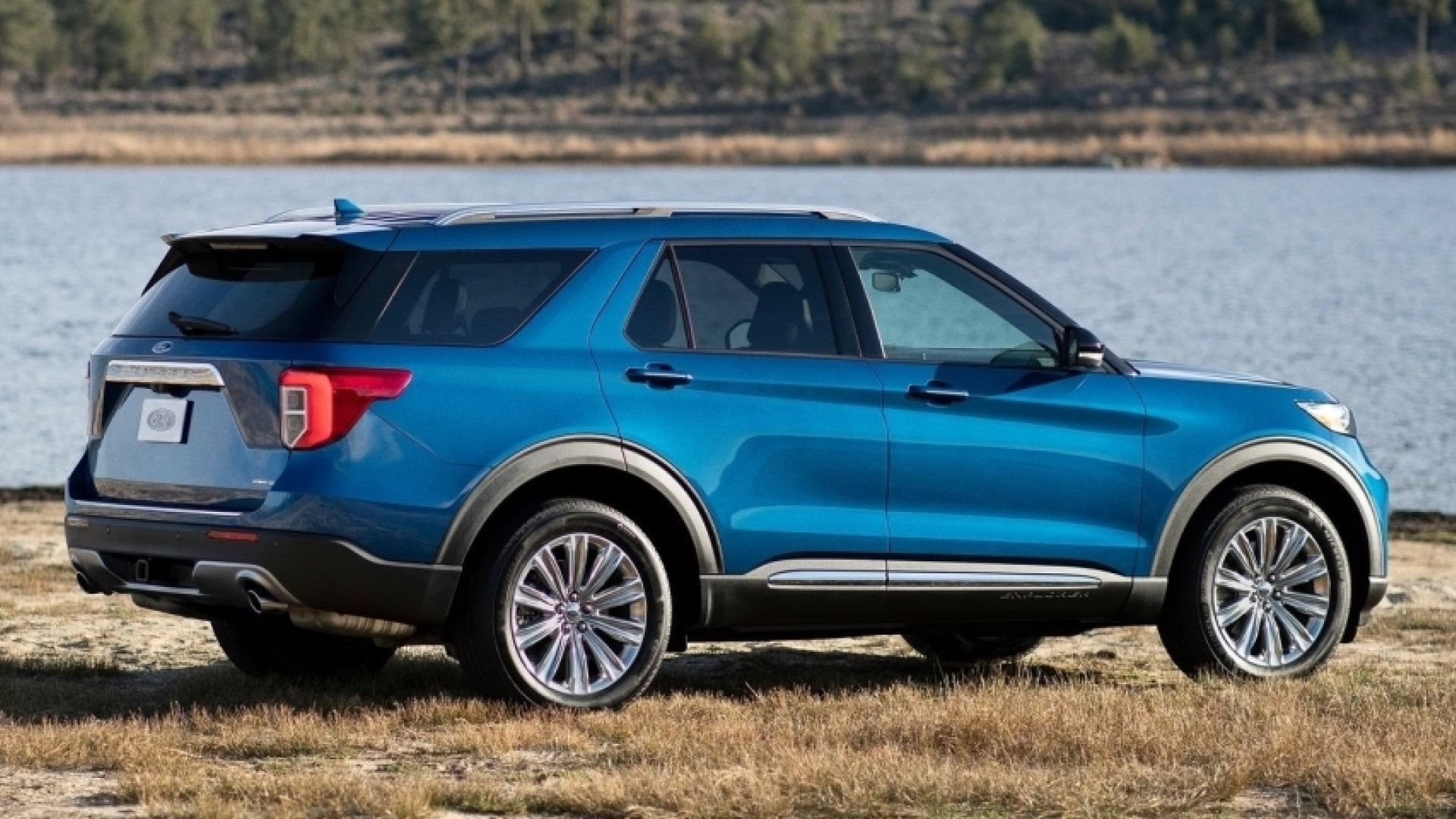
1. Ford Explorer (2020–2023) – SYNC 3 & 4
SYNC 3 was once Ford’s strong point, but users of the newer Explorer frequently report screen freezing, random restarts, and Bluetooth dropouts especially when using Android Auto.
The Explorer’s Base, XLT, and Limited trims are powered by a 300-hp turbocharged 2.3-liter four-cylinder engine that delivers solid performance and confidently propels the vehicle.
Those with a heavier right foot will gravitate toward the Platinum trim, which features a 365-hp twin-turbocharged 3.0-liter V-6, or the sportier Explorer ST, which ups the ante with a 400-hp version of the same V-6 engine. A hybrid variant joined the lineup in 2020, combining a 3.3-liter V-6 with an electric motor to produce a total of 318 horsepower.
When set up correctly, the Explorer is capable of towing as much as 5600 pounds. Built on a newly developed rear-wheel-drive platform, the Explorer still offers optional all-wheel drive for added traction and versatility.
A 10-speed automatic transmission comes standard with all models. While the overall ride quality and handling dynamics are composed and pleasant, they fall short of being particularly engaging—though the Explorer ST is a clear exception. Thanks to its additional power and firmer suspension, it stands out as a genuine performance SUV.
- Common Issues: Frozen climate control screen, poor voice recognition
- Frequent Complaint: “System restarts while driving, forcing me to lose navigation”
- Glitch Verdict: Recurring problems that sometimes require dealer intervention
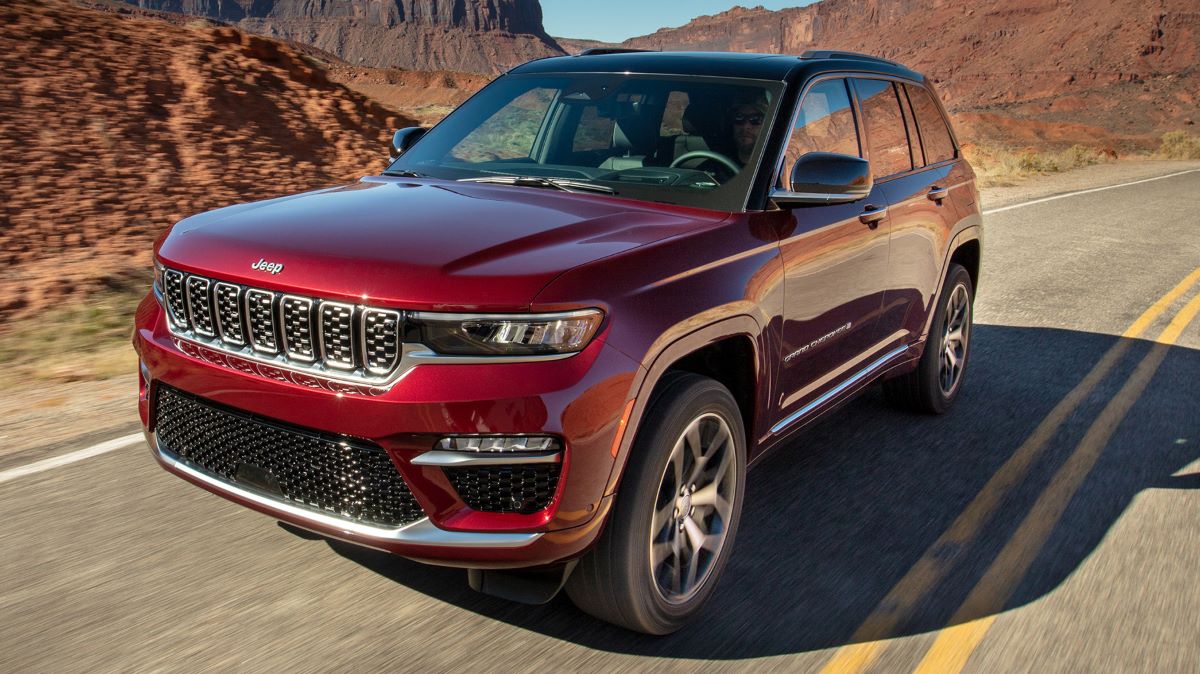
2. Jeep Grand Cherokee (2021–2023) – Uconnect 5
The updated Uconnect 5 system promised faster speeds and better graphics, but the Grand Cherokee has been plagued with bugs. Owners report touchscreen blackouts and delayed inputs.
Believe it or not, there’s already a new Grand Cherokee in town. While the current version remains a solid SUV, its age is hard to overlook—it’s been on the market since the 2011 model year.
For 2021, however, Jeep has introduced the completely redesigned fifth-generation Grand Cherokee, which, for now, is available exclusively as a three-row SUV and will be sold alongside the existing two-row fourth-generation model.
The new Grand Cherokee L rides on a fresh platform that will also support two-row variants arriving later in 2021. This platform is a modified version of the lightweight, high-strength Giorgio architecture, which underpins the agile Alfa Romeo Stelvio. That connection could give the Grand Cherokee a welcome boost in driving dynamics and responsiveness.
Initially, buyers will find familiar powertrain options—carryover versions of the 3.6-liter Pentastar V-6 and the 5.7-liter V-8 will be the only engines available at launch. However, considering Jeep’s increasing commitment to electrification, a 4xe plug-in hybrid variant is expected before the year ends.
There’s even a chance a Trackhawk version powered by a supercharged 6.2-liter V-8 might join the lineup. Still, true to the Grand Cherokee’s DNA, the emphasis will remain on off-road prowess, with three available AWD systems offering different levels of trail capability.
With the upcoming Wagoneer and Grand Wagoneer also entering production, Jeep is poised to offer a full lineup of spacious, comfortable SUVs. Much like the Grand Wagoneer, the next-generation Grand Cherokee will be outfitted with high-end materials and expansive digital displays, positioning it to go head-to-head with more luxurious competitors.
- Common Issues: Audio dropping out, GPS freezing mid-route
- Frequent Complaint: “System doesn’t wake up unless I restart the car”
- Glitch Verdict: A promising system hampered by inconsistent software updates
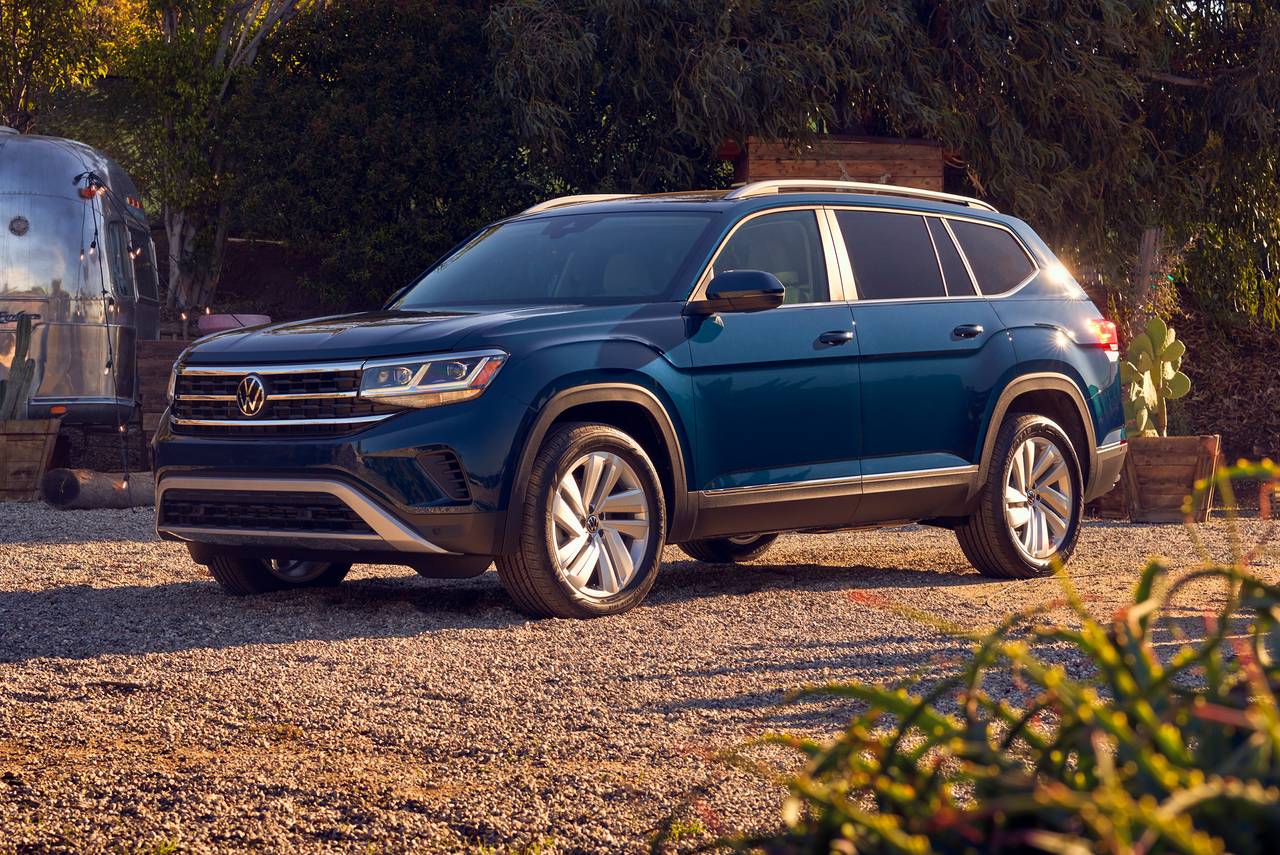
3. Volkswagen Atlas (2021–2024) – MIB3 Infotainment
Volkswagen went all-in on capacitive touch buttons and digital interfaces, but the Atlas’s infotainment system is notoriously unreliable.
The Atlas offers buyers a choice between two engines: a 235-hp four-cylinder or a 276-hp V-6. Both engines are paired with an eight-speed automatic transmission and are available with either front-wheel or all-wheel drive. The V-6, in particular, stands out for its smooth and refined performance, keeping vibrations out of the cabin entirely.
Although our testing of both the four-cylinder and V-6 models revealed average acceleration, they seldom felt lacking in power during real-world driving.
While the Atlas may not be as engaging behind the wheel as the Mazda CX-9, it reacts predictably to steering inputs and never comes off as awkward or unwieldy. On the highway, it feels composed, and around town, it proves to be impressively agile. The ride quality is comfortable, with only the roughest potholes making a noticeable impact.
The Atlas doesn’t lead the pack in fuel economy among large family SUVs, but its real-world performance holds its own against more fuel-efficient rivals. The most economical option is the four-cylinder model with front-wheel drive, earning EPA ratings of 21 mpg in the city and 25 mpg on the highway.
The V-6 version consumes more fuel, with the front-wheel drive variant rated at 18 mpg city and 24 mpg highway, while the all-wheel drive version comes in at 16 mpg city and 22 mpg highway.
We tested both configurations on our standardized 75-mph highway route—an integral part of our thorough evaluation process—and the V-6 Atlas achieved 24 mpg, whereas the four-cylinder model returned an even more impressive 27 mpg.
- Common Issues: Sluggish response, disappearing menus, volume control bugs
- Frequent Complaint: “Touchscreen lags and Bluetooth randomly disconnects”
- Glitch Verdict: Overly ambitious tech with poor execution and laggy performance
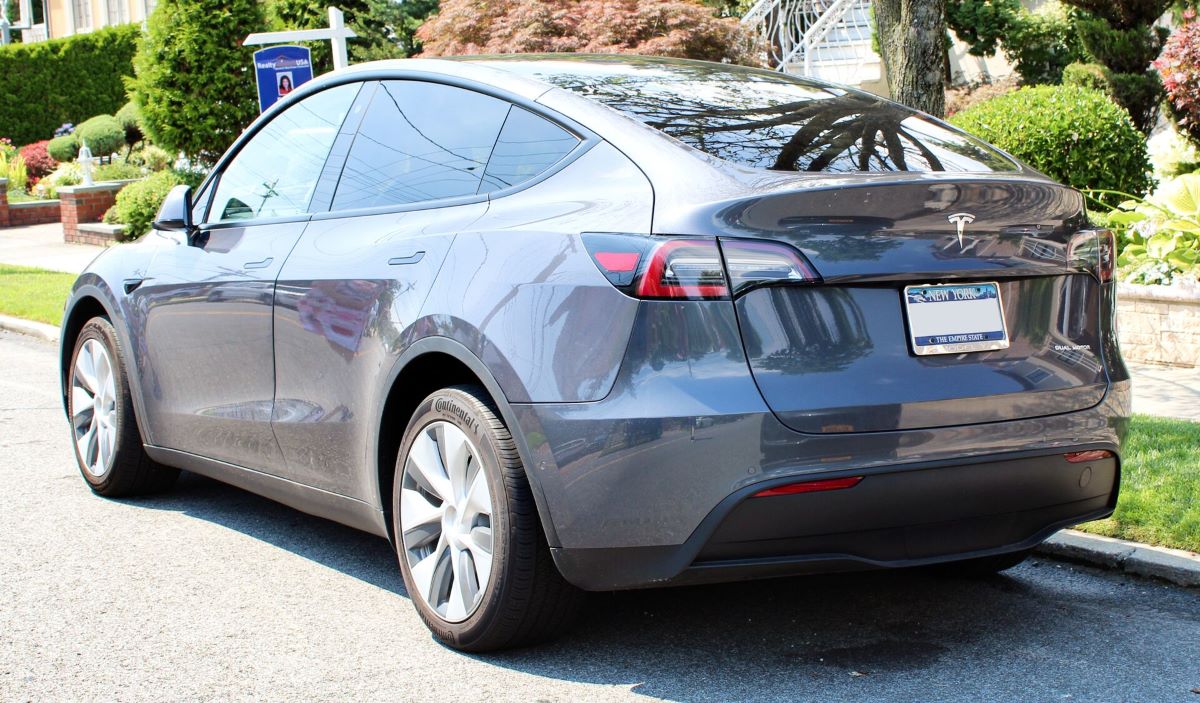
4. Tesla Model Y (2020–Present) – Tesla OS
Tesla’s minimalist interface is futuristic but not without faults. The Model Y’s infotainment system controls nearly everything, so any glitch no matter how small can be dangerous or inconvenient.
Unlike the Model 3 sedan, the Tesla Model Y comes exclusively with the premium interior package. This setup includes heated seats for both front and rear passengers, power-folding heated side mirrors, LED exterior lighting, 18-inch alloy wheels, and 12-way power-adjustable front seats.
Dual-motor versions come standard with 19-inch alloy wheels, which are offered as an optional upgrade on the single-motor model. While black is the standard interior color, a two-tone black and white interior is also available for an additional charge.
Buyers who need more seating capacity can opt for the seven-seat layout, which adds $3,000 to the price tag. The Performance version of the Model Y stands apart with 20-inch wheels wrapped in summer tires, upgraded performance brakes, a carbon fiber rear spoiler, a lowered suspension, and access to Track mode.
- Common Issues: Screen reboots while driving, Spotify crashes, laggy turn signals
- Frequent Complaint: “My HVAC and wipers froze because the screen crashed”
- Glitch Verdict: Software is updated often, but stability remains a major concern
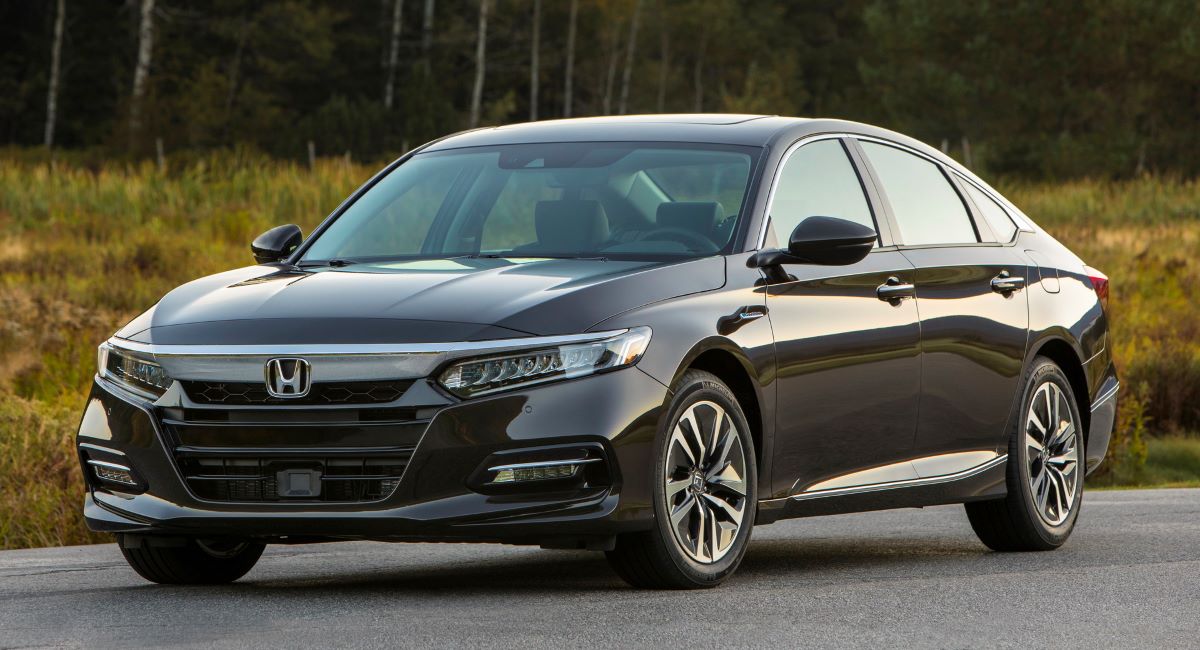
5. Honda Accord (2018–2020) – Display Audio System
While newer Accords have improved, the infotainment systems from 2018–2020 had widespread issues including slow boot-up, touch unresponsiveness, and freezing with CarPlay.
The 10th-generation Honda Accord hit the ground running in 2018, rekindling admiration for Honda’s midsize sedan. With no updates for the 2020 model year, that consistency is actually a strength. The Accord remains stylish, comfortable, and excels in practicality.
While many of the Accord’s rivals have seen refreshes or complete redesigns in recent years, the Honda continues to stand out in the segment. It delivers a quiet and smooth driving experience, although there is a noticeable amount of tire noise at highway speeds.
Still, it’s engaging behind the wheel, supported by a pair of energetic engines and the option of a manual transmission. Its 16.7 cubic feet of trunk space ranks among the largest in the midsize sedan class, and the interior is filled with plenty of clever storage spaces for daily essentials like phones, water bottles, sunglasses, and more.
Technology is another area where the Accord holds strong. Honda equips it with an impressive list of standard features, including the Honda Sensing suite—adaptive cruise control, lane keeping assist, and traffic sign recognition all come built in. Additional available tech includes Apple CarPlay, Android Auto, LED lighting, and a wireless phone charger.
If you’re looking for a midsize sedan with a more upscale interior, the Mazda 6 is worth a look. For those seeking more thrilling performance, the Kia Stinger may be more appealing.
- Common Issues: Screen blackout, unresponsive buttons, slow system startup
- Frequent Complaint: “Takes 3 minutes to boot up, even in warm weather”
- Glitch Verdict: Frequently requires dealer software updates or full replacement
A car’s infotainment system is more than just a convenience it’s a vital part of the driving experience. Vehicles from Lexus, BMW, and Mazda show that you don’t need the flashiest display for reliability.
On the other hand, even high-tech systems from Tesla or Jeep can suffer if the software isn’t mature or stable.
When shopping for a new car, consider not just the features but the real-world usability of the infotainment system. Glitches, crashes, and system lag aren’t just annoyances they can become safety issues over time.
