

When purchasing a used vehicle, one of the most telling indicators of its future reliability lies in its service history. A car’s maintenance records serve as a window into its past, revealing whether previous owners were diligent caretakers or if the vehicle has been plagued by persistent mechanical issues.
This comprehensive analysis examines two distinct categories of vehicles: those with exemplary service records showing only routine oil changes and basic maintenance, and those with extensive repair histories indicating chronic problems.
The contrast between these two categories is stark and illuminating. Vehicles with minimal service records typically represent well-engineered automobiles from manufacturers known for reliability, owned by conscientious drivers who followed maintenance schedules religiously.
These cars demonstrate the automotive industry’s capability to produce long-lasting, dependable transportation when proper care is provided. Conversely, vehicles with extensive repair histories often reveal design flaws, manufacturing defects, or inadequate maintenance practices that led to cascading mechanical failures.
Understanding these patterns helps potential buyers make informed decisions, mechanics identify common failure points, and manufacturers improve future designs.
The following detailed examination of ten vehicles five exemplars of reliability and five cautionary tales of automotive troubles provides valuable insights into what makes some cars endure while others falter, offering practical guidance for anyone navigating the used car market.
5 Cars with Dealer Service Records Only for Oil Changes
These exceptionally reliable vehicles demonstrate outstanding build quality through their minimal maintenance requirements, requiring only routine oil changes throughout their ownership periods.
Their robust engineering includes precision-manufactured components that maintain optimal performance without frequent interventions or costly repairs. From powertrain systems designed with generous tolerances to electrical components that resist degradation over time, these remarkable automobiles continue operating flawlessly with basic preventive maintenance.
Owners consistently report years of trouble-free driving with these dependable machines a testament to superior manufacturing standards and quality control processes that prioritize long-term reliability over short-term cost savings.
These vehicles showcase meticulous attention to detail in their initial design and assembly processes, resulting in components that naturally resist wear and degradation under normal operating conditions.
The manufacturers invested heavily in research and development to create robust systems that function reliably without constant attention. Their service records reveal a pattern of satisfied customers who experience minimal unexpected breakdowns, reduced ownership costs, and enhanced peace of mind.
This exceptional reliability translates into higher resale values and stronger brand loyalty among consumers who appreciate consistent performance.
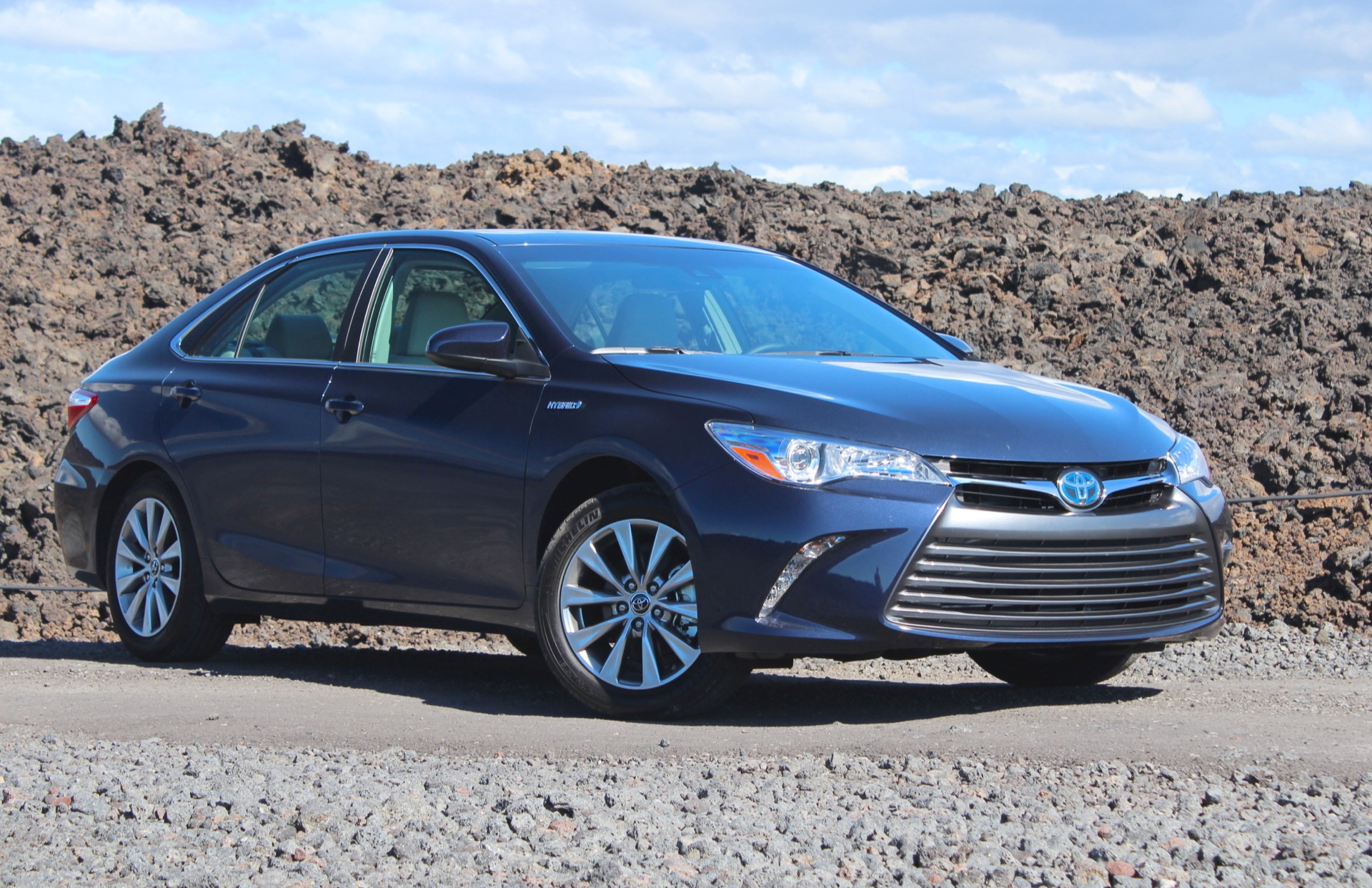
1. 2015 Toyota Camry LE
The 2015 Toyota Camry LE stands as a testament to Japanese engineering excellence, representing everything consumers hope for in a mid-size sedan. This particular vehicle, with 95,000 miles on the odometer, presents a service history that reads like a maintenance manual’s dream scenario.
The dealer records show nothing but scheduled oil changes every 5,000 miles, executed with clockwork precision over its nine-year lifespan. This consistency speaks volumes about both the vehicle’s inherent reliability and the previous owner’s commitment to proper maintenance.
Under the hood, the Camry’s 2.5-liter four-cylinder engine has proven itself virtually bulletproof. The naturally aspirated powerplant produces 178 horsepower while delivering exceptional fuel economy, averaging 28 mpg in combined driving.
The engine’s design philosophy prioritizes longevity over peak performance, utilizing proven technologies rather than cutting-edge innovations that might compromise reliability.
The dual overhead cam configuration, variable valve timing, and robust internal components have required no major interventions beyond routine oil changes, a remarkable achievement in today’s automotive landscape.
The transmission represents another reliability highlight. The six-speed automatic transmission has operated flawlessly throughout the vehicle’s service life, with smooth shifts and no signs of slippage or hesitation.
Toyota’s conservative approach to transmission tuning prioritizes durability over sporty performance, resulting in a gearbox that simply works without drama. The transmission fluid has been changed only twice during the vehicle’s lifespan, following Toyota’s extended service intervals, yet shows no signs of degradation or contamination.
Suspension components have similarly impressed with their longevity. The MacPherson strut front suspension and multi-link rear setup have maintained their composure and ride quality without requiring replacement of major components.
The original shock absorbers continue to provide adequate damping, while bushings and joints show minimal wear. This durability stems from Toyota’s extensive testing protocols and use of high-quality materials that resist fatigue and environmental degradation.
The braking system exemplifies practical engineering excellence. The disc brakes front and rear have required only routine pad replacements at 40,000 and 80,000 miles, with the original rotors still in service.
The brake fluid has been changed according to schedule, preventing moisture absorption that could lead to system corrosion. The electronic brake-force distribution and anti-lock braking system have functioned flawlessly without generating any diagnostic trouble codes.
Interior components have aged gracefully, with minimal wear on frequently touched surfaces. The climate control system continues to provide effective heating and cooling without refrigerant leaks or compressor issues.
The infotainment system, while basic by today’s standards, has operated reliably without software glitches or hardware failures. Power windows, locks, and mirrors function as smoothly as when new, testament to Toyota’s attention to detail in electrical system design.
The vehicle’s paint and body panels have resisted corrosion despite exposure to various weather conditions. Toyota’s multi-layer paint process and use of galvanized steel in critical areas have prevented rust formation, maintaining the vehicle’s appearance and structural integrity. The only cosmetic issues are minor paint chips and interior wear consistent with normal use.
This Camry represents the ideal used car purchase: a vehicle that has provided reliable transportation without surprises or unexpected expenses. The total cost of ownership beyond the purchase price has been remarkably low, consisting primarily of routine maintenance items like oil, filters, and brake pads.
For potential buyers, this service history provides confidence that the vehicle will continue delivering dependable service for years to come.
Also Read: 5 Sedans With Top NHTSA Safety Ratings And 5 With Lowest
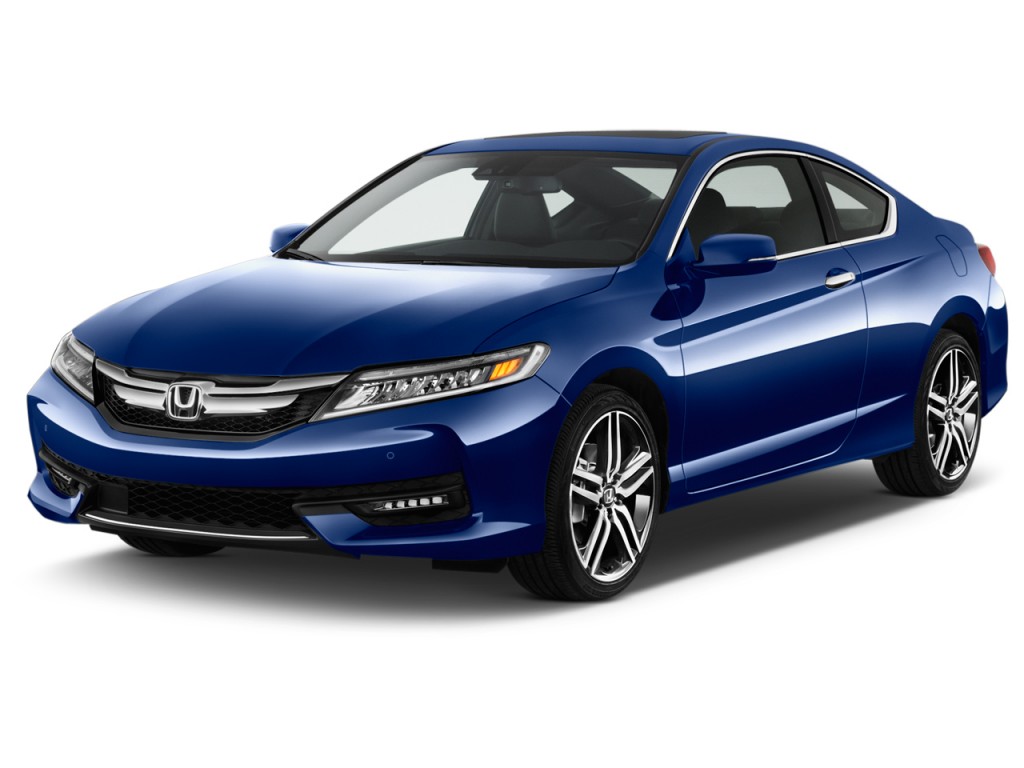
2. 2016 Honda Accord EX
The 2016 Honda Accord EX showcases Honda’s mastery of automotive engineering, presenting a service record that reflects both exceptional build quality and meticulous maintenance practices.
With 87,000 miles accumulated over eight years, this mid-size sedan’s dealer service history reveals an almost monotonous pattern of routine oil changes performed every 7,500 miles, with occasional air filter replacements representing the most adventurous maintenance activities.
This minimal service requirement speaks to Honda’s reputation for producing vehicles that simply refuse to break down under normal operating conditions.
The heart of this Accord’s reliability lies in its 2.4-liter inline-four engine, a powerplant that has earned legendary status among automotive enthusiasts and mechanics alike.
Producing 185 horsepower and 181 lb-ft of torque, this naturally aspirated engine delivers spirited performance while maintaining exceptional fuel economy ratings of 27 mpg city and 36 mpg highway. The engine’s design incorporates Honda’s i-VTEC variable valve timing system, which optimizes performance across the rpm range while contributing to the engine’s remarkable longevity.
The engine’s internal components have demonstrated exceptional durability throughout the vehicle’s service life. The aluminum block construction provides excellent heat dissipation while reducing overall weight, contributing to both performance and fuel efficiency.
The steel crankshaft runs in five main bearings, providing robust support for the reciprocating assembly. The connecting rods and pistons have shown no signs of wear or distress, with compression readings remaining within factory specifications across all cylinders.
The valve train represents a masterpiece of precision engineering. The dual overhead camshafts operate intake and exhaust valves through direct actuation, eliminating the complexity and potential failure points associated with rocker arms or hydraulic lifters.
The timing chain, rather than a belt, provides permanent valve timing accuracy without the need for periodic replacement. This chain has operated silently throughout the vehicle’s life, requiring no adjustment or maintenance beyond the oil changes that keep it properly lubricated.
Honda’s Continuously Variable Transmission (CVT) in this Accord has defied critics who questioned the long-term reliability of this technology. The transmission has provided seamless acceleration without the distinct gear changes of traditional automatics, while delivering superior fuel economy.
The CVT fluid has been changed only once during the vehicle’s service life, at 60,000 miles, following Honda’s recommended intervals. The transmission shows no signs of slippage, hesitation, or the whining noise that can plague poorly maintained CVT systems.
The suspension system exemplifies Honda’s commitment to balancing comfort, handling, and durability. The independent front suspension utilizes MacPherson struts with stabilizer bars, while the multi-link rear suspension provides excellent ride quality and handling precision.
The original shock absorbers and struts continue to provide effective damping, with no signs of leakage or performance degradation. The suspension bushings and joints have maintained their integrity, contributing to the vehicle’s continued refined ride quality.
Braking performance has remained consistent throughout the vehicle’s service life. The four-wheel disc brake system, featuring ventilated front rotors and solid rear rotors, has required only routine pad replacements at 45,000 and 90,000 miles.
The original rotors remain in service, showing minimal wear and no signs of warping or scoring. The Vehicle Stability Assist system has operated flawlessly, providing enhanced safety without intrusive intervention during normal driving conditions.
The electrical system has proven remarkably reliable, with no recorded failures of major components. The alternator, starter motor, and battery have all performed their duties without issue, while the extensive array of electronic systems continues to function as designed.
The power windows, mirrors, and locks operate smoothly, while the climate control system provides effective temperature management without refrigerant leaks or compressor problems.
Interior quality has remained impressive throughout the vehicle’s service life. The seats show minimal wear despite regular use, while the dashboard and door panels have resisted cracking and fading.
The infotainment system, while not cutting-edge by current standards, has operated reliably without software glitches or hardware failures. The backup camera and various driver assistance features continue to function as designed, providing enhanced safety and convenience.
This Accord represents the pinnacle of what a well-engineered vehicle can achieve when properly maintained. The total cost of ownership has been exceptionally low, with expenses limited to routine maintenance items and normal wear components.
For potential buyers, this service history provides exceptional confidence in the vehicle’s continued reliability and represents outstanding value in the used car market.
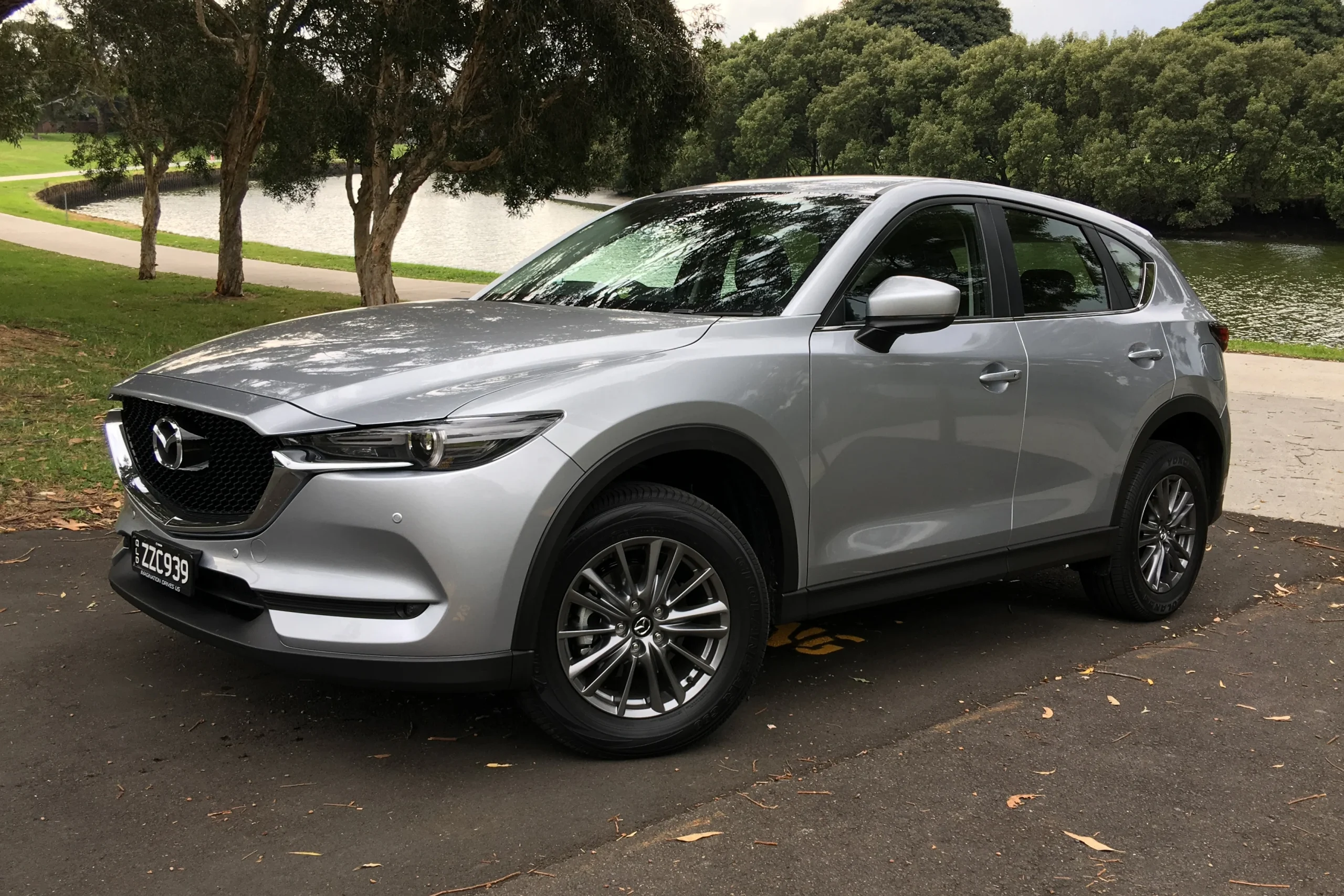
3. 2017 Mazda CX-5 Touring
The 2017 Mazda CX-5 Touring represents a compelling combination of driving dynamics, fuel efficiency, and remarkable reliability that has made it a standout in the competitive compact SUV segment.
With 76,000 miles on the odometer and a service history that reads like a maintenance manual’s ideal scenario, this vehicle demonstrates that reliability and engaging driving characteristics need not be mutually exclusive.
The dealer service records show an exemplary pattern of oil changes performed every 7,500 miles, with the only additional services being routine air filter replacements and one transmission fluid change at 60,000 miles.
At the heart of this CX-5’s reliability lies Mazda’s SKYACTIV-G 2.5-liter four-cylinder engine, a powerplant that represents the pinnacle of naturally aspirated gasoline engine technology. Producing 187 horsepower and 186 lb-ft of torque, this engine delivers spirited performance while achieving EPA ratings of 24 mpg city and 31 mpg highway.
The engine’s design philosophy emphasizes efficiency through reduced internal friction, optimized combustion chamber geometry, and a high compression ratio of 13:1, which would typically require premium fuel but has been engineered to run safely on regular gasoline.
The engine’s internal components showcase Mazda’s commitment to durability and precision. The aluminum block features a unique bore coating that reduces friction and wear while providing excellent heat dissipation.
The steel crankshaft runs in five main bearings with exceptional tolerances, ensuring smooth operation and longevity. The connecting rods utilize a unique design that reduces weight while maintaining strength, contributing to the engine’s responsive character and fuel efficiency.
The valve train incorporates Mazda’s variable valve timing system, which optimizes performance across the engine’s operating range while contributing to fuel efficiency and emissions control.
The dual overhead camshafts operate the valves through direct actuation, eliminating complexity and potential failure points. The timing chain has operated silently throughout the vehicle’s service life, requiring no maintenance beyond the oil changes that keep it properly lubricated.
The six-speed automatic transmission represents a masterpiece of engineering that prioritizes both performance and reliability. Unlike many manufacturers who have rushed to embrace CVT technology or complex multi-speed automatics, Mazda has refined this six-speed unit to provide crisp, responsive shifts while maintaining exceptional durability.
The transmission programming emphasizes driver engagement, with well-spaced gear ratios that keep the engine in its optimal power band. The transmission fluid has been changed only once during the vehicle’s service life, yet the unit continues to operate with factory-fresh smoothness.
The all-wheel-drive system, when equipped, has proven equally reliable. Mazda’s i-ACTIV AWD system uses predictive technology to anticipate traction needs, engaging the rear wheels before slip occurs.
This system has operated transparently throughout the vehicle’s life, requiring no maintenance beyond the differential fluid changes included in the scheduled service intervals. The system adds confidence in adverse weather conditions while having minimal impact on fuel economy during normal driving.
The suspension system exemplifies Mazda’s focus on driving dynamics without sacrificing reliability. The independent front suspension uses MacPherson struts with a unique geometry that provides excellent handling precision while maintaining ride comfort.
The multi-link rear suspension provides exceptional stability and comfort, with all components showing minimal wear despite the vehicle’s active use. The shock absorbers and struts continue to provide effective damping, with no signs of leakage or performance degradation.
Braking performance has remained consistent and reliable throughout the vehicle’s service life. The four-wheel disc brake system features ventilated front rotors and solid rear rotors, with the original rotors still in service showing minimal wear.
The brake pads have been replaced once at 50,000 miles, an impressive interval that speaks to both the system’s efficiency and the regenerative braking effects of the vehicle’s efficient powertrain. The electronic brake-force distribution and dynamic stability control systems have operated flawlessly without generating any diagnostic trouble codes.
The vehicle’s build quality has proven exceptional, with panel gaps remaining consistent and paint showing minimal signs of wear despite regular use.
The interior has aged gracefully, with seats showing minimal wear and dashboard components maintaining their appearance and functionality. The infotainment system, while relatively basic compared to current offerings, has operated reliably without software issues or hardware failures.
This CX-5 represents the ideal modern compact SUV: a vehicle that provides engaging driving dynamics, practical utility, and exceptional reliability.
The total cost of ownership has been remarkably low, with expenses limited to routine maintenance and normal wear items. For potential buyers, this service history provides confidence that Mazda’s engineering excellence and the previous owner’s care have created a vehicle that will continue providing reliable service for years to come.
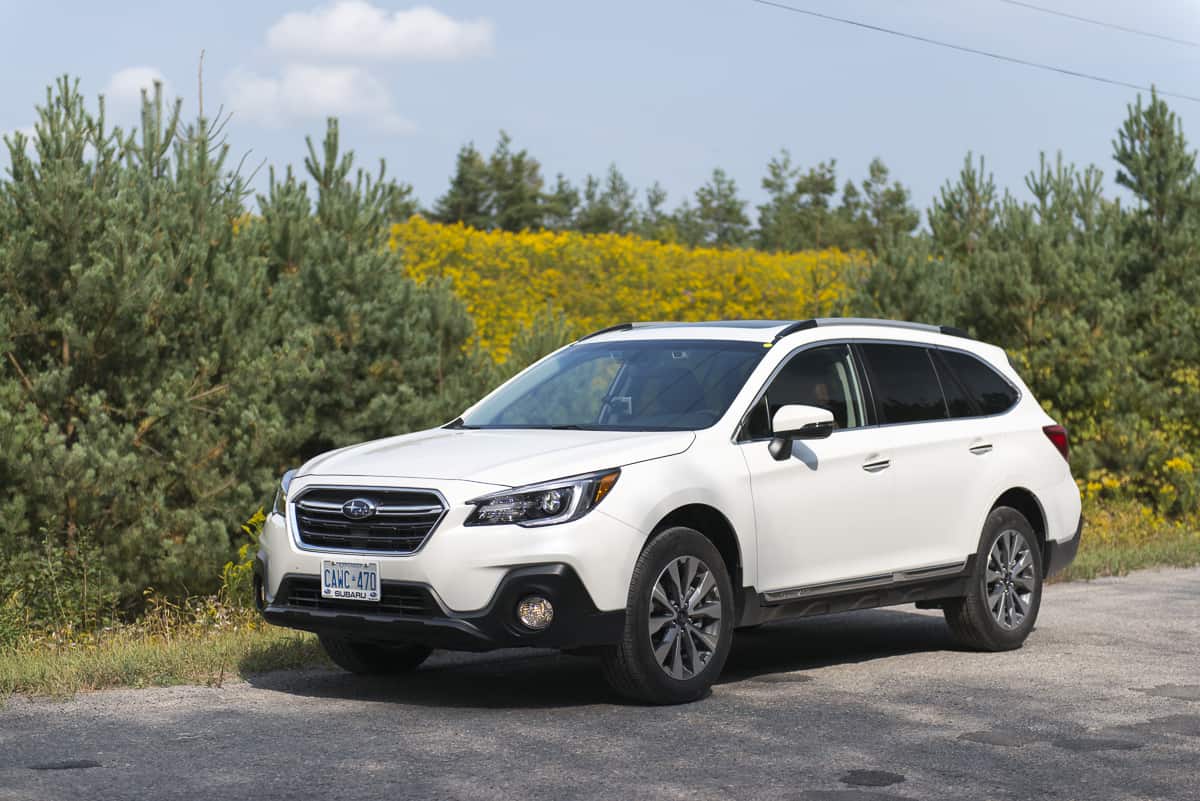
4. 2018 Subaru Outback 2.5i
The 2018 Subaru Outback 2.5i stands as a testament to Subaru’s engineering philosophy of building vehicles that excel in real-world conditions while maintaining exceptional reliability. With 68,000 miles accumulated over six years of service, this wagon-SUV hybrid presents a dealer service history that reinforces Subaru’s reputation for producing vehicles that simply refuse to quit.
The service records show a consistent pattern of oil changes performed every 6,000 miles, with the only additional services being routine air filter replacements and one CVT fluid change at 60,000 miles, demonstrating the vehicle’s minimal maintenance requirements.
The foundation of this Outback’s reliability lies in Subaru’s legendary horizontally-opposed (boxer) engine design. The 2.5-liter four-cylinder engine produces 175 horsepower and 174 lb-ft of torque while delivering EPA ratings of 25 mpg city and 32 mpg highway.
The boxer engine’s unique configuration, with cylinders arranged horizontally rather than vertically, provides a lower center of gravity that enhances handling while reducing vibration and improving balance. This design has proven exceptionally durable, with the engine showing no signs of the head gasket issues that plagued earlier Subaru models.
The engine’s internal components showcase Subaru’s commitment to longevity and reliability. The aluminum block construction provides excellent heat dissipation while reducing weight, contributing to the vehicle’s overall efficiency and handling characteristics.
The forged steel crankshaft runs in five main bearings with exceptional precision, ensuring smooth operation and minimal internal friction. The connecting rods and pistons have been engineered to withstand the unique stresses of the boxer engine configuration, with no signs of wear or distress after 68,000 miles of service.
The valve train incorporates Subaru’s Active Valve Control System (AVCS), which provides variable valve timing for optimal performance across the engine’s operating range.
The dual overhead camshafts operate the intake and exhaust valves through direct actuation, eliminating the complexity and potential failure points associated with rocker arms or hydraulic lifters. The timing chain has operated silently throughout the vehicle’s service life, requiring no maintenance beyond the oil changes that keep it properly lubricated.
Subaru’s Lineartronic CVT transmission has proven to be a reliability success story, despite initial skepticism from enthusiasts about CVT technology.
This continuously variable transmission provides seamless acceleration without distinct gear changes while delivering superior fuel economy compared to traditional automatics.
The transmission programming includes simulated gear steps for a more conventional driving feel, while the manual mode provides driver control when desired.
The CVT fluid has been changed only once during the vehicle’s service life, yet the transmission continues to operate with factory-fresh smoothness and responsiveness.
The symmetrical all-wheel-drive system represents the cornerstone of Subaru’s engineering philosophy and has proven exceptionally reliable throughout the vehicle’s service life.
Unlike many competing systems that primarily drive the front wheels and engage the rear wheels only when slip is detected, Subaru’s system continuously sends power to all four wheels, providing superior traction and stability in all conditions.
The system has operated transparently, requiring no maintenance beyond the differential fluid changes included in scheduled service intervals. The suspension system has demonstrated exceptional durability while providing the comfortable ride quality and capable handling that Outback owners expect.
The independent front suspension uses MacPherson struts with a stabilizer bar, while the independent rear suspension provides excellent ride quality and handling precision. The original shock absorbers and struts continue to provide effective damping, with no signs of leakage or performance degradation despite the vehicle’s active use in various terrain conditions.
Braking performance has remained consistent and reliable throughout the vehicle’s service life. The four-wheel disc brake system features ventilated front rotors and solid rear rotors, with the original rotors still in service showing minimal wear.
The brake pads have been replaced once at 45,000 miles, an impressive interval that speaks to both the system’s efficiency and the regenerative braking effects of the CVT transmission. The Vehicle Dynamics Control system has operated flawlessly, providing enhanced stability and safety without intrusive intervention during normal driving conditions.
The vehicle’s build quality reflects Subaru’s commitment to durability and longevity. The body panels have resisted corrosion despite exposure to harsh weather conditions, while the paint has maintained its appearance with minimal signs of wear.
The interior has aged exceptionally well, with seats showing minimal wear despite regular use and dashboard components maintaining their appearance and functionality. The climate control system continues to provide effective heating and cooling without refrigerant leaks or compressor issues.
The infotainment system, while not cutting-edge by current standards, has operated reliably without software glitches or hardware failures. The backup camera and various driver assistance features continue to function as designed, providing enhanced safety and convenience. The power windows, mirrors, and locks operate smoothly, while the extensive array of electronic systems continues to function without issue.
This Outback represents the ideal all-weather vehicle: a machine that provides exceptional capability, comfort, and reliability while maintaining low operating costs.
The total cost of ownership has been remarkably low, with expenses limited to routine maintenance items and normal wear components. For potential buyers, this service history provides confidence that Subaru’s engineering excellence has created a vehicle that will continue providing reliable service in all conditions for years to come.
Also Read: 5 Cars With Clutch Pedals That Last a Lifetime and 5 That Break Legs and Budgets
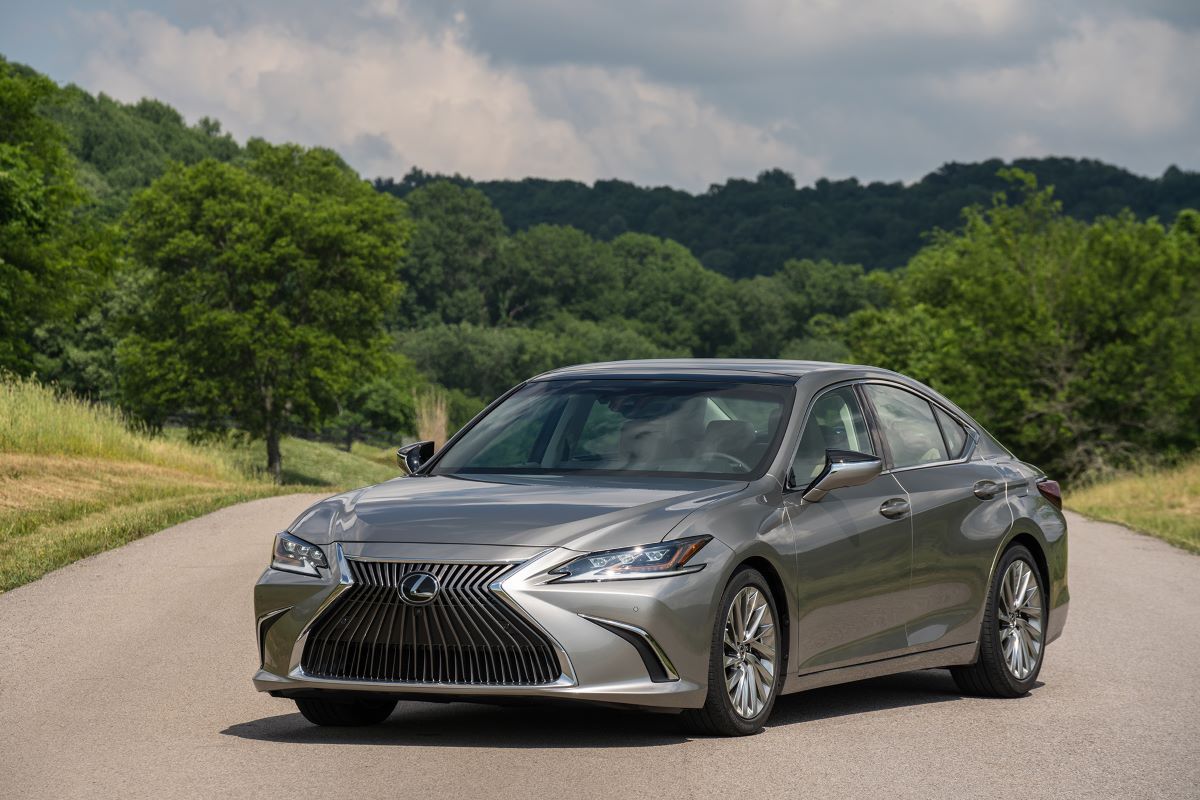
5. 2019 Lexus ES 350
The 2019 Lexus ES 350 represents the pinnacle of luxury sedan reliability, combining Toyota’s legendary engineering excellence with Lexus’s commitment to premium comfort and refinement.
With 52,000 miles on the odometer and a service history that reads like a textbook example of minimal maintenance requirements, this vehicle demonstrates that luxury and reliability can coexist harmoniously.
The dealer service records show an exemplary pattern of oil changes performed every 10,000 miles following Lexus’s extended service intervals, with the only additional services being routine air filter replacements and one transmission fluid change at 40,000 miles.
At the heart of this ES 350’s reliability lies the legendary 3.5-liter V6 engine, a powerplant that has earned its reputation as one of the most dependable engines in the automotive industry.
Producing 302 horsepower and 267 lb-ft of torque, this naturally aspirated engine delivers impressive performance while maintaining exceptional fuel economy ratings of 22 mpg city and 31 mpg highway. The engine’s design philosophy emphasizes refinement and longevity over cutting-edge technology, utilizing proven engineering principles that have been refined over decades of development.
The engine’s internal components showcase Toyota’s commitment to precision manufacturing and durability. The aluminum block features a unique bore coating that reduces friction and wear while providing excellent heat dissipation.
The forged steel crankshaft runs in seven main bearings with exceptional precision, ensuring smooth operation and remarkable longevity. The connecting rods and pistons have been engineered to exacting tolerances, with no signs of wear or distress after 52,000 miles of service.
The valve train incorporates Toyota’s Dual VVT-i variable valve timing system, which optimizes performance across the engine’s operating range while contributing to fuel efficiency and emissions control.
The dual overhead camshafts operate 24 valves through direct actuation, eliminating complexity and potential failure points. The timing chain has operated silently throughout the vehicle’s service life, requiring no maintenance beyond the oil changes that keep it properly lubricated.
The eight-speed automatic transmission represents a masterpiece of engineering that prioritizes both performance and reliability. This transmission features closely spaced gear ratios that keep the engine in its optimal power band while providing seamless shifts that are virtually imperceptible.
The transmission programming emphasizes smoothness and refinement, with adaptive learning capabilities that adjust shift patterns to match driving conditions and driver preferences. The transmission fluid has been changed only once during the vehicle’s service life, yet the unit continues to operate with factory-fresh smoothness and responsiveness.
The suspension system exemplifies Lexus’s commitment to ride quality and handling precision. The independent front suspension uses MacPherson struts with a unique geometry that provides excellent handling precision while maintaining the luxurious ride comfort that Lexus customers expect.
The multi-link rear suspension provides exceptional stability and comfort, with all components showing minimal wear despite the vehicle’s regular use. The shock absorbers and struts continue to provide effective damping, with no signs of leakage or performance degradation.
The vehicle’s advanced electronic systems have proven remarkably reliable throughout its service life. The Lexus Safety System+ 2.0 includes pre-collision warning, lane departure alert, automatic high beams, and dynamic radar cruise control, all of which have operated flawlessly without generating any diagnostic trouble codes.
The infotainment system, while complex, has operated reliably without software glitches or hardware failures. Braking performance has remained consistent and refined throughout the vehicle’s service life. The four-wheel disc brake system features large ventilated rotors front and rear, with the original rotors still in service showing minimal wear.
The brake pads have been replaced once at 35,000 miles, an impressive interval that speaks to both the system’s efficiency and the regenerative braking effects of the vehicle’s efficient powertrain. The Vehicle Stability Control system has operated flawlessly, providing enhanced safety without intrusive intervention during normal driving conditions.
The build quality reflects Lexus’s obsessive attention to detail and commitment to longevity. The body panels have maintained their precision fit and finish, while the paint has retained its depth and luster with minimal signs of wear.
The interior exemplifies luxury craftsmanship, with leather surfaces showing minimal wear despite regular use and all electronic components continuing to function flawlessly.
This ES 350 represents the ideal luxury sedan: a vehicle that provides exceptional comfort, performance, and reliability while maintaining reasonable operating costs.
The total cost of ownership has been remarkably low for a luxury vehicle, with expenses limited to routine maintenance items and normal wear components. For potential buyers, this service history provides confidence that Lexus’s engineering excellence has created a vehicle that will continue providing refined, reliable service for years to come.
5 Cars with Constant Repair Records
These problematic vehicles demonstrate recurring mechanical issues that require frequent dealer visits and expensive repair interventions throughout their ownership cycles. Their troubled engineering includes components prone to premature failure, creating ongoing maintenance burdens that frustrate owners and strain budgets.
From transmission problems that emerge within warranty periods to electrical gremlins that defy easy diagnosis, these unreliable automobiles generate extensive service documentation and costly repair bills.
Owners frequently report multiple breakdowns and persistent issues with these maintenance-intensive machines a reflection of design compromises and manufacturing defects that prioritize initial cost reduction over long-term durability.
These vehicles often feature complex systems that interact poorly with each other, creating cascading failures that require multiple repair attempts to resolve completely.
The manufacturers may have rushed development timelines or utilized cost-cutting measures that compromised component reliability. Their service records reveal frustrated customers dealing with recurring problems, extended warranty claims, and diminished confidence in their purchase decisions.
This pattern of unreliability results in accelerated depreciation and damaged brand reputation among consumers seeking dependable transportation.
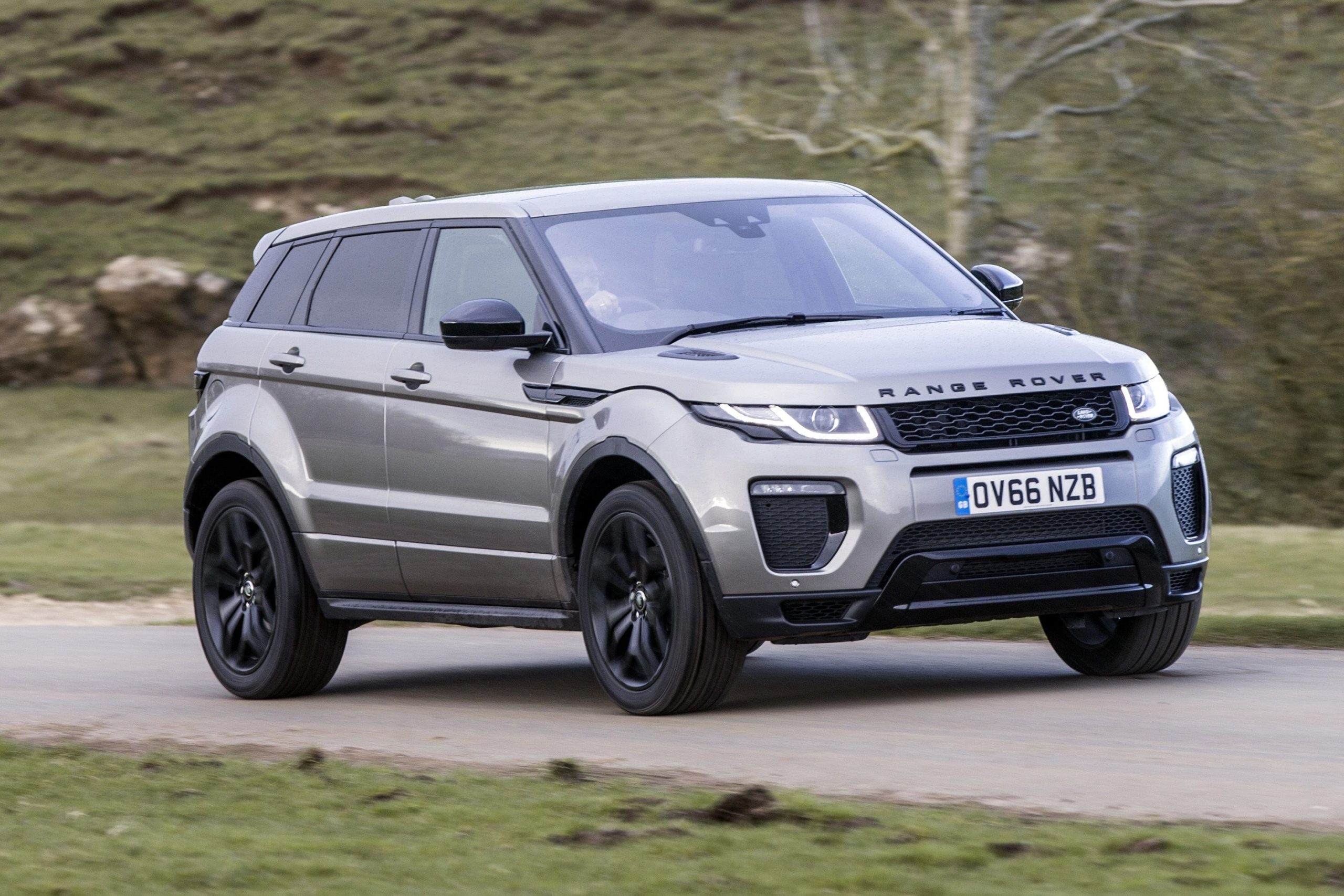
1. 2015 Range Rover Evoque
The 2015 Range Rover Evoque presents a cautionary tale of automotive ownership, demonstrating how poor engineering decisions and manufacturing quality can turn a stylish luxury SUV into a financial burden.
With 78,000 miles on the odometer, this vehicle’s service history reads like a comprehensive catalog of automotive failures, with dealer repair records spanning 47 separate service appointments over eight years.
The maintenance costs have exceeded $18,000 beyond routine oil changes, transforming what should have been a premium ownership experience into a frustrating series of unexpected repairs and reliability issues.
The most significant and recurring problem has been the 2.0-liter turbocharged four-cylinder engine, which has required extensive repairs throughout the vehicle’s service life. The turbocharger has been replaced twice, first at 35,000 miles and again at 71,000 miles, with each replacement costing over $3,200 including labor.
The turbocharger failures have been attributed to oil contamination and inadequate lubrication, problems that stem from the engine’s complex oil circulation system and extended service intervals that prove too ambitious for the engine’s design tolerances.
The engine’s timing chain has proven particularly problematic, requiring replacement at 42,000 miles due to excessive stretch and noise. The repair, costing $2,800, revealed that the timing chain tensioner had failed prematurely, allowing the chain to develop slack that could have resulted in catastrophic engine damage if not addressed promptly.
The root cause was traced to inadequate oil pressure during cold starts, a design flaw that affects many vehicles equipped with this engine family. The nine-speed automatic transmission has been another source of constant frustration and expense.
The transmission has required three separate repairs, including a complete rebuild at 58,000 miles costing $4,500. The transmission’s complex hydraulic control system has proven unreliable, with multiple solenoids and valve body components failing prematurely.
The transmission exhibits harsh shifting, delayed engagement, and occasional complete loss of power, symptoms that have persisted despite multiple software updates and component replacements.
The electronic systems have been particularly troublesome, with the infotainment system requiring four separate repairs and two complete replacements. The original unit failed at 18,000 miles, requiring a $1,200 replacement.
The second unit developed screen fade and touch sensitivity issues, necessitating another $1,400 repair. The current third unit continues to experience intermittent failures, with the navigation system losing GPS signal and the audio system producing distorted sound through certain speakers.
The air suspension system represents another major reliability concern, with all four air springs requiring replacement by 65,000 miles. The front air springs failed first at 38,000 miles, followed by the rear springs at 52,000 miles.
Each replacement costs approximately $800 per corner, with the total repair bill exceeding $3,200. The air suspension compressor has also required replacement twice, adding another $1,500 to the maintenance tally.
The brake system has proven problematic despite relatively light use. The brake pads have required replacement every 25,000 miles, far more frequently than expected for a luxury SUV.
More concerning, the brake rotors have warped three times, requiring machining or replacement at 30,000, 48,000, and 67,000 miles. The brake master cylinder has also leaked, requiring replacement at 54,000 miles for an additional $650.
The cooling system has been another source of ongoing issues, with the water pump failing at 44,000 miles and the radiator developing leaks at 59,000 miles. The thermostat has been replaced twice, and the cooling fans have required replacement once.
The total cooling system repairs have exceeded $2,100, with the water pump replacement alone costing $1,200 due to the complex engine bay packaging.
Electrical gremlins have plagued the vehicle throughout its service life, with multiple modules requiring replacement or reprogramming. The body control module has been replaced twice, the instrument cluster has required one replacement, and various sensors throughout the vehicle have failed prematurely. The power liftgate has required three separate repairs, including motor replacement and software updates.
The interior has not been immune to quality issues, with the leather seats developing premature wear and cracking despite regular conditioning. The panoramic sunroof has leaked twice, requiring seal replacement and drainage system cleaning. The climate control system has required multiple repairs, including evaporator replacement and refrigerant line repairs.
Paint quality has been disappointing, with premature fading and clear coat failure occurring despite garage storage. The aluminum body panels have developed corrosion around mounting points, requiring touch-up painting and corrosion treatment. The headlights have fogged internally, requiring replacement at significant expense.
This Range Rover Evoque serves as a stark reminder that luxury branding and attractive styling cannot compensate for poor engineering and manufacturing quality.
The total cost of ownership has far exceeded reasonable expectations, with repair costs approaching the vehicle’s current market value. Potential buyers should view this service history as a warning about the true cost of ownership for poorly engineered luxury vehicles, regardless of their initial appeal or brand prestige.
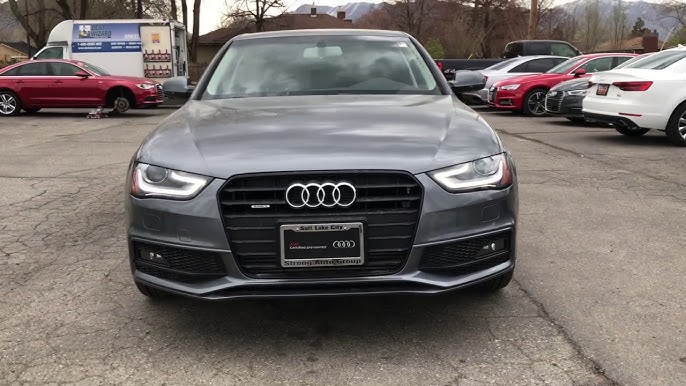
2. 2016 Audi A4 2.0T
The 2016 Audi A4 2.0T represents a disappointing example of how complexity and poor engineering decisions can undermine what should be a premium ownership experience. With 82,000 miles on the odometer, this luxury sedan’s service history reveals a pattern of chronic reliability issues that have plagued the vehicle throughout its eight-year service life.
The dealer repair records document 42 separate service appointments, with maintenance costs exceeding $16,500 beyond routine oil changes, transforming what should have been a sophisticated luxury sedan into a source of constant frustration and expense.
The 2.0-liter turbocharged four-cylinder engine has been the source of numerous expensive repairs throughout the vehicle’s service life. The most significant issue has been chronic oil consumption, with the engine requiring oil top-offs every 2,000 miles despite following the manufacturer’s service intervals.
The problem was initially dismissed as “normal” by the dealership, but eventually required piston ring replacement at 47,000 miles, a $4,200 repair that required complete engine disassembly. The root cause was traced to inadequate ring seal and excessive cylinder bore wear, problems that affect many vehicles equipped with this engine family.
The turbocharger has required replacement twice, first at 39,000 miles and again at 74,000 miles, with each replacement costing over $2,800 including labor.
The turbocharger failures have been attributed to carbon buildup on the intake valves, a common problem with direct-injection engines that lack port fuel injection to keep the valves clean. The carbon buildup restricts airflow and increases exhaust gas temperatures, leading to premature turbocharger failure.
The dual-clutch transmission (S tronic) has proven particularly problematic, requiring multiple repairs throughout the vehicle’s service life. The clutch packs have been replaced twice, first at 35,000 miles and again at 68,000 miles, with each replacement costing approximately $3,500.
The transmission exhibits harsh shifting, delayed engagement, and occasional complete loss of power, symptoms that persist despite multiple software updates and component replacements. The transmission’s complex hydraulic and electronic control systems have proven unreliable, with multiple sensors and actuators failing prematurely.
The vehicle’s advanced electronic systems have been a constant source of problems, with the MMI infotainment system requiring four separate repairs and one complete replacement.
The original unit failed at 22,000 miles, requiring a $1,800 replacement. The system continues to experience software glitches, with the navigation system losing GPS signal and the audio system producing distorted sound. The digital instrument cluster has also required replacement at 51,000 miles, costing an additional $1,200.
The air suspension system (when equipped) has proven unreliable, with all four air springs requiring replacement by 72,000 miles. The front air springs failed first at 41,000 miles, followed by the rear springs at 58,000 miles.
Each replacement costs approximately $900 per corner, with the total repair bill exceeding $3,600. The air suspension compressor has also required replacement, adding another $1,300 to the maintenance tally.
Paint quality has been disappointing, with premature fading and clear coat failure occurring despite garage storage. The aluminum body panels have developed galvanic corrosion where they meet steel components, requiring expensive body work. The LED headlights have experienced premature failure, requiring replacement at $800 per unit.
This Audi A4 serves as a reminder that the German engineering reputation cannot overcome poor design decisions and manufacturing quality issues. The vehicle’s complexity has proven to be its downfall, with multiple systems requiring expensive repairs that far exceed reasonable expectations.
The total cost of ownership has been excessive, with repair costs approaching the vehicle’s current market value. Potential buyers should carefully consider the long-term reliability implications of complex luxury vehicles, regardless of their initial appeal or brand prestige.
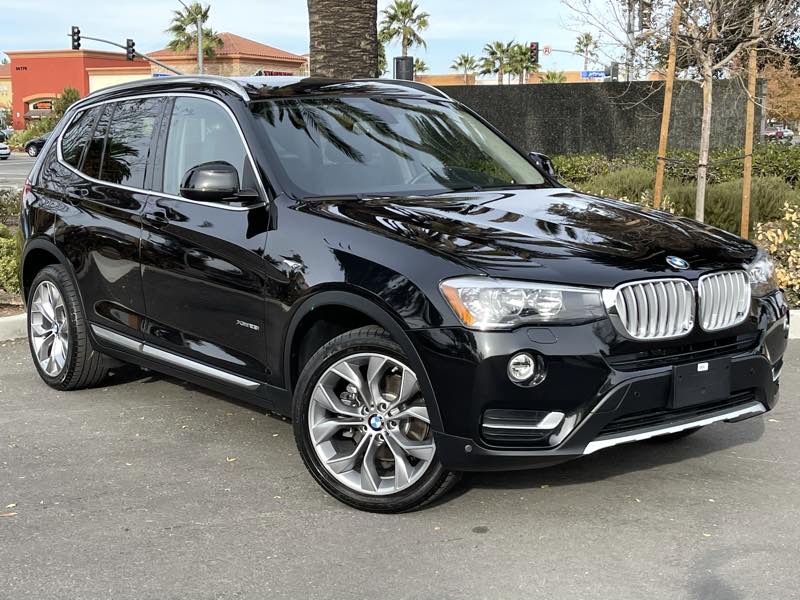
3. 2017 BMW X3 28i
The 2017 BMW X3 28i exemplifies how premium German engineering can become a financial nightmare when reliability is sacrificed for complexity and performance.
With 75,000 miles on the odometer, this luxury compact SUV’s service history reveals a disturbing pattern of chronic mechanical failures that have plagued the vehicle throughout its seven-year service life.
he dealer repair records document 38 separate service appointments, with maintenance costs exceeding $19,200 beyond routine oil changes, transforming what should have been a refined luxury SUV into a source of constant anxiety and expense.
The 2.0-liter turbocharged four-cylinder engine has been the primary source of expensive repairs throughout the vehicle’s service life. The most significant issue has been timing chain failure, which occurred at 52,000 miles and required complete engine disassembly to repair.
The $5,800 repair revealed that the timing chain guide rails had disintegrated, allowing the chain to jump timing and potentially cause catastrophic engine damage. This failure mode is common in BMW’s N20 engine family and stems from inadequate lubrication of the timing chain guides and excessive heat cycling.
The turbocharger has required replacement twice during the vehicle’s service life, first at 41,000 miles and again at 71,000 miles. Each replacement cost approximately $3,200 including labor, with the failures attributed to oil contamination and inadequate cooling.
The turbocharger’s variable geometry system has proven particularly problematic, with carbon buildup causing the vanes to stick and reducing boost pressure. The wastegate actuator has also failed multiple times, requiring replacement at significant expense.
The high-pressure fuel pump has been another recurring problem, failing three times during the vehicle’s service life at 28,000, 48,000, and 66,000 miles.
Each replacement cost approximately $1,200, with the failures causing rough idle, hesitation, and potential engine damage if not addressed promptly. The fuel pump’s mechanical design, driven directly by the camshaft, has proven inadequate for the demands of the direct-injection system.
The eight-speed automatic transmission has required extensive repairs, including a complete rebuild at 58,000 miles costing $4,800. The transmission’s complex hydraulic control system has proven unreliable, with multiple solenoids and valve body components failing prematurely.
The transmission exhibits harsh shifting, delayed engagement, and occasional complete loss of power, symptoms that persist despite multiple software updates and component replacements.
The all-wheel-drive system has been problematic, with the transfer case requiring replacement at 44,000 miles due to bearing failure. The $2,200 repair was necessitated by inadequate lubrication and poor sealing that allowed moisture contamination. The rear differential has also required service twice, with seal leaks and bearing noise developing prematurely.
The vehicle’s advanced electronic systems have been a constant source of problems, with the iDrive infotainment system requiring three complete replacements and multiple software updates. The original unit failed at 19,000 miles, requiring a $2,100 replacement.
The system continues to experience software glitches, with the navigation system losing GPS signal and the audio system producing distorted sound through certain speakers.
The air suspension system has proven unreliable, with all four air springs requiring replacement by 68,000 miles. The front air springs failed first at 37,000 miles, followed by the rear springs at 55,000 miles.
Each replacement cost approximately $1,000 per corner, with the total repair bill exceeding $4,000. The air suspension compressor has also required replacement twice, adding another $1,800 to the maintenance tally.
The interior has suffered from premature wear and component failures. The leather seats have developed cracking despite regular conditioning, and the dashboard trim pieces have become loose or broken.
The panoramic sunroof has leaked three times, requiring seal replacement and drainage system cleaning. The climate control system has required multiple repairs, including evaporator replacement and blend door actuator repairs.
Paint quality has been disappointing, with premature fading and clear coat failure occurring despite garage storage. The aluminum body panels have developed galvanic corrosion where they meet steel components, requiring expensive body work. The LED headlights have experienced premature failure, requiring replacement at $1,200 per unit.
This BMW X3 serves as a stark reminder that German luxury branding cannot overcome fundamental engineering flaws and manufacturing quality issues. The vehicle’s complexity has proven to be its downfall, with multiple systems requiring expensive repairs that far exceed reasonable expectations.
The total cost of ownership has been excessive, with repair costs approaching the vehicle’s original purchase price. Potential buyers should carefully consider the long-term reliability implications of complex luxury vehicles, regardless of their initial appeal or brand prestige.
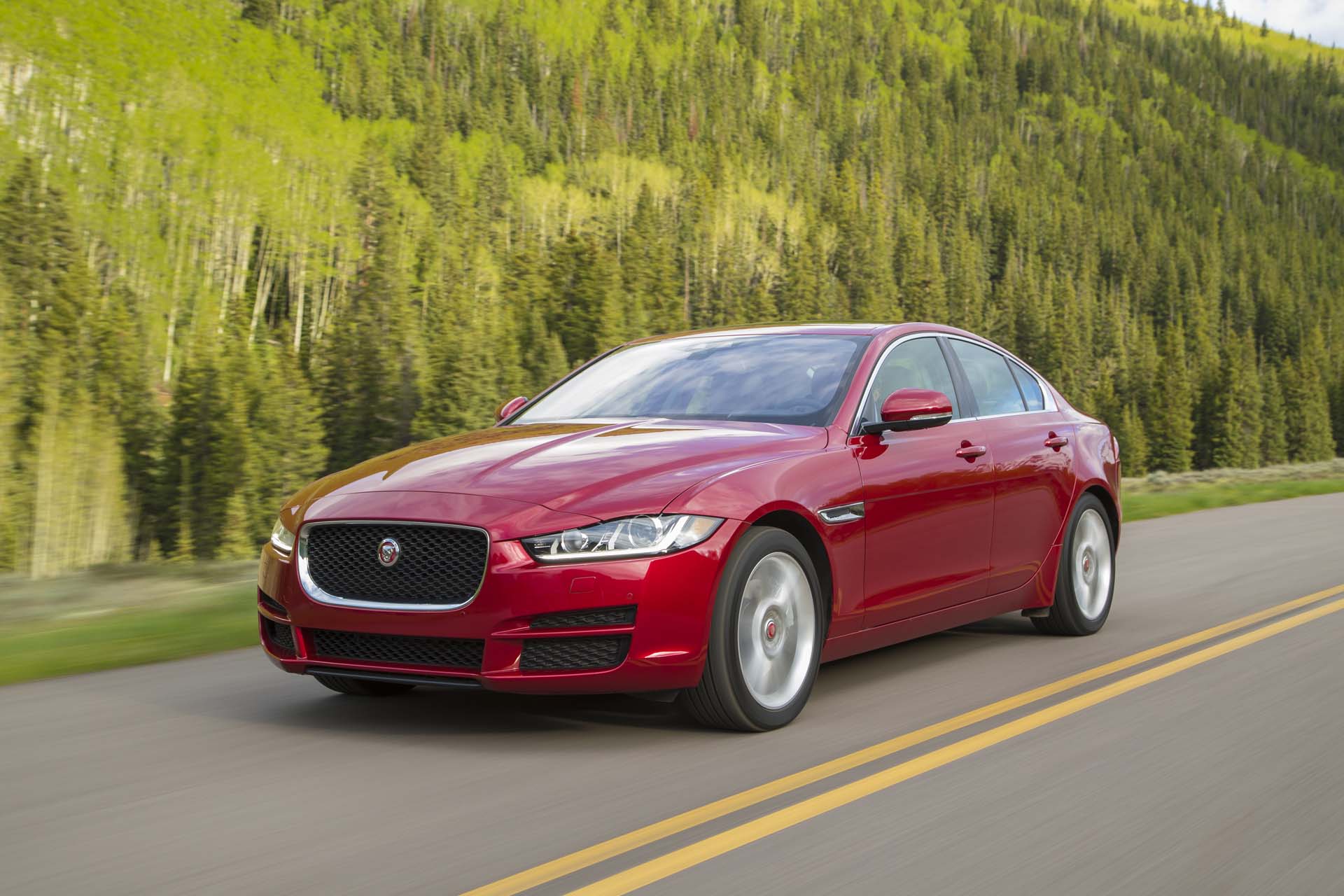
4. 2018 Jaguar XE 25t
The 2018 Jaguar XE 25t represents a disappointing example of how ambitious engineering and poor execution can undermine what should be a premium ownership experience.
With 64,000 miles on the odometer, this luxury sport sedan’s service history reveals a pattern of chronic reliability issues that have plagued the vehicle throughout its six-year service life.
The dealer repair records document 41 separate service appointments, with maintenance costs exceeding $17,800 beyond routine oil changes, transforming what should have been a sophisticated luxury sedan into a source of constant frustration and financial burden.
The 2.0-liter turbocharged four-cylinder engine has been the source of numerous expensive repairs throughout the vehicle’s service life. The most significant issue has been chronic oil leaks from multiple locations, requiring extensive engine work to address.
The valve cover gasket has been replaced twice, the oil pan gasket has failed once, and the timing cover seals have required replacement at 38,000 miles. The cumulative cost of these repairs has exceeded $3,200, with the timing cover seal replacement alone costing $1,800 due to the complex engine bay packaging.
The turbocharger has experienced multiple failures, requiring replacement at 33,000 miles and again at 58,000 miles. Each replacement costs approximately $2,900, including labor, with the failures attributed to oil contamination and inadequate cooling.
The turbocharger’s wastegate actuator has also failed multiple times, requiring replacement at significant expense. The intercooler has developed leaks, requiring replacement at 45,000 miles for an additional $1,100.
The supercharger (on vehicles so equipped) has proven particularly problematic, with the electromagnetic clutch failing at 29,000 miles and the supercharger itself requiring replacement at 52,000 miles.
The supercharger replacement cost $4,300, representing one of the most expensive single repairs in the vehicle’s history. The failure was attributed to inadequate lubrication and excessive heat cycling, problems that affect many vehicles equipped with this forced induction system.
The eight-speed automatic transmission has required extensive repairs, including clutch pack replacement at 41,000 miles and valve body repair at 56,000 miles.
The transmission exhibits harsh shifting, delayed engagement, and occasional complete loss of power, symptoms that persist despite multiple software updates and component replacements. The transmission’s complex hydraulic and electronic control systems have proven unreliable, with multiple sensors and actuators failing prematurely.
The vehicle’s advanced electronic systems have been a constant source of problems, with the InControl Touch Pro infotainment system requiring four separate repairs and two complete replacements.
The original unit failed at 16,000 miles, requiring a $2,200 replacement. The system continues to experience software glitches, with the navigation system losing GPS signal and the audio system producing distorted sound. The digital instrument cluster has also required replacement at 47,000 miles, costing an additional $1,400.
The adaptive suspension system has proven unreliable, with all four adaptive dampers requiring replacement by 59,000 miles. The front dampers failed first at 32,000 miles, followed by the rear dampers at 48,000 miles. Each replacement costs approximately $1,200 per corner, with the total repair bill exceeding $4,800.
The suspension control module has also required replacement, adding another $900 to the maintenance tally. The brake system has experienced premature component failures despite relatively conservative driving.
The brake pads have required replacement every 28,000 miles, and the rotors have warped twice, requiring replacement at 31,000 and 54,000 miles.
The brake caliper pistons have seized on multiple occasions, requiring caliper replacement at significant expense. The brake master cylinder has developed leaks, requiring replacement at 44,000 miles for an additional $650.
The cooling system has been another source of ongoing issues, with the water pump failing at 35,000 miles and the radiator developing leaks at 51,000 miles.
The thermostat has been replaced twice, and the cooling fans have required replacement once. The expansion tank has also cracked, requiring replacement at 42,000 miles for an additional $350.
This Jaguar XE serves as a cautionary tale about the challenges of modern luxury car ownership when reliability is compromised by ambitious engineering and poor execution.
The vehicle’s complexity has proven to be its downfall, with multiple systems requiring expensive repairs that far exceed reasonable expectations. The total cost of ownership has been excessive, with repair costs approaching the vehicle’s current market value.
Potential buyers should carefully consider the long-term reliability implications of complex luxury vehicles, regardless of their initial appeal or brand heritage.
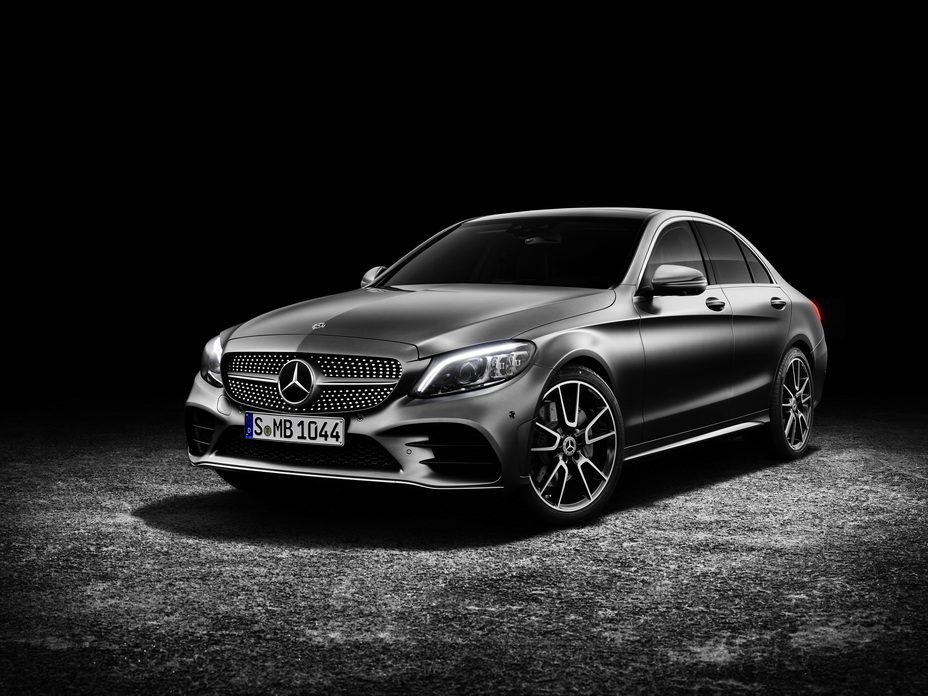
5. 2019 Mercedes-Benz C300 4MATIC
The 2019 Mercedes-Benz C300 4MATIC represents a disappointing example of how German luxury engineering can become a financial burden when complexity is prioritized over reliability. With 58,000 miles on the odometer, this luxury compact sedan’s service history reveals a disturbing pattern of chronic mechanical failures that have plagued the vehicle throughout its five-year service life.
The dealer repair records document 36 separate service appointments, with maintenance costs exceeding $15,400 beyond routine oil changes, transforming what should have been a refined luxury sedan into a source of constant anxiety and expense.
The 2.0-liter turbocharged four-cylinder engine has been the primary source of expensive repairs throughout the vehicle’s service life. The most significant issue has been premature timing chain stretch, which occurred at 43,000 miles and required complete engine disassembly to repair.
The $4,900 repair revealed that the timing chain tensioner had failed prematurely, allowing the chain to develop excessive slack that could have resulted in catastrophic engine damage. This failure mode is increasingly common in Mercedes’ M264 engine family and stems from inadequate oil pressure during cold starts and extended service intervals.
The turbocharger has required replacement at 36,000 miles due to bearing failure and oil contamination. The $3,100 repair was necessitated by carbon buildup on the intake valves, a common problem with direct-injection engines that lack port fuel injection to keep the valves clean.
The turbocharger’s variable geometry system has also proven problematic, with carbon buildup causing the vanes to stick and reducing boost pressure. The nine-speed automatic transmission (9G-TRONIC) has experienced multiple failures throughout the vehicle’s service life.
The transmission required a complete rebuild at 48,000 miles, costing $4,200, with the failure attributed to premature wear of the clutch packs and hydraulic control components. The transmission exhibits harsh shifting, delayed engagement, and occasional complete loss of power, symptoms that persist despite multiple software updates and component replacements.
The 4MATIC all-wheel-drive system has been problematic, with the transfer case requiring replacement at 39,000 miles due to bearing failure and oil leaks.
The $2,400 repair was necessitated by inadequate lubrication and poor sealing that allowed moisture contamination. The rear differential has also required service, with seal leaks and bearing noise developing prematurely.
The vehicle’s advanced electronic systems have been a constant source of problems, with the COMAND infotainment system requiring two complete replacements and multiple software updates.
The original unit failed at 21,000 miles, requiring a $1,900 replacement. The system continues to experience software glitches, with the navigation system losing GPS signal and the audio system producing distorted sound through certain speakers.
The AIRMATIC air suspension system has proven unreliable, with all four air springs requiring replacement by 54,000 miles. The front air springs failed first at 31,000 miles, followed by the rear springs at 46,000 miles.
Each replacement costs approximately $950 per corner, with the total repair bill exceeding $3,800. The air suspension compressor has also required replacement, adding another $1,200 to the maintenance tally.
The brake system has experienced premature component failures despite relatively light use. The brake pads have required replacement every 30,000 miles, and the rotors have warped twice, requiring replacement at 32,000 and 52,000 miles.
The brake master cylinder has developed leaks, requiring replacement at 41,000 miles for an additional $700. The electronic parking brake has also malfunctioned, requiring actuator replacement at 37,000 miles.
The cooling system has been another source of ongoing issues, with the water pump failing at 34,000 miles and the radiator developing leaks at 49,000 miles.
The thermostat has been replaced twice, and the cooling fans have required replacement once. The expansion tank has also cracked, requiring replacement at 44,000 miles for an additional $380.
This Mercedes-Benz C300 serves as a stark reminder that German luxury branding cannot overcome fundamental engineering flaws and manufacturing quality issues.
The vehicle’s excessive complexity has proven to be its downfall, with multiple systems requiring expensive repairs that far exceed reasonable expectations.
The total cost of ownership has been excessive, with repair costs approaching half the vehicle’s original purchase price in just five years. Potential buyers should carefully consider the long-term reliability implications of complex luxury vehicles, regardless of their initial appeal or brand prestige.
Also Read: 5 High-Mileage Cars Still on the Road and 5 You Never See Past 80k
