
Car maintenance advice can be confusing, with conflicting tips passed down from friends, online forums, or outdated habits. Unfortunately, many drivers still believe in long-debunked myths that lead to unnecessary expenses or even unsafe conditions.
Understanding what’s true and what’s outdated can help you save money, extend your car’s lifespan, and improve performance. This guide uncovers 10 common misconceptions about auto maintenance—covering everything from tire rotations to oil changes—and clarifies what really matters when taking care of your vehicle.
1. Premium Fuel Isn’t Automatically Better
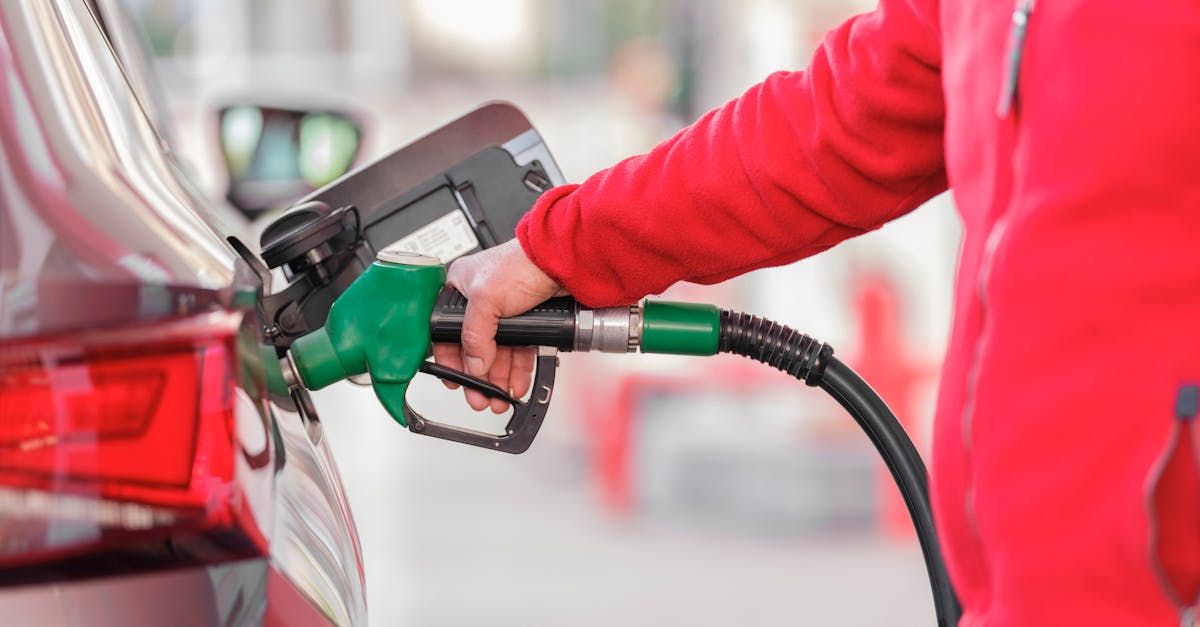
Many believe premium gas improves performance in all vehicles, but that’s not the case. Unless your owner’s manual specifically recommends high-octane fuel, you’re likely wasting money.
Premium fuel may slightly improve power in high-performance engines, but for most cars, it provides no noticeable benefits in performance or fuel economy. In fact, using a higher-octane fuel than required doesn’t “clean” the engine or make it last longer.
Stick with the recommended octane rating to get the most value out of every fill-up without sacrificing reliability or efficiency.
2. Jump-Starting Doesn’t Fully Recharge Your Battery
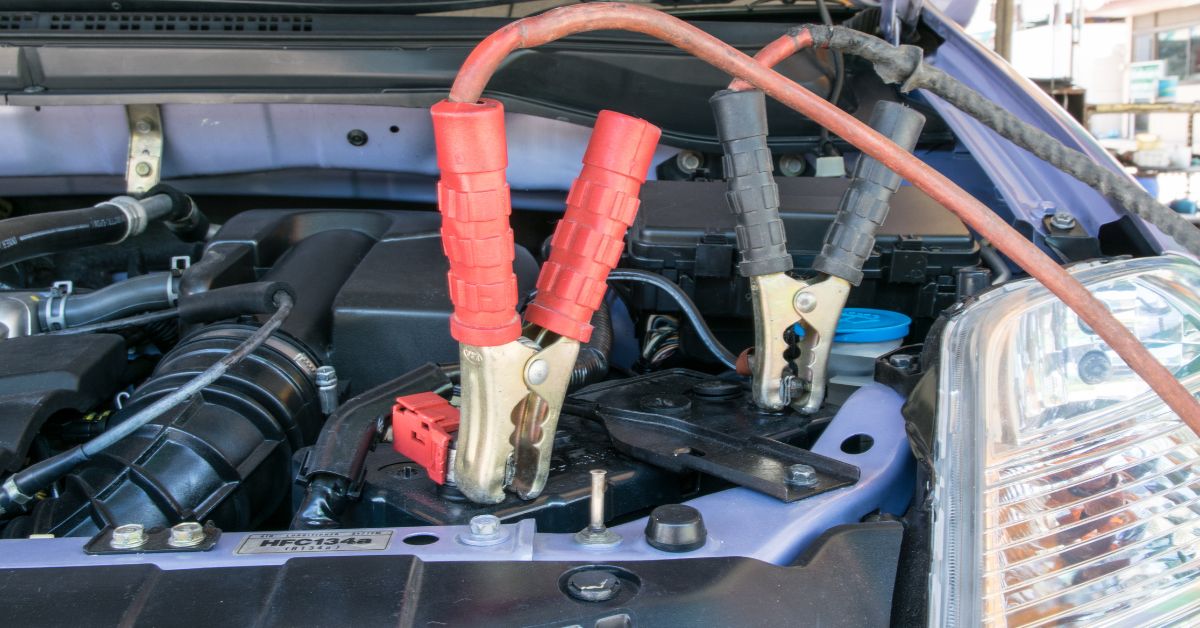
Jump-starting a car can get you back on the road, but it doesn’t restore the battery to a healthy state. If you turn the engine off right after the jump, your car might not start again next time. Ideally, drive for at least 30 minutes to allow the alternator to recharge the battery sufficiently.
If it still fails after that, your battery could be near the end of its life. A weak battery can leave you stranded, so consider regular checks and replacements, especially in colder climates or if your vehicle often sits unused.
3. Dish Soap Can Damage Your Car’s Finish
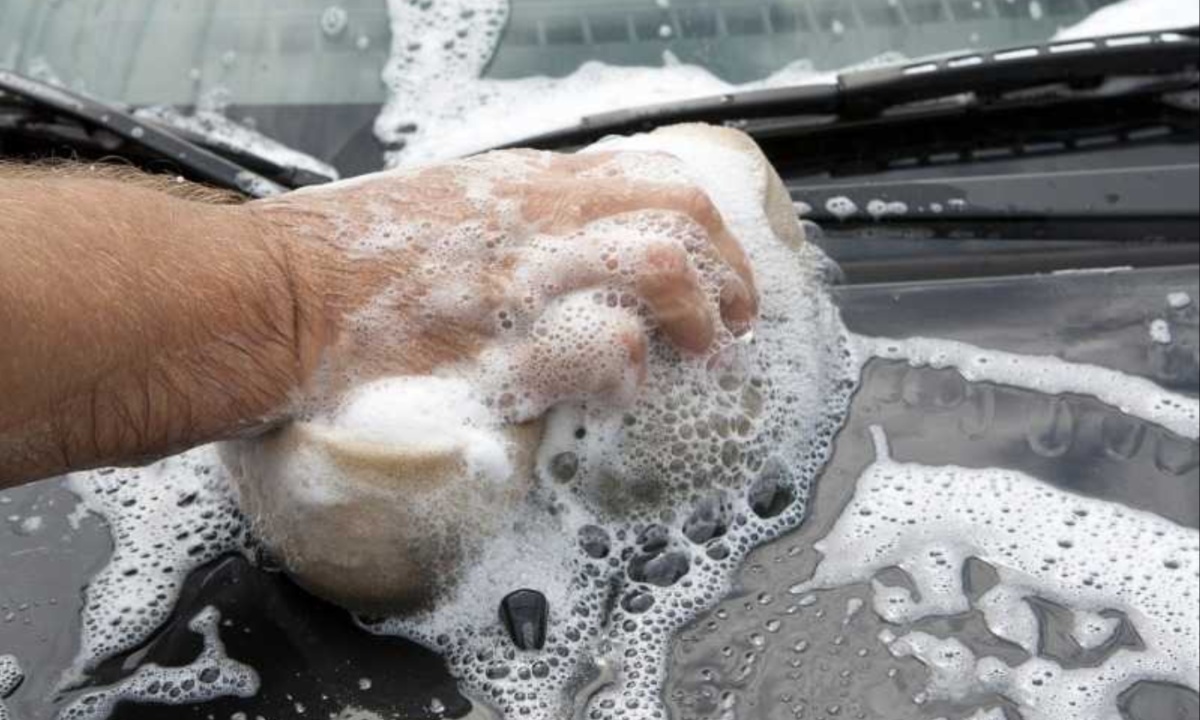
Using dish soap to clean your car might seem harmless, but it’s a mistake that can dull your paint over time. Dish soap strips away protective wax and dries out the paint surface, making it more prone to fading, oxidation, and scratches.
Automotive soaps are specifically designed to be gentle on your car’s clear coat while still lifting dirt effectively. Investing in a proper car wash product not only protects your car’s appearance but also extends the life of your exterior paint—making it a smart, long-term choice for car care.
4. Tire Rotation Isn’t One-Size-Fits-All
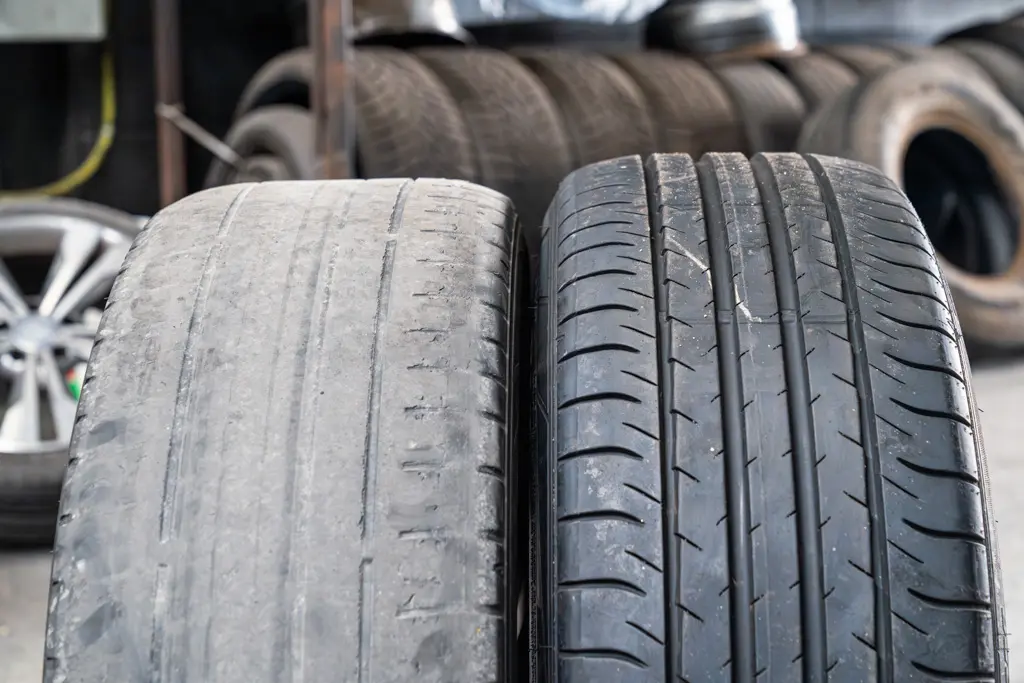
While regular tire rotation extends tread life and improves safety, the rotation pattern depends on your tires. Symmetrical tires can be rotated to any position, but directional tires (marked with an arrow) must stay on their side and move only front to back.
Asymmetrical tires, marked with “outside” labels, also have limitations in how they’re rotated. Using the wrong rotation pattern can reduce traction, accelerate uneven wear, and even compromise handling. Always check the tire type and follow the correct rotation guide—or consult a professional for peace of mind.
5. EVs Cost Less to Maintain Than You Think
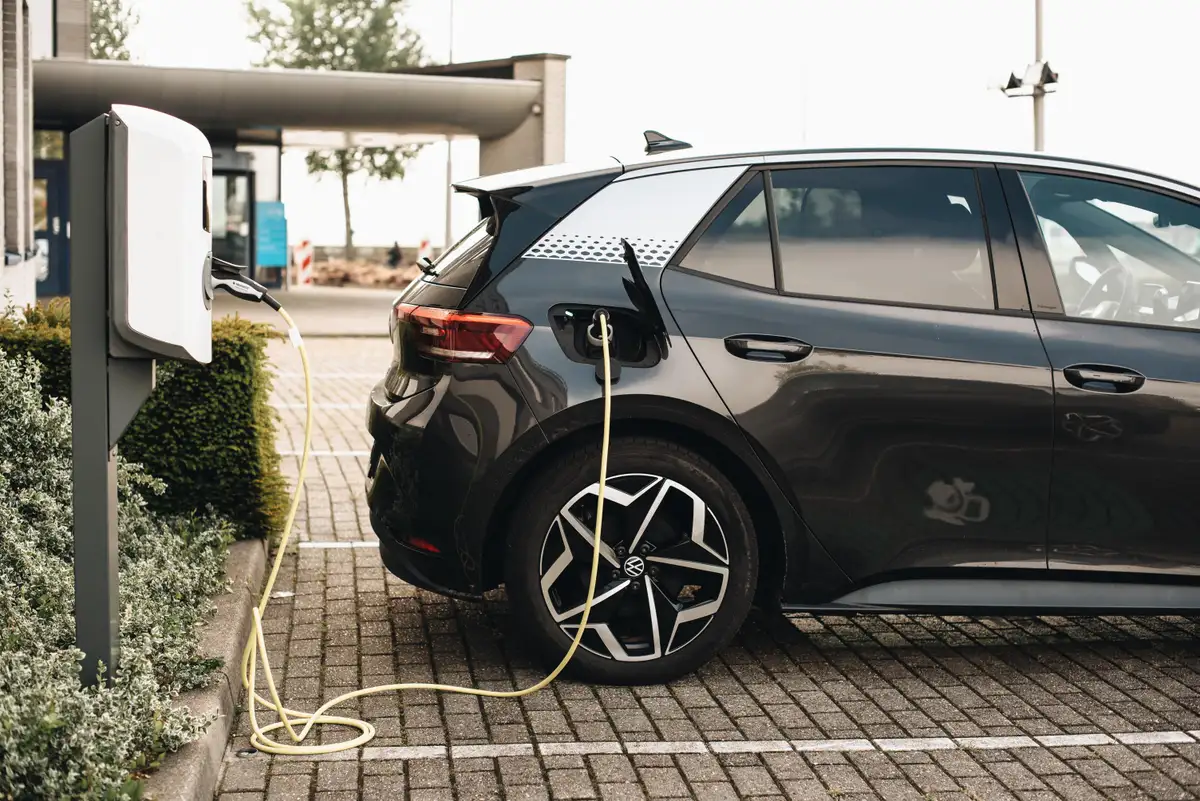
Electric vehicles (EVs) are commonly assumed to be expensive to maintain, but that’s largely a myth. EVs have fewer moving parts, no oil changes, and less frequent brake wear thanks to regenerative braking. These factors make EVs cheaper to maintain than gas-powered cars in most routine scenarios.
However, major repairs—like battery replacement—can be costly, so comprehensive insurance is a wise investment. Unless you’re dealing with collision damage, EV maintenance is significantly more affordable and simpler, especially for those who follow regular inspection and battery health guidelines.
Also Read: 10 Cars with Legendary V8 Engines That Refuse to Die
6. You Can Switch Between Synthetic and Conventional Oil
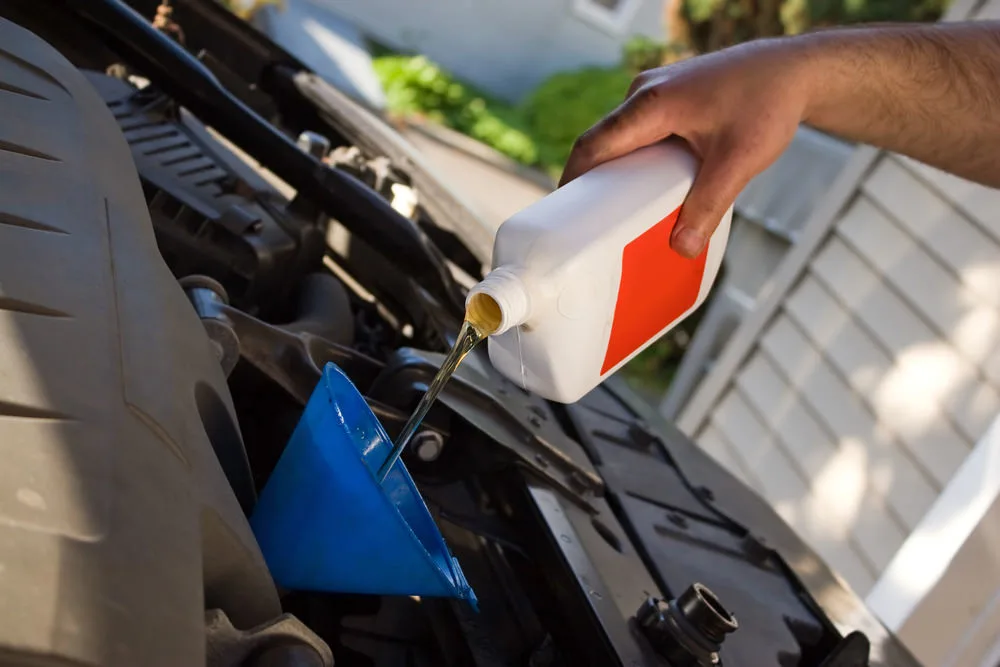
Switching to synthetic oil doesn’t mean you can never go back to conventional. As long as the oil meets the manufacturer’s specifications, you can use either type interchangeably. Synthetic oil offers advantages like longer intervals, better cold-weather performance, and reduced engine wear, but it’s not essential for every driver.
If budget or driving habits make conventional oil a better choice for you, switching back won’t damage your engine. Even mixing them in emergencies is okay, though it’s not ideal for long-term use. What matters most is meeting the proper viscosity and spec requirements.
7. Old Tires Can Be Unsafe Regardless of Mileage
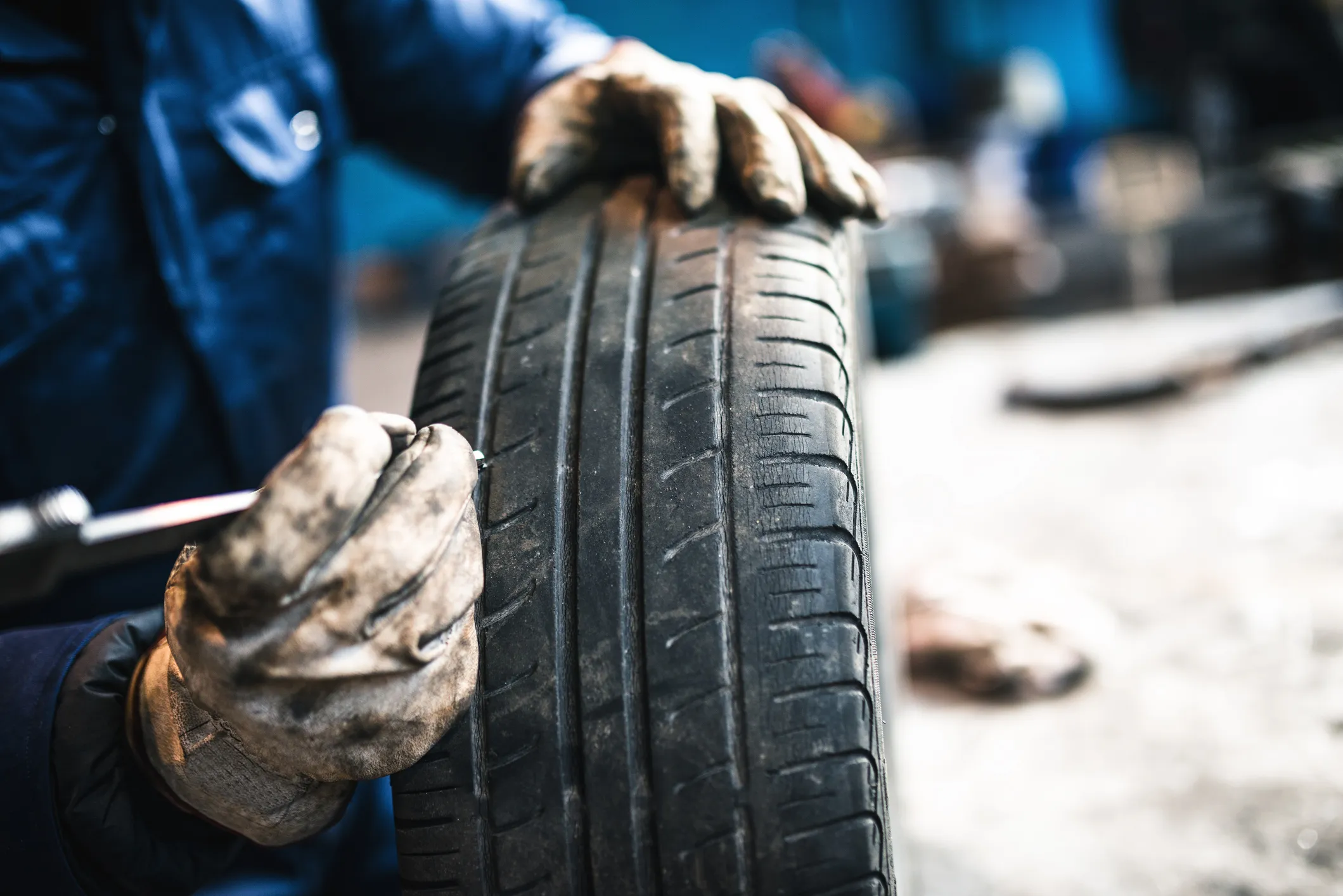
Tires don’t just wear out from use—they also degrade over time. Even tires with deep tread can become unsafe if they’re too old. Rubber dries out and may develop internal cracks, risking blowouts or poor performance.
You can check a tire’s age using the DOT code stamped on the sidewall, which reveals the week and year of manufacture. Most experts recommend replacing tires after 6 to 10 years, no matter the mileage. This is especially important for vehicles that sit unused for long periods, like vintage cars or trailers.
8. Brake Pads Aren’t Always a Job for the Pros
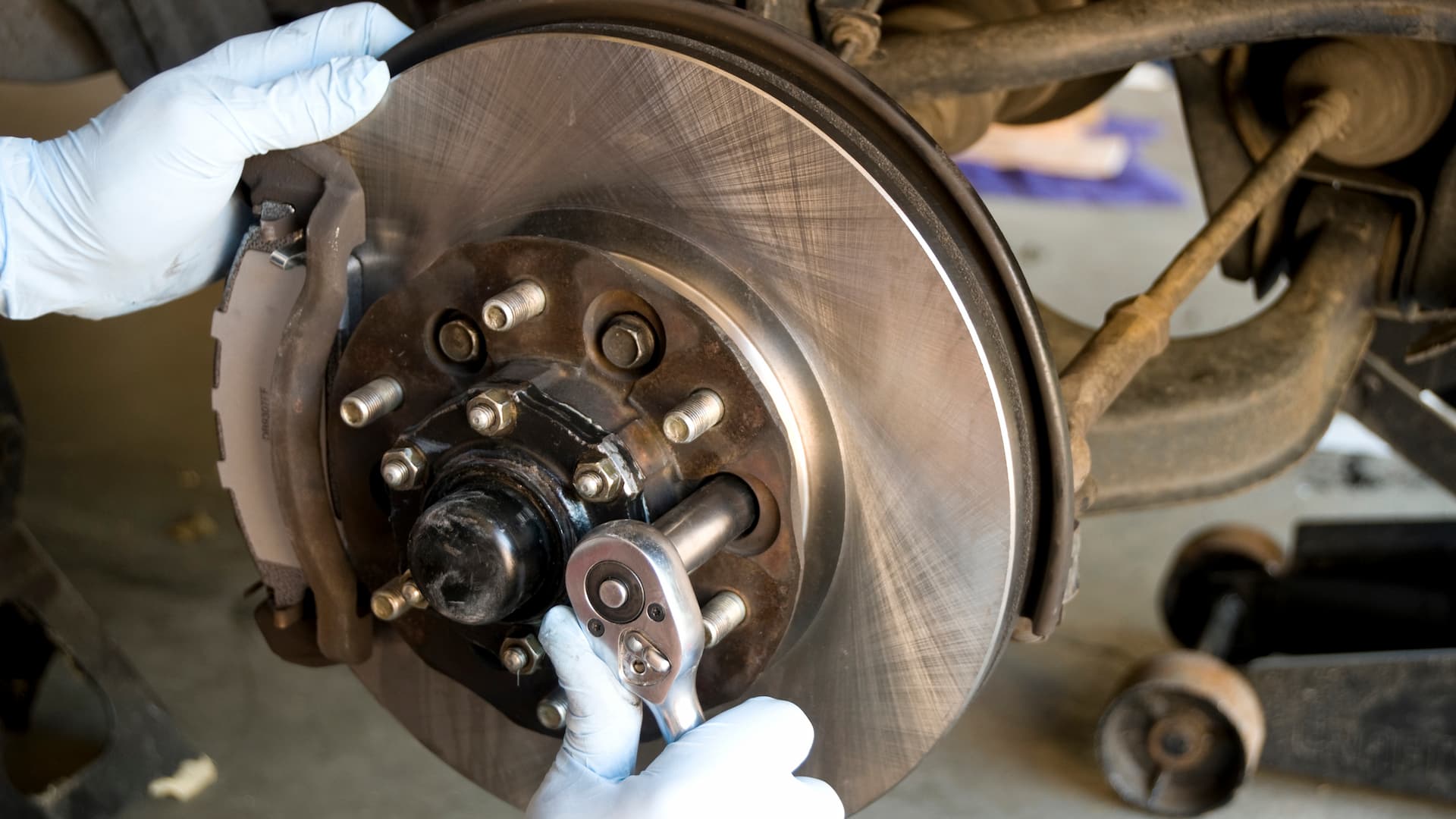
Many people think brake pad replacement must be done by a mechanic, but in reality, it’s a task many DIYers can tackle. With basic tools and an online tutorial, most vehicle owners can swap pads in a couple of hours. This is a great way to save on labor costs and learn more about your car.
However, be cautious if you drive a luxury or performance vehicle, as these might require specialized tools or knowledge. If you’re mechanically inclined, learning to change brake pads is a great step toward affordable car maintenance.
9. 3,000-Mile Oil Changes Are Outdated
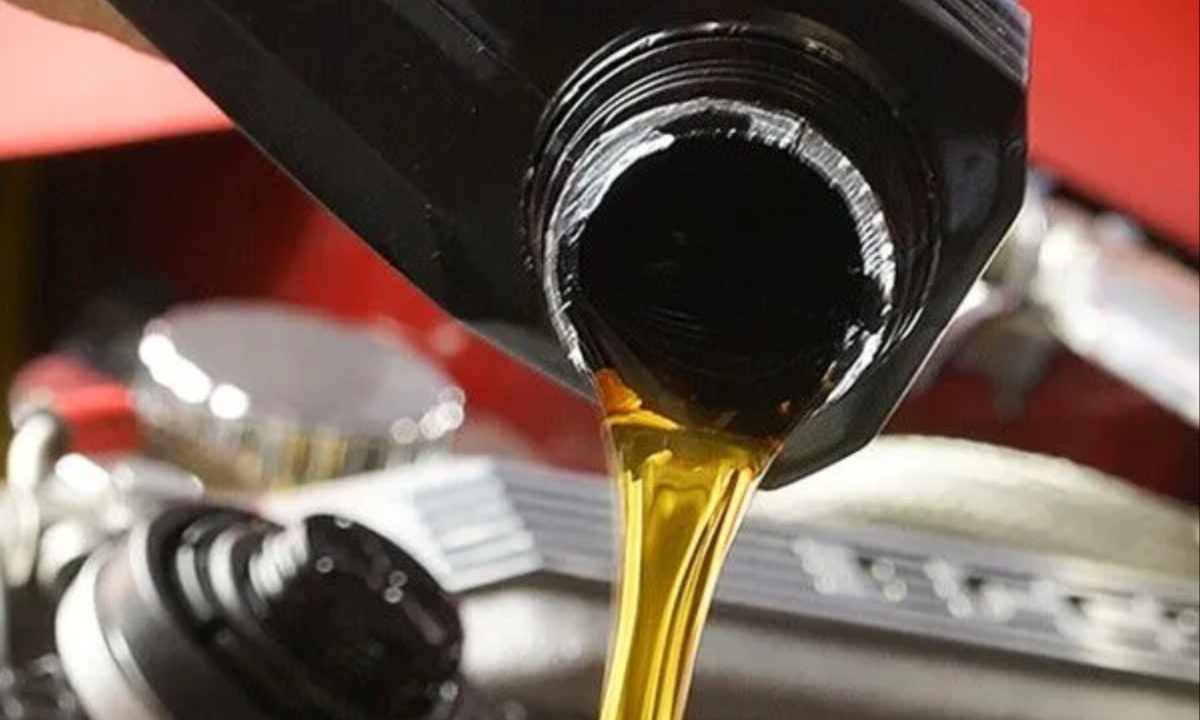
The old rule of changing your oil every 3,000 miles is outdated for most modern vehicles. Thanks to improved engines and synthetic oils, many cars can now go 7,500 to 10,000 miles between oil changes. While it’s fine to change your oil more often, it doesn’t improve engine performance and costs more over time.
That said, drivers with frequent short trips or dusty environments may still need more frequent changes. Always follow your car’s specific maintenance schedule, which you can find in the owner’s manual. Trusting your manufacturer beats sticking to old habits.
10. Tire Pressure Needs More Than a Visual Check
Tires may appear properly inflated even when they’re underinflated, which can hurt fuel efficiency and handling. According to the NHTSA, nearly 1 in 3 cars has at least one underinflated tire. The proper PSI isn’t on the tire’s sidewall—that’s the max pressure. Instead, check the sticker inside the driver’s door or your owner’s manual.
Some cars list two pressures: one for normal driving and one for heavy loads. Keeping tires inflated to the correct PSI extends tread life, improves safety, and ensures better gas mileage. Regular checks with a gauge are essential.

Understanding what’s true and what’s myth when it comes to car maintenance can save you hundreds—or even thousands—over the life of your vehicle. From ignoring outdated oil change intervals to skipping overpriced premium fuel, avoiding these common misconceptions means better performance, improved safety, and lower costs.
Stay informed, follow your vehicle’s manual, and don’t hesitate to learn basic DIY skills. Whether you’re driving a gas-powered car or a sleek EV, making educated decisions is the key to maximizing both the lifespan and reliability of your vehicle.
Also Read: 10 Cars That Survive Teen Drivers Built Tough Safe Smart and Budget Friendly
