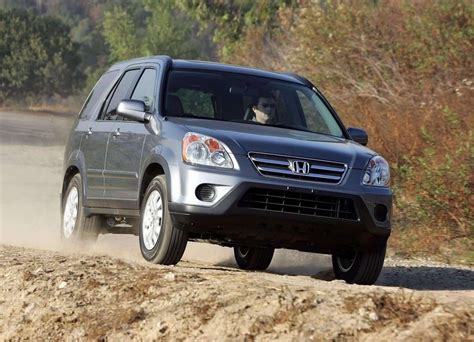
Honda has long been a symbol of reliability, fuel efficiency, and longevity in the automotive world. From college students to retirees, nearly everyone knows someone who swears by their Honda for lasting well beyond expectations. However, not all Hondas are created equal.
While some models routinely coast past the 200,000-mile mark with little more than oil changes and tire rotations, others start showing signs of trouble much sooner. The truth is, longevity depends on a mix of design quality, engine choice, and overall build integrity—factors that vary even within a trusted brand like Honda.
This blog takes a deep dive into five Honda models that are well-known for their impressive endurance—vehicles that shrug off high mileage and keep going strong. On the flip side, we’ll also highlight five Hondas that often fall short of the brand’s bulletproof reputation, struggling with transmission failures, oil leaks, and costly repairs before they reach their golden years.
Whether you’re hunting for your next used car or simply a Honda enthusiast, knowing which models go the distance and which ones tend to tap out early can save you money, headaches, and countless hours in the repair shop. Let’s break down the winners and losers when it comes to high-mile Honda ownership.
5 Hondas That Hit 200,000 Miles
These Honda models are the backbone of the brand’s reputation for longevity. With strong engines, solid transmissions, and minimal electronic quirks, they regularly cross 200,000 miles without breaking a sweat. From daily commutes to cross-country road trips, they’ve proven themselves to be long-lasting companions.
They’re not just reliable—they’re legendary for how long they last, even with minimal maintenance. If you’re looking for a used Honda that’ll go the distance, start your search with these five time-tested champions.
ALSO READ: 5 Cars That Can Handle 500 Miles Daily and 5 That Break After 50 Miles
1. Honda Accord (2003–2012)
The Honda Accord is the gold standard for durability, especially models from the early 2000s to early 2010s.
Equipped with the rock-solid K-series engines and smooth transmissions, these cars frequently blow past the 200,000-mile mark with no major issues. Owners swear by their minimal maintenance needs—just change the oil, rotate the tires, and keep it moving.
The interior materials also hold up surprisingly well, and rust isn’t a huge problem unless you’re in a salt-heavy region.
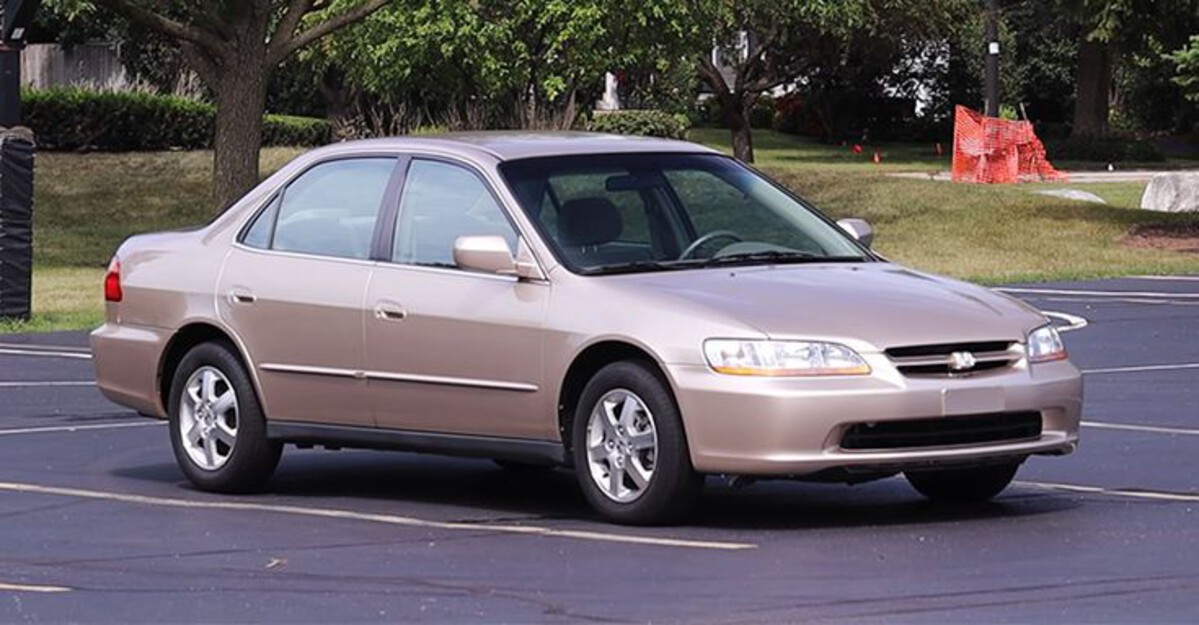
Whether it’s the 4-cylinder or the V6, both versions can take a beating and keep cruising.
The Accord’s simple yet effective engineering is its biggest strength.
There are no overcomplicated electronics that tend to fail as the miles rack up. It’s also got solid fuel economy and plenty of parts availability, making repairs quick and affordable.
Mechanic after mechanic will tell you: If it’s a well-maintained Accord, buy it. Even with 150,000+ miles on the odometer, it still has life left.
Simply put, the Accord is the car you recommend to your kids, your friends, and even yourself when you just want something that’ll last.
2. Honda Civic (2006–2011)
Few cars are as universally respected for reliability as the Honda Civic, particularly the 8th generation. These compact sedans and coupes have legendary longevity, often hitting 250,000 miles or more with nothing but basic care.
The R18 engine is practically unkillable, and the 5-speed automatic transmission is one of the most reliable Honda ever produced.
You’ll find Civics from this era still running strong as daily drivers, pizza delivery cars, and even amateur track toys.
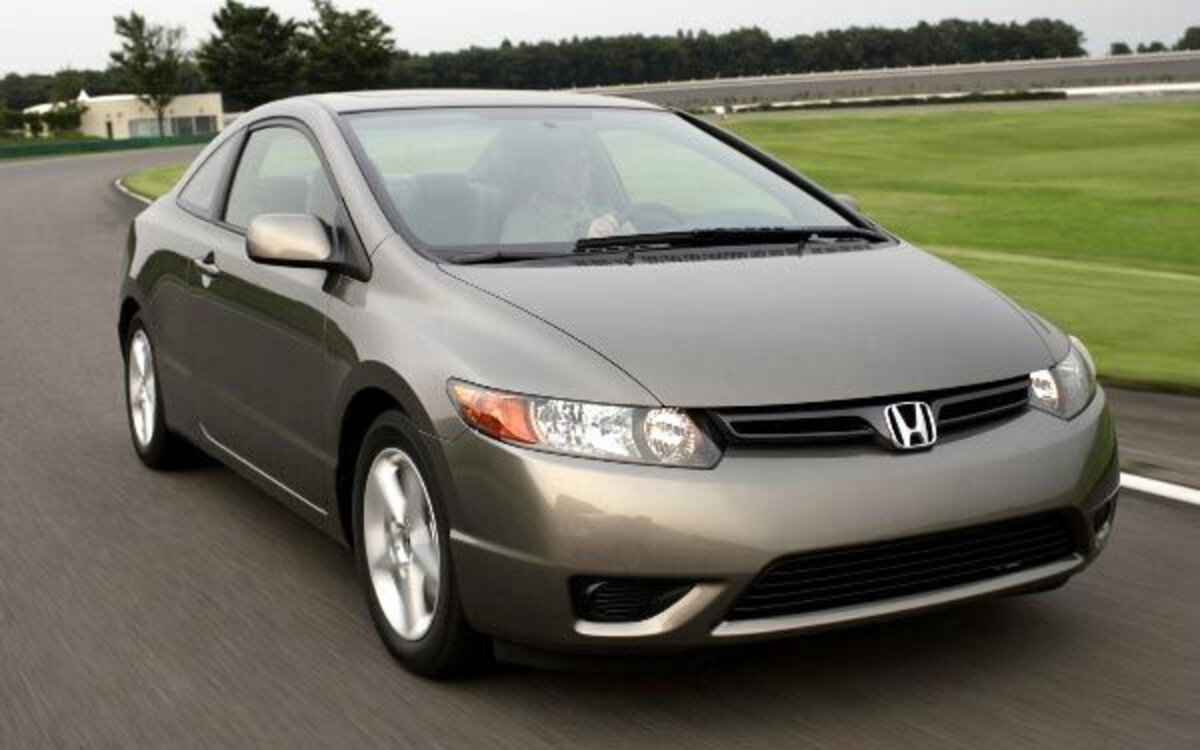
What makes the Civic such a long-laster is its combination of efficiency and simplicity. It’s light, easy to work on, and doesn’t suffer from the premature rusting that plagued earlier generations.
While it’s not flashy, it’s a car that gets the job done for decades. Even the hybrid variant, though not as bulletproof, still manages decent mileage life with careful maintenance.
If you’re buying used, a Civic with high miles isn’t a red flag—it’s more like a badge of honor. As long as it’s not leaking oil like a sieve, it’ll likely serve you faithfully for years to come.
3. Honda CR-V (2005–2011)
The second- and third-generation CR-Vs are workhorses in the compact SUV category. Designed with the same rugged engineering as the Civic and Accord, these models use Honda’s famously dependable 2.4L four-cylinder engines.
Many CR-Vs from this era have easily crossed 200,000 miles with nothing more than basic upkeep.
It’s not unusual to find these SUVs still going strong with over 250,000 miles on original engines and transmissions.
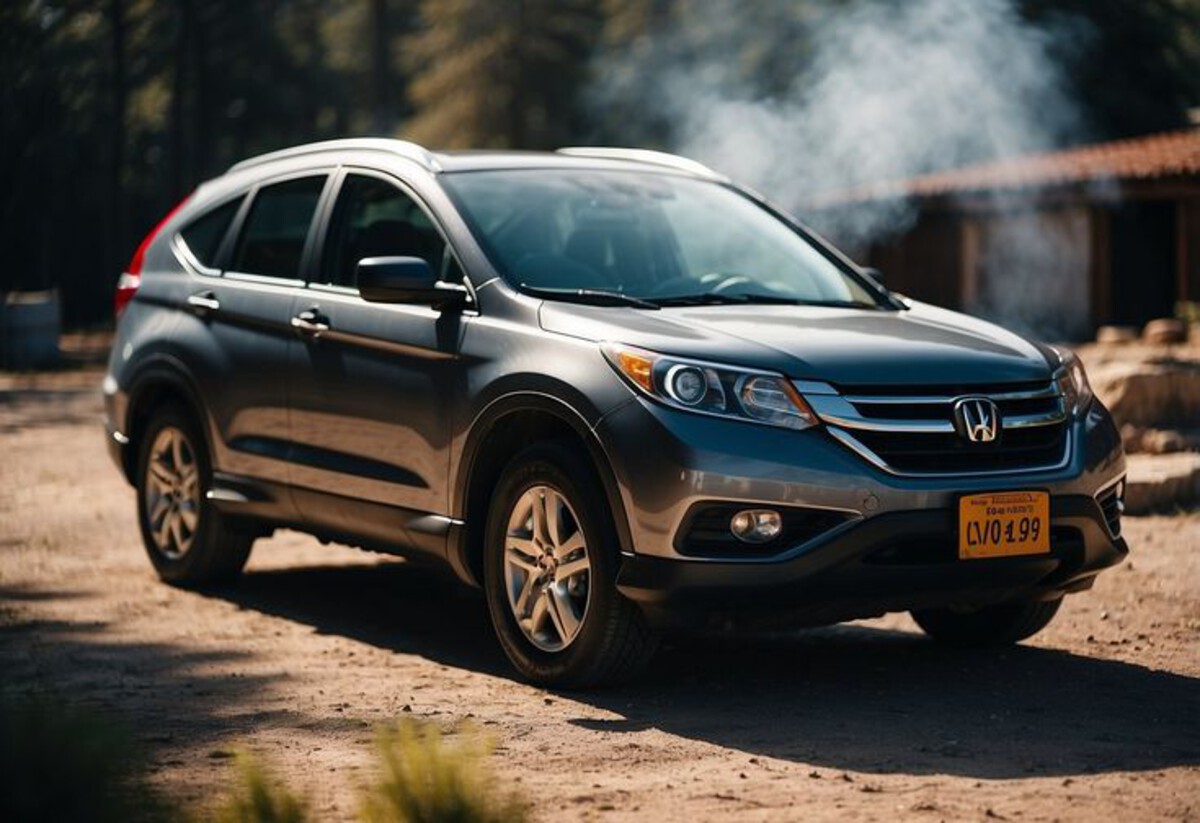
What really cements the CR-V’s reputation is its versatility. It handles city driving, highway miles, and light off-road duty with equal ease.
The interior plastics and upholstery hold up, and the electronics rarely throw tantrums. The AWD system, while simple, is dependable.
Owners who do regular maintenance—timing chain checks, oil changes, and suspension servicing—can enjoy a decade or more of hassle-free driving.
It’s a perfect blend of size, utility, and Honda-grade longevity. Whether you’re a family driver or just want an SUV that won’t give up on you, the CR-V delivers mile after mile.
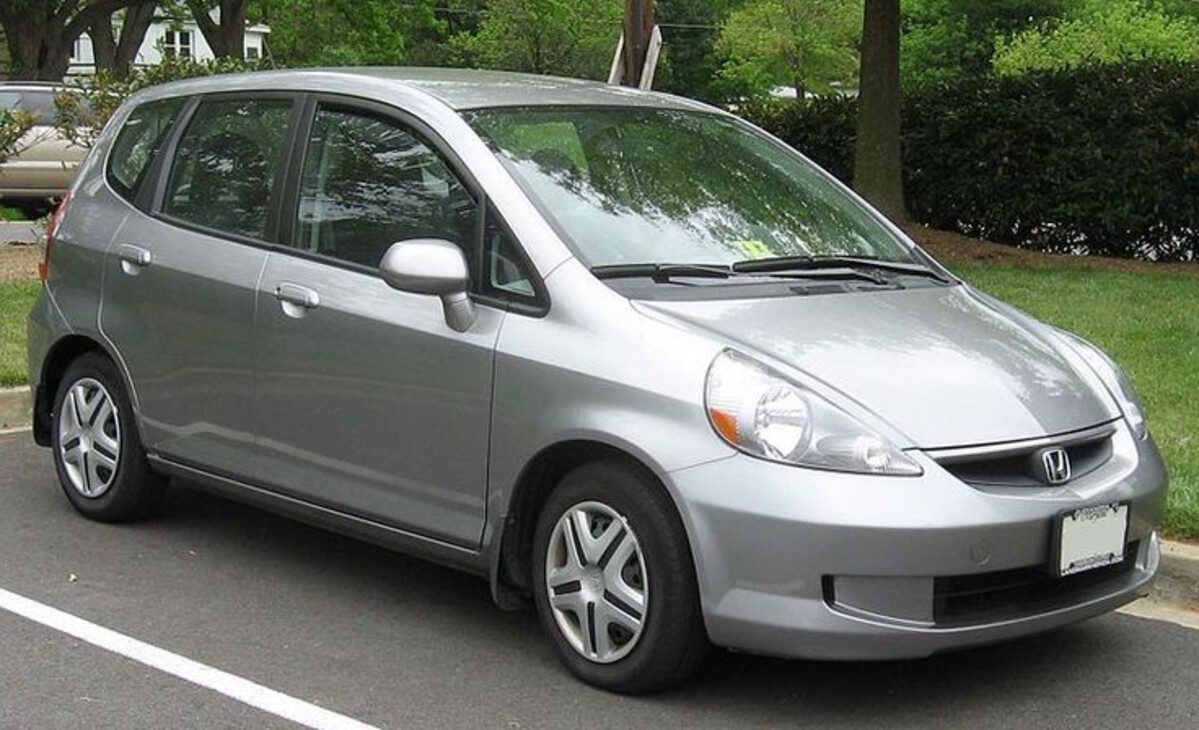
4. Honda Fit (2007–2014)
Don’t let its small size fool you—the Honda Fit is a mileage monster. With its versatile Magic Seat system, superb fuel economy, and compact design, the Fit quickly became a cult favorite among city drivers and road trippers alike.
The 1.5L engine under the hood may seem modest, but it’s incredibly durable. These little hatchbacks regularly hit 200,000 miles or more without major mechanical failures.
What sets the Fit apart is its combination of dependability and practicality.
The transmission (especially the manual) is straightforward and holds up over time.
The car’s lightweight design means less strain on the engine and suspension, and despite its size, it doesn’t feel fragile. Even the interior remains in good shape over the years.
In fact, many Fits are still in use today as delivery vehicles because of their reliability and low operating cost.
If you want something that lasts and makes the most of every drop of gas, the Honda Fit is a hidden gem in the used car market.
5. Honda Pilot (2006–2008)
The first-generation Honda Pilot is a tank in disguise. Built on a beefier platform and equipped with the 3.5L V6 engine, these mid-size SUVs are known for lasting well into the 200,000s with proper care.
Sure, they’re larger and less fuel-efficient than a Civic, but they more than make up for it in power, space, and sheer longevity.
The VTEC engine in the Pilot is a proven workhorse, and many original owners still drive theirs today.
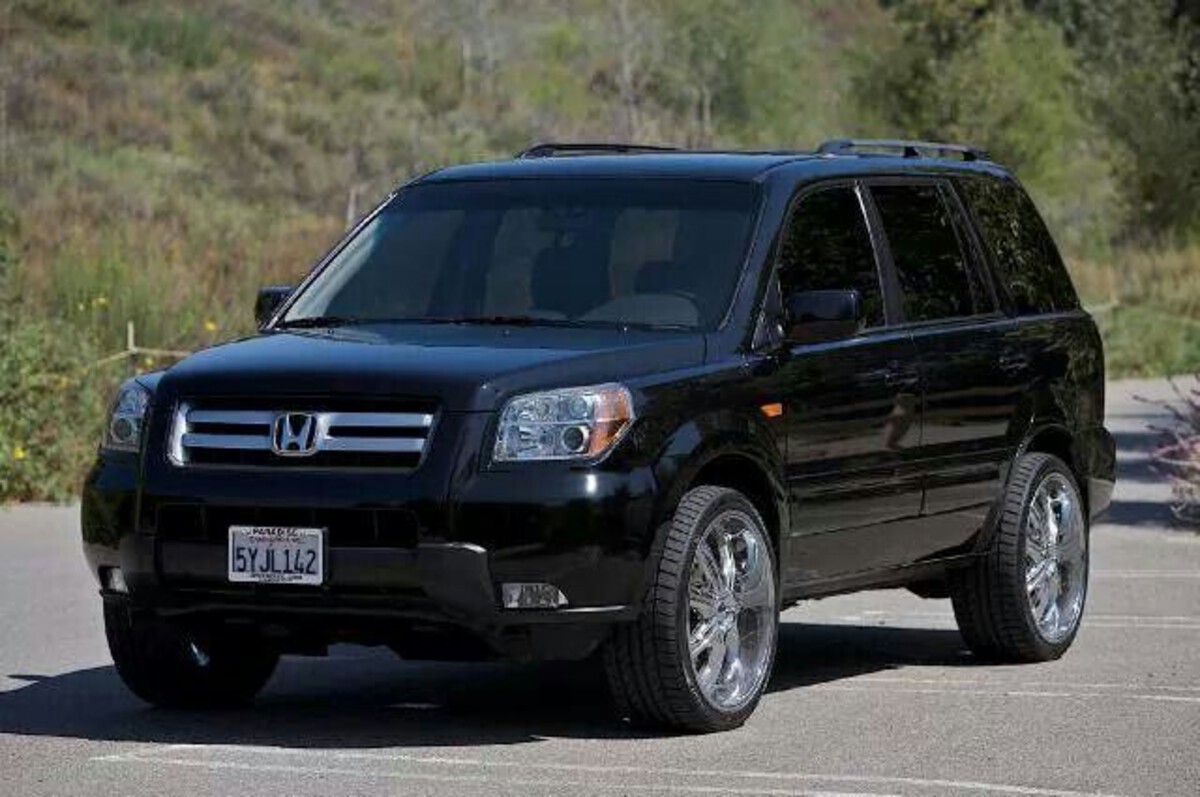
The key to the Pilot’s endurance lies in its build quality. It’s not weighed down by overly complex electronics, and it shares parts with other reliable Hondas like the Odyssey and Accord.
As long as the timing belt is replaced on schedule and the transmission fluid is changed regularly, the Pilot is extremely durable. From family vacations to towing trailers, it handles wear and tear with grace.
Even today, these early Pilots are popular among families and outdoorsy types who need a dependable SUV that won’t quit.
5 Hondas That Struggle With Longevity
Not every Honda is a bulletproof legend. Some models—despite their sleek styling or modern tech—start to fall apart far sooner than expected. Transmission issues, oil burning, and electronic failures plague certain years and trims, leading to expensive repairs and disappointing ownership experiences.
If you’re shopping for a used Honda and want to avoid headaches down the road, stay cautious around these five models. Their lack of long-term durability proves that even Honda sometimes misses the mark.
ALSO READ: 5 Trucks With Real-World MPG That Matches EPA Claims and 5 That Fall Way Short
1. Honda Odyssey (1999–2004)
The early 2000s Honda Odyssey may have won hearts with its spacious interior and family-friendly features, but it has one major Achilles’ heel: the transmission.
Specifically, the 5-speed automatic transmission in these models is notoriously unreliable. Countless owners have reported total transmission failure before hitting even 120,000 miles.
Some unlucky drivers experienced catastrophic breakdowns as early as 60,000 miles, making this generation a repair shop regular rather than a long-distance warrior.
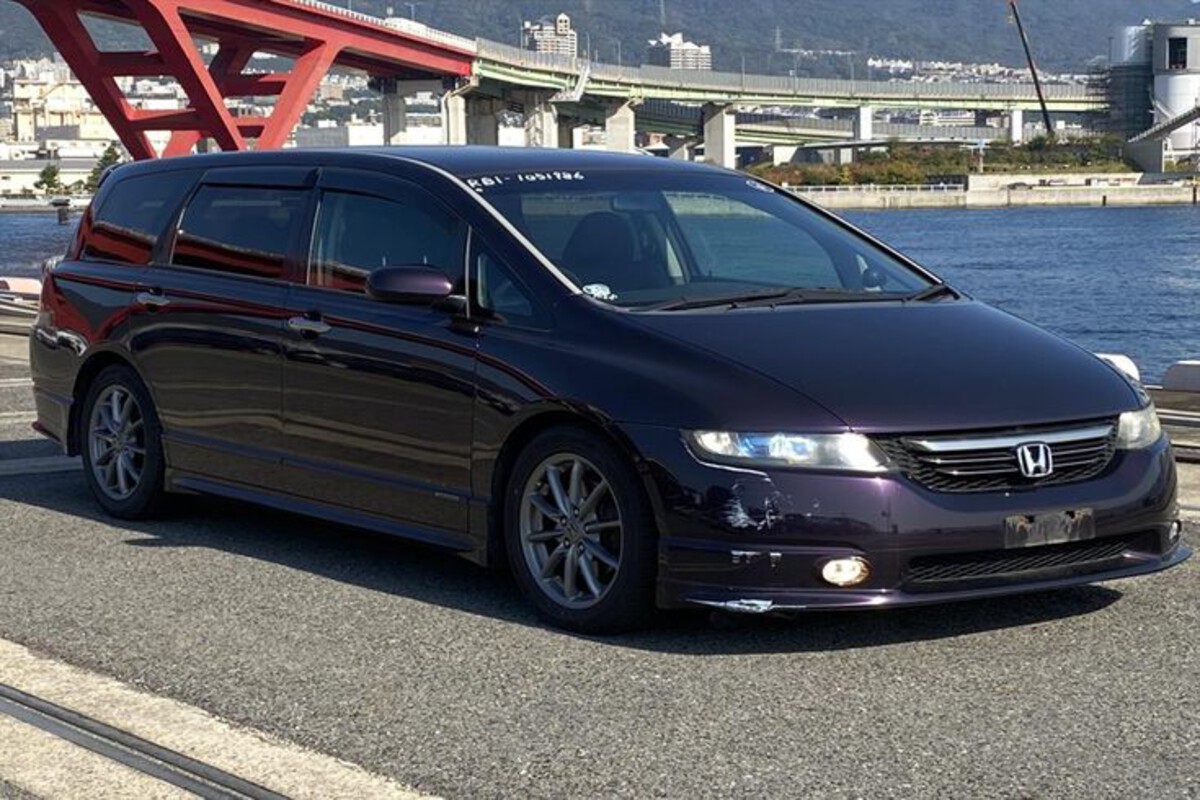
The problem lies in faulty transmission cooling and a weak design that simply can’t handle the minivan’s weight under daily stress. Honda issued recalls and service bulletins, but even replacement transmissions were often short-lived.
Combine that with costly repairs and mounting frustration, and it’s clear why this Odyssey generation fails the longevity test. While the V6 engine itself is reasonably solid, it can’t carry the whole vehicle on its own.
Unless you’ve found one with a documented transmission replacement from a trusted rebuilder, you’re better off steering clear if long-term reliability is your goal.
2. Honda Civic (2001–2005)
This generation of Civic was supposed to continue Honda’s long-standing reputation for bulletproof compact cars, but it fell short.
While the engine, on paper, is a Honda staple, it suffered from widespread issues with cracked engine blocks, faulty head gaskets, and premature suspension wear.
The 1.7L engine, especially, was prone to internal damage that could render the car unusable well before 150,000 miles.
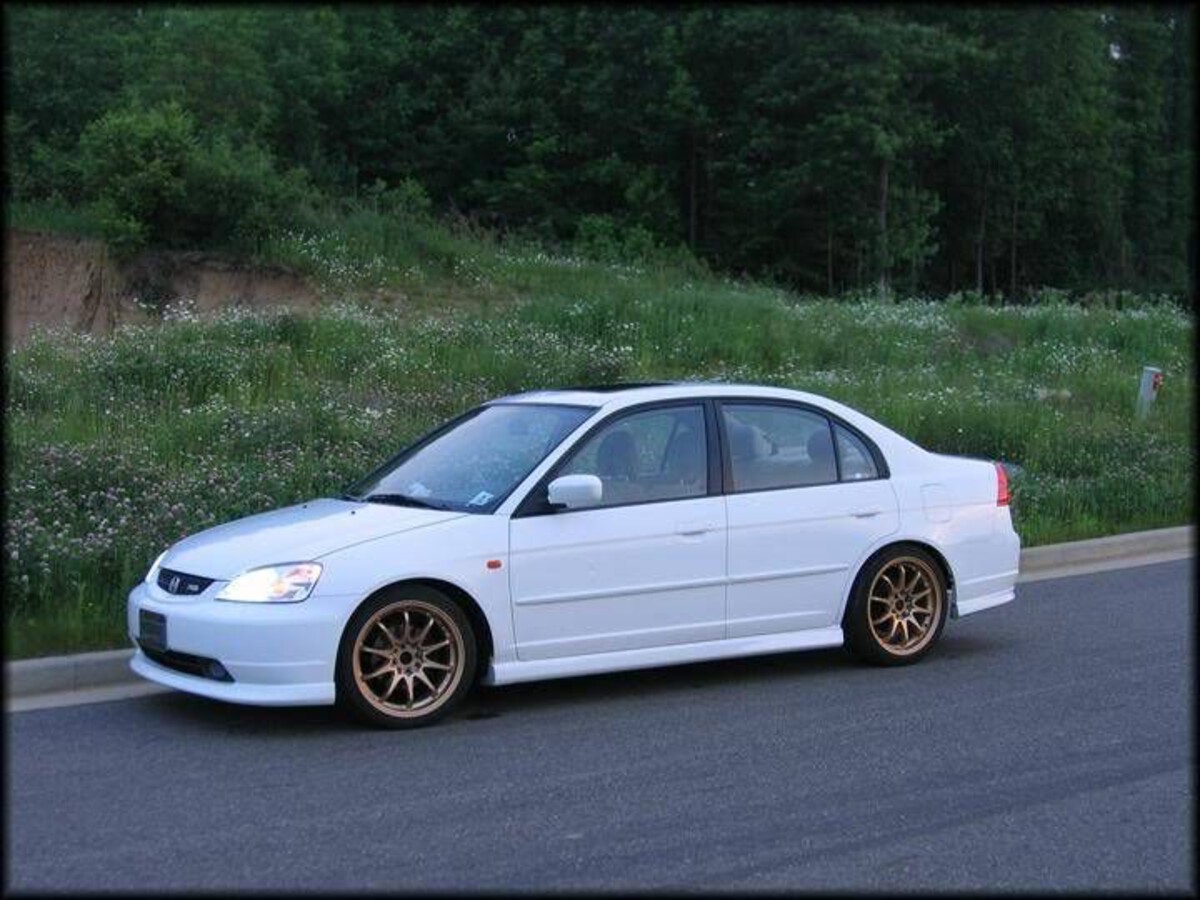
The issues were serious enough that Honda extended the engine warranty for many affected owners, acknowledging the design flaw.
Adding to the frustration, many Civics from this era also developed electrical issues and worn-out interiors much faster than expected. Rust, especially in snow-prone regions, also made them less likely to age gracefully.
While some lucky owners managed to hit high mileage with strict maintenance, this generation simply isn’t the reliable icon its siblings are. If your goal is a worry-free 200,000-mile run, skip this one in favor of a better-built Civic generation.
3. Honda Insight (2010–2014)
While the second-generation Honda Insight was marketed as an eco-friendly hybrid alternative to the Prius, it quickly revealed itself as a car with long-term durability problems.
The Integrated Motor Assist (IMA) hybrid system—Honda’s answer to Toyota’s hybrid dominance—proved to be less robust. Battery life often plummeted before 100,000 miles, and replacing the hybrid battery was both expensive and common.
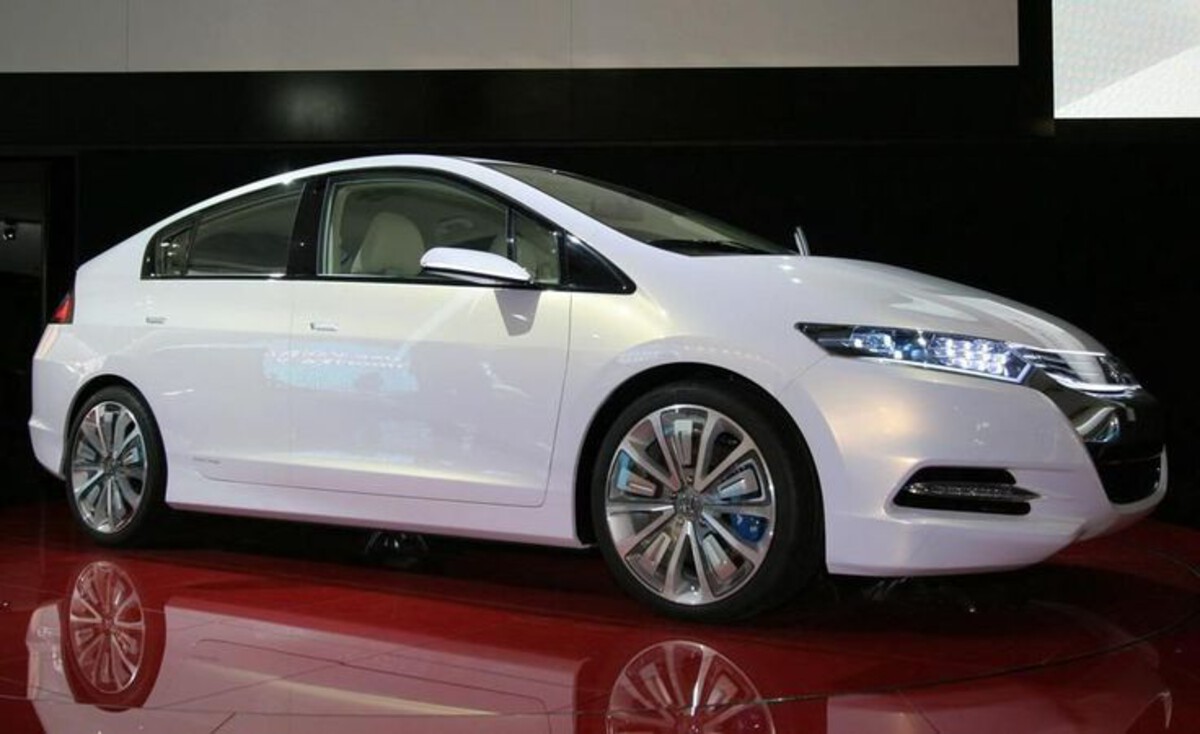
Additionally, many Insight owners reported sluggish performance, erratic fuel economy, and trouble with regenerative braking systems as the miles climbed.
The transmission wasn’t particularly smooth or long-lasting either. Even though the car offered great fuel economy when new, the long-term ownership cost often negated the early savings.
If you’re considering an Insight from this generation, be prepared for a battery replacement and potential electronic issues that could drain your wallet far before the odometer ever sees 200K.
4. Honda Passport (1998–2002)
Although it wears the Honda badge, the first-generation Passport was actually a rebadged Isuzu Rodeo—and unfortunately, it inherited more of Isuzu’s problems than Honda’s strengths.
These SUVs were notorious for frame rust, failing suspensions, and low-quality interior components. Even with regular maintenance, these models often struggled to stay solid beyond 120,000 miles.
Many owners found themselves battling engine sludge, failing timing belts, and expensive exhaust system repairs earlier than they ever expected.
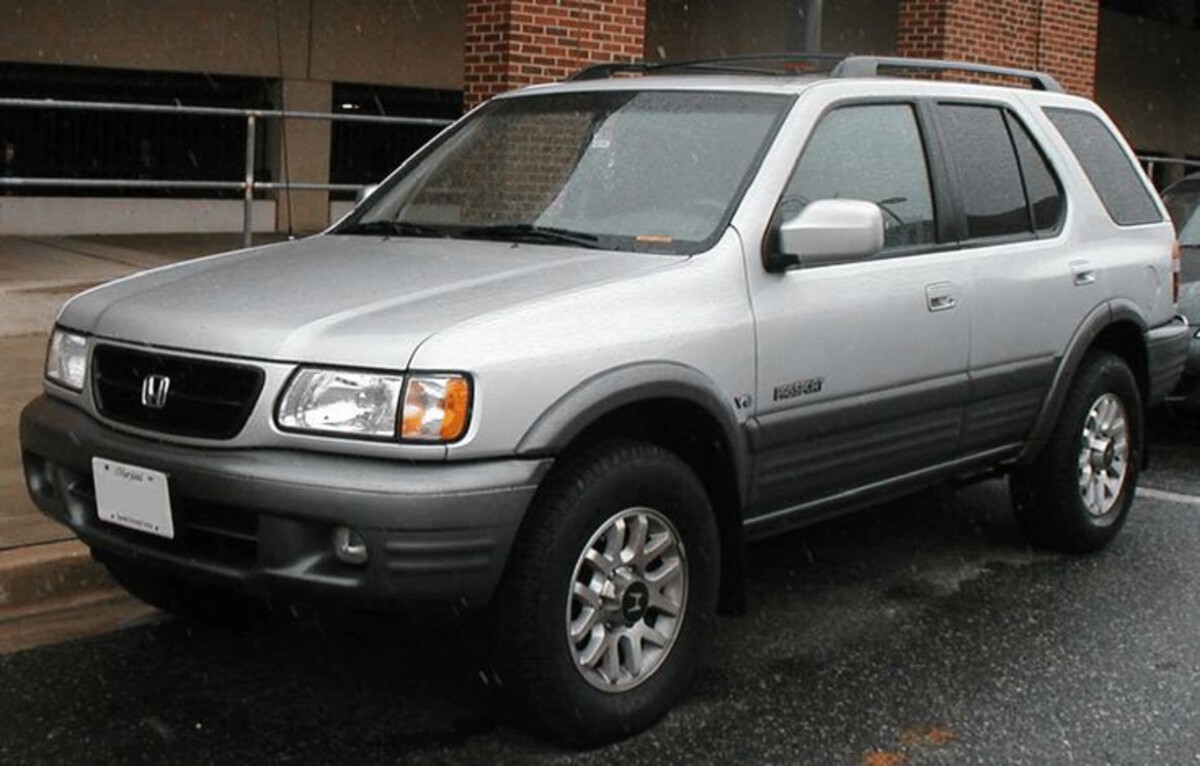
The Passport’s body and frame were especially vulnerable to corrosion in winter climates, leading to safety issues and frame integrity problems that could deem the vehicle undrivable.
Despite its rugged SUV appearance, the Passport lacked the longevity and dependability that Honda buyers expected.
Honda discontinued the model after 2002 for good reason. It’s a clear case of badge engineering gone wrong, and one that buyers looking for long-term reliability should avoid.
5. Honda Crosstour (2010–2015)
The Crosstour was Honda’s attempt to merge the comfort of a sedan with the utility of a crossover—but it ended up being a flop in more ways than one.
Based on the Accord platform, the Crosstour was heavier and more complex, which put added strain on its drivetrain components.
V6 models in particular suffered from premature transmission wear and power steering issues. Reports of oil consumption and valve train noise also became more common after 100,000 miles.
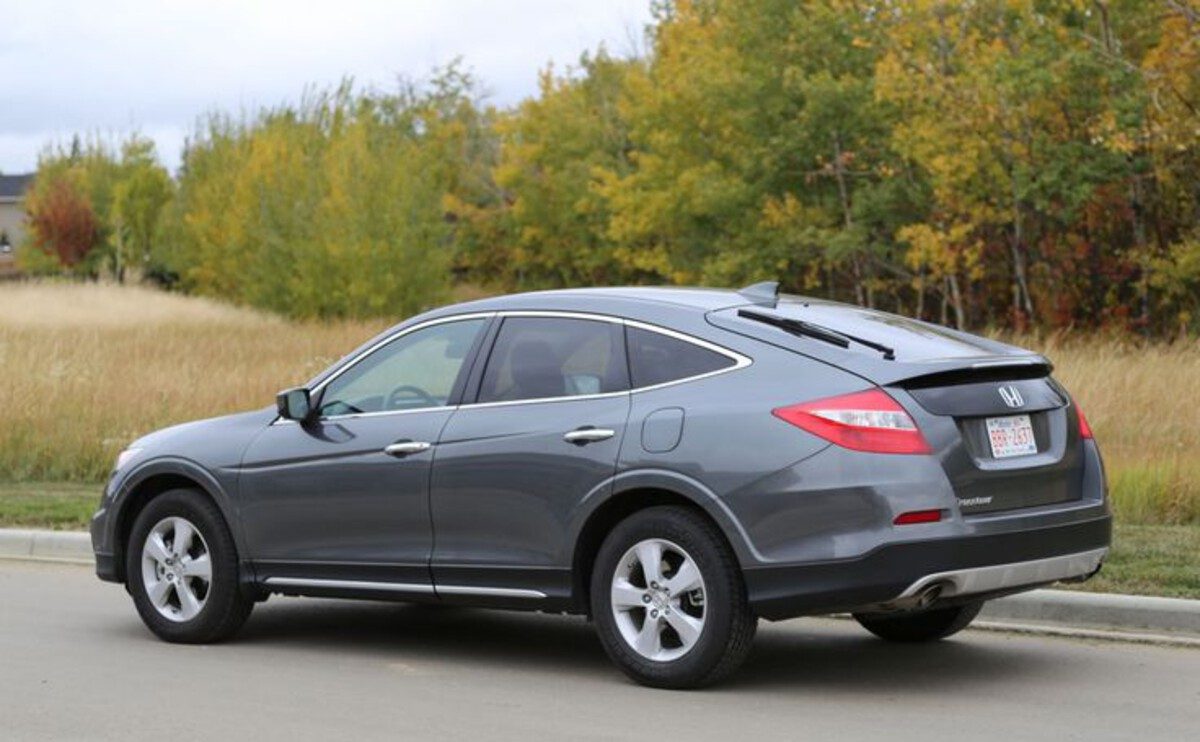
Another key issue was the Crosstour’s poor rear visibility and awkward design, which led to strained suspension components and uneven tire wear.
Owners also noted electronic malfunctions and poor cabin material longevity. Add in expensive parts availability and a limited production run, and the Crosstour just didn’t have the staying power of other Honda vehicles.
While it may look stylish and feel spacious at first glance, it doesn’t offer the long-term dependability that Honda drivers expect. This is one model best left to short-term leases or low-mileage secondary use.
When it comes to long-distance reliability, Honda remains one of the top brands for dependable, high-mileage vehicles, but not all models deserve that reputation equally.
The clear winners like the Accord, Civic (8th gen), CR-V, Fit, and Pilot show what Honda can do when engineering, simplicity, and long-term focus align. These cars are often passed from generation to generation, racking up 200,000+ miles without major repairs and still running strong.
However, the lesser performers—like the Odyssey (early 2000s), 2001–2005 Civic, Passport, Insight, and Crosstour—highlight that even a reputable brand can miss the mark.
Whether it’s poor transmission design, outsourced production, or underdeveloped hybrid systems, these vehicles don’t deliver the same worry-free ownership experience and can turn into money pits sooner than expected.
If you’re in the used car market or considering keeping your current Honda long-term, knowing these differences can make or break your decision.
The high-mile heroes prove that with the right model and basic maintenance, you truly can expect two decades of reliable driving from a Honda. But the missteps remind us that even legends can slip—and research is your best protection against buyer’s remorse.