BMW is the poster child for European performance, luxury, and engineering precision, but when it comes to long-term ownership, not all Bimmers are created equal.
Some are rock-solid machines that can chew up 150,000 miles without breaking a sweat, while others leave their owners drowning in mechanic bills long before that milestone.
Enthusiasts swear by certain models for their bulletproof engines and drivetrain reliability, while others warn that buying the wrong BMW is like signing up for a second mortgage in maintenance costs.
This blog dives into both sides of the BMW coin: we’ll look at five models that stand the test of time and regularly cross 150,000 miles with grace, as well as five that look gorgeous in your driveway but end up haunting your bank account.
From the legendary E39 5-Series to the complicated nightmares of early turbocharged models, we break it down so you can make an informed choice. Whether you’re buying used or keeping your current Bimmer on the road, knowing which models are built to endure can save you thousands—and spare you some serious headaches.
5 BMWs That Hit 150,000 Miles
While BMWs often get a bad rep for reliability, these five models prove that with proper care, some Bavarians can age like fine wine. Known for robust engines, fewer electronic gimmicks, and overengineered components, these cars consistently reach and surpass the 150,000-mile milestone. Whether it’s the silky inline-6s or the solid build quality of older platforms, these BMWs offer dependable performance with manageable upkeep.
ALSO READ: 5 Vehicles That Retain Over 70% of Their Value After 5 Years and 5 That Drop Like a Rock
1. BMW E39 5-Series (1997–2003)
The E39 is a legend for a reason. Often hailed as the best 5-Series ever made, the E39 combines old-school BMW engineering with a balance of performance and durability.
Models equipped with the M54 inline-6 engine—such as the 525i and 530i—are especially known for their long-lasting performance.
These engines are naturally aspirated, avoiding the complications that come with turbochargers, and can easily clock 200,000 miles with routine oil changes and cooling system upkeep.
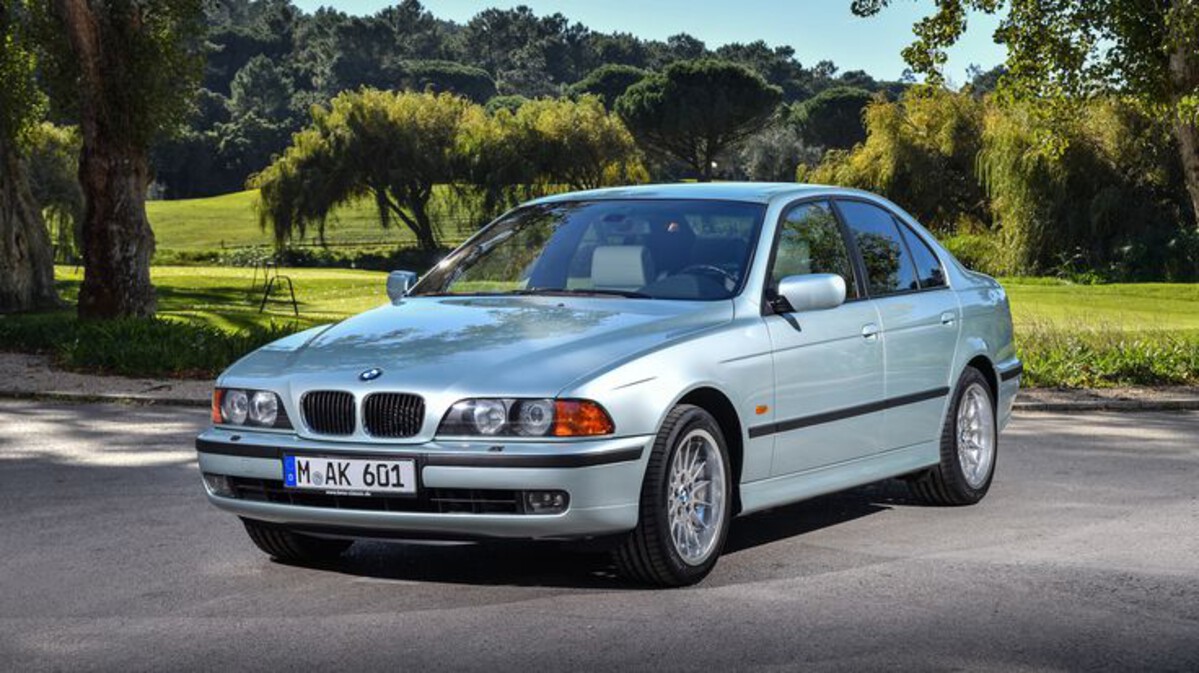
The build quality of the E39 is another standout. The interior, while dated in design, remains solid and rattle-free even at high mileage.
Electronics are relatively minimal, which means fewer points of failure compared to modern BMWs. The suspension system, while requiring attention every 100,000 miles or so, is straightforward and not overly expensive to refresh.
Parts availability is still strong, and the car’s popularity means there’s a wealth of DIY tutorials online.
In short, the E39 is a dream for the long-term owner who doesn’t mind a bit of hands-on maintenance. It’s a car that’s aged gracefully—and for many, it’s still the benchmark.
2. BMW E46 3-Series (1999–2006)
If the E39 is the king of longevity in the 5-Series, then the E46 is its 3-Series counterpart.
A fan favorite for its engaging driving dynamics and rock-solid powertrains, this compact luxury sedan and coupe has earned a reputation for crossing the 150,000-mile mark with ease.
Most reliable are the 325i and 330i variants equipped with the M54 inline-6 engine—the same durable heart found in the E39.
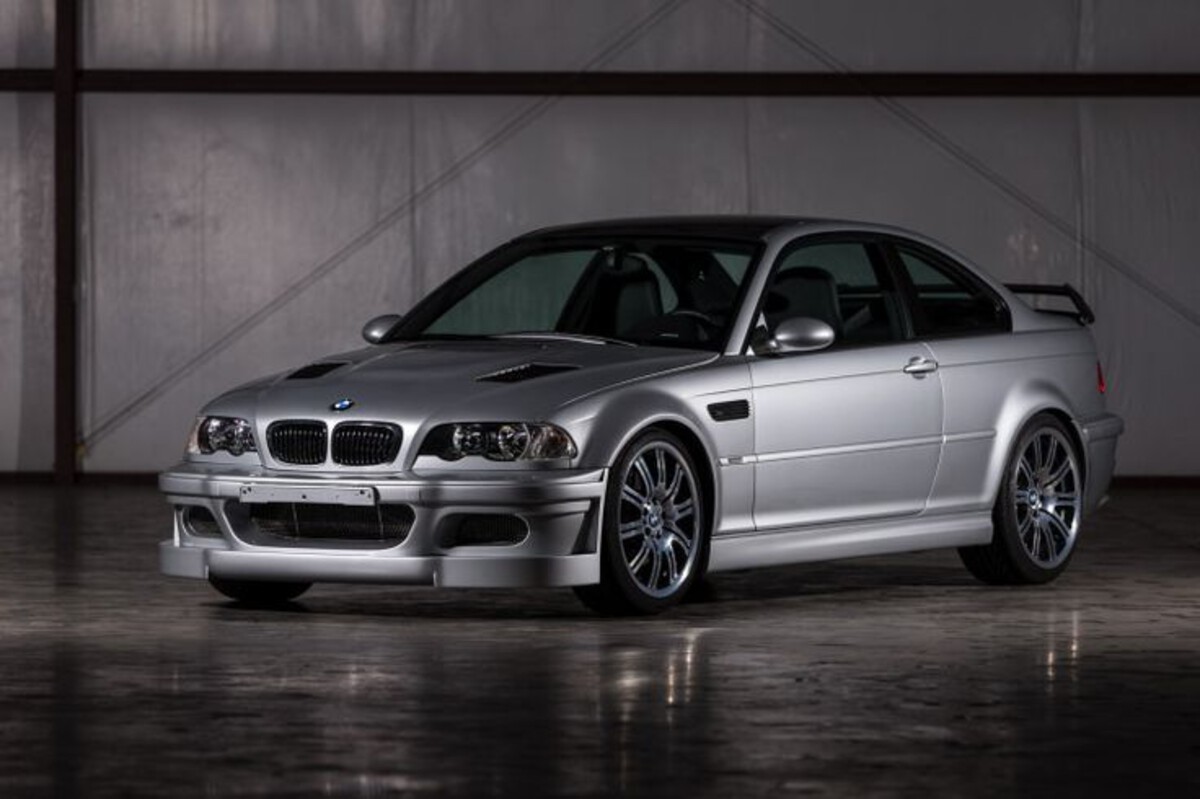
These motors, when cared for, are capable of lasting well into the 200k range. The E46’s chassis is stiff, the steering is sharp, and the overall build feels cohesive, making it a rewarding car even at high mileage.
Yes, there are known issues—like rear subframe cracking and cooling system failures—but these are well-documented and fixable, especially if addressed early.
Compared to newer models, the electronics are refreshingly simple, reducing the odds of being stranded due to a sensor failure.
With strong community support and easy access to parts, the E46 is one of the safest bets in the BMW lineup for someone looking to own long-term.
Stylish, sporty, and surprisingly reliable—it hits the sweet spot for both enthusiasts and practical drivers alike.
3. BMW E90 3-Series (2006–2011, Non-Turbo Models)
The E90 marked a new era for BMW’s 3-Series—larger, more refined, and loaded with tech.
But if you’re aiming for 150,000+ miles, the key is to go with the non-turbocharged models—specifically the 325i, 328i, and 330i with the N52 or N53 inline-6 engines.
These naturally aspirated powerplants are among BMW’s most durable, provided you stay ahead on oil changes and watch out for common issues like valve cover and oil pan gasket leaks. The N52, in particular, is known to hit 200,000 miles without major drama.
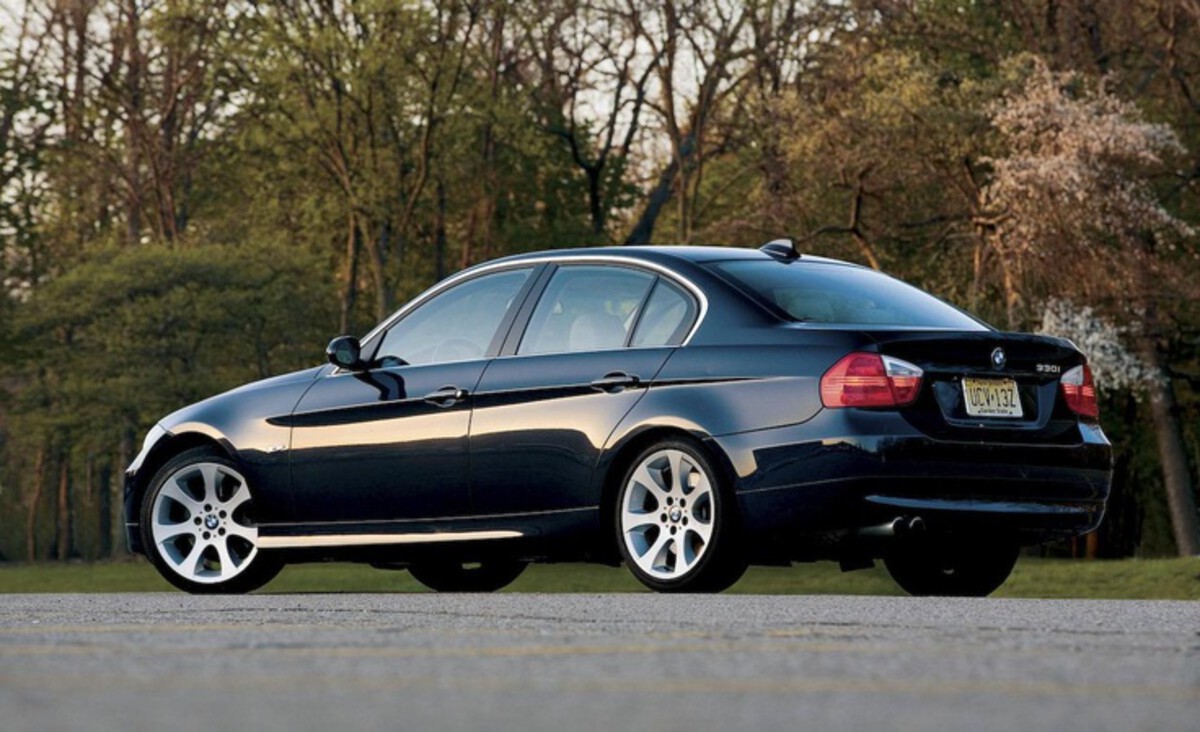
The E90’s cabin is better insulated and more modern than the E46, yet it retains that classic BMW driver-focused layout.
Yes, there are more electronics onboard, but they’re generally more reliable than what came in later generations. The biggest challenge is preventive maintenance—stay proactive and this 3-Series will stay solid.
For buyers who want the balance of modern features with old-school durability, the E90 in non-turbo guise is a great compromise.
It’s not the fastest 3-Series, but it’s arguably the most dependable in the long haul.
4. BMW X5 xDrive35d (2009–2013)
A diesel-powered BMW on a reliable list? Believe it. The X5 xDrive35d, powered by the M57 turbo-diesel inline-six, is a surprise longevity champ.
With proper maintenance, these engines are known to surpass 200,000 miles, often without internal engine work.
This version of the X5 is rugged and torque-rich, making it great for long-distance travel and towing.
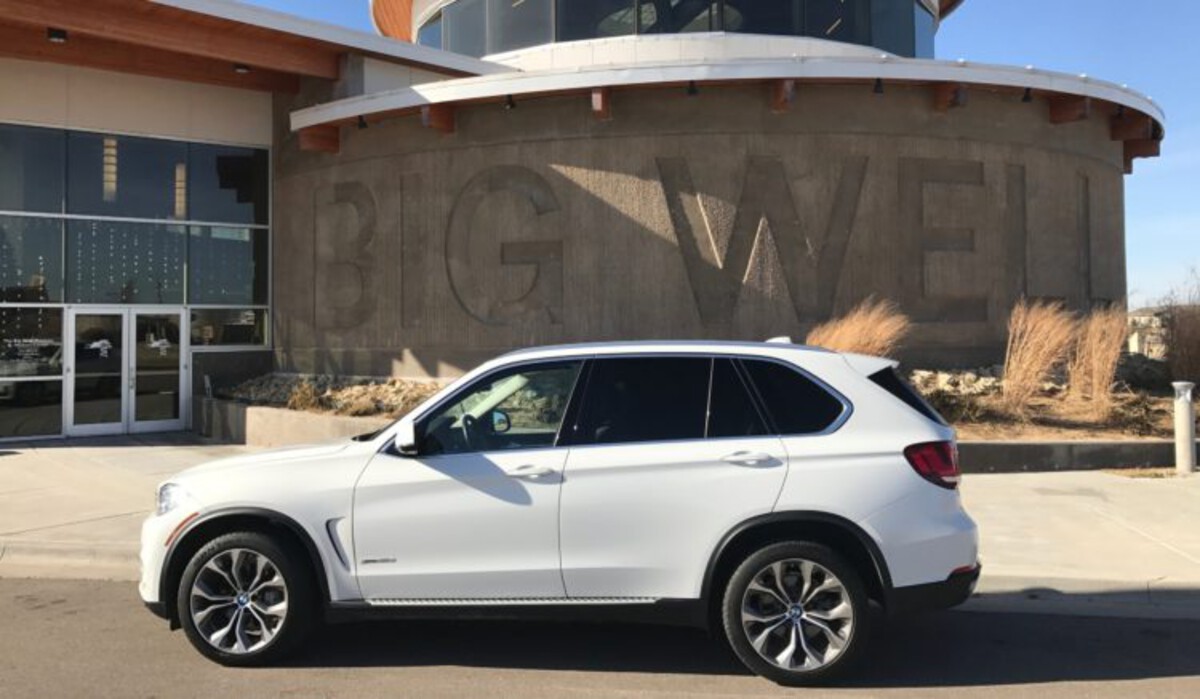
The diesel motor is relatively simple compared to modern gas-turbo alternatives and can go the distance with timely oil changes, DEF system attention, and occasional glow plug replacements.
Yes, it’s not immune to problems—carbon buildup and emissions equipment can be a headache—but these issues are manageable with a knowledgeable mechanic or some DIY effort.
The xDrive system is also fairly robust, especially if fluid changes are not neglected.
In a world where modern SUVs feel like disposable tech gadgets, the diesel-powered X5 offers an old-school, tank-like driving experience—and it doesn’t give up easily.
5. BMW F30 3-Series (2012–2018, 328i N20 Engine)
The F30 3-Series marked BMW’s shift toward turbocharged 4-cylinder engines. While turbos usually raise red flags for reliability, the 328i’s N20 engine has proven surprisingly resilient when properly maintained.
This engine delivers a balance of power and efficiency, with many examples reaching over 150,000 miles, especially when owners religiously stick to oil change intervals and replace timing chains before they become problematic.
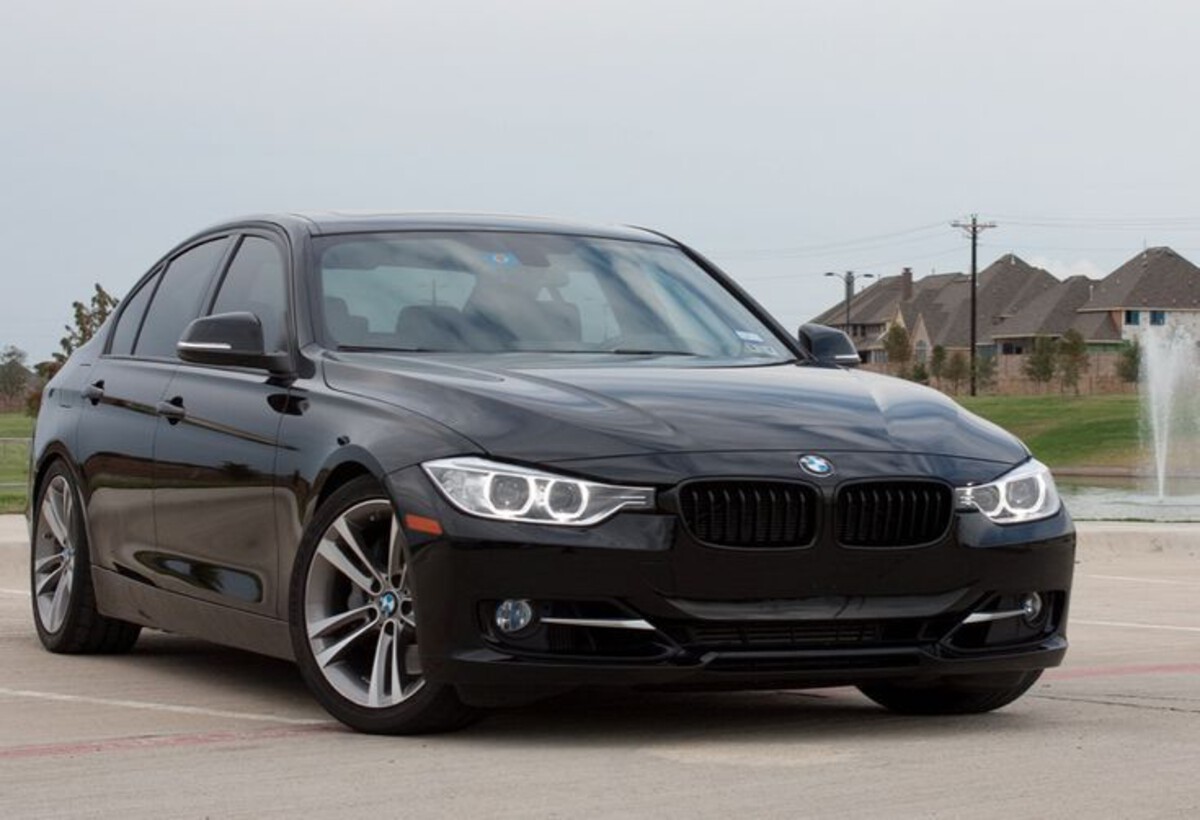
The engine is direct-injected, which means you might need walnut blasting for carbon buildup, but that’s common for all modern turbo engines.
The F30 offers a modern interior, great infotainment, and solid comfort. It’s less raw than the E46, but it makes up for it with practicality and long-haul drivability.
As long as you avoid modding or neglecting maintenance, the 328i can serve as a reliable daily driver for years.
5 BMWs That Drain Your Wallet
Not all BMWs are built to go the distance. These five models may tempt with luxury and performance but often leave owners bleeding cash. From complex electronics to unreliable engines, these cars demand constant attention and frequent visits to the shop.
ALSO READ: 5 SUVs You Can Buy Used With Zero Regret and 5 You’ll Wish You Never Touched
1. BMW 335i E90/E92 (2007–2010, N54 Engine)
When the twin-turbocharged N54 engine debuted in the 335i, it wowed enthusiasts with its power and tuning potential.
Unfortunately, it also kicked off a new era of BMW headaches.
The N54 is infamous for high-pressure fuel pump (HPFP) failures, leaking injectors, carbon buildup, wastegate rattle, and turbocharger failure, often well before 100,000 miles.
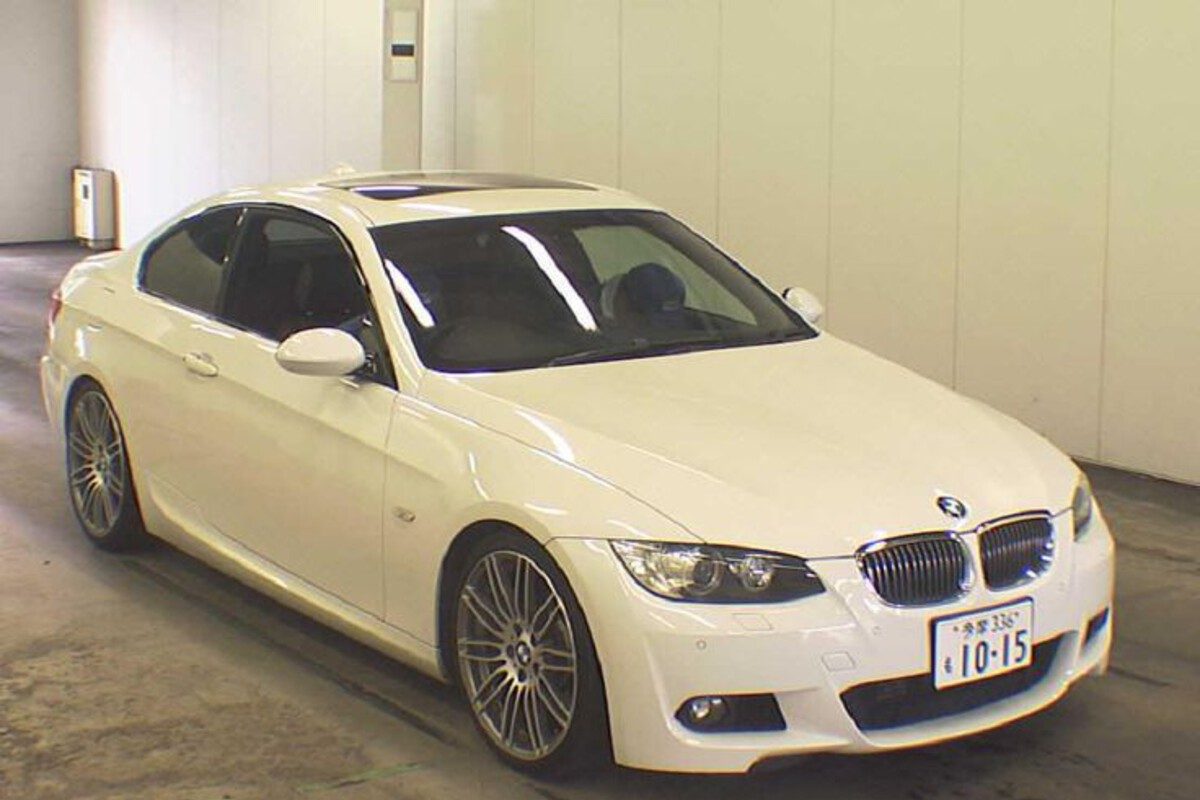
Add to that a fragile cooling system, brittle plastics in the engine bay, and expensive labor costs, and you have a car that’ll eat through your wallet faster than it burns fuel.
Even bone-stock, these engines are maintenance hogs. If you buy one that’s been modified—or neglected—it’s a financial time bomb.
While thrilling to drive, the long-term ownership experience is anything but smooth. Unless you’re a skilled DIYer with deep pockets, the 335i N54 is best admired from a distance.
2. BMW X5 (2000–2006, E53 V8 Models)
The first-generation X5 is an SUV that brought driving excitement to the segment, but the V8 versions, particularly the 4.4i and 4.6is, are pure nightmares for long-term reliability.
The M62 V8 engine suffers from timing chain issues, valve cover gasket leaks, and overheating due to failing water pumps and radiators.
Worse, the early automatic transmissions tend to fail around 100,000 miles or sooner, and replacing them costs more than the SUV is worth.
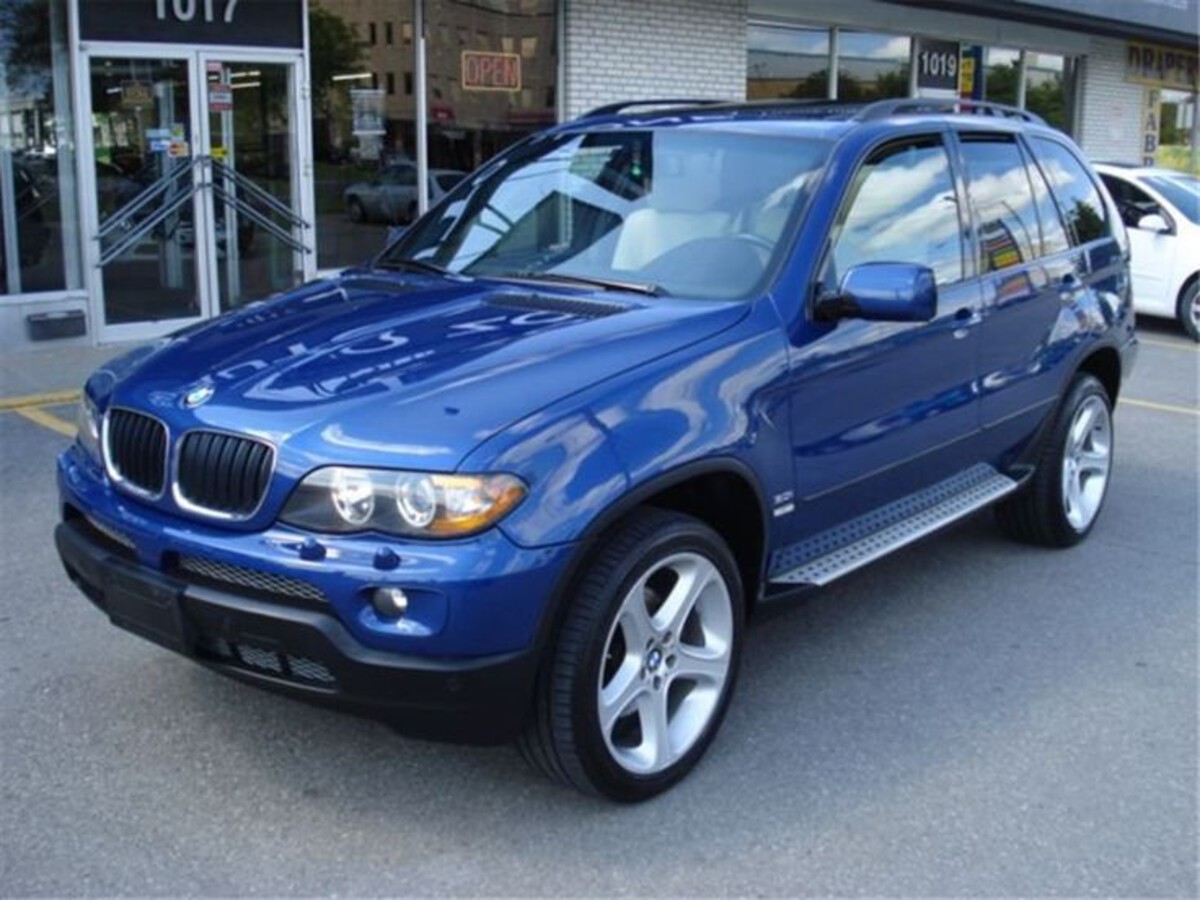
Suspension bushings and control arms wear out fast under the heavy chassis, and repairs on the all-wheel-drive system are labor-intensive and costly.
While it may seem like a cheap entry into luxury SUV ownership today, the E53 X5 V8 is a classic example of “buy cheap, pay double.”
Unless you find a meticulously maintained example—and have a trustworthy BMW mechanic—you’re walking into a financial pit.
3. BMW 750Li (2009–2015, F01 with N63 Engine)
The F01 7-Series with the N63 twin-turbo V8 has become a cautionary tale in the BMW world. This engine is so problematic that BMW even launched a customer care package acknowledging its flaws.
Timing chains stretch prematurely, valve stem seals fail, causing heavy oil burning, and turbo cooling issues are rampant.
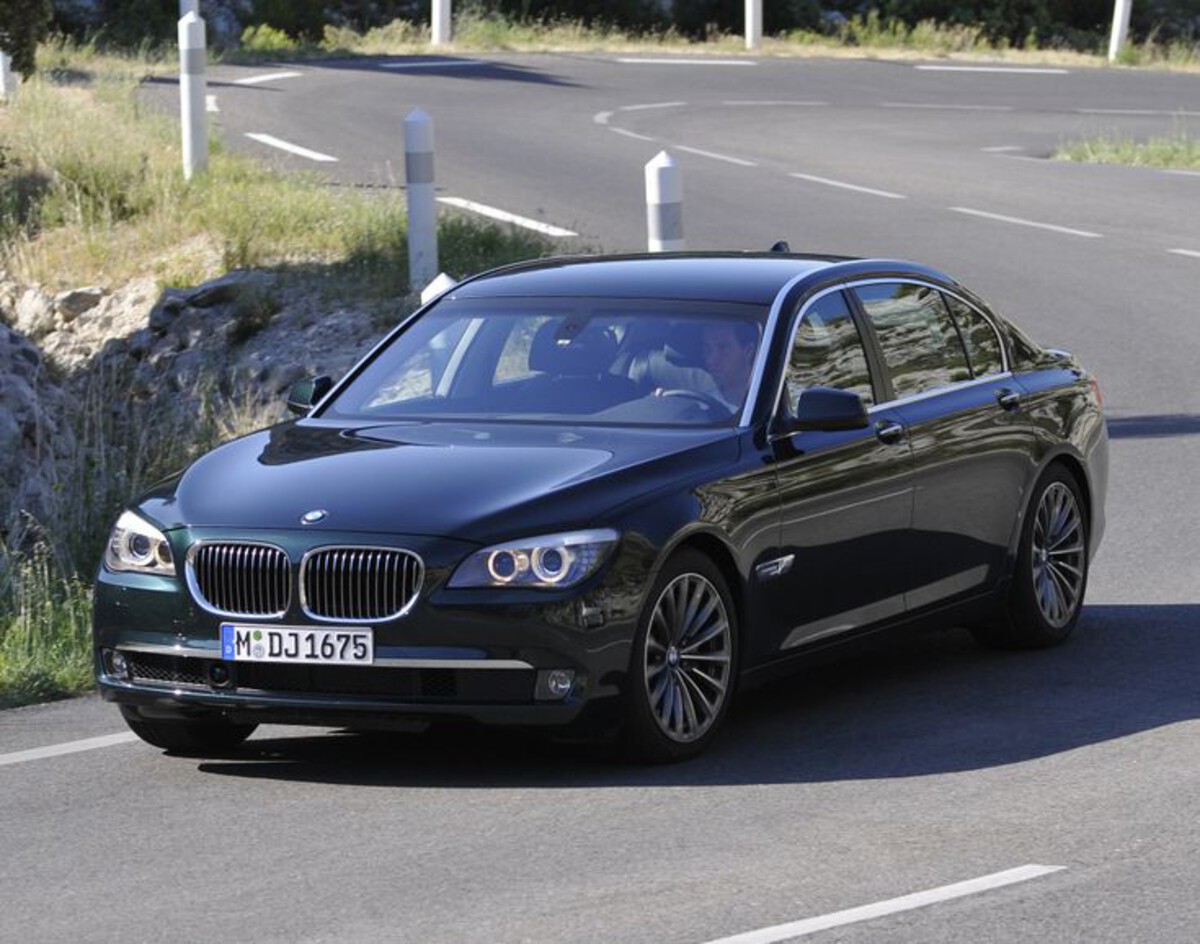
Add to that an overly complex electronic system and a massive, labor-intensive engine bay, and this car turns every minor repair into a major expense.
Owners often report repair bills in the thousands, even before the car hits 100,000 miles. Luxury and performance don’t mean much if you’re stranded with a $6,000 timing chain bill.
The 750Li is best left to those with extended warranties or who lease short-term. For used buyers? Avoid at all costs unless you enjoy financial suffering.
4. BMW X6 (2008–2014, First Generation)
The first-gen BMW X6 turned heads with its aggressive styling and coupe-SUV design, but beneath the surface lies a maintenance nightmare.
With either the N63 twin-turbo V8 or the diesel variants, this model blends the worst traits of BMW’s complexity into one expensive package.
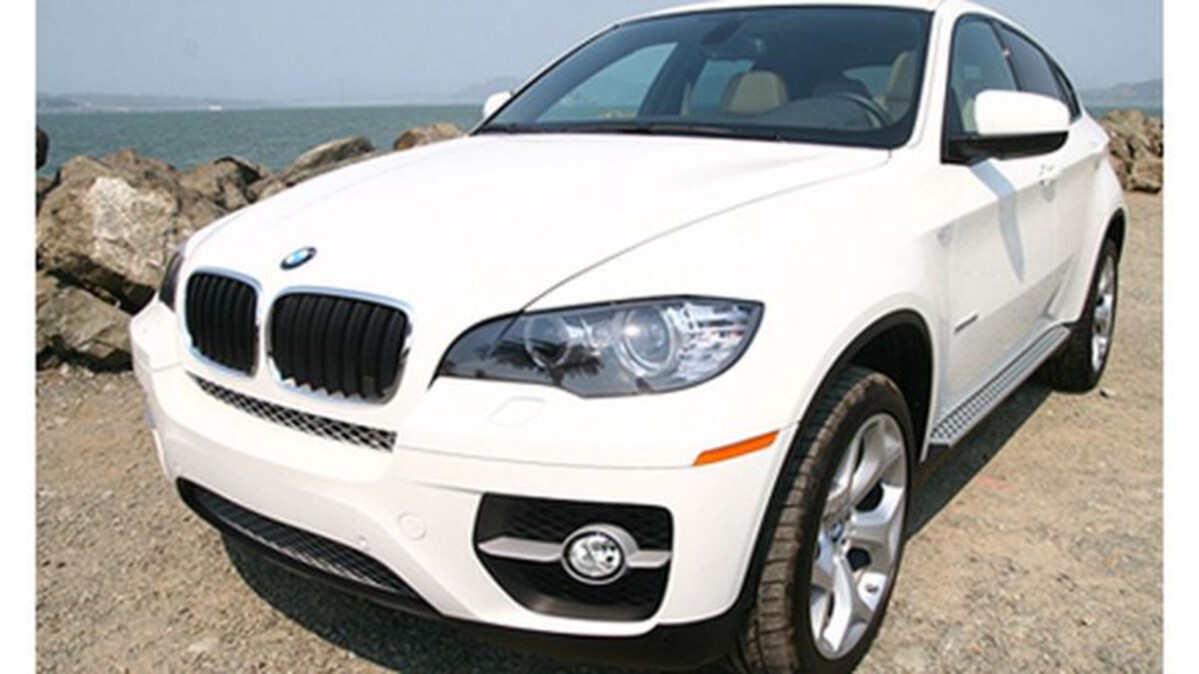
Suspension components fail early under the SUV’s weight, the electronics are buggy, and the engine options—especially the V8—require frequent, costly repairs.
Transfer cases, turbo cooling systems, valve seals, and timing chain failures are just the start.
Due to its low sales volume and specialized parts, repairs are not only expensive but often delayed due to lack of availability.
Even used X6s still carry premium price tags, masking their true long-term cost. It’s stylish and fast, but you’ll pay dearly for the privilege of ownership.
5. BMW 535i (2011–2016, F10 with N55 Engine)
While the N55 engine in the F10 535i is more refined than the earlier N54, it still carries a long list of issues that worsen as mileage climbs.
From high-pressure fuel pump failures to oil filter housing leaks and fragile coil packs, the 535i becomes a repair shop regular after 80,000 miles.
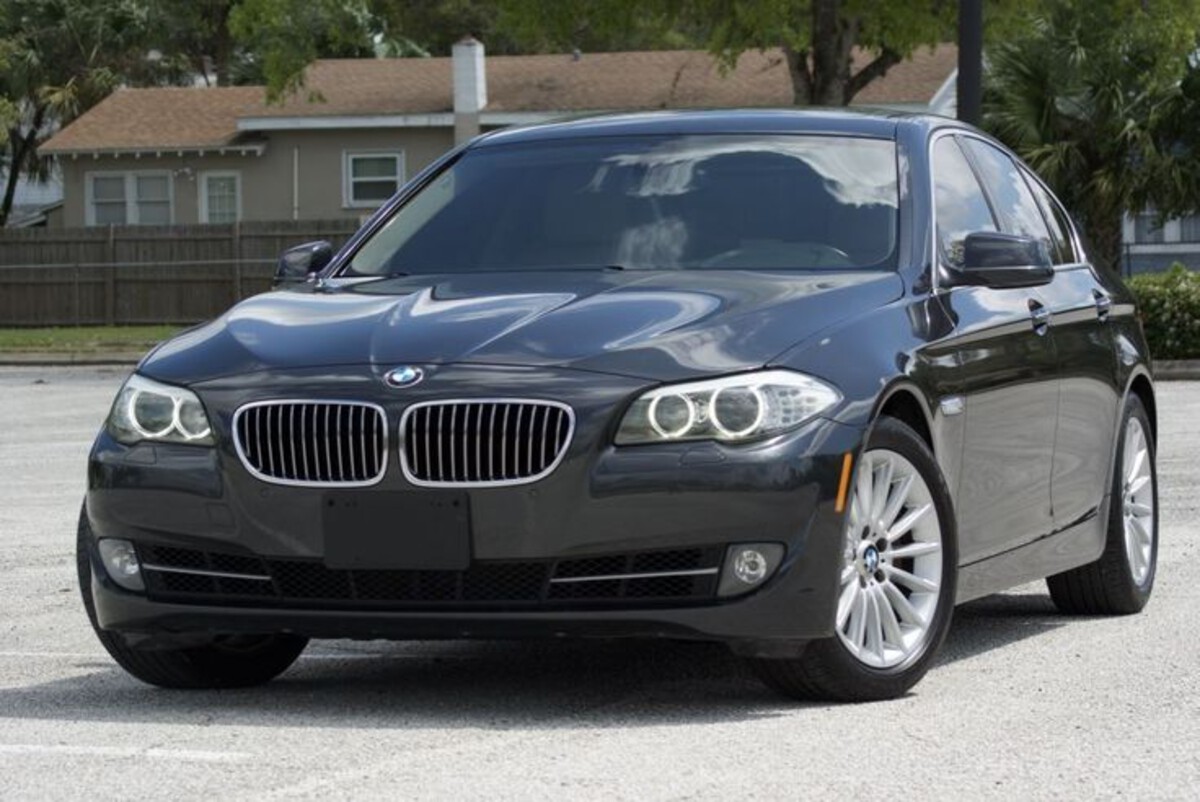
The F10 chassis adds to the problem with electronic steering quirks, costly air suspension problems (in xDrive models), and rapidly aging interior electronics.
These sedans often seem like bargains in the used market, but don’t be fooled—the repair bills stack up fast. To make matters worse, many 535i owners try tuning the car, further stressing already delicate components.
While the drive is smooth and luxurious, the ownership costs are anything but. Skip the F10 if you’re looking for dependable long-term BMW ownership.
BMW ownership can be one of two things: a rewarding experience full of driving joy, or a never-ending struggle with unexpected repairs and financial stress. The difference often lies in the model you choose—and how well it’s been maintained.
The winners on this list—like the E39, E46, and even the diesel X5—show that some BMWs really can go the distance, offering impressive performance and lasting value.
These models were built with robust engineering and fewer electronic vulnerabilities, allowing them to age gracefully with the right care.
On the flip side, models like the N54-powered 335i or the twin-turbo V8 7-Series are proof that not every BMW is built to endure.
Complex engines, overloaded tech systems, and fragile components turn these vehicles into money pits, often without warning.
If you’re set on buying a BMW, go in with eyes wide open. Research the engine, check service records, and budget for preventative maintenance.
A well-chosen BMW can take you beyond 150,000 miles in comfort and style—but a bad one can cost more than it’s worth before even reaching 75k.