
When it comes to owning a car in today’s increasingly regulated and eco-conscious world, passing emissions tests isn’t just a bureaucratic box to check—it’s a dealbreaker.
Whether you’re registering your car in a state with strict emissions standards or simply trying to avoid the headache of costly repairs, some vehicles make the cut with flying colors year after year, while others practically live at the mechanic’s shop.
Cars That Pass Emissions Every Time
In this article, we’re breaking down five cars that consistently ace their emissions tests—dependable, clean-running machines that won’t leave you sweating on inspection day—and five that have earned a reputation for flunking them. Whether you’re car shopping or just curious where your current ride stacks up, these lists might surprise you. Let’s dive in.
1. Toyota Prius (All Generations)
The Toyota Prius is practically the poster child for clean emissions. Its hybrid system runs the gasoline engine at optimal efficiency, and for short trips or city driving, it often runs solely on electric power.
This leads to minimal wear on emissions components like the catalytic converter and oxygen sensors.
Emissions Highlights:
- Low NOx and CO₂ output
- Rarely throws emissions-related check engine codes
- Hybrid battery often assists during cold starts (a common emissions weak point)
Toyota revealed the 2023 Prius in November 2022 for the upcoming model year, signaling that the iconic hybrid had finally come of age—delivering, for the first time, respectable performance alongside its signature efficiency.
When the first-generation Prius launched in 1997, it was lauded primarily for its exceptional fuel economy. Performance and styling, however, were another story. With its awkward looks and uninspiring drive, it stood out in Toyota’s lineup—but not in a flattering way. Later generations gradually improved in appearance, yet still trailed behind competitors in design appeal.
The fourth-generation Prius brought some welcome advances, including all-wheel drive and a plug-in hybrid option, but even these upgrades failed to satisfy drivers looking for real performance. That changed with the fifth generation. At last, Toyota delivered a Prius that checked all the boxes and exceeded expectations.
It was clear Toyota’s design department had finally received the investment it needed. The new Prius was styled to compete head-on with modern rivals.
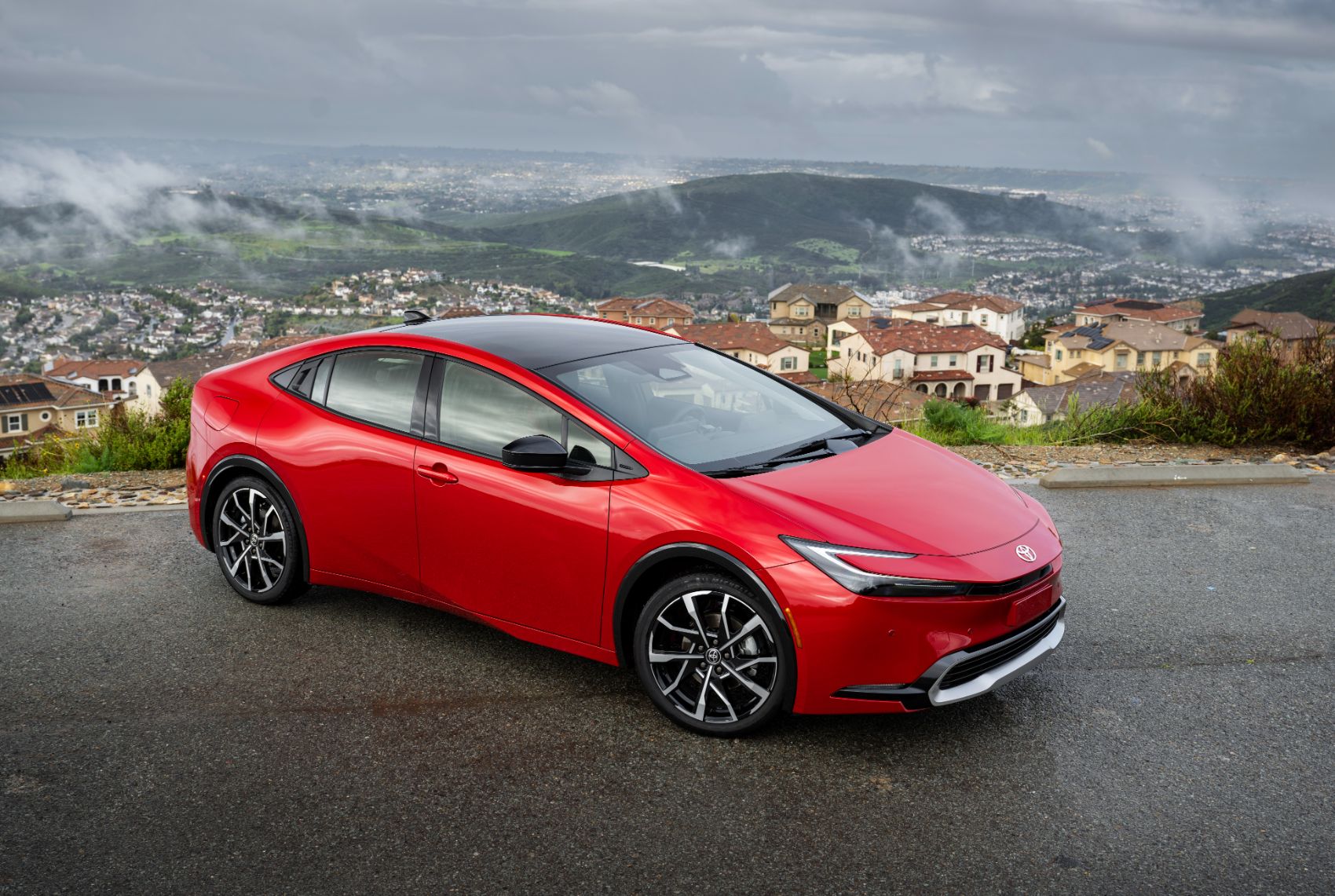
C-shaped LED headlights and a sleek front end gave the car a futuristic look, with a slim upper grille barely allowing airflow and a repositioned Toyota badge higher on the nose. Lower down, a wider air intake dressed with a silver trim (depending on trim level) added to the aggressive stance.
The car’s profile showed off aerodynamic bodywork that contributed to a drag coefficient of just 0.27—an improvement over some earlier models. The sharp nose flowed into a rising hood and a wide, panoramic windshield.
This generation adopted a cab-rearward layout, featuring a gracefully arched roof and a sloping tailgate. Buyers could also opt for dual moonroofs, a design element borrowed from the discontinued Prius V (MPV).
While traditional door handles remained on the front doors, the rear handles were cleverly hidden in the C-pillar, giving the 2023 Prius a streamlined, coupe-like appearance. And those tiny 15-inch wheels of previous generations? Gone. The base LE model rolled on 17-inch wheels, while the XLE and Limited trims came with bold 19-inch alloys.
Inside, Toyota finally moved the multifunction display from the center of the dashboard to directly in front of the driver—where it should’ve been all along. Gone was the outdated LED layout; in its place was a modern TFT instrument cluster.
A wide, landscape-style touchscreen now sat on top of the center console, while the redesigned front seats offered enough bolstering to inspire confidence in corners. In the rear, a split-folding bench helped expand the already sizable cargo area.
But the biggest leap came beneath the surface. Built on the second generation of the TNGA-C platform, the 2023 Prius featured a suspension setup of front MacPherson struts and a rear double-wishbone system.
Toyota repositioned the battery pack under the rear seats, lowering the center of gravity and enhancing handling. Drivetrain options varied by region: Canadian models came standard with e-AWD, while others offered it as an upgrade to the standard FWD layout.
Power output jumped significantly—from 123 PS (121 hp) to 223 PS (220 hp) in e-AWD variants. The top-spec model could sprint from 0 to 100 kph (62 mph) in just 6.7 seconds—a dramatic improvement over the 10-plus seconds needed by its predecessor.
2. Honda Civic (2010–2021)
The Honda Civic has a solid reputation for reliability, including in emissions performance. Honda’s i-VTEC engine design runs clean, and regular maintenance usually keeps the emissions system in top shape.
Emissions Highlights:
- Long-lasting oxygen sensors and catalytic converters
- No known widespread emission system issues
- Frequently passes even in states with strict smog testing like California
The 2019 Honda Civic stands as a benchmark in the compact car segment, blending everyday practicality with an engaging driving experience. This versatile lineup has something for everyone, offering a two-door coupe, a four-door sedan, and a hatchback.
Under the hood, it offers two refined four-cylinder engines, paired with either a smooth continuously variable automatic transmission (CVT) or a precise six-speed manual. For those who want utility without stepping into a crossover—and performance without springing for a sports car—the 2019 Honda Civic Sport delivers both without breaking the bank.
It’s so well-rounded that it earned a spot on our 10Best Cars list, along with the sportier Civic Si and the high-performance Type R. While it may not be flawless, the Civic performs exceptionally well in nearly every category, securing its place near the top of its class.
The 2019 Civic lineup sees a range of updates that enhance both form and function. Among the changes are subtle exterior styling tweaks, added standard features, and the expansion of the Sport trim to now include both the coupe and sedan.
One of the most welcome—and long-overdue—upgrades is the return of a physical volume knob and hard buttons on the touchscreen interface, resolving a long-standing annoyance. The coupe and sedan also benefit from a cleaner front-end design and the addition of newly standard driver-assistance technology.
Although only the hatchback variant of the Sport trim features the more potent 180-hp four-cylinder engine (22 horsepower more than the others), the coupe and sedan still benefit from the same blacked-out exterior accents and firmer suspension tuning.
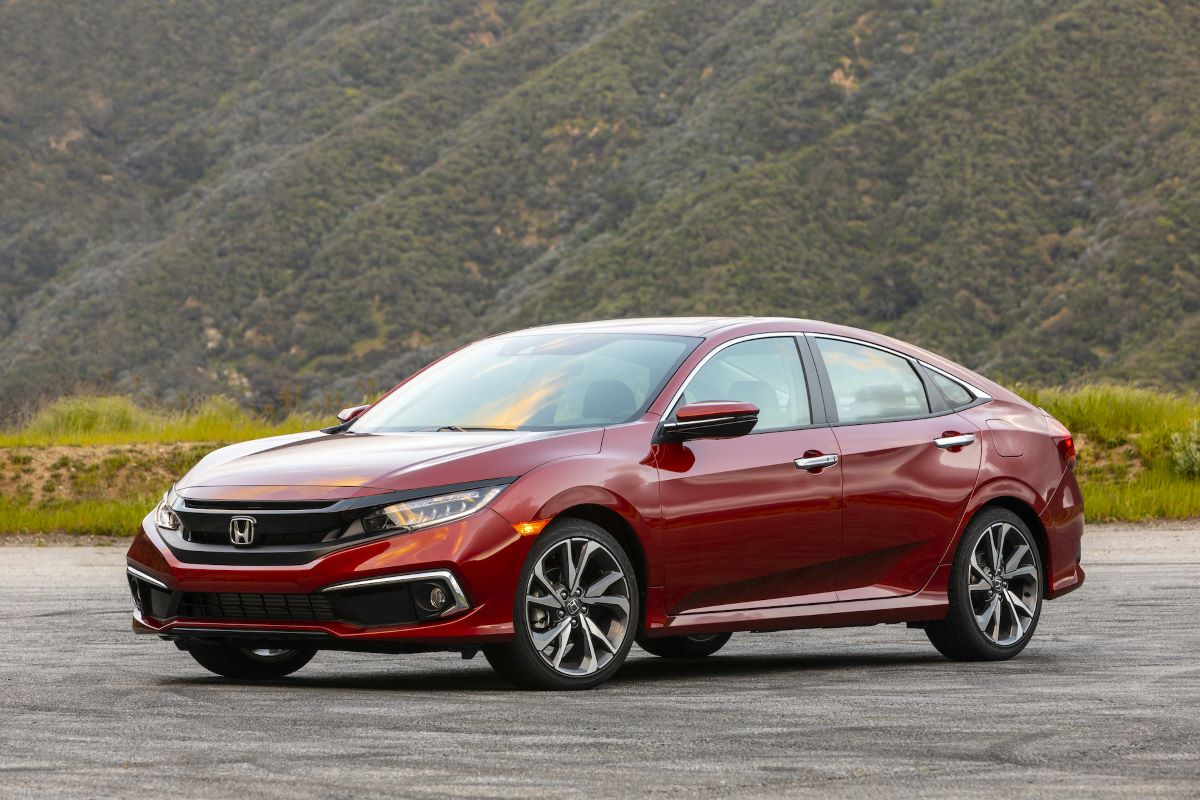
Inside, every Civic model gets more functional cupholders, improved steering-wheel controls, and enhanced sound insulation for a quieter ride. The exterior color palette also grows with the addition of Platinum White Pearl, Lava Pearl, and Tonic Yellow Pearl.
The Civic’s extensive lineup includes three distinct body styles across multiple trim levels. Among them, the Sport model strikes the ideal balance between style, practicality, and driving enjoyment, making it our top recommendation. Its sporty blacked-out details and sharper suspension tuning amplify the fun behind the wheel.
We’d opt for the standard six-speed manual transmission rather than the optional CVT to get the most out of the experience. The hatchback version, in particular, offers added utility over the sedan and coupe while also packing the more powerful 1.5-liter turbocharged four-cylinder engine—all for only a modest price increase.
Every Sport model comes well-equipped with a leather-wrapped steering wheel and shift knob, automatic climate control, and 18-inch wheels.
Also Read: 5 Trucks With the Best Auto-Lockout Prevention and 5 That Lock You Out
3. Mazda3 (2014–2021)
Mazda’s Skyactiv technology focuses on fuel efficiency and clean combustion. The Mazda3 uses high compression ratios and optimized combustion cycles to reduce harmful gases.
Emissions Highlights:
- Strong fuel-air mixture control
- Consistently low hydrocarbon and CO readings
- Few emissions-related technical service bulletins
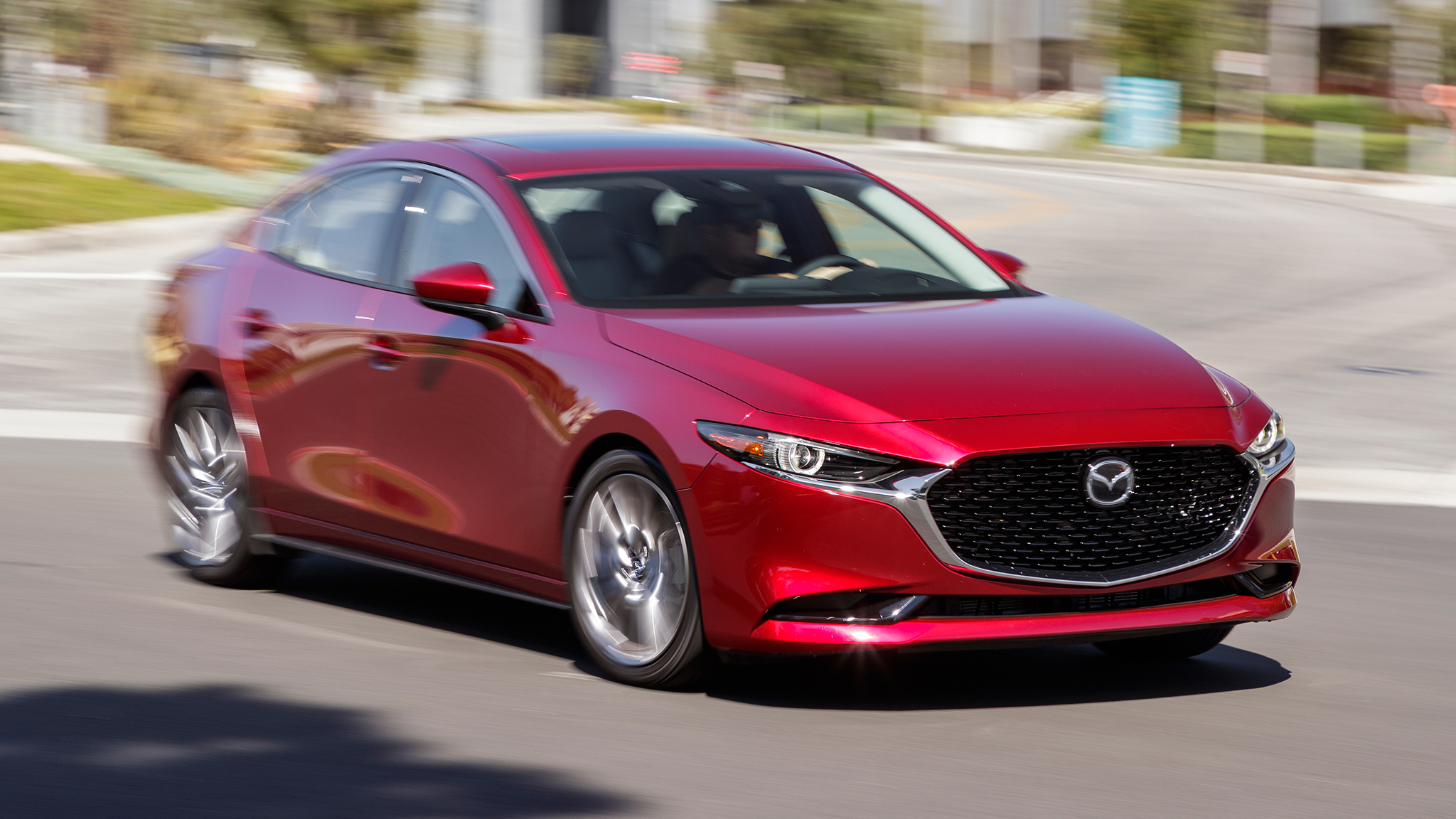
When you’re in the market for a compact car, chances are that fuel efficiency, reliability, and overall value are high on your checklist. Most modern compact cars hit those marks. But if you’re looking for a model that delivers all of that plus a bit of personality, the 2015 Mazda 3 is absolutely worth a look.
At its core, the Mazda 3 is an ideal pick for compact car shoppers who actually enjoy the act of driving. It delivers strong acceleration, precise steering, and a well-calibrated suspension setup that makes even routine errands around town more engaging.
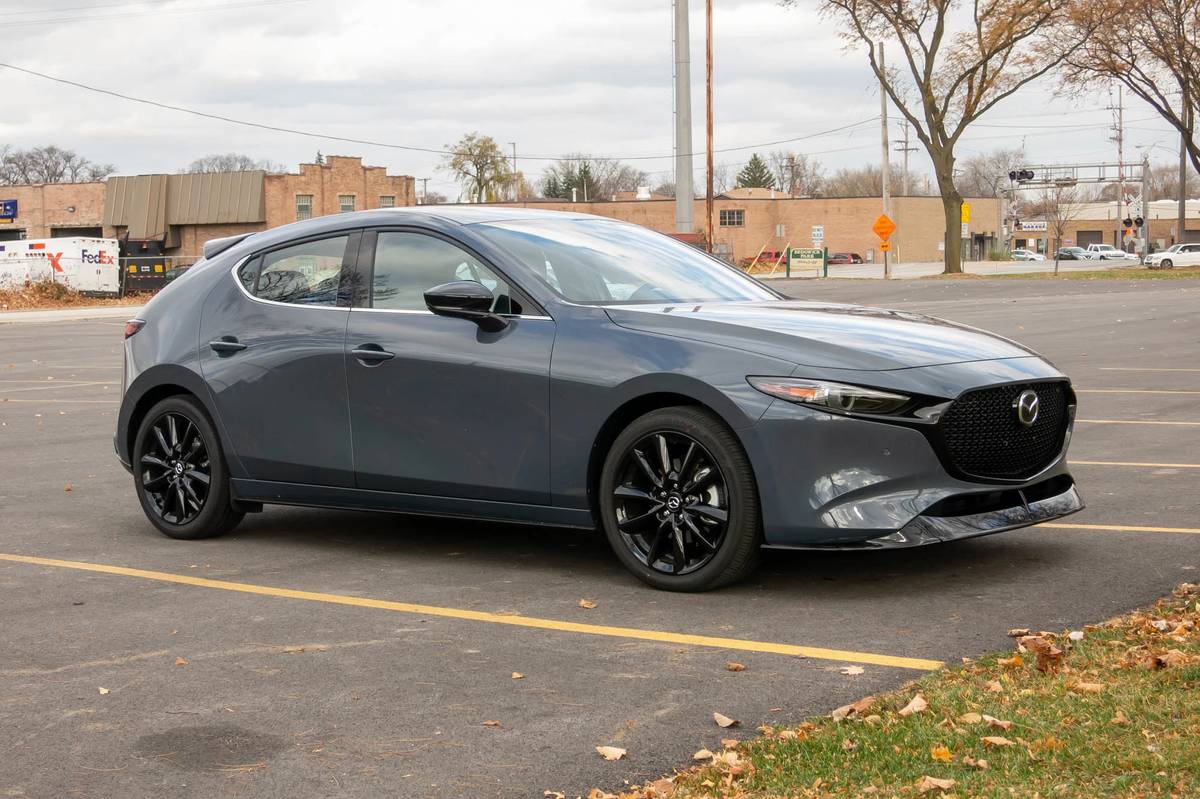
There’s also a uniqueness to the Mazda 3 that sets it apart from the crowd. Its exterior design stands out with a look that’s both eye-catching and refined. And on the tech side, Mazda offers high-end features rarely seen in this segment—like adaptive cruise control, collision-mitigation systems, and a head-up display.
What really makes the Mazda 3 impressive is how it pulls all this off without breaking your budget or sacrificing fuel economy. Still, it won’t suit everyone. In our long-term evaluation of a 2014 Mazda 3, we noted that its highway ride could get choppy and loud—especially over rough pavement or when equipped with the larger 18-inch wheels and tires.
Cabin space is another weak point. Rear-seat legroom and trunk capacity are both merely average for the class. That said, Mazda does offer a hatchback version, which adds a welcome dose of cargo flexibility.
4. Subaru Outback (2015–2020)
While older Subarus had issues with emissions components, recent Outbacks improved dramatically. The newer FB-series engines have more efficient combustion and upgraded catalytic systems.
Emissions Highlights:
- Reliable secondary air injection system
- Rare P0420 catalytic converter codes
- AWD doesn’t interfere with roller emissions tests
Subaru has built a loyal base of adventure-seekers and practical drivers, and the Outback wagon sits right at the heart of that identity with its built-in toughness. For 2020, the Outback receives a full redesign that smartly preserves everything core to its character. It still delivers standard all-wheel drive, a comfortable interior, and plenty of cargo room.
Two distinct four-cylinder engine options are available, though neither stands out as particularly exciting. That said, the Outback maintains its solid ground clearance and respectable towing capacity.
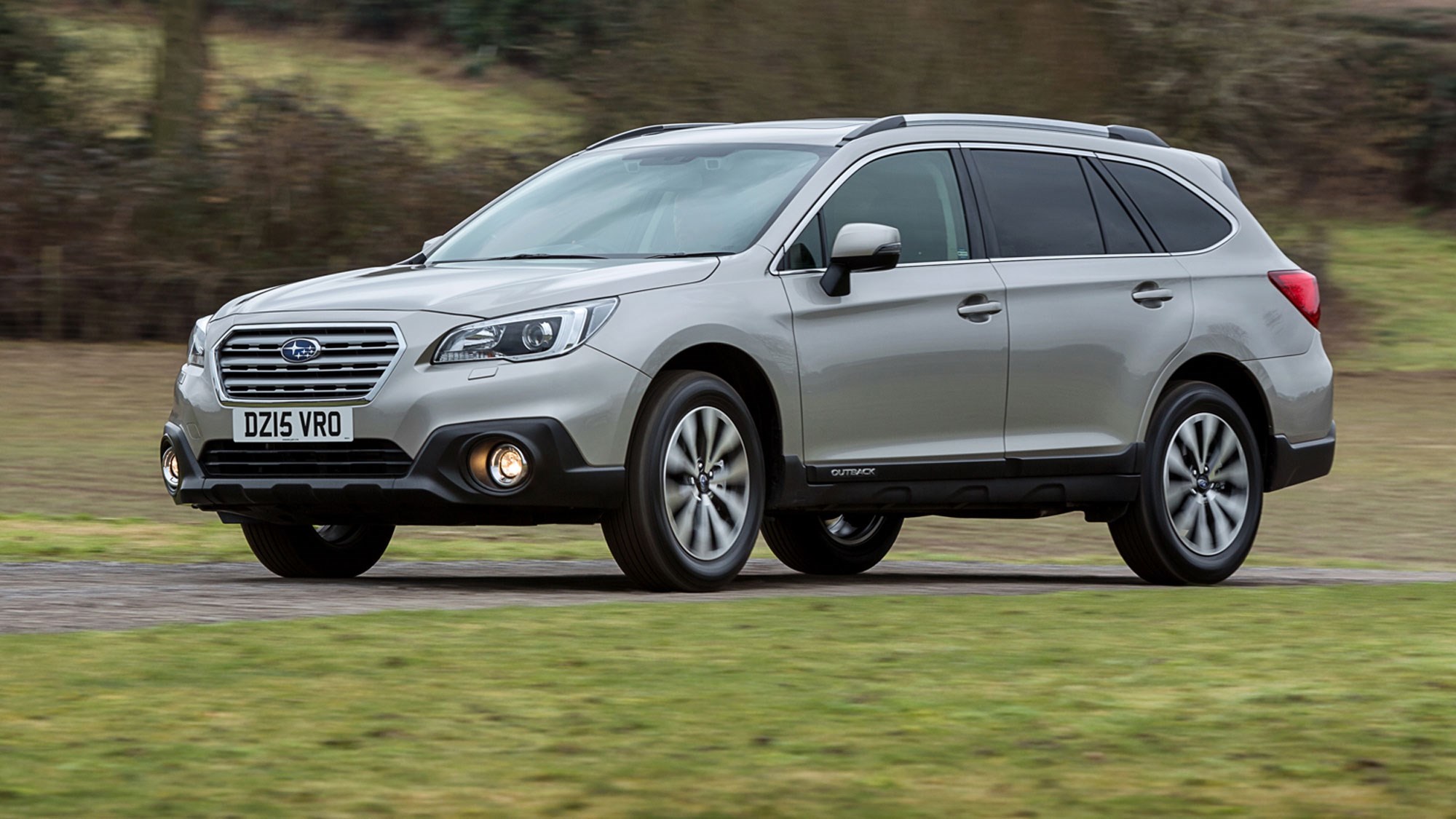
Every trim level comes equipped with a suite of driver-assistance features, and most versions include a massive touchscreen loaded with current tech. The 2020 Outback represents everything that makes Subaru stand apart in today’s market.
The fully redesigned 2020 Outback kicks off the model’s sixth generation. Subaru chose to evolve rather than reinvent, staying true to the brand’s appeal. The new Outback retains its predecessor’s rugged styling while improving the interior with better materials and more advanced tech.
A turbocharged flat-four engine—labeled as XT in the trim hierarchy—joins the lineup and brings with it a 3,500-pound towing capacity, up 800 pounds from before. Subaru has also increased rear-seat room and boosted maximum cargo capacity, adding more practicality to a wagon already known for it.
5. Hyundai Elantra (2017–2022)
Hyundai made big strides in emissions compliance in the last decade. The Elantra, especially with its smaller engines, stays well within acceptable pollutant limits and has reliable sensors and EGR systems.
For 2019, Hyundai gives the Elantra a bold new look, overhauling much of its exterior with a redesigned hood, updated front fascia, reshaped fenders, a reworked rear bumper, and a fresh wheel design.
The interior hasn’t changed as dramatically, but it now features a revised center console with new controls, updated air vents, an improved storage tray, and refreshed gauges. These updates follow a full redesign just two years earlier, highlighting how quickly the compact sedan segment keeps moving forward.
Hyundai also expanded the Elantra’s tech offerings in both convenience and safety. Standard features now include a rearview camera with dynamic guidelines, a larger infotainment screen, and Bluetooth connectivity even on base trims. As you move up through the lineup, you’ll find upgrades like wireless device charging and a bigger 8-inch infotainment display.
All trims except the entry-level SE benefit from a suite of driver assistance features, including forward collision warning, automatic emergency braking, blind-spot monitoring, rear cross-traffic alert, lane keeping assist, and a driver drowsiness alert system.
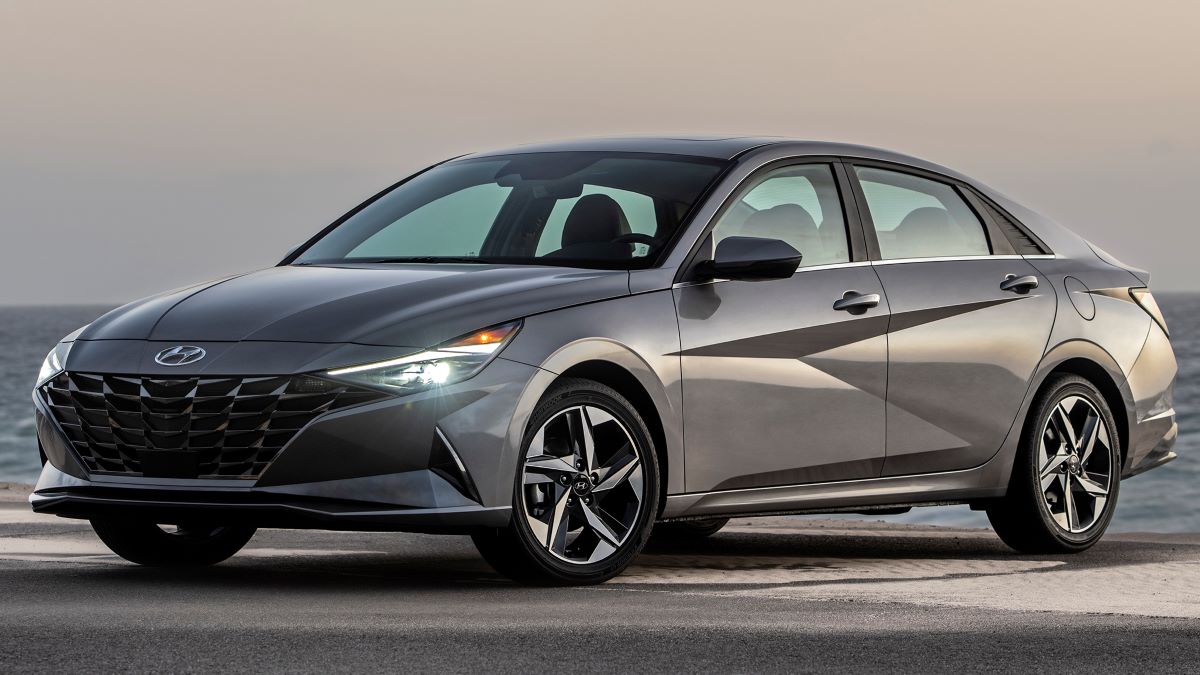
Mechanically, though, the Elantra remains unchanged. The base engine is still the 2.0-liter four-cylinder with 147 horsepower—a figure that doesn’t impress but delivers a respectable 32 mpg combined.
The turbocharged engines available in the Eco and Sport trims offer a more engaging drive, though they’re let down by a seven-speed dual-clutch automatic that can feel awkward and unrefined during shifts.
In the end, the Elantra’s strengths still don’t push it to the front of the compact-car pack. Competitors like the Honda Civic, Mazda 3, and Volkswagen Golf outperform it in driving dynamics and cabin quality.
However, the Elantra remains a dependable value play, offering an impressive list of features at a lower cost. And if you’re open to a hatchback, the Elantra GT—reviewed separately—is worth a look. Essentially Hyundai’s European-tuned variant, it brings a sportier, more dynamic edge compared to the sedan.
Emissions Highlights:
- Rarely fails due to EVAP or sensor issues
- Strong track record in states with OBD-only testing
- Effective onboard diagnostics for early detection
Also Read: 5 Cars That Can Idle Forever and 5 That Overheat at Stoplights
Cars That Constantly Fail Emissions
In this article, we’re shining a light on those persistent problem children — the cars that just can’t seem to stay on the right side of emissions testing. If you’re driving one of these, it’s time to face the music. And if you’re in the market, consider this your warning label.
1. BMW 3 Series (2006–2013, E90 generation)
Despite being a luxury compact, the E90 3 Series has a reputation for emissions trouble. Carbon buildup in the intake valves and fragile oxygen sensors are common problems.
You can almost picture the words “Don’t mess it up” looming over the heads of the engineers and designers behind the redesigned 2012 BMW 3 Series.
Calling the 3 Series a legend wouldn’t be an exaggeration—after five previous generations, it’s racked up a staggering number of accolades, built an intensely loyal customer following, and maintained consistently strong sales.
It’s long stood as the yardstick against which all competitors in its class are measured. So when BMW rolls out a new 3 Series, it’s nothing short of a major event.
This time around, the changes apply solely to the sedan. The coupe, convertible, and wagon variants (which remain solid recommendations) continue into 2012 mostly unchanged, aside from the addition of a few new standard features.
The redesigned sedan adopts an evolutionary exterior style that borrows cues from the larger 5 Series, although the most notable design shift is up front: a revised nose with headlight clusters that now touch the widened kidney grilles, breaking from tradition.
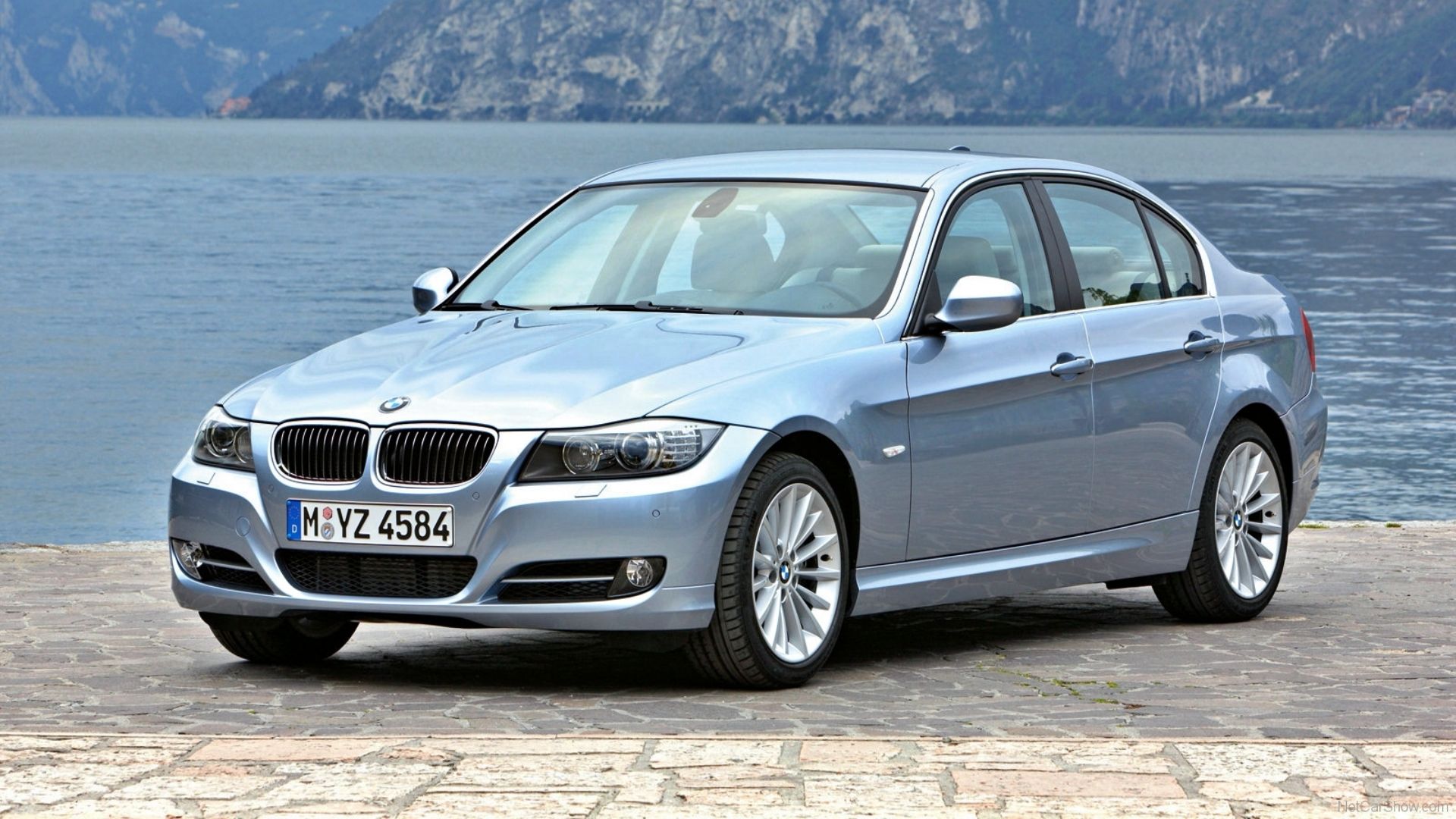
Inside, the 3 Series receives a much-needed interior revamp, trading the previous model’s conservative layout for one with more visual flair. BMW also introduces three optional “equipment lines”—Luxury, Sport, and Modern—which offer unique trim materials and color themes, greatly expanding personalization options.
Dimensionally, the new sedan grows compared to its predecessor, yet it actually sheds weight—an improvement made possible by more extensive use of aluminum in the reengineered suspension. The steering system is now electric, a change aimed at boosting fuel efficiency.
However, this comes at the cost of some of that signature BMW steering feedback. As with other recent BMW models, the new 3 Series includes Driving Dynamics Control. This feature gives the driver the ability to switch between four drive modes, each adjusting throttle response, steering effort, and the behavior of the automatic transmission.
Under the hood, the entry-level 328i sees a significant shift. The previously standard naturally aspirated inline-6 engine is replaced by a turbocharged four-cylinder that not only delivers more horsepower and torque but also delivers outstanding fuel economy.
While some BMW loyalists might balk at the phrase “four-cylinder,” this new engine is actually quicker and dramatically more efficient than the one it replaces.
On a more reassuring note for purists, the 335i retains its revered turbocharged inline-6. Rounding out the list of powertrain upgrades are an available eight-speed automatic transmission and a new auto stop/start system designed to further improve efficiency.
Emissions Weak Points:
- Frequent P0420 and P0171 codes
- Leaky valve cover gaskets that trigger EVAP failures
- Faulty VANOS solenoids affecting air/fuel ratios
2. Jeep Grand Cherokee (2011–2015)
Especially in V6 models, the Grand Cherokee is plagued by emissions component issues. Bad EGR valves, leaking EVAP canisters, and failing catalytic converters lead to regular failures.
Emissions Weak Points:
- Persistent check engine lights
- Complex diagnostics hinder easy fixes
- Catalytic converter deterioration under 100k miles
Few automotive turnarounds are as impressive as the resurgence of the Jeep Grand Cherokee. Not long ago, it was falling behind a wave of newer SUVs and crossovers, burdened by excessive weight, high fuel consumption, and a lack of refinement.
Its impressive off-road capabilities weren’t enough to offset a rough ride, outdated interior, and disappointing efficiency. Fast forward to the 2013 Jeep Grand Cherokee, and you’re looking at a vehicle that’s operating at its absolute best.
This latest-generation Grand Cherokee shares underpinnings with the Mercedes-Benz M-Class, a byproduct of Jeep’s time under DaimlerChrysler ownership. As a result, its upscale design and refined driving experience are not just welcome—they’re expected.
Comparing this model to the previous generation makes the transformation crystal clear: from cabin quality to ride comfort and all-around performance, the improvements are substantial.
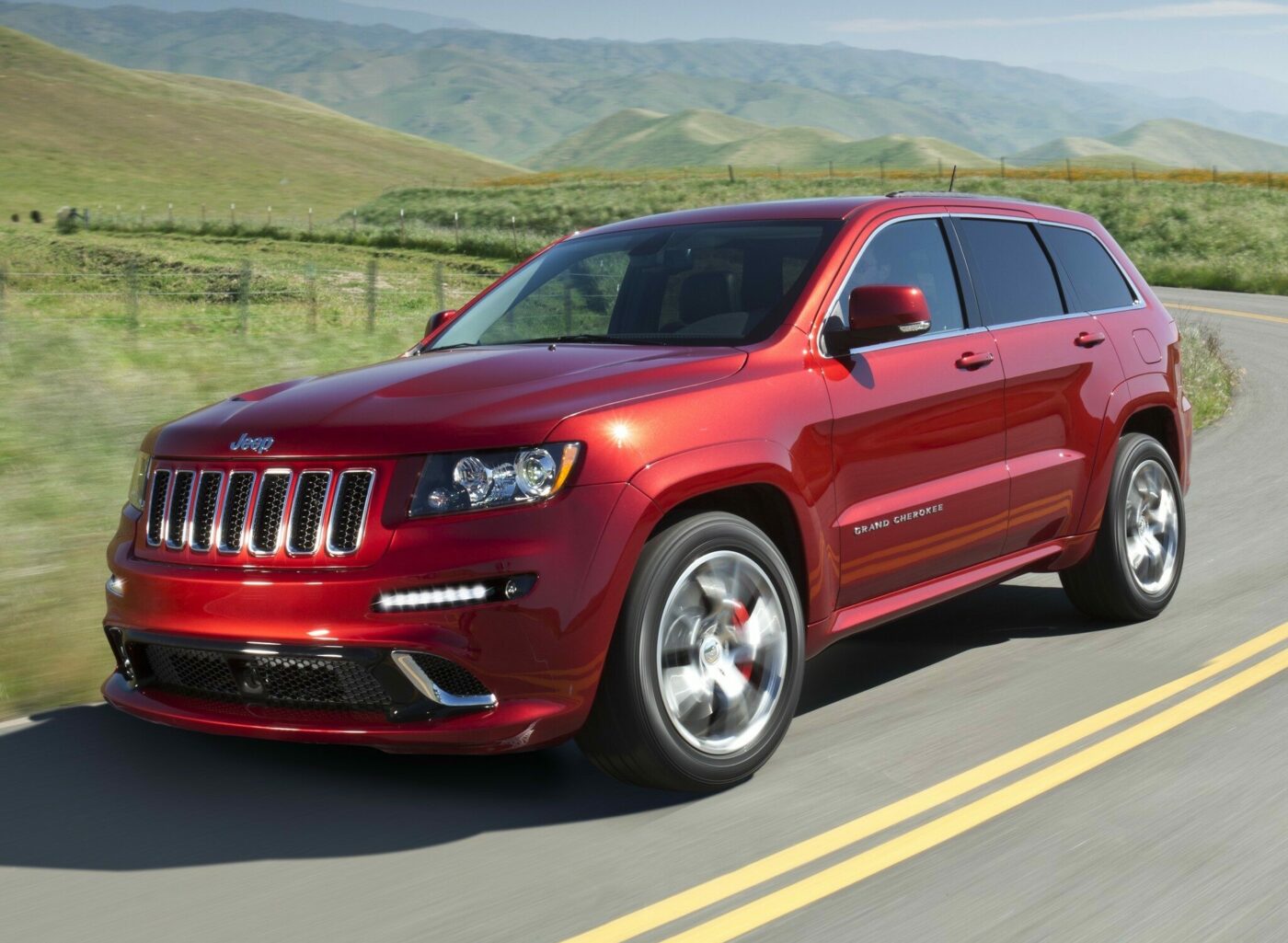
Even with its new premium polish, the Grand Cherokee remains a capable performer off-road. Available adjustable air suspension lets you vary the ride height—from 6.6 inches for easier entry and roof access to a towering 10.7 inches for rugged trail excursions. A drive-mode selector known as “Selec-Terrain” allows you to fine-tune the drivetrain and suspension for various off-road conditions.
The lineup also includes some standout variants. The high-performance SRT8 model is equipped with a powerful 470-horsepower V8, along with upgraded suspension and braking components—it’s arguably the quickest crossover SUV in its price range.
New for 2013 is the Trailhawk edition, which, while not as performance-focused as the SRT8, enhances the Grand Cherokee’s off-road prowess with Kevlar-reinforced tires, added underbody protection, and a full suite of Jeep’s off-road gear.
3. Volkswagen Jetta TDI (2009–2014)
These diesel models were at the heart of the “Dieselgate” scandal. Even post-recall, many TDIs struggle to meet emissions standards without performance loss or new system faults.
Emissions Weak Points:
- Diesel particulate filter (DPF) clogs easily
- High NOx output under load
- Post-software-update models often throw new codes
In today’s crowded compact car market, it’s almost surprising how the 2010 Volkswagen Jetta manages to occupy a space all its own—one carefully shaped by the models that came before it. Positioned as an upscale compact, the Jetta proves that affordability and size don’t have to come at the cost of refinement.
Far from feeling like a typical economy car, the Jetta has always stood out as a well-crafted, more sophisticated option. It also delivers the poised handling and smooth ride quality one would expect from a vehicle with German engineering roots.
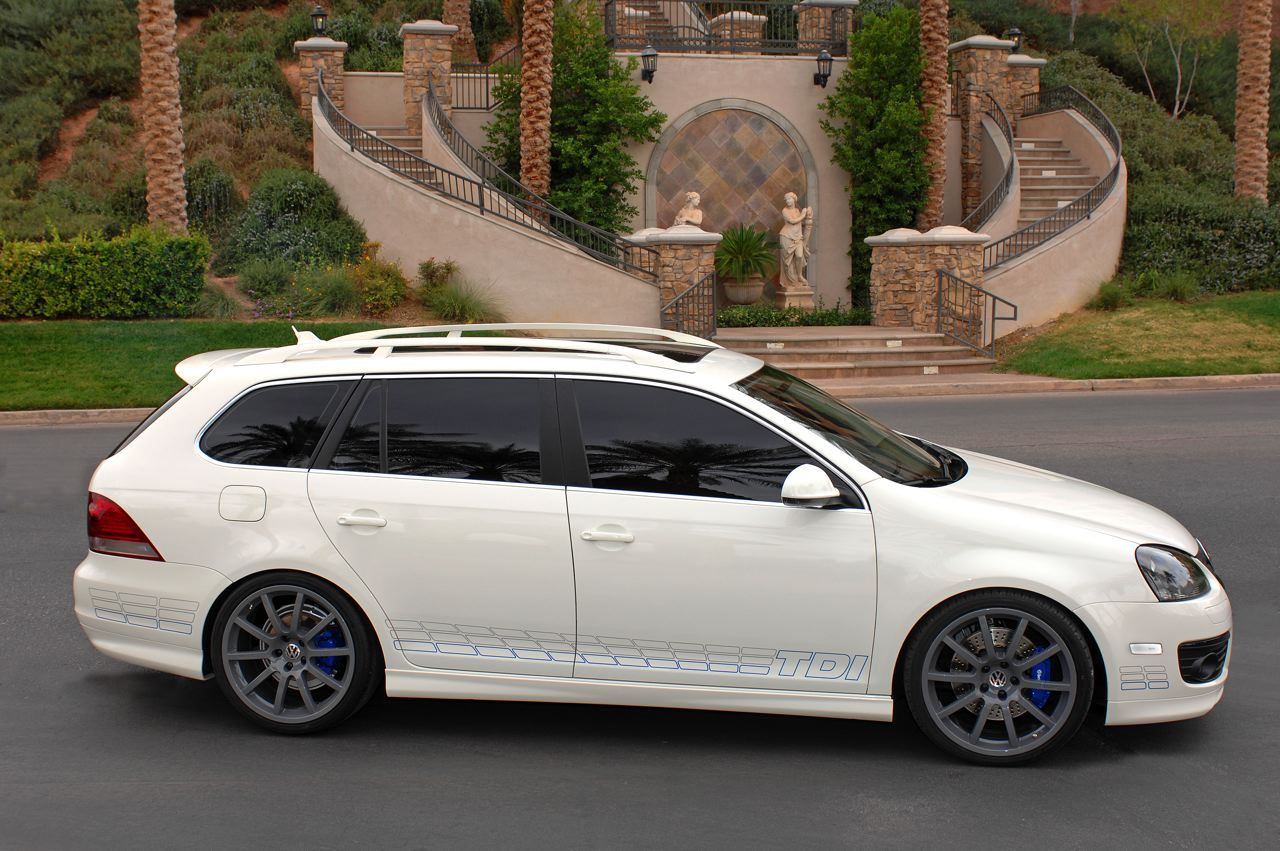
While this generation has been around for five years and some critics argue it lacks the styling flair of previous Jettas, this sturdy little Volkswagen continues its legacy of offering European driving dynamics for a price that stays competitive with more mainstream compact sedans and wagons.
The lineup got even more appealing last year with the comeback of the Jetta TDI and the introduction of the Jetta SportWagen. The TDI delivers strong performance alongside excellent fuel efficiency, thanks to its turbodiesel engine.
The SportWagen, as its name indicates, blends the traditional appeal of the Jetta with the added practicality of a wagon. After a hiatus brought on by tightening emissions regulations, the TDI returns cleaner than ever—compliant in all 50 states—and boasts an impressive combined fuel economy rating of 34 mpg.
As for utility, the SportWagen outdoes Volkswagen’s own Tiguan compact SUV in cargo room, offering 18 more cubic feet with the seats up and 10 more when they’re folded down. While the 2010 Jetta continues to distinguish itself from the standard compact car crowd, it still finds itself compared to a diverse group of competitors.
The SportWagen is an excellent option for shoppers eyeing a small wagon or compact crossover, and the TDI stands out as a worthy diesel-powered alternative to hybrids. No matter the variant, the Jetta offers a refined German driving experience for buyers with a beer budget rather than champagne tastes.
4. Chevrolet Cruze (2011–2016)
The Cruze has long battled reliability concerns, and emissions issues are part of that legacy. The 1.4L turbo engine suffers from poor PCV system design and frequent O2 sensor failures.
Emissions Weak Points:
- P0171 lean codes are common
- EVAP system sensor faults
- Turbo-related oil leaks impacting emissions parts
For years, Chevrolet struggled to keep up with import competitors in the compact car market. That narrative began to shift four years ago when Chevy rolled out the Cruze—a sharply designed sedan that finally stood toe-to-toe with long-reigning favorites like the Civic and Corolla.
The 2015 Chevrolet Cruze continues to hold its own in this space, even if it doesn’t make our list of top recommendations for the year.
One of the Cruze’s standout strengths is its fuel efficiency. Equipped with the optional turbocharged gasoline engine, it delivers combined city and highway mileage in the low 30 mpg range.
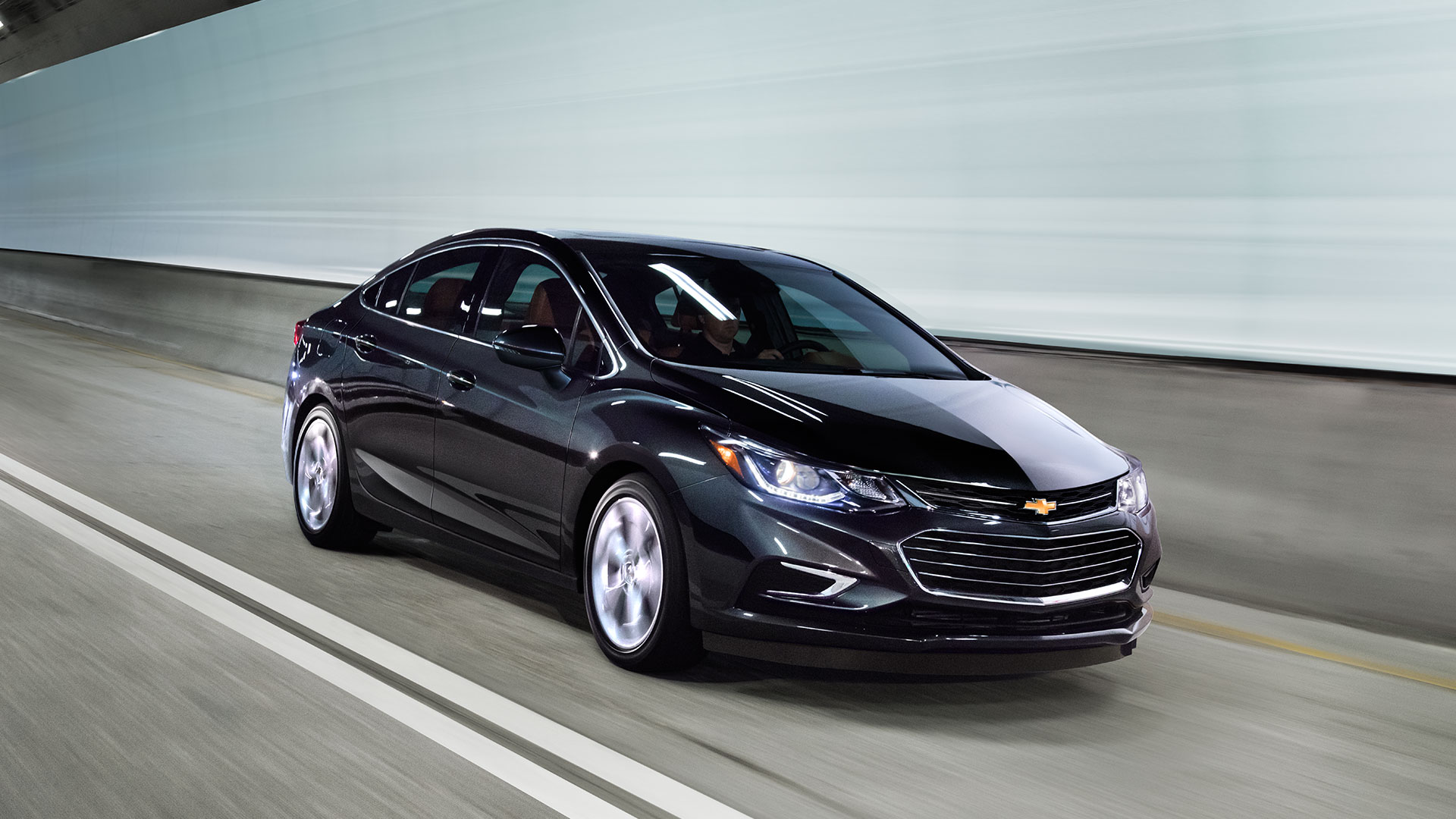
In addition, Chevrolet offers a diesel-powered version of the Cruze—a rare offering in this segment. In fact, Volkswagen is the only other automaker in this class to provide a diesel option. The Cruze diesel impresses with its blend of punchy acceleration and excellent fuel economy, achieving a combined rating of 33 mpg.
There are a few minor drawbacks worth noting. Taller drivers and passengers may find the seating to be less accommodating than in some of the Cruze’s primary competitors, particularly in terms of head- and legroom.
Additionally, when paired with the automatic transmission, both gasoline engines can be hesitant to downshift unless you apply heavy throttle input—a result of Chevrolet’s tuning aimed at maximizing fuel efficiency.
5. Mini Cooper (2007–2013)
Mini Coopers from this era are known for quirky design and frequent emissions failures. Timing chain issues lead to rough combustion, and the turbo variants often overheat catalytic converters.
Emissions Weak Points:
- Timing and air-fuel ratio problems
- High oil consumption leads to increased hydrocarbon output
- Weak PCV systems affecting crankcase emissions
Since BMW brought the Mini Cooper back to life in 2001, it has thrived globally as a premium subcompact known for its solid build quality and lively driving dynamics. That resurgence paved the way for the second-generation Mini lineup, introduced in 2007. The 2010 Mini range includes the two-door Cooper coupe and convertible, as well as the three-door Clubman.
Each Mini variant available in 2010 comes in one of three trim levels: standard, ‘S’, and John Cooper Works (JCW). As you’d expect, each trim step brings with it more standard features, additional power, and a progressively sportier suspension setup.
The base Cooper and Clubman are powered by a naturally aspirated 1.6-liter engine and ride on a relatively modest suspension configuration. The S and JCW models, however, benefit from a turbocharged version of the same engine and get more aggressive spring and damper calibrations, along with other performance-focused changes.
All Mini models come with ‘two-plus-two’ seating, which means room for up to four passengers, though the rear seats are on the small side. Only the Clubman—with its stretched wheelbase and added third-door rear seat access—offers enough rear-seat space to comfortably accommodate adults for regular use.
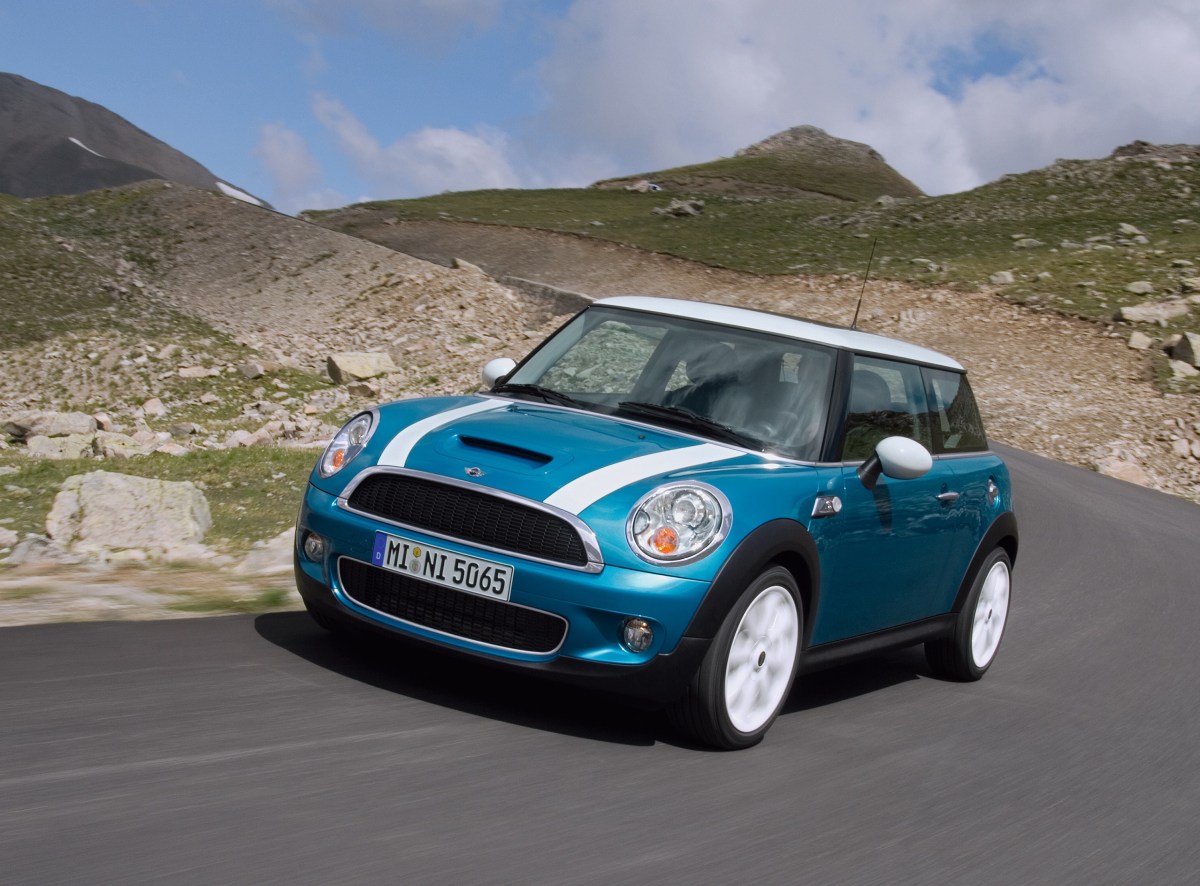
For 2010, Mini receives some minor updates. All models now come standard with a multifunction steering wheel and cruise control. Two limited-edition models also join the lineup: the Mayfair and the Camden, the latter of which introduces Mini’s interactive Mission Control system.
Visually, the Mini retains the same compact, charming style that made it a hit nearly ten years ago. Opting for certain factory accessories or the JCW trim package can give the coupe a distinctly aggressive appearance.
Inside, though, things aren’t quite as rosy. The Mini’s cabin leans more toward form than function. While the materials and overall build quality are acceptable for the price, the layout of the controls and switchgear can be confusing and unintuitive.
On the road, the base Cooper offers energetic—though not blistering—acceleration, combined with responsive steering that evokes a big go-kart feel.
The Cooper S takes that experience up a notch, thanks to its turbocharged engine and firmer suspension, though torque steer is a frequent issue. Keep in mind, even the standard Cooper rides on the firm side, and the S trim can be quite punishing over rough pavement. The Clubman, with its longer wheelbase, delivers the smoothest and most balanced ride in the group.
All Mini Cooper coupe and Clubman models come with standard front, side, and side curtain airbags. The Mini Convertible includes standard front and side airbags. Across the board, every Mini includes standard traction control and stability control systems.
Cars that pass emissions consistently are usually built with clean combustion and durable emissions systems in mind.
Toyota, Honda, and Mazda stand out for long-term reliability in this area. On the flip side, many German brands and American turbo compacts have suffered from poor emissions component design or longevity.
Whether you’re buying used or prepping for inspection, knowing which cars tend to pass or fail can save you major headaches down the road.
