
Let’s face it—station wagons are the unsung workhorses of the automotive world. They’ve hauled families, dogs, surfboards, and flat-pack furniture for generations. They’re the perfect middle ground between a bloated SUV and a cramped sedan—offering versatility, cargo space, and (sometimes) even a dash of driving fun.
But not all wagons are created equal. Some are built like tanks, racking up hundreds of thousands of miles without breaking a sweat. Others? They spend more time on a lift than on the road—draining wallets and testing patience along the way.
In this article, we’re taking a brutally honest look at both ends of the wagon spectrum. We’ll highlight five legendary long-haulers—wagons that just refuse to die, earning cult followings and loyal fanbases for good reason.
Then we’ll shift gears and explore five wagons that are notorious for their mechanical drama—vehicles that keep mechanics employed and owners on the edge of a nervous breakdown.
Wagons That Just Keep Running
Whether you’re a die-hard wagon enthusiast, someone hunting for a reliable daily driver, or just here to nod in agreement (or rage in disagreement), this list pulls no punches. Let’s dive into the best and worst the wagon world has to offer—because knowing what to avoid is just as important as knowing what to chase.
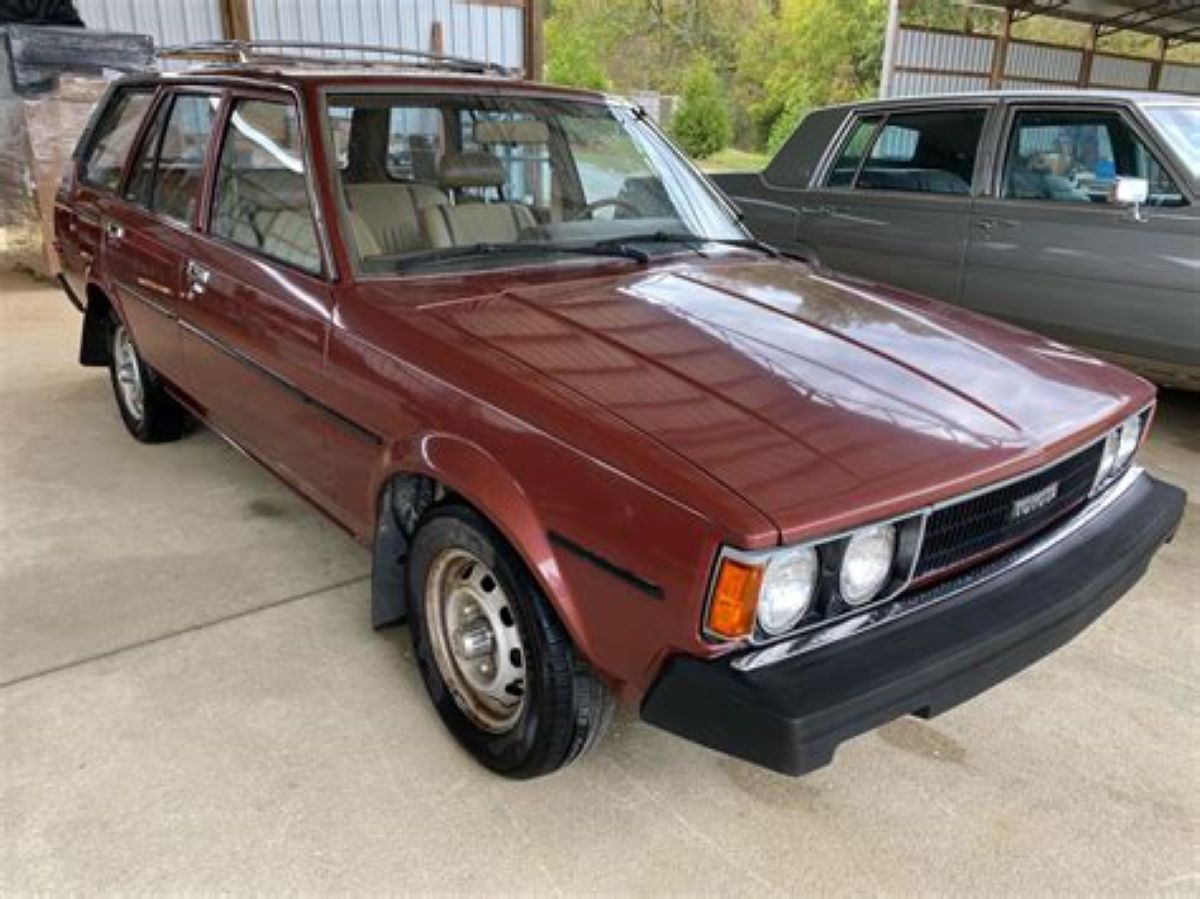
1. Toyota Corolla Wagon (1980s–1990s)
This humble hauler shares its platform with the legendary Corolla sedan renowned for its simple, over-engineered design. Equipped with Toyota’s A-series engines, these wagons often exceed 300,000 miles with regular oil changes.
American buyers had access to new Toyota Corolla station wagons from the 1968 model year all the way through 1996—except for a brief gap between 1984 and 1987. After that, Toyota pivoted toward the Corolla-based RAV4 to carry on the torch.
Among the many Corolla wagons sold during that long run, one of the most beloved was the fourth-generation TE71/TE72, which hit U.S. showrooms between 1980 and 1983. The example we’re looking at here is from that very first year, recently discovered in a Denver-area salvage yard just a couple of months ago.
In 1980, American buyers had several body styles to choose from when it came to the Corolla lineup. These included two- and four-door sedans, a coupe, a two-door liftback, and a station wagon—referred to as the Corolla Van in its native Japan.
There was also the Corolla Tercel in the mix, though it was technically unrelated and existed mainly to capitalize on the Corolla’s strong name recognition (similar to how the Toyota Aqua was rebranded as the Prius C in the U.S. market later on).
Front-wheel-drive wouldn’t become part of the Corolla’s American story until the E80-series models arrived in 1984. Interestingly, even some of those early E80s were rear-wheel-drive AE86s, which only added to the platform confusion since the E80 supported both drivetrain layouts.
This particular wagon is one of the old-school, rear-wheel-drive Corollas, equipped with the durable 3T-C pushrod engine. It didn’t exactly offer thrilling performance—rated at just 73 horsepower—but the car’s curb weight barely tipped over the one-ton mark, so it didn’t need much to get moving.
The 3T-C engine wasn’t known for high-revving fun or impressive output, but it was practically unkillable. “The 3T-C didn’t make much power and it wouldn’t spin well, but it was harder to kill than post-nuclear-war mutant cockroaches.” By the time this car was discovered, the cylinder head had already been pulled—someone beat us to it.
This specific car doesn’t appear to be the high-spec SR5 trim, yet it still came equipped with a surprising number of optional extras. “Look, air conditioning!”
Typical strengths:
- Reliable carbureted or early EFI systems
- Simple rear suspension and few electronics
- Low cost of ownership
Mileage legends: Many are still in service globally as taxis or delivery cars.
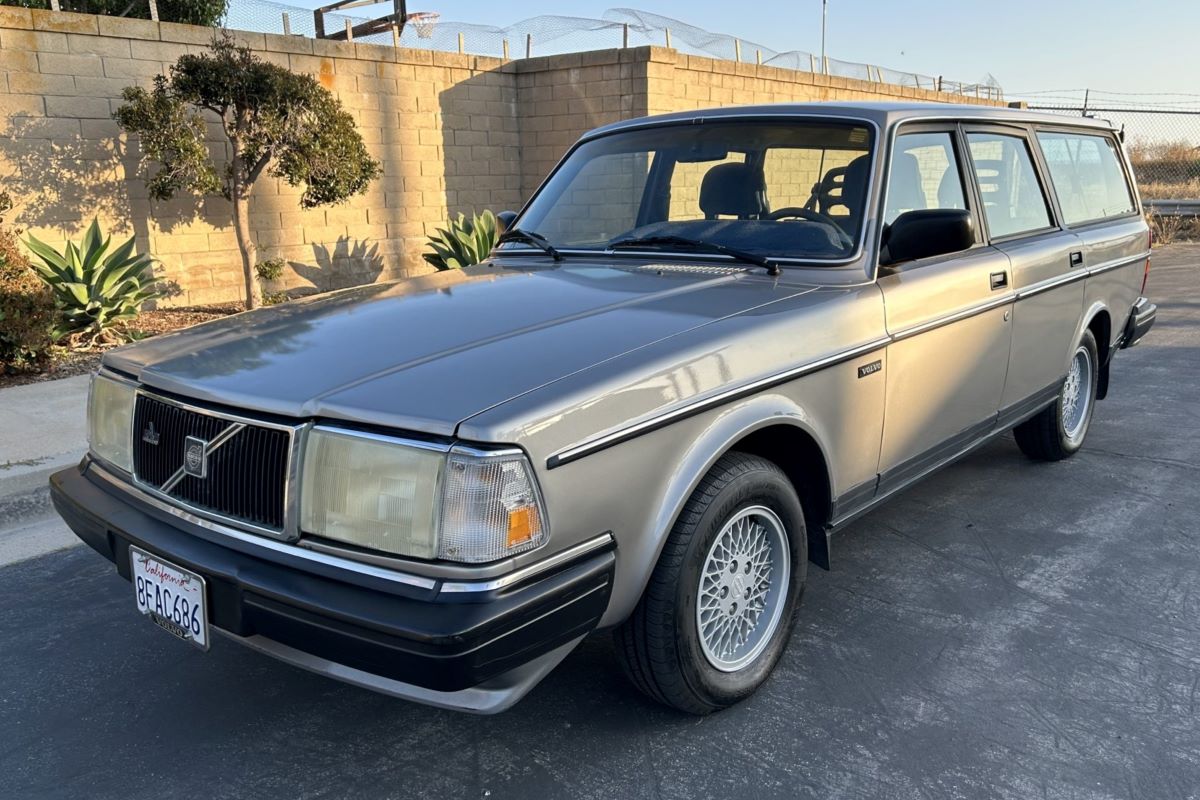
2. Volvo 240 Wagon
Built like a tank, the 240 wagon pairs Volvo’s indestructible redblock inline-4 engines with a rear-wheel-drive chassis. Enthusiasts often say these cars “die only when rust eats them whole.”
We can confidently recommend any variant of the 200 series, but it’s the station wagons that truly stand out—they accounted for roughly a third of total production.
Among them, the 245 may well be the most iconic. It offered a spacious interior with 67 cubic feet of cargo capacity, including several extra cubic feet tucked away in underfloor storage. And let’s be honest, Volvo wagons have always had a unique charm. “The word ‘swanky’ comes to mind.”
Pop the hood on a 245 and you’ll find one of several available engines. Most of them came equipped with a Red Block engine—a nickname given to the Volvo B21, easily identified by its distinctive red-painted block.
Early models used the B20 engine, while later versions, especially toward the end of production, typically housed the B230F. That “F” stood for “Federal,” referencing the reduced compression ratio that complied with U.S. federal emissions regulations.
Across the 240 lineup, buyers could choose from a variety of three-, four-, and five-speed transmissions, both manual and automatic. However, the station wagon was most commonly fitted with a four-speed manual gearbox.
The 200 series enjoyed an impressive production run, with nearly three million vehicles built from 1974 to 1994. Around one million of those were wagons. So, while these cars are beloved by a dedicated following, their relatively high production numbers have helped keep median resale prices reasonable—even decades later.
Typical strengths:
- Overbuilt drivetrain and transmission
- Extremely durable interiors and bodywork
- Easy access to parts even today
Mechanic’s opinion: Boring to repair because nothing breaks unless you neglect it for years.
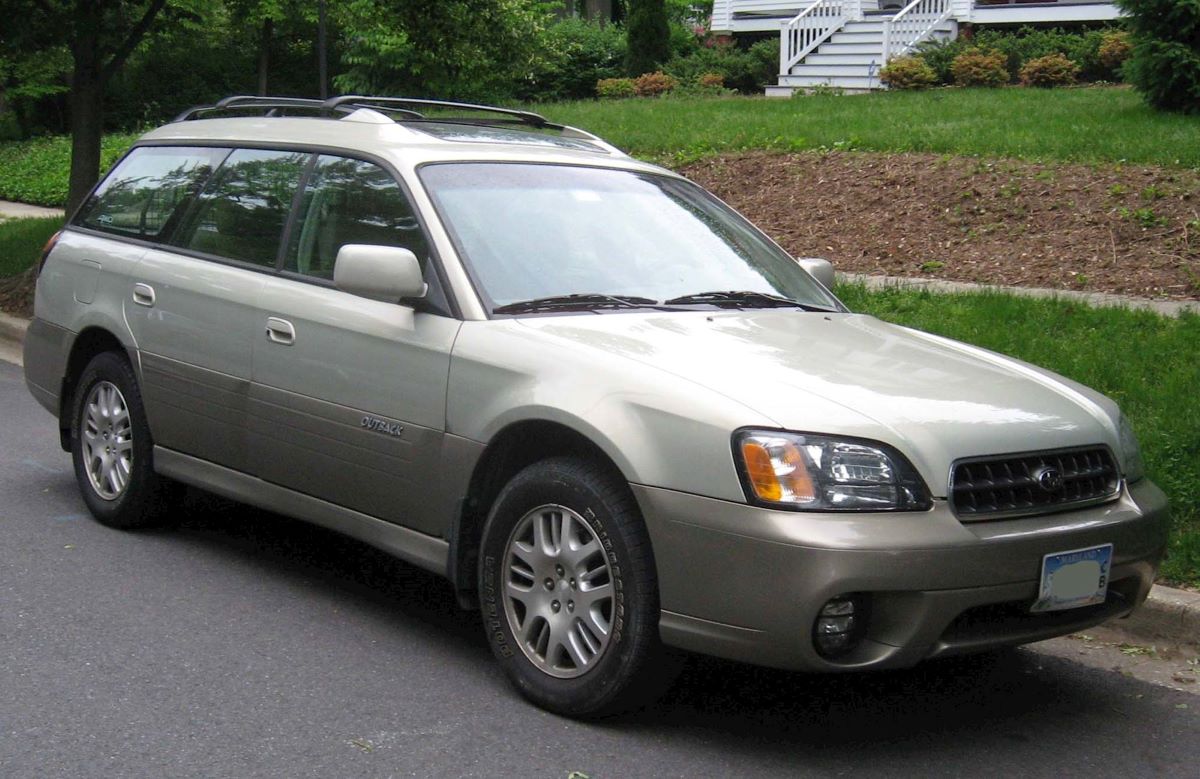
3. Subaru Outback (2000–2004 H6 Models)
While some Outbacks suffer head gasket issues, the 3.0L H6 variants avoid this notorious problem. These flat-six engines are silky smooth, and paired with Subaru’s AWD system, they last long with proper servicing.
This was the ideal moment for Subaru to introduce an all-new Outback. Offered in both wagon and sedan configurations, the Outback represents Subaru’s clear response to a growing sentiment: “Why would anyone want to drive an ill-handling, gas-guzzling, difficult to park SUV?”
With 7.3 inches of ground clearance, standard all-wheel drive, and a base price in the low $20,000s, the Outback strikes a balance between everyday usability and respectable off-road capability—all at a wallet-friendly cost.
Sure, it’s not designed to compete with off-road titans like Jeep’s Grand Cherokee or Toyota’s Land Cruiser when it comes to serious hill climbing, but for light to moderate off-road duties, the Outback performs admirably—without risking an oil pan or busting a differential.
Powering both the wagon and sedan versions is Subaru’s Phase II 2.5-liter, 16-valve, 165-horsepower boxer engine. Subaru tweaked the valvetrain configuration to wring a little more torque out of the setup, bringing the total to 166 foot-pounds at 4,000 rpm.
All models are available with a choice of either a five-speed manual transmission or a four-speed automatic. Meanwhile, the Outback Wagon and Outback Limited Sedan both come paired with the four-speed automatic and Subaru’s Active All-Wheel Drive system, which can anticipate and redirect power to the wheels with traction before slippage ever happens.
Typical strengths:
- Reliable engine with chain-driven cams
- Excellent winter performance
- Comfortable and durable interiors
Pro tip: Avoid turbo or base 2.5L versions from the same era for best reliability.
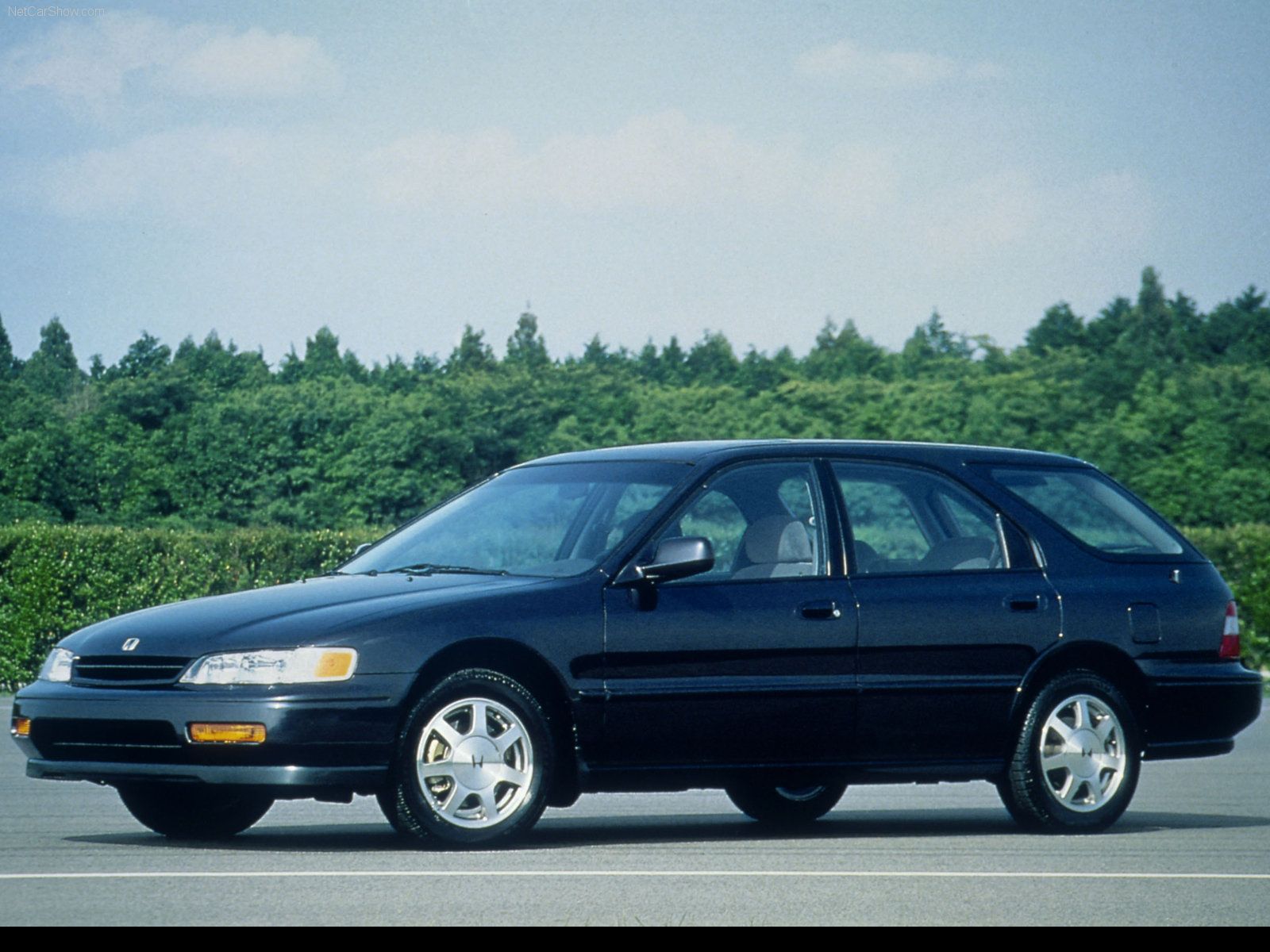
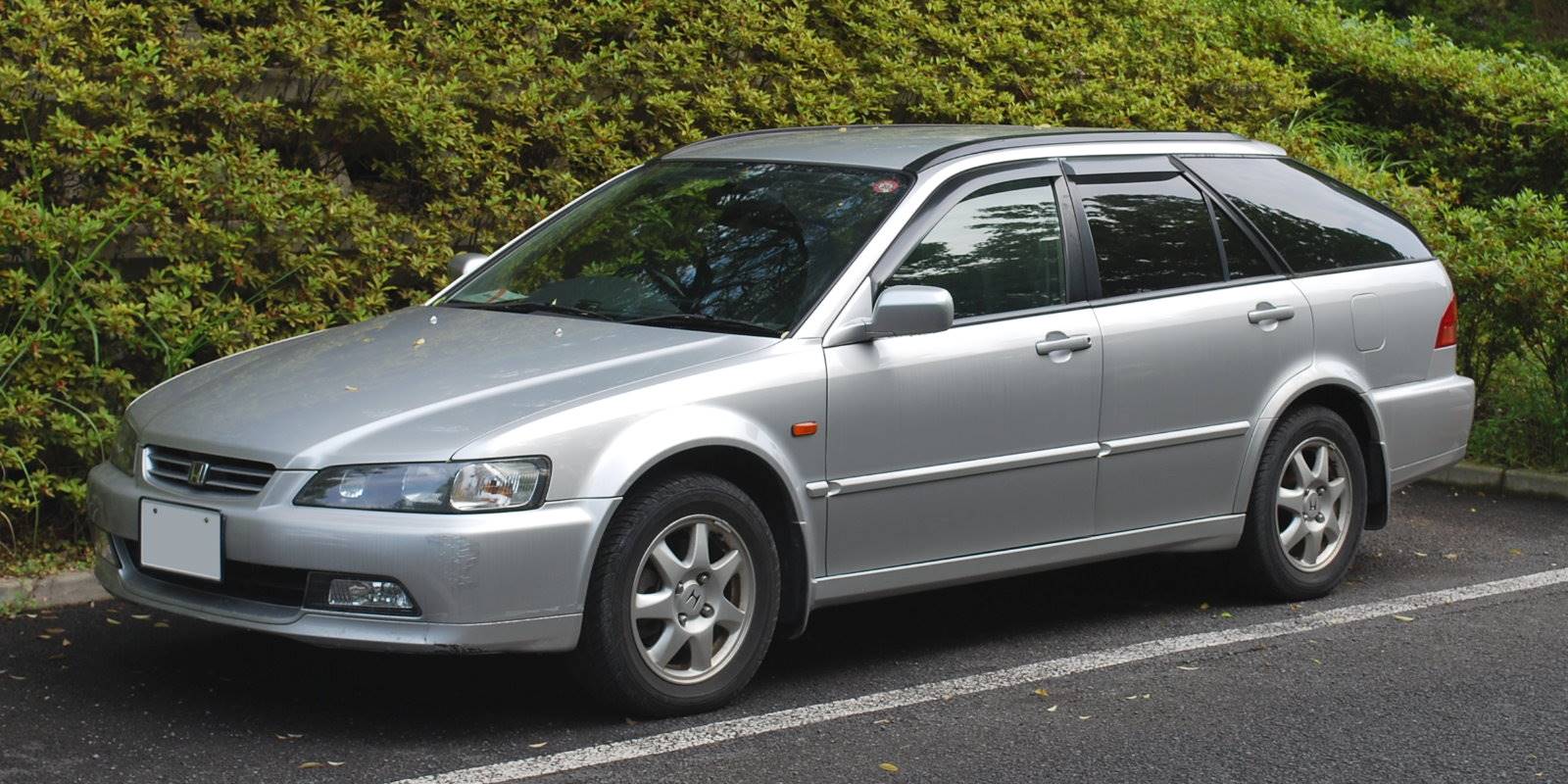
4. Honda Accord Wagon (1991–1997)
Honda’s early ’90s engineering was at its peak. The F-series engines are durable, and the automatic transmissions were more solid than later versions. These wagons can quietly rack up hundreds of thousands of miles.
In the 1995 model year, Honda finally introduced a V6 option for the Accord sedan. But despite the extra cylinders, it didn’t exactly blow anyone away. Surprisingly, some four-cylinder Accord variants outperformed it.
The added weight, less grippy tires, and the automatic transmission all worked together to make the V6 version slower and less agile than the more nimble, five-speed Accord EX.
On top of that, reviewers noted that the V6 setup didn’t quite mesh with the Accord’s character. “Smooth but dull response from both the engine and transmission resulting in a bland character; decidedly out of tune with other Honda products. Hmmm…”
By 1997, Honda had trimmed the lineup a bit, eliminating several models. Most notably gone were the LX five-speed paired with antilock brakes, as well as the EX coupes outfitted with leather interiors.
Meanwhile, the Accord EX with the VTEC engine stood out as the sweet spot. It offered quick acceleration, strong fuel efficiency, and a long list of standard features. “As an added bonus, it’s fun to drive.”
And when you factor in the reality that the actual transaction price often ends up being about half of what the sticker suggests, the value becomes undeniable. Whether you’re after a sedan, coupe, or wagon, the Accord firmly holds its place as the go-to family car. “The Accord is the definitive family sedan, coupe or wagon.”
Typical strengths:
- Low-maintenance and fuel-efficient
- Strong aftermarket support
- Great visibility and ergonomics
Known for: Reliability that rivals Camry wagons of the same era—but with better driving dynamics.
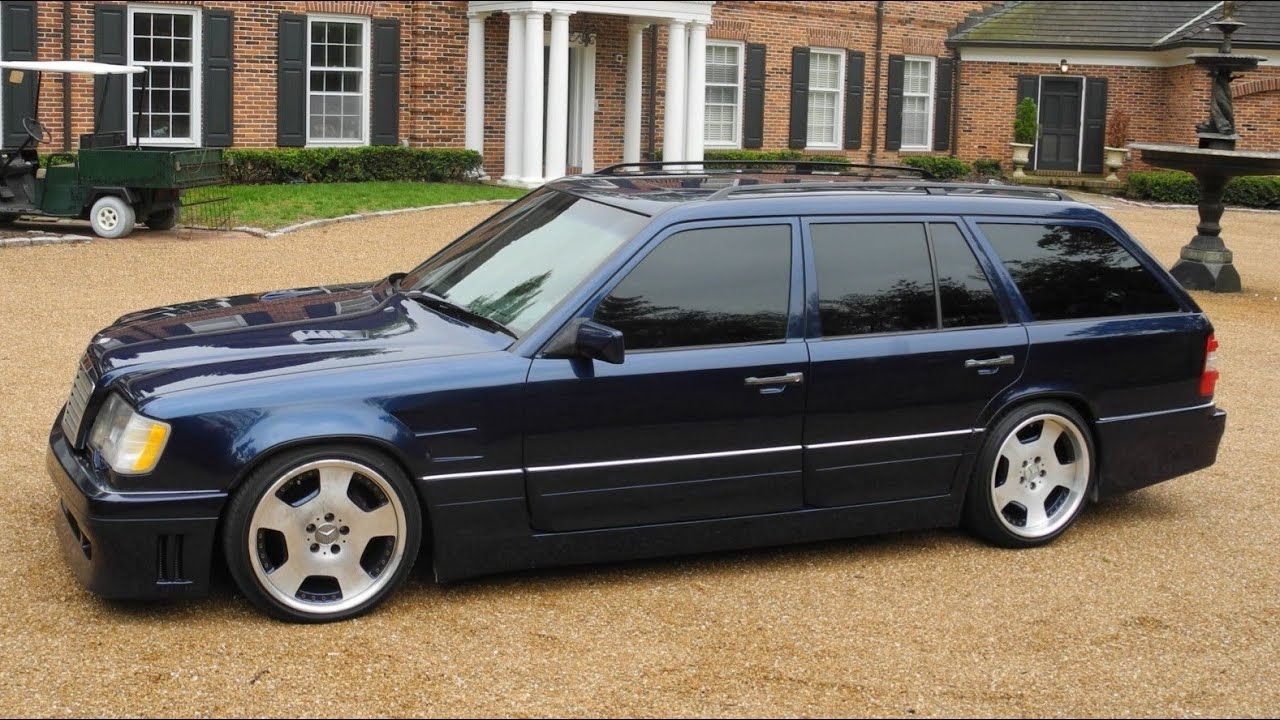
5. Mercedes-Benz W124 Wagon (300TE / E320)
From 1986 to 1995, the W124 was the high-water mark for Mercedes build quality. These wagons, especially the inline-6 versions, were built to survive long-distance European driving under all conditions.
Driving a vintage car has its appeal—but classic car ownership isn’t always a smooth ride for everyone. Sure, the looks are timeless, but wrestling with outdated ignition systems or dealing with a flooded carburetor can wear thin fast.
And let’s not forget about the ever-looming threat of rust. That said, not every classic comes with a steep learning curve. Some vintage vehicles are far more approachable, and among them, one stands out as an ideal choice for newcomers: the W124 Mercedes-Benz.
At first glance, some die-hard Mercedes-Benz enthusiasts might raise an eyebrow at the idea of recommending the W124 over the beloved W123. After all, both models have earned their stripes as durable examples of classic European luxury. The W123, in particular, has a reputation rooted in longevity.
There are quite a few good reasons. While the W123 certainly has its strengths, R&T includes an important caveat with their praise: “…as long as you keep up with maintenance.” Yes, the W123 is built to last, but that doesn’t automatically make it reliable in the modern sense.
It also holds a special place in the brand’s lineage as the first official E-Class—one of the most dependable platforms Mercedes has ever produced. And because the last W124s were built well into the mid-to-late ‘90s, they come with a number of modern updates that the W123 simply doesn’t offer.
And being an E-Class, it wasn’t just mechanically robust—it was packed with comfort and luxury. Features like soft-close doors, leather seating, electronically adjustable headrests, and a self-leveling rear suspension in wagon variants added to its premium feel, as Gear Patrol reports.
Mercedes offered this chassis in several body styles and with a broad range of engines—both turbodiesel and gasoline. Whether you’re looking for a coupe, convertible, sedan, or wagon, there’s a W124 out there that suits your taste. And each version has its own unique charm.
Typical strengths:
- Legendary engineering
- Vault-like doors and rust-resistant body
- Smooth inline-6 and bulletproof automatic
Collector note: High-mileage examples still hold decent resale value.
Wagons That Are a Mechanic’s Dream (for revenue)
There’s a certain kind of wagon that makes mechanics smile—not because it’s fun to drive or packed with nostalgic charm, but because it keeps coming back on a flatbed.
Some cars are just built to generate bills, and these wagons deliver… just not in the way their owners hoped. Whether it’s chronic electrical gremlins, finicky transmissions, or engines that seem allergic to reliability, these longroofs have turned repair shops into goldmines.
These are the wagons that bleed your wallet dry, rack up labor hours, and practically guarantee a lift bay named in their honor. So if you’re shopping for a wagon and hoping to avoid becoming a VIP at your local garage—consider this your warning.
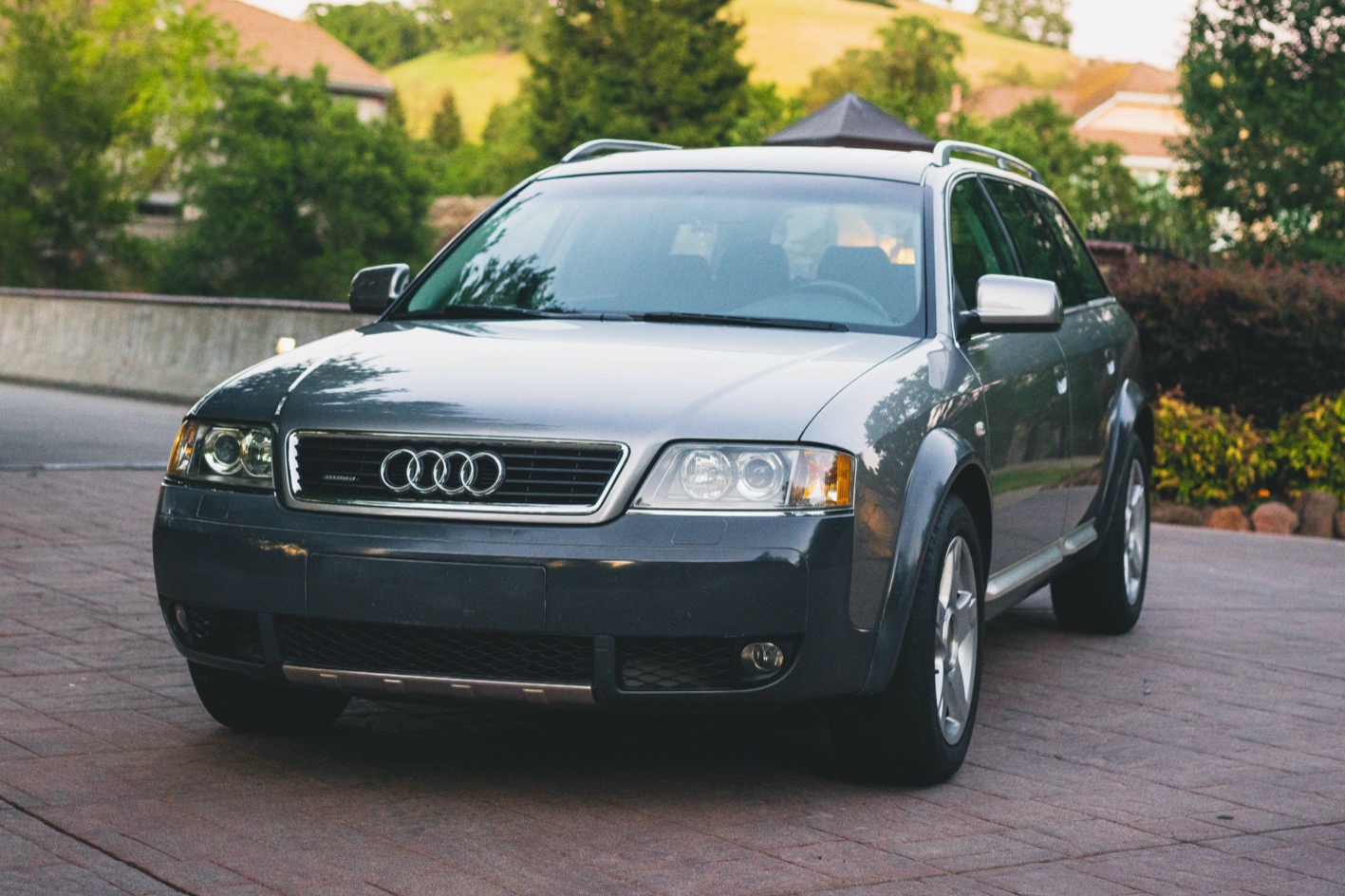
1. Audi Allroad (2001–2005 2.7T V6)
Packed with twin turbos, air suspension, and complex electronics, the original Allroad is as temperamental as it is luxurious. Most mechanics know these by name because they keep coming back.
A luxury wagon that knows how to rise to the occasion—literally. That’s one way to sum up Audi’s height-adjustable allroad quattro. With a refined, upscale interior, plenty of muscle under the hood, and Audi’s signature all-wheel-drive system, the allroad is more than ready for the occasional off-road detour.
Add in a generous rear cargo area and a suite of convenience packages, and this wagon can be just about anything you need it to be.
At the heart of the allroad lies the same 2.7-liter V6 found in Audi’s A6 2.7T—a 250-horsepower engine that’s earned its stripes. With five valves per cylinder and twin turbochargers, it delivers a broad torque curve topping out at 258 foot-pounds.
You can pair it with a six-speed manual for driver engagement or opt for the five-speed Tiptronic automatic, which offers the best of both worlds: true automatic shifting or manual gear control when desired. Power is sent to all four wheels via Audi’s traction-sensitive AWD system, which uses sensors to detect slippage and automatically redirects torque to maintain optimal grip.
But what truly sets the allroad apart is its innovative four-position variable-height pneumatic suspension, which can raise or lower the vehicle by up to 2.6 inches. This system does more than just adjust ride height—it includes load-leveling to compensate for passenger count or cargo weight.
For instance, when parked, the allroad sits in the second-highest position to make entry and exit easier. Once it hits 50 mph, it automatically drops an inch for improved aerodynamics, and at 75 mph, it lowers yet another inch. Want full control?
A switch on the dashboard allows manual overrides. And when it’s time to tackle rougher terrain, the highest setting delivers a solid 8.2 inches of ground clearance—enough to take on uneven trails without worrying about the kind of underbody carnage that would sideline an ordinary wagon.
On the safety front, the allroad covers all bases. It features ABS and multiple airbags, including Audi’s drop-down curtain airbags known as Sideguard.
These are designed specifically to protect the head and neck in side impacts by shielding occupants from contact with the roof pillars. “These airbags protect the head and neck area of passengers, particularly from striking the roof pillars.” Even better, “the Sideguard airbags stay inflated for 5 seconds to offer protection against secondary impact and rollover.”
And in the event any airbag is triggered, the vehicle responds automatically: “the fuel system is cut off, the doors unlock and the interior lights illuminate.” For families who opt for the rear-facing third-row bench seat, Audi includes dedicated three-point seatbelts and head restraints, further emphasizing that this wagon is as much about safety as it is capability.
Common issues:
- Failing air suspension
- Turbo failure and boost leaks
- Costly timing belt services
Mechanic’s summary: “A car that drives great when it’s not in the shop.”
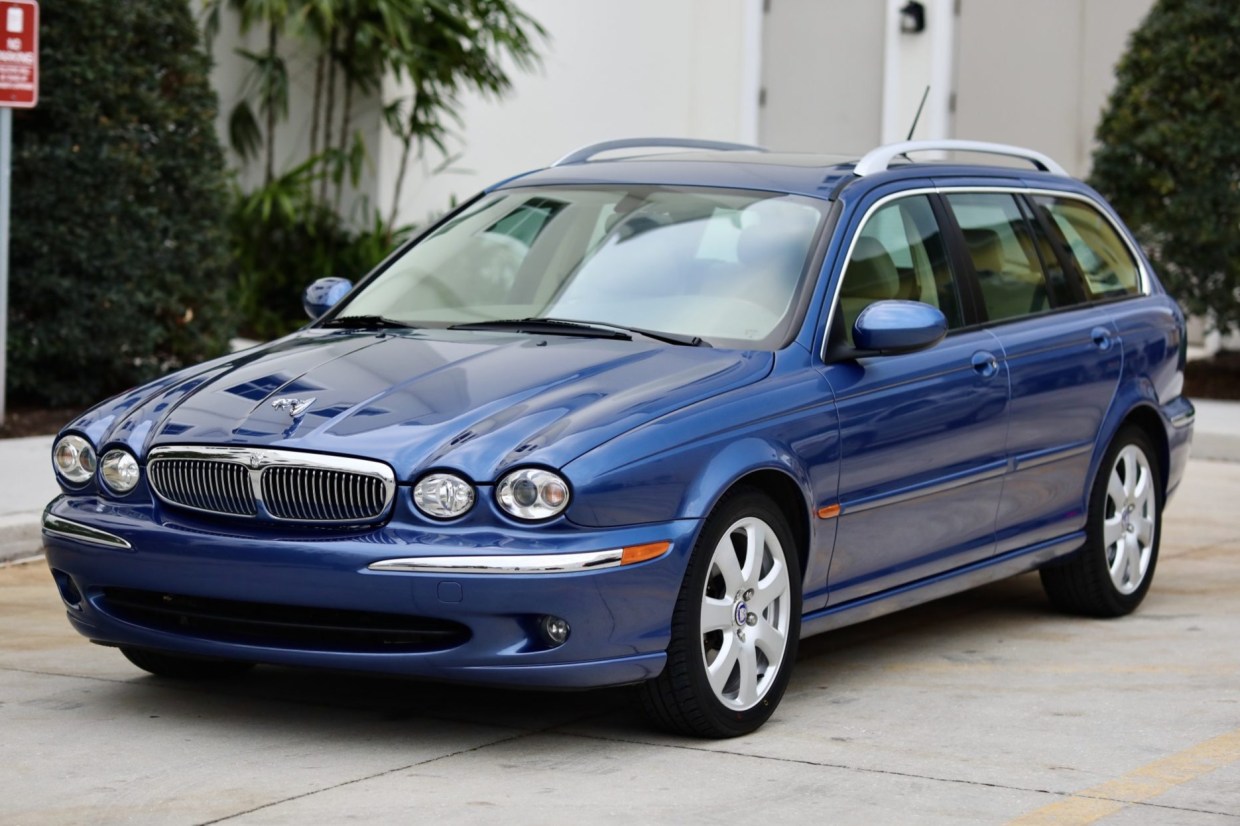
2. Jaguar X-Type Sportwagon
Built during a period when Jaguar was chasing luxury market share without a reliable foundation, the X-Type wagon borrowed heavily from the Ford Mondeo but added complexity, AWD, and fragile electronics.
Ford—the expansion-hungry parent company—seems to be the driving force behind this move. It recently singled out Jaguar, which it acquired back in 1989, as one of the culprits behind its car division’s “problem.”
This, despite the fact that the three-year-old X-Type—the smallest and most affordable Jaguar in the lineup—actually outsells every other Jag model combined. In 2003, the X-Type moved 62,652 units globally and beat that number in 2004 with 65,994 sold.
Ford had hyped up expectations for Jaguar to push 200,000 units annually, but reality didn’t deliver: the brand only sold 120,570 vehicles in 2003 and dipped slightly to 118,918 in 2004. So, introducing the Sportwagon became Jaguar’s way of adding another contender to boost that bottom line.
Jaguar’s mission here was clear: build a station wagon that avoids the dreaded boxy profile, while staying true to the brand’s ongoing promise to design cars that are “beautiful, powerful, and glamorous.” In other words, it had to look every bit as sleek and desirable as the BMW and Audi wagons it’s up against.
From the B-pillar back, everything is new—including the doors. Jaguar claims, with sworn affidavits no less, that this wagon boasts 420 newly tooled parts and 58 new stampings.
That design overhaul adds about 150 pounds to the Sportwagon compared to the X-Type sedan. Still, the goal was achieved: the roofline flows down with elegance toward the tail rather than extending out in a blunt, squared-off fashion. It ends in a split-opening liftgate—“the smoked glass can also be raised, by key fob or by a switch near the driver.”
That rear window lifts effortlessly thanks to twin gas struts, revealing a cargo area where the rear seatbacks fold in a 70/30 split. Fold them down, and you get 50 cubic feet of usable space—without even needing to remove the headrests.
With the seats upright, cargo capacity drops to 24 cubic feet when measured up to the headliner, and just 16 up to the window line—not exactly warehouse-sized.
But Jaguar compensates with a clever underfloor compartment: “a Styrofoam hollow about the size of an oversize salad bowl.” It’s a handy spot to stash a laptop, and there’s a 12-volt outlet right there to keep it charged.
Common issues:
- Transmission failures
- Leaking AWD systems
- Poor electrical reliability
Owner’s experience: Charming but frustrating. Parts are expensive and hard to source.
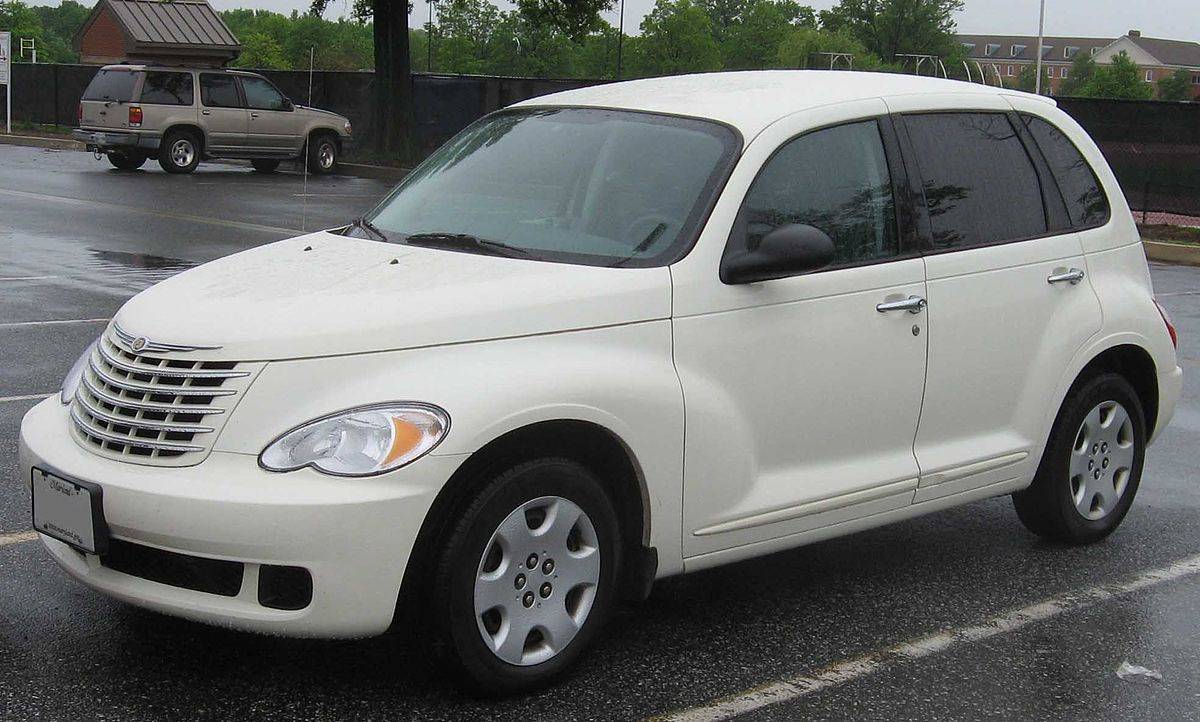
3. Chrysler PT Cruiser Wagon
While not a “traditional” wagon, the PT Cruiser fills the same role and fails spectacularly at long-term ownership. Engines were known to sludge up, and the interiors wore out quickly.
Rising gas prices have certainly played a role in the growing popularity of compact wagons, but some credit also belongs to the Chrysler PT Cruiser. When it hit the market in 2001, the PT Cruiser’s retro styling stirred up such intense buyer demand that people were shelling out thousands over MSRP just to get one.
Four years down the line, that initial frenzy has cooled—but the car’s lasting appeal isn’t all hype. There’s genuine value behind those flashy looks, which is why it still earns a spot among our favorites.
The PT Cruiser really shines when it comes to interior design. Up front, its symmetrical dash layout, accented with body-color trim panels, gives it a distinct personality.
The retro-style gauge cluster adds even more character. While most of the interior plastics are firm to the touch, smart use of texture helps them look more refined.
Buyers can opt for a range of leather and suede upholstery combos that lend a more upscale vibe. And when it comes to moving people and cargo, the wagon version proves especially capable. The rear seats not only offer adult-friendly space, but they’re also highly configurable for maximum versatility.
The PT Cruiser convertible doesn’t offer quite the same practicality as the wagon, but it still holds its own with a trunk pass-through and a backseat roomy enough for two adults.
Over in the wagon, practical features like cargo tie-down hooks, a rear-mounted 12-volt power outlet, and a multipurpose parcel shelf add to its overall utility. We’ve always rated the PT’s performance, ride comfort, and handling as solid for its price point—but things get even more interesting with the GT model.
Its 230-horsepower turbocharged engine adds serious punch compared to the base 150-hp four-cylinder. For the 2004 model year, Chrysler also introduced a more accessible 180-hp turbo version for the Touring and Limited trims, making it easier for families to enjoy some extra zip without stretching the budget.
If you’re in the market for a stylish, budget-friendly wagon or convertible that can haul both people and gear with ease, the 2006 Chrysler PT Cruiser still deserves your attention.
The base engine is a 2.4-liter inline four that makes 150 horsepower. It’s available with either a five-speed manual or four-speed automatic transmission.
Optional on Touring and Limited models is a turbocharged version of that engine, which puts out 180 hp. If that’s not enough, the performance-oriented GT offers a higher-boost version good for 230 ponies. Turbo-equipped Touring and Limited Cruisers come standard with the automatic, while the GT can take either a manual or automatic.
Common issues:
- Cooling system failures
- Transmission issues
- Electrical gremlins
Mechanic’s note: Most owners sell them off after the third breakdown.
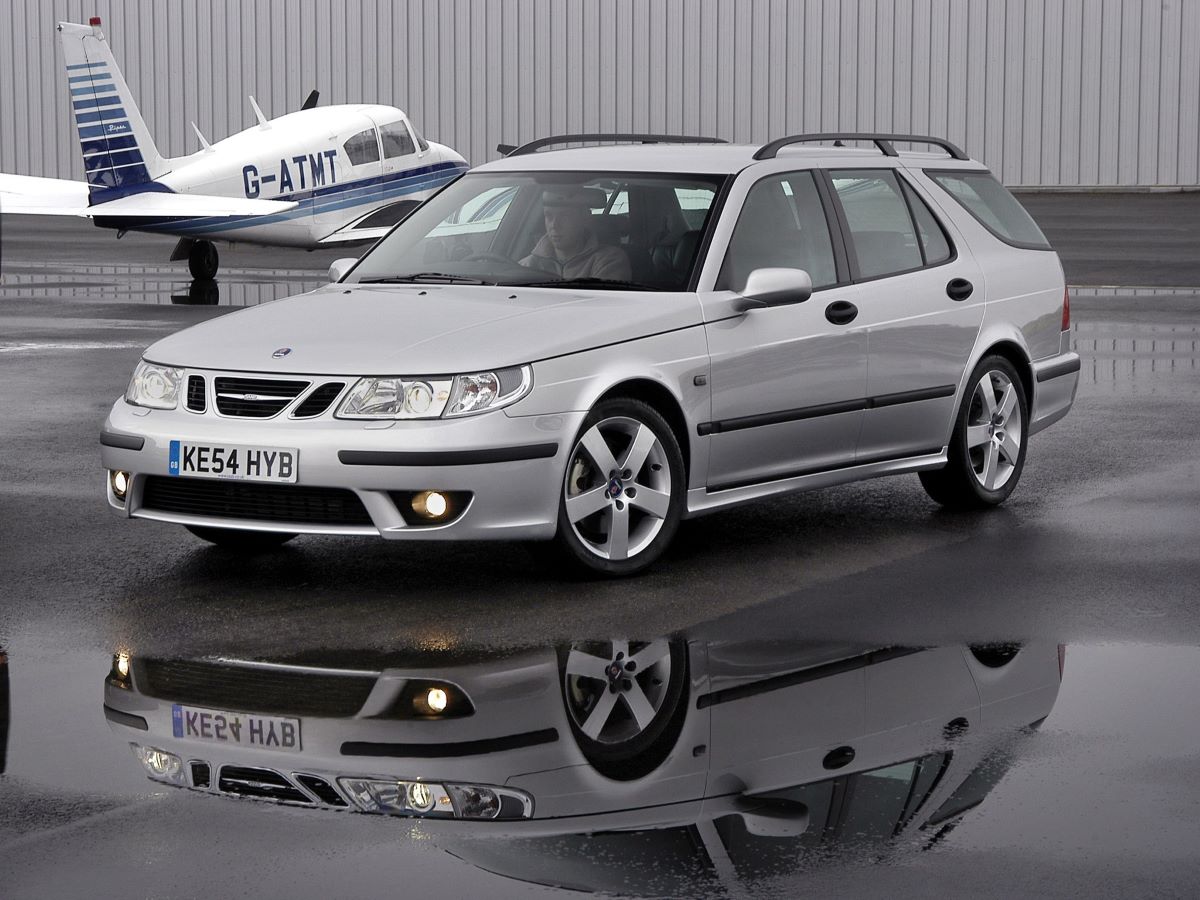
4. Saab 9-5 SportCombi
While quirky and stylish, the 9-5 wagon is notoriously difficult to maintain. After Saab’s bankruptcy, parts became scarce and diagnostics became a nightmare even for experienced techs.
GM gave SAAB the green light to release a facelifted version of the 9-5 wagon for 2005, and the end result didn’t exactly shock anyone—it came off as a bulkier, less attractive take on the 9-3 station wagon.
That year, the Swedish automaker leaned further into GM’s influence, incorporating more of the American giant’s design and engineering decisions. At the direction of General Motors’ leadership, Saab was instructed to dial back on innovation in an effort to make their vehicles more cost-competitive. The 2005 9-5 SportCombi was essentially what that translated to in Swedish steel.
Visually, the front end of the car mirrored the 9-5 sedan’s, including the same goggle-like surrounds for the headlights that looked as if they’d been slapped on by a clueless aftermarket enthusiast.
The grille featured a single chrome horizontal slat supporting the Saab badge, while the rest remained bare and unpainted. Along the sides, the design mimicked the sedan’s profile at the C-pillars, while blacked-out D-pillars between the rear side glass and back window attempted to add a sleek touch.
In the rear, the taillights were split between the quarter panels and the tailgate, keeping the same general shape as the sedan’s, just widened for the wagon form.
Inside, Saab raided more components from GM’s parts inventory, and it showed. The square-edged pieces didn’t blend smoothly with the dashboard’s rounder contours, resulting in a design that lacked cohesion.
The wide instrument cluster extended across the center stack and flowed into the center console. In the rear, a split-folding bench allowed cargo space to grow from 416 liters (14.7 cu-ft) to 1,489 liters (52.6 cu-ft), but even at full capacity, it lagged behind rivals in the compact wagon segment. Despite that, Saab still positioned the car to compete with roomier offerings like the Volvo V70 and BMW 5-Series Touring.
Under the hood, the 9-5 SportCombi came with a choice of seven different engines—two of which ran on ethanol. It was a bold strategy, but one that failed to align with the actual demands of the market.
Common issues:
- Sludge-prone turbo engines
- Complicated electrical systems
- ECU and sensor problems
Mechanic’s joke: “You need a PhD and a miracle to keep one running past 150,000 miles.”
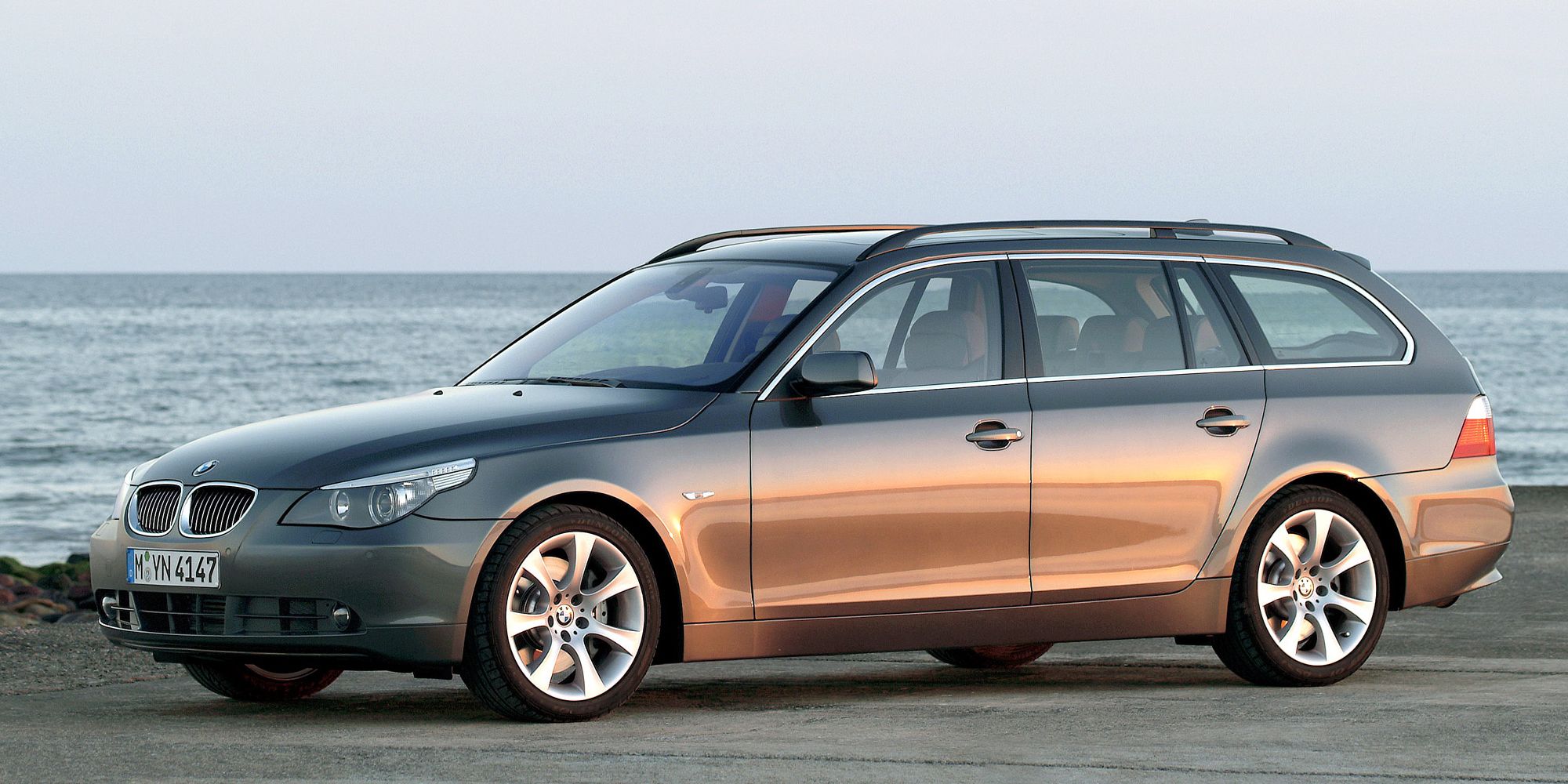
5. BMW 5 Series Wagon (E61 2004–2010)
The E61 wagon version of the BMW 5 Series might be the pinnacle of driving pleasure until things start failing. Between leaky valve stems, faulty iDrive systems, and air suspension woes, this BMW becomes a budget-buster.
Even though the crossover craze shows no signs of letting up, BMW is betting there’s still room for a classic estate in today’s SUV-dominated landscape.
Now in its sixth generation, the 5 Series Touring enters the ring as a traditional alternative to the Bavarian brand’s increasingly popular X-badged SUVs. Internally labeled as “G61,” this latest long-roof 5 Series will also make history as BMW’s first-ever electric wagon. In terms of design, the Touring follows the same blueprint as its sedan sibling, the G60, staying largely predictable both inside and out.
That said, it’s noticeably bigger than the outgoing G31 model—97 mm longer (at 5060 mm), 32 mm wider (at 1900 mm), and 17 mm taller (at 1515 mm). It also claims a segment-leading 2995 mm wheelbase, up 20 mm from its predecessor.
The main selling point of a wagon over a sedan is, unsurprisingly, its expanded cargo space. BMW says the new 5 Series Touring holds 570 liters with the rear seats upright. Folding down the standard 40:20:40 split rear bench boosts storage to a class-leading 1,700 liters.
Cargo volume remains consistent across all powertrains—gasoline, diesel, plug-in hybrid, and electric—since they share identical dimensions in the luggage area. In contrast, the sedan version offers 520 liters of trunk space in combustion and plug-in hybrid variants, while the fully electric BMW i5 Touring delivers 490 liters.
As BMW’s largest wagon to date, the Touring comes standard with an electrically operated tailgate and includes a feature to fold the rear seatbacks directly from the cargo bay. Additional compartments under the load floor provide extra storage, including a designated spot for the charging cable on electrified versions.
Need to haul more? The optional trailer tow hitch is power-retractable and supports towing up to 2,000 kilograms. That figure drops slightly for electrified versions: the 530e plug-in hybrid is rated at 1,800 kg, and the fully electric i5 eDrive40 maxes out at 1,500 kg.
Wheel sizes begin at 18 inches for combustion-only models and 19 inches for hybrids and EVs. Optional wheels go up to 21 inches, and BMW also offers lightweight aero wheels designed to reduce drag.
One visual change enthusiasts will notice: unlike the sedan, the wagon doesn’t feature the “5” badge at the Hofmeister kink, and the traditional independent-opening rear glass—a hallmark of BMW wagons for decades—is no longer present.
Step inside the Touring and you’ll feel right at home if you’ve already sat in the latest 5 Series sedan. The interior echoes the sedan’s layout, complete with vegan-friendly materials and optional tech like the Interaction Bar.
BMW’s curved display setup carries over, blending a 12.3-inch digital instrument cluster with a 14.9-inch infotainment touchscreen powered by iDrive 8.5. Shoppers can upgrade to a 18-speaker Bowers & Wilkins sound system or choose real leather instead of the standard Veganza material.
A standout optional feature is the panoramic glass roof, which stretches impressively from just behind the windshield almost to the rear window and is flanked by roof rails. At 1229 mm long and 792 mm wide, it bathes the interior in light—though BMW includes an optional sunblind if that’s not always welcome.
As for powertrains, don’t expect to see gasoline-only models at launch. BMW is rolling out the new Touring as the 520d (with or without all-wheel drive), the 540d xDrive, and the 530e plug-in hybrid in both rear- and all-wheel-drive setups. For those ready to skip internal combustion altogether, the i5 lineup includes the single-motor eDrive40 and dual-motor M60 variants.
BMW anticipates that Germany will be its largest market for the new Touring, followed by the UK, Italy, Sweden, Belgium, and Japan. The G61 was developed with these wagon-friendly regions in mind and will arrive in Europe in May, with other markets following in June.
Unfortunately—though not unexpectedly—standard versions of the 5 Series Touring won’t be heading to the U.S. market. However, insiders close to BMW confirm that the eagerly awaited G99 M5 Touring will, in fact, make it stateside. Set to debut later in 2024, this flagship variant will be the only V8-powered 5 Series.
Common issues:
- Leaky gaskets and valve seals
- Transmission issues at 100k+ miles
- Expensive suspension and electronic repairs
Mechanic’s favorite words: “Oil leak,” “control module,” and “customer declined repair.”
Reliable wagons like the Toyota Corolla and Volvo 240 prove that practicality and durability can go hand in hand.
On the other side, vehicles like the Audi Allroad or BMW E61 Wagon may offer more luxury and performance but they come at a steep cost in upkeep. If you want to keep your car and your mechanic happy, choose your wagon wisely.
