
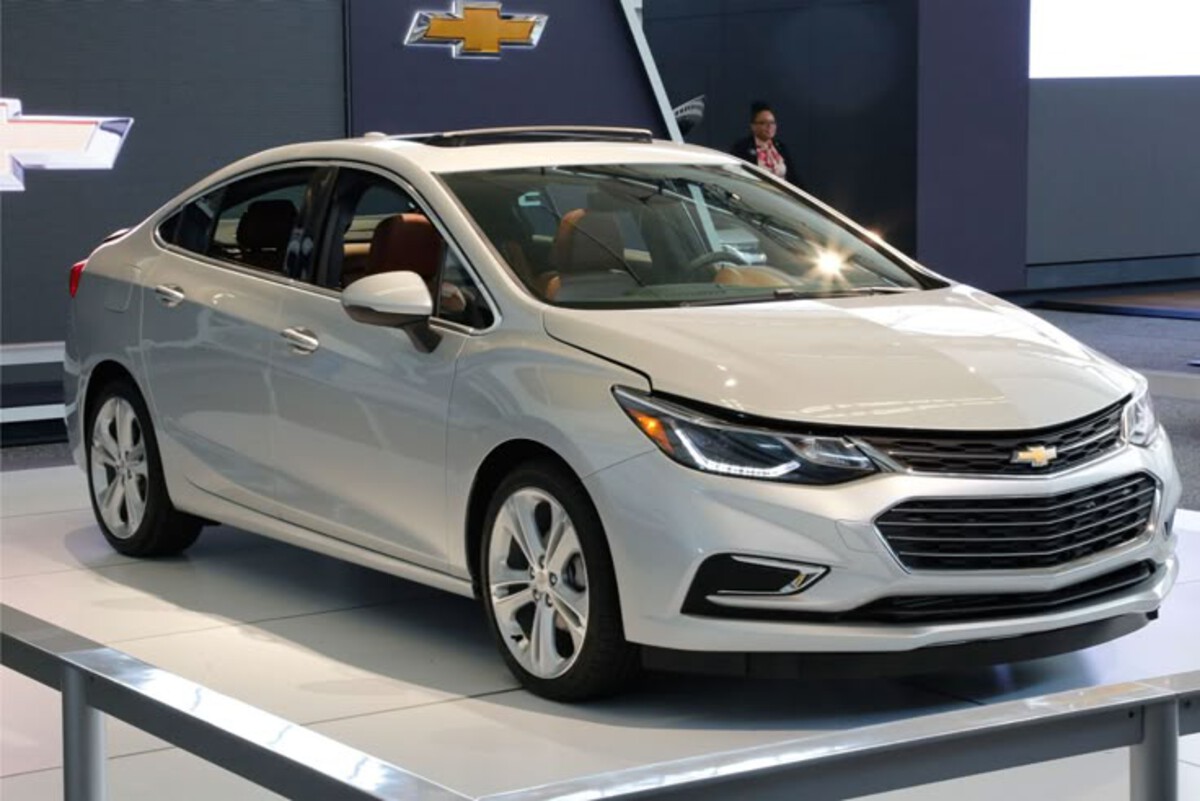
When shopping for a vehicle, fuel efficiency remains one of the most crucial factors for budget-conscious buyers. With gas prices fluctuating and environmental concerns growing, high-mileage cars offer an attractive solution for those seeking to minimize their transportation costs. However, not all fuel-efficient vehicles are created equal when it comes to long-term ownership expenses.
The automotive landscape presents a fascinating dichotomy: while some high-mileage vehicles offer exceptional value with low purchase prices and minimal maintenance costs, others can quickly become financial burdens despite their impressive fuel economy.
Understanding this distinction is essential for making an informed purchasing decision that considers both upfront costs and long-term ownership expenses. Smart car buyers recognize that the initial purchase price represents only the beginning of their financial commitment.
The true cost of ownership encompasses maintenance, repairs, insurance, and depreciation over the vehicle’s lifetime. Some manufacturers have mastered the art of combining fuel efficiency with reliability and affordable maintenance, creating vehicles that deliver exceptional value throughout their ownership period.
Conversely, certain high-mileage vehicles, particularly those from luxury manufacturers or featuring complex hybrid systems, can demand premium maintenance costs that quickly offset their fuel savings.
These vehicles often require specialized technicians, expensive parts, and more frequent service intervals, transforming what appears to be an economical choice into a costly long-term investment.
5 High-Mileage Cars You Can Still Buy Cheap
These exceptionally affordable vehicles feature robust mechanical designs and precision-manufactured components that maintain reliable operation despite accumulated mileage, offering outstanding value for budget-conscious buyers seeking dependable transportation without premium pricing.
Their thoughtful engineering includes durable powertrains and simple maintenance requirements that resist the complexity typically created by advanced electronic systems, luxury features, and the expensive repair scenarios common in premium automobiles.
From straightforward engine designs that use readily available parts to electrical systems that avoid costly computer modules, these remarkable vehicles continue providing reliable service like new without developing the expensive failure modes that plague more sophisticated automobiles.
Budget buyers report years of affordable ownership with these dependable machines an often-overlooked market segment that proves its worth through consistent transportation value and maintained affordability throughout ownership.
1. Toyota Prius (2010-2015)
The Toyota Prius stands as the undisputed champion of affordable high-mileage vehicles, representing a perfect storm of fuel efficiency, reliability, and budget-friendly ownership costs. This hybrid pioneer has consistently delivered exceptional fuel economy while maintaining Toyota’s legendary reputation for durability and low maintenance requirements.
The second and third-generation Prius models, spanning from 2010 to 2015, offer particularly compelling value propositions in today’s used car market.
These vehicles routinely achieve 50+ miles per gallon in combined driving conditions, with many owners reporting even higher numbers during highway-focused driving.
The EPA ratings for these model years consistently hover around 51-54 mpg combined, making them among the most fuel-efficient non-plug-in vehicles ever produced.
What sets the Prius apart from other high-mileage options is its proven track record of reliability. Unlike many complex hybrid systems that require expensive repairs, the Prius hybrid drivetrain has demonstrated remarkable longevity.
The Hybrid Synergy Drive system, developed and refined over multiple generations, features robust components that rarely require major repairs before reaching extremely high mileage figures, often exceeding 200,000 miles with proper maintenance.
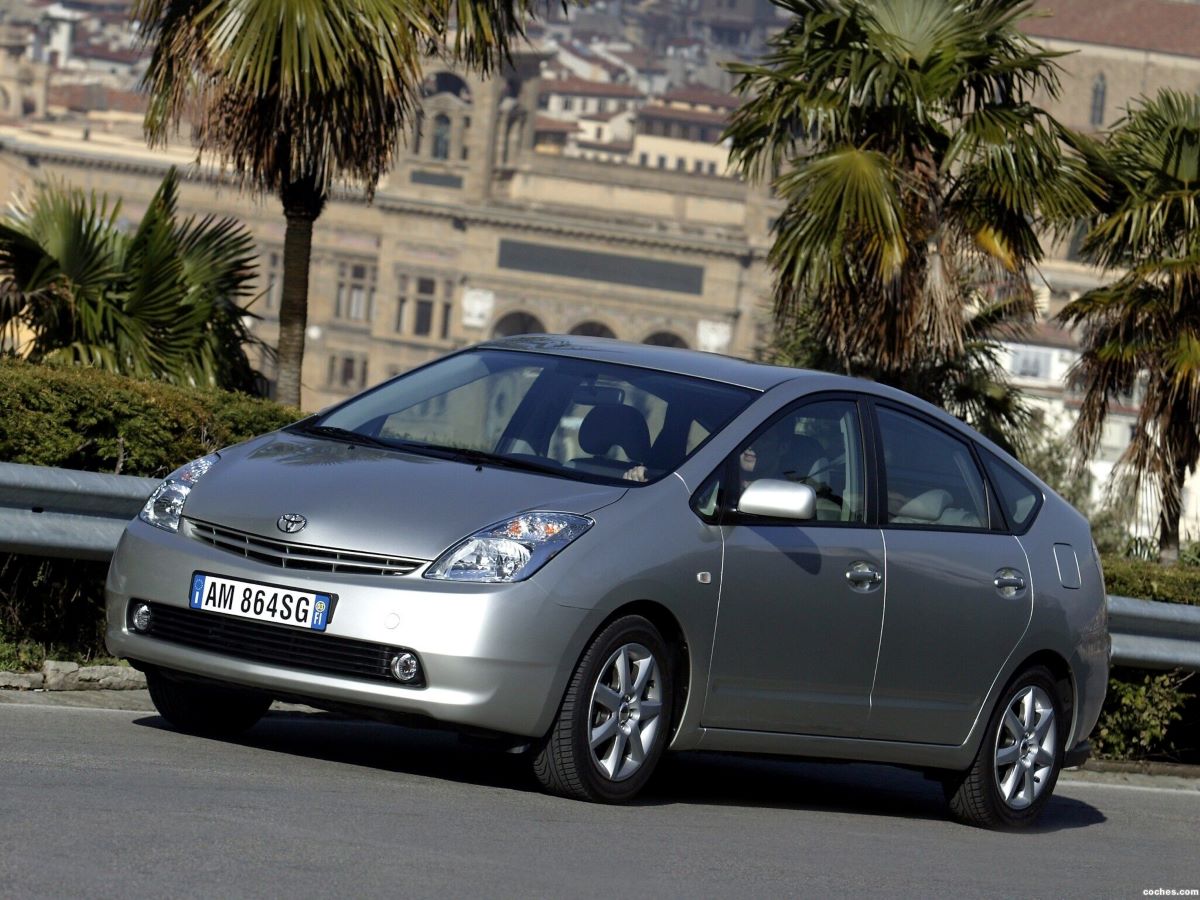
The used car market currently offers excellent opportunities for Prius buyers, with well-maintained examples from the 2010-2015 model years available at surprisingly affordable prices.
The initial depreciation curve for these vehicles has stabilized, creating a sweet spot where buyers can access proven hybrid technology without the premium associated with newer models. Additionally, the widespread availability of these vehicles means that replacement parts are readily accessible and competitively priced.
Maintenance costs for the Prius remain remarkably reasonable, particularly when compared to other hybrid vehicles. The regenerative braking system significantly extends brake pad and rotor life, while the efficient engine design reduces wear on traditional components.
Routine maintenance follows Toyota’s standard schedule, with oil changes, filter replacements, and basic inspections comprising the majority of ownership costs. The hybrid battery, often a source of concern for potential buyers, has proven remarkably durable, with many original batteries still functioning effectively well beyond the 150,000-mile mark.
The Prius also benefits from Toyota’s extensive dealer network and the availability of qualified technicians familiar with hybrid technology.
This widespread support infrastructure ensures that owners can access competent service at competitive prices, avoiding the premium costs associated with specialized hybrid repair facilities. Parts availability remains excellent, with both OEM and aftermarket options readily available for common maintenance items.
From a practical standpoint, the Prius offers surprising versatility despite its compact classification. The liftback design provides generous cargo space, while the rear seats accommodate adult passengers comfortably for shorter trips.
The interior, while not luxurious, offers good ergonomics and intuitive controls that make daily driving pleasant and stress-free.
2. Honda Civic (2012-2016)
The Honda Civic has long represented the gold standard for compact cars, combining exceptional fuel economy with Honda’s legendary reliability and surprisingly low ownership costs.
The eighth and ninth-generation Civic models, produced between 2012 and 2016, offer particularly compelling value in today’s used car market, delivering impressive fuel efficiency without the complexity of hybrid systems.
These Civic models consistently achieve 28-32 mpg in city driving and 36-40 mpg on the highway, depending on the specific engine and transmission combination.
The naturally aspirated engines, while not as fuel-efficient as hybrid alternatives, provide a perfect balance of economy and reliability that appeals to budget-conscious buyers seeking long-term value. The simplicity of the conventional powertrain eliminates the potential complications and costs associated with hybrid battery systems.
Honda’s reputation for building engines that can easily exceed 200,000 miles with proper maintenance is well-deserved, and the Civic exemplifies this engineering philosophy.
The robust construction and conservative engineering approach result in vehicles that continue performing reliably well into their second decade of service. Many Civic owners report minimal mechanical issues even after reaching extremely high mileage figures, making these vehicles excellent long-term investments.
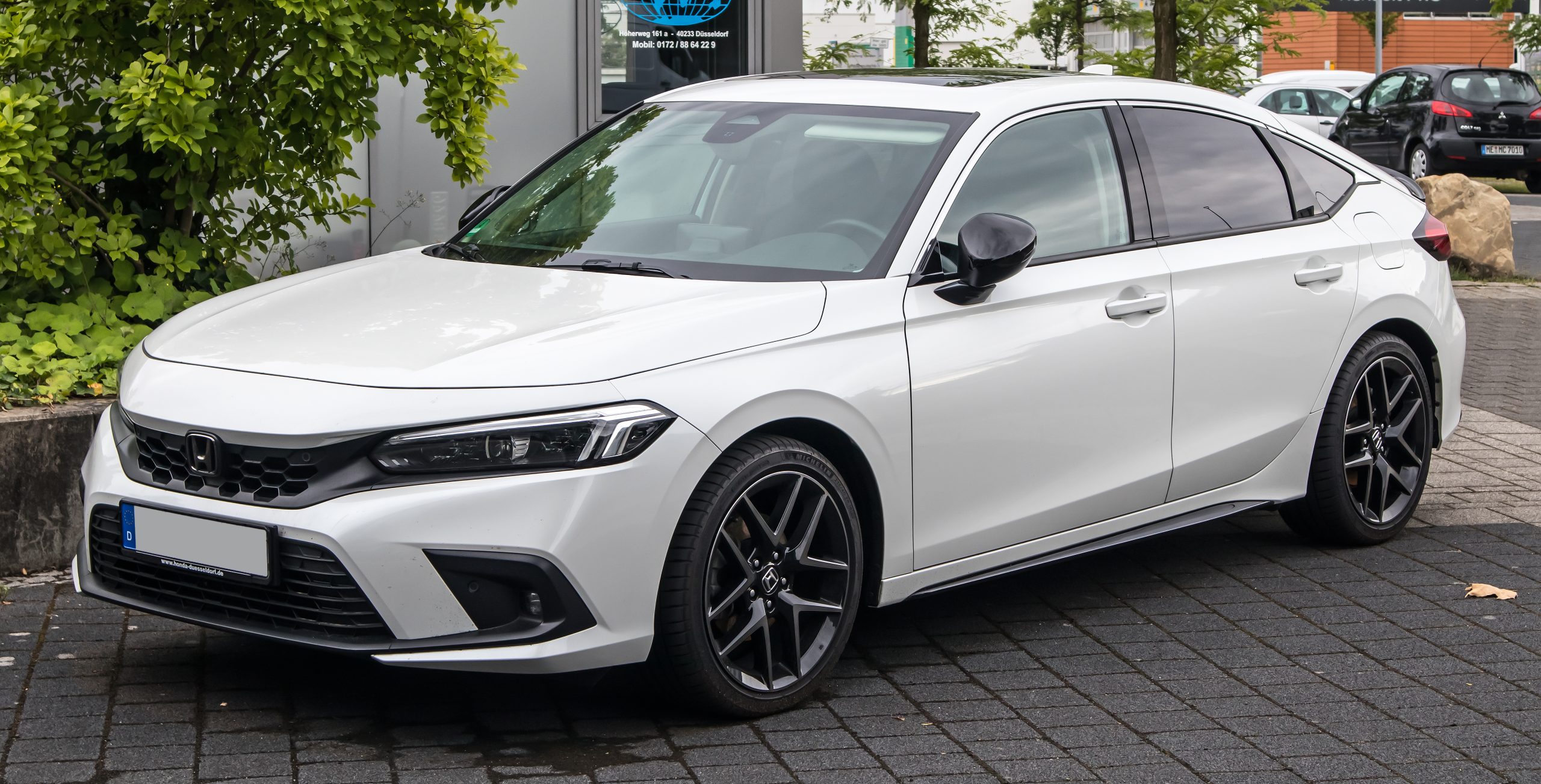
The used car market offers abundant opportunities for Civic buyers, with a wide selection of well-maintained examples available at various price points. The consistent demand for these vehicles helps maintain their resale value while ensuring that buyers can find options that match their specific needs and budgets.
The availability of different trim levels and configurations allows buyers to prioritize features that matter most to them without paying for unnecessary luxury equipment.
Maintenance costs for the Civic remain among the lowest in the compact car segment, thanks to Honda’s straightforward engineering approach and the widespread availability of parts and service. Routine maintenance items like oil changes, air filters, and spark plugs are inexpensive and easily accessible.
The timing chain design eliminates the need for expensive timing belt replacements, while the robust transmission designs rarely require major repairs when properly maintained. The Civic benefits from Honda’s extensive dealer network and the universal familiarity of independent mechanics with Honda products.
This widespread support infrastructure ensures that owners can access competent service at competitive prices, whether they choose dealer service or independent repair facilities. Parts availability is excellent, with both OEM and high-quality aftermarket options readily available for virtually every component.
From a practical perspective, the Civic offers exceptional daily usability with its spacious interior, comfortable seating, and user-friendly controls. The trunk provides adequate storage for most needs, while the rear seats offer surprising legroom for a compact car.
The driving experience strikes an excellent balance between fuel efficiency and engagement, making daily commutes and longer trips equally enjoyable.
3. Nissan Sentra (2013-2019)
The Nissan Sentra represents one of the most undervalued propositions in the high-mileage car market, offering exceptional fuel economy and surprisingly low ownership costs despite being overshadowed by more popular competitors.
The sixth and seventh-generation Sentra models, produced between 2013 and 2019, deliver impressive fuel efficiency while maintaining Nissan’s reputation for value-oriented engineering.
These Sentra models consistently achieve 29-33 mpg in city driving and 37-40 mpg on the highway, with the CVT-equipped models delivering awe-inspiring fuel economy numbers.
The naturally aspirated engines, while not as refined as some competitors, provide reliable performance with minimal maintenance requirements. The simplicity of the conventional powertrain ensures that ownership costs remain low throughout the vehicle’s lifetime.
The Sentra’s position in the used car market makes it particularly attractive for budget-conscious buyers seeking maximum fuel economy at minimum cost.
These vehicles typically sell for significantly less than comparable Honda or Toyota models, despite offering similar fuel efficiency and reliability. The market depreciation curve for Sentra models creates opportunities for buyers to access nearly new vehicles at substantial discounts from their original prices.
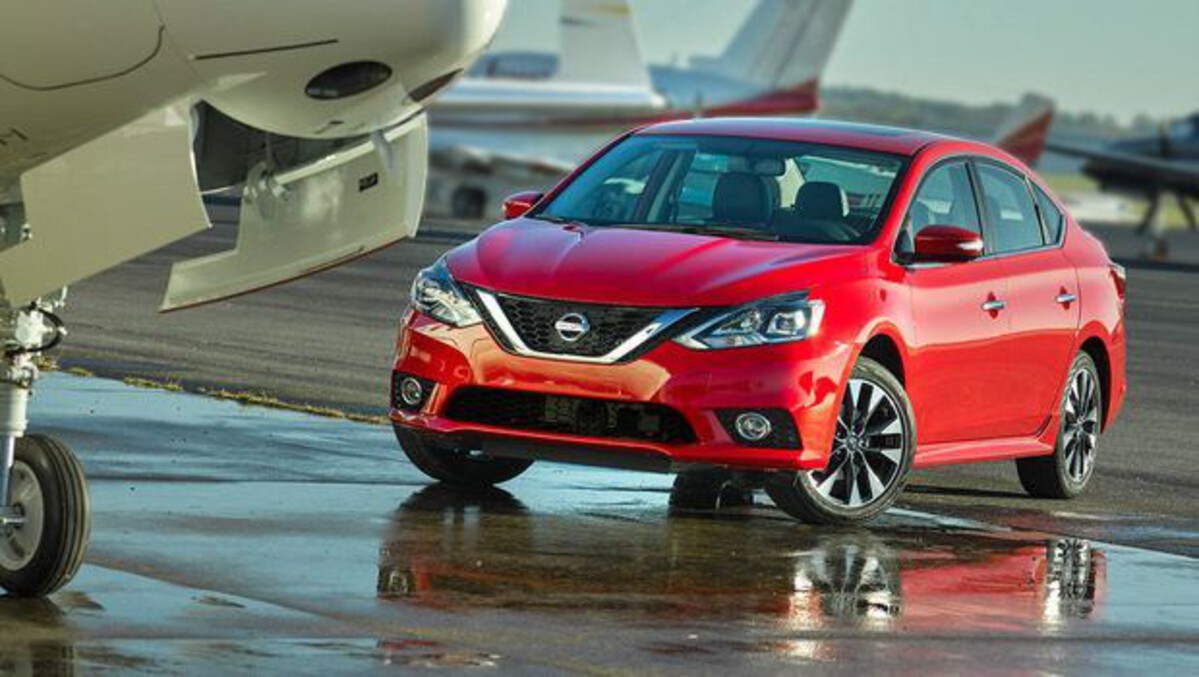
What sets the Sentra apart from other budget-friendly options is its surprisingly spacious interior and comfortable ride quality. The cabin offers more rear-seat legroom than many compact competitors, while the trunk provides generous storage capacity.
The suspension tuning prioritizes comfort over sportiness, resulting in a smooth, quiet ride that makes long-distance driving pleasant and fatigue-free.
Maintenance costs for the Sentra remain very reasonable, with routine service items priced competitively and readily available.
The CVT transmission, while sometimes criticized for its driving characteristics, has proven reliable in these applications when properly maintained. The engine design incorporates proven technologies that minimize wear and extend service intervals, helping to keep ownership costs low.
The Sentra benefits from Nissan’s extensive dealer network and the widespread availability of parts and service. Independent mechanics are generally familiar with Nissan products, ensuring that owners can access competent service at competitive prices.
The availability of aftermarket parts helps keep repair costs reasonable, while the straightforward design makes diagnosis and repair relatively straightforward.
From a technology standpoint, the Sentra offers modern convenience features that enhance the ownership experience without adding complexity or cost. The infotainment systems are intuitive and reliable, while the available safety features provide peace of mind without requiring expensive maintenance or calibration procedures.
4. Hyundai Elantra (2011-2016)
The Hyundai Elantra has emerged as a compelling alternative to traditional compact car favorites, offering exceptional fuel economy combined with Hyundai’s industry-leading warranty coverage and increasingly competitive reliability record.
The fifth and sixth-generation Elantra models, produced between 2011 and 2016, represent particularly strong values in the used car market, delivering impressive fuel efficiency at attractive price points.
These Elantra models consistently achieve 28-32 mpg in city driving and 38-40 mpg on the highway, with some variants reaching even higher efficiency levels.
The naturally aspirated engines provide smooth, reliable performance while maintaining simplicity that translates to lower maintenance costs. The conventional powertrain approach eliminates the complexity and potential costs associated with hybrid or turbocharged systems.
The used car market positioning of the Elantra makes it particularly attractive for value-conscious buyers. These vehicles typically command lower prices than comparable Honda or Toyota models, despite offering similar or superior fuel economy and more modern features.
The depreciation curve for Elantra models creates opportunities for buyers to access well-equipped vehicles with modern amenities at budget-friendly prices.
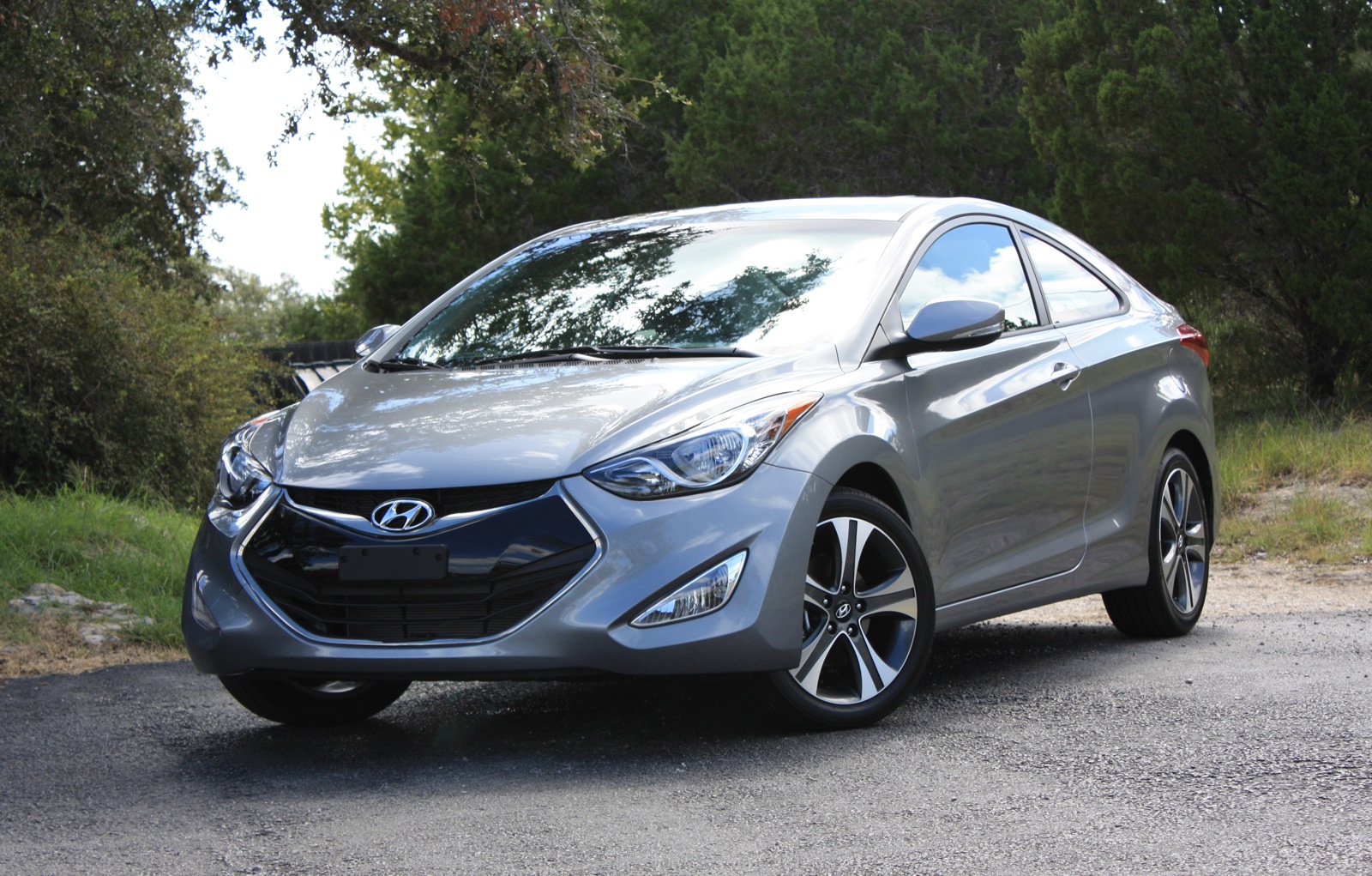
What distinguishes the Elantra from other budget-friendly options is its emphasis on modern design and features. The interior offers contemporary styling and intuitive controls, while the exterior design remains fresh and appealing even in older model years.
The build quality has improved significantly over previous generations, with better materials and tighter assembly tolerances contributing to a more refined ownership experience.
Maintenance costs for the Elantra remain competitive within the compact car segment, with routine service items priced reasonably and readily available. The engine and transmission designs incorporate proven technologies that minimize complexity while maximizing reliability.
The timing chain design eliminates the need for expensive timing belt replacements, while the robust construction helps ensure long-term durability.
The Elantra benefits from Hyundai’s expanding dealer network and improved parts availability. The company’s focus on customer satisfaction has resulted in competitive service pricing and readily available replacement parts.
Independent mechanics are increasingly familiar with Hyundai products, providing additional service options for cost-conscious owners.
From a practical standpoint, the Elantra offers excellent daily usability with its spacious interior, comfortable seating, and generous trunk space.
The driving experience strikes a good balance between fuel efficiency and engagement, making both daily commutes and longer trips enjoyable. The available technology features provide modern convenience without unnecessary complexity.
Also Read: 5 Used Cars That Pass Inspection Every Time and 5 That Always Need Something
5. Chevrolet Cruze (2011-2019)
The Chevrolet Cruze represents General Motors’ successful entry into the fuel-efficient compact car market, offering impressive fuel economy combined with surprisingly refined driving dynamics and competitive ownership costs.
The first and second-generation Cruze models, produced between 2011 and 2019, deliver exceptional fuel efficiency while maintaining the durability and serviceability that have long characterized GM products.
These Cruze models consistently achieve 26-30 mpg in city driving and 36-42 mpg on the highway, with the turbocharged engines providing particularly impressive fuel economy numbers.
The efficient engine designs, including both naturally aspirated and turbocharged options, offer good performance while maintaining reasonable maintenance requirements. The conventional powertrain approach ensures that ownership costs remain manageable throughout the vehicle’s lifetime.
The Cruze’s position in the used car market makes it particularly attractive for buyers seeking fuel efficiency without paying premium prices. These vehicles typically sell for less than comparable Asian competitors, despite offering similar fuel economy and superior ride quality.
The depreciation curve for Cruze models creates opportunities for buyers to access well-equipped vehicles with modern features at very competitive prices.
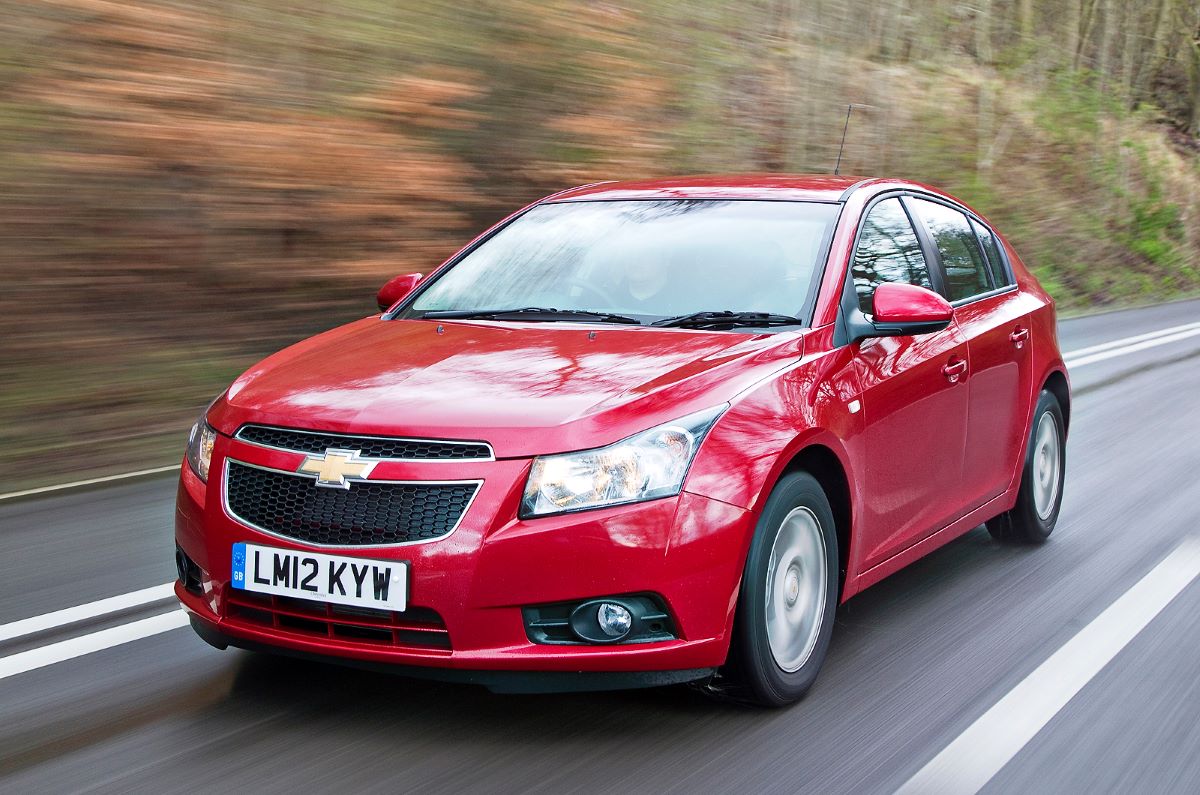
What sets the Cruze apart from other budget-friendly options is its emphasis on refined driving dynamics and interior quality. The suspension tuning provides a comfortable, well-controlled ride that rivals more expensive vehicles, while the interior features quality materials and intuitive controls.
The build quality represents a significant improvement over previous GM compact cars, with better fit and finish contributing to a more premium ownership experience.
Maintenance costs for the Cruze remain competitive, with routine service items priced reasonably and readily available through GM’s extensive dealer network.
The engine designs incorporate proven technologies that minimize complexity while maximizing reliability. The timing chain design eliminates the need for expensive timing belt replacements, while the robust construction helps ensure long-term durability.
The Cruze benefits from GM’s extensive dealer network and parts availability, ensuring that owners can access competent service at competitive prices.
The widespread familiarity of independent mechanics with GM products provides additional service options for cost-conscious owners. Parts availability is excellent, with both OEM and aftermarket options readily available for most components.
From a technology standpoint, the Cruze offers modern features that enhance the ownership experience without adding unnecessary complexity.
The infotainment systems are user-friendly and reliable, while the available safety features provide peace of mind without requiring expensive maintenance or calibration procedures.
5 High-Mileage Cars That Cost a Fortune to Maintain
These problematic vehicles demonstrate recurring expensive maintenance requirements that create catastrophic ownership costs and ongoing financial burdens for unsuspecting buyers who purchase these deceptively affordable automobiles.
Their compromised engineering includes complex systems prone to expensive failure, creating ongoing financial nightmares that generate devastating repair bills and potential total economic loss scenarios.
From sophisticated electronic modules that require expensive dealer programming to proprietary parts that cost hundreds of dollars each, these unreliable vehicles generate extensive maintenance documentation and crushing ownership expenses.
Owners frequently report bankruptcy-inducing repair costs and financial ruin, with these maintenance-intensive machines a reflection of design complexity and inadequate long-term support that prioritize initial luxury appeal over sustainable ownership economics.
1. BMW i3 (2014-2022)
The BMW i3 represents the pinnacle of innovative electric vehicle design, offering zero emissions and impressive efficiency ratings that translate to minimal energy costs per mile.
However, this cutting-edge technology comes with a significant caveat: ownership costs that can quickly spiral into luxury territory, making it one of the most expensive high-mileage vehicles to maintain despite its impressive efficiency credentials.
The i3’s revolutionary carbon fiber construction and advanced electric drivetrain deliver exceptional efficiency, with EPA ratings equivalent to over 120 MPGe combined.
This remarkable efficiency means that owners can travel significant distances for minimal energy costs, making the vehicle exceptionally economical from a fuel perspective. The instant torque delivery and whisper-quiet operation provide a driving experience that feels truly futuristic. However, the advanced technology that makes the i3 so efficient also creates substantial maintenance challenges and costs.
The carbon fiber body, while lightweight and strong, requires specialized repair facilities and techniques that are available only at select BMW dealerships and certified collision centers. Even minor damage can result in repair costs that exceed the vehicle’s depreciated value, making collision repairs particularly expensive.
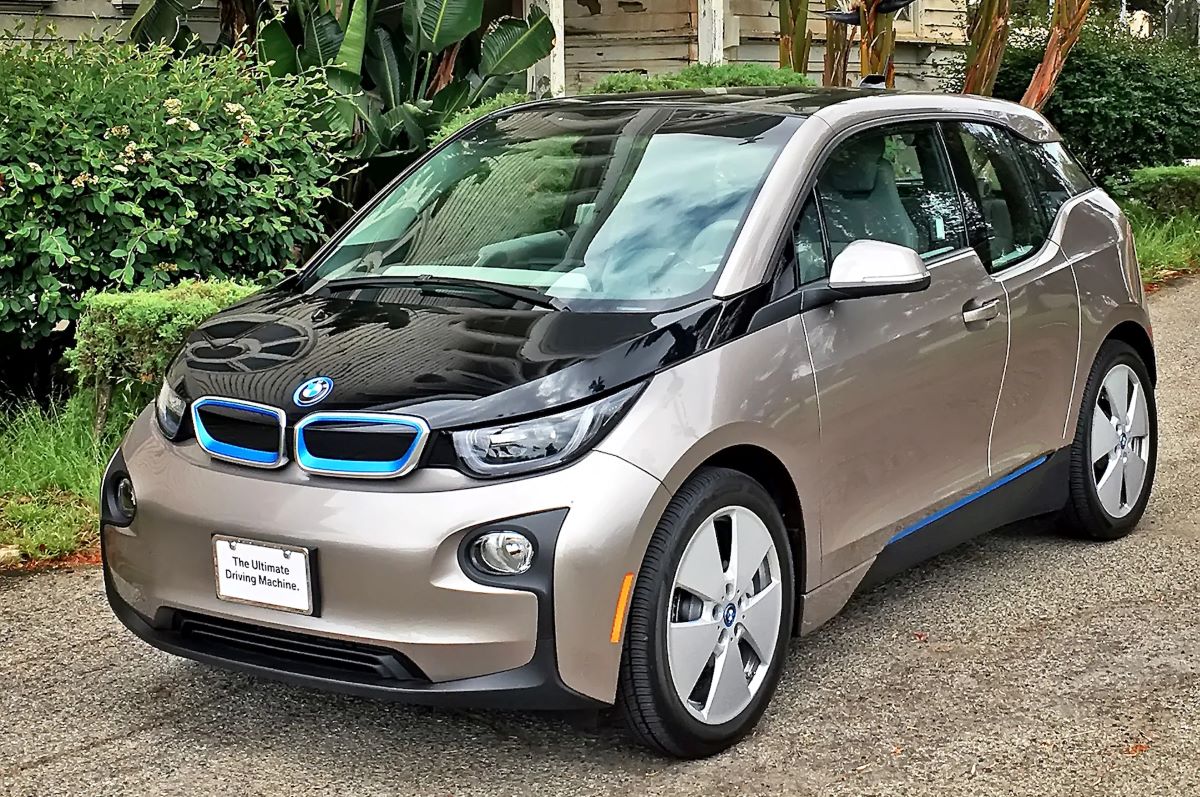
The electric drivetrain, while generally reliable, requires specialized diagnostic equipment and trained technicians found only at BMW dealerships. This monopoly on service creates premium pricing for even routine maintenance items.
The high-voltage electrical systems demand specialized safety equipment and procedures, adding time and cost to service appointments. Software updates and system diagnostics require proprietary BMW equipment that independent mechanics cannot access.
Battery replacement represents the most significant potential expense for i3 owners, with costs potentially exceeding $15,000 for a complete battery pack replacement.
While BMW provides warranty coverage for the battery, out-of-warranty replacements can cost more than the vehicle’s entire resale value. The battery’s integrated cooling system and complex management electronics add additional complexity and potential failure points.
The i3’s unique tire specifications create ongoing ownership costs that exceed those of conventional vehicles. The narrow, low-rolling-resistance tires optimize efficiency but wear quickly and cost significantly more than standard tires.
The specific size and performance requirements limit tire options, preventing owners from selecting more affordable alternatives or taking advantage of competitive pricing.
Interior components, while innovative and environmentally friendly, often require specialized replacement parts that command premium prices. The sustainable materials used throughout the cabin, while admirable from an environmental standpoint, don’t always age gracefully and can be expensive to replace or repair.
The advanced infotainment system and driver assistance features require regular software updates and occasional hardware replacements that add to ownership costs.
The limited production numbers and specialized construction mean that parts availability can be problematic, with some components requiring weeks or months to obtain.
This extended downtime can be particularly frustrating for owners who depend on their vehicles for daily transportation. The specialized nature of many components prevents the development of a robust aftermarket parts supply, keeping costs elevated.
2. Mercedes-Benz S-Class Hybrid (2014-2020)
The Mercedes-Benz S-Class Hybrid represents the ultimate fusion of luxury, performance, and fuel efficiency, offering impressive fuel economy numbers that belie its substantial size and luxurious appointments.
However, this sophisticated engineering comes with maintenance costs that can quickly overwhelm even affluent owners, making it one of the most expensive high-mileage vehicles to maintain.
The S-Class Hybrid achieves remarkable fuel economy for a full-size luxury sedan, with EPA ratings around 25-30 mpg combined depending on the specific model year and configuration.
This efficiency comes from the sophisticated hybrid system that seamlessly integrates electric motor assistance with a refined gasoline engine, providing both impressive fuel economy and the smooth, powerful performance expected from the S-Class lineup.
The complexity of the hybrid system creates numerous potential failure points that can result in extraordinarily expensive repairs. The high-voltage electrical system requires specialized diagnostic equipment and trained technicians found only at Mercedes-Benz dealerships, creating a service monopoly that drives up costs.
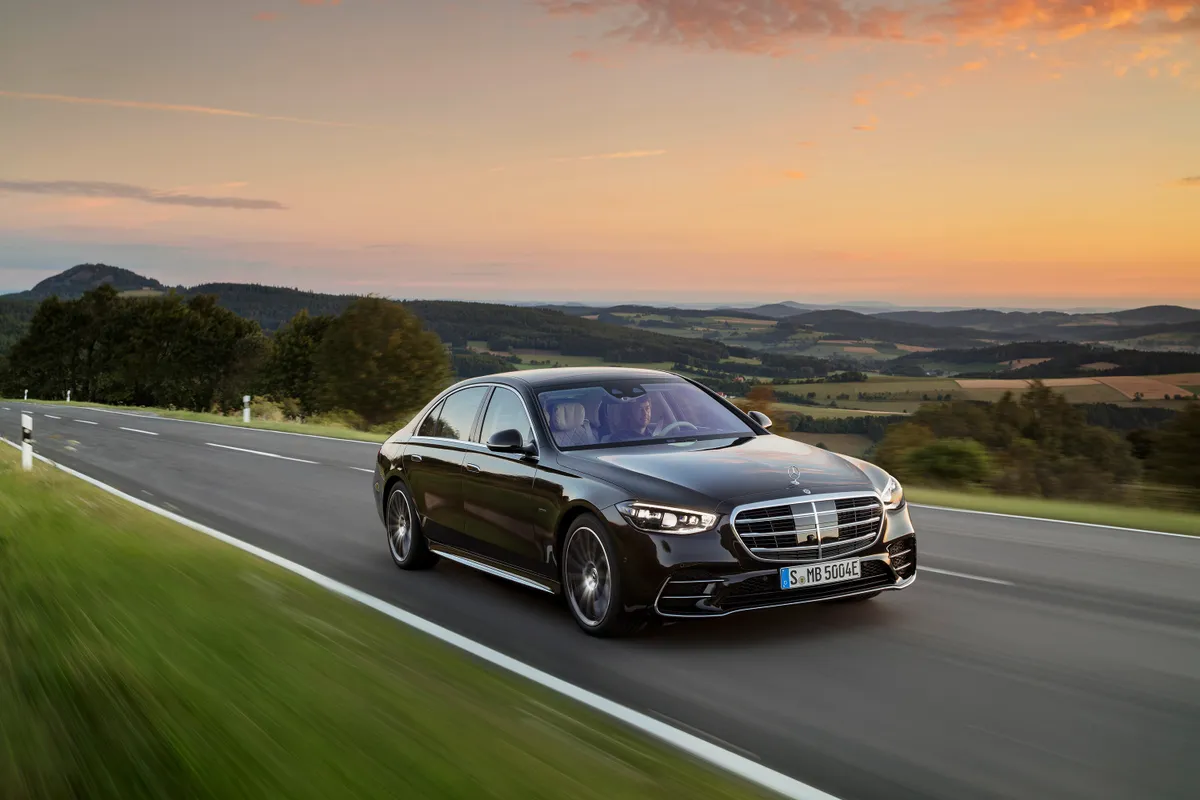
Even routine maintenance items like oil changes and filter replacements cost significantly more than comparable non-hybrid vehicles due to the additional complexity and specialized procedures required.
The hybrid battery system represents a particularly expensive potential failure point, with replacement costs potentially exceeding $10,000-$15,000 depending on the specific model and year.
The battery’s integrated cooling system, sophisticated management electronics, and complex installation requirements add substantial labor costs to any battery-related service. The high-voltage electrical system also requires specialized safety equipment and procedures that add time and cost to service appointments.
Regular maintenance items like brake pads, rotors, and tires cost significantly more than comparable non-luxury vehicles due to the performance specifications and specialized requirements.
The advanced driver assistance systems require regular calibration and occasional component replacement which adds to ownership costs. The sophisticated climate control and comfort systems include numerous components that can fail and require expensive replacement.
3. Porsche Panamera Hybrid (2014-2021)
The Porsche Panamera Hybrid represents the successful marriage of sports car performance and impressive fuel efficiency, offering EPA ratings that approach 30 mpg combined while delivering the exhilarating driving experience expected from the Porsche brand.
However, this sophisticated engineering comes with maintenance costs that can quickly overwhelm owners, making it one of the most expensive high-mileage vehicles to maintain.
The Panamera Hybrid achieves remarkable fuel economy for a high-performance luxury sedan, with EPA ratings around 25-30 mpg combined, depending on the specific model year and configuration.
This efficiency comes from the sophisticated hybrid system that seamlessly integrates electric motor assistance with Porsche’s refined gasoline engines, providing both impressive fuel economy and the thrilling performance that defines the Porsche driving experience.
The complexity of the hybrid system creates numerous potential failure points that can result in extraordinarily expensive repairs. The high-voltage electrical system requires specialized diagnostic equipment and trained technicians found only at Porsche dealerships, creating a service monopoly that drives up costs.
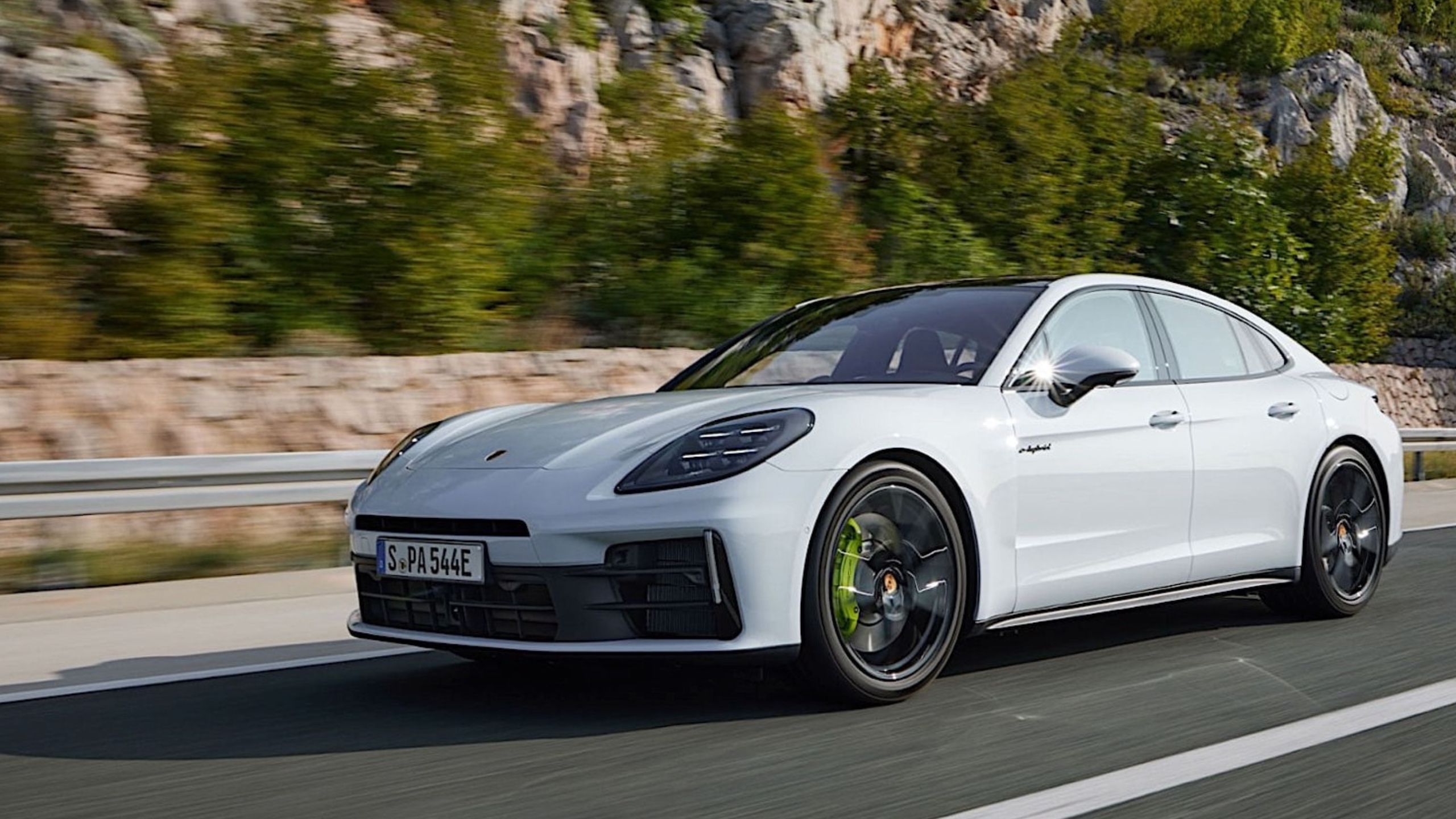
The integration of the hybrid system with Porsche’s performance-oriented drivetrain creates additional complexity that can turn routine maintenance into expensive undertakings.
The hybrid battery system represents a particularly expensive potential failure point, with replacement costs potentially exceeding $15,000-$20,000 depending on the specific model and year.
The battery’s sophisticated cooling system, advanced management electronics, and complex installation requirements add substantial labor costs to any battery-related service. The high-voltage electrical system also requires specialized safety equipment and procedures that add significant time and cost to service appointments.
Regular maintenance items like oil changes, filter replacements, and fluid services cost significantly more than comparable non-luxury vehicles due to the performance specifications and specialized requirements.
The advanced driver assistance systems and infotainment technology require regular software updates and occasional hardware replacements that add to ownership costs.
4. Lexus LS 600h (2007-2017)
The Lexus LS 600h represents Toyota’s flagship hybrid luxury sedan, offering impressive fuel economy that approaches 25 mpg combined while delivering the refined luxury experience expected from the Lexus brand.
However, this sophisticated engineering comes with maintenance costs that can quickly overwhelm owners, making it one of the most expensive high-mileage vehicles to maintain despite Lexus’s reputation for reliability.
The LS 600h achieves remarkable fuel economy for a full-size luxury sedan, with EPA ratings around 20-25 mpg combined depending on the specific model year and configuration.
This efficiency comes from Toyota’s sophisticated Hybrid Synergy Drive system, which seamlessly integrates electric motor assistance with a refined V8 gasoline engine, providing both impressive fuel economy and the smooth, powerful performance expected from the LS lineup.
The complexity of the hybrid system creates numerous potential failure points that can result in extraordinarily expensive repairs. While Lexus vehicles are generally reliable, the sophisticated hybrid system requires specialized diagnostic equipment and trained technicians found primarily at Lexus dealerships, creating a service situation that drives up costs.
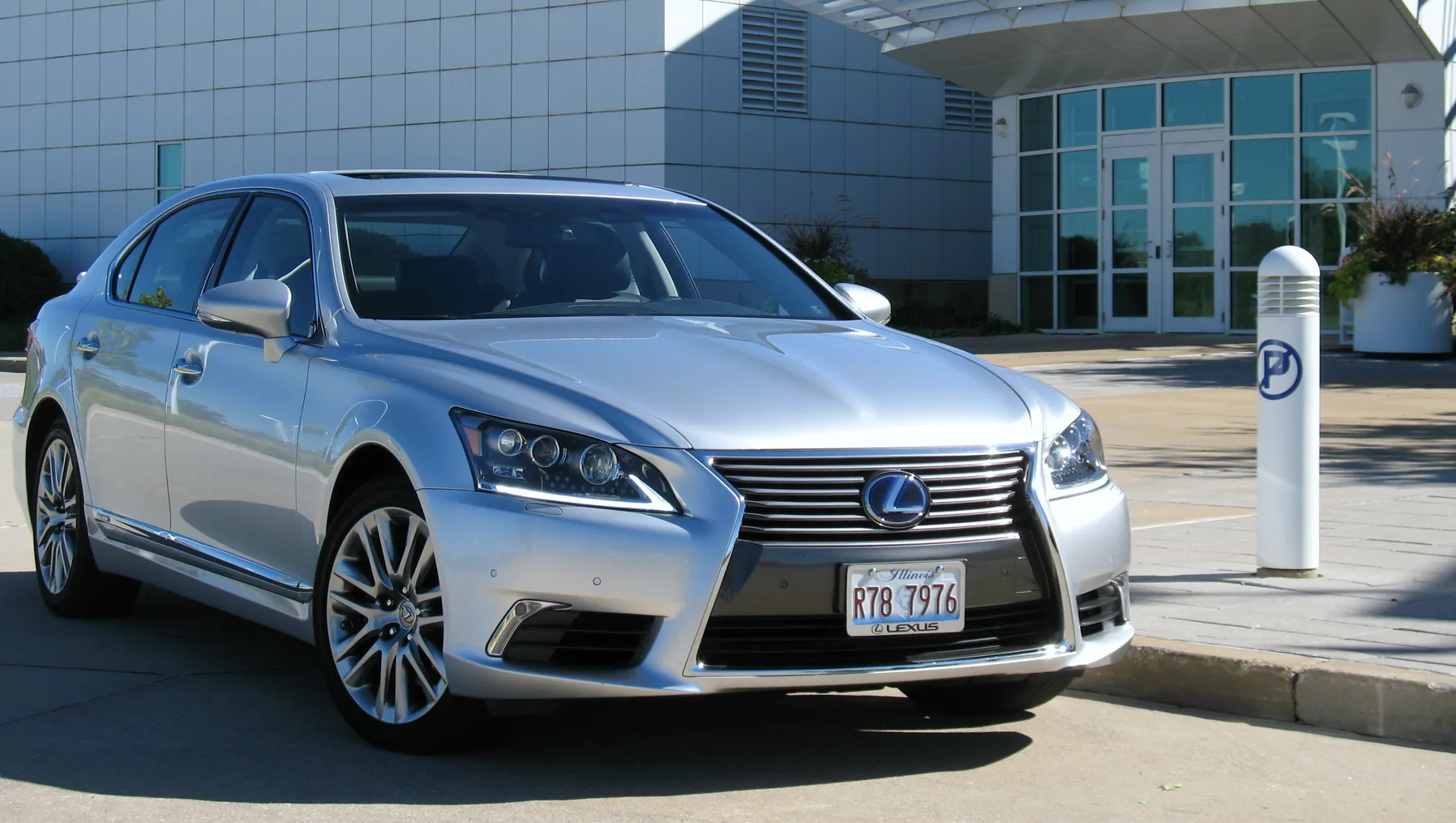
The integration of the hybrid system with the luxury sedan’s numerous electronic systems creates additional complexity that can turn routine maintenance into an expensive undertaking.
The hybrid battery system represents a particularly expensive potential failure point, with replacement costs potentially exceeding $8,000-$12,000 depending on the specific model year and availability.
The battery’s sophisticated cooling system, advanced management electronics, and complex installation requirements add substantial labor costs to any battery-related service. The high-voltage electrical system also requires specialized safety equipment and procedures that add significant time and cost to service appointments.
The LS 600h’s air suspension system, while providing exceptional ride quality, requires regular maintenance and eventual replacement of expensive components.
The air springs, compressor, and control modules all represent potential failure points that can result in repair costs exceeding several thousand dollars.
The sophisticated electronic systems that control the suspension require specialized diagnostic equipment and software that Lexus dealers can access effectively.
5. Audi A8 Hybrid (2012-2018)
The Audi A8 Hybrid represents German engineering at its finest, offering impressive fuel economy that approaches 30 mpg combined while delivering the sophisticated luxury experience expected from Audi’s flagship sedan.
However, this advanced engineering comes with maintenance costs that can quickly overwhelm owners, making it one of the most expensive high-mileage vehicles to maintain despite its impressive efficiency credentials.
The A8 Hybrid achieves remarkable fuel economy for a full-size luxury sedan, with EPA ratings around 24-28 mpg combined, depending on the specific model year and configuration.
This efficiency comes from Audi’s sophisticated hybrid system that seamlessly integrates electric motor assistance with a refined gasoline engine, providing both impressive fuel economy and the smooth, powerful performance expected from the A8 lineup.
The complexity of the hybrid system creates numerous potential failure points that can result in extraordinarily expensive repairs. The high-voltage electrical system requires specialized diagnostic equipment and trained technicians found primarily at Audi dealerships, creating a service monopoly that drives up costs.
The integration of the hybrid system with Audi’s advanced electronic systems creates additional complexity that can turn routine maintenance into an expensive undertaking.
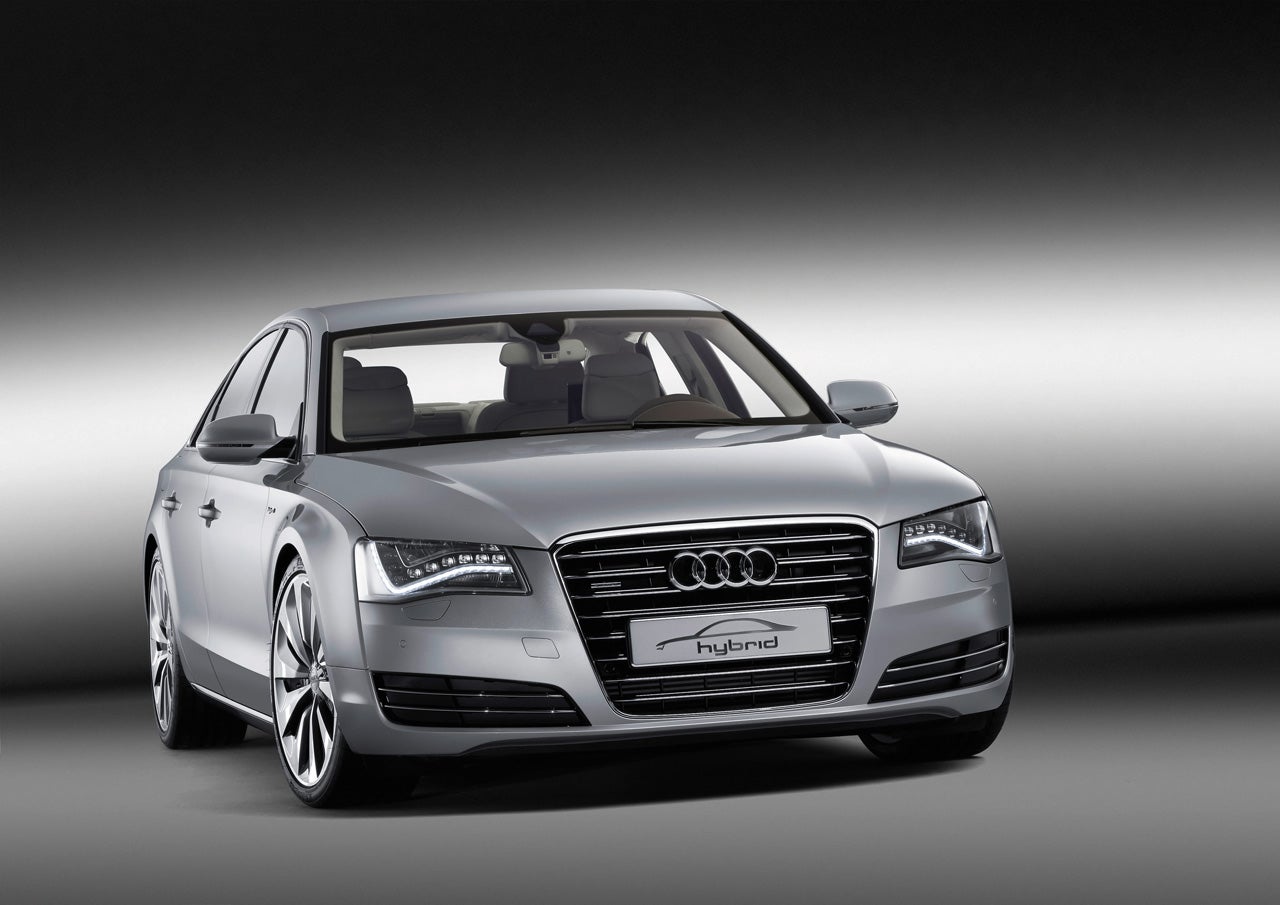
The hybrid battery system represents a particularly expensive potential failure point, with replacement costs potentially exceeding $10,000-$15,000 depending on the specific model year and availability.
The battery’s sophisticated cooling system, advanced management electronics, and complex installation requirements add substantial labor costs to any battery-related service. The high-voltage electrical system also requires specialized safety equipment and procedures that add significant time and cost to service appointments.
The A8’s air suspension system, while providing exceptional ride quality and handling, requires regular maintenance and eventual replacement of expensive components.
The air springs, compressor, and control modules all represent potential failure points that can result in repair costs exceeding several thousand dollars. The sophisticated electronic systems that control the suspension require specialized diagnostic equipment and software that only Audi dealers can access effectively.
Regular maintenance items like oil changes, filter replacements, and fluid services cost significantly more than comparable non-luxury vehicles due to the performance specifications and specialized requirements.
The advanced driver assistance systems and electronic components require regular calibration and occasional component replacement, which adds to ownership costs.
The sophisticated climate control and comfort systems include numerous components that can fail and require expensive replacement, making long-term ownership a potentially expensive proposition despite the vehicle’s impressive fuel efficiency.
Also Read: 5 Million-Mile Engines You’ve Never Heard Of and 5 That Never Last Long
