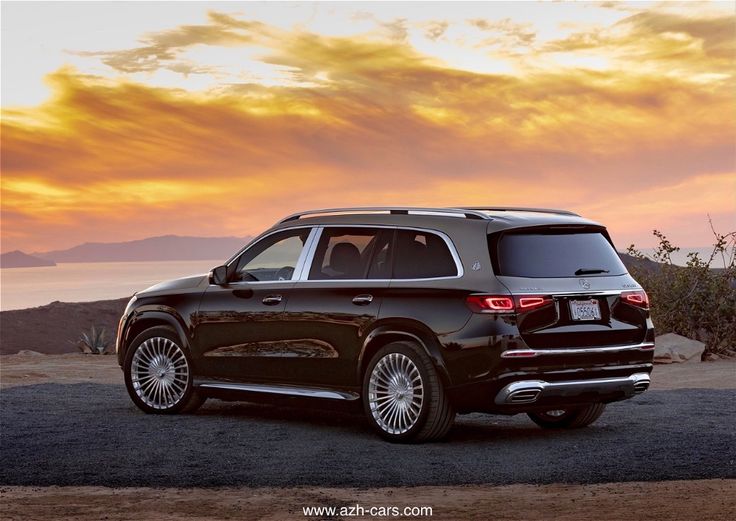
Mercedes-Benz has long been associated with class, comfort, and cutting-edge engineering. Whether it’s cruising through the autobahn or gliding along city roads, these German machines have built a reputation for luxury and performance.
But beneath the polished chrome and iconic three-pointed star, not all Mercedes models live up to the promise of reliability. While some deliver decade-long durability with minimal maintenance, others will leave you drained—both emotionally and financially—with frequent shop visits and costly repairs.
In this blog, we dive deep into 10 notable Mercedes-Benz vehicles: five that are widely praised for their long-lasting performance and low failure rates, and five that have earned a reputation for constant mechanical issues and high repair bills.
Whether you’re shopping used or new, it’s essential to know which models are engineered to endure and which ones are best avoided unless you’re prepared to become a regular at your mechanic’s garage.
From rock-solid E-Class sedans to the infamously fragile first-gen CLS, we’ll break down the most important reliability insights, including engine life, transmission issues, and common ownership complaints.
If you’re a fan of the star but want to steer clear of the lemons, read on—because not every Mercedes is built to last, but the right one can go the distance.
5 Mercedes Models That Stay Rock-Solid
Mercedes-Benz may carry a luxury badge, but some models also boast the kind of reliability you’d expect from a Toyota. These cars have been praised by long-term owners and mechanics alike for their build quality, dependable drivetrains, and bulletproof longevity.
Whether you’re eyeing a daily commuter or a high-mileage highway cruiser, these five Mercedes-Benz vehicles deliver serious value over the long haul, without making you spend a fortune on repairs or parts every year. Let’s start with the models that rarely let their owners down.
ALSO READ: 5 Fords Built to Last vs 5 That Need Constant Repairs
1. Mercedes-Benz E-Class W211 (2003–2009)
The W211 E-Class is often cited as one of the most reliable Mercedes-Benz models ever built, especially when equipped with the naturally aspirated V6 (E320) or the legendary inline-6 diesel.
Its solid engineering, combined with a more analog design compared to modern models, results in fewer electronic gremlins and long-term dependability.
Owners frequently report reaching over 200,000 miles with only routine maintenance.
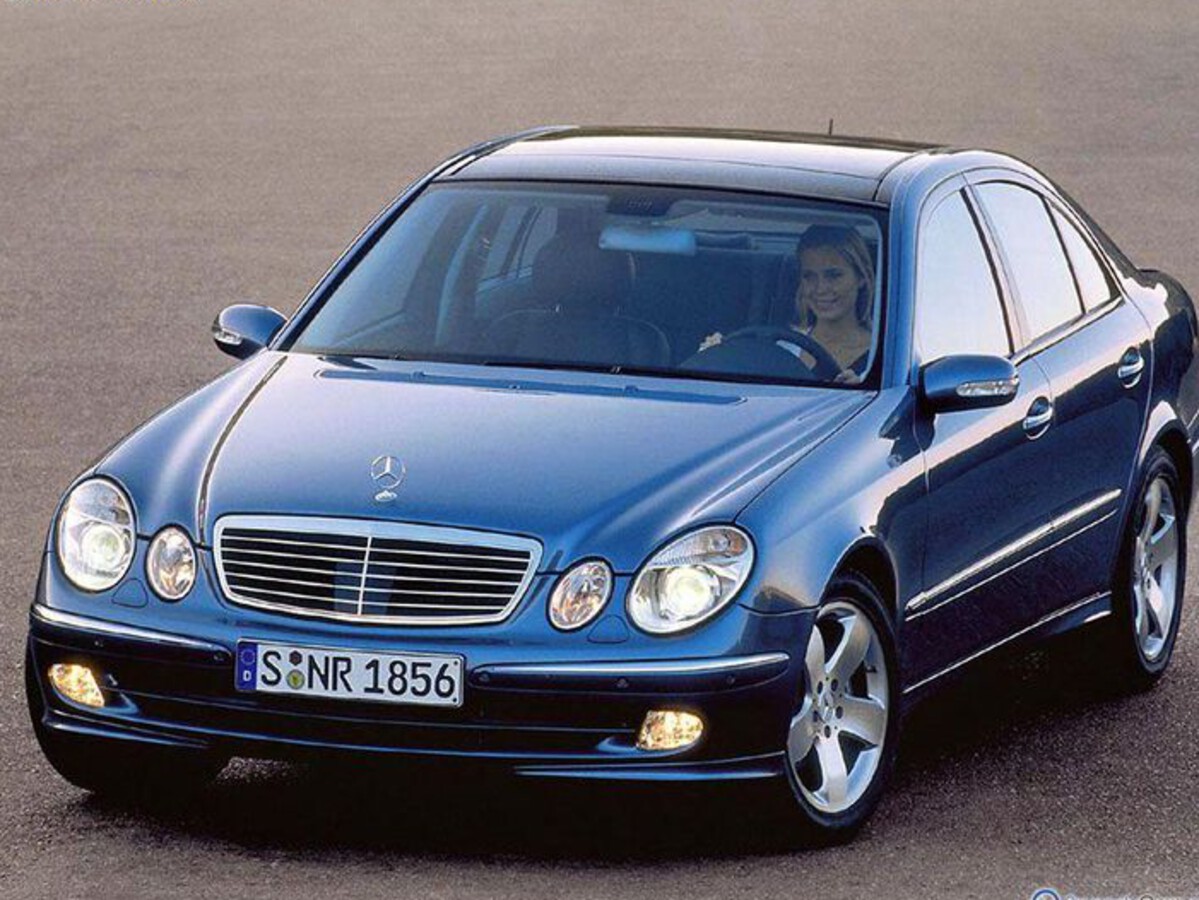
The 5-speed automatic transmission is tough and smooth, the suspension setup provides both comfort and durability, and the car’s overall build quality stands the test of time.
It’s also relatively easy to work on compared to newer models burdened with layers of sensors and software.
The W211 also includes timeless Mercedes styling and a roomy, well-appointed interior that ages gracefully.
The only consistent concerns involve the SBC braking system on early models, but this was later addressed and doesn’t impact the non-SBC variants.
If you’re looking for a used luxury car that won’t nickel and dime you at every turn, the W211 E-Class is the kind of ride that’ll serve you loyally for years. It’s not just a dependable Mercedes—it’s a dependable car, period.
2. Mercedes-Benz W124 E-Class (1984–1995)
The W124 has become the poster child for Mercedes’ longevity—and for good reason. Built like a tank, the W124 earned its reputation for being overengineered and almost indestructible.
It was one of the last models developed under the “engineered to last a million kilometers” philosophy, and many examples today are still on the road with 300,000+ miles.
Key to its reputation is its drivetrain. The inline-6 gasoline and diesel engines in the W124 are known for their extreme durability.
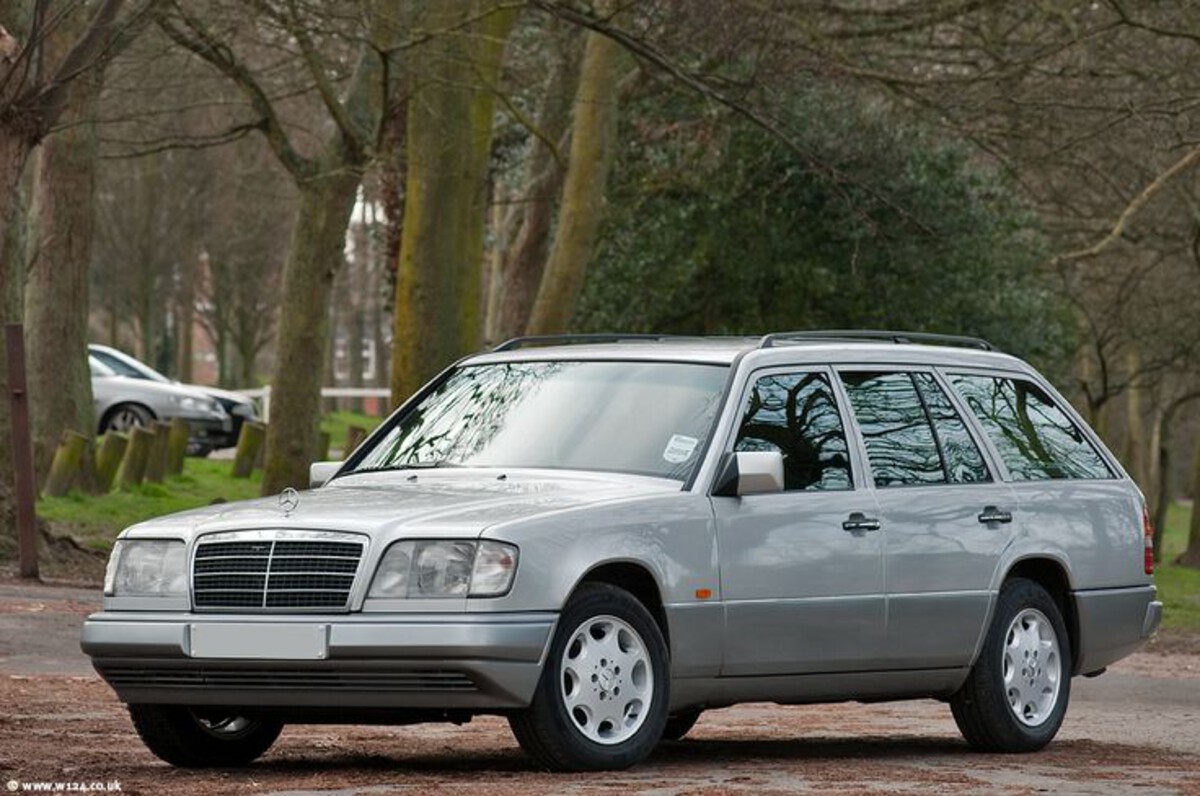
Pair that with a simple, robust transmission and you’ve got a powertrain setup that’ll go the distance. The car’s mechanical systems are generally easy to maintain, with fewer complex electronics compared to modern Mercedes.
While it might not have today’s creature comforts or connectivity tech, the W124 makes up for it with craftsmanship and mechanical integrity.
Rust can be an issue on older, neglected models, but a well-maintained W124 will outlast many modern cars by decades.
Whether you’re a collector or a commuter, the W124 represents peak Mercedes-Benz build quality. It might just be the best investment you can make if you want a car that won’t quit.
3. Mercedes-Benz GLK350 (2009–2015)
For those wanting a reliable luxury SUV without the size and complexity of a full-size GLE or ML, the GLK350 hits the sweet spot.
Moreover, with its rugged boxy design and proven 3.5L V6 engine, the GLK350 is often regarded as one of the most dependable modern Mercedes crossovers.
It’s naturally aspirated V6 avoids the turbocharging complications seen in other models, and its 7-speed automatic transmission is generally trouble-free when properly maintained.
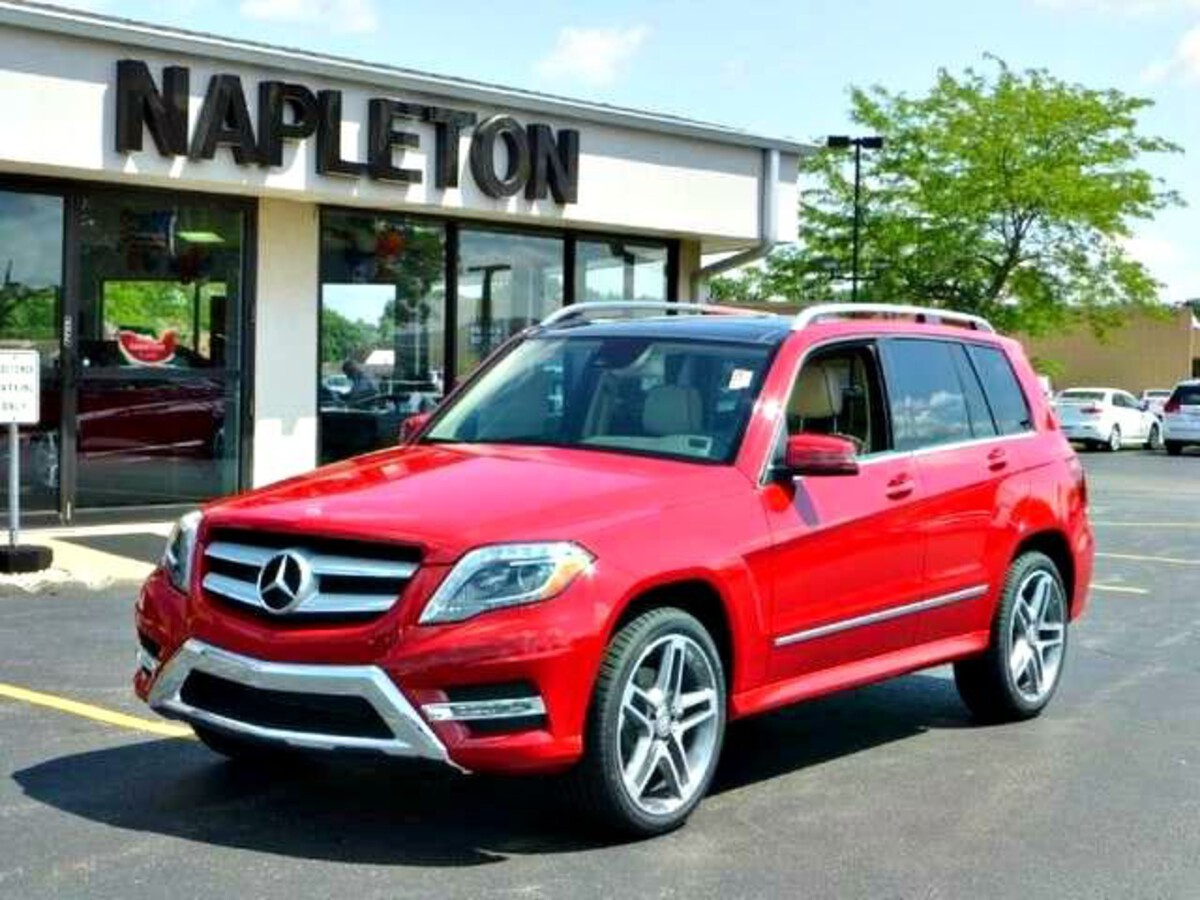
Owners frequently report minimal issues even past the 150,000-mile mark, which is impressive for a luxury SUV.
The GLK’s interior is well-built and functional, lacking the over-reliance on touch interfaces that plague newer models.
It also benefits from straightforward mechanical systems, fewer electronic components, and a reliable all-wheel-drive system that holds up well in various climates.
Aside from a few minor complaints—such as tight rear seat space or outdated infotainment by today’s standards—the GLK350 is a no-nonsense SUV that delivers durability and performance in a practical package.
For a used SUV buyer who wants that Mercedes luxury badge without the stress of constant repairs, the GLK350 is a smart, rock-solid choice.
5 Mercedes Models That Break Down Often
While many Mercedes models have earned praise for their quality, others fall short of expectations, especially when it comes to reliability. These vehicles are often loaded with complex electronics, temperamental engines, or premature component failures that frustrate even the most loyal fans.
Buying one of these means potentially committing to an expensive game of “what’s breaking this week?” Here are five Mercedes-Benz models known more for their problems than their prestige—proceed with caution if you’re considering one.
ALSO READ: 5 Hondas That Hit 200,000 Miles vs 5 That Struggle With Longevity
1. Mercedes-Benz ML350 (2006–2011)
The second-generation ML350 promised luxury SUV comfort with off-road chops, but reliability didn’t make the cut.
Between electronic issues, engine problems, and failing components, the ML350 is infamous for draining wallets post-warranty.
One of the biggest issues lies with the balance shaft and timing chain on earlier V6 engines, particularly in the 2006–2008 models.
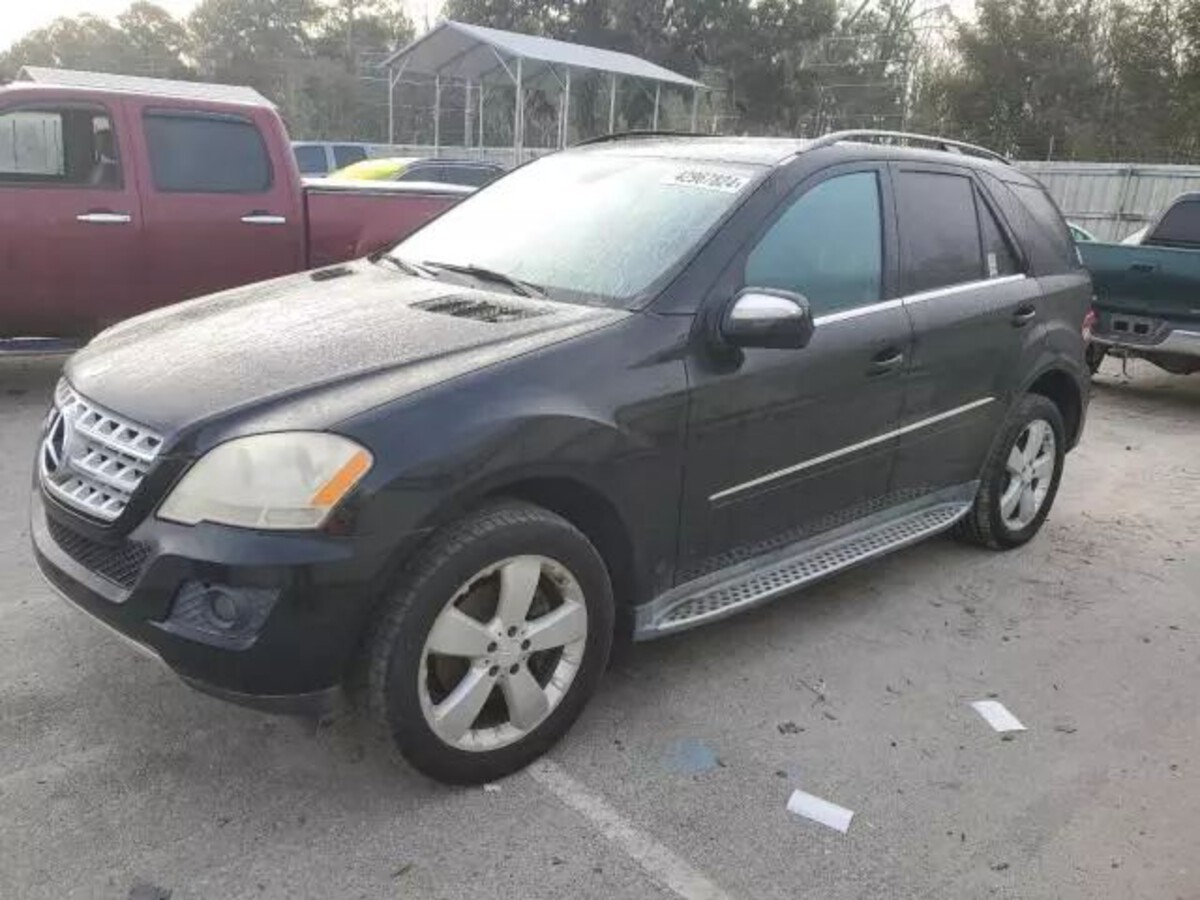
Repairs can cost several thousand dollars and aren’t always covered under recall. Additionally, owners report frequent issues with the AIRMATIC suspension system, which is expensive to replace and prone to premature failure.
Electrical glitches—especially with the COMAND infotainment system, door locks, and power windows—add to the frustration.
Even general maintenance is costly due to tight engine packaging and complex components. While the ML350 drives well and offers good interior comfort, these benefits are often outweighed by the unpredictable repair schedule.
In essence, the ML350 is a risky purchase unless you have full service records and deep pockets.
It’s a model that embodies the stereotype of “Mercedes after warranty,” with frequent breakdowns and high repair costs. If you’re looking for long-term ownership peace of mind, this SUV isn’t it.
2. Mercedes-Benz CLS-Class (First Generation, 2006–2010)
The first-generation Mercedes-Benz CLS-Class (C219) may have introduced the sleek “four-door coupe” concept, but beneath that elegant body lies a host of reliability problems.
While it shares a platform with the W211 E-Class—which is known for its reliability—the CLS adds complexity and flair that backfire in long-term ownership.
One of the most common complaints revolves around its air suspension (AIRMATIC), which often fails and results in a harsh ride or sagging rear.
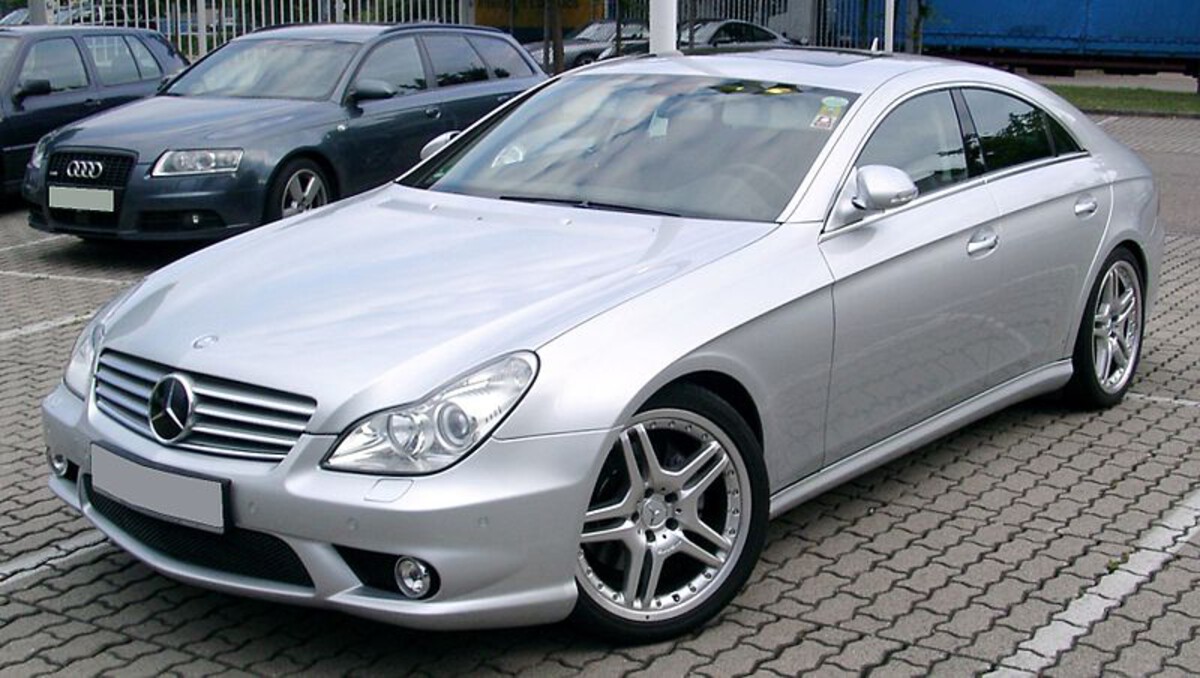
Replacement parts are expensive, and repairs can be tricky, especially if the whole system needs to be reprogrammed. The CLS550 and CLS63 AMG models with the 5.5L V8s are powerful, but they’re notorious for oil leaks, camshaft adjuster failures, and timing chain issues.
Electronics are another weak spot. From malfunctioning COMAND systems to unpredictable seat modules, owners frequently deal with random glitches that require dealer-level diagnostics.
The coupe-like roofline may look stylish, but it compromises rear headroom and trunk usability, making reliability issues feel even more frustrating in daily use.
In short, the CLS is a classic case of form over function. If you’re tempted by its aesthetic, make sure you’re ready for constant TLC and deep repair bills. Otherwise, you’re better off with its more durable cousin—the E-Class.
3. Mercedes-Benz GLC (2016–2020)
The GLC-Class is one of Mercedes-Benz’s top-selling crossovers, but its popularity doesn’t shield it from serious reliability concerns, especially in its first few production years.
Launched as a successor to the GLK, the GLC has struggled with a range of mechanical and electronic issues that have frustrated owners and auto reviewers alike.
One major area of concern is the 2.0L turbocharged inline-4 engine found in the GLC300. Owners report excessive oil consumption, turbo failures, and timing chain noise—all early signs of expensive repairs.
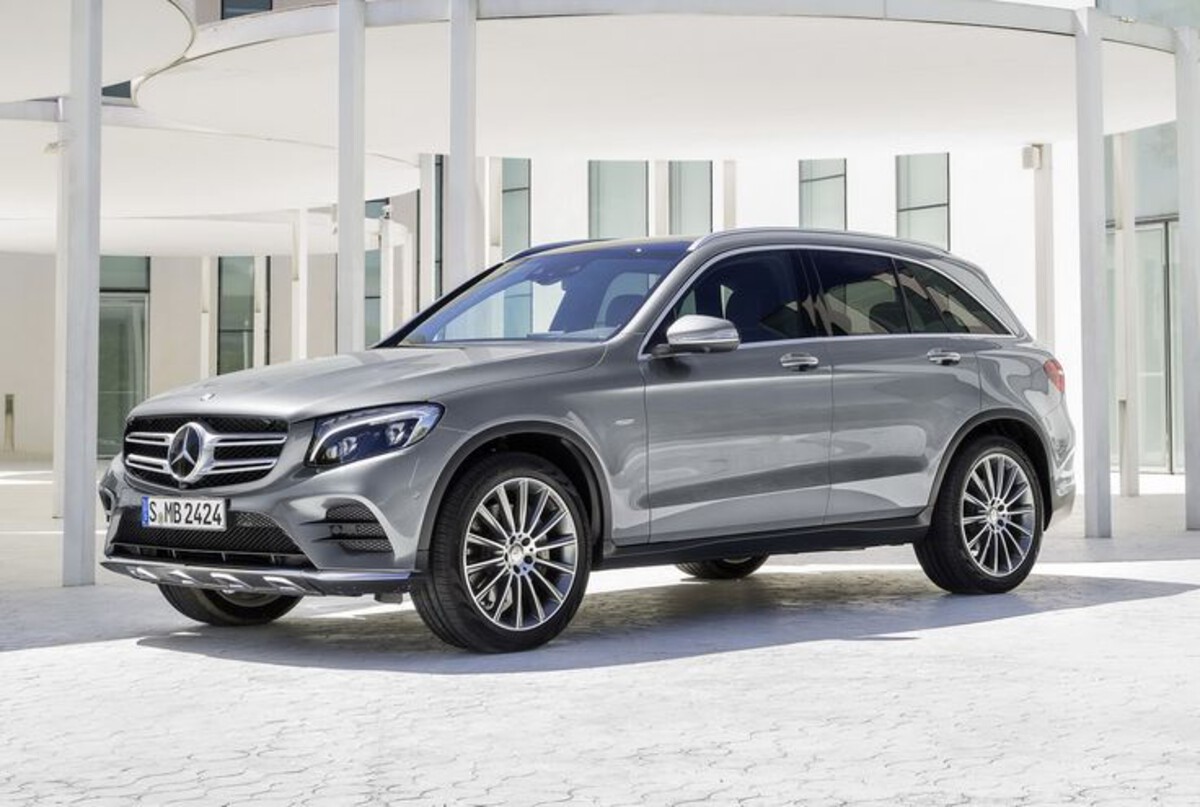
The 9-speed automatic transmission (9G-TRONIC) also tends to exhibit rough shifting and occasional lag, particularly in stop-and-go traffic.
Electronics are another problem zone. Malfunctioning infotainment systems, faulty backup cameras, and Bluetooth connectivity issues are common complaints.
Add in steering rack problems and premature brake wear, and you’re looking at a crossover that’s not aging gracefully.
While it boasts a comfortable interior and slick exterior design, the GLC’s dependability doesn’t match its upscale feel.
Even Consumer Reports and J.D. Power have flagged it for below-average reliability scores. The newer GLCs may be improving, but early adopters have certainly paid the price for buying into the luxury compact SUV segment.
If you value peace of mind in the long run, you may want to skip the GLC—or at least avoid the early model years.
4. Mercedes-Benz S-Class W221 (2007–2013)
While the S-Class W221 delivers incredible comfort and tech, it also comes with a painful reputation for unreliability, especially once it crosses the 100,000-mile mark.
This luxury flagship is packed to the brim with advanced electronics, air suspension, and complex drivetrain options, all of which are prone to expensive failures.
One common issue is with the AIRMATIC suspension system. Owners often complain of sagging corners, compressor failures, and costly repairs.
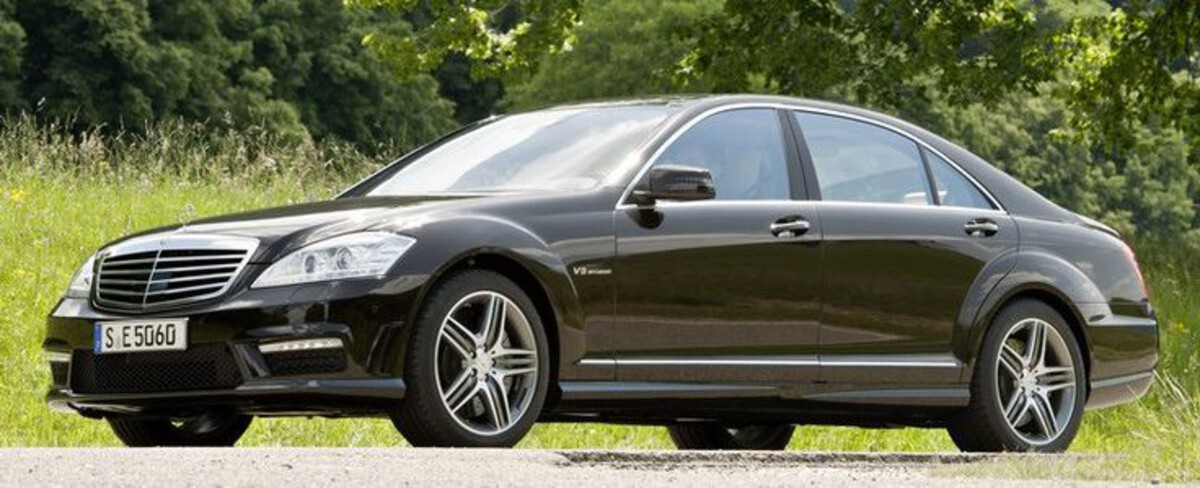
The electronic components, including seat modules, infotainment systems, and climate control, also tend to develop glitches that are tough to diagnose and expensive to fix. Models with the 4.7L twin-turbo V8 suffer from high oil consumption and turbo issues.
The seven-speed automatic transmission can be finicky, and software updates are sometimes required just to keep things running smoothly.
Combine all this with high labor costs and limited access to independent mechanics willing to work on such a complex car, and the ownership experience quickly becomes a nightmare.
Though it exudes prestige and rides like a dream, the W221 S-Class is better admired from afar. If you’re not ready to shell out thousands annually for repairs, you’re better off skipping this Mercedes and going for a simpler, more reliable luxury vehicle.
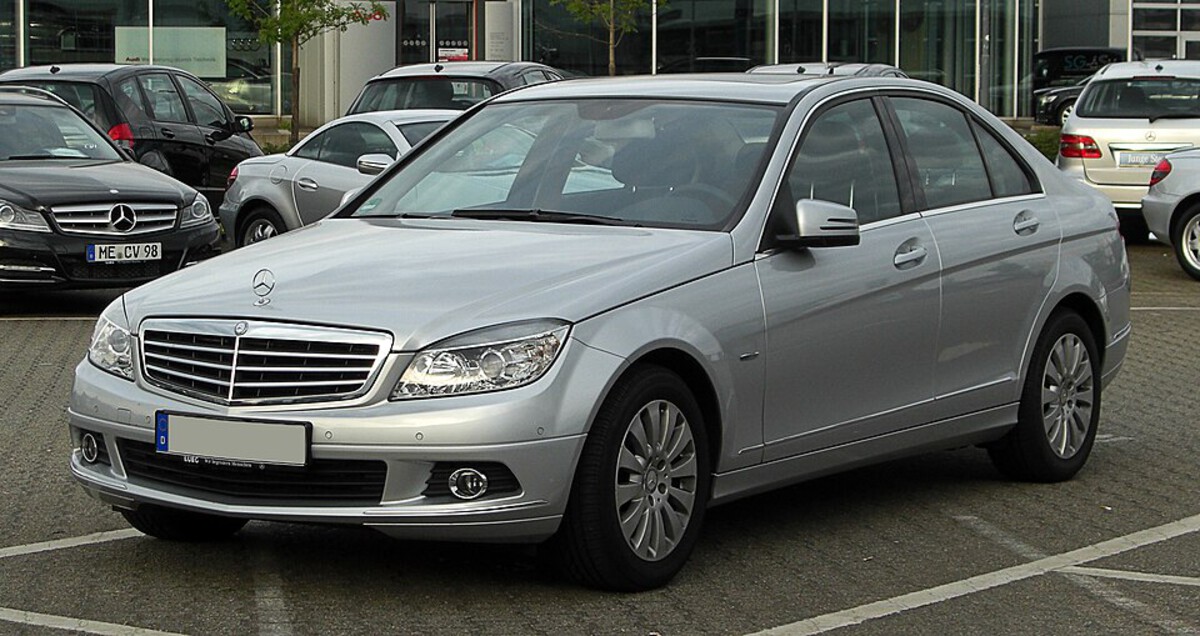
5. Mercedes-Benz C-Class W204 (2008–2014 Turbo Variants)
The W204 C-Class is a mixed bag. While the base models with the naturally aspirated engines fare decently well, the turbocharged versions—especially the C250 with the 1.8L turbo four-cylinder—have plagued owners with reliability woes.
The C250 is notorious for timing chain stretch, camshaft adjuster failures, and oil leaks, sometimes occurring well before 100,000 miles.
Many owners have faced check engine lights that lead to expensive diagnostics and repairs. The direct-injection system also tends to cause carbon buildup, which can degrade performance and fuel economy over time.
Electrical gremlins, especially with the COMAND system, central locking, and dashboard displays, are common.
Additionally, the seven-speed automatic transmission (7G-Tronic) can exhibit hesitation or hard shifts, which sometimes require full replacements or expensive software fixes.
The C-Class tries to blend sporty driving with luxury, but the C250 in particular sacrifices reliability for performance and efficiency.
Unfortunately, many buyers are lured in by the badge and modern styling, only to be blindsided by continuous repair bills.
If you’re set on a W204, opt for the C300 or C350 instead—they’re far more reliable and cheaper to own in the long run. The C250, however, is one of those Mercedes models that sounds good on paper but falls flat in ownership.
Mercedes-Benz has always symbolized elegance, status, and top-tier engineering. But as many seasoned car owners know, a luxury badge doesn’t guarantee long-term reliability.
While some Mercedes models are engineered to handle hundreds of thousands of miles with grace and minimal upkeep, others quickly spiral into a cycle of costly breakdowns and frustrating repairs.
On the dependable side, models like the W124 E-Class, W211 E-Class, and GLK350 showcase Mercedes’ ability to build rock-solid vehicles that stand the test of time.
These cars are known for their reliable drivetrains, less complicated electronics, and a level of craftsmanship that’s becoming increasingly rare in modern luxury vehicles.
They prove that a well-built Mercedes can rival even Japanese automakers in longevity and ease of ownership.
However, not all Mercedes are created equal. The ML350, W221 S-Class, and turbocharged W204 C-Class suffer from chronic mechanical and electronic issues that make ownership a burden.
Whether it’s fragile air suspensions, problematic timing chains, or electrical glitches, these vehicles often require deep pockets and constant attention.
If you’re planning to buy a used Mercedes, knowledge is your best defense. Always research common issues by model year, check service records, and prioritize cars with naturally aspirated engines and fewer electronic systems. Avoiding first-year releases of new platforms can also help you dodge initial engineering hiccups.
Also, build a relationship with a trustworthy, independent European car specialist. This can drastically reduce maintenance costs compared to dealership pricing and ensure your vehicle is cared for by someone who understands its quirks.
Ultimately, buying a Mercedes can either be a dream or a drain. But with the right model and proper maintenance, it can be a rewarding investment, offering years of luxurious, reliable driving without the stress.