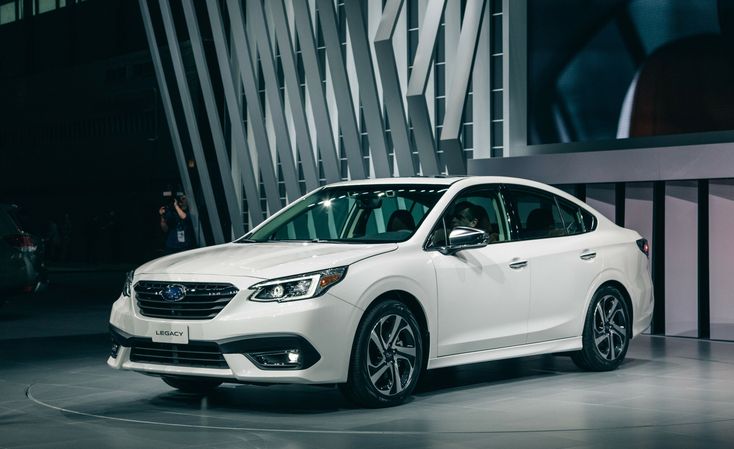
When it comes to brand loyalty in the automotive world, few names spark as much passion as Subaru. Known for their boxer engines, symmetrical all-wheel drive, and a reputation for rugged dependability, Subarus have built a cult following across snow-covered states and off-road enthusiast circles alike.
Some models are so well-engineered that they’ve racked up over 300,000 miles without missing a beat. However, not every Subaru lives up to this legacy. While many owners swear by their Subaru’s longevity, others have been haunted by one of the brand’s most notorious flaws—head gasket failure.
Head gasket issues became a recurring nightmare for certain Subaru models produced between the mid-90s and early 2010s. Owners often reported coolant leaks, oil mixing, and overheating problems far earlier than expected.
This flaw not only tarnished Subaru’s otherwise impressive reliability record but also came with steep repair bills that made some buyers think twice.
In this post, we break down the 5 Subarus that are known to run forever and compare them with 5 infamous models with chronic head gasket problems.
Whether you’re a die-hard Subaru fan, a used car shopper, or just a curious car enthusiast, this list will help you separate the Subarus worth investing in from the ones better left behind.
5 Subarus That Run Forever
These Subarus have carved out a reputation for durability, reliability, and long-haul performance. Owners often boast of mileage exceeding 250,000 with little more than routine maintenance. They’ve stood the test of time thanks to thoughtful engineering, fewer engine flaws, and improved head gasket designs.
Whether you’re tackling snowy mountain roads or hauling your outdoor gear for the weekend, these models won’t leave you stranded. Here are five Subarus that just don’t know when to quit—and that’s a good thing.
ALSO READ: 5 Chevrolets Known for Reliability vs 5 That Disappoint Owners
1. Subaru Outback (2010–2014) – The All-Terrain Tank
The fourth-generation Subaru Outback is one of the brand’s most iconic, long-lasting models. Built on a slightly larger platform than its predecessor, the 2010–2014 Outback struck the perfect balance between rugged utility and everyday comfort.
Thanks to the upgraded 2.5L FB25 engine, Subaru finally addressed its older head gasket concerns.
This engine was designed with a better cooling system and improved head gasket materials, helping it avoid the failures that plagued earlier models.
Owners consistently report hitting 200,000 miles and beyond, particularly when sticking with the 6-speed manual or CVT versions with regular maintenance.
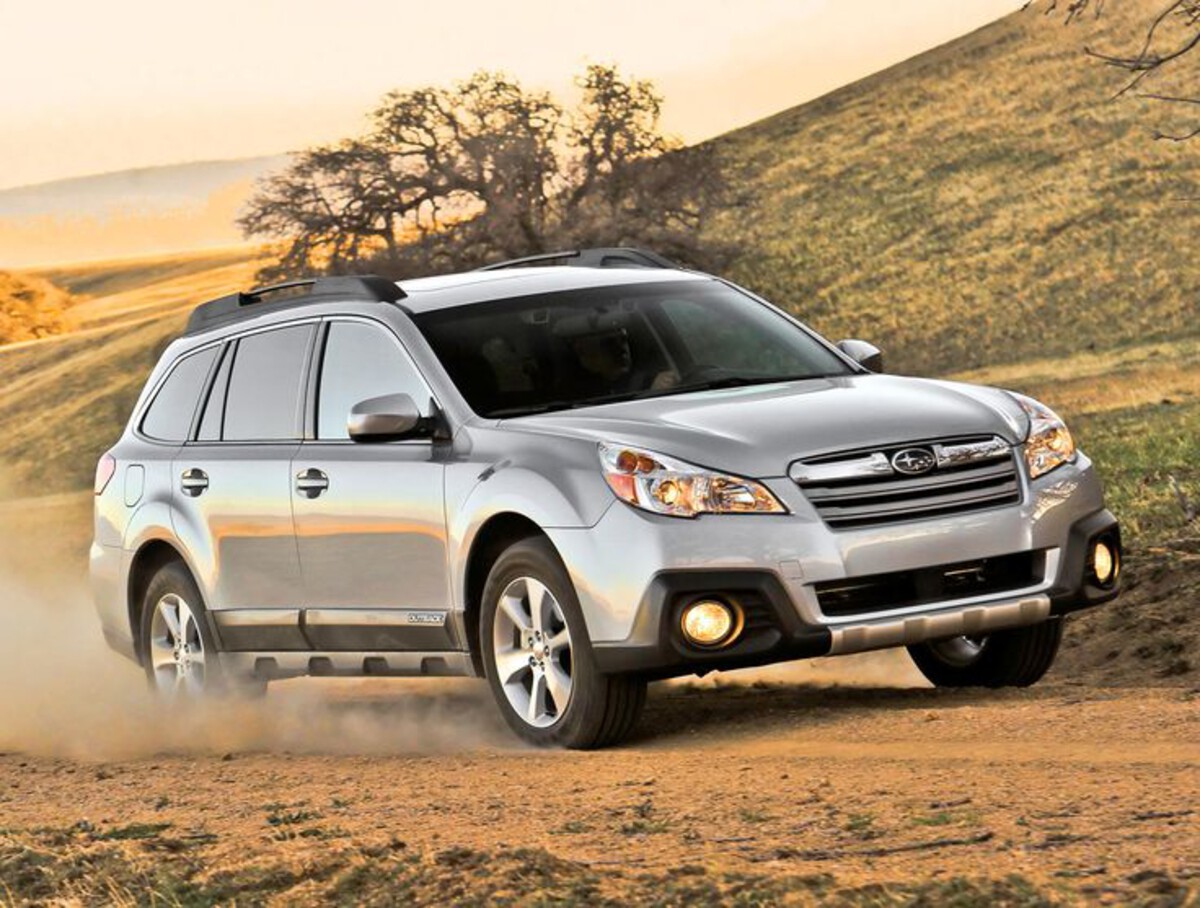
Its symmetrical all-wheel drive makes it ideal for all-season reliability, while the elevated ride height offers serious capability off the beaten path.
The Outback’s spacious interior, legendary winter performance, and strong aftermarket support mean many people choose to repair and keep them instead of trading them in.
What really sets the 2010–2014 Outback apart is Subaru’s successful refinement of its reliability. It became a vehicle people could count on again after years of skepticism.
As a used car, it’s a standout choice for anyone who needs a reliable, fuel-efficient utility vehicle that’s not afraid to work hard.
Just keep an eye on CVT fluid changes and timing belt service, and this beast will go the distance.
2. Subaru Forester (2014–2018) – The Mileage Champion
The 2014–2018 Subaru Forester, part of the fourth generation, is one of Subaru’s most dependable compact SUVs.
With improved build quality and a refined powertrain, it quickly earned a reputation for high mileage and mechanical dependability.
The FB25 engine in these models corrected many of the oil consumption and head gasket woes that plagued older Foresters. Subaru also used better sealing techniques, helping to prolong engine life.
Owners have reported clocking 250,000 miles with routine oil changes and minimal unscheduled repairs. The CVT transmission also received durability updates, making it far more reliable than earlier iterations.
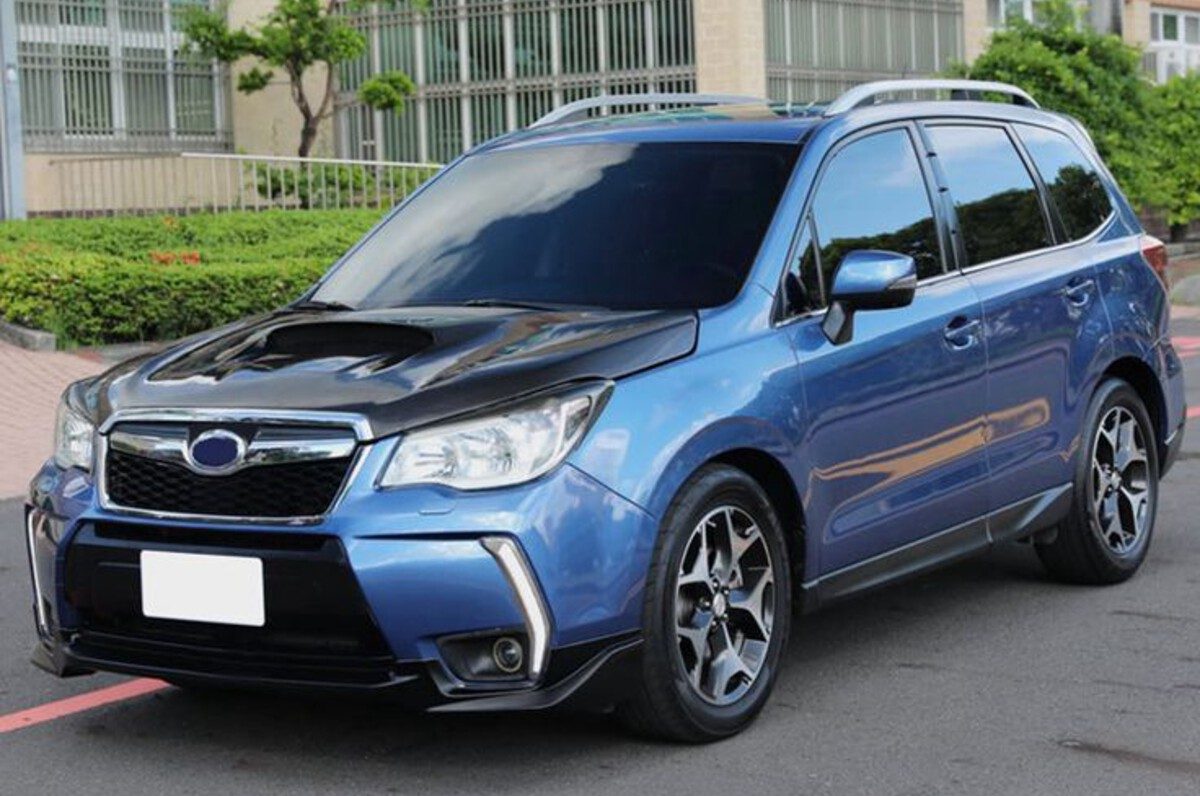
Combined with Subaru’s industry-leading all-wheel drive and a solid safety rating from IIHS, the 2014–2018 Forester makes an excellent daily driver that can easily double as a road-trip warrior or light off-roader.
This generation also offered a turbocharged XT version, though many long-term owners prefer the naturally aspirated model for its mechanical simplicity. With an airy cabin, good visibility, and car-like ride quality, this Forester is an ideal pick for families or outdoor adventurers who demand reliability.
For anyone seeking a used crossover SUV that won’t give up halfway through its journey, this Forester is a smart investment.
Stay on top of CVT fluid intervals and routine services, and you’ve got a partner for the long haul.
3. Subaru Legacy (2015–2019) – The Reliable Sedan
If you’re looking for a Subaru that combines traditional sedan styling with long-term dependability, the 2015–2019 Legacy is hard to beat.
Subaru overhauled the Legacy in 2015, improving its build quality, engine performance, and—most importantly—its long-term reliability.
Powered by the updated FB25 2.5-liter engine, this Legacy features redesigned gaskets and improved oil control, significantly reducing the risk of the dreaded head gasket failures.
Many owners have happily passed the 200,000-mile mark with few major issues. The car’s symmetrical all-wheel drive provides year-round security, while its more refined ride and quiet cabin make it a comfortable commuter.
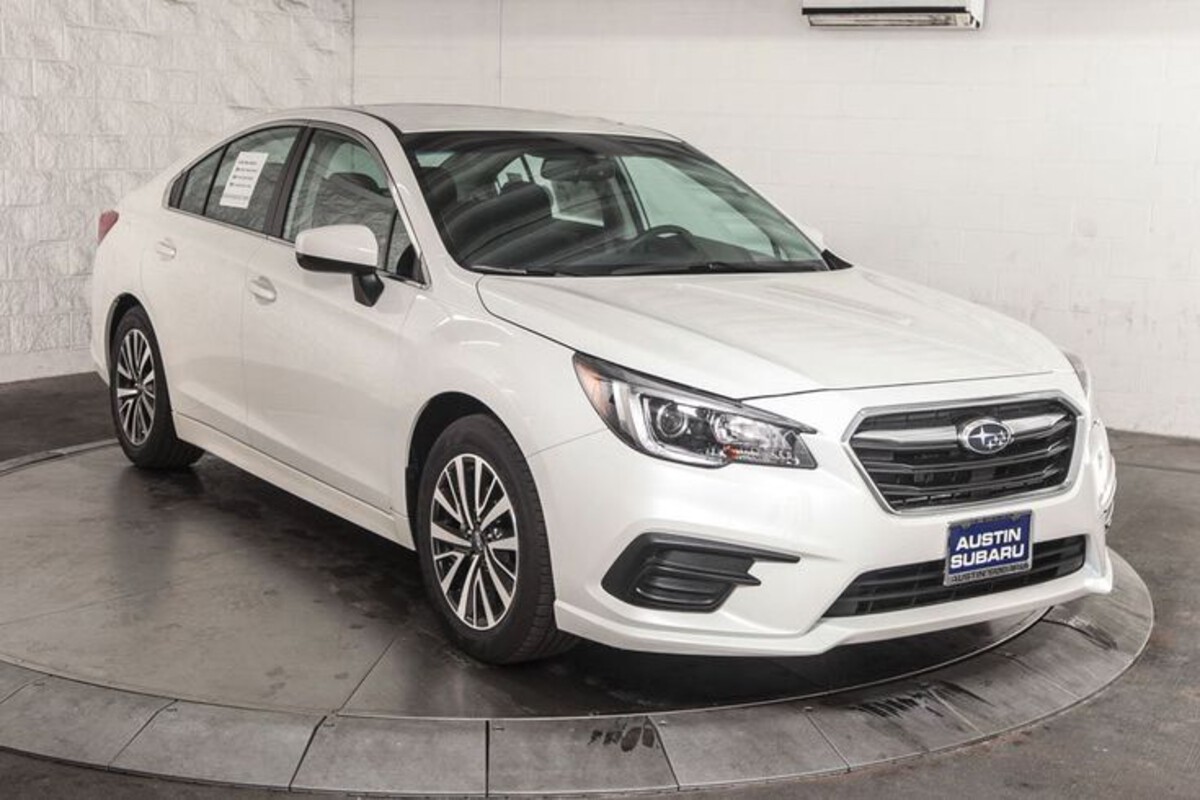
Subaru also incorporated high safety ratings and features like EyeSight driver assist technology, making it as practical as it is reliable.
The CVT used in this generation is smoother and more durable than in earlier models, provided it receives regular maintenance.
While it doesn’t have the flashiness of more expensive rivals, the Legacy makes up for it with consistent performance, minimal repair costs, and low depreciation, making it a favorite among used car buyers.
It may not be the most exciting car on the road, but the 2015–2019 Legacy gets the job done and keeps going. That makes it a rock-solid choice for anyone chasing high mileage on a budget.
4. Subaru Crosstrek (2013–2017) – The Compact Overachiever
The first-generation Subaru Crosstrek (2013–2017) might be compact, but its reliability record is anything but small.
Built on the proven Impreza platform and powered by the updated 2.0L FB20 engine, the Crosstrek escaped the notorious head gasket drama of earlier Subarus.
With robust engineering and improved gasket sealing, it’s one of the most dependable Subarus in the lineup.
Its smaller displacement engine may not deliver blistering speed, but it rewards owners with great fuel economy, fewer moving parts, and a longer lifespan.
Many Crosstrek owners report surpassing 200,000 miles with basic maintenance.
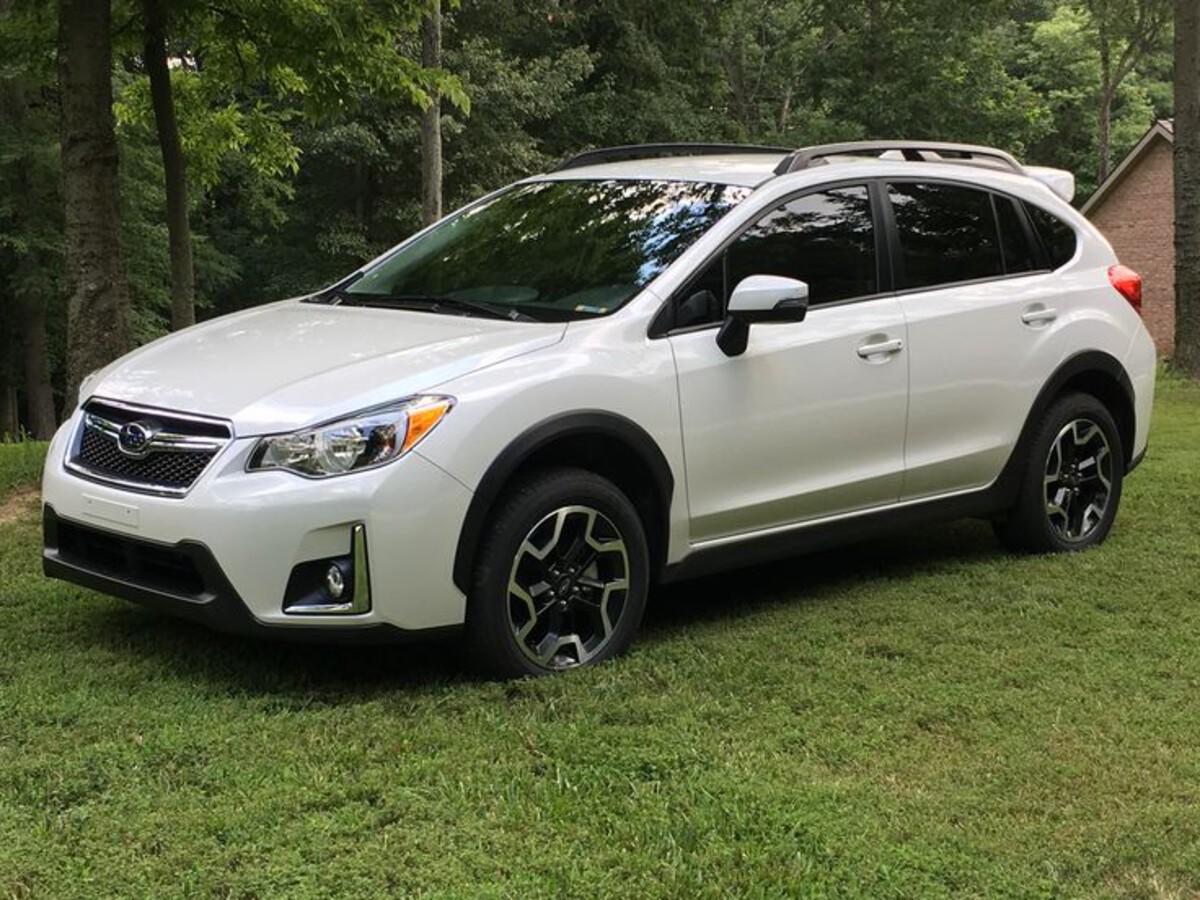
Unlike older models, this one doesn’t chew through oil or blow gaskets prematurely, thanks to Subaru’s updated manufacturing processes.
Add in Subaru’s full-time AWD system, solid ground clearance, and car-like handling, and you’ve got a little SUV that’s just as at home on urban streets as it is on muddy trails.
Plus, the Crosstrek’s youthful styling, compact size, and low maintenance costs have made it especially popular among younger drivers and city dwellers alike.
If you want a reliable Subaru without the baggage of costly repairs, the 2013–2017 Crosstrek is a top-tier choice. With its balance of practicality, efficiency, and legendary AWD durability, it’s a small package with a very long lifespan.
5. Subaru Impreza (2012–2016) – The Underdog That Lasts
The 2012–2016 Subaru Impreza doesn’t always get the spotlight, but it quietly built a reputation for being one of Subaru’s most enduring and affordable models.
Sharing its platform with the Crosstrek, this generation of Impreza introduced the improved FB20 engine, which brought with it better fuel efficiency and more reliable gasket sealing—two major upgrades from previous years.
Available in both sedan and hatchback versions, the Impreza is versatile and roomy for a compact car. It also benefits from Subaru’s symmetrical all-wheel drive system, providing excellent traction in poor weather—a rare feature in this price bracket.
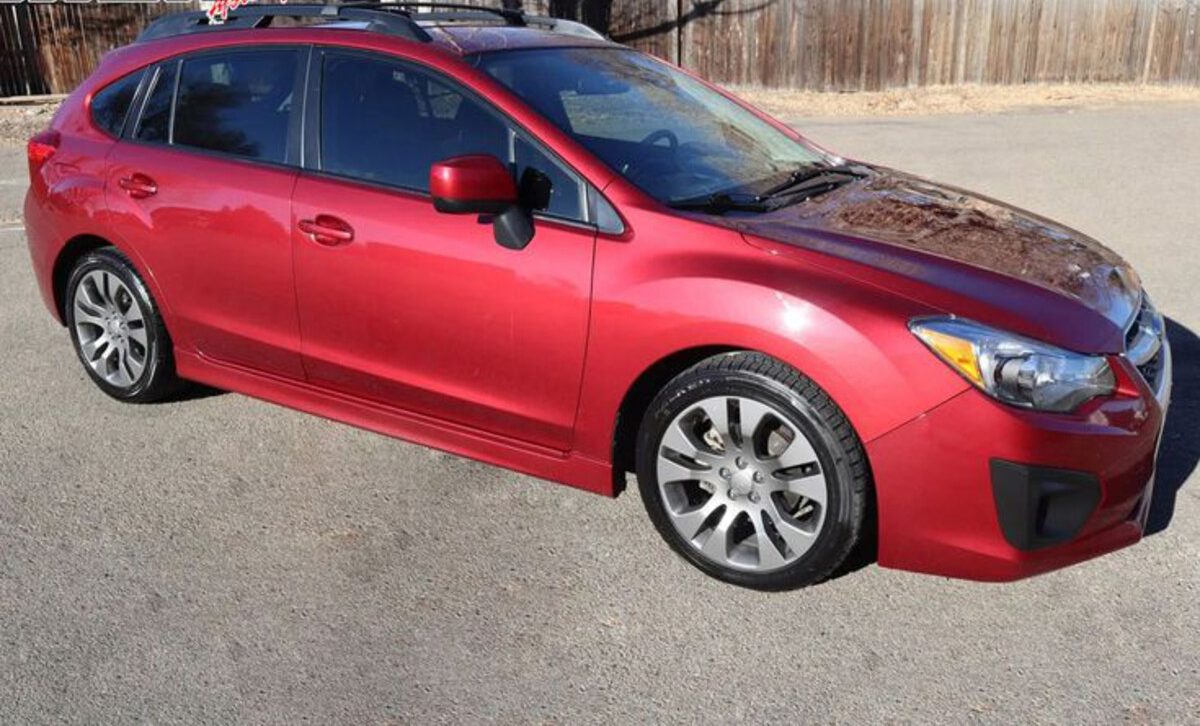
While not flashy, it’s a car designed to last with minimal fuss, and many owners report reaching 200,000 miles and beyond with standard oil and coolant changes.
The CVT in this generation is generally reliable but does best when serviced regularly.
Unlike older EJ-series engines, which suffered from head gasket leaks around 100,000 miles, the FB engine in this Impreza is built to go the distance.
This car is a favorite among budget-conscious buyers, college students, and daily commuters. It’s affordable to buy used, cheap to maintain, and tough enough to tackle rough weather.
If you’re looking for a Subaru that flies under the radar but overachieves on durability, the 2012–2016 Impreza is your pick.
5 Subarus With Notorious Head Gasket Issues
Not all Subarus have aged gracefully. From the mid-90s through the early 2010s, several models developed a nasty reputation for head gasket failure. These failures often occurred well before 100,000 miles and resulted in overheating, oil mixing, or coolant leaks—sometimes all three.
While Subaru eventually improved its gasket materials, these models still haunt used car buyers today. Unless you’re getting a steal or the gaskets have already been replaced, steer clear of these head-gasket-prone models to avoid costly headaches.
ALSO READ: 5 Engines Known for Zero Head Gasket Failures and 5 That Blow Regularly
1. Subaru Outback (2000–2004) – Trouble in the Wilderness
The early 2000s Outback, specifically the 2000–2004 model years, is infamous for head gasket failures.
Equipped with the 2.5L EJ25 engine, these models suffered from external gasket leaks that led to coolant loss, oil seepage, and engine overheating, often around the 100,000-mile mark or even earlier.
Subaru used a multi-layered composite head gasket that deteriorated over time, and the horizontally opposed engine design made the repair labor-intensive and expensive.
While the Outback was otherwise a practical and beloved crossover wagon, the head gasket issue turned ownership into a gamble.
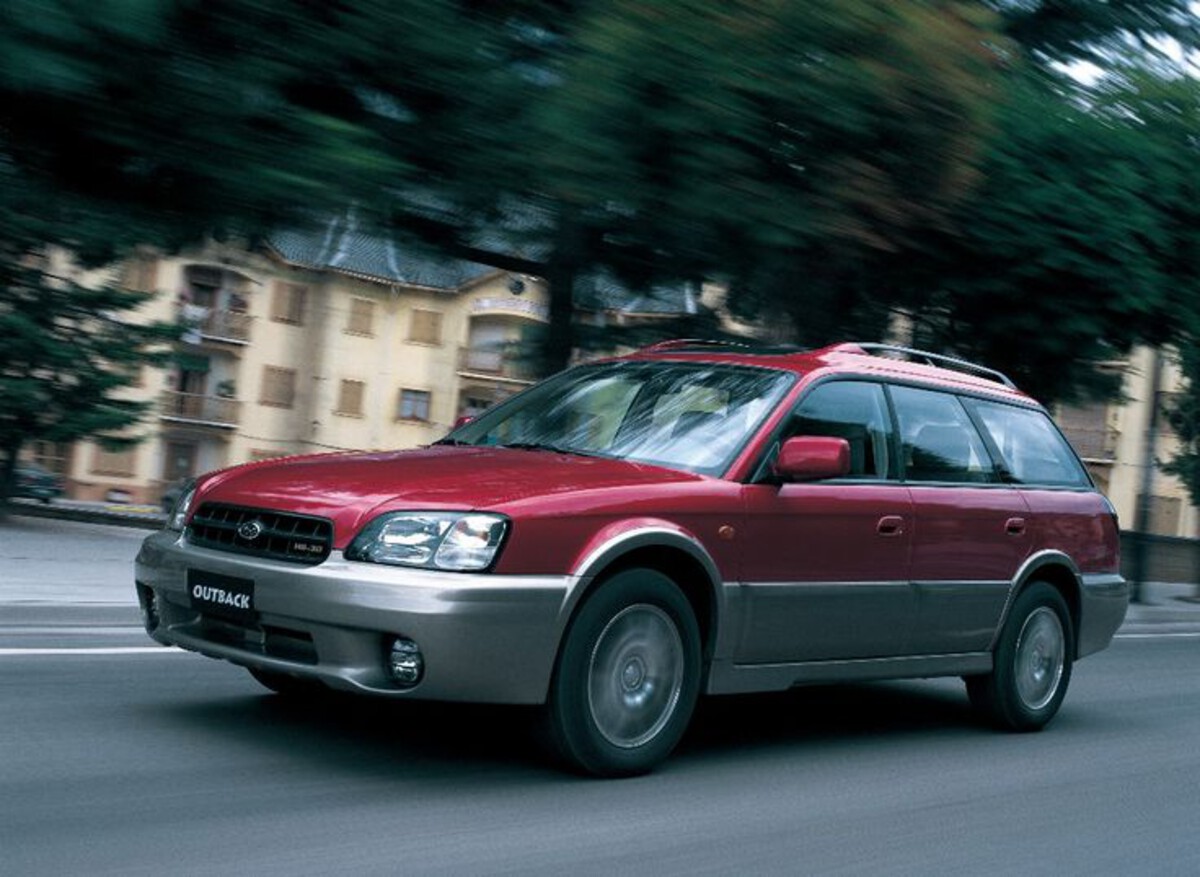
Many owners had to shell out $1,500–$2,000 for repairs or rely on Subaru’s stop-leak coolant additive, which offered only a temporary fix.
Even post-repair, some vehicles experienced repeat failures if the job wasn’t done using updated gaskets and proper torque specs.
Despite having great all-weather capability and roomy interiors, these Outbacks are risky on the used market unless there’s clear documentation showing a recent and professional head gasket replacement.
Even then, other components like the timing belt and water pump might also need attention due to their shared service intervals.
For buyers tempted by its utility and price tag, beware—this generation of Outback may lure you in with Subaru charm, but leave you stranded in the repair shop wilderness if its gasket demons haven’t been exorcised.
2. Subaru Forester (1999–2002) – A Classic with a Cost
The first-generation Subaru Forester (1999–2002) earned plenty of fans with its SUV-like utility in a compact, car-like form.
But under that practical and adventurous exterior lies the notorious EJ25 engine, which makes it one of the most gasket-plagued Subarus of its era.
These early Foresters were prone to internal and external head gasket leaks, particularly around 80,000 to 120,000 miles.
Symptoms ranged from oil in the coolant reservoir to coolant loss and overheating. In some cases, owners didn’t catch the problem until engine damage had already begun.
The design flaw stemmed from inferior gasket materials and uneven thermal expansion in the flat-four layout, leading to sealing issues that resurfaced even after repairs.
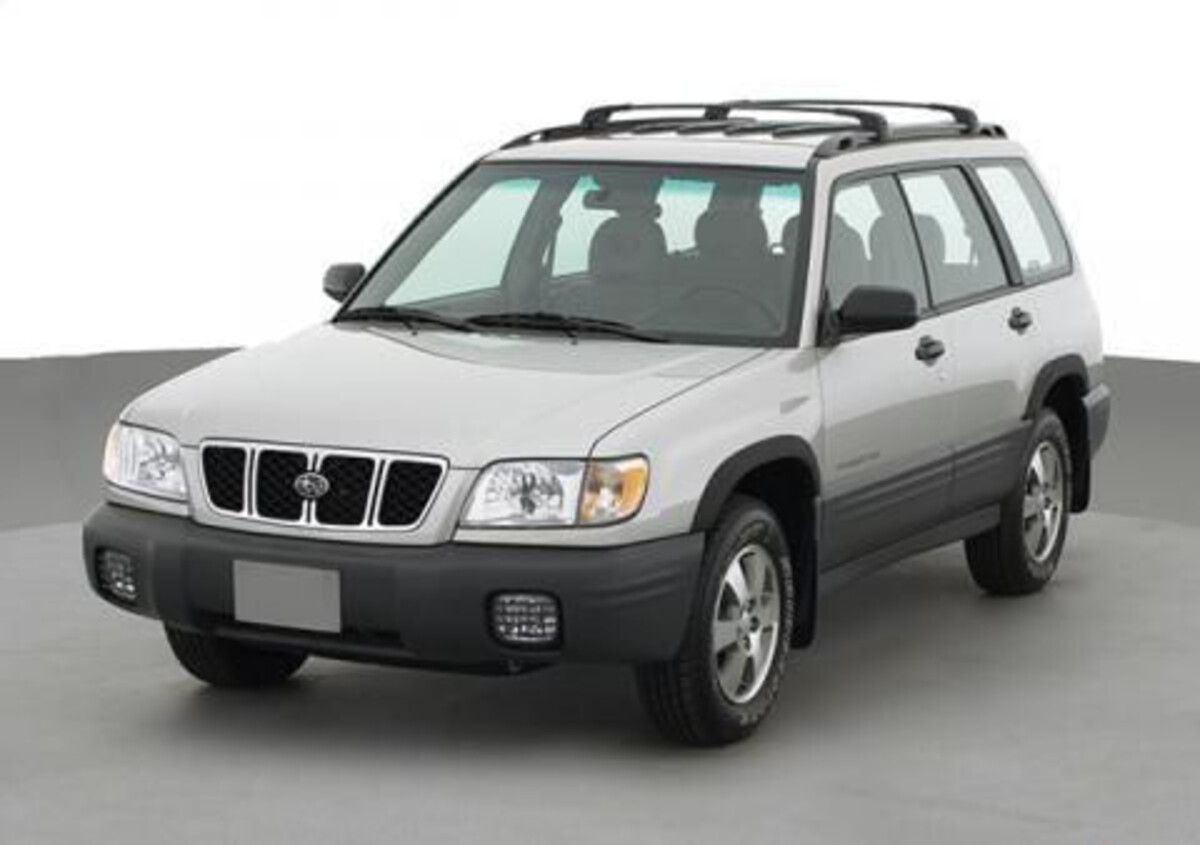
This issue isn’t just expensive—it’s repetitive. Some unlucky owners reported needing the repair twice, especially if the first fix didn’t include upgraded gaskets and thorough machining of the cylinder heads.
Subaru did issue a technical service bulletin recommending the use of their coolant additive, but that did little to truly resolve the underlying flaw.
While the early Forester has great off-road chops and a loyal following, it’s a financial gamble unless the head gaskets were already replaced by a skilled mechanic.
If not, this charming little SUV might cost you more in repairs than it did to buy in the first place.
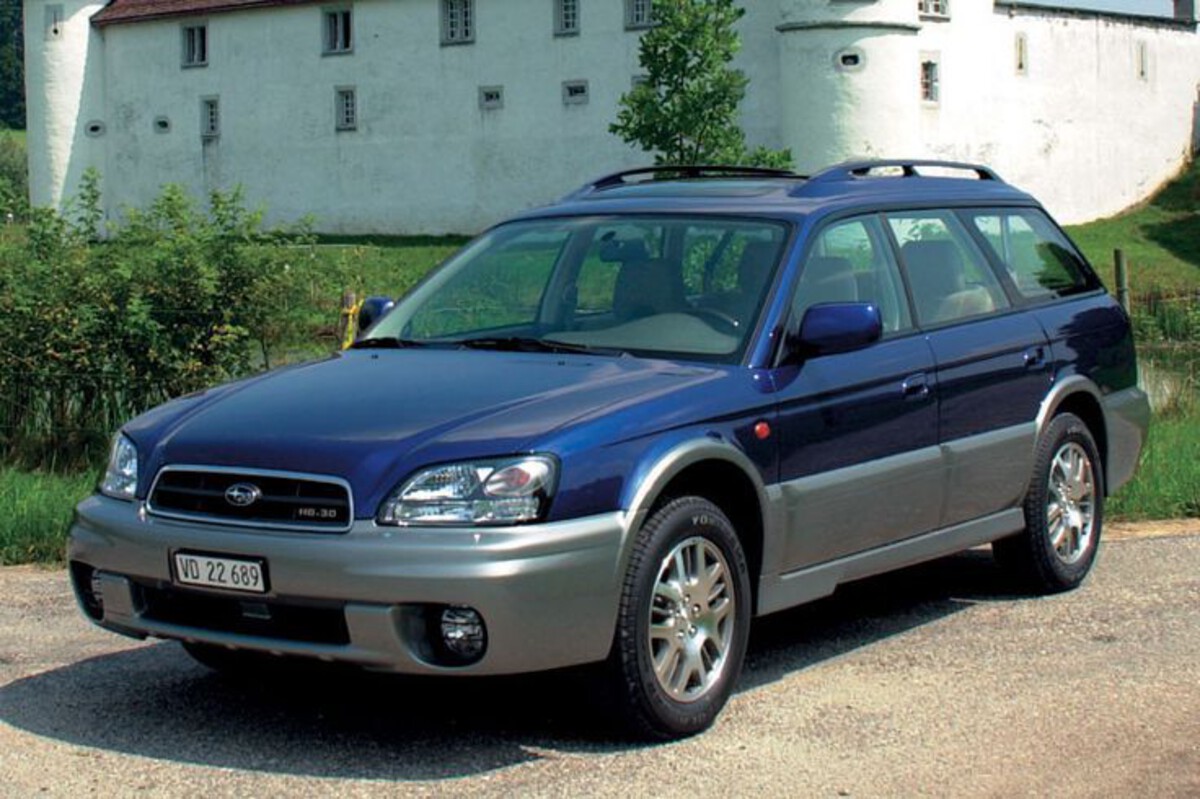
3. Subaru Legacy (1996–1999) – The Boxer Betrayal
The second-generation Subaru Legacy from 1996 to 1999 was one of the early adopters of the 2.5L EJ25 engine, and one of the first to fall victim to its now-legendary head gasket failures.
Despite offering all-wheel drive, roomy interiors, and a relatively modern design for its time, the Legacy’s reliability was seriously undermined by chronic head gasket issues that surfaced as early as 80,000 miles.
The problem stemmed from the same composite gasket materials that failed to hold up under heat cycling.
Coolant leaks and oil seepage were the most common issues, but overheating became a major concern if owners didn’t catch the signs early.
The boxer engine’s flat layout also made repairs particularly expensive, since both cylinder heads require removal to replace gaskets—a job often quoted at over $1,500.
Ironically, the Legacy was supposed to represent Subaru’s move toward more upscale, family-oriented sedans, but this mechanical shortfall severely dented its reputation.
Some owners had repairs done under warranty, but others were left footing the bill for a manufacturing defect that Subaru was slow to acknowledge publicly.
Unless a seller can provide receipts for a recent gasket job using multi-layer steel gaskets, this Legacy is best remembered as a learning experience in Subaru history, not a vehicle to rely on for the next 100,000 miles.
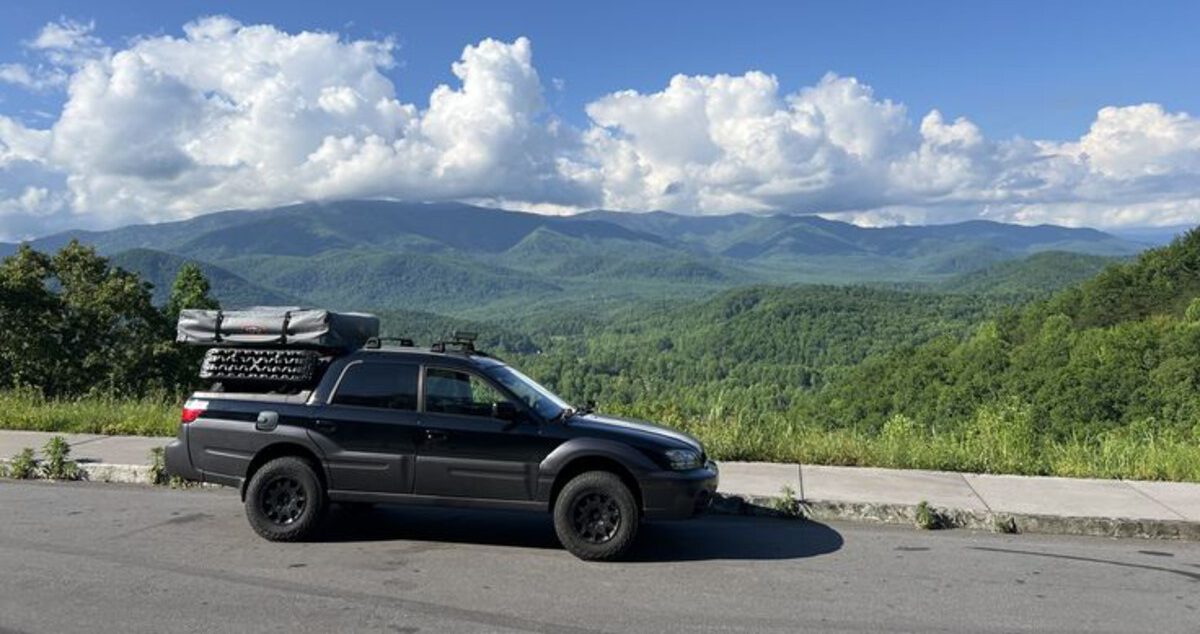
4. Subaru Baja (2003–2006) – Style Over Substance
The Subaru Baja was a quirky blend of sedan, SUV, and pickup—a vehicle designed to defy categorization. But while its styling stood out, its engine fell short.
Sharing the 2.5L EJ25 powerplant with the problematic Outback and Legacy of its time, the Baja inherited all the infamous head gasket issues associated with that engine.
Whether you opted for the naturally aspirated version or the turbocharged Baja Turbo, gasket problems were almost inevitable.
Many owners experienced external coolant and oil leaks, and some even dealt with internal failures that led to overheating and engine damage.
While Subaru eventually issued revised gasket designs, they didn’t come soon enough for many early Baja adopters.
The repair costs were steep, and the issue typically struck around the 100,000-mile mark, which is when many buyers expect reliable, trouble-free performance. Instead, they found themselves shelling out thousands for a known defect.
On top of that, the Baja’s unique body style means parts and trim can be difficult to replace, making repairs even more frustrating.
While the Baja remains a cult classic for its uniqueness and utility, its mechanical track record tells a different story.
Unless you’re buying one that’s been fully overhauled—including head gasket repairs—it’s more of a novelty than a dependable daily driver.
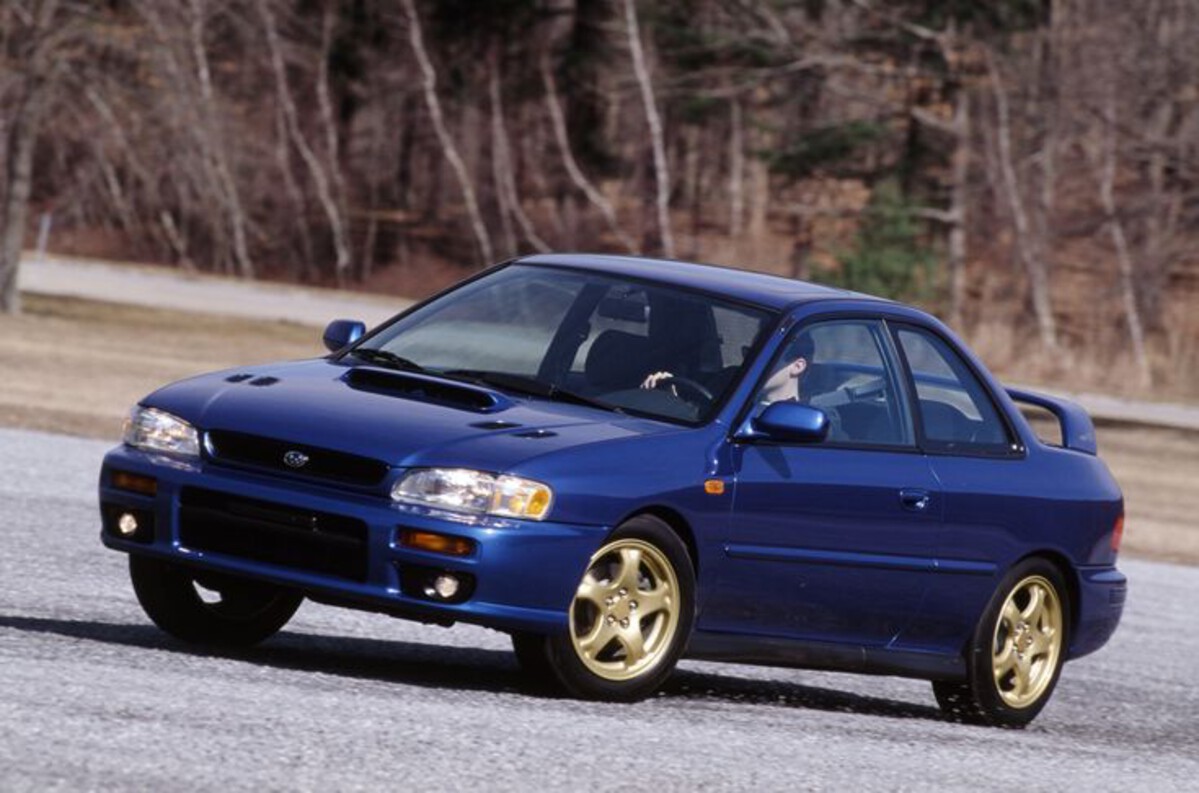
5. Subaru Impreza (1998–2001) – Compact Car, Big Problems
The late ‘90s Impreza may be remembered fondly for its rally heritage and nimble handling, but its 2.5 RS models were cursed with one of the most unreliable engines Subaru ever built.
Using the original EJ25 engine, these Imprezas suffered heavily from head gasket leaks—especially in the 1998–2001 window. For such a compact car, the repair bills were anything but small.
Most issues involved external leaks that would slowly drain coolant or oil, leading to overheating or engine damage if not caught in time.
Subaru’s boxer engine layout made the repair labor-intensive, meaning even a relatively simple head gasket job could easily exceed $1,500. What’s worse, many early fixes used the same flawed gaskets, so the problem returned just a few years later.
Though the Impreza was otherwise a fun and sporty car to drive, especially in 2.5 RS trim, the persistent engine issues severely impacted long-term ownership costs.
Even loyal Subaru fans began looking for alternatives after facing repeated repairs.
If you’re hunting for a used Impreza from this era, be extremely cautious.
Unless the vehicle has had its gaskets replaced with the updated multi-layer steel versions—and has documentation to prove it—you’re looking at a ticking time bomb.
Enthusiasts may still chase these for nostalgia, but practicality says stay away. Subaru’s reputation for durability and all-weather performance is well earned—but it’s not without blemishes.
The models with the FB series engines, such as the 2010+ Outback, 2014+ Forester, and 2015+ Legacy, showcase how far Subaru has come in improving their reliability.
These vehicles regularly clock six-figure mileages with minimal drama, earning their spot as Subarus that “run forever.”
On the flip side, EJ25-powered Subarus from the late ’90s to mid-2000s are a cautionary tale. While they offer classic Subie charm and off-road capability, the head gasket failures alone make them a risky bet without verified repairs.
Repairing one of these engines can cost more than the vehicle is worth, especially when the issue reappears due to improper fixes or low-quality parts.
If you’re in the market for a used Subaru, prioritize models from 2012 onward with FB-series engines. Look for maintenance records, especially for head gasket jobs if you’re considering older models. Subaru has learned from its mistakes—but that doesn’t mean you have to repeat them.
When it comes down to it, the right Subaru can be a lifelong companion. But the wrong one? It can drain your wallet faster than it can climb a mountain trail. Choose wisely.