

When it comes to buying a used car, no opinion holds more weight than that of a seasoned mechanic. These professionals have seen firsthand which cars keep coming back to the shop—and which ones rarely show up at all.
While glossy marketing, low prices, or stylish design may sway some buyers, a mechanic’s experience cuts through the noise to reveal what really matters: reliability, cost of ownership, and how well a vehicle holds up once the miles pile on.
In this guide, we’re diving into both ends of the spectrum: five used cars that mechanics consistently recommend to buyers, and five they often warn people to avoid.
These aren’t based on isolated anecdotes or a few bad reviews—these are models that mechanics have seen hold up well over time, and others that repeatedly leave owners stranded or paying out huge repair bills.
Whether you’re shopping for a budget commuter, a first car for a teenager, or just something that won’t leave you in the lurch, this list can help you steer toward smart, dependable choices—and away from costly mistakes.
Because in the world of used cars, real-world experience matters far more than a shiny exterior or a low sticker price.
Also Read: 5 Cars With Brakes That Last 100k Miles and 5 That Wear Prematurely
5 Used Cars Mechanics Recommend Buying
Not all used cars are created equal, and few people understand that better than mechanics. While many buyers focus on how a car looks or drives during a short test ride, mechanics know which models truly last—and which ones rarely see the inside of a repair shop unless it’s for basic maintenance.
These are the cars that rack up hundreds of thousands of miles, handle abuse without complaint, and come with fewer surprises under the hood.
In this section, we highlight five used cars that mechanics actually recommend to family, friends, and customers.
These vehicles have stood the test of time thanks to simple engineering, high-quality components, and proven drivetrains.
They may not always be the most exciting to drive or the flashiest on the market, but they’re dependable, affordable to maintain, and known for their long lifespans.
We’re writing about these cars not just because they’re reliable, but because they make sense financially. When a used car doesn’t constantly need repairs, you save money—and stress.
These are the models mechanics feel good about endorsing, not because they’re flawless, but because they consistently beat expectations. If you’re shopping for peace of mind, this is where your search should start.
1. Toyota Corolla (2009–2019)
Ask any mechanic to name a no-nonsense, reliable used car recommendation, and odds are high they’ll mention the Toyota Corolla.
The 2009–2019 generation in particular has earned near-universal praise for its dependability, low maintenance costs, and predictable performance. For buyers looking for long-term transportation with minimal risk, this generation of Corolla is hard to beat.
The 1.8L four-cylinder engine is known for being nearly indestructible when properly maintained. It’s not fast or flashy, but it’s incredibly fuel-efficient and simple in design—meaning fewer things can go wrong.
The transmissions, whether automatic or manual, are similarly durable, especially the traditional torque-converter automatics found on earlier models (before CVTs became more common around 2014–2015).
We’re including the Corolla because it represents exactly what most used car buyers want: peace of mind. Mechanics love it because they rarely see them for anything other than oil changes, brakes, or worn-out tires. Parts are cheap, reliability is high, and resale values remain solid.
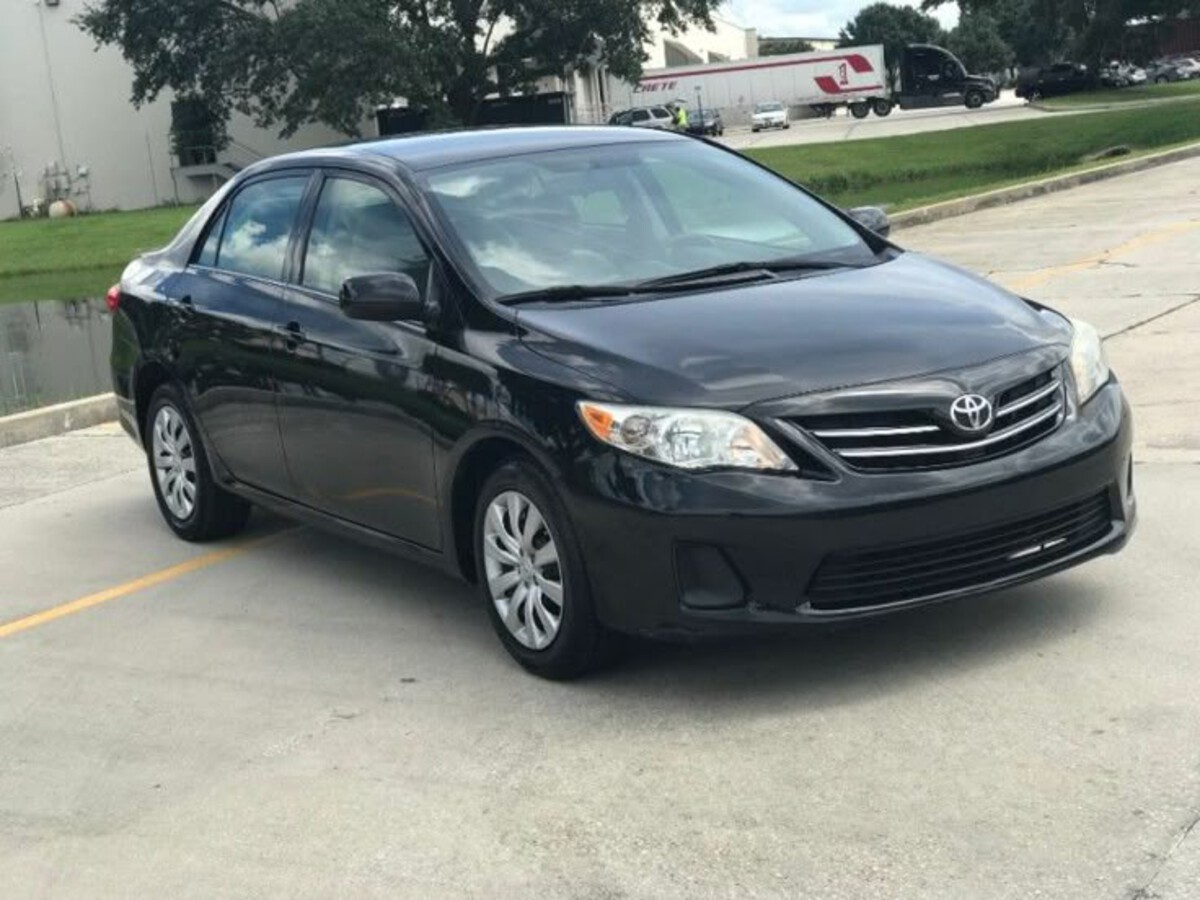
This generation also offers decent safety features, a comfortable ride, and surprising interior space for a compact sedan. Whether you’re a first-time buyer, a college student, or someone downsizing from a larger vehicle, the Corolla is a sensible and proven choice.
If you want a used car that simply works—with no drama or hidden repair bills—the Toyota Corolla remains one of the most mechanic-approved vehicles on the road.
2. Honda Civic (2012–2019)
Few used cars inspire as much long-term confidence as the Honda Civic, especially models from 2012 to 2019.
Known for combining bulletproof reliability with good fuel economy and solid resale value, this generation of Civic is a mechanic’s favorite—and a practical pick for anyone wanting dependable transportation without the constant worry of repairs.
The 1.8L i-VTEC engine (used in many trims from 2012–2015) is widely regarded as one of Honda’s most durable. Later models, including the 2.0L non-turbo engine in the base 2016–2019 Civics, also prove to be tough, low-maintenance powerplants.
Honda’s engineering favors simplicity and ease of access, which means mechanics find these cars easier and cheaper to service. Timing chains instead of belts, long-lasting brakes, and strong cooling systems all contribute to the Civic’s long road life.
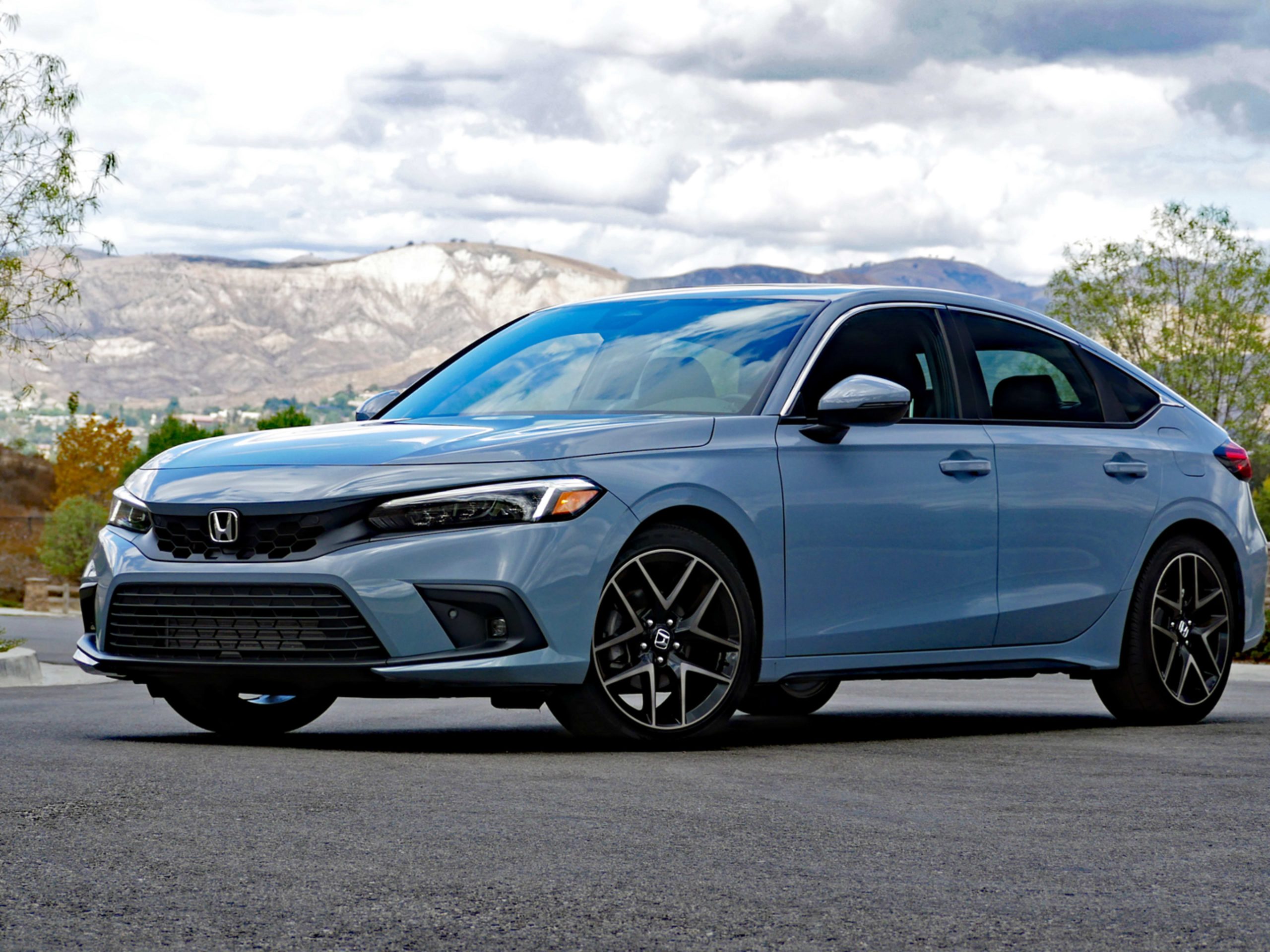
We’re highlighting the Civic because it’s a rare blend of reliability and daily comfort. Unlike some economy cars, the Civic offers sharp handling, a refined ride, and higher-quality interior materials. Mechanics appreciate that even higher-mileage examples (over 150K) often don’t need major work.
While the CVT automatic introduced in later years can be a weak spot if neglected, it’s generally trouble-free when serviced on schedule. Manual transmission models are even more reliable.
From a mechanic’s perspective, the Civic is one of those cars you buy and forget about—because it just keeps going. For those wanting something with a little style, a lot of substance, and a minimal repair record, the Civic is a smart buy every time.
3. Lexus ES 350 (2007–2015)
If you’re looking for a used car with luxury comfort and rock-solid reliability, mechanics will often steer you toward the Lexus ES 350, especially the 2007–2015 generation.
Underneath its upscale badge and plush cabin lies the heart of a Toyota Camry—a combination that delivers a refined driving experience without sacrificing dependability.
The ES 350 features Toyota’s proven 3.5L V6 engine (2GR-FE), one of the most respected V6s in the business. Known for its smooth performance, quiet operation, and long-term durability, this engine can routinely hit 250,000–300,000 miles with only basic maintenance.
The 6-speed automatic transmission during these years is also remarkably dependable, shifting cleanly and rarely failing when serviced on time.
We’re including the ES 350 because it offers the best of both worlds. Mechanics love it because it’s essentially a luxury Camry—easy to work on, cheap to maintain compared to German rivals, and rarely in the shop for anything major. Owners benefit from a comfortable, quiet ride, top-tier build quality, and long-lasting components.
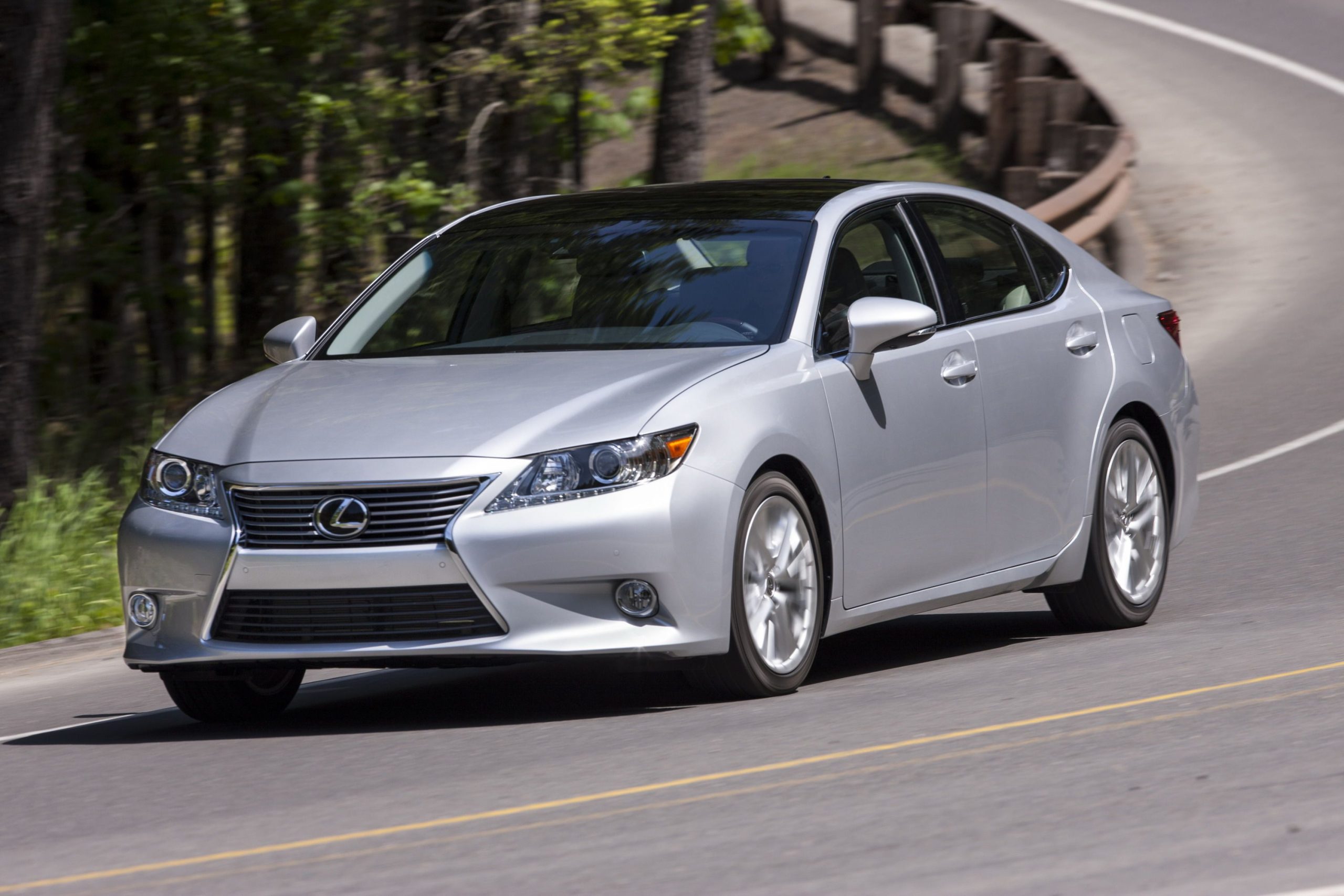
It’s not a car that screams excitement, but it excels at long-term value. Leather interiors stay in great shape, electronics are reliable, and the car rides like a dream even after 100,000+ miles.
If you want a used car that feels like a premium vehicle without the premium headaches, the Lexus ES 350 is one of the most mechanic-approved luxury choices. It’s the car mechanics would tell their own family members to buy—and they often do.
4. Toyota Camry (2012–2017)
When mechanics talk about cars that “just don’t break,” the Toyota Camry inevitably comes up—particularly the 2012–2017 generation.
These models combine time-tested engineering, accessible maintenance, and excellent reliability, making the Camry one of the safest bets in the used car market. It’s not flashy, but it’s built to last, and that’s exactly why mechanics respect it.
The standout engine in this generation is the 2.5L four-cylinder (2AR-FE), renowned for its simplicity, longevity, and efficiency.
It’s a chain-driven engine that rarely suffers from internal issues, and when paired with the conventional 6-speed automatic transmission, the powertrain is nearly bulletproof. Even the available 3.5L V6 (also used in the Lexus ES 350) is a strong performer with excellent reliability.
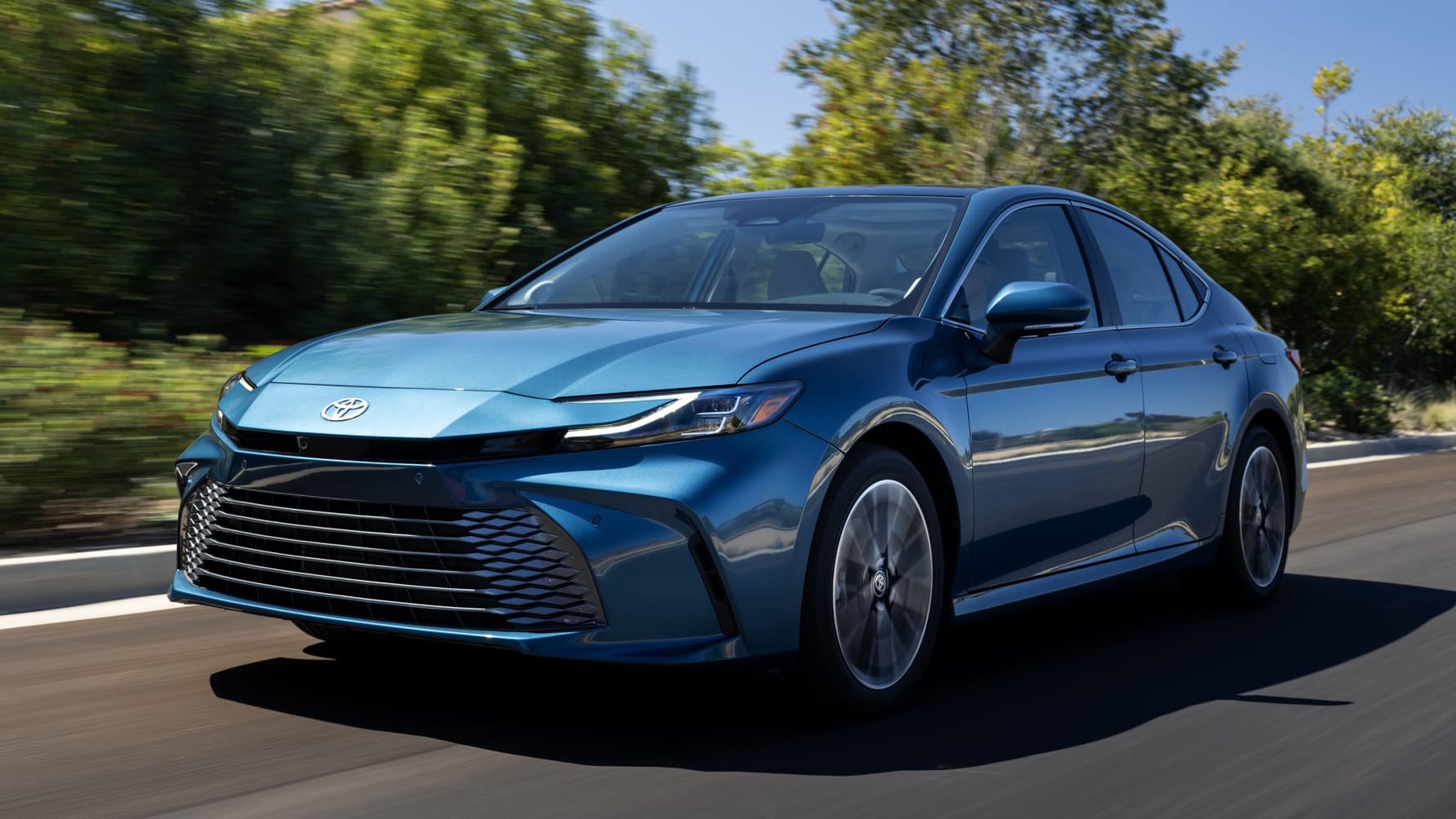
We’re highlighting the Camry here because it checks every box a mechanic looks for in a used car: affordable parts, ease of repair, few major recalls, and a proven history of surviving well past 200,000 miles. Brake jobs, suspension work, and timing chain tension are simple tasks, and even high-mileage Camrys retain good drivability.
Interior wear is minimal compared to competitors, and the car’s electronics—like power seats, infotainment, and climate controls—age gracefully. Plus, fuel economy is excellent, with the four-cylinder models routinely hitting 30+ mpg.
If you’re looking for a comfortable, low-drama sedan that mechanics consistently recommend for its ability to go the distance without draining your wallet, the 2012–2017 Camry is a top-tier choice. It’s a car that does exactly what it promises: it works—and keeps working.
5. Mazda3 (2014–2018)
The Mazda3 isn’t just a favorite among driving enthusiasts—it’s also become a respected pick among mechanics for being one of the most reliable and low-maintenance compact cars of the past decade.
The 2014–2018 generation, in particular, strikes a sweet spot between engaging performance, modern styling, and long-term dependability, making it an excellent used car choice.
Powered by Mazda’s SKYACTIV 2.0L or 2.5L four-cylinder engines, the Mazda3 delivers impressive fuel economy (up to 40 mpg highway in some trims) while maintaining a responsive and sporty feel.
These engines, paired with Mazda’s well-tuned automatic and manual transmissions, are surprisingly robust. Mechanics appreciate the lack of turbocharging and overly complex tech—keeping things simple without sacrificing performance or efficiency.
We’re featuring the Mazda3 because it proves you don’t need to sacrifice fun to get reliability. It’s a car that mechanics rarely see for major issues.
Common maintenance like oil changes, brake pads, and filters are easy and inexpensive, and the engine bay is accessible for routine work. Even at higher mileages, these cars often drive tight and solid, a testament to Mazda’s build quality.
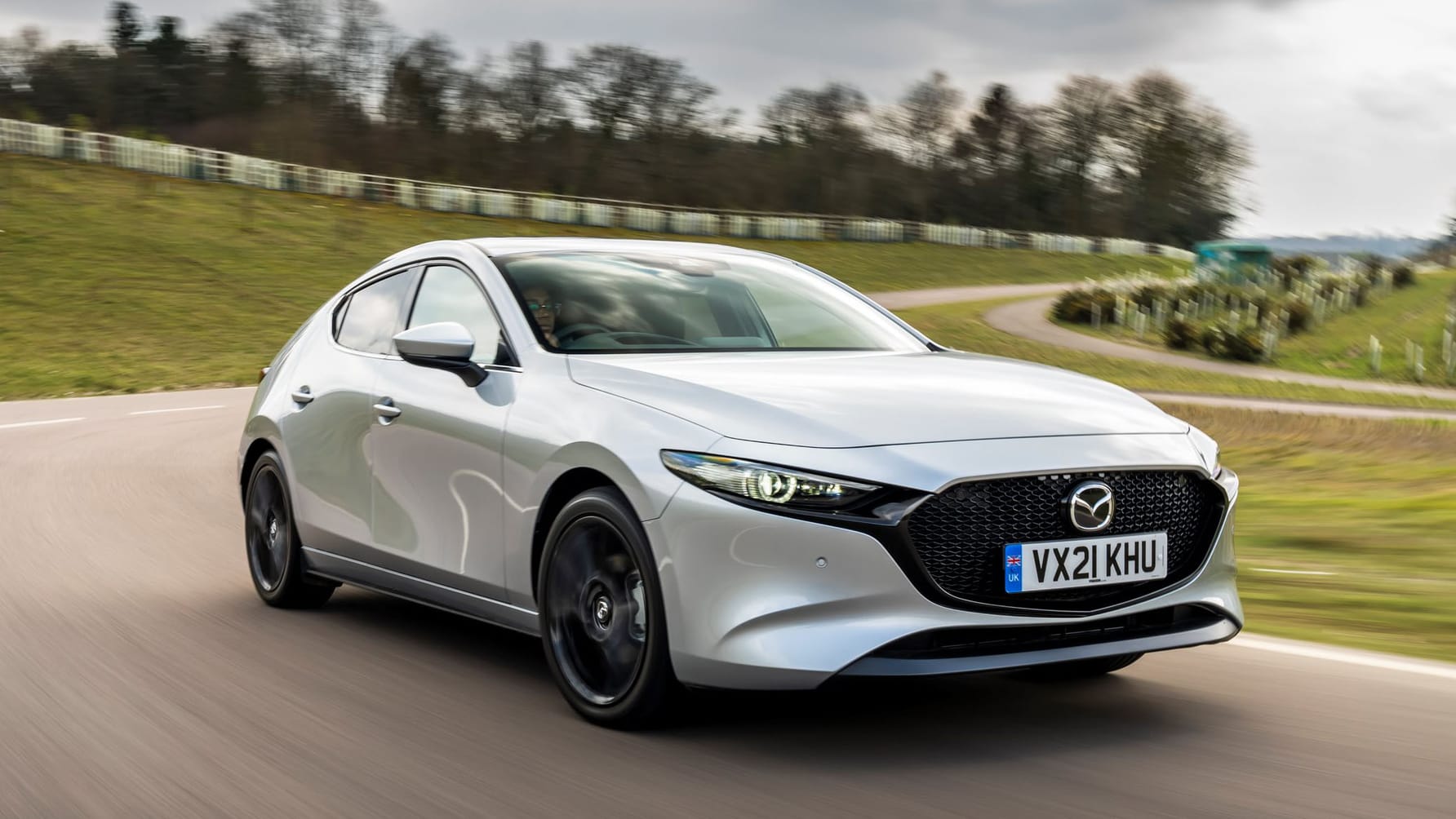
Interior materials age well, infotainment systems are intuitive, and body rust is minimal compared to earlier Mazda models. For city driving, highway commuting, or a first car that doesn’t feel basic, the Mazda3 stands out.
Mechanics often recommend it to buyers who want a reliable, efficient, and enjoyable daily driver—without entering the boring zone. It’s dependable transportation that still manages to put a smile on your face.
5 Used Cars Mechanics Warn You to Avoid
While some used cars earn praise for their longevity and reliability, others are infamous in repair shops for doing the exact opposite. These are the vehicles that mechanics dread seeing roll in—not because they’re hard to fix, but because they’re in the shop far too often.
Whether it’s due to poor engineering, unreliable drivetrains, or parts that wear out faster than they should, certain cars are simply not worth the long-term headache.
In this section, we cover five used cars that mechanics frequently caution buyers against. These vehicles may seem like bargains at first—offering flashy features, stylish design, or low prices—but they often come with hidden costs.
Expensive repairs, recurring issues, and subpar components can quickly erase any initial savings. Worse, some of these models have problems that show up well before 100,000 miles.
We’re writing about these cars not to shame owners, but to help shoppers make informed decisions. Buying used doesn’t have to be a gamble, and avoiding the models known for trouble is a smart first step.
These are the cars mechanics would skip—even if the deal seemed tempting—and they’re exactly the ones you should think twice about before driving off the lot.
1. BMW 3 Series (2006–2013, E90 Generation)
The BMW 3 Series is often seen as the ultimate entry-level luxury sedan, especially the E90 generation (2006–2013). But ask any independent mechanic, and you’ll likely hear a different story.
Despite offering engaging performance and premium features, this generation of the 3 Series is known for long-term ownership nightmares—and mechanics frequently urge buyers to steer clear of higher-mileage examples.
The most problematic models are those equipped with the N52 or turbocharged N54/N55 engines. These engines are plagued with recurring issues like leaking valve cover gaskets, failing water pumps, and malfunctioning VANOS solenoids.
High-pressure fuel pumps, turbo wastegate rattle, and carbon build-up are also common. These repairs are not only expensive, but they often occur earlier than expected—sometimes before 80,000 miles.
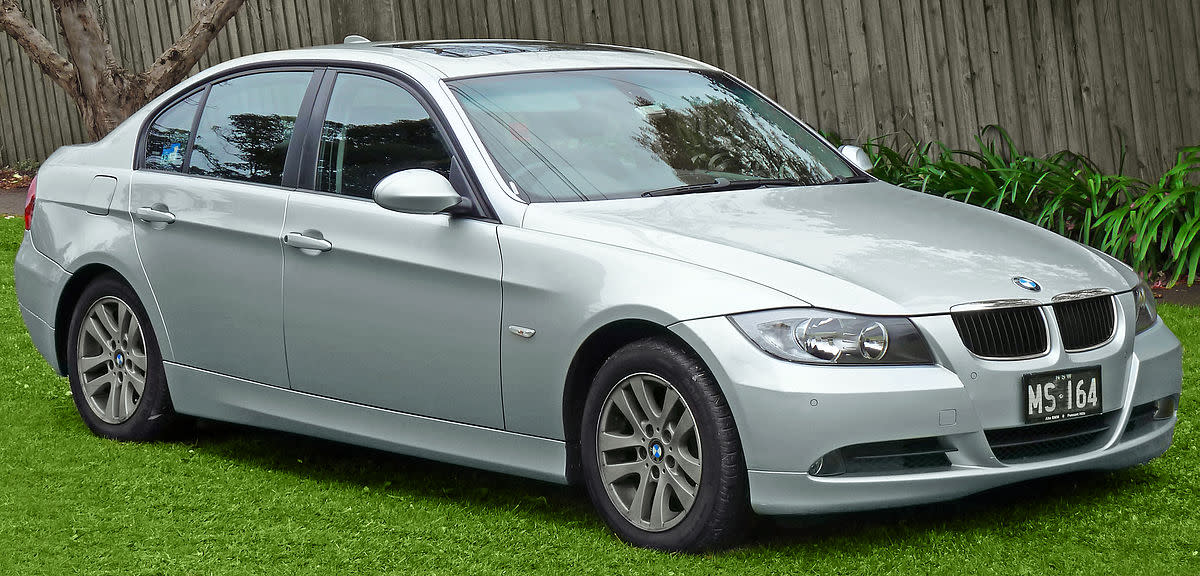
We’re including the E90 here because it’s a textbook case of a car that drives wonderfully but punishes owners over time.
Electrical gremlins are also common, affecting window regulators, central locking, and dashboard components. Even basic maintenance like oil changes and brakes is far costlier than on non-luxury brands.
Mechanics often see these cars come in for major repairs well before they reach 150,000 miles—and many end up parked or sold off because owners can’t justify the cost of keeping them running.
If you want a used luxury sedan, there are better options. The E90 3 Series may deliver on performance and brand appeal, but under the hood, it’s a minefield that mechanics have learned to avoid.
2. Mini Cooper (2007–2015)
Few cars blend personality and charm like the Mini Cooper, especially second-generation models from 2007 to 2015.
With their retro styling, go-kart-like handling, and upscale interiors, these cars attract plenty of buyers looking for a fun, premium compact car. But ask a mechanic, and you’ll quickly learn: these Minis are cute—and catastrophically unreliable.
The most notorious issues stem from the turbocharged 1.6L engine (used in Cooper S and JCW models), which suffers from a host of serious problems.
Carbon buildup, timing chain tensioner failures, water pump leaks, and thermostat housing cracks are all common. Worse, many of these issues appear before 80,000 miles, often leading to expensive repairs that can exceed the car’s resale value.
We’re including the Mini Cooper here because it’s a classic case of a high-maintenance car hiding behind a fun-loving image.
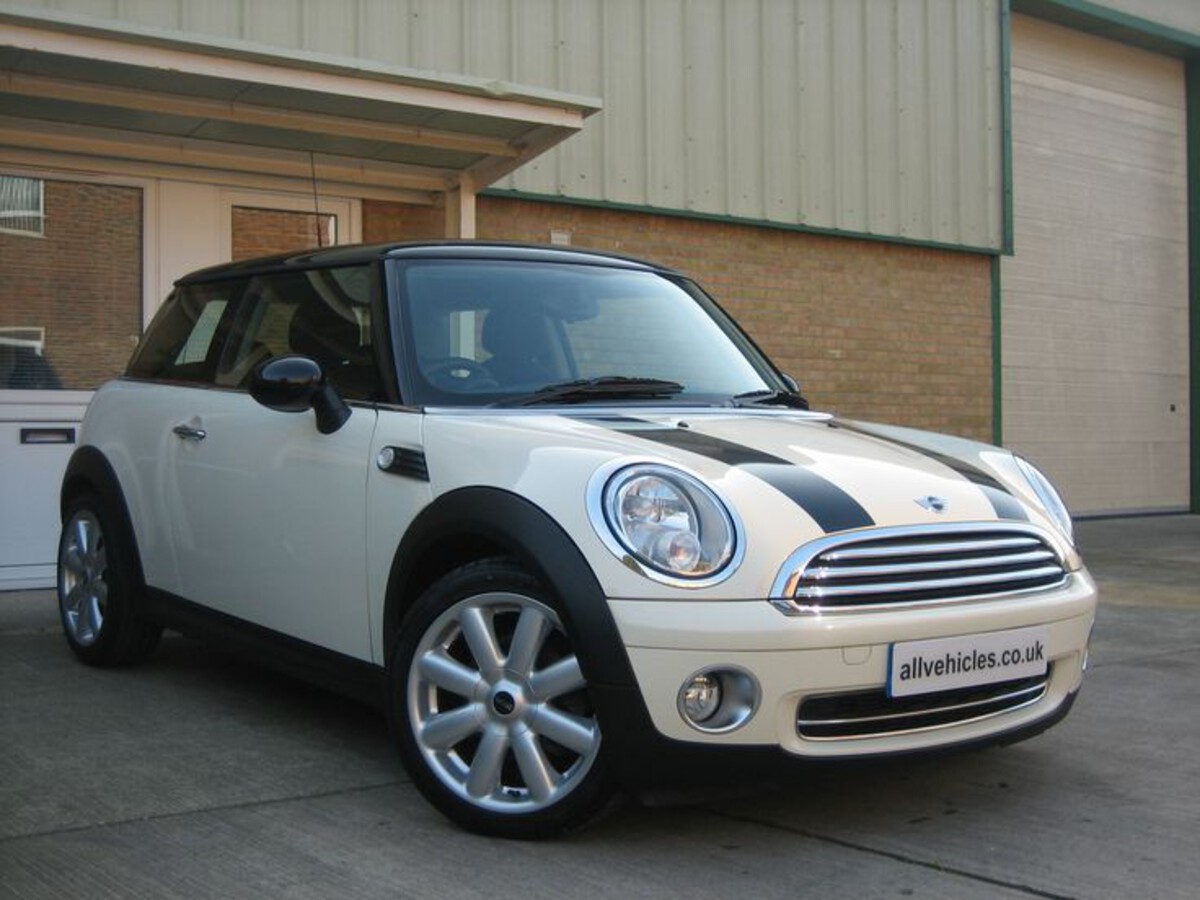
Transmission issues (especially with the CVT automatics in earlier base models) and failing clutches in manuals only add to the long-term headaches. Even electrical problems—from power locks to infotainment bugs—are common.
Mechanics regularly warn buyers away from used Minis unless they’re hobbyists willing to wrench themselves or budget for costly shop visits. These cars are complex, tightly packaged, and difficult to work on—making labor-intensive repairs even pricier.
While a Mini might feel like a bargain on the used market, that low price often comes at a high cost in time, frustration, and parts. It may win your heart on a test drive, but according to mechanics, your wallet will regret it soon after.
3. Dodge Avenger (2008–2014)
On the surface, the Dodge Avenger from 2008 to 2014 offers a tempting package: aggressive styling, roomy interiors, and a low price tag on the used market. But talk to any experienced mechanic, and you’ll hear a chorus of the same advice—avoid it.
Despite its muscle-car looks, the Avenger consistently ranks among the most problematic midsize sedans from its era.
One of the key issues is under the hood. The base 2.4L four-cylinder “World Engine” is prone to oil consumption, overheating, and early head gasket failure.
The optional 2.7L V6 fared worse, with sludge buildup issues that could kill the engine outright before 100,000 miles. Even the more reliable 3.6L Pentastar V6 wasn’t immune, suffering from rocker arm ticking and electronic throttle problems.
We’re highlighting the Avenger here because it’s a mechanic’s nightmare in terms of both frequency and variety of repairs.
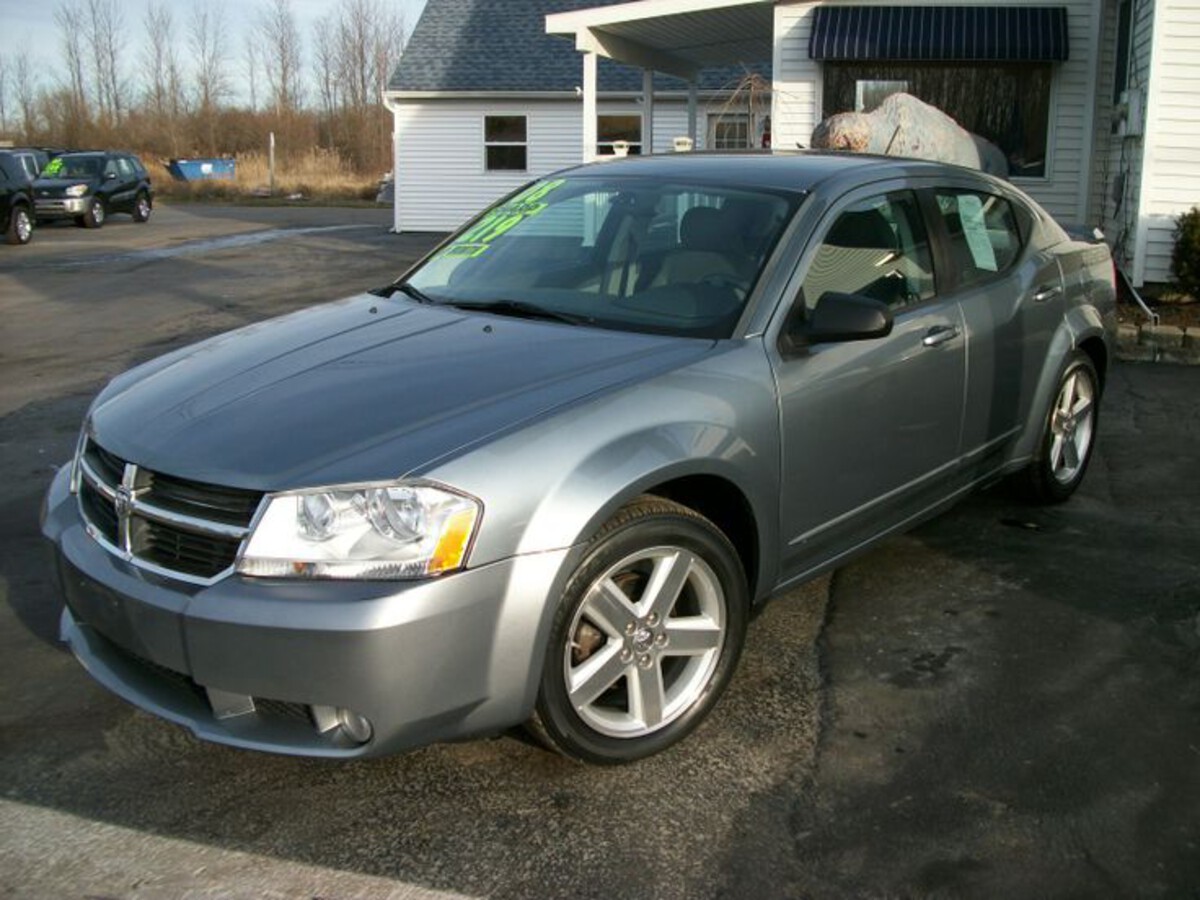
Transmission problems (especially rough shifting and early failure in 4-speed autos), weak suspension components, and subpar interior quality round out the list of complaints. Many of these cars begin to fall apart well before they reach the 150,000-mile mark.
Mechanics often describe the Avenger as a car that “wasn’t built to last.” Even basic repairs like alternator or water pump replacements can become unnecessarily labor-intensive. It’s not just a matter of cost—it’s the consistent pattern of failure that makes the Avenger such a risky buy.
If you’re shopping for a dependable, affordable used sedan, there are far better choices. The Avenger might look bold, but underneath, it’s all trouble.
4. Fiat 500 (2012–2017)
The Fiat 500 was introduced to the U.S. market with quirky Italian charm, compact city-friendly dimensions, and a retro design that stood out from the crowd.
But beneath the cute styling and playful advertising was a vehicle that quickly became a frequent flyer at repair shops. For mechanics, the Fiat 500—especially models from 2012 to 2017—has become shorthand for “avoid at all costs.”
The biggest issue lies in build quality and reliability across the board. The 1.4L MultiAir engine suffers from oil leaks, valve actuator issues, and frequent check engine lights. While it’s small and fuel-efficient, it’s also finicky and not built for long-term durability.
The automatic transmission—particularly the dual-clutch automatic in the 500L—is notorious for hard shifts, hesitation, and early failure. Even manual models aren’t immune to clutch problems.
We’re including the Fiat 500 because it consistently lands at the bottom of reliability rankings and generates frustration for mechanics and owners alike.
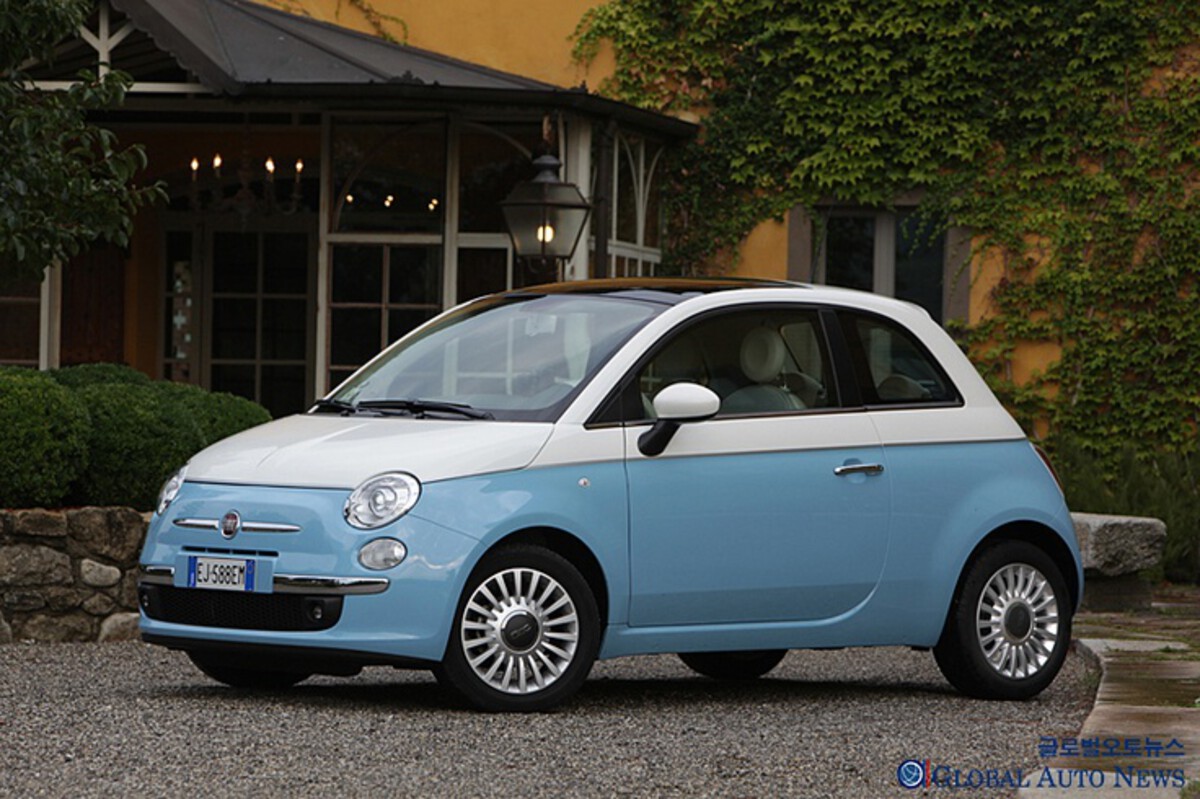
Interior trim falls apart quickly, electrical systems glitch frequently, and suspension components wear out well before they should. Worse still, parts can be hard to find and labor-intensive to install, leading to higher repair bills.
While the Fiat 500 might seem like a fun and affordable used option, mechanics often describe it as a car that was never meant to age gracefully. Many shops even decline working on them due to inconsistent parts availability and design quirks.
If you want a city car with personality and dependability, this isn’t it. The Fiat 500 is charming—but costly in the long run.
5. Chevrolet Cruze (2011–2016)
The Chevrolet Cruze was designed to be a global compact sedan for GM—a stylish, efficient alternative to rivals like the Civic and Corolla.
But the 2011–2016 models in particular have earned a poor reputation with mechanics due to a long list of reliability concerns and premature failures. While it may look like a smart used buy on the surface, the Cruze is often anything but behind the scenes.
The main culprit? The 1.4L turbocharged engine. This powerplant is notorious for coolant leaks, overheating, blown head gaskets, and failed water pumps. Many of these issues can appear as early as 60,000 to 80,000 miles.
Even more troubling is the faulty thermostat housing and plastic coolant system components, which are frequent failure points. Mechanics often describe the Cruze as a “cooling system disaster.”
Transmission troubles, particularly with the 6-speed automatic, only add to the headaches. Hard shifting and early failures aren’t uncommon, and replacement costs can be steep. Add in poor interior build quality, rapid depreciation, and costly electrical problems, and you’ve got a car mechanics regularly caution against.
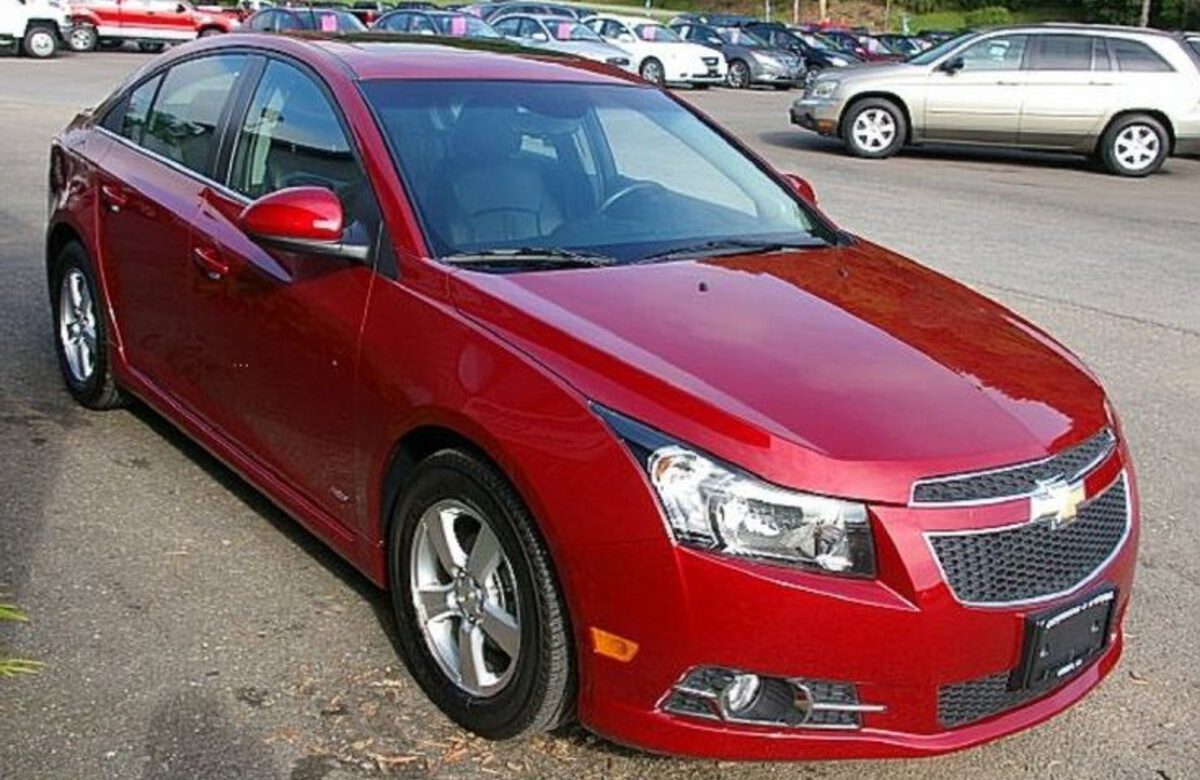
We’re including the Cruze here not just because of one issue, but because of how many small problems add up quickly. Turbo failures, oil leaks, and check engine lights become routine. For mechanics, it’s a car that generates return visits—for all the wrong reasons.
While newer Cruze models improved somewhat, the early years were a mess. For used car buyers hoping to avoid major repairs, the 2011–2016 Cruze is a gamble mechanics suggest you skip.
Also Read: 5 Cars With Bulletproof Electrical Systems vs 5 Known for Electrical Gremlins
