When it comes to pickup trucks, few traits matter more to owners than durability and dependability—especially once the odometer starts climbing.
While most vehicles start to show serious wear past 150,000 miles, some trucks seem to get better with age, going well past 300,000 miles with minimal issues.
These are the workhorses that become legends: tough frames, bulletproof drivetrains, and the kind of engineering that earns loyalty over generations.
Whether used on ranches, job sites, or for towing cross-country, these high-mileage heroes continue to prove their worth long after others have been junked.
On the flip side, not all trucks are built to last. Some look the part—rugged styling, big engines, and bold marketing—but behind the wheel, their components fail to keep pace.
Transmission problems, rust-prone bodies, and electronic failures can bring a truck to its knees long before it hits 200,000 miles, let alone 300K.
Buyers often find themselves pouring money into repairs or selling prematurely, disillusioned by a vehicle that didn’t live up to its promises.
This list dives into both ends of the spectrum: five trucks that reliably make it past 300,000 miles, and five that tend to disappoint long before then. Reliability isn’t a gamble—it’s a pattern.
There’s something special about a truck that just won’t quit. The ones that keep starting up every morning after 15 years of hauling, towing, and enduring harsh weather are often more than just vehicles—they’re trusted partners.
These trucks have proven time and again that high mileage doesn’t have to mean high risk. With strong mechanical components, simple electronics, and easy maintenance, some models just seem destined for long lives on the road.
In this section, we highlight five of the most respected high-mileage performers in the truck world—trucks that routinely cross the 300,000-mile mark without needing an engine rebuild or transmission replacement.
These are models known for robust powertrains, rust resistance, and cost-effective upkeep. Many are beloved in commercial fleets, farm work, or as daily drivers in remote areas, where dependability isn’t optional.
We’re writing about these trucks not just because of their mileage milestones, but because they’ve earned reputations in the real world.
If you’re shopping for a used truck or thinking long-term about your current one, this list showcases what automotive longevity truly looks like. These aren’t marketing myths—they’re mile-eating machines, backed by years of road-tested trust.
1. Toyota Tundra (2000–2017)
If there’s one full-size pickup that has redefined the concept of bulletproof reliability, it’s the Toyota Tundra—particularly the 2000–2017 generation.
This truck is legendary for hitting 300,000 miles and beyond with minimal drama, and there are countless examples still on the road with odometers nearing or surpassing half a million.
The secret lies in its overbuilt design. The 4.7L and later the 5.7L V8 engines are smooth, powerful, and almost impossible to kill with regular maintenance.
Owners routinely report trouble-free experiences even after two decades, with original engines and transmissions still performing. The truck’s 6-speed automatic is equally robust, and the rear differentials rarely give trouble.
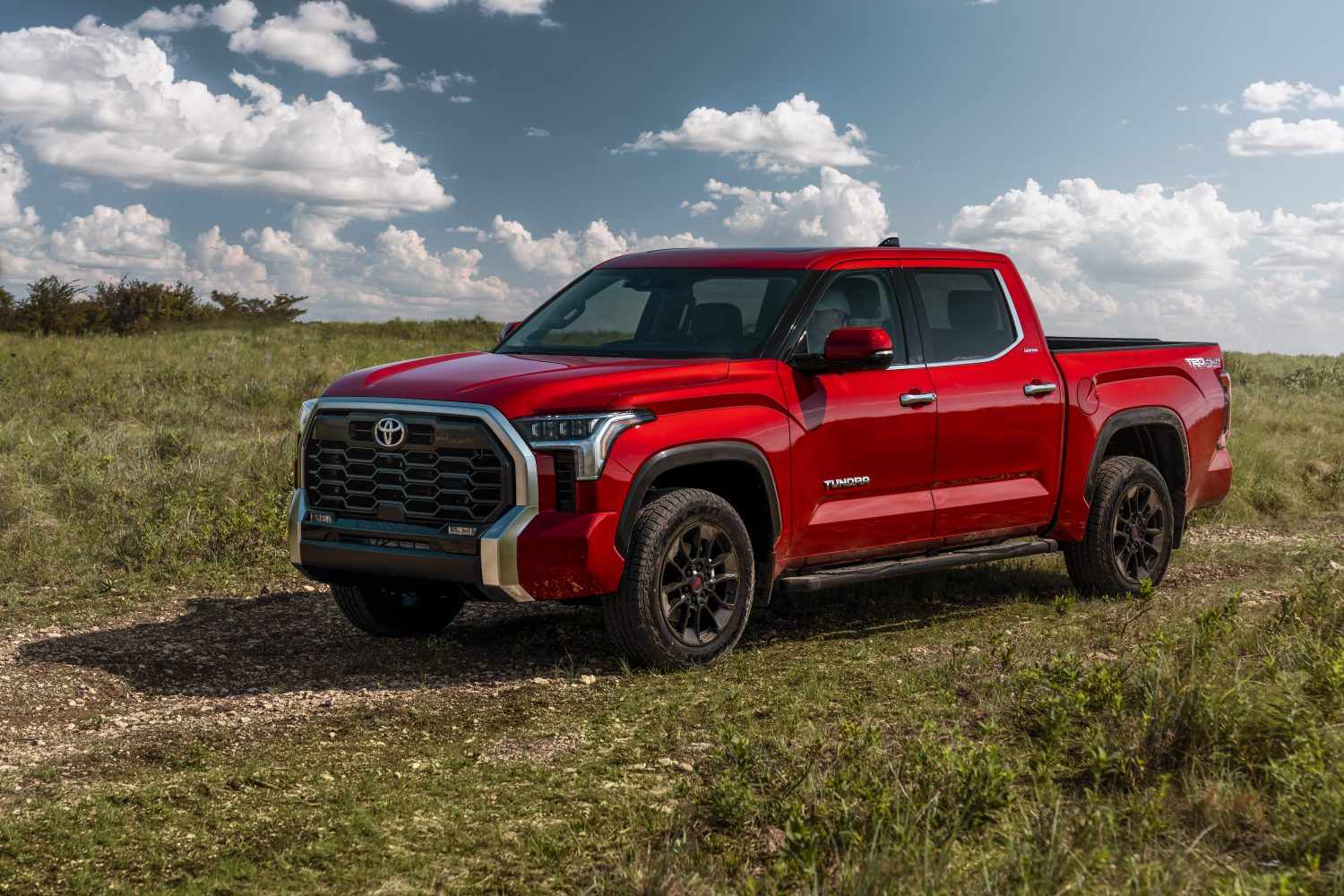
Toyota Tundra 2022
Why are we spotlighting the Tundra? Because it’s a truck that rarely makes headlines yet quietly outlasts many of its better-hyped competitors. It’s not the most luxurious or the most advanced in features—but its longevity is unmatched. Fleet operators and rural drivers who rely on consistent uptime swear by it.
From towing trailers to hauling loads across snowy or dusty terrain, the Tundra handles everything with stoic competence. If you’re looking for a truck that will still feel solid after 300,000 miles, the Tundra stands tall—built with purpose and staying power.
2. Ford F-250 Super Duty (1999–2007)
The 1999–2007 Ford F-250 Super Duty is a staple in the high-mileage truck world, particularly when equipped with the legendary 7.3L Power Stroke diesel engine.
This powerplant, paired with a heavy-duty frame and stout drivetrain, helped build the F-250’s reputation as a true long-haul workhorse. It’s not uncommon to find these trucks still running strong at 300,000 miles—and many exceed 500,000 with the right care.
We’re featuring the F-250 from this generation because of its unmatched balance between capability and durability. The 7.3L Power Stroke is low on emissions equipment, mechanically straightforward, and known for being extremely reliable when maintained properly.
Combined with the solid Dana axles and robust transmission options, the truck was engineered to perform under extreme conditions—from oil fields to farm roads.
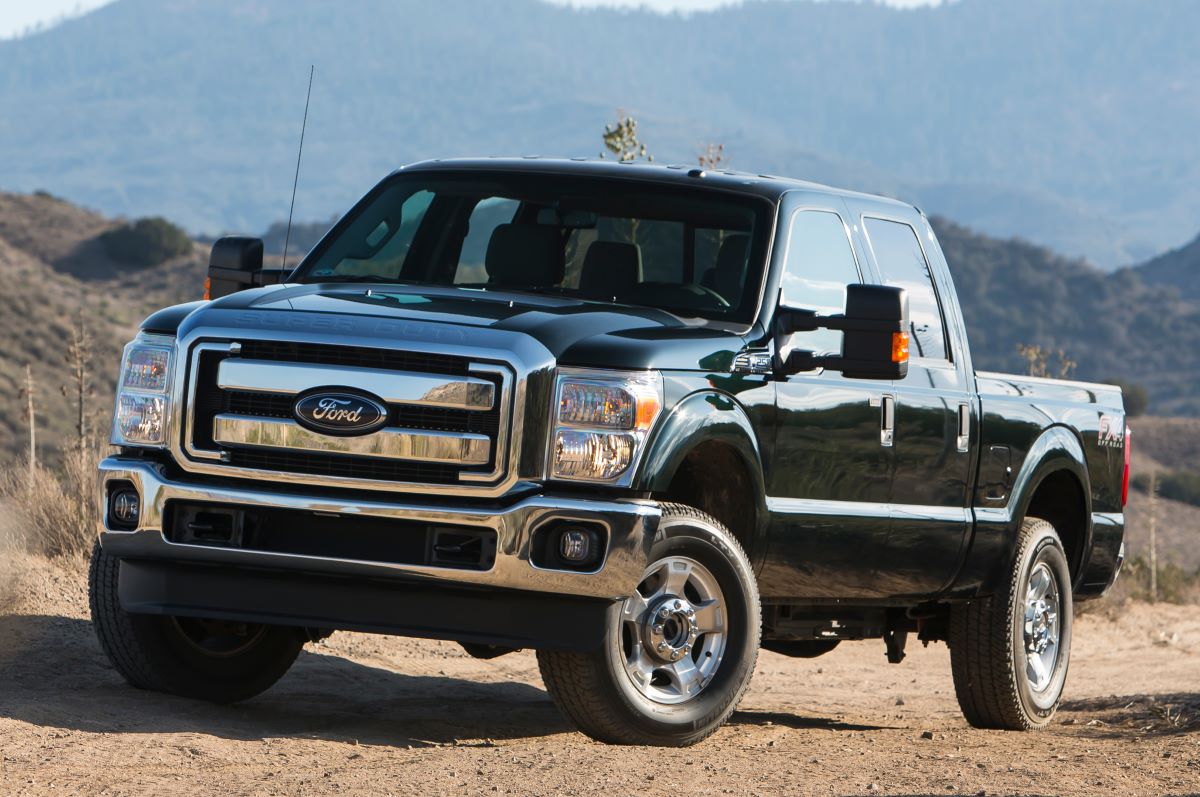
2014 Ford Super Duty F-250
What makes this model remarkable is how many are still actively being used today, not just preserved or babied.
These trucks haul livestock, tow RVs, and plow snow, year after year. Owners praise them not for comfort or fuel economy, but because they just keep going—with far fewer failures than newer, more complex diesels.
We’re highlighting this F-250 because it represents everything a true work truck should be: dependable, powerful, and tough enough to earn your trust mile after mile.
For those needing a truck that won’t flinch at high mileage, this generation of Super Duty remains a solid bet—if you can find one that hasn’t already been worked to the bone.
3. Honda Ridgeline (2006–2014)
While it might not be the first name that comes to mind in a discussion about 300K-mile trucks, the first-generation Honda Ridgeline has quietly built a reputation as one of the most durable midsize pickups on the road.
Introduced in 2006, the Ridgeline was engineered more like a Honda Pilot SUV than a traditional body-on-frame truck—but that turned out to be a strength when it came to long-term reliability.
The Ridgeline’s 3.5L V6 engine is one of Honda’s most proven powerplants, and paired with a competent 5-speed automatic transmission, it delivers smooth power and exceptional longevity.
Unlike many trucks in its class, the Ridgeline doesn’t suffer from chronic rust, drivetrain breakdowns, or electronic gremlins. Owners routinely report reaching 250K–300K miles with nothing more than standard maintenance: oil changes, timing belts, and fluid flushes.
Why is this truck on our list? Because it’s one of the few unibody pickups that consistently goes the distance.
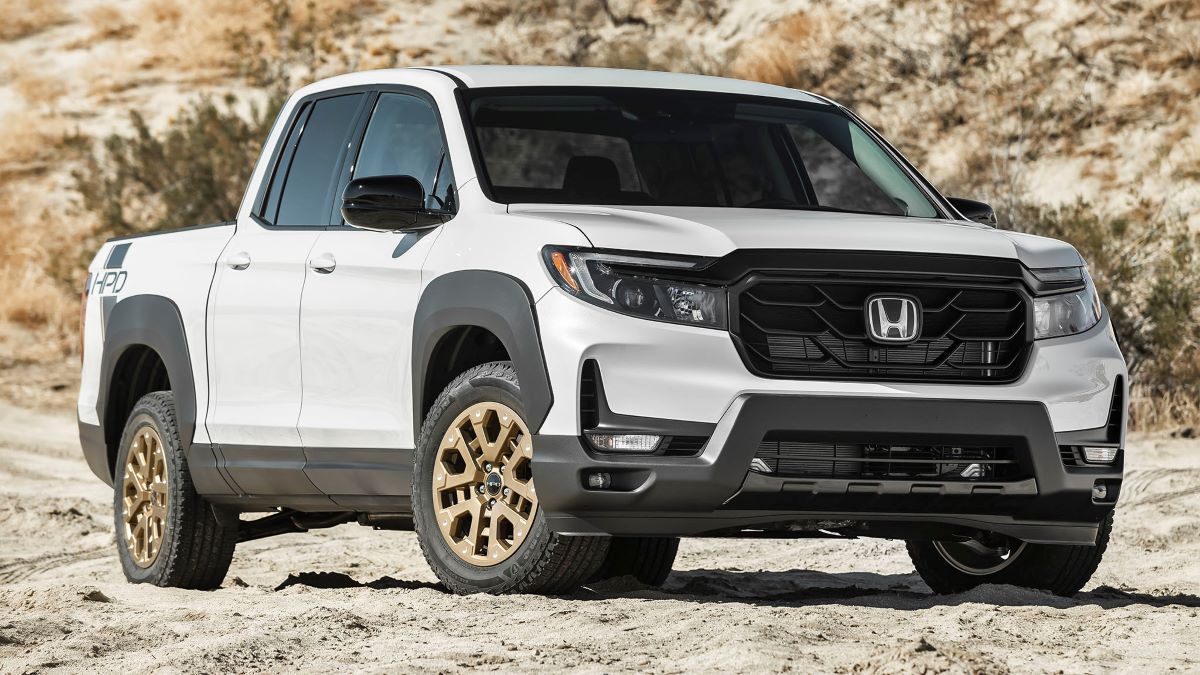
Honda Ridgeline (2017–2023)
It’s not meant for towing 10,000 pounds, but it handles everyday utility tasks with ease—hauling, camping, light off-roading, and commuting. Its all-wheel-drive system is also reliable and rarely fails, even after years of use.
We’re including the Ridgeline because it defies expectations. It may lack the “tough truck” image, but it makes up for it in Honda-level engineering and consistent performance.
If your goal is owning a truck that reaches 300,000 miles with minimal fuss—especially in city or suburban life—the Ridgeline is a quiet champion.
4. Chevrolet Silverado 2500HD (2001–2006)
The 2001–2006 Chevrolet Silverado 2500HD, particularly when equipped with the 6.6L Duramax LB7 or LLY diesel engine, is a proven high-mileage beast.
Built during GM’s early partnership with Isuzu for diesel technology, this generation of the Silverado HD lineup has earned a solid reputation among diesel enthusiasts and contractors alike for crossing 300,000 miles with few major mechanical failures.
What puts this truck on our list is the combination of the Duramax engine and the Allison 1000 transmission. The pairing is nearly bulletproof when maintained properly.
The engine is well-known for longevity, especially when the common injector issues on early LB7 models are proactively addressed. The Allison transmission, meanwhile, is considered one of the strongest in any consumer-grade pickup, handling heavy loads for hundreds of thousands of miles without complaint.
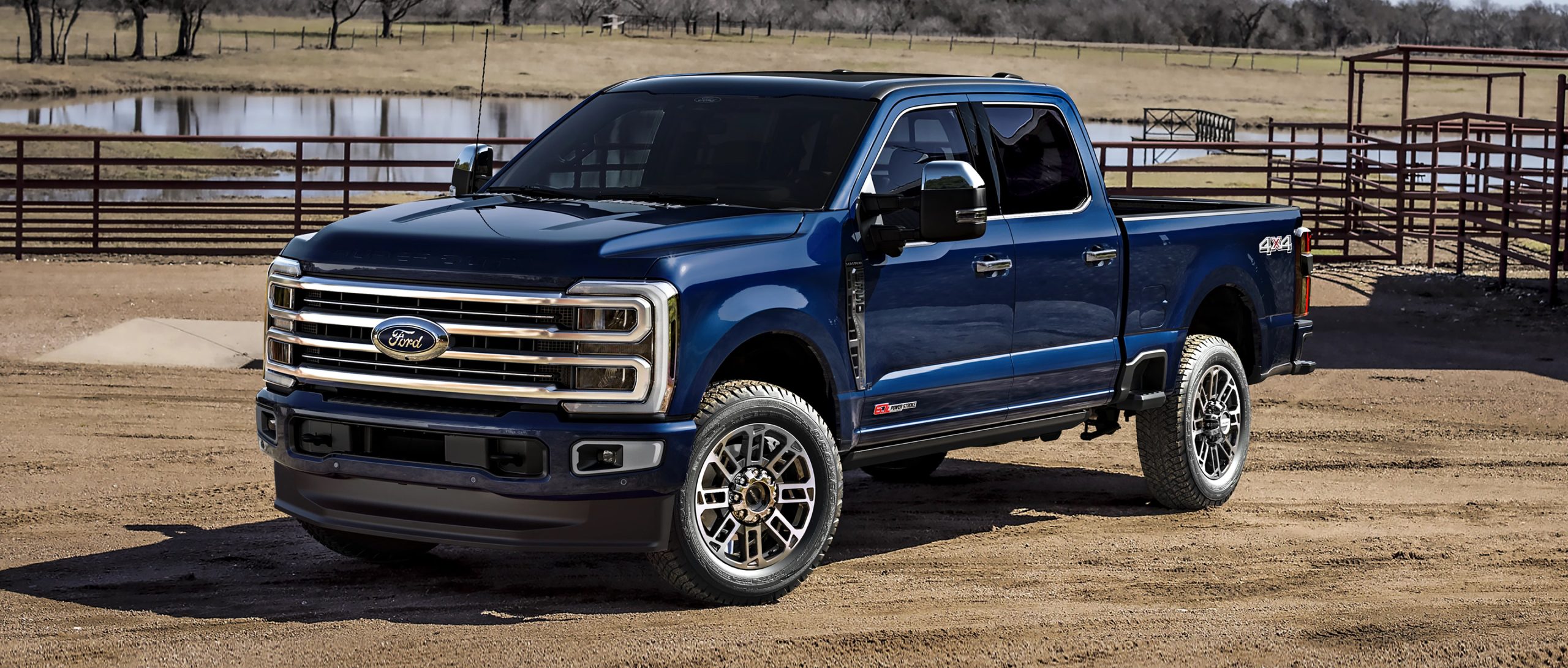
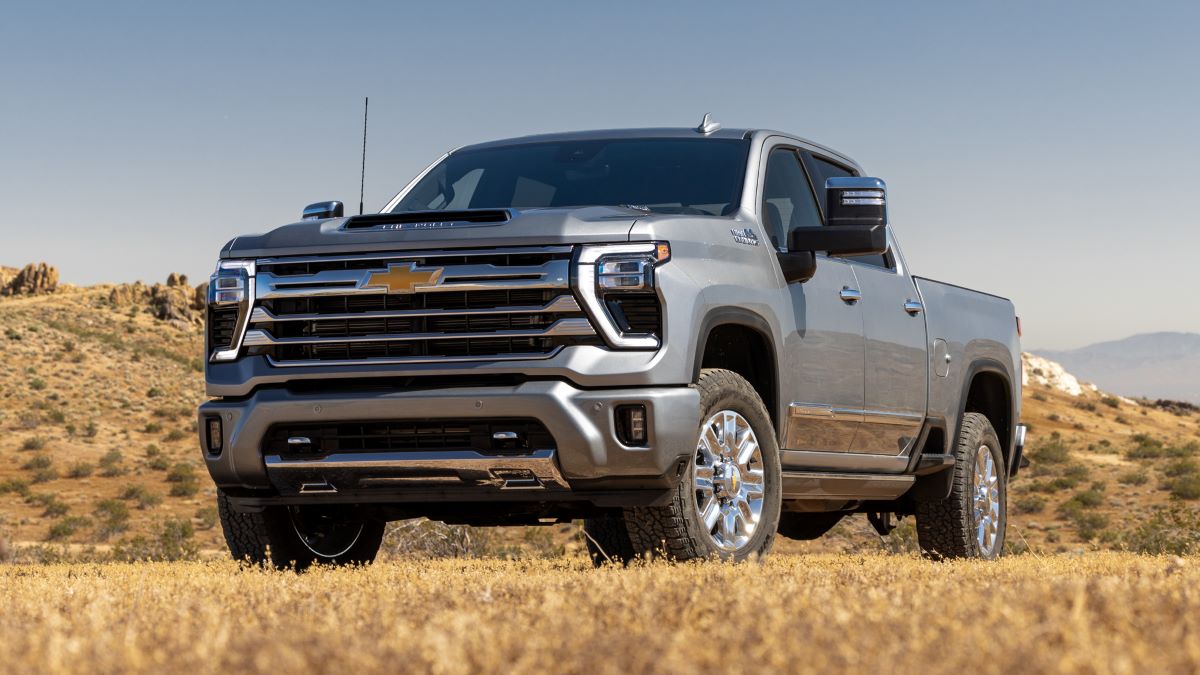
2024 Chevrolet Silverado 2500HD
We’re highlighting the Silverado 2500HD because it bridges the gap between heavy-duty capability and long-term reliability. These trucks are found on construction sites, farms, and hauling trailers coast to coast, year after year. Even in rust-prone areas, the frames hold up decently with basic care.
Chevy got the formula right with this generation—strong chassis, relatively simple electronics, and engines that thrive on hard work. Whether you’re towing horses or carrying heavy gear daily, this is one of the few trucks where 300,000 miles is expected, not exceptional.
If you want a diesel-powered workhorse that can grow old with you and still pull its weight every time, the 2001–2006 Silverado 2500HD deserves serious consideration.
5. Dodge Ram 2500 Cummins (2003–2007)
The 2003–2007 Dodge Ram 2500, when paired with the legendary 5.9L Cummins diesel engine, is one of the most enduring trucks ever built.
This inline-six turbo diesel doesn’t just flirt with the 300,000-mile mark—it often barrels past it, making it a favorite among diesel enthusiasts, heavy haulers, and off-roaders alike.
We’re spotlighting this truck because of the 5.9L Cummins’ unmatched mechanical simplicity and rugged build. Unlike the emissions-heavy engines that followed, this generation avoided the complex EGR and DPF systems that plague newer diesels.
The engine is known for handling high loads with ease, rarely overheating or suffering catastrophic failure. With regular maintenance—mainly oil and fuel filter changes—the Cummins is good for half a million miles or more.
The Ram’s drivetrain options during these years were also solid. The NV5600 manual transmission is a favorite for durability, and while the automatic versions weren’t as stout, they’re manageable with upgrades. The solid front axle and leaf spring rear make this a true heavy-duty platform.
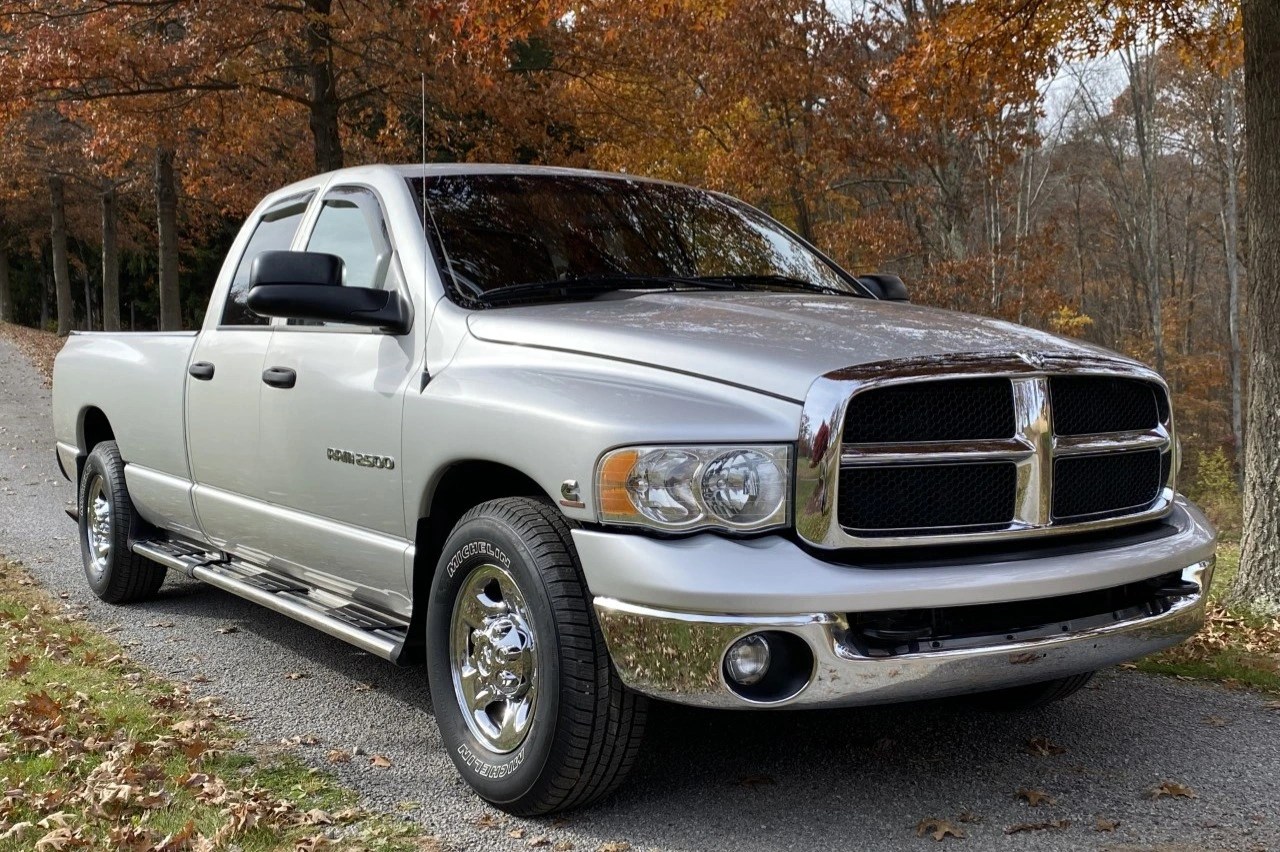
2003–2007 Dodge Ram 2500
Why are we including it? Because even beat-up, rusty Ram 2500s with a Cummins under the hood still sell for strong money—and that says everything about their durability. Owners report towing 10,000+ lbs for years without major repairs, and many are still in daily use across the country.
If your definition of reliability is an engine that feels like it could pull a mountain—forever—the 2003–2007 Ram 2500 with a 5.9L Cummins is one of the last truly unstoppable diesels.
5 Trucks That Break Long Before That
While some trucks gain reputations for their long-haul dependability, others earn a very different legacy—one of disappointment, costly repairs, and early breakdowns.
These are the trucks that may look tough on the outside, but under the hood and beneath the body, they hide ticking time bombs.
Whether it’s fragile transmissions, underbuilt engines, electrical gremlins, or premature rust, certain models consistently show patterns of failure well before reaching the 200,000-mile mark, let alone 300K.
In this section, we’re shining a light on trucks that overpromised and underdelivered. These aren’t random one-off lemons—they’re models with widespread issues reported by owners, mechanics, and fleet operators alike.
Some of these trucks cost thousands to keep on the road even in their early years. Others lose value rapidly because buyers have caught on to their longevity problems.
We’re writing about these trucks because longevity should never be a guessing game. Shoppers looking for reliability need to be warned about the models that struggle to go the distance.
Maintenance is part of ownership, but no one buys a truck expecting major repairs at 80,000 or 120,000 miles. This list serves as a caution: not all trucks are built to last—and these five prove it.
1. Ford Explorer Sport Trac (2001–2005)
Though marketed as a rugged midsize pickup for active lifestyles, the 2001–2005 Ford Explorer Sport Trac was plagued with problems that often cut its lifespan short.
Sharing a platform with the Explorer SUV, this truck inherited many of its sibling’s mechanical flaws—especially those involving the drivetrain and suspension.
At the heart of its reliability issues was the 4.0L SOHC V6 engine, which suffered from chronic timing chain tensioner failures. The issue was so widespread that many engines developed rattling noises as early as 60,000 miles, often requiring expensive engine-out repairs.
Worse still, the 5R55E automatic transmission was notoriously fragile under stress, with many units failing well before 100,000 miles.
We’re including the Sport Trac here because it’s a textbook case of style over substance. On paper, it had appeal: a small pickup with four doors, an SUV-like cabin, and a composite cargo bed.
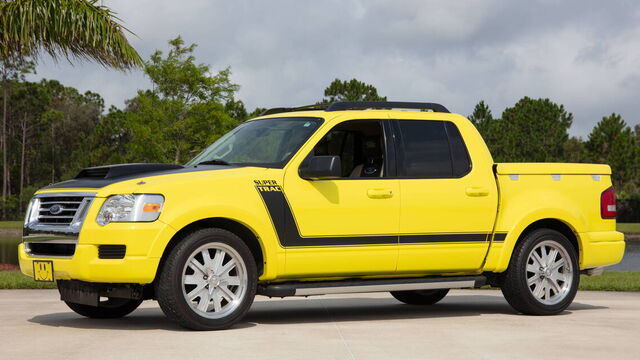
Ford Explorer Sport Trac
But in practice, it was under-engineered for real work. Suspension bushings wore out prematurely, electrical issues were common, and rust plagued frames and brake lines in northern states.
While some owners nursed their Sport Tracs past 150,000 miles, doing so often required major repairs. For most, it became a truck that looked ready for adventure but simply couldn’t survive the long haul. If longevity matters to you, this is one to avoid.
2. Chevrolet Colorado (2004–2012)
The first-generation Chevrolet Colorado was GM’s attempt to replace the long-serving S-10 with a more modern, versatile midsize pickup.
Unfortunately, while the styling and features looked promising, this Colorado quickly gained a reputation for poor reliability and mechanical issues that often surfaced before reaching even 150,000 miles.
The biggest problem? The inline-5 engine (the 3.5L and later 3.7L) used in many models. While an interesting concept, this engine turned out to be underpowered, inefficient, and prone to serious longevity problems.
Common issues included valve seat failure, engine misfires, and excessive oil consumption. Owners often found themselves replacing head gaskets or chasing down stubborn engine codes far too early in the truck’s life.
We’re highlighting the first-gen Colorado because of its widespread early mechanical failures. The automatic transmissions—especially the 4L60E—were also weak points under towing or heavy use.
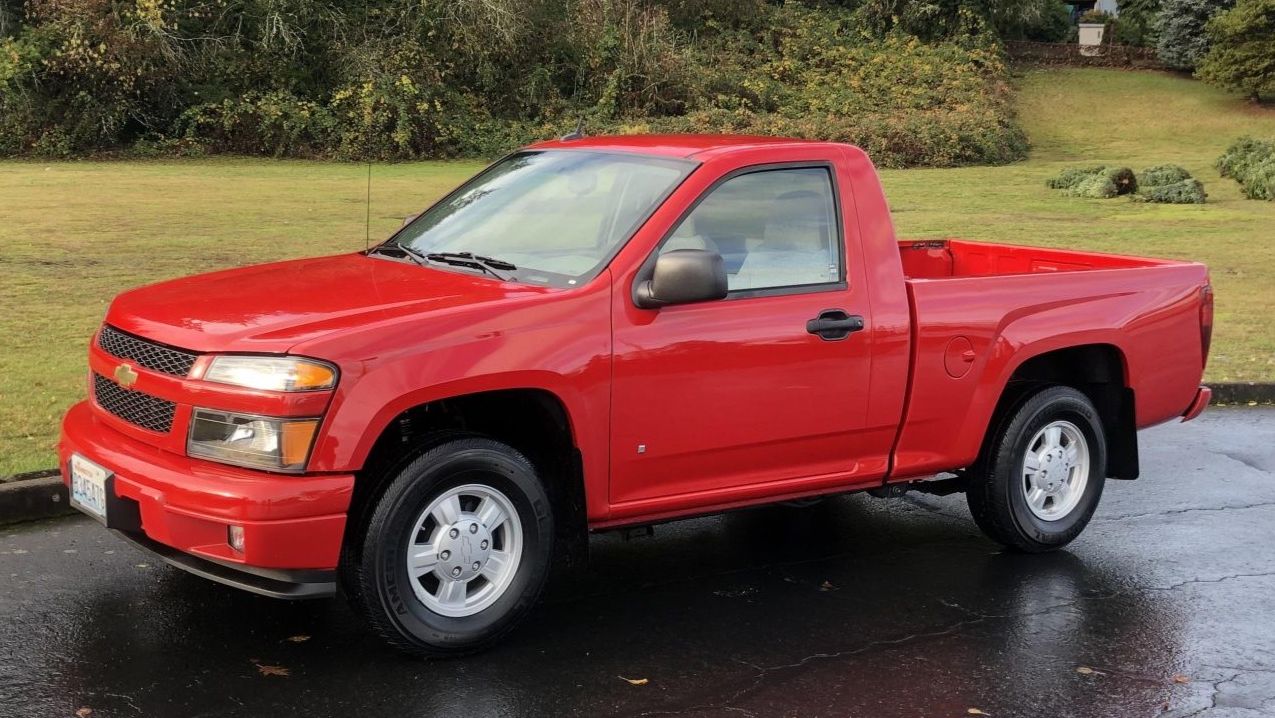
Chevrolet Colorado
Suspension components, including ball joints and bushings, wore out fast, and the electrical system wasn’t particularly robust either. Many trucks began showing signs of trouble by 80,000–100,000 miles.
Why does it matter? Because trucks should be built to work and last. The Colorado had potential but lacked the durability of its competitors.
While newer generations have vastly improved, this early model is a reminder that a tough-looking exterior doesn’t guarantee long-term reliability.
If you’re hunting for a used midsize truck, beware the first-gen Colorado—it may look like a deal, but you could pay for it in repairs long before you reach 200K, let alone 300,000 miles.
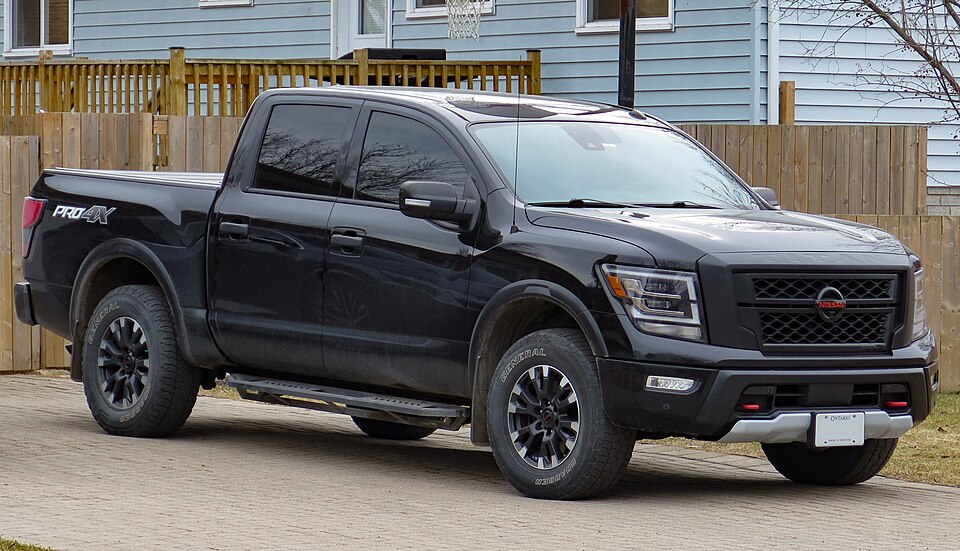
3. Nissan Titan (2004–2015)
The first-generation Nissan Titan debuted in 2004 with big ambitions—it aimed to challenge the domestic full-size truck giants by offering strong performance, bold styling, and a competitive price tag.
On the surface, it seemed like Nissan had built a true contender. But as these trucks aged, their shortcomings became impossible to ignore—especially in the reliability department.
At the core of the Titan was the 5.6L Endurance V8, a powerful and capable engine when new. However, many owners reported early failures of the rear differential—one of the truck’s most notorious weak spots.
In some cases, differentials failed under moderate use, as early as 60,000 miles. Transmission issues, particularly torque converter problems and slipping, also began to appear by 100,000 miles.
Add in weak front suspension components and recurring brake rotor warping, and you get a truck that demands constant attention.
We’re calling out the Titan here because it’s a truck that overpromised and underdelivered. Nissan simply didn’t design it to endure the kind of heavy-duty work full-size buyers expect.
Reliability ratings plummeted over time, and resale values dropped accordingly. Even loyal Nissan fans began to turn away.
Nissan Titan
While a well-maintained Titan might reach 200,000 miles, getting there often requires multiple costly repairs—especially to the drivetrain and electrical system. Compared to its American rivals, it just doesn’t have the staying power.
If you need a full-size truck that will serve you reliably for 10+ years and 300K miles, the first-gen Titan is a gamble most buyers now regret.
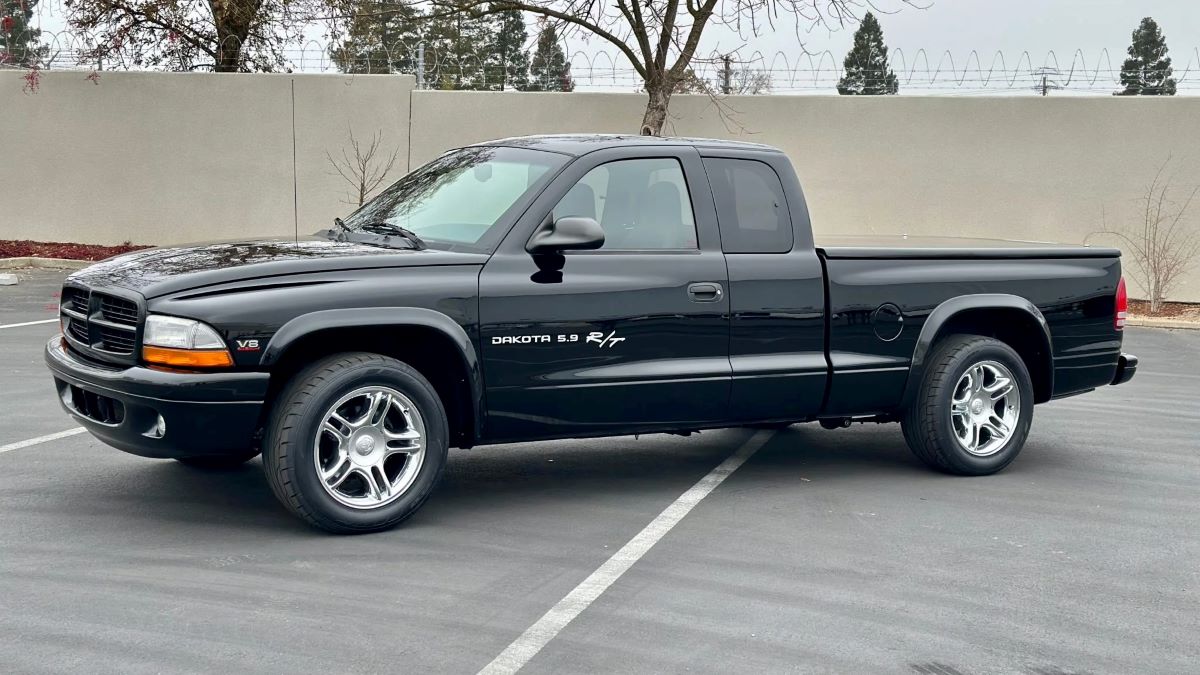
4. Dodge Dakota (2000–2011)
The Dodge Dakota filled a unique space in the market as a midsize truck with nearly full-size capability, and on paper, it should have been a long-lasting workhorse. However, real-world performance told a different story.
Across its second and third generations (2000–2011), the Dakota became known for inconsistent build quality, underwhelming reliability, and premature component failures that often left owners stuck well before the 200,000-mile mark.
The most glaring issue was the automatic transmission, especially the 42RLE and 545RFE units. These were commonly reported to slip, shudder, or fail outright under towing or heavy use—often before 120,000 miles.
The V6 engines (particularly the 3.7L) were known for oil sludge buildup and poor longevity, while the 4.7L V8 had its own set of problems, including timing chain tensioner failures and head gasket leaks.
Why are we including the Dakota here? Because it’s a truck that many wanted to love but too often couldn’t rely on.
Suspension components were also weak, and the truck struggled with rust in northern states. Interior electronics, including HVAC systems and instrument clusters, were failure-prone, making long-term ownership frustrating and expensive.
2000 Dodge Dakota
We’re highlighting the Dakota because it represents a missed opportunity in the midsize market. While some examples made it to 200,000 miles or more, it often took significant investment in repairs—making the journey far more expensive than with its Toyota or Ford counterparts.
If your goal is dependable high-mileage ownership, the Dakota is one truck best left in the used lot.
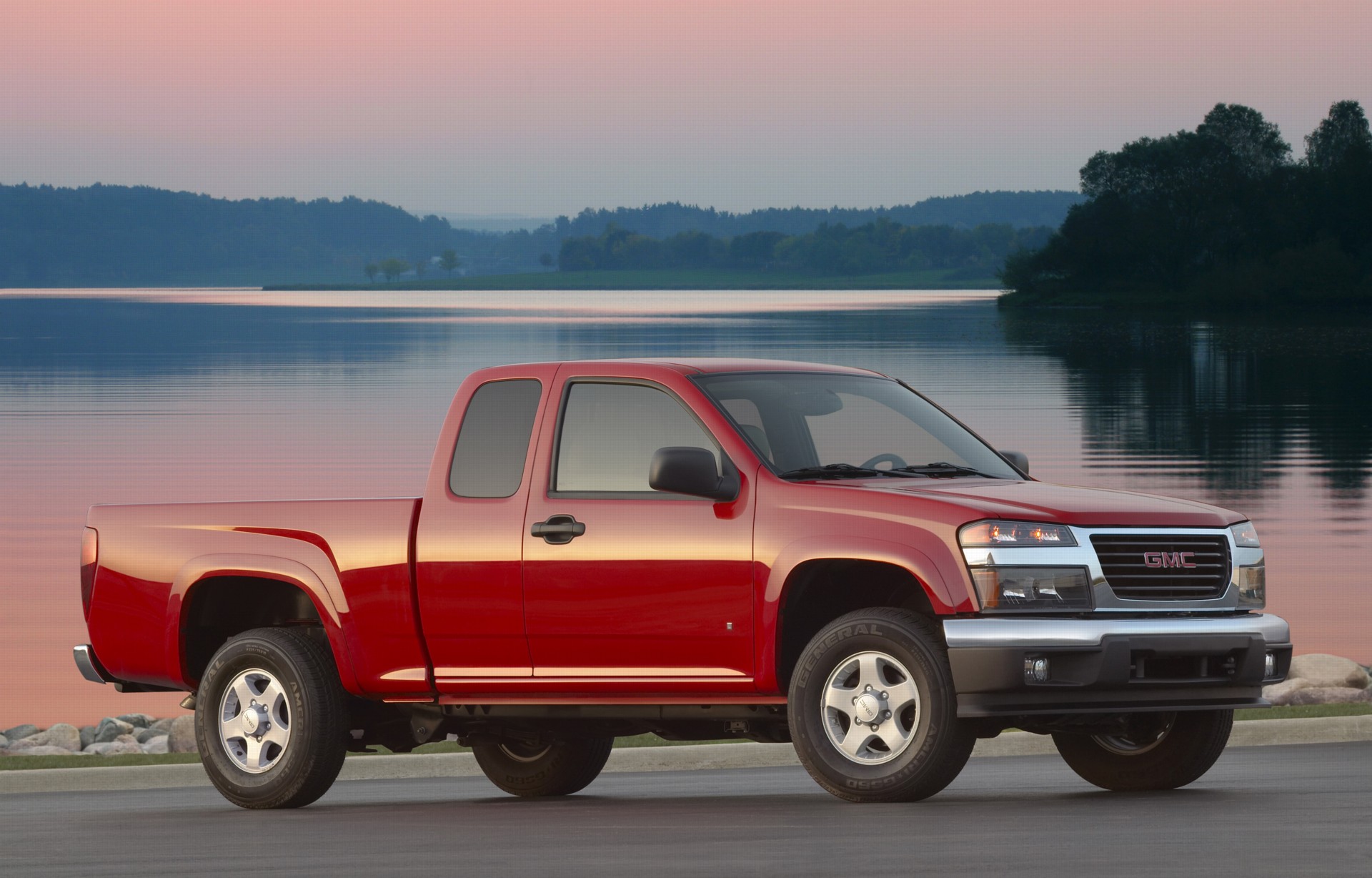
5. GMC Canyon (2004–2012)
The first-generation GMC Canyon, sibling to the Chevrolet Colorado, aimed to modernize GM’s midsize pickup offerings in the early 2000s. Unfortunately, like the Colorado, it became notorious for premature mechanical problems and a short service life for many owners.
While it shared many of its components with its Chevy counterpart, the Canyon’s reliability issues were equally frustrating—and often just as costly.
Chief among its weaknesses was the 3.5L and later 3.7L inline-5 engine, which suffered from valve seat failures, rough idling, and misfires that led to early engine fatigue.
The engine was known for excessive oil consumption and often threw codes that couldn’t be easily resolved. Though marketed as a modern alternative to the old-school V6, it simply wasn’t durable enough for long-term use.
We’re highlighting the Canyon because it often failed to meet even basic expectations for a midsize pickup. The 4L60E automatic transmission—already known for its issues—fared even worse in these trucks when used for towing or hauling.
2007 GMC Canyon
Suspension and steering components wore out early, and interior materials didn’t age well, resulting in a truck that looked and felt tired before it ever reached 150,000 miles.
Despite a rugged appearance and strong branding, the Canyon just couldn’t hold up against its Japanese rivals. Many owners found themselves trading in or selling early, frustrated with the frequency and cost of repairs.
If you’re looking for a long-term truck investment, the first-gen Canyon is a prime example of what to avoid. Reliability simply wasn’t part of its design language.
When it comes to pickup trucks, longevity isn’t just about how long a vehicle can run—it’s about how long it can stay dependable, useful, and affordable to maintain.
The trucks that cross the 300,000-mile mark without breaking a sweat are built on engineering excellence, thoughtful design, and proven components.
These models earn their reputations over years of hauling, towing, and daily duty with minimal complaints. They’re not just durable—they’re trusted.
On the other hand, the trucks that fall apart early tend to share predictable patterns: underbuilt drivetrains, rushed engineering, or simply the use of subpar components that can’t take long-term abuse.
Some promise capability and reliability but deliver costly repairs and early retirements instead. As these patterns repeat across thousands of owners, it becomes clear which models are worth betting on—and which are not.
Whether you’re shopping for a used truck or evaluating your current one’s long-term future, understanding these real-world results matters.
Trucks are investments, both financially and practically. A well-chosen one can outlive multiple cars. A poorly chosen one might become a burden after just a few years.
In the end, it’s not about brand loyalty—it’s about proven reliability. Choose wisely, and your truck will go the distance with you.
Mark Jacob covers the business, strategy, and innovation driving the auto industry forward. At Dax Street, he dives into market trends, brand moves, and the future of mobility with a sharp analytical edge. From EV rollouts to legacy automaker pivots, Mark breaks down complex shifts in a way that’s accessible and insightful.