
Suspension may not be the flashiest part of a car, but it’s one of the most vital—affecting ride comfort, handling precision, and overall driving satisfaction.
Whether you’re gliding down a smooth highway or dodging potholes in a crowded city, a well-tuned suspension system is what keeps the ride composed and the cabin calm. But like any system exposed to real-world wear and tear, not all suspensions age equally.
Some cars manage to keep their ride tight, smooth, and responsive even after a decade on the road. These vehicles are built with durable components—bushings, shocks, struts, and chassis designs that resist slop and bounce long after others have gone soft.
For drivers who appreciate a car that feels just as solid in year ten as it did in year one, these are worth celebrating. Then there are the others—the vehicles whose suspensions degrade quickly, becoming floaty, squeaky, or downright sloppy well before the odometer hits six figures.
Whether due to cheap parts, poor geometry, or excessive body flex, these cars lose their composure fast—and fixing them isn’t always straightforward or cheap.
In this guide, we’ll explore both extremes: five vehicles whose suspensions feel new even after ten years, and five that can’t hide their age even after just a few.
Also Read: 5 Nissans That Exceed 100,000 Miles vs 5 That Die Young
5 Cars With Suspension That Still Feels New at 10 Years
It’s easy to take a good suspension system for granted—until you drive something that doesn’t have one. Over time, bushings wear, struts leak, mounts deteriorate, and the ride begins to soften or wobble.
In many vehicles, this gradual decay is just accepted as part of aging. But some cars defy that trend entirely, continuing to glide down the road with the same poise and precision they had the day they left the showroom.
This list celebrates those vehicles—the ones that hold their composure after 10 years and often well beyond. They don’t sag in corners, squeak over speed bumps, or feel disconnected from the road.
Their secret lies not just in quality materials but in engineering excellence: suspension geometry designed for durability, factory components that resist fatigue, and chassis tuning that doesn’t rely on gimmicks.
The benefit to drivers is twofold: first, you enjoy a consistent, confident driving experience for far longer.
Second, you avoid expensive suspension overhauls that plague less robust models. When a car’s suspension stays tight after 100,000 miles, it’s not just a luxury—it’s a sign of long-term value.
In building this list, we looked at real-world owner reports, long-term road tests, and mechanic insight. The cars below were chosen not just because they’re comfortable or sporty, but because they retain that quality over time without major intervention.
These are the cars that ride like new—long after the warranty ends.
1. Lexus LS (2007–2017)
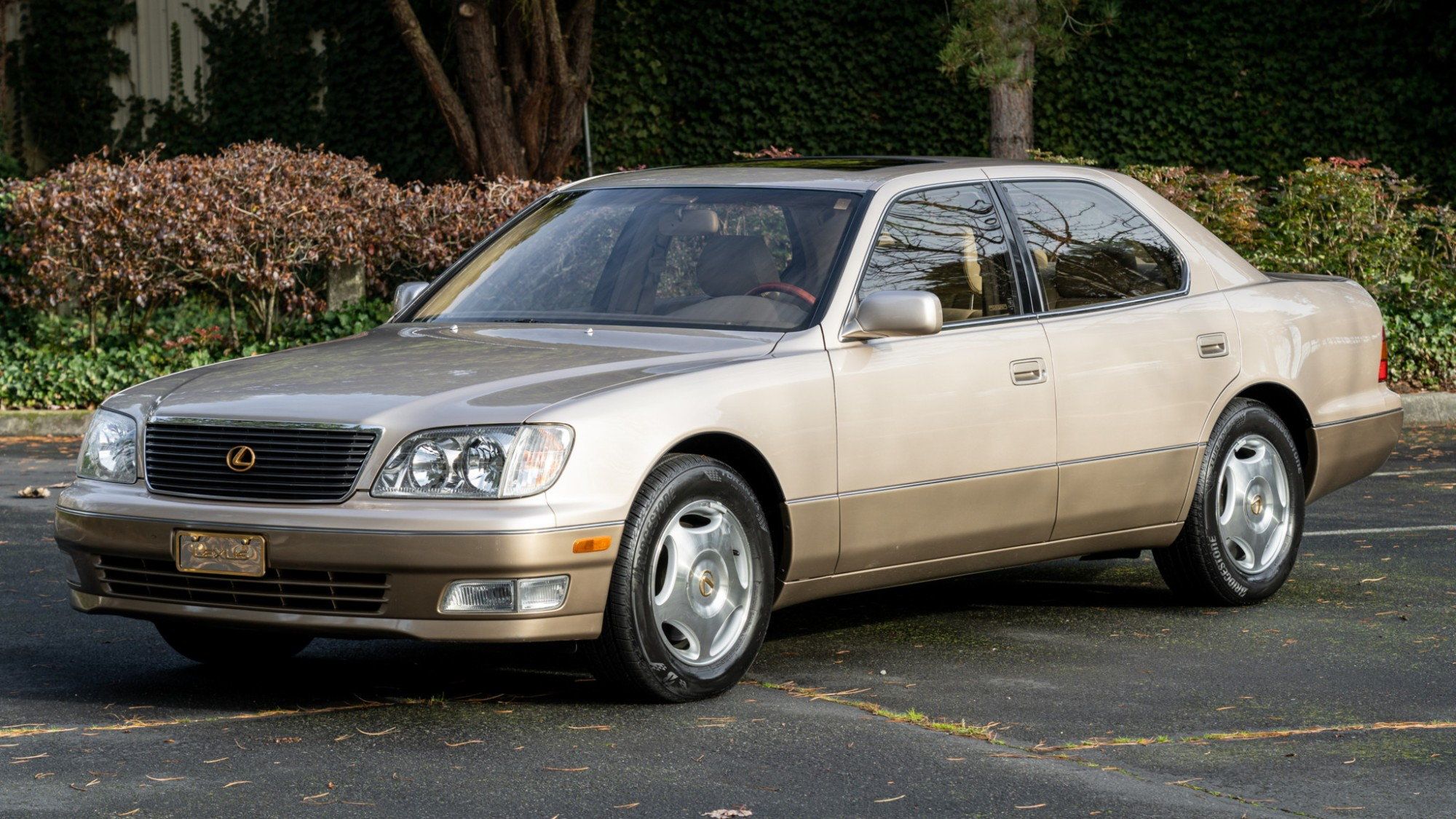
The 2007–2017 Lexus LS, whether in LS 460 or LS 600h trim, is the kind of luxury sedan that whispers refinement in every detail—including its suspension.
Known for delivering one of the smoothest rides in the automotive world, the LS doesn’t just glide when new; it keeps gliding well into old age. Even after a decade on the road, its suspension remains tight, composed, and eerily quiet.
What makes the LS stand out isn’t just comfort—it’s composure. Lexus equipped the LS with a double-wishbone front and multi-link rear suspension setup, finely tuned for isolation without sacrificing control.
Many models also came with adaptive variable suspension (AVS), which adjusts damping in real-time based on driving conditions. The brilliance? Even this tech-heavy system ages exceptionally well—something rare among air or electronically controlled suspensions.
Owners regularly report that their LS models still ride “like a cloud” at 150,000 miles or more, with minimal signs of suspension fatigue. Components like bushings, control arms, and shocks seem to outlast the industry norm.
And when replacements are eventually needed, the parts—especially on non-air-suspension trims—are often easier and cheaper to deal with than on German competitors.
Equally important is how quietly the suspension operates. The LS is engineered to suppress noise, vibration, and harshness (NVH) to an obsessive degree.
That means no creaks from bushings, no thumps from mounts, and no floaty rebound even on undulating roads. It’s the kind of consistent performance that makes aging feel irrelevant.
Mechanics often describe the LS as overbuilt. Toyota’s flagship sedan doesn’t cut corners, and that’s reflected in the longevity of its underpinnings.
While European rivals like the BMW 7 Series or Audi A8 often require significant suspension work before year ten, the LS just keeps rolling—quietly and confidently.
For buyers looking for a long-term daily driver that won’t develop ride-quality issues with age, few vehicles match the Lexus LS. It’s not just about luxury—it’s about staying luxurious for the long haul.
2. Honda Accord (2013–2017)
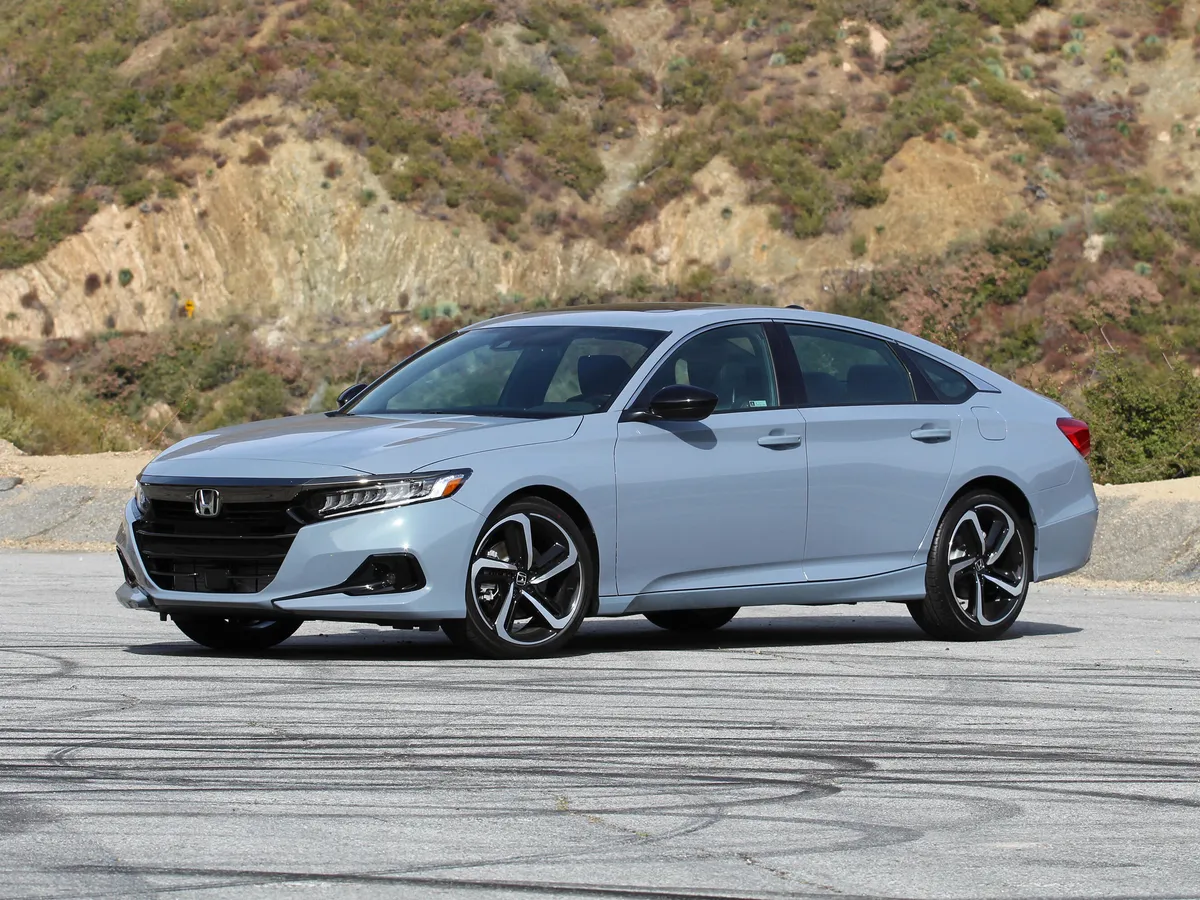
The 2013–2017 Honda Accord strikes a perfect balance between everyday comfort and long-term durability, and nowhere is that more evident than in its suspension system.
Whether it’s the four-cylinder or V6 variant, this generation of Accord maintains a taut, composed ride well past the 10-year mark.
It doesn’t bounce, rattle, or wallow like many of its aging midsize competitors—instead, it continues to deliver the kind of smooth, well-damped performance you’d expect from a much newer car.
Part of the Accord’s suspension resilience comes down to engineering. Honda gave this generation a fully independent suspension, with MacPherson struts up front and a multi-link rear setup.
While that layout isn’t exotic, it’s expertly tuned for real-world driving—firm enough to resist sag and softening over time, yet supple enough to soak up everyday bumps and road imperfections. Even when loaded with passengers or cargo, the Accord doesn’t feel sloppy or floaty.
Another factor is the quality of materials used. Unlike some competitors that rely on softer bushings and lower-grade rubber that deteriorates within a few years, the Accord’s suspension components are built to last.
Ball joints, strut mounts, and trailing arm bushings are all known for going well beyond 150,000 miles before needing replacement. And because the car isn’t overloaded with unnecessary electronics or air ride gimmicks, there’s less that can fail over time.
Mechanics often praise the Accord for being a low-maintenance, high-mileage workhorse—and that extends to the suspension. Even when work is needed, it’s usually affordable and straightforward, with wide parts availability and minimal labor complexity.
Drivers who keep their Accords well-maintained—routine alignments, occasional strut replacements after extreme mileage, and fresh tires—are often rewarded with a ride that feels nearly identical to how it did when new.
It’s no coincidence that these cars are a favorite among highway commuters and rideshare drivers, who depend on year-round comfort without costly repairs.
If you’re looking for a midsize sedan that still feels tight and smooth after a decade, the 2013–2017 Honda Accord sets the gold standard for long-term suspension quality in a practical, affordable package.
3. Mazda6 (2014–2019)
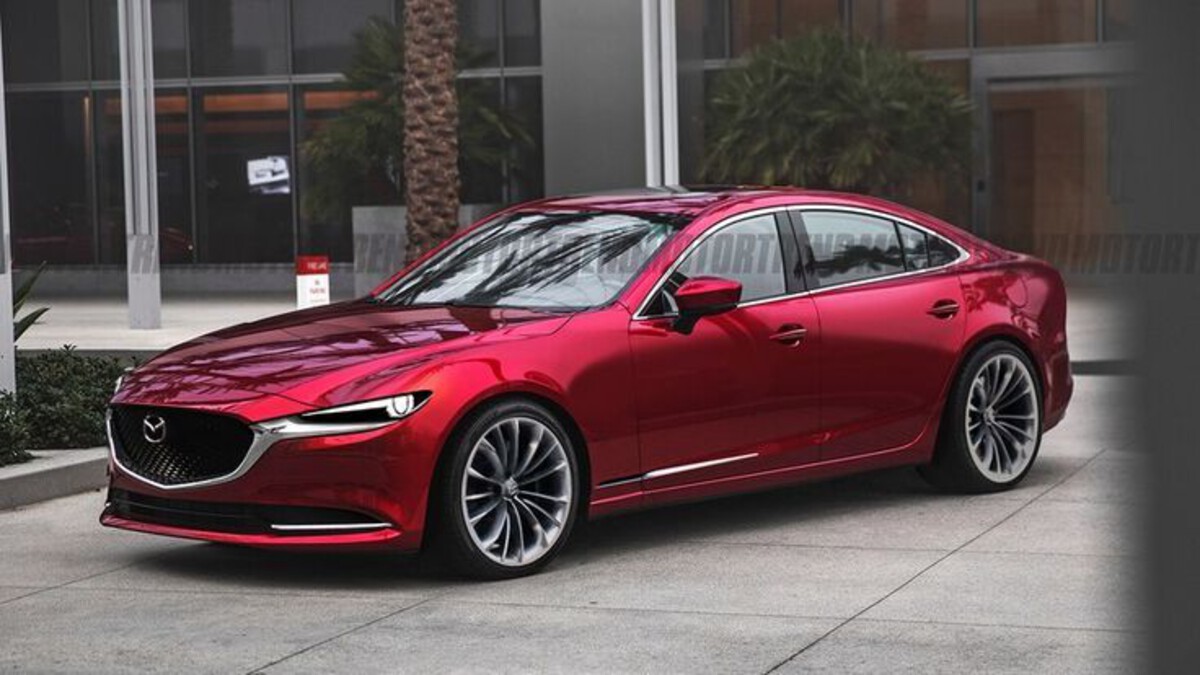
The 2014–2019 Mazda6 is proof that affordable sedans don’t have to sacrifice driving pleasure—or longevity.
Known for its sporty handling and refined ride, this generation of Mazda6 pairs sharp steering with a suspension setup that remains tight and responsive even after 10 years on the road.
For drivers who want a little fun in their daily drive without paying for it in long-term maintenance, the Mazda6 is a hidden gem.
What sets the Mazda6 apart is its sophisticated chassis tuning. Mazda’s engineers didn’t just throw in stiffer dampers for sportiness—they meticulously tuned the double-wishbone front and multi-link rear suspension to create a dynamic yet forgiving ride.
The result is a car that feels planted at speed, agile in corners, and stable over rough surfaces. Unlike many midsize sedans that grow soft and vague with age, the Mazda6 keeps its road manners intact well into high mileage.
Durability is another high point. The suspension bushings and mounts on the Mazda6 are known to resist wear far better than those in most competitors, especially those from the same price bracket.
It’s rare to hear about worn-out control arms or sloppy handling, even from owners with well over 100,000 miles on the odometer. While the occasional strut replacement may be necessary after serious use, it’s far from the norm, and when it is needed, parts are reasonably priced.
Perhaps most importantly, the Mazda6 was built without the gimmicks that doom long-term reliability in other cars—no air ride, no overly complex electronics, and no exotic materials that are difficult to replace. It’s a straightforward, driver-focused setup that rewards consistency over flash.
The car’s body structure is also stiffer than most sedans in its class, which helps preserve the feel of the suspension over time. A rigid frame means less flex and fewer creaks, even as the miles pile on. That’s part of what gives the Mazda6 its “still feels new” impression, even in its second decade.
For those who want a midsize sedan that doesn’t just survive but thrives over time, the Mazda6 is a standout. It’s the rare car that makes aging feel like no big deal.
4. Subaru Outback (2010–2014)
The 2010–2014 Subaru Outback isn’t just a rugged crossover-wagon—it’s also one of the most quietly impressive vehicles when it comes to long-term suspension durability.
Designed to handle rough roads, snow, and weekend adventures, the Outback’s suspension doesn’t just survive—it thrives.
Even after a decade, many Outbacks still ride with the same poised, planted feel that made them favorites among outdoor enthusiasts and urban dwellers alike.
Part of this resilience comes from Subaru’s pragmatic engineering. The Outback rides on a raised platform with increased ground clearance, but it doesn’t rely on fragile air suspension or overly complex adaptive systems.
Instead, it uses robust MacPherson struts up front and a double-wishbone rear—both of which are tuned for comfort and control.
Subaru optimized the ride for both pavement and light off-road duty, which means the components are designed to take abuse without degrading quickly.
Owners often report that their Outbacks still drive “like new” after 10 years or more. There’s no excessive bounce, no vague steering from worn-out bushings, and no creaking from the chassis or subframes.
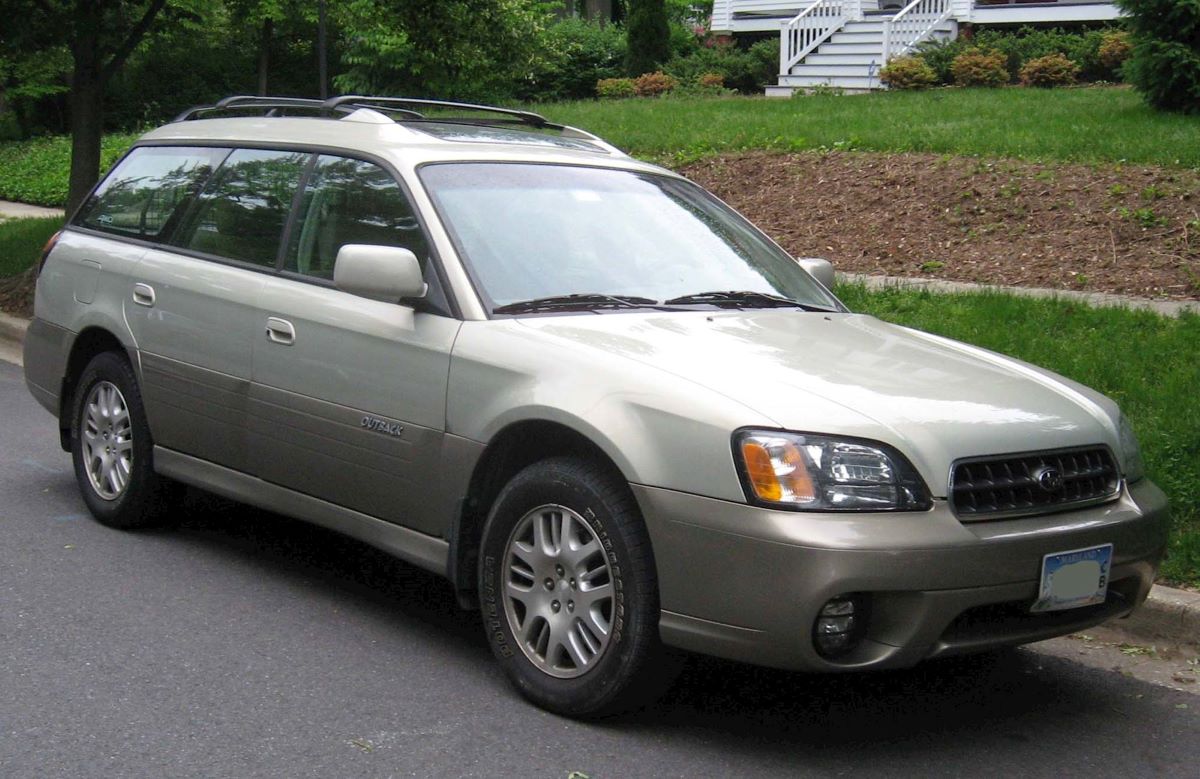
Even in snowbelt regions or places with rough terrain, the Outback’s suspension holds its shape longer than many crossovers or wagons in its class.
Another factor is Subaru’s use of high-tensile steel in the vehicle’s body structure, which improves torsional rigidity.
A stiffer frame reduces flex and stress on the suspension, helping it maintain alignment and damping precision over time. It also minimizes cabin creaks and rattles—issues that can make a suspension feel worse than it is.
Mechanics often note that suspension repairs on these Outbacks are rare before 150,000 miles, especially when the vehicle is driven reasonably and serviced regularly.
Shock and strut replacements are straightforward, and bushings typically last longer than expected. Even the rear multi-link setup, often a weak point on other wagons, holds up well here.
For drivers seeking a high-mileage adventure vehicle that still rides smooth and composed at 10+ years, the Subaru Outback (2010–2014) delivers. It’s one of the few vehicles that truly blends durability, ride comfort, and real-world resilience—earning its place on this list.
5. Mercedes-Benz E-Class (W212, 2010–2016)
The W212-generation Mercedes-Benz E-Class, produced from 2010 to 2016, is often regarded as the last of the overbuilt Mercedes sedans—engineered with a focus on mechanical excellence and long-term durability.
Among its many strengths, the suspension system stands out as a key reason these vehicles feel solid, refined, and composed even after a decade or more on the road.
The W212 came with two main suspension configurations: a traditional steel-spring setup and the more advanced AIRMATIC air suspension on higher trims.
Both are known for aging gracefully, but it’s the steel-spring models that have earned a reputation for exceptional long-term reliability and ride quality. Even after 100,000+ miles, these cars retain their trademark Mercedes-Benz glide without sag, squeak, or slop.
The suspension design itself is multilink front and rear, finely tuned for a balance between comfort and handling. Mercedes engineers emphasized geometry and damping over gimmicks, ensuring that the system could handle years of daily use without falling apart.
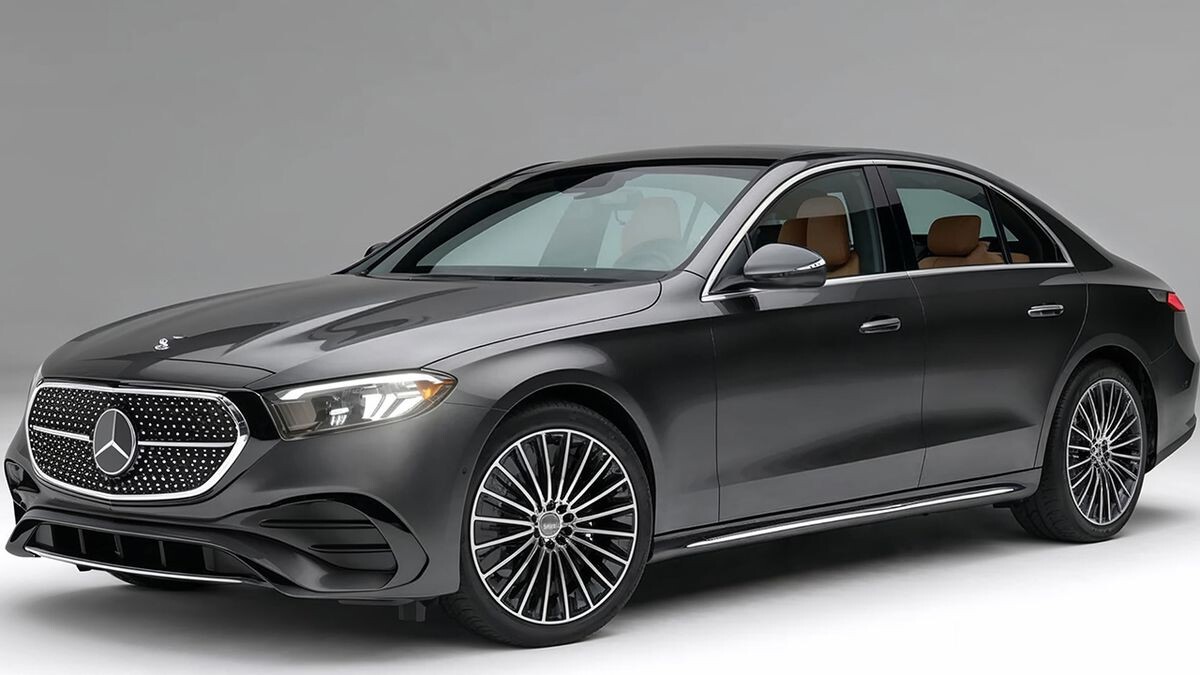
This is why many W212s still feel tight and stable on the highway, with minimal body roll in corners and a distinctly “bank vault” level of composure over bumps.
What sets the W212 apart is the quality of the components. Control arms, bushings, and shock absorbers all wear slowly and evenly, and many original parts last well beyond the 10-year mark.
The front lower ball joints and strut mounts are the most common wear items, but even these rarely fail early. And unlike newer models, the W212 doesn’t rely heavily on electronic suspension management, reducing long-term complexity and cost.
Mechanics praise this generation for being one of the few modern Mercedes models that doesn’t suffer from chronic suspension headaches. Parts are still widely available, and even when work is needed, it’s rarely catastrophic.
Whether you’re driving across rough city streets or cruising on the autobahn, a W212 E-Class maintains its composure with grace.
For luxury buyers who want a car that still feels premium and planted 10 years in, this E-Class is a standout—proof that German engineering, when done right, truly does last.
5 Cars That Go Sloppy Fast
Suspension wear is inevitable, but in some cars, it happens a lot sooner than it should. Whether it’s due to cheap bushings, poorly tuned dampers, or a chassis that just wasn’t engineered for the long haul, some vehicles start to feel loose, floaty, or disconnected in just a few short years.
These are the cars that go “sloppy fast”—not in speed, but in the way their once-smooth ride and handling degrade far too early.
What does “sloppy” mean in real-world terms? Excessive body roll in corners, unpredictable steering feedback, bouncing over bumps, creaking from underneath, and the kind of nose-diving and squatting that makes braking and acceleration feel awkward.
The worst part is that drivers often assume they just need new tires or an alignment, when in reality, it’s the entire suspension setup beginning to fail long before it should.
This list doesn’t just focus on cheap economy cars—we’re also including some midsize sedans and crossovers that should’ve done better but didn’t. In many cases, it’s not even abuse that causes the early wear—it’s poor factory component quality or subpar design from the start.
We’re highlighting five vehicles that have gained reputations for premature suspension slop, based on mechanic feedback, long-term owner reports, and patterns seen in real-world use. These are the cars that might feel fine at first, but give it 50,000 to 80,000 miles—and suddenly, everything feels a little off.
Let’s look at the models that just couldn’t keep their balance over time.
1. Dodge Journey (2009–2020)
The Dodge Journey had a long production run—from 2009 to 2020—but its suspension reputation never improved.
Initially pitched as a budget-friendly midsize crossover with flexible seating and utility, the Journey quickly became known for a floaty, disconnected ride that only worsened with time.
For many owners, it didn’t take long—often just 50,000 to 70,000 miles—before the car began to feel unstable, squeaky, and downright sloppy.
The problems stem from a combination of cost-cutting and outdated design. The Journey rides on a basic MacPherson strut front and multi-link rear suspension, which isn’t inherently flawed—but Dodge used low-grade components that simply don’t hold up.
Control arm bushings degrade quickly, leading to vague steering and clunky noises over bumps. Front sway bar end links are also known for early failure, causing excessive body roll and knocking sounds, even on smooth roads.
Another frequent issue is premature wear in the rear trailing arms and shock absorbers. As they age, the rear end becomes floaty and unsettled—particularly noticeable during highway lane changes or on uneven surfaces.
Some owners report the rear wheels feeling like they’re bouncing or skipping at speed, a clear sign that damping is no longer effective.
Mechanics who service Journeys regularly often recommend full suspension rebuilds far earlier than they would for competing crossovers. Many drivers end up replacing struts, sway bars, bushings, and control arms before reaching 100,000 miles—and in some cases, twice during ownership.
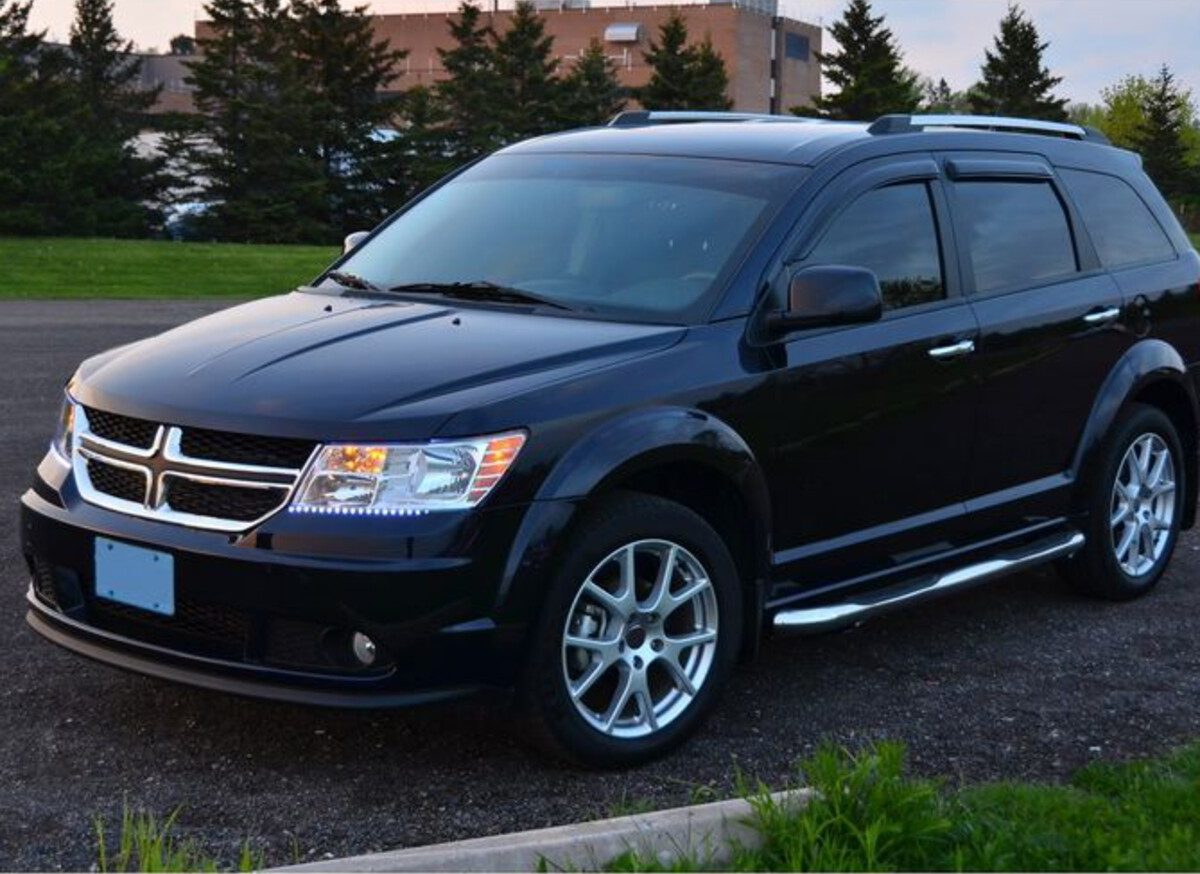
Making matters worse, the suspension is not particularly easy to service due to tight packaging and limited access around mounting points.
Noise, vibration, and harshness (NVH) also become a problem over time. Once the bushings start to go, cabin creaks, groans, and rattles increase dramatically—amplifying the sense that the vehicle is aging faster than it should.
Even though the Journey was marketed as a family hauler, its inability to maintain ride quality over time makes it a frustrating ownership experience.
For buyers hoping for a smooth, confident drive beyond the first few years, the Journey’s suspension will likely let them down early—and keep doing so unless major repairs are made.
2. Chevrolet Malibu (2013–2016)
The 2013–2016 Chevrolet Malibu was part of GM’s push to modernize its midsize sedan lineup, offering a more refined driving experience, improved fuel economy, and updated styling.
But while it made strides in design and tech, the suspension was a weak point—especially in how quickly it began to deteriorate. Owners and mechanics alike have noted that the Malibu tends to go from solid to sloppy well before the odometer hits six figures.
Out of the factory, the Malibu’s ride is soft and composed—perfect for highway cruising. However, this comfort comes at the cost of long-term durability.
GM used inexpensive bushings, weak front strut mounts, and undersized rear shocks that just don’t hold up under real-world conditions. Even moderate driving on rough roads or urban potholes causes these components to wear out quickly.
One of the first signs of trouble is vague, delayed steering feedback. As the front-end components wear, the Malibu begins to feel “floaty” and loose, especially during cornering or lane changes.
Clunks over bumps, creaking noises from the strut towers, and noticeable nosedive during braking follow shortly after.
Another major flaw lies in the rear suspension. The multi-link rear design theoretically allows for good wheel control, but GM used soft rubber bushings that degrade quickly.
As a result, the rear end often begins to “squirm” under load, especially when accelerating or braking on uneven roads. Drivers report a sensation of instability that worsens with age and mileage.
The Malibu’s NVH (noise, vibration, and harshness) characteristics also decline sharply as the suspension wears. What starts as a quiet cabin becomes creaky and unsettled by 60,000 to 80,000 miles.
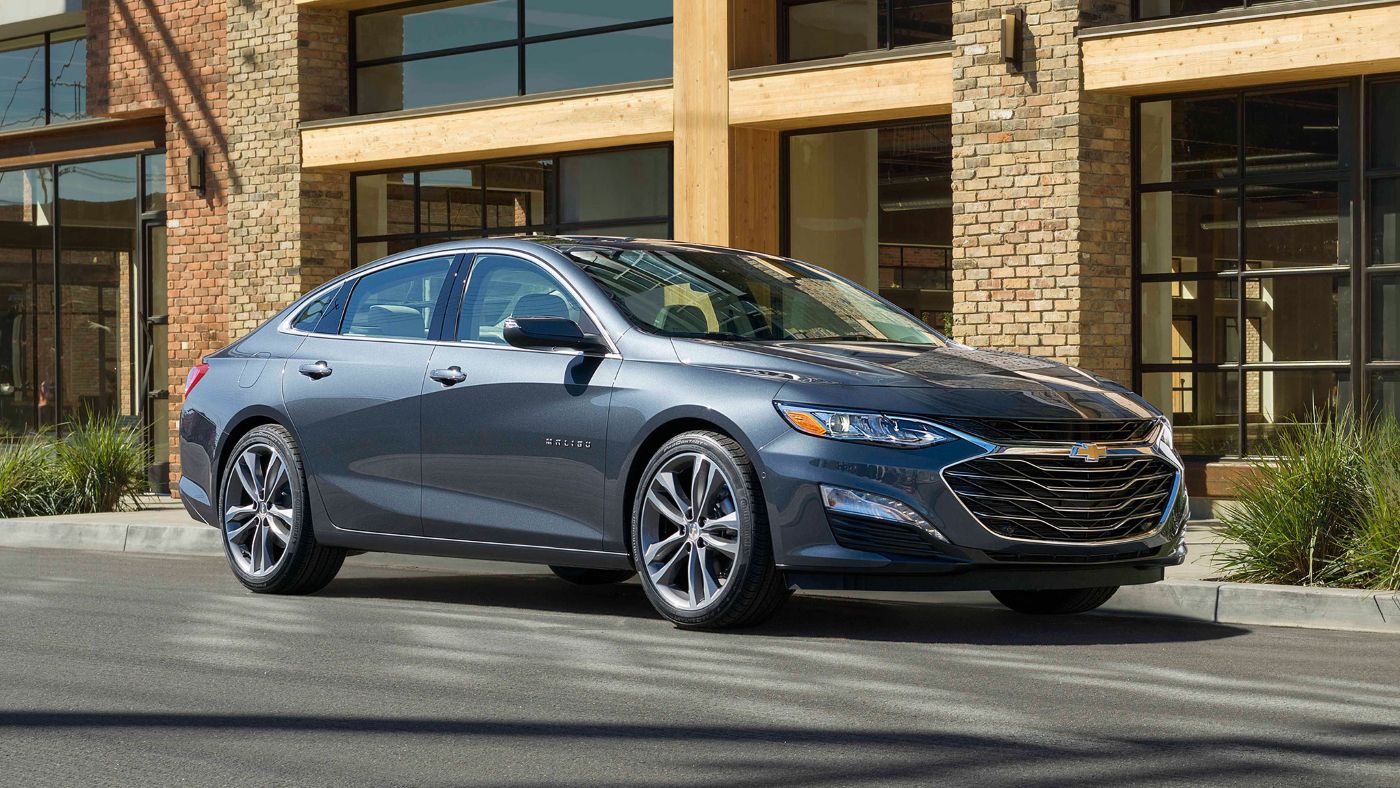
For many owners, the cost of chasing down all the wear points—struts, control arms, sway bar links, bushings—is enough to make them give up on restoring the original ride quality altogether.
For a family sedan, a decade-long suspension life should be expected—but the Malibu often can’t make it halfway before losing its composure.
It’s a car that shows its age early and offers little resistance to wear, making it a disappointing choice for those hoping for long-term comfort and stability.
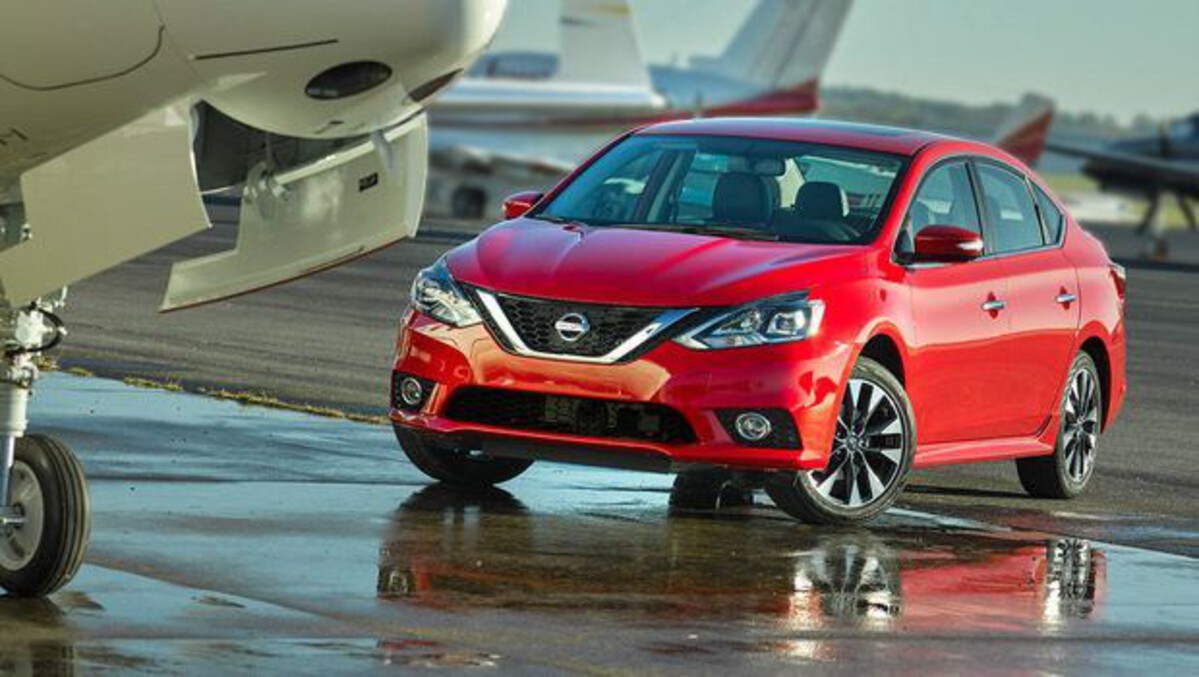
3. Nissan Sentra (2013–2019)
The 2013–2019 Nissan Sentra was aimed squarely at the value-conscious compact car buyer—offering a spacious interior, solid fuel economy, and a smooth ride for the price. But under the surface, this generation of Sentra struggles with long-term suspension integrity.
Many owners report that the car feels worn out far too early, with a soft, unstable ride that quickly loses the confidence and comfort expected even from a budget-friendly daily driver.
The problems begin with the suspension’s design simplicity. While a basic strut front and torsion beam rear suspension is acceptable in a compact car, Nissan skimped on component quality.
The front struts, mounts, and bushings degrade rapidly—often producing knocking noises, bounce, and inconsistent handling within the first 50,000 to 70,000 miles. Steering response fades, and the car starts to feel vague and disconnected even in normal driving.
At the rear, the torsion beam axle setup is particularly vulnerable to wear. Once bushings wear out, the Sentra begins to exhibit excessive rear-end sway and instability over uneven surfaces.
Combined with soft damping, this leads to a “boaty” feel—more like an aging full-size sedan than a compact commuter. Drivers often complain of exaggerated body motion, especially during cornering or over repetitive bumps.
Noise is another growing issue. Creaks, rattles, and road vibrations begin to creep into the cabin earlier than expected, and the Sentra lacks the chassis rigidity to keep these from worsening over time.
Mechanics frequently point out that while these issues can be fixed, the parts aren’t exactly robust—meaning replacements may only delay the problem rather than solve it long-term.
There’s also a notable mismatch between the suspension and the car’s CVT transmission, which tends to drone and surge under acceleration. As the suspension begins to wear, this makes the car feel even more unstable during acceleration or hill climbs.
Ultimately, the Sentra’s early decline in ride quality makes it one of the most disappointing compact sedans in terms of suspension aging.
While it may appear refined when new, its ride goes soft, noisy, and sloppy faster than most competitors—making it a poor long-term bet for buyers who value composure as much as economy.
4. Jeep Compass (2007–2017)
The first-generation Jeep Compass (2007–2017) was marketed as an affordable gateway into the Jeep lineup, aimed at urban drivers who wanted SUV looks with car-like dynamics.
But while its compact dimensions and all-wheel-drive availability were appealing on paper, the Compass quickly developed a reputation for subpar build quality—especially in the suspension department.
Even when new, it struggled to deliver a composed ride, and over time, things often went downhill fast.
From the start, the Compass used a basic MacPherson strut front and multi-link rear suspension. While not inherently flawed, the tuning and component quality left much to be desired.
Soft bushings and undersized dampers made the vehicle feel loose and bouncy even at low mileage. And unlike more rugged Jeep models, the Compass didn’t have the reinforced underpinnings to handle long-term wear, even under light-duty use.
One of the most common complaints from owners is how quickly the suspension begins to creak, groan, and clunk—often before 60,000 miles.
Front control arm bushings are especially notorious for early wear, leading to vague steering and annoying noise over every bump.
Rear suspension components, particularly the toe links and trailing arms, also wear out faster than expected, contributing to a sense of instability and erratic handling.
The chassis itself lacks the rigidity needed to preserve ride quality over time. As miles accumulate, NVH (noise, vibration, and harshness) worsens significantly, making the Compass feel older than it is.
Even minor suspension wear is amplified by the flexible structure and budget-level interior materials, giving the entire vehicle a “rattly” feel.

Adding to the frustration, replacement parts don’t always solve the issue for long. Mechanics often report seeing the same bushings and end links fail again just a year or two after replacement, leading to a frustrating and expensive cycle of repairs.
For buyers drawn to the Jeep name but looking for long-term refinement, the Compass rarely delivers. Its early descent into suspension slop makes it one of the least satisfying Jeep products to own over time.
Even modest expectations for ride comfort and control often go unmet by the 70,000-mile mark—making it a cautionary tale in compact SUV longevity.
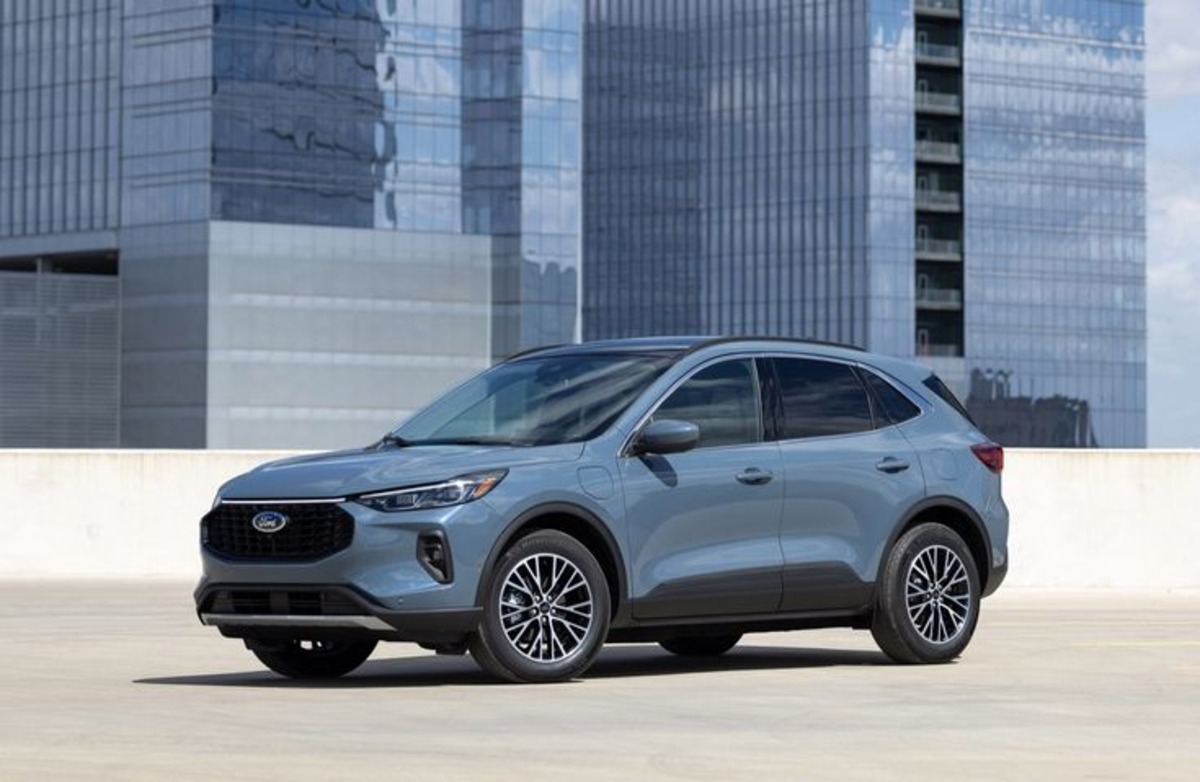
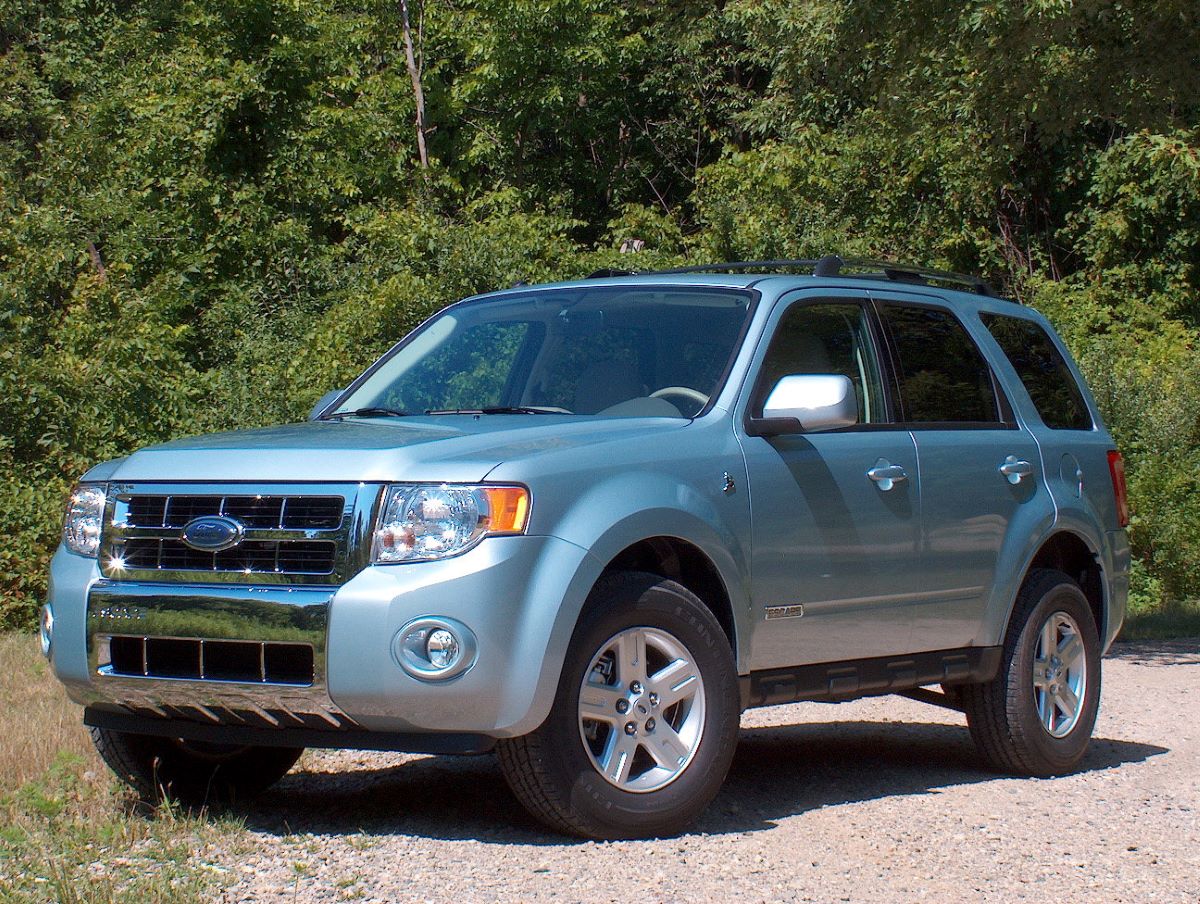
5. Ford Escape (2013–2019)
The third-generation Ford Escape, produced from 2013 to 2019, aimed to be a stylish, tech-forward compact SUV for families and commuters.
And while it delivered on features, interior space, and fuel efficiency, it stumbled badly when it came to long-term suspension quality.
Owners and technicians alike frequently note that this Escape begins to feel tired and loose much earlier than expected, with many reporting noticeable deterioration before hitting 80,000 miles.
The front suspension uses a MacPherson strut design, while the rear features a multi-link setup. Both systems should, in theory, deliver a balance of comfort and control.
However, Ford’s component choices—especially in early model years—undermined this potential. Cheap bushings, weak strut mounts, and under-damped shocks made the Escape prone to developing ride and handling issues early in its life.
One of the most common complaints involves persistent clunking sounds from the front end. These are usually traced to worn sway bar links, degraded control arm bushings, or premature strut wear.
As these parts begin to fail, the vehicle starts to lean more in corners, dive under braking, and float over bumps—symptoms of a suspension that’s rapidly losing precision.
At the rear, the issues continue. Many drivers report rear-end instability, particularly during lane changes or over undulating pavement.
The rear shocks tend to fade quickly, and the suspension bushings often wear unevenly, leading to a “tail-wagging” sensation at highway speeds. This undermines driver confidence and makes the Escape feel far older than its mileage suggests.
To make matters worse, the Escape’s body structure lacks the rigidity of some of its rivals, allowing suspension wear to translate directly into cabin noise. Squeaks, rattles, and vibrations become more pronounced as suspension components age, especially on rough roads.
While the Escape may appeal to buyers looking for a stylish crossover with good tech, it disappoints when it comes to aging gracefully.
Suspension slop appears early, worsens quickly, and is expensive to resolve. For those who expect a compact SUV to stay composed and quiet into its second decade, the 2013–2019 Escape often falls short—becoming another example of a promising platform undone by cut corners in critical areas.
When it comes to long-term vehicle satisfaction, suspension quality is one of the most underrated factors. It’s not as flashy as horsepower or as measurable as fuel economy, but it plays a major role in how a car feels—year after year.
A well-tuned, durable suspension delivers a composed, quiet, and controlled ride long after the showroom shine has faded.
On the other hand, a sloppy, prematurely worn-out suspension can make even a low-mileage vehicle feel older than it is, leading to discomfort, poor handling, and a frustrating ownership experience.
In this comparison, we’ve seen both sides of the equation. On one end are vehicles like the Lexus LS, Honda Accord, Mazda6, Subaru Outback, and Mercedes E-Class—cars that hold their ride quality for a decade or more.
They’re built with high-grade components, smart engineering, and a focus on long-term durability. These vehicles reward owners with consistent handling, low repair frequency, and a sense of refinement that doesn’t fade with time.
On the flip side, models like the Dodge Journey, Chevrolet Malibu, Nissan Sentra, Jeep Compass, and Ford Escape show how early suspension degradation can erode confidence and comfort.
These vehicles often develop excessive body motion, clunks, squeaks, and sloppy road behavior far earlier than expected. Whether due to poor-quality parts, bad geometry, or cost-cutting, the result is the same: a ride that deteriorates too quickly and costs more to maintain.
The lesson for car buyers—especially those keeping their vehicles long-term—is clear. Don’t just test-drive for how a car feels today.
Ask how it will feel after 80,000 or 100,000 miles. Look for models with proven track records of suspension longevity, and avoid those known for early decline.
A car that still rides like new after 10 years isn’t just a pleasure—it’s a smart investment that saves money, reduces stress, and keeps every drive enjoyable.
Suspension may live under the car, but it defines how connected you feel to the road. Choose wisely, and your car will age with grace. Choose poorly, and you’ll feel every bump—and regret—along the way.
Also Read: 5 Hybrids With 200k+ Battery Life and 5 That Drain Fast
