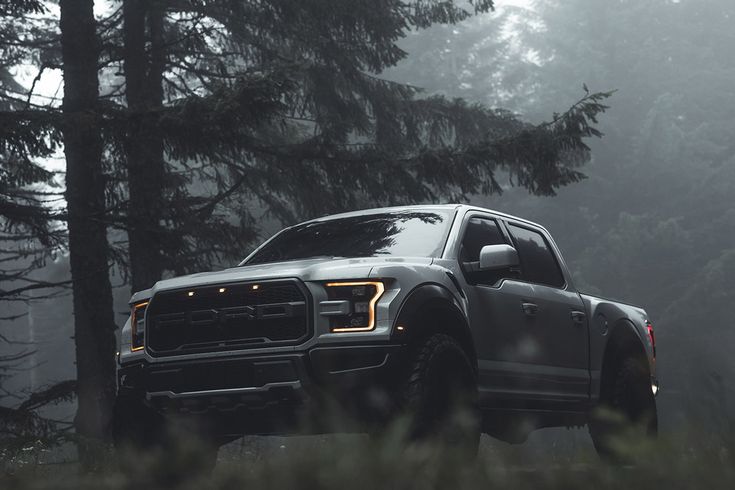
Towing is the ultimate test of a truck’s durability and engineering. Whether you’re hauling a boat, a camper, a horse trailer, or work equipment, not every pickup is truly built for the long haul—no matter what the brochure says.
Some trucks are designed with heavy-duty towing in mind, featuring reinforced frames, upgraded transmissions, and advanced cooling systems to keep everything running smoothly under strain.
Others, unfortunately, just look the part. They might offer decent towing numbers on paper but quickly show their weaknesses when put to real-world use—often in the form of overheating, transmission failure, or costly mechanical breakdowns.
If towing is a regular part of your driving life, choosing the right truck is critical. This blog breaks down 5 pickups that consistently shine under load, running strong year after year, and contrasts them with 5 models that frequently leave their owners stranded with busted transmissions and hefty repair bills.
This isn’t just a list based on specs—it’s based on real-world data, long-term owner reports, and expert insight into common problem areas. From bulletproof workhorses to overhyped underachievers, we cover it all.
Whether you’re towing every weekend or just a few times a year, knowing which trucks hold up and which fall apart can save you serious time, money, and stress.
Before you hitch up that trailer, read on to find out which trucks are truly built to tow—and which ones are best left behind.
5 Trucks That Tow for Years
These trucks are true towing legends—machines engineered to handle the toughest loads without flinching. With beefy drivetrains, heavy-duty transmissions, reinforced frames, and cooling systems built for endurance, they’re not just built to tow, they’re built to last.
Whether it’s daily jobsite duty or weekend cross-country hauls, these pickups consistently rise to the challenge. What really sets them apart is their long-term reliability.
Owners rave about how these trucks maintain performance even after 200,000 miles or more. From the rock-solid Ford Super Duty series to the ultra-capable Ram HD lineup, these models have earned their place in towing history through years of dependable service.
They don’t just look tough—they prove it every time the trailer’s hooked up. When you’re regularly hauling weighty loads, the last thing you want is a truck that hesitates. These proven workhorses offer the confidence and capability that serious haulers depend on.
If you need a truck that will handle the pressure now—and still hold strong years down the road—these are the ones you want behind the hitch.
ALSO READ: 5 Manual Cars That Never Need a Clutch and 5 With Nightmare Repairs
1. Ford F-250 Super Duty
The Ford F-250 Super Duty is an absolute towing beast that has proven itself time and time again. Especially in its 6.7L Power Stroke V8 diesel configuration, this truck is engineered for serious work.
With towing capacities reaching over 20,000 pounds when properly equipped, the F-250 isn’t just strong—it’s smartly built. It comes with a heavy-duty 10-speed automatic transmission designed to handle high torque while staying cool, even under full load.
Owners who tow regularly report long-term reliability that stretches beyond 200,000 miles with proper maintenance. Ford’s use of a large transmission cooler, advanced shift logic, and durable gears makes this truck a standout.
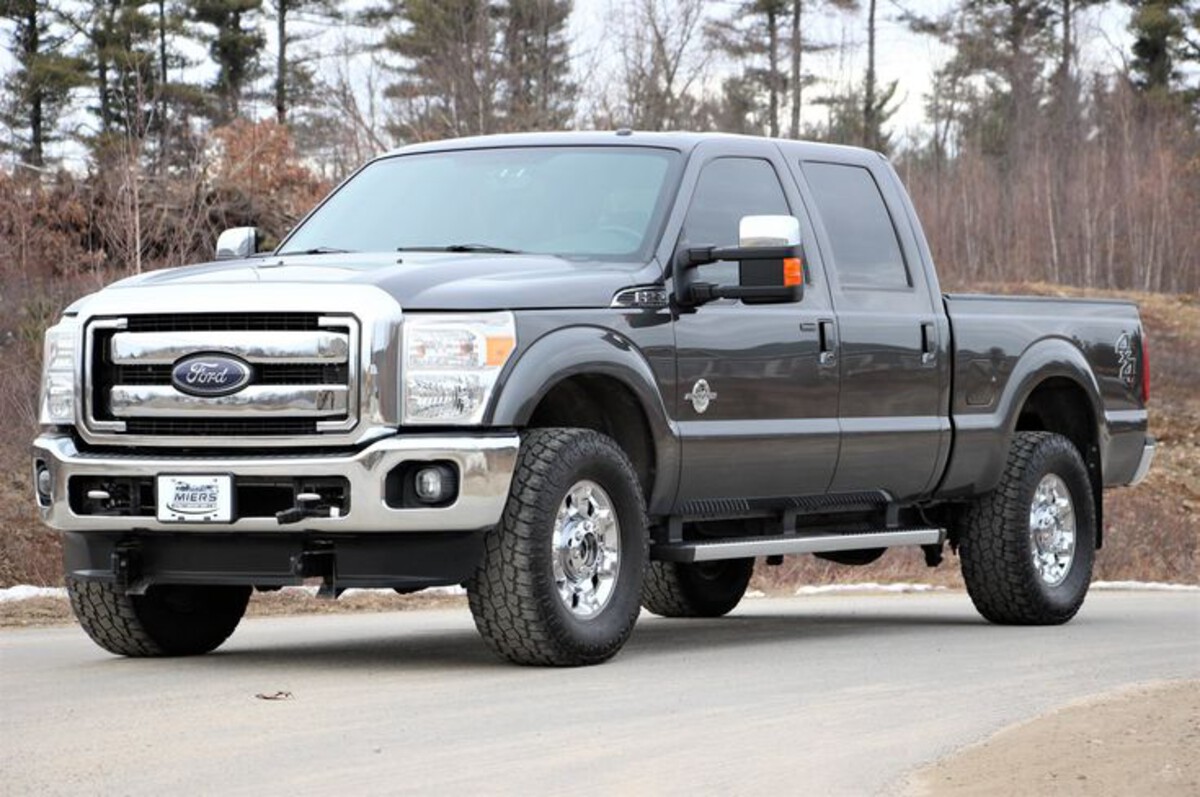
It’s also equipped with a Tow/Haul mode that adjusts shift points to reduce heat buildup—prolonging transmission life dramatically.
But what really sets it apart is its aftermarket and parts support. Need a bigger cooler? Want upgraded gears? The F-250 is mod-friendly and built to last. Whether you’re hauling trailers cross-country or towing equipment to job sites daily, this truck doesn’t flinch. It’s no surprise that it’s one of the top choices for fleet buyers and contractors alike.
If you want a heavy-duty pickup that laughs at high mileage and heavy loads, the F-250 Super Duty is as solid as they come.
2. Ram 2500 with Cummins Diesel
The Ram 2500 with the legendary 6.7L Cummins turbodiesel is a towing icon. It’s built to move massive loads without compromising long-term reliability, making it a favorite among ranchers, construction crews, and RV haulers.
With towing capacities well over 19,000 pounds, this truck thrives in the kind of environments that chew up lesser pickups.
At the heart of the Ram’s durability is the Cummins engine paired with the Aisin AS69RC transmission—a combination that’s as bulletproof as it gets. The Aisin is known for smooth shifting under load, better torque handling, and cooler operation than many competitors’ transmissions.
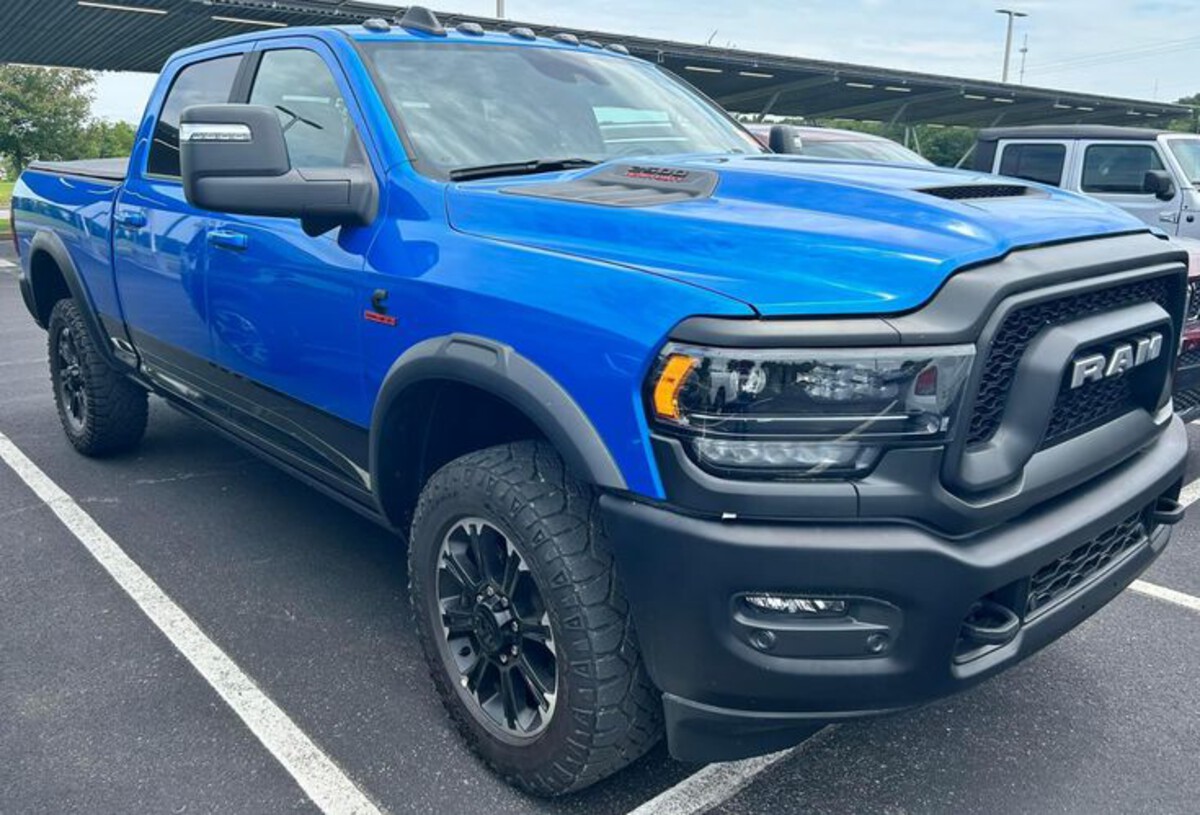
Unlike some light-duty trucks that overheat or slip under stress, this setup remains composed even after hours on the road with a trailer in tow.
Owners rave about the long-term reliability, often pushing past 300,000 miles with original drivetrains. The truck’s built-in exhaust brake, heavy-duty transmission cooler, and robust drivetrain all contribute to its legendary status in the towing world.
Whether you’re hauling horses, heavy machinery, or a fifth-wheel camper, the Ram 2500 with the Cummins-Aisin combo delivers peace of mind and serious muscle. It’s the truck you buy if you plan on towing hard, towing often, and towing for years to come.
3. Chevrolet Silverado 2500HD Duramax
If there’s one truck GM loyalists trust with heavy loads, it’s the Chevrolet Silverado 2500HD equipped with the 6.6L Duramax diesel engine and the Allison 10-speed automatic transmission. This pairing is a legend in the towing community, with a track record of pulling serious weight for hundreds of thousands of miles.
The Duramax-Allison combo is all about controlled power. The engine produces immense torque, while the Allison transmission shifts cleanly and keeps cool thanks to its oversized fluid capacity and dedicated cooling system. It doesn’t hunt for gears under load or build up heat in stop-and-go towing scenarios—a common killer of standard transmissions.
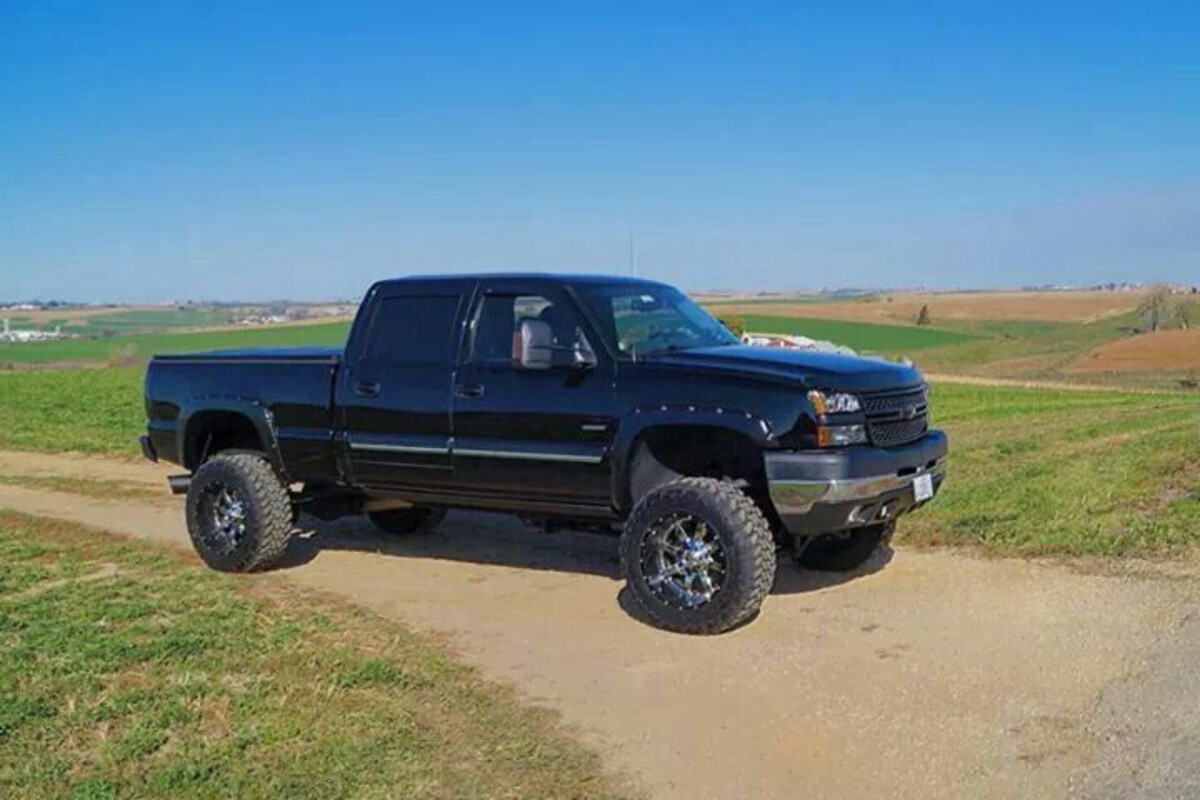
What really puts this truck in the top tier is how well it holds up under real-world use. Long-distance haulers, farmers, and hotshot drivers all swear by its ability to stay composed even under extreme conditions.
Add in GM’s smart trailering tech, an integrated trailer brake controller, and engine braking features, and you’ve got a truck that’s not just strong—it’s towing-intelligent.
For those who want longevity, smooth performance, and minimal drama from their drivetrain, the Silverado 2500HD with the Duramax-Allison combo is a proven performer with a stellar reputation for durability under load.
4. Toyota Tundra (Pre-2022 5.7L V8)
Though not in the heavy-duty league like the others, the pre-2022 Toyota Tundra with the 5.7L i-Force V8 is widely respected for its towing longevity. Rated to tow around 10,000 pounds, the Tundra might not win a max towing war, but what it lacks in spec-sheet domination, it makes up for in long-term durability.
The key to its success? Toyota’s ultra-reliable 6-speed automatic transmission. This gearbox, though dated by modern standards, is incredibly robust and has been proven to hold up for 200,000+ miles of regular towing with minimal issues.
Combined with an overbuilt cooling system and reliable drivetrain, the Tundra has earned a cult-like following among those who tow boats, trailers, or utility loads.
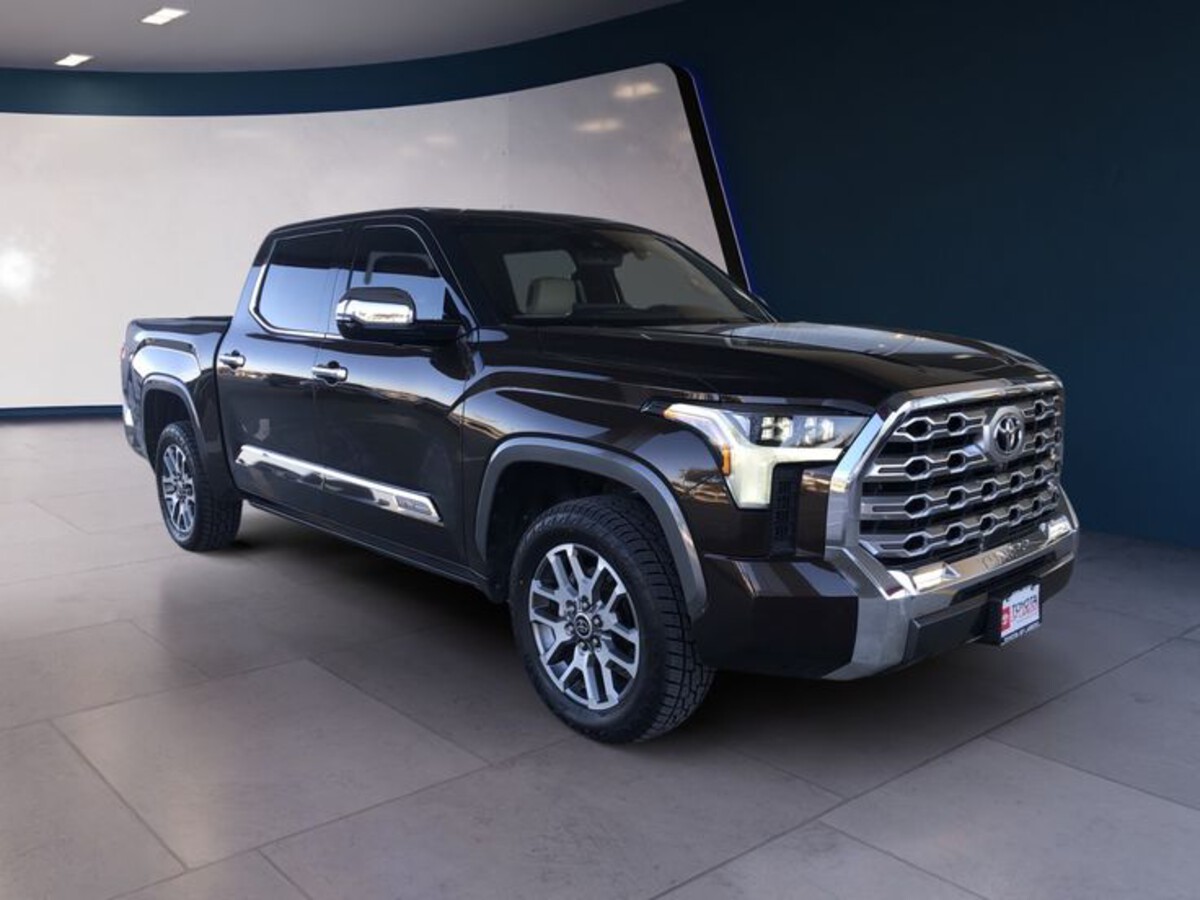
The Tundra’s simple mechanical layout means fewer things to go wrong—especially compared to newer trucks with overly complex electronics. It’s the truck you buy when you want a “set it and forget it” towing experience.
While the new twin-turbo V6 Tundra has yet to prove itself long-term, the older 5.7L models have already written their story—one of towing consistency, durability, and bulletproof transmission reliability. If you want dependable towing performance without worrying about repairs every 50,000 miles, the older Tundra is an underrated gem.
5. GMC Sierra 3500HD
If you’re looking for industrial-grade towing performance wrapped in a refined package, the GMC Sierra 3500HD delivers the goods. Especially when paired with the Duramax 6.6L diesel and Allison transmission, this truck is built to withstand repeated heavy hauling for the long haul.
GMC’s use of the Allison 10-speed automatic is key here. Unlike many mass-market transmissions that falter under extreme pressure, this one is specifically designed to handle massive torque and continuous towing without breaking down.
The transmission’s smart programming and efficient cooling system ensure smooth operation whether you’re crawling uphill or cruising on the highway.
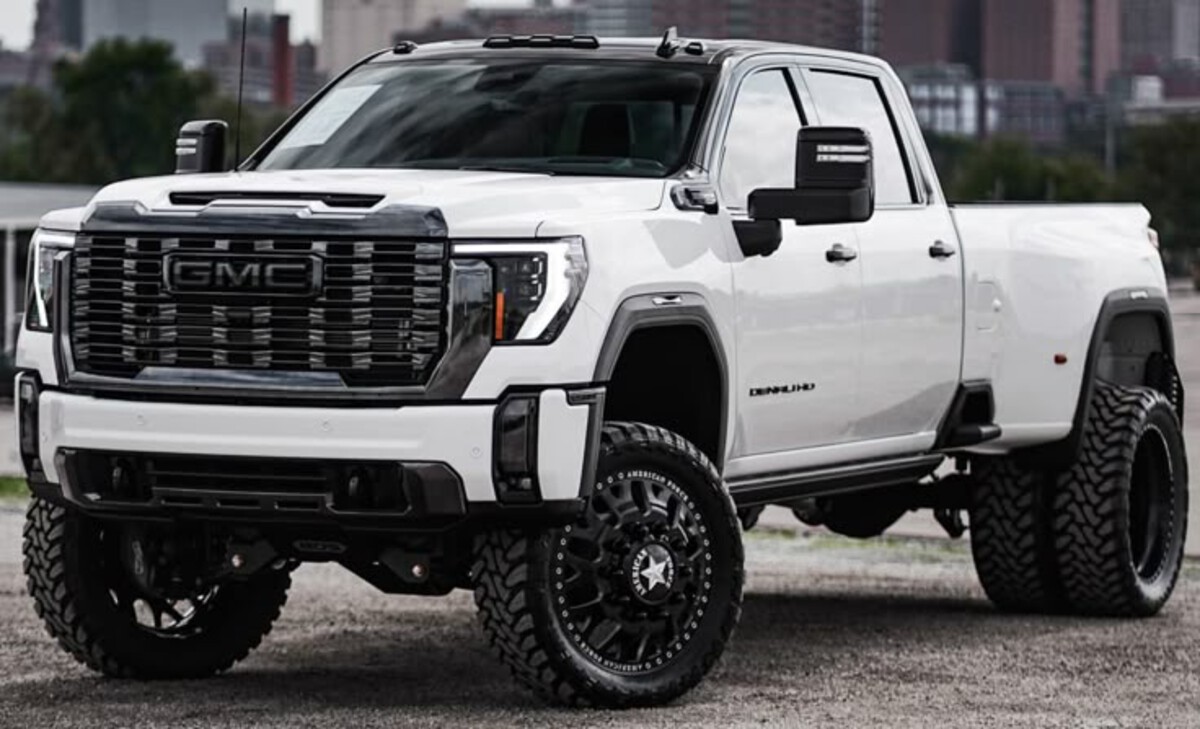
Owners who routinely tow horse trailers, fifth wheels, or worksite equipment praise the Sierra 3500HD for its durability. Many drivers push well past 250,000 miles with only routine maintenance. The transmission in particular rarely needs major service unless abused or poorly maintained.
This truck also boasts towing-specific features like trailer sway control, hill-start assist, and integrated trailer brake control, all of which ease strain on the transmission. For anyone serious about towing year after year with confidence, the Sierra 3500HD is one of the most trustworthy and proven platforms on the market.
5 Trucks That Burn Out Their Transmissions
Not every truck is cut out for serious towing, and some have earned a reputation for falling apart under pressure. These underperformers might look rugged, but their drivetrains tell a different story when the load gets heavy.
From poorly designed transmissions and inadequate cooling systems to mismatched gear ratios and flimsy components, these trucks struggle to keep up with the demands of consistent towing.
Owners often report overheating, slipping gears, and total transmission failure well before hitting the mileage they expected. The result? Costly breakdowns, towing bills, and time spent in the shop instead of on the road. If you’re planning to haul anything more than a lawnmower, it’s wise to know which trucks to avoid.
These are the models that might advertise solid towing numbers but can’t handle the long-term wear and tear of the real world. Unless you’ve got deep pockets or don’t mind frequent repairs, these trucks are best left off your shortlist. When it comes to towing, strength on paper means nothing without reliability in practice.
ALSO READ: 10 Cars Mechanics Secretly Drive Themselves: Reliable, Affordable, Easy to Maintain Daily Drivers
1. Ford Explorer Sport Trac
While the Ford Explorer Sport Trac might look like a tough little truck, especially with its SUV roots and available 4.6L V8, it has a nasty habit of eating transmissions, particularly when used for towing. Ford rated it to tow up to 7,160 pounds, but real-world performance told a different story.
The 5R55 transmission, which was notoriously underbuilt for the kind of loads many owners tried to pull. Overheating was common, especially without aftermarket cooling upgrades. Add in weak shift solenoids, valve body issues, and a design not built with sustained towing in mind, and you’ve got a recipe for disaster.
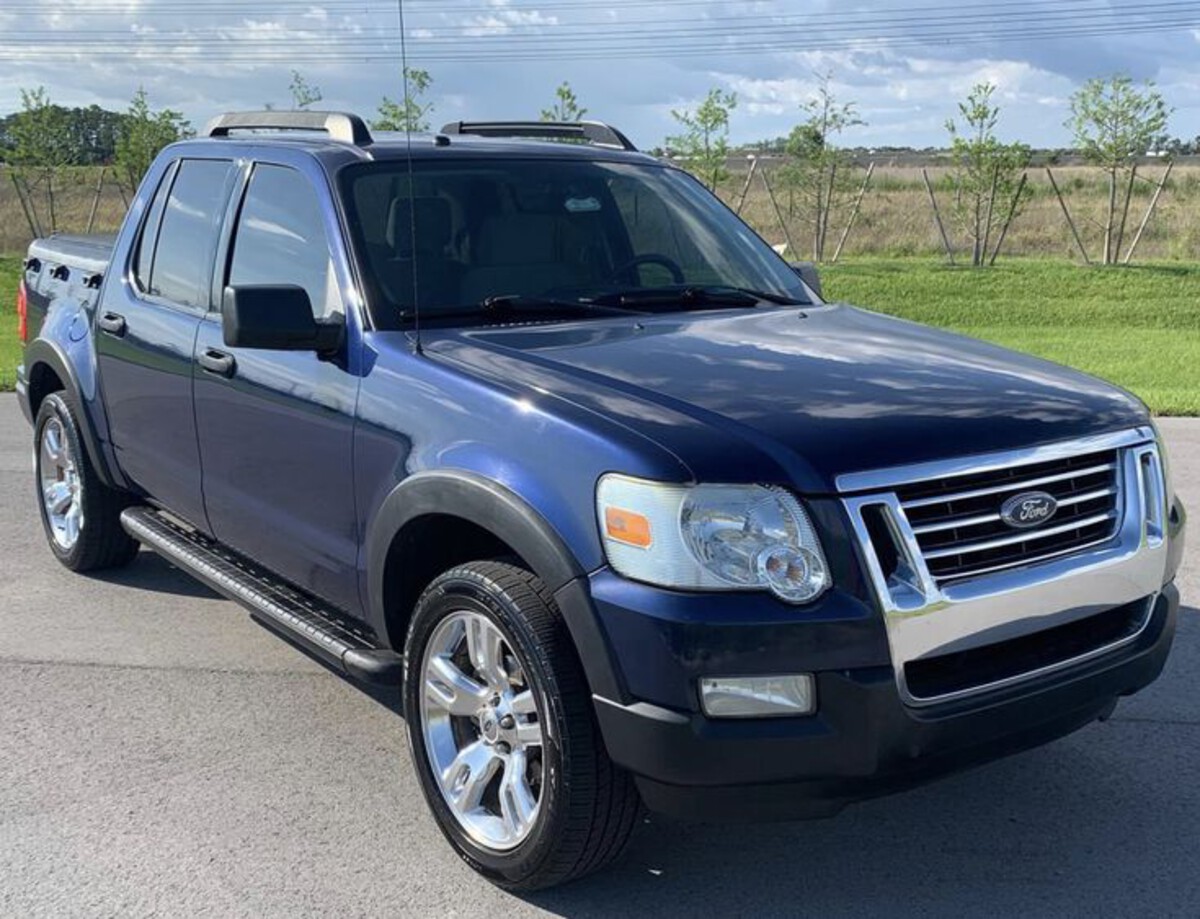
Many owners reported complete transmission failures before 100,000 miles—some even before 60,000.
While the truck does have its fans for light-duty daily use, it’s simply not a long-haul towing warrior. Those who tried to use it for camping trailers or boat hauling often ended up with massive repair bills and a sour taste for Ford’s midsize experiment.
If you’re looking for a dependable tow rig, the Sport Trac isn’t it. It’s a reminder that just because a truck has a hitch and a V8 doesn’t mean it’s designed to tow. Skip this one if you want your transmission to last.
2. Nissan Titan (2004–2015)
The first-generation Nissan Titan had the power on paper—its 5.6L Endurance V8 packed a punch and could tow over 9,000 pounds when equipped properly. But its Achilles’ heel was its transmission. Mated to a 5-speed automatic, the drivetrain struggled under sustained towing loads and frequently failed well before its time.
The RE5R05A transmission in particular had a reputation for overheating during long hauls, especially in hot weather or with heavier trailers. The factory transmission cooler wasn’t always up to the task, and Nissan didn’t design the transmission to handle repeated high-stress towing situations.
Drivers who regularly towed campers or boats found themselves dealing with slipping gears, delayed shifting, and eventually full-on failure—sometimes before 100,000 miles.
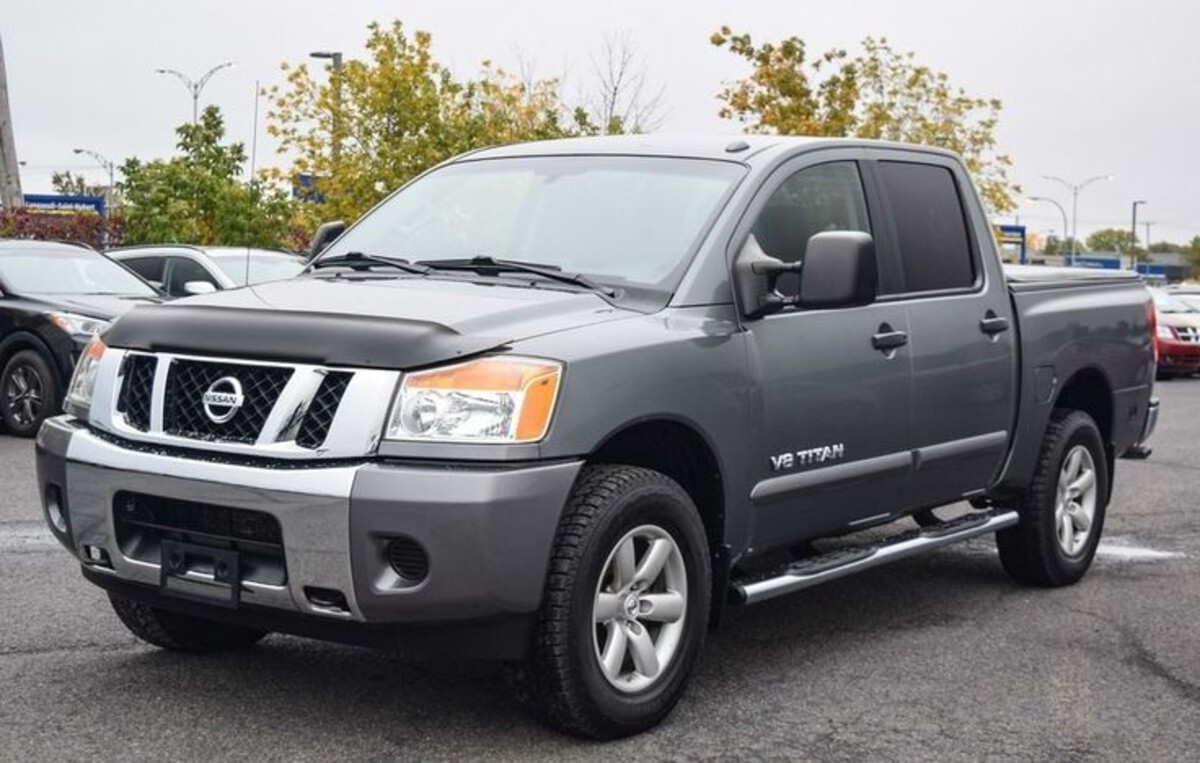
Even worse, replacement costs were steep, and because these issues weren’t isolated, it left a dent in the Titan’s long-term reputation. While the Titan was loved for its strong engine and roomy cabin, it simply wasn’t engineered to be a dependable tow rig for serious haulers.
The newer Titan XD models have improved, but the early Titan is a cautionary tale. If you need something that’ll tow reliably year after year, you’d be better off skipping the 2004–2015 Titan and choosing something with a proven transmission history.
3. Chevrolet Colorado (2004–2012)
The first-generation Chevrolet Colorado tried to provide truck utility in a smaller package, but its transmission wasn’t up to towing anything close to its maximum rating of 5,500 pounds.
The 4L60E automatic transmission carried over from GM’s older SUV lineup—was already known for its shortcomings, and putting it into a towing scenario only magnified the issues.
Owners quickly learned that hauling trailers or even modest boats could send the transmission into early failure. The 4L60E was prone to overheating, premature clutch wear, and weak internal components that didn’t hold up well under sustained load.
Adding insult to injury, the Colorado lacked advanced cooling or tow-specific features to help preserve the transmission’s lifespan.
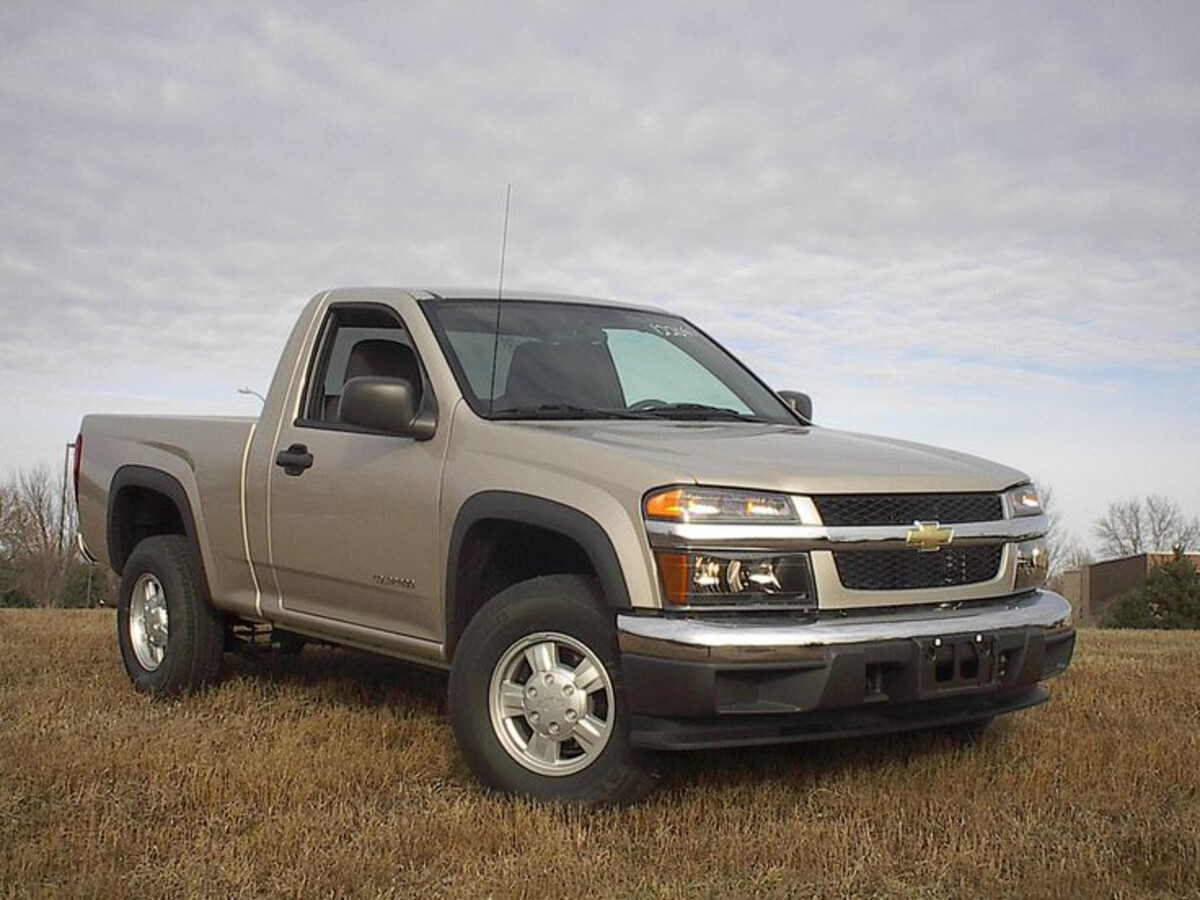
What made matters worse was how quickly problems would escalate—from slight slippage to total loss of gears, often before hitting the 100,000-mile mark. Transmission rebuilds or replacements were common, and even with repairs, repeated towing could bring problems right back.
While later Colorado generations with newer transmissions are much improved, the early models are definitely a red flag for anyone needing reliable towing. Light use? Maybe. But if you’ve got trailers in mind, look elsewhere unless you want to budget for a transmission rebuild every couple of years.
4. Dodge Dakota (2000–2011)
The Dodge Dakota filled a nice niche as a midsize truck with V8 power, but it had one glaring flaw—its transmission just couldn’t handle serious towing. Even though some trims were rated to pull over 7,000 pounds, many owners found that regular towing led to quick and costly transmission failures.
The 45RFE and later 545RFE transmissions were used in both the Dakota and full-size Ram trucks, but in the smaller Dakota, these units often felt mismatched. The gearing wasn’t ideal for towing, and without heavy-duty cooling systems or transmission enhancements, the Dakota’s drivetrain would overheat under pressure.
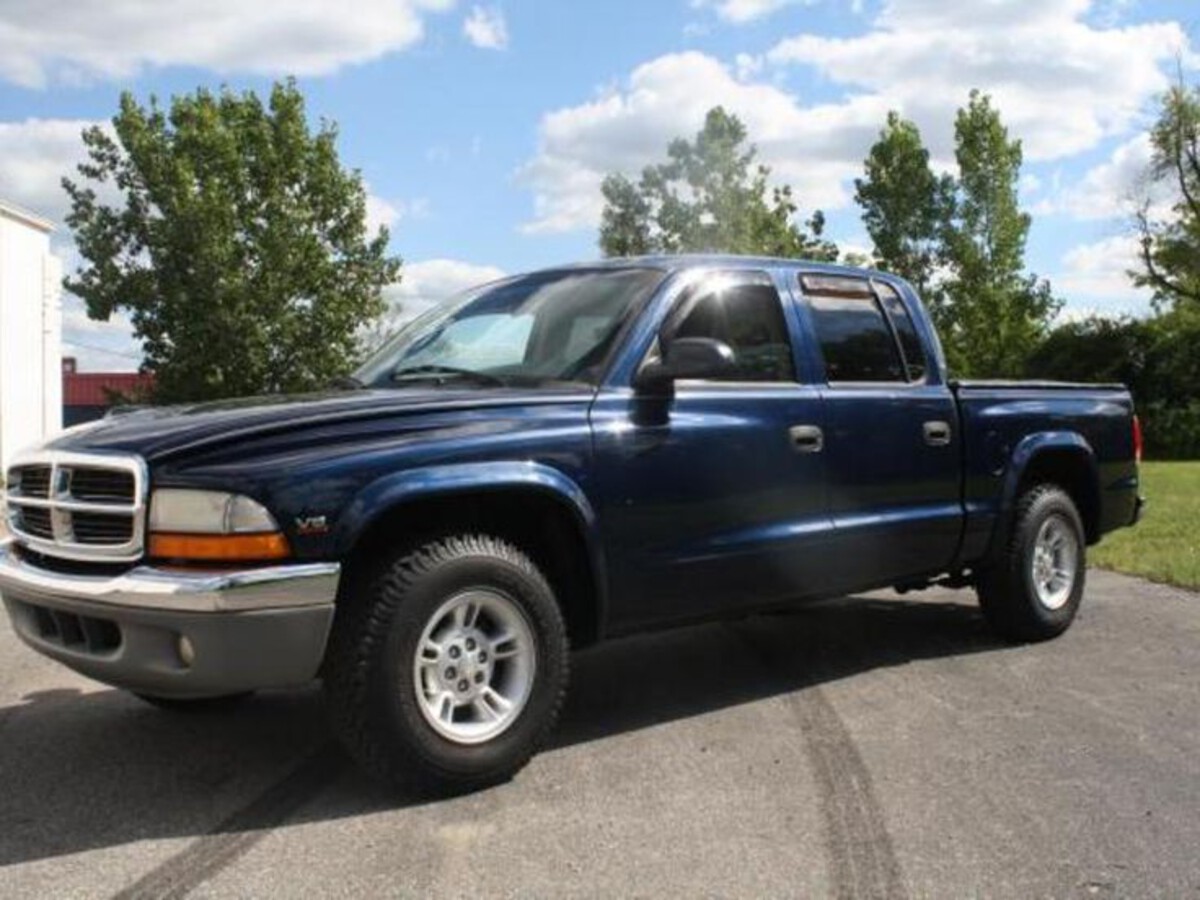
What followed was a slew of complaints, ranging from hard shifts to total transmission failure. Many Dakota owners reported needing full rebuilds before hitting 100,000 miles, especially those who used their trucks for work or long-distance hauling. Even Dodge’s “Tow/Haul” mode offered little help in real-world conditions.
While the Dakota had a lot going for it in terms of power and size, its transmission reliability under load is hard to defend. If you’re using your truck primarily for towing, the Dakota—especially in earlier years—is a gamble that too often ends with a tow truck and a transmission shop invoice.
5. Ford F-150 (2004–2008 5.4L Triton V8)
The Ford F-150 is often praised for its work ethic and widespread popularity, but the 2004–2008 model years—particularly those with the 5.4L Triton V8—have left many towing owners with serious regrets. While rated to tow up to 9,500 pounds, this generation suffered from notorious transmission issues that made consistent towing a major risk.
The 4R75E transmission paired with the 5.4L was plagued by several weaknesses: premature solenoid failure, rough shifting, and heat-related breakdowns. Towing just accelerated the process. The transmission cooler was undersized, and Ford’s shift programming at the time did little to preserve transmission life under heavy loads.
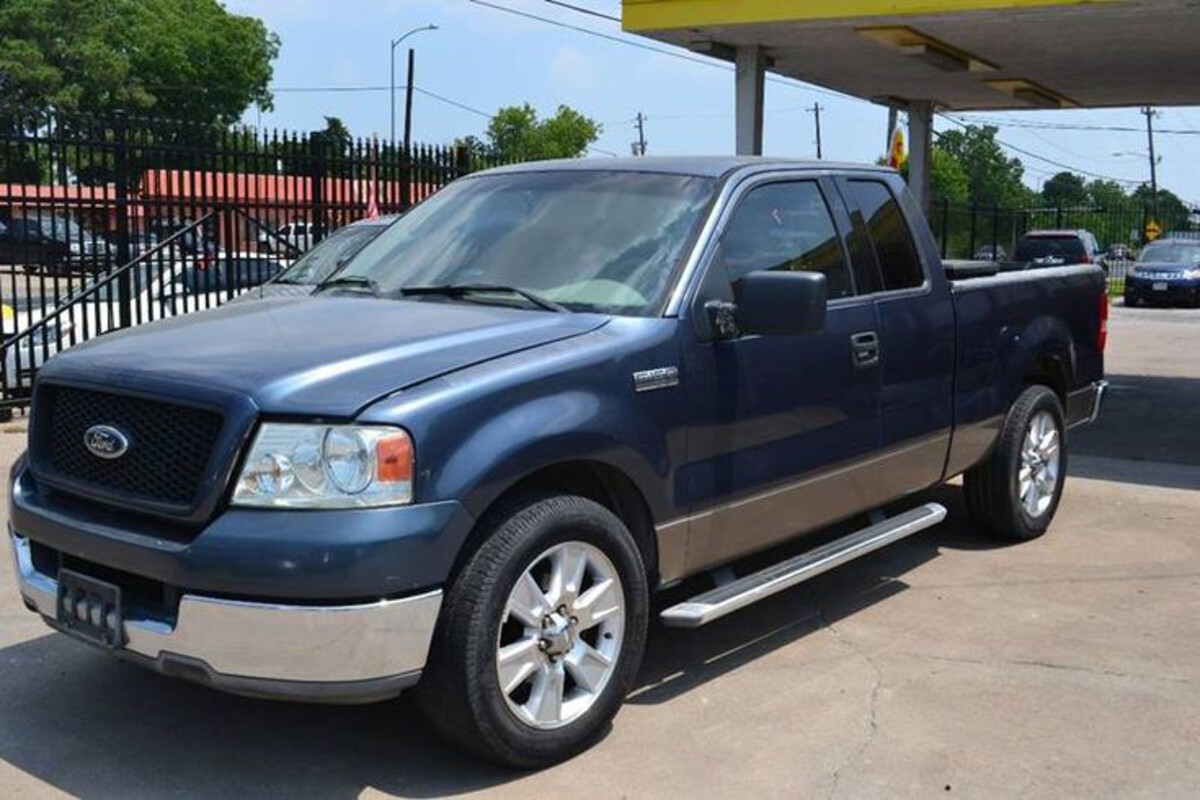
Owners often saw slipping, harsh engagement, or outright failure before 120,000 miles, especially when towing frequently or in hot climates. Combine that with the infamous spark plug ejection issue from the 5.4L V8, and you’ve got a truck that caused more headaches than most owners were prepared for.
While newer F-150s have vastly improved transmission performance (especially with the 10-speed units), this era is best avoided if you need a towing partner. It might be an F-150 in name, but under load, it simply didn’t hold up to the standard Ford fans expect
Not all trucks are built the same—especially when it comes to towing. While many might appear rugged or boast impressive numbers on paper, real-world towing separates the true workhorses from the weak links.
Trucks like the Ford F-250 Super Duty, Ram 2500, and Chevrolet Silverado 2500HD are engineered from the ground up for heavy-duty performance. These models combine high-torque engines, reinforced frames, robust transmissions, and specialized cooling systems to handle consistent strain over time.
They’re not just capable of pulling heavy loads—they’re built to do it reliably for hundreds of thousands of miles. For frequent haulers, these trucks offer peace of mind and proven performance.
But not every truck with a hitch is up to the task. Models like the early Nissan Titan, Ford Explorer Sport Trac, and Dodge Dakota often promise more than they deliver.
Despite bold styling and advertised towing numbers, these vehicles are plagued by common weak points, such as underbuilt transmissions, insufficient cooling, and structural limitations—that quickly show under stress. Owners often face costly repairs and premature wear, especially when pushing these trucks beyond casual weekend duty.
When towing is a regular part of your lifestyle—whether it’s hauling a camper cross-country or pulling equipment for work—it’s not just about the spec sheet.
It’s about long-term dependability under pressure. The best towing trucks aren’t just powerful; they’re thoughtfully engineered with durability, heat management, and driveline strength in mind. They shrug off steep grades, long highway pulls, and repeated heavy loads without missing a beat.
In the end, the difference between a truck that tows well once and one that tows well for years is often invisible—until it isn’t. Before hitching your next trailer, think beyond numbers and look at the real-world track record. Because in the world of towing, lasting strength always beats temporary muscle.