Affordable sports cars promise the dream—speed, agility, head-turning style—without the six-figure price tag. But here’s the catch: not every budget-friendly coupe or roadster is a smart investment.
For every Mazda MX-5 that keeps humming at 150,000 miles with minimal fuss, there’s a turbocharged disaster waiting to empty your wallet. When enthusiasts search for “cheap sports cars that are reliable,” they often overlook hidden repair costs, complex drivetrains, or fragile components that break more often than they should.
This blog dives into both sides of the coin—five sports cars under $30K that are surprisingly reliable daily drivers, and five that may be fun for a few weekends but turn into long-term headaches.
From engine durability to parts availability, and from owner-reported issues to professional mechanic insight, we’re covering everything a buyer should know before hitting “Buy Now” or shaking hands at the dealership.
Whether you’re looking for your first sports car or downsizing from a luxury performance brand, this list will help you navigate what’s worth your money and what’s best left in the classifieds. Because affordability doesn’t just mean the sticker price—it’s the cost of keeping the thrill alive, year after year.
ALSO READ: 5 Hybrids With 200k+ Battery Life and 5 That Drain Fast
5 Affordable Sports Cars That Are Reliable
Reliability isn’t often the first word that comes to mind when you think of sports cars, but it should be—especially if you’re buying on a budget.
Thankfully, there are a few standout models that combine fun, function, and long-term dependability. These sports cars come with proven drivetrains, easy-to-source parts, and straightforward maintenance schedules.
They’re praised by both mechanics and owners for not nickel-and-diming you over time. Whether it’s the legendary Miata or an underrated Hyundai Genesis Coupe, these cars deliver consistent performance without needing a lift every other weekend.
And while they may not boast record-breaking horsepower, their lightweight builds, solid balance, and responsive handling make them just as thrilling.
ALSO READ: 5 Vehicles That Can Be Left Sitting for Years and Still Start
Reliable Pick 1: Mazda MX-5 Miata
If there’s one name synonymous with reliable sports car ownership, it’s the Mazda MX-5 Miata. With over three decades of consistent excellence, the Miata is the go-to answer for enthusiasts seeking lightweight, budget-friendly thrills without the stress of surprise repairs.
The Miata’s secret lies in its simplicity. A naturally aspirated 4-cylinder engine, manual transmission, rear-wheel drive, and minimal electronic interference mean fewer things to break. Even older NA and NB generations with over 100,000 miles are still going strong thanks to robust build quality and a huge aftermarket parts supply.
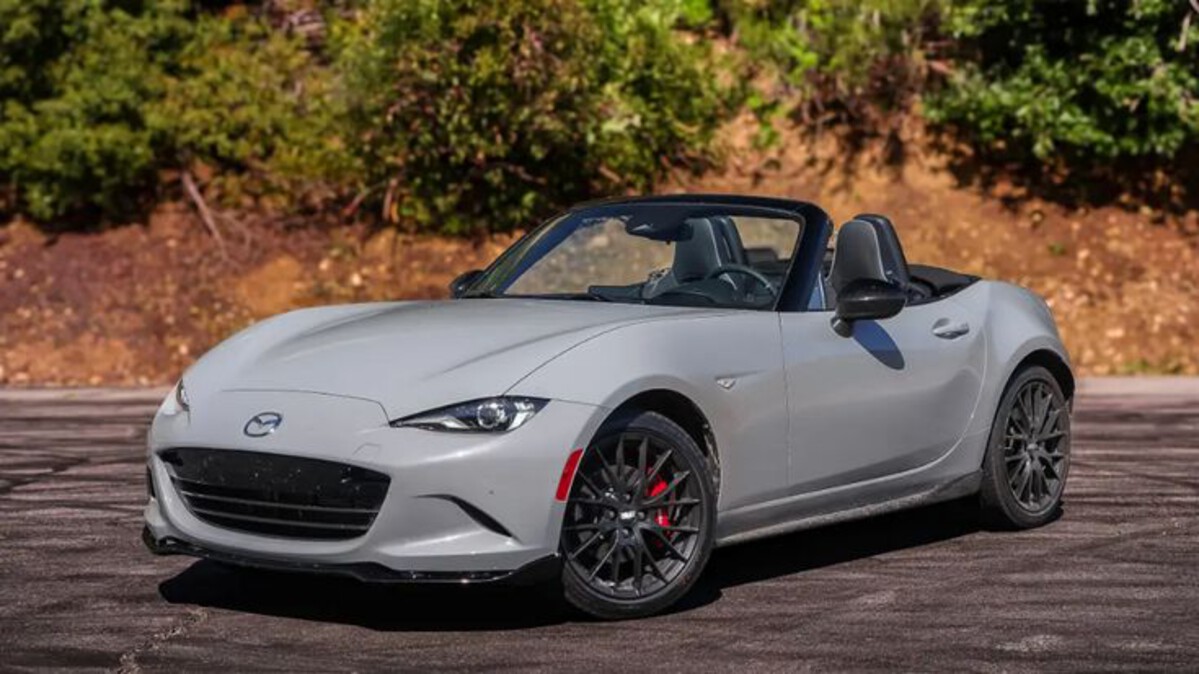
Newer ND models offer even better fuel efficiency, upgraded interior features, and improved chassis dynamics—all while retaining that fun-to-drive essence.
Maintenance costs are among the lowest in its class, and common repairs (like clutch replacements or suspension components) are inexpensive due to easy accessibility. Rust can be an issue in older models, but routine undercoating fixes that. Insurance rates are affordable, and fuel economy often exceeds 30 MPG.
Miata owners report a high level of satisfaction not just from driving, but also from ownership costs. No excessive oil consumption, no timing chain nightmares, and no turbo issues—it’s a car that begs to be driven every day and doesn’t punish you for doing so.
Plus, the MX-5 has strong resale value. You might pay $10,000–$20,000 depending on generation and mileage, but you’ll get a car that’s both a track toy and a reliable commuter.
Reliable Pick 2: Toyota 86 / Subaru BRZ
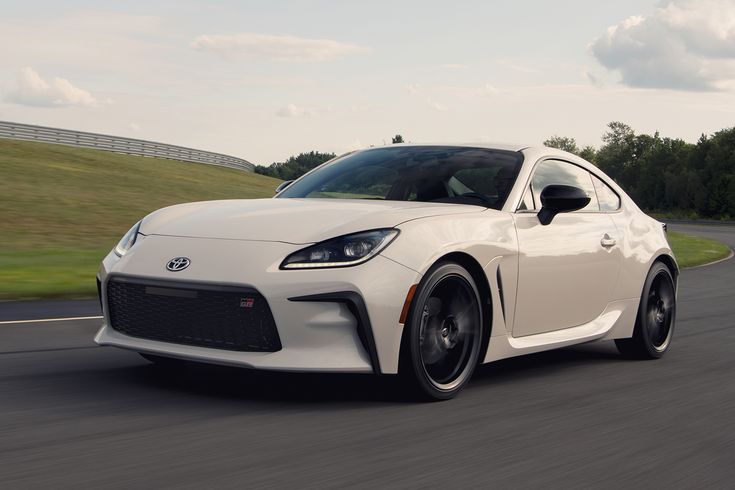
The Toyota 86 and Subaru BRZ twins are a dream come true for budget-conscious enthusiasts who crave balanced performance and day-to-day dependability.
Jointly developed by Toyota and Subaru, these rear-wheel-drive coupes are built with purist driving dynamics in mind—lightweight, low center of gravity, and an emphasis on driver engagement.
Under the hood, the 2.0-liter flat-four boxer engine may not be the most powerful (around 200 hp), but it’s incredibly efficient and mechanically straightforward. Owners report that, when properly maintained, these engines easily surpass 150,000 miles without major issues.
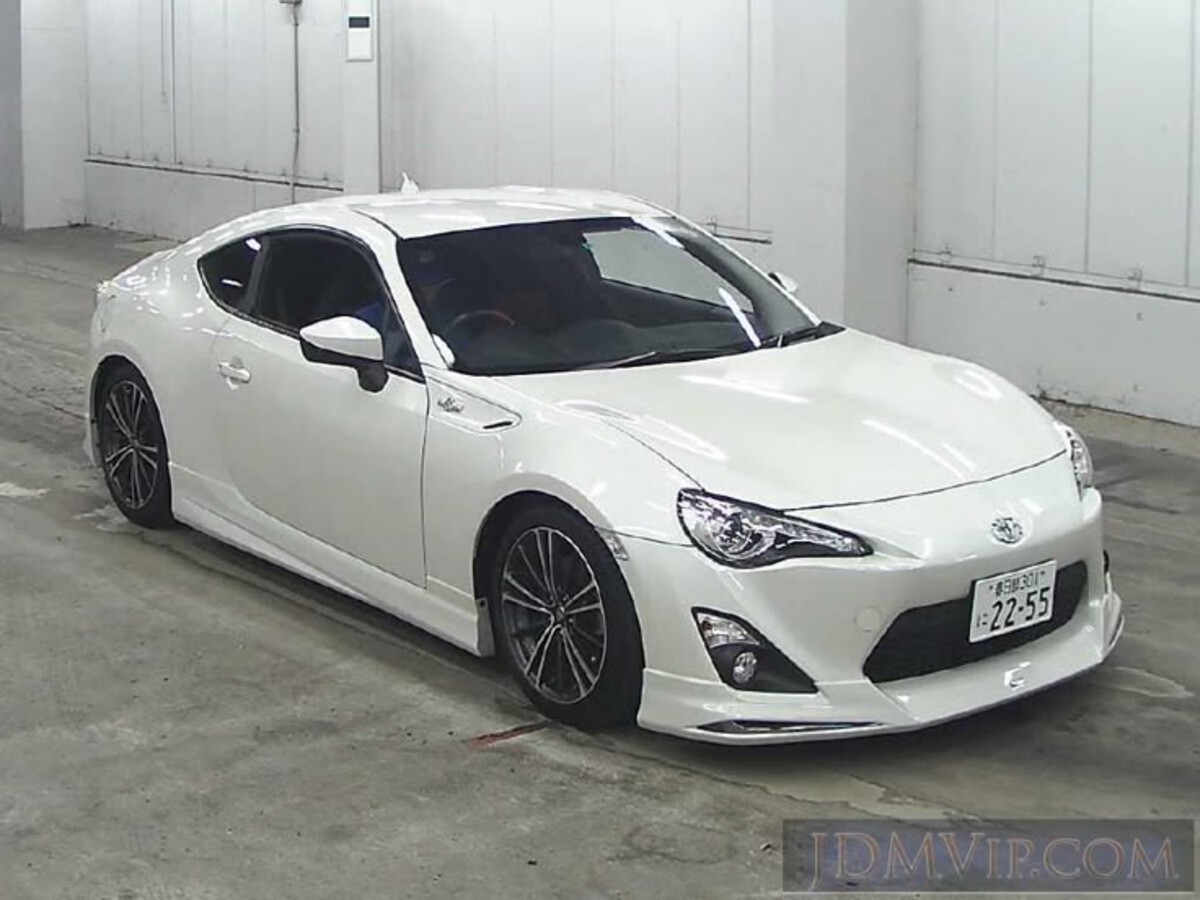
The manual transmission is slick, the chassis is superbly tuned, and aftermarket support is vast—making it ideal for both stock performance or tasteful modification.
As far as reliability goes, the 86/BRZ platform benefits from Toyota’s reputation for build quality and Subaru’s experience with boxer engines. Early models (pre-2017) had minor issues with rough idle and direct injection carbon buildup, but nothing catastrophic. Later versions refined these hiccups.
Routine maintenance costs are modest, and insurance isn’t punishing either—making this car ideal for younger drivers or weekend warriors. Fuel economy is decent at 25–28 MPG combined, and the interior, while basic, is built to last.
With clean examples available for $16,000–$25,000 on the used market, the Toyota 86 and Subaru BRZ offer a rare combination of sports car purity, practical affordability, and long-term reliability.
Reliable Pick 3: Honda Civic Si
While it may not look like a traditional sports car, the Honda Civic Si absolutely earns its spot here. It’s a front-wheel-drive performance variant of the already bulletproof Civic, and it’s beloved for combining everyday usability with a surprisingly energetic driving experience.
What makes the Civic Si so reliable is its Honda DNA. Generations like the 8th (2006–2011), 9th (2012–2015), and 10th (2017–2020) all feature robust engines—the naturally aspirated K20 and K24, and the turbocharged L15B7 in the latest versions.
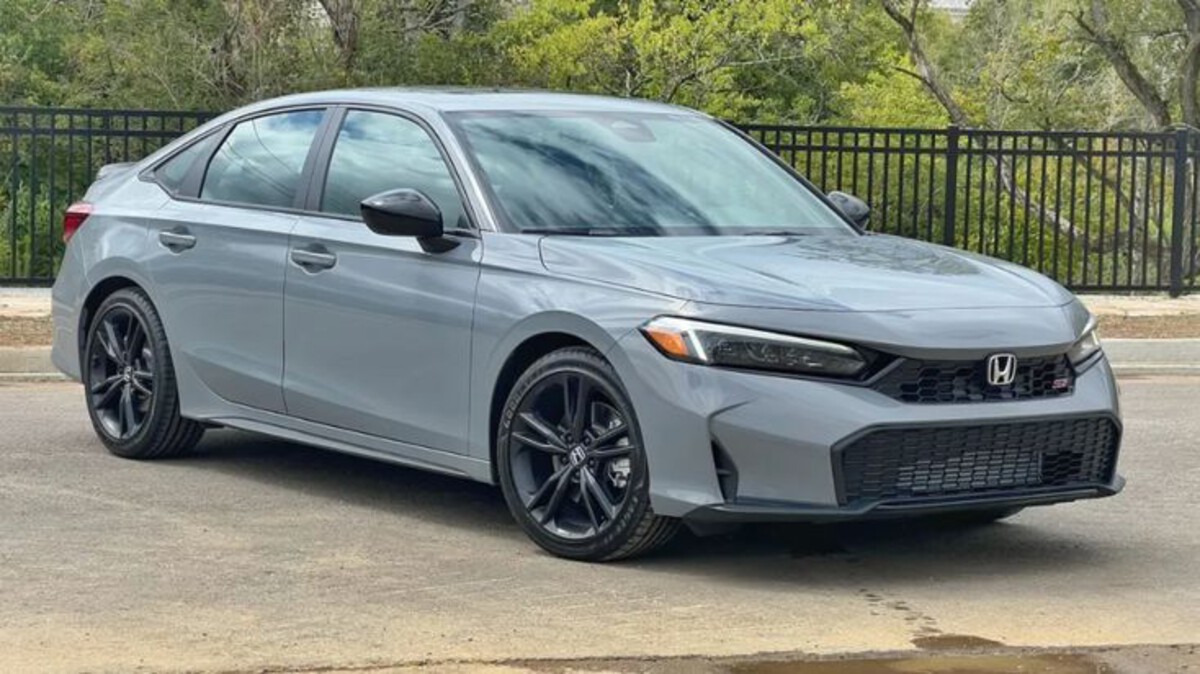
These engines, particularly the naturally aspirated ones, are known to last beyond 200,000 miles with basic maintenance.
Transmission issues are rare, and the Si’s 6-speed manual gearbox is one of the best in the segment. Suspension setups in all generations balance daily comfort with confident cornering. Fuel economy hovers around 30 MPG, and parts availability is exceptional—thanks to a massive Civic fanbase and global parts network.
Common issues are minimal: older models may suffer from premature clutch wear if abused, and some high-mileage units can show wear in bushings or motor mounts. But overall, nothing is out of the ordinary or budget-breaking.
Insurance premiums are lower than rear-wheel-drive coupes, and resale value stays strong because of the model’s reputation for reliability and fun. Whether you’re hitting a canyon road or stuck in city traffic, the Civic Si remains a competent performer that never feels out of place.
For under $25,000, you can pick up a low-mileage example from any recent generation.
ALSO READ: 5 Used Luxury Cars Cheap to Maintain vs 5 That Bankrupt You in Repairs
Reliable Pick 4: Nissan 370Z
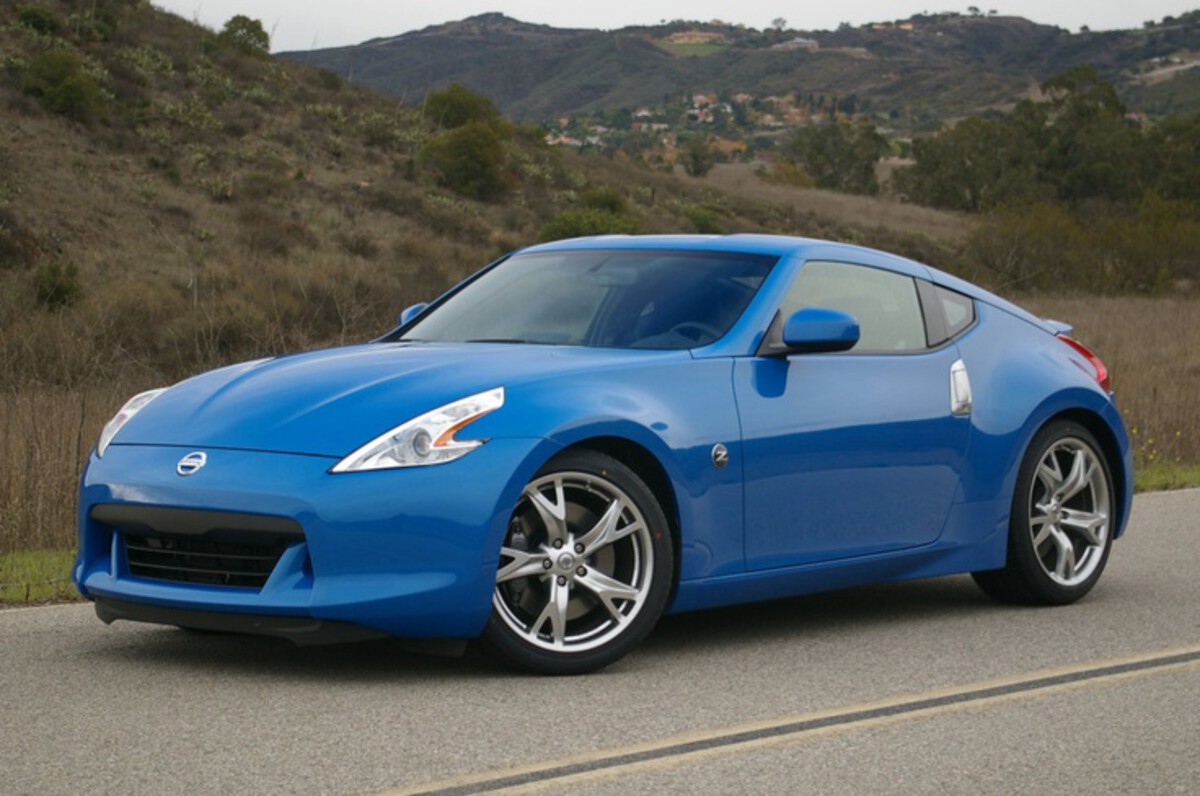
The Nissan 370Z stands as an icon in the affordable sports car realm, delivering raw performance combined with sturdy mechanical design. Under the hood, its 3.7-liter V6 engine churns out impressive power figures—typically around 332 horsepower—making it a lively option for those seeking spirited driving without a supercar price tag.
This naturally aspirated engine is renowned for its simplicity and robust build, with fewer electronic complexities than many modern turbocharged rivals. As a result, the 370Z has earned praise from enthusiasts and mechanics alike for its long-term durability when maintained on schedule.
The car’s configuration offers excellent weight distribution and rear-wheel-drive fun that forms the essence of sports car driving. With a straightforward suspension setup and a responsive steering system, the 370Z provides both agility on twisty roads and a stable demeanor during spirited driving sessions.
Routine maintenance—such as oil changes, brake servicing, and periodic checks of its limited-slip differential—remains reasonably priced and widely accessible owing to Nissan’s established parts network.
In addition, the design philosophy prioritizes performance over unnecessary luxury, which translates into lower complexity overall. While some earlier models have experienced issues with minor electrical or wear items, these are generally manageable and inexpensive to repair.
Owners benefit from an active aftermarket community that supports performance tuning and cost-effective maintenance. For buyers seeking an affordable yet thrilling ride, the Nissan 370Z combines traditional sports car traits with impressive reliability.
It’s a car that rewards consistent care with enduring performance, making it a smart choice for enthusiasts who want the excitement of a V6-powered coupe without unpredictable expenses.
Reliable Pick 5: Ford Mustang EcoBoost
Rounding out our reliable picks is the Ford Mustang EcoBoost—a modern twist on an American classic. The EcoBoost variant replaces the traditional V8 with a turbocharged four-cylinder engine designed to deliver both excitement and efficiency.
Producing robust power and torque figures that challenge its bigger siblings, the EcoBoost offers a well-balanced performance that suits both daily driving and occasional track days. Its turbocharged nature delivers brisk acceleration while maintaining commendable fuel economy—a crucial factor for budget-minded sports car enthusiasts.
Reliability is a strong suit when owners adhere to routine maintenance intervals and use quality fuel and oil.

The EcoBoost’s design places emphasis on simplicity where possible—efficient power management systems and reduced overall weight contribute to its durability.
While any turbocharged engine requires proper care, Ford’s engineering and global service network provide peace of mind. Parts are widely available and repair costs remain moderate relative to the performance levels offered, making this Mustang a dependable option.
Inside, the Mustang EcoBoost sports modern technology and comfort features without compromising the driving experience. The cabin, though sporty, is designed to be driver-focused with intuitive controls and clear displays.
Suspension tuning offers a comfortable ride for everyday commuting while still keeping the edge when cornering. Its chassis has proven resilient over time, and the manual transmission option—with a crisp, engaging shift—has become a favorite among enthusiasts.
In sum, the Mustang EcoBoost is a versatile performer that blends the heritage of the Mustang line with contemporary efficiency and reliability.
It’s a car that allows you to experience American muscle and modern engineering without the baggage of long-term, unpredictable maintenance costs. For drivers seeking an affordable sports car that remains fun day after day, the EcoBoost stands out as a solid, reliable choice.
5 Affordable Sports Cars That Are Maintenance Nightmares
Don’t let the price tag fool you—some “affordable” sports cars are ticking time bombs when it comes to maintenance. Take the Mazda RX-8, for example.
That rotary engine? Cool in theory, but it burns oil like it’s free and loves surprise breakdowns. The BMW 335i (E90) looks classy and drives great, until its turbochargers and fuel injectors start demanding expensive attention.
Then there’s the Mini Cooper S—quirky, fun, but packed with issues like timing chain failures and electrical gremlins.
The Nissan 350Z might be reliable overall, but clutch replacements are a frequent and costly affair. And don’t even get started on the Audi TT—German engineering doesn’t always mean reliability, especially with DSG transmission issues and pricey parts.
ALSO READ: 5 Cars That Rarely Need a Mechanic vs 5 Always in the Shop
Maintenance Nightmare 1: BMW 335i (E90/E92)
The BMW 335i, especially the E90/E92 generation (2007–2013), is often hailed as a budget-friendly performance bargain. With its sleek European design and powerful N54 or N55 twin-turbo inline-six engines, it seems like the ultimate enthusiast’s dream. But behind that smooth ride and intoxicating torque lies a mechanical time bomb.
The biggest culprit? The N54 engine (2007–2010 models), known for turbocharger failures, high-pressure fuel pump (HPFP) issues, leaky injectors, carbon buildup from direct injection, and fragile cooling systems.
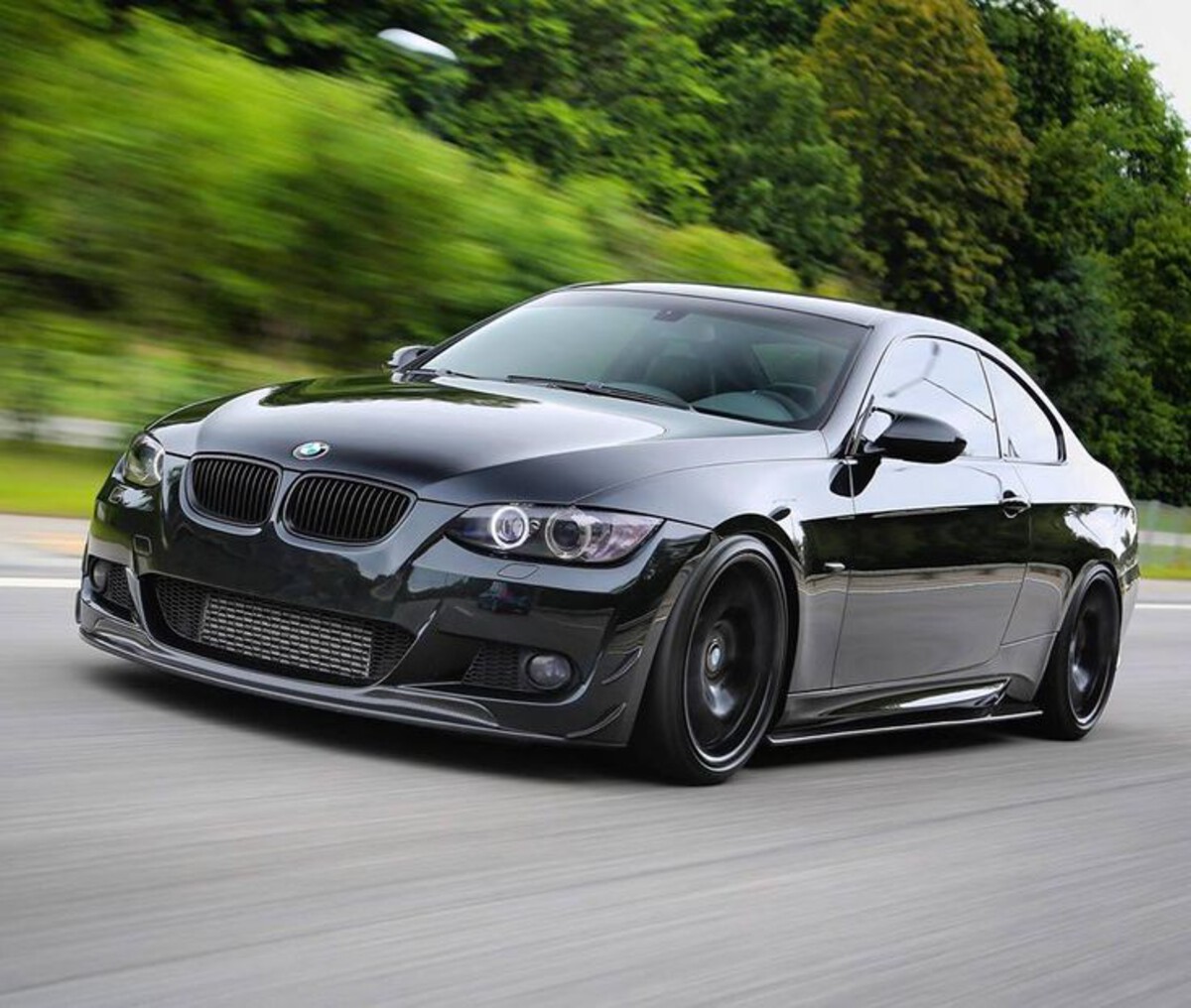
Even the later N55 engine (2011–2013), though slightly improved, still struggles with water pump failures, VANOS system problems, and wastegate rattles. Repairs are not only frequent—they’re expensive. Even basic maintenance like oil changes or brake pad swaps can cost significantly more than comparable Japanese sports cars.
Another pain point is the electrical system, which is notoriously over-engineered and prone to gremlins. Comfort access failures, iDrive glitches, and battery drain problems are frequent complaints among long-term owners.
And since BMW packs everything tightly into the engine bay, labor costs soar. Just replacing a water pump can run $1,200–$1,800 at an independent shop.
Parts availability is decent, but OEM parts are costly, and aftermarket solutions don’t always solve recurring issues. Unless you’re an experienced DIY mechanic or have a deep maintenance budget, the 335i will keep you on edge.
Sure, it drives like a dream when it’s working right—silky power delivery, sharp steering, and a premium interior. But when reality kicks in, the 335i becomes a high-maintenance relationship that rarely gets easier with age. If you want affordable thrills without financial trauma, this Bavarian brute is best admired from a distance.
Maintenance Nightmare 2: Audi TT 2.0T (Mk2)
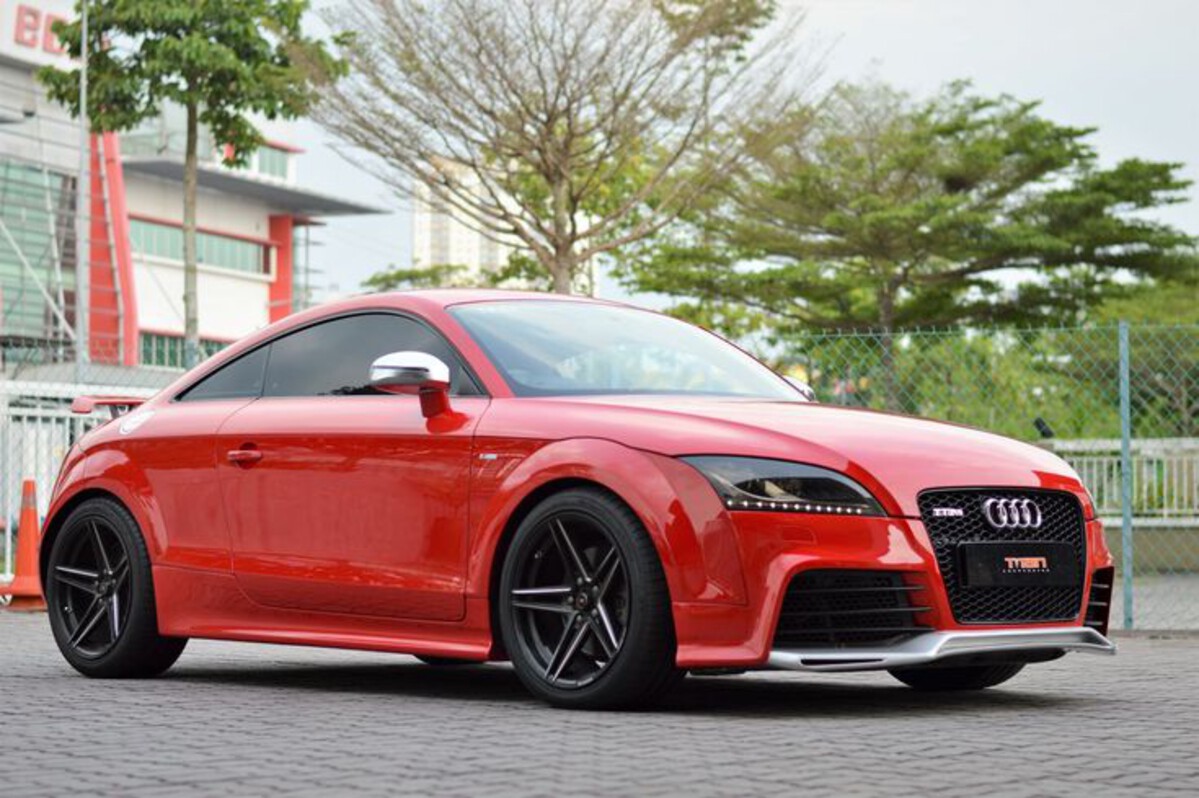
The Audi TT Mk2 (2006–2014), particularly the 2.0T FSI variant, is a compact German coupe with undeniable style and solid performance.
Turbocharged excitement, Quattro all-wheel drive, and a futuristic interior make it incredibly tempting on the used market. But underneath that elegant shell is a laundry list of mechanical woes that can ruin the ownership experience.
The TT’s 2.0T FSI engine is notorious for carbon buildup on the intake valves due to its direct injection design. Over time, this can choke the engine and reduce performance unless you shell out $800–$1,500 for walnut blasting every 60,000–80,000 miles.
Oil consumption is another chronic issue, with many owners topping off their oil weekly. Ignition coil and fuel injector failures are frequent, often resulting in misfires or poor drivability.
DSG automatic models are smooth when working but incredibly costly to fix when they fail. Dual-clutch service is mandatory every 40,000 miles and isn’t cheap. Add to that the fragile plastic cooling components, premature water pump failures, and high electrical complexity—owning a TT becomes more about troubleshooting than driving.
Even minor repairs require specialized tools or dealer-level diagnostics, and labor rates at Audi-certified shops are high. Parts are expensive and not always easy to source for aging models. While enthusiasts may be drawn to its looks and Audi badge, the TT’s maintenance requirements far exceed what most budget-minded buyers expect.
Maintenance Nightmare 3: Mini Cooper S (R56)
The Mini Cooper S R56 (2007–2013) offers go-kart handling, quirky charm, and turbocharged energy that’s hard to resist. But this British bulldog, especially with the N14 engine, is a reliability minefield once the odometer starts climbing. If you think “small car = low maintenance,” think again.
At the heart of the problem is the N14 1.6L turbocharged engine, developed in collaboration with Peugeot. It’s plagued with issues like timing chain tensioner failure, which, if ignored, can result in catastrophic engine damage.
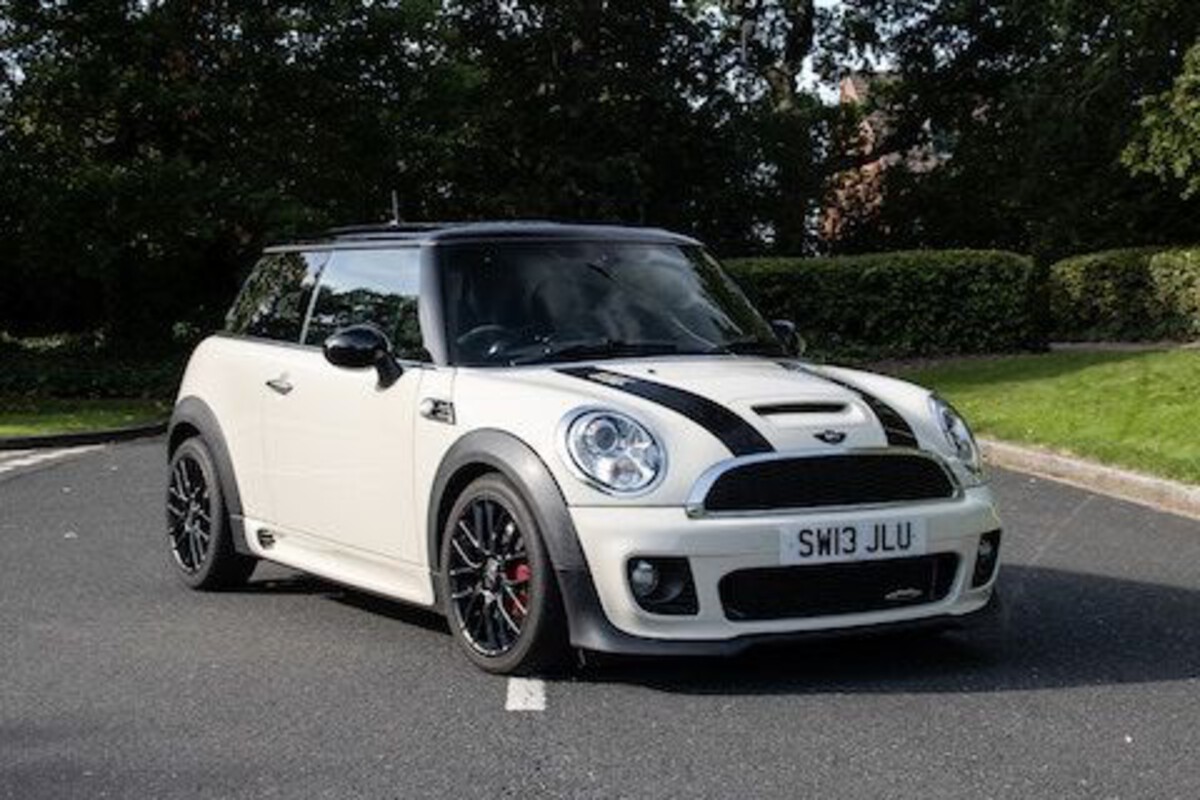
Add in frequent carbon buildup, cooling system leaks, and high oil consumption, and you’ve got a recipe for constant repair bills.
Water pumps and thermostats often fail prematurely. Turbochargers have known wastegate rattle problems. And let’s not forget the PCV system failures and misfiring spark plugs that turn “just a check engine light” into a multi-day ordeal. Manual transmissions are generally reliable, but the automatic CVTs are to be avoided entirely.
Electrical glitches abound, from faulty power windows to dash light malfunctions. Combine that with tight engine bay packaging and oddball part locations, and DIY repairs become frustrating even for seasoned mechanics.
ALSO READ: 5 Hyundais & Kias With Stellar Reliability vs 5 With Major Engine Problems
Maintenance Nightmare 4: Porsche Boxster (986/987)
The Porsche Boxster—particularly the 986 (1997–2004) and early 987 (2005–2008) generations—might seem like an affordable entry into the world of high-end sports cars.
With mid-engine balance, Porsche pedigree, and sleek styling, used examples often sell for $10,000–$20,000. But here’s the reality: this is a car where the purchase price is just the down payment on ownership.
The biggest red flag is the infamous IMS bearing failure, a design flaw in many early Boxsters that can destroy the engine without warning. Replacing the bearing proactively costs around $2,000–$3,000. If it fails? You’re looking at a full engine rebuild that exceeds the car’s value.
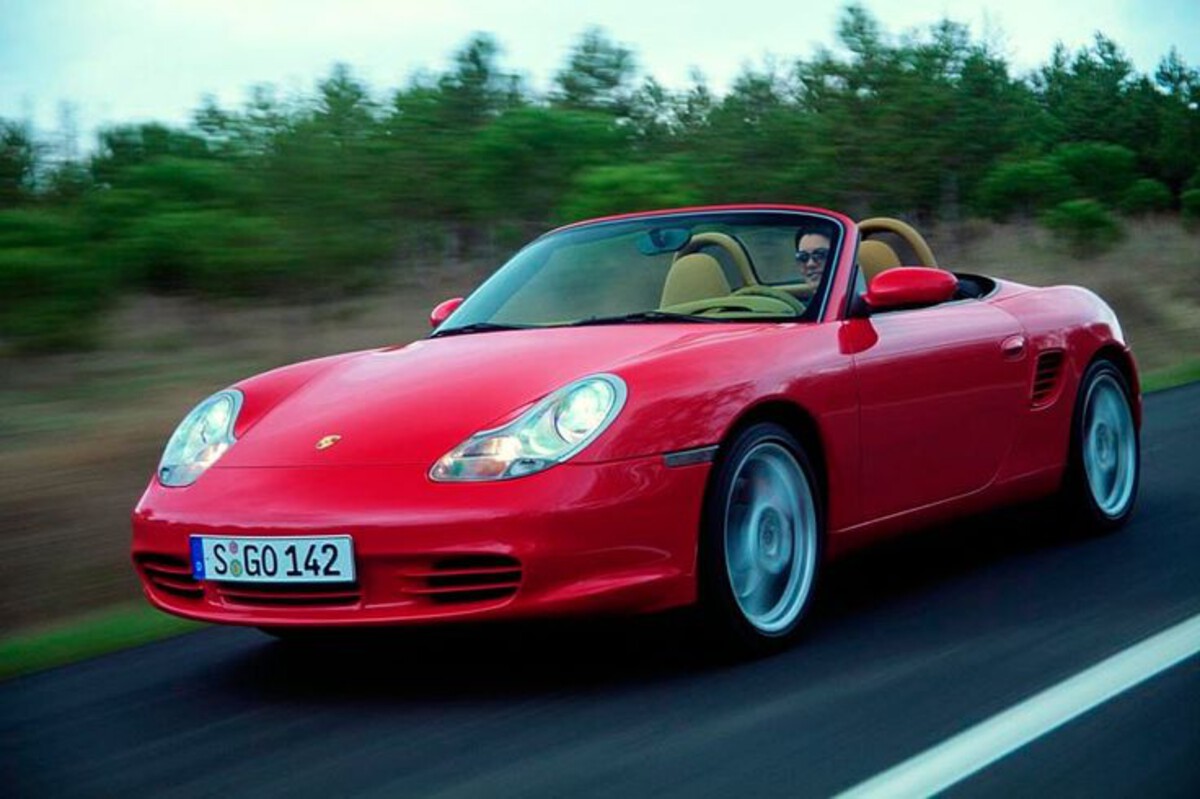
Beyond that, the Boxster suffers from rear main seal leaks, coolant tank cracks, fragile water pumps, and soft convertible tops that can cost thousands to replace. Early Tiptronic automatic transmissions can be sluggish and prone to failure, and even the manual models aren’t immune from clutch wear and shift linkage problems.
Parts prices are pure Porsche—brakes, sensors, control arms, and electronics cost significantly more than similar Japanese or American cars. Even simple jobs like changing spark plugs or replacing an alternator require removing parts of the intake or body panels. This drives labor costs way up, even at independent European shops.
While a well-maintained Boxster can offer sublime driving experiences, few owners realize how expensive it is to keep one in that condition. If you can’t afford a $3,000–$5,000 annual maintenance budget, this car will break your heart—and your wallet.
Unless you’re buying from a meticulous owner with documented service and upgraded IMS, the Boxster is a budget sports car only on the surface.
Maintenance Nightmare 5: Hyundai Genesis Coupe 2.0T
The Hyundai Genesis Coupe 2.0T had all the ingredients for success: aggressive styling, rear-wheel drive, turbocharged fun, and an affordable price tag.
On paper, it was Korea’s answer to the Nissan 370Z and Ford Mustang. But in the real world, the 2.0-liter turbocharged models—especially early years (2010–2012)—struggled with build quality and long-term durability.
The biggest issue? Engine reliability. The 2.0T Theta engine was known for connecting rod bearing failures, blown turbos, and poor oiling systems. Many early models were plagued with engine knock and overheating, even under moderate driving conditions.
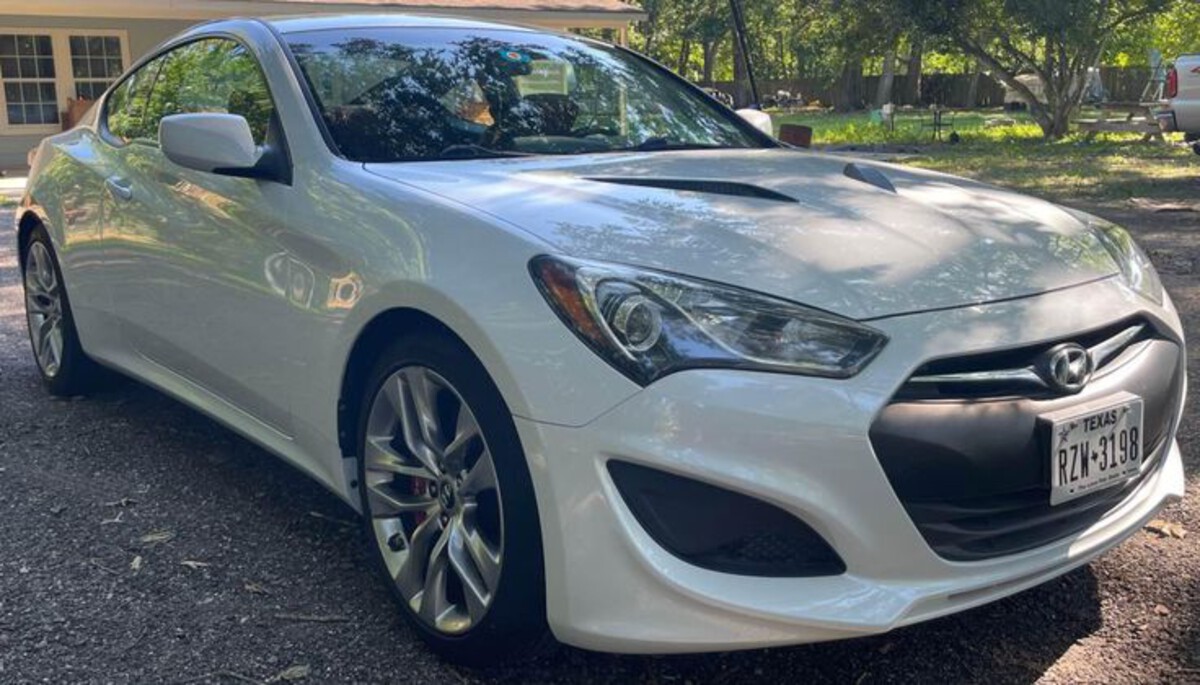
Hyundai issued a few service bulletins, but long-term fixes were inconsistent. The aftermarket did its best to solve these problems, but reliability concerns persisted.
In addition to engine troubles, the manual transmission syncros wear prematurely, resulting in grinding or difficult gear engagement. Owners also report failing power steering racks, faulty sensors, and electrical problems ranging from dash glitches to ECU failures.
Interior quality didn’t match the sporty looks—panels rattle, plastics fade, and build tolerances were subpar compared to competitors. Worse, early Genesis Coupes didn’t age well, with resale values falling faster than other cars in its class. While the 3.8-liter V6 version is more reliable, the 2.0T remains a gamble.
Even if you find a low-mileage Genesis Coupe 2.0T for under $10K, you’ll likely spend thousands more over the next few years keeping it on the road.
Sports cars exist to ignite passion—sleek looks, sharp handling, and heart-racing acceleration. But as we’ve seen, not all affordable sports cars are created equal.
Some, like the Mazda MX-5 Miata or Toyota 86, offer years of dependable fun with minimal upkeep. Others, like the BMW 335i or Porsche Boxster, disguise high-maintenance baggage behind a seductive exterior. For budget-conscious enthusiasts, reliability isn’t just a bonus—it’s a necessity.
When shopping for an affordable performance car, don’t be blinded by horsepower alone. Consider total ownership cost: insurance, fuel, maintenance frequency, part prices, and how easy it is to find a mechanic who actually understands your car.
The thrill of a turbocharged engine fades fast if you’re constantly facing check engine lights or thousand-dollar repair bills.
Choose wisely, and you’ll get the best of both worlds: the joy of a proper sports car, and the peace of mind that comes from knowing your wallet won’t suffer every time you turn the key. Affordable thrills are out there—you just have to know where to look.