When it comes to a car’s reliability, few components are more underrated—and more critical—than the fuel pump. It’s the unsung hero nestled quietly within your vehicle’s fuel system, constantly at work ensuring the engine gets the juice it needs to run.
You don’t see it. You rarely think about it. But when it fails, you’ll know instantly—because your car won’t start, or worse, it’ll stall while you’re already in motion.
While plenty of factors contribute to a vehicle’s reliability, the fuel pump sits high on the list—especially for anyone who’s ever had to deal with random stalling, sputtering engines, or roadside breakdowns.
Some automakers have nailed the formula, producing vehicles whose fuel pumps seem to be carved from granite—they just don’t quit, no matter how many miles roll by. Others, however, have dropped the ball with systems that are infamously fragile, prone to early failure, or maddeningly inconsistent.
In this article, we’re spotlighting two extremes of the same mechanical story. First, we’ll highlight 5 cars equipped with fuel pumps that are practically legendary—so reliable, they’ve built reputations around their long-lasting durability.
Cars With Legendary Fuel Pumps
Then, we’ll get into the uncomfortable truth: 5 cars that are infamous for fuel pump failures, often leaving owners stranded and mechanics sighing with recognition before even popping the hood.
If you’re shopping used, considering a high-mileage daily driver, or just want to know which rides are built to go the distance—and which ones might ghost you at the next intersection—this list is your go-to resource. No fluff, no sugarcoating. Just real-world insight based on reputation, mechanical data, and owner experience.
1. Toyota Camry (2002–2011)
The Camry’s fuel pump setup is a case study in long-term reliability. Toyota engineered this generation for maximum simplicity and durability, avoiding unnecessary electronics that often lead to premature failure.
Many Camrys go over 250,000 miles on the original pump. The Camry’s longstanding success in the U.S. market stems from its ability to consistently meet the practical needs of consumers looking for a spacious car that sets the standard for quality, reliability, and overall value.
Entering its fifth generation for the 2002 model year, the Camry receives a complete redesign—and Toyota has pulled out all the stops to ensure that this best-seller maintains its stronghold.
American buyers prioritize space—for both family and cargo—so Toyota responded by stretching the Camry’s wheelbase by 2 inches. This results in a roomier cabin, with rear-seat passengers now enjoying an additional 1.5 inches of legroom. The trunk has grown, too, now capable of accommodating up to 16.7 cubic feet of cargo.
Externally, the previous generation’s clean—but often called “bland”—design has been modernized. The 2002 model introduces a bolder look, with a more aggressive grille and sharply cut headlamps.
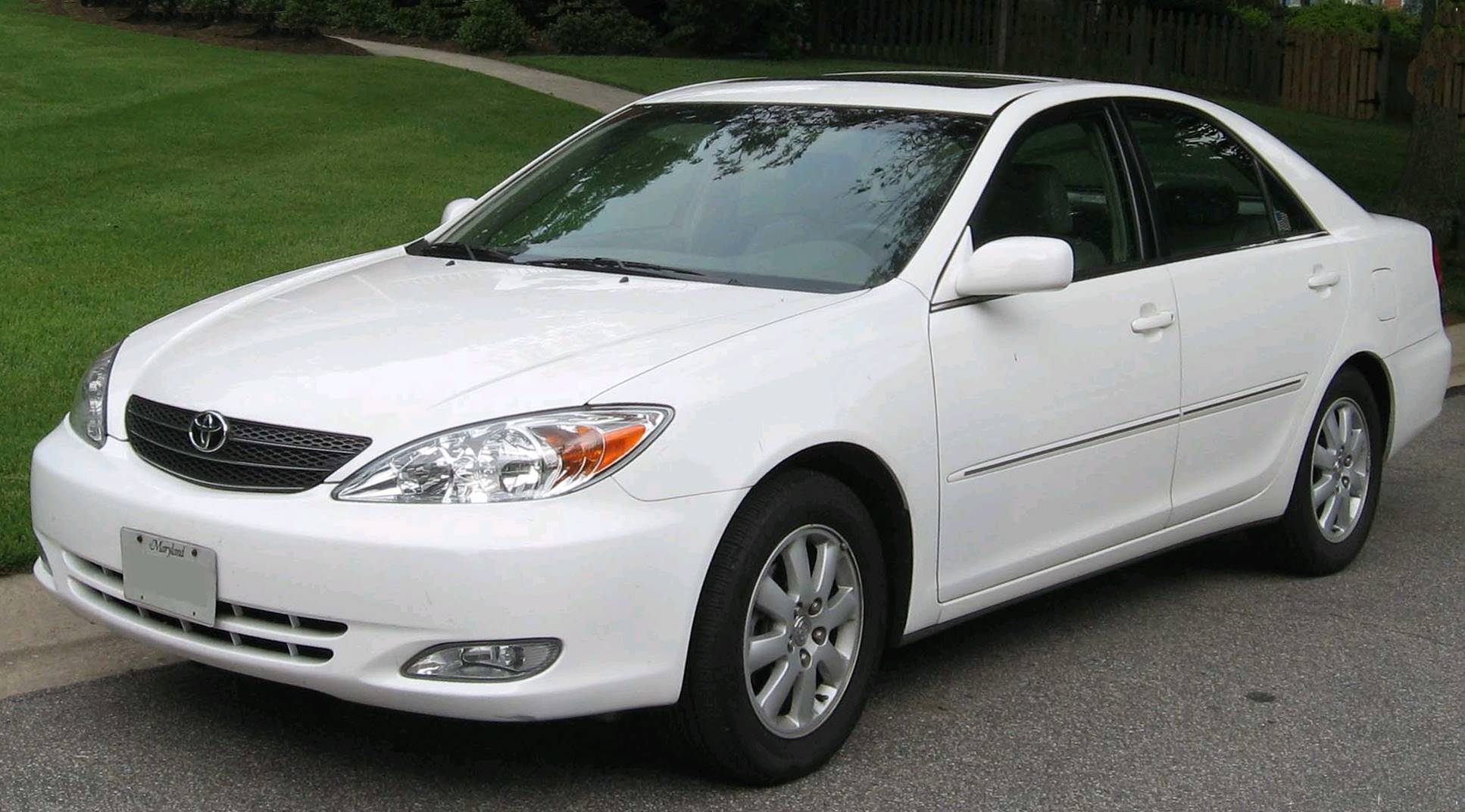
Smooth character lines flow across the body and doors, meeting a neatly integrated rear bumper and jewel-like tail lamps. Aerodynamic efficiency has been improved, and better sound insulation means less road noise inside the cabin.
Performance also sees an upgrade. Recognizing that few American drivers complain about having too much horsepower, Toyota reworked the 2.4-liter four-cylinder engine. It now delivers 157 horsepower and 162 lb-ft of torque—a noticeable bump over the outgoing engine’s figures of 133 hp and 148 lb-ft.
The available 3.0-liter V6 carries over with minimal changes, maintaining its 192-horsepower rating while achieving ULEV certification—just like the updated four-cylinder.
Both engines send power to the front wheels via either a more refined four-speed electronically controlled automatic transmission or a five-speed manual, which remains exclusive to the four-cylinder variant.
For 2002, Toyota simplifies the trim lineup: both engines are offered across three trims—LE, SE, and XLE. The CE base model from previous years is replaced by the LE, which now serves as the core trim level.
It comes with a richer set of standard features, including power windows, mirrors, and locks; cruise control; air conditioning with particulate filtration; and an ambient temperature gauge.
- Typical Lifespan: 200,000+ miles without service.
- Bonus: Fuel filter and pump are part of a sealed unit—rarely clog or corrode.
Also Read: 5 Trucks With the Best Factory Docking Stations and 5 Bare Consoles
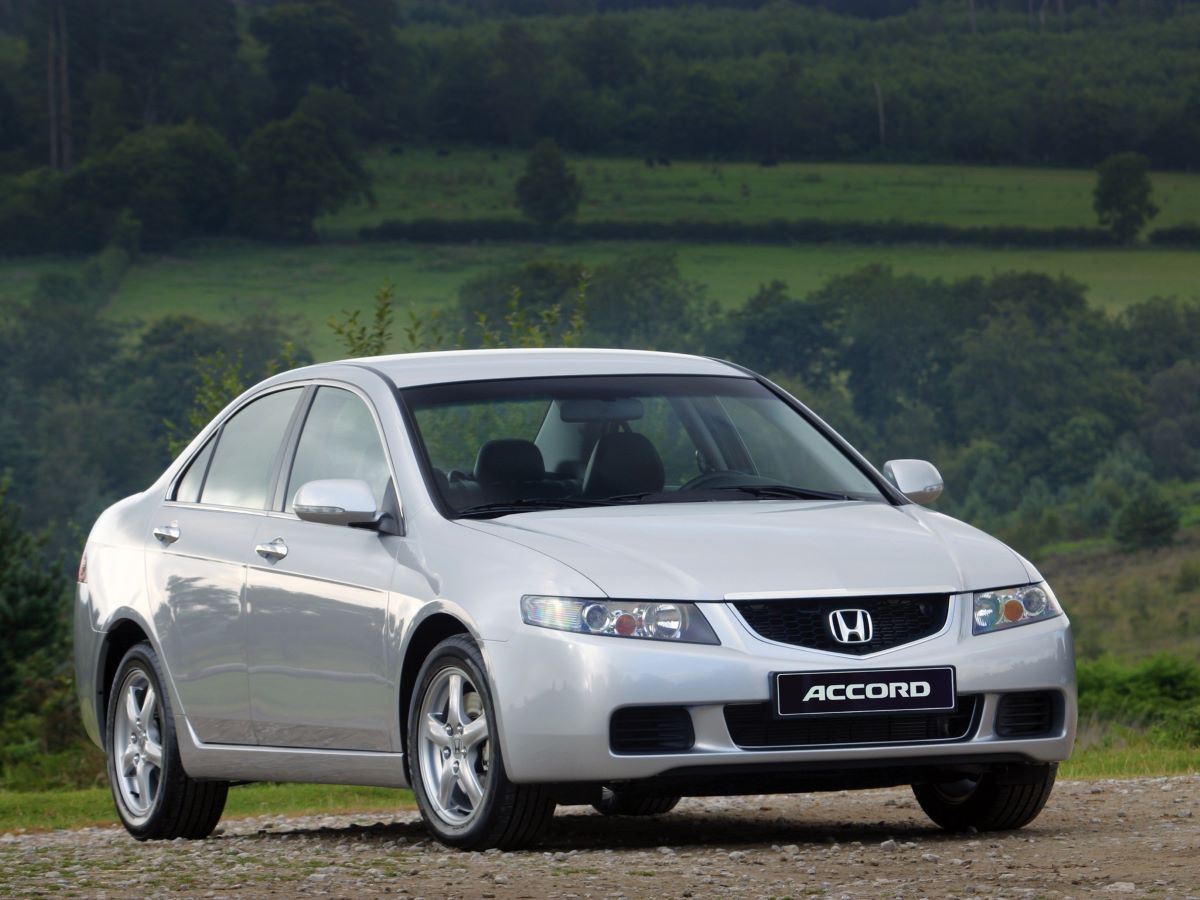
2. Honda Accord (2003–2012)
Honda kept things mechanical and efficient with these Accords. The fuel pump is well-positioned, doesn’t overheat, and runs at optimal pressure. Failures are extremely rare, even in high-mileage examples.
Following its complete redesign for the 2003 model year, the 2004 Honda Accord arrives with only a handful of updates. One of the most notable changes is the broader availability of side curtain airbags, which are now offered on four-cylinder EX models—standard on those with leather upholstery and optional on those with cloth seats.
Another update for the 2004 model year is the addition of XM Satellite Radio, which now comes standard on all four- and six-cylinder EX models that feature leather interiors.
This inclusion also comes with three months of complimentary service. As part of a broader update across the Honda lineup, a new seatbelt reminder system is now standard on every Accord.
In addition, certain Accord models now meet California’s strict Partial Zero Emissions Vehicle (PZEV) standards. Specifically, all four-cylinder sedans paired with an automatic transmission qualify and will be made available in California, as well as in the states of New York, Maine, Vermont, and Massachusetts.
- Typical Lifespan: 250,000 miles or more with proper maintenance.
- Bonus: Even budget models had high-quality Denso pumps from the factory.
3. Lexus LS400 (1990–2000)
Built to last, the LS400’s entire fuel delivery system lines, filter, and pump was overengineered. The fuel pump, tucked neatly in the tank and isolated from vibration, can easily last the life of the vehicle.
While many premium automakers traditionally waited eight years or more to introduce new generations of their vehicles, Lexus broke from the norm by launching the second generation of the LS400 less than six years after the debut of its original model.
When Lexus introduced the first-generation LS400 at the North American International Auto Show in January 1989 for the 1990 model year, it took luxury car buyers by surprise. Though the car’s appearance was understated, its advanced technology and high level of comfort exceeded many expectations.
Still, Lexus recognized the importance of continuous improvement for its flagship sedan. That urgency led to the release of the second-generation 1995 Lexus LS400 in late 1994.
Although it featured a wheelbase extended by 1.4 inches (35 mm), the car’s overall length remained unchanged from its predecessor, and the exterior styling was subtle enough that it might not have been immediately obvious it was a new model.
However, the evolution was significant in ways that weren’t always visible—such as increased body stiffness and other structural refinements. One noticeable change, though minor, was in the badging: Lexus added a space between “LS” and “400.”
Toyota’s leadership remained cautious with their premium brand’s U.S. presence, which is why the design of the 1995 Lexus LS 400 retained familiar cues from the previous version.
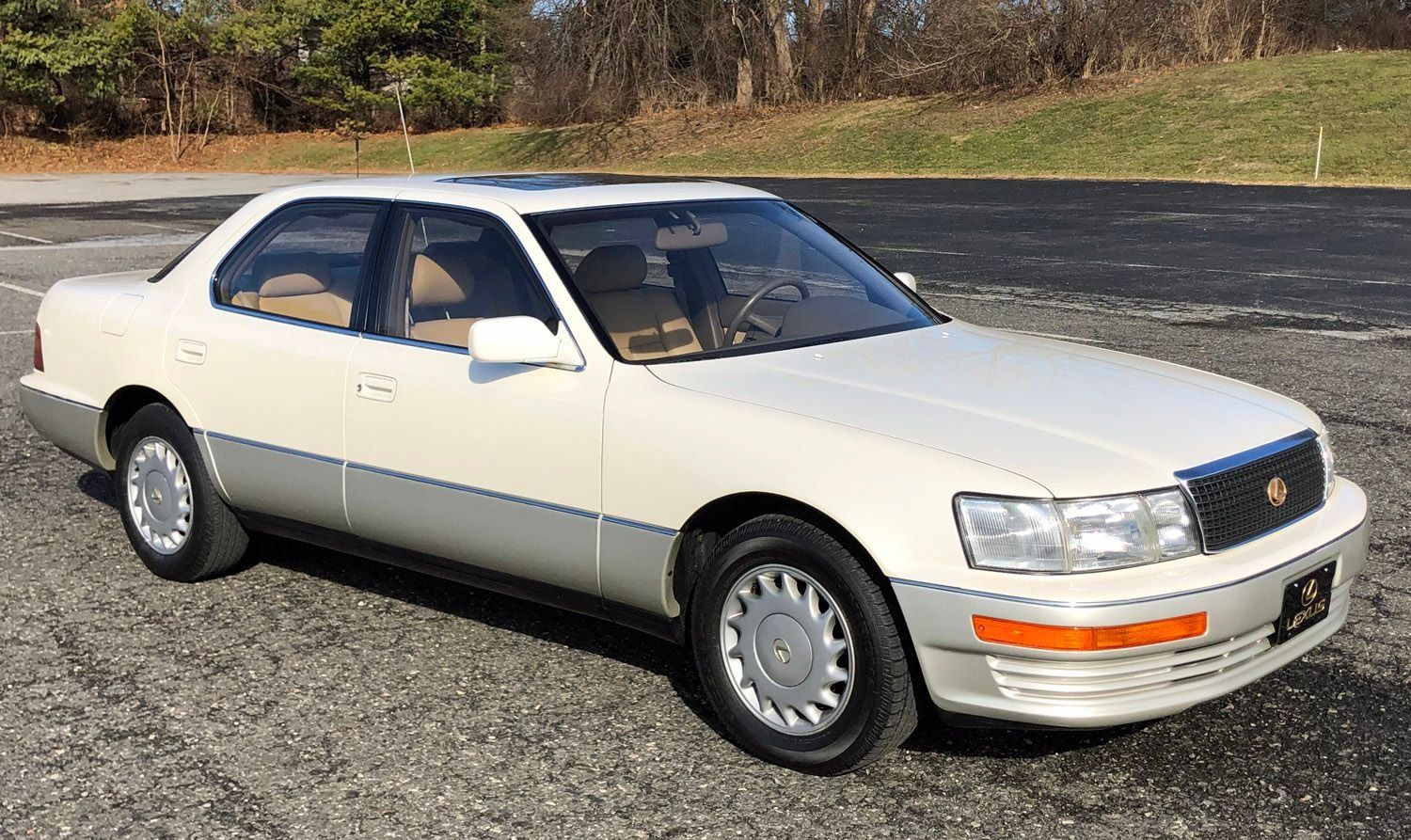
The front fascia, for example, appeared as an evolution rather than a revolution. The large rectangular headlights were slightly angled rearward, and the clear-lens corner-mounted parking lights remained intact.
Between them, a grille with horizontal slats showcased the Lexus badge prominently. Below, the turn signals were integrated into the plastic bumper, while the lower apron held a wide air intake to help cool the engine.
The extended wheelbase paid off in added cabin space, a major plus for rear-seat comfort. However, Lexus had to work cleverly to achieve this without increasing the vehicle’s overall length. By shortening both the front and rear overhangs, the designers managed to subtly shift the proportions.
To further disguise the structural adjustments, a creased waistline curved upward behind the rear axle, maintaining a balanced silhouette. Lexus also raised the greenhouse slightly to provide additional interior headroom.
At the rear, corner-mounted taillights wrapped around the trunk’s vertical edges and framed the license plate, adding a bit of distinction to the otherwise conservative design.
- Typical Lifespan: 300,000 miles or more.
- Bonus: Luxury reliability with Toyota engineering DNA.
4. Ford Crown Victoria (1998–2011)
Favored by police fleets and taxi drivers, the Panther-platform Crown Vic used a robust fuel system designed to handle long idle times and heavy-duty use. The pumps don’t overheat and rarely seize up.
Ford relies on long-established technology to keep production costs down, making the Crown Victoria a go-to choice for fleet buyers, including taxi services, police departments, and drivers who need space without turning to a minivan or SUV.
For 1998, this venerable flagship of the Ford lineup adopts a more formal roofline, matching the traditionally styled Grand Marquis offered by Mercury.
Other updates this year include a streamlined options list and improved steering and handling. The natural gas engine, introduced in mid-1996, remains on the options sheet. While it comes at a premium, this setup makes the Crown Victoria the cleanest-burning internal combustion engine vehicle available in the U.S.
Today, the Ford Crown Victoria and its Mercury Grand Marquis sibling deliver better value than many compact and midsize vehicles found at your local dealership. Consider this: a fully loaded Crown Vic—with power everything and a leather interior—costs just over $27,000.
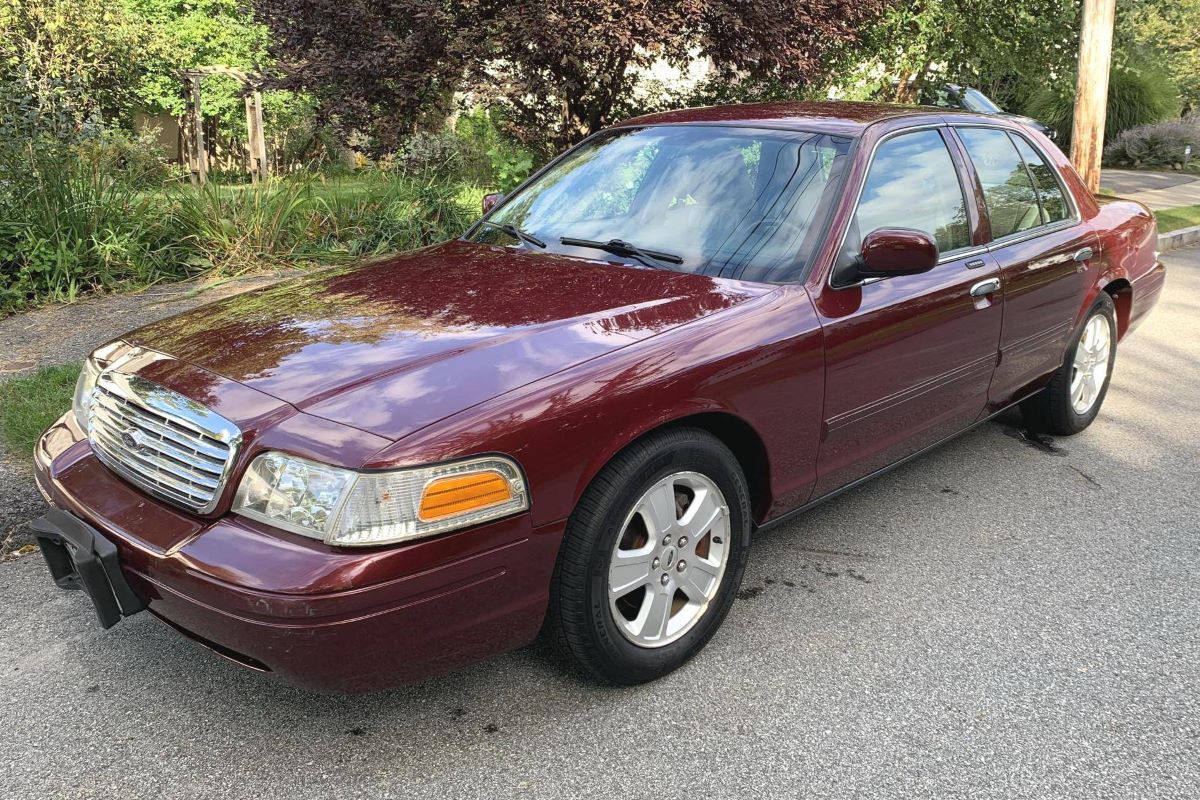
By comparison, a similarly equipped Toyota Avalon exceeds $30,000, and even the smaller Toyota Camry XLE rings in around $25,000, despite its less powerful V6 engine, tighter cabin space for five passengers, and a noticeably smaller trunk.
While the Crown Victoria offers the classic big-car floaty ride and somewhat reactive chassis behavior at higher speeds, it remains impressively comfortable.
The Handling and Performance Package adds extra horsepower and greatly improves stability in curves—a feature we recommend for drivers who prefer scenic, winding highways over long, dull stretches of interstate on family road trips.
New for 1998 is a Watt’s Linkage rear suspension that boosts the rear axle’s rigidity by 400 percent, delivering a noticeable improvement in handling.
Also upgraded are the brake rotors, now larger and paired with dual-piston calipers, which allow for confident, fade-resistant stopping power from high speeds. In addition, the traction control system has been refined to function across all speeds, enhancing driver confidence in a variety of driving conditions.
- Typical Lifespan: 250,000 miles under constant use.
- Bonus: Easy to service and inexpensive to replace if needed.
Also Read: 10 Tire Brands That Survive Long Road Trips and Handle Every Driving Condition
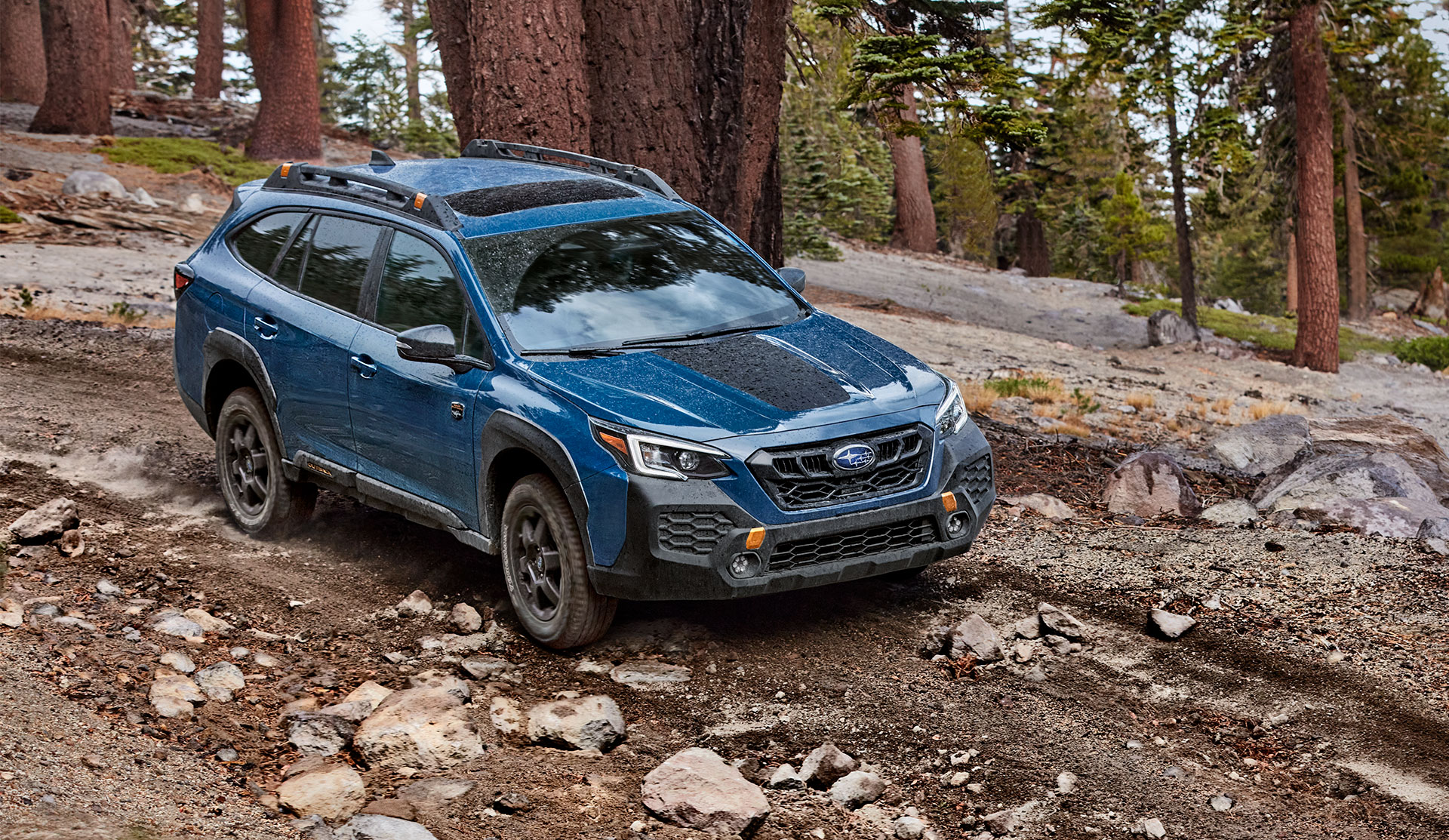
5. Subaru Outback (2010–2017)
Subaru kept fuel delivery basic and sturdy in this era. The Outback’s pump rarely fails, even in cold climates or mountain driving.
The 2011 Subaru Outback takes its name from the vast, rugged plains of Australia. With standard all-wheel drive and generous ground clearance, the Outback seems well-suited for tackling the empty, unforgiving terrain of its namesake.
But here in the U.S., Subaru’s unique blend of wagon and SUV has carved out a strong following, especially among drivers in snowy or mountainous regions. Thanks to a comprehensive redesign last year, the Outback is now larger and more comfortable, appealing to a broader audience across varying climates and locations.
While the increase in size has unfortunately diminished some of the Outback’s traditionally nimble and fun-to-drive characteristics, the sharp rise in sales suggests that these changes have struck a chord with modern crossover buyers.
Interior space stands out as a key advantage, offering abundant headroom, generous legroom in the back, and more cargo space than many midsize SUVs.
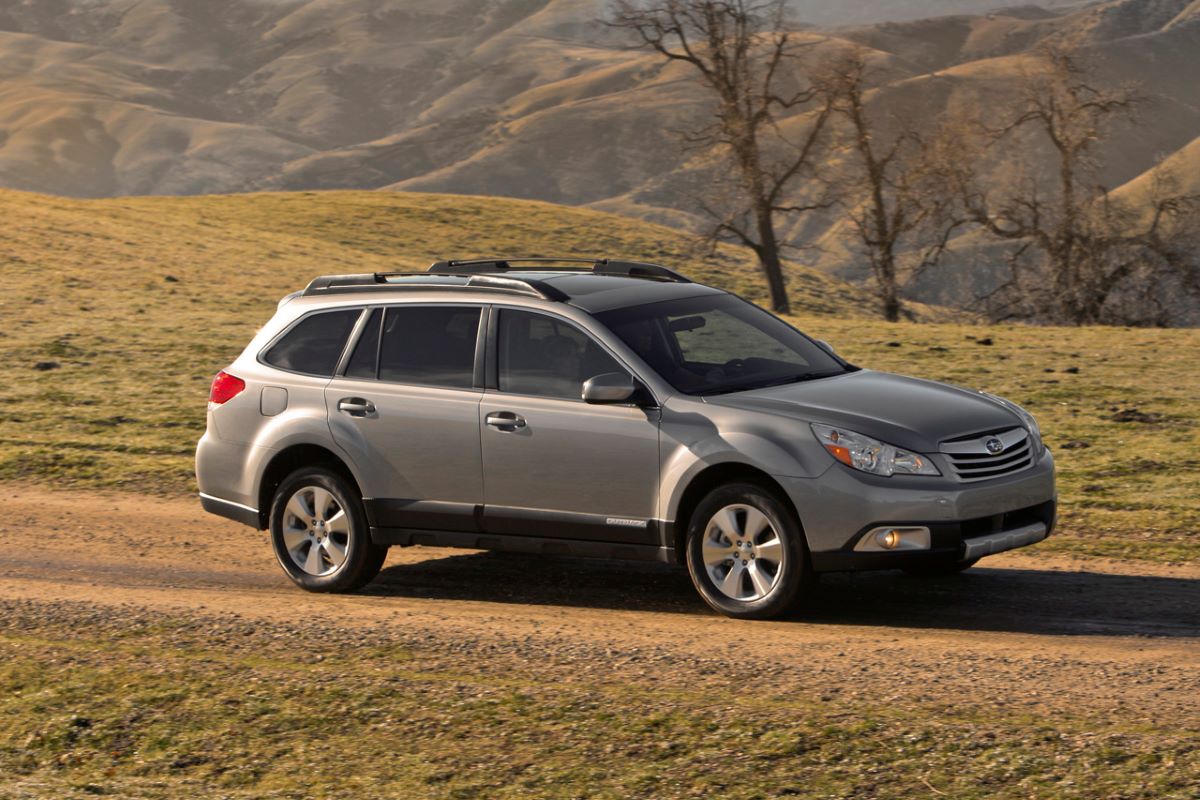
For even more hauling flexibility, Subaru equips the Outback with clever adjustable roof rails that pivot inward to serve as integrated crossbars — a smart solution that reduces wind noise and aerodynamic drag compared to fixed roof racks.
Even with its expanded size, the Outback maintains a manageable curb weight, thanks to the use of high-tensile steel.
In fact, it weighs roughly 550 pounds less than a Toyota Venza, which is no small feat. That weight advantage benefits both available engines — a pair of Subaru’s signature horizontally opposed “boxer” engines — a four-cylinder and a six-cylinder.
The six-cylinder delivers strong performance for drivers tackling steep terrain, while the four-cylinder, when paired with the optional continuously variable transmission (CVT), offers excellent fuel economy, making it the more practical choice for most buyers.
One downside, however, is the absence of a turbocharged engine. In the previous generation, the turbo option was ideal for maintaining power at high elevations, a trait many mountain-dwelling drivers appreciated. Its removal limits powertrain options for those who need more punch in thin air.
It’s also supported by a well-calibrated ECU, minimizing strain on the pump.
- Typical Lifespan: 200,000+ miles, even in harsh conditions.
- Bonus: Pump module resists ethanol wear, which destroys pumps in other vehicles.
Cars That Constantly Stall Due to Fuel Pump Problems
A car that stalls unexpectedly is more than just a nuisance — it’s a potential safety hazard. And in many cases, the culprit is a failing fuel pump.
This critical component is responsible for delivering fuel from the tank to the engine, and when it starts to go bad, so does your car’s reliability. In this article, we’re spotlighting cars that are notorious for fuel pump issues — the ones that leave drivers stranded, frustrated, and often facing expensive repairs.
1. Jeep Grand Cherokee (2011–2015)
These models were plagued with failing fuel pump relays inside the Totally Integrated Power Module (TIPM). The pump either fails to engage or runs erratically, leading to stalling at any speed.
Not long ago, the Grand Cherokee was falling behind in a competitive SUV and crossover market. It had become known as bulky, thirsty, and rough around the edges.
Even its renowned off-road capabilities couldn’t compensate for the jarring ride, dated cabin, and dismal fuel economy. But the 2013 Jeep Grand Cherokee marks a high point for the nameplate — a significant evolution from its previous shortcomings.
This generation of the Grand Cherokee shares its underpinnings with the Mercedes-Benz M-Class — a remnant from the DaimlerChrysler era — so its refined appearance and upscale cabin aren’t exactly surprising. Compare it to the prior generation and the differences in interior quality, performance, and overall polish are striking.
Even with its new premium sheen, the Grand Cherokee hasn’t lost its edge off the pavement. The available adjustable air suspension lets drivers raise or lower the ride height, from a low 6.6 inches for easy loading or roof access to a towering 10.7 inches for rugged trails.
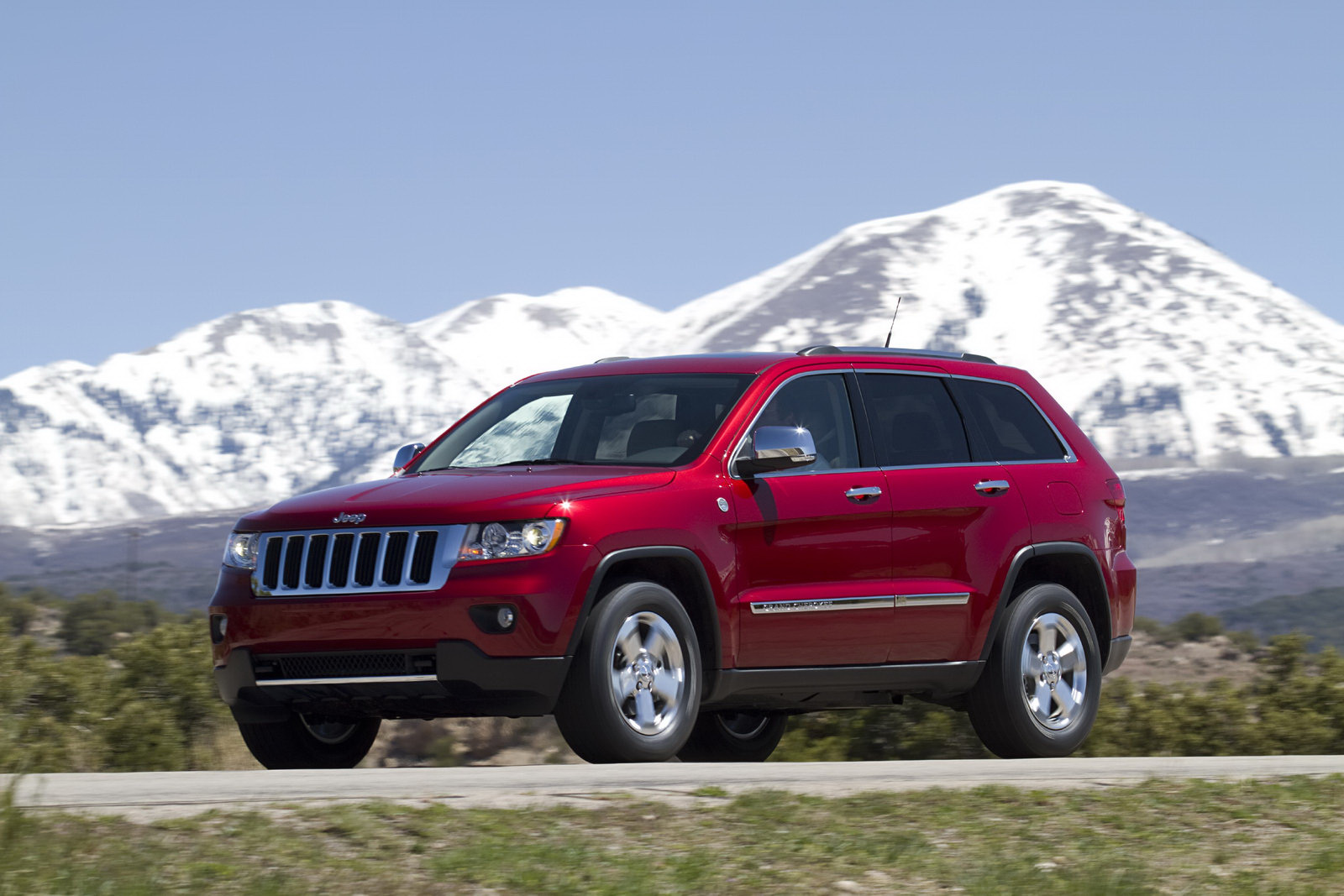
A drive-mode selector, “Selec-Terrain,” customizes the vehicle’s suspension and drivetrain for various types of terrain.
Jeep also spices up the 2013 Grand Cherokee lineup with a couple of specialty trims. The performance-focused SRT8 is a powerhouse, boasting a massive 470-horsepower V8 along with high-performance suspension and brakes — pound for pound, it’s among the fastest crossovers you can buy.
New this year is the Trailhawk edition. While not as extreme as the SRT8, it enhances the JGC’s off-road prowess with Kevlar-reinforced tires, additional body armor, and a standard suite of Jeep’s trail-ready tech.
That said, the 2013 Jeep Grand Cherokee isn’t the only contender in the midsize SUV class. The Toyota 4Runner is its most direct rival and brings solid off-road chops of its own. It also features a more robust V6 engine, although unlike the Jeep, it no longer offers a V8 option.
- Common Failures: Random stalls, no-start conditions, and long cranking.
- Cost to Fix: $900–$1,500 for TIPM replacement or rewiring.
2. Volkswagen Jetta (2006–2010)
Jettas from this period suffer from high-pressure fuel pump (HPFP) failures, especially on TSI and TDI models. Poor pump lubrication, cam follower wear, and fuel contamination are frequent causes.
The 2008 VW Jetta has plenty to offer, though it faces stiff competition in the compact economy segment. The Mazda 3 delivers a more involving driving experience, and the Honda Civic’s diverse engine lineup provides more opportunities for fuel savings.
Still, when it comes to overall refinement, the Jetta stands alone. If that’s a priority for you, the Volkswagen Jetta deserves a spot at the top of your list.
The S, SE, and SEL trims are powered by a 2.5-liter inline five-cylinder engine that produces 170 horsepower and 177 lb-ft of torque.
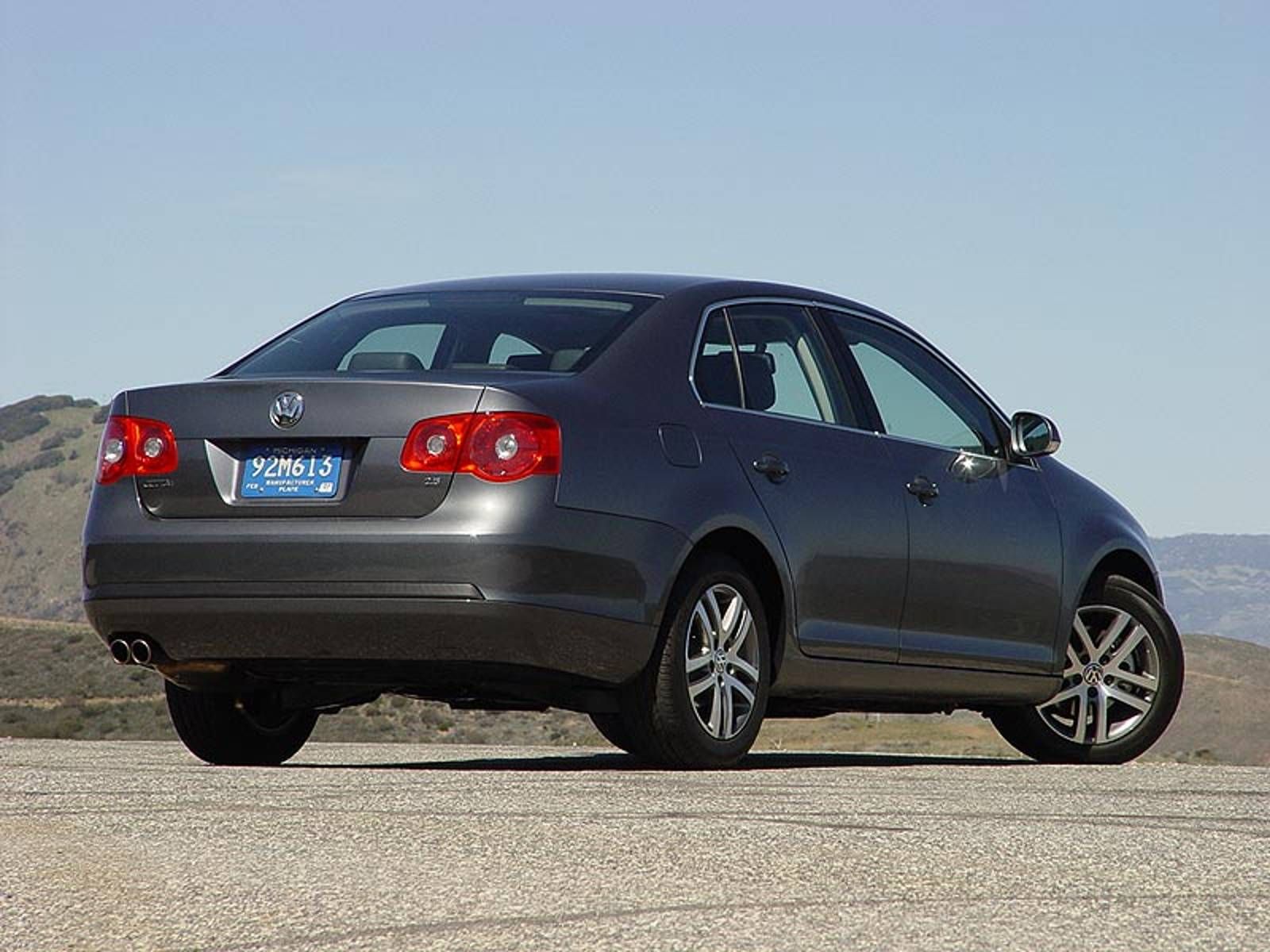
The Wolfsburg Edition features a 2.0-liter turbocharged four-cylinder engine delivering 200 hp and 207 lb-ft of torque. For the S and SE, a five-speed manual transmission comes standard, with a six-speed automatic available as an option.
SEL models are only offered with the six-speed automatic transmission. All Jetta models use front-wheel drive.
In states following California-emissions regulations, Jettas are rated as PZEV (Partial Zero Emissions Vehicles), thanks to reduced tailpipe emissions. Still, regardless of configuration, the Jetta’s fuel economy is slightly below average for a compact car.
Updated EPA estimates show that both manual and automatic 2.5-liter models return 21 mpg city and 29 mpg highway. The Wolfsburg Edition with a manual transmission matches those figures, while DSG-equipped versions inch ahead with 22 mpg in the city.
- Common Failures: Sudden loss of power, hard starts, or engine dying at idle.
- Cost to Fix: $1,200–$2,000, especially for diesel versions.
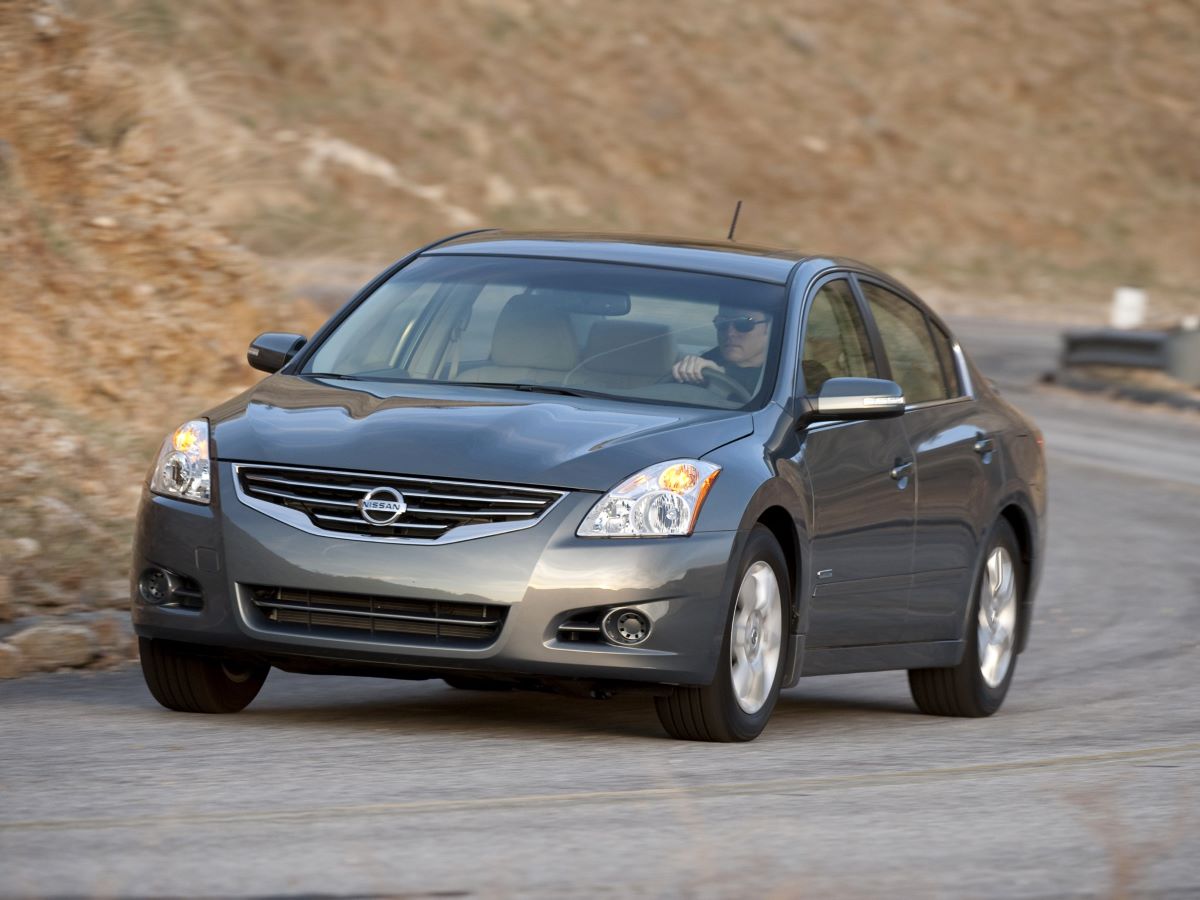
3. Nissan Altima (2007–2012)
Altimas during this era have frequent low-pressure fuel pump issues, especially in warmer climates. Heat-soak leads to pump fatigue, and the vehicle often stalls after extended drives.
While it may not be the flashiest segment, the family sedan category holds major importance for automakers due to its substantial sales volume and public visibility. When Nissan first introduced the Altima in the early ’90s, it took a conservative approach, offering modest proportions and exclusively four-cylinder power.
But five years ago, Nissan gave the Altima a dramatic transformation, morphing it into the sport sedan of the midsize family car segment. That leap forward came courtesy of a finely tuned suspension and the option to equip it with Nissan’s smooth and powerful 3.5-liter V6.
Unfortunately, the interior didn’t match the performance — it was weighed down by hard plastics and uninspired design. That all changes for 2007, as the fully redesigned Nissan Altima finally brings an elevated level of style and refinement to complement its sporty personality.
The 2007 Altima gets a fresh styling overhaul, marked by headlamps reminiscent of the 350Z and a sleek, sweeping roofline. These changes give the car a lower, more athletic profile than before. Perhaps most importantly, Nissan has addressed the Altima’s most criticized area: its lackluster interior.
This year’s model incorporates softer, more richly textured materials throughout the cabin, significantly boosting its sense of sophistication and creating a warmer, more upscale environment.
Already well-regarded for its smoothness and power, Nissan’s “VQ-series” 3.5-liter V6 returns with more muscle for 2007. It now produces 270 horsepower and 258 lb-ft of torque, giving the Altima a clear performance edge over most rivals in the segment.
Also worth highlighting is the Altima’s new continuously variable transmission (CVT). While Nissan has been developing CVTs for years, this is the first one we’ve driven that truly delivers a compelling alternative to a conventional automatic — smooth, responsive, and well-executed.
- Common Failures: Stalling at stoplights, engine hesitations, or no-start when hot.
- Cost to Fix: $600–$1,000 for parts and labor.
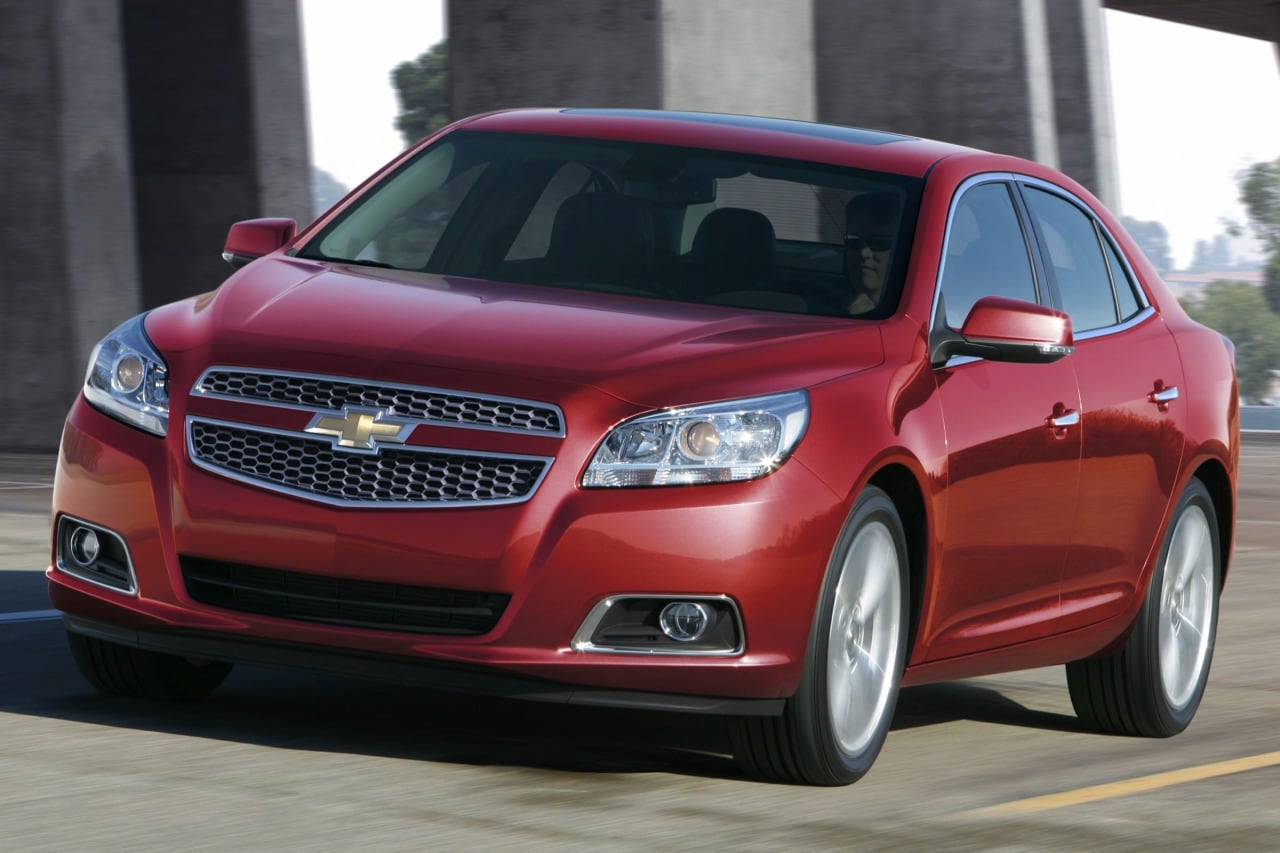
4. Chevrolet Malibu (2013–2016)
GM used a low-quality fuel pump module that struggles with ethanol-blended fuels. Pump pressure drops suddenly, causing random engine stalls and long crank times.
While the previous-generation Chevrolet Malibu was a perfectly agreeable sedan, it failed to meet expectations in several crucial areas. For 2016, however, Chevrolet went back to the drawing board—and the outcome is nothing short of one of the most dramatic improvements between generations in recent memory.
The first thing that grabs your attention with the 2016 Chevy Malibu is its bold, redesigned exterior. Some might even say it channels a bit of Audi A7, thanks to its sleek, almost hatchback-like silhouette.
Regardless of which luxury cues you see, one thing is certain: this is the first Malibu since the early ’70s that looks right at home in the upscale coastal town it’s named after—especially in the Limited trim with those eye-catching 19-inch wheels.
No longer the wallflower of the segment, the 2016 Chevrolet Malibu now stands out as one of the most visually compelling options in the family sedan class.
Chevrolet didn’t stop at aesthetics—they’ve overhauled the powertrain options too. Replacing the previous non-turbo 2.5-liter base engine is a new standard turbocharged 1.5-liter four-cylinder.
While it sacrifices 36 horsepower compared to its predecessor, the addition of a turbocharger brings solid low-end torque and significantly better fuel economy. For those seeking more muscle, the turbocharged 2.0-liter four-cylinder remains an available upgrade and continues to deliver smooth, strong performance.
That said, the real surprise might be the all-new Malibu Hybrid. It boasts impressive fuel efficiency, along with quiet, refined, and surprisingly brisk acceleration. The fact that it drives just like any other Malibu is the cherry on top.
Inside, the cabin materials may not be class-leading, but both the standard and optional features stack up well against rivals. The front seats offer generous adjustability—enough to accommodate even taller drivers comfortably.
And finally, the cramped rear seat of the previous Malibu is a thing of the past. Thanks to a wheelbase that’s nearly 4 inches longer, rear legroom now matches up with the segment’s top contenders, giving the Malibu a much-needed boost in practicality.
- Common Failures: Hard starting, hesitation, or engine suddenly cutting out under load.
- Cost to Fix: $700–$1,300 depending on trim and engine.
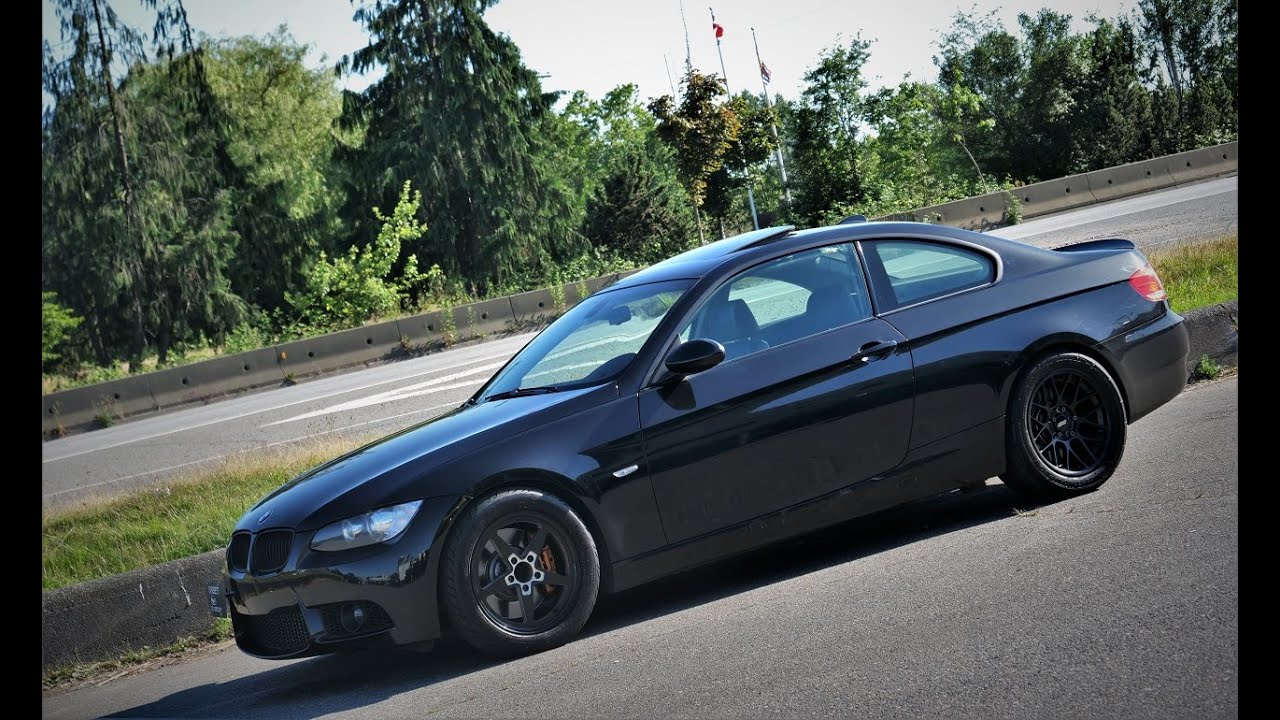
5. BMW 335i (2007–2012, N54/N55 engines)
These turbocharged engines rely heavily on a high-pressure fuel pump (HPFP) that’s notoriously unreliable. Even with factory recalls and replacements, many owners experience repeated stalling, misfires, or limp mode.
Over the past decade, the BMW 3 Series has served as the gold standard for entry-level luxury cars—a benchmark that virtually every rival has aimed to match or surpass. Only a handful have managed to pull it off, and even when they have, BMW’s iconic compact quickly reasserts its dominance.
Last year, the lineup gained a formidable twin-turbocharged engine and saw the introduction of thoroughly updated coupe and convertible variants. For 2008, the BMW 3 Series returns mostly unchanged and, despite growing competition, it continues to hold its position at the top.
If you’re shopping for an entry-level luxury vehicle, chances are high that at least one version of the 3 Series will fit your needs.
With four available body styles, two distinct engines, two transmission options, and the ability to choose between rear- or all-wheel drive, BMW offers flexibility to suit a wide range of preferences. Add to that a variety of luxury and performance packages, and you can tailor the 3 Series to be as upscale or as aggressive as you like.
Regardless of the configuration, the 3 Series consistently lives up to its “ultimate driving machine” reputation, delivering an unmatched balance of comfort and driving precision. Even the convertible, which inherently sacrifices some rigidity and gains weight, still holds onto the sharp dynamics that define the model.
- Common Failures: Engine surges, misfires under boost, or total engine shutdown.
- Cost to Fix: $1,500–$2,200, often needing multiple replacements.
A reliable fuel pump is key to consistent performance, especially as cars rack up miles. The vehicles on the “legendary” list can run for decades with minimal attention to their fuel system.
Meanwhile, those on the failure list can cost thousands in diagnostics and repairs not to mention the safety hazard of sudden stalling.
If you’re shopping for a used car, fuel pump history is something worth checking in the service records.
Always remember: a failing fuel pump isn’t just inconvenient it’s dangerous. Choose your car wisely.