Floods don’t just soak your carpets and short out your electronics—they expose the real build quality of your truck. When the water rises, it doesn’t care about the badge on your grille, the price tag, or the marketing promises about “ruggedness.”
Some trucks hold their own, shrugging off water intrusion and resisting corrosion like seasoned warriors. Others, well… they start bubbling at the fenders before the driveway even dries.
Whether you live in a coastal state, along a hurricane route, or in an area where “once-in-a-century” storms seem to happen every other year, choosing a truck that can withstand flood damage isn’t just smart—it’s essential.
And no, this isn’t about rock crawling or off-roading. This is about what happens after the storm: will your truck come back strong, or will it betray you with rust, electrical gremlins, and structural decay?
In this article, we’ve done the gritty homework and separated the flood-resilient from the flood-frauds. We’re diving into 5 trucks that have earned a reputation for surviving water damage with minimal long-term issues, and 5 that start rusting faster than you can say ‘comprehensive insurance claim.’
Trucks That Survive Flood Damage
Real-world data, owner experiences, and long-term durability are the deciding factors—not hype or outdated reputations.
So before you buy your next truck—or before you try to revive the one you already own—read on. The difference between surviving the storm and sinking with it might be just a few rust-prone bolts away.
1. Toyota Tacoma
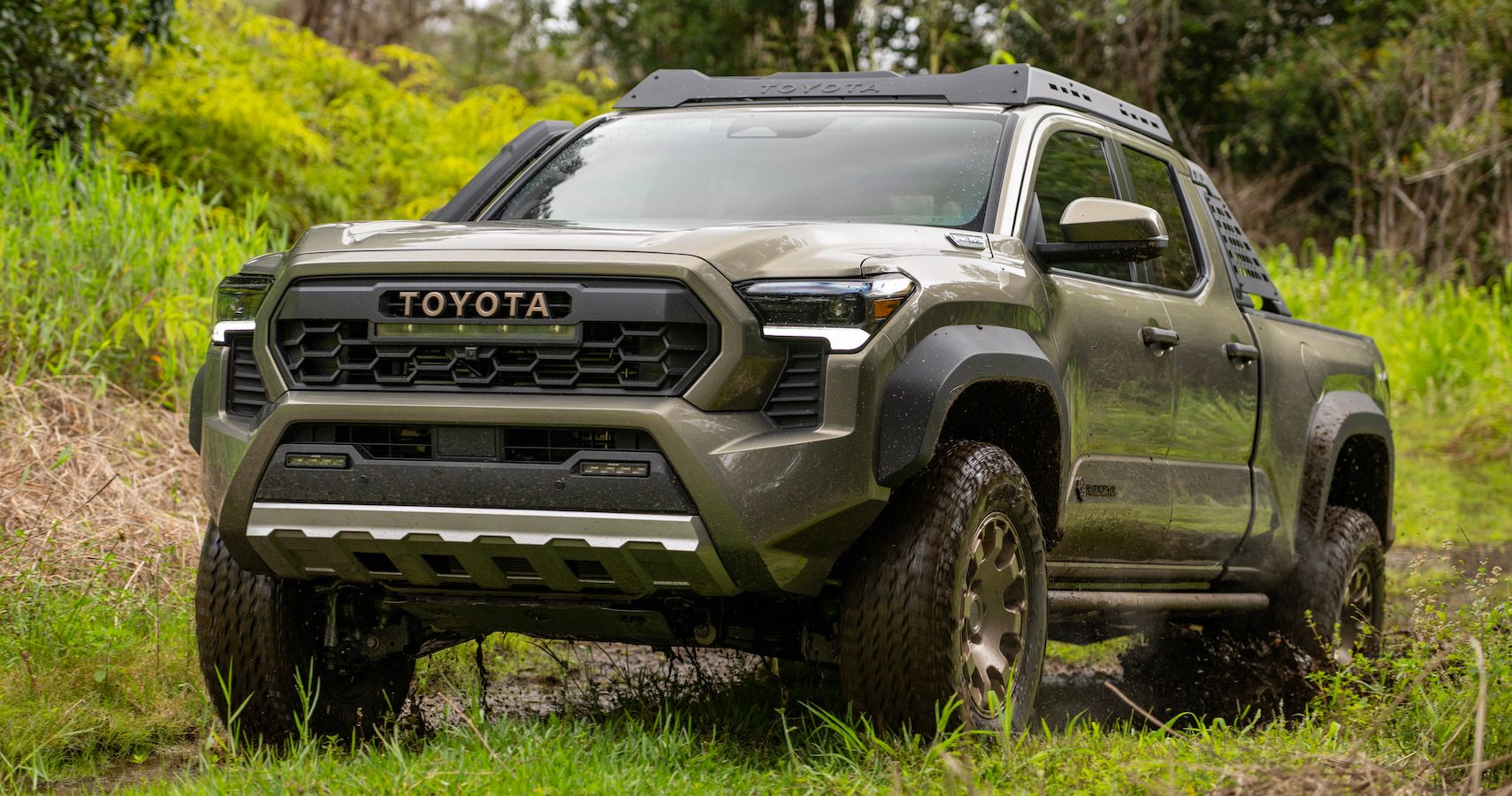
The Toyota Tacoma is a top performer when it comes to flood resilience. Known for its off-road capabilities, it’s built to handle muddy trails and water crossings.
Its high ground clearance keeps vital components above water in most flood situations, while its robust underbody protection and rust-resistant coatings ensure the frame stays intact.
Additionally, the Tacoma’s electronics are well-sealed, and its air intake is positioned high, reducing the chance of hydro-lock. Models from 2016 onward are particularly well-regarded for their flood tolerance thanks to improved engineering and materials.
You can recognize it in the way the truck stands, its elevated ground clearance, and the distinct shape of its front bumper. And truth be told, you’ll notice it again when you climb into the cab. It’s a good-looking, practical space, but the driving position feels a bit unusual—an outcome of prioritizing maximum clearance underneath the vehicle.
This holds true whether you opt for the 4×2 or the 4×4, because starting in 2016, all two-wheel-drive Tacomas adopted the same raised stance as their four-wheel-drive counterparts.
We’re not overly impressed with the V6 engine’s lackluster throttle response and its occasionally clumsy behavior, but that’s likely due to the six-speed automatic transmission’s shift programming, which is clearly tuned to maximize fuel economy.
Even so, the powertrain still gets the job done. Once you veer off the pavement, the suspension, tires, and traction systems step up and take control of the driving experience.
Out of the six available configurations, two stand out with dedicated off-road features that enhance their capability and desirability.
The TRD Off-Road model is equipped with aggressive tires, upgraded shocks, and tools like a locking rear differential, crawl control, and a sophisticated off-road traction control system with multiple modes.
Reintroduced for the 2017 model year, the TRD Pro builds on that setup with even more suspension travel, a wider and taller stance, and high-performance Fox internal bypass shocks. These components let it handle serious high-speed off-road abuse while still delivering a comfortable ride on paved roads.
Also Read: 5 Brands With Affordable Long-Term Ownership and 5 That Bankrupt You
2. Ford F-150 (Aluminum Body Years)
Starting in 2015, the Ford F-150 adopted an aluminum body, which made it surprisingly resistant to flood-related corrosion.
Aluminum doesn’t rust the way steel does, giving these trucks a major advantage in wet environments. Ford also made improvements to the frame’s drainage and sealing, protecting critical components and wiring.
Owners in flood-prone areas have praised these trucks for holding up remarkably well after water exposure. F-150s from 2015 to 2020 offer a great blend of durability and corrosion resistance.
After receiving a full redesign in 2021, the core Ford F-150 lineup enters 2023 with only a few updates. It still delivers a broad selection of powertrain choices, impressive towing and payload ratings, and a well-appointed, contemporary interior.
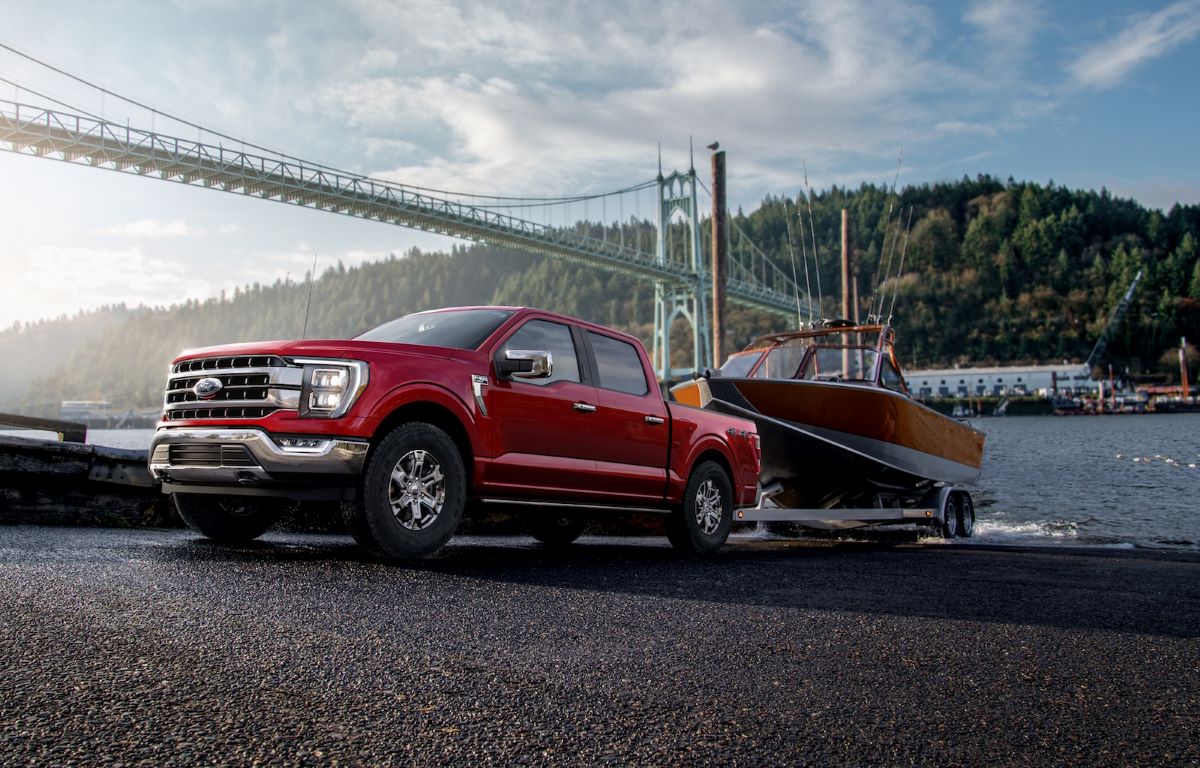
Among its most sophisticated drivetrain offerings is Ford’s PowerBoost hybrid system, which delivers a solid balance of power and efficiency. Beyond performance, it also doubles as a portable generator — an especially appealing feature that mirrors the utility of the fully electric Ford F-150 Lightning.
The headline update for 2023 is without question the arrival of the new Raptor R. Building on the formidable off-road abilities of the existing Raptor, this new version swaps out the twin-turbo V6 for the Shelby GT500’s ferocious supercharged V8. With 700 horsepower and 640 lb-ft of torque on tap, it arms the F-150 with the muscle needed to take on rivals like the Ram 1500 TRX.
At the other end of the spectrum, a new Rattler package enhances off-road capability for entry-level buyers. Offered on the base XL trim, the Rattler bundles in features from the FX4 off-road package and adds a set of aggressive all-terrain tires, giving budget-conscious shoppers a way to explore rugged terrain without breaking the bank.
3. Chevrolet Silverado 2500HD
The Silverado 2500HD is a heavy-duty workhorse with the kind of overbuilt frame and sealing you’d expect from a truck meant for punishing conditions.
Its elevated ride height keeps much of the undercarriage out of floodwater, while its use of galvanized steel and rust-inhibiting coatings makes it resistant to corrosion.
Electronics are mounted higher than in many competitors, and the design includes well-placed drains and protective shielding.
Diesel models from 2011 to 2019 are especially robust and have a reputation for surviving high water without major issues.
For 2024, Chevrolet has refreshed the styling of the Silverado HD, giving it a noticeably more refined appearance. The updated front end includes a redesigned grille, headlamps, and bumper that create a more attractive and assertive face.
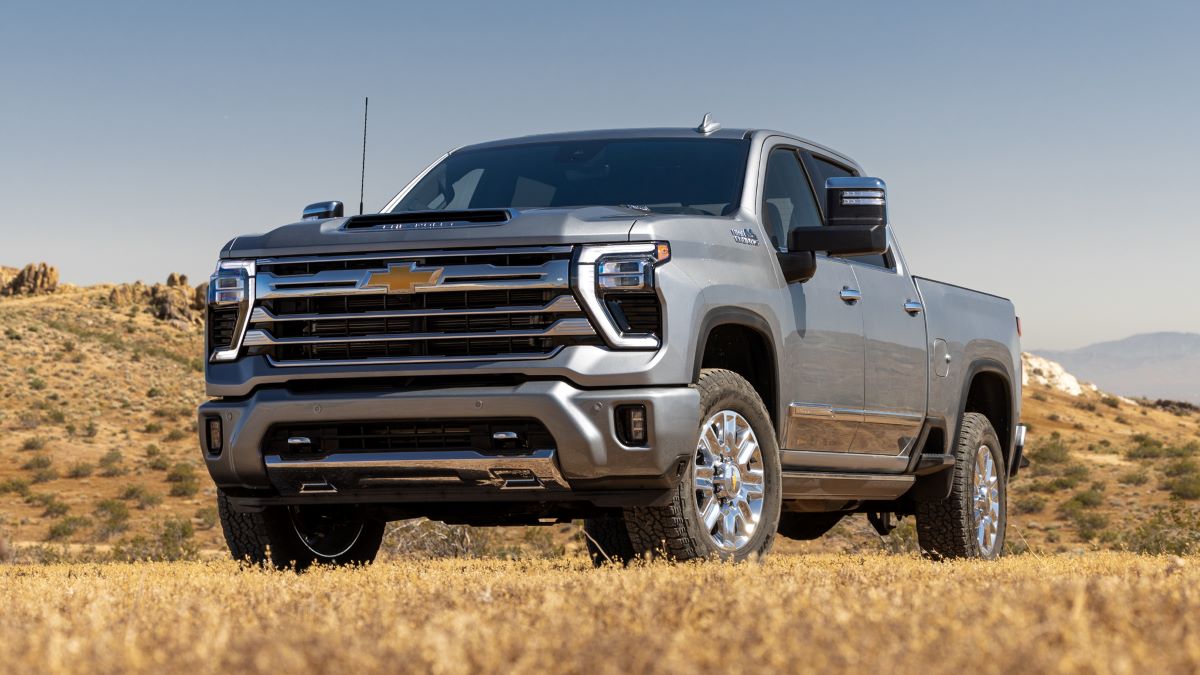
The exterior color palette has been expanded with several new shades, and the upscale High Country trim can now be ordered with a Midnight Edition package, which swaps out chrome accents for sleek black finishes.
Inside, the Silverado HD sees meaningful tech and design upgrades. LT, LTZ, and High Country models now come equipped with a 13.4-inch infotainment touchscreen and a 12.3-inch digital instrument cluster. These trims also benefit from a reworked center console that incorporates a wireless smartphone charging pad for added convenience.
Under the hood, the Duramax diesel engine has received a modest bump in performance, now delivering 470 horsepower and a stout 975 pound-feet of torque.
Meanwhile, the standard gasoline engine is now paired with the same 10-speed automatic transmission previously exclusive to the diesel variant, offering improved performance and efficiency across the board.
Chevrolet has also enhanced the truck’s suite of driver-assistance features with towing in mind. The adaptive cruise control system now compensates for the extra weight and drag when hauling a trailer, adjusting braking distances accordingly.
Similarly, the blind-spot monitoring system has been recalibrated to cover a wider area, providing more comprehensive coverage when towing. Adding to the lineup is the new ZR2 trim, a dedicated off-road model available exclusively in crew cab configuration.
The ZR2 is equipped with a lifted suspension featuring Multimatic spool-valve dampers, an electronically locking rear differential, protective steel skid plates, and aggressive 35-inch Goodyear all-terrain tires — all aimed at serious off-road performance.
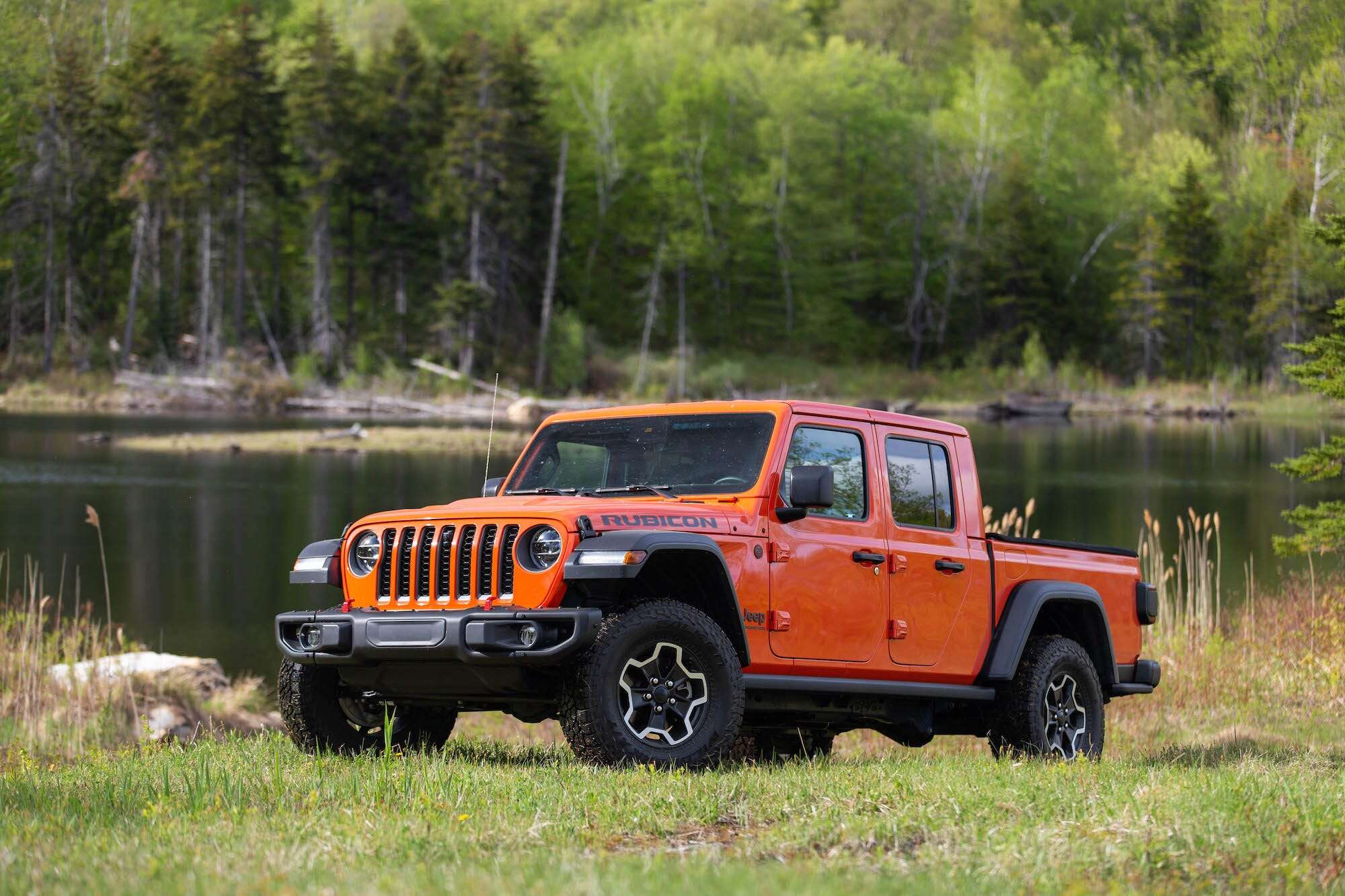
4. Jeep Gladiator
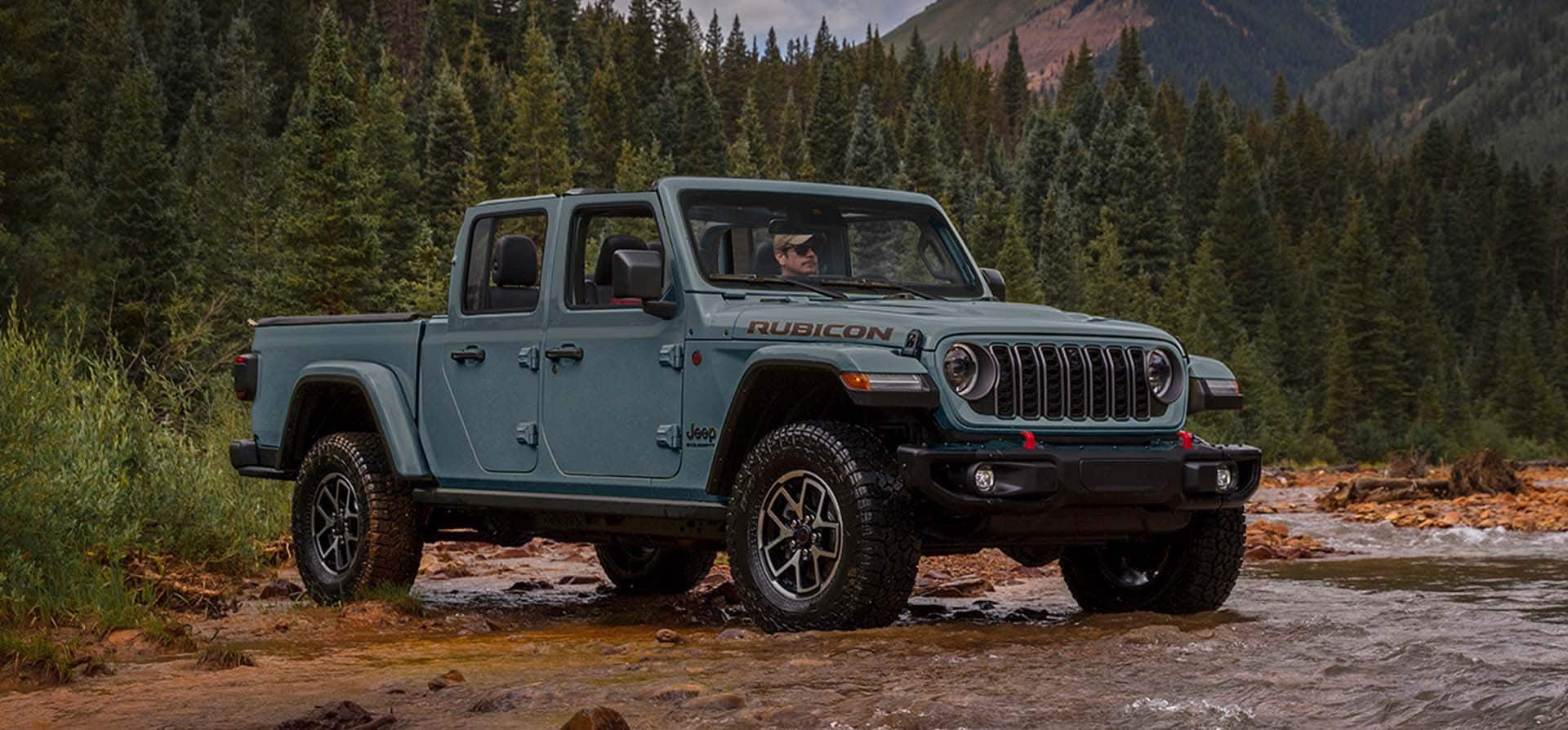
Designed with off-roading in mind, the Jeep Gladiator comes equipped to handle water crossings and flooded terrain.
Borrowing much of its engineering from the Wrangler, the Gladiator includes waterproofed electronics, a water-resistant interior, and superior underbody protection.
The Rubicon and Mojave trims come with extra sealing and off-road equipment that make them particularly effective at keeping flood damage at bay.
Since its launch in 2020, the Gladiator has built a strong reputation for water resilience, especially in factory-equipped off-road packages.
Jeep hasn’t disclosed official specifications yet, but the upcoming Gladiator 4xe (pronounced “4-by-e,” of course) is expected to share the same gas-electric powertrain found in the Wrangler 4xe and Grand Cherokee 4xe.
That setup includes a 2.0-liter four-cylinder engine paired with a 17.3-kWh battery, delivering a combined output of 375 horsepower and 470 lb-ft of torque. Compared to the existing Gladiator V6, this marks a significant leap in low-end torque — an 80% increase — which should translate to noticeably quicker acceleration from a standstill.
While towing figures for the Gladiator 4xe have yet to be revealed, it’s reasonable to assume it will match, if not exceed, the Grand Cherokee 4xe’s towing capacity of 6,000 pounds.
For reference, the current V6-powered Gladiator can tow up to 7,000 pounds. The added low-end torque should be a welcome advantage for off-road crawling, and the hybrid setup promises improved fuel efficiency — both of which could broaden the Gladiator 4xe’s appeal.
In terms of electric efficiency, the Wrangler 4xe is rated at 49 miles per gallon equivalent (MPGe) and can travel up to 22 miles on electric power alone.
The Grand Cherokee 4xe stretches that to 26 miles and boasts 56 MPGe. The Gladiator 4xe’s figures will likely land somewhere between the two, offering a solid balance of electric range and efficiency while retaining its rugged capabilities.
Also Read: Top 10 Most Reliable Used Cars You Can Buy for Under $10,000 in 2025
5. Nissan Titan XD
The Nissan Titan XD straddles the line between light-duty and heavy-duty trucks, giving it a sturdier frame and better protection against the elements.
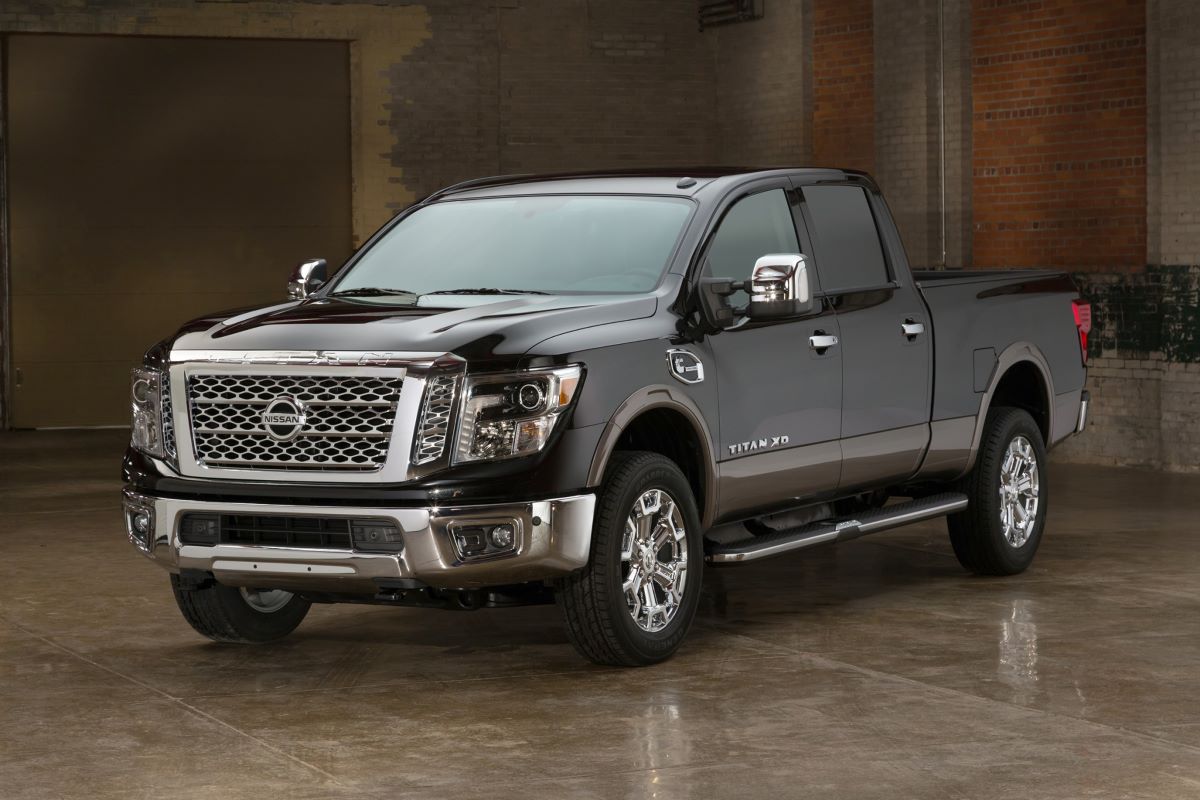
Flood performance is especially good in the 2016–2020 models equipped with the Cummins 5.0L diesel V8, which features a higher-mounted air intake and robust sealing around electrical components.
The Titan XD also benefits from anti-corrosion treatments and tight weather-sealing throughout the cabin and body. While not as widely known as some rivals, its flood resilience is a quiet strength.
The 2024 Nissan Titan XD sets out to strike a balance between the comfort of a half-ton pickup and the capability of a heavy-duty truck. It’s an ambitious objective, but unfortunately, the end result is a truck that’s compromised enough to feel largely irrelevant in today’s competitive market.
Yes, the more robust XD version can tow more than the standard Titan, and it does offer a smoother ride compared to some heavy-duty competitors. But the reality is that certain half-ton pickups can out-tow it, and many deliver an even more refined ride.
Adding to its limitations, the Titan XD doesn’t offer flexibility in cab and bed choices — every version comes with a crew cab and a 6.5-foot bed. And unlike other HD trucks, which usually come with the option of a diesel engine, the Titan XD is only available with a gasoline-powered 400-horsepower V-8.
On the upside, the XD does come well-equipped with an array of desirable standard features, and its front seats are among the most comfortable you’ll find in any truck. Still, those strengths aren’t enough to lure buyers away from the more established domestic heavy-duty offerings.
Trucks That Rust Instantly After Flood Exposure
Floodwaters don’t just kill engines—they expose weak metal, poor sealing, and lazy engineering. Some trucks are tough enough to shake off water damage, but others start rusting almost immediately after the storm passes.
In this article, we’re calling out the trucks that fall apart fastest when flood exposure enters the picture. If you live in a flood-prone area or just survived one, these are the models you’ll want to think twice about keeping—or buying.
1. Chevrolet Colorado (First Generation)
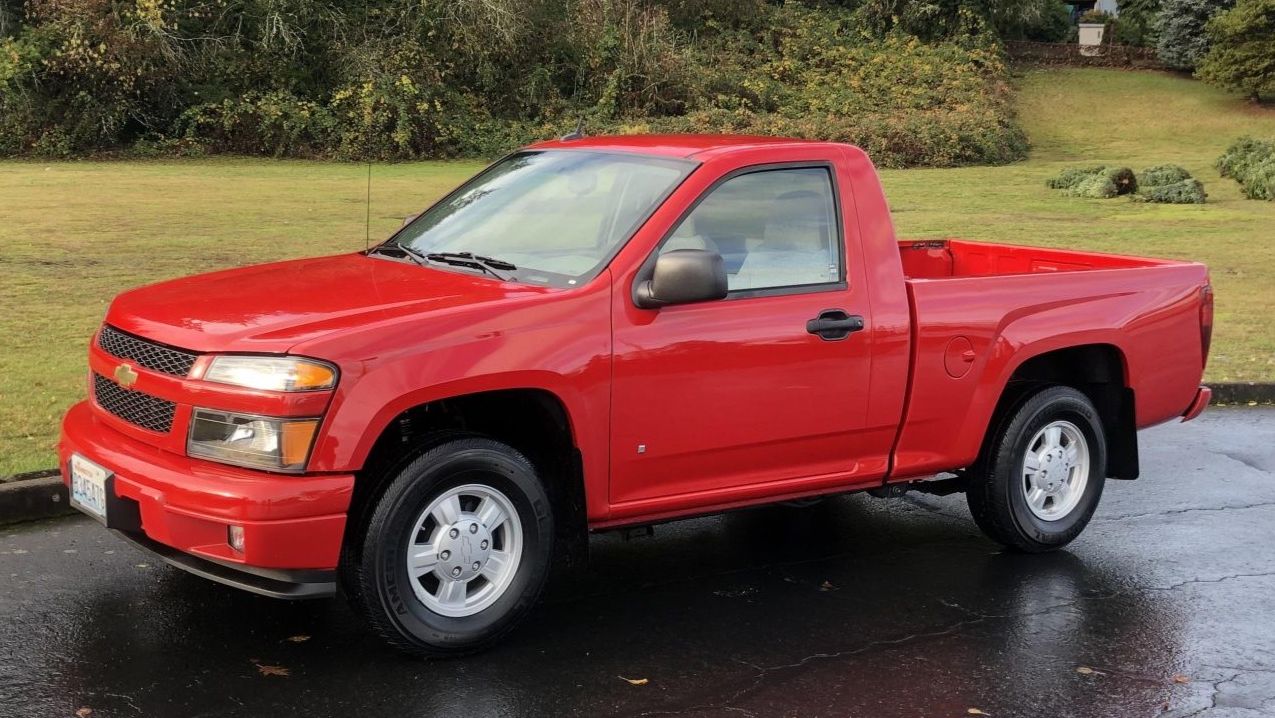
The first-generation Chevrolet Colorado, built between 2004 and 2012, has a notorious reputation for rust, even without flood exposure.
Once water enters the frame rails or collects in the wheel wells, rust sets in rapidly. Brake lines, fuel lines, and body mounts are especially vulnerable, often requiring major repairs or replacements.
These trucks also lack modern drainage systems and underbody coatings, making them particularly susceptible to corrosion after even a moderate flood event.
Slightly larger than the S-10 it replaced, the Chevrolet Colorado stands out as a bigger, bolder, and more refined compact pickup than Chevy has offered in years. Riding on a rugged ladder frame chassis, the Colorado is available in three body styles with a choice between two- or four-wheel drive, and offers two Vortec inline engines.
Sourced directly from the TrailBlazer’s 4.2-liter inline-six, the Colorado’s aluminum-block four- and five-cylinder engines are the most advanced ever fitted in a compact Chevrolet truck.
Both feature dual overhead camshafts, four valves per cylinder, and electronic throttle control. The standard 2.8-liter four-cylinder delivers peak torque across a broad range from 1,200 to 5,600 rpm, while the optional 3.5-liter five-cylinder maintains strong torque from 1,400 to 5,200 rpm.
Buyers can choose between a five-speed manual or a four-speed automatic transmission. The suspension uses a solid rear axle with leaf springs and an independent front suspension with coil springs. An off-road package replaces the front coils with torsion bars, and the available sport package adds a rear anti-sway bar.
Those looking for serious off-road capability will value the Colorado’s dual-speed push-button transfer case and the optional locking rear differential.
Since most compact truck buyers tend to use their trucks for personal rather than commercial needs, the Colorado offers a far more refined and better-equipped interior than the outgoing S-10. The cabin’s layout is straightforward, featuring rotary climate control knobs and a prominent audio interface compatible with XM Satellite Radio.
Extended cab models come with reverse-opening rear doors on both sides for easier rear-seat access, while crew cab versions offer a 60/40-split-folding rear bench that seats three adults comfortably.
Side curtain airbags are available for added head protection in side impacts and rollovers. Standard antilock brakes and optional traction control on 2WD models round out the Colorado’s comprehensive safety suite.
2. Dodge Dakota
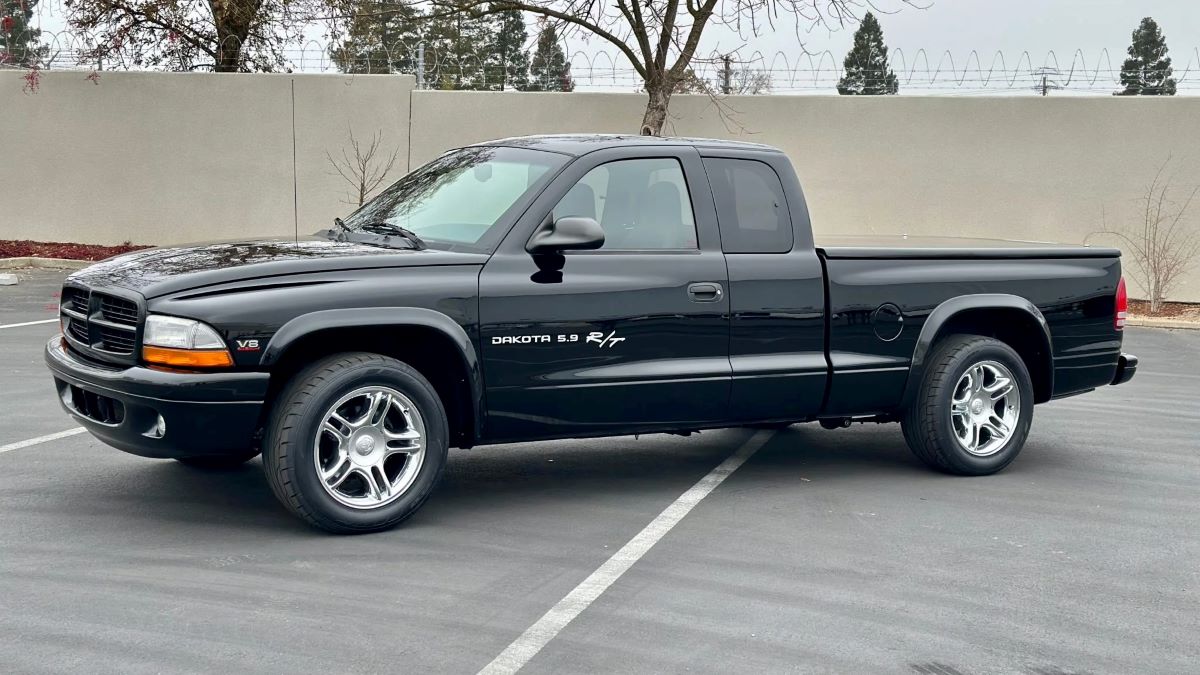
The Dodge Dakota, especially models from the late 1990s to early 2000s, suffers from severe corrosion issues when exposed to moisture.
While they can be decent performers in dry climates, flood exposure accelerates rust dramatically, especially around the wheel arches, tailgate, and frame.
The undercarriage lacks comprehensive rust protection, and many Dakotas also suffer from poor sealing in the cabin, allowing moisture to seep into the interior and cause additional damage.
Once rust starts on a Dakota, it tends to spread quickly and aggressively. The smaller-than-1500 Ram pickup that enthusiasts have been eagerly anticipating since 2011 appears to finally be on the horizon—though just how much smaller remains a point of speculation.
Current indications suggest the new Dakota will likely be developed as a unibody, lifestyle-oriented truck positioned to compete with the hugely popular Ford Maverick. However, it may be sized just slightly larger to fill the niche between compact trucks and traditional midsize offerings.
If that’s the case, this new lifestyle truck would enter a fast-growing but still relatively uncrowded segment—though it would need to be viable as a North America-only model, since Fiat-based unibody trucks already exist for global markets.
If Ram builds the Dakota on the STLA Large platform—which is designed to support a broad range of powertrains, not just electric—then it could easily meet or exceed the Maverick’s performance and efficiency benchmarks.
This could include anything from the Alfa Romeo Giulia’s 2.0-liter turbocharged four-cylinder to hybrid, plug-in hybrid (PHEV), or even full battery-electric variants. The setup would allow for front-, rear-, or all-wheel-drive configurations, with power outputs ranging from mild to aggressive.
However, there’s still a strong chance that Ram could choose to position the Dakota as a global contender, going head-to-head with global bestsellers like the Toyota Tacoma/Hilux and Ford Ranger.
At first glance, the newly introduced Ram Rampage—designed for select South American markets—looks exactly like what a U.S.-bound Dakota might be. Still, it seems unlikely that Ram would debut such a pivotal product anywhere other than America.
3. Ford Ranger (Pre-2011 U.S. Models)
Older Ford Rangers, particularly those built from 1998 to 2011, are prone to rust due to their outdated sealing techniques and minimal frame protection.
These trucks weren’t engineered with flood conditions in mind, and water exposure often results in rapid deterioration of the underbody, suspension mounts, and cab supports.
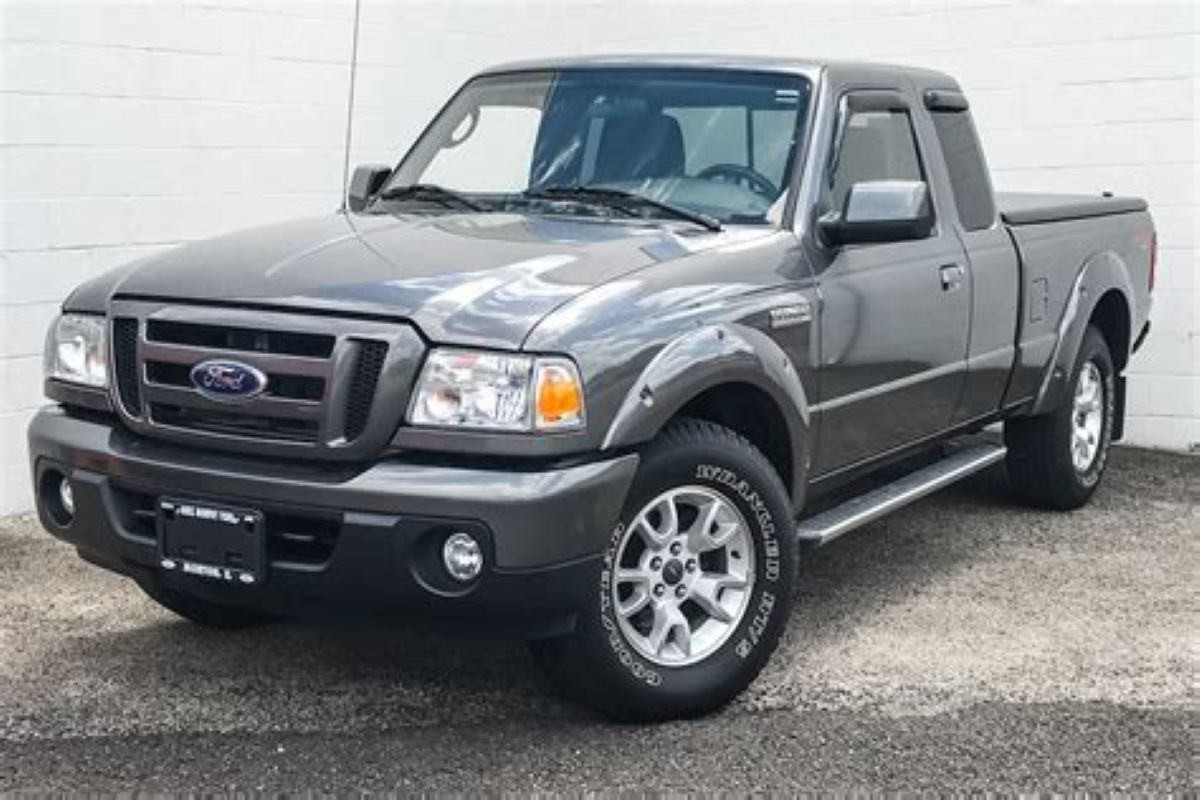
Without galvanization or proper drainage, the moisture gets trapped and eats away at the metal. While the Ranger name has seen a resurgence in recent years, the older models are best avoided in flood-prone areas.
The 2010 Ford Ranger receives a handful of minor updates, but the overall impact is mixed. On the positive side, the long-overdue addition of stability control and side airbags finally arrives — and they’re standard, which is a definite step forward.
On the downside, the 7-foot bed option is no longer offered to regular retail customers, and the FX4 Off-Road Package has been dropped entirely.
These were two of the Ranger’s most attractive features, and ones we previously highlighted as legitimate reasons to consider buying one. With both now off the table, it’s hard not to question what’s left.
There may still be a case for the Ranger among small business owners in need of a basic, fuel-conscious truck for light-duty work. But as a daily driver, this compact Ford pickup trails its rivals by a significant margin.
Its engines are underpowered, and while Ford continues to emphasize the four-cylinder’s class-leading fuel economy, that 143-horsepower motor delivers sluggish acceleration more accurately measured with a sundial.
The 2010 Ford Ranger comes standard with a 2.3-liter inline-4 engine that produces 143 horsepower and 154 lb-ft of torque. A five-speed manual transmission is standard, while a five-speed automatic is available as an option.
This engine is only offered with rear-wheel drive. EPA fuel economy estimates are 21 mpg city/26 mpg highway and 23 mpg combined with the manual, and 19/24/21 with the automatic.
The available 4.0-liter V6 engine puts out 207 horsepower and 238 lb-ft of torque. This engine pairs with rear-wheel drive and a five-speed manual as standard, while four-wheel drive and a five-speed automatic are optional. Fuel economy ranges from 15/21/17 with the manual and rear drive to 14/18/15 with the automatic and 4WD.
4. Toyota Tundra (2000s Models)
Despite Toyota’s reputation for quality, the early 2000s Tundras were plagued by one of the worst frame rust scandals in modern truck history.
Vehicles from 2000 to 2006 were subject to major recalls due to premature frame rot, with some frames deteriorating so badly they were considered unsafe to drive.
When exposed to floodwaters, these frames rust even faster, compromising the truck’s structural integrity.
Toyota eventually offered frame replacements, but the underlying issue remains a red flag for buyers looking at used models.
The 2000 Toyota Tundra, starting at $15,345, marked Toyota’s first entry into the full-size pickup truck market. This base Regular Cab variant features a 3.4-liter V6 engine producing 190 horsepower at 4,800 rpm and 220 lb-ft of torque at 3,600 rpm.
The engine is paired with a manual transmission, although specific transmission details are not listed. It operates on regular unleaded fuel and sends power to the rear wheels (RWD). Fuel economy is rated at 16 mpg in the city and 19 mpg on the highway.
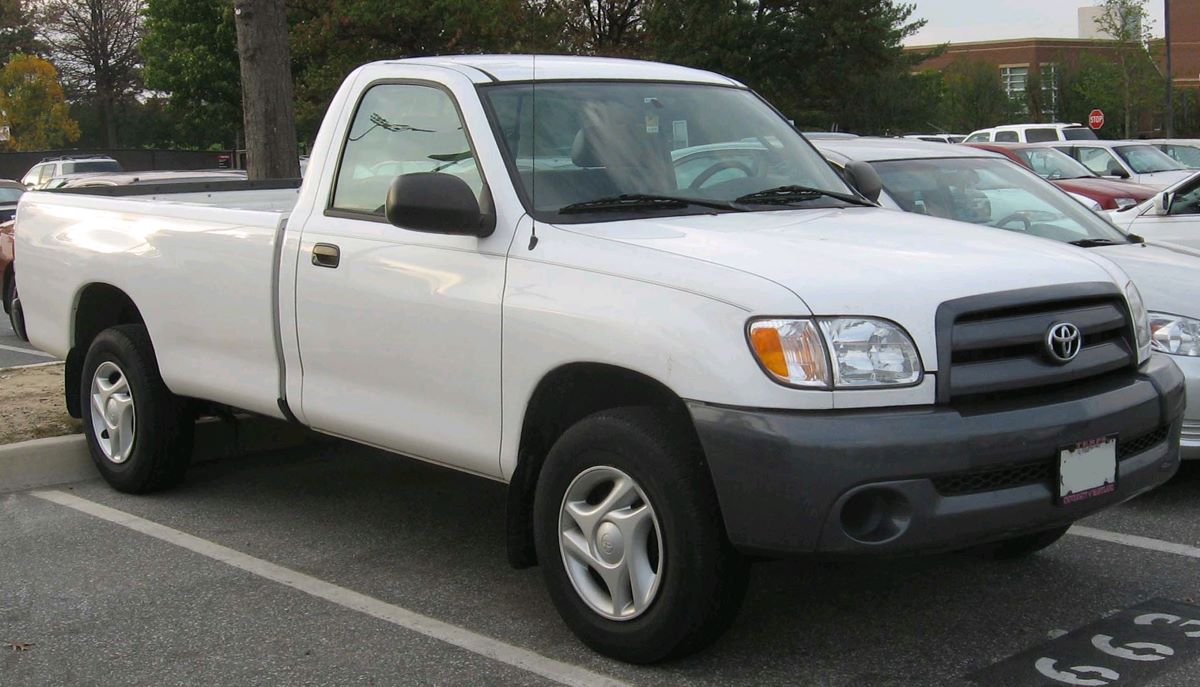
Dimensionally, the Tundra measures 217.5 inches in length, 75.2 inches in width, and stands 70.5 inches tall. It offers a ground clearance of 10.4 inches and has a curb weight of 3,795 pounds.
The front seating area provides 40.3 inches of headroom, 41.5 inches of legroom, and 62.4 inches of shoulder room, with seating for up to three passengers. Rear seat dimensions, cargo capacity, and wheelbase details were not specified.
The Tundra’s gross vehicle weight rating (GVWR) is 5,500 pounds, and it offers a maximum payload capacity of 1,705 pounds. Towing capacity, however, was not listed in the available specifications.
While certain details like the transmission type, drivetrain class, and rear seating dimensions remain unspecified, the Tundra was designed to deliver capable, no-nonsense performance in a straightforward and durable package.
5. GMC Canyon (First Generation)
Sharing its platform with the first-generation Chevrolet Colorado, the GMC Canyon from 2004 to 2012 suffers from identical rust problems.
Flood exposure tends to accelerate corrosion in the rocker panels, frame rails, and suspension components, which lack proper rust-proofing.
The GMC Canyon entered the scene a few years back as a replacement for the Sonoma. As a compact pickup, it was designed to provide a reasonable level of utility without the bulk or price tag typically tied to full-size trucks. In that regard, the Canyon delivers. However, in several other key areas, it falls short of expectations.
Sharing its underpinnings with the Chevy Colorado, the 2007 GMC Canyon stands apart mostly due to its front-end styling. It’s a visually appealing truck, but that bold design isn’t quite matched by its performance. Under the hood, you’ll find two “Vortec” engines that, on paper, seem like solid choices.
One of the Canyon’s other major shortcomings is its interior. In today’s market, compact pickups are often used as daily drivers, which has pushed competitors to enhance cabin refinement and comfort.
While the Canyon’s interior is an improvement over the old Sonoma, it still lags well behind class leaders like the Toyota Tacoma and Nissan Frontier. The layout of the controls is intuitive and user-friendly, but the abundance of hard plastics and inconsistent build quality gives the cabin a cheap feel.
That said, the Canyon does offer a range of well-tuned suspension setups, which enhance its performance either off-road or on winding roads, depending on the configuration.
These setups are genuinely capable, but in the eyes of our editors, they’re not enough to sway buyers. Anyone considering a compact pickup should take a close look at the offerings from Dodge, Toyota, and Nissan before choosing the 2007 GMC Canyon.
For 2007, both of the Canyon’s engines receive slight increases in displacement and output. The base 2.9-liter inline four-cylinder generates 185 horsepower and 195 lb-ft of torque — the most of any four-cylinder engine in a pickup at the time.
The optional 3.7-liter inline five-cylinder makes 242 hp and an equal 242 lb-ft of torque. A five-speed manual transmission is standard on all four-cylinder models (except the 2WD crew cab), while a four-speed automatic is optional.
The automatic is standard when paired with the five-cylinder. While these output numbers seem competitive, they don’t translate to real-world performance that matches the V6 and V8 options available in rival pickups.
Four-wheel-drive variants include a dual-range transfer case with push-button operation and offer an optional locking rear differential. However, with a max towing capacity of just 4,000 pounds, the Canyon lags behind others in its class.
Standard safety equipment includes antilock brakes, while side curtain airbags are optional. Traction control is also optional but only available on 2WD models equipped with an automatic transmission.
Unfortunately, stability control isn’t offered at all. In government crash testing, the Canyon crew cab received a five-star rating for both driver and front-passenger protection in frontal impacts.
Other body styles earned four stars. Side-impact testing yielded four stars for front-passenger safety and five stars for rear-passenger protection in the crew cab. The Insurance Institute for Highway Safety (IIHS) awarded the Canyon a “Good” rating — the best possible — in its frontal-offset crash tests.
While the inline engines operate with a fair degree of smoothness, their lack of initial punch off the line and their odd exhaust notes leave something to be desired.
The four-speed automatic delivers firm, well-timed shifts, and although the five-speed manual transmission feels vague, it remains one of the better manuals in the compact truck segment.
The standard suspension setup is on the softer side, yet the Canyon manages decent handling for a truck of its size. Opt for the ZQ8 package to improve on-road agility, or go with the Z71 package if you plan to venture off the beaten path.
Though the trend in trucks has shifted toward comfort and refinement, don’t expect anything upscale inside the Canyon. The cabin features straightforward rotary climate controls and a large, easy-to-navigate stereo interface, giving it a familiar and functional vibe.
The gauges are equally simple and serve their purpose without frills. Interior material quality ranges from average to subpar, and overall build consistency leaves room for improvement.
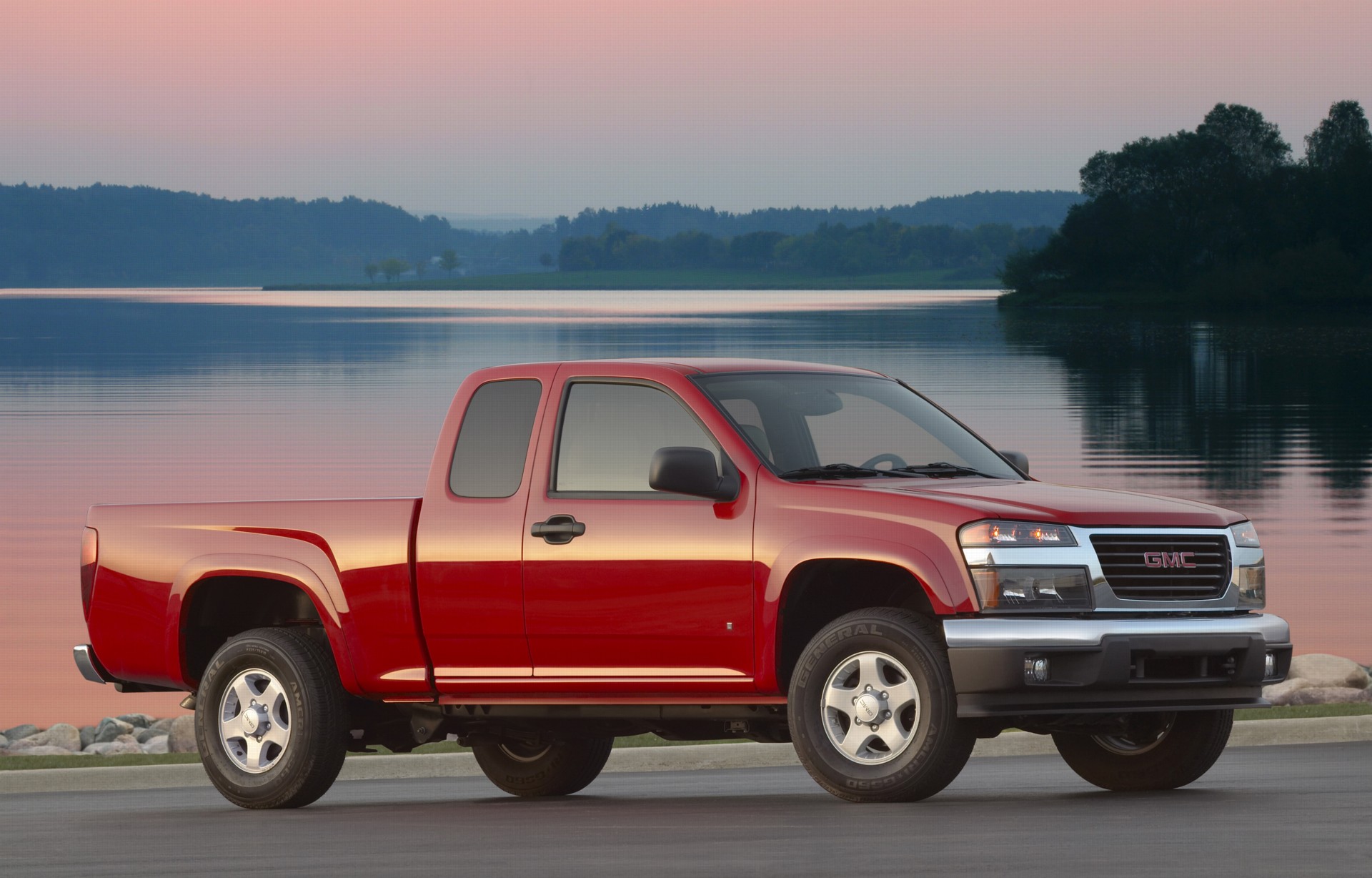
In many cases, rust becomes visible within months of flood damage, and structural issues follow shortly after.
Like its Chevrolet twin, the Canyon didn’t receive enough investment in corrosion resistance, making it a poor choice for areas where flooding is a concern.
Flood damage can be a death sentence for many vehicles, but certain trucks are engineered to handle water better than others.
Whether through advanced materials like aluminum, smart design choices, or robust rustproofing, the difference between surviving a flood and succumbing to it is often found in the details.
Trucks like the Toyota Tacoma and Jeep Gladiator are built with those details in mind, while others like the early Tundra or Dodge Dakota simply aren’t up to the task.
If you live in an area where flooding is a real possibility, your choice of truck could mean the difference between years of reliable service and an early trip to the scrapyard.