The construction site is no place for pretenders. Between the flying debris, uneven terrain, brutal weather swings, and relentless daily loads, trucks operating in this environment aren’t just machines, they’re battlefield survivors. Or at least, the good ones are.
Some pickups and heavy-duty haulers are engineered to thrive in chaos, with rock-solid frames, torque-rich drivetrains, and suspensions that laugh in the face of punishment.
Some look tough but crumble after a few hard months in the trenches, suffering from frame fatigue, transmission issues, or just plain old shoddy build quality.
In this article, we’re calling it like it is. No brand bias. No marketing fluff. Just real talk about which trucks can handle the job day in and day out, and which ones will leave you stranded when the rebar hits the fan.
Trucks That Survive Construction Duty
Whether you’re a contractor counting on your fleet to deliver or a solo operator betting your livelihood on a single truck, this list will help separate the true workhorses from the weak links.
Let’s break down 5 trucks that survive construction duty — and 5 that crack under pressure.
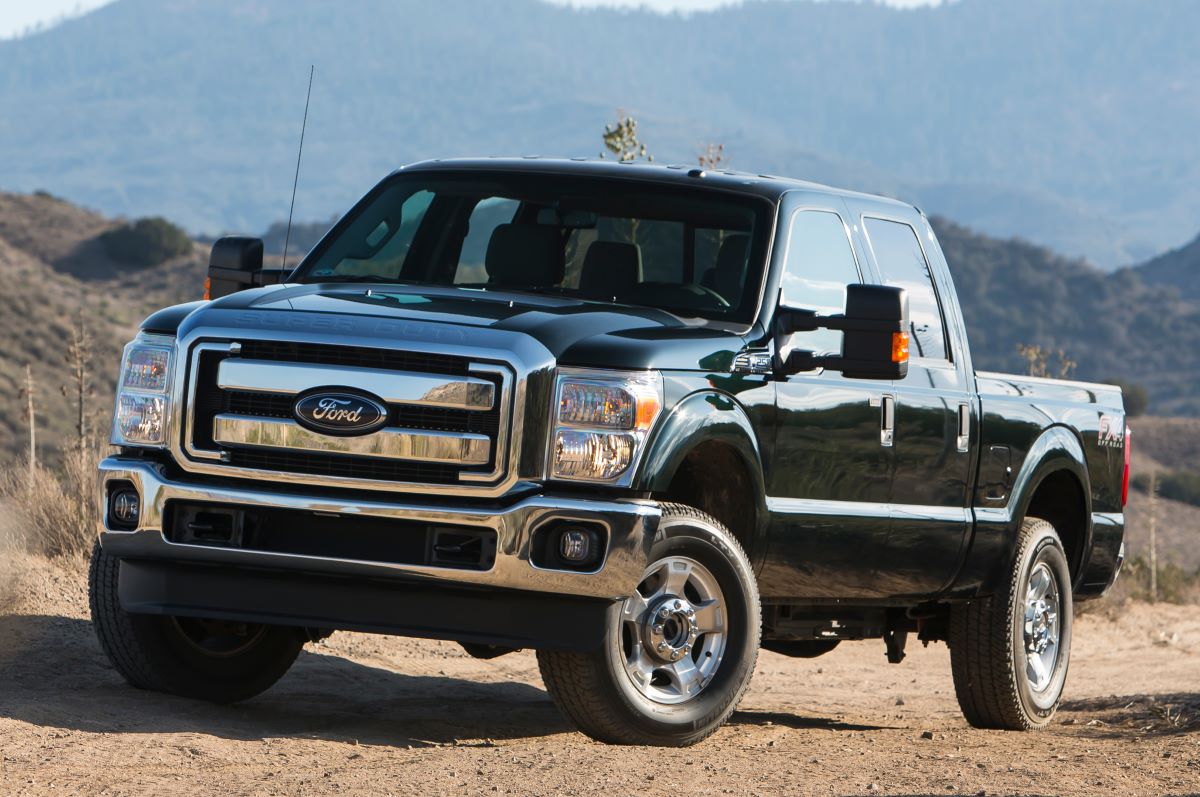
1. Ford Super Duty (F-250/F-350)
The Ford Super Duty lineup has been a construction site staple for decades.
Built with a fully boxed high-strength steel frame and military-grade aluminum body panels, it handles rough terrain, massive payloads, and repeated abuse with ease.
The Power Stroke diesel engine option adds torque for heavy towing, while the solid front axle offers durability that’s hard to match.
For anyone who tows, hauls, or earns a living through physical labor, the Ford Super Duty doesn’t need an introduction.
This tried-and-true workhorse has spent decades locked in a head-to-head rivalry with the Chevrolet Silverado HD and Ram HD, each manufacturer continuously pushing the envelope to dominate the highly competitive heavy-duty truck market.
In the end, it’s the buyers who benefit most from this relentless game of one-upmanship, as it consistently drives innovation and overall improvement across the board.
In its 2025 form, the Ford Super Duty continues to deliver the toughness expected of it, offering a wide range of cab and bed configurations.
Buyers can choose between two gasoline engines and the formidable Power Stroke diesel V-8, which now comes in two output levels, the most powerful producing 500 horsepower and 1,200 pound-feet of torque.
Available in F-250, F-350, and F-450 models, the Super Duty’s most capable setup boasts a maximum towing capacity of 40,000 pounds and an 8,000-pound payload rating, serious numbers for serious work. And for those who think a little comfort makes the grind more bearable, Ford hasn’t forgotten you either.
Buyers can opt for premium touches like a two-tone leather interior or the incredibly convenient Max Recline seats, perfect for sneaking in a power nap when the boss isn’t looking. Whether it’s about brute strength or blending work with comfort, the 2025 Super Duty brings it all to the table.
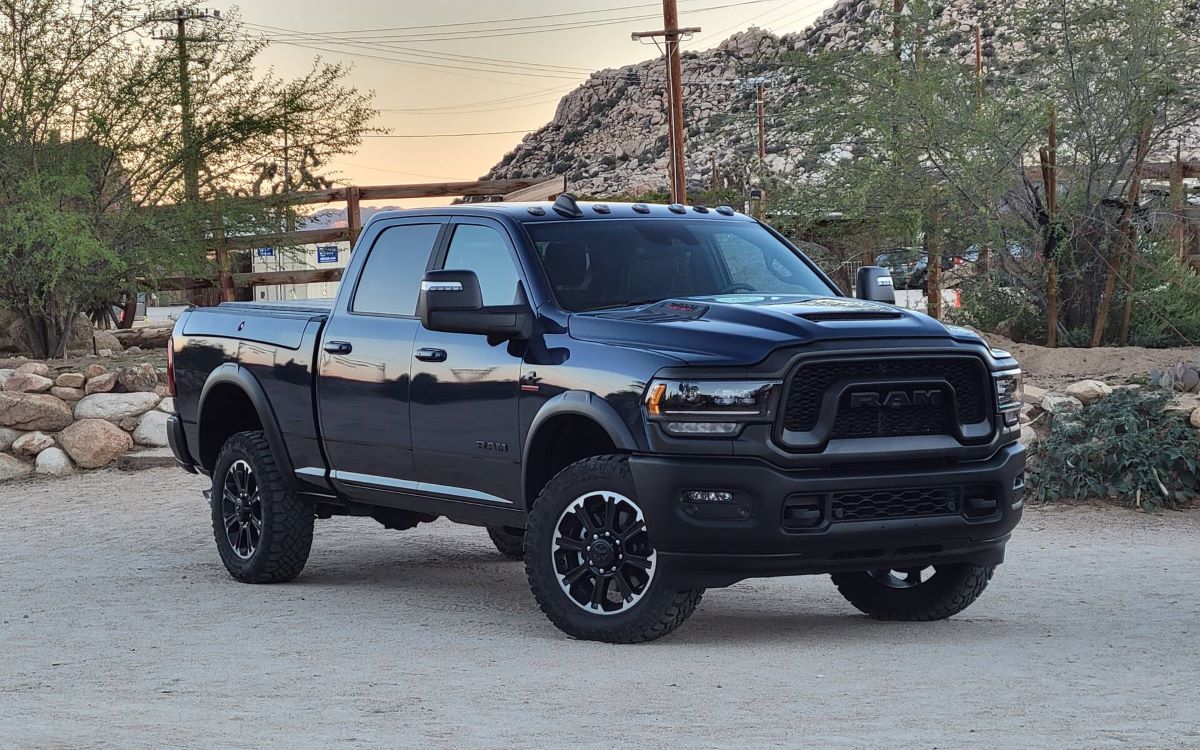
2. Ram 2500/3500 HD
Ram’s heavy-duty trucks feature a reinforced frame and suspension designed specifically for hauling and job-site reliability.
With the optional Cummins turbo-diesel engine producing up to 1,075 lb-ft of torque, these trucks excel in hauling heavy equipment.
Ram’s coil-spring rear suspension on the 2500 also provides a smoother ride without compromising load capacity.
The 2025 Ram 2500 enhances what was already one of the top-performing heavy-duty pickups by introducing a range of meaningful updates, chief among them a new-and-improved Cummins turbodiesel engine. Towing capacity and in-cabin tech, which were already standout features, have seen further improvements.
The available display lineup now includes a massive 14.5-inch screen that’s practically tablet-sized. As before, the Ram 2500 continues to impress with its surprisingly smooth ride and refined overall driving experience, qualities that don’t always show up on a spec sheet but make a real difference in day-to-day use.
The new-and-improved Cummins turbodiesel inline-six now puts out 430 horsepower and 1,075 lb-ft of torque — a notable jump from the previous year’s 370 hp and 850 lb-ft.
It’s paired with an eight-speed transmission (up from a six-speed), which is now operated by an electronic column shifter instead of the older mechanical one. According to Ram, engine refinements have helped reduce noise, vibration, and harshness — a welcome fix that addresses past criticism of the diesel’s volume.
Technology also gets a major overhaul. The previously optional 12-inch touchscreen returns with updates to Ram’s latest infotainment system but now plays second fiddle to a newly available 14.5-inch display.
Buyers can also opt for a fully digital instrument cluster and a dedicated passenger-side screen. The list of available features grows with the addition of dual wireless charge pads, a 2.4-kW inverter, trailer reverse steering control, and a suite of upgraded safety technologies.
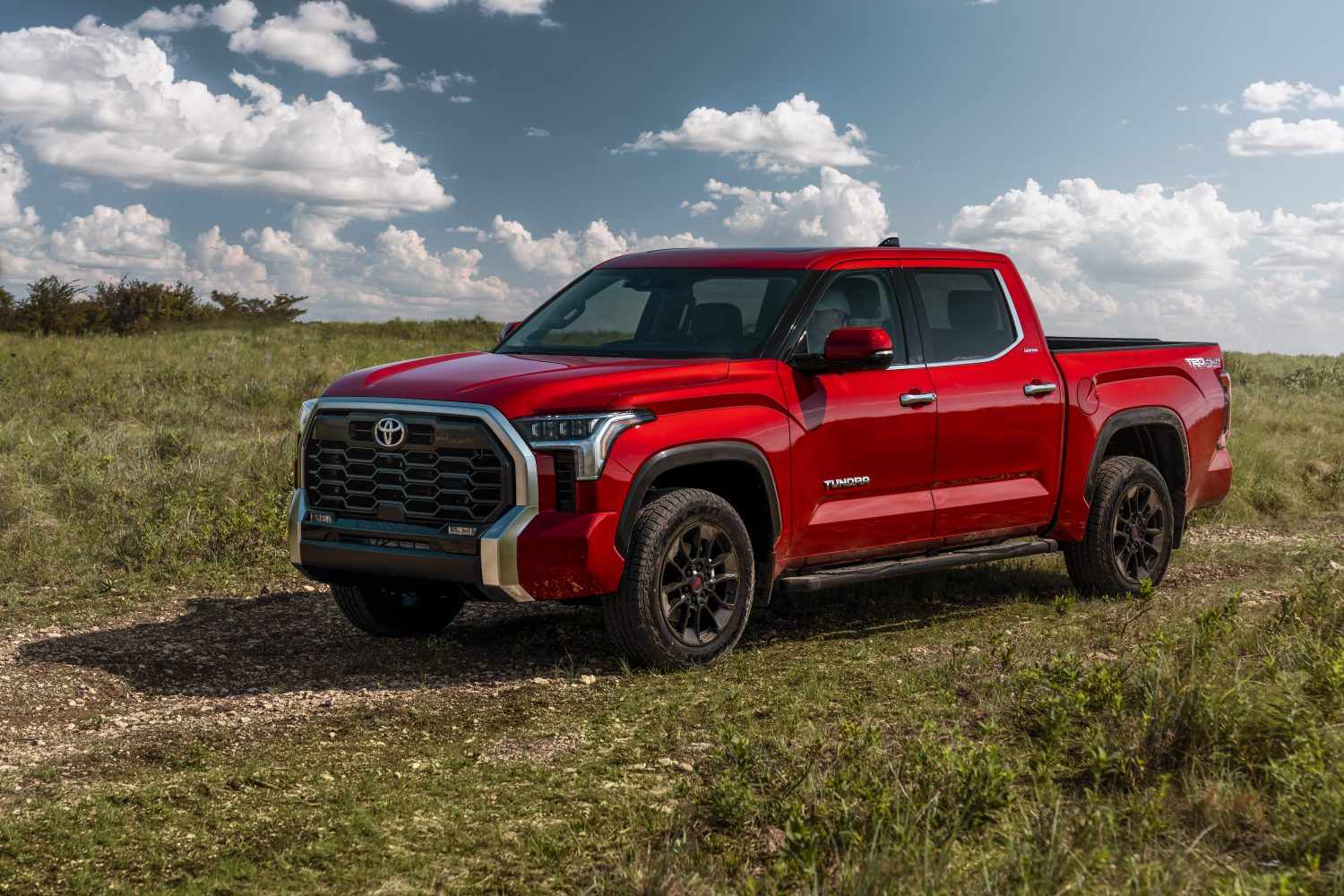
3. Toyota Tundra (2022+)
The latest generation of the Tundra finally stepped into true workhorse territory.
With a fully boxed frame, a powerful i-Force MAX hybrid powertrain, and an advanced 10-speed automatic transmission, it’s far more suited to construction environments than earlier models. The rear coil spring suspension provides strength while maintaining comfort.
The 2022 Toyota Tundra arrives with a long list of major enhancements, starting with a reengineered frame, a redesigned rear suspension, new powertrains, and a thoroughly updated interior. Beneath the hood, buyers now have a choice between two turbocharged V6 engines.
The base turbo V6 delivers roughly the same horsepower as the outgoing V8, 389 hp, but offers greater torque, a key advantage for towing.
It also significantly improves EPA-estimated fuel economy. For those who want more grunt, there’s the available hybrid V6 known as i-Force Max, which uses a battery mounted under the rear seats to power an electric motor, giving the Tundra even more strength compared to the standard V6.
Toyota didn’t stop with engine upgrades — several foundational improvements were made to enhance the truck’s overall performance. A major change was ditching the traditional leaf-spring rear suspension, a staple in full-size trucks for its toughness, in favor of modern coil springs.
Tech-wise, the 2022 Tundra makes a massive leap forward. Base models come equipped with a standard 8-inch touchscreen, while a huge 14-inch touchscreen is available on higher trims. This larger display offers a high-resolution interface and responds faster to user inputs.
Regardless of configuration, every 2022 Tundra includes wireless Apple CarPlay and Android Auto, along with a revamped voice recognition system that now supports more natural speech and commands. It’s clear that Toyota made tech and drivability top priorities with this full redesign.
4. Chevrolet Silverado 2500/3500 HD
With a reputation for rugged reliability, the Silverado HD series is a serious work truck. The available Duramax 6.6L diesel engine, paired with the Allison transmission, delivers robust power and durability.
Its steel bed, high payload capacity, and strong chassis make it well-suited to the dirt and demands of construction work.
For those whose workload is too demanding or whose collection of toys is too large for a Silverado 1500, Chevrolet offers the next-level Silverado 2500.
Built on a more robust frame with reinforced suspension components and more powerful engine options, the 2500 is larger, tougher, and better equipped to handle serious tasks than its light-duty counterpart.
To accommodate a wide variety of needs, Chevrolet offers the Silverado 2500 in three cab styles, two bed lengths, and with the option of either two- or four-wheel drive.
Under the hood, you’ll find two engine choices: a 6.6-liter gasoline V8 that delivers strong performance, and a 6.6-liter diesel V8 with the kind of “careful where you point that thing” power that demands respect.
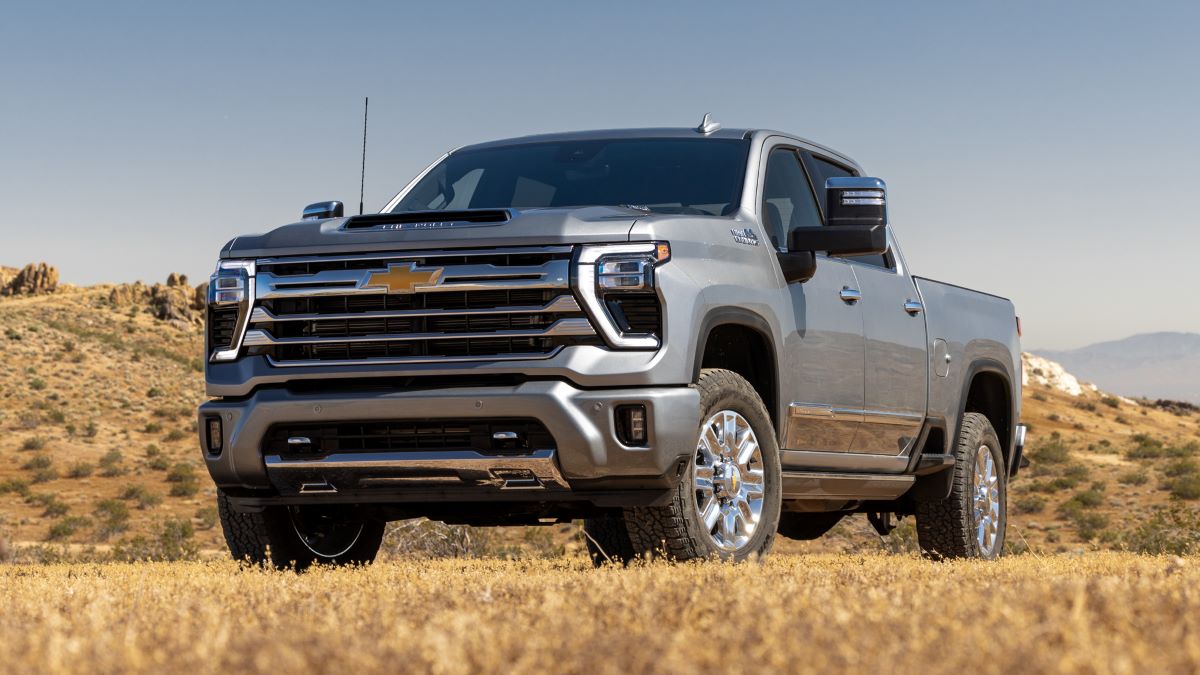
Though some folks still use the term “three-quarter-ton” to describe the Silverado 2500 and its direct rivals like the Ram 2500 and Ford F-250, that label is outdated — much like the carburetors that used to regulate fuel in trucks decades ago.
The 2023 Silverado 2500 can now handle close to two tons of combined passengers and cargo, nearly double the payload capacity of the Silverado 1500. When properly equipped for towing, it’s capable of hauling over 18,500 pounds, which is about 5,000 pounds more than what the 1500 can manage.
Keep in mind that these are peak ratings and should be viewed as occasional-use limits. Buyers who frequently push their truck near its max capacity may want to consider moving further up the heavy-duty truck hierarchy.
In terms of capability, the Silverado 2500 competes closely with its main rivals. However, it falls short in one key area: interior design. Compared to the more modern cabins found in the F-250 and Ram 2500, the Silverado’s interior feels dated.
Visibility is another weak spot, the truck’s bulky hood can limit the driver’s view up front, making tight-space parking a bit of a challenge.
But let’s be real, heavy-duty trucks like this aren’t built for pampering. They’re built to perform. And when it comes to putting in the work, the Chevrolet Silverado 2500 is more than ready to get the job done.
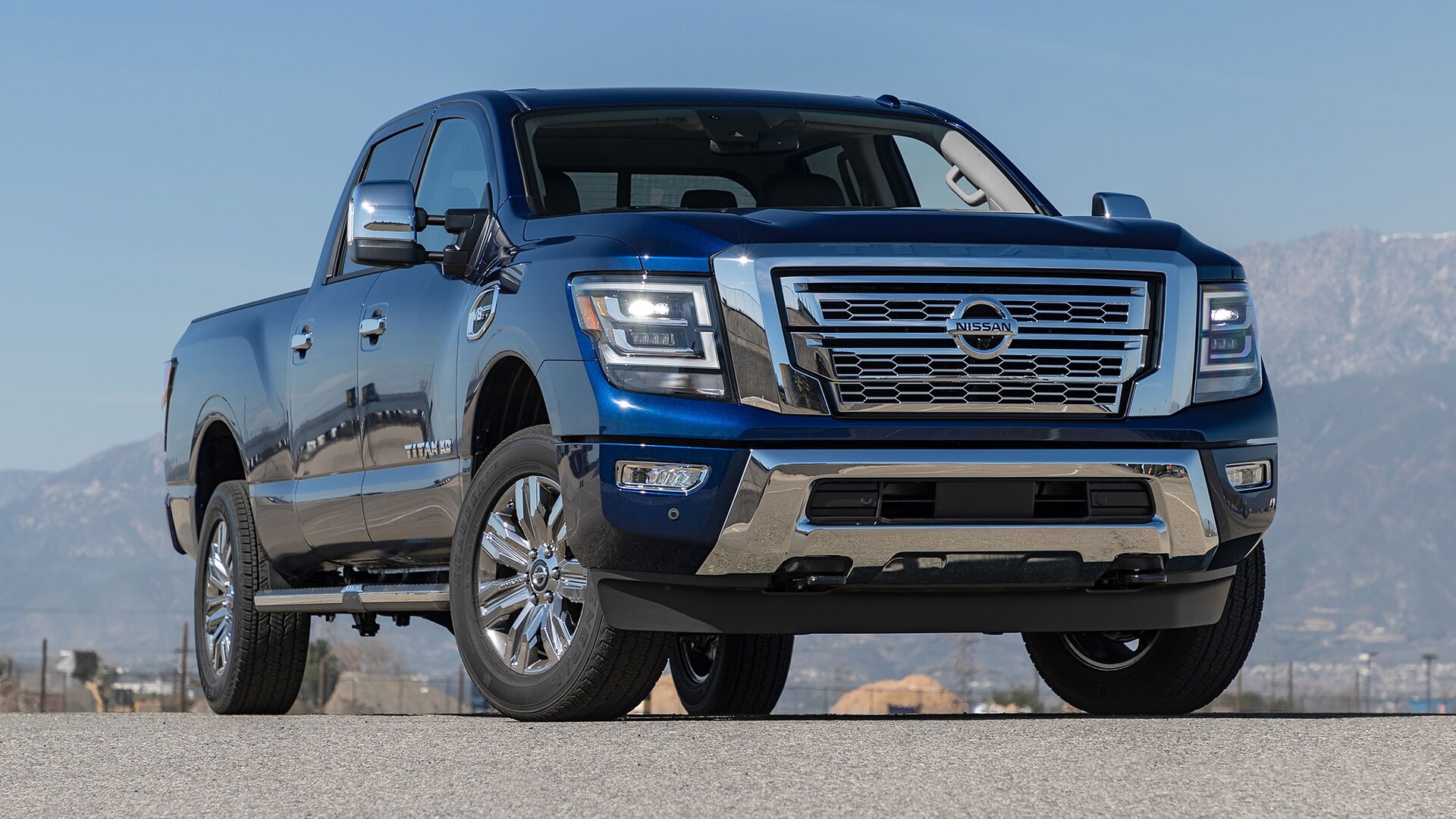
5. Nissan Titan XD
A lesser-known but highly capable contender, the Titan XD straddles the line between light and heavy-duty. Built on a commercial-grade chassis, it offers a larger frame and tougher build than a standard half-ton.
Its 5.6L V8 engine and reinforced suspension allow it to haul heavy loads while taking a beating without breaking down.
The 2024 Nissan Titan XD occupies a unique space in the pickup world — sitting a half-step above the standard Titan full-size truck. It’s longer and offers greater towing and payload capacities than the regular Titan, yet it doesn’t quite match the size or capability of the true heavy-duty models from rival brands.
This in-between positioning does offer one key benefit: a smoother and more comfortable ride compared to traditional HD trucks. When it first launched, the Titan XD made a lot of sense, but in the years since, truckmakers have significantly raised the bar. Now, even half-ton rivals outperform Nissan’s biggest pickup in several critical areas.
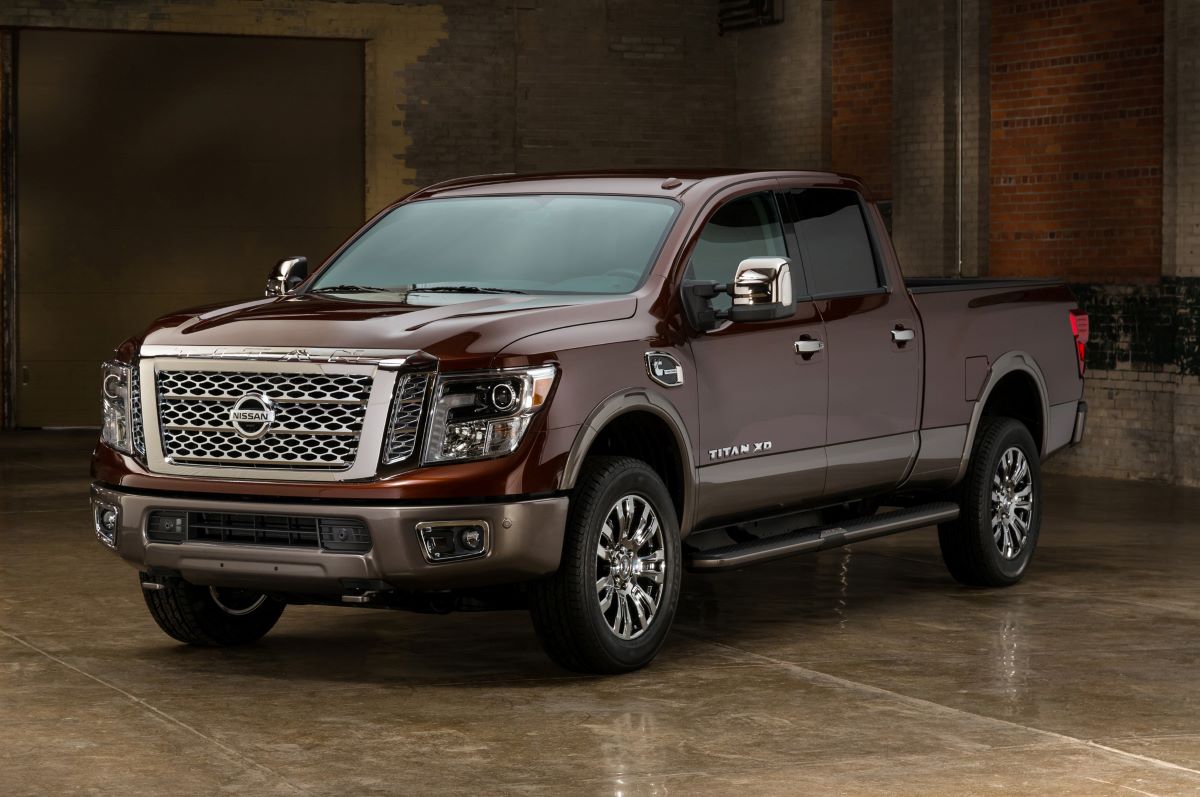
The Titan XD has the muscle to tow up to 10,900 pounds and can handle a payload of up to 2,360 pounds. Its 6.5-foot bed can be equipped with a configurable cargo rail system, which is especially handy for securing items from multiple angles.
Nissan also includes its Titan Box in-bed storage solution, which offers lockable, waterproof compartments built right into the bed. These storage boxes are also removable, giving owners flexibility when more space is needed for bulkier items.
The Titan XD stands apart in the truck segment, making it a bit of a niche offering with no exact direct rival. However, based on its capabilities and use case, it aligns most closely with full-size half-ton pickups like the Ford F-150, Chevrolet Silverado 1500, Ram 1500, GMC Sierra 1500, and Toyota Tundra.
That said, if your needs lean heavily toward serious towing and hauling, you’ll be better off looking at true heavy-duty trucks such as the Ford Super Duty F-250/F-350, Chevrolet Silverado 2500HD/3500HD, Ram 2500/3500, or GMC Sierra 2500HD/3500HD.
Trucks That Crack Under Pressure
Not every truck lives up to the hype. While some pickups are built to handle serious workloads, others start to fall apart the moment things get tough. Whether it’s weak towing performance, poor reliability, or design flaws that show up on the job site, these trucks just don’t deliver when it matters most.
In this list, we’re calling out the ones that crumble under real-world pressure, the ones you’ll want to think twice about before trusting with heavy-duty tasks.
1. Chevrolet Colorado (Pre-2023 Models)
While it’s a great mid-size pickup for light-duty use, the pre-2023 Colorado isn’t built for hardcore construction life.
Reports of frame flex, premature transmission issues, and weak suspension components make it a risky choice for demanding job sites. It simply lacks the durability required for heavy hauling or rough terrain.
The Chevrolet Colorado is the brand’s midsize pickup, designed for buyers who want something smaller and more affordable than the full-size Silverado. With its 2023 redesign, the Colorado saw a number of upgrades — but also a bit of streamlining. It’s now offered exclusively as a four-door crew cab paired with a short 5-foot bed.
Under the hood, there’s just one engine choice: a turbocharged four-cylinder that’s tuned to three different output levels, depending on the trim you choose.
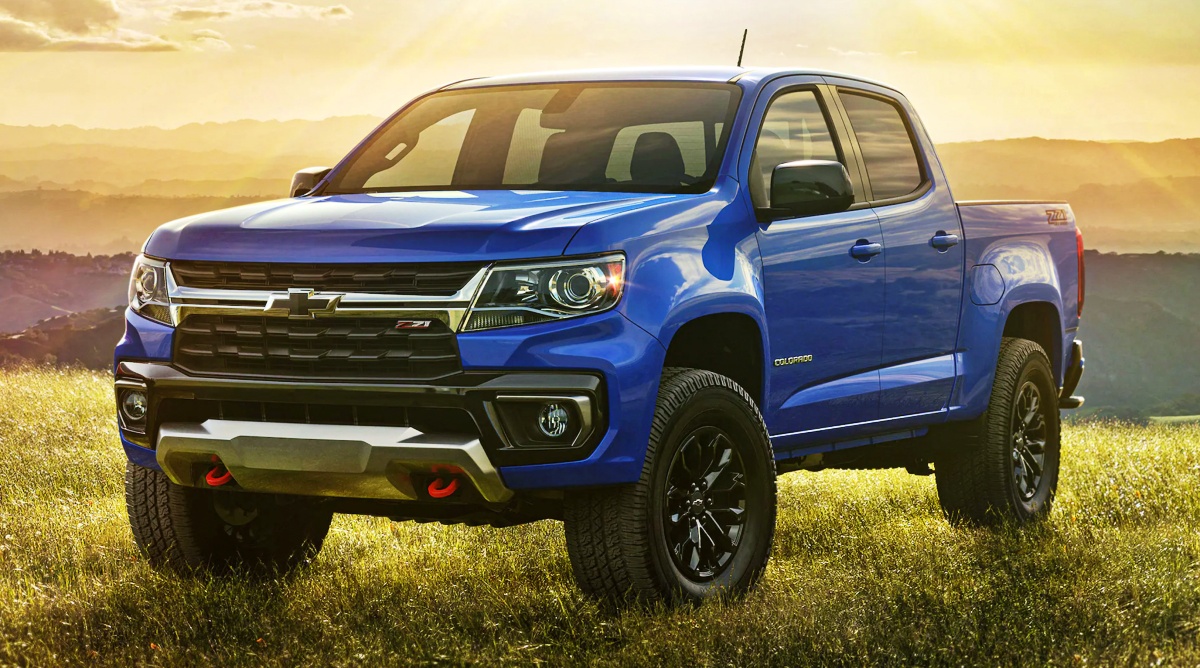
Out of the five available trims, three are built with off-road capabilities in mind — Trail Boss, Z71, and ZR2 — while the ZR2 Desert Boss takes things a step further with even more off-road kit.
Chevrolet gave the new Colorado a tougher, more aggressive exterior design, while also modernizing the interior with features like a digital instrument cluster and a large 11.3-inch center touchscreen. The old engine lineup is gone, replaced by a single 2.7-liter turbocharged inline-four.
Power output varies by trim: 237 horsepower and 259 lb-ft of torque for the WT (Work Truck) and LT, 310 hp and 391 lb-ft for the Trail Boss and Z71, and a robust 310 hp and 430 lb-ft in the top-tier ZR2. The truck’s maximum towing capacity remains unchanged at 7,700 pounds.
Off-roaders will appreciate the 2-inch lift on the Trail Boss, while the ZR2 boasts a 3-inch lift, upgraded suspension, available underbody cameras, and a roof light bar as part of the Desert Boss package.
2. Ford Ranger (2019–2022)
Reintroduced to the U.S. market with plenty of hype, the Ranger initially impressed with its torque-rich turbo engine.
However, it hasn’t held up well in extreme work conditions. Complaints include flimsy frame welds, early rust in high-humidity zones, and a weak rear suspension when heavily loaded. It’s best kept to lighter duties.
For the 2020 model year, the Ford Ranger lineup gains a new addition: the FX2 package. This package is available exclusively on rear-wheel-drive Rangers and is aimed at drivers who want to explore beyond the pavement.
It comes with distinctive body-side decals and performance-focused upgrades like off-road tires, an electronic-locking rear differential, and a specially tuned suspension designed for trail use. Ford has also introduced a pickup box extender as an optional accessory.
To round out the updates, three new exterior paint choices have been added: Iconic Silver, Rapid Red Metallic Tinted Clearcoat, and Race Red. At the same time, Ingot Silver and Hot Pepper Red Metallic Tinted Clearcoat have been removed from the color palette.
If you’re focused on performance and value, the base-model Ranger XL is your best bet. It’s lighter than the higher trims, which makes a real difference in both acceleration and ride comfort. The XL is noticeably quicker and smoother than its more feature-heavy counterparts.
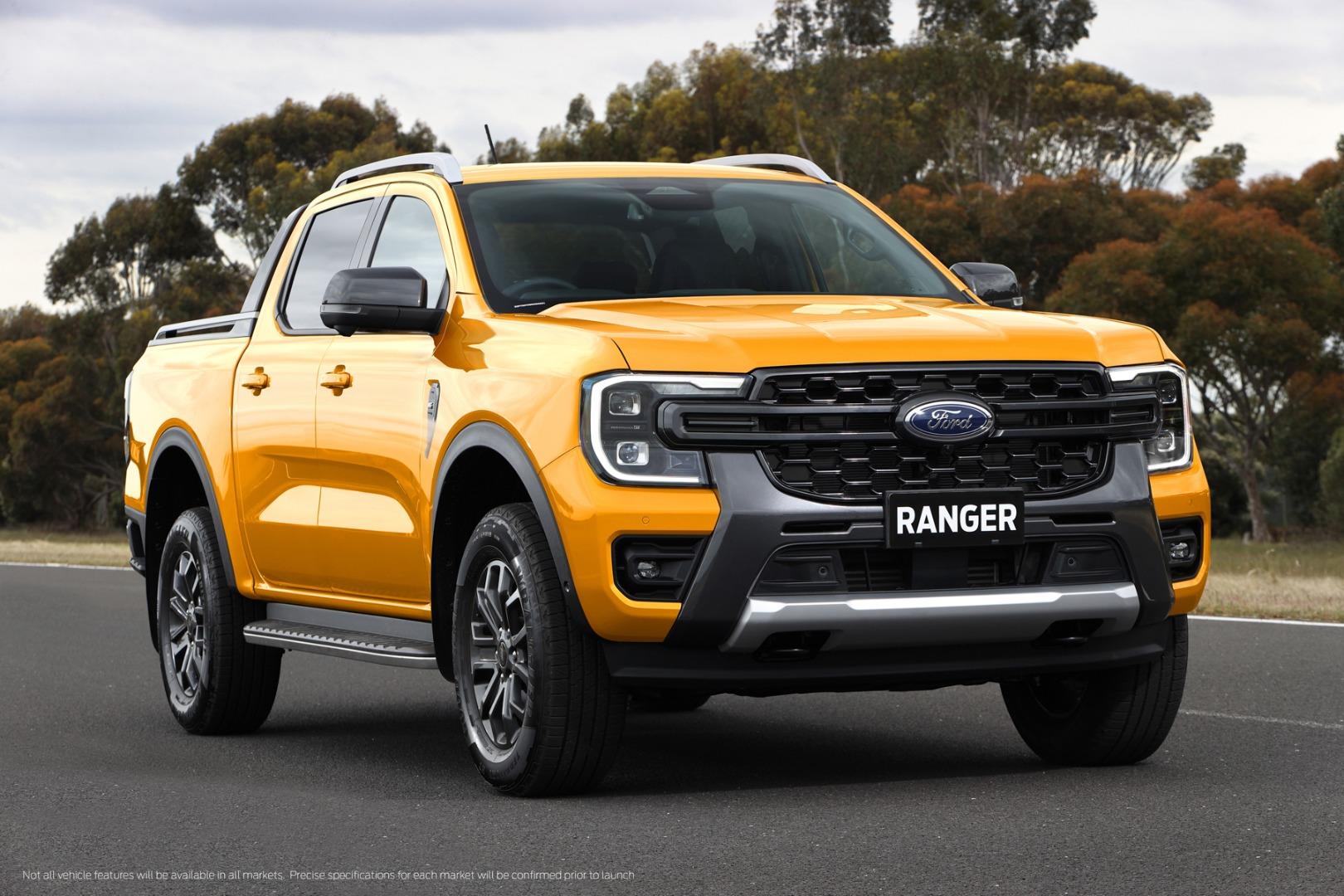
It also comes standard with forward-collision warning and automated emergency braking — features that are often reserved for pricier trims on rival trucks. The fact that Ford includes these on the base Ranger highlights its strong value proposition.
Under the hood, every 2020 Ranger is powered by a turbocharged 2.3-liter four-cylinder engine delivering 270 horsepower and 310 lb-ft of torque. That’s more than enough punch to give the Ranger XLT respectable speed and smooth power delivery.
The lighter XL trim impressed us even more with its quickness and agility during track testing. All Rangers use a 10-speed automatic transmission, which delivers shifts that are both smooth and responsive.
Rear-wheel-drive Rangers offer 8.4 inches of ground clearance, while four-wheel-drive models bump that to 8.9 inches. A Terrain Management System is also available, letting drivers adjust engine response and transmission behavior to handle a variety of off-road conditions with confidence.
3. Honda Ridgeline
The Ridgeline excels in comfort and road manners but was never designed for the brutality of a construction zone.
Its unibody construction makes it less rugged than traditional body-on-frame pickups. Heavy payloads and rough terrain can stress the suspension and chassis, leading to long-term durability concerns in commercial use.
The Honda Ridgeline comes with a single powertrain option: a 280-hp 3.5-liter V-6 engine producing 262 pound-feet of torque, paired with a nine-speed automatic transmission and standard all-wheel drive. The engine delivers a smooth and responsive feel, especially when you press the pedal for more aggressive acceleration.
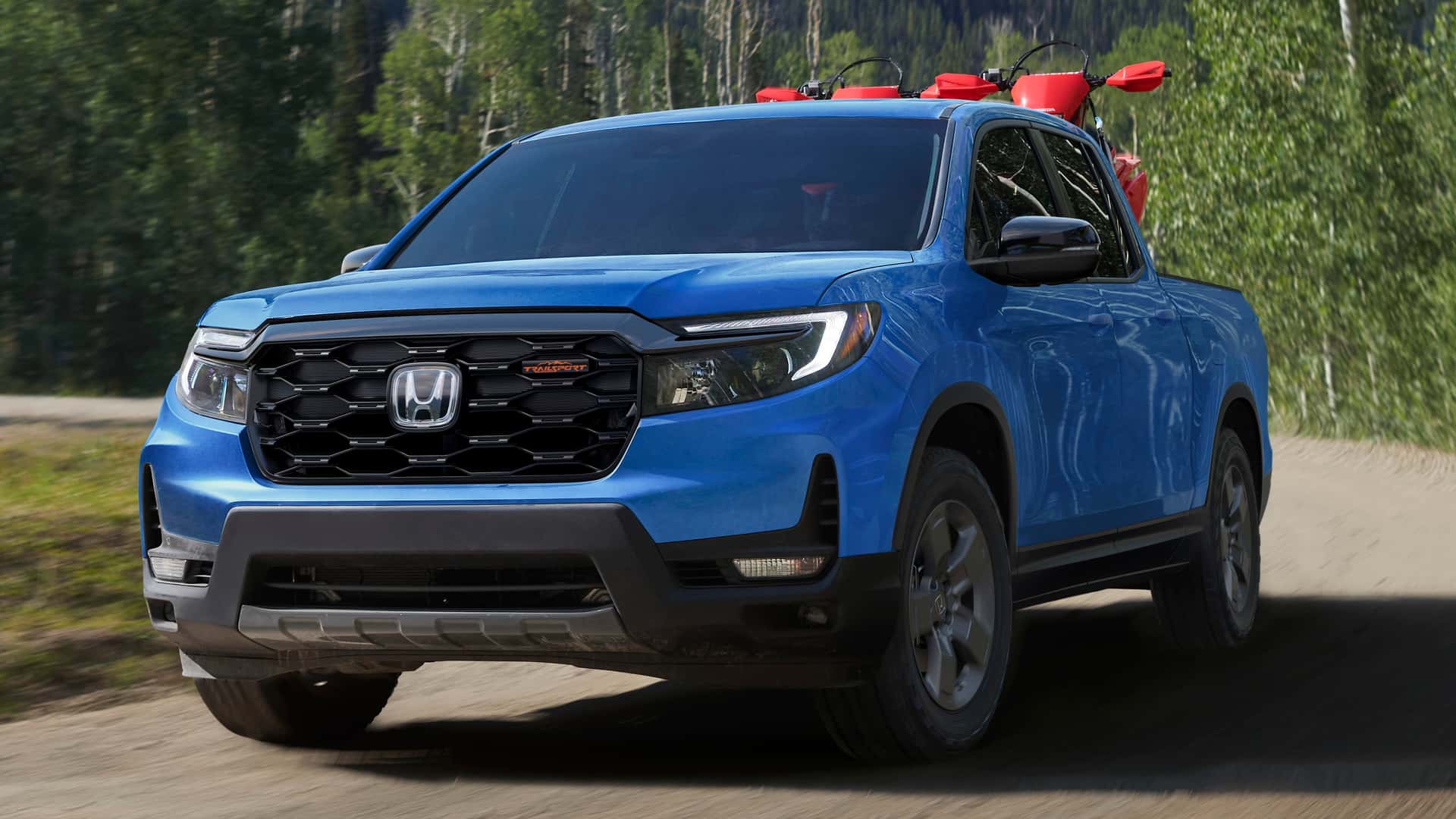
Though unconventional for a pickup, the Ridgeline offers a driving experience that consistently surprises. On the road, it behaves much like a family-oriented crossover, delivering composed and capable handling.
A key contributor to this carlike ride quality is its coil-sprung independent rear suspension, a setup that diverges from the leaf-spring, solid-axle suspensions found in rivals from Chevy, GMC, Jeep, and Ford. As a result, body roll is minimal in corners, and small road imperfections are absorbed with ease.
The electrically assisted steering feels appropriately precise and responsive. Even the TrailSport trim, which rides on more aggressive General Grabber all-terrain tires, remains impressively quiet on pavement.
Surprisingly, those chunkier tires didn’t just maintain the Ridgeline’s performance, they actually enhanced braking and held their own in skidpad testing compared to earlier versions we evaluated.
4. GMC Canyon (First Generation)
The first-gen Canyon struggled with underwhelming powertrains and cheap interior/exterior materials. On job sites, these trucks often faced brake problems, electrical faults, and transmission issues.
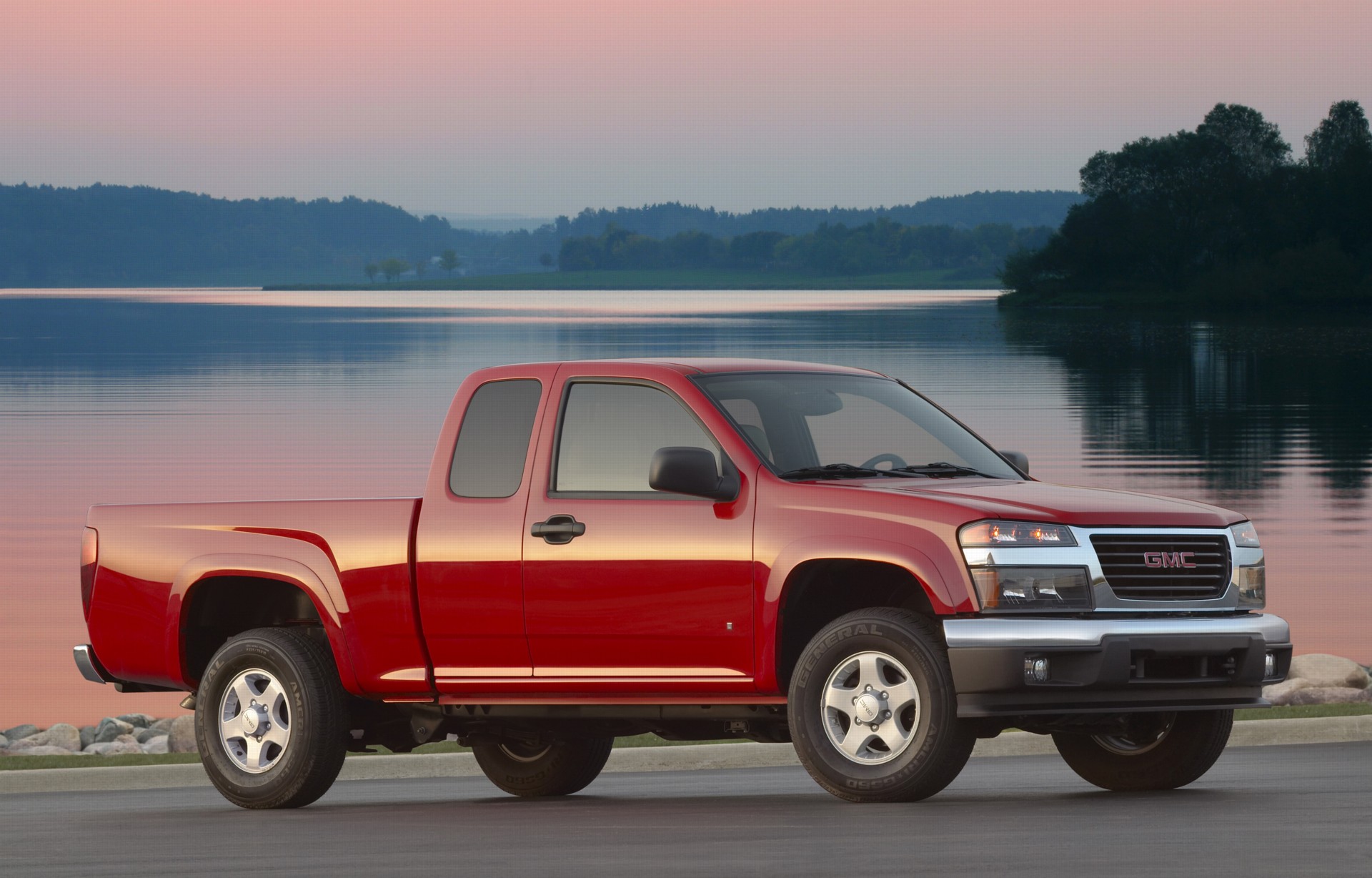
Their lightweight build and aging components make them unsuitable for anything beyond light-duty tasks.
The GMC Canyon has long appealed to midsize truck buyers seeking a blend of practicality, capability, and everyday usability. Since its launch in 2004, the Canyon has evolved significantly to reflect changing customer expectations, advancements in technology, and competitive market pressures.
Over the years, GMC has introduced multiple iterations of the truck, each building upon the last with notable design changes, new features, and a broadened lineup of trims and powertrains.
The first-generation Canyon, produced from 2004 to 2012, was built on the GMT355 platform shared with the Chevrolet Colorado. It arrived as a well-rounded alternative to full-size pickups, offering a smaller footprint without sacrificing utility.
Three body styles were available during this era: the Regular Cab, ideal for work-focused buyers needing simplicity; the Extended Cab, offering added space for gear or occasional passengers; and the Crew Cab, tailored more for family use with full-sized rear doors and extra seating capacity.
Trim levels included the Base model, which came with just the essentials, the SLE with upgraded features and aesthetic enhancements, and the SLT, which stood at the top with leather seats, premium sound, and more advanced technology.
Engine options ranged from a 2.8-liter inline-four to a 5.3-liter V8, allowing buyers to prioritize either efficiency or performance. As the generation matured, GMC introduced improvements in fuel economy and safety technology, responding to evolving consumer needs.
After a short production hiatus, the GMC Canyon returned in 2015 with a completely redesigned second generation. This new version embraced a more contemporary design, improved ride comfort, and incorporated technology aimed at both work and leisure use.
Available once again in Extended Cab and Crew Cab configurations, the second-gen Canyon offered increased interior refinement and a more upmarket feel. Trim levels included the utilitarian Base, the well-equipped SLE, the upscale SLT, and the rugged All Terrain model designed for off-road enthusiasts.
The Denali trim, GMC’s hallmark of luxury, was later added to the lineup, bringing high-end materials, distinctive styling, and advanced tech features.
Under the hood, the Canyon now offered a fuel-efficient 2.5-liter four-cylinder, a more powerful 3.6-liter V6, and a torque-rich 2.8-liter Duramax turbo-diesel, giving buyers a versatile range of powertrain options.
In 2017, the Canyon received a mid-cycle refresh that sharpened its looks and expanded its feature set. GMC added modern driver assistance features like forward collision alert and lane departure warning, significantly improving the truck’s safety profile.
The refresh also introduced Apple CarPlay and Android Auto compatibility, keeping the Canyon competitive in an increasingly tech-driven market. These updates solidified the second-generation Canyon’s position as a refined, capable, and well-rounded midsize pickup in a segment full of strong contenders.
5. Ram 1500 (2009–2012 Models)
While newer Rams are incredibly capable, the 2009–2012 models had several weak points. Cracked dashboards, rust-prone frames, and premature drivetrain wear were frequent issues.
These trucks, though comfortable and stylish for their time, often couldn’t handle daily abuse at construction sites without costly repairs piling up.
The 2009 Ram 1500 broke new ground in the full-size pickup segment by becoming the first to ditch traditional leaf springs in favor of a heavy-duty coil-spring rear suspension.
This bold shift resulted in a more composed and comfortable ride compared to competitors, while also shaving off weight, allowing for the integration of a rear antiroll bar, and enhancing off-road performance.
That said, don’t expect the kind of plush ride you’d get in a luxury SUV, after all, these coils still have to handle the demands of serious hauling and towing, so some bouncing over rough pavement or freeway expansion joints is still part of the package. But by full-size truck standards, the Ram’s composed ride quality marked a significant step forward.
Under the hood, the 5.7-liter Hemi V8 received a notable power increase for 2009, delivering a stout 390 horsepower. Alongside the power bump came better fuel efficiency, thanks in part to a refined cylinder deactivation system and improved aerodynamics.
Impressively, this muscular V8 now matches the fuel economy of the Ram’s base V6. Inside, the Ram underwent a significant interior overhaul, bringing in higher-quality materials and several new storage solutions.
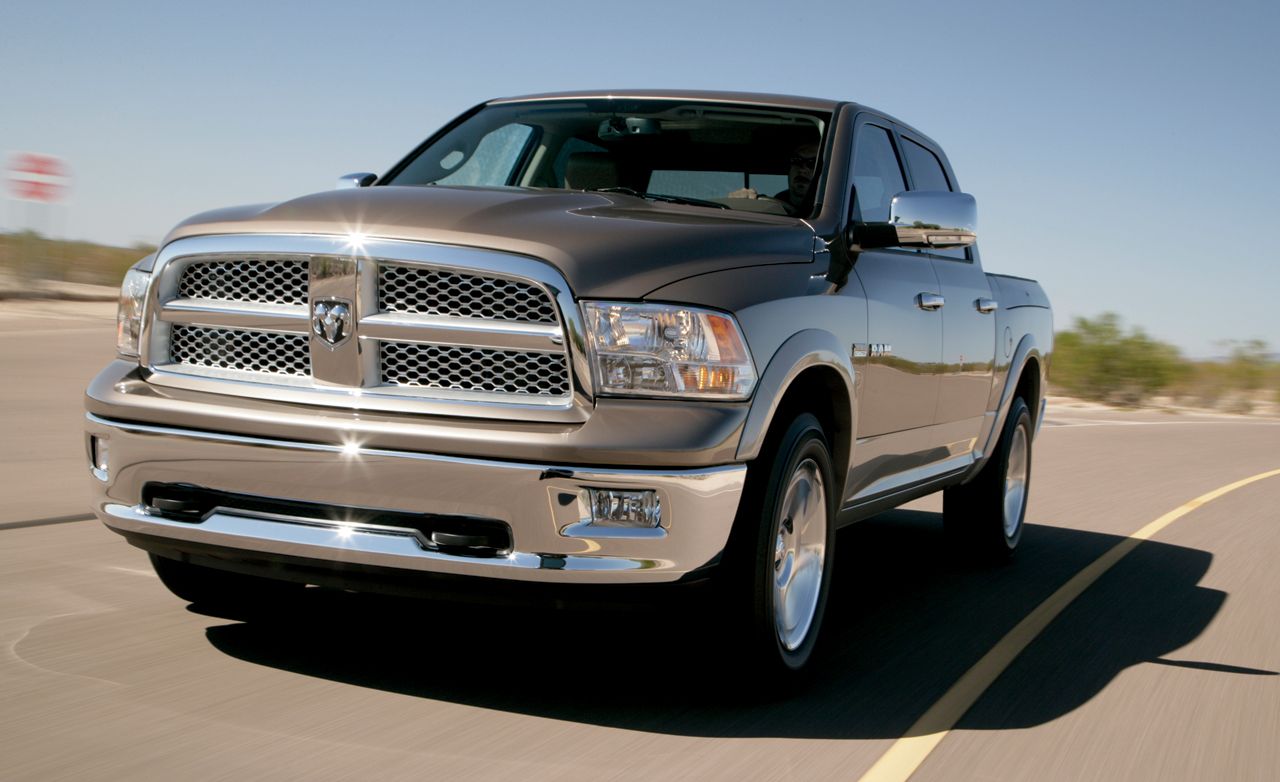
One of the most visible changes was the transition from the previous Mega Cab to a more traditionally proportioned crew cab. While this new crew cab is smaller overall, it still provides limo-like rear legroom, though the old Mega Cab’s rear storage compartment has been sacrificed in the redesign.
In a recent comparison test against other top-tier pickups like the Chevy Silverado, Ford F-150, and Toyota Tundra, the revamped Dodge Ram stood out from the pack.
Thanks to its balance of performance, comfort, thoughtful design, and strong build quality, the Ram earned high marks across nearly every category. It offers all the capability you’d expect from a full-size truck but it doesn’t punish you with the typical truck-like ride. That’s real progress in a highly competitive field.
The entry-level engine on two-wheel-drive regular and Quad Cab Rams is a 3.7-liter V6 producing 215 horsepower and 235 lb-ft of torque, paired with a four-speed automatic transmission.
Fuel economy is underwhelming at 14 mpg city, 20 mpg highway, and 16 mpg combined. When properly equipped, this engine supports a towing capacity of up to 3,800 pounds.
For those opting for four-wheel-drive ST models and all SLT trims, the Ram comes with a 4.7-liter V8 mated to a five-speed automatic.
This setup delivers a respectable 310 horsepower and 330 lb-ft of torque. With rear-wheel drive, this engine achieves 14/19/15 mpg, while four-wheel drive reduces efficiency by 1 mpg across the board. Towing capacity tops out at 7,600 pounds when properly equipped.
It churns out 390 horsepower and 407 lb-ft of torque. Fuel economy for this configuration is rated at 14 mpg city, 20 mpg highway, and 16 mpg combined in rear-wheel drive form, with four-wheel drive again cutting 1 mpg.
In performance testing, a 4WD Crew Cab Hemi model clocked a 0–60 mph time of 7.6 seconds. When properly equipped, this configuration supports a maximum towing capacity of 9,100 pounds.
If you’re working in construction, your truck isn’t just transportation it’s a partner. Choosing the right one can mean the difference between productivity and constant shop visits.
The trucks that survive the job are built with reinforced frames, proven drivetrains, and heavy-duty components, while others that look the part may not hold up to real-world demands.
Invest wisely, and your truck will carry more than just tools it’ll carry your livelihood.