
Power steering is one of those vehicle systems most drivers don’t think about—until it fails. A smooth-turning wheel should be effortless, quiet, and reliable.
But for some vehicles, power steering becomes a regular maintenance headache, often due to leaky racks, worn pumps, or failing electric assist components.
On the other hand, certain models go their entire lives without a single steering-related repair, proving that good design and solid components can make all the difference.
In this comparison, we’re exploring both ends of the power steering spectrum. First, we highlight five cars with reputations for never needing major power steering work.
These vehicles offer peace of mind because their systems are overbuilt, use proven technology, or are electric systems that were well-executed from the start. They’re the cars that mechanics rarely see for steering issues, even at high mileage.
Then, we flip the script and look at five cars that are notorious for power steering leaks, failures, or costly repairs. These are the models with chronic problems—leaking hoses, racks, or flawed pump designs—that result in repeat shop visits and drained wallets.
Whether you’re buying used or just want to avoid long-term headaches, knowing which cars excel—or fail—in the power steering department can save you time, money, and frustration. Let’s begin with the cars that get it right: five models that almost never need power steering repairs.
Also Read: 5 Trucks That Improved Safety Over Generations vs 5 That Regressed
5 Cars That Never Need Power Steering Repairs
Power steering repairs can be frustrating and expensive, especially when they appear out of nowhere or become repeat issues. Whether it’s a leaky hose, a noisy pump, or a complete rack failure, the symptoms are usually the same—stiff steering, whining noises, fluid puddles, and a costly repair bill.
That’s why it’s so refreshing to find a car that simply never has these problems. Some vehicles are engineered with such solid steering components—whether hydraulic or electric—that they cruise past 150,000 miles without ever needing attention in this area.
The five cars we’re about to highlight have developed reputations among owners and mechanics for being virtually trouble-free when it comes to their power steering systems.
Some use durable electric power steering (EPS) setups with smart calibration and minimal moving parts, while others feature tried-and-true hydraulic systems that don’t leak or wear prematurely. In either case, these are the vehicles you almost never hear about for steering issues—even on older, high-mileage examples.
We’re writing about them because in a market full of complex, failure-prone components, it’s important to recognize the vehicles that just work.
Whether you’re buying used or keeping a car long-term, these are the models you can trust to steer you right—quietly, reliably, and without needing a mechanic to step in.
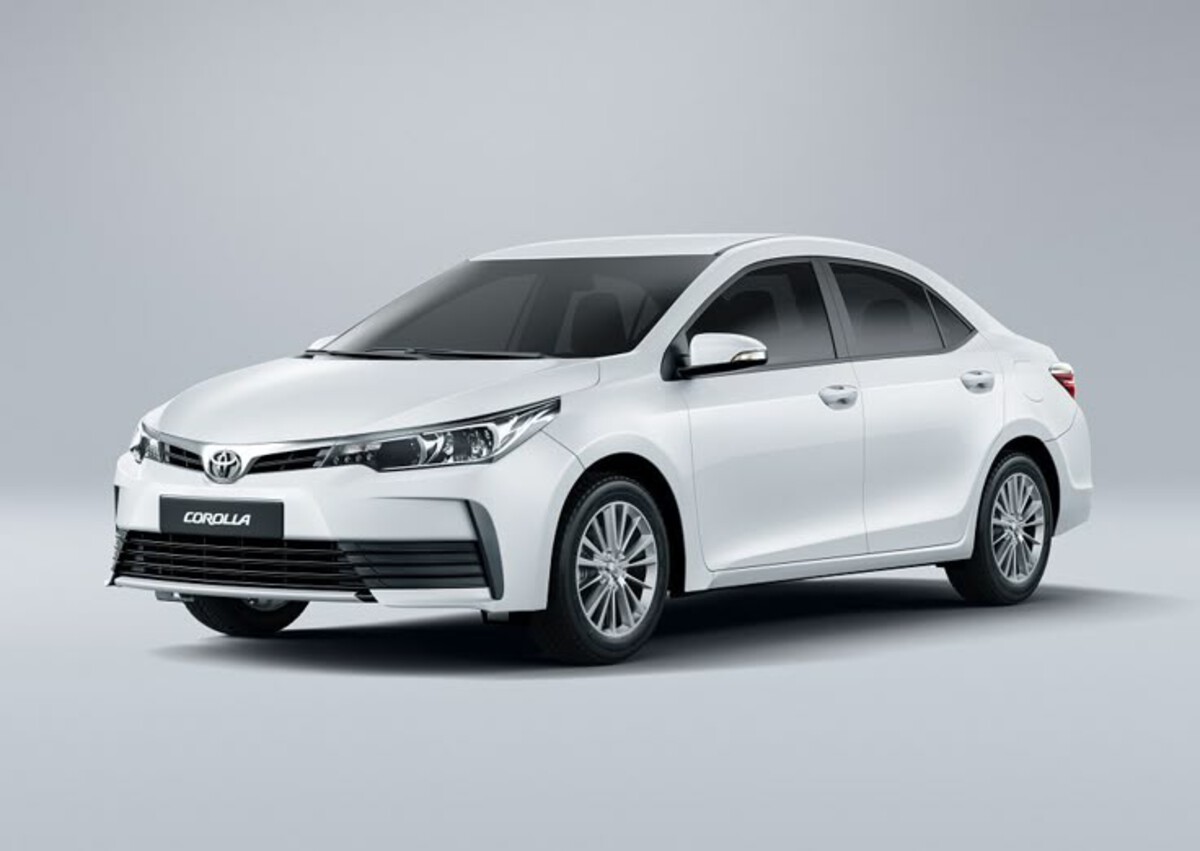
1. Toyota Corolla (2009–2019, 10th & 11th Generations)
The Toyota Corolla is known for many things: reliability, simplicity, and low cost of ownership. But one of its most overlooked strengths is its bulletproof electric power steering system.
Starting with the 2009 model year, Toyota transitioned the Corolla from a hydraulic to an electric power steering (EPS) system—eliminating fluid, pumps, belts, and all the potential leak points that come with them. The result? A car that virtually never needs power steering repairs, even well past 200,000 miles.
This EPS system is mounted directly to the steering column and is refreshingly simple in design. It uses fewer moving parts than earlier hydraulic systems and doesn’t rely on pressurized fluid that can degrade over time.
The components Toyota selected for the Corolla’s steering system have proven extremely durable, rarely suffering from the motor failures or sensor glitches that plagued some early EPS setups in other brands.
What really seals the deal is how infrequently the Corolla shows up in mechanic shops for any kind of steering complaint.
Mechanics regularly praise it for its durability and ease of maintenance—or rather, the lack of required maintenance altogether. There are no hoses to replace, no fluids to check, and no pumps to whine or seize.
We’re including the Corolla because it’s a textbook example of no-fuss reliability. If you’re looking for a sedan you’ll never have to worry about steering-wise—whether you’re a commuter, rideshare driver, or budget-conscious owner—the Corolla is one of the safest bets on the road.
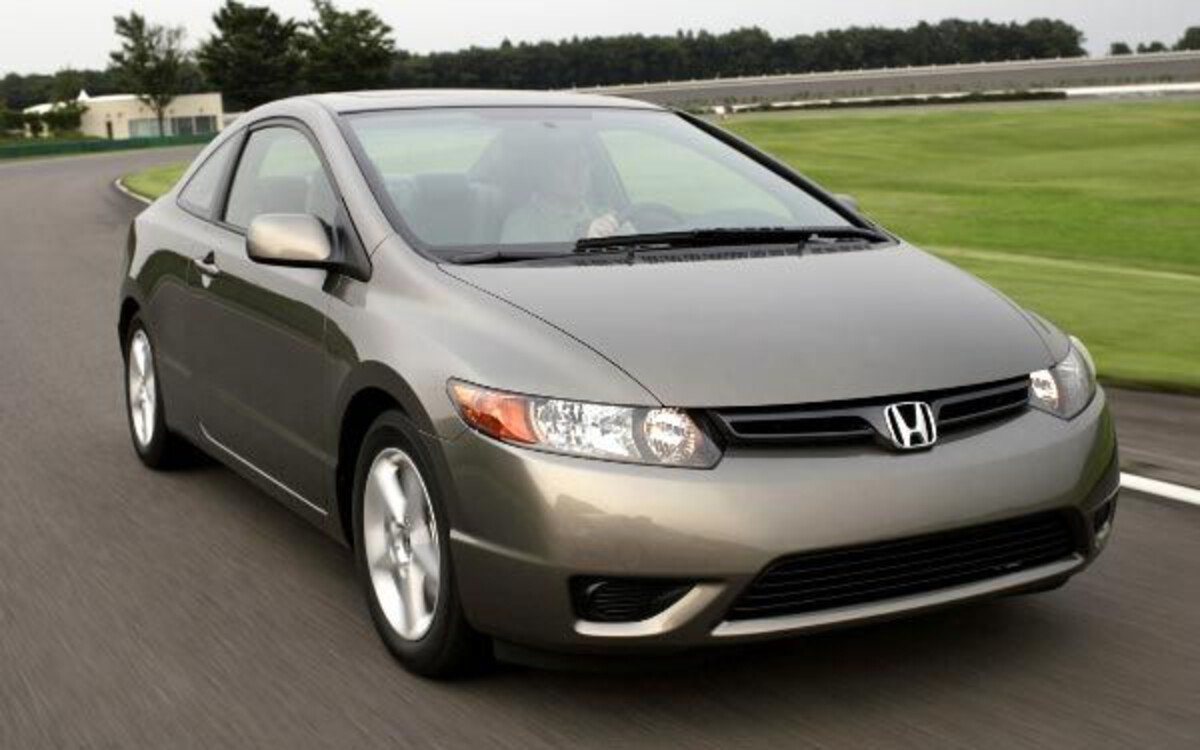
2. Honda Civic (2012–2021, 9th & 10th Generations)
The Honda Civic has long been a go-to for reliable, low-maintenance driving, and one of its most impressive strengths—especially in the 9th and 10th generations—is its rock-solid electric power steering system.
Beginning with the 2012 model year, all Civic trims switched to electric power steering (EPS), replacing the older hydraulic systems used in previous versions. This move not only improved fuel efficiency and simplified engine bay layout, but also drastically reduced the chance of steering-related failures.
Unlike some early EPS setups in other brands, Honda’s system proved immediately robust. The steering motors, torque sensors, and control modules hold up incredibly well even with high mileage and in extreme temperatures.
There are few if any service bulletins related to power steering issues in these generations, and owners rarely report symptoms like stiffness, assist loss, or abnormal noises—even on Civics with over 200,000 miles.
What makes the Civic stand out is how little attention its steering system demands. It doesn’t require fluid flushes, has no hoses to leak, and doesn’t suffer from common EPS glitches like many competitors. For daily drivers, students, and commuters alike, it delivers consistent, drama-free performance on highways and city streets alike.
We’re including the Civic because it shows what happens when a brand gets steering right. It’s light, precise, and—most importantly—problem-free.
In a time when many compact cars suffer from overcomplicated or underbuilt systems, the Civic proves that simple and well-designed still wins. If you want peace of mind in your steering system, this car delivers it.
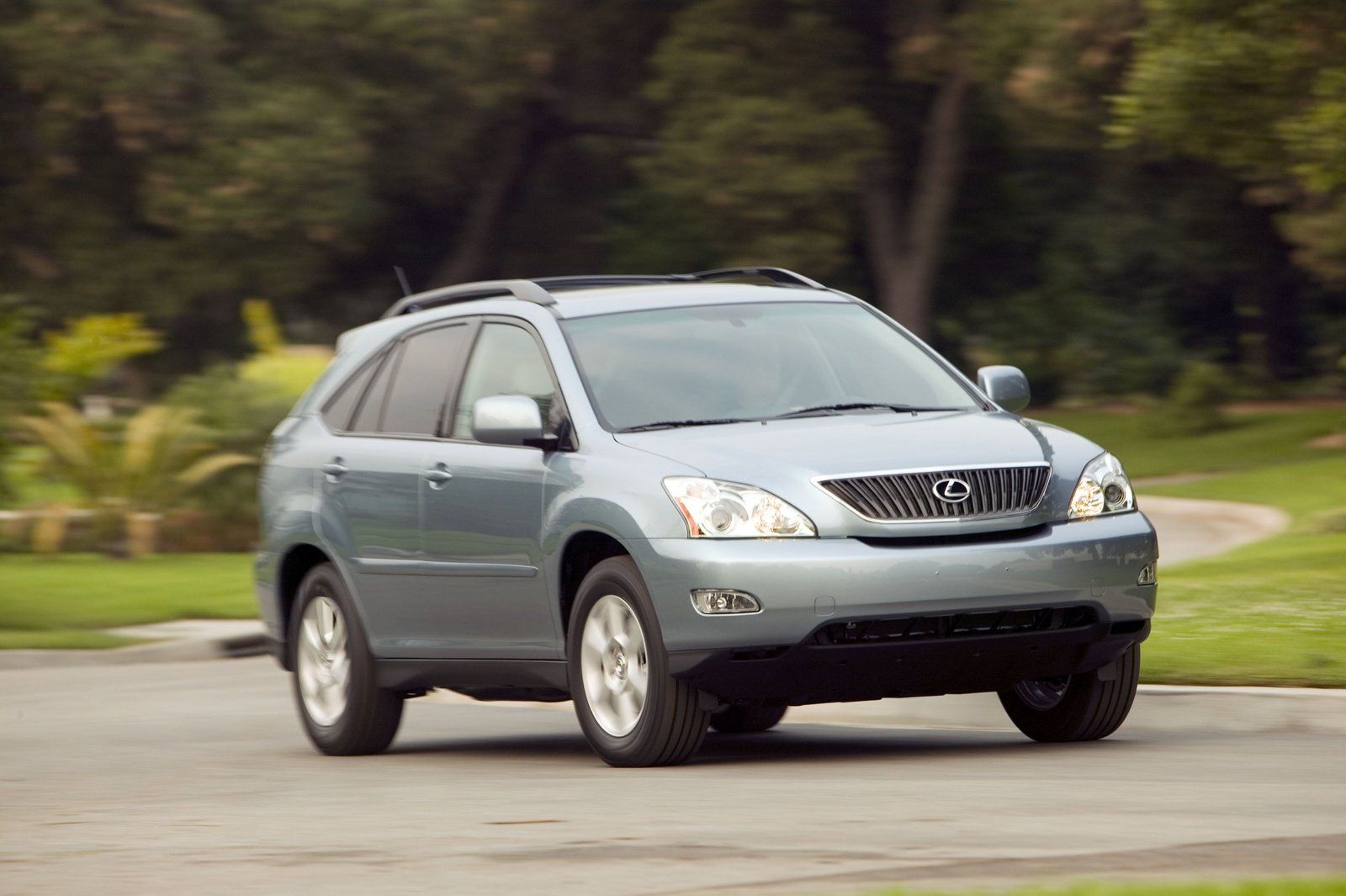
3. Lexus RX 350 (2010–2015, 3rd Generation)
The 2010–2015 Lexus RX 350 is not only one of the most reliable luxury SUVs of its era—it’s also among the quietest when it comes to steering-related complaints.
While many SUVs of similar size suffer from premature rack leaks or power steering pump failures, the RX 350 stands out for its incredibly dependable, low-maintenance electric power steering system.
During this generation, Lexus moved the RX to an electric power steering (EPS) system, eliminating the need for hydraulic fluid, hoses, and traditional power steering pumps.
This decision improved fuel efficiency and significantly reduced mechanical complexity—and, as it turned out, dramatically lowered the chances of failure.
Lexus engineered the EPS system with high-quality components, and it shows: steering is smooth, consistent, and problem-free well beyond 150,000 miles.
Mechanics rarely see RX 350s from this generation with any steering-related complaints. No fluid leaks, no assist failures, and no warning lights triggered by the EPS system.
Unlike some luxury SUVs that develop expensive steering rack issues or hard-to-diagnose sensor problems, the RX 350’s setup has proven both effective and durable under real-world conditions.
We’re including the RX 350 because it proves that you can have luxury and long-term reliability in the same package. It’s a vehicle built with overengineering in mind—meaning that systems like the steering work so reliably that owners may never think about them.
For those who want a plush, quiet ride without worrying about leaking fluid or costly rack replacements, the RX 350 checks every box.
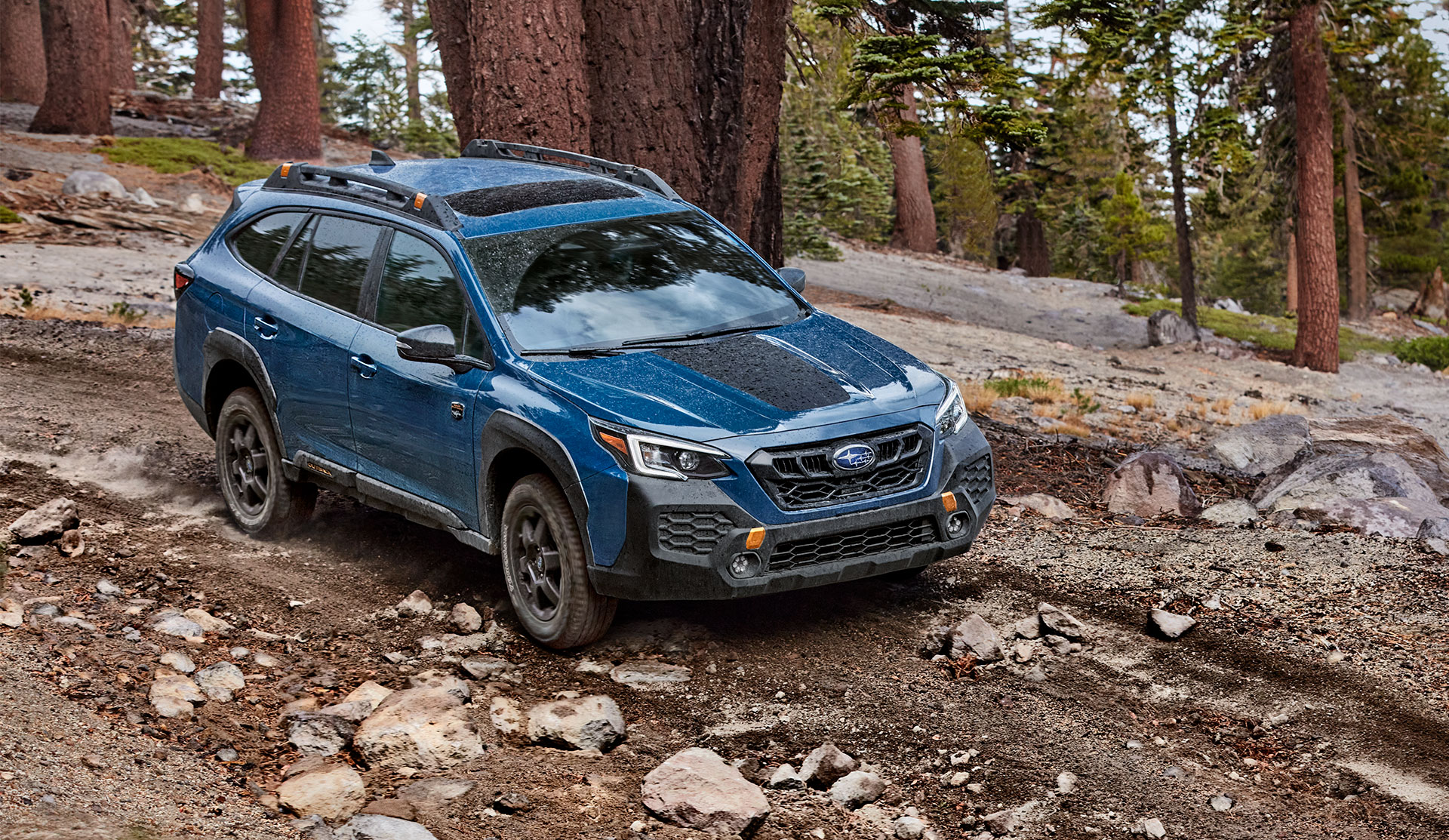
4. Subaru Outback (2015–2019, 5th Generation)
The 2015–2019 Subaru Outback is one of the most trusted all-weather wagons on the road, but what’s often overlooked is how well its steering system holds up over time.
During this generation, Subaru refined its electric power steering (EPS) setup to deliver consistent assist, solid on-center feel, and—most importantly—virtually zero long-term reliability issues. Unlike earlier models with hydraulic racks that occasionally leaked or grew noisy, the 5th-gen Outback’s EPS setup is remarkably trouble-free.
Subaru uses a column-mounted electric motor assist system in this model, simplifying the layout and eliminating many failure-prone components. There’s no fluid to leak, no belt-driven pump to wear out, and no steering rack hoses to dry out or crack with age.
The design has proven exceptionally robust across a wide range of climates—including cold-weather regions where hydraulic fluid systems sometimes struggle.
Even at high mileage, Outbacks from this era rarely present with steering noise, erratic assist, or electronic faults.
Owner forums and mechanic reports confirm that it’s not just a fluke—this is a car that doesn’t ask for steering work, even when approaching 200,000 miles.
Combined with Subaru’s reputation for mechanical honesty, it’s easy to understand why these vehicles often become long-term family haulers.
We’re including the Outback because it shows how reliable EPS can be when implemented thoughtfully.
Whether you’re navigating city streets or rural backroads, the steering stays predictable and maintenance-free. For drivers who want confidence in both snow and steering integrity, the 5th-gen Outback quietly delivers exactly that.
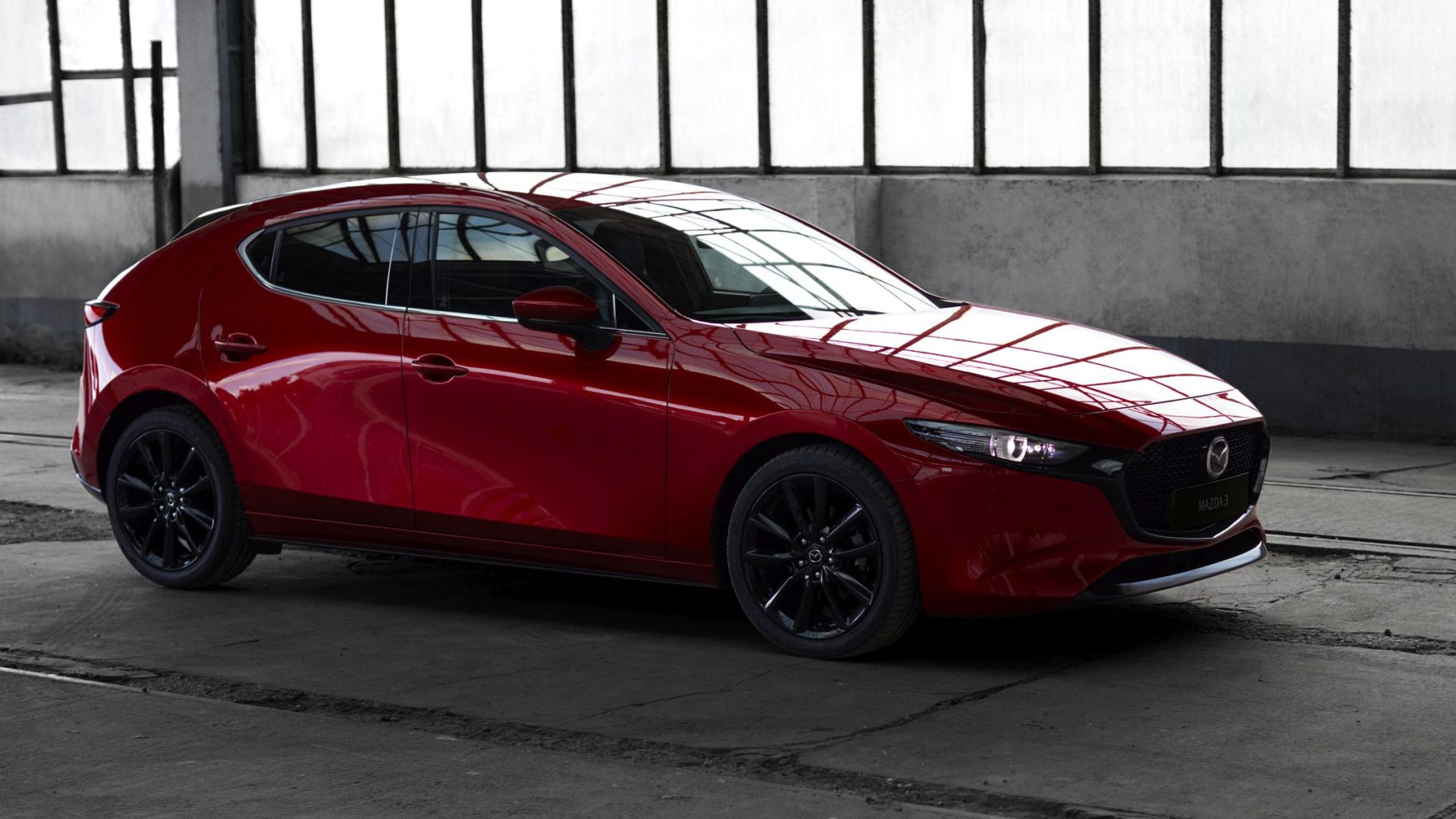
5. Mazda3 (2014–2018, 3rd Generation)
The 2014–2018 Mazda3 is often praised for its responsive handling and fun-to-drive nature—but what’s equally impressive is how rarely it needs attention to its power steering system.
During this third generation, Mazda employed a refined electric power steering (EPS) setup that not only enhanced driver feel but also delivered outstanding long-term durability.
Unlike many compact cars that develop assist failures, sensor glitches, or rack noise, the Mazda3 remains impressively quiet and precise well past 100,000 miles.
The EPS in this generation is rack-mounted and finely tuned, offering natural feedback while maintaining low energy demands and high reliability.
Mazda’s engineers found a sweet spot: a steering system that doesn’t feel overly boosted or artificial, yet avoids the service issues that plagued earlier electric systems in other brands.
Owners and mechanics alike report that steering-related repairs are nearly nonexistent—no fluid leaks, no dead zones, no intermittent assist loss.
Importantly, the structural rigidity of the Mazda3 contributes to its rattle-free steering feel. Because the chassis is stiff and well-assembled, there’s less flex and vibration traveling through the steering column. That further protects components from wear over time and helps maintain a “tight” feel.
We’re including the Mazda3 because it blends sharp driving dynamics with long-term reliability—particularly in the steering department.
It’s rare to find a compact car that delivers both engagement and dependability, but the Mazda3 does both. If you’re looking for a car that keeps its steering sharp and trouble-free year after year, this one should be high on your list.
5 Cars That Always Leak (Power Steering)
While some cars are models of long-term durability, others seem destined for the repair shop—and nowhere is this more obvious than with power steering leaks.
Leaking racks, worn-out hoses, and noisy, failing pumps are frustratingly common in certain vehicles, often leading to high repair bills and recurring problems. The leaks aren’t just annoying—they can cause loss of steering assist, low-fluid warnings, and even pose a safety hazard if left unchecked.
Some of the worst offenders have aging hydraulic systems with flawed designs, while others suffer from weak seals, poor hose fittings, or underengineered components that simply don’t hold up under real-world driving conditions.
In these cars, it’s not uncommon to hear a groan when turning the wheel or see dark spots under the vehicle after just 70,000–90,000 miles.
We’re highlighting five cars that have earned reputations—through mechanic reports, service records, and owner complaints—for leaking power steering fluid or needing major steering repairs far too often. These aren’t rare occurrences; they’re patterns that show up repeatedly, across thousands of vehicles and in different climates.
Whether you’re shopping used or wondering why your steering feels off, these are the models you’ll want to approach with caution.
Let’s dive into five vehicles that seem almost guaranteed to develop power steering problems—and leak their way into your maintenance budget.
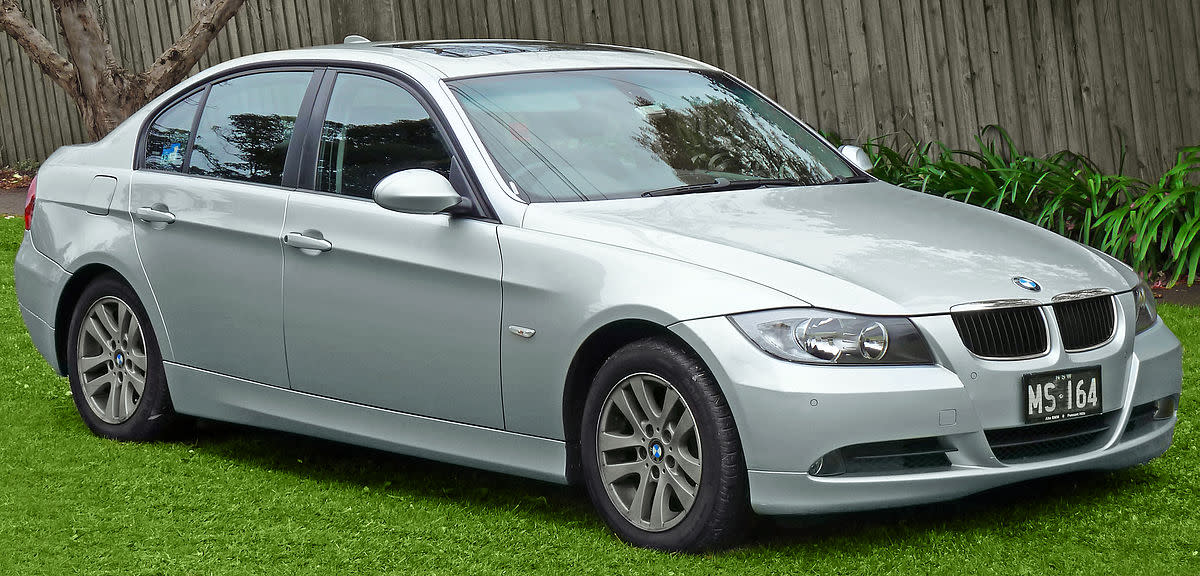
1. BMW 3 Series (E90, 2006–2011)
The BMW E90 3 Series—produced from 2006 to 2011—is widely appreciated for its balanced chassis and precise handling, but it’s also infamous for power steering issues, particularly persistent fluid leaks.
This generation retained a traditional hydraulic power steering system, and despite the vehicle’s premium status, the components simply don’t hold up well over time.
The main culprit is the steering rack and its associated hoses and seals. The E90 commonly develops leaks at the rack boots, high-pressure hose connections, and reservoir return lines.
Many owners begin noticing oily spots under the car or a low power steering fluid warning as early as 60,000 to 80,000 miles.
In some cases, the problem is worsened by worn or degraded reservoir caps that allow fluid to seep or spray onto other engine bay components—leading to further wear or contamination.
Repairs are often expensive due to the cost of OEM parts and the labor involved. Replacing the steering rack can cost well over $1,500 at a shop, and even minor hose replacements may require hours of disassembly.
These aren’t isolated cases, either—mechanics frequently report steering fluid leaks as one of the most common non-engine issues on used E90s.
We’re including the E90 3 Series because it’s a prime example of a car with premium driving feel—but frustrating maintenance.
If you’re considering one of these for its performance or brand appeal, be prepared: power steering leaks are almost inevitable and rarely cheap to fix. It’s a great car when everything works—but keeping it that way is costly.
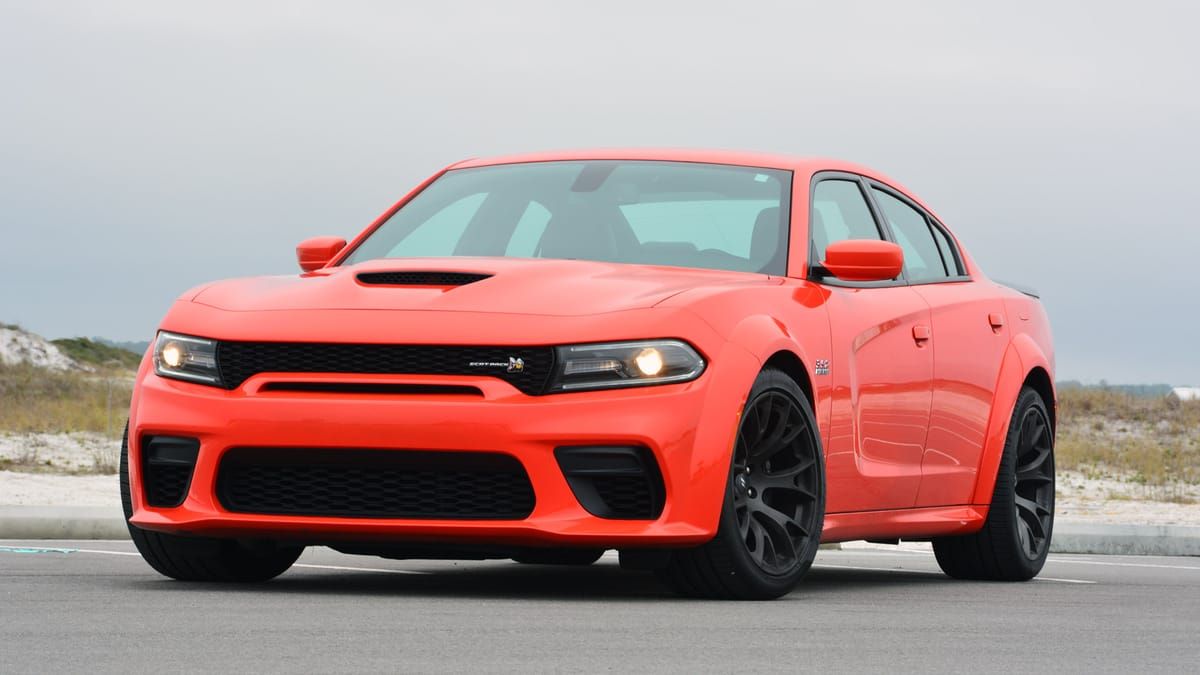
2. Dodge Charger (2006–2010, LX Platform)
The 2006–2010 Dodge Charger, built on the rear-wheel-drive LX platform, brought muscle car styling back to the mainstream sedan. But while its bold design and available HEMI V8 earned praise, its power steering system became one of its most common and persistent weak points—especially when it comes to leaks.
These Chargers used a traditional hydraulic power steering system, and over time, nearly every component in that system has shown a tendency to fail. High-pressure lines often crack or seep near the pump or rack fittings, and the steering rack itself frequently begins to leak from the seals at both ends.
Some owners also report power steering pump failures that lead to whining noises and reduced steering assist—sometimes accompanied by fluid puddles under the car.
The problems typically show up between 60,000 and 90,000 miles and worsen if not addressed promptly. What makes it more frustrating is that multiple components can fail in tandem, meaning a simple hose replacement can quickly turn into a full system overhaul.
Cold weather accelerates seal wear, and the design of the reservoir placement can lead to inconsistent fluid flow and aeration, further straining the pump.
We’re including the Dodge Charger (LX) because it’s a classic example of a vehicle with good bones but recurring hydraulic flaws.
These steering leaks are so common that many mechanics keep parts in stock specifically for these models. If you’re eyeing a used Charger from this era, budget for steering work—it’s rarely a matter of if, but when.
3. Ford Escape (2008–2012, 2nd Generation)
The 2008–2012 Ford Escape is a popular compact SUV that many buyers were drawn to for its utility, affordability, and familiar driving dynamics. However, one of its most recurring—and frustrating—issues involves the power steering system.
In particular, this generation was plagued by power steering problems ranging from fluid leaks to full assist failures, making it one of the most complained-about systems in its class.
Early 2nd-gen Escapes used a traditional hydraulic system prone to rack and pinion leaks, especially at the seals and high-pressure hose fittings.
Fluid leaks commonly developed by 70,000–90,000 miles, and many owners reported seeing power steering fluid pooling beneath the car or noticing a sudden increase in steering effort. In colder climates, seals degraded even faster, sometimes cracking prematurely and causing rapid fluid loss.
Later models in this generation transitioned to electric power steering (EPS), but instead of eliminating problems, the new system introduced reliability concerns of its own—especially steering assist loss due to faulty torque sensors or software errors.
In fact, Ford issued multiple recalls and service bulletins related to both hydraulic and electric steering systems in this generation.
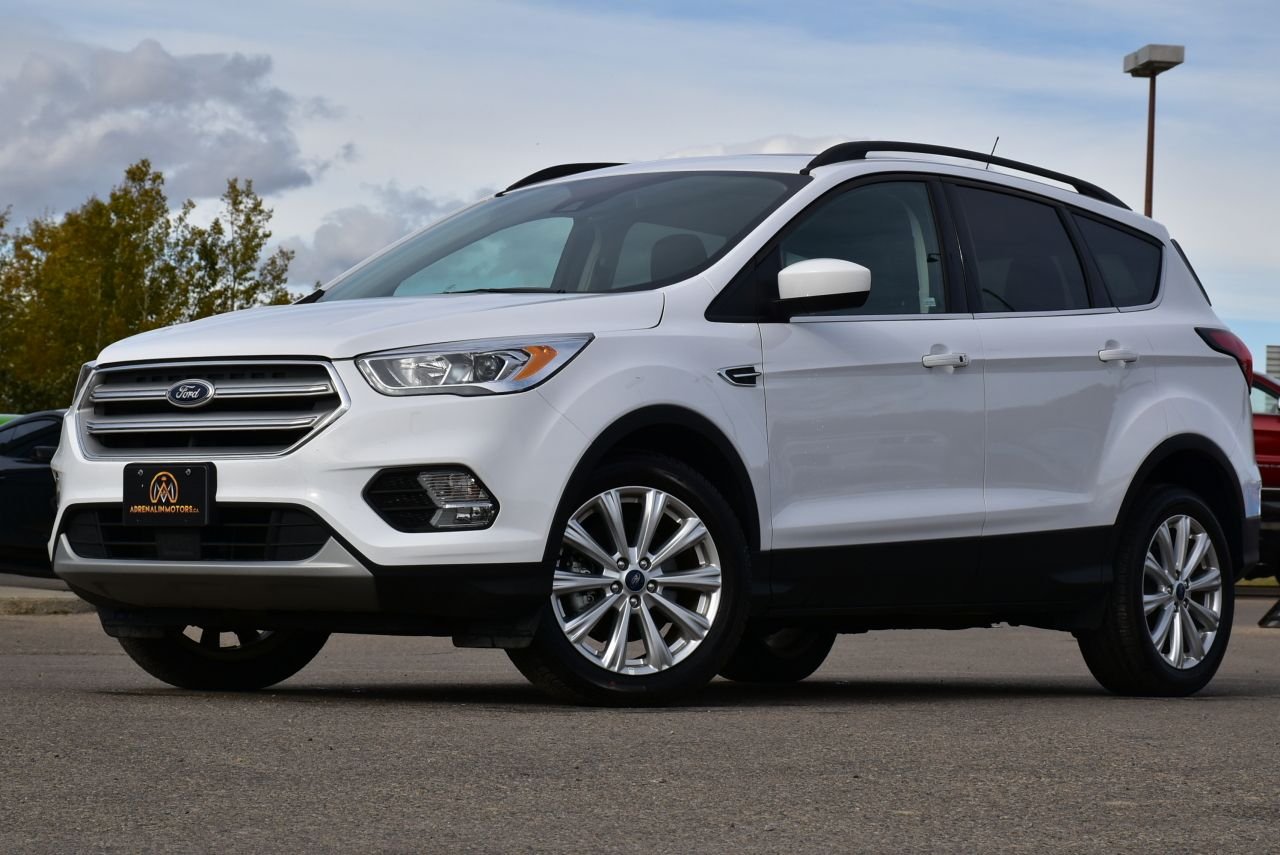
We’re including the 2008–2012 Ford Escape because it illustrates a worst-case scenario: two different steering system designs, both with common failures.
Whether it was fluid leaking from the early hydraulics or complete assist loss in the later EPS units, owners too often found themselves dealing with steering repairs that should never have been so widespread. For buyers considering a used Escape from this era, caution is definitely warranted.
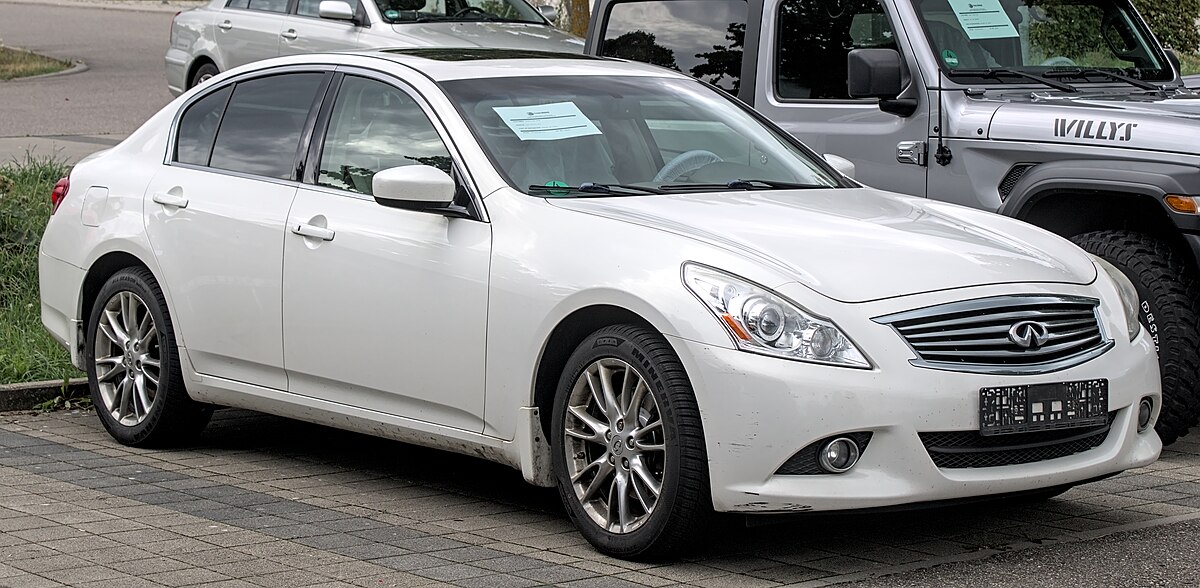
4. Infiniti G35/G37 (2003–2013)
The Infiniti G35 and its successor, the G37, were celebrated for their athletic performance, powerful V6 engines, and upscale design. But ask any long-term owner or technician, and one of the most frequent complaints you’ll hear is about power steering leaks.
Despite being marketed as premium sport sedans and coupes, these cars have hydraulic steering systems that are notoriously leak-prone and expensive to fix.
In most cases, the problems begin with the power steering high-pressure hose or the pump itself. The hose tends to leak near the fittings due to heat exposure from the engine bay—especially in the G35, which is tightly packed under the hood.
On both models, the steering rack seals are also a common failure point, especially on vehicles with over 100,000 miles. Fluid leaks often drip directly onto the alternator, which can cause secondary electrical issues and add even more to the repair bill.
Even worse, these issues aren’t limited to just high-mileage vehicles. Some G-series models begin leaking as early as 60,000 miles, and it’s not uncommon to hear owners report topping off power steering fluid regularly between service intervals.
A full rack replacement on these cars is costly, and some aftermarket parts don’t hold up much better than OEM.
We’re including the G35 and G37 because they’re a clear case of performance undermined by poor component durability.
If you’re looking at one of these sporty sedans or coupes, be prepared to deal with power steering repairs that are practically part of the ownership experience.
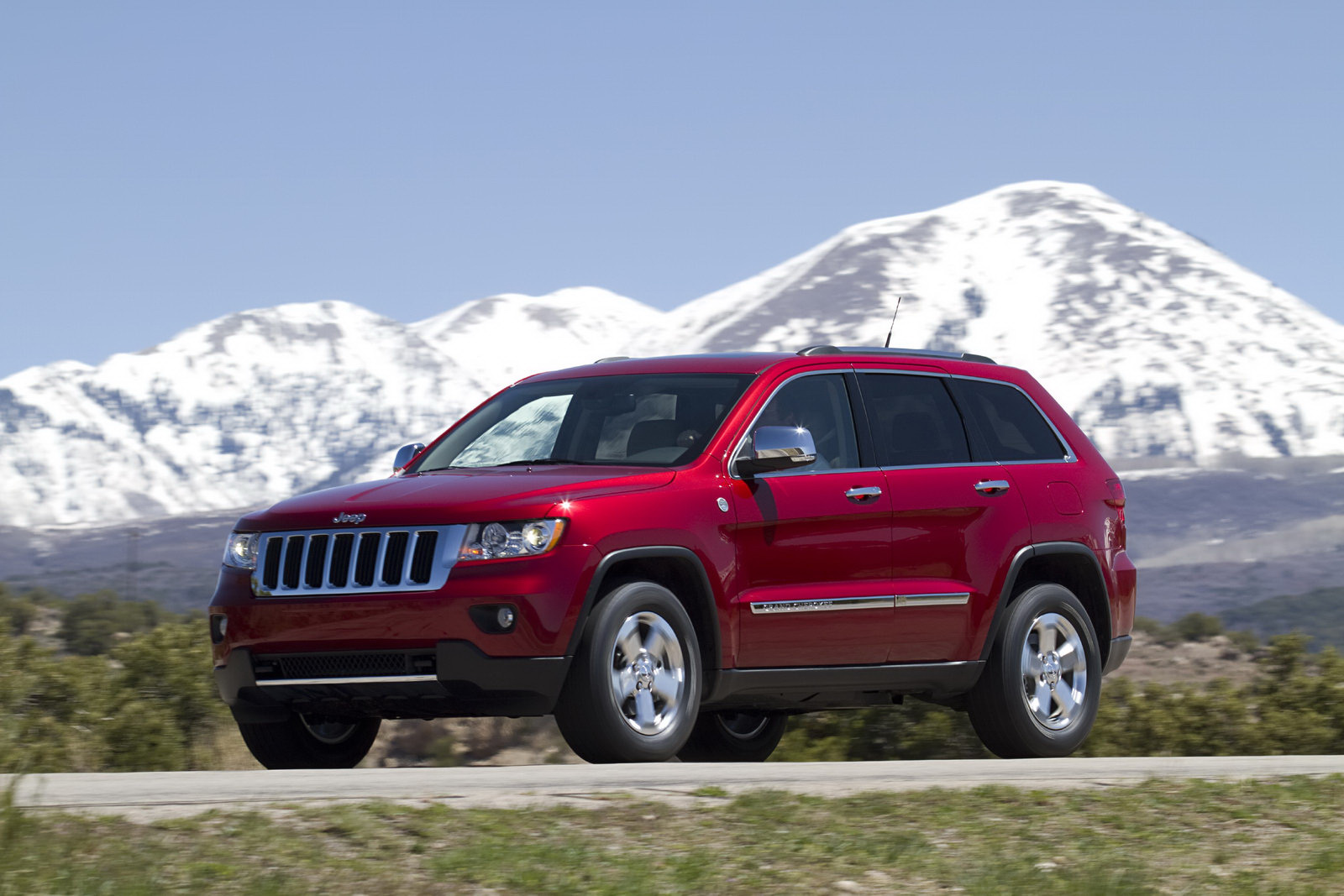
5. Jeep Grand Cherokee (1999–2004, WJ Generation)
The 1999–2004 Jeep Grand Cherokee (WJ generation) remains a favorite among off-road enthusiasts and budget SUV buyers alike. With its rugged 4WD systems and available V8 power, it’s a capable vehicle.
However, one of its biggest long-term drawbacks is its unreliable power steering system, which is notorious for fluid leaks and premature component failure.
The WJ Grand Cherokee uses a hydraulic power steering setup with a traditional belt-driven pump, steering gear, and several pressure hoses.
The system’s design, while functional off the lot, tends to break down quickly—especially under the stress of off-road use or high-mileage highway driving.
The high-pressure hoses frequently develop cracks and seep around the crimped connections. The steering box itself is a common failure point, often leaking from the sector shaft seals.
Another weak spot is the power steering pump, which is undersized for the demands placed on it—particularly with larger tires or towing.
When fluid leaks go unnoticed, the pump can run dry and fail entirely, leading to whining noises and eventual loss of assist. Leaks are common by 80,000 miles, and often show up much sooner.
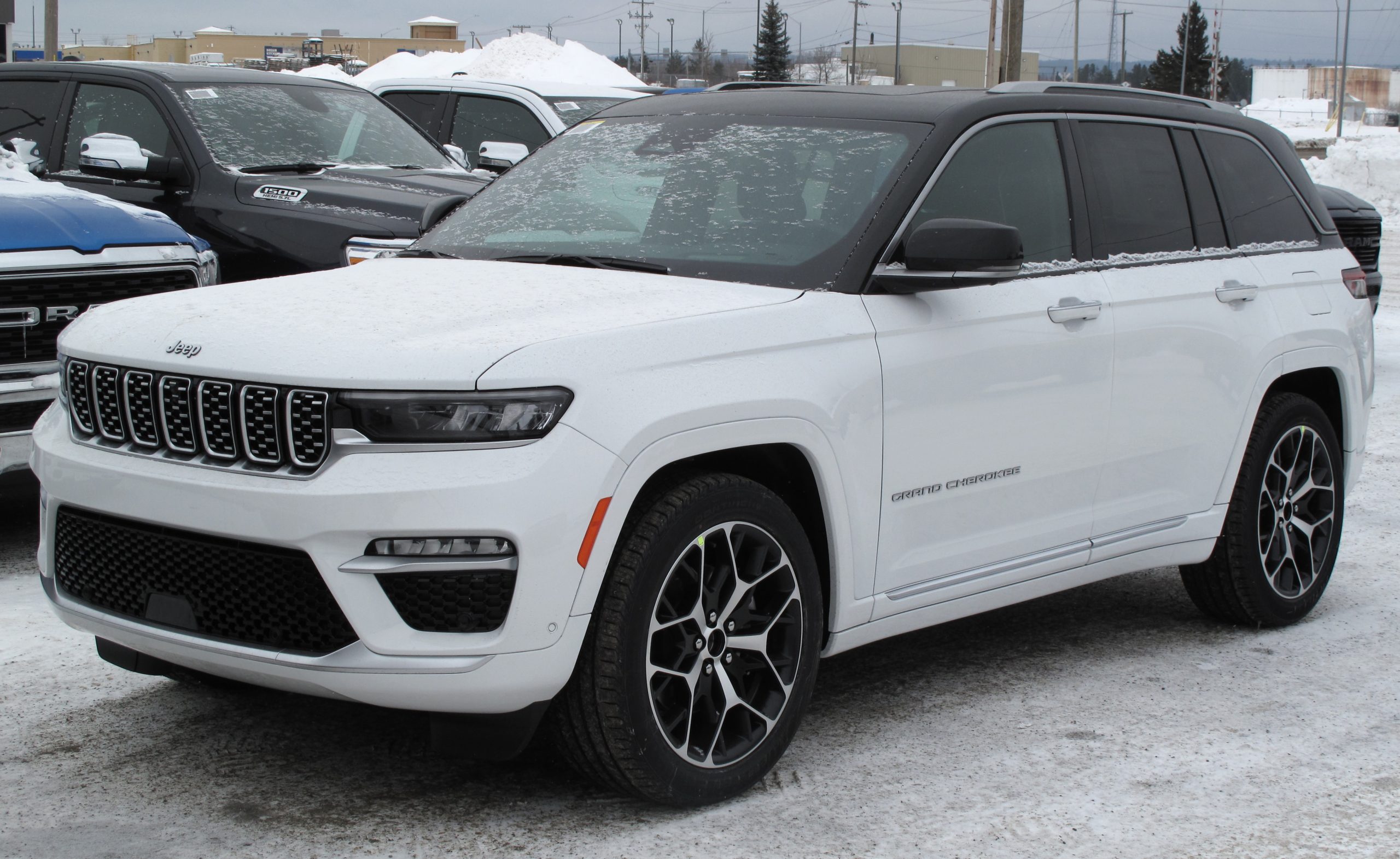
We’re including the WJ Grand Cherokee because it’s one of those vehicles that offers a lot on paper but punishes owners with recurring steering problems in practice. It’s not just the cost of repairs—it’s the frequency and inconvenience.
If you’re considering one of these older Jeeps, know that power steering leaks are almost a rite of passage. Regular inspection and preventive maintenance are musts—or expect to visit your mechanic often.
Also Read: 5 Used Cars That Pass Inspection Every Time and 5 That Always Need Something
