
When buying a car, most of us dream of a reliable machine that quietly racks up miles with little more than routine maintenance. But the reality?
Some vehicles soldier on past 200,000 miles needing only regular oil changes, while others seem to fall apart bolt by bolt long before hitting that milestone.
In an era where even modest repairs can cost a small fortune, long-term durability and low-maintenance ownership can make or break the value of your investment.
This list dives into two extremes of ownership: five vehicles renowned for their near-bulletproof reliability, and five that seem to demand a new transmission, suspension, or head gasket the moment the odometer hits six digits. The contrast is stark, and incredibly useful for both used car buyers and those holding onto aging rides.
The “200K with only oil changes” group are cars mechanics respect, owners trust, and taxi fleets favor. On the flip side, the “new everything” group includes models known for shiny showrooms but dismal long-term dependability.
By highlighting both, we aim to inform you not only what’s worth buying, but what might just break your budget in the long run. Let’s start with the good ones.
Also Read: 5 Safety Features That Lower Insurance vs 5 High-Tech Features That Don’t
5 Cars That Get to 200K With Only Oil Changes
Some cars just don’t quit. These are the machines that handle the grind of daily driving, road trips, commutes, and errand runs without asking for much in return beyond routine oil changes, brake pads, and maybe a tire rotation.
The following five vehicles are widely known in the auto industry and among seasoned mechanics for their uncanny ability to reach 200,000 miles and often well beyond, with minimal drama and rare mechanical failures.
We’re not talking about vehicles that are merely “pretty good.” We’re focusing on true workhorses, cars that are regularly driven in real-world conditions and prove themselves over decades and hundreds of thousands of miles.
They may not always be the most exciting to drive or the flashiest in design, but what they lack in flair, they more than make up for in sheer mechanical integrity.
This list is drawn from real-world service histories, mechanic testimonials, owner surveys, and long-term reliability data.
Whether you’re looking for a dependable used buy or you’re simply curious which nameplates have earned legendary status in reliability circles, these five are worth your attention. Let’s take a closer look at which vehicles can hit the 200K mark while asking for almost nothing in return.
1. Toyota Corolla
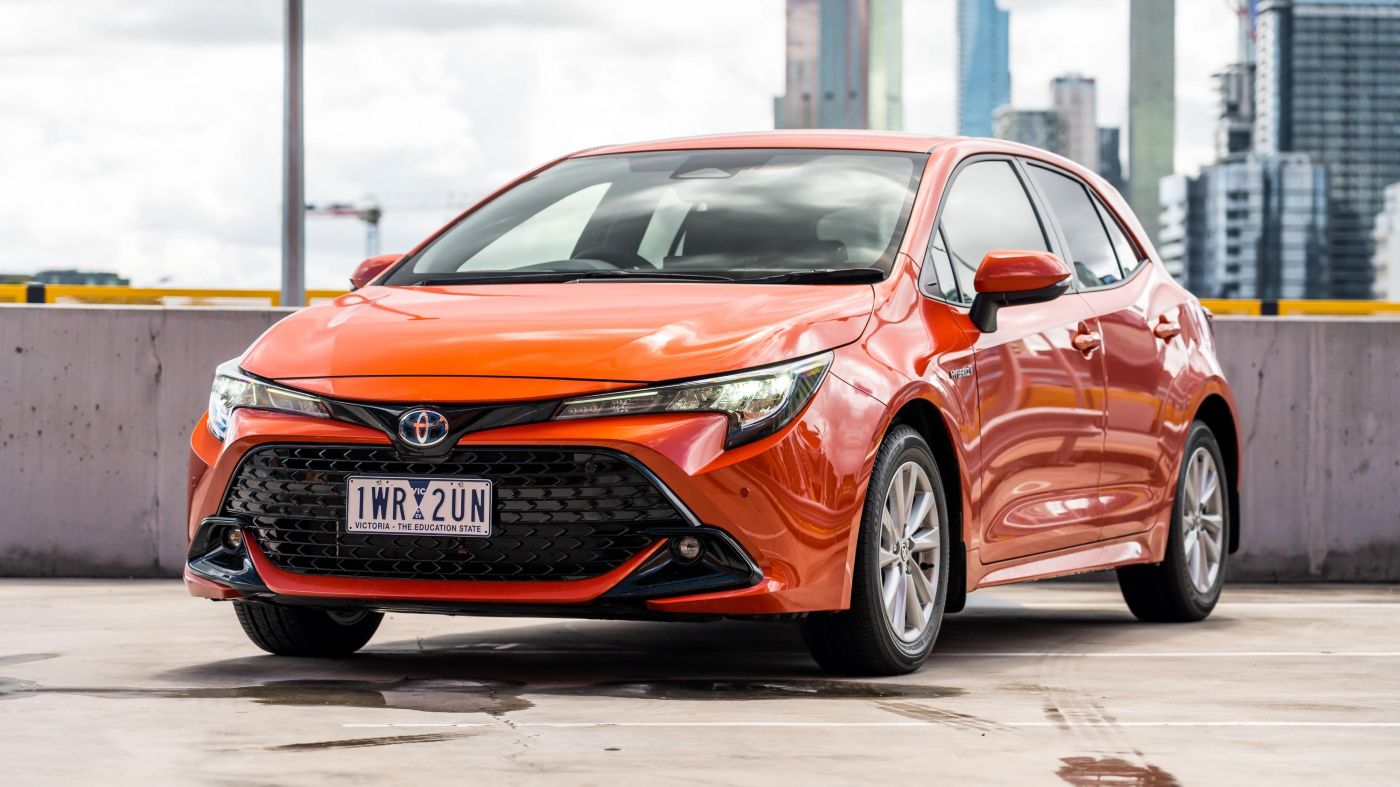
If there’s one car that perfectly fits the phrase “just change the oil and go,” it’s the Toyota Corolla. For decades, this compact sedan has been the epitome of reliable, low-maintenance transportation.
Whether it’s the late 1990s models, the wildly popular 2003–2008 generation, or the more recent 2014–2019 batch, Corollas are renowned for accumulating over 200,000 miles without requiring major repairs.
Why am I writing about the Corolla first? Because mechanics across the U.S. frequently cite it as a model they rarely see for anything serious.
Timing chains instead of belts, durable transmissions, and engines that are not overstressed all contribute to a design built for longevity.
It’s not uncommon to find a used Corolla with over 150,000 miles still commanding strong resale value—and that’s because owners and buyers alike know what they’re getting.
It’s also worth noting that Toyota’s conservative approach to engineering plays a major role here. No gimmicky features, no unnecessary complexity, just tried-and-true components that stand the test of time.
As long as basic maintenance is followed (regular oil changes, spark plugs, filters), the Corolla will hum along reliably for decades. It’s the kind of car you buy if you want something that simply works, with no headaches and no surprises.
Next up: another Toyota icon known for its bulletproof engineering.
2. Toyota Camry
If the Corolla is the king of compact reliability, the Toyota Camry rules the midsize segment with the same ironclad dependability. It’s not flashy, fast, or fancy, but it’s a car that treats its owner right, especially over the long haul.
The Camry has become a go-to recommendation from mechanics for drivers who want a stress-free ownership experience well beyond the 200,000-mile mark.
Why am I including the Camry here? Because it routinely shows up in high-mileage owner reports, fleet records, and mechanic bays needing little more than fluid changes and brake jobs.
The 2002–2011 models are especially durable, with straightforward four-cylinder engines that aren’t over-engineered, and transmissions that shift reliably for hundreds of thousands of miles.
Toyota’s recipe for Camry success is similar to the Corolla’s: simple, proven components and a design focus on longevity rather than cutting-edge tech.
Even V6 versions, when maintained, can go the distance with few issues. And the hybrid models? Surprisingly solid, too, with battery packs that last far longer than many expect.
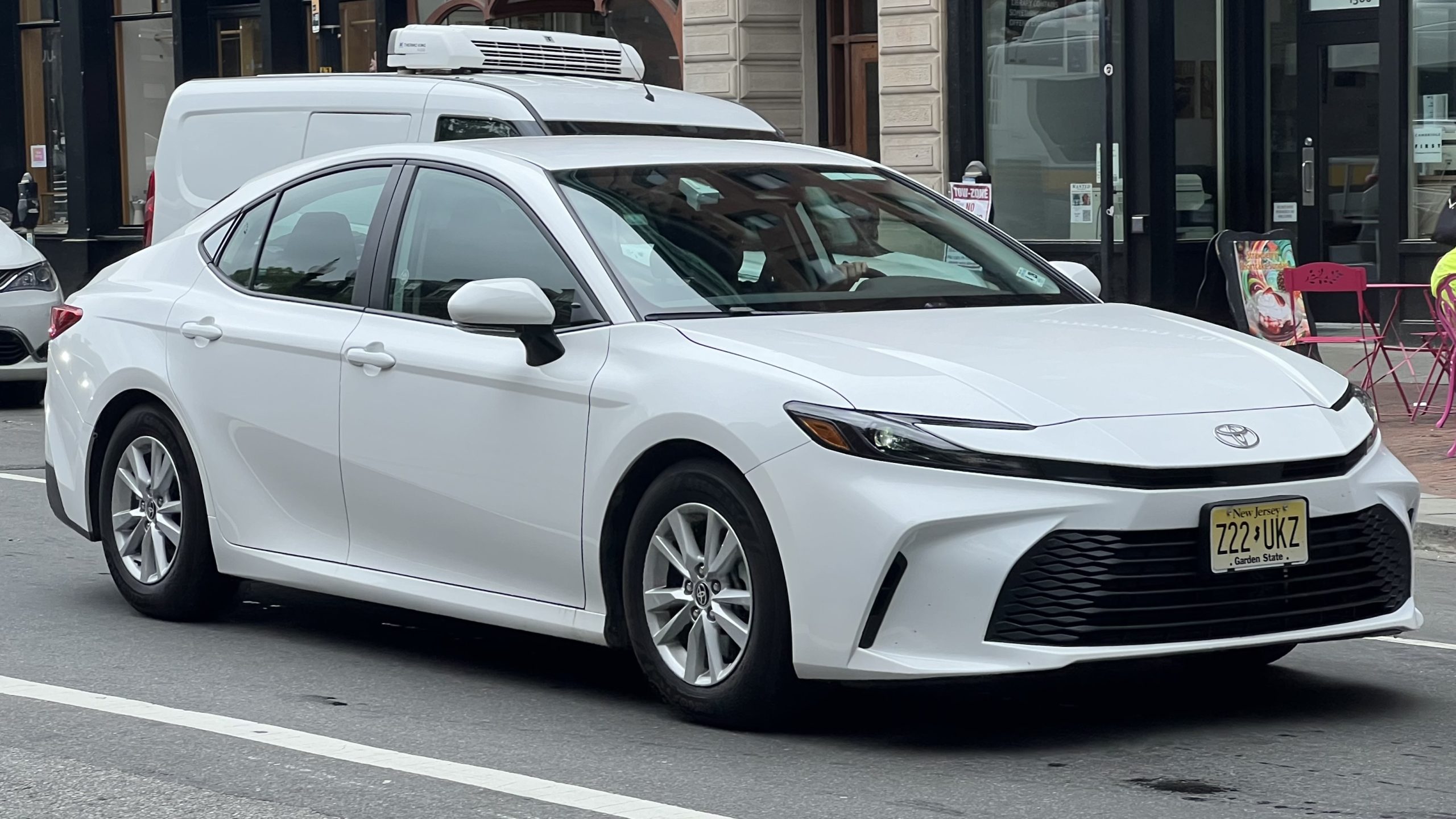
Camrys are everywhere for a reason—they last. They’re a common sight in rideshare fleets and taxi services, which is a testament to their durability under constant use.
For buyers who value long-term peace of mind over showroom glamor, the Camry is an ideal pick. It may not stir your soul, but it certainly won’t drain your wallet.
Next: let’s move from Japan to the U.S. with a surprisingly low-maintenance car—if you pick the right engine.
3. Honda Accord
The Honda Accord has earned its spot in the automotive hall of fame, not for being the most thrilling car on the road, but for being nearly unbreakable when properly maintained. It’s one of those rare vehicles that blends comfort, practicality, and genuine long-term durability.
And when we’re talking about getting to 200,000 miles with nothing more than oil changes and routine care, the Accord consistently proves it belongs in that elite group.
Why am I highlighting the Accord? Because it’s the car many owners end up keeping far longer than they planned—simply because it doesn’t give them a reason to get rid of it.
Models from the early 2000s up through the mid-2010s, particularly those with the 2.4-liter four-cylinder engine, are legendary for their long-term reliability. This engine is simple, well-balanced, and doesn’t place unnecessary stress on its components.
Transmission issues did affect some V6 models in the early 2000s, but the four-cylinder Accords remain a favorite of mechanics who say these cars “just don’t die.”
Add to that low-cost parts, straightforward maintenance, and an incredibly strong resale market, and the Accord becomes one of the smartest used purchases you can make.
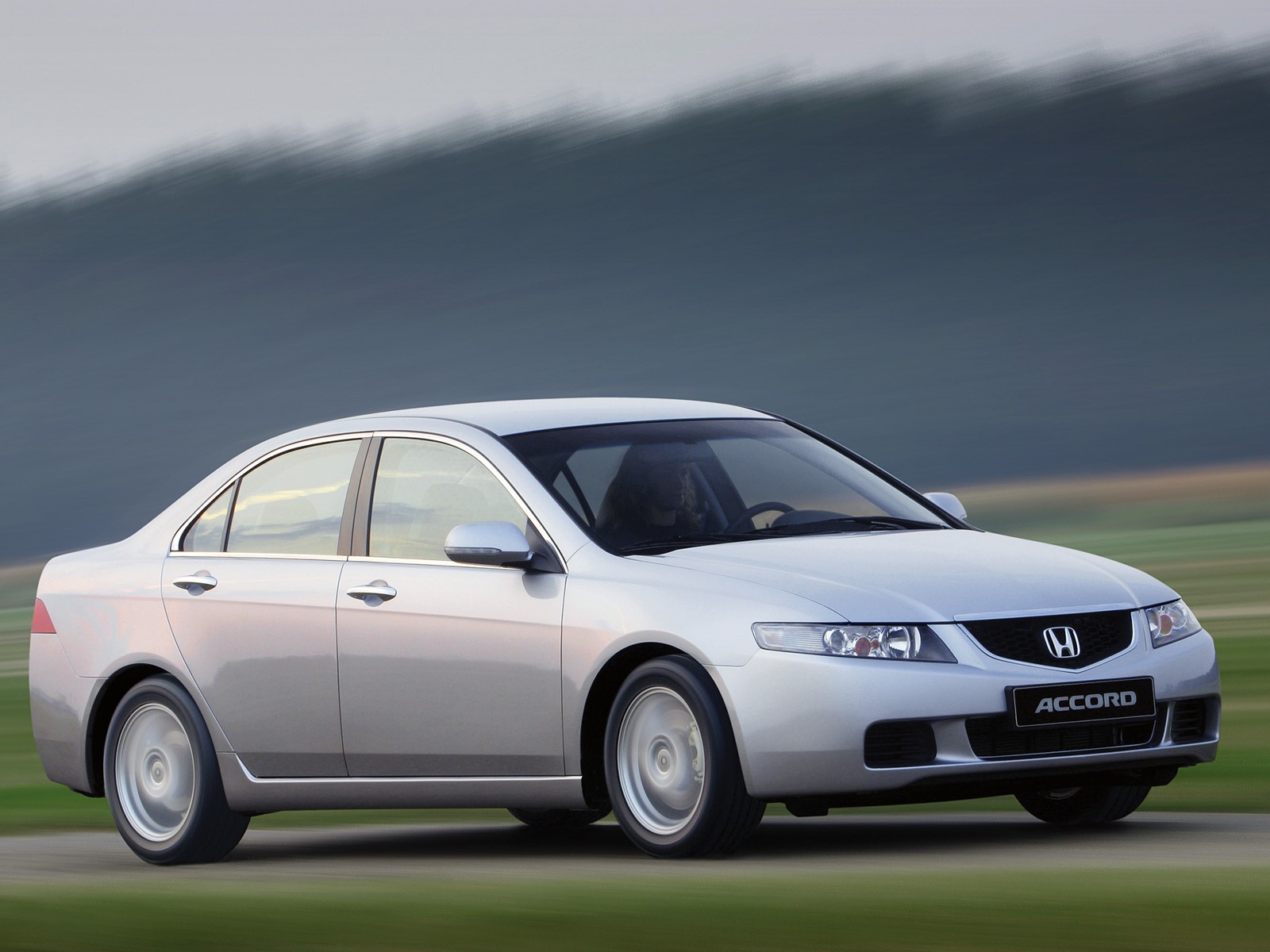
It’s also worth noting how the Accord strikes a nice balance: it’s more fun to drive than a Camry or Corolla, yet just as reliable when properly serviced. For people who want a dependable daily driver that won’t quit, the Accord is easily one of the best bets out there.
Next: let’s move to an SUV that holds up just as well as these sedans.
4. Honda CR-V
The Honda CR-V is one of the rare compact SUVs that offers car-like reliability in an SUV body. It’s the kind of vehicle families buy when they need something practical and then end up keeping for a decade or more.
If you’re looking for a utility vehicle that reaches 200,000 miles with barely more than oil changes, the CR-V absolutely deserves a spot on your radar.
Why am I including the CR-V? Because mechanics often cite it as one of the few SUVs that doesn’t become a money pit after 100K miles. The 2002–2011 models, in particular, are standout examples.
Equipped with the bulletproof 2.4-liter i-VTEC engine, they deliver reliable performance without overcomplicating things. These engines are known to go well past 250,000 miles with only routine maintenance.
The CR-V’s AWD system is simple and reliable, and its suspension and steering components typically don’t require replacement until well past 150,000 miles. Even interior components, buttons, trim, and switched, tend to wear slowly, a rarity in the compact SUV space.
Another reason this model earns its spot? It’s frequently driven by owners who depend on it every day: parents, commuters, retirees, and delivery workers.

Its real-world reputation is not built in labs or ad campaigns, but through years of faithful, low-cost service in countless driveways.
For those seeking a practical SUV that won’t surprise them with big repair bills at 180K miles, the CR-V is as close to a sure thing as you’ll find.
Next up: the lone full-size pick on this list that refuses to quit.
5. Toyota Land Cruiser
If there’s one vehicle on this list that’s borderline indestructible, it’s the Toyota Land Cruiser. This full-size SUV isn’t just known for longevity—it’s legendary for it.
In fact, in many parts of the world, Land Cruisers are still running reliably after 300,000+ miles under far harsher conditions than U.S. roads can offer. In terms of reaching 200,000 miles with only oil changes and basic care, few vehicles do it better.
Why am I including the Land Cruiser? Because it might be the ultimate example of overengineering. Toyota designed the Land Cruiser not just for comfort or capability, but for mission-critical reliability in places where breaking down isn’t an option.
Whether it’s hauling families in American suburbs or traversing remote African terrain, this SUV is built to handle it all—and keep going.
The 100 and 200 Series (1998–2021) are especially prized for their robust V8 engines, stout automatic transmissions, and unmatched build quality. Yes, they’re expensive upfront, and yes, they get mediocre fuel economy.
But they make up for it by being remarkably low-maintenance in the long run. Many owners report reaching 200,000 or even 300,000 miles without touching anything more serious than brakes, fluids, and belts.
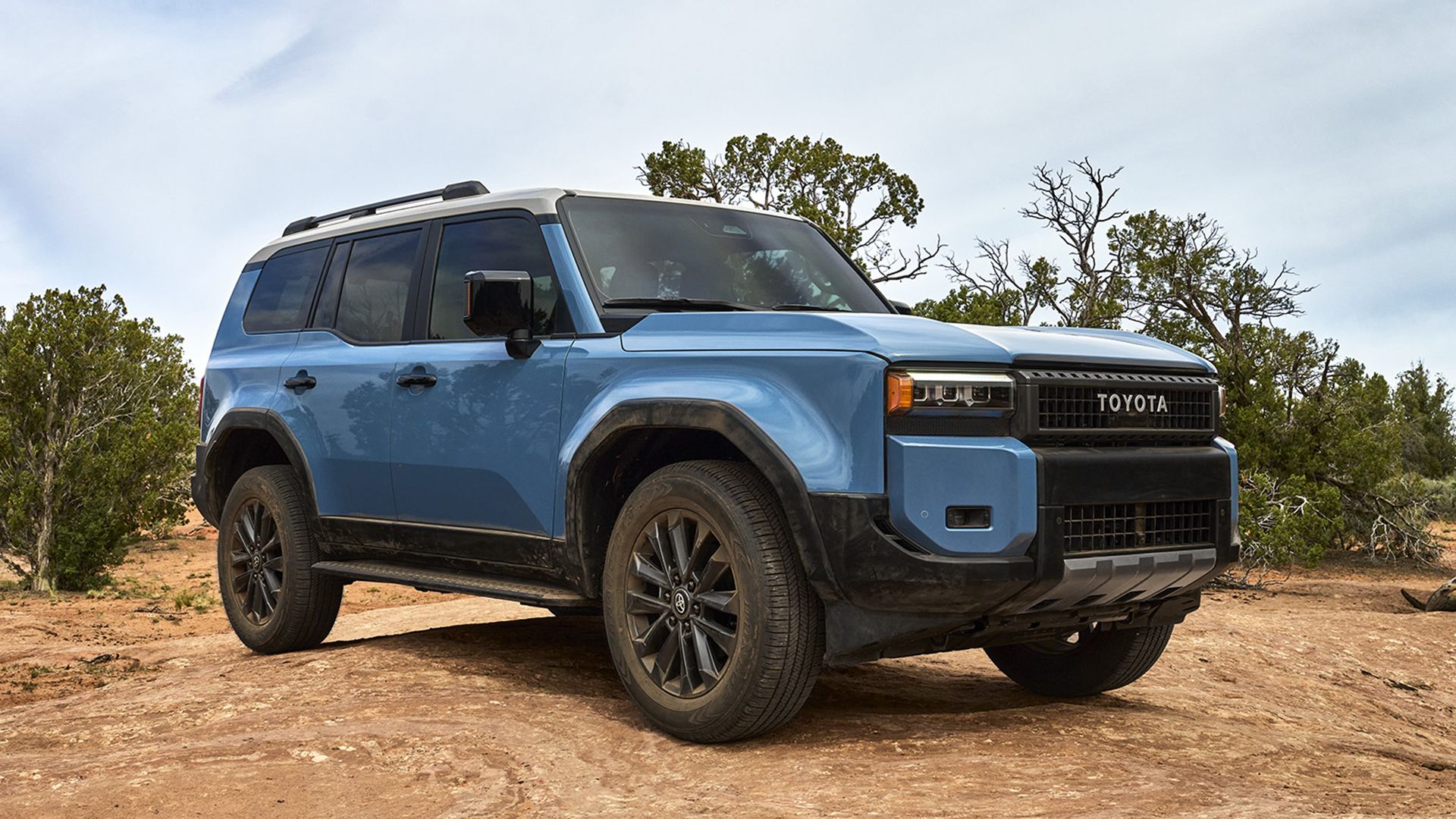
Mechanics often call the Land Cruiser “the last SUV you’ll ever need”—and they’re not joking. If you want a reliable ride that can outlive most other vehicles on the road (and then some), the Land Cruiser is the ultimate do-it-all tank.
Next, let’s flip the script—and look at the cars that can’t seem to survive without constant help.
5 Cars That Require a New Everything
While some cars coast to 200,000 miles on little more than oil and gas, others seem determined to self-destruct well before that milestone.
These are the cars that might look great on a dealer lot or come loaded with tech and features but under the hood, they’re a constant headache.
From fragile transmissions and weak suspension components to premature engine failures and endless warning lights, these vehicles often require more than just routine maintenance to survive.
Why is it important to spotlight these models? Because for every reliable used car buyer looking to get their money’s worth, there are plenty who unknowingly end up in a money pit.
Some of these vehicles are infamous among mechanics and tow truck drivers alike. Many owners report repair after repair just to keep them roadworthy past 100,000 miles, let alone 200K.
This list isn’t based on rumor or brand bias. It comes from real-world ownership reports, shop repair histories, recall trends, and data from long-term reliability studies.
These five vehicles are ones you’ll want to approach with caution, or avoid altogether, if you’re aiming for long-term peace of mind.
Let’s begin with a stylish European sedan that’s earned an unfortunate reputation for leaving its owners stranded with steep repair bills.
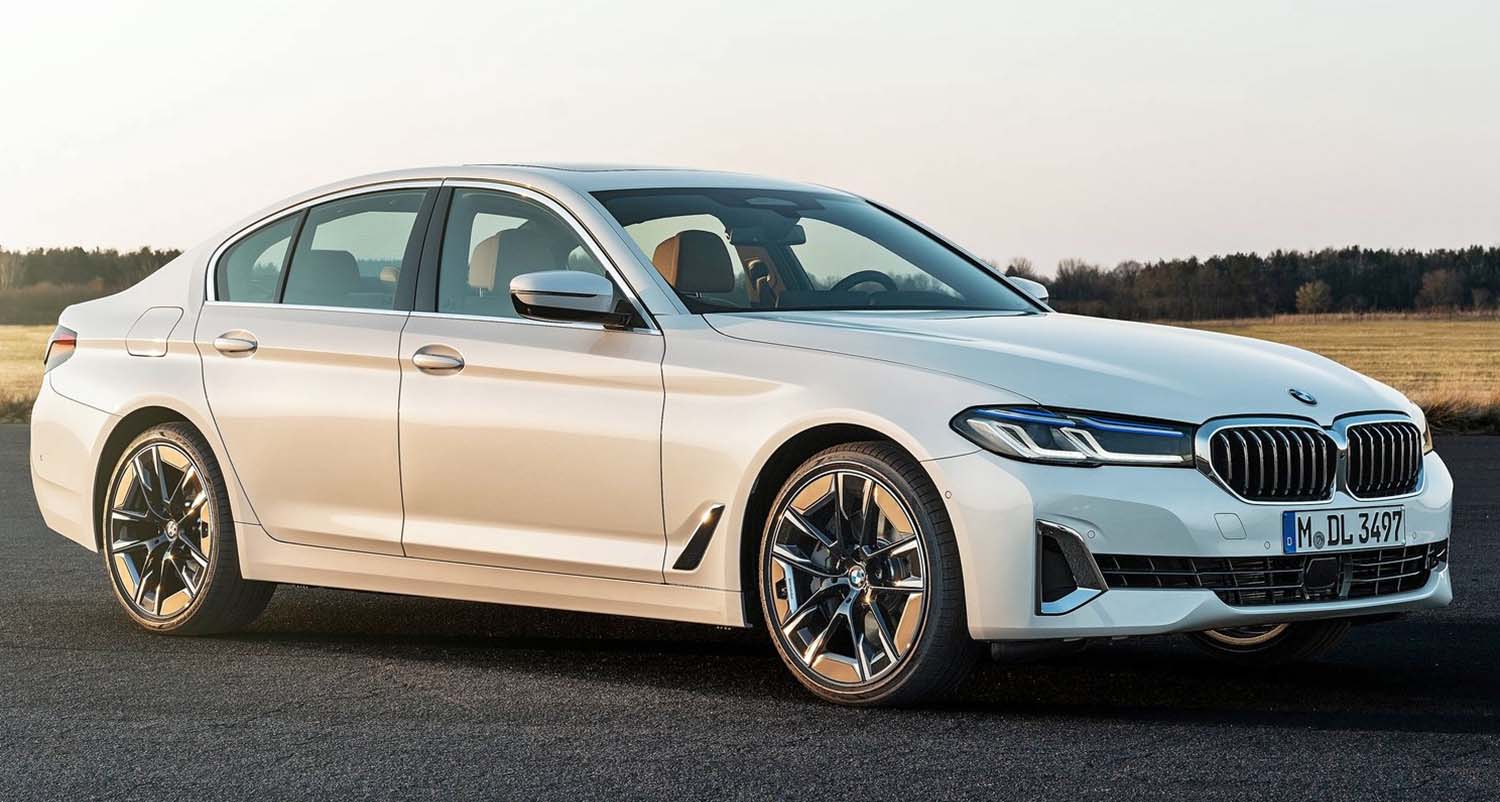
1. BMW 5 Series (E60, 2004–2010)
The BMW 5 Series, particularly the E60 generation (2004–2010), is a textbook example of a car that can feel worth the price—until the repairs start rolling in. Sleek, powerful, and luxurious, it’s tempting on the used market.
But under all that German engineering is a laundry list of expensive, failure-prone components that make ownership a financial gamble past the 100,000-mile mark.
Why am I calling out the E60 5 Series? Because mechanics regularly warn used buyers to steer clear unless they have deep pockets or a personal garage.
The infamous N62 V8 engine, found in the 545i and 550i, is prone to valve stem seal leaks, coolant pipe failures, and timing chain issues. Even the inline-6 versions have chronic electronic gremlins and fragile cooling systems.
The electronics are another major pain point. The iDrive infotainment system was ahead of its time, but notoriously buggy and expensive to repair.
Window regulators, sensors, and even the fuel pump have short service lives. And forget about doing the work yourself—BMW’s tightly packed engine bays and specialty tools mean every repair is a labor-intensive ordeal.
In short, the 5 Series is a luxury car that behaves like a high-maintenance sports car. It’s great when it works, but keeping it working long enough to reach 200K miles often requires replacing most of the drivetrain, electronics, and suspension. For buyers who value reliability over prestige, there are far better places to park your money.
2. Chrysler Sebring (2001–2010)
The Chrysler Sebring was once a common sight on American roads—thanks mostly to its low price and heavy rental fleet presence. But for anyone hoping it would be a reliable long-term commuter, the Sebring has consistently been a disappointment.
It’s widely considered one of the least durable sedans of its era, and getting it to 200,000 miles often means replacing almost every major system at least once.
Why am I including the Sebring? Because it’s a textbook example of style over substance. While its design wasn’t bad for its time, reliability suffered across the board. The 2.7-liter V6, in particular, was notorious for sludge buildup due to poor internal oil circulation.
Even with regular oil changes, these engines often failed before 100,000 miles. Timing chain tensioners, water pumps, and head gaskets were all common points of failure.
The transmission didn’t fare much better. Many owners reported hard shifts, slipping gears, and complete transmission failures well before the car hit six figures on the odometer.
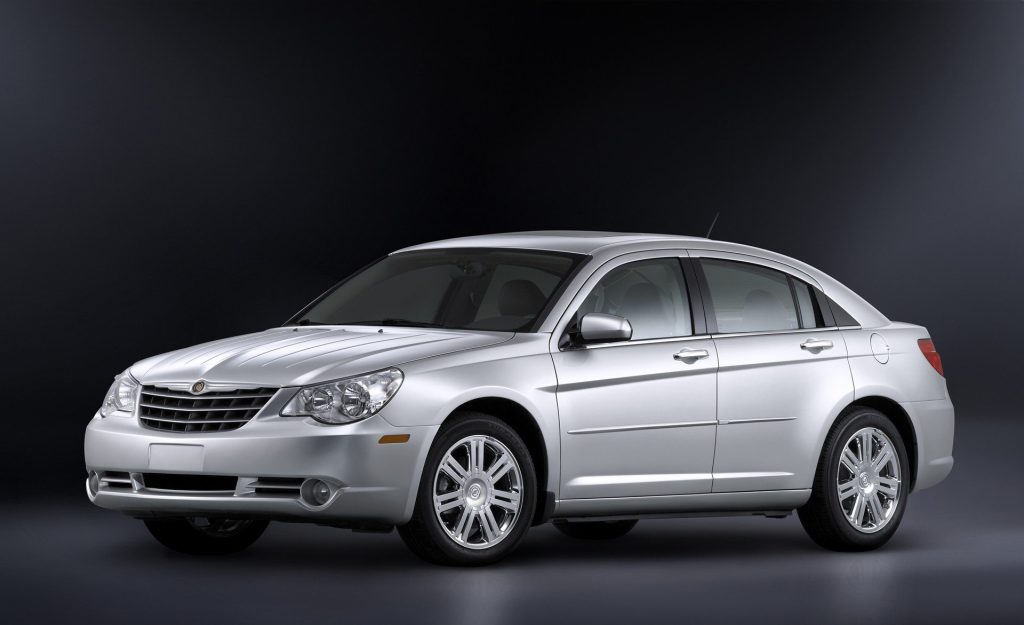
Add to that failing window motors, dashboard electronics that short out randomly, and low-quality interior materials that degrade fast, and it’s clear the Sebring was built with corners cut.
Mechanics often joke that Sebring owners are “keeping the local shop in business.” Parts may be cheap, but the frequency of repairs negates any savings. If you’re aiming for a car that lasts with minimal effort, the Sebring is one of the worst bets you can make.
Next: a compact car with a reputation for falling apart faster than it depreciates.
3. Chevrolet Aveo (2004–2011)
The Chevrolet Aveo might seem like a great deal at first glance, a cheap, fuel-efficient compact car with a recognizable badge. But dig a little deeper, and it quickly becomes clear why it often sits at the bottom of reliability rankings.
The Aveo, particularly the models built between 2004 and 2011, is notorious for falling apart long before 200,000 miles, often requiring major repairs well before it even hits the halfway mark.
Why am I highlighting the Aveo here? Because it’s one of the most commonly regretted purchases among budget car buyers.
Originally designed by South Korea’s Daewoo and rebadged for Chevrolet, the Aveo feels—and performs—like a car built to hit a price point, not a durability standard.
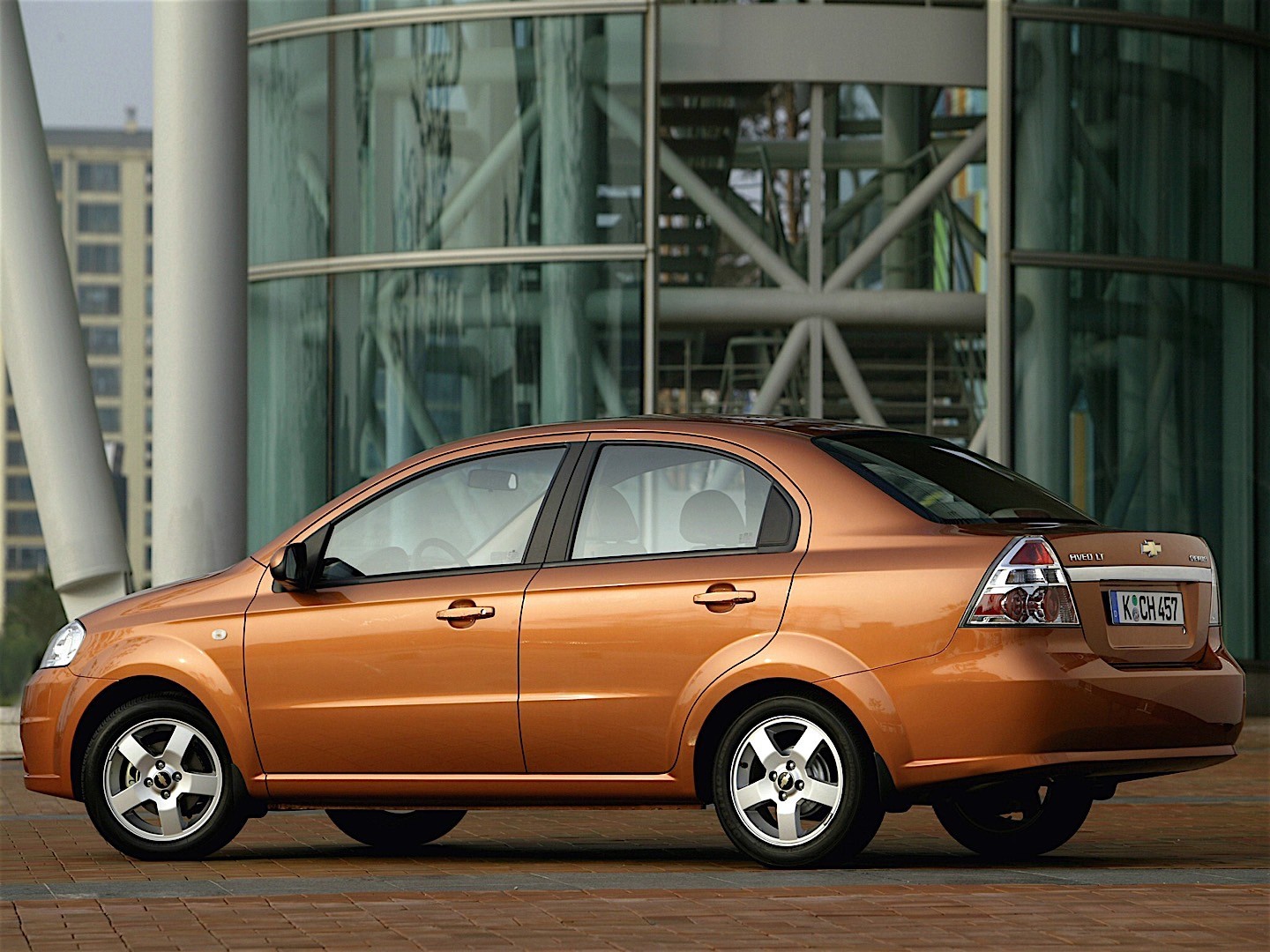
Its 1.6-liter engine is underpowered and not particularly robust, and timing belt failures are common if the maintenance schedule isn’t followed to the letter—often resulting in complete engine failure.
Even basic components like door handles, window switches, and interior trim wear out quickly. Suspension components fail early, ride quality deteriorates with age, and the electronics, such as the dash and radio, are prone to glitches.
Transmission performance, especially on automatic models, declines rapidly after 80,000–100,000 miles, and replacement costs often exceed the value of the vehicle.
Mechanics tend to describe the Aveo as “disposable,” and that’s not an exaggeration. While it’s cheap to buy, it’s not built to last. If your goal is long-term ownership with minimal headaches, the Aveo is a car to walk away from, even if it looks like a bargain.
Next: a luxury crossover with a laundry list of breakdowns.
4. Land Rover Range Rover (2003–2012)
The Range Rover exudes prestige and status, often seen as a symbol of success. But ask any independent mechanic or seasoned owner, and you’ll hear a very different story.
For all its luxury and off-road credibility, the 2003–2012 Range Rover has built a reputation as one of the most maintenance-intensive and repair-prone vehicles on the road.
Getting one to 200,000 miles without replacing nearly everything is, frankly, a financial and mechanical miracle.
Why is the Range Rover on this list? Because it’s a prime example of how premium pricing doesn’t guarantee reliability. The complex air suspension system is notorious for failure, leading to costly repairs or ride quality that feels like a bouncing castle.
The electrical system is infamously problematic, with constant gremlins affecting windows, lights, sensors, infotainment, and more. Even basics like door locks and sunroofs are prone to breaking.
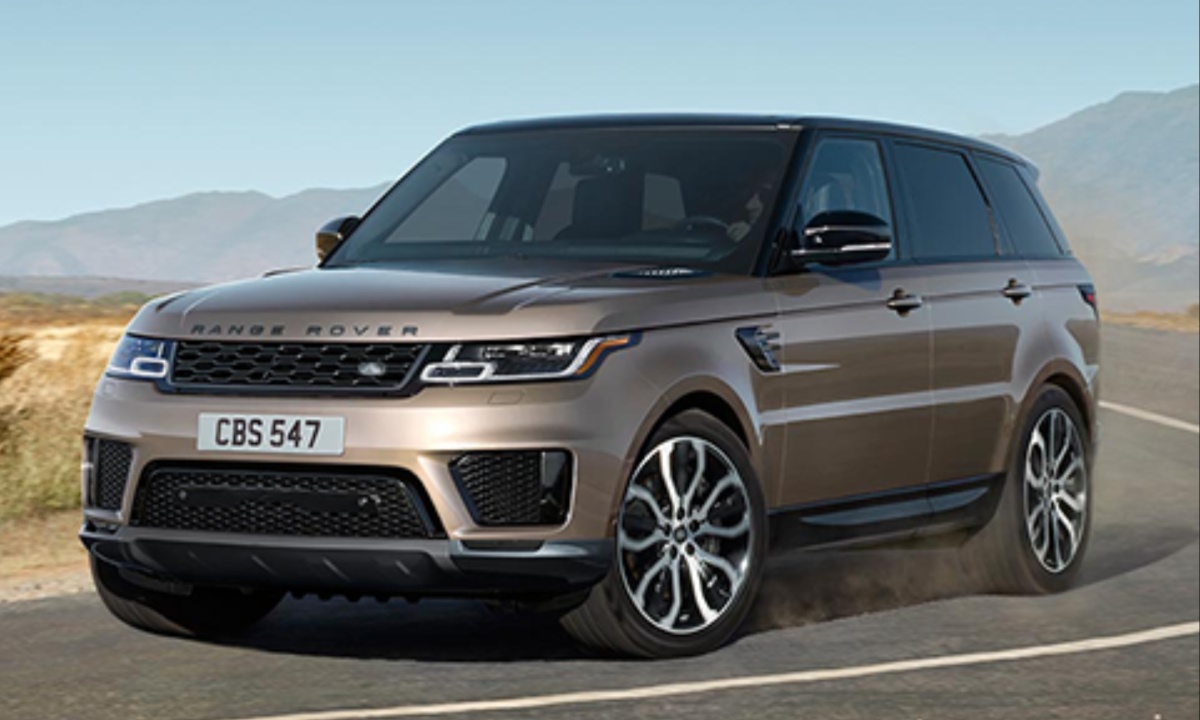
Under the hood, things don’t get better. The Jaguar-sourced V8 engines are powerful, but they’re plagued by cooling system failures, timing chain issues, and valve cover leaks. Transmission problems are also common, especially on earlier models.
And when something goes wrong (which it will), parts and labor costs are some of the highest in the industry—even minor issues can cost thousands to fix.
Many Range Rovers find themselves abandoned at 120,000 miles not because they’re dead, but because owners can’t justify the never-ending repair bills.
It’s a vehicle that demands constant attention and deep pockets, definitely not a choice for those aiming for a low-maintenance 200K-mile run.
Next up: a sporty compact that’s fun at first but quickly becomes frustrating.
5. Mini Cooper (2002–2013)
The Mini Cooper, especially the first- and second-generation models produced between 2002 and 2013, has an undeniably charming appeal. It’s compact, fun to drive, and offers a quirky personality that stands out in a world of cookie-cutter cars.
But beneath that charm lies a deeply flawed reliability record, making the Mini one of the most frustrating cars to own long-term. If you’re trying to reach 200,000 miles, expect a journey filled with repairs, replacements, and costly surprises.
Why am I including the Mini Cooper? Because it perfectly illustrates how performance and personality don’t always come with durability.
The early models, particularly those with the turbocharged 1.6-liter engine (found in Cooper S trims), are infamous for a range of issues: carbon buildup, timing chain tensioner failure, oil leaks, and fragile cooling systems. These problems often appear before 100,000 miles and recur if not addressed properly.
It doesn’t stop at the engine. The power steering pump is known to fail unexpectedly. The clutch wears out quickly, even with careful driving.
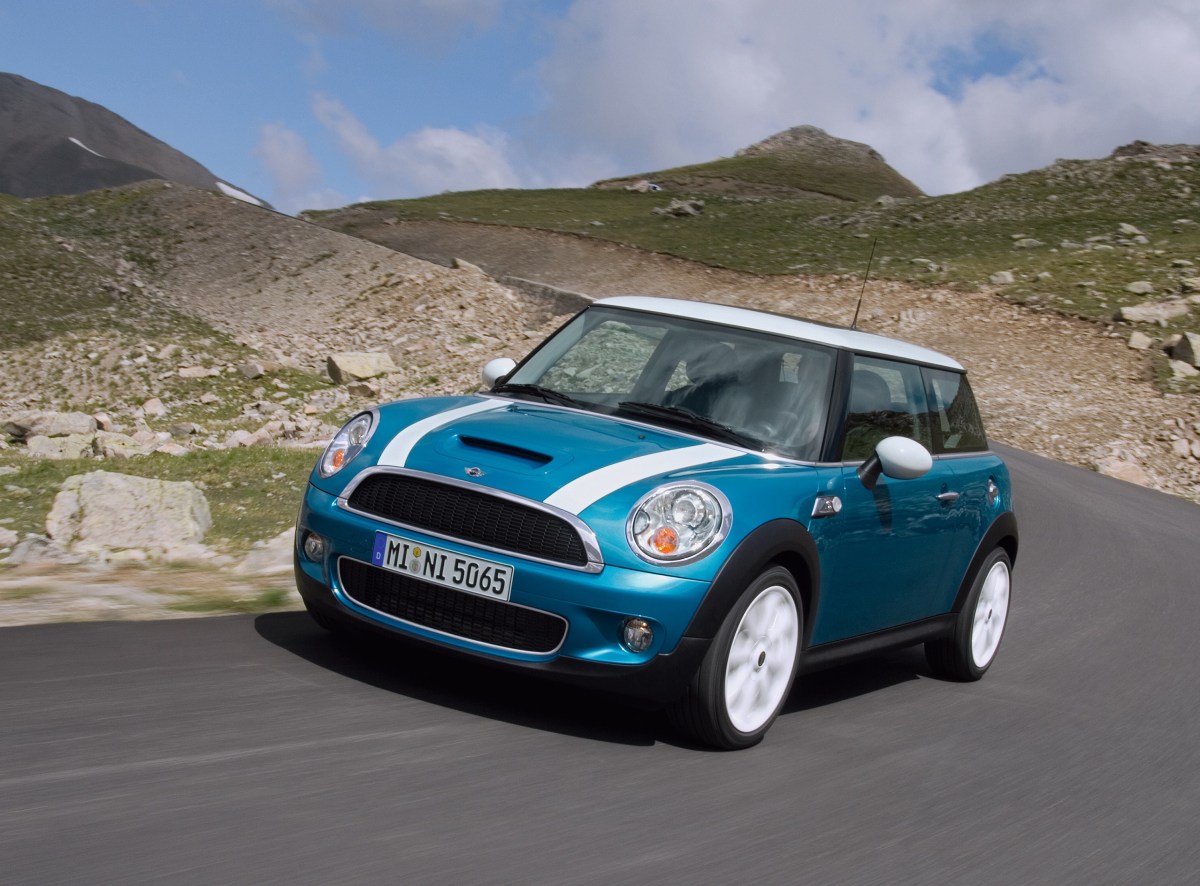
Electrical gremlins plague window motors, dashboard lights, and the keyless entry system. Even basic service costs are high due to the Mini’s BMW heritage, compact engine bay, and specialized parts.
Ask any mechanic, and they’ll likely say the same thing: working on a Mini requires patience and a steady flow of replacement parts.
For those charmed by its looks and drive feel, the Mini Cooper may still be tempting. But for buyers seeking long-term, low-maintenance reliability? It’s best admired from afar.
Also Read: 5 Legendary Japanese Cars and 5 That Hurt the Reputation
