
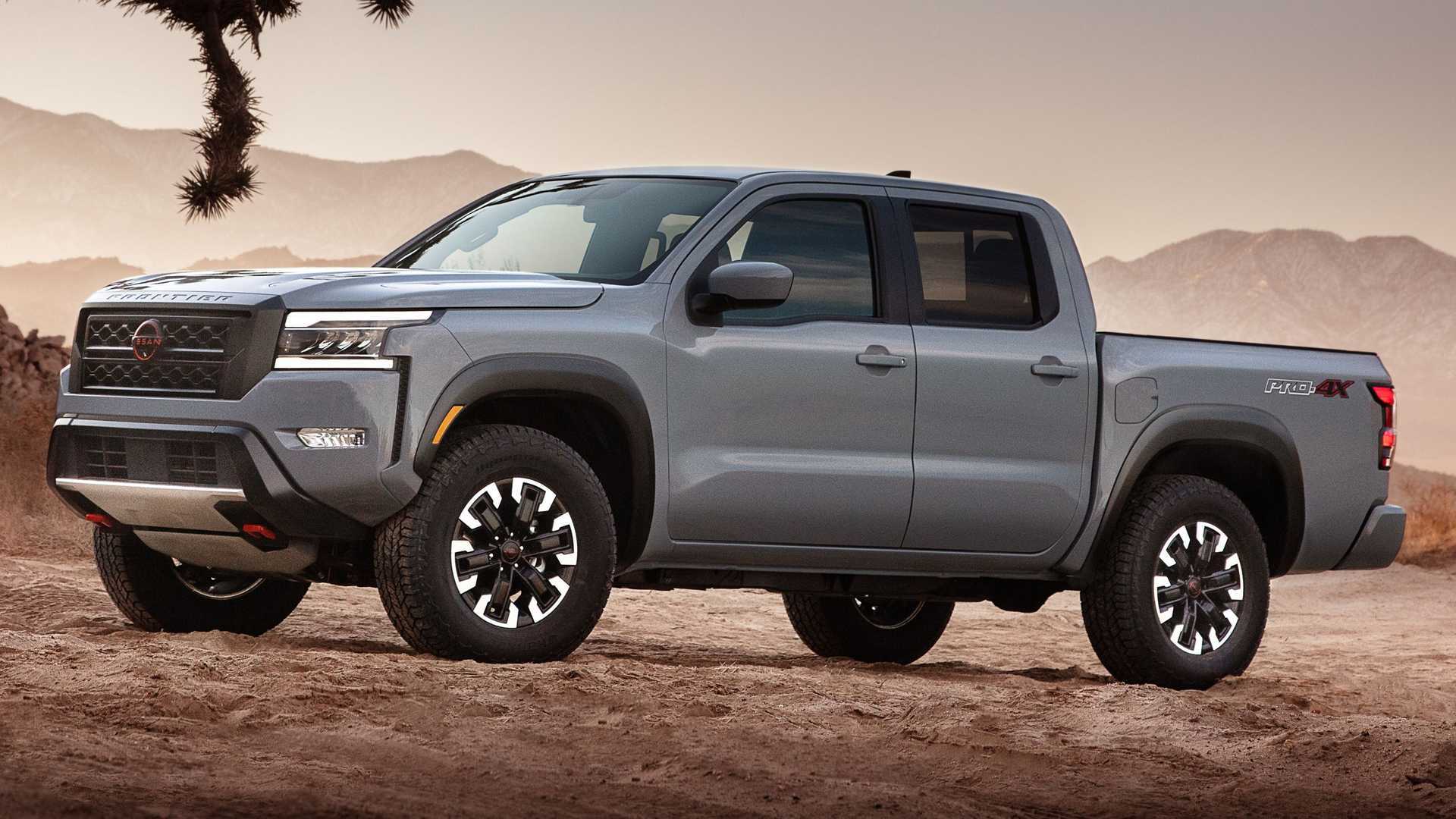
When it comes to trucks, reliability isn’t just about engines and transmissions. One of the most overlooked but critical, components is the rear differential.
Whether you’re towing a trailer, hauling heavy loads, or just navigating tough terrain, the rear diff takes a beating.
A failure here isn’t just inconvenient, it can leave you stranded and result in thousands of dollars in repairs. That’s why understanding which trucks hold up, and which ones fail under pressure, is essential for any serious truck owner or buyer.
In this two-part breakdown, we’ll explore five trucks that rarely (if ever) suffer rear differential failures. These are models with bulletproof axles, smart engineering, and a track record of surviving even the harshest work environments without eating up their gears or bearings.
On the flip side, we’ll also look at five trucks that are notorious for diff problems, either from poor design, weak components, or overconfidence in marketing over mechanical integrity.
Whether you’re a contractor relying on your truck for work or a weekend warrior who just wants something tough and dependable, this list will help steer you in the right direction. Let’s start with the trucks that seem to have bombproof rear ends and keep turning, no matter the load.
Also Read: 5 Legendary Japanese Cars and 5 That Hurt the Reputation
5 Trucks That Never Blow Their Rear Diffs
Rear differential failure is one of the costliest and most frustrating mechanical problems truck owners can face. And yet, some trucks seem to cruise past 200,000 miles on their original axles without a single complaint.
These aren’t just flukes or lucky breaks, they’re the result of smart engineering, overbuilt components, and manufacturers who understood their buyers would push these trucks to their limits.
Why write about these trucks? Because too many people overlook rear-end durability when shopping for a used pickup or planning long-term ownership.
While everyone talks about horsepower, towing numbers, and fuel economy, very few look at what’s happening between the driveshaft and the rear wheels. And that’s a mistake because when the differential goes, the truck doesn’t go at all.
The following five trucks have built reputations for reliability under real-world loads. Mechanics rarely see them for axle-related issues, and off-roaders, haulers, and ranchers consistently praise their rear ends for holding up under abuse.
These trucks are the definition of dependable when it comes to drivetrain toughness—and their longevity is no accident. Let’s begin with an American classic known for its rock-solid rear axle design and unmatched durability in the field.
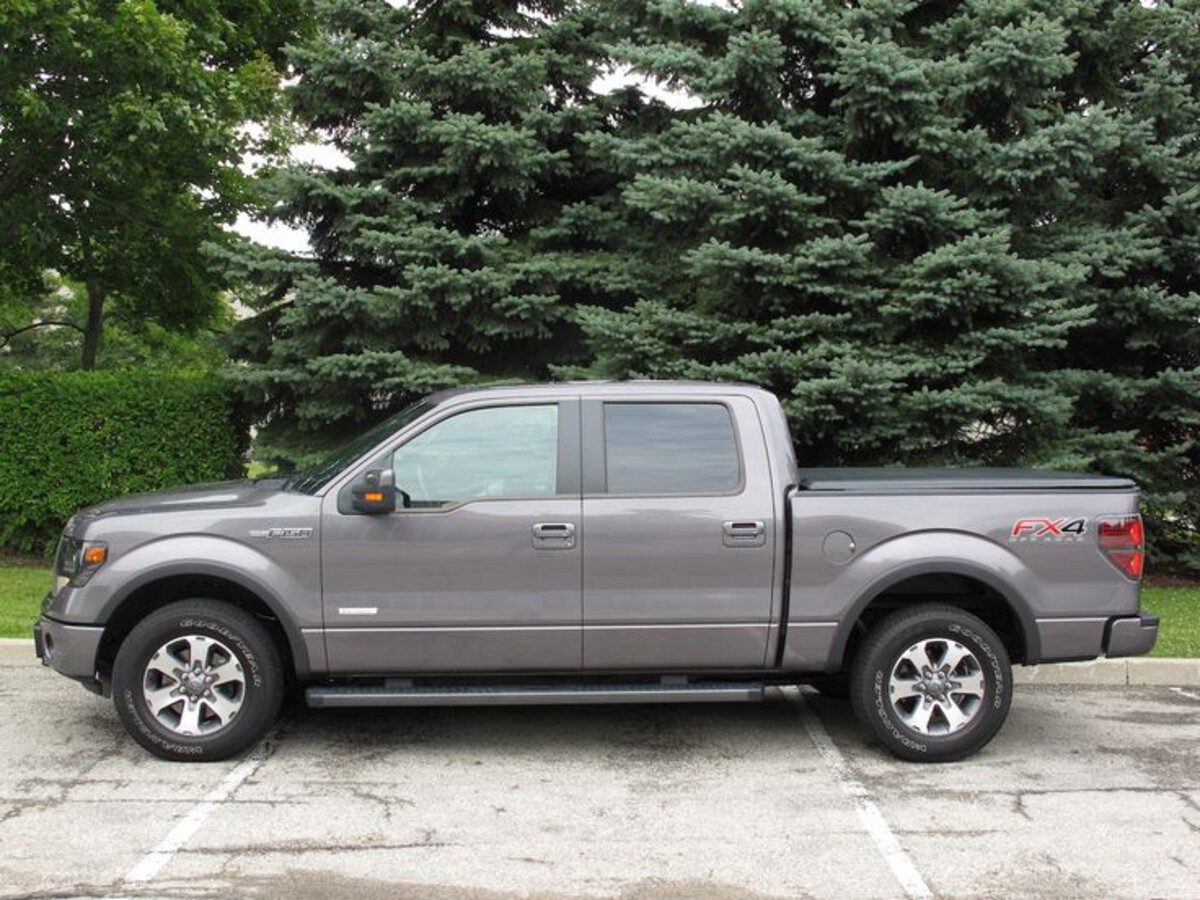
1. Ford F-150 (2004–2020, 9.75-inch axle)
The Ford F-150 has been America’s best-selling truck for decades, and part of that success comes from its robust drivetrain.
Specifically, the 9.75-inch rear axle used in many F-150 models from 2004 to 2020 has proven itself to be nearly indestructible under normal and even extreme conditions. Whether it’s towing a trailer cross-country or hauling construction equipment daily, this rear end rarely complains.
Why am I starting with the F-150? Because owners and mechanics alike have repeatedly confirmed that the 9.75-inch axle is one of the most dependable in the half-ton class.
Found in higher-output and towing package trims, it features a strong ring gear, solid pinion bearings, and thicker axle shafts than many competitors. Ford designed it with durability in mind, and it shows even after 150,000+ miles.
Unlike some rivals that rely on lighter, fuel-saving components, this axle was clearly engineered for strength first.
As long as fluid is changed at reasonable intervals and it’s not run completely dry (which is usually a user error, not a design flaw), it just keeps going. Failures are extremely rare unless the truck has been heavily modified or abused off-road without regard for maintenance.
It’s also worth noting how affordable parts and wide aftermarket support make even routine service easier and cheaper compared to other brands.
This is the kind of axle that can outlive the body it’s bolted to and for truck owners who value longevity, that’s exactly the kind of strength they want.
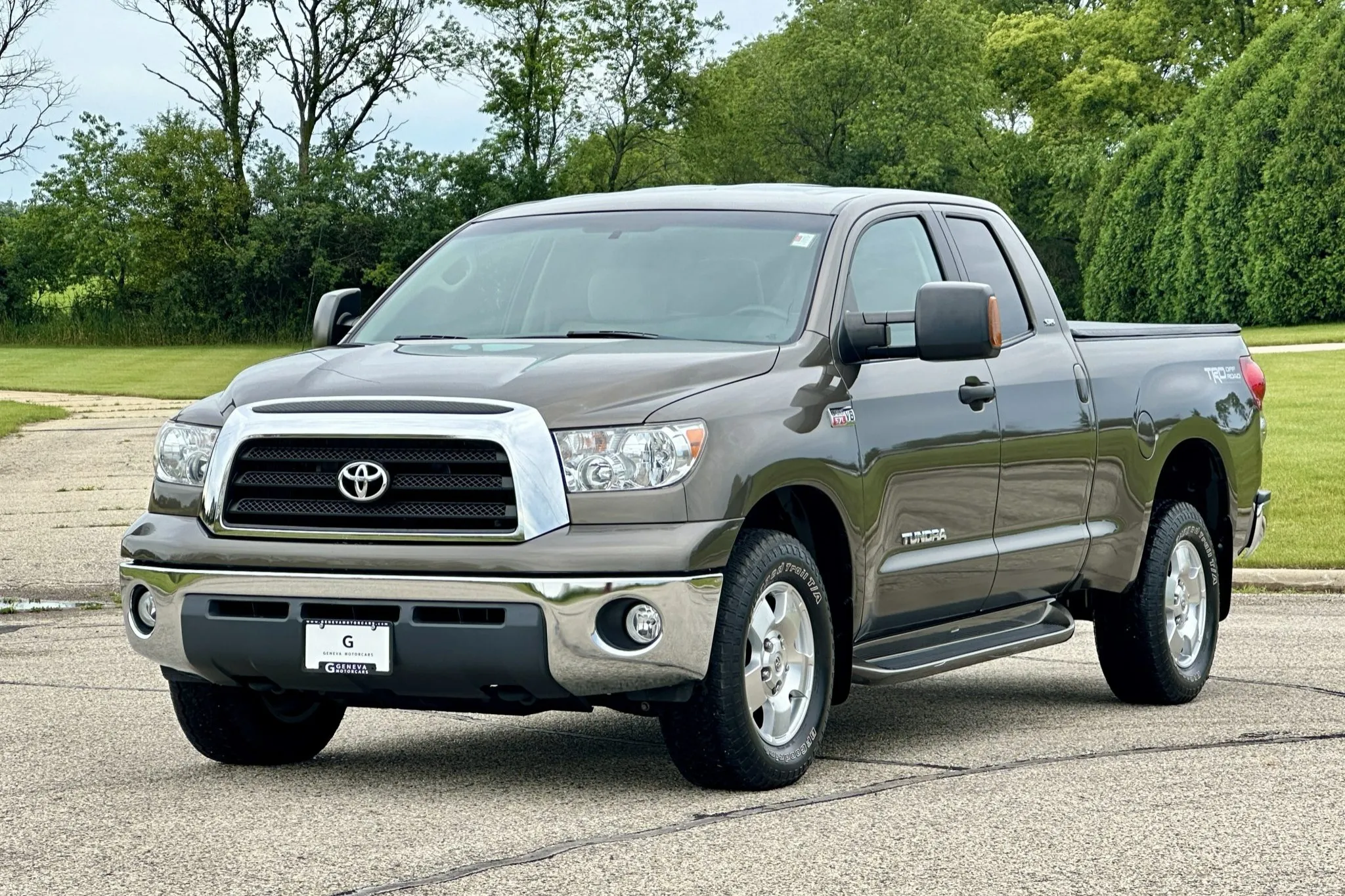
2. Toyota Tundra (2007–2021, 10.5-inch rear differential)
The second-generation Toyota Tundra may not always grab headlines for its styling or innovation, but when it comes to durability—especially in the rear end—it’s in a class of its own.
Equipped with a 10.5-inch ring gear differential on many 5.7L V8 models, the Tundra’s rear axle has earned a reputation for being virtually unbreakable, even under constant towing or off-road stress.
Why is the Tundra on this list? Because it’s the rare full-size truck that seems overbuilt in all the right places. The 10.5-inch diff, designed by Aisin and manufactured in the U.S., is as tough as they come.
It’s built to handle up to 10,000 pounds of towing capacity, but owners regularly use it for more without failures. Unlike some domestic competitors, the Tundra’s rear axle sees very few reports of gear or bearing issues—even after 200K+ miles.
Fleet operators, overlanders, and off-roaders alike trust the Tundra’s drivetrain. Whether it’s deep mud, steep grades, or constant payload hauling, the rear end doesn’t seem to flinch. Add to that Toyota’s meticulous build quality and conservative engineering philosophy, and you get a differential that refuses to die.
Also notable: Toyota doesn’t complicate things with too many variants or fragile electronics. The result is a mechanical setup that’s easy to maintain and hard to break.
For buyers looking for a full-size pickup that can go the distance without rear-end issues, the Tundra is a quiet powerhouse—and its diff is a key reason why.
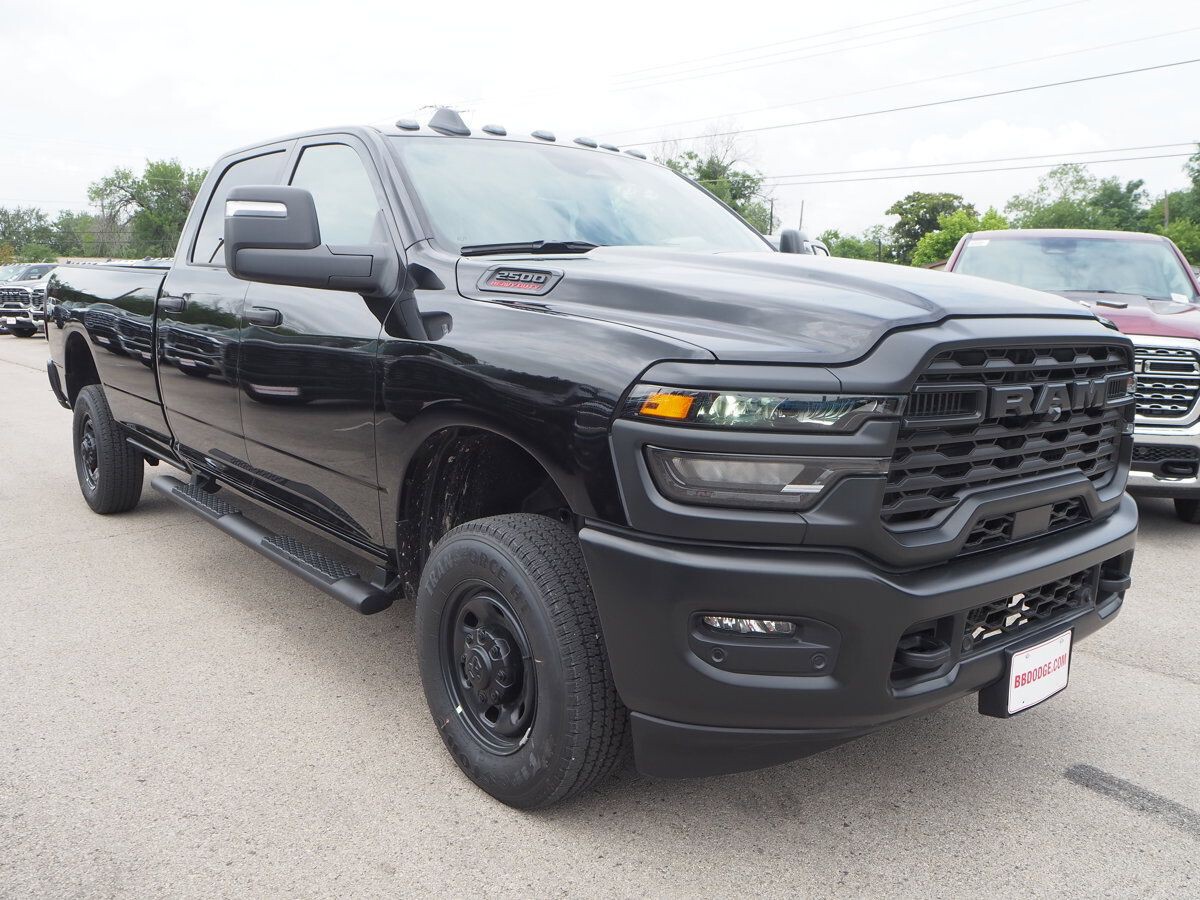
3. Ram 2500 (2010–present, AAM 11.5 rear axle)
The Ram 2500, particularly the heavy-duty models from 2010 onward, comes equipped with the AAM (American Axle & Manufacturing) 11.5-inch rear differential, a component so stout it’s often shared with commercial-grade and one-ton trucks.
If you’re looking for a rear end that simply doesn’t fail under load, this one stands out as one of the most dependable units in the business.
Why highlight the Ram 2500 here? Because for owners who tow heavy trailers, carry construction gear daily, or work on rugged terrain, the 11.5-inch axle has proven itself to be a near-bulletproof piece of hardware.
It features full-floating axles, a massive ring gear, and thick axle tubes, designed to take thousands of pounds of torque and abuse without compromise.
This axle isn’t just strong, it’s consistent. Across diesel and gas models, it has shown remarkable resistance to gear failure, bearing issues, or overheating.
And unlike some light-duty trucks that suffer from frequent diff rebuilds after towing, the Ram 2500’s rear end often goes 200,000 miles or more without needing internal service, as long as fluid is changed periodically and seals are inspected.
In real-world use, this is the kind of truck that regularly hauls fifth-wheel trailers, agricultural equipment, and even snowplows without rear differential complaints. Fleet managers, ranchers, and RV owners swear by it for that reason.
The Ram 2500 might not always lead in luxury or gadgetry, but when it comes to hard-use durability—especially in the rear end, it’s one of the toughest workhorses on the market.
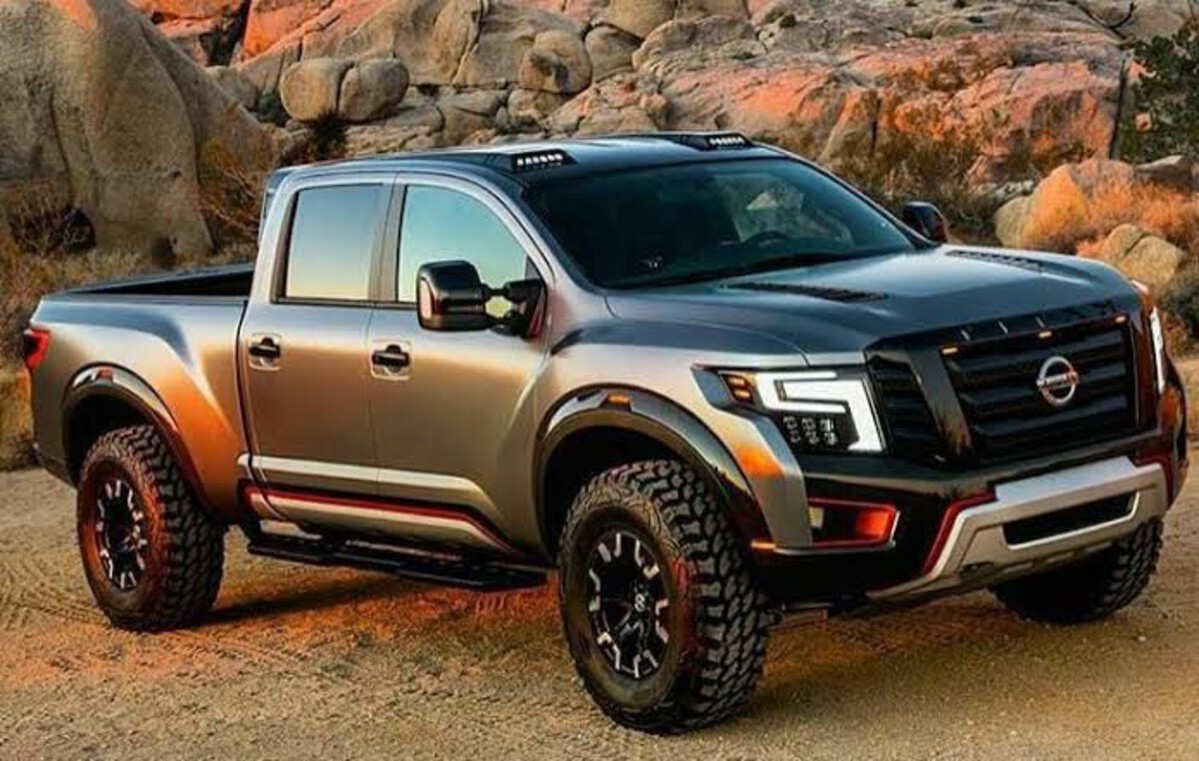
5. Nissan Titan (2004–2015, Dana 44 Rear Axle)
The first-generation Nissan Titan might not be the most popular full-size truck on the market, but when it comes to rear differential reliability, especially from 2006 onward, it deserves more credit than it gets.
Equipped with a version of the Dana 44 axle, the Titan offers a surprising level of durability in its rear end, especially considering its role as Nissan’s first real attempt at a full-size pickup.
Why include the Titan here? Because while early models (2004–2005) did experience differential problems, mostly due to poor welding in the carrier housing, Nissan quickly revised the design, and post-2006 models have held up impressively well.
The Dana 44, which has long been used in Jeep and light-duty truck applications, brings proven toughness and a huge aftermarket support base. In the Titan, it’s strengthened with larger gears and upgraded axle shafts to handle towing and hauling duties with ease.
Mechanics familiar with the platform report very few rear diff failures in well-maintained Titans from 2006 through 2015.
Even owners who use their trucks for moderate off-roading or regular trailer pulling rarely have rear axle complaints—especially when fluid changes are done at proper intervals.
It’s also worth noting that Nissan didn’t overcomplicate the design. No gimmicky electronics or fragile internals—just solid mechanical parts that do what they’re supposed to do.
For buyers who want a budget-friendly truck with a dependable rear end, a used Titan from the right model years offers serious value and underrated toughness.
Next up, we’ll shift gears and look at the trucks known for doing the opposite—blowing their rear diffs far too often.
5 Trucks That Blow Their Rear Diffs Regularly
While some trucks seem to be born to last, others develop a troubling pattern: rear differentials that just can’t go the distance.
Whether it’s due to poor design, undersized components, or bad heat management, these rear ends become weak points in trucks that otherwise appear strong on paper.
For owners, it often means loud whining noises, clunky gear changes, or worst of all—a total diff failure that leaves them stranded and facing a repair bill that can top $2,000.
So why highlight these trucks? Because rear differential issues are often overlooked until it’s too late. Many buyers focus on engine specs or tow ratings but forget to ask what’s actually turning the rear wheels. And in these cases, the answer is: a diff that might not make it to 100,000 miles without trouble.
This list focuses on five trucks with a documented tendency to blow their rear diffs—either from flawed engineering, poor heat dissipation, or inadequate gearing for their torque output. Some were mass-produced with known weaknesses; others were saddled with performance expectations their drivetrains couldn’t handle.
If you’re considering a used truck and want to avoid major drivetrain headaches, these are the models you need to research carefully—or skip altogether. Let’s begin with a domestic half-ton that looks tough but often fails under pressure.
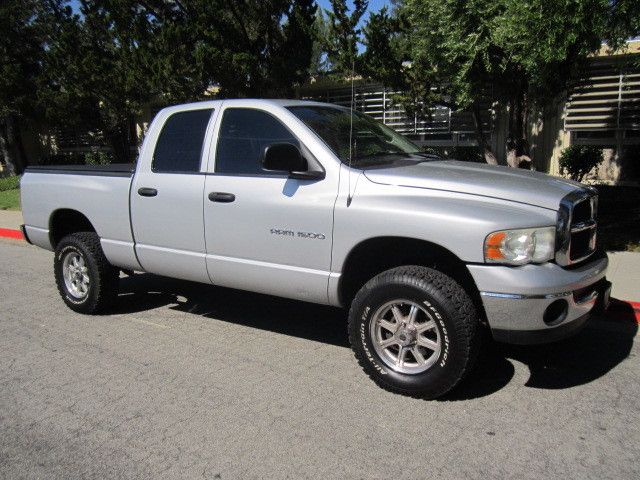
1. Dodge Ram 1500 (2002–2010, 9.25-inch rear axle)
The third-generation Dodge Ram 1500 (2002–2010) is a popular choice in the used truck market for its bold looks, roomy interior, and strong engine options—especially the 5.7L HEMI V8. But hidden behind all that power and style is a weak spot that’s left many owners frustrated: the 9.25-inch rear differential.
Why include the Ram 1500 here? Because this particular rear end has a long-standing history of failure, especially in trucks that were used for towing, lifted beyond stock height, or just driven aggressively.
The problem lies in the underbuilt carrier and gears—especially the pinion bearing, which often wears out prematurely, leading to whining noises, metal shavings, and eventually, catastrophic failure if ignored.
Many mechanics describe the 9.25 axle in these trucks as “borderline too small” for the torque it handles—particularly with the HEMI under the hood.
There are also common reports of limited-slip units wearing out early, spider gears disintegrating, and housing welds giving up under heavy strain.
Once the diff goes, replacement isn’t cheap—usually costing $1,500 to $2,500, and that’s if you can find a good replacement used unit.
While Ram later improved its axle offerings in newer 1500s (especially post-2013), these earlier models are often flagged in forums and service bays as high-risk for rear end issues.
Unless it’s already been upgraded or rebuilt, a used Ram 1500 from this era could leave you with an expensive surprise not long after buying it.
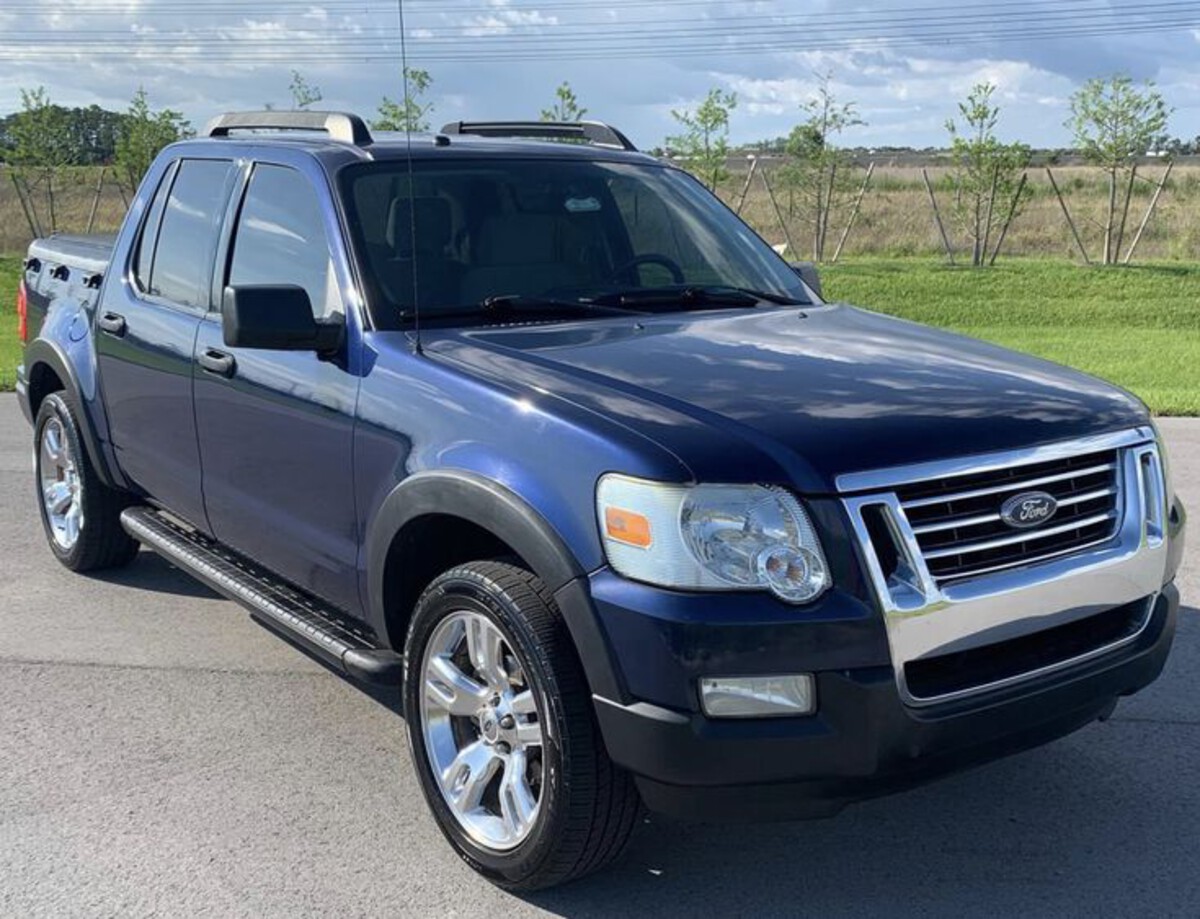
2. Ford Explorer Sport Trac (2001–2010, Dana 35/8.8 IRS)
The Ford Explorer Sport Trac tried to offer the best of both worlds: SUV comfort with pickup utility. But in doing so, it carried over one of the Explorer’s most problematic features—its rear differential setup.
Specifically, the independent rear suspension (IRS) versions that used modified Dana 35 or 8.8-inch differentials are known for premature failure, especially under moderate to heavy loads.
Why is the Sport Trac on this list? Because the rear diffs in these trucks just weren’t built for long-term durability. The Dana 35 IRS version, used in earlier models, suffers from chronic pinion seal leaks, weak bearings, and spider gear wear.
Even the later models using the Ford 8.8-inch diff in an IRS configuration don’t fare much better—the design just isn’t well suited to towing, hauling, or hard driving. Heat buildup and poor lubrication paths cause accelerated wear in real-world use.
Drivers often report whirring, clunking, or grinding noises from the rear—sometimes as early as 60,000 miles.
Even worse, diff rebuilds are costly and time-consuming, since access is tighter due to the IRS layout. Replacing the rear end with new parts can run over $2,000, and it’s not uncommon for a failed rear diff to kill resale value entirely.
Mechanics regularly warn buyers to be cautious of used Sport Tracs, especially if they’ve been used for more than light-duty commuting.
The rear diff setup just isn’t strong enough for the truck’s purpose, making it a common failure point—and a major headache for unsuspecting owners.
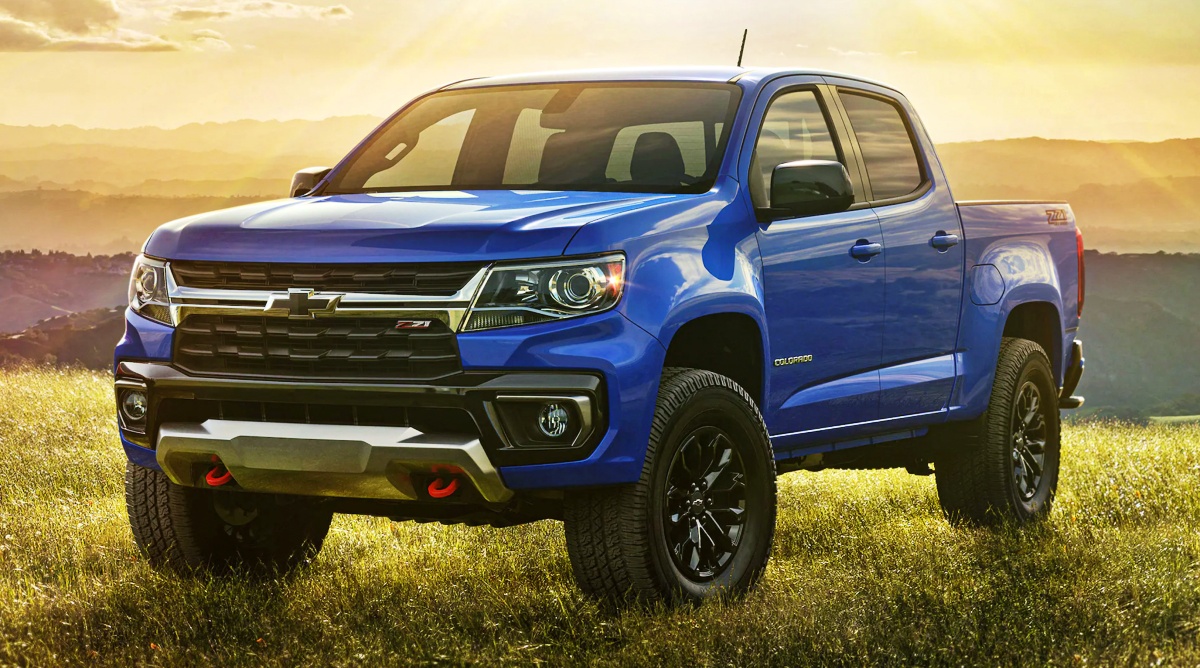
3. Chevrolet Colorado (2004–2012, G80 Rear Locker)
The first-generation Chevrolet Colorado was marketed as a tough, midsize truck alternative to full-size pickups, but one of its most common weak points was hiding right out back: the infamous G80 automatic locking rear differential.
While the idea of a self-engaging locker sounds great in theory, in practice it led to reliability nightmares for thousands of owners.
Why does the Colorado make this list? Because the G80 locker—also nicknamed the “Gov-Lock”—is known for unpredictable engagement and eventual catastrophic failure.
Instead of providing smooth traction when needed, it often engages abruptly, slamming gears and stressing components. In off-road or slick conditions, it’s prone to clunky engagement or even locking one wheel entirely, putting extreme stress on spider gears and internal bearings.
Once the G80 starts to wear, symptoms emerge quickly: loud banging noises during turns, excessive wheel hop, and eventually, a total lock-up or broken gear teeth.
Rebuilding or replacing it isn’t cheap—especially since many owners aren’t aware there’s an issue until the damage is already done. Worse, GM didn’t revise the design significantly during the first-generation Colorado’s run.
Mechanics often recommend either replacing the G80 unit with a traditional limited-slip or a high-quality aftermarket locker. But most used Colorados never receive this upgrade, leaving many to fail prematurely—sometimes before 100,000 miles.
In a truck that otherwise holds up reasonably well, the rear differential ends up being a major liability. It’s a perfect example of a good concept ruined by poor execution—and a repair bill that hits well before it should.
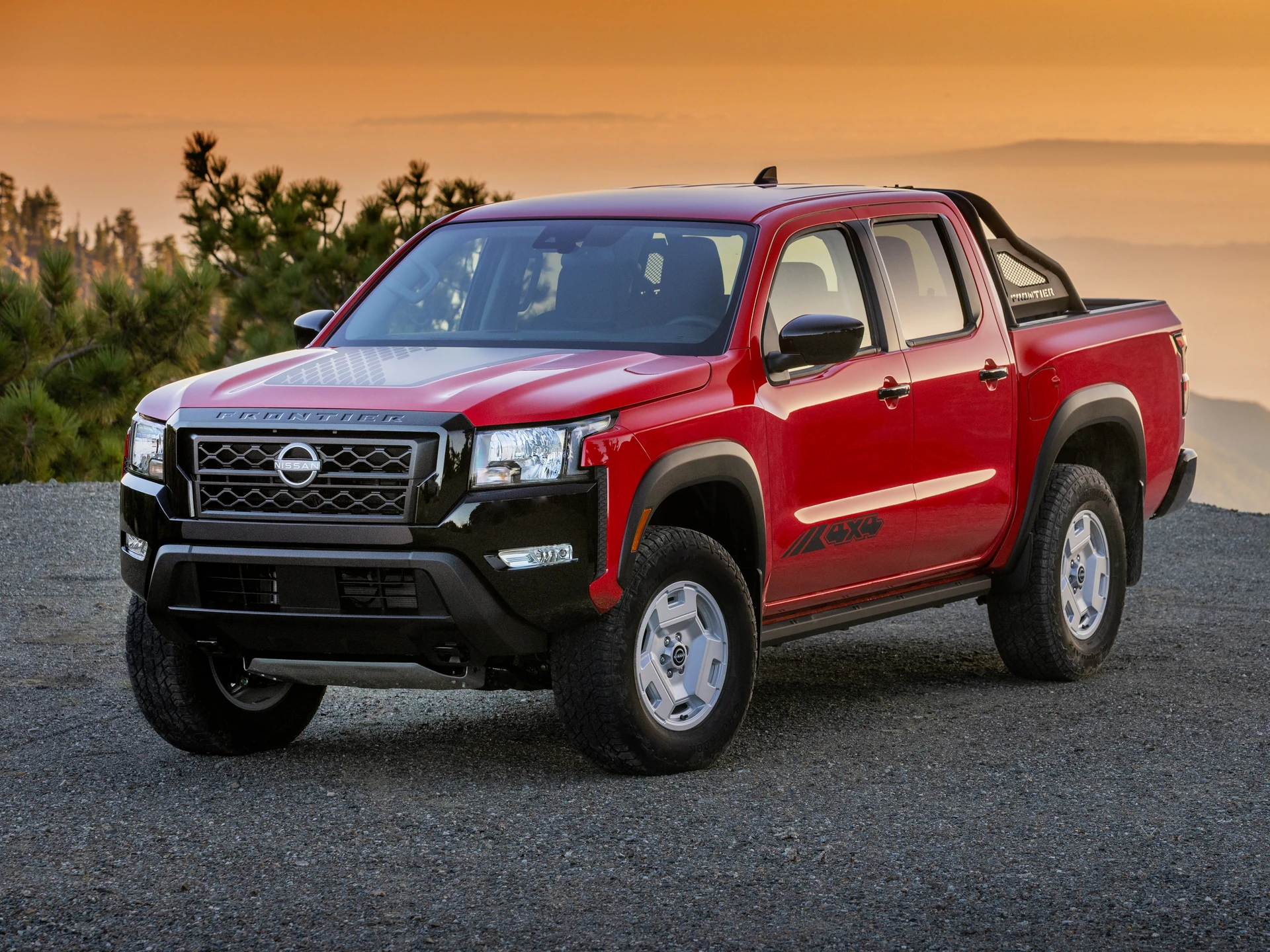
4. Nissan Frontier (2005–2010, Dana 44 M226 with Factory Locker)
The Nissan Frontier is often praised for its rugged frame, powerful V6, and respectable off-road chops. But one Achilles’ heel—especially in the 2005–2010 models with the factory locking rear differential—has been the M226 rear axle.
Despite being a modified Dana 44 design, this axle has caused enough rear-end failures to concern off-roaders, overlanders, and regular owners alike.
Why include the Frontier here? Because while the M226 sounds solid on paper, its implementation in the Frontier wasn’t up to the job.
Many owners of PRO-4X and NISMO trim trucks (which came with the factory rear locker) experienced blown spider gears, carrier bearing failures, and even ring gear breakage—often under moderate loads or during off-road use. The locker itself is known to engage roughly or unpredictably, contributing to premature wear.
Compounding the issue is Nissan’s limited aftermarket support compared to more common Dana 44 setups found in Jeep or domestic trucks. Once the rear diff starts whining or knocking, repairs can be expensive and time-consuming.
And the failure doesn’t just come from abuse—many failures have occurred under daily driving conditions with no towing or off-roading involved.
Even more frustrating is the lack of consistent dealership support. Owners often report being told it’s “normal wear” even when differentials fail under 80,000 miles.
For a midsize truck marketed toward adventure and utility, the rear axle shouldn’t be a weak link—but in this generation of Frontier, it sadly is.
5. Lincoln Mark LT (2006–2008, 8.8-inch Ford Rear Differential)
The Lincoln Mark LT was Ford’s upscale answer to the Cadillac Escalade EXT—a luxury pickup that blended premium styling with the bones of an F-150.
While it looked great on the outside and offered a plush interior, the Mark LT carried over one of the more vulnerable mechanical components from the standard F-150 lineup of the time: the Ford 8.8-inch rear differential.
Unfortunately, in a truck pushing extra weight and often equipped with larger wheels, this rear end just didn’t hold up well over time.
Why does the Mark LT make this list? Because owners expecting a rugged, work-capable luxury truck were often greeted instead with diff whine, vibration, and premature gear wear—sometimes before 100,000 miles.
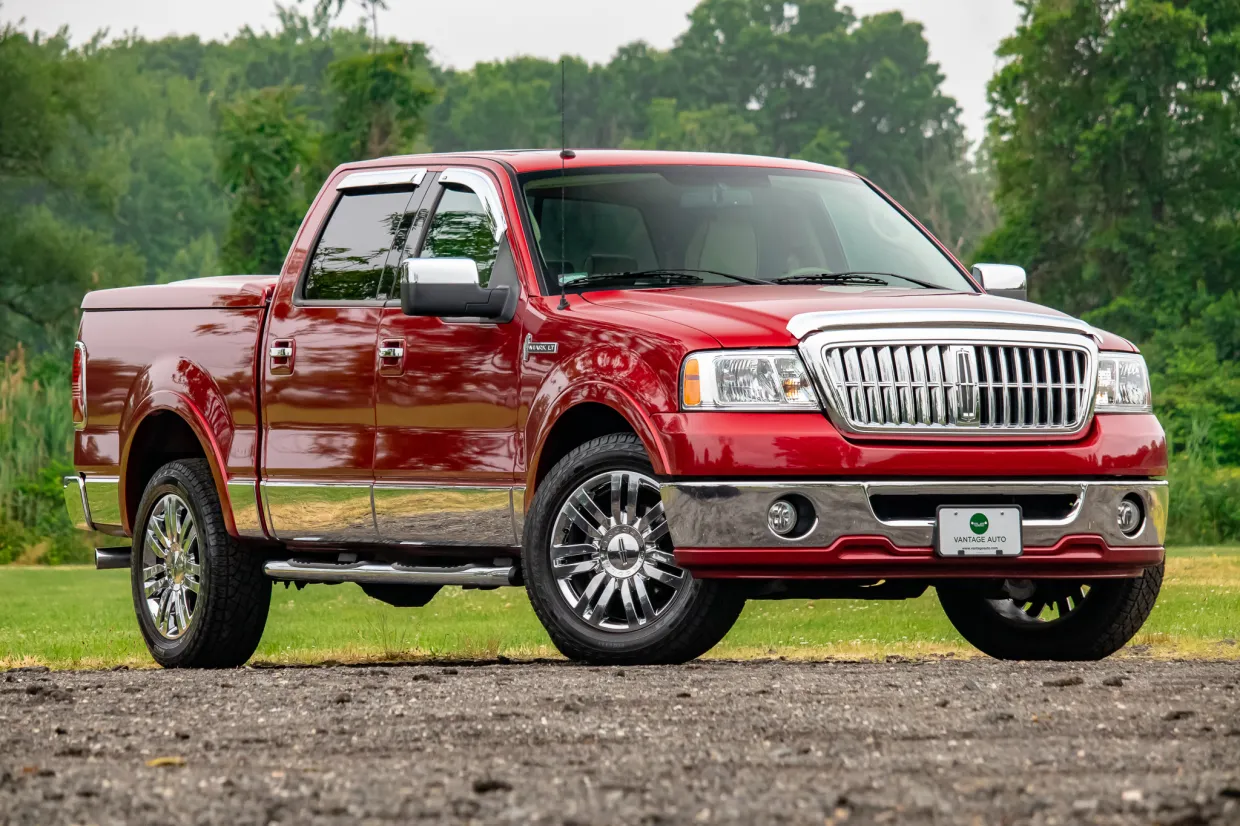
The issue was most common in two-wheel-drive versions or those without the upgraded towing package. The 8.8-inch diff simply wasn’t robust enough for the truck’s size and image, especially when paired with aggressive driving or towing.
Reports of rear axle bearing failures, pinion seal leaks, and gear slop were common. Even worse, the cost to repair or rebuild this rear end in a Lincoln-branded vehicle often exceeded that of its F-150 cousin due to markup and labor expectations at premium service centers. It’s a frustrating flaw in an otherwise comfortable truck.
Mechanics often describe the Mark LT’s rear diff as “under-spec’d” for its application. For a vehicle sold as a refined yet capable truck, its drivetrain didn’t meet the mark—making the rear end a known weak link for owners hoping to keep it for the long haul.
Also Read: 5 Cars You Can Buy Without a Warranty and Sleep Well and 5 You’d Be Insane To
