
Modern vehicles rely heavily on electronics, from engine control units to power windows and infotainment systems. While this tech improves performance, safety, and comfort, it also introduces new points of failure.
For many car owners, persistent electrical issues can quickly turn a dream vehicle into a recurring nightmare, especially when problems are hard to diagnose or expensive to fix.
On the other hand, some cars seem to avoid these pitfalls altogether, delivering years of worry-free driving without a single blown fuse or mystery warning light.
That’s why this list matters: it separates the electrically bulletproof from the electrically cursed. In the first half, we’ll examine five vehicles renowned for their rock-solid electrical systems, models where lights, sensors, ECUs, and accessories consistently function year after year.
These cars offer peace of mind to owners who want reliability not just under the hood, but behind the dash.
Then we’ll flip the script and highlight five cars infamous for electrical issues, ranging from finicky key fobs to complete instrument cluster failures. These vehicles often earn dreaded reputations in forums and repair shops alike.
If you’re shopping for a dependable daily driver, or trying to avoid becoming best friends with an auto electrician, this breakdown will help you make the right call.
Also Read: 5 Cars Rated Highly for Rear-Seat Safety vs 5 Criticized for Poor Protection
5 Cars With Zero Known Electrical Issues
When it comes to owning a car long-term, electrical reliability is just as critical as mechanical dependability.
Unlike engine problems that often come with early warning signs, electrical gremlins tend to strike out of nowhere and they can be maddeningly hard to diagnose.
From flickering dashboard lights to power window failures and glitchy infotainment systems, electrical issues are one of the top reasons drivers end up at the dealer or mechanic unexpectedly.
Fortunately, not all cars are plagued by these problems. Some vehicles are renowned for their electrical simplicity and stability. These cars don’t just avoid major electronic faults, they rarely suffer even the minor ones.
Whether due to high-quality components, conservative engineering, or thoughtful design that resists corrosion and wear, these models routinely go years without a single fuse blowout, sensor failure, or software glitch.
Why am I writing about them? Because in an age where cars are becoming rolling computers, it’s refreshing and increasingly rare, to find models that just work.
The following five vehicles have consistently impressed both owners and mechanics for having virtually zero known electrical problems over long-term use. If you want something you can rely on every day without dash lights or surprises, these are the cars to consider.
Let’s begin with a compact Toyota that’s quietly earned its reputation for bulletproof electronics.
1. Toyota Corolla (2003–2022)
The Toyota Corolla might be the definition of automotive simplicity, and that’s exactly why its electrical systems are so reliable. Spanning generations from 2003 to 2022, the Corolla has built a near-legendary reputation for “set it and forget it” ownership.
It’s not overloaded with unnecessary tech, and what electronics it does have are implemented with a focus on durability, not flash.
Why start with the Corolla? Because it’s been consistently cited by mechanics as a car that almost never shows up with electrical complaints. The power windows keep working. The door locks don’t glitch. Dash lights behave as expected.
Even the infotainment systems in newer models are far less buggy than those found in competitors. In fact, the Corolla is so well-engineered that many owners report driving them for 10+ years without ever replacing a single fuse or sensor.
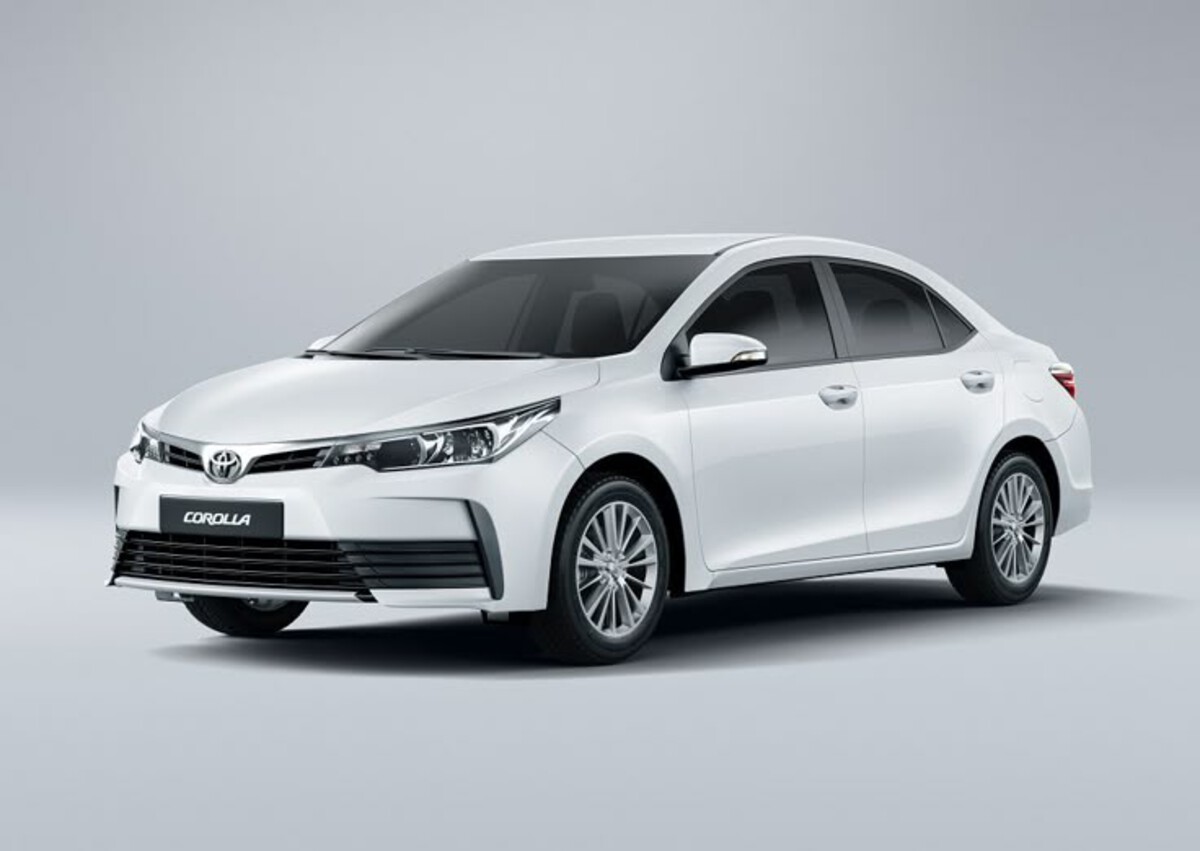
Much of this reliability stems from Toyota’s conservative approach. They use time-tested components and avoid introducing new tech until it’s been thoroughly validated. The result? Fewer modules, fewer failure points, and a more stable electrical system.
Even in newer, more tech-laden trims, the Corolla’s electrical problems remain virtually nonexistent compared to rival compact sedans.
It’s a favorite among those who want no surprises, just a car that turns on, runs, and keeps all its lights, windows, and gadgets working exactly as they should.
If you’re after a daily driver that won’t randomly flash a warning light or leave you stranded with a dead module, the Toyota Corolla is a top-tier choice.
2. Honda Civic (2006–2021)
The Honda Civic has long been one of the most trusted compact cars on the road, and its rock-solid electrical reliability is a big part of that legacy.
From the 2006 eighth-generation model all the way to the early 2020s, the Civic has consistently delivered worry-free ownership when it comes to electronics.
Whether it’s climate control, dashboard lighting, infotainment, or basic power systems, the Civic just doesn’t suffer from the nagging issues that plague many other cars in its class.
Why include the Civic here? Because across nearly two decades of models, it’s rare to find one with persistent electrical problems—even among high-mileage examples.
The switches work. The gauges read accurately. Warning lights appear when they’re supposed to, and not because of a faulty sensor. Even sunroof motors and power window regulators hold up better than most.
This is especially impressive considering Honda gradually added more tech features over the years. Bluetooth, navigation, touchscreen displays, and even adaptive cruise control in newer trims all function with very few complaints from long-term owners.
And if something does go wrong, Honda’s straightforward wiring and accessible fuse boxes make troubleshooting far easier than in many modern cars.
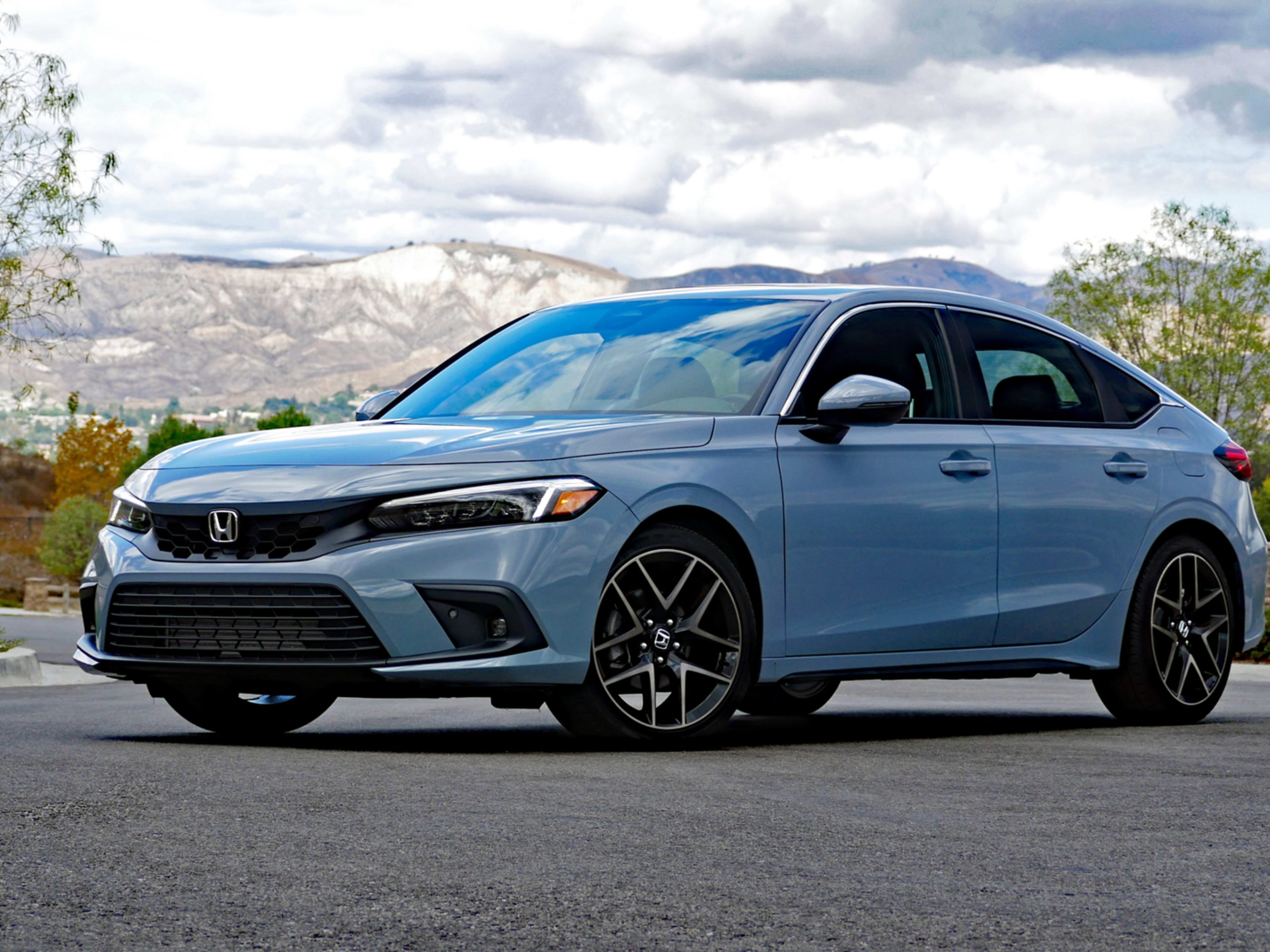
Mechanics frequently praise the Civic for its blend of engineering simplicity and durable components. There’s no drama, just consistent, dependable performance.
For commuters, students, and even performance enthusiasts who want a trouble-free ride that just works, the Honda Civic is one of the most electrically stable vehicles you can buy.
Next: Let’s look at a car from Subaru that bucks the brand’s usual electrical quirks.
3. Subaru Legacy (2010–2019)
Subaru isn’t always the first brand that comes to mind when thinking about electrical reliability, some of their models have struggled with quirky sensors or aging infotainment systems. But the 2010–2019 Subaru Legacy stands out as a quiet exception.
During this generation, Subaru engineered a vehicle that not only offered all-wheel-drive stability and sedan practicality, but also maintained one of the cleanest electrical track records in its class.
Why include the Legacy here? Because this model has a notably low incidence of electrical problems, even as mileage climbs.
Common trouble spots in other vehicles, window regulators, HVAC controls, gauge clusters, backup cameras, rarely cause issues in this generation of Legacy. Owners regularly report years of use without so much as a fuse replacement.
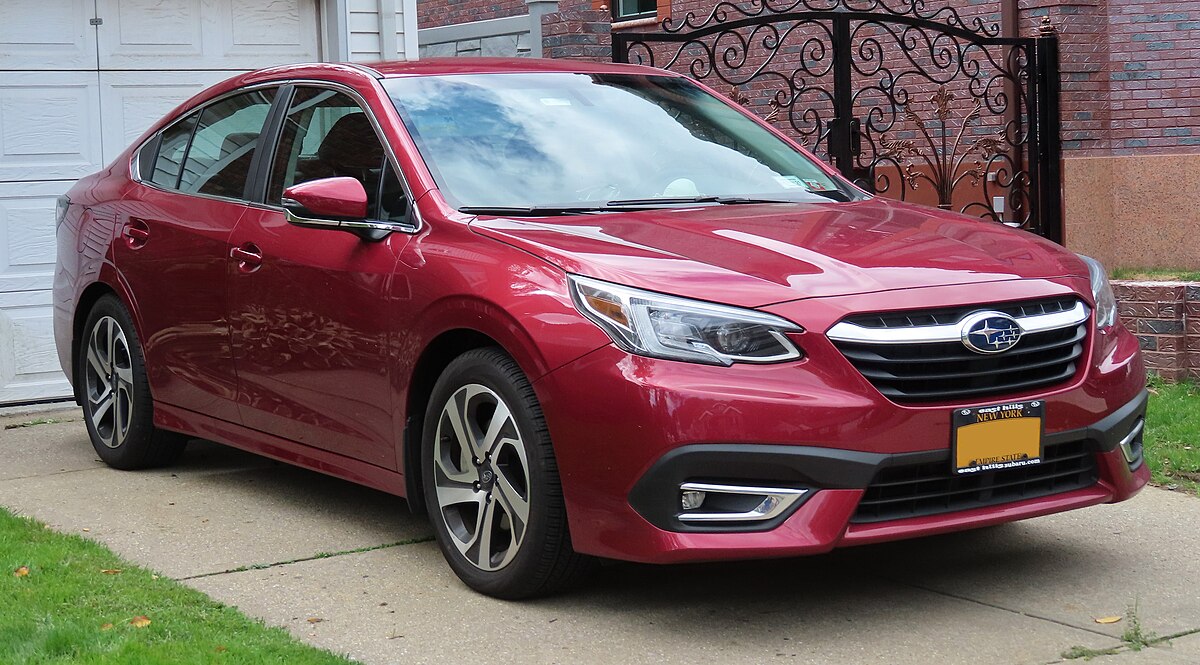
Subaru kept the electronics in the Legacy refreshingly simple. The wiring harness is logically routed, the modules don’t overload easily, and the software systems, especially in mid-trim models without excessive tech, rarely act up.
Even the EyeSight driver-assist system, which became more common after 2015, has proven far more stable in the Legacy than in some of Subaru’s other models like the Outback or Forester.
Mechanics often say the Legacy from these years is one of the few all-wheel-drive sedans they don’t see in the shop for electrical issues.
Whether you’re commuting in city traffic or navigating snow-covered backroads, the car’s electronic systems hold up without annoying hiccups or false alarms.
For buyers who want AWD capability with sedan refinement and zero electrical headaches, the Subaru Legacy is an underrated gem.
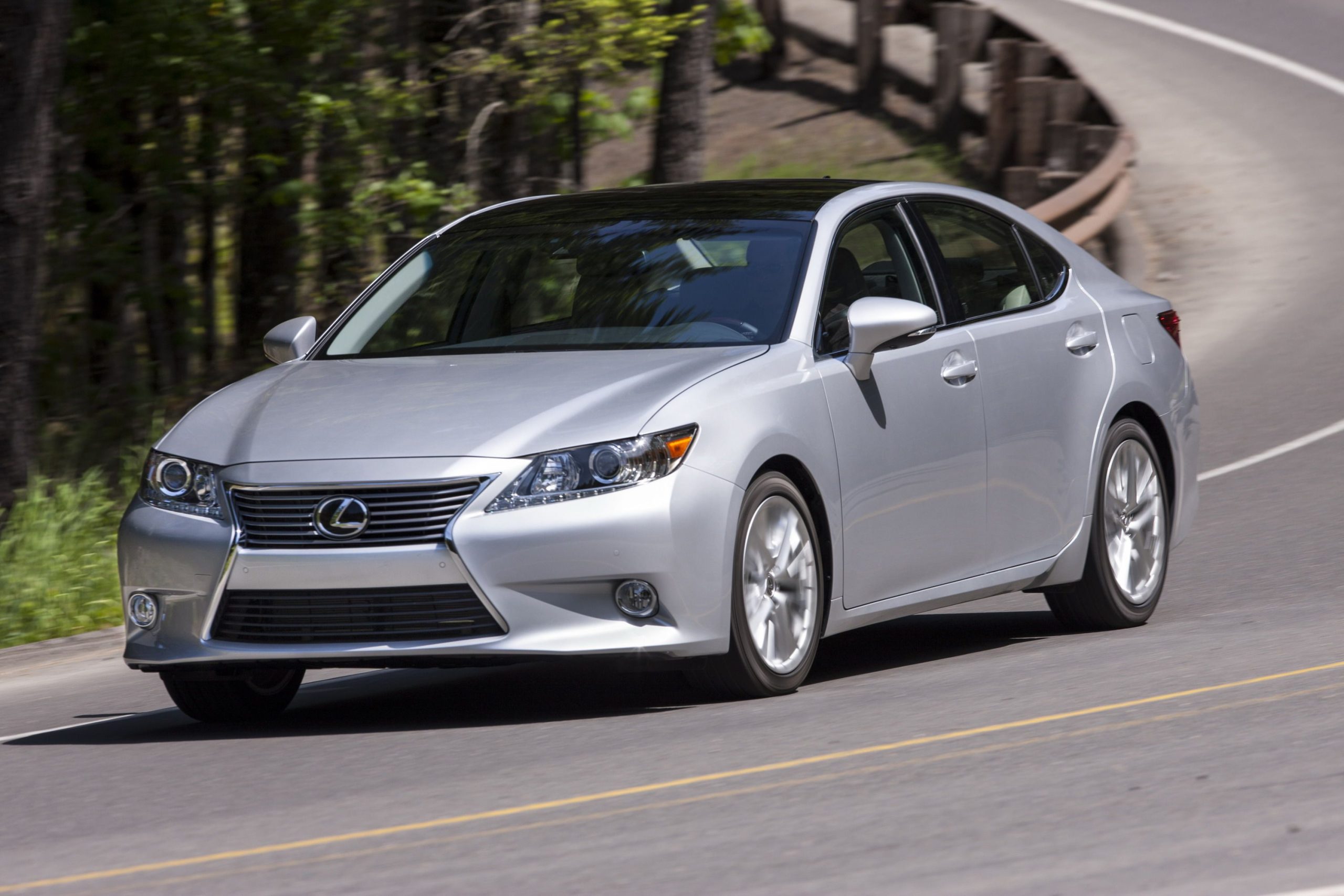
4. Lexus ES (2007–2018)
The Lexus ES series has long been associated with smooth rides, quiet cabins, and exceptional long-term reliability. But one of its most impressive and often overlooked qualities is its electrical system.
The 2007–2018 Lexus ES, covering the fifth and sixth generations, is nearly flawless when it comes to electronics, offering luxury-level features with economy-car simplicity in maintenance.
Why include the Lexus ES on this list? Because even with upscale touches like power everything, dual-zone climate control, and touchscreen infotainment systems, the ES rarely suffers from the electrical glitches common in similarly equipped luxury cars.
While many premium sedans are plagued by finicky modules or endless warning lights, the ES just works. Day in, day out.
The ES borrows heavily from the Toyota Camry’s platform, but layers it with better insulation, smoother components, and upgraded hardware, without losing the mechanical and electrical integrity.
Power mirrors, sunroofs, navigation units, backup sensors, and even the SmartAccess keyless entry systems operate flawlessly for hundreds of thousands of miles in most cases.
Even owners with 200K+ miles often report no electrical issues beyond basic battery and bulb replacements. And unlike European luxury rivals, the ES doesn’t require reprogramming or special diagnostics for routine maintenance.
Lexus’s conservative approach to introducing new tech means fewer bugs, fewer software glitches, and less electronic over-complication.
If you’re after a luxury vehicle with the peace of mind of a Corolla, the Lexus ES is as close as it gets to perfection especially when it comes to avoiding electrical headaches.
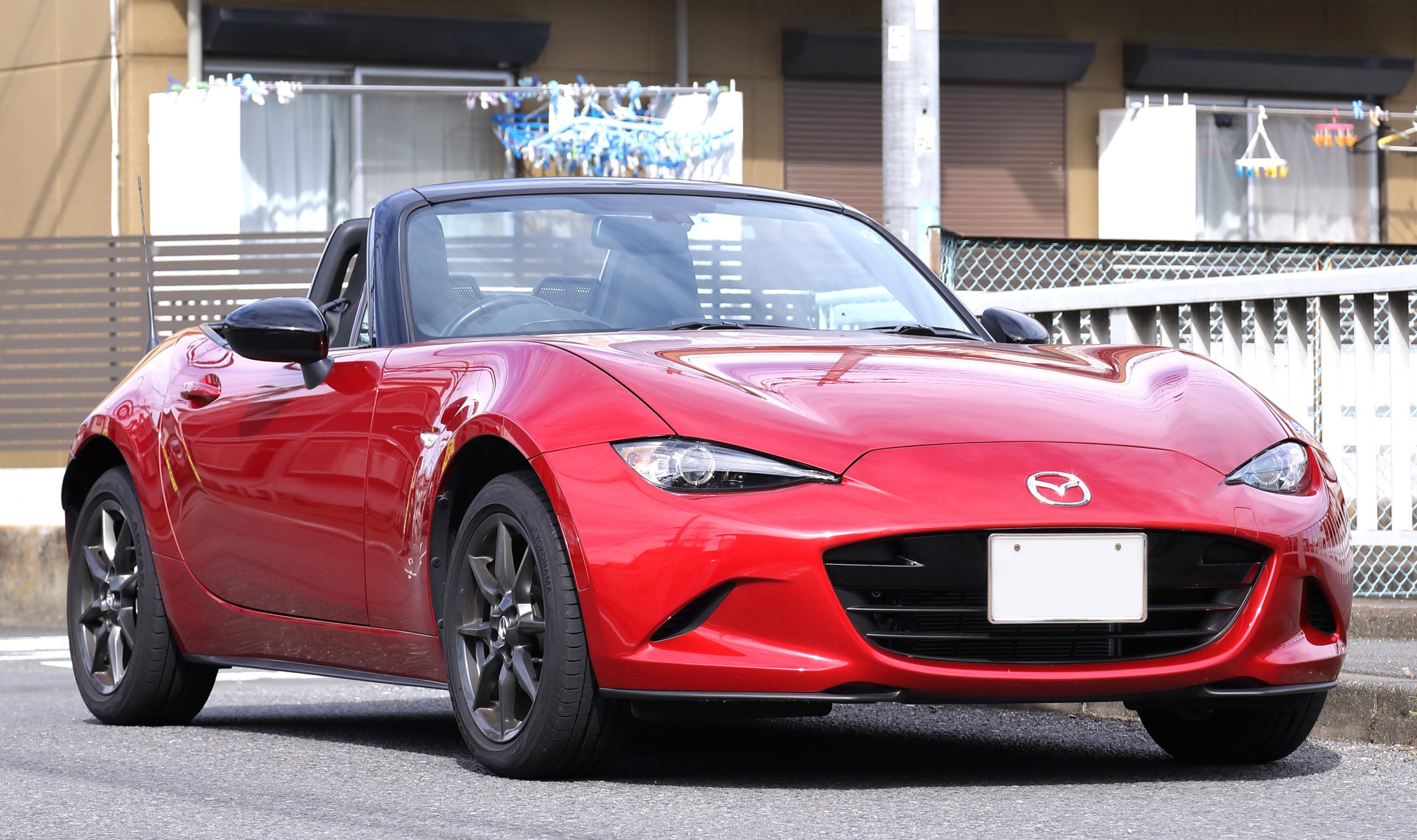
5. Mazda MX-5 Miata (1999–2015, NB and NC generations)
The Mazda MX-5 Miata has always been about one thing: driving joy. But beyond its iconic handling and roadster charm, the 1999–2015 Miata (NB and NC generations) earns high marks for something much more practical, electrical reliability.
In a world of increasingly complex and glitch-prone cars, the Miata is refreshingly simple and solid when it comes to its electronics.
Why does the Miata make this list? Because its electrical systems are about as bulletproof as they come. The power windows? They work. The gauges? Always accurate. The headlights, wipers, HVAC controls, and even the power retractable hardtop on the NC models?
All reliable, year after year. It’s rare for a Miata to show up at a shop with electrical complaints—aside from the occasional dead battery from long-term storage.
The simplicity is a big part of the secret. Mazda didn’t overload these cars with tech, and what is there is well-designed and thoroughly tested.
Even models with optional Bose audio systems and keyless entry systems remain impressively trouble-free. No mystery warning lights, no BCM failures, no frustrating software bugs.
Enthusiasts and mechanics both praise the Miata for how rarely its electronics get in the way of enjoying the car. It’s the kind of vehicle where you can install a battery, turn the key, and everything just works—whether it’s been a week or a year.
For buyers looking for a car that’s fun, affordable, and electrically worry-free, the NB and NC Miata generations are proof that simple and well-built still wins.
5 Cars That Always Have Electrical Issues
While some cars seem to operate for years without so much as a blown fuse, others become electrical nightmares.
These are the vehicles that keep mechanics scratching their heads, owners shaking their fists at the dash, and forums filled with desperate questions about phantom warning lights, dead batteries, or power features that suddenly quit for no reason.
This list focuses on five cars with well-documented histories of electrical headaches. Whether it’s due to overcomplicated wiring, underbuilt control modules, or poor-quality sensors, these vehicles have developed reputations for consistently letting owners down when it comes to electrical reliability.
In many cases, it’s not one major flaw, it’s a series of smaller, persistent issues that drain both wallets and patience.
If you want to sidestep malfunctioning infotainment systems, dead key fobs, failed power locks, and dashboard warning lights that never go away—these are the models you should think twice about, especially when buying used.
Let’s begin with a small luxury car that looks sharp but is infamous for turning on all the lights whether you want it to or not.
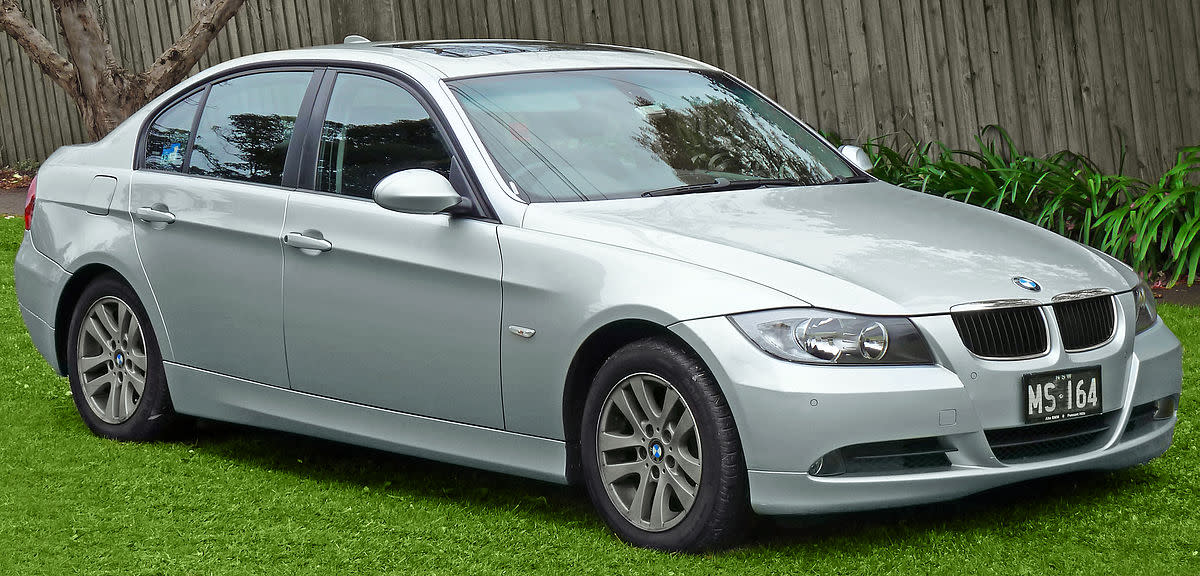
1. BMW 3 Series (2006–2013, E90 generation)
The E90-generation BMW 3 Series, sold from 2006 to 2013, is often praised for its precise handling and refined engine choices. But under its stylish exterior and premium badge lies a persistent problem: unreliable electronics.
Despite its driving appeal, the E90 has become synonymous with electrical gremlins, enough to make even the most devoted BMW fan second-guess their loyalty.
Why include the E90 here? Because it’s a textbook case of German engineering that overcomplicates simple systems.
The car uses a network of interconnected modules, like the JBE (Junction Box Electronics) and FRM (Footwell Module) that control everything from lights to windows to power mirrors.
When one of these modules starts to fail (and they do, often), entire systems go offline. Power windows stop working. Headlights misbehave. Dash warnings appear seemingly at random.
Even worse, these electrical failures often require reprogramming or full replacement of modules—something that can’t be done by most DIYers and often costs $500–$1,500 at a dealer.
Add to that temperamental battery registration systems, fragile wiring insulation, and unreliable sensors, and you get a car that’s known as much for its warning lights as it is for its performance.
Mechanics frequently see E90s in their bays with parasitic battery drains, malfunctioning iDrive systems, or door locks that refuse to cooperate. For a car marketed as the “Ultimate Driving Machine,” the E90 3 Series often becomes the “Ultimate Diagnostic Puzzle.”
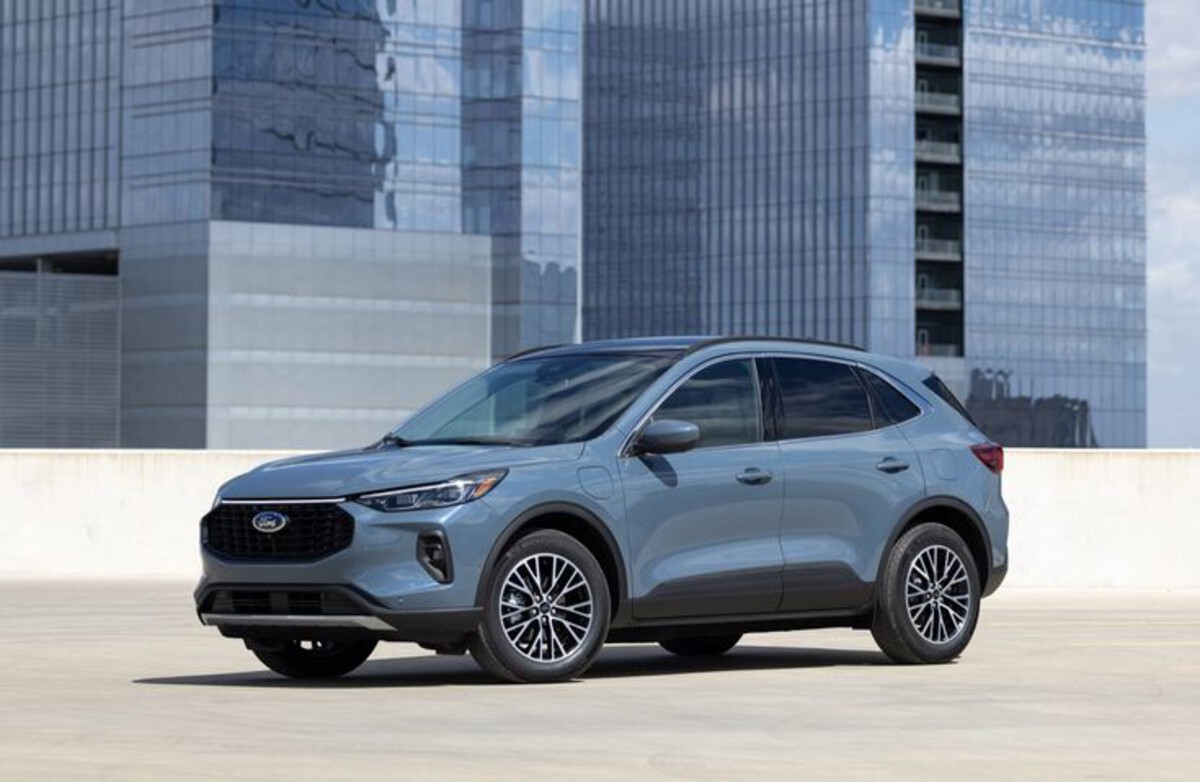
2. Ford Escape (2008–2012)
The second-generation Ford Escape, particularly the 2008–2012 models, may look like a practical and reliable compact SUV, but it hides a notorious secret under the dash: frequent and unpredictable electrical problems.
These Escapes are known for a host of recurring issues that have plagued owners and technicians alike, from failing sensors to outright computer module meltdowns.
Why is the Escape on this list? Because during this period, Ford transitioned heavily into electronic throttle control, digital power steering, and increasingly integrated systems, without adequately refining their electrical reliability.
The result: widespread complaints of power steering assist failures, battery-draining electrical gremlins, malfunctioning dashboard displays, and intermittent stalling caused by throttle body glitches.
One of the most infamous problems is with the electronic power steering (EPS) system, which often fails without warning. Many owners report the steering suddenly becoming stiff or unresponsive, requiring full column replacement or module recalibration.
The Throttle Position Sensor is another common failure point, which can trigger sudden loss of acceleration and the dreaded “wrench light” on the dashboard.
Interior electronics aren’t spared either. Faulty ignition switches, randomly blinking dash lights, power window glitches, and problems with the rear liftgate latch have all been widely reported. Even basic tasks like replacing a battery can sometimes trigger warning lights that don’t go away without a dealer reset.
For buyers who want a low-maintenance SUV, this generation of the Escape can be a serious letdown. While its size and price may be appealing, the unpredictable nature of its electrical issues makes it a gamble many regret.
3. Volkswagen Jetta (2011–2017, MK6 generation)
The Volkswagen Jetta MK6 (2011–2017) was meant to broaden VW’s appeal in North America with a lower price point and simplified engineering.
Unfortunately, that shift also ushered in a wave of electrical issues that turned what should have been a practical compact sedan into a frequent flier at repair shops.
Why include the Jetta here? Because this generation is riddled with electronic faults, some minor annoyances, others serious enough to immobilize the car.
The body control module (BCM) is one of the most problematic components, controlling everything from the power windows to the door locks and interior lights.
When it malfunctions, as it often does, owners experience erratic behavior like doors that won’t lock, headlights that won’t shut off, or power windows that stop mid-movement.
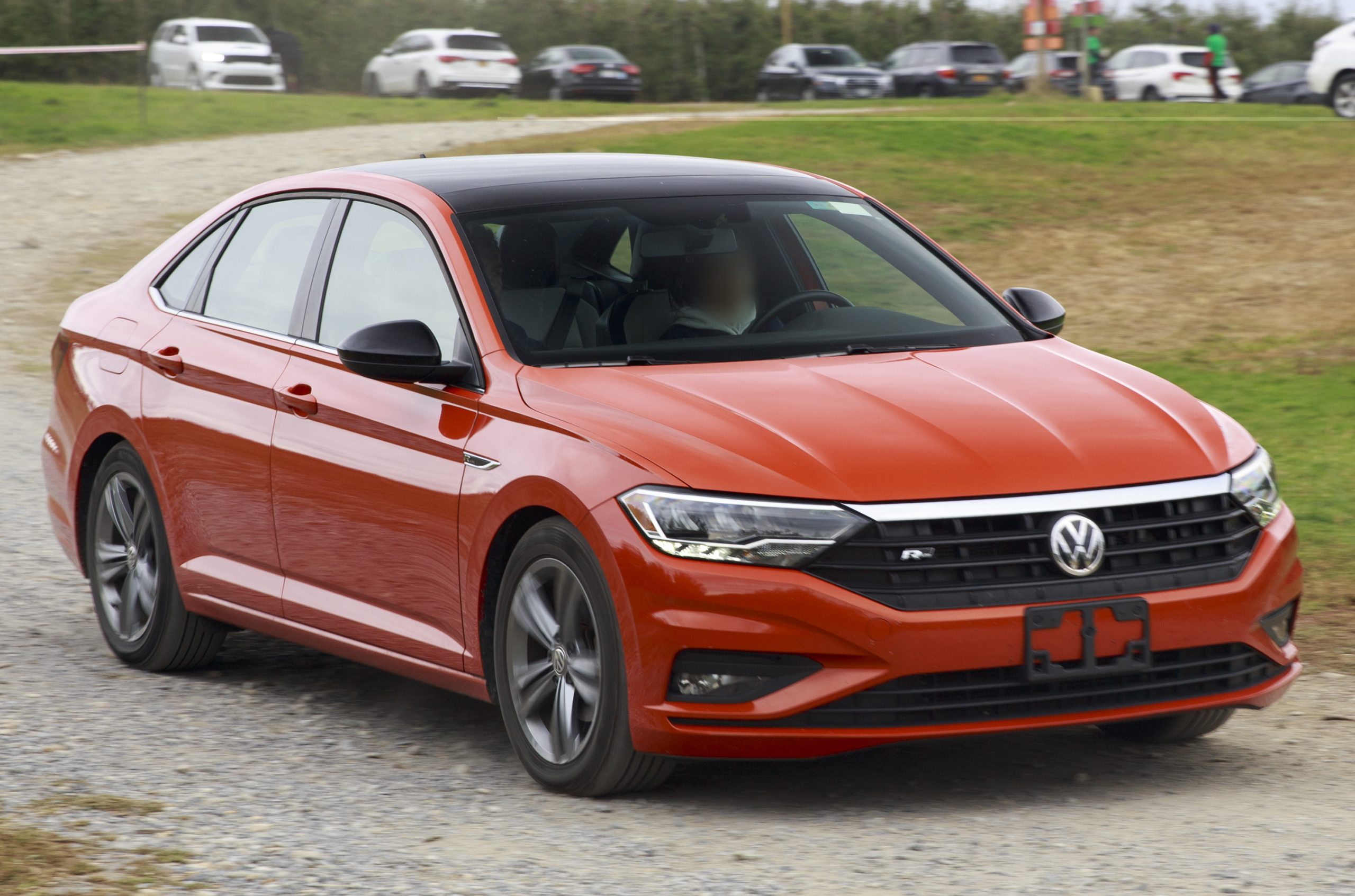
Another common offender is the instrument cluster, which may suddenly go dark, flicker, or show false warning lights. Many drivers report persistent check engine lights tied to emissions sensors that continue to fail even after multiple repairs.
Then there’s the notorious issue with the radio or infotainment system, which either freezes, reboots randomly, or drains the battery overnight.
The wiring harness and connectors also aren’t known for durability. Corrosion in connector pins, especially under seats or in the trunk, leads to airbag lights, ABS faults, or failed sensors. Mechanics familiar with German cars often describe the MK6 Jetta’s electronics as “needlessly sensitive.”
Despite its affordability and solid ride quality, this Jetta generation too often turns into a game of electrical whack-a-mole—making it one to approach with caution on the used market.
4. Dodge Journey (2009–2020)
The Dodge Journey was positioned as a budget-friendly family crossover with flexible seating, decent cargo space, and accessible pricing. But beneath that practicality lies one of the most electrically problematic vehicles of the last decade.
From power locks that refuse to budge to HVAC systems that do whatever they want, the Journey is infamous for electrical gremlins that start early and rarely go away.
Why include the Journey? Because owners and technicians alike agree: if the problem isn’t mechanical, it’s probably something electrical. One of the most common issues is the Totally Integrated Power Module (TIPM), essentially the electrical nerve center of the car.
When this fails (and it often does), it causes everything from non-starting engines and phantom wipers to random stalling and stuck headlights.
The Journey also suffers from key fob and ignition switch problems. Owners frequently report difficulty starting the vehicle, with the engine either failing to turn over or cutting off shortly after ignition.
On top of that, power windows, door locks, radio displays, and climate controls often behave erratically or stop working entirely.
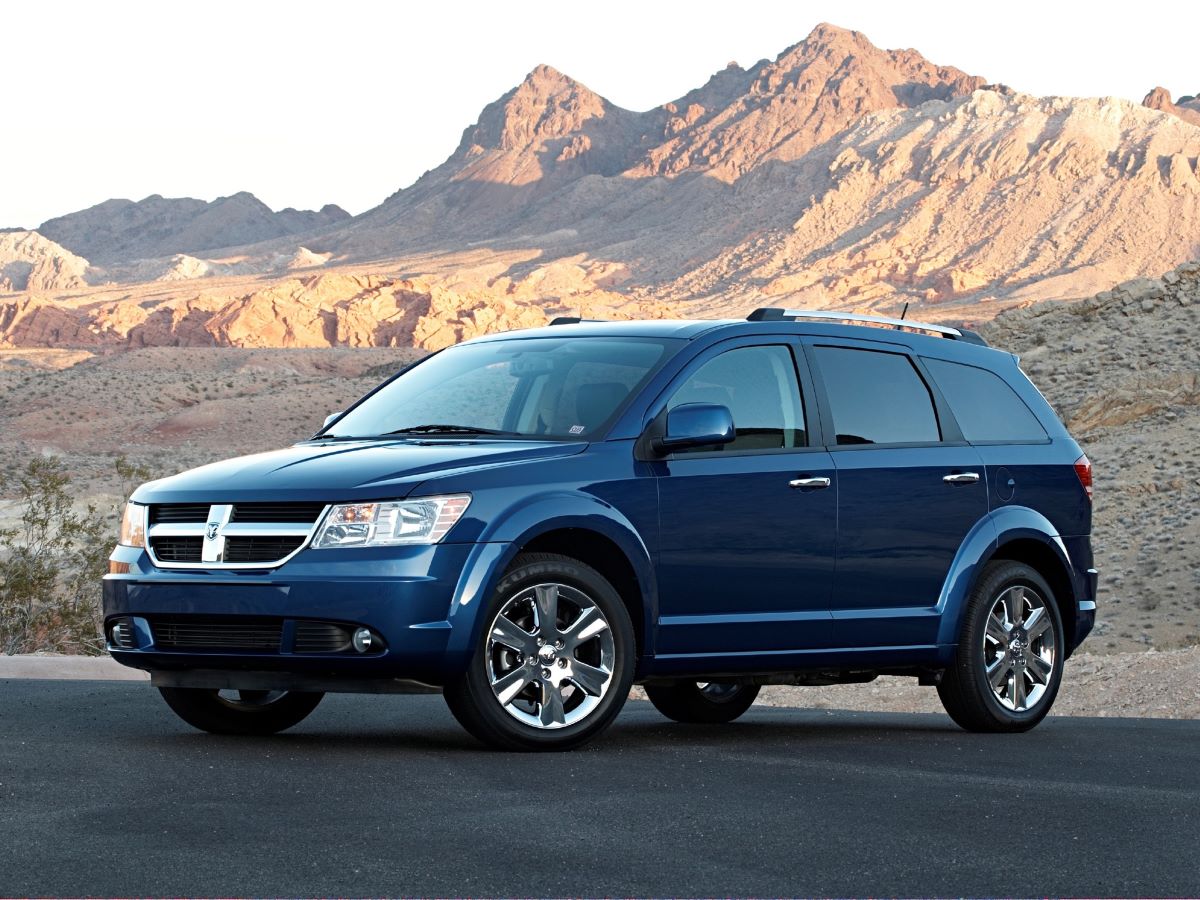
Many electrical issues are intermittent, making them hard to replicate and diagnose, and repairs can be expensive because replacement modules often require reprogramming at a dealer. Even basic battery changes can trigger problems with the car’s electronic systems.
Despite being a value-oriented SUV on paper, the Journey’s long-term ownership experience is riddled with frustration. Its electrical design is widely regarded as one of the model’s weakest points, and it’s often cited as a car to avoid once the factory warranty runs out.
5. Mini Cooper (2007–2015, R56 generation)
The Mini Cooper R56, covering model years 2007 to 2015, is loved for its cheeky styling, go-kart handling, and premium European flair in a small package.
But for all its personality, the R56 generation is widely regarded as an electrical nightmare, plagued by a laundry list of issues that affect everything from starting the car to keeping its electronics working on a daily basis.
Why include the Mini Cooper R56 here? Because it’s one of the most frequent offenders when it comes to complex, unreliable, and expensive-to-fix electrical systems.
The Body Control Module (BCM) and footwell module (FRM) are frequent failure points, often leading to dead power windows, non-functioning lights, and doors that refuse to unlock or lock properly.
But the problems go deeper. Many owners report intermittent starting failures, usually related to failing ignition switches, faulty fob readers, or glitches in the immobilizer system.

The instrument cluster can spontaneously blank out or flash warning lights that disappear just as mysteriously. And like many BMW-engineered vehicles, the wiring harness is fragile, with insulation that can crack, especially in hot or humid climates.
Even seemingly minor components like the radio, sunroof controls, and rear defroster are known to act up. Diagnosing electrical issues in the R56 often requires dealer-level diagnostic tools, and parts can be prohibitively expensive.
While the R56 Mini offers a fun drive, its long-term electrical reliability is poor. Unless you’re a die-hard fan with time, tools, and money, this Mini may offer more frustration than fun.
Also Read: 5 Cars Designed for Pedestrian Safety vs 5 That Pose Pedestrian Risks
