
When it comes to budget-friendly vehicles, not all cars are created equal. While some affordable options surprise drivers with their resilience and capability in challenging conditions, others reveal their limitations the moment they encounter demanding scenarios.
This comprehensive guide explores two distinct categories of budget vehicles: those that excel in mountainous terrain and those that struggle in heavy traffic conditions.
Mountain driving presents unique challenges that test a vehicle’s true mettle. Steep inclines demand adequate power and torque, while descents require reliable braking systems. High altitudes can affect engine performance, and winding roads necessitate responsive handling.
The cars that thrive in these conditions often possess naturally aspirated engines, manual transmissions, and robust cooling systems that can handle sustained stress.
Conversely, stop-and-go traffic creates its own set of challenges. Vehicles that struggle in these conditions typically suffer from inadequate cooling systems, poor transmission programming, or engines that weren’t designed for constant low-speed operation.
These cars might perform adequately on highways but become problematic when faced with urban congestion or prolonged idling.
Understanding these distinctions is crucial for budget-conscious buyers who need to match their vehicle choice to their driving environment. Whether you’re navigating mountain passes or dealing with daily traffic jams, selecting the right budget car can mean the difference between reliable transportation and costly repairs.
5 Budget Cars That Can Handle Mountains
These exceptionally capable vehicles feature robust cooling systems and precision-manufactured components that maintain optimal performance through challenging mountain driving conditions despite their affordable price points and basic equipment levels.
Their thoughtful engineering includes adequate power reserves and durable transmission designs that resist the stress concentrations typically created by steep grades, altitude changes, and the demanding thermal loads of sustained climbing.
From cooling systems that efficiently manage heat during long mountain passes to engines that maintain power at high altitudes, these remarkable budget vehicles continue operating like new without developing overheating or performance issues.
Owners report decades of trouble-free mountain service with these dependable machines an often-overlooked capability that proves its worth through consistent performance and maintained reliability throughout challenging ownership conditions.
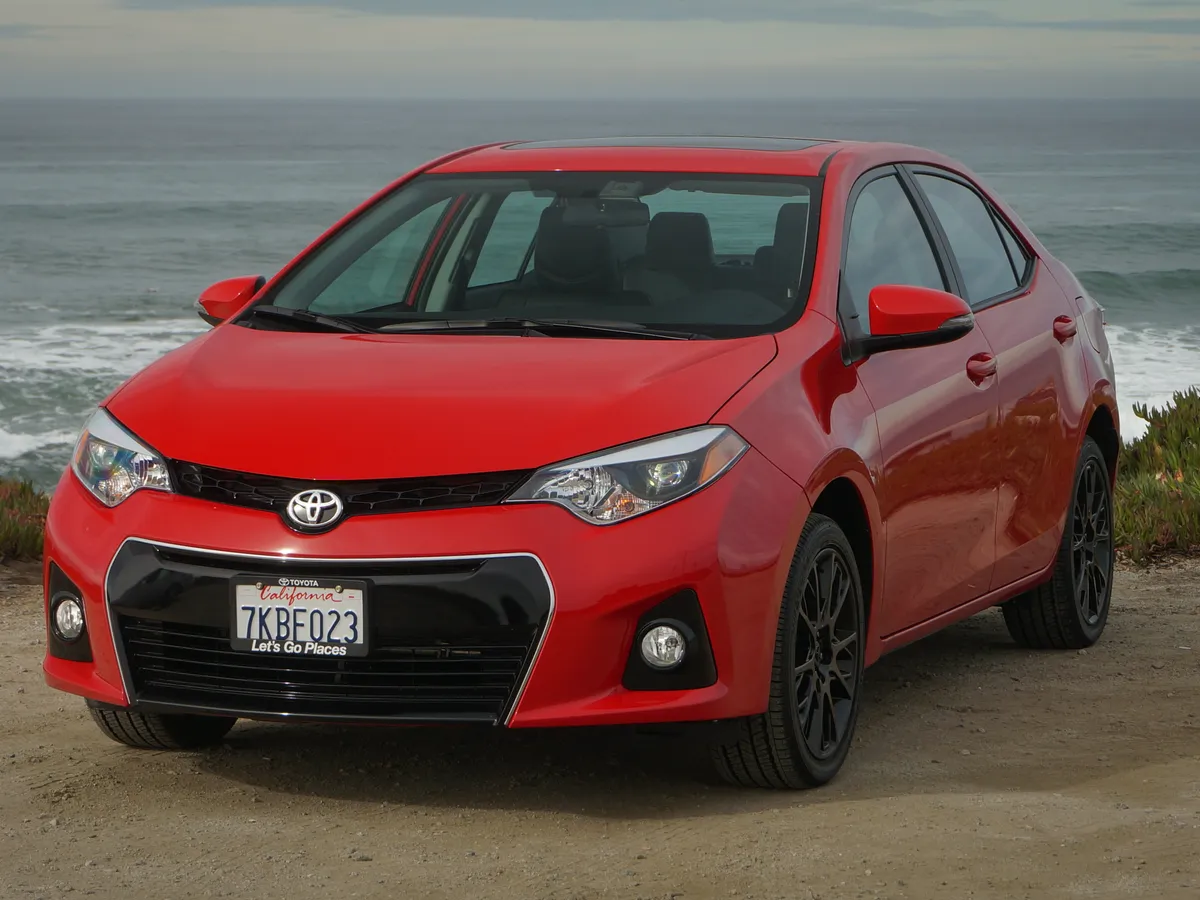
1. Toyota Corolla (2014-2019)
The Toyota Corolla stands as a testament to engineering excellence in the budget segment, particularly when it comes to mountain driving. This compact sedan’s naturally aspirated 1.8-liter four-cylinder engine produces 132 horsepower and 128 lb-ft of torque, which might seem modest on paper but proves remarkably capable when tackling steep grades.
The engine’s linear power delivery and excellent throttle response make it ideal for navigating winding mountain roads where predictable acceleration is crucial.
What sets the Corolla apart in mountainous terrain is its exceptional cooling system. Toyota designed this engine with a robust radiator and efficient cooling fans that prevent overheating even during sustained climbs.
The engine’s aluminum block construction helps dissipate heat effectively, while the well-designed air intake system ensures consistent performance at various altitudes. Many owners report successfully navigating mountain passes without any temperature concerns, even when fully loaded with passengers and cargo.
The manual transmission variant particularly excels in mountain conditions. The six-speed manual offers precise gear selection, allowing drivers to maintain optimal engine speed for climbing or engine braking during descents.
The clutch is well-weighted and durable, handling the additional stress of mountain driving without premature wear. For those preferring automatic transmission, the CVT variant, while not as engaging, provides smooth power delivery and includes a manual mode for better control on grades.
The Corolla’s suspension system, while tuned for comfort, maintains good composure on winding mountain roads. The MacPherson strut front and torsion beam rear setup provides adequate body control without being overly stiff.
The electric power steering, though not particularly engaging, offers sufficient feedback for confident cornering on mountain curves. Additionally, the car’s excellent fuel economy means fewer stops for gas during long mountain journeys, a practical advantage for budget-conscious drivers exploring remote areas.
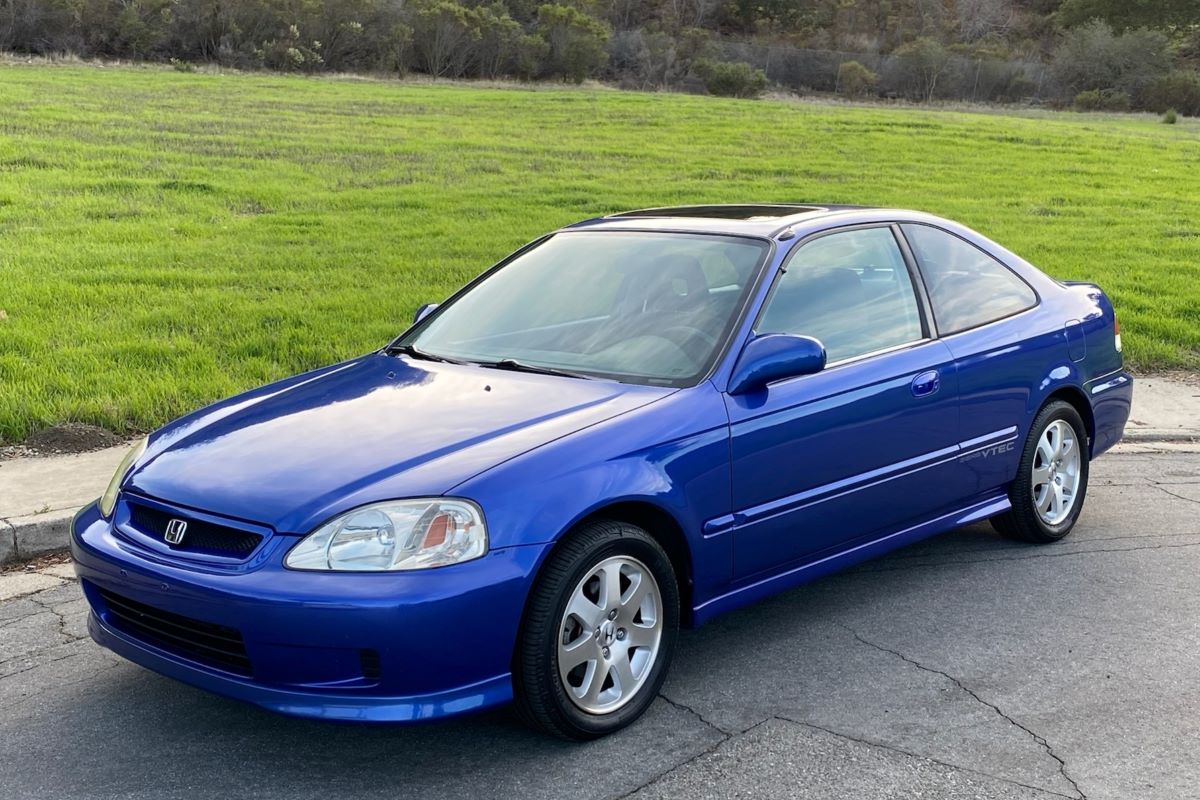
2. Honda Civic (2012-2015)
The Honda Civic from this generation represents one of the most capable budget options for mountain driving, combining Honda’s renowned reliability with surprisingly robust performance characteristics.
The 1.8-liter naturally aspirated engine produces 140 horsepower and 128 lb-ft of torque, providing a slight edge over many competitors in its class. This engine’s VTEC technology ensures strong mid-range power delivery, crucial for maintaining momentum on steep inclines without constantly downshifting.
Honda’s engineering excellence shines in the Civic’s cooling system design. The engine features an efficient cooling circuit with a large radiator and well-positioned cooling fans that excel at maintaining optimal operating temperatures during extended climbs.
The engine’s aluminum construction and Honda’s precise manufacturing tolerances result in an engine that runs cool and efficiently, even under the stress of mountain driving. Many owners report trouble-free mountain adventures, with the engine maintaining consistent performance regardless of altitude or ambient temperature.
The five-speed manual transmission in the Civic is particularly noteworthy for mountain driving. The gear ratios are well-spaced, allowing drivers to keep the engine in its power band during climbs while providing excellent engine braking capability on descents.
The clutch system is robust and well-designed, handling the additional stress of mountain driving without premature wear. Honda’s transmission engineering ensures smooth shifts even when the transmission is working hard, a testament to the company’s attention to detail.
The Civic’s chassis dynamics contribute significantly to its mountain driving prowess. The independent rear suspension provides better wheel control over rough mountain roads compared to simpler torsion beam setups.
The suspension tuning strikes an excellent balance between comfort and handling, allowing the car to maintain composure on winding mountain roads while still providing a comfortable ride. The precise steering offers good feedback, inspiring confidence when navigating tight mountain curves at appropriate speeds.
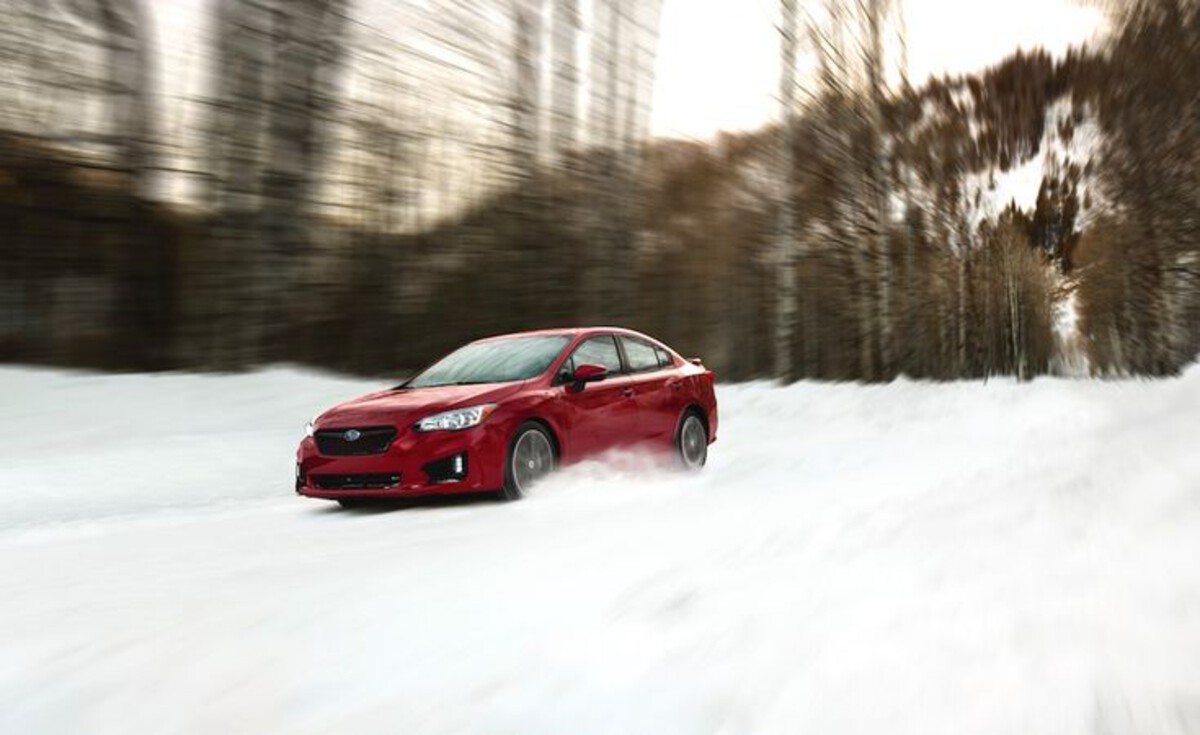
3. Subaru Impreza (2012-2016)
The Subaru Impreza stands out as perhaps the most capable budget mountain car, thanks to its standard all-wheel-drive system and boxer engine configuration.
The 2.0-liter naturally aspirated flat-four engine produces 148 horsepower and 145 lb-ft of torque, with the unique boxer layout providing a lower center of gravity that enhances stability on mountain roads.
This engine design also contributes to better weight distribution, improving traction and handling characteristics essential for mountain driving. Subaru’s symmetrical all-wheel-drive system is the Impreza’s crown jewel for mountain driving.
Unlike many competing systems that primarily send power to the front wheels, Subaru’s system continuously distributes power to all four wheels, providing superior traction on loose surfaces, steep grades, and in varying weather conditions common in mountain environments.
The system’s ability to instantly transfer power where needed makes it invaluable when navigating challenging mountain terrain where traction can change rapidly.
The Impreza’s cooling system is engineered to handle the demands of all-wheel-drive operation and mountain driving. The horizontally opposed engine configuration allows for efficient cooling airflow, while the robust radiator and cooling fans maintain optimal temperatures even during sustained climbs.
The engine’s design inherently runs cooler than traditional inline engines, providing an additional safety margin during demanding mountain driving conditions.
The manual transmission variant offers exceptional control for mountain driving, with well-spaced gear ratios that complement the engine’s power characteristics.
The all-wheel-drive system works seamlessly with the manual transmission, providing confidence-inspiring traction without compromising the engaging driving experience.
The automatic CVT version, while less engaging, offers smooth power delivery and includes manual mode for better control on grades. The Impreza’s ground clearance and robust underbody protection also make it suitable for exploring unpaved mountain roads that might challenge other budget sedans.
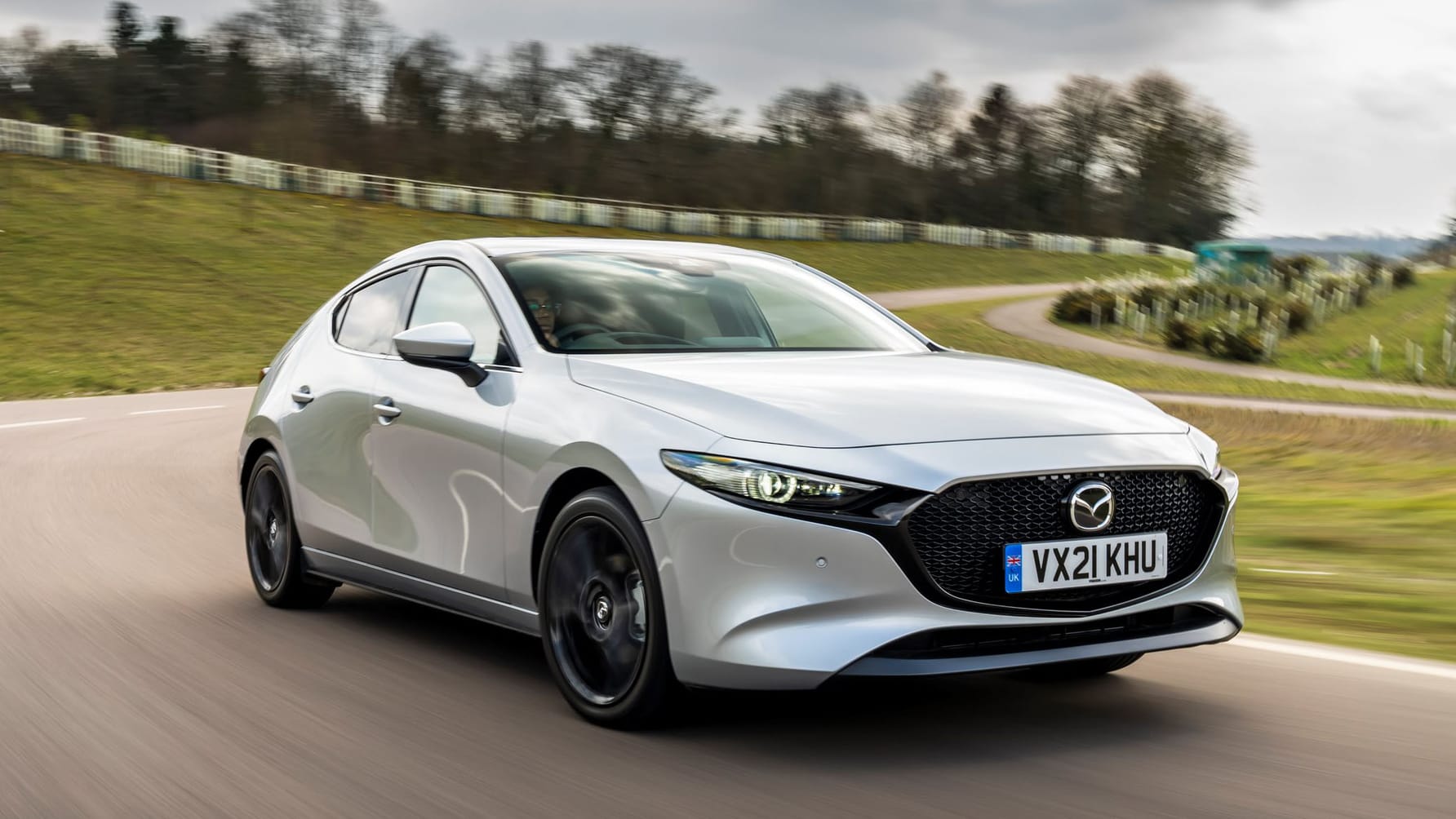
4. Mazda3 (2014-2018)
The Mazda3 represents exceptional engineering in the budget segment, particularly for mountain driving enthusiasts who value driving dynamics alongside reliability.
The 2.0-liter naturally aspirated engine produces 155 horsepower and 150 lb-ft of torque, providing more power than many competitors in its class.
This engine’s responsive throttle and linear power delivery make it ideal for mountain driving, where predictable acceleration and smooth power transitions are crucial for maintaining momentum on varying grades.
Mazda’s SKYACTIV technology plays a crucial role in the Mazda3’s mountain driving capabilities. The high-compression engine design optimizes combustion efficiency while maintaining reliability, resulting in strong performance across various altitudes.
The engine’s aluminum construction and efficient cooling system ensure consistent performance even during extended mountain climbs. The well-designed intake system maintains power delivery at higher altitudes where thinner air can affect naturally aspirated engines.
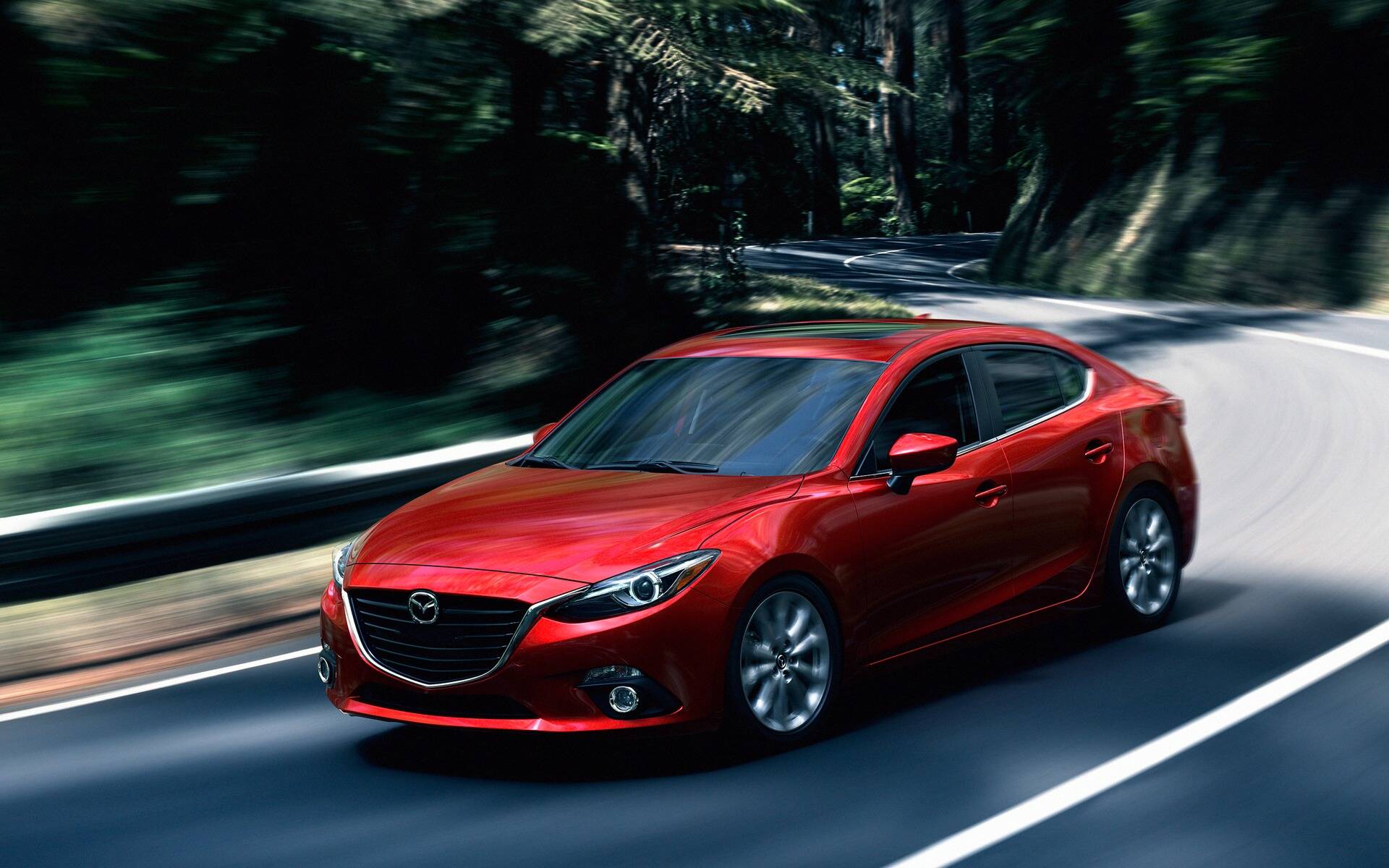
The six-speed manual transmission in the Mazda3 is widely regarded as one of the best in the budget segment. The precise shifter action and well-weighted clutch make gear changes satisfying and efficient, essential qualities for mountain driving where frequent shifting is common.
The gear ratios are optimally spaced for the engine’s power characteristics, allowing drivers to maintain the engine in its sweet spot during climbs while providing excellent engine braking on descents.
Mazda’s focus on driving dynamics truly shines in mountain environments. The Mazda3’s suspension system is tuned for responsive handling without compromising comfort, providing excellent body control on winding mountain roads. The precise steering offers exceptional feedback, allowing drivers to place the car accurately on narrow mountain curves.
The chassis rigidity and suspension geometry work together to provide a connected driving experience that inspires confidence when navigating challenging mountain terrain. Additionally, the car’s excellent fuel economy ensures extended range for mountain adventures without frequent fuel stops.
Also Read: 5 Legendary Japanese Cars and 5 That Hurt the Reputation
5. Nissan Sentra (2013-2019)
The Nissan Sentra might seem like an unlikely candidate for mountain driving excellence, but this budget sedan surprises with its capable performance in challenging terrain.
The 1.8-liter naturally aspirated engine produces 130 horsepower and 128 lb-ft of torque, and while these numbers appear modest, the engine’s characteristics make it well-suited for mountain driving.
The power delivery is smooth and predictable, allowing drivers to maintain steady progress on steep grades without the abrupt power delivery that can unsettle a vehicle on challenging terrain.
Nissan engineered the Sentra’s cooling system with durability in mind, resulting in excellent thermal management during sustained mountain driving.
The engine’s cast-iron block construction provides exceptional heat dissipation, while the efficient cooling circuit with a properly sized radiator maintains optimal operating temperatures even during extended climbs.
The cooling fans are designed to handle the additional thermal load of mountain driving, preventing overheating issues that plague some budget vehicles in similar conditions.
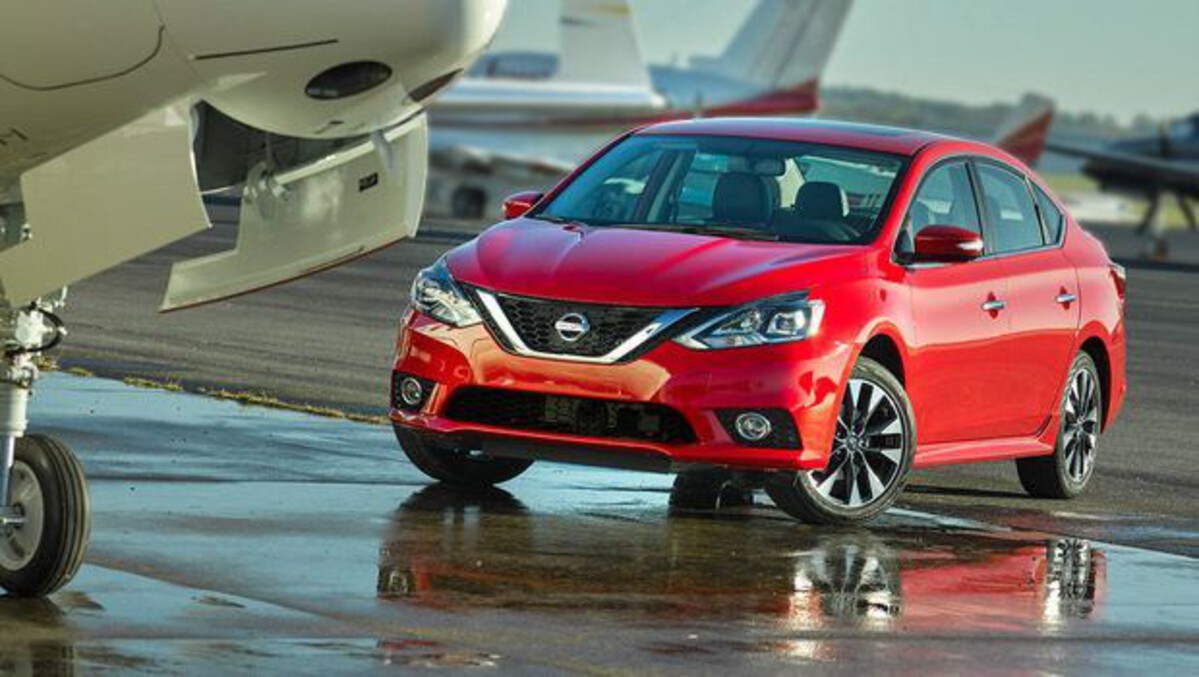
The manual transmission variant offers the best mountain driving experience, with a well-designed clutch system that handles the additional stress of mountain driving without premature wear.
The gear ratios are sensibly spaced, allowing drivers to keep the engine in its optimal power band during climbs while providing adequate engine braking on descents. The shifter action, while not as precise as some competitors, is reliable and functional for mountain driving needs.
The Sentra’s chassis tuning prioritizes comfort, but this doesn’t compromise its mountain driving capability. The MacPherson strut front and torsion beam rear suspension provide adequate body control on winding mountain roads while maintaining ride comfort over rough surfaces.
The electric power steering, though not particularly engaging, offers sufficient precision for confident mountain driving. The car’s lightweight construction benefits mountain driving by reducing the load on the engine and brakes, while the spacious interior and large trunk make it practical for extended mountain adventures with gear and passengers.
5 Budget Cars That Die in Traffic
These problematic vehicles demonstrate recurring overheating failures that cause catastrophic breakdowns during normal traffic conditions, creating dangerous scenarios that strand drivers in congested areas with inadequate cooling capacity.
Their compromised engineering includes insufficient cooling systems prone to thermal failure, creating ongoing reliability disasters that generate expensive emergency repairs and potential engine damage.
From radiators that cannot handle stop-and-go driving to cooling fans that fail during peak demand, these unreliable vehicles generate extensive breakdown documentation and costly towing scenarios.
Owners frequently report complete cooling system failures with these thermally-inadequate machines a reflection of cost-cutting measures that prioritize manufacturing savings over adequate thermal management and reliable operation throughout normal driving conditions.
1. Ford Focus (2012-2016)
The Ford Focus from this generation represents a cautionary tale of how poor engineering decisions can transform a capable vehicle into a traffic nightmare.
The primary culprit is Ford’s PowerShift dual-clutch automatic transmission, which has become notorious for its problematic behavior in stop-and-go traffic conditions.
This transmission system, designed to provide the efficiency of a manual with the convenience of an automatic, fails dramatically in real-world traffic scenarios where smooth, predictable operation is essential.
The PowerShift transmission’s fundamental flaw lies in its clutch actuation system, which struggles to manage the constant engagement and disengagement required in traffic situations.
Drivers report severe shuddering, hesitation, and unpredictable acceleration when moving from a stop, making merge situations and traffic navigation extremely stressful. The transmission’s computer struggles to determine the appropriate clutch engagement point, resulting in lurching movements that can be dangerous in tight traffic conditions.
Ford’s multiple software updates and extended warranties acknowledge the severity of these issues, but many owners report persistent problems even after dealer interventions.
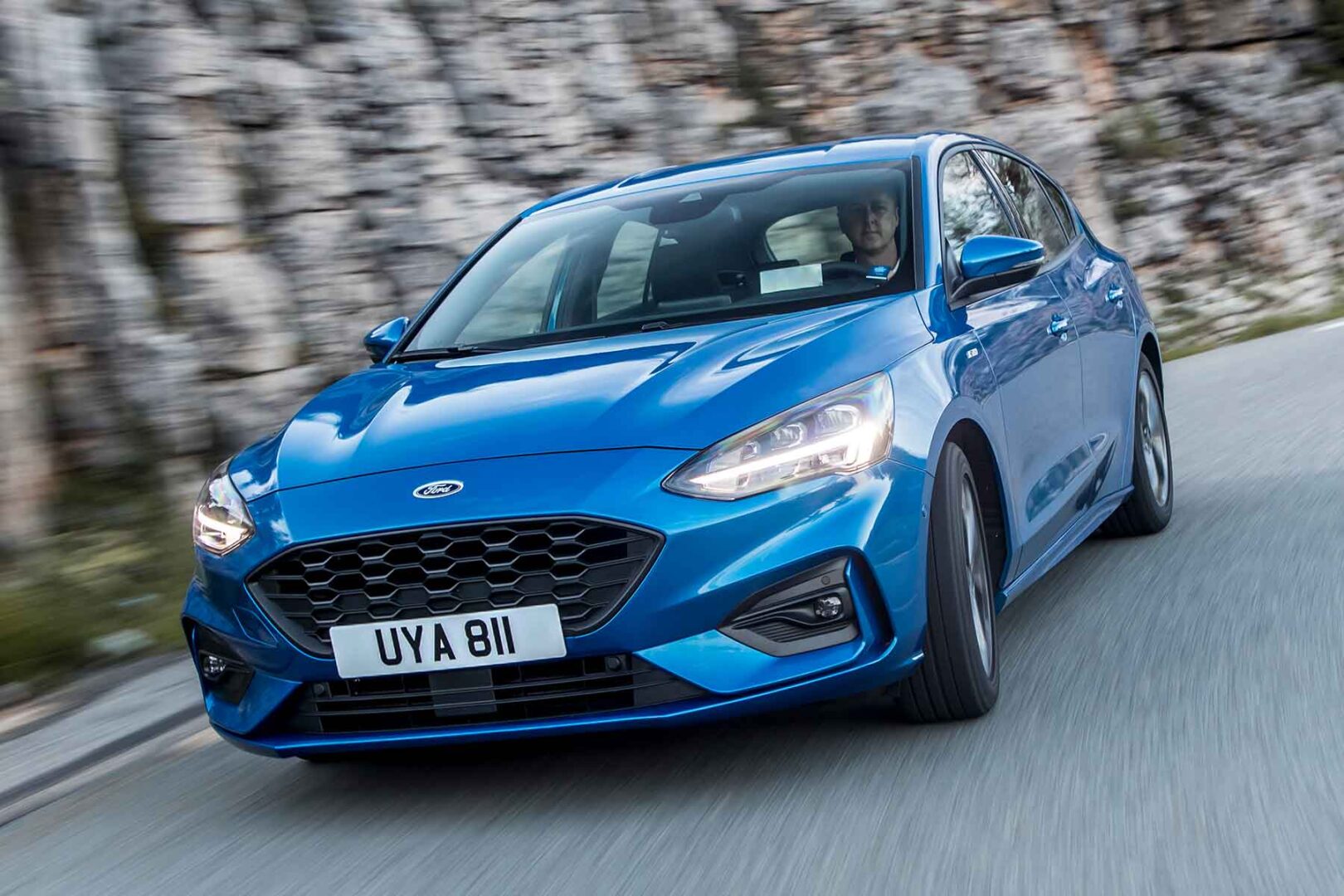
The cooling system compounds the Focus’s traffic woes. The dual-clutch transmission generates significant heat during the constant slip-and-grip cycles typical of traffic driving, and the cooling system struggles to dissipate this heat effectively.
Extended periods in traffic can cause the transmission to overheat, leading to reduced performance and potentially catastrophic failure. The engine cooling system, while adequate for highway driving, also shows strain during prolonged idling in traffic, with some owners reporting overheating issues during particularly severe traffic conditions.
Beyond the transmission issues, the Focus suffers from poor refinement in traffic environments. The engine’s noise, vibration, and harshness levels become particularly noticeable during prolonged idling, creating an unpleasant cabin environment.
The air conditioning system struggles to maintain comfortable temperatures during extended traffic stops, adding to driver discomfort. The combination of transmission problems, cooling issues, and poor refinement makes the Focus an abysmal choice for drivers who regularly encounter heavy traffic conditions.
2. Jeep Compass (2007-2017)
The Jeep Compass from this generation epitomizes the challenges faced by vehicles designed with conflicting priorities, resulting in a particularly problematic experience in traffic conditions. The 2.4-liter naturally aspirated engine produces 172 horsepower and 165 lb-ft of torque, but these numbers don’t tell the complete story of the engine’s shortcomings in stop-and-go situations.
The engine’s power delivery is characterized by a significant lag in throttle response, making it difficult to execute smooth acceleration from traffic stops or during merge situations.
The Compass’s cooling system represents a fundamental engineering oversight that becomes glaringly apparent in traffic conditions. The radiator capacity is insufficient for the engine’s heat output during prolonged idling, leading to overheating issues that have plagued owners since the model’s introduction.
The cooling fans, although functional, struggle to generate sufficient airflow when the vehicle is stationary, resulting in elevated operating temperatures that can cause engine damage over time.
Many owners report temperature gauge readings approaching dangerous levels during extended traffic stops, particularly in warm weather conditions.
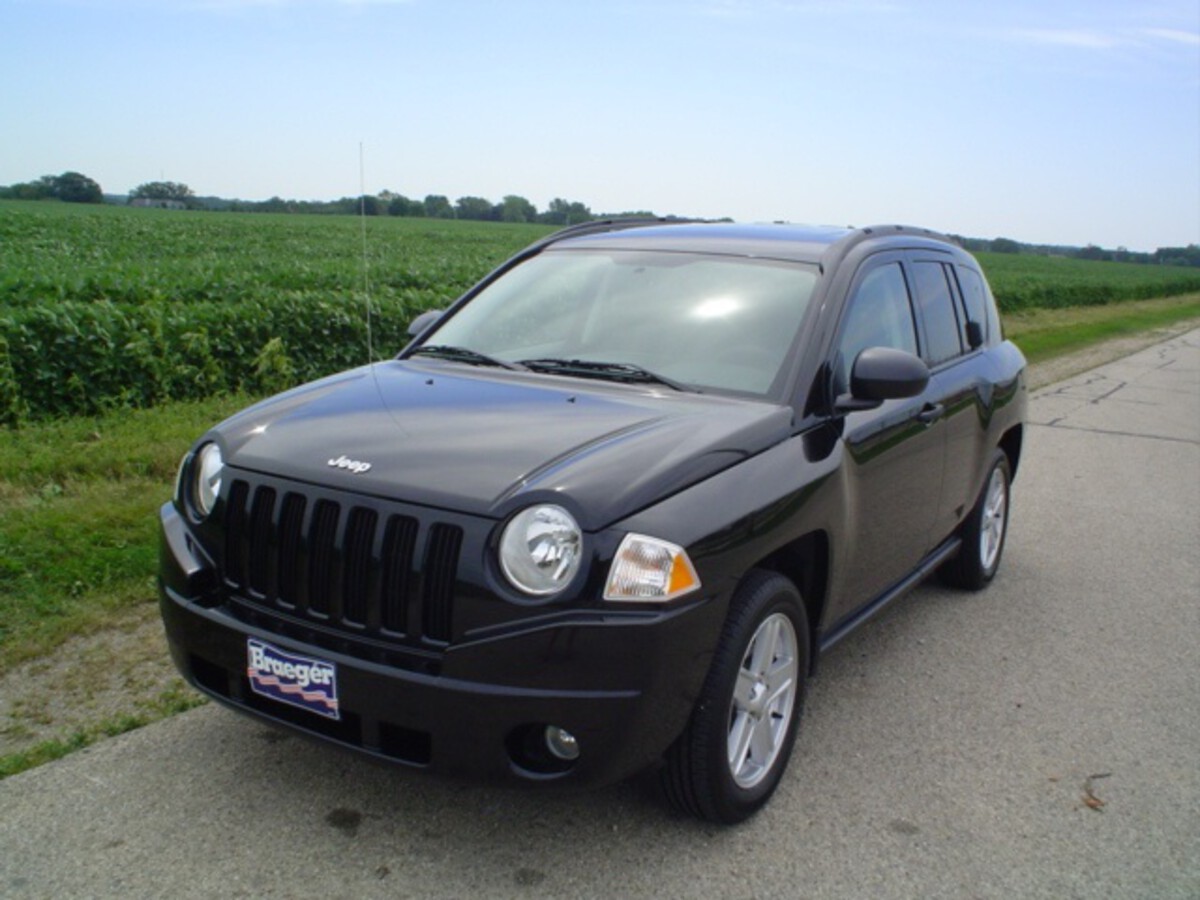
The CVT automatic transmission compounds the Compass’s traffic problems with its poor programming and inadequate cooling. The transmission’s rubber belt system generates excessive heat during the constant speed variations typical of traffic driving, and the cooling system cannot adequately dissipate this heat.
This results in transmission overheating, which triggers protection modes that further reduce performance and create even more heat. The transmission’s programming also creates an unpleasant driving experience, with excessive engine noise during acceleration and poor throttle response that makes traffic navigation stressful.
The Compass’s electrical system adds another layer of complexity to its traffic-related problems. The alternator and charging system struggle to maintain adequate power during extended idling periods, particularly when the air conditioning system is operating at maximum capacity. This can lead to battery drain and electrical system malfunctions that leave drivers stranded in traffic.
The combination of cooling, transmission, and electrical issues makes the Compass a particularly unreliable choice for drivers who regularly encounter heavy traffic conditions, with many owners reporting expensive repairs and frequent breakdowns.
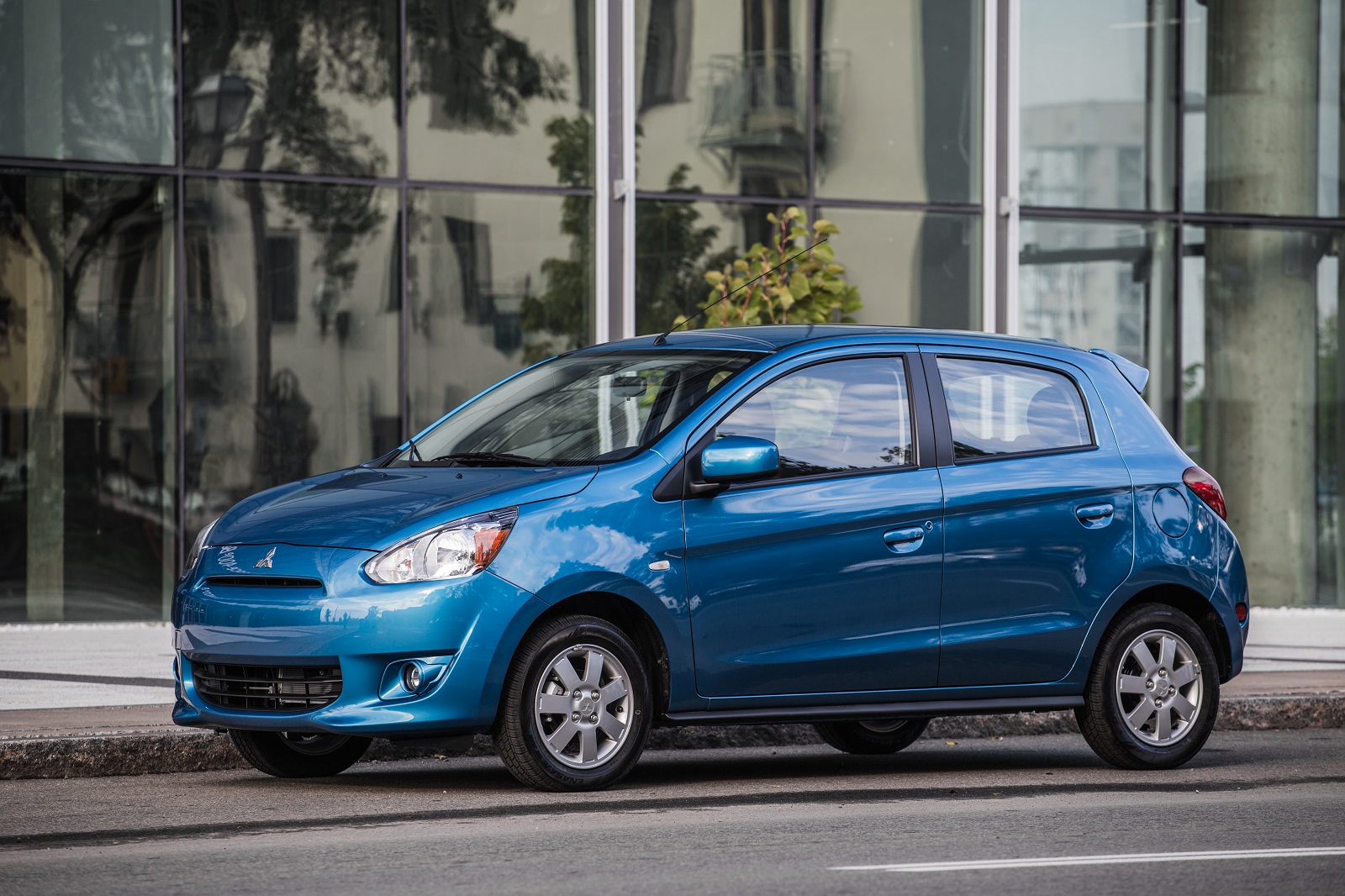
3. Mitsubishi Mirage (2014-2020)
The Mitsubishi Mirage represents an extreme example of cost-cutting that results in a vehicle fundamentally unsuited for traffic conditions.
The 1.2-liter three-cylinder engine produces a meager 78 horsepower and 74 lb-ft of torque, and while these numbers might be adequate for steady-state cruising, they prove woefully inadequate for the acceleration demands of traffic driving.
The engine’s small displacement and limited power output mean that any acceleration from traffic stops requires maximum throttle input, creating a stressful driving experience where merge situations become genuine safety concerns.
The Mirage’s cooling system exemplifies the problems created by excessive cost-cutting. The radiator is undersized for even the small engine’s cooling requirements, particularly during the extended idling periods common in traffic.
The cooling fans, although functional, lack the capacity to generate sufficient airflow when the vehicle is stationary, resulting in elevated operating temperatures that stress the engine and cooling system components.
The engine’s aluminum construction, while lightweight, requires more precise thermal management than the inadequate cooling system can provide.
The CVT transmission in the Mirage is particularly problematic in traffic conditions. The transmission’s programming creates an unpleasant driving experience characterized by excessive engine noise during acceleration and poor throttle response.
The transmission struggles to find the appropriate gear ratio for traffic conditions, resulting in either sluggish acceleration or excessive engine rpm that creates noise and vibration. The transmission’s cooling system is also inadequate, leading to overheating during extended traffic exposure that can cause premature failure.
The Mirage’s overall refinement, or lack thereof, becomes glaringly apparent in traffic conditions. The engine’s three-cylinder configuration creates inherent vibration and noise that becomes particularly noticeable during prolonged idling.
The interior materials and sound insulation are inadequate to create a comfortable environment during extended traffic exposure. The air conditioning system, while present, struggles to maintain comfortable temperatures during idling periods, adding to the overall discomfort.
The combination of inadequate performance, poor cooling, and minimal refinement makes the Mirage particularly unsuitable for drivers who regularly encounter traffic conditions.
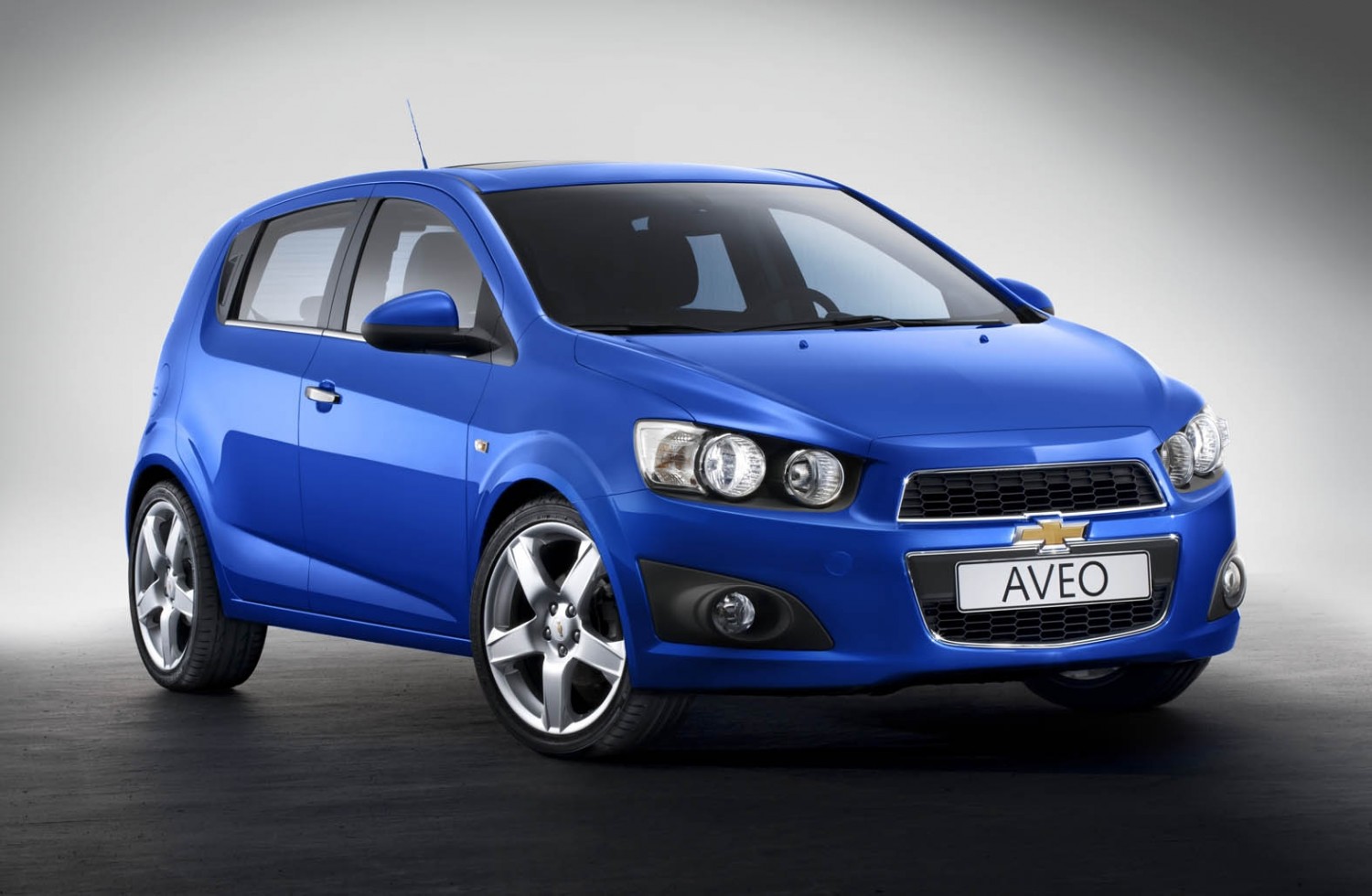
4. Chevrolet Aveo (2011-2016)
The Chevrolet Aveo represents General Motors’ attempt to compete in the budget segment, but the result is a vehicle that struggles significantly in traffic conditions.
The 1.6-liter naturally aspirated engine produces 108 horsepower and 105 lb-ft of torque, and while these numbers might seem adequate for a small car, the engine’s characteristics make it poorly suited for traffic driving.
The power delivery is characterized by a significant lag in throttle response, making it difficult to execute smooth acceleration from traffic stops or during merge situations where quick response is essential.
The Aveo’s cooling system suffers from the same cost-cutting measures that plague many budget vehicles, resulting in inadequate thermal management during traffic conditions.
The radiator capacity is insufficient for the engine’s heat output during prolonged idling, leading to elevated operating temperatures that can cause engine damage over time. The cooling fans, while functional, cannot move adequate airflow when the vehicle is stationary, particularly problematic during warm weather traffic conditions.
The automatic transmission in the Aveo compounds the traffic problems with its poor programming and inadequate cooling. The four-speed automatic is an outdated design that lacks the sophistication necessary for smooth traffic operation.
The transmission’s programming creates harsh shifts and poor throttle response that make traffic navigation stressful and unpleasant. The transmission cooling system is also inadequate, leading to overheating during extended traffic exposure that can cause premature failure and expensive repairs.
The Aveo’s electrical system represents another area where cost-cutting creates problems in traffic conditions. The alternator and charging system struggle to maintain adequate power during extended idling periods, particularly when the air conditioning system is operating. This can lead to battery drain and electrical system malfunctions that leave drivers stranded in traffic.
The combination of inadequate performance, poor cooling, transmission problems, and electrical issues makes the Aveo a particularly unreliable choice for drivers who regularly encounter heavy traffic conditions, with many owners reporting frequent breakdowns and expensive repairs.
5. Nissan Versa Sedan (2012-2019)
The Nissan Versa Sedan concludes our list of budget cars that struggle in traffic, representing a vehicle where cost optimization has compromised essential performance characteristics.
The 1.6-liter naturally aspirated engine produces 109 horsepower and 107 lb-ft of torque, and while these numbers might appear adequate for city driving, the engine’s characteristics create significant challenges in traffic conditions.
The power delivery is characterized by poor throttle response and a lack of low-end torque, making acceleration from traffic stops sluggish and potentially dangerous in merge situations.
The Versa’s cooling system suffers from the same inadequacies that plague many budget vehicles, with insufficient capacity for the demands of traffic driving.
The radiator is undersized for the engine’s cooling requirements during extended idling periods, leading to elevated operating temperatures that stress engine components.
The cooling fans, while present, lack the capacity to move adequate airflow when the vehicle is stationary, particularly problematic during warm weather conditions, where traffic exposure can lead to overheating.

The CVT automatic transmission in the Versa is particularly problematic in traffic conditions. Nissan’s CVT programming creates an unpleasant driving experience characterized by excessive engine noise during acceleration and poor throttle response.
The transmission struggles to provide smooth power delivery in stop-and-go conditions, resulting in either sluggish acceleration or excessive engine rpm that creates noise and vibration. The transmission’s cooling system is also inadequate, leading to overheating during extended traffic exposure that can cause premature failure.
The Versa’s overall refinement issues become particularly apparent in traffic conditions. The engine’s noise and vibration characteristics, while tolerable during highway driving, become intrusive during prolonged idling periods.
The interior materials and sound insulation are inadequate to create a comfortable environment during extended traffic exposure. The air conditioning system, while functional, struggles to maintain comfortable temperatures during idling periods, adding to driver discomfort.
The combination of poor performance, inadequate cooling, transmission issues, and minimal refinement makes the Versa particularly unsuitable for drivers who regularly encounter heavy traffic conditions, with many owners reporting frustration and reliability concerns.
Also Read: 5 US-Built Cars That Last and 5 That Shouldn’t Have Left the Factory
