When it comes to car shopping, safety ranks at the top of most buyers’ priorities. For decades, a common assumption prevailed, bigger vehicles are safer vehicles.
Full-size sedans, SUVs, and trucks have long been associated with superior crash protection due to their sheer size and perceived road dominance. Parents, commuters, and long-distance travelers often choose large vehicles, thinking they offer more structural integrity and crash survivability.
But in recent years, this mindset has begun to shift. Thanks to innovations in automotive engineering, smarter materials, and advanced driver assistance systems, today’s compact cars are proving that size isn’t everything.
Modern compacts are outperforming older and even newer large vehicles in crash tests, rollover ratings, and safety tech availability. These once-overlooked models are now earning Top Safety Pick+ ratings, offering features like automatic emergency braking, lane-keeping assist, blind spot monitoring, and more, often as standard equipment.
Meanwhile, not all large cars live up to expectations. Many still run on outdated platforms, lack modern safety technologies unless heavily optioned, or underperform in critical crash tests like small overlap front collisions or side impacts.
Their commanding presence may give drivers confidence, but closer inspection often reveals flaws that compromise real-world safety.
In this blog, we’ll highlight five compact cars that surprised everyone with their exceptional safety performance, followed by five larger cars that, despite their size, revealed some disappointing shortcomings. From city-friendly sedans to family-hauling giants, we’ll examine how these vehicles perform where it matters most: keeping you and your passengers safe on the road.
If you’ve been assuming that bigger equals better, this article might change how you see the modern car market and how you choose your next vehicle.
5 Compact Cars That Surprised with Safety
These compact cars punched well above their weight when it came to safety. Often overlooked in favor of larger vehicles, these small models proved that cutting-edge engineering and advanced technology can offer just as much, if not more, protection.
Each of these cars earned top-tier crash test ratings from trusted agencies like the IIHS and NHTSA, while also offering features such as automatic emergency braking, lane-keeping assist, and blind spot monitoring.
Their sturdy construction, responsive handling, and thoughtful design further contributed to their impressive safety credentials. Let’s explore the five compact cars that surprised everyone by going the extra mile to protect.
ALSO READ: 5 Rust-Resistant Trucks vs 5 Rust Buckets After a Few Winters
1. 2023 Honda Civic
The Honda Civic has long been a favorite among compact car buyers, but its safety game has reached new heights in recent years.
The 2023 model, in particular, stunned critics and consumers alike by earning a Top Safety Pick+ rating from the IIHS (Insurance Institute for Highway Safety) and a 5-star overall safety rating from the NHTSA. This compact sedan didn’t just pass—it excelled in crashworthiness across the board.
Key to the Civic’s safety success is its ACE™ (Advanced Compatibility Engineering) body structure, which enhances crash energy management in frontal impacts.
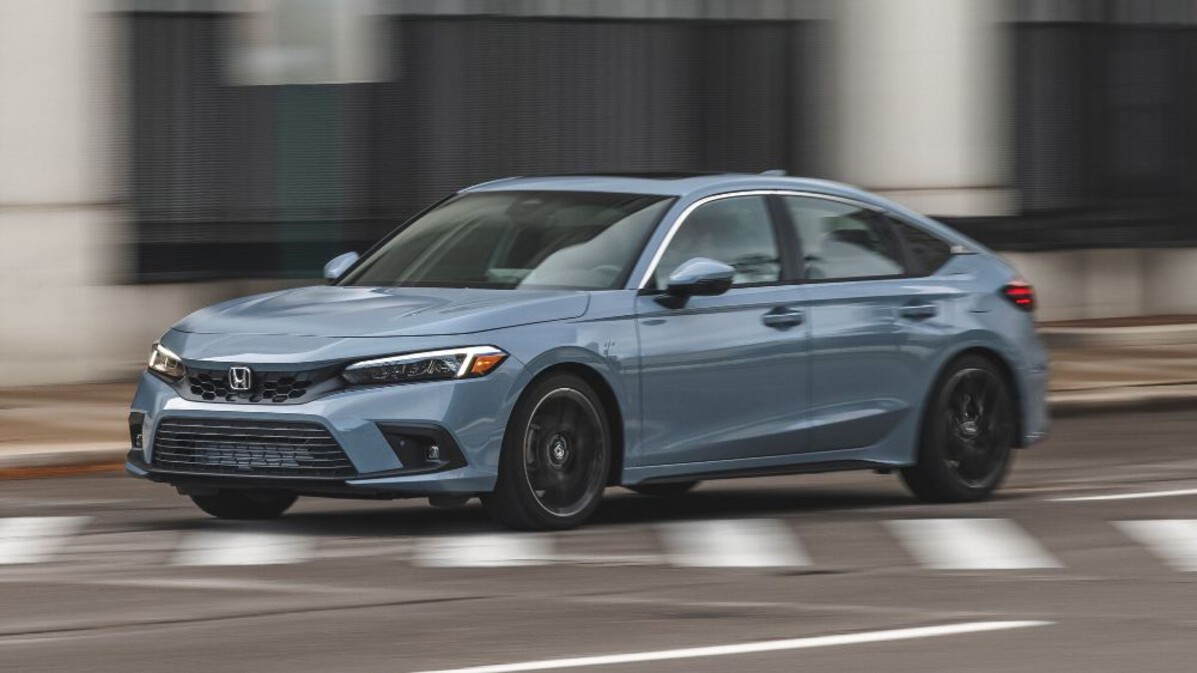
Inside, you’ll find a full suite of safety technologies including collision mitigation braking, road departure mitigation, adaptive cruise control, and lane keeping assist, all standard, not optional.
Honda also upgraded visibility with slimmer A-pillars and improved forward collision warning response time. These features, typically reserved for luxury or midsize vehicles, make the Civic feel like a premium product in a smaller shell. Plus, with strong reliability and resale value, the Civic checks off more than just the safety box.
Despite its size, the 2023 Civic proves that small cars can stand tall in the toughest tests. If you’re looking for compact confidence on every drive, this one deserves serious attention.
2. 2023 Mazda3
The 2023 Mazda3 delivers more than style and sporty driving, it’s a compact car that surprises many with its robust safety credentials. Awarded a Top Safety Pick+ by the IIHS and earning 5-star ratings from the NHTSA in every crash category, the Mazda3 is a quiet achiever in the realm of road safety.
What sets this compact apart is its combination of rigid chassis design and high-quality construction.
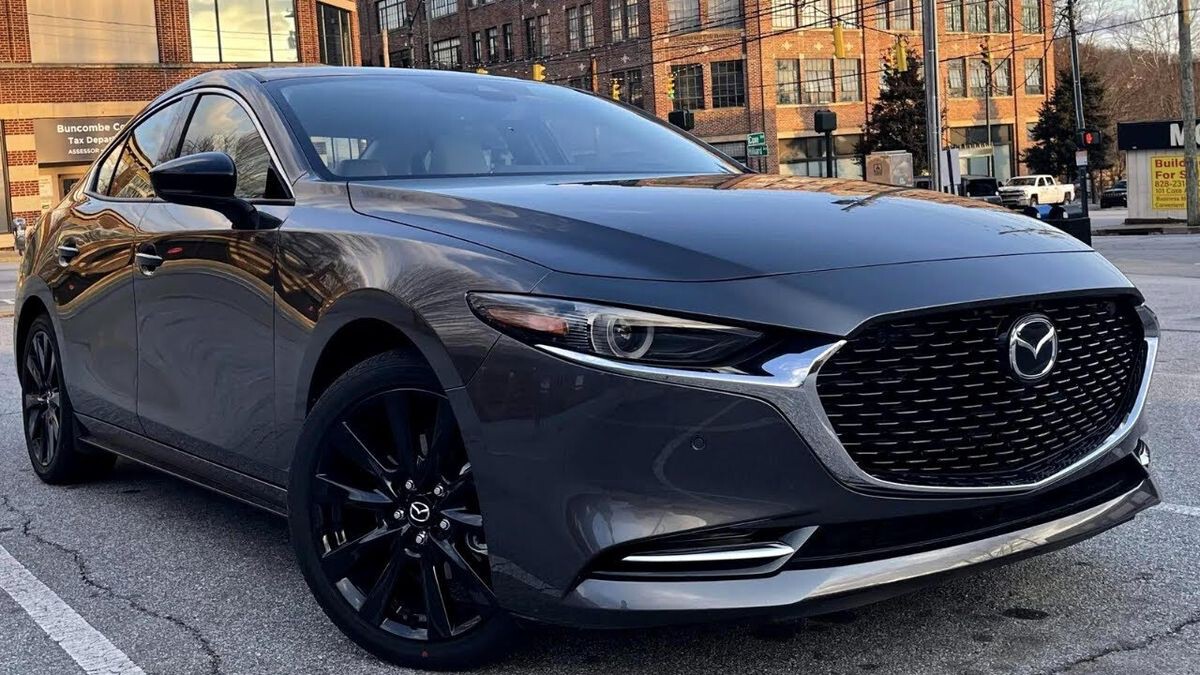
Mazda uses ultra-high-tensile steel in strategic areas to optimize passenger protection during collisions. In fact, its performance in side-impact tests rivals that of many larger sedans and even crossovers.
Safety doesn’t stop with the frame. The 2023 model comes with Mazda’s i-Activsense® suite, including automatic emergency braking, blind spot monitoring, rear cross-traffic alert, and adaptive headlights. Even base models benefit from these advanced features, showing Mazda’s commitment to making safety accessible.
Drivers also appreciate how the Mazda3 handles emergency situations thanks to its precise steering and agile suspension. It’s a compact car that feels planted and composed, even during evasive maneuvers—an underrated but critical aspect of real-world safety.
If you want a vehicle that blends premium vibes, engaging drive, and hidden strength in a compact footprint, the Mazda3 is the one that’ll make you look twice—and feel safe doing it.
3. 2023 Subaru Impreza
While the Subaru Impreza may not top style charts, it consistently tops safety ones. The 2023 model showcases Subaru’s signature focus on safety and all-weather reliability, earning a Top Safety Pick rating from the IIHS and a 5-star safety rating from the NHTSA.
A key differentiator is Subaru’s standard all-wheel drive, even in its compact sedan and hatchback trims.
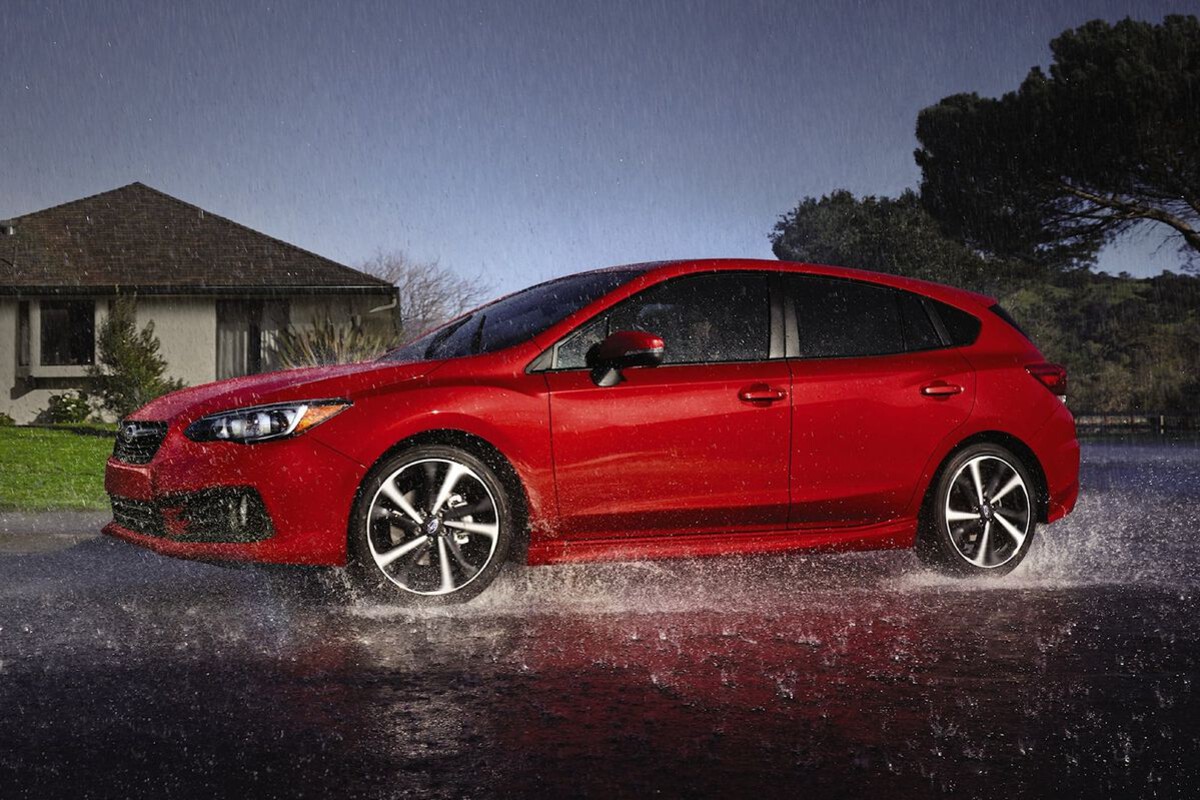
This provides better traction and accident prevention in adverse weather—a unique feature in this segment. Combined with active torque vectoring, the Impreza gives drivers better control during high-speed cornering or slippery conditions.
But that’s just the start. Subaru’s EyeSight® Driver Assist Technology comes standard and includes features like adaptive cruise control, lane centering, pre-collision braking, and throttle management. The Impreza also scores highly in roof strength and side-impact protection, especially important in rollovers and intersection crashes.
Inside, the Impreza feels roomier and more solid than many competitors, with excellent outward visibility and fewer blind spots. It’s not flashy, but it’s engineered with care and proven results.
The 2023 Subaru Impreza shows that a compact car can be as dependable in an accident as it is in a snowstorm. If you prioritize year-round safety and practical design, this under-the-radar model is one of the best choices in its class.
4. 2023 Toyota Corolla
The Toyota Corolla is a household name—and in 2023, it’s also a standout for compact car safety. Known for reliability, this year’s model steps up its game with a Top Safety Pick+ from the IIHS and a 5-star overall rating from the NHTSA.
Toyota’s TNGA (Toyota New Global Architecture) platform plays a big role in safety, providing a lower center of gravity and improved rigidity for better crash performance.
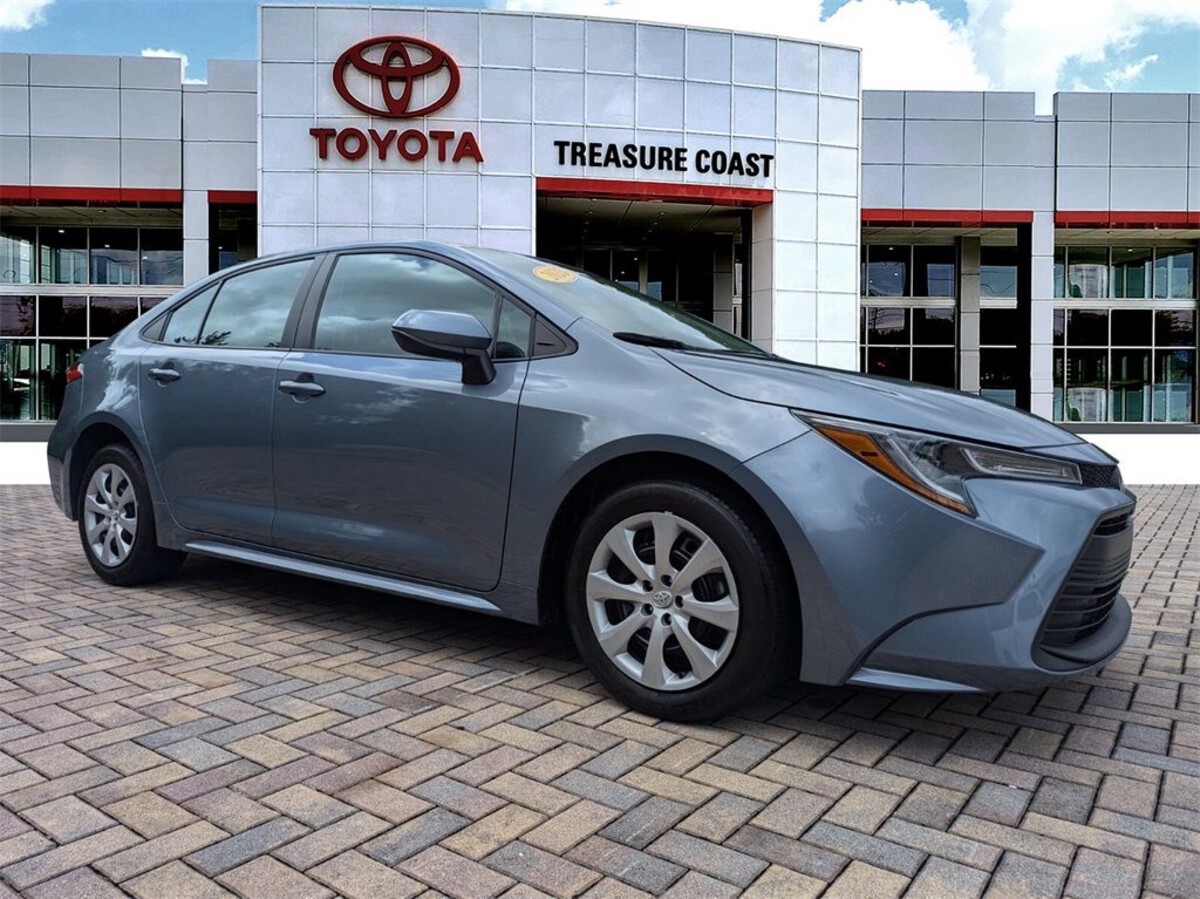
This is paired with Toyota’s Safety Sense 3.0 suite, standard across all trims. That means even entry-level buyers get pre-collision detection, pedestrian and cyclist detection, lane departure warning, steering assist, and automatic high beams—at no extra cost.
In side-impact and roof strength tests, the Corolla consistently ranks among the highest in the compact category. Toyota has also worked to reduce driver fatigue and improve reaction time with ergonomic cabin layouts and better sound insulation.
Critics sometimes knock the Corolla for being dull to drive, but it makes up for it in consistency and protection. Whether you’re a daily commuter, new driver, or college student needing dependable transportation, the 2023 Corolla makes safety smart, standard, and affordable.
It’s proof that Toyota doesn’t cut corners when it comes to protecting lives—even in its smallest models.
5. 2023 Hyundai Elantra
The 2023 Hyundai Elantra might not seem like a standout at first glance, but this compact sedan has evolved into a serious safety contender. Earning a Top Safety Pick from the IIHS and a 5-star overall crash rating from the NHTSA, the Elantra is packed with value and peace of mind.
Built on Hyundai’s advanced K3 platform, the Elantra benefits from improved body rigidity and energy-absorbing crash zones.
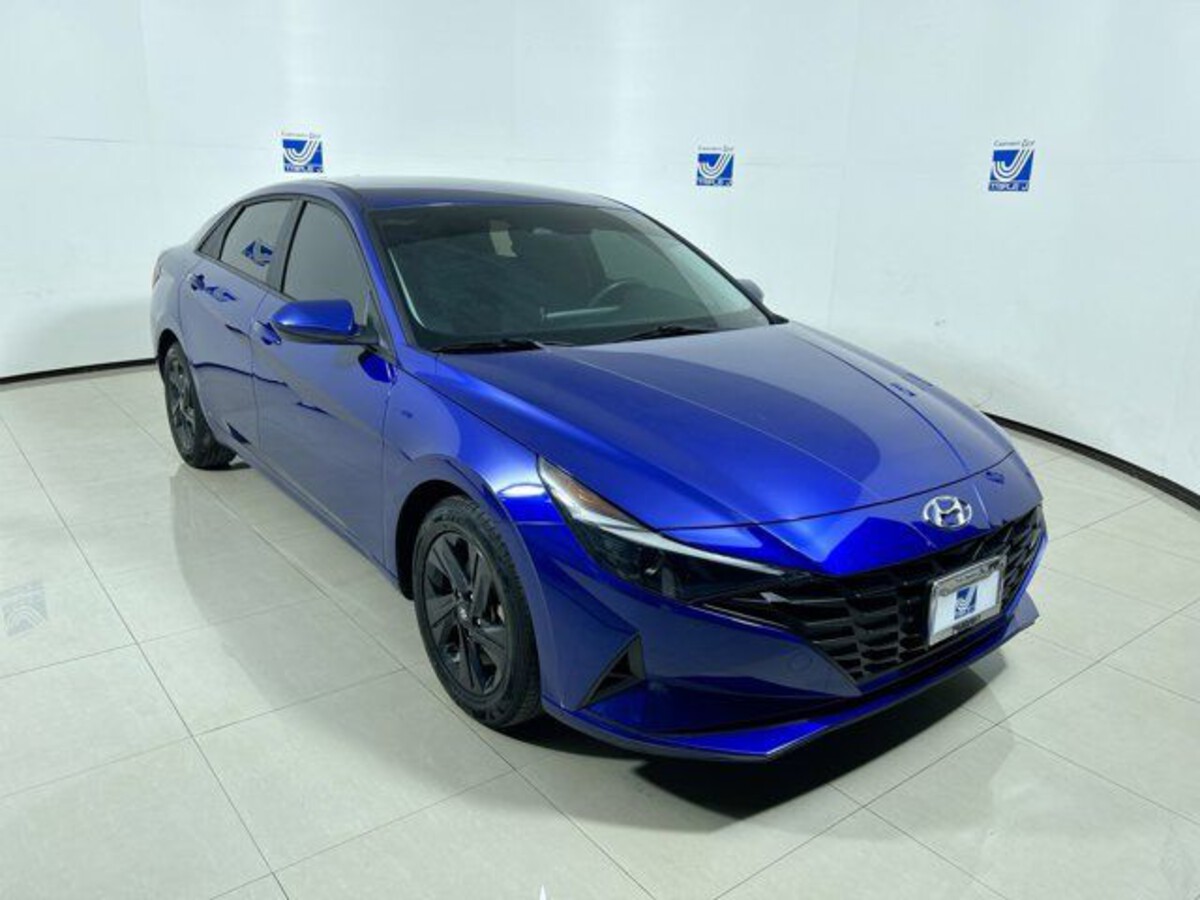
In recent side-impact crash tests, the Elantra outperformed several midsize rivals, surprising many in the safety community.
What truly makes the Elantra shine is its long list of standard safety tech. Hyundai’s SmartSense includes forward collision-avoidance assist, lane keeping and lane following assist, driver attention warning, and even rear occupant alert—all standard, even on base trims.
Add in high beam assist and safe exit warning, and the Elantra doesn’t just protect you—it anticipates danger before it happens. These systems are usually found on higher-priced vehicles, yet Hyundai makes them accessible to budget-minded shoppers.
The Elantra also boasts excellent driver visibility and responsive steering, which help drivers avoid accidents altogether. If you’re hunting for a compact car that combines tech, affordability, and crash-tested assurance, the Elantra is a sleeper hit that shouldn’t be overlooked.
5 Larger Cars with Hidden Flaws
Not all large vehicles are as safe as they seem. While their size and presence may suggest superior protection, many full-size sedans and SUVs fall short in critical areas. Some struggle in crash tests, revealing weaknesses in structural integrity.
Others lack essential safety features like automatic emergency braking or blind spot detection unless buyers opt for expensive trims. Outdated platforms and poorly calibrated driver-assist systems further erode confidence.
Beneath their bold exteriors, these vehicles often hide flaws that compromise real-world safety. Let’s take a closer look at five larger cars that, despite appearances, fail to deliver where it matters most.
ALSO READ: 5 Trucks That Tow for Years vs 5 That Burn Out Their Transmissions
1. 2023 Dodge Charger
The Dodge Charger may look menacing and muscular, but when it comes to safety, the 2023 model shows its age. Built on an older platform, the Charger falls behind its newer rivals, receiving mixed crash test scores from the IIHS and only four stars overall from the NHTSA.
While it performs decently in frontal crash tests, the Charger struggles in small overlap front and side-impact evaluations.
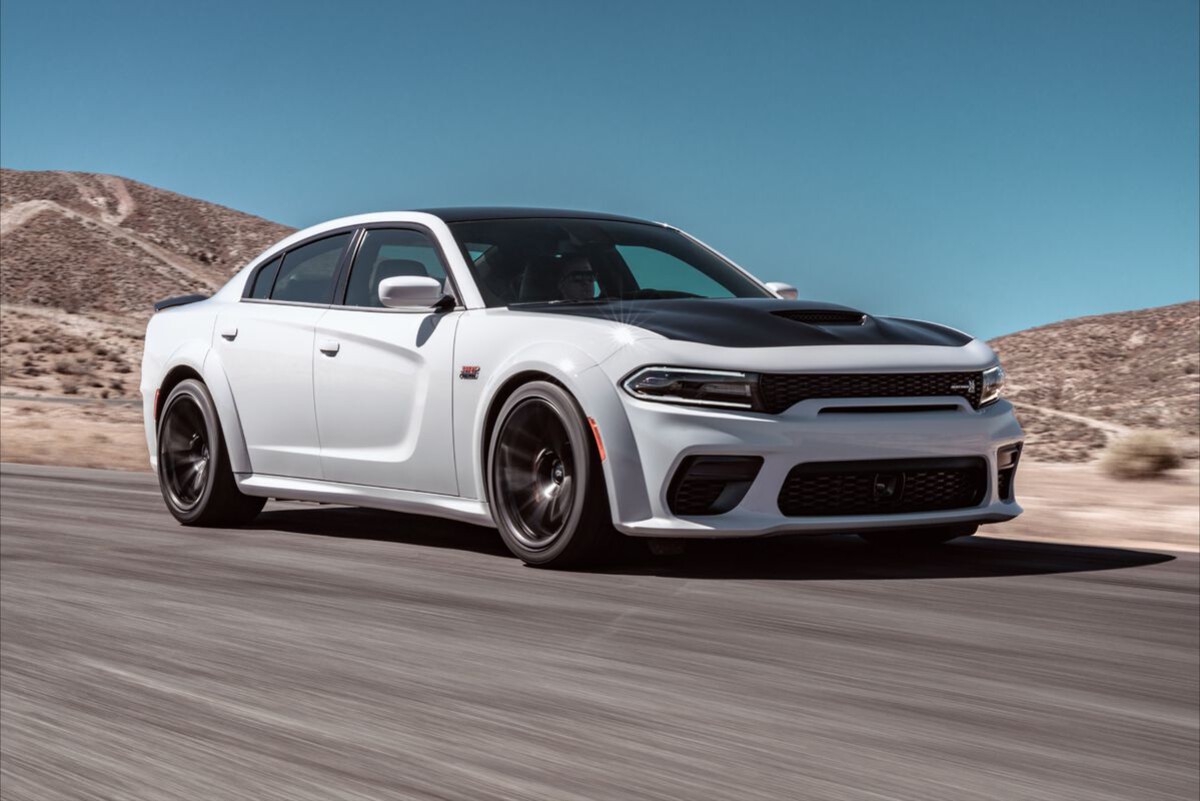
Its roof strength and head restraint ratings also lag behind industry leaders, which is surprising for a vehicle of its size and weight.
Moreover, advanced safety features like adaptive cruise control, lane departure warning, and automatic emergency braking are not standard, even on mid-trim models. For a car starting near $35,000, this lack of standard tech is disappointing.
Interior visibility is another concern. Thick rear pillars and a sloping roofline hinder rearview and side views, making lane changes risky without blind spot monitoring, which again, is not standard on base trims.
While the Charger delivers muscle car thrills and aggressive styling, it sacrifices modern safety in favor of nostalgia. Those seeking a large sedan with family-friendly protection may want to look elsewhere.
2. 2023 Chevrolet Tahoe
The Chevrolet Tahoe is a full-size SUV often marketed as a go-to for big families and adventurous road trips. But despite its commanding presence and spacious interior, the 2023 Tahoe has hidden flaws that make safety-conscious buyers raise eyebrows.
Although the Tahoe earned an overall 4-star rating from the NHTSA, its frontal crash test scores revealed potential vulnerabilities, especially for front-seat passengers.
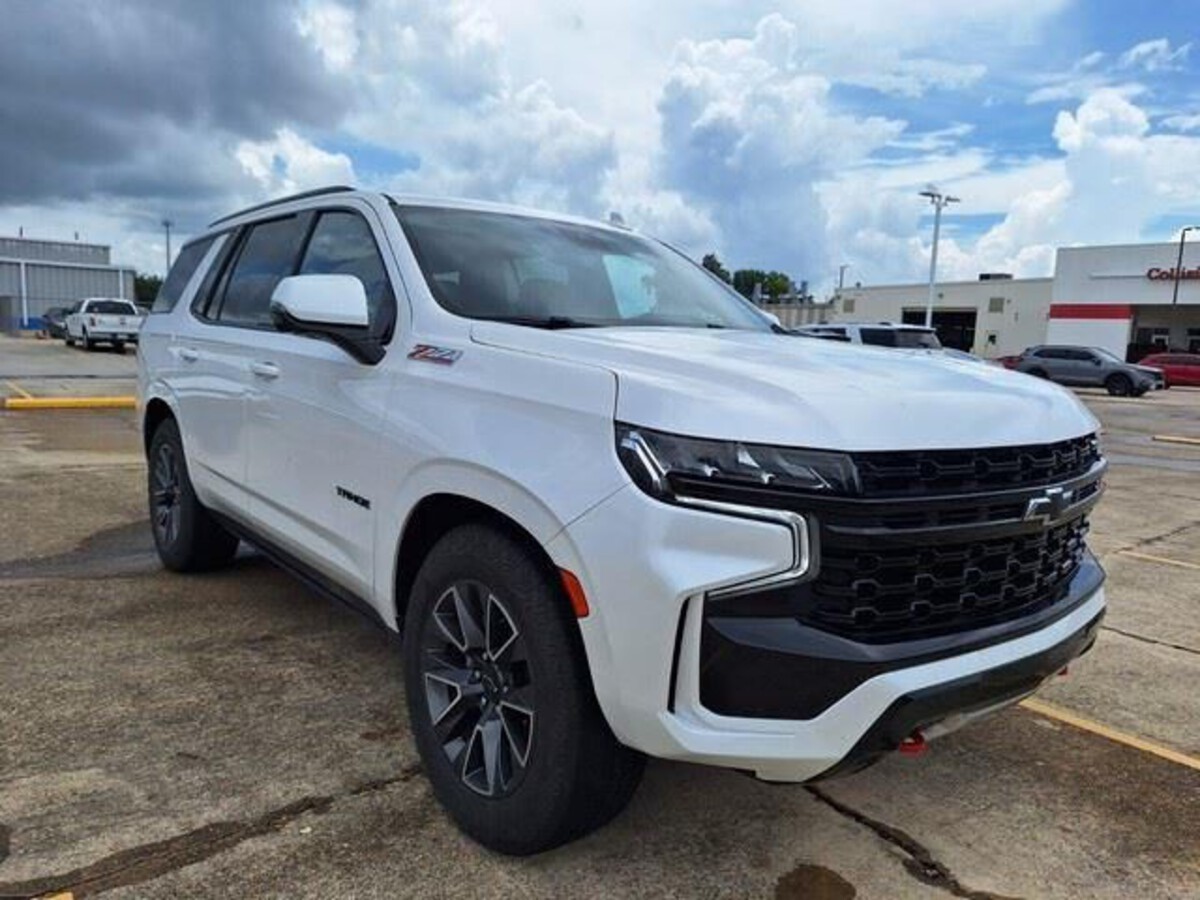
In the IIHS evaluations, the Tahoe underperformed in the small overlap front test on the driver’s side, which simulates crashes that are especially common in real-world accidents.
Another drawback is the sheer size and weight of the vehicle. In emergency maneuvers, the Tahoe suffers from longer stopping distances and noticeable body roll, which can reduce driver control in sudden situations. Even though it comes with Chevy’s Safety Assist system, including automatic emergency braking and lane keeping assist, these features don’t always work seamlessly due to the Tahoe’s sluggish response time.
Also troubling is its visibility, especially for shorter drivers. Large blind spots and an elevated hood can make it difficult to spot pedestrians or smaller vehicles, particularly in urban environments.
While the Tahoe offers undeniable comfort, luxury trims, and towing capabilities, these perks don’t mask its fundamental flaws. If safety is your top priority, this SUV may not be the fortress it appears to be.
3. 2023 Chrysler 300
The Chrysler 300 has long been known for its luxury feel at a relatively affordable price, but the 2023 model reveals that an aging design can come at a cost, particularly in safety. Built on a platform that hasn’t seen a major update in over a decade, the Chrysler 300 lacks the structural enhancements and active safety features found in more modern vehicles.
The IIHS ratings show that while the Chrysler 300 performs adequately in moderate overlap front and side crash tests, it fails to impress in small overlap front evaluations, which test how well the car protects occupants during offset frontal crashes.
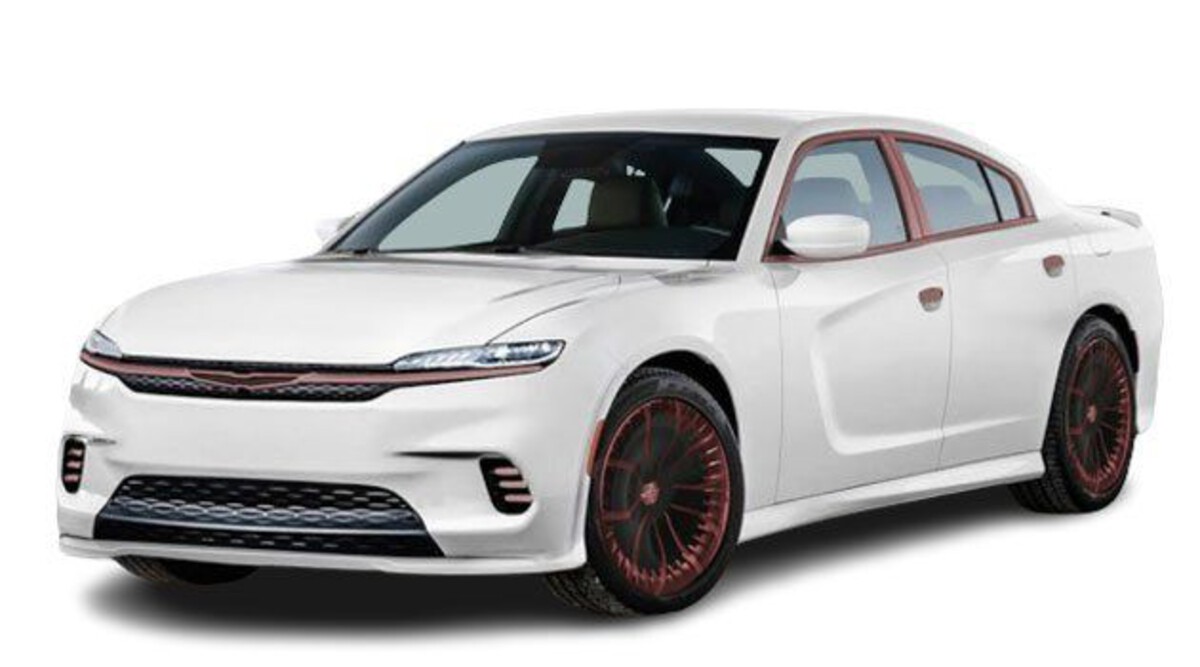
Its roof strength is also rated marginal, an unsettling fact for a vehicle this size.
To make matters worse, many driver-assist features like forward collision and lane departure warnings are only available on higher trims, not standard across the lineup. This puts lower-trim buyers at a safety disadvantage. Also, unlike most newer large sedans, the 300 does not include standard blind spot monitoring, rear cross-traffic alert, or pedestrian detection.
Its retro-cool styling and powerful V6 or V8 engines are tempting, but the Chrysler 300’s subpar crash safety and dated tech suggest it may not be the wisest choice in its class.
For buyers expecting large-car protection, the Chrysler 300’s outdated safety profile might come as a rude awakening.
4. 2023 Nissan Armada
The Nissan Armada is a beast on the road, full-size, powerful, and boldly styled. However, its safety credentials tell a very different story, especially when compared to newer competitors. The 2023 Armada only received a 4-star overall safety rating from the NHTSA, and the IIHS hasn’t fully evaluated it due to its size and weight class.
A deeper look reveals concerning issues. The Armada’s platform is based on an aging design that dates back nearly 20 years, which affects its crashworthiness in areas like structural rigidity and rollover resistance. Even more troubling is its poor visibility, worsened by massive blind spots and a high beltline.
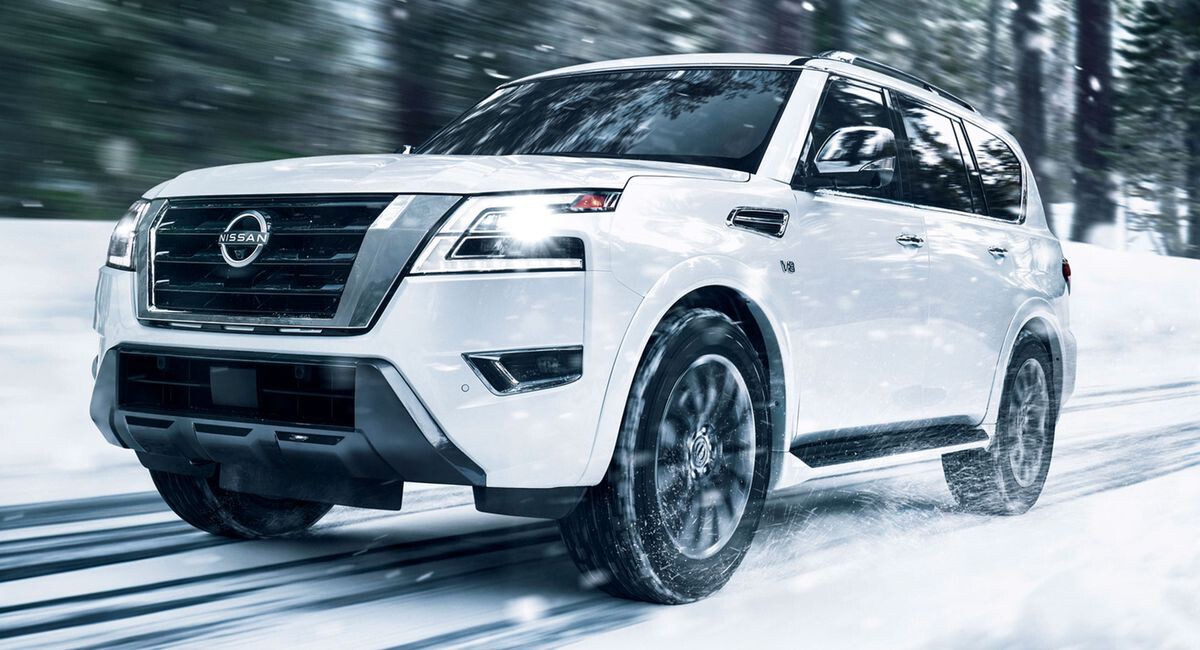
Though Nissan has tried to modernize the vehicle with its Safety Shield 360, some of these features, like rear automatic braking and intelligent lane intervention, don’t respond as smoothly or effectively as competitors’ systems. There’s also a lack of pedestrian detection on base models, which is increasingly considered standard in this price range.
The Armada’s weight and sluggish handling make emergency braking and evasive maneuvers particularly challenging. While it’s capable in terms of towing and cargo, the trade-off in safety technology and driving dynamics should give family buyers pause.
If you’re expecting premium SUV safety from the Armada’s size and price tag, you might be disappointed. Bigger doesn’t always mean better, especially in the details that count when accidents happen.
5. 2023 Volkswagen Arteon
The 2023 Volkswagen Arteon is marketed as a premium large car, blending sleek design with German engineering. While it excels in comfort and aesthetics, its safety performance doesn’t fully align with its upscale image. Although it scored decently in some areas, its overall crash test results reveal gaps.
The Arteon earned a marginal rating in the IIHS small overlap front test, specifically on the passenger side, which is a major red flag for families and everyday commuters alike.
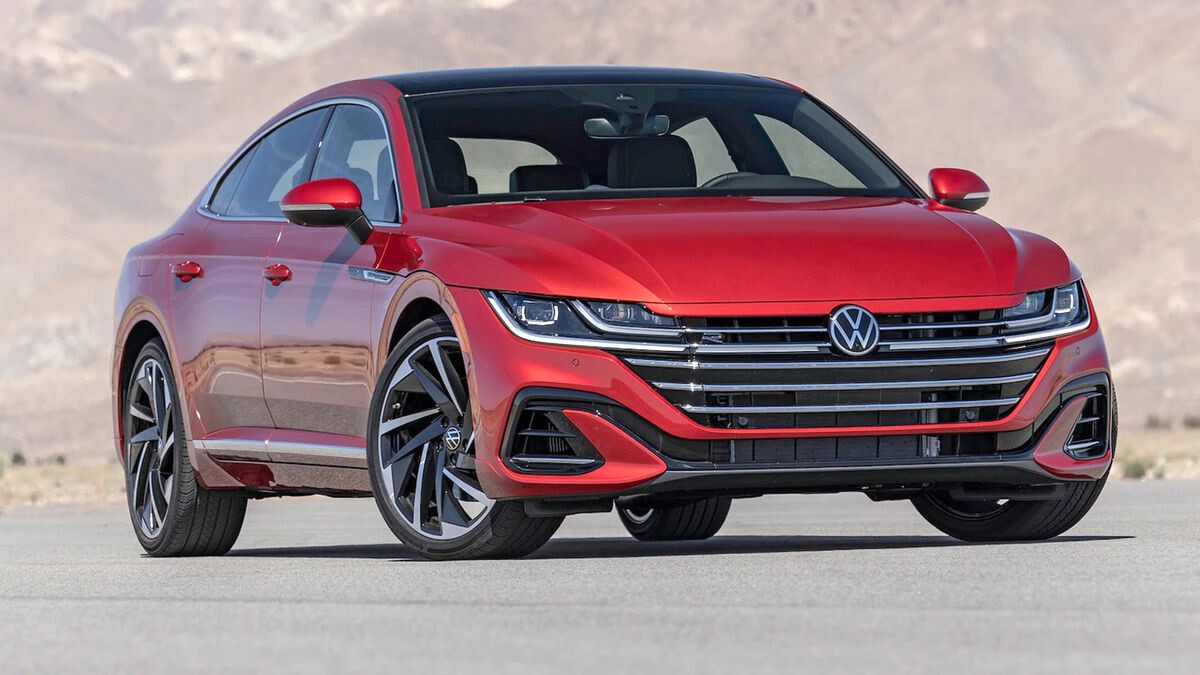
In a crash where the front corner hits a barrier, one of the most common real-world accidents, this car may not offer the level of protection you’d expect from a $45,000 sedan.
Furthermore, the Arteon doesn’t come standard with many advanced safety features. Adaptive cruise control, lane centering assist, and traffic sign recognition are available only on higher trims. Even automatic emergency braking and blind spot monitoring may require buyers to spend more than anticipated for proper safety coverage.
Another issue is the Arteon’s long, sloping roofline and thick rear pillars, which compromise rear visibility. This design choice may look stylish, but it makes lane changes and reversing more dangerous than necessary.
The Arteon is undoubtedly eye-catching and comfortable, but it’s also a prime example of how style and luxury can sometimes mask structural and safety shortcomings. For buyers prioritizing crash safety over cabin ambiance, there are better choices in the large car segment.
For years, consumers equated a vehicle’s size with its safety. The logic seemed sound: a larger mass should offer more protection in a collision. But that assumption no longer holds true in today’s automotive world.
Thanks to rigorous crash testing, smart engineering, and advancements in driver assistance technology, many compact cars now offer a level of safety that rivals, or even surpasses, their larger counterparts.
The five compact vehicles featured in this blog, the Honda Civic, Mazda3, Subaru Impreza, Toyota Corolla, and Hyundai Elantra, are proof of this evolution.
Each one earned top-tier crash ratings, came equipped with high-quality safety systems, and showed that smart design can overcome the limitations of size. They provide daily drivers, students, and families alike with affordable, accessible protection, without compromising efficiency or comfort.
On the other hand, the Dodge Charger, Chevrolet Tahoe, Chrysler 300, Nissan Armada, and Volkswagen Arteon expose the myth that size equals safety.
Despite their bulk and bold styling, these larger cars suffer from outdated platforms, marginal crash test results, missing or paywalled safety features, and less effective driver assistance systems. Their shortcomings highlight the importance of digging beyond appearances and marketing.
In a world where safety tech evolves faster than body styles, it’s crucial to research beyond the badge and body type. Bigger vehicles may feel more secure, but the reality is often more complex. Compact cars have risen to the challenge and now lead in areas that matter most when lives are on the line.
So don’t just go big, go smart. Choose safety based on facts, not just frames.