When evaluating the long-term dependability of a car, fuel system performance is often overlooked. Yet, it plays a pivotal role in how efficiently and reliably a vehicle operates. A well-designed fuel system not only optimizes engine performance and fuel economy but also minimizes the need for frequent maintenance.
On the flip side, some vehicles are known for their troublesome fuel systems, systems that are prone to clogging, carbon buildup, or injector issues that require constant cleaning just to keep the engine running smoothly.
In this article, we examine two very different ends of the spectrum. First, we highlight five cars equipped with fuel systems so durable and well-engineered they’ve earned a reputation for being virtually bulletproof. These vehicles rarely suffer from fuel-related problems, even after years of daily driving.
Then, we turn our attention to five cars that are notorious for fuel system issues, often requiring regular cleaning or service due to poorly designed components or a sensitivity to fuel quality.
Cars With Bulletproof Fuel Systems
Whether you’re in the market for a used car, looking to minimize long-term maintenance costs, or just want to avoid the hassle of repeated fuel system cleanings, this guide will help you identify which vehicles are engineered to last, and which ones could become a frustrating part of your maintenance routine.
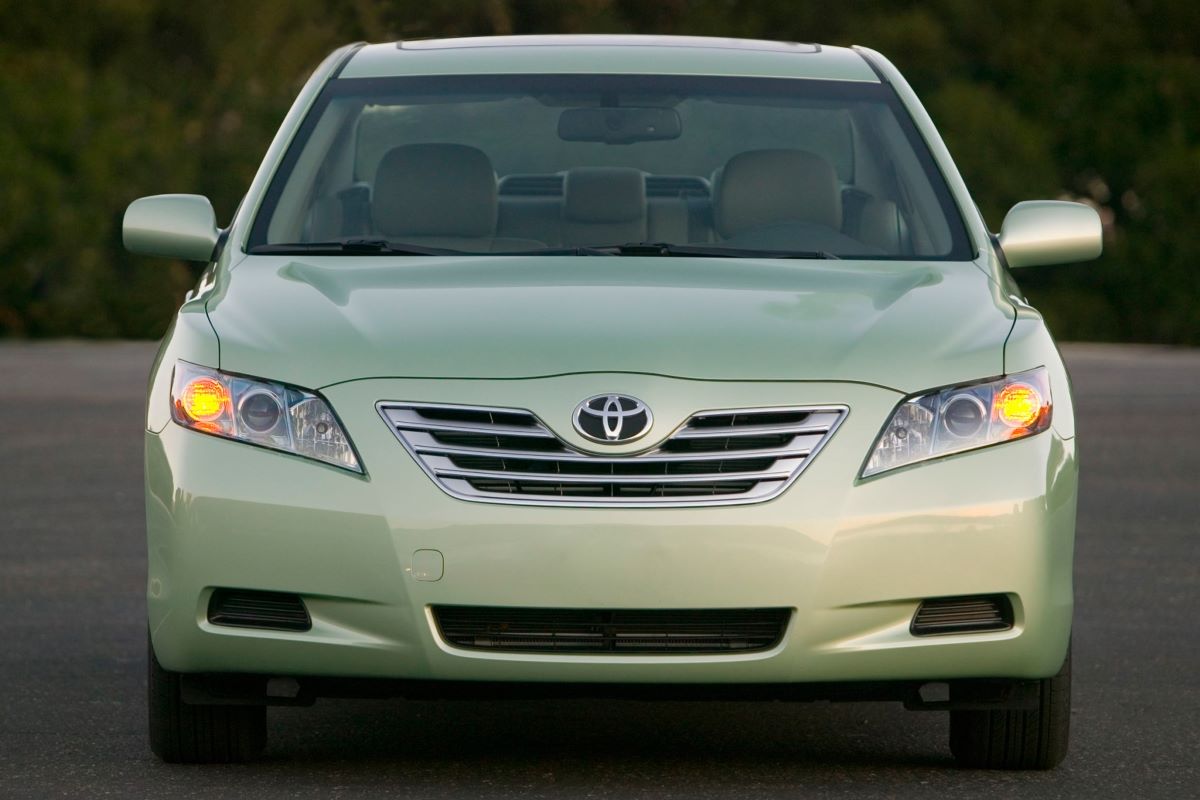
1. Toyota Camry (2007–2017)
The Camry’s reputation for reliability extends to its fuel system. With a robust fuel pump, high-quality fuel injectors, and long-life filters, most owners report zero fuel-related issues even after 150,000+ miles.
Toyota’s conservative tuning and clean-burning engines help keep carbon deposits at bay, especially in non-direct-injection variants.
The 2010 Camry continues to stand out as one of the top contenders in the highly competitive midsize sedan segment. With outstanding crash test ratings, a smooth and refined ride, and overall comfort, the Camry delivers what most family-sedan buyers are looking for.
For the 2010 model year, the Camry benefits from a midcycle refresh. The most significant update is the base four-cylinder engine, which has grown from 2.4 to 2.5 liters, resulting in an 11-horsepower increase (21 hp for the SE trim).
Additionally, both the manual and automatic transmissions paired with this engine now feature six speeds instead of five. The exterior receives minor updates as well, including a redesigned grille, larger headlights, and revised taillights. On the safety side, stability control is now standard across all trims.
Other welcome upgrades include one-touch auto up/down functionality for all windows and a newly available audio system, featuring satellite radio and Bluetooth, for the lower trims.
In light of such strong rivals, some have started to question whether the Camry is losing its edge. The somewhat underwhelming interior quality, especially when compared to earlier generations, adds some weight to that concern. However, in nearly every other aspect, the 2010 Toyota Camry remains a formidable choice.
It still excels in safety, ride comfort, and continues to carry a reputation for reliability, though perhaps not quite as spotless as before. While it doesn’t handle with the same athleticism as sportier alternatives like the Mazda 6 or Nissan Altima, the Camry’s ride-handling balance is likely to be more appealing to typical midsize buyers.
Given the wealth of solid options in this class, we highly recommend test-driving a variety of models before making a final decision. That said, we continue to be impressed by the Camry. Its refinement and easygoing nature make it a compelling pick for families in search of a comfortable and dependable daily driver.
All 2010 Camrys are front-wheel drive. The standard engine on the base, LE, and XLE trims is a 2.5-liter four-cylinder that delivers 169 horsepower, up from the previous 2.4-liter’s output.
The SE trim gets a specially tuned version of this engine, boosting output to 179 horsepower. A six-speed manual transmission comes standard with all four-cylinder trims except the XLE, which is offered solely with a six-speed automatic.
For other trims, the automatic transmission is optional. Fuel economy for the manual transmission is estimated at 22 mpg in the city and 33 mpg on the highway, while the automatic-equipped models come in slightly lower at 32 mpg highway.
Also Read: 5 Sedans With Highest Top Speeds And 5 With Governors
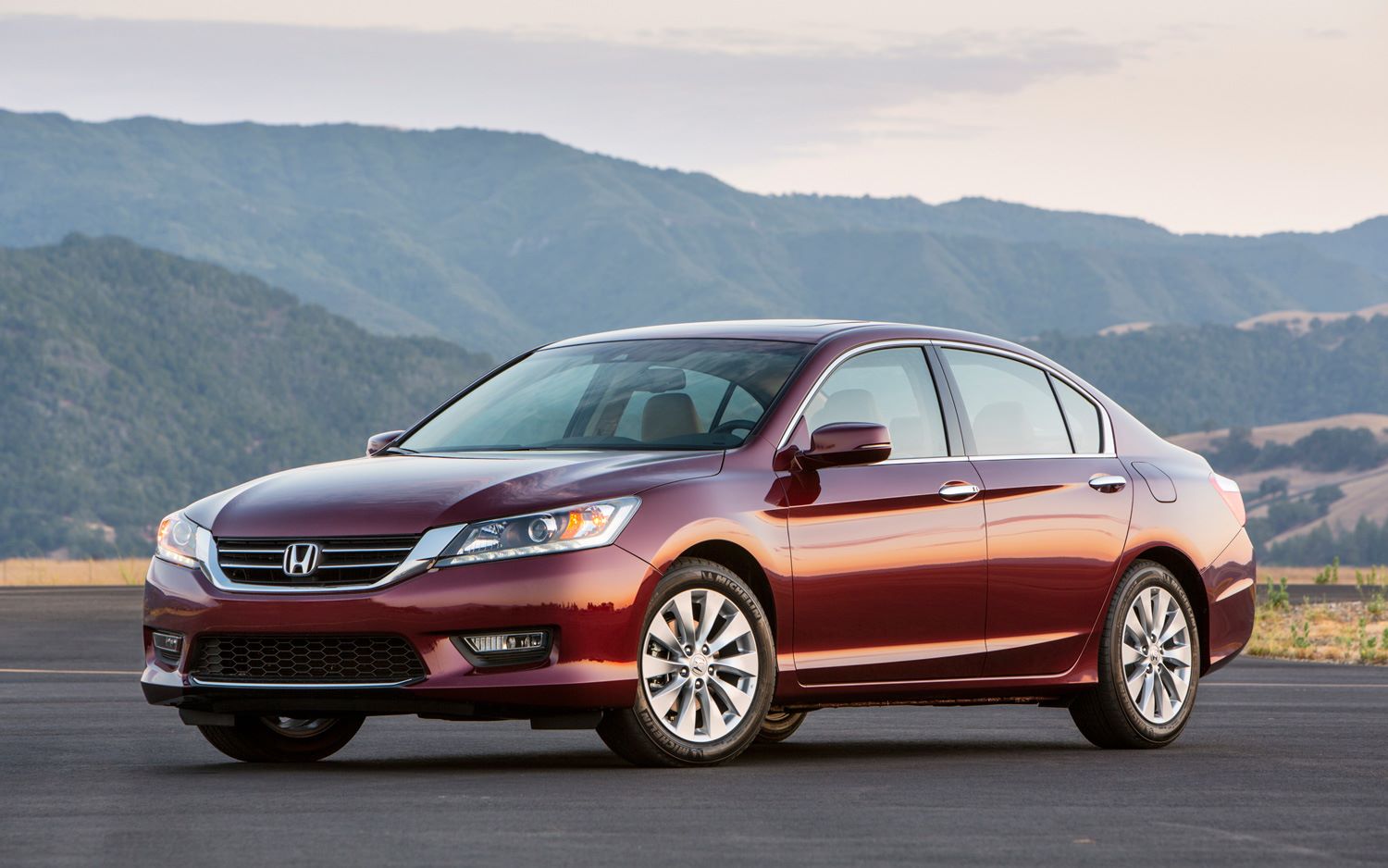
2. Honda Accord (2013–2022)
Honda’s engineering ensures that even with direct injection, the Accord keeps carbon build-up and fuel clogs to a minimum.
The 2.4L i-VTEC and 1.5L turbo engines use precise fuel delivery and clean combustion to reduce injector fouling. Routine maintenance is simple, and fuel filters rarely need replacement unless you’re crossing the 200,000-mile mark.
The Honda Accord has undergone a comprehensive redesign, introducing all-new powertrains, a revamped infotainment system, and a significant expansion of standard active safety technology.
Replacing the previous naturally aspirated four-cylinder and V6 engines are two direct-injected, turbocharged four-cylinder options. The base engine is a 1.5-liter unit producing 192 horsepower and 192 pound-feet of torque, while the upgraded 2.0-liter engine delivers a robust 252 horsepower and 273 pound-feet of torque.
A six-speed manual transmission is available exclusively on Sport models, though most Accords will be equipped with automatic gearboxes—specifically a continuously variable transmission (CVT) for the 1.5-liter engine and a 10-speed torque-converter automatic for the 2.0-liter.
The 2.0-liter turbo stands out for its refinement, offering smooth, quiet, and confident performance that largely makes up for the absence of the outgoing V6.
The 10-speed automatic is a seamless partner, shifting quickly and unobtrusively. However, when paired with the manual transmission in the Sport trim, the engine’s calm demeanor becomes more noticeable, lacking some of the visceral character and excitement that the V6 once provided.
Meanwhile, the Accord Hybrid pairs a 2.0-liter Atkinson-cycle, port-injected inline-four engine with two electric motors, generating a combined 212 horsepower. This hybrid setup is efficient without compromising drivability.
Regardless of the engine choice, the Accord’s chassis is a standout feature. It remains composed and flat through corners, giving the car a planted, confident feel that encourages spirited driving.
Combined with the mechanical upgrades and modernized features, the redesigned Accord offers a compelling mix of performance, comfort, and safety.
Original MSRP for the lineup is as follows: LX at $24,465, Sport at $26,675, EX at $28,365, EX-L at $30,865, Touring at $34,695, and Hybrid starting at $25,995.
3. Lexus ES350 (2010–2020)
As a luxury counterpart to the Camry, the ES350 benefits from exceptional part quality. The fuel pump, lines, and injectors are overengineered for longevity.
Direct injection models employ dual-injection systems, which help mitigate common DI issues like valve carbon buildup one reason this car’s fuel system stays clean and trouble-free.
The ES 350 holds a long-standing position within the Lexus lineup, dating back to the brand’s U.S. debut a quarter-century ago. Much like the original model, the 2014 Lexus ES 350 continues to serve as a spacious entry-level luxury sedan, catering to buyers who prioritize comfort, tranquility, and upscale features above all else.
This latest generation of the ES stands out for its generous rear-seat space, largely due to its shared platform and overall size with the Toyota Avalon, a full-size sedan. That makes it an ideal pick for those who expect to regularly carry passengers in the back.
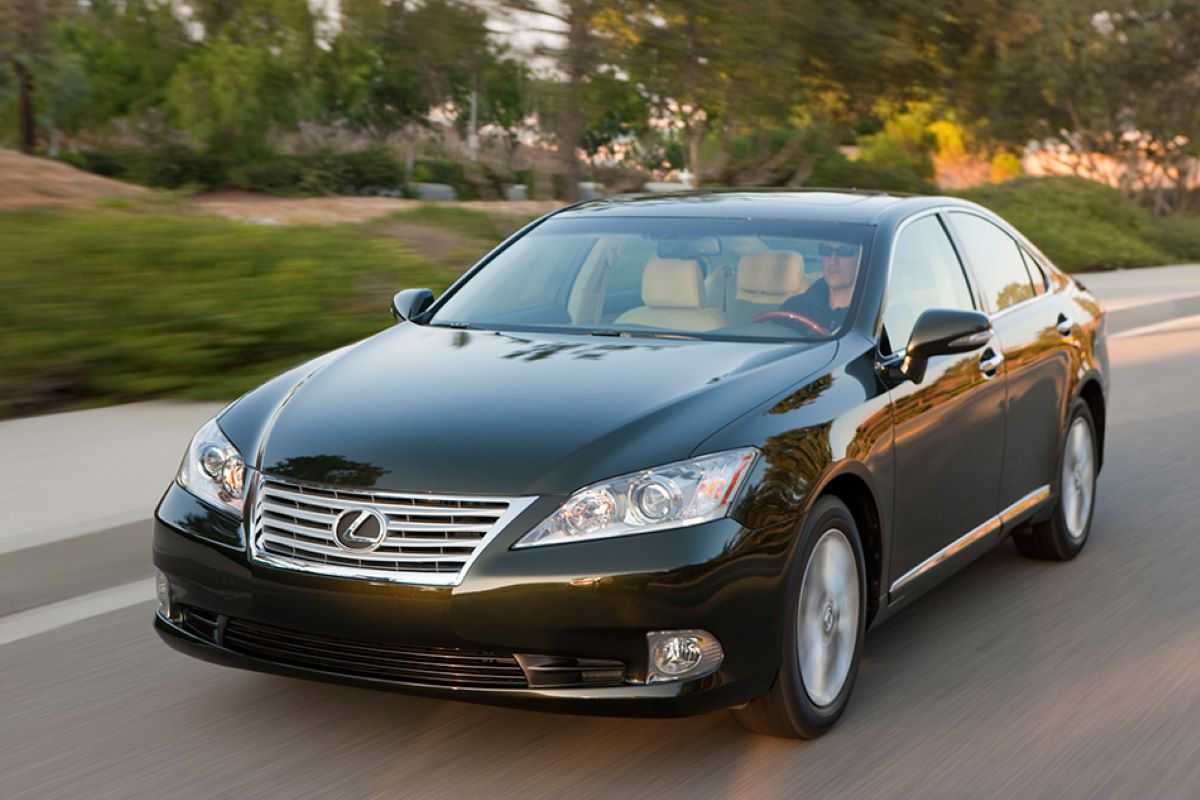
The ES also maintains its reputation for refined cabin design, with high-quality materials and excellent craftsmanship throughout. These traits go a long way toward justifying the price premium over a more mainstream Toyota.
Lexus equips the ES 350 with a solid list of standard and optional luxury and tech amenities. For 2014, xenon headlights come standard, and various optional packages offer high-end upgrades such as ventilated front seats and adaptive cruise control.
However, most models will feature the brand’s available infotainment system, which is controlled via the Remote Touch interface, a joystick-style controller that can feel clumsy and less intuitive than competing systems.
Despite that drawback, the 2014 Lexus ES 350 excels in most areas that matter to its target audience. While it has never aimed to be a sporty option in the entry-level luxury sedan class, it delivers a serene and composed driving experience, thanks to its smooth V6 engine and plush ride quality.
For those who want sharper performance and more driver engagement, the smaller and pricier Lexus IS 350 might be a better fit. However, for buyers focused on a luxurious and easygoing ride, the ES 350 remains a top-tier contender.
Also Read: Top 10 Long-Lasting Cars That Get Over 30 MPG
4. Ford Crown Victoria (1998–2011)
Built for police and taxi duty, the Crown Vic is a legend in durability. Its fuel system features a reliable in-tank pump and robust fuel rails and injectors.
Even in high-mileage fleet use, it rarely suffers from clogging or pump failure. Simple design and easy access also make servicing (if needed) a breeze.
Full-size, V8-powered sedans might be experiencing a revival in the 21st century, but the Ford Crown Victoria is one of the few large, rear-wheel-drive sedans that never stepped out of the game.
The 2007 Ford Crown Victoria traces its lineage back to the 1980 model year, when Ford introduced the name as a high-end trim level on the full-size LTD sedan. Interestingly, Ford also used the “Crown Victoria” name for a more upscale version of the mid-1950s Fairlane coupe.
Shortly after its 1980 debut, Ford rebranded all its full-size sedans as LTD Crown Victorias. Since then, the model has seen continuous production, with just one significant redesign in 1992 — the same year the “LTD” name was dropped.
In contrast to most of its contemporary rivals, the Crown Victoria retains body-on-frame construction. While this design limits its ride quality and handling finesse, it remains incredibly durable and cost-effective, which is precisely why it’s favored by fleet buyers like taxi companies and law enforcement agencies.
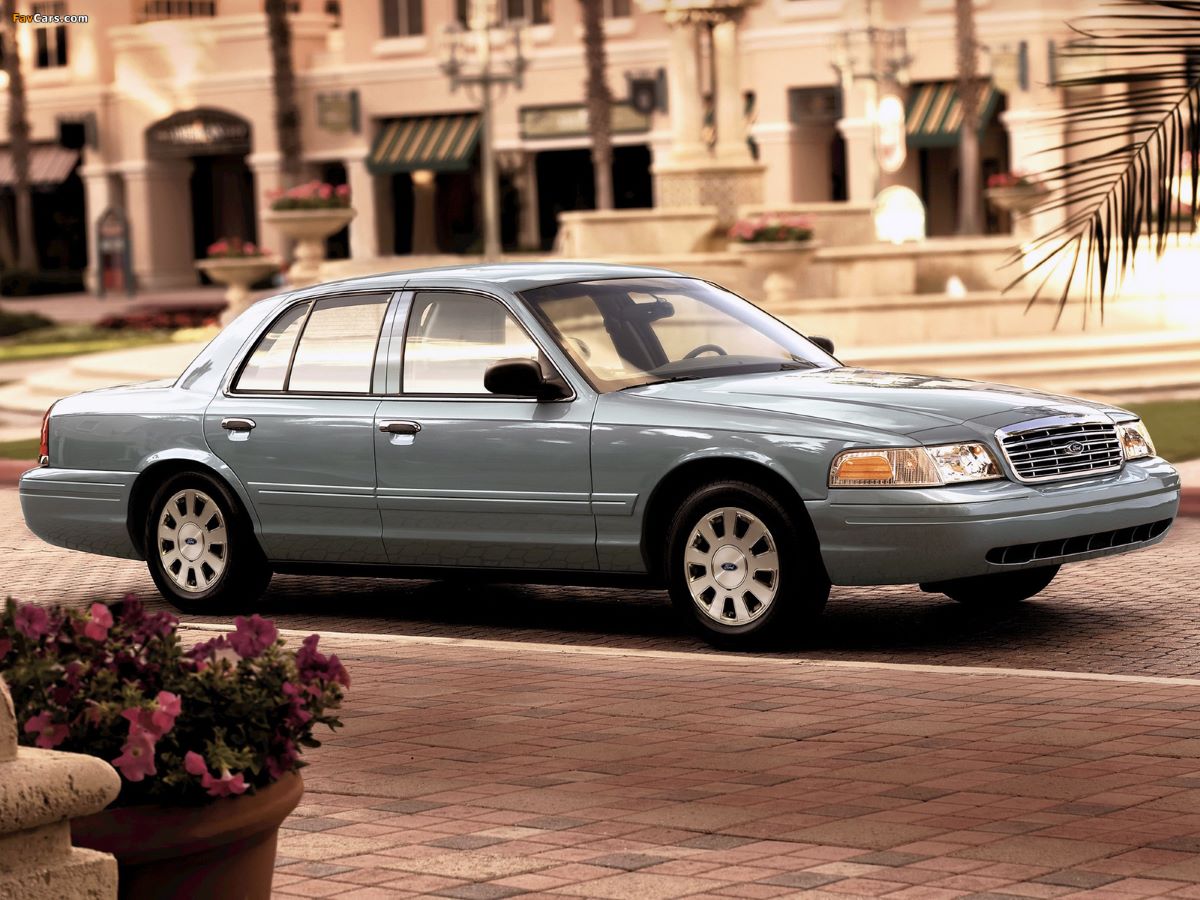
In 2003, Ford introduced an all-new frame, a redesigned front suspension, and rack-and-pinion steering, all of which helped boost the Crown Vic’s crash safety and driving dynamics.
Even with those improvements, though, the Crown Victoria still falls short of the refinement and nimbleness offered by unibody competitors such as the Chrysler 300 and Toyota Avalon, both of which feature fully independent suspension systems.
For buyers willing to trade a bit of modern polish for old-school durability, the 2007 Ford Crown Victoria offers solid value. Base models start in the mid-$20,000 range, and a well-equipped version can still be had for under $30,000.
Upscale tech like a navigation system, premium audio, or Bluetooth connectivity isn’t available, but for traditional Crown Vic buyers who prioritize a spacious, V8-powered sedan with a comfortable ride, that’s unlikely to be a concern. That said, anyone shopping in the full-size sedan segment should make it a point to test drive newer competitors before making a final decision.
Despite tipping the scales at around two tons, the rear-wheel-drive Crown Victoria still feels adequately quick, thanks to its 4.6-liter V8 engine, which delivers 224 horsepower and 272 pound-feet of torque.
The LX trim, when equipped with the Premium Sport Handling and Performance Package, ups those figures to 239 horsepower and 287 pound-feet of torque due to an enhanced exhaust system. All models come standard with a four-speed automatic transmission.
Crown Victorias fitted with the sport package also benefit from a more aggressive torque converter and shorter rear-axle gearing (3.27:1 compared to the standard 2.73:1), which provide noticeably quicker acceleration from a standstill.
Also Read: 5 Trucks With the Best Storage Under Seats and 5 Wasting Space
5. Subaru Outback (2015–2022)
Subaru’s horizontally opposed engines in the Outback have surprisingly clean fuel systems, especially in naturally aspirated versions.
The electronic fuel injection is tuned for efficiency and longevity, and most owners report clean injector patterns and minimal carbon even past 100,000 miles. Additives are rarely needed unless you’re running extremely poor fuel.
The 2016 Subaru Outback remains a go-to choice for drivers who enjoy venturing off the beaten path. While its wagon-like profile may not immediately suggest ruggedness, the Outback is engineered to handle outdoor adventures with ease.
Under the hood, the 2016 Subaru Outback comes standard with a 2.5-liter horizontally opposed (“boxer”) four-cylinder engine, producing 175 horsepower and 174 pound-feet of torque.
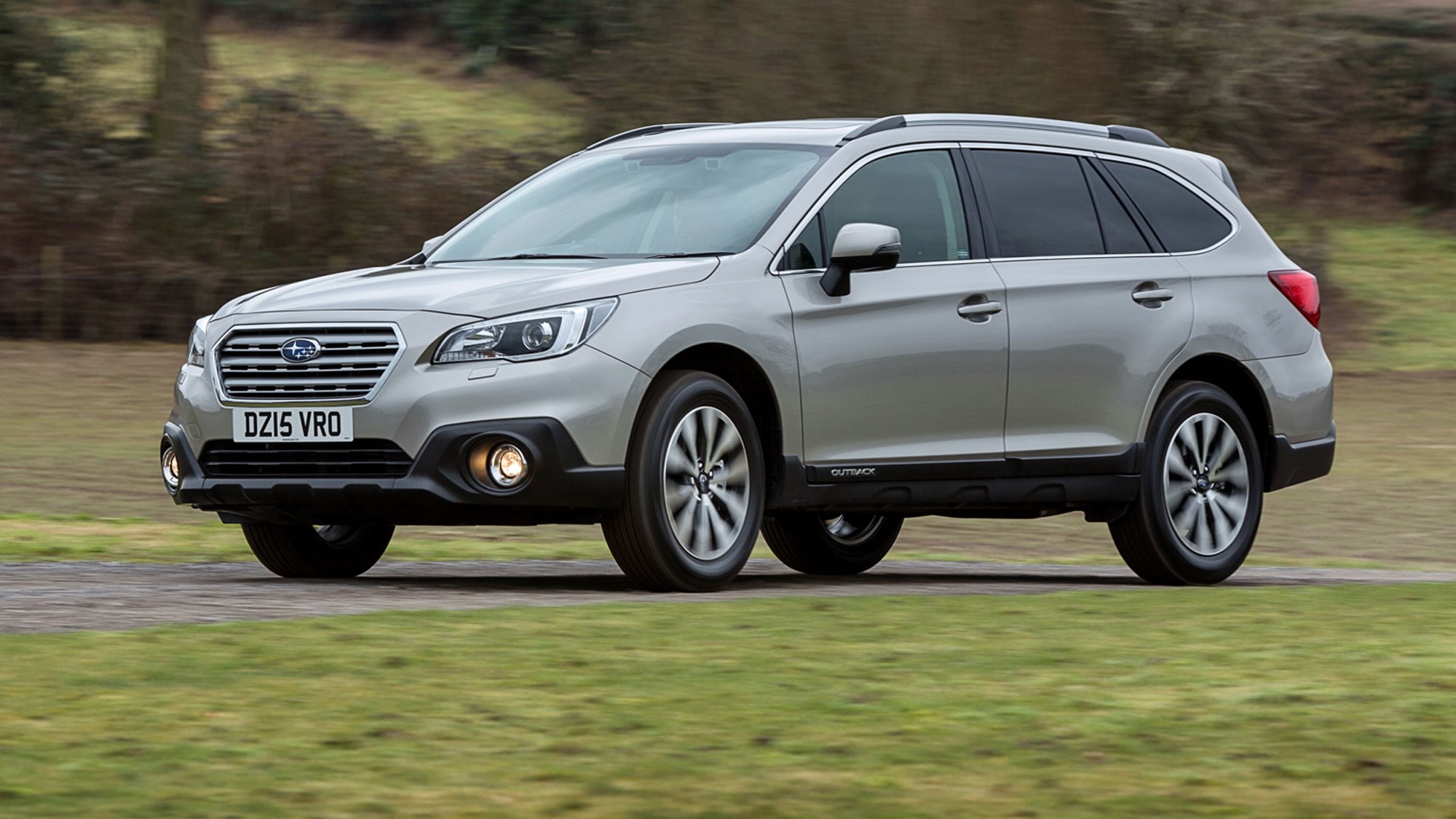
Power is delivered to all four wheels through a continuously variable automatic transmission (CVT), which includes steering-wheel-mounted buttons that allow drivers to simulate a six-speed manual gearshift when desired.
In Edmunds’ performance testing, the Outback 2.5i Limited accelerated from zero to 60 mph in a modest 9.6 seconds—a pace slightly behind many compact crossovers.
Despite this, the Outback compensates with fuel efficiency. The EPA estimates fuel economy for the 2.5i at 28 mpg combined (25 city/33 highway), and during Edmunds’ own 120-mile mixed-driving evaluation, the Outback 2.5i Limited delivered an impressive 28.9 mpg.
Cars That Constantly Need Cleaning
In this article, we take a closer look at the vehicles that demand the most elbow grease to keep clean. If you’re particular about tidiness or don’t want to spend your weekends scrubbing and vacuuming, these are the models you may want to think twice about before buying.
1. Audi A4 (2009–2017)
The Audi A4 with the 2.0T TFSI engine is notorious for direct-injection-related carbon build-up. Since DI systems bypass the intake valves, oil vapors and particulates collect on the valves, requiring walnut blasting every 40,000 to 60,000 miles.
Fuel injectors also clog more frequently, especially with low-octane fuel. Last year’s A4 convertible was built on an aging platform tied to the previous-generation A4, and its time has come to an end. Taking its place is the stylish new A5 Cabriolet.
The more expensive V6 variant from before also failed to justify its price, as it couldn’t outperform the base turbocharged four-cylinder. In that context, Audi’s strategy seems perfectly logical. Things are running smoothly in Ingolstadt.
What hasn’t changed is the A4’s sharp, well-balanced handling. When combined with its sleek exterior design and upscale interior, the 2010 A4 continues to deliver a premium driving experience.
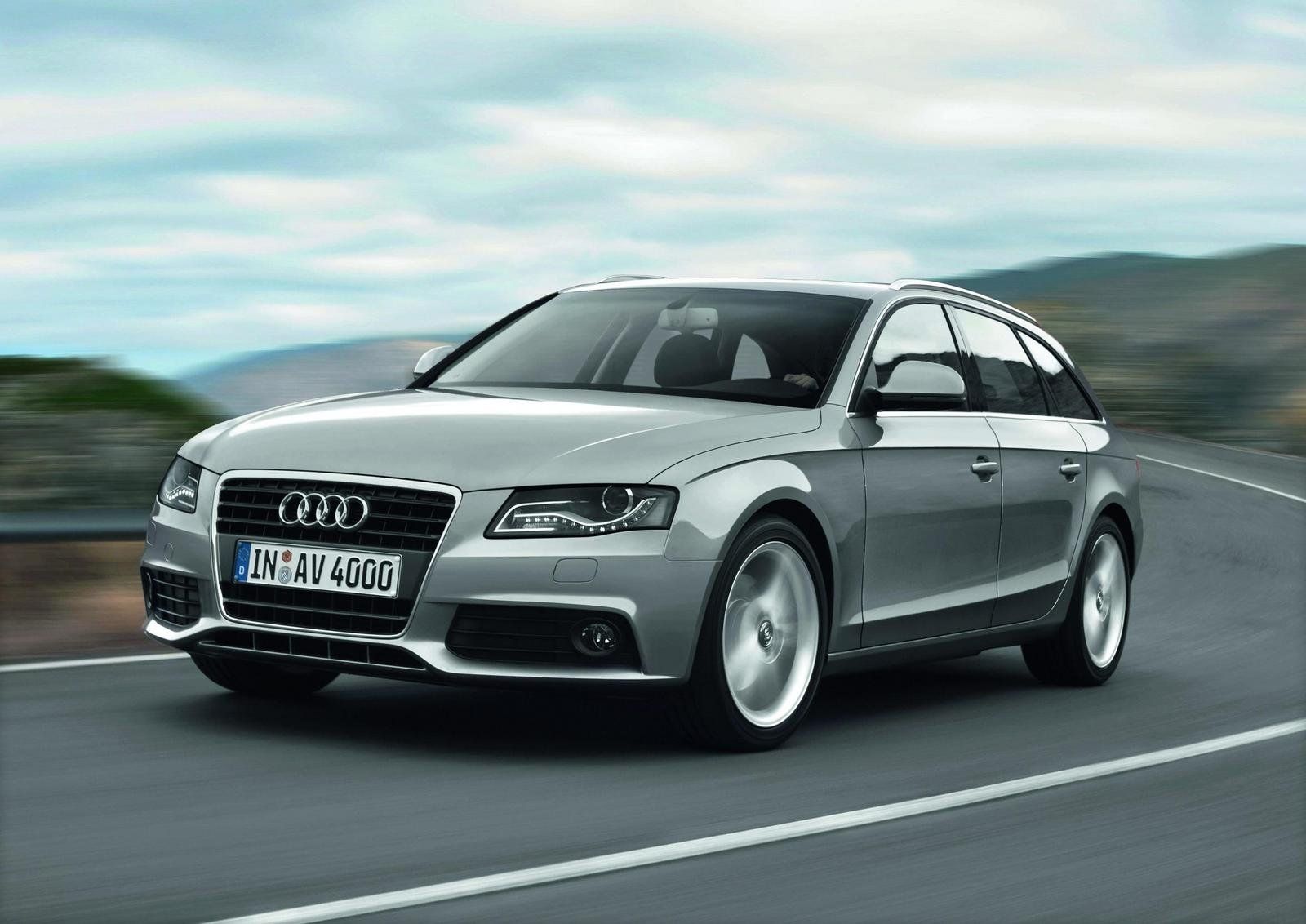
The main question surrounding the latest A4 is whether the turbocharged four-cylinder engine can truly hold its own, especially given that many competitors still rely on smooth six-cylinder engines. That said, Audi’s 2.0-liter turbo-four delivers competitive acceleration in spite of its smaller displacement.
Shoppers focused on value might want to check out the Volkswagen Passat, which is offered in both sedan and wagon formats and comes equipped with a detuned version of the A4’s turbocharged engine that still performs admirably.
Another alternative is the stylish Volkswagen CC, which is also available with a V6. But for those seeking a refined sport sedan or wagon that blends dynamic style with substance, the 2010 Audi A4 stands as a strong and confident choice.
2. BMW 335i (2007–2013, N54 Engine)
The twin-turbo N54 is a performance marvel, but it comes with constant fuel system headaches. Owners frequently battle injector fouling, failing high-pressure fuel pumps, and intake valve carbon deposits.
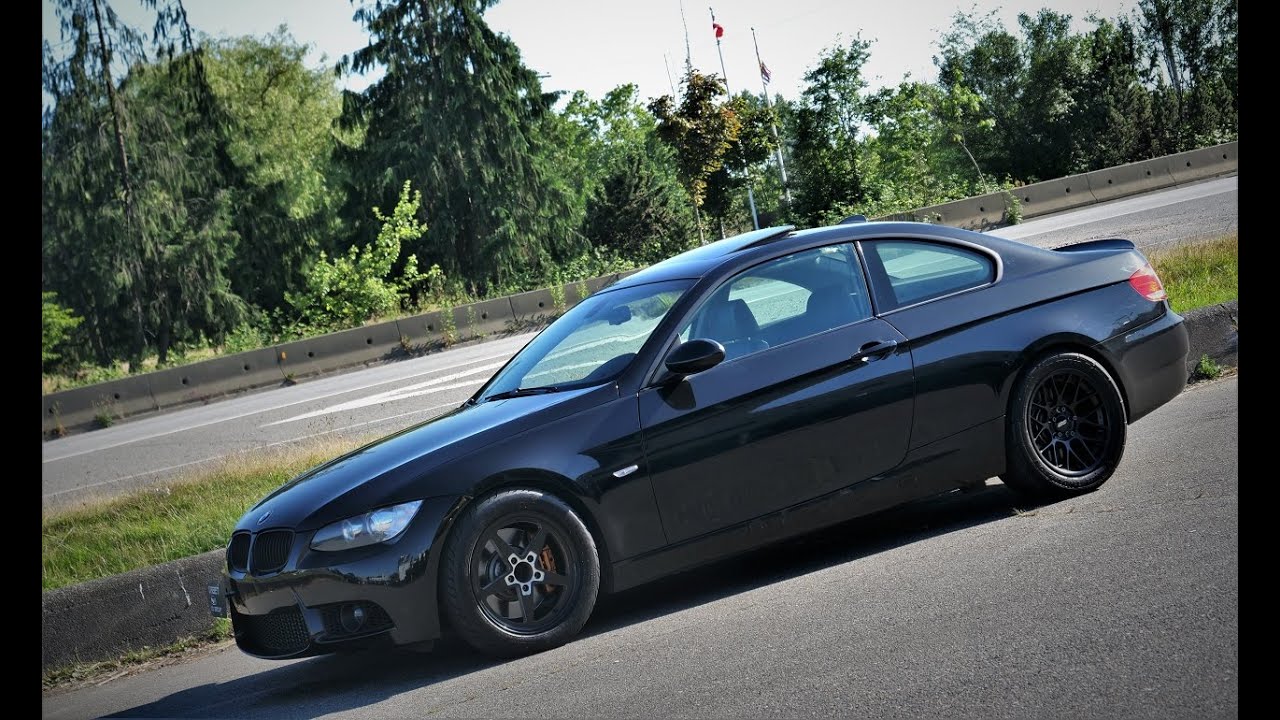
Even with premium fuel and additives, the system demands regular cleaning and repairs especially on tuned models. A key contributor to the BMW 335i’s dynamic versatility is its highly praised twin-turbocharged inline-six engine.
Though this powerplant is nearing the end of its run, set to be replaced by a more fuel-efficient single-turbo version from BMW’s Munich headquarters,its presence will be sorely missed. The twin-turbo six delivers a remarkably broad and usable powerband along with exceptional drivability.
Its smoothness is deceptively potent; if you’re not careful, you’ll find yourself well above the speed limit without realizing it. At low RPM, it behaves with civility, yet it responds instantly and forcefully when the throttle is applied.
The EPA rates the two-door 335i at 17 mpg city and 26 mpg highway. In real-world conditions, combining spirited driving with some highway cruising, we managed an impressive 25.3 mpg.
Turbo lag is essentially nonexistent. The 335i’s acceleration mimics that of a naturally aspirated large-displacement engine rather than a turbocharged one. With 300 lb-ft of torque available from 1,400 to 5,000 rpm, the engine feels consistently strong across the rev range.
BMW officially rates it at 300 horsepower, though our experience suggests that figure may be modest. In fact, the last 335i manual we tested sprinted from zero to 60 mph in just 5.1 seconds.
But acceleration figures alone don’t tell the full story. The real brilliance of the 335i lies in how it feels to drive. Navigating the 5-20 mph crawl typical of L.A. freeways is effortless, and there’s genuine satisfaction in hammering through wide-open throttle upshifts.
This isn’t a car pretending to be sporty—it simply is. Engine revs drop quickly between shifts, avoiding the laggy delay that afflicts many modern powertrains.
Meanwhile, the thick-rimmed steering wheel communicates clearly what the front tires are doing. Once you’re dialed in, every corner invites another downshift, a dance with the redline, and the exhilarating soundtrack of that glorious 3.0-liter inline-six.
3. Mini Cooper S (2007–2015)
Direct injection and a cramped engine bay make the Mini Cooper S prone to fuel delivery issues. Carbon builds up fast on the intake valves, and the high-pressure fuel pump is a well-documented failure point.
Many owners resort to frequent injector cleanings and additives just to keep it running smoothly. The Mini’s engine lineup continues to be a standout feature, offering a winning balance of performance and efficiency.
Even in its base form, acceleration is brisk, particularly in the turbocharged variants, while fuel economy remains impressive, averaging around 30 mpg. But performance isn’t the only reason the Mini stands out. Its vast array of customization options is unmatched in the segment.
With a choice of three engines, two body styles (hatchback and convertible), and an abundance of factory and dealer-installed options, the Mini allows buyers to personalize their vehicle like few other cars can.

Of course, the Mini isn’t the only option in the small car category. Hatchbacks like the Mazda 3, Volvo C30, and Volkswagen Golf/GTI, and convertibles such as the BMW 1 Series and Volkswagen Eos each offer compelling reasons to consider them.
Still, none of these models directly compare to the Mini in a true one-to-one matchup. If you choose the 2010 Mini Cooper, you’re getting more than just a stylish small car—you’re investing in a uniquely fun-to-drive vehicle that manages to be both engaging and environmentally conscious.
The standard Mini Cooper is powered by a 1.6-liter four-cylinder engine that produces 118 horsepower and 114 pound-feet of torque.
Except for the high-performance John Cooper Works model, all Minis come standard with a six-speed manual transmission featuring hill-start assist, while a six-speed automatic is optional. According to Mini, a manual-equipped hatchback accelerates from zero to 60 mph in 8.5 seconds.
Fuel economy is equally strong, with EPA estimates coming in at 28 mpg city, 37 mpg highway, and 32 mpg combined for the manual version (the convertible is rated at 28/36/31), while the automatic returns 25/33/28.
For those seeking more power, the Cooper S steps up with a turbocharged version of the same engine, delivering 172 horsepower and 177 pound-feet of torque, or 192 lb-ft under full throttle thanks to an overboost feature.
4. Dodge Journey (2009–2020)
Particularly in 2.4L and 3.6L variants, the Dodge Journey suffers from clogged fuel injectors, failing fuel pumps, and gummed-up throttle bodies.
Inconsistent fuel quality and a lack of filtration robustness mean frequent injector cleaning is required, especially in hotter climates where fuel system heat soak becomes a problem.
The 2011 Dodge Journey gives buyers the option between two engines, each suited to different priorities. The base Express model comes equipped with a 2.4-liter four-cylinder engine that produces 173 horsepower and 166 pound-feet of torque, paired with a four-speed automatic transmission that powers the front wheels.
This setup yields EPA-estimated fuel economy figures of 19 mpg in the city, 25 mpg on the highway, and 21 mpg combined. However, all other trims in the Journey lineup are powered by a significantly more capable 3.6-liter V6 engine, which delivers 283 horsepower and 260 pound-feet of torque.
This engine is mated to a six-speed automatic transmission with a manual shift feature and comes standard with front-wheel drive, while all-wheel drive is available as an option.
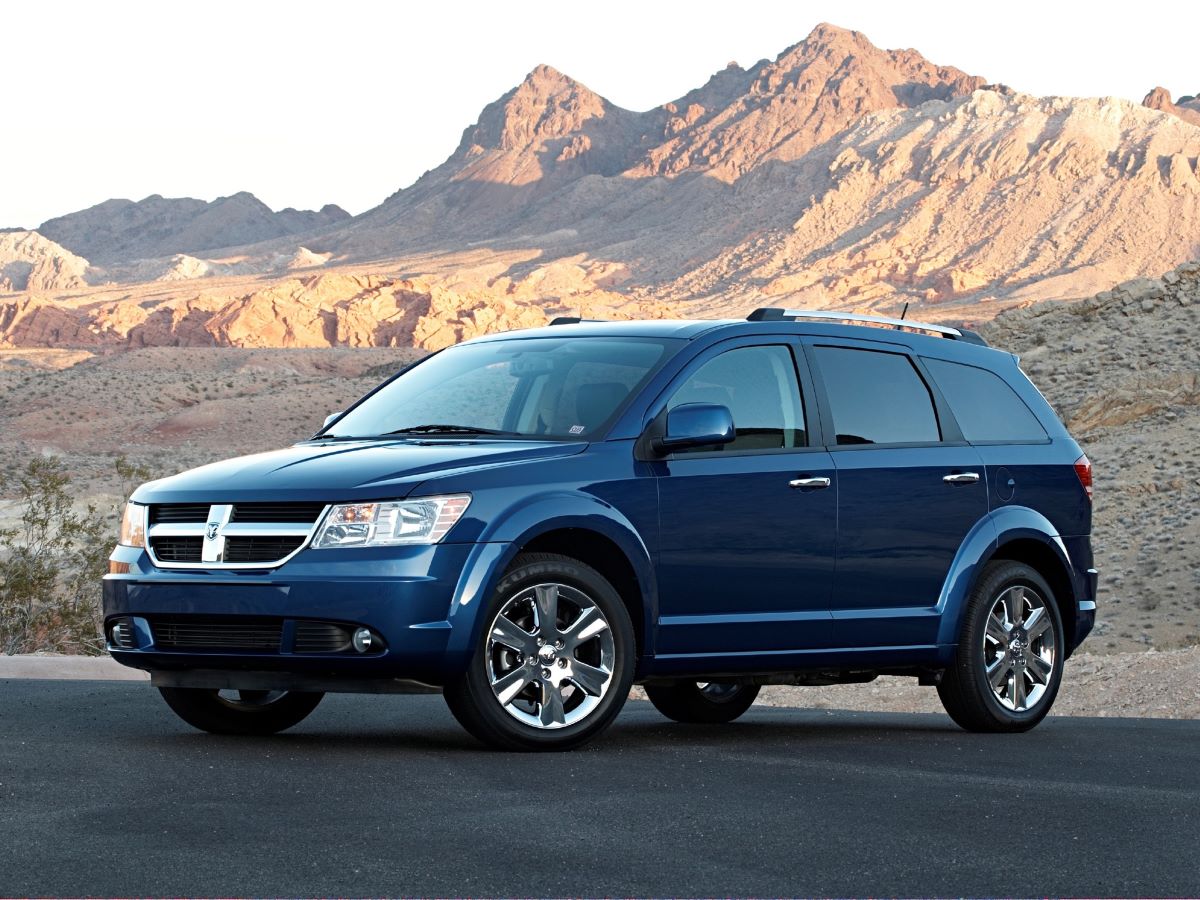
Dodge estimates fuel economy for the V6 at 17 mpg city and 25 mpg highway for front-wheel-drive models, and 16 mpg city and 24 mpg highway for those with all-wheel drive.
When it comes to safety, the 2011 Journey is well-equipped. Standard features include antilock disc brakes, stability control with a rollover sensor, traction control, active front head restraints, front-seat side airbags, a driver-side knee airbag, and side curtain airbags that extend coverage to all three rows.
Although the Journey hasn’t been rated under the government’s more rigorous 2011 crash testing protocols, it received perfect five-star scores in all front- and side-impact categories under the 2010 standards
On the road, the driving experience of the 2011 Dodge Journey largely depends on the engine choice. The base four-cylinder in the Express model lacks the power necessary for quick acceleration in everyday driving situations, such as merging onto highways or overtaking slower traffic.
In contrast, the new 3.6-liter V6 transforms the Journey into a much more responsive and capable vehicle. It delivers brisker acceleration and a smoother driving experience, with only a minimal sacrifice in fuel economy. For those prioritizing performance, the V6 is a far better fit for the Journey’s size and weight.
5. Chevrolet Equinox (2010–2017)
The 2.4L Ecotec engine in this SUV has a reputation for carbon buildup and injector issues. Many owners report stalling or rough idle caused by gunked-up fuel systems.
Fuel pump failures are also common, and the PCV system contributes to more intake and valve deposits. Without regular cleaning or additive use, problems are inevitable.
Once considered an also-ran in the compact SUV segment, the Chevrolet Equinox has worked its way to the front of the pack with its second-generation redesign.
The 2012 Equinox now showcases a distinctive appearance and a refined driving experience, making it a credible alternative to longtime leaders like the Honda CR-V and Toyota RAV4.
One of its standout features is the sliding rear seat, which allows for exceptionally generous rear legroom—comparable to that of a limo. Ride quality is another strong suit, offering a composed and stable feel reminiscent of a larger SUV.
In terms of features, the Equinox holds its own with plenty of standard equipment and thoughtful upgrades like a hard-drive-based navigation system. Unfortunately, the optional rear-seat entertainment system, once a rarity in this class, is no longer available.
Under the hood, buyers can choose between a 182-horsepower 2.4-liter inline-four and a 264-hp 3.0-liter V6. Both provide respectable performance, though the four-cylinder is especially notable for its strong fuel economy—even if, in practice, it sometimes falls short of EPA estimates.
Despite its improvements, the Equinox does have some drawbacks. Its cargo space is not as generous as what you’d get in a CR-V or RAV4, and it doesn’t offer the nimbleness of more athletic rivals like the Kia Sportage or Subaru Forester.
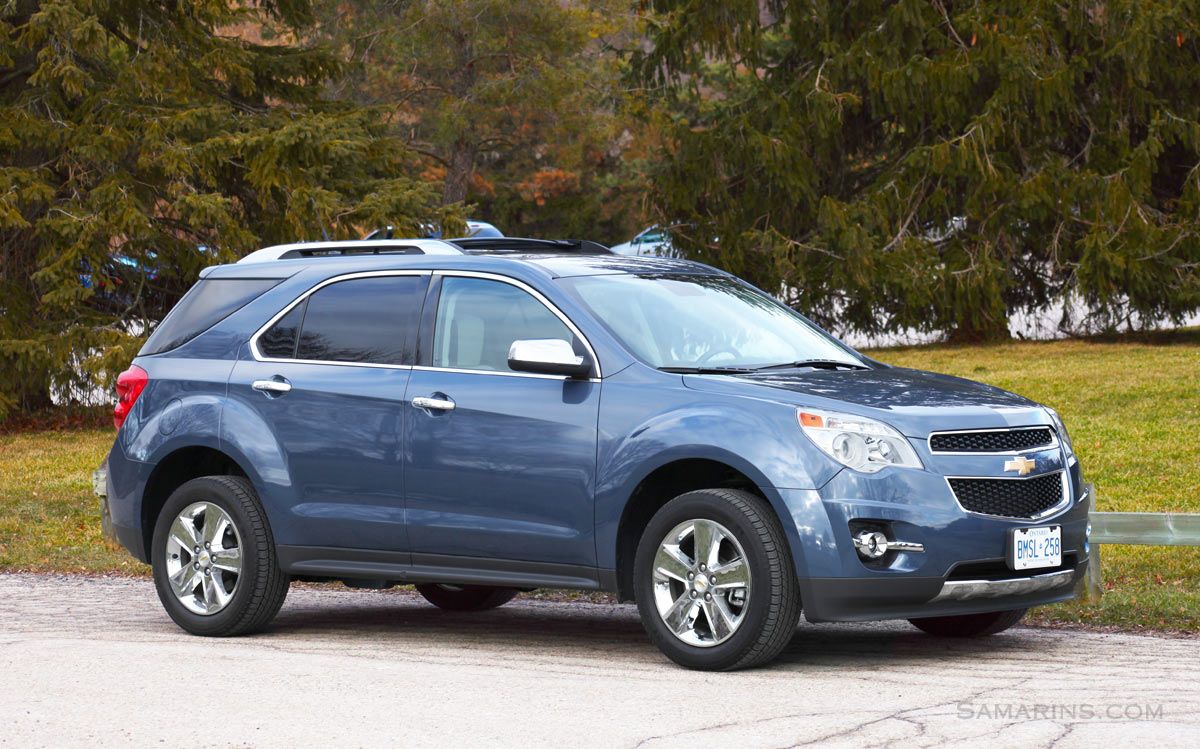
Every 2012 Chevrolet Equinox comes standard with the 2.4-liter four-cylinder engine paired to a six-speed automatic transmission and front-wheel drive, though all-wheel drive is available.
EPA fuel economy estimates are 22 mpg city, 32 mpg highway, and 26 mpg combined with front-wheel drive, and 20/29/23 with all-wheel drive. These numbers are impressive on paper, though real-world results, especially on the highway, tend to be lower.
The available 3.0-liter V6, optional on all trims except the base LS, produces 264 hp and 222 lb-ft of torque. A mechanically identical GMC Terrain V6 posted an 8.3-second 0–60 mph time, which is slightly sluggish for the class. Fuel economy with the V6 drops to 17/24/20 for front-wheel drive and 16/23/19 for all-wheel-drive models.
On the safety front, the 2012 Equinox includes standard antilock disc brakes with brake assist, traction and stability control, front-seat side airbags, side curtain airbags, and OnStar.
All trims except the LS come with a rearview camera, and LTZ models get standard rear parking sensors along with an optional forward collision and lane departure warning system.
Ultimately, choosing between the two available engines depends on your specific needs. The four-cylinder engine offers adequate acceleration and better fuel efficiency, though it’s worth remembering that real-world mileage may not align with the EPA estimates.
Beyond the engine choices, the driving experience in the Equinox is generally unremarkable, with handling that’s more comfortable than engaging and a steering feel that lacks precision. However, these shortcomings are unlikely to deter most buyers.
What stands out instead is the vehicle’s quiet, well-insulated cabin and smooth, relaxed ride, traits that make the 2012 Chevrolet Equinox a strong candidate for anyone seeking a comfortable and stylish small SUV.
If you’re looking for a car that won’t demand constant fuel system maintenance, go with brands like Toyota, Honda, or Subaru. Their time-tested engineering focuses on longevity and clean combustion.
On the flip side, if you’re considering a German turbocharged model or some domestic crossovers, be prepared for routine cleaning, frequent injector flushes, and potentially costly repairs.
Always consider the long-term fuel system reliability before buying especially as fuel system cleaning isn’t just annoying, it’s expensive.