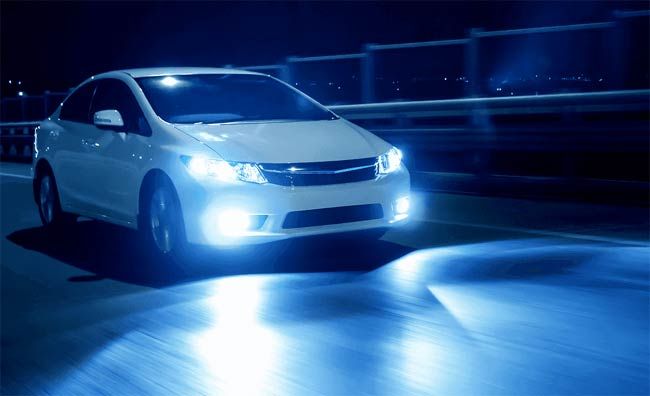
In today’s automotive world, lighting systems are no longer just bulbs and beams; they’re packed with advanced sensors, adaptive features, and smart integrations. Modern lighting tech is both a safety asset and a selling point, from automatic high beams to cornering lights and rain-sensing wipers.
But here’s the catch: not all manufacturers get it right. While some vehicles are praised for rock-solid reliability in their headlights and sensors, others are a hotbed of failure codes, costly replacements, and sensor errors just a few years after rolling off the lot.
Headlights and lighting sensors might seem like small concerns, but when they fail, the consequences aren’t just inconvenient; they’re dangerous. Dim, flickering, or misaligned headlights can severely limit nighttime visibility. Sensor issues can disable automatic systems or trigger dashboard warnings that frustrate even seasoned drivers.
And let’s not forget the price tags, headlight units today can cost thousands of dollars to replace if they’re full-LED or adaptive systems, and sensor modules often aren’t covered by basic warranties after a few years.
So, how do you avoid these costly headaches? It starts with picking the right car. We’ve compiled a definitive list of five vehicles that shine bright with lighting reliability, and five that are known to leave their drivers in the dark.
Whether you’re looking for a used ride with proven dependability or trying to steer clear of expensive lighting failures, this list will illuminate your path. Let’s dive into the five cars that nailed their headlight and sensor systems, and the five that dimmed out far too soon.
5 Cars with Reliable Headlights & Sensors
Some manufacturers invest deeply in the engineering of their lighting systems, ensuring long-term performance and trouble-free sensor integration. These five cars are known for their reliable headlight assemblies, minimal electrical issues, and durable sensor tech, even after years of road use.
Owners frequently praise them for consistent brightness, proper beam alignment, and dependable automatic features like high-beam assist or headlight washers. Whether you drive through fog, rain, or pitch-dark highways, these models light the way with confidence.
Their lighting systems stand the test of time, making them excellent choices for anyone who values both safety and minimal maintenance costs.
ALSO READ: 5 Overbuilt Tank-Like Cars vs 5 That Fall Apart Early
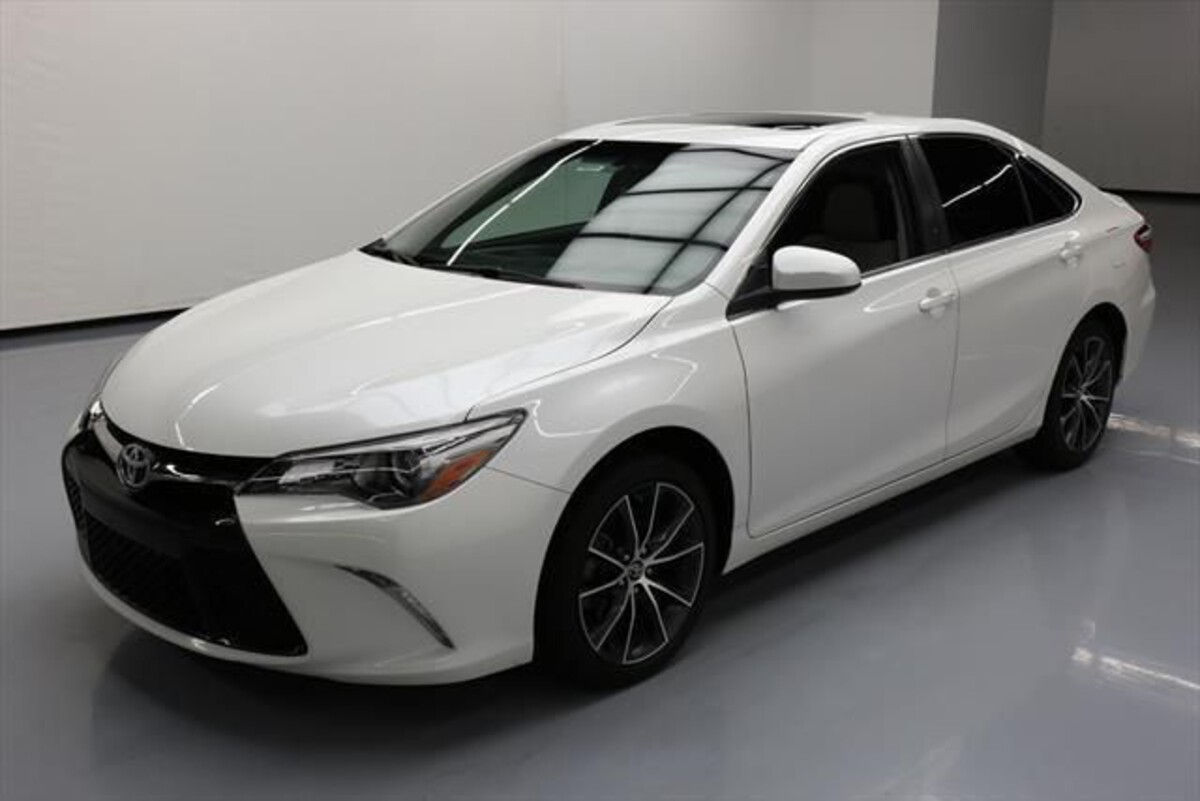
1. Toyota Camry (2018–2023) – Consistent Performance in All Conditions
The Toyota Camry has always stood out for its bulletproof reliability, and that legacy extends right into its lighting systems. The 2018–2023 models are particularly strong performers in this area.
Whether you opt for the base trim or the fully loaded XSE, Toyota equips all versions with well-calibrated LED headlights that maintain beam consistency over time. Automatic high beams and rain-sensing wipers, available in mid to upper trims, rarely present issues, even after years of use.
Drivers consistently report that the sensors responsible for adaptive lighting features work flawlessly without needing recalibration or causing false warnings. Toyota’s engineers took extra care in integrating the lighting control modules with the car’s central ECU, which greatly reduces miscommunication between systems, a common problem in many other brands.
Another underrated aspect is the headlight enclosure. It resists moisture, fogging, and UV damage better than most competitors, which means fewer lens replacements and no reduction in light projection even after extended exposure to harsh weather.
In reliability surveys and forums like Toyota Nation, owners praise the Camry for requiring virtually zero attention to the headlights or sensor systems, no flickering, no dimming, no sensor chaos. That’s rare in a segment where competitors suffer from DRL issues and sensor malfunctions.
With low-cost maintenance, dependable electronics, and a lighting system that just works, the Camry remains one of the top sedans for lighting reliability. If you want a car that won’t leave you guessing at night, the Camry is a safe bet.
2. Honda CR-V (2017–2022) – Headlight Longevity in a Practical Package
The Honda CR-V, especially the 2017–2022 generation, is widely praised for its practicality, comfort, and long-lasting electrical systems, including its headlights and sensor-based lighting features. Honda made a big leap in lighting quality starting in 2017 by ditching halogen bulbs for more energy-efficient and reliable LEDs in higher trims. Even in the base trims, lighting issues are virtually nonexistent.
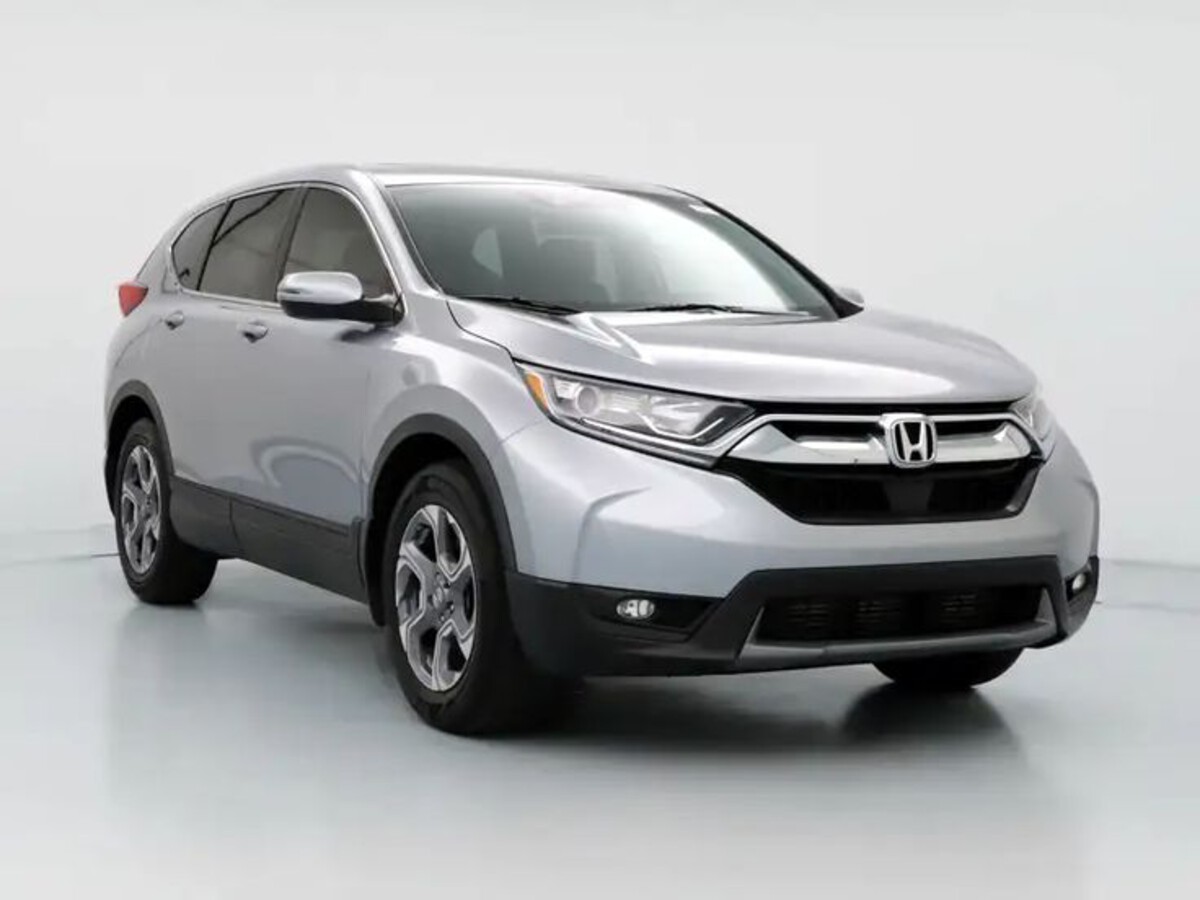
Honda’s automatic headlight sensor is exceptionally tuned. It reacts quickly to changes in ambient light and doesn’t suffer from the annoying flicker or delay that plagues other brands. Rain sensors and light detection modules are also highly durable, rarely producing faults or needing recalibration.
The placement and sealing of the CR-V’s headlight assemblies show a strong focus on durability. Moisture intrusion is a non-issue, and the materials used for the lens hold up well against oxidation and UV wear. The CR-V also features Daytime Running Lights (DRLs) that don’t burn out prematurely, a common failure point in many competitors.
What’s even more impressive is the long-term cost savings. Many owners report their CR-Vs reaching 100,000+ miles with the original lighting components intact. There are no frustrating service lights, false sensor triggers, or software bugs affecting lighting operation.
Forums are filled with glowing reviews about how dependable these systems remain over time. Whether navigating foggy roads or tight parking lots at night, the CR-V keeps you visible and aware, without draining your wallet or patience.
3. Mazda CX-5 (2017–2023) – Sharp Looks with Even Sharper Visibility
Mazda’s CX-5 doesn’t just turn heads with its styling, it also lights up the road impressively well. The 2017–2023 models offer one of the most reliable lighting and sensor systems in the compact SUV segment. LED projector headlights come standard on most trims and are designed to last well over 100,000 miles with minimal degradation in brightness or beam shape.
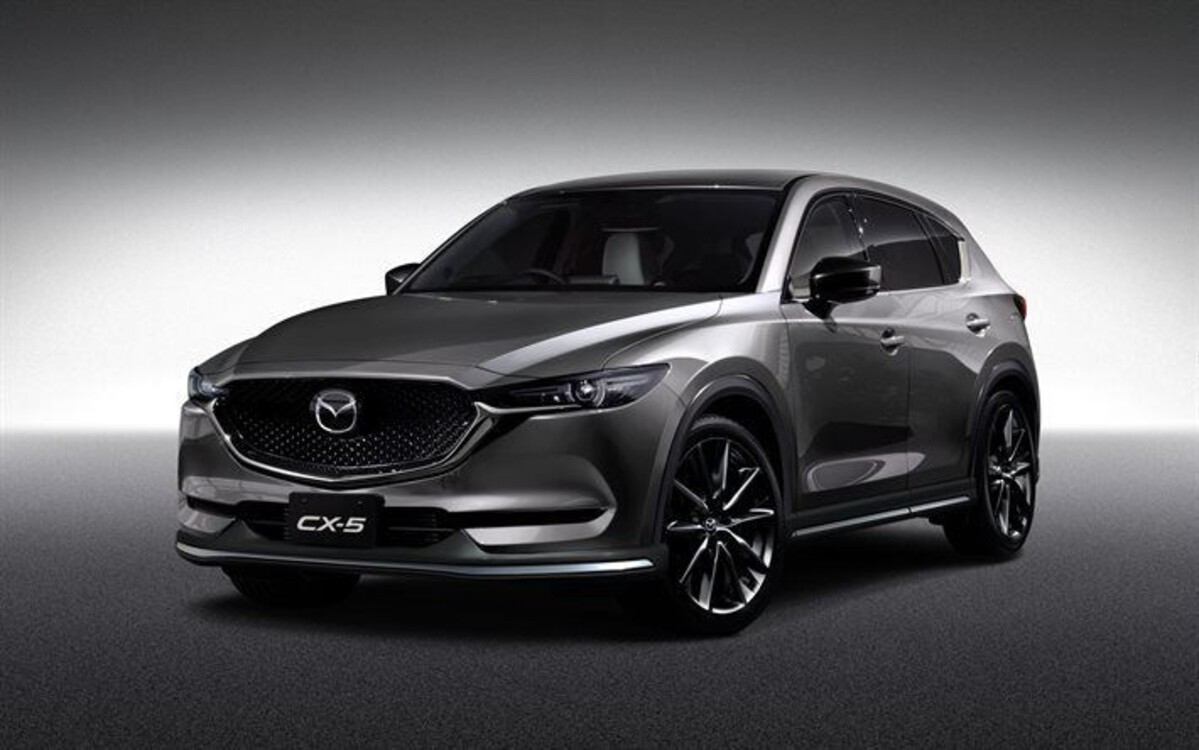
The automatic on/off sensors, high-beam assist, and adaptive lighting in the Grand Touring and Signature trims work seamlessly. Unlike some competitors where the adaptive function feels jittery or overly sensitive, the CX-5’s setup is smooth and accurate, adjusting the beams gently as the car turns.
Moisture buildup and lens fogging? Not here. Mazda uses tightly sealed headlight assemblies with quality materials that resist yellowing or cracking. The positioning of the headlights also limits direct exposure to road salt and grime, adding to their long-term clarity.
Sensor-related lighting features are integrated efficiently into the vehicle’s main ECU, which reduces lag, error codes, or service lights. The rain and ambient light sensors are finely tuned, responding accurately to changing weather or lighting without confusing the driver or overreacting.
Owners on Mazda forums and J.D. Power reliability reports consistently rate the CX-5’s lighting system as one of the most trouble-free aspects of the vehicle. If you want a vehicle that looks as sharp as it performs in the dark, the CX-5 is a solid choice that won’t dim your spirits—or your headlights.
4. Subaru Outback (2015–2020) – All-Weather Visibility, Built to Last
For those who frequently deal with tough driving conditions, the Subaru Outback from 2015 to 2020 delivers both capability and lighting reliability. Known for its rugged AWD system and outdoorsy image, the Outback also impresses when it comes to its headlight durability and sensor systems.
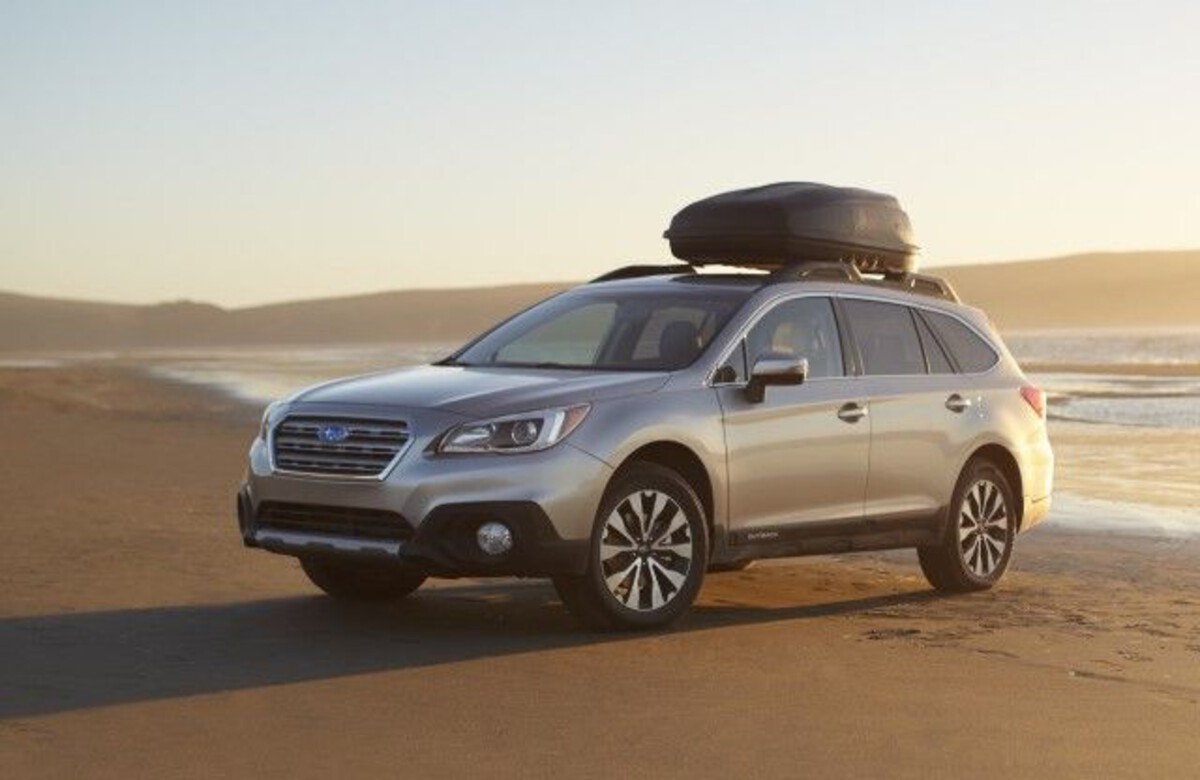
Subaru equipped most trims with LED steering-responsive headlights, and they’re not just gimmicks, they genuinely improve visibility around curves and in uneven terrain. These systems have a long track record of reliability, with minimal complaints about flickering, premature dimming, or alignment issues.
The Outback’s headlight units are well-sealed and constructed with high-quality plastics, making them resistant to fogging, cracking, and the yellowing that ruins so many cheaper units. Whether in snow, sleet, or dusty trails, the headlights remain clear and functional.
Sensors for rain, ambient light, and auto-dimming mirrors are also remarkably robust. Subaru’s EyeSight system, when equipped, integrates seamlessly with lighting sensors, enhancing driving safety without frequent recalibrations or software glitches.
Another notable advantage? Subaru designs these systems with long-term serviceability in mind. If a headlight or sensor ever needs replacement, it can typically be done without removing half the front fascia, something owners of German cars will envy.
From Alaska to Arizona, Outback owners praise their vehicles for lighting systems that just keep working. If you need a reliable lighting setup that can handle all four seasons and the wilderness in between, the Subaru Outback won’t let you down.
5. Lexus RX (2016–2022) – Luxury Lighting That Stands the Test of Time
The Lexus RX blends luxury and long-term dependability, and nowhere is this more evident than in its headlight and sensor performance. The 2016–2022 RX models come equipped with LED headlamps, automatic high beams, cornering assist lighting, and even adaptive systems in higher trims, all of which have proven to be incredibly reliable.
Where some premium brands suffer from overcomplicated sensor setups that break easily, Lexus keeps things efficient and sturdy.
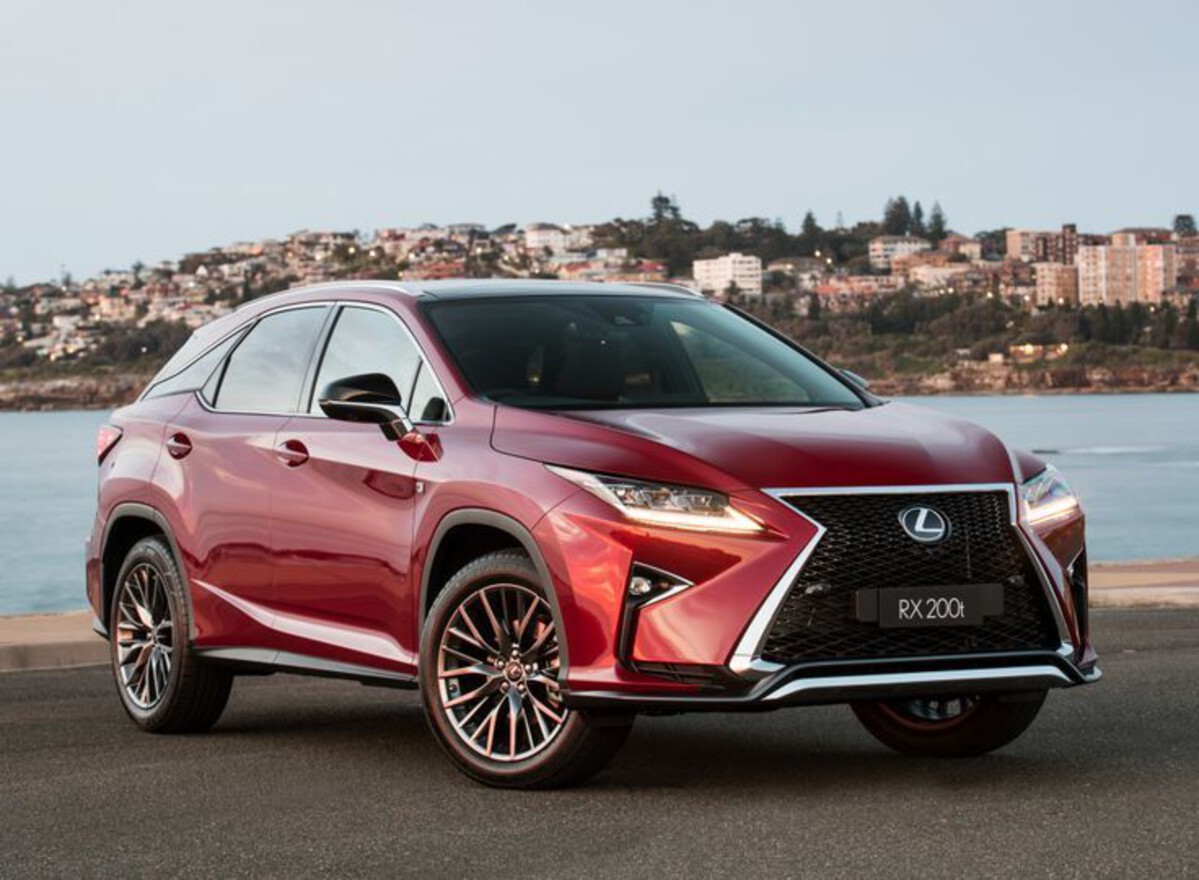
The sensors for ambient light and rain operate without issue for years, and recalibration is rarely needed even after windshield or mirror replacement.
A standout feature is the quality of the headlight materials. Lexus uses high-grade, UV-resistant lenses that resist yellowing and maintain clarity for over a decade. The enclosures are sealed well, preventing moisture intrusion, and the internal wiring is shielded against electrical shorts, common problems in many European luxury rivals.
Drivers report very few incidents of DRL failures, adaptive beam glitches, or flickering lights, issues that plague even newer vehicles from brands like BMW and Audi. Lexus RX owners on forums like ClubLexus often boast about how their headlights still look and perform like new after 5+ years and 80,000+ miles.
In terms of repair costs, Lexus parts are relatively affordable for a luxury brand, and headlight or sensor replacements rarely break the bank. This makes the RX a top-tier choice if you want premium features without the premium headaches.
5 Cars with Early Lighting Failures
Not every car handles lighting tech gracefully. Some vehicles are notorious for early headlight failures, faulty sensors, and constant dashboard warnings. Whether it’s premature bulb burnouts, moisture-filled housings, or expensive adaptive systems failing too soon, these models often leave their owners frustrated and facing costly repairs.
Poor engineering, weak seals, and complicated electronics contribute to their reputations. Even basic lighting tasks, like turning on automatically, become unreliable.
The following five cars have struggled in this department, earning complaints across forums, recall notices, and disappointing reliability scores. If consistent lighting and sensor function matter to you, these are the vehicles to avoid.
ASLO READ: 5 2010s Models That Last 150,000 Miles vs 5 Riddled With Problems
6. Chevrolet Malibu (2016–2021) – Dimming Confidence with Age
The Chevrolet Malibu has suffered from various electronic issues over the years, but one of the most frustrating for owners has been its lighting system.
On 2016–2021 models, premature headlight failures are a common complaint. In fact, there’s even a class-action lawsuit over headlight dimming issues in these years. Drivers report that both low and high beams lose brightness drastically after just a few years, making night driving dangerous.
The problem stems from a design flaw in the headlight housing and poor heat dissipation.
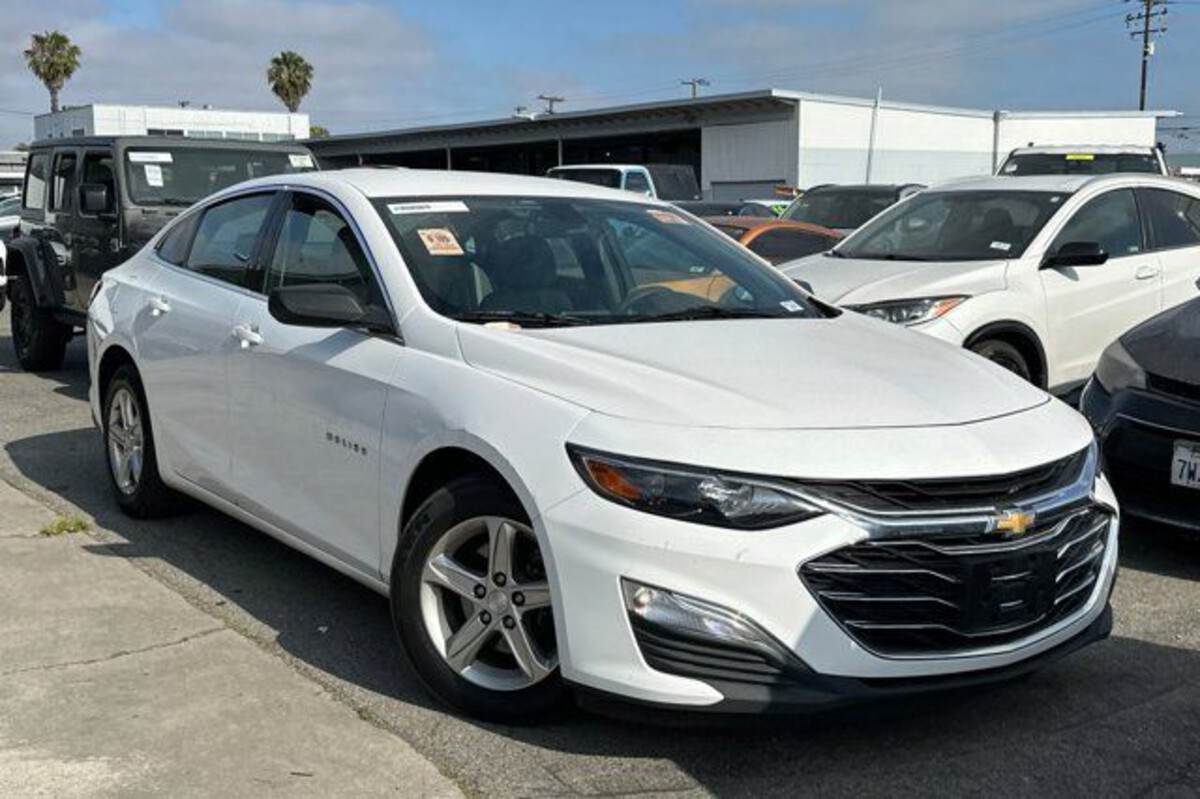
The heat generated by the halogen bulbs degrades the reflective surfaces inside, reducing light output even when the bulbs are functional. Some owners replace bulbs repeatedly without realizing the real culprit is the reflector itself.
Sensor systems also don’t fare much better. The automatic headlight function is inconsistent, with some units failing to turn on when needed. Rain sensors are similarly glitchy, leading to intermittent or completely non-functional wipers.
Repair costs are steep, especially if full headlight assemblies need replacing, running into hundreds of dollars per side. Worse, the problem often returns even after replacement due to unchanged design.
Malibu forums and consumer reports are filled with complaints about inadequate lighting. Many owners end up retrofitting aftermarket solutions, which can void warranties or affect insurance claims. For a midsize sedan trying to compete with stalwarts like the Camry, the Malibu falls short—literally—when it comes to keeping the road ahead properly lit.
7. Nissan Altima (2013–2018) – When Headlights Fade to Black
Nissan’s Altima models from 2013 to 2018 are frequently called out for having some of the worst headlight issues in the segment.
What starts as minor dimming quickly escalates into dangerously low visibility, especially for nighttime driving. The root cause? Defective headlight assemblies with poor reflector quality and lens materials that degrade quickly under UV exposure.
Owners have reported that even with brand-new bulbs, the headlights cast a dim, scattered beam that barely illuminates the road.
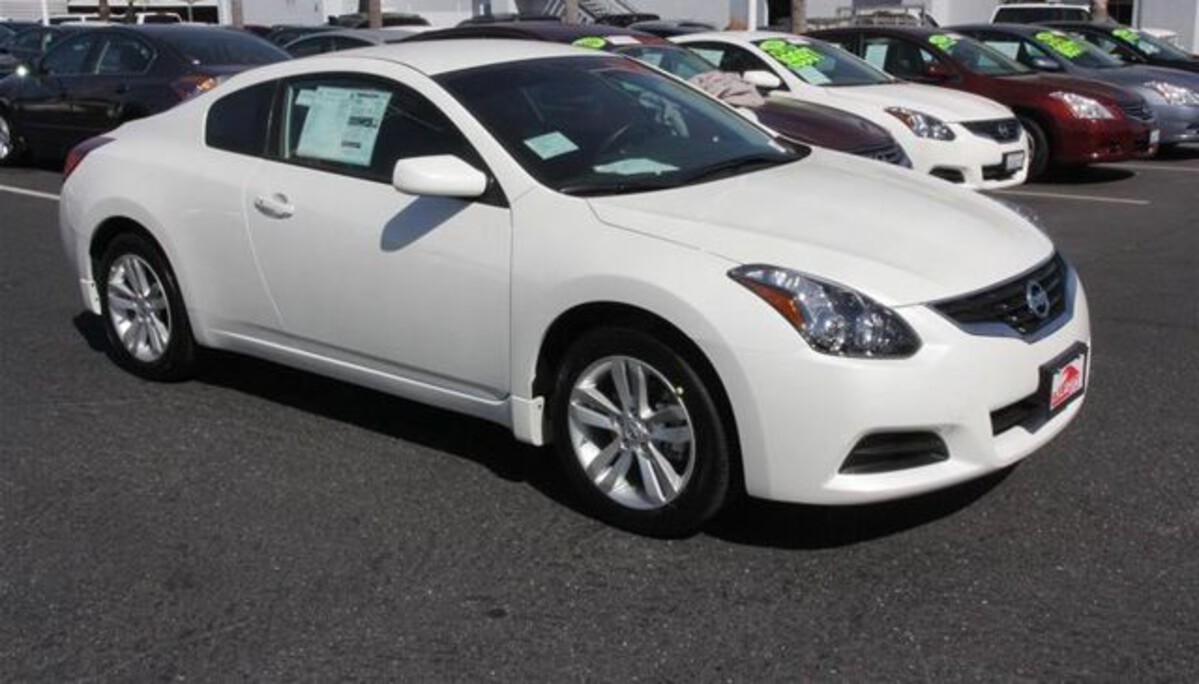
Some resort to using high beams just to see a few feet ahead, which creates safety and legal concerns. In 2020, Nissan extended warranties for some models, acknowledging the issue, but the fix didn’t always resolve it permanently.
Sensor issues are another thorn in Altima owners’ sides. The automatic lighting sensors often misfire, either turning lights on in bright conditions or failing to activate them in low-light environments. In higher trims with rain-sensing wipers, the sensors tend to fail or behave erratically after a few years.
Headlight replacement costs are high, especially since many owners have to replace the full assembly to restore proper visibility. This makes maintenance costs unpredictable and burdensome.
Consumer Reports and user forums like NissanClub are full of horror stories from frustrated owners dealing with dangerously poor lighting performance. For a car that sells in high volumes, it’s surprising how long Nissan took to acknowledge the issue. Until newer redesigns addressed the problem, Altima drivers were often left in the dark, literally.
8. BMW 5 Series (2014–2019) – Luxury Comes with Fragile Lights
The BMW 5 Series is admired for its performance and luxury, but if you’re considering a 2014–2019 model, beware of its lighting issues. BMW packed these vehicles with advanced lighting tech, adaptive LED or xenon headlights, cornering lights, and automatic high beams. While they’re brilliant when working, they’re also notorious for failing early and expensively.
One major pain point is moisture intrusion. Owners report frequent fogging in the headlight housing, especially in humid or rainy climates.
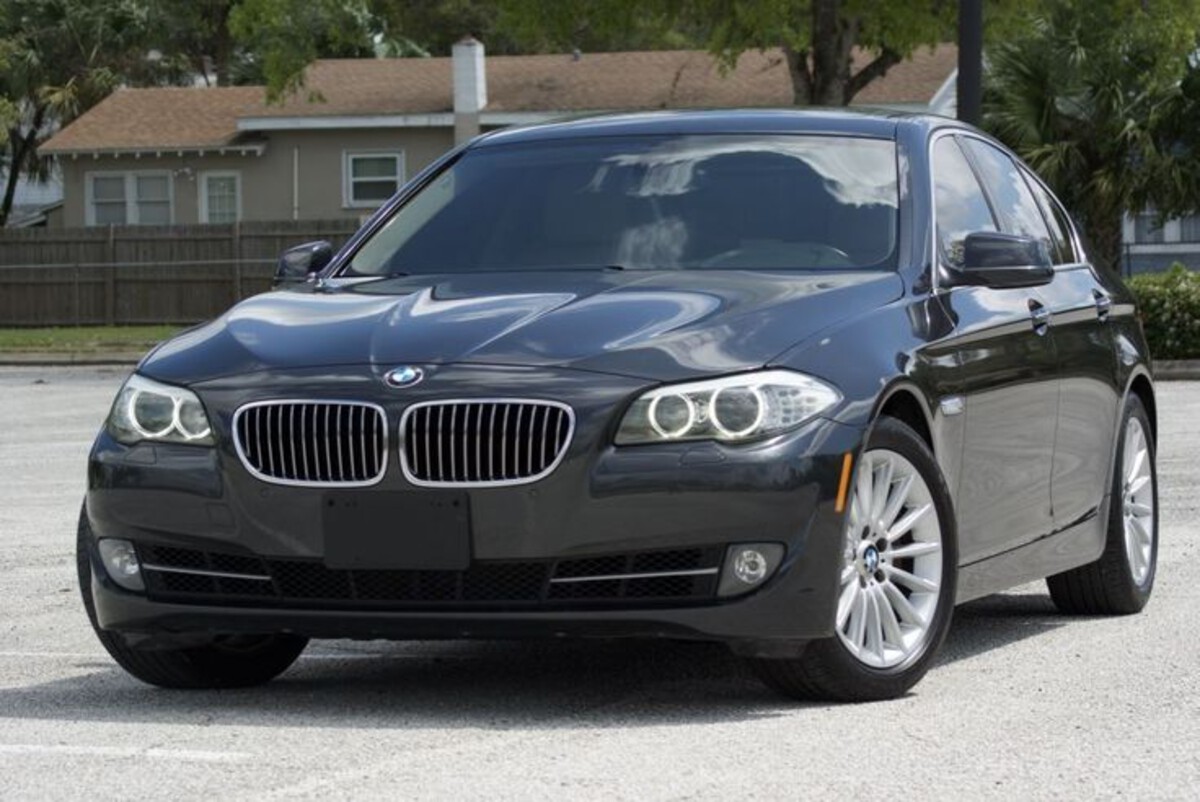
Over time, this leads to corrosion on internal components and dimmed output. Sensor errors are also rampant, BMW’s adaptive lighting modules are prone to failure, often triggering dash errors that require dealer-level diagnostics.
Automatic high beams and cornering functions may glitch, either staying stuck in one mode or flickering at night. Rain and light sensors on the windshield have also been known to stop functioning after a few years, sometimes following windshield replacement.
What truly frustrates owners is the repair cost. A single headlight assembly can cost $1,200–$1,800, not including labor. And replacing a malfunctioning sensor? That could easily run $500+. For a car marketed as an executive sedan, these failures feel unacceptable and even dangerous.
Even BMW forums have entire threads dedicated to headlight failure woes. Many resort to coding out malfunctioning systems or paying for extended warranties just to keep the lights on. It’s unfortunate, because when it works, the lighting is excellent. But when it doesn’t, prepare to open your wallet wide.
9. Jeep Grand Cherokee (2011–2015) – Rugged Looks, Weak Lighting
The Jeep Grand Cherokee may look like it’s ready for anything, but models from 2011 to 2015 have a serious Achilles’ heel, unreliable headlight and sensor systems. What should be a tough off-roader ends up struggling with basic visibility at night due to recurring lighting failures.
Owners frequently report premature bulb failures in both halogen and HID setups.
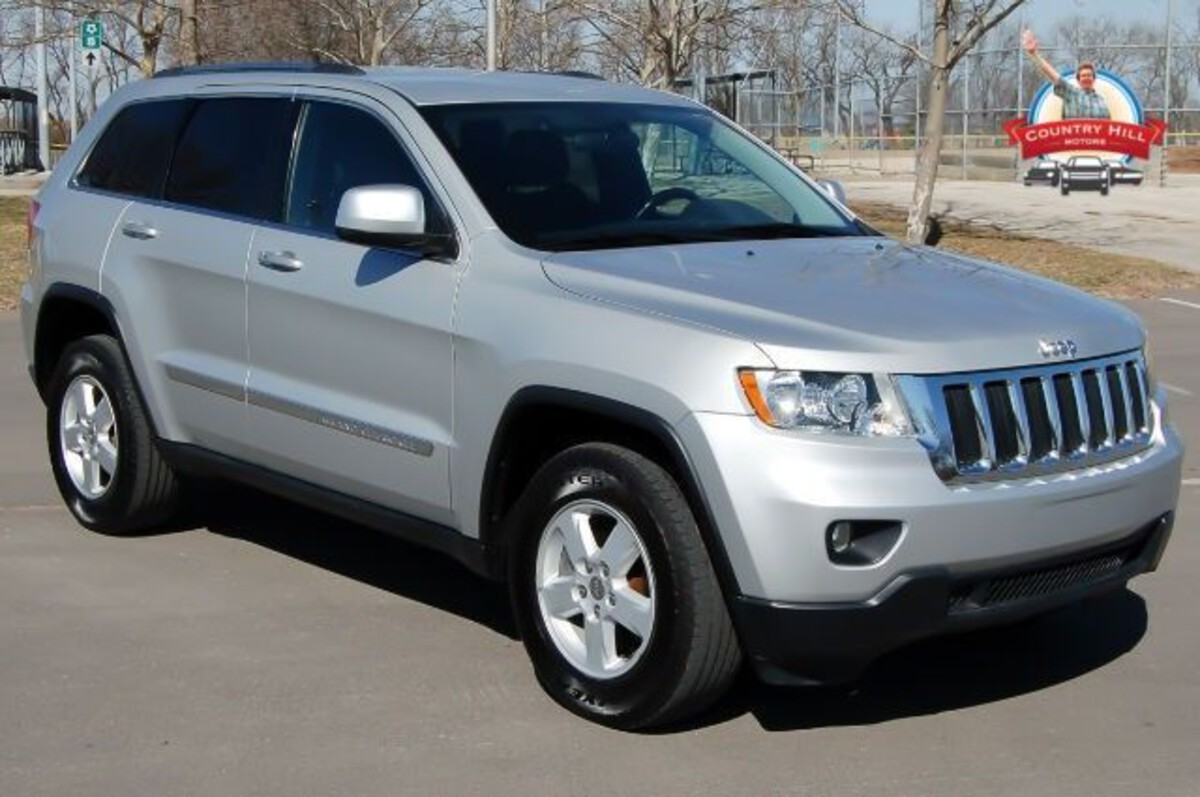
But it’s not just the bulbs, the real issue lies in poor electrical grounding and faulty wiring harnesses that cause flickering, dimming, and sometimes complete lighting shutdowns. This isn’t just annoying; it’s dangerous during night driving or poor weather conditions.
Sensor issues are equally prevalent. The rain and light sensors often malfunction, with the system failing to detect low-light conditions or activating the wipers unnecessarily. Many drivers have resorted to manual overrides just to regain control of their vehicle’s visibility systems.
Another common complaint is headlight condensation and fogging, especially in colder climates. The housings lack sufficient sealing, allowing moisture to build up inside and reduce clarity. Jeep forums like JeepGarage and WK2Jeeps are packed with stories of frustrated owners constantly battling poor lighting performance.
Repair costs can escalate quickly due to the complex front-end disassembly required just to access lighting components. Some owners report repeated replacements with little improvement.
While the Grand Cherokee can go off-road with ease, its headlights might give out long before you leave the pavement. For an SUV marketed around adventure and capability, its weak lighting systems make it a surprisingly poor companion in the dark.
10. Ford Focus (2012–2018) – A Small Car with Big Lighting Problems
The Ford Focus may be compact and economical, but the 2012–2018 models are anything but reliable when it comes to lighting systems. Owners across the country report a range of issues, from flickering headlights to total sensor failures. It’s a shame because the Focus was otherwise a solid small car, just not one you want to drive at night.
Headlight problems begin early. Even in low-mileage vehicles, halogen bulbs frequently burn out or flicker due to weak connections in the harness.
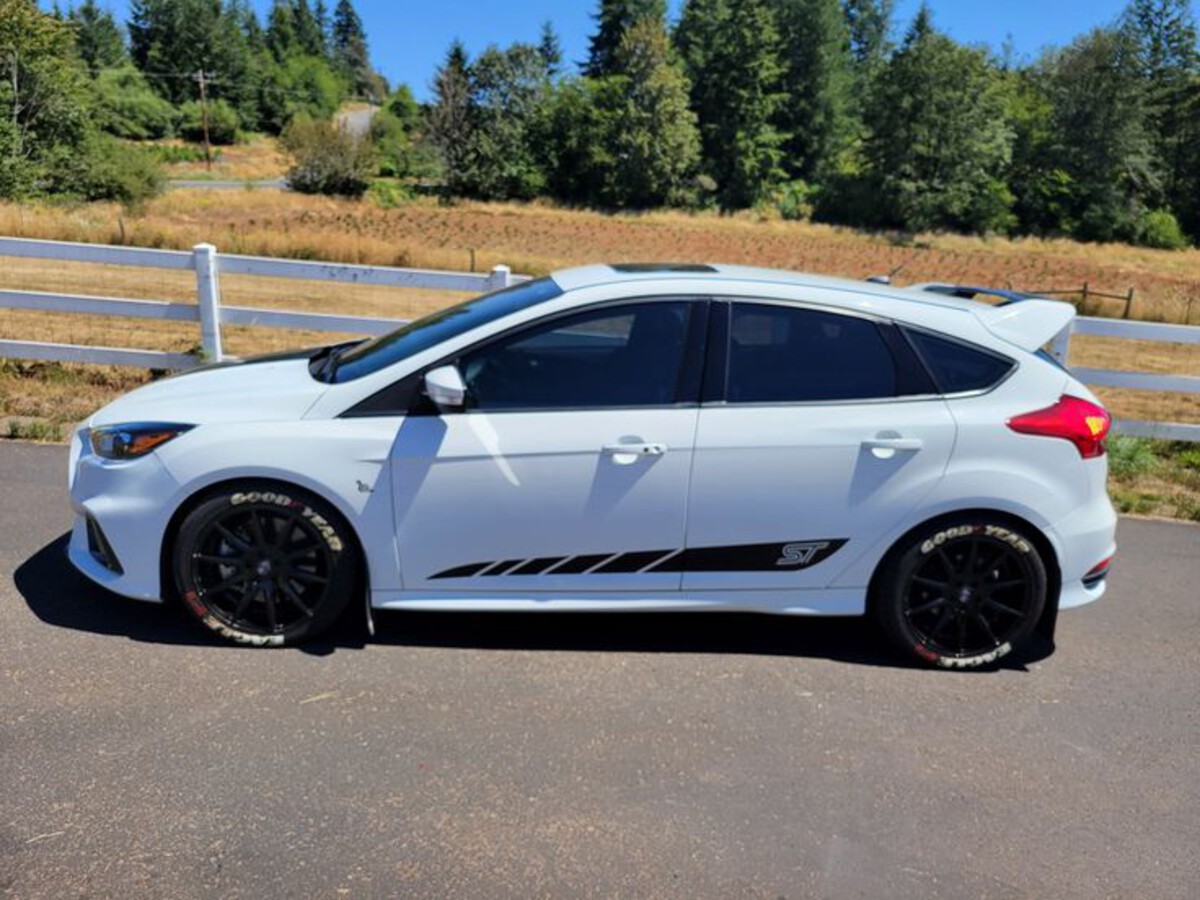
In some cases, the entire headlight assembly needs replacement to restore functionality. The lenses also degrade quickly, turning hazy and yellow after only a few years on the road.
The automatic lighting sensor is also prone to failure. It may fail to activate the lights at dusk or, worse, leave them on during daylight hours and drain the battery. Rain-sensing wipers, available in higher trims, frequently misfire or stop working altogether, leading to distracting wiper motion on sunny days.
Unlike some rivals, the Focus’s design makes accessing and replacing lighting components time-consuming and expensive. Add to that frequent sensor malfunctions that throw error codes, and you’re looking at a constant battle to keep your lights working as intended.
Consumer Affairs and Focus owner forums are filled with complaints about lighting issues, often unresolved even after dealership visits. If you rely on your car for safe nighttime driving or commute through weather-prone areas, the Focus is one compact you may want to pass on.
In the age of increasingly advanced automotive lighting systems, the line between brilliance and frustration has never been thinner. As our roundup shows, the difference between a stress-free drive and an ongoing battle with repairs often comes down to smart engineering, material quality, and integration of sensors.
Vehicles like the Toyota Camry, Honda CR-V, Mazda CX-5, Subaru Outback, and Lexus RX demonstrate how reliability and innovation can go hand-in-hand, delivering performance that doesn’t fade with time.
These cars light the road confidently, even years after their first ignition, thanks to well-designed enclosures, durable bulbs or LEDs, and sensor systems that do their job quietly and effectively. They prove that advanced lighting features don’t have to come at the cost of reliability or your sanity.
On the flip side, vehicles like the Chevrolet Malibu, Nissan Altima, BMW 5 Series, Jeep Grand Cherokee, and Ford Focus highlight the consequences of cutting corners or overcomplicating systems.
From faulty sensors to moisture-prone housings and recurring headlight dimming, these models often force owners into expensive and repetitive fixes. Worse still, these problems impact not just convenience, but safety, especially when visibility is compromised in bad weather or on unlit roads.
When choosing your next car, don’t overlook the importance of lighting reliability. A bright headlight and a properly functioning sensor aren’t just about aesthetics, they’re about peace of mind. Because at the end of the day, your ability to see and be seen might just be the most important feature your vehicle offers.