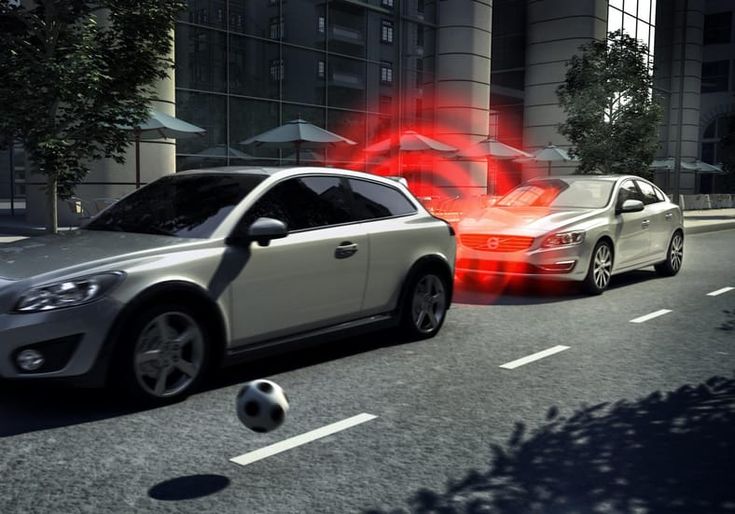
Automotive technology has evolved at lightning speed in the past few decades. Today’s vehicles are rolling showcases of innovation, promising greater safety, better performance, and more convenience than ever before.
While some features have genuinely transformed the driving experience and saved countless lives, others feel like they were included just to fill marketing brochures.
It’s a fascinating contrast: one set of tools quietly becomes part of everyday life, while another set gathers dust, either because they’re too complex, too annoying, or just plain unnecessary.
Take the classic three-point seatbelt. Simple, effective, and still irreplaceable. Or anti-lock braking systems, which most drivers couldn’t imagine living without. These safety features have stood the test of time, proving their worth year after year, model after model.
But for every trusted safety tool, there’s a so-called “revolutionary” feature that didn’t catch on lane keep buzzers that constantly beep, facial recognition fatigue monitors that rarely work, or even gesture control systems that misinterpret your hand movements.
As manufacturers compete to offer the latest bells and whistles, it becomes more important than ever to separate true innovation from gimmicks. That’s exactly what this blog does. We’ll dive into five safety features that have earned their spot in the car and five that feel more like marketing fluff than functional technology.
Whether you’re shopping for a new ride or just curious about how far we’ve come, this comparison of used vs unused safety features will help you understand what’s really adding value and what might be driving up your car’s price for no reason.
Let’s get into the real game-changers and then we’ll call out the gimmicks hiding behind the shiny digital dashboards.
5 Safety Features Drivers Still Use
Safety isn’t about flash it’s about function. The following five features have proven their reliability on the road, consistently preventing accidents and protecting lives.
These aren’t passing trends; they’ve become essential parts of modern driving. From automatic emergency braking that reacts faster than most humans, to backup cameras that eliminate blind spots, these tools aren’t optional anymore they’re expected.
They continue to work in the background, improving driver confidence and keeping passengers safe. Whether you’re a new driver or a seasoned road warrior, chances are you rely on these features every single time you hit the road. Let’s explore the five that truly stuck.
ALSO READ: 5 Subarus That Run Forever vs 5 With Notorious Head Gasket Issues
1. Anti-lock Braking System (ABS)
ABS is one of those rare safety features that drivers use constantly without even thinking about it. Introduced in mass-market vehicles in the 1980s, ABS prevents wheels from locking up during emergency braking, allowing drivers to maintain control of the vehicle even on slippery surfaces. It’s particularly effective in rain, snow, or gravel where skidding is a real threat.
Unlike older brake systems that forced wheels to stop entirely and caused dangerous sliding, ABS modulates brake pressure many times per second.
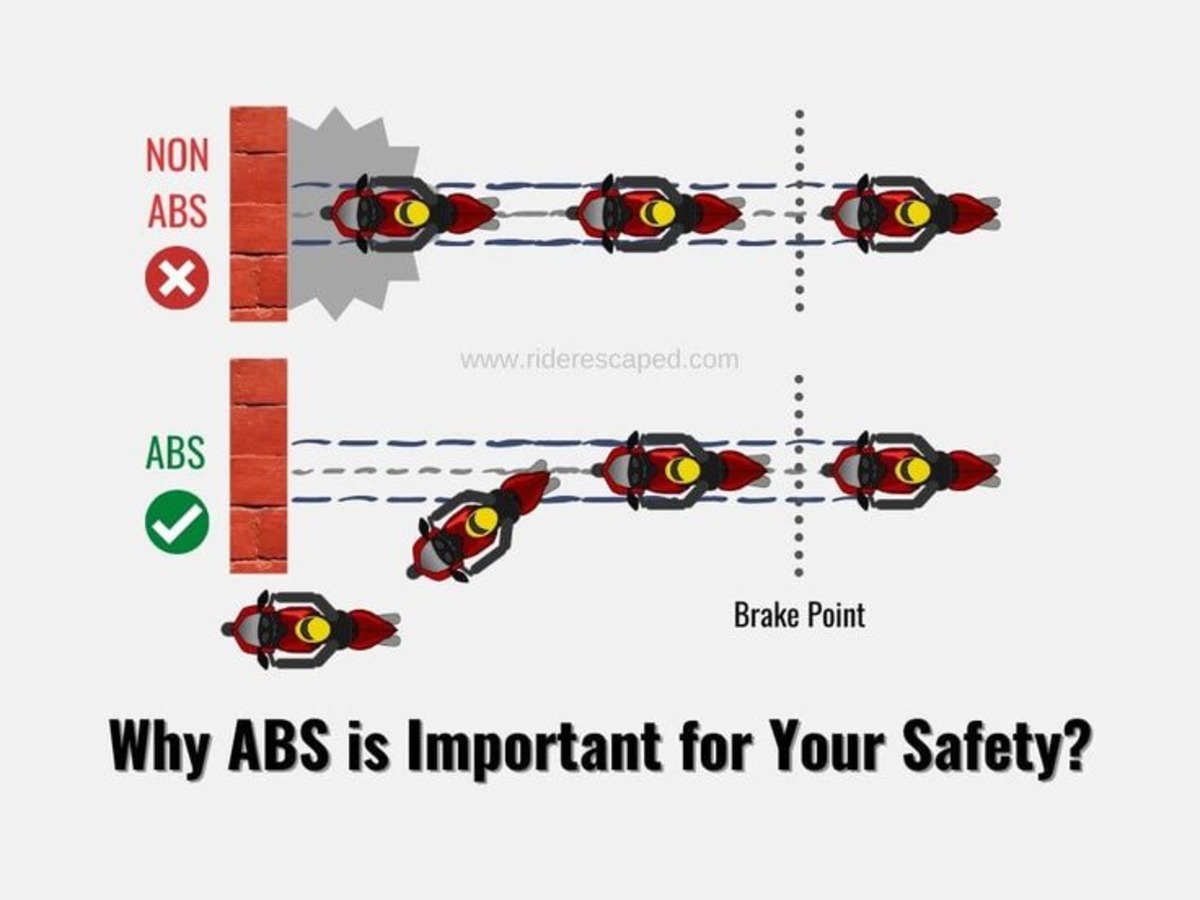
This rapid adjustment helps the driver maintain steering control even under heavy braking. What makes ABS so widely adopted is its seamless operation.
It doesn’t require training, nor does it distract the driver with beeps or lights. It just works quietly and effectively. During panic stops or when a child suddenly runs into the road, ABS can mean the difference between a near miss and a tragic outcome.
Insurance data shows that vehicles equipped with ABS are less likely to be involved in severe collisions. That’s why nearly all cars sold today come with ABS as standard. It’s also a key component in many other modern systems like Electronic Stability Control (ESC).
While the system does have a learning curve, some drivers feel the pulsing brake pedal is unsettling, but its value is undeniable. For decades now, ABS has quietly helped prevent countless accidents. No gimmick, no fuss, just pure, proven safety performance that’s here to stay.
2. Rearview Backup Camera
A true lifesaver, the backup camera has changed the way we park and maneuver in tight spots. First seen as a luxury addition, this feature has now become mandatory on all new vehicles sold in many countries, including the United States.
Its value is undeniable, especially in preventing back-over accidents that can seriously injure or kill children or pets. The camera activates automatically when the vehicle is put into reverse, displaying a wide-angle view of the area behind the car.
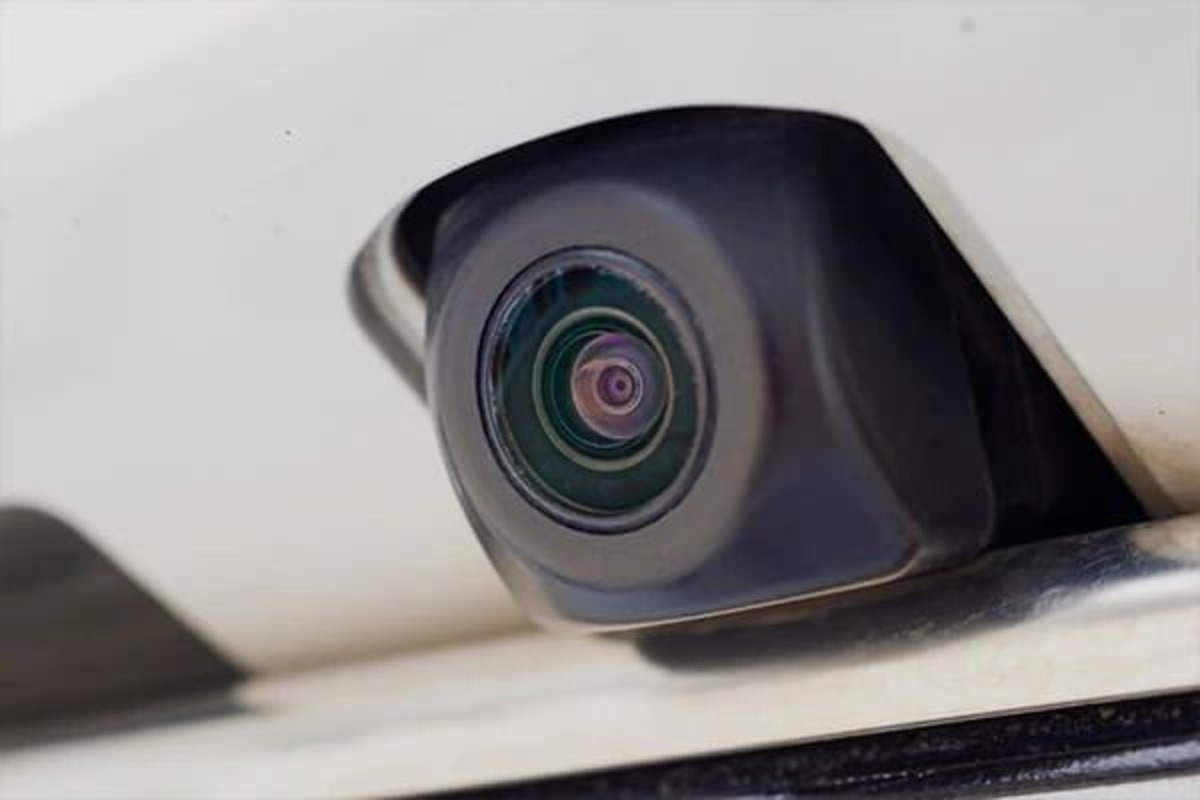
It’s not just about visibility, it’s about eliminating blind spots that side mirrors can’t reach. Parking lines help guide the driver’s steering, and some systems even offer cross-traffic alerts.
Drivers love this feature because it provides peace of mind. Parallel parking becomes less of a gamble, and crowded parking lots are far easier to navigate. Elderly drivers, in particular, benefit from reduced neck strain, while new drivers gain extra confidence during their practice phase.
Unlike gimmicks that require app syncing or complex setup, the rearview camera just works. It’s user-friendly, always on when needed, and genuinely helpful. While some critics once said it would make drivers lazy or dependent, the opposite has been true: backup cameras promote safer, more attentive reversing.
In a world where even one small mistake can have tragic consequences, the rearview camera is more than a convenience. It’s a game-changing feature that proves how smart technology can make driving safer for everyone.
3. Blind Spot Monitoring
Blind spot monitoring systems (BSM) have taken one of driving’s oldest risks, the blind spot, and made it visible. Introduced in premium cars and now standard in many economy models, BSM uses sensors on the sides and rear of the vehicle to detect cars in adjacent lanes.
When a vehicle enters your blind spot, a light typically appears on the corresponding side mirror or dashboard. Some systems even offer audible warnings or steering-wheel vibrations if the driver attempts to change lanes while a vehicle is in the danger zone.
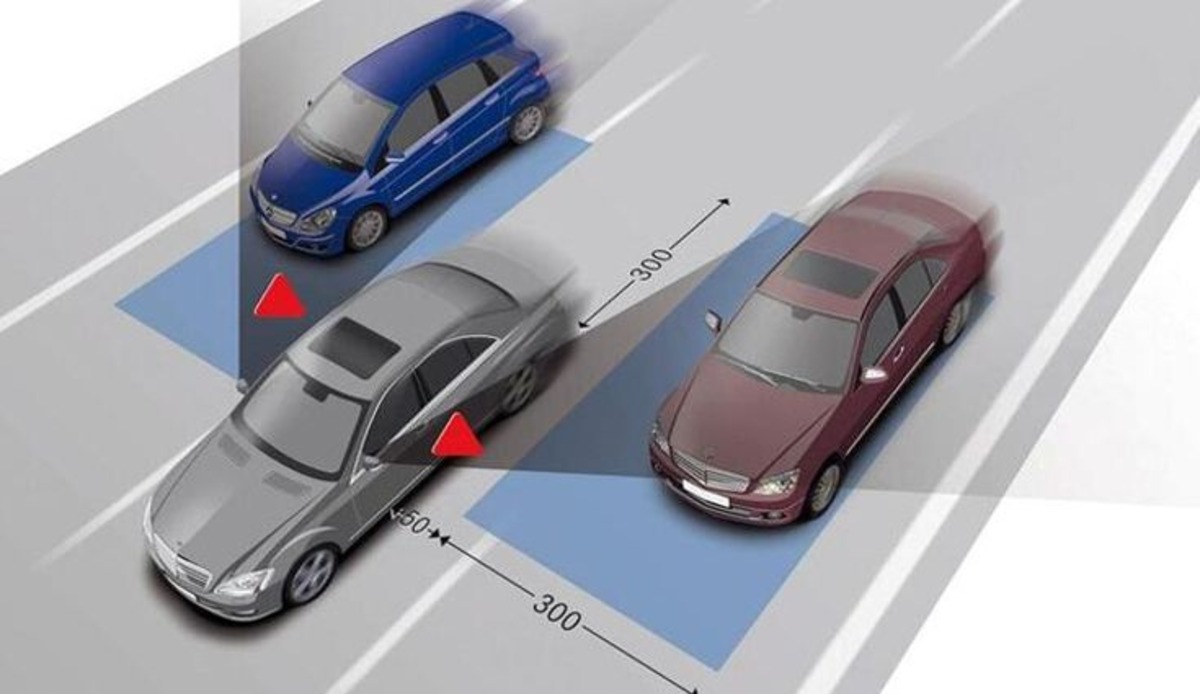
This kind of proactive assistance is especially helpful in dense traffic or on high-speed highways where quick decisions are necessary.
Drivers trust blind spot monitoring because it fills in what mirrors can’t see, especially in larger vehicles with poor rear visibility. It’s a feature that doesn’t replace driver awareness but enhances it, serving as a second set of eyes when humans are prone to mistakes or distractions.
BSM is particularly useful for older drivers who may have slower reflexes or limited head-turn mobility. It also reduces the stress of nighttime lane changes or merging during bad weather, where visibility is compromised.
In contrast to more intrusive safety tech, BSM is subtle yet effective. It doesn’t scream for attention, and it doesn’t over-correct. It simply informs the driver and lets them decide. That’s what makes it stick useful, noninvasive, and confidence-boosting.
For many, blind spot monitoring has moved from luxury to necessity. It’s hard to go back once you’ve driven with it.
4. Electronic Stability Control (ESC)
Electronic Stability Control (ESC) is a quiet hero in the world of automotive safety. Unlike systems that only react after something goes wrong, ESC works proactively to prevent skidding or spinning out.
It automatically adjusts engine power and applies braking to individual wheels to help drivers maintain control during sudden maneuvers or in slippery conditions. ESC became mandatory in U.S. vehicles after 2012, and for good reason. Studies have shown that ESC can reduce the risk of single-vehicle crashes by nearly 50%.
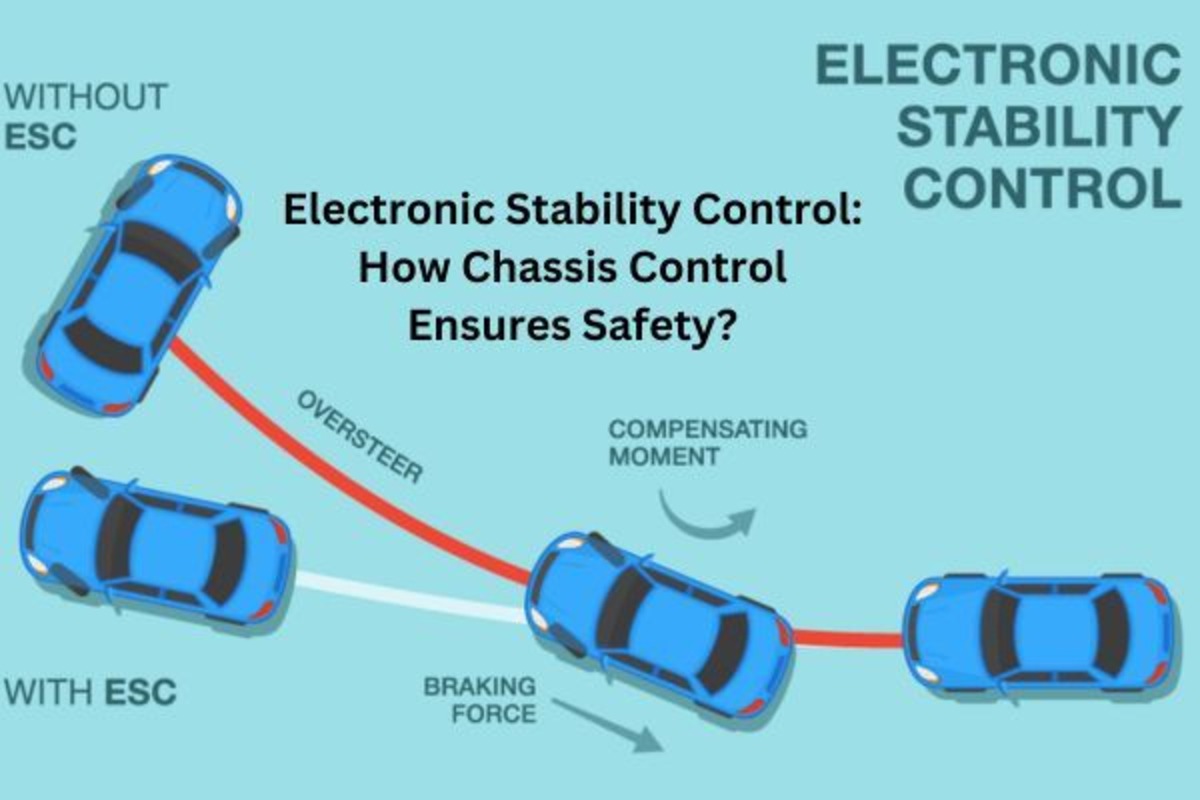
That’s a staggering statistic for a system that operates so silently. What makes ESC different is its responsiveness. Imagine swerving suddenly to avoid an animal on the road.
Without ESC, that sharp maneuver might cause the car to fishtail or slide. With ESC, the car stays pointed where you want it to go. It reacts faster than any human could.
Drivers rarely even notice it working, there’s no alarm or display unless you push the car past its traction limits. And when the ESC light does flash, it’s often correcting a slide before you even feel it.
ESC also supports other systems like traction control and brake assist, forming a web of digital support that improves driver safety without overwhelming the driver with inputs.
Once you’ve experienced ESC in bad weather or during a sudden lane change, you’ll never want to drive without it. It’s another prime example of effective, intuitive safety tech that became an industry standard not through hype, but performance.
5. Automatic Emergency Braking (AEB)
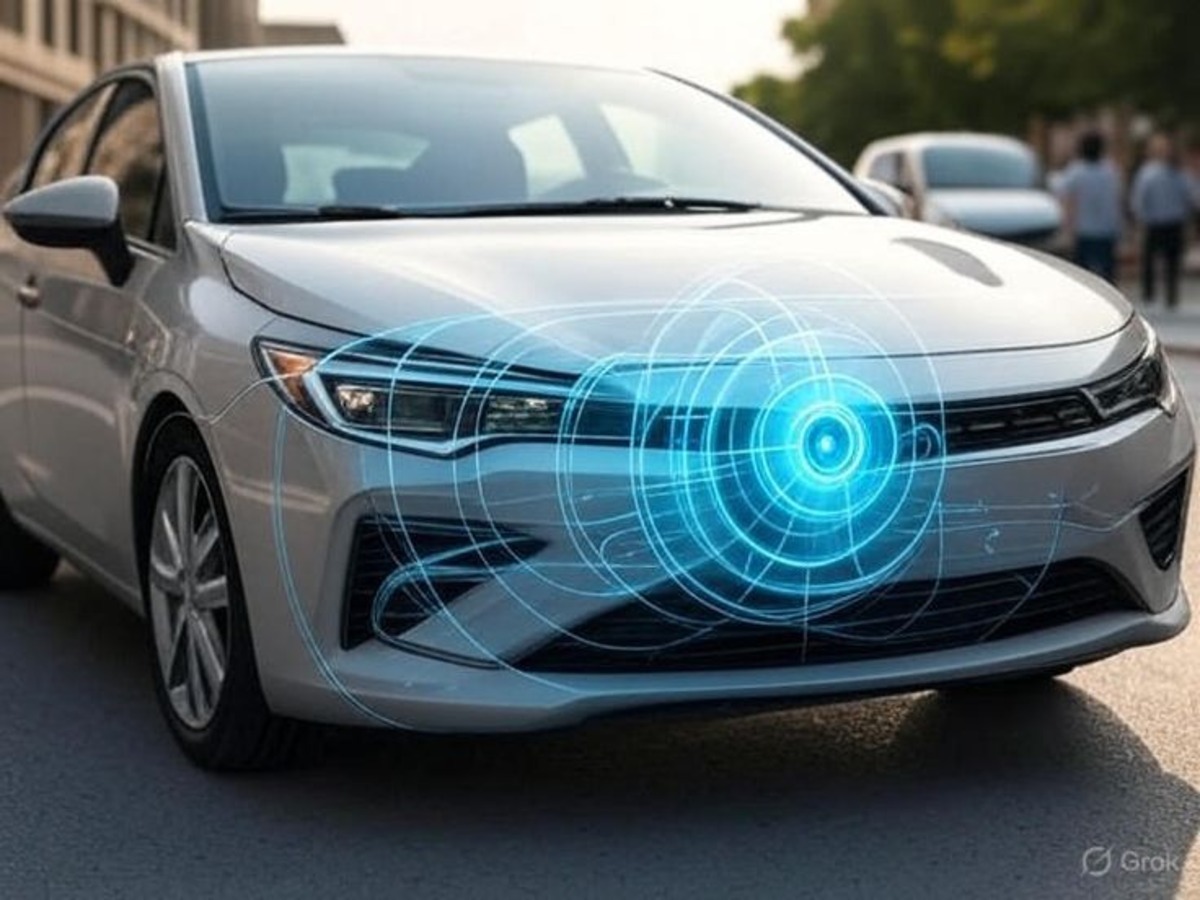
Automatic Emergency Braking (AEB) is a relatively new addition to modern cars, but it’s already proving to be one of the most important. Using sensors, cameras, or radar, AEB detects when a collision with another vehicle or sometimes even a pedestrian is imminent and automatically applies the brakes if the driver doesn’t react in time.
In high-speed scenarios, it can reduce the severity of a crash. In low-speed situations like city driving or parking lot traffic, it can prevent a collision entirely. It’s especially useful in bumper-to-bumper traffic where attention lapses are common.
Unlike some overbearing safety features, AEB typically doesn’t interfere unless absolutely necessary. That balance between passive monitoring and active intervention is what makes it so useful. You can drive normally, but if something goes wrong, like the car ahead slams on its brakes, you have a backup plan.
Insurance companies have taken notice, often offering discounts for cars equipped with AEB. Safety watchdogs, including IIHS and NHTSA, have praised AEB for reducing rear-end collisions and lowering injury risks. By 2022, most automakers had agreed to include AEB as standard on nearly all new vehicles.
While no system can replace driver attention, AEB is like a guardian angel that only steps in when you really need it. It’s not a gimmick; it’s a game-changer. For many drivers, this is the most reassuring safety net available, and it’s making roads safer for everyone, one stop at a time.
5 Unused Gimmicks
Not every new feature catches on. Some were hyped as game-changing but turned out to be more annoying than helpful. From gesture controls that misread hand movements to overly sensitive driver attention monitors that scold you for blinking too long, some technologies feel like overkill.
They’re either too complicated, too unreliable, or simply solve problems nobody asked to fix. Drivers often disable these features after a few uses, if they bother to use them at all. These gimmicks might look flashy in a showroom, but they rarely earn a spot in everyday driving. Let’s highlight five that didn’t live up to the promise.
ALSO READ: 5 Nissans That Exceed 100,000 Miles vs 5 That Die Young
1. Gesture Control Systems
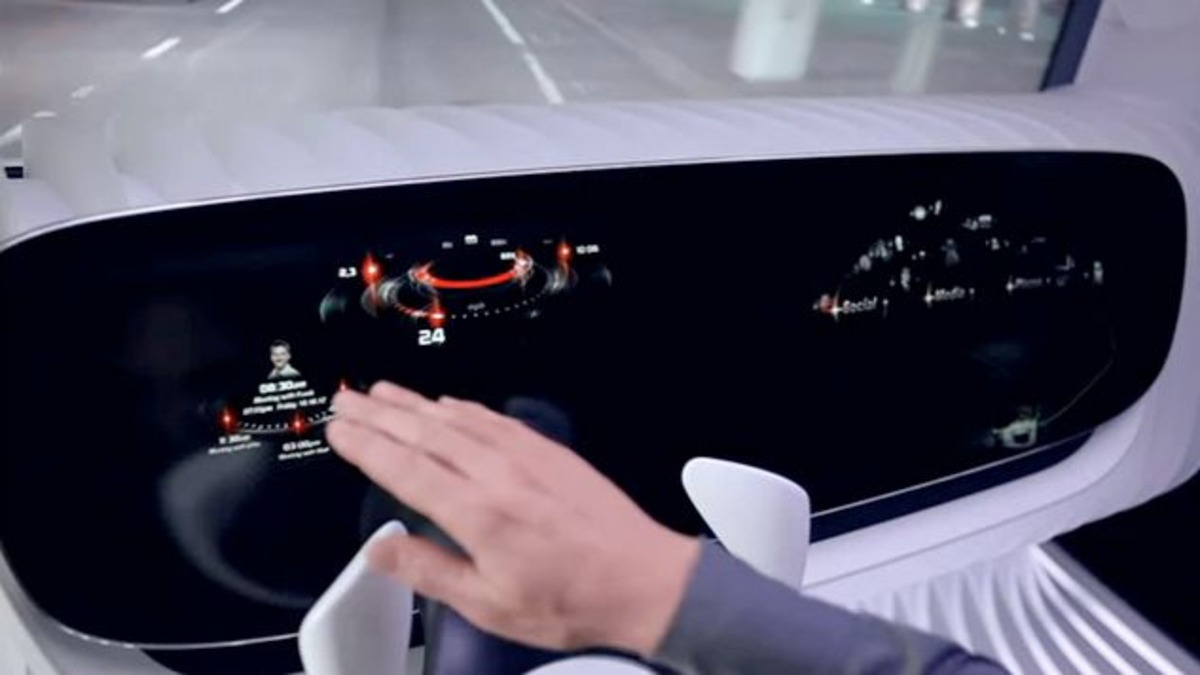
Gesture control might sound futuristic, but in practice, it’s often more frustrating than functional. Popularized by some premium German automakers, gesture control lets you wave your hand to change the radio station, adjust volume, or accept a call.
It’s supposed to be convenient, no need to touch buttons or screens. But in reality, it usually ends up misreading your movements or not registering them at all.
Many drivers report accidentally triggering functions just by gesturing during a conversation or reaching for their coffee.
Others find the system so inconsistent that they revert back to traditional controls within days. Plus, using a rotating finger to adjust volume feels slower and more awkward than just tapping a physical knob.
Even worse, gesture control often lacks tactile feedback, so you’re not sure whether your motion actually registered. This makes it more of a distraction than a help, defeating the very purpose of modern car tech, which is to reduce cognitive load.
Add to that the steep learning curve and the lack of standardized gestures across manufacturers, and you’ve got a feature that feels more like a showroom gimmick than a daily essential. It may impress your friends once or twice, but it quickly becomes something most drivers ignore.
Technology should simplify, not complicate. Gesture control, for all its flair, just doesn’t offer enough practical value to justify its existence in most vehicles. It’s a novelty, not a necessity.
2. Driver Attention Monitoring Cameras
Driver attention monitoring sounds like a good idea in theory, using cameras to track your eye movements and facial expressions to ensure you’re awake and alert. But in practice, it often borders on overbearing surveillance rather than helpful assistance.
The idea is to prevent drowsy or distracted driving. If you look away from the road too long or close your eyes for a moment, the system beeps, flashes lights, or vibrates the steering wheel to “wake” you. While the intention is noble, the execution can be clumsy.

In real-world driving, these systems can misfire frequently. A sneeze, a long blink, or checking the side mirror might trigger an alert. Worse yet, drivers wearing sunglasses or masks often confuse the system entirely, rendering it ineffective or annoyingly hyperactive.
Many drivers find themselves actively disabling this feature after a few frustrating drives. Instead of feeling supported, they feel micromanaged. The stress of being constantly watched, even during normal behavior, detracts from the driving experience.
The biggest flaw? These systems don’t distinguish between dangerous distraction and normal, safe behaviors. A quick glance at your GPS or side mirror shouldn’t be flagged, but it often is.
While drowsiness is a legitimate concern, this gimmick still has a long way to go in refinement and real-world effectiveness. Until the technology matures to a point where it can make accurate, context-sensitive judgments, most drivers are choosing to ignore or deactivate it.
3. Lane Keep Assist with Overcorrection
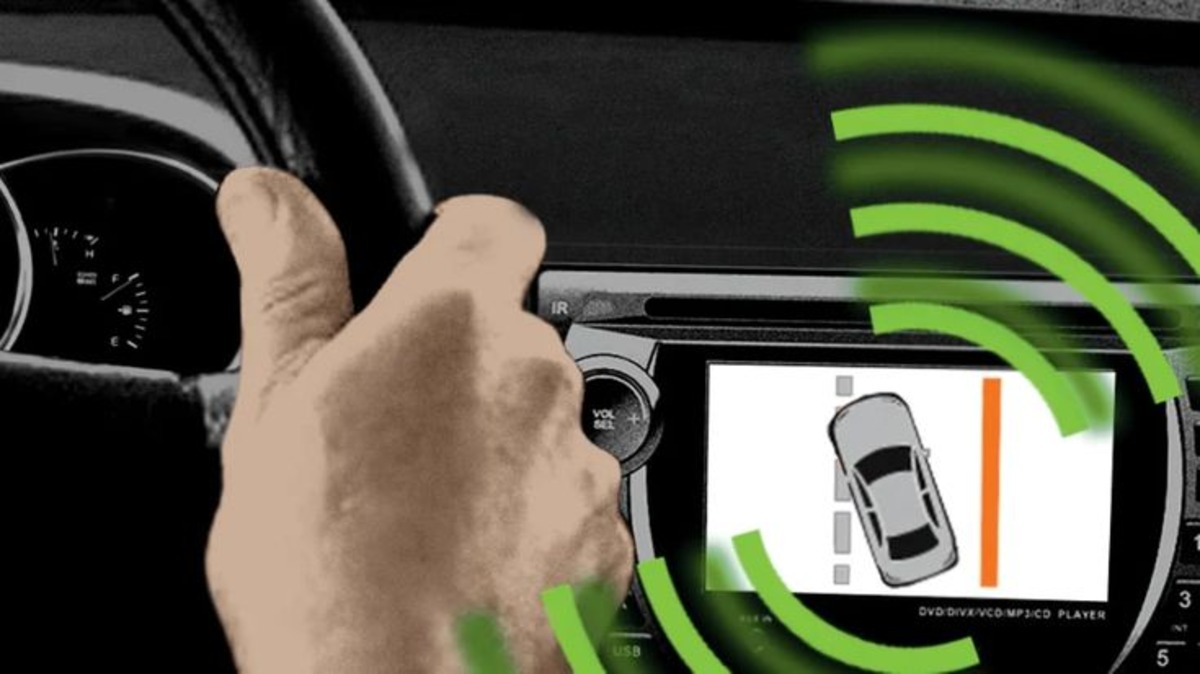
Lane Keep Assist (LKA) is designed to gently steer the car back into its lane if the driver drifts without signaling. But while some systems work quietly and helpfully, others have been criticized for being too aggressive, constantly tugging at the wheel, even when it’s not necessary.
The worst offenders don’t just nudge, they fight the driver for control. Imagine making a small adjustment to avoid a pothole or swerving slightly in a narrow lane, only to have the car forcibly push you back. In these cases, the system becomes a distraction, not a safety feature.
Drivers have complained that LKA can even create dangerous situations in bad weather or construction zones, where lane markings are faded or misleading. In such scenarios, the system may misinterpret the environment and react inappropriately.
To make matters worse, some vehicles automatically reactivate LKA every time the engine starts, even if the driver had previously turned it off. This forces drivers into a daily game of “disable the tech” before they can safely drive the way they want.
Rather than helping, LKA with aggressive overcorrection creates an atmosphere of tension and unpredictability. Drivers feel less in control, not more.
Some implementations of this feature need serious refinement. Subtle, intelligent lane-keeping can be useful, but when the car feels like it’s wrestling the wheel out of your hands, it becomes a clear gimmick.
4. Automatic High Beam Assist
Automatic High Beam Assist (AHBA) aims to make night driving easier by switching between high and low beams based on traffic conditions. Sounds great, right? In practice, though, it often creates more headaches than clarity, especially on dark, rural roads or in unpredictable traffic.
The system uses cameras to detect headlights and taillights from other vehicles, toggling your beams accordingly. But these sensors are far from perfect.
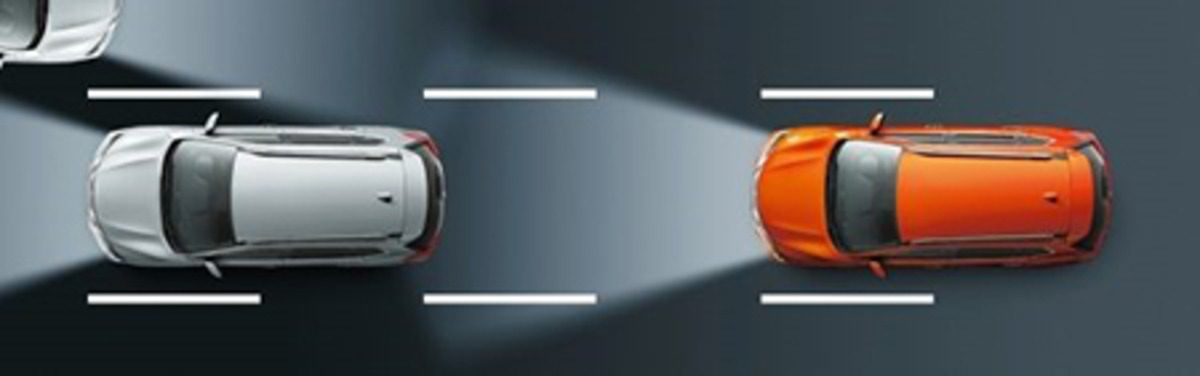
They may fail to dim the beams in time, dazzling oncoming drivers. Other times, they might lower the beams prematurely, leaving you with inadequate visibility in crucial moments.
Another problem? The system can misinterpret reflective road signs, mistaking them for oncoming traffic and dimming your lights unnecessarily. It can also struggle in fog, heavy rain, or snow times when optimal lighting is most critical.
Drivers frequently override the system by manually toggling the beams. Some even disable the feature altogether out of frustration. The inconsistency makes it unreliable, and reliability is key when you’re barreling down a dark highway at 60 mph.
Traditional high beam etiquette, checking for oncoming traffic, and toggling manually isn’t hard. In fact, most drivers are used to it. By trying to automate a simple task, AHBA adds complexity without adding much real benefit.
While the idea behind AHBA is sound, its real-world performance often disappoints. It’s one of those features that sounds smarter than it is, and most drivers end up ignoring it after a few sketchy experiences. Until the tech gets smarter, it remains more gimmick than gain.
5. Voice Command for Climate and Media
“Set temperature to 72 degrees.” “Play jazz music.” It sounds cool in theory, hands-free control of your car’s climate and entertainment. But voice command systems for climate and media are among the most underused features in modern vehicles, and it’s easy to see why.
These systems often misinterpret even the clearest commands. Accents, background noise, or simply a cough can throw off recognition.
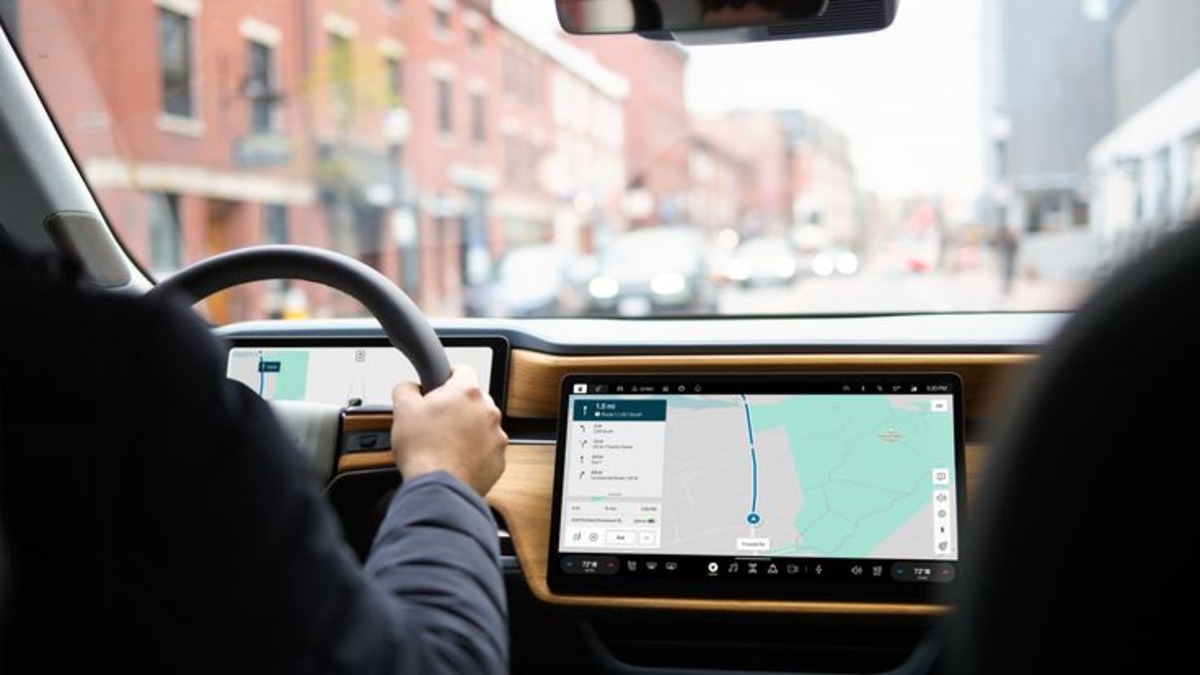
You might say, “Cool down the cabin,” and it might respond with, “Calling Kevin.” That’s not just annoying, it’s potentially dangerous if you’re fumbling to cancel the action.
On top of that, drivers often forget the exact commands the system expects. Say “air conditioning” instead of “climate control,” and it might not respond at all. Unlike smartphones, where natural language processing is more refined, many in-car systems still feel a step behind.
It’s also slower. By the time you finish issuing a voice command, waiting for it to register, and hearing it repeated back, you could’ve just twisted a dial or tapped a touchscreen.
Drivers frequently try voice controls once or twice, then revert to manual settings. The inconsistency and clunky interface make it more of a novelty than a tool.
Until in-car voice systems reach the speed and accuracy of something like Siri or Google Assistant, they’re more of a distraction than a convenience. For now, adjusting the climate or skipping a song the old-fashioned way remains faster and more reliable.
Sometimes, simplicity wins, and voice control, unfortunately, loses. As the auto industry races forward into the era of automation and digital everything, it’s clear that not every innovation is created equal.
While some safety features prove their worth day in and day out, like anti-lock brakes, blind spot monitors, or rearview cameras, others end up fading into the background or being manually disabled by frustrated drivers.
The line between life-saving technology and unnecessary gimmick often comes down to real-world usefulness. Effective safety features earn our trust by blending seamlessly into the driving experience, offering silent support when things go wrong. They don’t demand our attention; they amplify our awareness and extend our reaction time.
On the flip side, the so-called “smart” systems that confuse, interrupt, or misfire rarely find long-term love from drivers. Features like gesture control or lane keep overcorrection aren’t inherently bad, they’re just not there yet. Many of these were introduced to impress, not to assist.
There’s a lesson here for both manufacturers and consumers. For automakers, it’s a call to prioritize meaningful tech that solves real problems.
For drivers, it’s a reminder to look past the flash when shopping for a vehicle. The most valuable features may not be the ones that get highlighted in ads, but the ones that quietly make your daily commute safer and more manageable.
In the end, the best safety tech fades into the background. It’s not about buzzwords or blinking lights, it’s about trust, reliability, and making sure you get home safely. And that’s a feature everyone still uses.