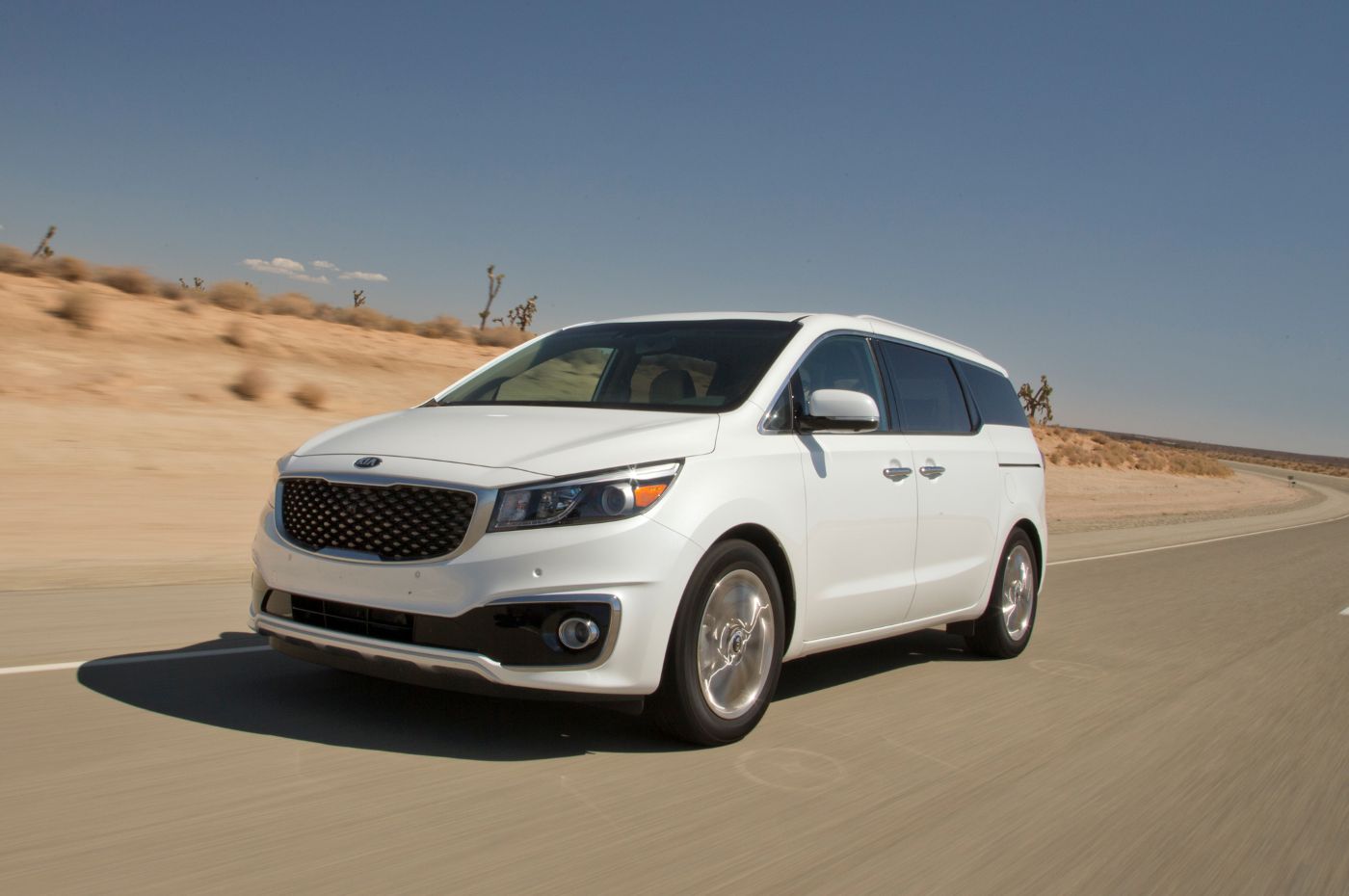
Let’s face it, no one dreams of buying a minivan. It’s not the car of your wildest fantasies. It’s the car you buy because you’ve got kids, a dog, a Costco membership, and a schedule that doesn’t quit.
And when you’re shelling out tens of thousands of dollars for a family hauler, you want something that’s going to last — not fall apart faster than your toddler’s attention span.
Here’s the truth: not all minivans are created equal. Some are rock-solid workhorses that’ll push past 200,000 miles without breaking a sweat.
They’re built to look nice on the lot, maybe get you through a few school years, then start nickel-and-diming you with breakdowns, failing transmissions, and mystery dashboard lights that haunt your dreams.
Minivans That Last 200,000 Miles
So if you’re in the market for a used minivan, a reliable daily driver, or you’re just tired of wondering whether your current ride is secretly plotting its own death, this article’s for you.
We’ve broken it down: 5 minivans that routinely cross the 200,000-mile mark, with the receipts to back it up and 5 models that are more likely to tap out before your kid hits middle school.
1. Toyota Sienna (2004–Present)
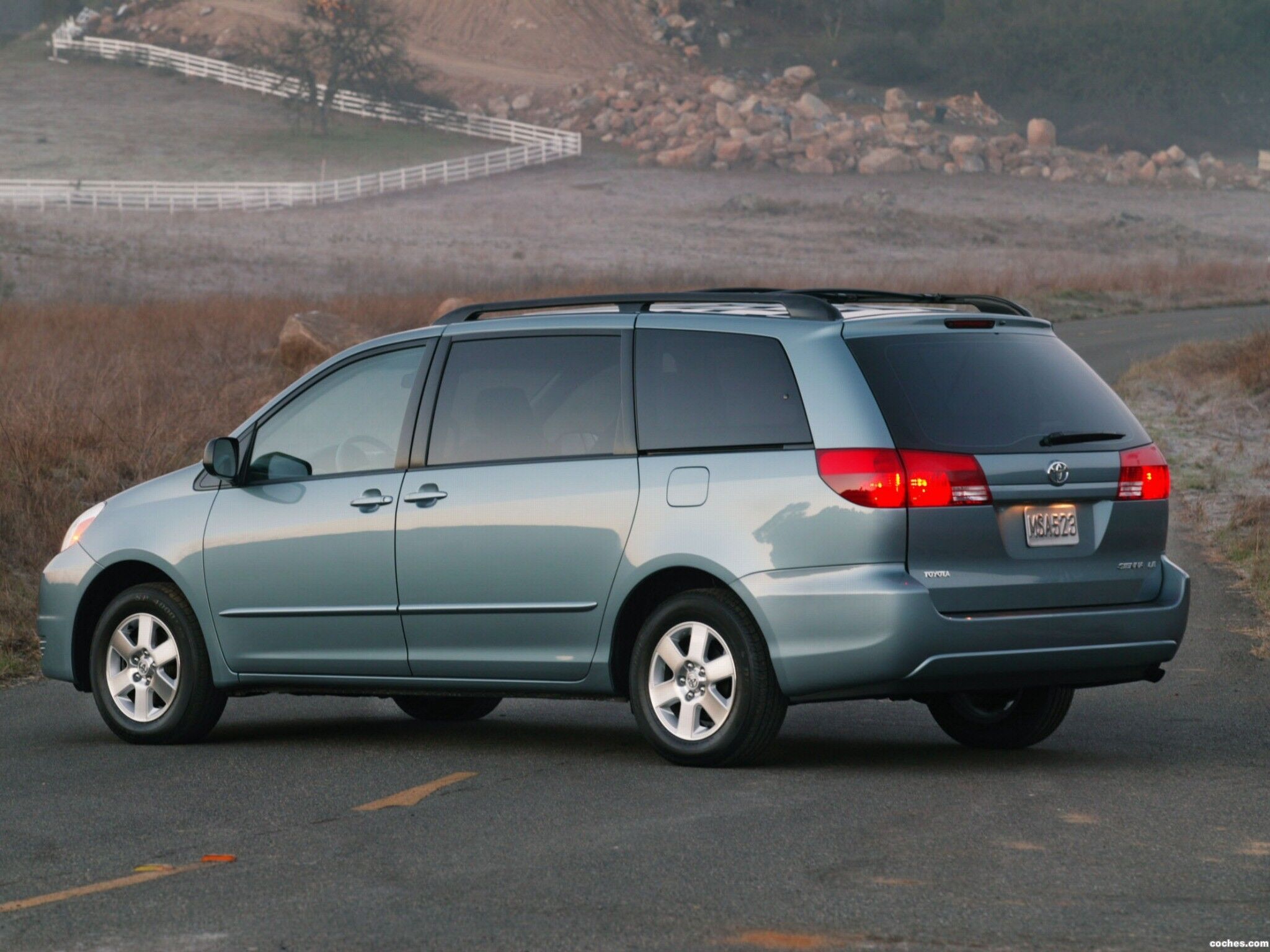
The Toyota Sienna is the gold standard for longevity in the minivan world. Known for bulletproof V6 engines and stellar build quality, Siennas routinely cross the 200,000-mile mark with proper maintenance.
Toyota’s emphasis on quality control and conservative engineering means fewer costly surprises down the road. Bonus: it’s the only minivan currently available with all-wheel drive.
If you’re in the market for a dependable minivan, the 2010 Toyota Sienna should be at the top of your list. It’s known for its reliability, ease of handling, and all-around solid performance as a family vehicle.
Even though the 2010 model carries over unchanged from the previous year, it still stands out as one of the top minivan choices available.
For buyers keeping an eye on their wallets, the entry-level Sienna CE offers space for up to eight passengers at a competitive price point. On the other end, those willing to spend more will find that the Sienna Limited delivers a driving experience that “comes off like nothing less than a Lexus minivan.”
Every trim of the Sienna is powered by Toyota’s well-regarded 3.5-liter V6 engine — a tried-and-true powerplant praised for delivering both “smooth power and high fuel efficiency.”
Another advantage in the Sienna’s favor is its status as the only minivan of its time offered with all-wheel drive. That gives it a definite edge for drivers who regularly face icy roads or snowy winters.
That said, the Sienna isn’t without its flaws. While nobody buys a minivan expecting it to handle like a sports car, it’s worth pointing out that driving the Sienna can feel pretty uninspiring — “about as bland as it gets.”
Pricing could raise eyebrows too. The Kia Sedona, for instance, delivers similar utility for a lower cost. However, the Sienna’s core strengths, including Toyota’s well-earned reputation for reliability and its strong resale value — will likely be more than enough to sway many shoppers.
All in all, the 2010 Toyota Sienna remains an outstanding option in the minivan category. With its solid list of features and configurations, it’s hard to justify purchasing another minivan without at least giving the Sienna serious consideration: “We wouldn’t buy another minivan without trying the Sienna first.”
Under the hood, every 2010 Sienna comes equipped with a 266-horsepower 3.5-liter V6 engine paired with a five-speed automatic transmission. This setup delivers both strong acceleration and commendable fuel economy. In fact, testing showed that an AWD XLE model could go from zero to 60 mph in just 8.0 seconds.
Front-wheel-drive models return 17 mpg in the city, 23 mpg on the highway, and 19 mpg combined. The all-wheel-drive variants are slightly less efficient, rated at 16 mpg city, 21 highway, and 18 combined.
Also Read: 5 Trucks With the Best Storage Under Seats and 5 Wasting Space
2. Honda Odyssey (2005–2017 models preferred)
While the Odyssey has had its share of transmission hiccups in earlier generations, models from 2005 onward have proven to be incredibly reliable when well-maintained.
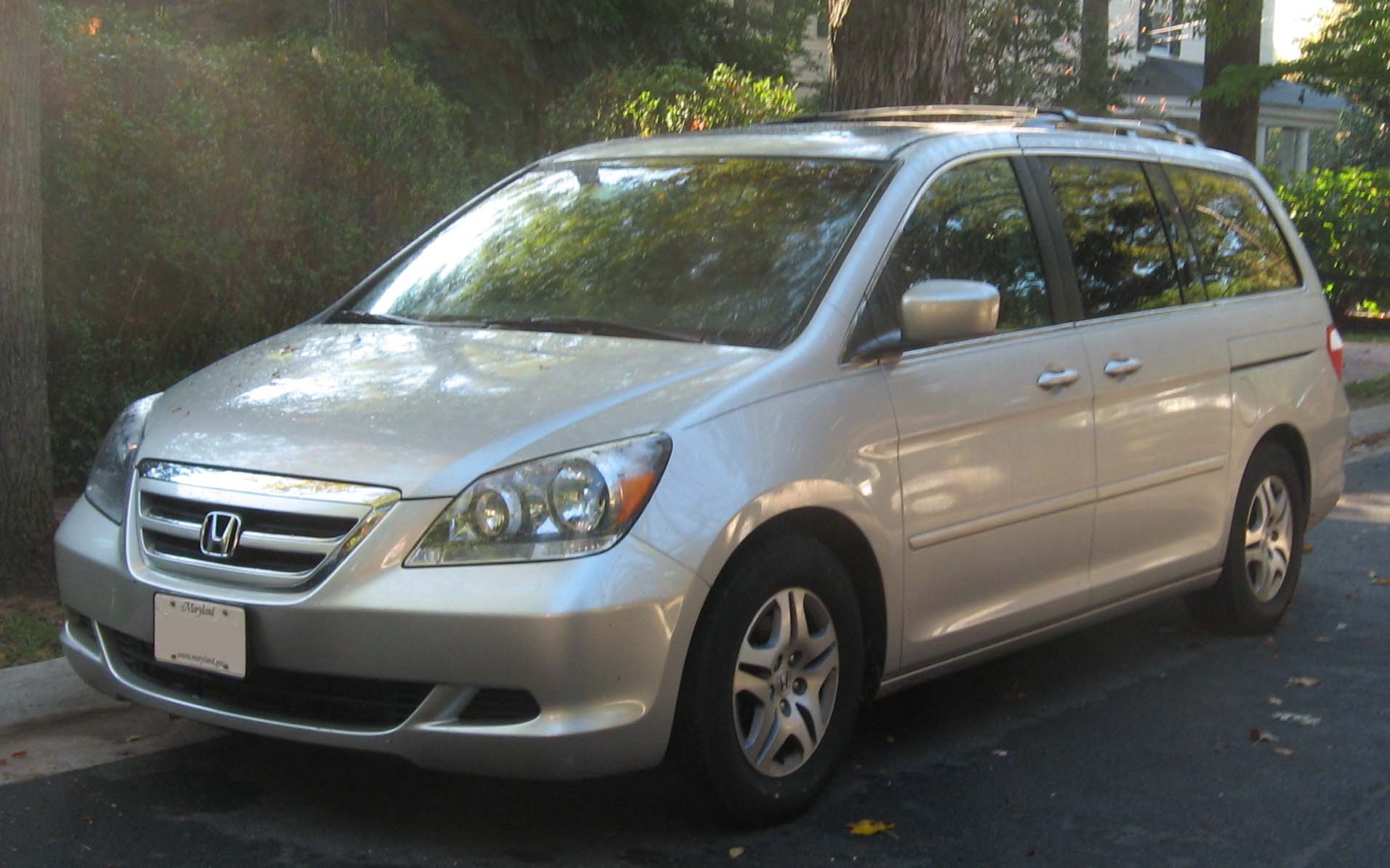
The V6 engine is smooth and long-lasting, and the cabin materials hold up better than most rivals. Many owners report topping 200,000 miles with the original engine and transmission intact.
3. Kia Sedona (3rd Gen: 2015–2021)
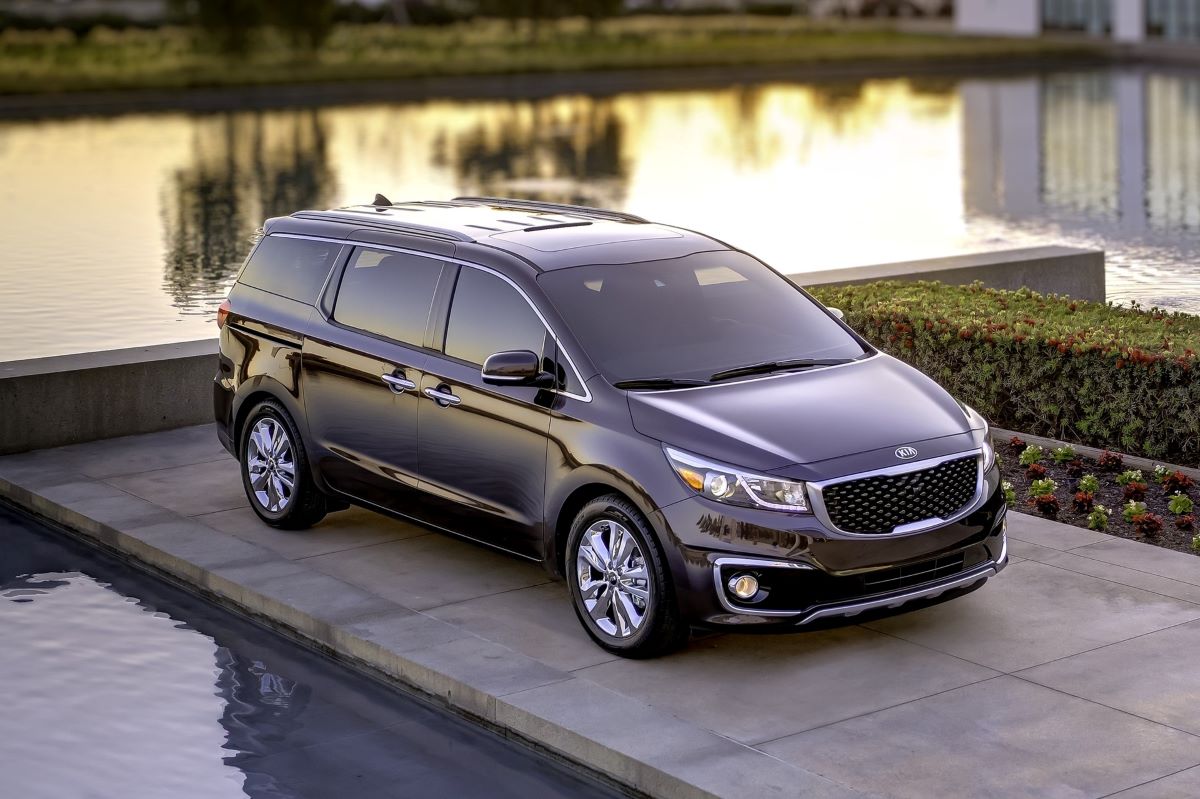
Kia’s reliability reputation has come a long way, and the third-generation Sedona is proof. With a strong 3.3L V6 and improved build quality, this model can go toe-to-toe with more expensive rivals.
Routine maintenance is key, but when serviced properly, these Sedonas are easily 200,000-mile contenders without the premium price tag.
There’s no denying that the Honda Odyssey stands as one of the best minivans on the market. It first claimed the best-in-class title from Chrysler shortly after its 1999 debut, and for the next five years, it held that position firmly.
Credit goes to its massive interior packed with practical features, smooth driving experience, strong crash-test performance, and an overall track record of reliable ownership.
Then, just when it seemed like the Odyssey had peaked, Honda upped the ante in 2005. The latest iteration brought a range of mechanical upgrades along with an expanded list of standard and optional features.
The result? A quieter, roomier, more refined version of an already excellent van, one that introduced even more forward-thinking design, flexible seating configurations, and cleverly integrated storage solutions.
Powering the Odyssey are two versions of Honda’s 3.5-liter V6 engine, both producing 244 horsepower and paired with a five-speed automatic transmission.
The key distinction between them lies in the addition of Variable Cylinder Management (VCM) technology, which comes standard on the upper trim levels and turns the engine into an “i-VTEC” setup.
This system improves fuel efficiency by “shutting off” three of the six cylinders during cruising or deceleration, then reactivating all six when full power is needed. The transition between modes is seamless and “virtually undetectable,” and VCM can improve fuel economy by up to 12 percent compared to the standard VTEC engine.
On top of that, Odyssey models equipped with VCM benefit from Active Noise Control (ANC), a feature that uses the vehicle’s audio system to “effectively cancel inherent noise produced by the VCM system (along with some road noise).” This makes the already-quiet cabin feel even more refined.
The Odyssey continues to deliver a ride that’s far more carlike than you’d expect from a van, thanks in large part to a rigid chassis and finely tuned suspension. For anyone wanting a family hauler that’s also legitimately enjoyable to drive, Honda still leads the segment in this department.
Inside, the Odyssey brings versatile seating to the table — literally. You can opt for an eight-passenger layout that includes a stowable middle seat in the second row, which can convert into a center tray table or be removed and stored below the floor. That in-floor storage compartment can be upgraded with a rotating “lazy Susan” feature for added utility.
The second-row captain’s chairs can also slide together to form a bench seat for two. In the rear, the third-row bench retains its fold-flat 60/40 split functionality, keeping cargo options flexible and convenient.
4. Chrysler Pacifica (Gas models, 2017–Present)
While Chrysler had a rocky past with minivan reliability, the gas-powered Pacifica has emerged as a surprisingly durable choice.
Models built after the initial 2017 launch year tend to be more reliable, especially those with fewer electronics and gimmicks. Avoid the plug-in hybrid version for long-haul dependability and focus on well-maintained gas versions.
Back in the mid-2000s, Chrysler had a vehicle called the Pacifica, a sort of crossover wagon/SUV, but that nameplate has no real connection to what we’re talking about here. This Pacifica is an entirely different beast, designed to replace the now-retired Town & Country minivan.
The fact that Chrysler willingly dropped the well-known T&C branding says a lot about how much of a departure this new model represents.
Built on a newly engineered structure that’s both lightweight and strong, the latest Pacifica boasts sleek styling paired with a refined, high-quality interior that’s easy on the eyes and clearly built with attention to detail.
In terms of features, the Pacifica introduces a suite of cutting-edge options. These include a dual-screen rear entertainment system, automatic emergency braking for forward collision mitigation, a built-in vacuum cleaner, and even an automated parking system for both parallel and perpendicular spaces.
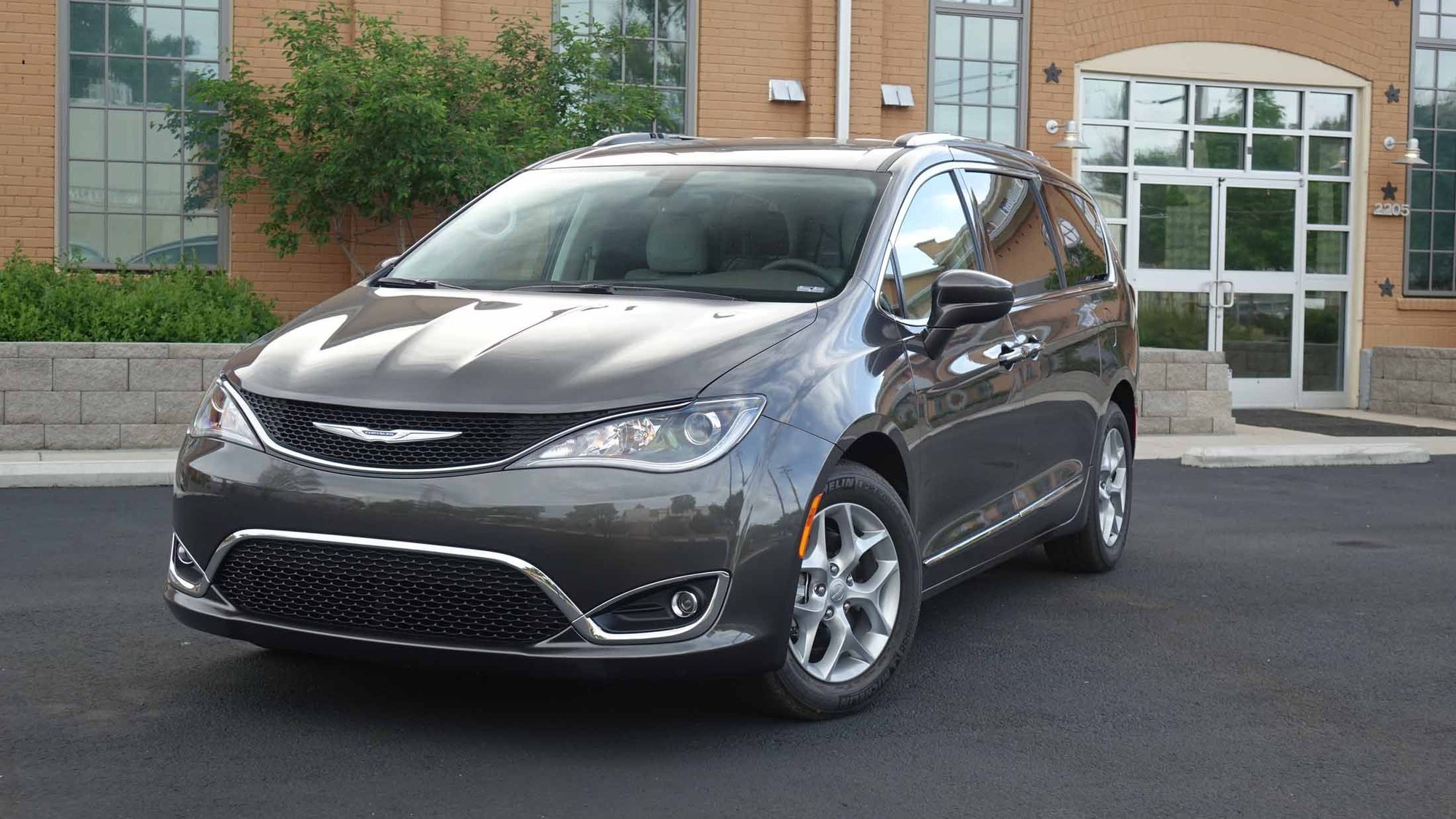
Then there’s the Pacifica Hybrid, a real standout. It holds the distinction of being the first hybrid minivan on the market (plug-in or otherwise). Chrysler claims it can travel up to 30 miles on electric power alone before switching over to a conventional hybrid gas-electric setup.
When it comes to safety, the 2017 Pacifica doesn’t skimp on standard features. It comes equipped with traction and stability control, antilock disc brakes, side curtain airbags, front seat side airbags, driver and front passenger knee airbags, and a rearview camera.
The antilock braking system is enhanced with added functionality like periodic rotor drying during rainy conditions and automated brake pad engagement to bring pads closer to the rotors when the driver suddenly lifts off the throttle, both designed to improve braking responsiveness.
Chrysler’s Uconnect Access service, which is subscription-based, offers emergency assistance, remote door locking/unlocking, and vehicle location tracking, a useful suite for peace of mind and added control.
For safety tech, rear parking sensors, blind-spot monitoring, and rear cross-traffic alert are optional on the LX and Touring trims (as part of the SafetyTec Group) and standard on all other Pacifica models. If you’re reversing and don’t respond in time, the rear parking sensors can automatically apply the brakes at low speeds to prevent collisions.
5. Dodge Grand Caravan (2008–2020)
Though not the most refined or modern, the Grand Caravan gets major points for durability, especially the later models.
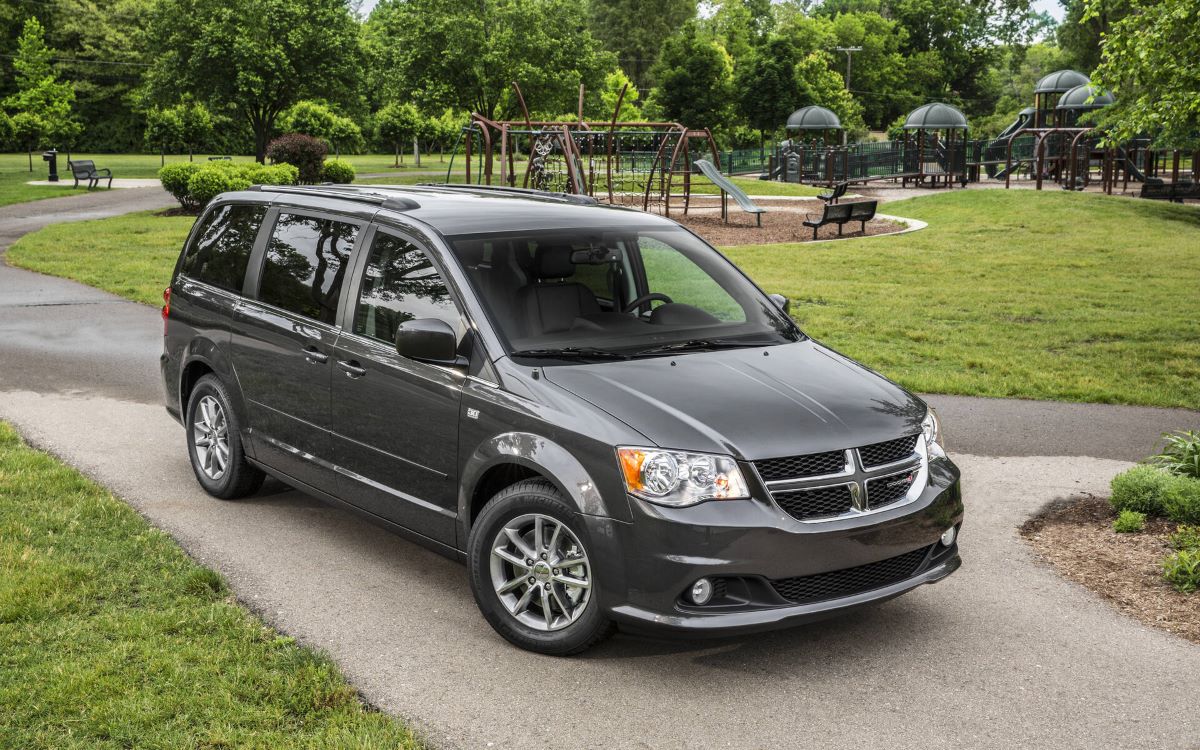
These vans are simple, cheap to fix, and benefit from a massive supply of parts. Fleet and commercial users helped prove their endurance many of these workhorses exceed 200,000 miles with only basic upkeep.
The 2009 Dodge Grand Caravan is the automotive equivalent of that guy. If you caught our reviews of the previous model year’s Grand Caravan, you’ll remember we were initially impressed with Dodge’s then-new minivan.
It came packed with clever, family-oriented features, and we noted that the engine delivered solid performance. The interior was comfortable, though we did point out that the cabin materials left something to be desired. Still, at the time, we felt the strengths outweighed the weaknesses.
That judgment, however, was based on our usual two-week evaluation period. Things changed dramatically when we added a Grand Caravan to our long-term test fleet, and it didn’t take long for the red flags to start waving.
In day-to-day use, we ran into a number of issues: a malfunctioning radio, problems with the passenger-side sliding door, and a never-ending chorus of interior creaks and rattles.
The build quality was disappointing, to say the least, the “+” symbol on the gear selector wore off from normal use, the light-colored leather upholstery began to discolor quickly, and the rear bumper plastic warped so badly we couldn’t even open the tailgate.
And all of this happened within the first six months. Our experience, unfortunately, isn’t unique, you’ll find many similar complaints in consumer reviews of the Grand Caravan.
Simply put, the 2009 Grand Caravan doesn’t hold up. It represents a glaring example of cost-cutting and uninspired engineering from a company that, at the time, seemed more focused on staying afloat than producing a truly competitive product. And that’s a shame, because the van does have potential.
The Swivel ‘n Go seating system is a genuinely clever idea, and features like the dual-screen rear entertainment system, Sirius Satellite TV, and onboard hard-drive audio storage stand out as strong selling points.
The Grand Caravan also delivers on minivan basics like roomy passenger accommodations and ample cargo capacity. But in practice, it all feels rushed and poorly put together.
Also Read: 10 Minivans That Last for Multiple Generations
Minivans That Won’t Survive a Decade
In this article, we’re calling out the minivans that simply don’t last. These are the models that might look appealing at first glance, packed with features, stylish touches, maybe even a tempting price tag, but under the surface, they’re ticking time bombs.
If longevity, durability, and peace of mind matter to you (and they should), these are the vans you’ll want to steer clear of.
1. Nissan Quest (2011–2017)
Despite a quirky design and plush interior, the Nissan Quest was plagued by issues especially with its continuously variable transmission (CVT).
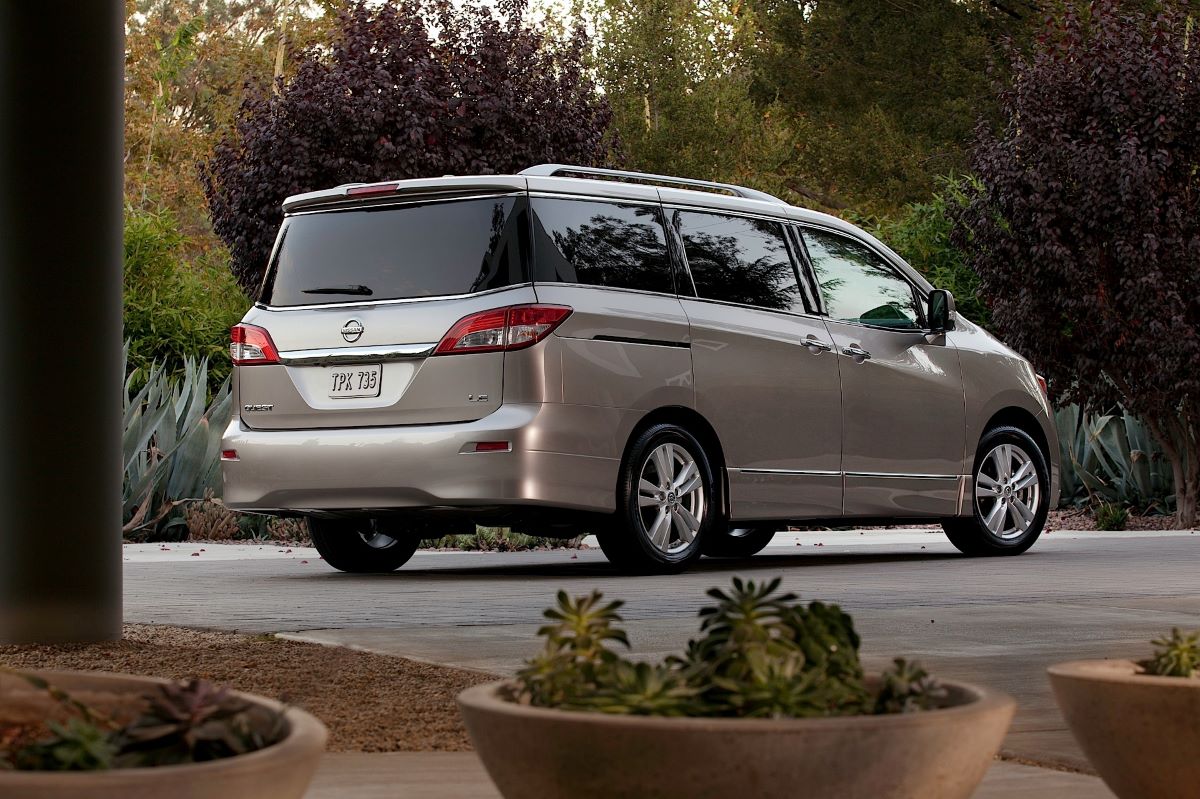
Many owners report complete transmission failure under 100,000 miles, and replacement costs are often higher than the van’s value. It was eventually discontinued, largely due to poor reliability and sales.
After years of lagging behind its competitors in the fiercely contested minivan segment, Nissan decided to take a hard pivot and thoroughly reinvent the Quest for the 2011 model year, and with that shift, the previous model’s sharp, unconventional exterior, defined by its angular and futuristic look, was replaced with a more conservative, tall and boxy silhouette that placed practical function well above dramatic flair.
At the same time, the cabin received an impressive overhaul, especially in the higher trims, where the materials and design now rival what you’d expect in an entry-level luxury vehicle, all of which resulted in a far more appealing and competitive offering, even if the Quest still isn’t without its imperfections.
The 2012 Nissan Quest carries over essentially unchanged from the prior year, aside from a few minor tweaks to its available features.
It continues to be powered by a strong V6 engine paired with a seamless and efficient continuously variable transmission (CVT), offering a smooth, quiet ride that many families will find comforting in day-to-day life, especially when you factor in the roomy seating arrangements and well-executed in-cabin technology that feels both modern and refreshingly intuitive, giving the Quest an edge in refinement.
When you take it out on winding roads or open highways, there’s even a hint of agility and responsiveness that makes it feel less like a lumbering people-mover and more like something subtly more dynamic than you’d expect in this segment.
Under the hood, the 2012 Quest is powered by a 3.5-liter V6 engine that produces a respectable 260 horsepower and 240 pound-feet of torque, which is delivered to the front wheels via a continuously variable transmission that ensures smooth and steady acceleration without the shift shock found in traditional automatics.
2. Chrysler Town & Country (2008–2016)
Before the Pacifica, Chrysler’s Town & Country suffered from electrical gremlins, premature transmission failures, and flimsy interior components.
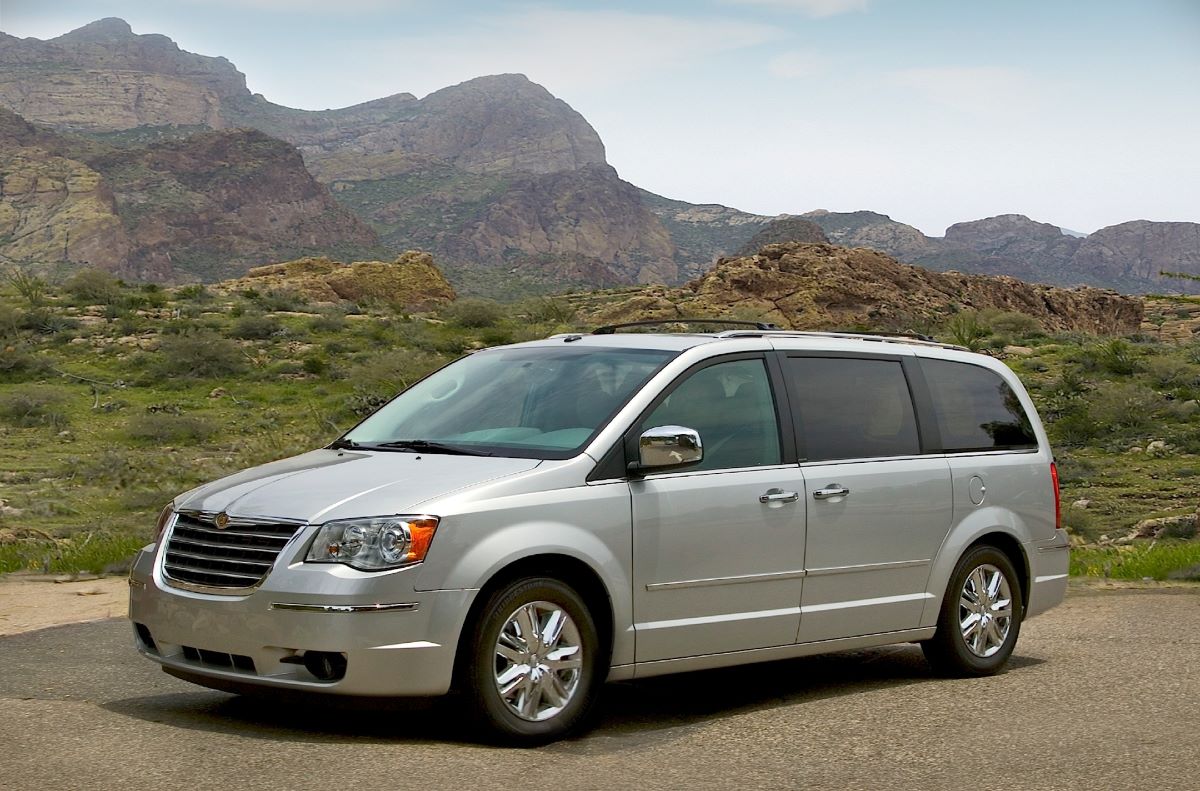
While some lucky owners hit high mileage, many experience repeated breakdowns and costly repairs well before 150,000 miles. Water leaks, infotainment bugs, and sliding door malfunctions are common.
The 2010 Chrysler Town & Country is a textbook example of a vehicle that promises a lot on paper but ultimately fails to deliver when put to the test over time. When we initially considered its corporate sibling, the Dodge Grand Caravan, for a long-term evaluation (in the form of a 2008 model), we were genuinely optimistic.
This van was marketed as a luxury-leaning minivan loaded with family-friendly perks—everything from a robust 4.0-liter V6 engine and flexible seating/cargo arrangements to an interior designed for comfort.
And while we noted early on that some of the cabin materials left something to be desired, the combination of practicality and power made us think we could overlook those shortcomings.
That optimism didn’t last long. Over the course of our year with the Grand Caravan, our enthusiasm eroded as reliability issues cropped up again and again. Unless you believe a few wood trim pieces and an analog clock are going to work some kind of magic, the Town & Country lands in the same disappointing territory.
We experienced a range of issues—from malfunctioning electronics like a finicky radio and an unreliable passenger sliding door to constant interior creaks and rattles that quickly became a nuisance.
Build quality left a lot to be desired—one glaring example being a warped rear bumper that eventually prevented the tailgate from opening. And it wasn’t just our test unit; a look through consumer reviews of the Grand Caravan reveals a troubling number of similar complaints.
So let’s be honest here: the 2010 Chrysler Town & Country doesn’t exactly reflect the best of what the brand can do. Sure, it comes with some clever features—Swivel ‘n Go and Stow ‘n Go seating systems, a dual-screen rear entertainment setup, and even Sirius Satellite TV, all of which sound great in a brochure or showroom walkthrough.
But unfortunately, those extras can’t compensate for the Town & Country’s larger issue: a lack of consistent build quality and refinement.
When stacked up against competitors like the Honda Odyssey, Kia Sedona, and Toyota Sienna, or even full-size crossovers such as the Buick Enclave or Ford Flex, the Town & Country struggles to make a compelling case as a top-tier family vehicle.
The 2010 Town & Country comes in front-wheel drive and offers three different V6 engine options. The base LX trim is powered by a 3.3-liter V6 that produces 175 horsepower and 205 pound-feet of torque, mated to a four-speed automatic transmission.
Unfortunately, the fuel economy is underwhelming for such a modest engine: EPA ratings come in at 17 mpg city, 24 mpg highway, and 19 mpg combined, numbers that are hard to justify given the performance output.
3. Chevrolet Uplander (2005–2009)
GM’s attempt to blend SUV styling with minivan practicality resulted in one of the least reliable minivans in modern memory.
Uplanders were notorious for poor-quality transmissions, cheap interiors, and frequent suspension problems. Most didn’t make it to the 150,000-mile mark without major repairs, and resale value was virtually nonexistent.
Several years back, General Motors set out to boost minivan sales and shake the long-standing “soccer mom” stereotype by reimagining its people haulers with SUV-inspired styling and fresh branding. In that push, the Chevrolet Venture was retired, making way for the more assertively named “Uplander.”
With a beefier front fascia and a slightly elevated profile, the Uplander aimed to be a “crossover sport van”, essentially, a cooler, more rugged alternative to the traditional minivan.
That said, the SUV-meets-minivan marketing angle never fully landed for us. To be blunt, the Uplander mostly just looks like a minivan with an oversized, squared-off front end.
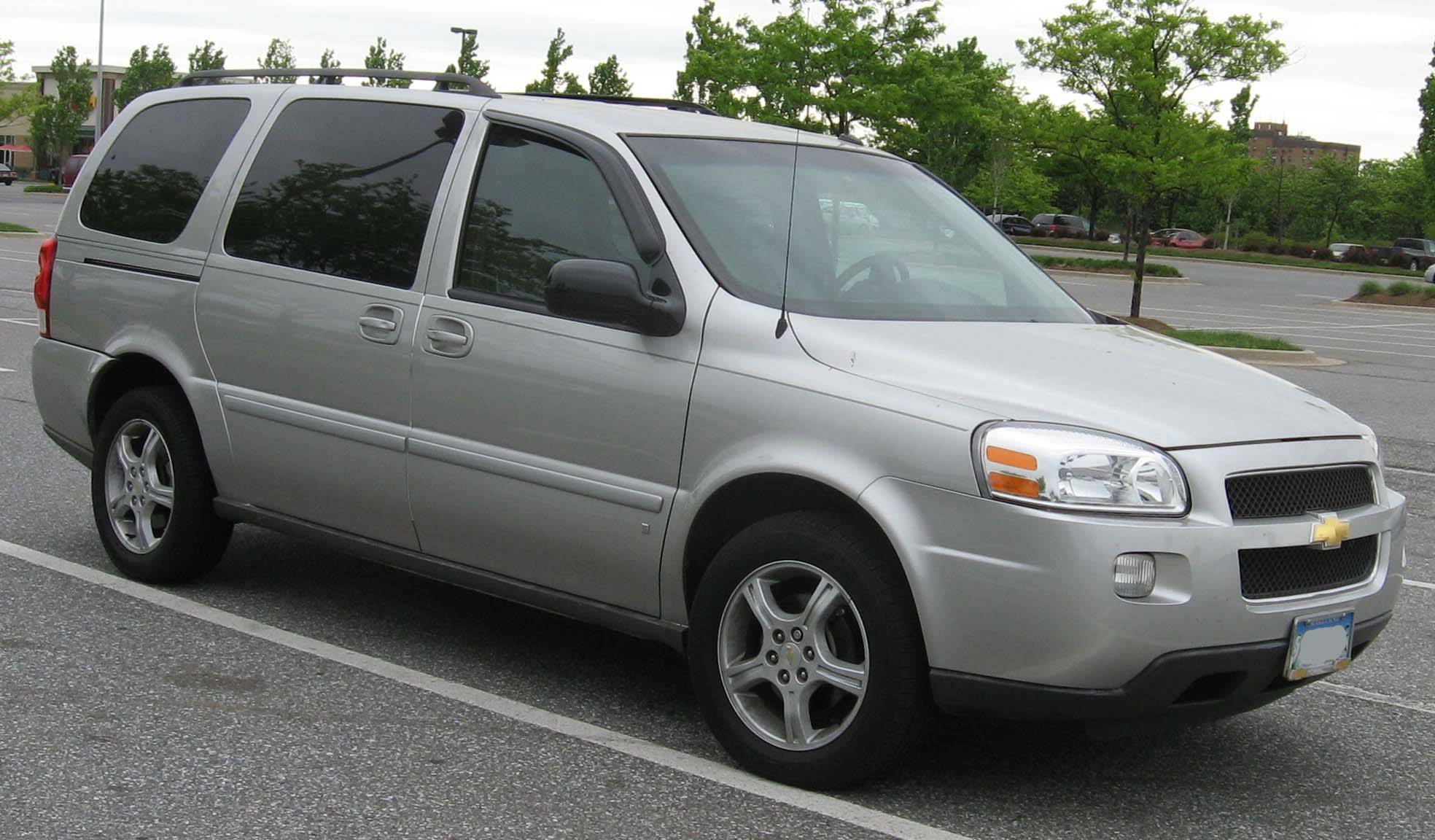
Still, when it comes to doing what a minivan is supposed to do, the 2007 Chevrolet Uplander delivers in several important areas. It comes packed with many of the family-friendly features buyers expect: a third-row 50/50-split bench that folds flat, integrated folding trays up front, generous storage space, and optional perks like rear park assist, DVD entertainment, and built-in navigation.
One standout feature is the PhatNoise 40-gig digital media system, which can house a massive collection of music and movies—making CD and DVD clutter a thing of the past.
For 2007, Chevrolet made a smart call by dropping the underpowered 3.5-liter V6 and making the stronger 3.9-liter V6 standard across all trims, especially given that the long-wheelbase model tips the scales at nearly 4,500 pounds.
But even with these updates, the 2007 Uplander still lags behind the top players in the segment—namely, the Honda Odyssey, Kia Sedona, and Toyota Sienna. Where those models shine in driving refinement, crash safety ratings, and advanced features, the Uplander comes up short.
It lacks some important modern equipment, like a rearview camera and full-length side curtain airbags that cover all three rows. For families shopping with a tight budget, the Uplander’s lower price tag (often a few thousand less than its better-equipped competitors) might make it appealing.
However, buyers with higher expectations and the willingness to spend a bit more, will likely find the Odyssey, Sedona, or Sienna to be the more satisfying and better-rounded choice.
4. Mazda5 (2006–2015)
Though technically a mini-minivan or a compact MPV, the Mazda5 was popular among city families.
Unfortunately, it struggled with premature rusting, fragile suspension components, and underwhelming engines.
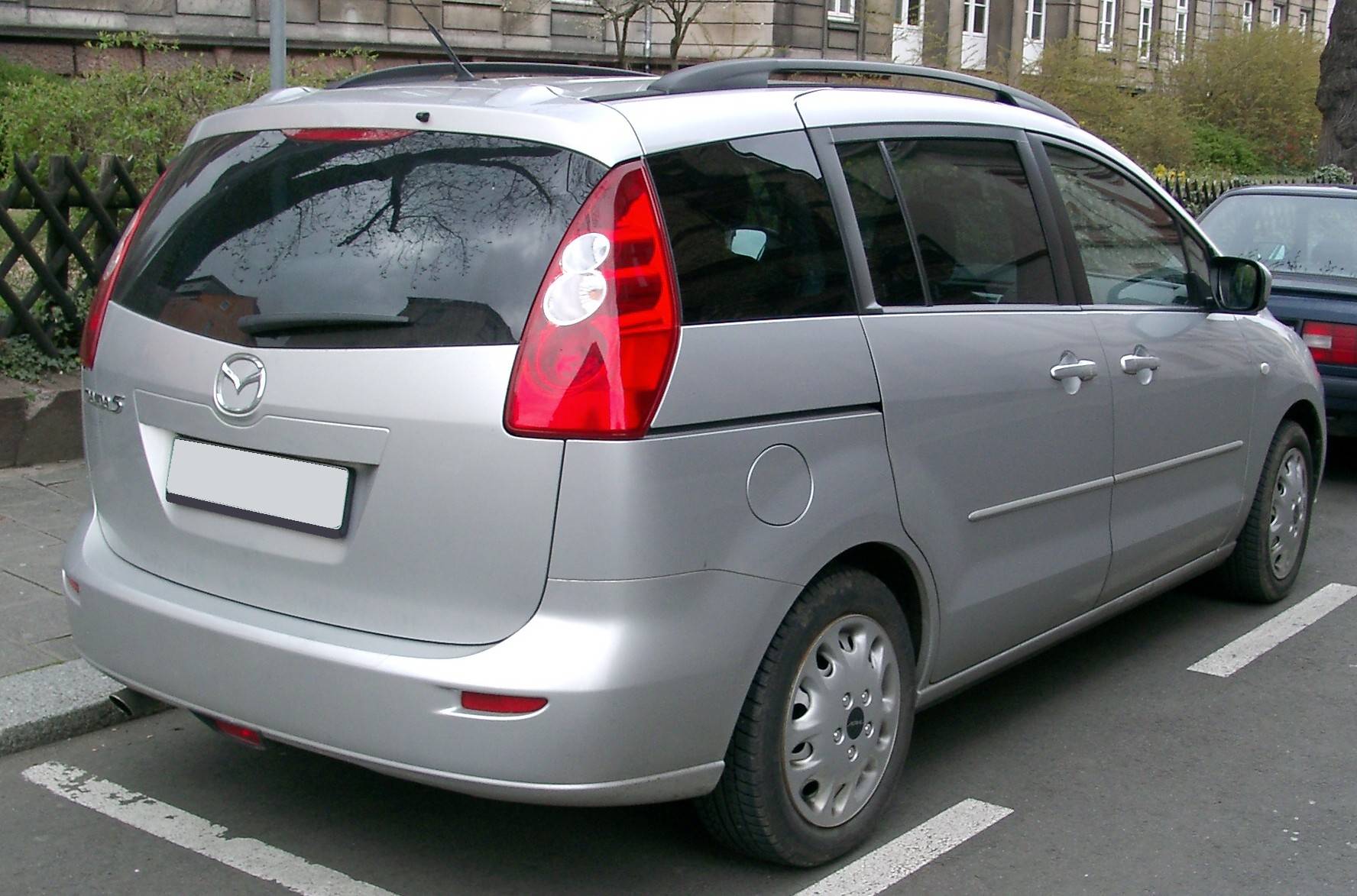
Many models develop oil leaks, power steering issues, and clutch/transmission wear that make survival past 100,000 miles uncertain.
Beneath the surface of the Mazda 5 lies a strong connection to the Mazda 3, a top-tier compact sedan known for its precise handling and composed, European-inspired ride quality.
That DNA gives the otherwise practical Mazda 5 a surprising edge in agility and responsiveness, making it more engaging to drive than anything else typically labeled a “van.”
Its compact size enhances its everyday usability, allowing it to slip through traffic easily and slide into tight parking spots with minimal fuss. And once parked, the 5’s sliding rear doors, though often dismissed as “uncool”, shine in their ease of access and family-oriented convenience.
The 2009 Mazda 5 is powered by a 2.3-liter four-cylinder engine producing 153 horsepower and 148 pound-feet of torque. A five-speed automatic transmission comes standard on the Touring and Grand Touring trims, while the Sport trim features a five-speed manual as standard equipment, with the automatic available as an option.
5. Volkswagen Routan (2009–2014)
The Routan was essentially a rebadged Chrysler Town & Country with a VW badge and all the same problems.
Despite a stylish interior, the Routan offered no real mechanical improvements and inherited all of Chrysler’s reliability woes. Transmission failure, electrical issues, and poor parts availability helped doom this van early.
The 2012 Volkswagen Routan shares its underpinnings with the Chrysler Town & Country and Dodge Grand Caravan, making it mechanically near-identical to its American siblings.
Aside from a distinct grille and unique rear styling, the Routan attempts to set itself apart with a slightly firmer suspension, aimed at delivering a more engaging driving experience. Unfortunately, these modest changes don’t do enough to elevate the Routan above the more refined and well-rounded competitors in the minivan segment.
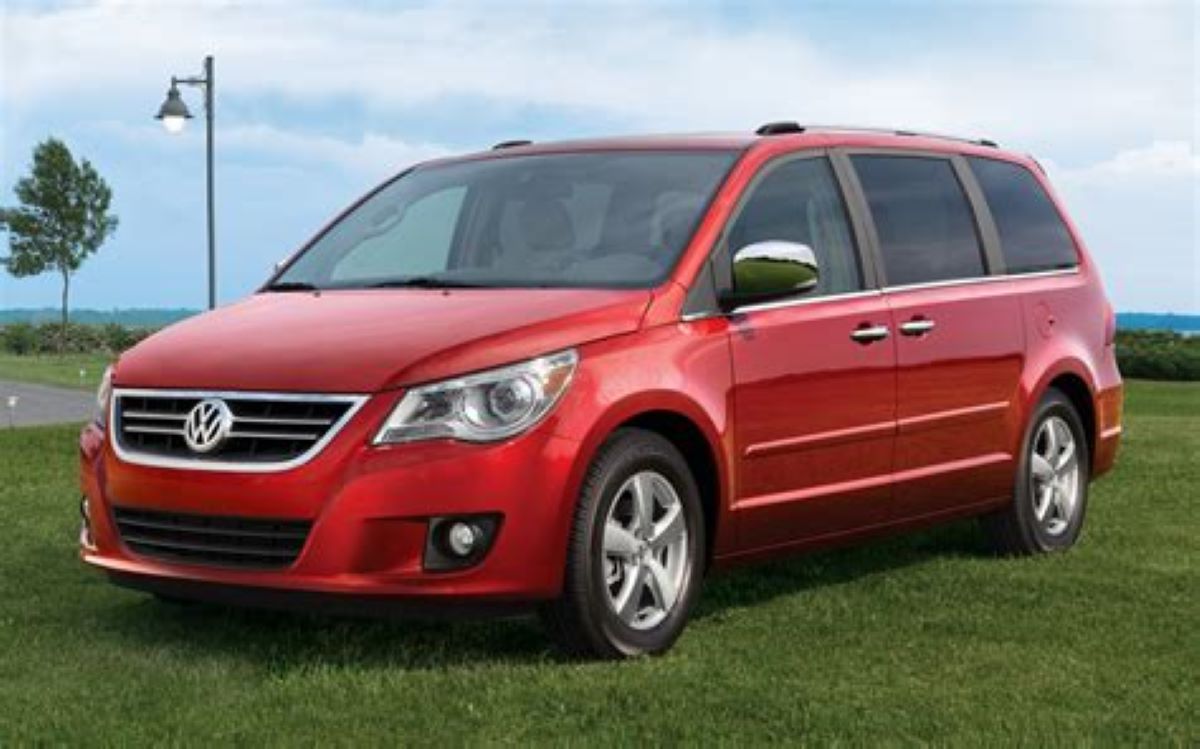
Beneath the hood, the Routan is equipped with the same 3.6-liter V6 engine as its Chrysler counterparts, generating a healthy 283 horsepower. It also comes with many of the standard features families have come to expect, including power sliding side doors and an available dual-screen rear entertainment system.
However, it lacks some of the standout conveniences found in the Grand Caravan and Town & Country, most notably the clever Stow ‘n Go second-row seating, which offers superior versatility when it comes to cargo management.
The Routan’s biggest obstacle, though, isn’t what it shares or what it lacks—it’s the level of competition it faces. Models like the Honda Odyssey and Toyota Sienna continue to set the standard in the segment, with their strong engineering, refined driving dynamics, and forward-thinking features.
Additionally, the redesigned Nissan Quest brings a fresh approach with its bold styling and uniquely configured interior, offering yet another compelling alternative.
Powering the 2012 Volkswagen Routan is a 3.6-liter V6 engine that delivers 283 horsepower and 260 pound-feet of torque. This power is routed to the front wheels via a six-speed automatic transmission.
If you’re looking to invest in a minivan that won’t leave you stranded before the kids graduate, it’s worth doing your homework.
Toyota and Honda dominate the long-haul reliability game, while budget options like the Sedona and Grand Caravan can also go the distance with proper care.
On the flip side, vans with poor build quality or unreliable transmissions like the Nissan Quest or VW Routan can end up costing far more than they’re worth over time.
When shopping for a used minivan, always check for a solid maintenance history and avoid the first model year of any new redesign.
After all, a minivan should be about making life easier not more expensive.