
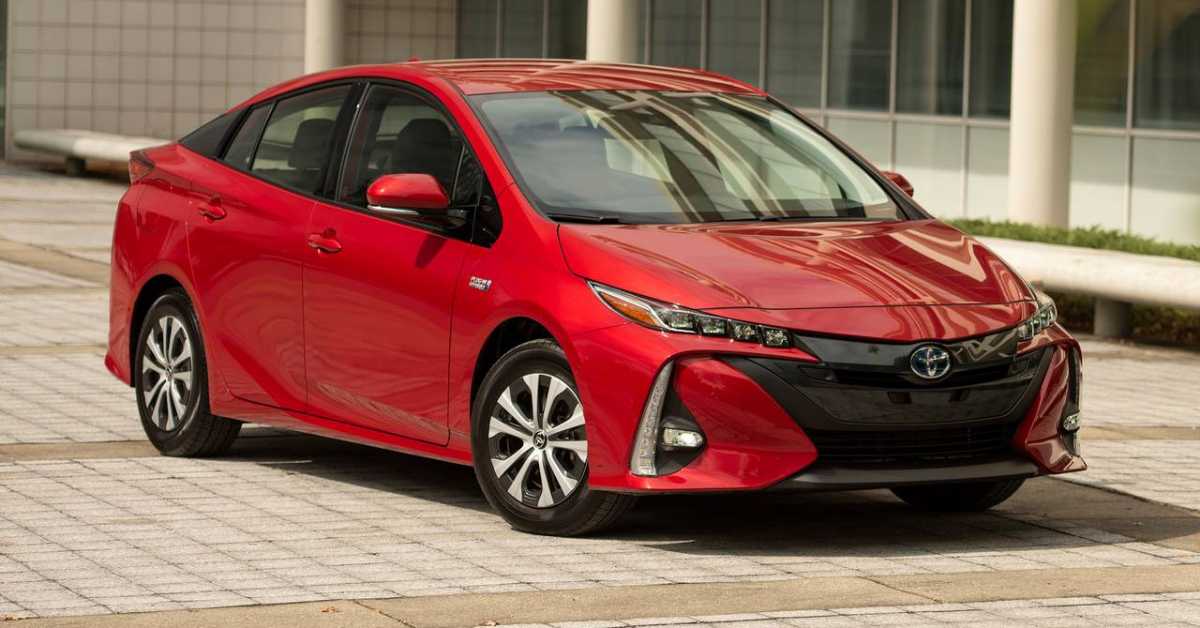
In today’s world of high fuel prices and growing environmental awareness, fuel efficiency has become one of the most sought-after traits in a car.
Automakers are under more pressure than ever to deliver vehicles that sip fuel instead of guzzle it. But in the race to maximize miles per gallon, not every manufacturer gets it right, at least not without cutting corners elsewhere. One area where some fuel-efficient cars fall short, Reliability.
Let’s be honest, what good is saving a few bucks at the pump if you’re constantly shelling out money at the repair shop? While some fuel-sipping cars manage to deliver dependable performance year after year, others seem to trade long-term durability for short-term gains in efficiency.
Hybrid components, cost-cutting materials, complex engineering, these can all introduce headaches when the initial shine wears off.
In this article, we’re pulling back the curtain on both sides of the coin. We’ve rounded up five fuel-efficient cars that not only go easy on your wallet at the gas station but also stand the test of time, racking up miles with minimal fuss.
Then, on the flip side, we’re calling out five vehicles that promise great MPG but fall flat when it comes to reliability, whether it’s due to premature part failures, expensive hybrid systems, or quality issues that show up just outside of warranty.
Fuel-Efficient Cars That Stay Reliable
If you’re shopping smart, you want to know which cars are truly worth your money—not just today, but for the long haul. Let’s dive in and separate the fuel misers you can count on from the ones that just don’t go the distance.
1. Toyota Corolla Hybrid
MPG: 50+ city / 43+ highway
Toyota has long been synonymous with reliability, and the Corolla Hybrid continues that legacy. It uses a proven hybrid system borrowed from the Prius, combined with the bulletproof Corolla platform.
Owners routinely report 200,000+ miles with minimal issues. There’s no turbocharger, no CVT weirdness, and the battery pack is engineered for longevity.
Maintenance costs remain low, and Toyota’s track record for hybrid reliability is unmatched.
The 2025 Toyota Corolla Hybrid continues to stand out as one of the most budget-friendly hybrid vehicles on the market. The updates for the 2025 model year are minimal, and the core appeal of the Corolla remains unchanged. It’s dependable, simple to drive, and delivers excellent fuel efficiency.
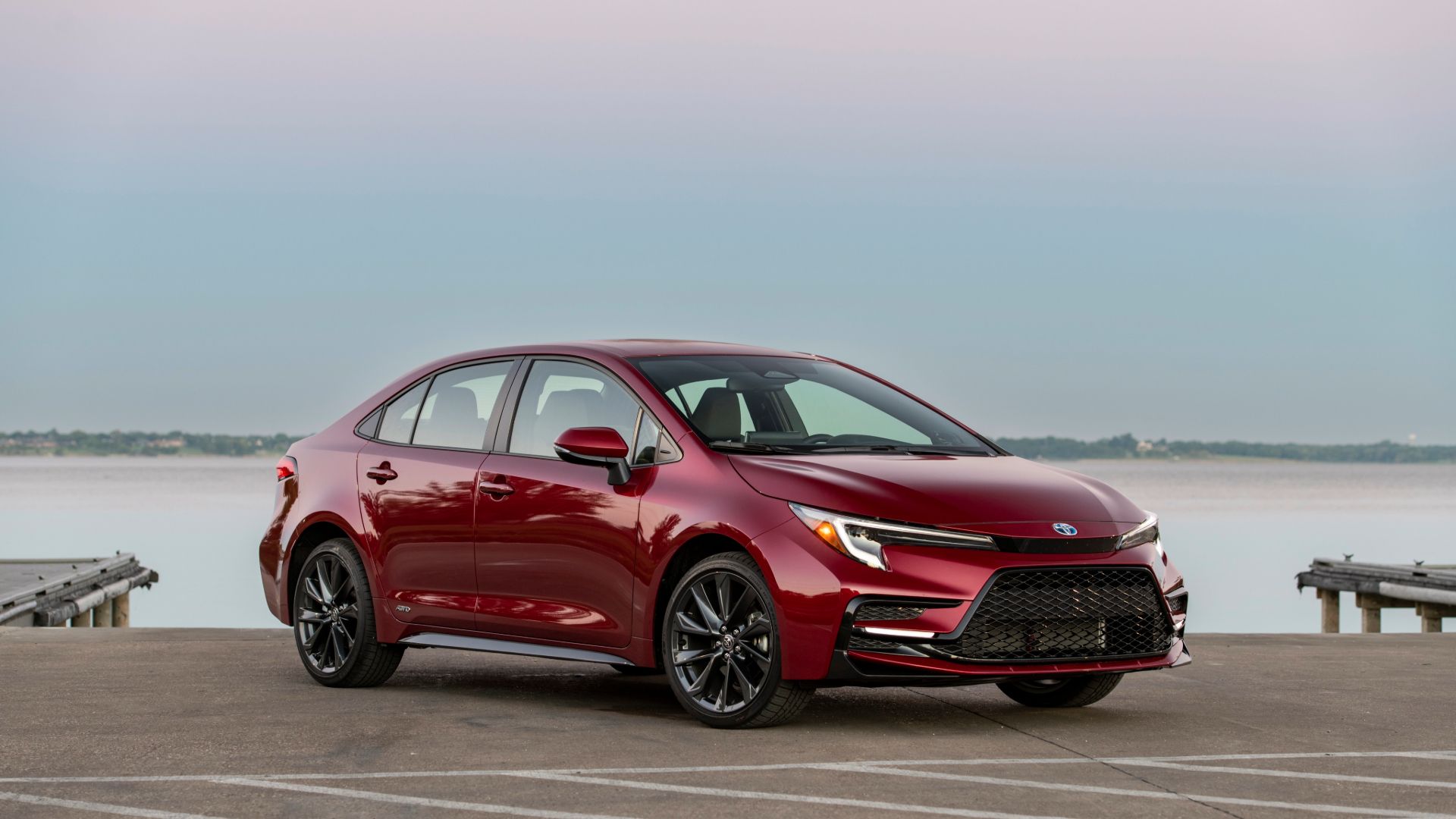
That said, it still ranks near the bottom of our list among hybrid sedans. While its attractive starting price might catch your eye, we believe that if your budget allows, it’s worth investing a bit more for a hybrid that delivers a more complete experience.
The Corolla Hybrid suffers from a noticeably underpowered gas engine, outdated in-car tech, and a cabin that’s tighter than what you’ll find in rival models.
As we noted, the Toyota Corolla isn’t our favorite. But we do give a big thumbs-up to the Toyota Prius. It was recently redesigned and, in addition to its more appealing styling, is one of our highest-rated hybrids. Its starting price is more than the Corolla’s but when equally optioned that price gap shrinks.
2. Honda Insight (2019–2022)
MPG: 55 city / 49 highway
Though discontinued after 2022, the third-generation Insight was a quiet hero in the hybrid segment.
Built on the Honda Civic platform but using Honda’s dual-motor hybrid tech, it blended efficiency with legendary Honda reliability.
It avoids the pitfalls of excessive complexity and offers a smooth, durable drive. With proper maintenance, these models are easily capable of 250,000 miles.
One of the defining traits of the Toyota Prius has always been its unmistakable styling. Whether you love it or hate it, there’s no mistaking what it is.
It essentially acts as a moving billboard for the hybrid lifestyle—comparable to packing your lunch in a Whole Foods tote bag. But if you prefer to blend into traffic a bit more, Honda clearly wants you to take a look at its 2020 Insight.
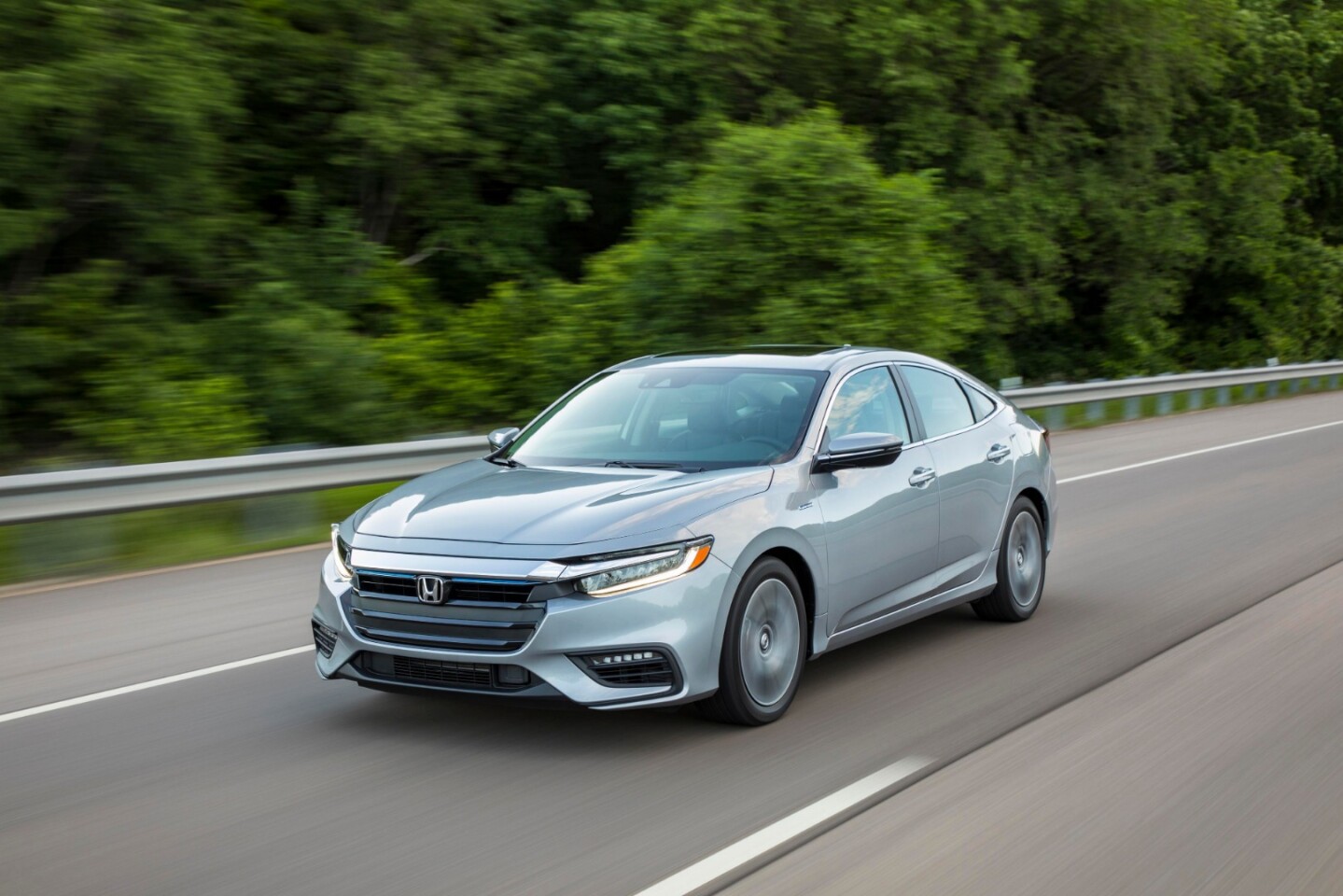
The Honda Insight takes a more conservative approach to design. Unless someone spots the modest “Hybrid” badges, most wouldn’t even guess it’s anything other than a conventional sedan. That restrained styling continues inside, where the cabin feels both familiar and inviting.
On the road, the Insight delivers a more refined and rewarding driving experience than many other mainstream hybrids can offer. Being a sedan, it does sacrifice a bit of cargo versatility compared to hatchbacks, but it makes up for it with smart small-item storage throughout the cabin.
The Insight’s biggest downside is a somewhat noisy operation. For example, the engine can produce noticeable vibration at idle when it kicks on to charge the battery.
But honestly, that’s a small complaint when weighed against everything else this hybrid gets right, including its EPA-estimated 52 mpg. Overall, the Honda Insight is a standout hybrid sedan that brings a welcome dose of civility to fuel-efficient driving. It might even tempt some long-time Prius loyalists to make the switch.
3. Toyota Prius
MPG: 56+ combined (2023 model and newer)
The Prius has been the gold standard for fuel-efficient reliability for over two decades. While earlier generations had some quirks, the latest models are refined, better looking, and even more dependable.
Toyota’s hybrid system has matured over the years, offering excellent battery longevity, dependable electric motors, and fewer drivetrain issues compared to plug-in competitors.
Once mocked as the poster child for eco-warrior clichés and overly ambitious tech experiments, the Toyota Prius has undergone a serious glow-up. It now boasts sleek, swan-like styling and surprisingly, a genuinely enjoyable driving experience. And of course, it’s still a leader in fuel economy, as its impressive EPA estimates clearly demonstrate.
The 2023 redesign wrapped the Prius in a streamlined body and paired it with either a 194-hp front-wheel-drive or 196-hp all-wheel-drive setup. Both configurations deliver a much-needed boost in acceleration, which now feels peppy instead of sluggish.
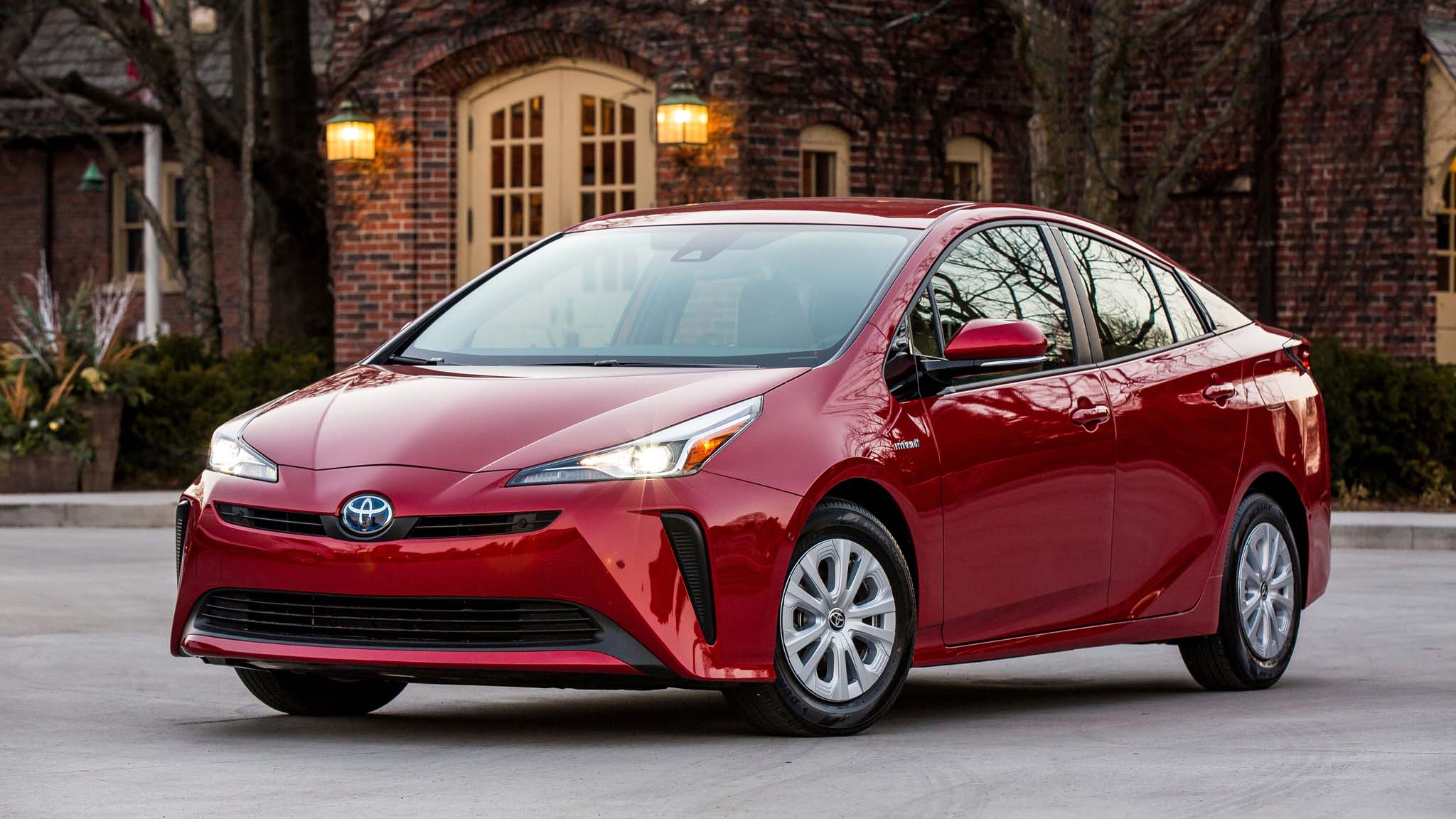
Inside, the Prius has shifted to a more conventional layout, shedding some of its previous generation’s quirky elements, like the centrally mounted gauge cluster.
It now offers a suite of available creature comforts, making it a far more well-rounded car than ever before. Simply put, there’s little to no sacrifice involved in choosing a Prius today.
A Nightshade Edition joins the lineup, featuring several components decked out in black: 19-inch wheels, exterior badging, front door handles, doorsills, antenna, and upholstery, now stitched in gray.
It also includes puddle lights that project the Prius logo onto the ground. Available colors are Wind Chill Pearl (white) and Midnight Black Metallic. Other than the new trim, the Prius remains unchanged for 2025.
The 2025 Toyota Prius starts at $29,545 and climbs to $36,560, depending on trim and options.
- LE – $29,545
- XLE – $32,990 (Recommended)
- Nightshade – $33,755
- Limited – $36,560
The LE trim includes 17-inch wheels, blind-spot monitoring, rear cross-traffic alert, and a wallet-friendly starting price—making it a smart pick for buyers who want to maximize both savings and fuel economy. But we wouldn’t blame you for climbing the trim ladder.
Each step up adds more value, and the XLE in particular strikes a great balance. With eye-catching 19-inch wheels, a wireless phone charger, faux-leather upholstery, rain-sensing wipers, and heated front seats and steering wheel, it’s the sweet spot of the lineup.
4. Mazda3 (with SkyActiv Engine)
MPG: 28 city / 36 highway (non-hybrid)
Though not a hybrid, the Mazda3 manages great fuel economy through its high-compression SkyActiv-G engine, which doesn’t sacrifice reliability for efficiency.
If you’re someone who tends to follow your heart more than your head when buying a car, the Mazda 3 might be right up your alley. Offered as both a sedan and a hatchback, this compact car often gets overshadowed by its rivals on paper.
Mazda has introduced a few updates for the 2025 model year. Most notably, the base 2.5 S trim is now available with the hatchback body style, expanding options for entry-level buyers.
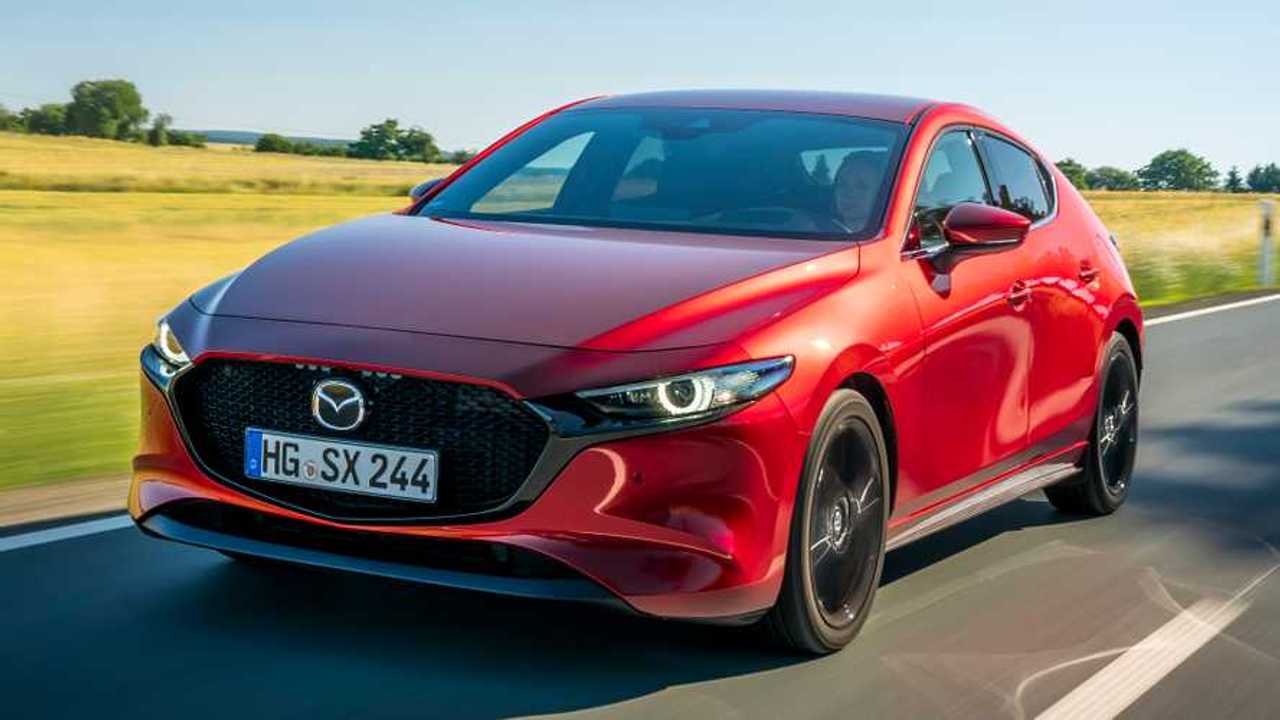
Starting with the 2.5 S Select Sport trim, models now come equipped with a built-in Alexa AI voice assistant. This feature allows you to adjust the car’s climate controls or change the radio station using voice commands.
It also integrates with Alexa-enabled smart home devices, adding a layer of connected convenience. Additionally, models that include Mazda’s built-in navigation system will benefit from over-the-air updates, ensuring the map data stays current.
The engine is naturally aspirated, reducing stress and wear over time. With regular oil changes and proper care, the Mazda3 often outlasts more complex turbocharged or hybrid rivals without guzzling gas.
5. Lexus UX 250h
MPG: 41 city / 38 highway
The UX 250h offers luxury-level efficiency without the high maintenance costs. Built on Toyota’s hybrid architecture and backed by Lexus engineering, this subcompact SUV remains rock-solid even after 150,000 miles.
The hybrid powertrain is smooth, and electronic components are known to outlast many competitors. It’s a great option for buyers wanting both comfort and durability.
The UX300h is offered exclusively as a hybrid. Its drivetrain pairs a 2.0-liter inline-four gasoline engine with two electric motors, producing a combined output of 196 horsepower.
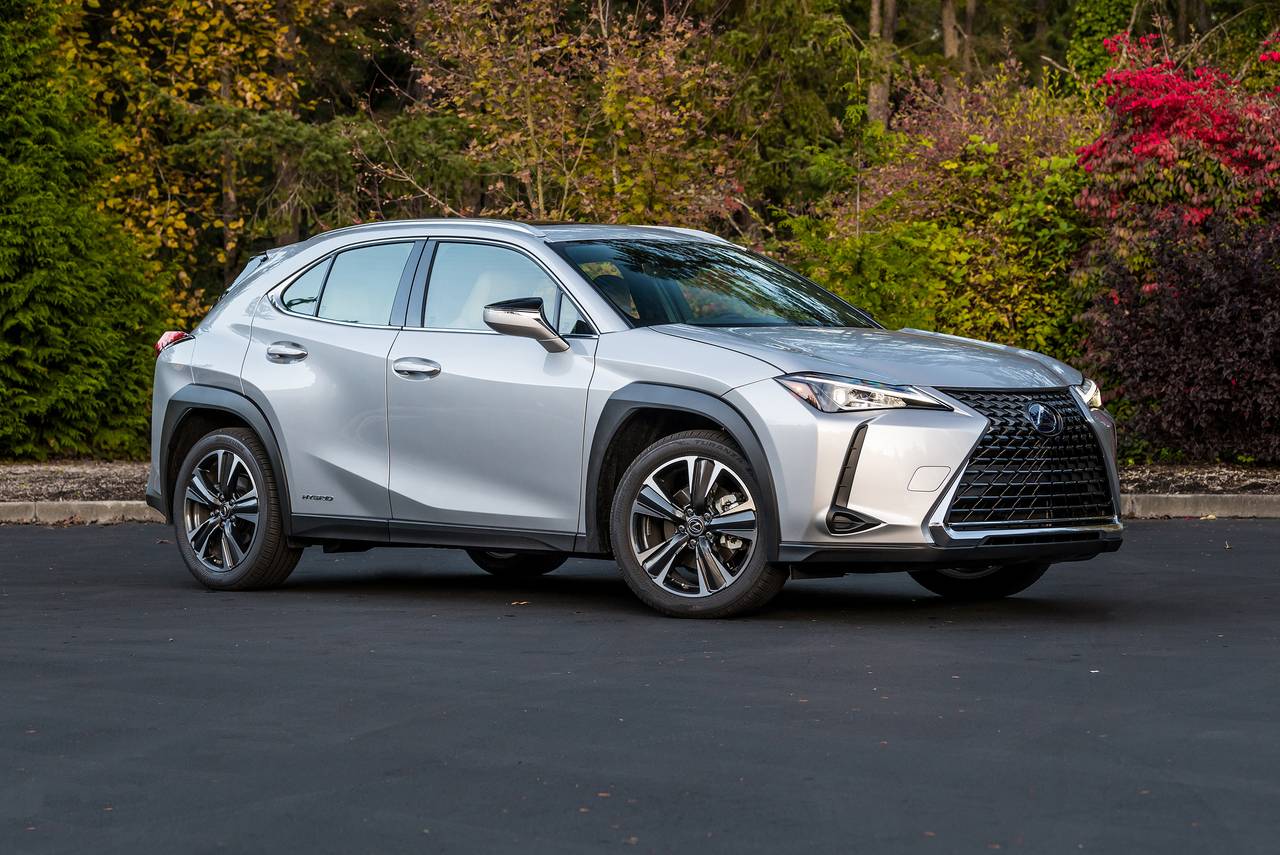
This results in noticeably quicker and smoother acceleration than the previous UX250h, which often felt underpowered. Choosing all-wheel drive adds a third electric motor dedicated to powering the rear wheels. A continuously variable automatic transmission (CVT) comes standard across all versions.
Thanks to its compact footprint, the UX is easy to maneuver and feels agile in tight spaces, all while delivering a surprisingly refined and quiet ride.
If you’re after a more customizable suspension setup, the adaptive dampers included with the F Sport Handling model are a welcome addition, letting you tweak the suspension for either a cushier or sportier feel. Still, it’s worth noting that the F Sport package doesn’t dramatically change the overall driving character of the UX.
Fuel-Efficient Cars That Sacrifice Reliability for MPG
While impressive fuel economy can be a major selling point, not every high-MPG vehicle delivers on long-term dependability. Some cars make trade-offs that may save you at the pump but cost you more in repairs down the road. Here are five fuel-efficient models that, despite their efficiency, come up short when it comes to reliability.
1. Ford C-Max Hybrid
MPG: 42 city / 37 highway (claimed)
Though it promised Prius-like efficiency, the Ford C-Max struggled with battery issues, transmission glitches, and electrical faults.
Born out of the space-conscious European market, where even compact vehicles need to haul families and gear, the Ford C-Max manages to squeeze a surprising amount of practicality into a compact package.
While its slightly elevated stance gives it a crossover-like appearance, it’s more accurate to think of it as a compact wagon or hatchback. It’s roomy enough to handle larger tasks but still small and nimble enough to navigate tight city streets with ease.
Even though this generation of the C-Max has been around for a while, there’s still plenty to like. It offers a smooth, composed ride and handles with a level of refinement that’s rare in its class.
Inside, the cabin is comfortable and outfitted with high-quality materials that give it a more upscale feel than many of its direct competitors.
Power comes from a 2.0-liter gasoline engine paired with an electric motor, combining for 188 horsepower and returning an EPA-estimated 40 mpg in mixed driving. For those looking to go even greener, there’s the C-Max Energi plug-in hybrid, which includes a larger battery for limited all-electric driving.
That said, the C-Max Hybrid’s fuel economy doesn’t quite match the numbers from newer rivals. The latest Toyota Prius gets up to 56 mpg, the Hyundai Ioniq peaks at 58 mpg, and Kia’s Niro—which shares a similarly practical body style manages up to 50 mpg.
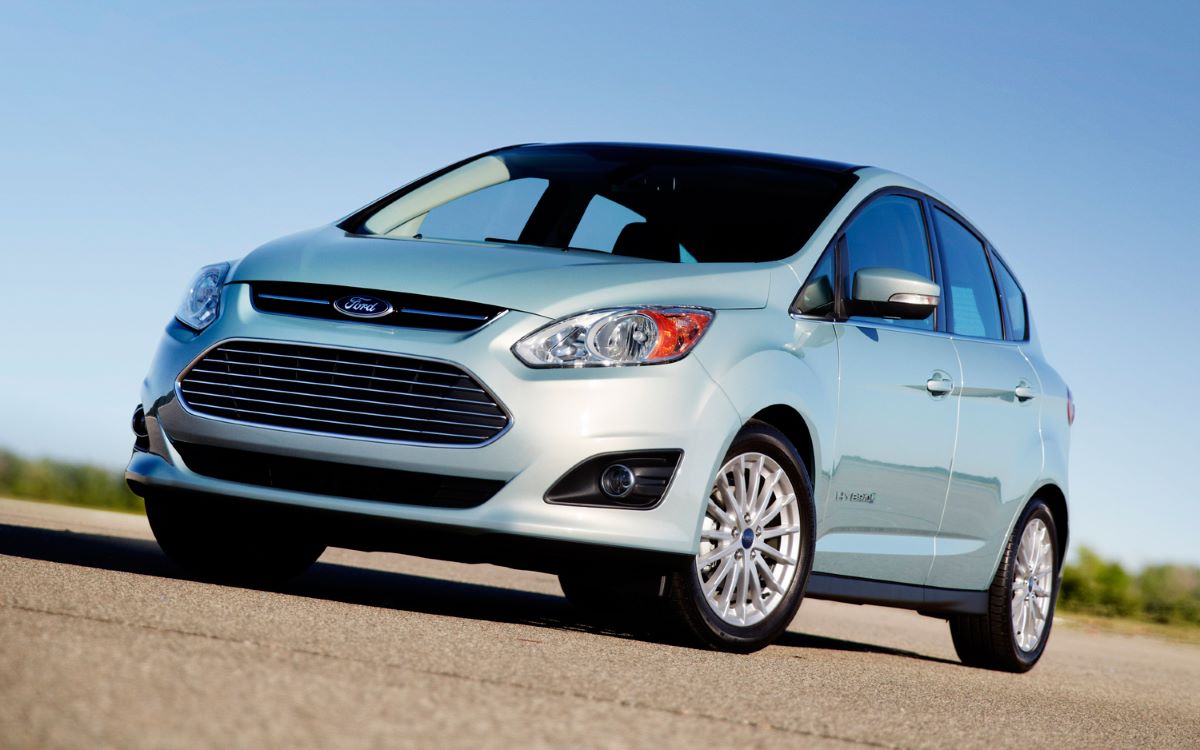
Still, for most buyers, the 2018 Ford C-Max Hybrid remains a well-rounded choice thanks to its solid performance, useful interior, and overall versatility.
Behind the wheel, the C-Max stands out in its segment. It delivers strong acceleration, sharp steering, and confident road manners that make it feel more engaging than most other hybrids.
While it’s not the most fuel-efficient option on the market today, the C-Max Hybrid blends practicality, comfort, and a surprisingly enjoyable driving experience. As a result, it serves as a compelling option for drivers who want a hybrid that does more than just sip fuel.
Its actual fuel economy often fell short of EPA ratings, and reliability scores from Consumer Reports and J.D. Power remained mediocre at best. Many owners reported expensive hybrid system repairs before 100,000 miles.
2. Fiat 500e
MPG-e: 121 city / 103 highway (electric)
The all-electric 500e was offered in limited US markets as a compliance car and it showed. Though the MPGe rating was impressive, the car suffered from battery degradation, low-quality interior parts, and spotty dealership support.
Fiat’s weak U.S. service network and subpar build quality made the 500e a risky bet for long-term ownership. The 2025 Fiat 500e makes its debut through a stylish collaboration with iconic Italian fashion house Giorgio Armani.
The launch model, the Giorgio Armani Edition, is currently the only version available and showcases exclusive design details such as custom wheels featuring the Armani logo and matching embossed logos on the front-seat headrests.
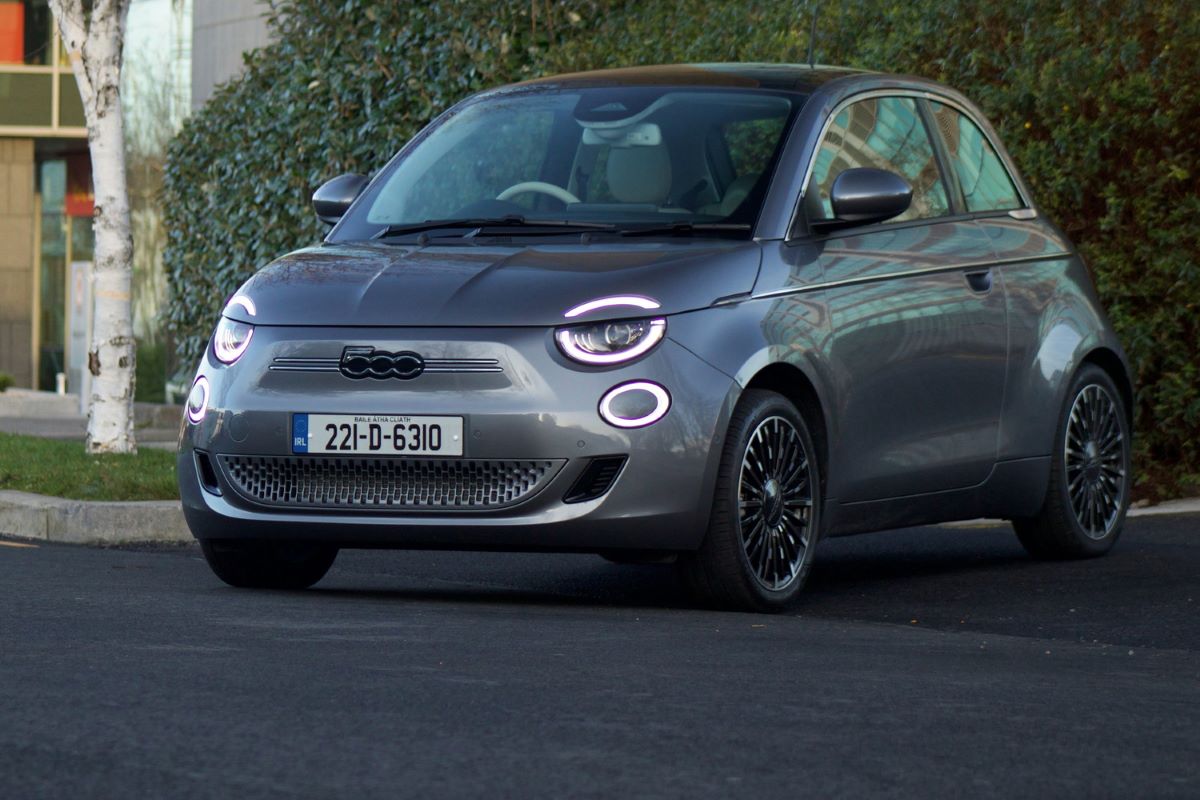
Buyers can choose between two distinct color options: a rich dark green and a ceramic-finished Greige, the latter resembling a soft blend of frosted white and gold.
The starting price of the 2025 Fiat 500e is $32,495, with the lineup topping out at $37,495 depending on trim level and selected features.
- INSPI(RED): $32,495
- Icona: $34,495
- Giorgio Armani: $37,495
While the Giorgio Armani Edition is the only variant currently revealed, it’s expected that all trims will come equipped with a 10.3-inch infotainment touchscreen, a 7.0-inch digital gauge cluster, a wireless charging pad for smartphones, automatic climate control, and rain-sensing windshield wipers.
Additional variants of the 500e are likely to follow, each offering a wider range of paint colors, wheel styles, and interior finishes to suit different tastes.
3. Chevrolet Spark (1.2L/1.4L Gas Models)
MPG: 30+ city / 38+ highway
While the Spark’s MPG numbers are decent for a non-hybrid, its low cost and tiny engine came with trade-offs.
CVT failures, electrical problems, and poor crash-test results plagued the car. Owners often encountered costly transmission issues before reaching 80,000 miles, making its low price and high MPG less appealing in the long run.
Subcompact cars are designed for practicality and cost-effectiveness, appealing especially to city dwellers who need a vehicle that’s easy to park and light on the wallet.
The 2018 Chevrolet Spark fits this mold perfectly. It’s not only inexpensive and fuel-efficient, but it also comes with an impressive list of standard and optional features that elevate it above many rivals in its class. Even in the base LS trim, the Spark includes conveniences commonly found in larger, pricier vehicles.
Its fold-down rear bench seat enhances versatility, while Android Auto and Apple CarPlay come standard, ensuring that modern smartphone integration is accessible across the board. Despite its tiny size, the Spark is agile and easy to handle around town, and its ride quality remains composed on longer drives.
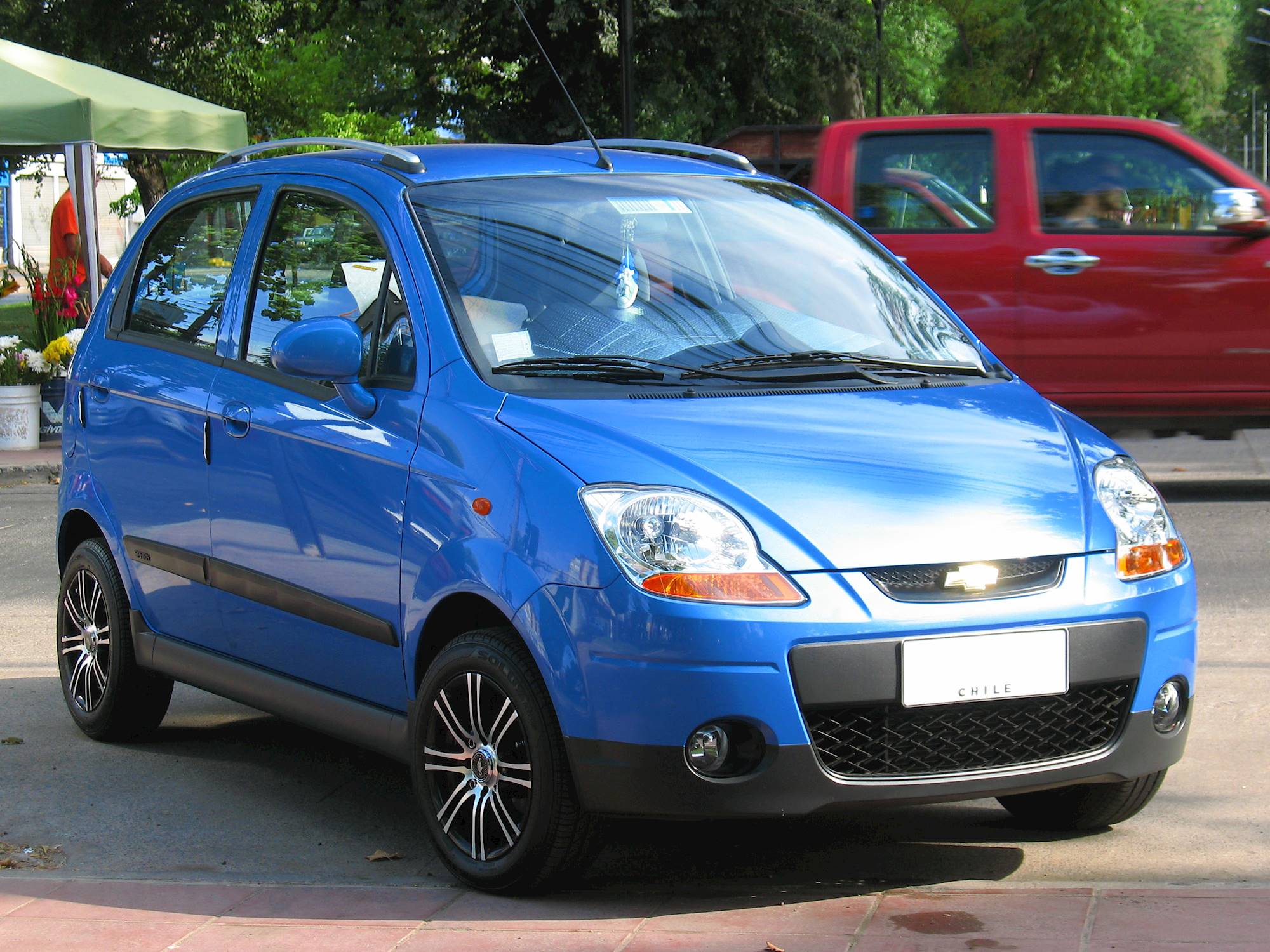
However, the trade-offs are hard to ignore. Its small four-cylinder engine is fine for urban use but struggles when quick acceleration is needed, getting from zero to 60 mph takes over 11 seconds with the CVT. Highway driving, particularly when merging or passing, demands extra planning.
Cargo space behind the rear seats is tight, and while the back row is surprisingly comfortable for a car this size, taller passengers may find headroom lacking. Noise is also a factor, as the cabin isn’t particularly well insulated, but it’s on par with what’s expected in this segment.
Still, the Spark delivers big in the areas that matter most to budget-conscious drivers. Its interior layout is efficient and functional, aided by a high roofline that improves visibility and access.
Fold down the rear seats and the cargo space becomes quite usable for errands or weekend runs. On the tech front, the Chevrolet MyLink infotainment system adds a modern touch with its intuitive interface and sharp graphics.
The touchscreen supports multi-touch gestures, and the inclusion of Apple CarPlay, Android Auto, and OnStar 4G LTE makes the Spark surprisingly well-connected for such a compact, affordable vehicle. All things considered, the 2018 Chevrolet Spark proves that economical doesn’t have to mean barebones.
4. Hyundai Ioniq Hybrid (2017–2019 models)
MPG: 55–58 combined
Though newer Ioniq models have improved, early versions (especially 2017–2019 hybrids) saw battery-related faults and powertrain bugs.
Software glitches affecting the dual-clutch transmission also led to jerky or unresponsive behavior.
Despite the great MPG on paper, real-world reliability made it a frustrating experience for many owners in the first 100,000 miles. For the 2018 model year, the Hyundai Ioniq Hybrid adds steering-wheel-mounted shift paddles to the SEL and Limited trims.
Additionally, the lane departure warning system now includes a lane-keeping assist feature designed to help prevent unintentional lane drift. Aside from these enhancements, the Ioniq Hybrid remains unchanged from its debut the previous year.
Now in its sophomore year, the Hyundai Ioniq Hybrid emerges as the Prius’ most direct rival, boasting competitive safety and tech features, livelier acceleration, and a more attractive starting price.
The 2018 Hyundai Ioniq Hybrid, a compact hatchback, holds the title of the most fuel-efficient non-plug-in hybrid available. According to EPA estimates, it achieves between 55 and 58 mpg in combined driving, slightly edging out the Prius’ 52 to 56 mpg.
However, at these high fuel efficiency levels, the real-world cost savings are minimal, even drivers racking up high mileage are only likely to save a few dozen dollars per year.
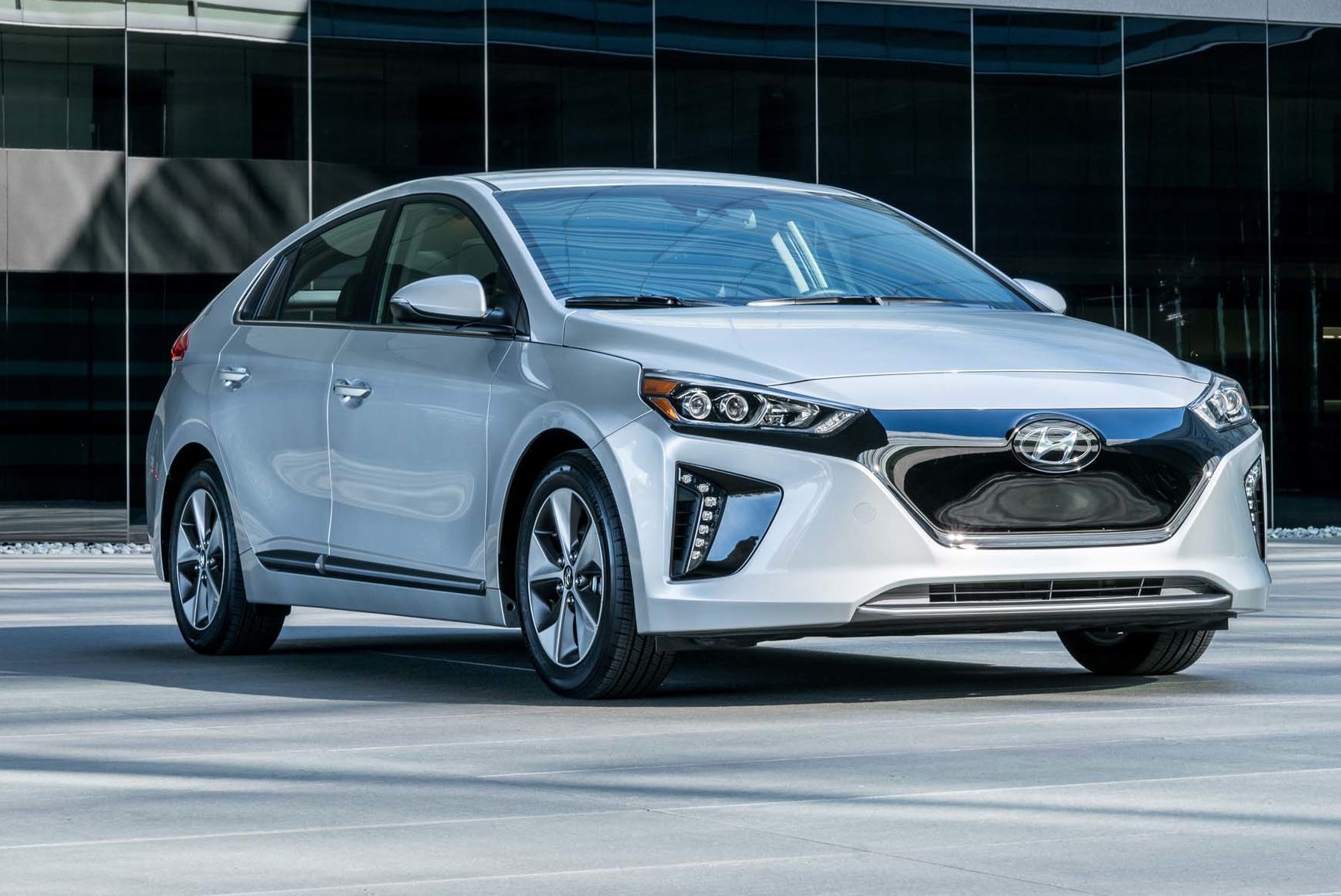
Where the Ioniq really makes its case is with its lower price compared to a similarly equipped Prius. Its more conventional exterior and cabin design will also attract buyers who aren’t fond of the Prius’ bold styling. On the tech front, the Ioniq shines with standard Apple CarPlay and Android Auto, features the Prius doesn’t offer at all.
Still, the Ioniq Hybrid does come up short in a few important areas where the Prius excels. Rather than using the continuously variable transmission (CVT) common in most hybrids, the Ioniq employs a six-speed dual-clutch automatic.
Unfortunately, this transmission delivers harsh shifts and seems indecisive when downshifting, particularly after heavy braking.
On top of that, the transition from regenerative to mechanical braking isn’t smooth, making the car feel awkward and unrefined at low speeds. Combine that with rough downshifts, and passengers might start to doubt your driving skills.
The Ioniq’s ride quality also leaves something to be desired, as it tends to feel jittery, and the seats don’t offer much support. While the 2018 Hyundai Ioniq Hybrid certainly scores high for affordability and fuel economy, it’s wise to give it a lengthy test drive before deciding to choose it over the well-established Prius.
5. Nissan Leaf (2011–2017 models)
MPG-e: 114 city / 94 highway
The early Nissan Leafs had serious battery degradation problems, especially in warm climates like Arizona and Southern California.
By 60,000 miles, many owners saw significant range drops, making the car impractical. While it’s cheap to run day-to-day, the lack of active thermal battery management doomed its long-term viability.
For the 2018 model year, the Nissan Leaf has undergone a complete redesign. This revamp brings new exterior styling, a higher-capacity battery offering up to 150 miles of range, increased power, and upgraded driver assistance technologies.
Although the Leaf has seen gradual updates over the years, the 2018 version marks the most significant overhaul in its history. The redesigned model features a bold new look that completely diverges from previous versions.
Despite the changes to its appearance, the underlying structure of the vehicle remains mostly the same, except for the larger battery and the power boost. For a more in-depth breakdown of what’s new, you can refer to the “2018 Nissan Leaf First Drive” article.
The good news is that this upgrade hasn’t made the Leaf more expensive. In fact, once you account for the added features, the new model actually offers better value than its predecessor.
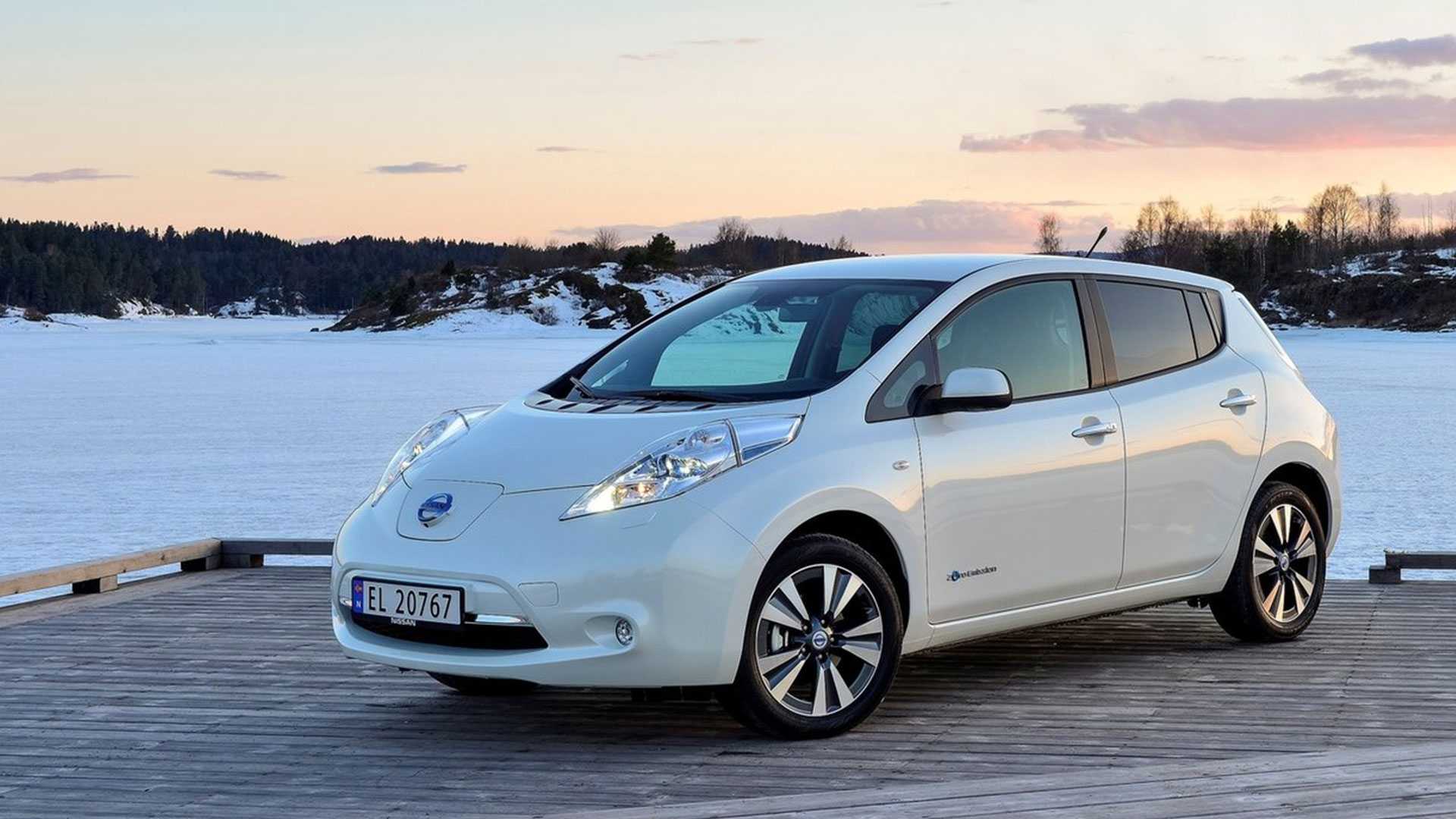
With its improved range and features, it competes well against rivals like the Volkswagen e-Golf. Only more premium electric vehicles such as the Chevrolet Bolt and Tesla Model 3 offer a longer driving range.
Among the new highlights for 2018 is the e-Pedal feature, which increases regenerative braking when you lift off the accelerator, allowing you to slow the vehicle significantly without touching the brake pedal. There’s also ProPilot Assist, Nissan’s new suite of driver assistance tools, which helps ease the burden of highway driving.
However, the Leaf isn’t without flaws. The interior design feels basic and unremarkable, and the rear seats don’t fold flat, which compromises overall cargo utility. Nevertheless, the 2018 Leaf stands out as a solid choice for an electric car, particularly for buyers focused on getting good value.
Their findings, including assessments of real-world range, charging performance, and seat comfort, are available on the long-term review page.
While the Leaf impressed with its low maintenance costs and competitive pricing, the interior left them with a budget-friendly impression.
According to Edmunds’ expert evaluation, the 2018 Leaf earns a 7.9 out of 10 overall. While the refreshed styling grabs attention, it’s the longer range and zippier acceleration that truly elevate the vehicle’s appeal in the affordable EV market.
In terms of driving, the Leaf’s new electric motor makes it feel far more responsive in city traffic compared to the older generation, which lacked punch. The car’s smooth power delivery, stable handling, and well-tuned steering should feel very familiar to those who’ve driven earlier Leafs.
When it comes to comfort, the Leaf performs well. The front seats are genuinely comfortable, and the ride is smooth. Thanks to the whisper-quiet nature of its electric drivetrain, the cabin is serene and relaxing.
The interior layout has been refined, though previous Leaf owners will still recognize the general design. Improvements include a more conventional speedometer location and better radio controls.
Entry and exit are easy, and there’s good space for occupants. However, the fixed-length steering column continues to limit optimal driving position adjustments.
Utility is another strength, when the rear seats are in use, the Leaf offers impressive cargo room. That said, the maximum capacity is harder to access because the rear seats don’t fold flat. Additionally, small-item storage space in the front could use some improvement.
On the technology front, the 2018 Leaf makes a big leap forward. The updated infotainment system supports both Apple CarPlay and Android Auto. ProPilot Assist, though not a hands-free system, effectively reduces driver fatigue during freeway commutes.
When choosing a trim, Edmunds recommends the base Leaf S combined with the optional Charge package, which adds a port for Level 3 DC fast charging. This setup provides the best value, coming in at a lower price than an SV trim without extra options.
The 2018 Nissan Leaf comes in three trim levels: S, SV, and SL. The S is the most basic but still fully functional, especially with the Charge package added. The SV makes that package standard and includes navigation but doesn’t offer significantly better value than the S.
For those who want more comfort and luxury, the SL trim includes leather upholstery, LED headlights, and additional premium features that may justify the extra cost for buyers seeking a more upscale electric driving experience.
Fuel efficiency is important but not at the cost of your sanity or wallet. Cars like the Toyota Corolla Hybrid and Honda Insight prove that you can enjoy great MPG without sacrificing reliability.
On the flip side, vehicles like the Ford C-Max and early Nissan Leaf models highlight how aggressive efficiency targets can backfire.
When shopping for a fuel-sipper, always balance EPA ratings with real-world ownership data. A slightly lower MPG is a fair trade if it keeps you out of the repair shop.
