
The throttle response of a vehicle fundamentally shapes the driving experience, acting as the crucial interface between driver intent and mechanical execution.
When you press the accelerator pedal, the resulting power delivery can either flow seamlessly like silk or jolt unpredictably like a bronco. This characteristic isn’t merely about comfort it influences safety, fuel efficiency, driver confidence, and overall vehicle dynamics.
Smooth power delivery creates a harmonious relationship between driver and machine, where acceleration feels predictable and controlled. It allows for precise speed modulation, enhances passenger comfort, and provides the driver with confidence in various driving scenarios.
This smoothness typically results from well-calibrated throttle maps, refined engine management systems, and sophisticated transmission programming that prioritizes linear power progression over raw performance metrics.
Conversely, jerky throttle response can transform even routine driving into a challenging experience. While sometimes intentionally tuned for aggressive performance characteristics, jerky throttle behavior often stems from poor calibration, inadequate software mapping, or design philosophies that prioritize peak power over drivability.
This can manifest as sudden power surges, abrupt engine responses, or inconsistent acceleration patterns that make smooth driving difficult. Understanding these differences helps drivers make informed decisions about vehicle selection based on their priorities, driving style, and intended use.
Whether seeking refined comfort or aggressive performance, recognizing how throttle characteristics affect the overall driving experience is essential for matching the right vehicle to individual needs and preferences.
5 Vehicles With Smooth Power Delivery
These exceptionally refined vehicles feature robust throttle control systems and precision-manufactured components that maintain optimal power delivery through years of operation without developing the harsh characteristics that plague lesser automobiles.
Their thoughtful engineering includes linear throttle response and durable fuel injection systems that resist the abrupt transitions typically created by poor calibration, electronic interference, and inadequate sensor quality.
From seamless acceleration curves that provide predictable power output to throttle systems that respond proportionally to driver inputs, these remarkable vehicles continue operating like new without developing jerky or unpredictable behavior.
Owners report decades of trouble-free driving with these dependable machines, an often-overlooked refinement that proves its worth through consistent smoothness and maintained driving pleasure throughout ownership.
1. Toyota Camry Hybrid
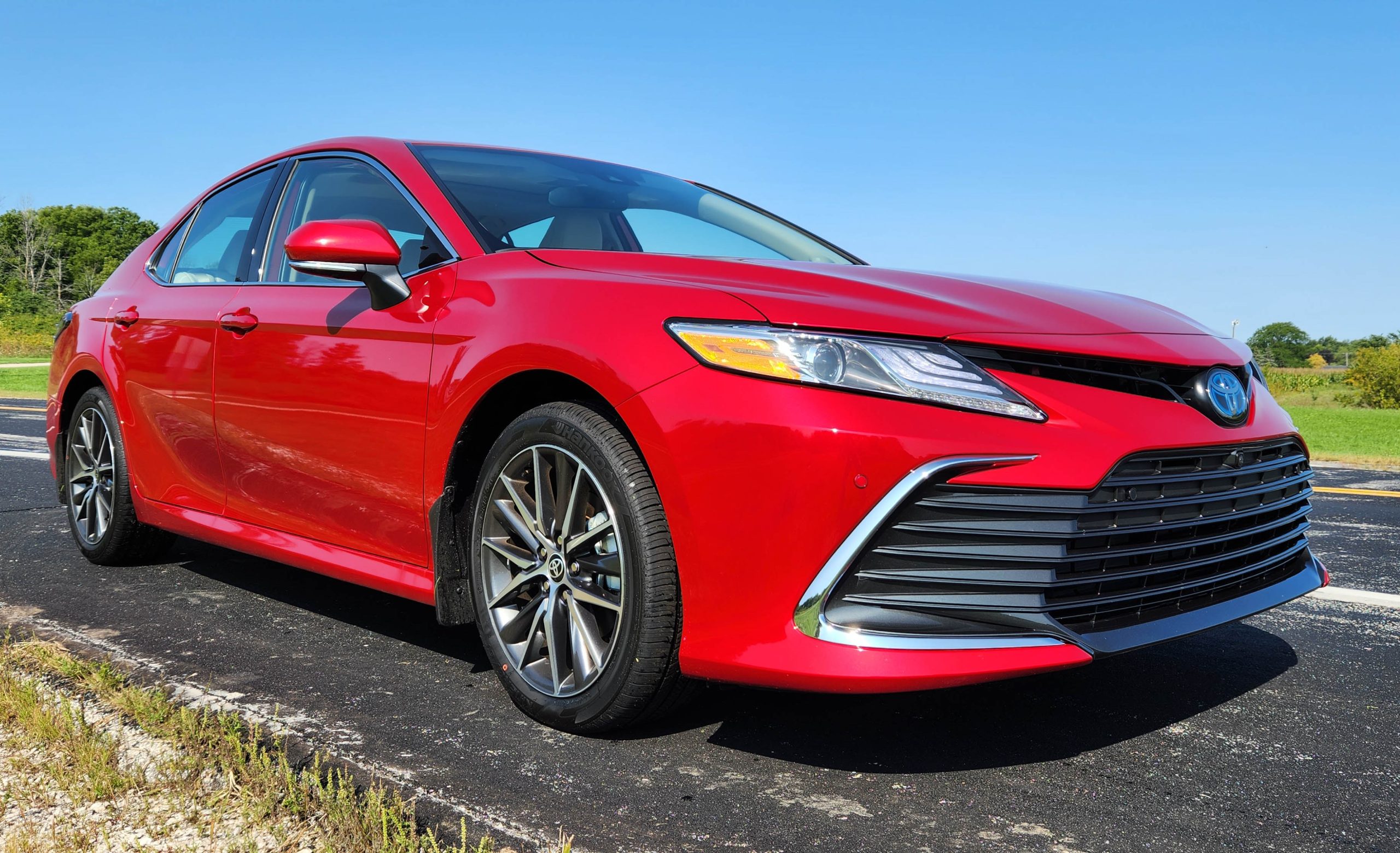
The Toyota Camry Hybrid exemplifies automotive refinement through its exceptionally smooth power delivery system. The vehicle’s sophisticated hybrid powertrain seamlessly integrates a 2.5-liter four-cylinder engine with an electric motor, creating a combined output that flows effortlessly across the entire rev range.
Toyota’s engineers have masterfully calibrated the transition between electric and gasoline power, making it virtually imperceptible to the driver and passengers.
The secret to the Camry Hybrid’s smooth operation lies in its Continuously Variable Transmission (CVT) and advanced power management system.
Unlike traditional automatics that shift through discrete gears, the CVT maintains the engine at optimal RPM ranges while providing infinite gear ratios.
This eliminates the typical “shift shock” associated with conventional transmissions, resulting in uninterrupted acceleration that feels more like riding an elevator than driving a car.
The throttle mapping in the Camry Hybrid prioritizes predictability over aggressive response. When you press the accelerator, power builds progressively and proportionally to pedal input.
There are no sudden surges or unexpected delays, just consistent, linear acceleration that makes the car feel refined and premium. This characteristic proves particularly beneficial in stop-and-go traffic, where smooth power delivery reduces driver fatigue and enhances passenger comfort.
The regenerative braking system further contributes to the smooth driving experience. Rather than feeling like traditional engine braking, the regenerative system provides graduated deceleration that feels natural and controllable.
The integration between friction brakes and regenerative braking is so seamless that drivers often don’t realize when the system switches between modes.
This smooth power delivery philosophy extends to all driving modes, whether in Eco, Normal, or Sport settings. Even in Sport mode, the Camry Hybrid maintains its composed character while simply adjusting throttle sensitivity and transmission behavior.
The result is a vehicle that delivers consistent, predictable performance that builds driver confidence and creates a premium driving experience that rivals luxury vehicles costing significantly more.
2. BMW 3 Series
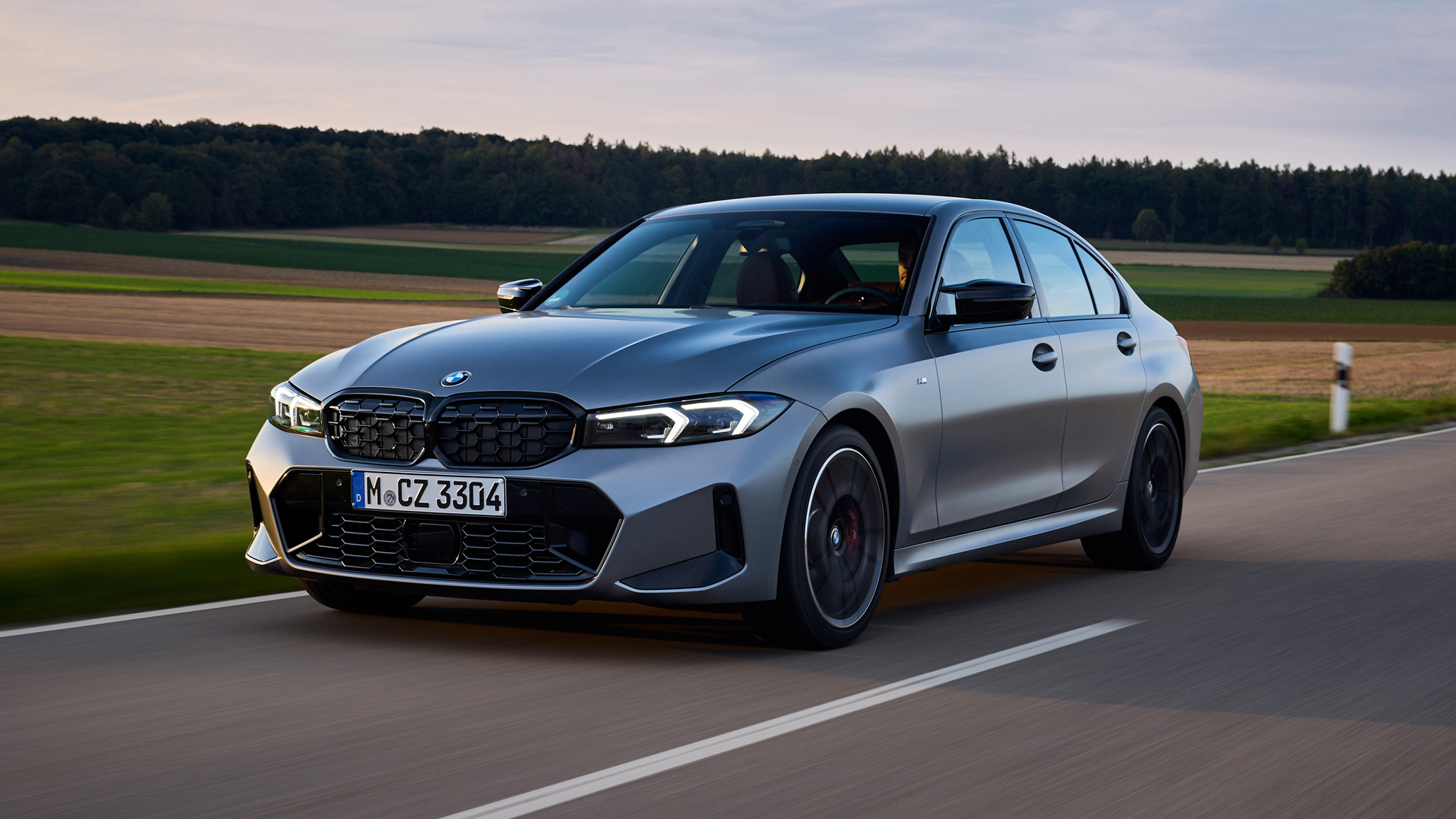
The BMW 3 Series has long been celebrated for its exceptional throttle calibration and smooth power delivery, representing the pinnacle of German engineering precision.
The vehicle’s turbocharged engines, whether four-cylinder or six-cylinder variants, deliver power in a remarkably linear fashion that exemplifies BMW’s commitment to driving dynamics and refinement.
The sophisticated engine management system ensures that power builds progressively and predictably, creating an almost telepathic connection between the driver’s right foot and the vehicle’s acceleration.
BMW’s approach to throttle mapping in the 3 Series emphasizes responsiveness without sacrificing smoothness. The electronic throttle system responds instantaneously to driver inputs while maintaining a progressive power curve that prevents unwanted jerky behavior.
This is achieved through advanced algorithms that consider not just pedal position, but also the rate of pedal change, current vehicle speed, transmission gear, and even ambient conditions to deliver optimal power delivery. The eight-speed automatic transmission in the 3 Series deserves special recognition for its contribution to smooth power delivery.
The transmission’s closely spaced gear ratios ensure that the engine remains within its optimal power band, while the sophisticated shift logic anticipates driver intentions and selects appropriate gears preemptively.
Shifts occur so smoothly that they’re often felt rather than heard, with the transmission always seeming to be in the right gear for any given situation. The 3 Series offers multiple driving modes that alter throttle characteristics while maintaining the fundamental smoothness.
In Comfort mode, the throttle response is gentle and progressive, perfect for relaxed cruising. Sport mode sharpens the response while maintaining linearity, and Sport+ mode provides the most aggressive tuning while still avoiding jarring power delivery.
This versatility allows drivers to customize their experience while always maintaining the smooth, predictable character that makes the 3 Series so appealing.
The integration of BMW’s adaptive systems further enhances the smooth power delivery experience. The vehicle continuously learns from driving patterns and adjusts its responses accordingly, creating a personalized driving experience that becomes more refined over time.
3. Mercedes-Benz C-Class
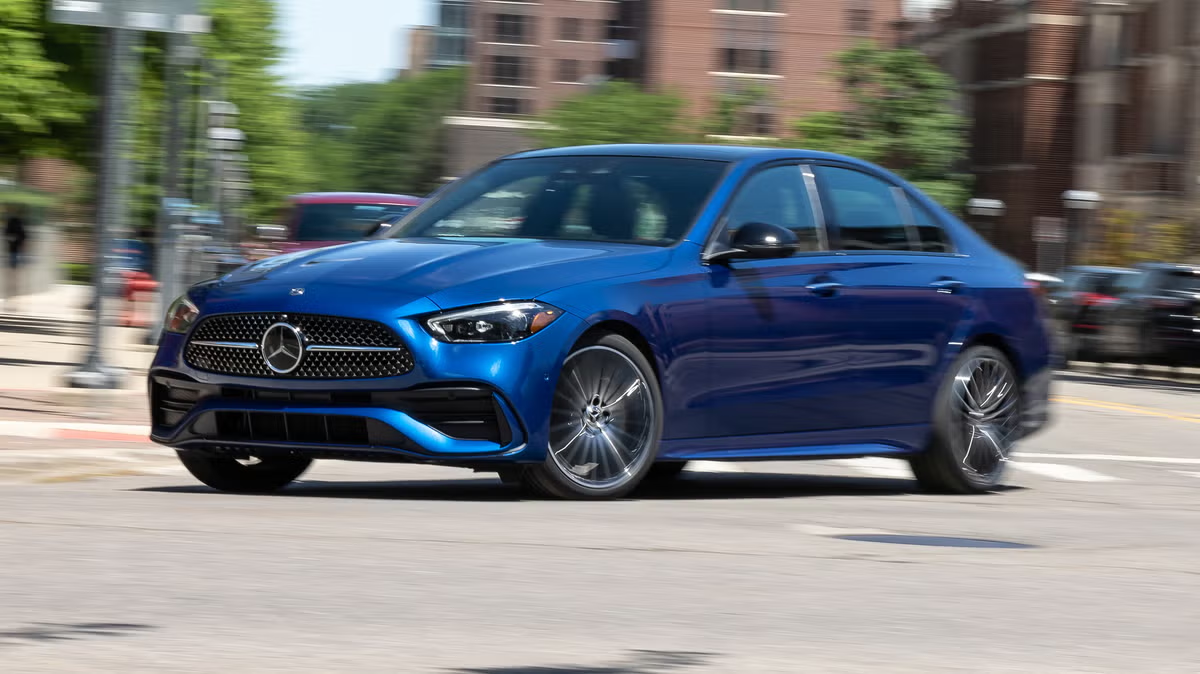
The Mercedes-Benz C-Class epitomizes luxury automotive engineering with its supremely smooth power delivery that prioritizes refinement above all else.
The vehicle’s turbocharged engines, available in both four-cylinder and six-cylinder configurations, produce power in a manner that feels effortless and sophisticated.
Mercedes has engineered the C-Class to deliver what they call “surge-free” acceleration, where power flows seamlessly from idle to redline without any noticeable interruptions or harsh transitions.
The nine-speed automatic transmission in the C-Class plays a crucial role in maintaining this smooth character. Mercedes has programmed the transmission to prioritize comfort over performance, with shift points optimized for seamless gear changes rather than maximum acceleration.
The transmission’s torque converter is specifically tuned to provide smooth engagement, while the advanced hydraulic system ensures that shifts occur with minimal perceptible impact on vehicle dynamics.
Mercedes’ approach to throttle calibration reflects their luxury-first philosophy. The accelerator pedal response is deliberately progressive, building power gradually rather than providing an immediate surge.
This characteristic makes the C-Class particularly well-suited for luxury driving scenarios where passenger comfort and vehicle refinement are paramount. The throttle mapping considers not just driver input, but also factors like passenger load, road conditions, and ambient temperature to optimize power delivery.
The C-Class features Mercedes’ Dynamic Select system, which offers multiple driving modes that adjust throttle characteristics while maintaining the vehicle’s fundamentally smooth nature.
Even in Sport mode, the C-Class avoids the jerky, aggressive throttle response found in many performance-oriented vehicles. Instead, it simply sharpens the response while maintaining the progressive, predictable power delivery that defines the Mercedes driving experience.
The vehicle’s advanced engine management system continuously monitors dozens of parameters to ensure optimal power delivery. Sophisticated knock sensors, oxygen sensors, and temperature monitors work together to maintain perfect combustion timing, resulting in power that feels both strong and smooth.
This attention to detail creates a driving experience that feels effortless and refined, embodying the luxury automotive experience that Mercedes-Benz is renowned for delivering.
4. Lexus ES
The Lexus ES represents the pinnacle of smooth power delivery in the luxury sedan segment, embodying Toyota’s luxury division’s commitment to refinement and comfort.
The vehicle’s naturally aspirated and hybrid powertrains are calibrated to deliver power in the most progressive, predictable manner possible. Lexus engineers have prioritized smoothness over outright performance, creating a driving experience that feels serene and effortless regardless of driving conditions.
The ES hybrid model particularly excels in power delivery smoothness, utilizing a sophisticated system that seamlessly blends electric and gasoline power.
The transition between power sources is virtually imperceptible, with the system managing power distribution to maintain constant acceleration feel. The CVT transmission eliminates traditional gear changes entirely, providing infinite gear ratios that keep the engine operating in its most efficient and smooth power band.
Lexus has implemented what they call “Linear Solenoid” technology in the ES, which provides exceptionally precise throttle control. This system responds to accelerator pedal inputs with remarkable accuracy while maintaining smooth power progression.
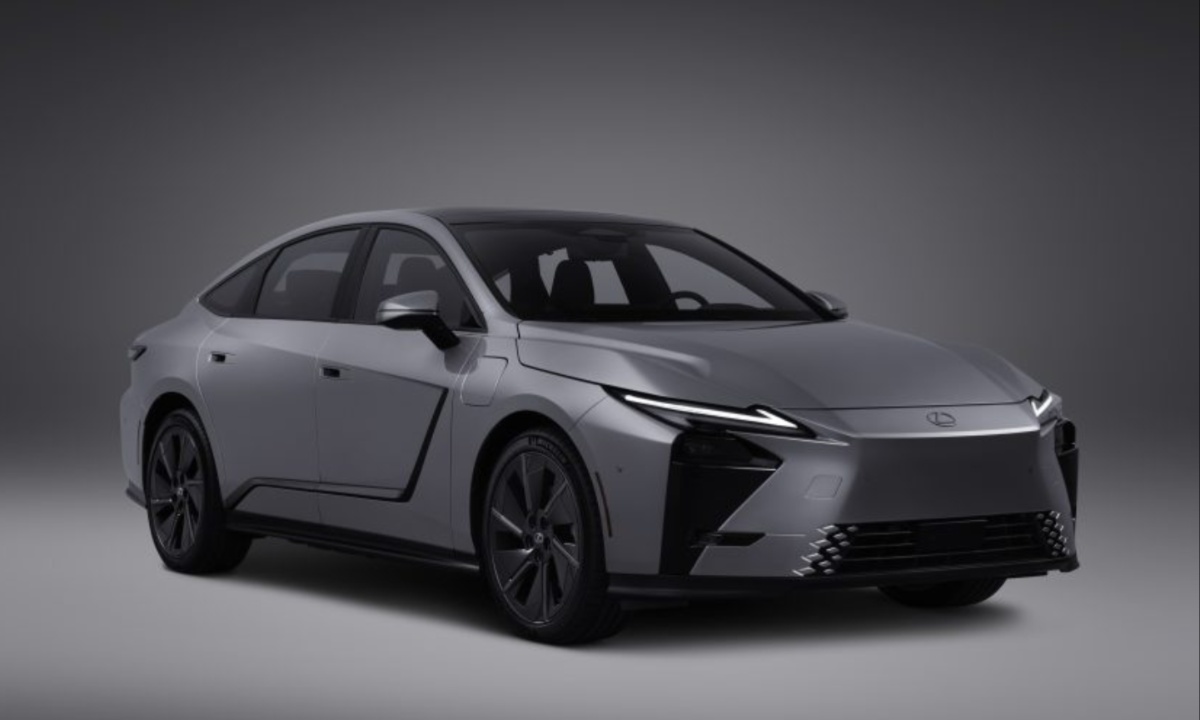
The throttle mapping is conservative by design, prioritizing predictability over aggressive response. When you press the accelerator in an ES, power builds gradually and proportionally, creating a driving experience that feels relaxed and controlled.
The vehicle’s sound dampening and vibration control systems complement the smooth power delivery perfectly. Engine noise is carefully managed to provide audible feedback without harshness, while vibrations are minimized through advanced mounting systems and balancing.
This creates an environment where the smooth power delivery can be fully appreciated without distraction from unwanted noise or vibration. The ES offers multiple driving modes that adjust throttle characteristics while maintaining the vehicle’s fundamentally smooth nature.
Even in Sport mode, the ES maintains its composed character, simply providing sharper throttle response while avoiding the jerky behavior that might compromise passenger comfort. The Normal and Eco modes prioritize ultimate smoothness, making the ES an ideal choice for drivers who value refinement above all else in their driving experience.
Also Read: 5 US-Built Cars That Last and 5 That Shouldn’t Have Left the Factory
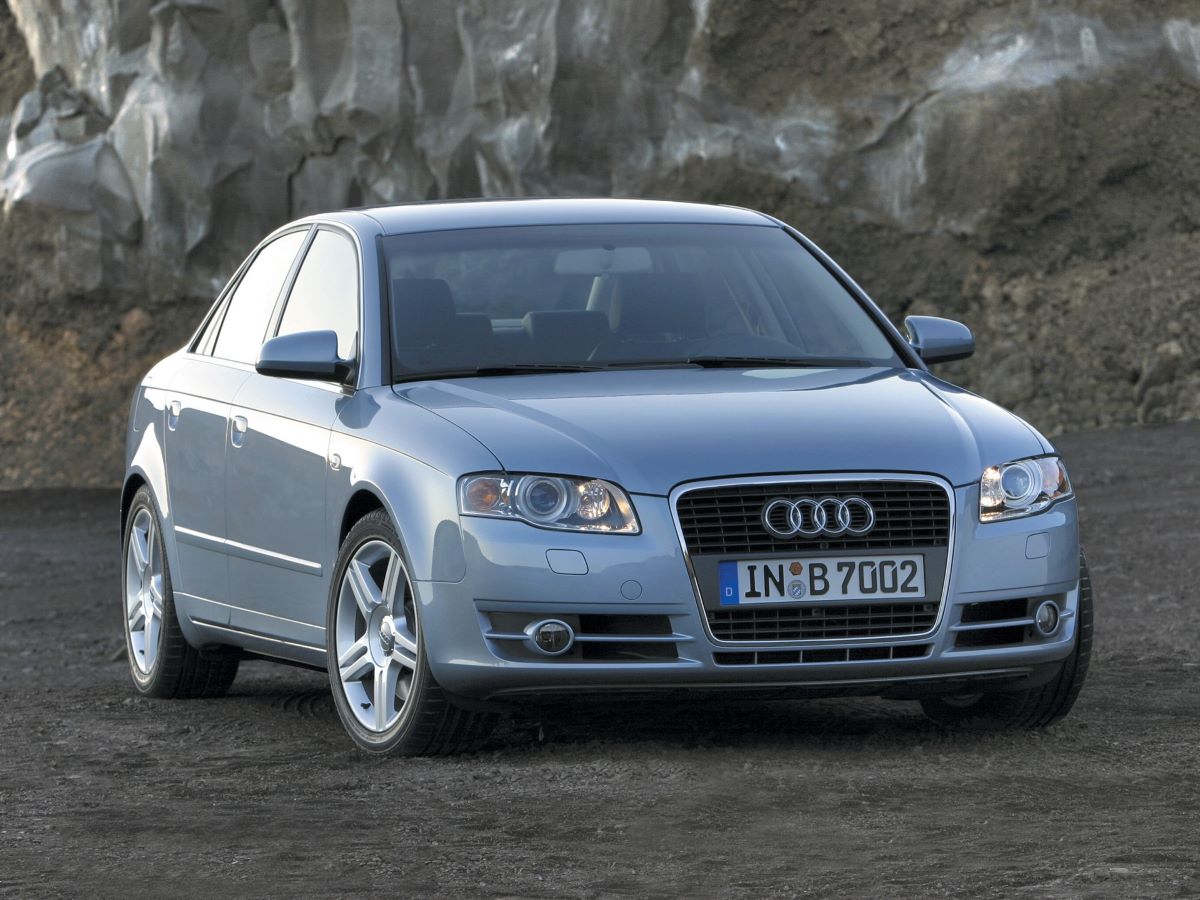
5. Audi A4
The Audi A4 demonstrates German precision engineering through its exceptionally smooth and progressive power delivery system. The vehicle’s turbocharged engines, whether four-cylinder or V6 variants, produce power in a remarkably linear fashion that exemplifies Audi’s commitment to both performance and refinement.
The sophisticated engine management system ensures that boost delivery from the turbocharger is progressive and predictable, avoiding the sudden power surges that can characterize less refined forced-induction systems.
Audi’s approach to throttle calibration in the A4 balances responsiveness with smoothness through advanced electronic throttle control. The system responds quickly to driver inputs while maintaining a progressive power curve that prevents jerky acceleration.
This is achieved through complex algorithms that consider multiple variables including pedal position, rate of change, current gear, vehicle speed, and engine temperature to deliver optimal power delivery characteristics. The A4’s available transmissions, whether CVT or dual-clutch automatic, are calibrated to complement the smooth power delivery.
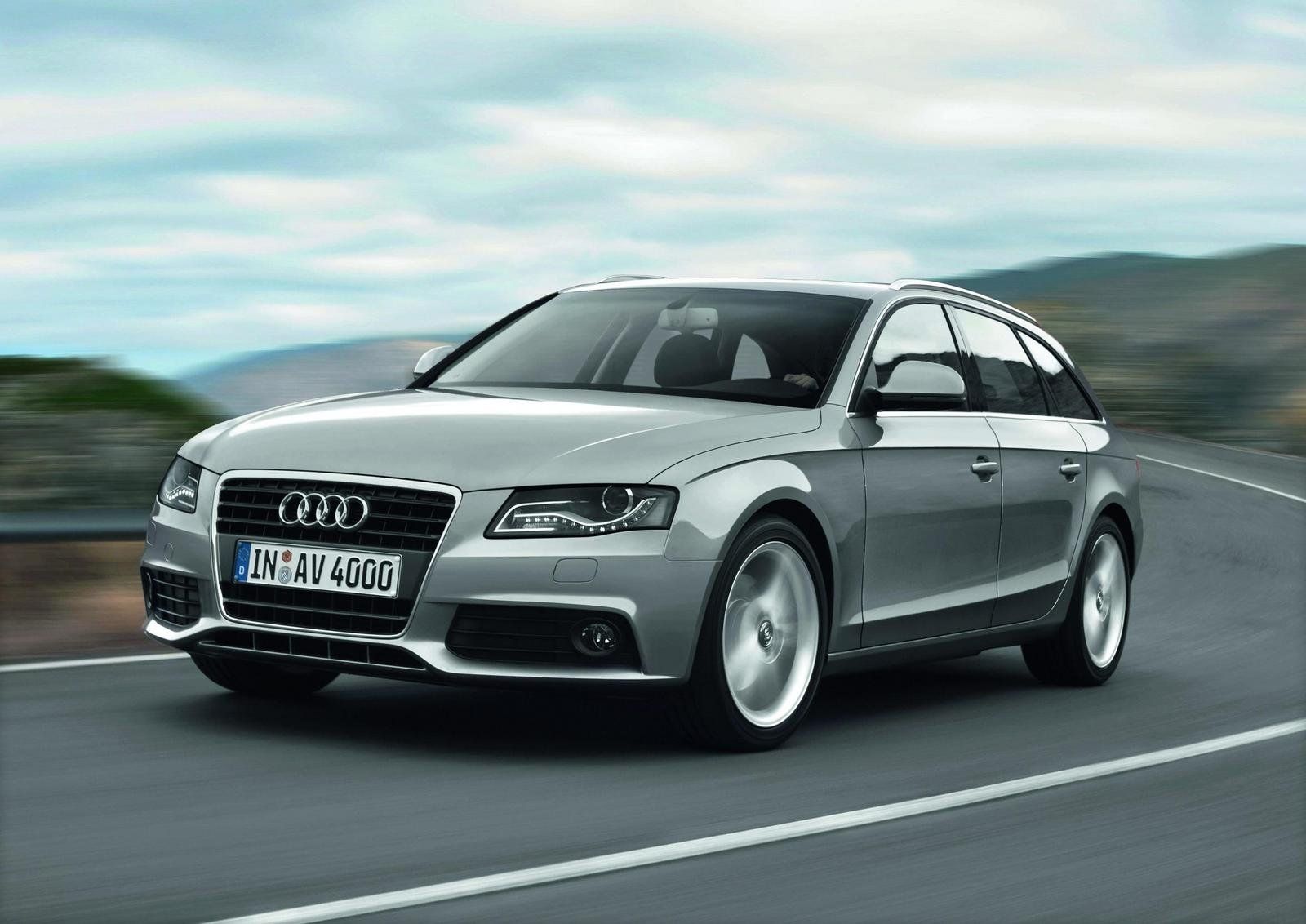
The CVT variant provides seamless acceleration without gear changes, while the dual-clutch system offers lightning-fast shifts that maintain power flow continuity.
Both transmissions are programmed to prioritize smoothness in normal driving conditions while providing more aggressive characteristics when performance is demanded.
The vehicle’s Quattro all-wheel-drive system contributes to the smooth power delivery experience by providing optimal traction distribution. Power is sent to all four wheels in a manner that maximizes grip and minimizes wheel spin, resulting in smooth acceleration even in challenging conditions.
The system’s sophisticated torque distribution helps maintain consistent power delivery regardless of road surface or weather conditions. Audi’s Drive Select system allows drivers to customize throttle characteristics while maintaining the A4’s fundamentally smooth nature.
The Comfort mode provides the most progressive throttle response, while Dynamic mode sharpens the response without introducing unwanted jerky behavior. The Individual mode allows drivers to fine-tune throttle characteristics to their personal preferences, creating a customized driving experience that maintains the smooth, predictable power delivery that makes the A4 so appealing to luxury car buyers.
5 Vehicles With Jerky Throttle Response
These problematic vehicles demonstrate recurring throttle control issues that cause abrupt power delivery and unpredictable acceleration behavior during normal operation, creating dangerous scenarios that compromise driver control and passenger comfort.
Their compromised engineering includes poorly calibrated throttle systems prone to erratic response, creating ongoing drivability disasters that generate frustrating driving experiences and potential safety concerns.
From electronic throttle bodies that respond unpredictably to fuel injection systems that deliver power in harsh surges, these unreliable vehicles generate extensive customer complaints and expensive diagnostic procedures.
Owners frequently report dangerous acceleration issues with these poorly-tuned machines a reflection of inadequate calibration that prioritizes cost reduction over smooth operation and predictable throttle response throughout normal driving conditions.
1. Jeep Wrangler
The Jeep Wrangler, while beloved for its off-road capabilities and rugged character, is notorious for its jerky throttle response that can make smooth driving a challenge.
The vehicle’s throttle behavior is characterized by abrupt power delivery, inconsistent response to pedal inputs, and a general lack of refinement that stems from its utilitarian design philosophy.
The Wrangler’s throttle system often exhibits what drivers describe as “digital” behavior, where small pedal movements result in disproportionately large changes in power output.
The root of the Wrangler’s jerky throttle behavior lies in its electronic throttle control calibration, which prioritizes off-road performance over on-road refinement.
The system is tuned to provide maximum torque delivery for climbing over obstacles and navigating difficult terrain, but this aggressive calibration translates poorly to smooth highway driving.
The throttle mapping creates sudden power surges that can make precise speed control difficult, particularly in stop-and-go traffic or when attempting to maintain steady highway speeds. The Wrangler’s transmission programming compounds the throttle issues, with shift points and gear selection that can feel abrupt and unpredictable.
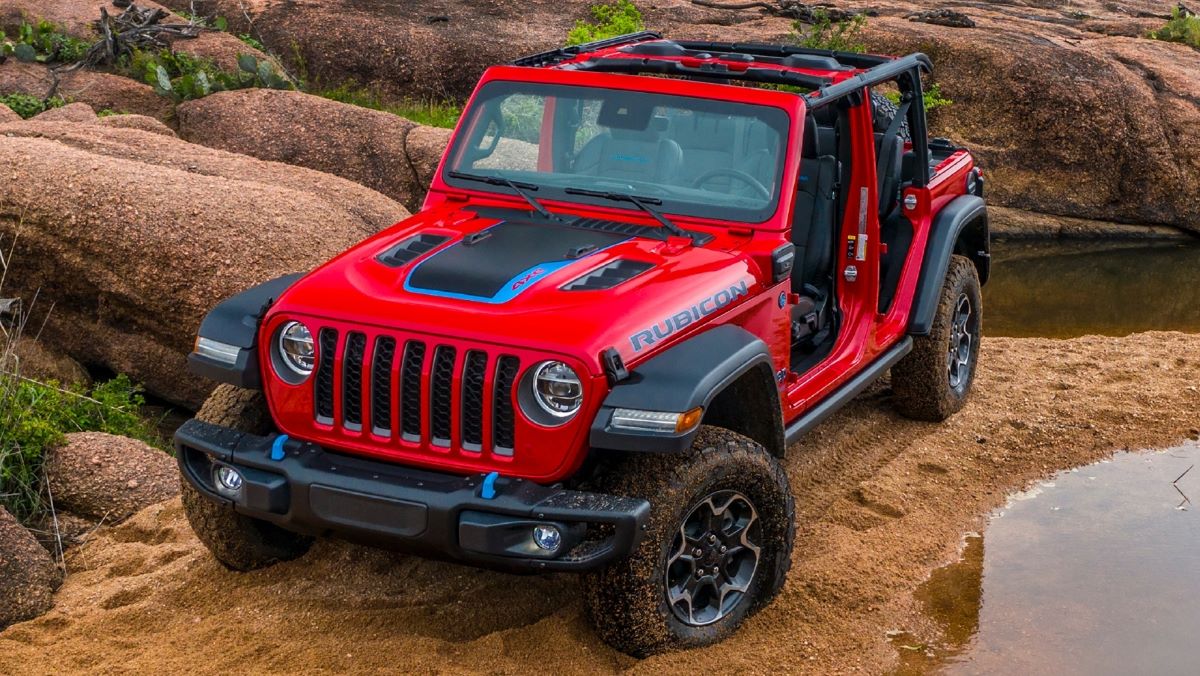
The automatic transmission often seems to hunt between gears, creating a lurching sensation that combines with the jerky throttle response to create an unsettled driving experience. Manual transmission variants offer more control but require significant skill to drive smoothly due to the aggressive throttle calibration.
The vehicle’s body-on-frame construction and solid axles contribute to the jerky feel by transmitting more powertrain vibrations and movements to the cabin.
Unlike unibody vehicles that can mask some throttle inconsistencies through refined mounting systems, the Wrangler’s traditional construction allows drivers to feel every nuance of the powertrain’s behavior, amplifying the perception of jerky throttle response.
Despite these characteristics, many Wrangler enthusiasts appreciate the direct, unfiltered throttle response for its authenticity and capability in off-road situations.
The jerky throttle behavior that proves problematic on pavement can be advantageous when navigating rocks, mud, or steep inclines where precise power control and immediate response are more important than smooth delivery. This represents a fundamental design compromise that prioritizes capability over comfort.
2. Nissan Sentra CVT
The Nissan Sentra with CVT transmission has garnered criticism for its jerky and unpredictable throttle response, which stems from the complex interaction between the continuously variable transmission and the engine management system.
While CVTs are theoretically designed to provide smooth power delivery, Nissan’s implementation in the Sentra often exhibits behavior that feels anything but smooth. The system frequently produces what drivers describe as “rubber band” acceleration, where pressing the accelerator results in delayed response followed by sudden power surges.
The primary issue with the Sentra’s throttle behavior lies in the CVT’s programming, which attempts to simulate traditional gear changes but does so in a jerky, artificial manner.
The transmission often hesitates before responding to throttle inputs, creating a frustrating delay that’s followed by abrupt acceleration. This behavior is particularly noticeable during highway merging or when attempting to pass other vehicles, where smooth, progressive power delivery is essential for safe operation.
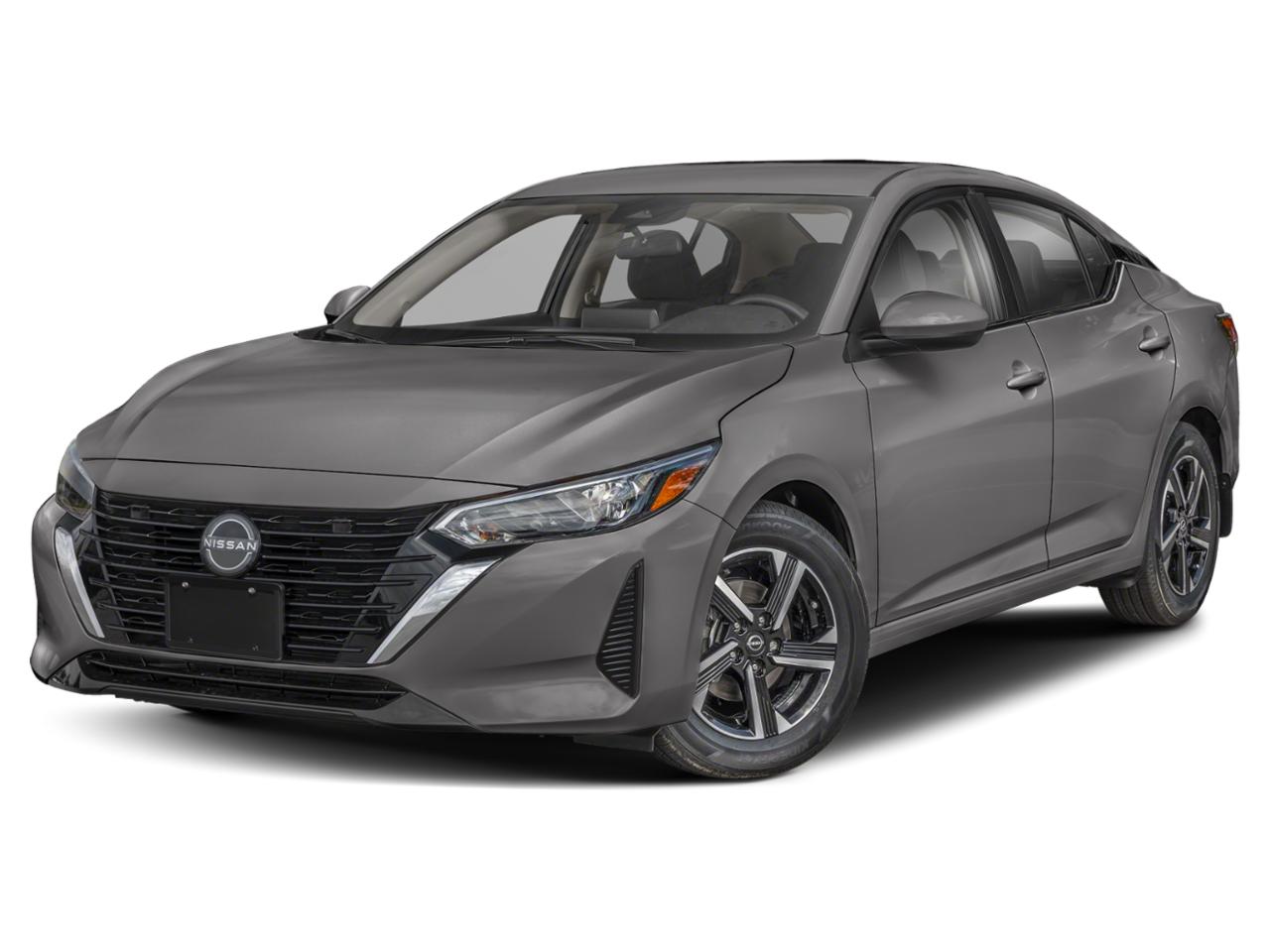
The Sentra’s throttle mapping compounds these issues with calibration that feels inconsistent and unpredictable. Small pedal movements sometimes produce minimal response, while slightly larger inputs can result in dramatic power increases.
This non-linear relationship between pedal position and power output makes it difficult for drivers to modulate speed smoothly, leading to jerky acceleration and deceleration patterns that can be uncomfortable for passengers.
The CVT’s attempt to mimic traditional automatic transmission behavior through programmed “shift points” creates additional jerkiness. These artificial shifts feel abrupt and unnatural, interrupting power flow in a way that defeats the primary advantage of CVT technology.
The result is a transmission that combines the worst aspects of both CVT and traditional automatic systems while delivering the benefits of neither.
Temperature sensitivity further exacerbates the Sentra’s jerky throttle behavior. The CVT system can exhibit different characteristics depending on operating temperature, with cold starts often producing particularly jerky behavior until the transmission reaches optimal operating temperature.
This inconsistency makes it difficult for drivers to adapt to the vehicle’s throttle characteristics, as the behavior can vary significantly based on environmental conditions and driving patterns.
3. Ford Focus (2012-2018)
The Ford Focus produced between 2012 and 2018 became infamous for its jerky throttle response, primarily due to its problematic dual-clutch automatic transmission (PowerShift).
This transmission system, while theoretically advanced, exhibited severe calibration issues that created some of the most frustrating throttle behavior ever experienced in a mainstream vehicle.
The system’s attempt to provide the efficiency of a manual transmission with the convenience of an automatic resulted in jerky, unpredictable power delivery that made smooth driving nearly impossible.
The PowerShift transmission’s fundamental design flaw lay in its clutch engagement characteristics, which often produced shuddering, hesitation, and sudden power surges.
The system frequently exhibited what drivers described as “bucking” behavior, where the vehicle would lurch forward unpredictably during low-speed maneuvers. This was particularly problematic in parking lots, drive-throughs, and stop-and-go traffic, where smooth throttle control is essential for safe operation.
The Focus’s throttle calibration was poorly matched to the transmission’s characteristics, creating a system where pedal inputs rarely translated to predictable power delivery.
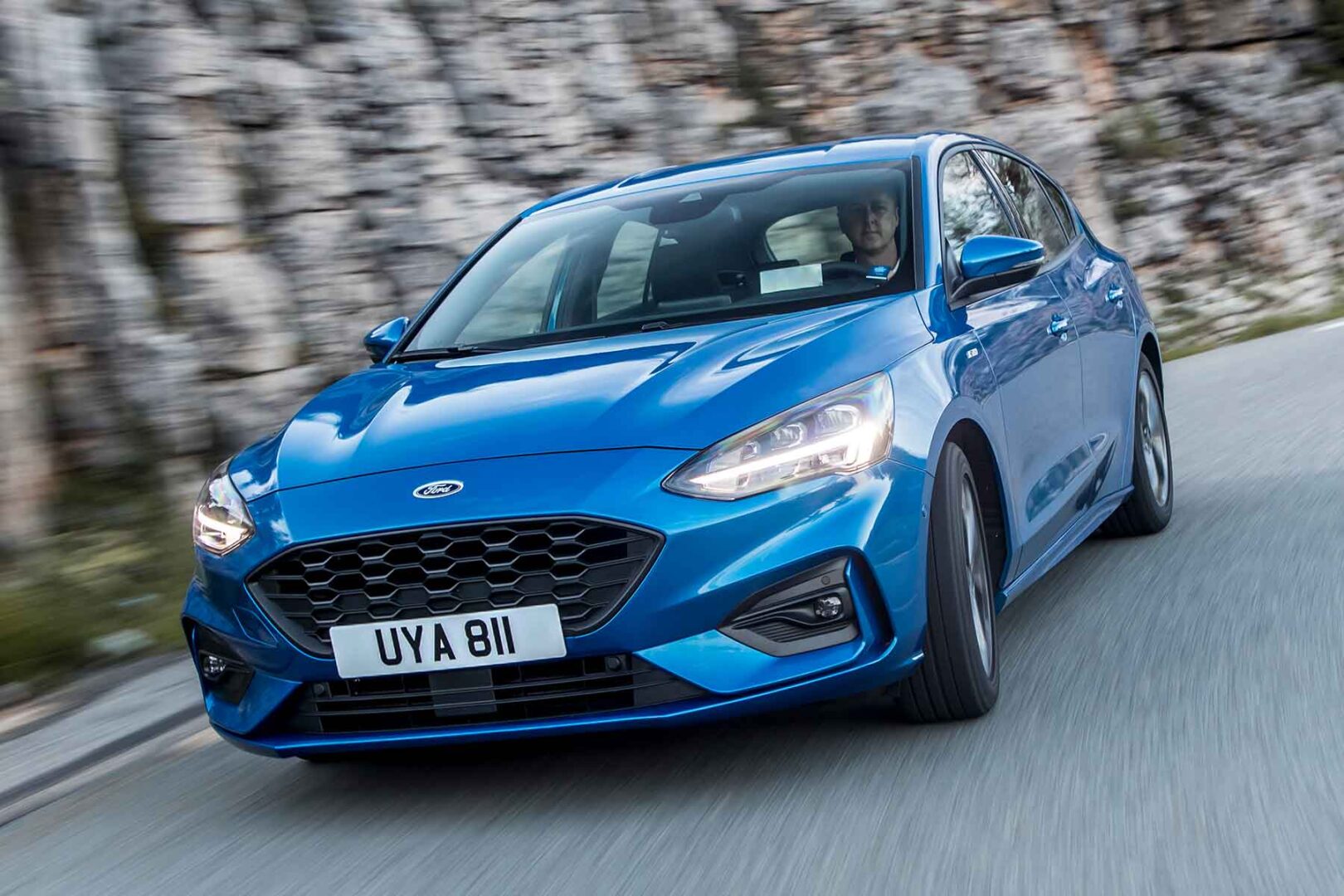
The electronic throttle control often over-compensated for the transmission’s shortcomings, resulting in sudden throttle responses that could catch drivers off-guard. This created a feedback loop where the transmission’s problems were amplified by the throttle system’s attempts to compensate.
Temperature sensitivity made the Focus’s throttle behavior even more unpredictable. The dual-clutch system exhibited different characteristics when cold versus hot, with engagement points and shift quality varying significantly based on operating conditions.
This inconsistency meant that drivers could never fully adapt to the vehicle’s behavior, as the throttle response would change throughout a typical drive cycle.
The Focus’s jerky throttle behavior was so problematic that it generated numerous class-action lawsuits and forced Ford to extend warranties on affected vehicles.
The issues were so severe that Ford eventually discontinued the PowerShift transmission and returned to conventional automatics in later models.
This represents one of the most significant throttle-related failures in recent automotive history, demonstrating how poor calibration can completely compromise the driving experience.
4. Subaru Forester (2019-2022)
The Subaru Forester from 2019-2022 exhibits jerky throttle behavior that has frustrated many owners, particularly those accustomed to the smooth, predictable power delivery of previous generations.
The vehicle’s CVT transmission, while theoretically designed to provide seamless acceleration, often produces unpredictable and jerky responses that make smooth driving challenging.
The system frequently exhibits what drivers describe as “hunting” behavior, where the transmission seems unsure of the appropriate gear ratio for given conditions.
The Forester’s throttle calibration appears to be overly sensitive to small inputs, creating a system where gentle acceleration attempts often result in sudden power surges.
This is particularly problematic during low-speed maneuvers such as parking or navigating tight spaces, where precise throttle control is essential. The CVT’s programming seems to prioritize fuel economy over smooth operation, resulting in a calibration that feels abrupt and unrefined.
The vehicle’s throttle behavior is further complicated by the CVT’s attempt to simulate traditional gear changes through programmed shift points.
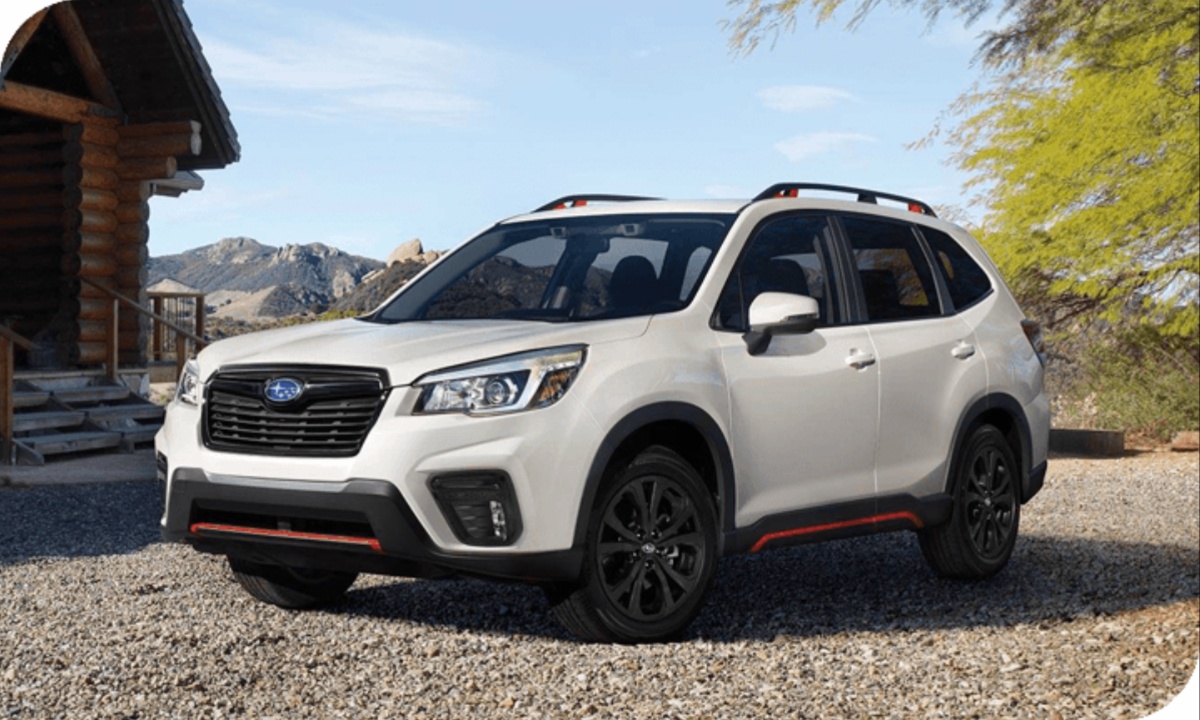
These artificial shifts feel jerky and unnatural, interrupting power flow in a way that defeats the primary advantage of CVT technology. The result is acceleration that feels choppy and inconsistent, particularly during highway merging or when climbing hills where smooth power delivery is crucial.
The Forester’s throttle response also varies significantly based on driving conditions and vehicle load. The system exhibits different characteristics when carrying passengers or cargo, with the throttle calibration seeming to struggle with the additional weight.
This inconsistency makes it difficult for drivers to develop muscle memory for smooth throttle control, as the vehicle’s behavior changes based on loading conditions.
Environmental factors further compound the Forester’s throttle issues, with the system exhibiting different behavior in various weather conditions.
Cold starts often produce particularly jerky behavior, while hot weather can affect the CVT’s operation and, consequently, the throttle response. This variability creates a driving experience that feels inconsistent and unpredictable, making it difficult for drivers to achieve the smooth, controlled acceleration that should be expected from a modern vehicle.
5. Chevrolet Malibu (2016-2018)
The Chevrolet Malibu, produced between 2016 and 2018, developed a reputation for jerky throttle response that significantly detracted from its otherwise competitive package.
The vehicle’s electronic throttle control system exhibited inconsistent behavior that made smooth acceleration difficult to achieve, particularly during low-speed driving situations.
The throttle mapping seemed to create a non-linear relationship between pedal position and power output, resulting in unpredictable acceleration characteristics that frustrated drivers.
The Malibu’s throttle issues were most pronounced during initial acceleration from a stop, where the system often exhibited delayed response followed by sudden power surges.
This behavior was particularly problematic in traffic situations where smooth, progressive acceleration is essential for maintaining safe following distances.
The electronic throttle control appeared to over-compensate for perceived driver inputs, creating jerky acceleration that felt unnatural and difficult to control.
The vehicle’s turbocharged engine options compounded the throttle problems with turbo lag that was poorly managed by the engine management system.
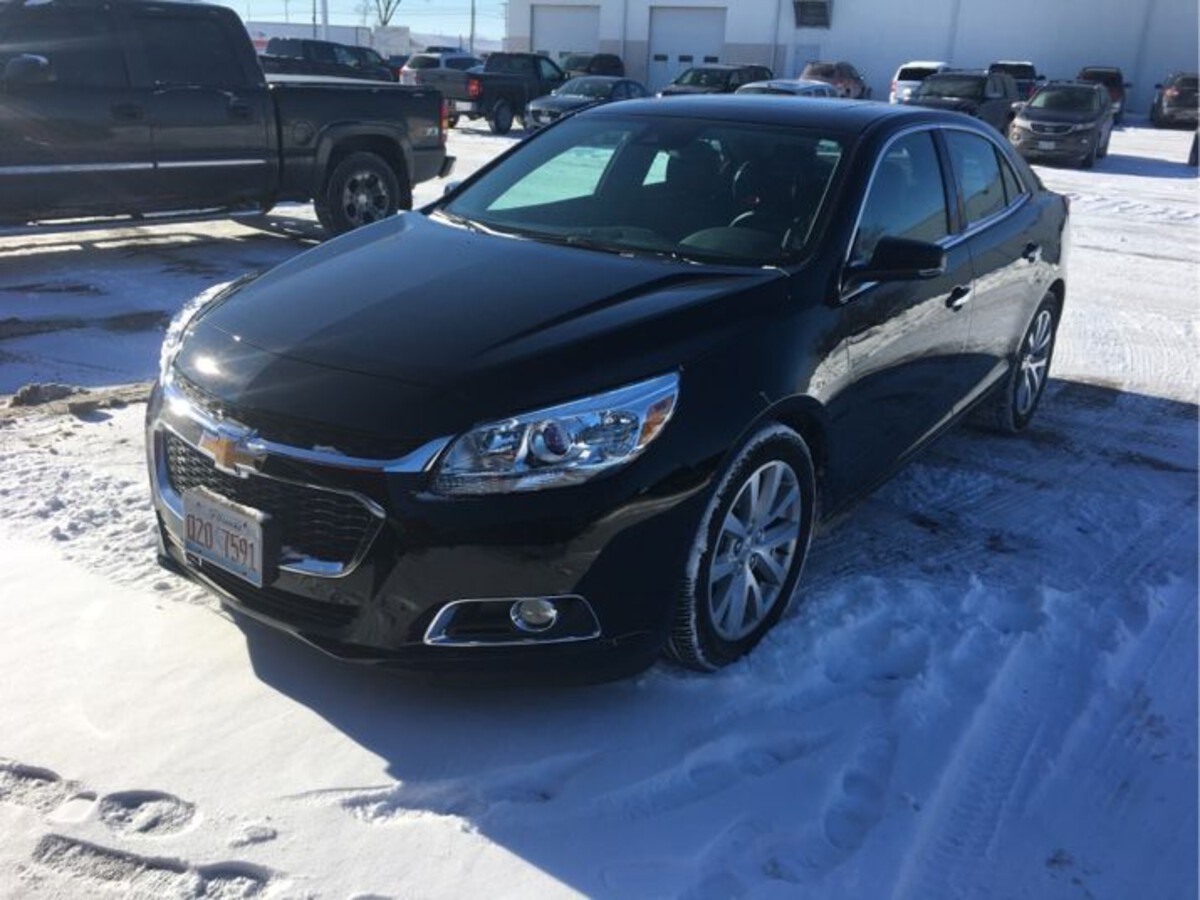
The delay between throttle input and power delivery, followed by sudden boost onset, created a jerky power delivery characteristic that made smooth driving challenging.
The system seemed unable to provide consistent power delivery across different RPM ranges, resulting in acceleration that felt choppy and unpredictable.
The Malibu’s transmission programming contributed to the jerky throttle behavior through poorly timed shift points and aggressive downshift characteristics.
The automatic transmission often seemed to hunt between gears, creating a lurching sensation that combined with the throttle issues to produce an unsettled driving experience.
The transmission’s attempts to maximize fuel economy through aggressive programming resulted in behavior that prioritized efficiency over smooth operation.
Software updates and recalibrations were frequently required to address the Malibu’s throttle issues, indicating that the problems were primarily related to calibration rather than hardware failures.
However, even with updates, many owners reported that the jerky throttle behavior persisted, suggesting fundamental issues with the system’s design or implementation. This ongoing problem significantly impacted the vehicle’s reputation and contributed to its eventual discontinuation in the North American market.
Also Read: 5 Budget Cars That Can Handle Mountains and 5 That Die in Traffic
