
The automotive industry has undergone a dramatic transformation in recent decades, with manufacturers increasingly recognizing the critical importance of ergonomic design in vehicle cockpits.
Driver positioning and cockpit ergonomics directly impact not only comfort during long journeys but also safety, performance, and the driving experience.
A well-designed cockpit serves as the command center where human and machine interface seamlessly, creating an environment that supports natural body positioning, reduces fatigue, and enhances driver control.
Ergonomic excellence in automotive design encompasses multiple elements: seat adjustability and support, steering wheel positioning, pedal placement, dashboard layout, and control accessibility.
The best examples demonstrate how thoughtful engineering can create cockpits that accommodate drivers of varying heights and body types while maintaining optimal visibility and reach to all essential controls.
These vehicles prioritize the human factor in design, understanding that a comfortable driver is typically a safer, more focused driver.
Conversely, some vehicles suffer from poor ergonomic design decisions that can lead to driver discomfort, fatigue, and even potential safety hazards.
These design flaws might include awkward control placement, insufficient seat adjustment ranges, poor visibility, or cockpit layouts that force drivers into unnatural positions.
Understanding both the exemplars and the failures in automotive ergonomics provides valuable insights into what makes a truly driver-focused vehicle design.
5 Cars With Excellent Ergonomic Cockpits
These exceptionally designed driver environments feature thoughtfully positioned controls that fall naturally within reach without requiring awkward stretching or uncomfortable positioning.
Their steering wheels, pedals, and seat adjustments create an optimal triangle of control that supports proper posture and reduces strain on shoulders, wrists, and back muscles during extended driving sessions.
The dashboard layout places essential controls within the driver’s primary vision zone, eliminating the need to hunt for frequently used functions while maintaining road awareness.
These cockpits demonstrate how careful ergonomic planning translates directly into reduced driver fatigue and enhanced safety through improved comfort and control accessibility over thousands of miles.
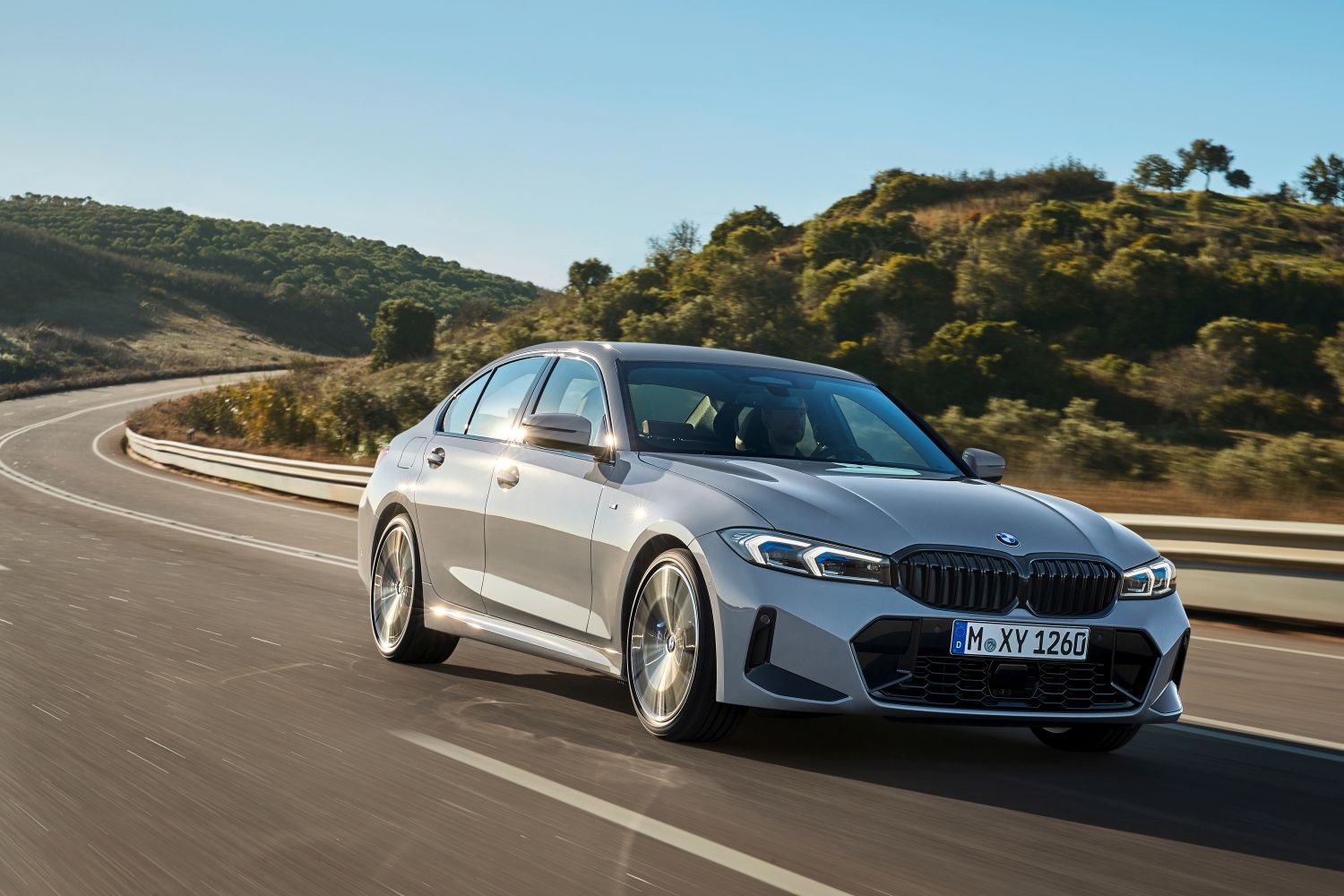
1. BMW 3 Series (G20 Generation)
The BMW 3 Series represents a masterclass in ergonomic cockpit design, setting the benchmark for driver-focused interiors across the luxury sedan segment.
The driving position in the 3 Series is virtually flawless, with the seat mounted low to the floor and positioned perfectly behind the steering wheel to create an optimal relationship between driver and vehicle.
The seat itself offers extensive adjustment ranges, including height, fore-aft positioning, backrest angle, and thigh support, accommodating drivers from 5’2″ to 6’4″ with equal comfort and control access.
The steering wheel positioning is exemplary, with both tilt and telescopic adjustment that allows drivers to find the perfect relationship between their hands, the wheel, and the instrument cluster.
The wheel itself is perfectly sized and shaped, with a slightly flattened bottom that provides additional thigh clearance while maintaining the classic BMW driving feel.
All primary controls fall naturally to hand, with the gear selector, handbrake, and iDrive controller positioned within easy reach without requiring drivers to lean forward or stretch awkwardly.
Dashboard layout prioritizes the driver’s line of sight, with the instrument cluster positioned directly ahead and angled slightly toward the driver. The center console is canted toward the driver, making climate controls and infotainment system easily accessible.
Even the door-mounted controls are positioned logically, with window switches and mirror adjustments falling naturally under the driver’s left hand.
The pedal box is perfectly positioned, with the brake and accelerator pedals aligned with the driver’s right foot in a natural heel-and-toe position, while the clutch pedal in manual variants maintains proper spacing and feel. This attention to ergonomic detail creates a cockpit environment where everything feels intuitive and perfectly placed for extended driving comfort.
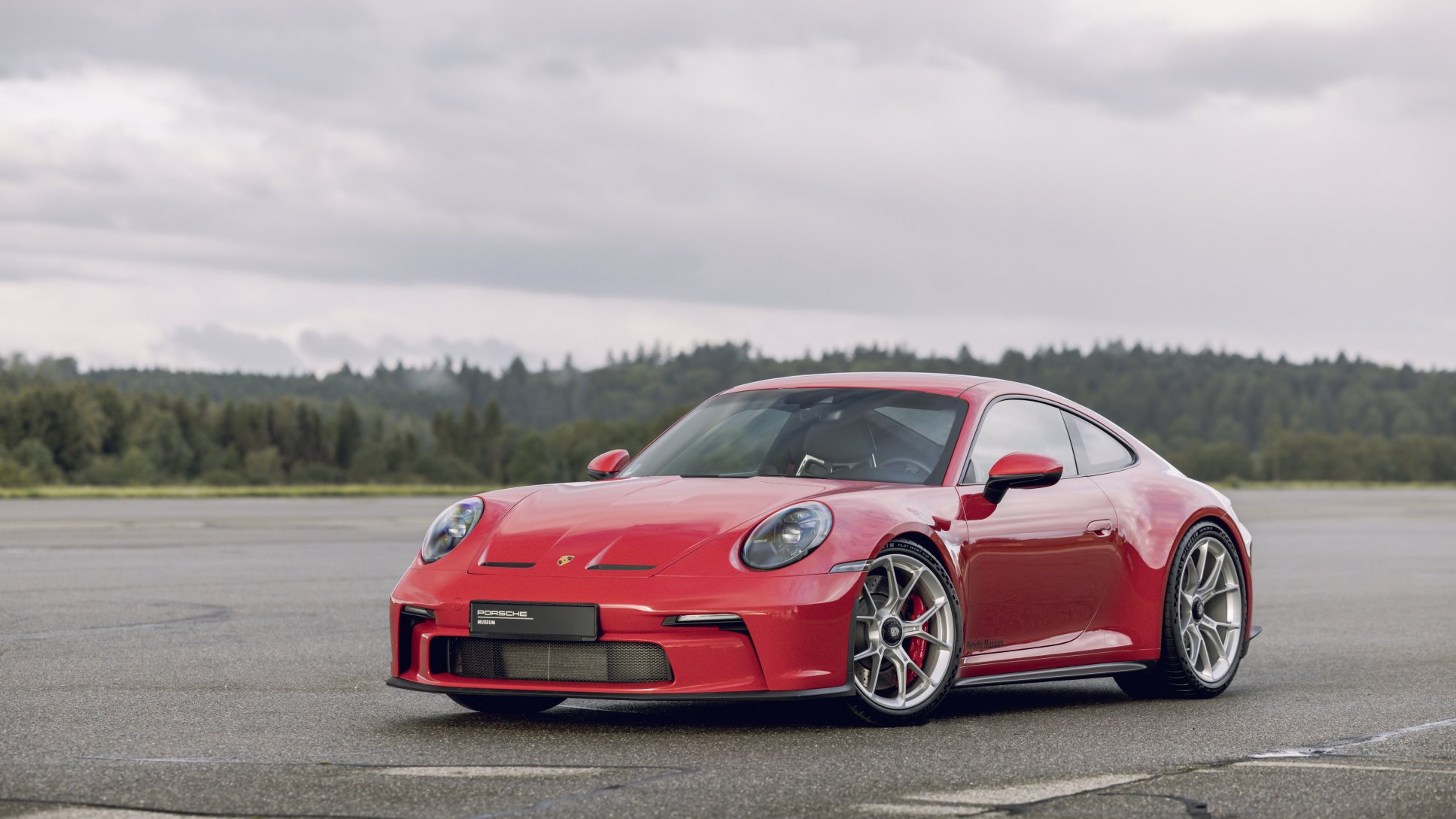
2. Porsche 911 (992 Generation)
The Porsche 911 cockpit represents decades of evolutionary refinement in sports car ergonomics, creating an environment where performance and comfort coexist seamlessly.
The driving position is iconic and purposeful, with the seat positioned low and behind the wheel to create an intimate connection between driver and machine. The seats themselves are engineering marvels, offering exceptional lateral support without compromising comfort during long drives.
The adjustment range accommodates a wide variety of driver sizes, with particularly impressive attention to thigh support and lumbar adjustment that maintains proper spine alignment even during spirited driving.
The steering wheel is positioned perfectly, with the classic Porsche relationship between wheel, seat, and pedals that has been refined over generations.
The wheel itself is slightly smaller than conventional sedan wheels, appropriate for a sports car, and the hub is positioned to provide an unobstructed view of the instrument cluster.
All controls are positioned within the natural sweep of the driver’s hands, with the gear selector falling perfectly to hand and the handbrake positioned for easy access without disrupting the driving position.
The dashboard design prioritizes functionality and driver focus, with the five-gauge instrument cluster directly ahead providing essential information at a glance.
The center console slopes gently toward the driver, with climate controls and infotainment positioned for easy access. The door panels feature perfectly placed window switches and mirror controls that fall naturally under the driver’s left hand.
The pedal positioning is exemplary, with the brake and accelerator pedals positioned for perfect heel-and-toe downshifts, while the clutch pedal in manual variants maintains ideal spacing and progressive feel.
This combination of thoughtful positioning and quality execution creates a cockpit environment that enhances rather than hinders the driving experience, allowing drivers to focus entirely on the road ahead.
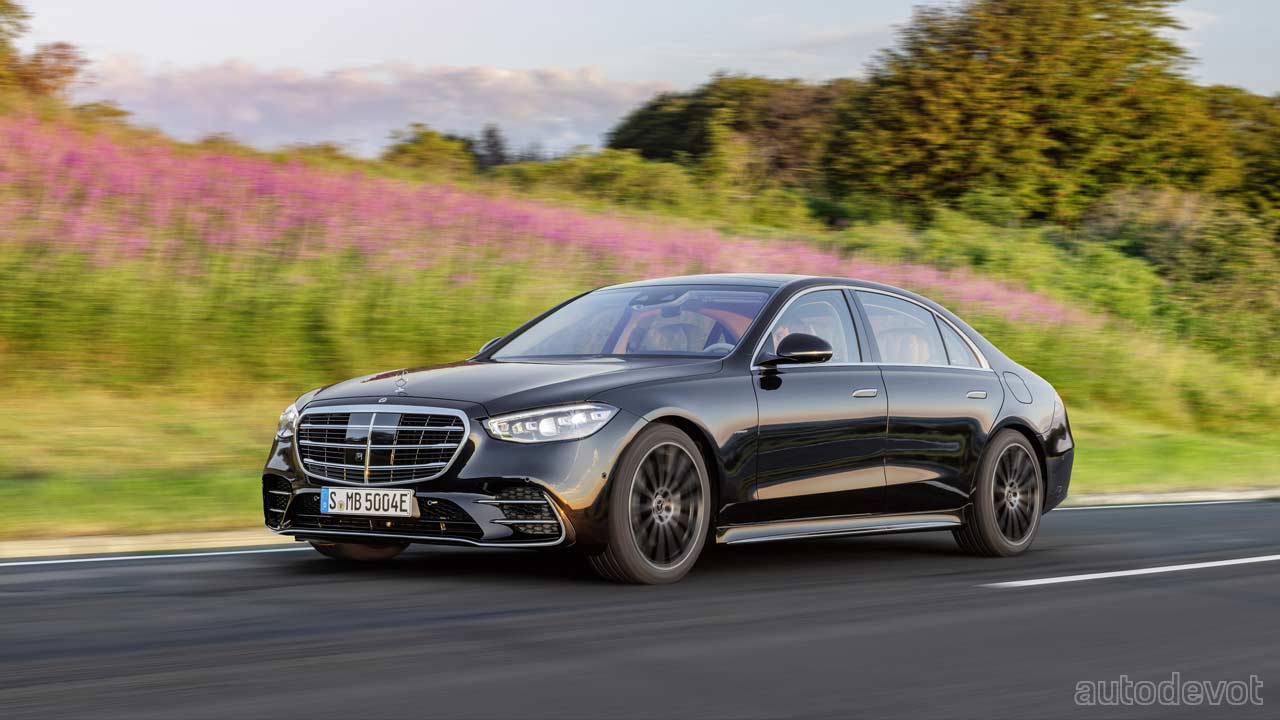
3. Mercedes-Benz S-Class (W223 Generation)
The Mercedes-Benz S-Class cockpit represents the pinnacle of luxury sedan ergonomics, combining comfort with sophisticated design to create an environment suitable for both chauffeur-driven and owner-driven experiences.
The driving position is supremely comfortable, with seats that offer an extensive range of adjustments including height, fore-aft positioning, backrest angle, lumbar support, and even shoulder support.
The seats themselves are engineering masterpieces, with multi-layer cushioning that provides both immediate comfort and long-term support during extended drives.
The steering wheel positioning is exemplary, with both tilt and telescopic adjustment that allows drivers to find the perfect relationship with the instrument cluster and the road ahead.
The wheel itself is perfectly sized for a luxury sedan, with a comfortable grip circumference and intuitive control placement. The multifunction steering wheel controls are positioned logically, with frequently used functions like cruise control and audio controls falling naturally under the driver’s thumbs without requiring hand repositioning.
The dashboard design prioritizes both aesthetics and functionality, with the instrument cluster and central display positioned at optimal viewing angles to reduce eye strain.
The center console flows seamlessly toward the driver, with climate controls and infotainment system positioned for easy access. The door panels feature comprehensive adjustment controls that allow drivers to fine-tune their seating position with precision.
The pedal positioning is comfortable and natural, with proper spacing between brake and accelerator pedals that accommodates various driving shoe sizes.
The attention to detail extends to ambient lighting that can be adjusted to reduce eye strain during night driving, creating a cockpit environment that coddles the driver while maintaining the functional excellence expected from a flagship luxury sedan.
4. Audi A4 (B9 Generation)
The Audi A4 cockpit exemplifies Germanic precision in ergonomic design, creating an environment that balances comfort, functionality, and technological sophistication.
The driving position is exceptionally well-considered, with seats that offer comprehensive adjustment ranges including height, fore-aft positioning, backrest angle, and lumbar support.
The seats themselves provide excellent support for both daily commuting and long-distance travel, with side bolsters that offer lateral support without being intrusive during entry and exit.
The steering wheel positioning is superb, with both tilt and telescopic adjustment that allows drivers to achieve the perfect relationship with the instrument cluster. The wheel itself is perfectly sized and shaped, with a comfortable grip diameter and logical control placement.
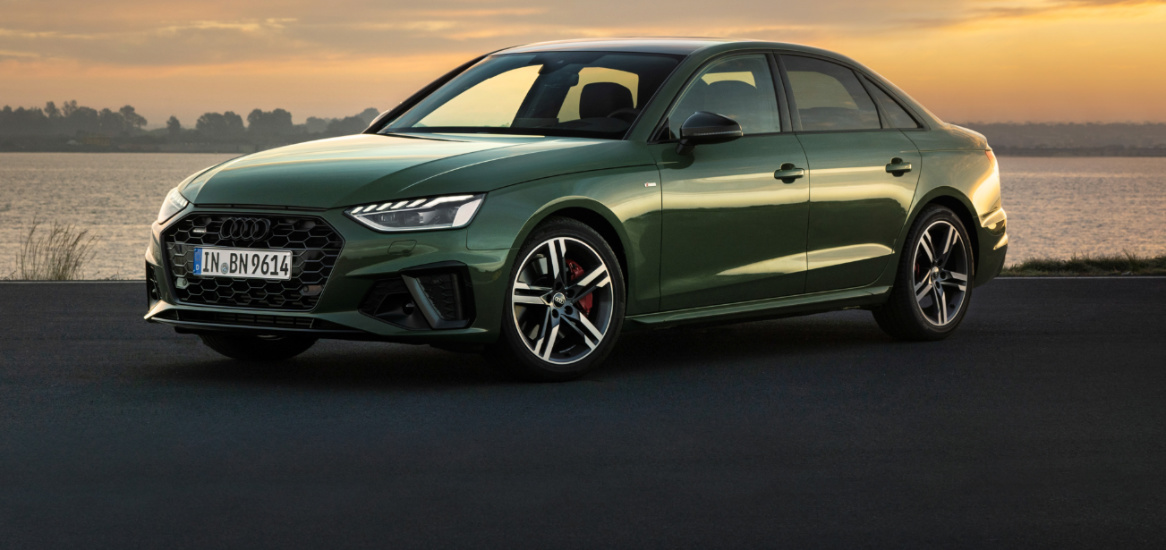
The multifunction steering wheel controls are intuitive, with cruise control, audio, and phone controls positioned where the driver’s thumbs naturally rest. The paddle shifters, when equipped, are positioned perfectly for quick gear changes without requiring hand repositioning.
The dashboard design showcases Audi’s commitment to driver-focused ergonomics, with the Virtual Cockpit instrument cluster positioned directly ahead and fully customizable to display relevant information.
The center console is angled toward the driver, with climate controls and MMI infotainment system positioned for easy access. The rotary MMI controller falls naturally under the driver’s right hand, with surrounding shortcut buttons positioned logically.
The door panels feature well-placed window switches and mirror controls that require minimal hand movement. The pedal positioning is exemplary, with proper spacing and alignment that accommodates various driving styles and shoe sizes.
This combination of thoughtful design and quality execution creates a cockpit environment that feels both sophisticated and intuitive, allowing drivers to focus on the driving experience rather than struggling with control placement.
Also Read: 5 Budget Cars That Can Handle Mountains and 5 That Die in Traffic
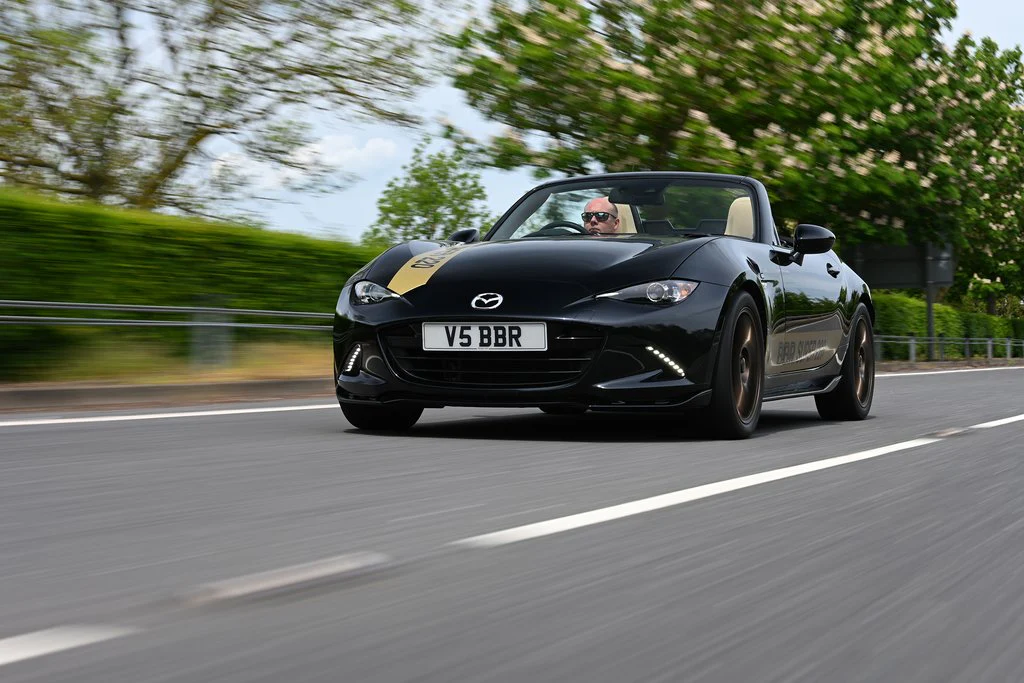
5. Mazda MX-5 Miata (ND Generation)
The Mazda MX-5 Miata cockpit represents the purest expression of driver-focused ergonomics in an affordable sports car, creating an intimate environment where driver and machine become one.
Despite the compact dimensions imposed by the roadster format, Mazda has created a cockpit that accommodates drivers of varying sizes while maintaining the essential sports car connection.
The driving position is low and purposeful, with seats that provide excellent support despite their relatively simple construction. The seat adjustment range is impressive for such a compact car, with height, fore-aft, and backrest adjustments that accommodate drivers from 5’4″ to 6’2″ comfortably.
The steering wheel positioning is exceptional, with both tilt and telescopic adjustment that allows drivers to achieve the perfect relationship with the instrument cluster and the road ahead.

The wheel itself is sized perfectly for a sports car, with a comfortable grip diameter and excellent feel. The dashboard design prioritizes simplicity and driver focus, with essential controls positioned within easy reach and the instrument cluster angled slightly toward the driver for optimal visibility.
The center console is minimalist yet functional, with climate controls and infotainment system positioned for easy access without requiring drivers to take their eyes off the road for extended periods.
The gear selector falls perfectly to hand, with a short, precise throw that enhances the engaging driving experience. The handbrake is positioned traditionally between the seats, maintaining the classic sports car feel while remaining easily accessible.
The pedal positioning is exemplary, with the brake and accelerator pedals positioned for perfect heel-and-toe downshifts, while the clutch pedal maintains ideal spacing and progressive feel. This attention to ergonomic detail creates a cockpit environment that enhances the pure driving experience, allowing drivers to focus entirely on the connection between car and road.
5 Cars With Poor Driver Positioning
These problematic cabin designs force drivers into unnatural positions that create tension points throughout the body and compromise both comfort and vehicle control effectiveness.
Their steering wheels sit too high or low, pedals are positioned at awkward angles, and seats lack proper lumbar support or adjustment range to accommodate different body types comfortably.
Critical controls are scattered across the dashboard in locations that require dangerous attention diversion from the road or uncomfortable reaching that strains shoulders and neck muscles.
These poorly planned cockpits demonstrate how inadequate ergonomic consideration can transform routine driving into a physically demanding experience that increases fatigue and reduces reaction times when quick responses are needed most.
1. Tesla Model S (2012-2021 Generation)
The Tesla Model S, while revolutionary in its electric powertrain and technology integration, suffers from significant ergonomic compromises that impact driver comfort and control accessibility.
The driving position presents several challenges, beginning with seats that, while initially comfortable, lack the comprehensive adjustment ranges expected in this price segment.
The seat height adjustment range is limited, making it difficult for shorter drivers to achieve proper visibility over the dashboard while maintaining comfortable pedal reach. Taller drivers face opposite challenges, with insufficient seat travel and limited backrest adjustment that can force them into cramped positions.
The steering wheel positioning is problematic, with a limited adjustment range that fails to accommodate the wide variety of driver anthropometrics. The wheel itself sits relatively high about the seat, creating an awkward arm position for many drivers.
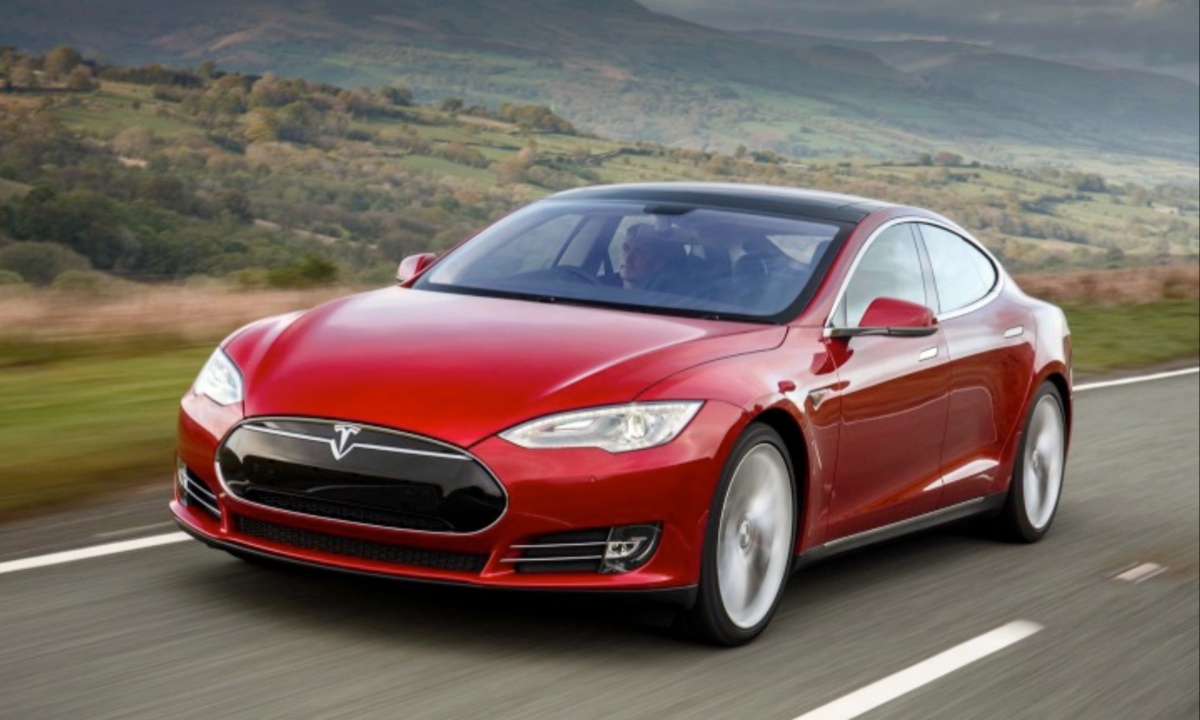
The yoke-style steering wheel introduced in later models exacerbated these issues, forcing drivers to adapt their grip and steering technique to accommodate the unconventional shape.
The absence of traditional stalks for turn signals and gear selection requires drivers to use touchscreen controls or steering wheel buttons, increasing cognitive load and distraction.
The dashboard design prioritizes visual impact over ergonomic functionality, with the massive central touchscreen requiring drivers to look away from the road for extended periods to access basic vehicle functions.
Climate controls, glove box release, and even the gear selector are integrated into the touchscreen, creating a steep learning curve and potential distraction during driving.
The door panels lack traditional window switch placement, with controls integrated into the door handle area in a non-intuitive location. The pedal positioning, while adequate, suffers from the lack of a traditional transmission tunnel, creating an unusually wide spacing between brake and accelerator pedals that can affect the heel-and-toe technique.
These ergonomic compromises create a cockpit environment that prioritizes technological showcase over driver-focused functionality, requiring significant adaptation from drivers accustomed to conventional automotive ergonomics.
2. Jeep Wrangler (JL Generation)
The Jeep Wrangler’s cockpit design, while iconic and purposeful for off-road capability, presents significant ergonomic challenges that impact on-road driving comfort and control accessibility.
The driving position is compromised by the vehicle’s upright stance and body-on-frame construction, creating a seating position that feels awkward for extended highway driving.
The seats themselves, while durable and suitable for outdoor activities, lack the contouring and adjustment ranges necessary for proper ergonomic support. The seat height is fixed relatively high, with limited fore-aft adjustment that fails to accommodate the wide range of driver sizes effectively.
The steering wheel positioning is problematic, with a limited adjustment range that forces many drivers into compromised positions. The wheel sits relatively vertically and far from the driver, creating an awkward arm position that can lead to fatigue during long drives.

The large wheel diameter, while appropriate for off-road maneuvering, feels cumbersome during on-road driving and parking maneuvers.
The dashboard design prioritizes ruggedness over ergonomic refinement, with controls scattered across the center console in locations that require significant reach or awkward hand positioning.
The center console layout is particularly challenging, with climate controls positioned low and far from the driver, requiring leaning forward to access basic functions. The infotainment system, while modern, is positioned at an angle that creates glare issues and requires drivers to look down and away from the road.
The gear selector is positioned awkwardly on the center console, requiring a long reach that can be uncomfortable during stop-and-go driving. The door panels feature window switches in traditional locations, but the high seating position and wide door sills create awkward entry and exit procedures.
The pedal positioning suffers from the vehicle’s width and high seating position, with the brake and accelerator pedals positioned wider apart than conventional vehicles, affecting natural foot positioning and heel-and-toe technique.
These ergonomic compromises, while acceptable for dedicated off-road use, create a cockpit environment that feels awkward and fatiguing for daily driving situations.
3. Lotus Evora (2009-2021)
The Lotus Evora, while exceptional in its driving dynamics and performance capabilities, suffers from significant ergonomic compromises that impact driver comfort and accessibility.
The driving position is challenging for many drivers, with seats that offer limited adjustment ranges and positioning that feels awkward for extended driving.
The seat height is fixed relatively low, with minimal fore-aft adjustment that fails to accommodate drivers taller than 6 feet comfortably. The seat backs are relatively upright, creating a driving position that feels more like sitting in a chair than the reclined position preferred for sports car driving.
The steering wheel positioning is problematic, with limited tilt adjustment and no telescopic adjustment, forcing drivers to adapt their seating position to reach the wheel comfortably.
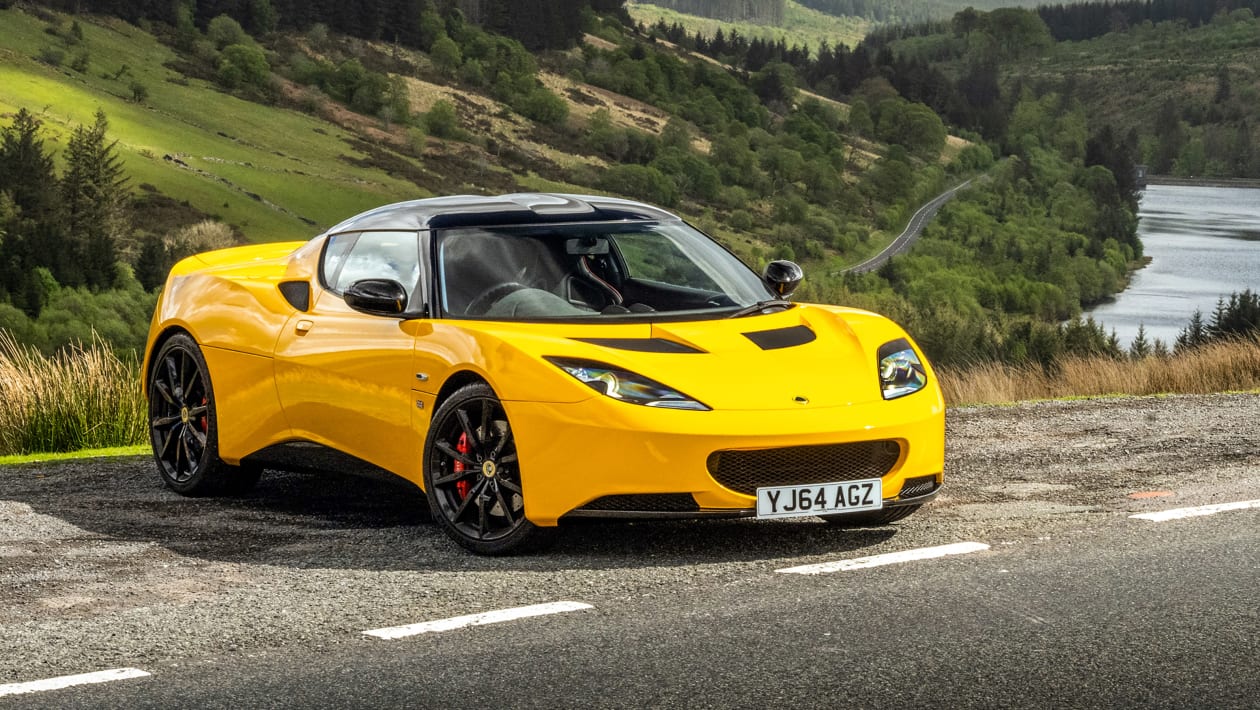
The wheel itself, while appropriately sized for a sports car, sits relatively high about the seat, creating an awkward arm position.
The dashboard design prioritizes visual drama over ergonomic functionality, with the instrument cluster positioned relatively low and far from the driver, requiring downward glances that can impact road awareness.
The center console layout is particularly challenging, with climate controls and audio system positioned in locations that require significant reach or awkward hand positioning.
The gear selector, while beautifully crafted, is positioned relatively far from the driver, requiring a long reach that can be uncomfortable during spirited driving.
The handbrake is positioned traditionally but requires significant force to engage, impacting usability.
The door panels feature window switches in awkward locations, with the high door sills creating challenging entry and exit procedures that require significant flexibility and coordination.
The pedal positioning, while adequate for heel-and-toe technique, suffers from limited footwell space that can be cramped for larger feet.
These ergonomic compromises, while perhaps acceptable for weekend sports car use, create a cockpit environment that feels awkward and fatiguing for drivers seeking daily usability from their sports car.
4. Mini Cooper Countryman (F60 Generation)
The Mini Cooper Countryman cockpit, while visually distinctive and brand-appropriate, presents several ergonomic challenges that impact driver comfort and control accessibility.
The driving position suffers from the vehicle’s attempt to maintain Mini’s characteristic upright seating position within a larger crossover format, creating a compromise that satisfies neither compact car intimacy nor SUV command position.
The seats, while comfortable initially, lack the comprehensive adjustment ranges necessary for proper ergonomic support across a wide range of driver sizes.
The seat height adjustment is limited, making it difficult for shorter drivers to achieve proper visibility while maintaining comfortable pedal reach.
The steering wheel positioning is problematic, with adjustment ranges that fail to effectively accommodate the wide variety of driver anthropometrics. The wheel sits relatively high and close to the driver, creating an awkward arm position that can lead to fatigue during extended driving.
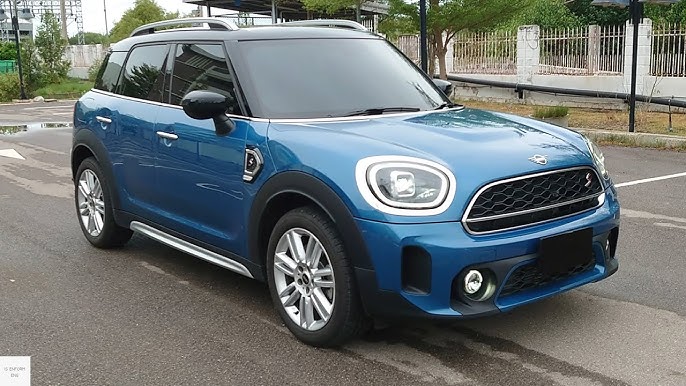
The multifunction steering wheel controls are positioned logically, but the wheel’s proximity to the driver’s body can make accessing these controls feel cramped. The dashboard design prioritizes visual impact and brand identity over ergonomic functionality, with the characteristic circular central screen dominating the center console.
The center console layout is particularly challenging, with climate controls positioned below the central screen in a location that requires drivers to look down and away from the road.
The infotainment system, while modern and responsive, requires navigation through multiple menus to access basic vehicle functions, increasing cognitive load and potential distraction.
The gear selector is positioned on the center console in a location that requires a relatively long reach, particularly for shorter drivers.
The door panels feature window switches in traditional locations, but the high belt line and small windows create visibility challenges that impact the driving experience.
The pedal positioning, while adequate, suffers from the vehicle’s width and packaging constraints, with the brake and accelerator pedals positioned in a relationship that feels less natural than conventional vehicles.
These ergonomic compromises create a cockpit environment that prioritizes brand identity and visual appeal over driver-focused functionality, requiring adaptation from drivers accustomed to more conventional automotive ergonomics.
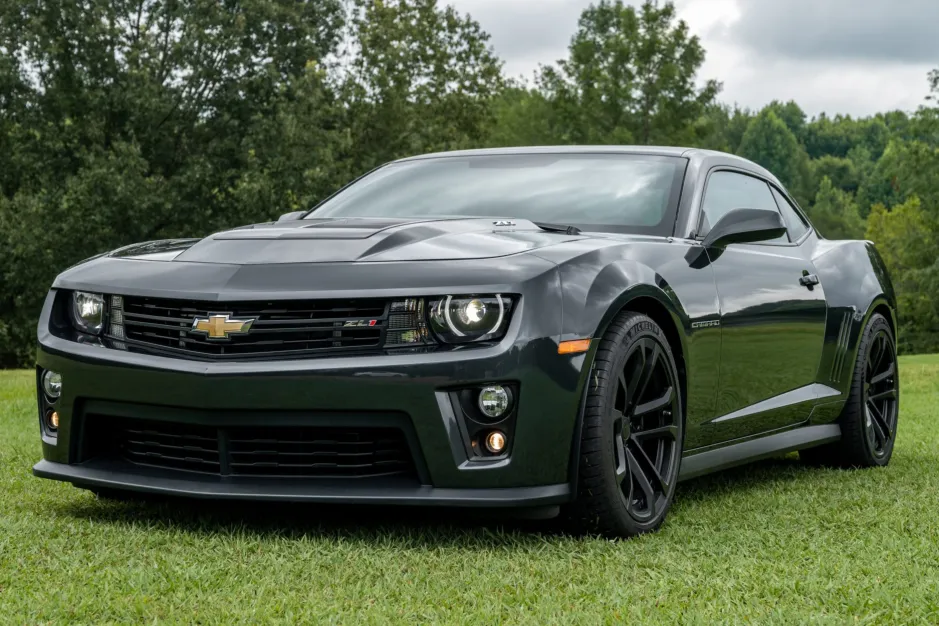
5. Chevrolet Camaro (2010-2023)
The Chevrolet Camaro cockpit, while visually dramatic and evocative of classic muscle car design, presents significant ergonomic challenges that impact driver visibility, comfort, and control accessibility.
The driving position is compromised by the vehicle’s low roofline and dramatic styling, creating a seating position that feels claustrophobic and limits outward visibility.
The seats, while supportive during spirited driving, offer limited adjustment ranges that fail to accommodate the wide variety of driver sizes effectively. The seat height is fixed relatively low, with the high dashboard and window sills creating a cave-like environment that impacts visibility and spatial awareness.
The steering wheel positioning is problematic, with a limited adjustment range that forces many drivers into compromised positions.
The wheel sits relatively low in relation to the driver’s natural hand position, creating an awkward arm angle that can lead to fatigue. The thick steering wheel rim, while aesthetically pleasing, can obstruct gauge visibility for some drivers.
The dashboard design prioritizes visual drama over ergonomic functionality, with the instrument cluster positioned behind the steering wheel in a location that the wheel rim can partially obscure.
The center console layout is particularly challenging, with climate controls and infotainment system positioned in locations that require significant reach or awkward hand positioning.
The gear selector, while appropriately placed for a sports car, is surrounded by a console design that can interfere with natural hand positioning. The handbrake is positioned traditionally but requires significant force to engage.
The door panels feature window switches in conventional locations, but the high door sills and low seating position create challenging entry and exit procedures.
The pedal positioning, while adequate for performance driving, suffers from limited footwell space that can be cramped for larger feet. The brake and accelerator pedals are positioned appropriately for heel-and-toe technique, but the clutch pedal in manual variants can feel heavy and requires significant leg strength during stop-and-go driving.
These ergonomic compromises, while perhaps acceptable for weekend sports car use, create a cockpit environment that feels awkward and fatiguing for drivers seeking daily usability from their muscle car, prioritizing visual impact over driver-focused functionality.
Also Read: 5 Vehicles With Smooth Power Delivery vs 5 With Jerky Throttle
