
The transition to electric vehicles has brought about a fascinating paradox in automotive engineering: while electric motors are inherently quieter than internal combustion engines, not all electric vehicles deliver the same acoustic experience.
The sound signature of an electric vehicle depends on multiple factors including motor design, inverter technology, cooling systems, aerodynamics, and even intentional sound engineering choices made by manufacturers.
Some automakers have prioritized creating whisper-quiet cabins that isolate occupants from the mechanical world, focusing on premium comfort and serenity.
These vehicles employ advanced sound dampening materials, sophisticated motor control systems, and careful attention to NVH (Noise, Vibration, and Harshness) engineering. The result is an almost otherworldly driving experience where road noise becomes the primary auditory element.
Conversely, other manufacturers have embraced or inadvertently created more audible electric powertrains. Some vehicles produce distinctive whirring sounds from their motors, high-pitched inverter noise, or cooling fan operation.
Interestingly, certain performance-oriented electric vehicles deliberately amplify or synthesize sounds to provide auditory feedback to drivers and pedestrians, recognizing that sound plays a crucial role in the driving experience and safety.
This acoustic divide reflects different philosophies in electric vehicle design whether to create a cocoon of silence or maintain some connection to the mechanical nature of propulsion. Understanding these differences helps consumers make informed decisions based on their preferences for driving ambiance.
5 Vehicles With Quiet Electric Motors
These exceptionally refined electric powertrains feature precision-manufactured motor components and advanced sound dampening materials that eliminate the high-frequency whine and mechanical noise commonly associated with electric drive systems.
Their sophisticated motor controllers use optimized switching frequencies and filtering systems that prevent inverter-induced harmonics from creating audible disturbances within the cabin.
The Mercedes-Benz EQS appears to be the quietest electric car on the market right now, alongside vehicles like the Audi e-tron Sportback, which slots into third place with just 63 dBA recorded at 70 mph.
These silent operators demonstrate how thoughtful engineering can harness electric power while maintaining the luxury-level quietness that enhances both comfort and driving refinement.
1. Mercedes EQS
The Mercedes EQS represents the pinnacle of electric vehicle refinement, setting new standards for acoustic comfort in the luxury segment. Mercedes engineers have achieved remarkable success in creating what they call “whisper-quiet” operation through meticulous attention to every potential noise source.
The EQS employs a sophisticated dual-motor setup with permanent synchronous motors that operate with minimal acoustic signature, thanks to precision manufacturing and advanced magnetic field optimization.
The vehicle’s sound insulation package includes multiple layers of acoustic materials throughout the cabin structure. Special attention has been paid to the floor pan, where additional sound-deadening materials prevent motor noise from penetrating the passenger compartment.
The EQS features laminated glass windows as standard, which significantly reduce wind noise and external sound intrusion. Even the door seals have been engineered to create an almost hermetic seal when closed.

Mercedes has also invested heavily in active noise cancellation technology for the EQS. The premium sound system includes microphones that monitor ambient noise levels and generate counter-frequencies to cancel unwanted sounds.
This system is particularly effective at neutralizing the subtle whirring sounds that can emanate from electric motors under certain operating conditions.
The cooling system, often a source of noise in electric vehicles, has been designed with variable-speed fans and sound-optimized ducting. The air conditioning compressor operates on a variable displacement system that minimizes cycling noise.
Even the regenerative braking system has been tuned to operate silently, with smooth transitions between regenerative and friction braking that are barely perceptible to occupants.
The result is an interior environment so quiet that Mercedes includes a “comfort” setting in the drive modes that introduces subtle artificial sounds to prevent the unsettling sensation of complete silence. Road testing consistently shows interior noise levels below 40 decibels at highway speeds, comparable to a quiet library environment.
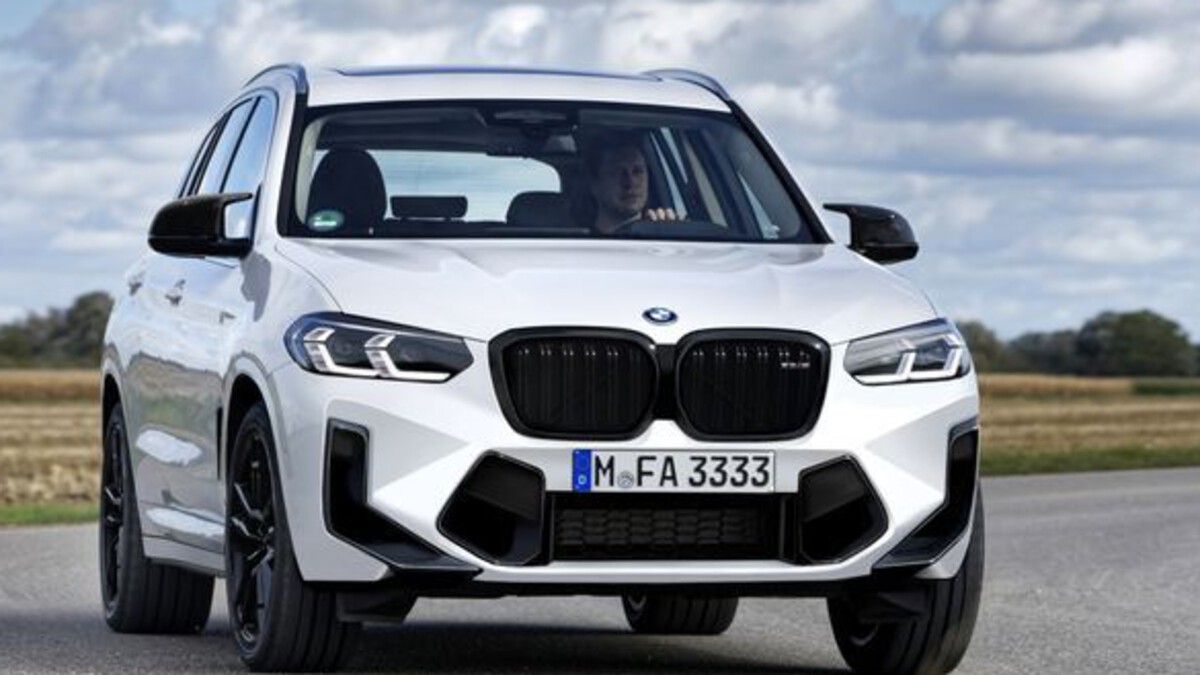
2. BMW iX
The BMW iX showcases German engineering excellence in creating an exceptionally quiet electric driving experience. BMW’s approach to acoustic refinement in the iX involves a comprehensive strategy that addresses noise at its source rather than simply masking it.
The vehicle employs BMW’s fifth-generation eDrive technology, which integrates the electric motor, power electronics, and transmission into a single compact unit that generates minimal operational noise.
The iX benefits from BMW’s extensive experience with electric motor design, incorporating rare-earth permanent magnets and precision-balanced rotors that eliminate vibration and associated noise
The motor control algorithms have been specifically tuned to minimize switching noise from the power electronics, a common source of high-frequency whining in electric vehicles.
BMW has also implemented advanced thermal management that allows the motors to operate at optimal temperatures without requiring aggressive cooling fan operation.
Structural isolation plays a crucial role in the iX’s quiet operation. The electric drive units are mounted using sophisticated vibration-damping systems that prevent motor noise from transmitting through the chassis to the cabin.
The vehicle’s Carbon Core construction provides excellent rigidity while incorporating strategic sound-absorption zones that trap and dissipate acoustic energy.
The aerodynamic design of the iX contributes significantly to its quiet operation. BMW’s engineers spent extensive time in wind tunnels optimizing airflow around the vehicle to minimize turbulence and wind noise.
The closed-off kidney grille, while controversial aesthetically, serves an important acoustic function by eliminating the air turbulence that would normally occur in this area.
Inside the cabin, BMW has employed a multi-layered approach to sound isolation. The dashboard, door panels, and headliner incorporate specialized acoustic materials that absorb rather than reflect sound waves.
The result is an interior environment where the primary sounds are those intentionally generated by the vehicle’s audio system or deliberately designed acoustic feedback systems.
3. Lucid Air Dream Edition
The Lucid Air Dream Edition represents a clean-sheet approach to electric vehicle design with acoustic refinement as a primary consideration from the outset.
Lucid’s engineering team, led by former Tesla executives, has created what many consider the quietest production electric vehicle currently available.
The company’s approach focuses on eliminating noise sources rather than simply masking them, resulting in an extraordinarily serene driving experience.
The Air’s powertrain architecture contributes significantly to its quiet operation. Lucid developed their electric motors with extremely tight manufacturing tolerances and advanced magnetic field designs that minimize cogging torque and associated noise.
The motors operate at higher efficiencies than most competitors, reducing heat generation and the need for aggressive cooling system operation. The integrated power electronics are designed with advanced filtering to eliminate switching noise that can create audible whining sounds.
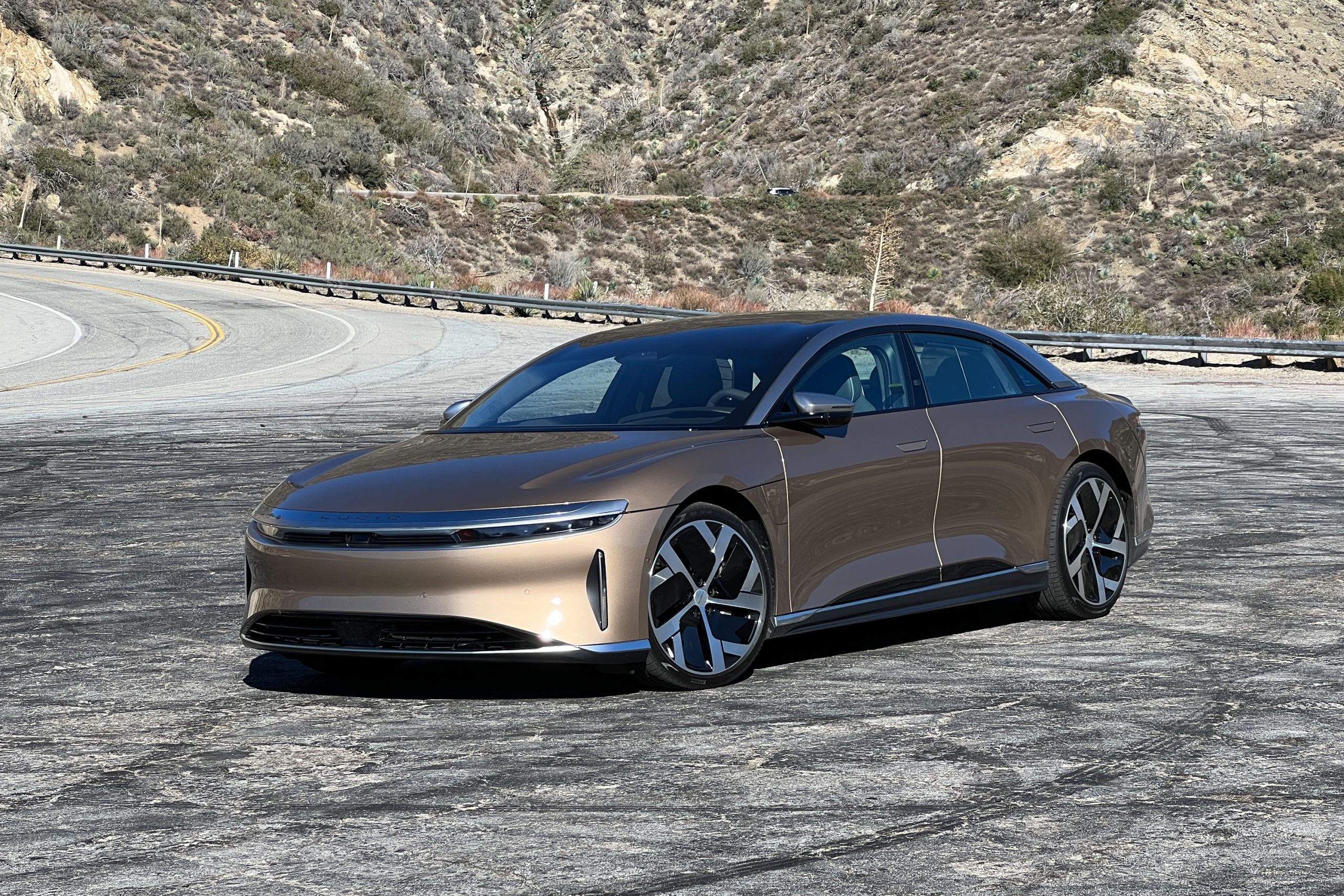
Lucid has implemented what they call “acoustic glass” throughout the vehicle, which incorporates sound-dampening layers within the glass itself. This technology is particularly effective at reducing high-frequency noise that can penetrate traditional automotive glass.
The door seals utilize a triple-layer design with different durometer materials optimized for different frequency ranges of sound isolation. The vehicle’s aerodynamic efficiency contributes to its quiet operation through reduced wind noise generation.
Lucid’s coefficient of drag of 0.21 is among the lowest of any production vehicle, achieved through careful attention to airflow management around mirrors, door handles, and underbody components.
The absence of traditional air intakes and exhaust systems eliminates entire categories of noise sources present in conventional vehicles. The Air’s interior architecture incorporates extensive use of sound-absorbing materials strategically placed throughout the cabin.
The seats themselves include acoustic foam that helps absorb reflected sound waves. Even the vehicle’s electrical systems have been designed with noise reduction in mind, with DC-DC converters and onboard chargers optimized for silent operation.
4. Genesis GV60
The Genesis GV60 demonstrates how luxury-focused brands can achieve exceptional acoustic refinement in electric vehicles while maintaining performance capabilities.
As Genesis’s first dedicated electric vehicle platform, the GV60 benefits from ground-up engineering that prioritizes passenger comfort and acoustic isolation. The vehicle represents Hyundai Motor Group’s most sophisticated approach to electric vehicle sound management.
The GV60 employs a dual-motor setup with permanent magnet synchronous motors that have been specifically tuned for quiet operation. Genesis engineers have implemented advanced motor control algorithms that minimize electromagnetic noise while maintaining performance.
The motors feature precision-balanced rotors and optimized magnetic field configurations that reduce vibration and associated noise generation. The integrated power electronics include sophisticated filtering systems that eliminate high-frequency switching noise.
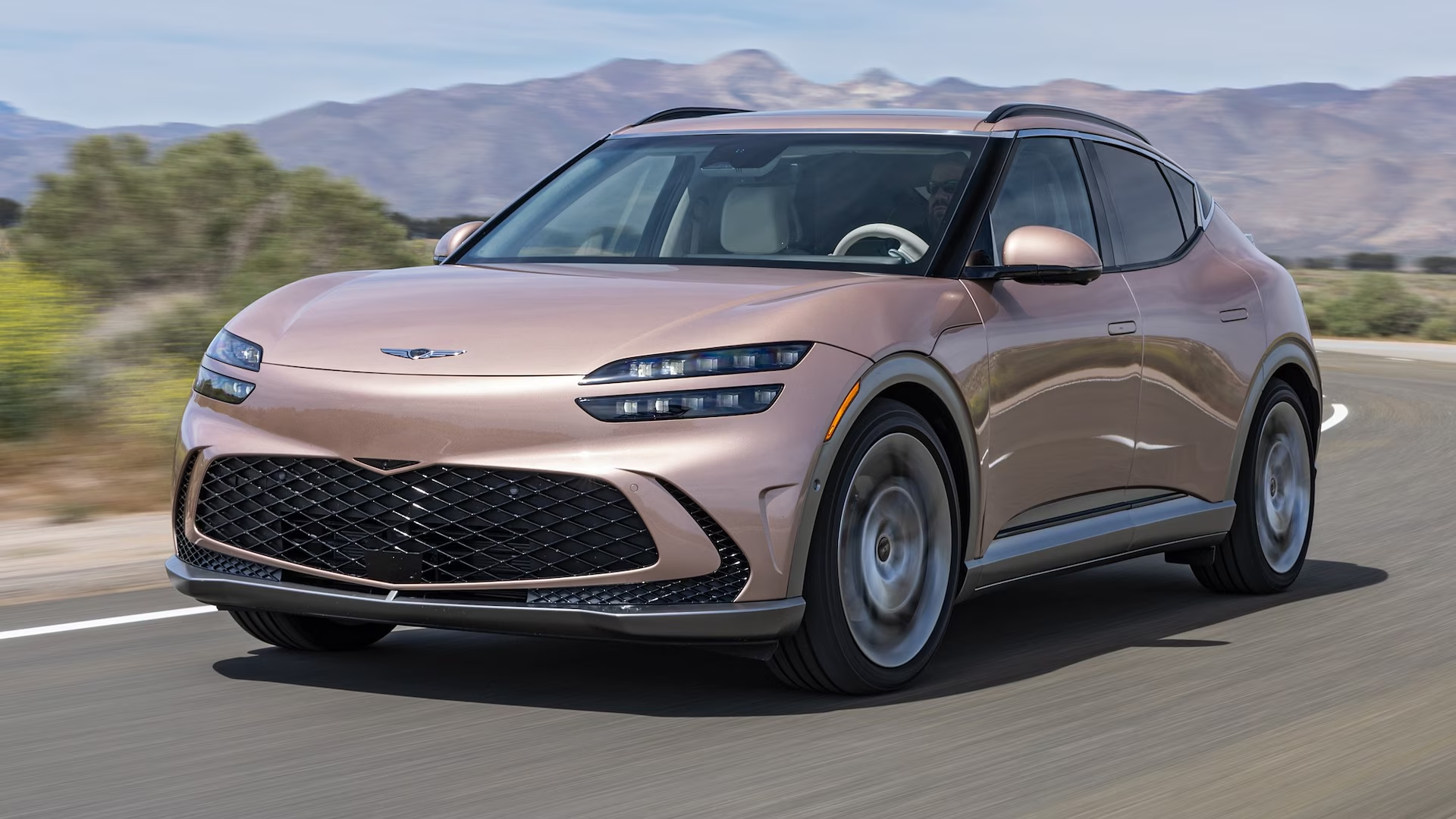
Sound isolation in the GV60 relies on multiple complementary technologies. The vehicle structure incorporates strategic use of sound-absorbing materials in the floor pan, firewall, and roof areas.
Genesis has employed what they call “quiet zone” engineering, where different areas of the vehicle are acoustically isolated from each other to prevent noise transmission paths. The door seals feature a dual-layer design with different materials optimized for various frequency ranges.
The vehicle’s thermal management system has been designed with acoustic considerations as a primary constraint. Variable-speed cooling fans operate at the minimum necessary speeds, and the air conditioning system incorporates sound-dampening materials around the compressor and ducting.
The regenerative braking system has been calibrated to operate smoothly without the stepped feeling or associated noise that can occur in some electric vehicles.
Genesis has also implemented active road noise cancellation technology that uses the vehicle’s premium audio system to generate counter-frequencies that cancel low-frequency road noise.
This system is particularly effective on rough road surfaces where traditional passive sound insulation is less effective. The result is a cabin environment that maintains conversation-level quietness even at highway speeds.
Also Read: 5 Budget Cars That Can Handle Mountains and 5 That Die in Traffic
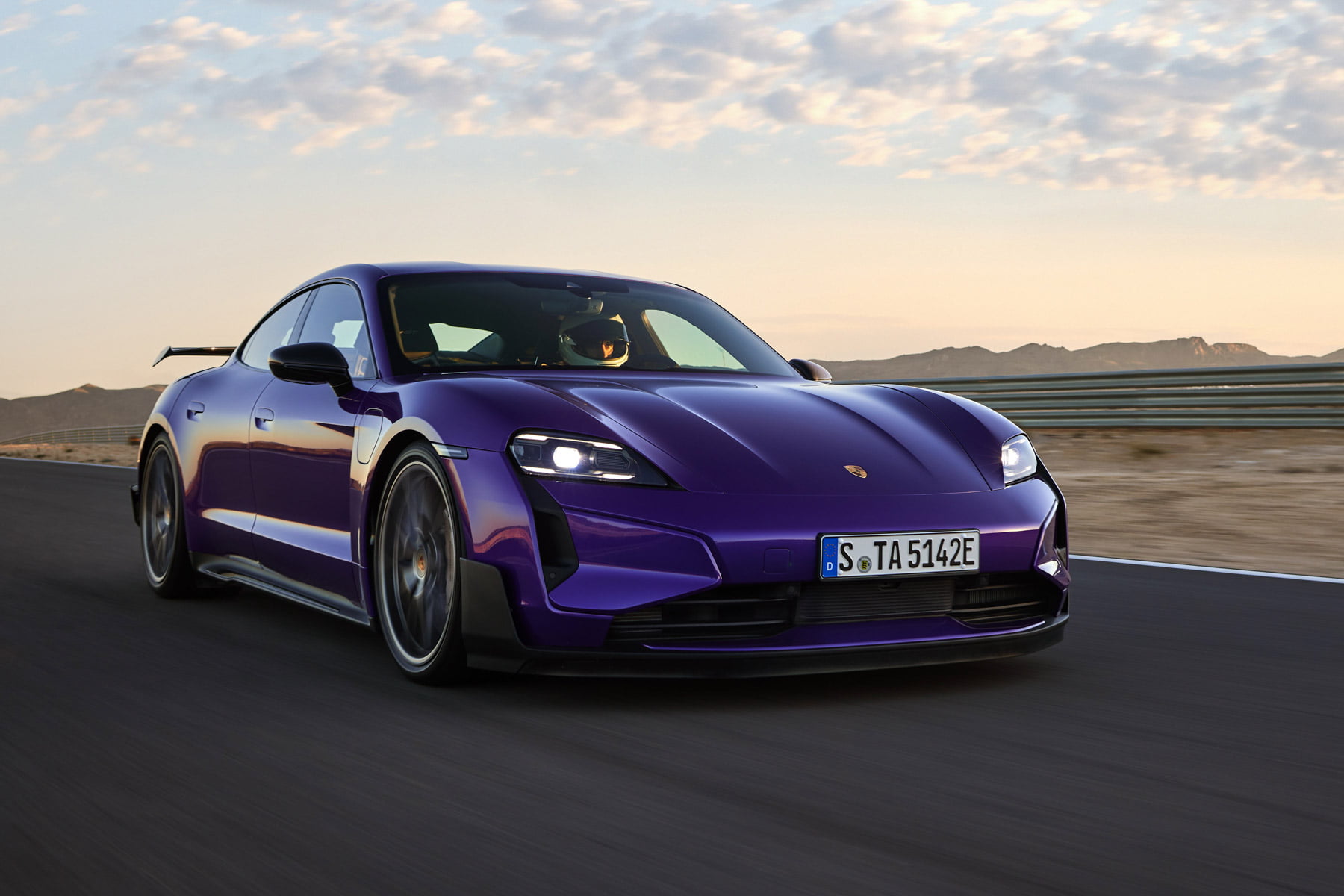
5. Porsche Taycan (in Range Mode)
The Porsche Taycan presents an interesting case study in acoustic engineering, as it can operate in dramatically different sound profiles depending on driving mode selection.
In its “Range” mode, the Taycan transforms from a performance-oriented machine into one of the quietest electric vehicles available. This versatility demonstrates Porsche’s sophisticated approach to sound management and its understanding that different driving situations call for different acoustic experiences.
In Range mode, the Taycan’s dual-motor system operates with minimal acoustic signature through sophisticated motor control algorithms that prioritize efficiency over performance.
The permanent magnet synchronous motors are designed with extremely tight tolerances and advanced magnetic field optimization that eliminates the cogging and associated noise common in less refined electric motors. The power electronics include extensive filtering to eliminate switching noise that can create audible whining sounds.
Porsche has implemented what they call “acoustic management” throughout the Taycan’s structure. The vehicle employs multiple layers of sound-dampening materials in strategic locations, including specialized foams and barriers that target specific frequency ranges.
The aluminum space frame construction provides excellent structural rigidity while incorporating acoustic isolation points that prevent noise transmission from the drivetrain to the passenger compartment.
The vehicle’s thermal management system has been engineered with acoustic considerations as a primary design constraint. Variable-speed cooling fans operate at minimum necessary speeds in Range mode, and the air conditioning system incorporates sound-dampening materials around major components.
The regenerative braking system has been calibrated to operate smoothly without the stepped feeling or associated noise that can occur in some electric vehicles. Porsche’s attention to aerodynamic detail contributes significantly to the Taycan’s quiet operation in Range mode.
The vehicle’s low coefficient of drag is achieved through careful management of airflow around the vehicle, including active aerodynamic elements that adjust based on driving conditions. The result is minimal wind noise generation even at high speeds, allowing the inherent quietness of the electric drivetrain to be fully appreciated.
5 Vehicles With Noisy E-Drives
These problematic electric drive systems produce noticeably high-pitched whining, gear noise, and inverter-generated harmonics that intrude into the passenger compartment during acceleration and cruising.
The ‘motor’ whine is possibly the waveform from the inverter making the motor ‘sing’ rather than the inverter itself, a common problem, while the light whining noise (which is normal) on our cars stems from motor bearings and transfer gears within the electric drive transmission system.
When the sound of the engine isn’t dominating, you start to hear a lot of little rumbles and hums you never noticed before, creating an unexpected acoustic challenge that diminishes the peaceful driving experience electric vehicles should naturally provide.
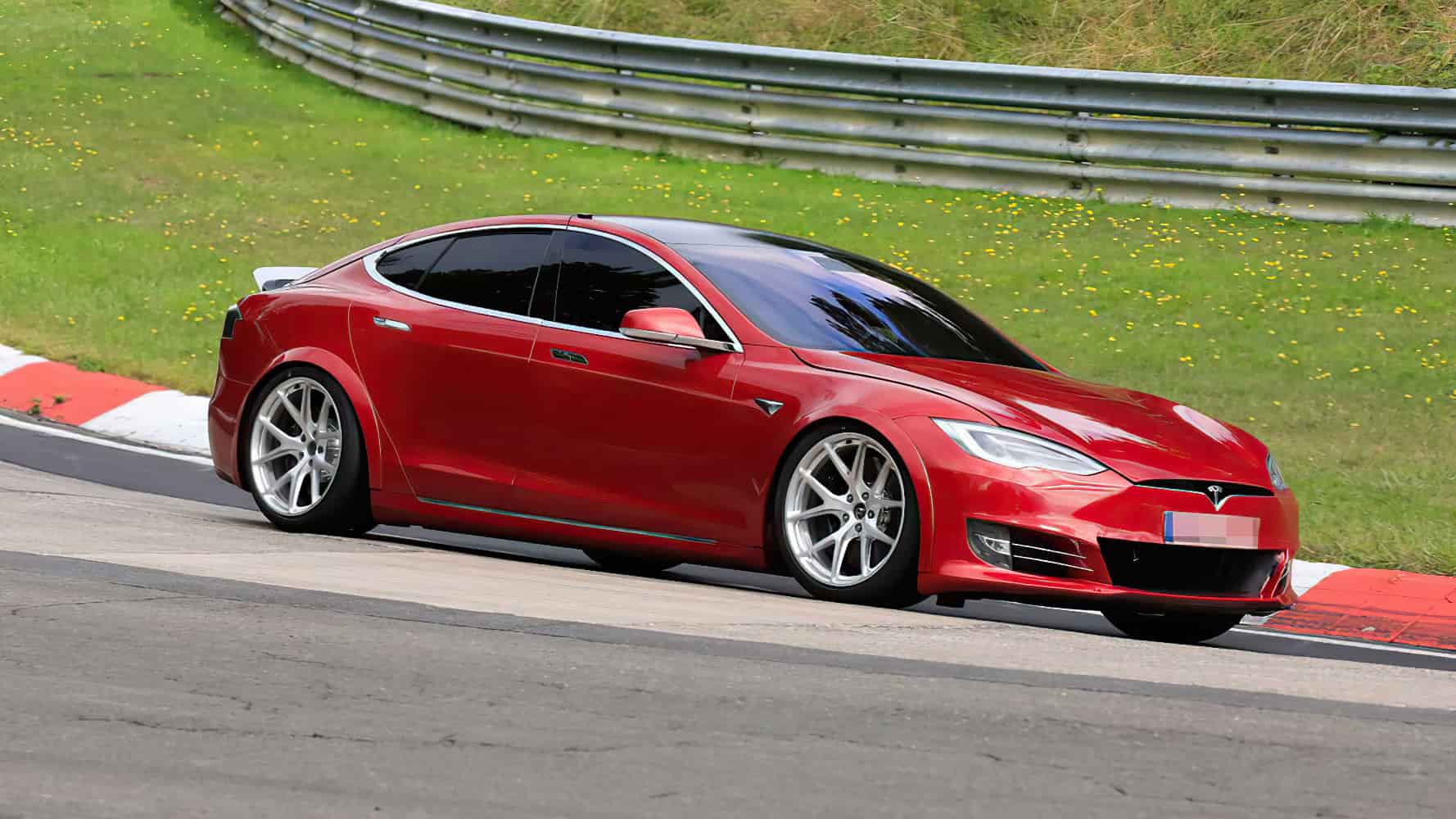
1. Tesla Model S Plaid
The Tesla Model S Plaid, while representing the pinnacle of Tesla’s performance engineering, produces notably more acoustic feedback than many competitors due to its extreme performance orientation and unique technical choices.
The tri-motor configuration, designed for maximum acceleration and performance, operates with distinctive sound characteristics that are immediately recognizable to electric vehicle enthusiasts.
Tesla’s approach prioritizes performance and efficiency over acoustic refinement, resulting in a more mechanical and engaging auditory experience.
The Model S Plaid’s motor configuration contributes significantly to its acoustic signature. The vehicle employs three permanent magnet motors, with two rear motors specifically designed for high-performance operation.
These motors, when operating at high output levels, produce a distinctive high-pitched whining sound that increases in frequency with motor speed.
The sound is particularly noticeable during hard acceleration, where the motors operate at peak efficiency and generate substantial electromagnetic noise.
Tesla’s approach to thermal management in the Plaid creates additional acoustic elements. The vehicle’s sophisticated cooling system includes multiple cooling loops with variable-speed fans that operate more aggressively than those in luxury-focused competitors.
During high-performance driving or charging sessions, these cooling fans can become quite audible, creating a mechanical background noise that some drivers find engaging while others consider intrusive.
The vehicle’s regenerative braking system also contributes to its acoustic signature. Tesla has tuned the regenerative braking to provide maximum energy recovery, which sometimes results in audible motor noise during deceleration.
The transition between regenerative and friction braking can also create subtle but noticeable sound changes that provide feedback to the driver about the vehicle’s energy recovery activities. Interestingly, Tesla has made relatively modest investments in sound deadening materials compared to traditional luxury manufacturers.
The company’s philosophy emphasizes efficiency and performance over acoustic isolation, resulting in a cabin environment where drivetrain sounds are more prominent. This approach creates a more direct connection between driver and machine, though it may not appeal to those seeking maximum refinement.
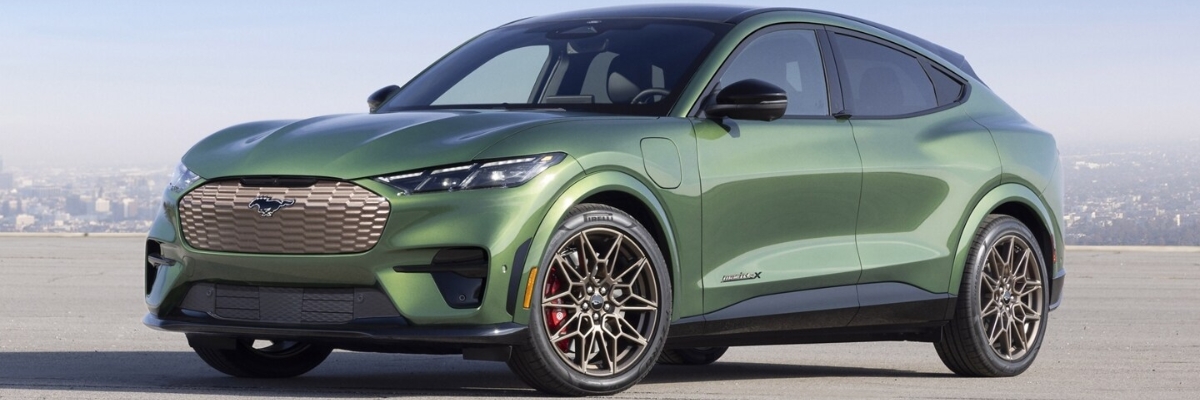
2. Ford Mustang Mach-E GT
The Ford Mustang Mach-E GT represents Ford’s attempt to maintain some of the auditory excitement associated with the Mustang brand while transitioning to electric power.
Ford has deliberately engineered the Mach-E GT to provide more acoustic feedback than typical electric vehicles, believing that sound plays a crucial role in the performance driving experience.
The result is a vehicle that produces notably more drivetrain noise than its competitors, both intentionally and as a byproduct of its performance-focused engineering.
The Mach-E GT employs a dual-motor setup with permanent magnet synchronous motors that have been tuned for maximum performance rather than minimum noise. The motors operate with a distinctive whirring sound that becomes more pronounced under acceleration.
Ford has not invested as heavily in motor noise isolation as luxury manufacturers, allowing more of the mechanical character of the electric drivetrain to reach the cabin. This creates an auditory connection between driver input and vehicle response that Ford considers essential to the Mustang experience.
Ford has implemented what they call “Unbridled” mode, which not only adjusts performance parameters but also modifies the vehicle’s sound profile.
In this mode, the vehicle’s sound symposer system amplifies motor noise and adds synthesized sounds to enhance the driving experience. The system includes speakers that reproduce motor sounds in the cabin, creating an artificial but engaging auditory experience that attempts to replicate the excitement of internal combustion performance.
The vehicle’s thermal management system contributes additional acoustic elements, particularly during high-performance driving. The cooling fans operate more aggressively than those in luxury-focused competitors, and the air conditioning compressor can become audible during demanding conditions.
The regenerative braking system has been tuned to provide maximum energy recovery, which sometimes results in audible motor noise during deceleration.
Ford’s approach to interior sound management differs significantly from luxury manufacturers. The company has invested less in sound-deadening materials, allowing more environmental and drivetrain noise to reach the cabin.
This approach creates a more connected driving experience where the driver receives constant auditory feedback about vehicle operation, though it may not appeal to those seeking maximum refinement and quiet operation.
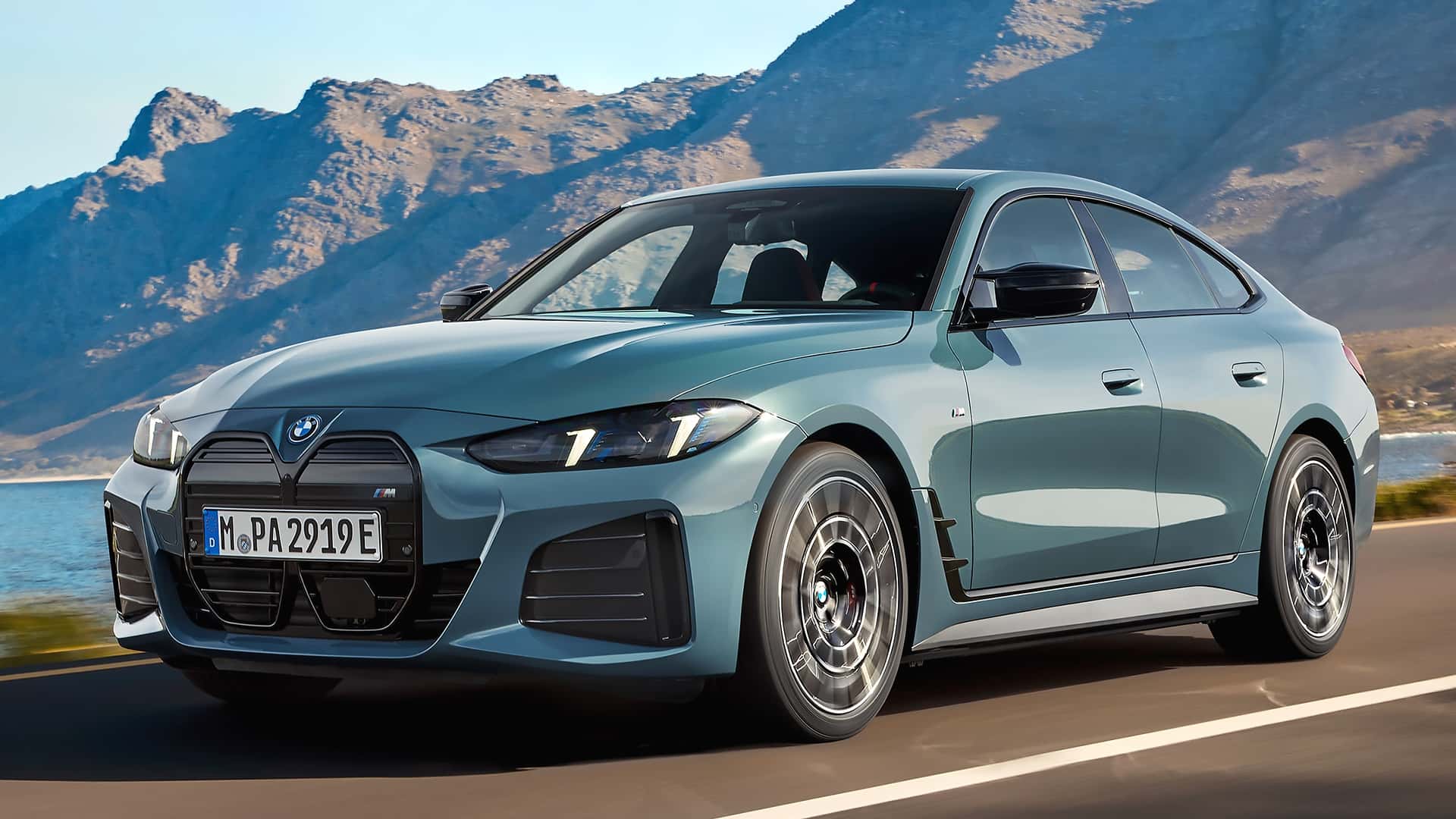
3. BMW i4 M50
The BMW i4 M50 demonstrates BMW’s attempt to maintain the sporting character of its M-performance brand while transitioning to electric power.
BMW has deliberately engineered the i4 M50 to provide more acoustic feedback than standard electric vehicles, believing that sound plays a crucial role in the performance driving experience.
The result is a vehicle that produces notably more drivetrain noise than luxury-focused competitors, both through intentional design choices and as a byproduct of its performance-oriented engineering.
The i4 M50 employs BMW’s fifth-generation eDrive technology in a performance-tuned configuration that prioritizes output over acoustic refinement.
The dual-motor setup produces a distinctive whirring sound that becomes more pronounced under acceleration, particularly in Sport+ mode, where the motor control algorithms are optimized for maximum performance.
BMW has not implemented the same level of motor noise isolation found in their luxury-focused iX, allowing more of the mechanical character of the electric drivetrain to reach the cabin.
BMW has implemented its IconicSounds Electric system in the i4 M50, which artificially amplifies and enhances motor sounds to create a more engaging driving experience.
The system includes speakers that reproduce motor sounds in the cabin and externally for pedestrian safety, creating an artificial but engaging auditory experience. The sounds are designed to provide feedback about vehicle operation while maintaining some connection to BMW’s performance heritage.
The vehicle’s thermal management system contributes additional acoustic elements, particularly during high-performance driving or charging sessions.
The cooling fans operate more aggressively than those in luxury-focused competitors, and the air conditioning compressor can become audible during demanding conditions.
The regenerative braking system has been tuned to provide maximum energy recovery and performance feel, which sometimes results in audible motor noise during deceleration.
BMW’s approach to interior sound management in the i4 M50 differs from their luxury vehicles. The company has invested less in sound-deadening materials compared to the iX, allowing more environmental and drivetrain noise to reach the cabin.
This approach creates a more connected driving experience where the driver receives constant auditory feedback about vehicle operation, maintaining the sporting character that BMW believes is essential to the M-performance experience.
4. Hyundai Ioniq 5 N
The Hyundai Ioniq 5 N represents Hyundai’s bold entry into high-performance electric vehicles, and the company has made distinctive choices regarding sound design that set it apart from conventional electric vehicles.
Hyundai has deliberately engineered the Ioniq 5 N to provide substantial acoustic feedback, believing that sound is essential to the performance driving experience.
The result is one of the most auditorily engaging electric vehicles available, with both natural drivetrain sounds and sophisticated artificial sound enhancement.
The Ioniq 5 N employs a dual-motor setup with permanent magnet synchronous motors that have been tuned for maximum performance rather than minimum noise.
The motors operate with a distinctive high-pitched whining sound that becomes particularly pronounced under hard acceleration. Hyundai has made conscious decisions to allow more motor noise to reach the cabin compared to their luxury-focused Genesis vehicles, creating a more mechanical and engaging auditory experience.
Perhaps most notably, Hyundai has implemented its “N Sound+” system, which creates artificial engine sounds that can be customized by the driver.
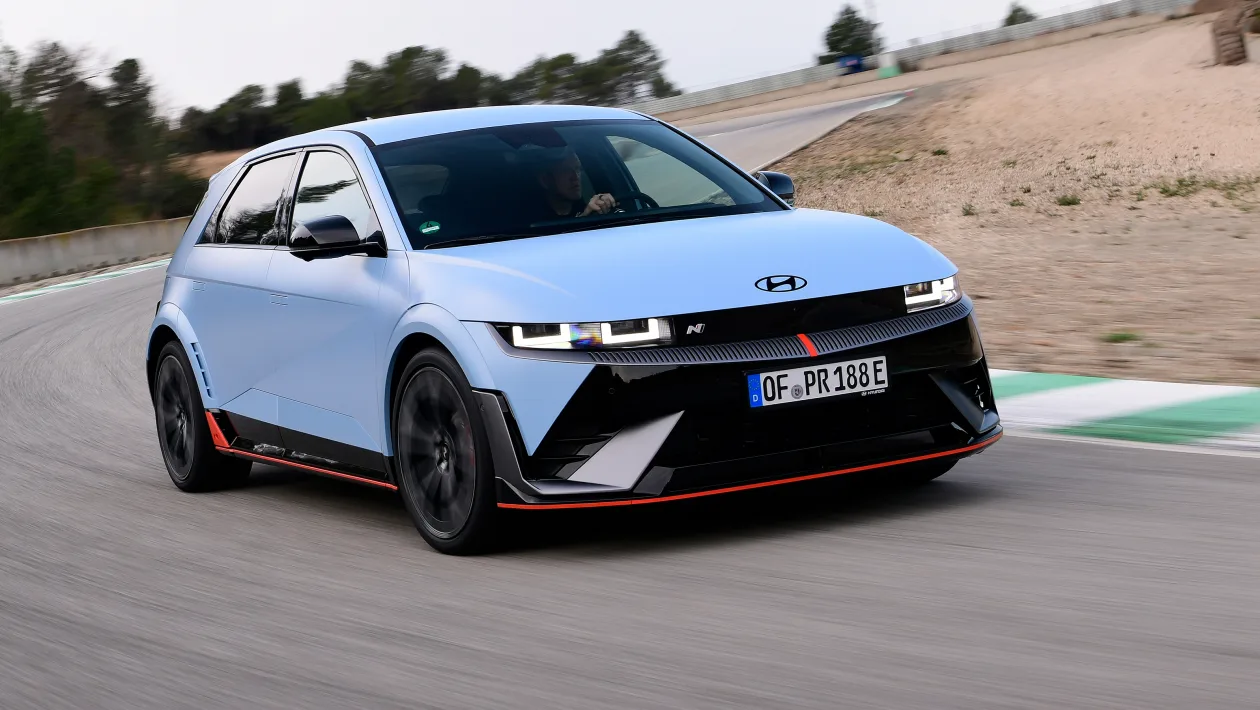
The system includes multiple sound profiles that simulate different types of internal combustion engines, from naturally aspirated to turbocharged configurations.
The sounds are reproduced through both internal speakers and external speakers, creating an immersive auditory experience that attempts to bridge the gap between electric and conventional performance vehicles.
The vehicle’s thermal management system contributes additional acoustic elements, particularly during track driving or high-performance sessions.
The cooling fans operate aggressively to maintain optimal temperatures, and the air conditioning system includes audible compressor operation during demanding conditions.
The regenerative braking system has been tuned to provide performance-oriented feedback, which sometimes results in audible motor noise during deceleration.
Hyundai’s approach to interior sound management in the Ioniq 5 N deliberately allows more environmental and drivetrain noise to reach the cabin.
The company has invested less in sound-deadening materials compared to luxury manufacturers, creating a more connected driving experience where the driver receives constant auditory feedback about vehicle operation. This approach maintains the sporting character that Hyundai believes is essential to the N-performance experience.
5. Volkswagen ID.4 GTX
The Volkswagen ID.4 GTX represents Volkswagen’s approach to performance-oriented electric vehicles, and while not as extreme as some competitors, it produces notably more acoustic feedback than luxury-focused electric vehicles.
Volkswagen has made engineering choices that prioritize performance and efficiency over acoustic refinement, resulting in a more mechanical and engaging auditory experience that some drivers find appealing while others consider less refined.
The ID.4 GTX employs a dual-motor configuration with permanent magnet synchronous motors that produce a distinctive whirring sound, particularly noticeable during acceleration.
The motors operate with more audible feedback than those in luxury competitors, partly due to Volkswagen’s focus on cost-effectiveness and efficiency rather than maximum acoustic isolation.
The sound is particularly noticeable in Sport mode, where the motor control algorithms are optimized for performance response. Volkswagen has implemented a sound enhancement system that amplifies motor sounds to provide driver feedback and meet pedestrian safety requirements.
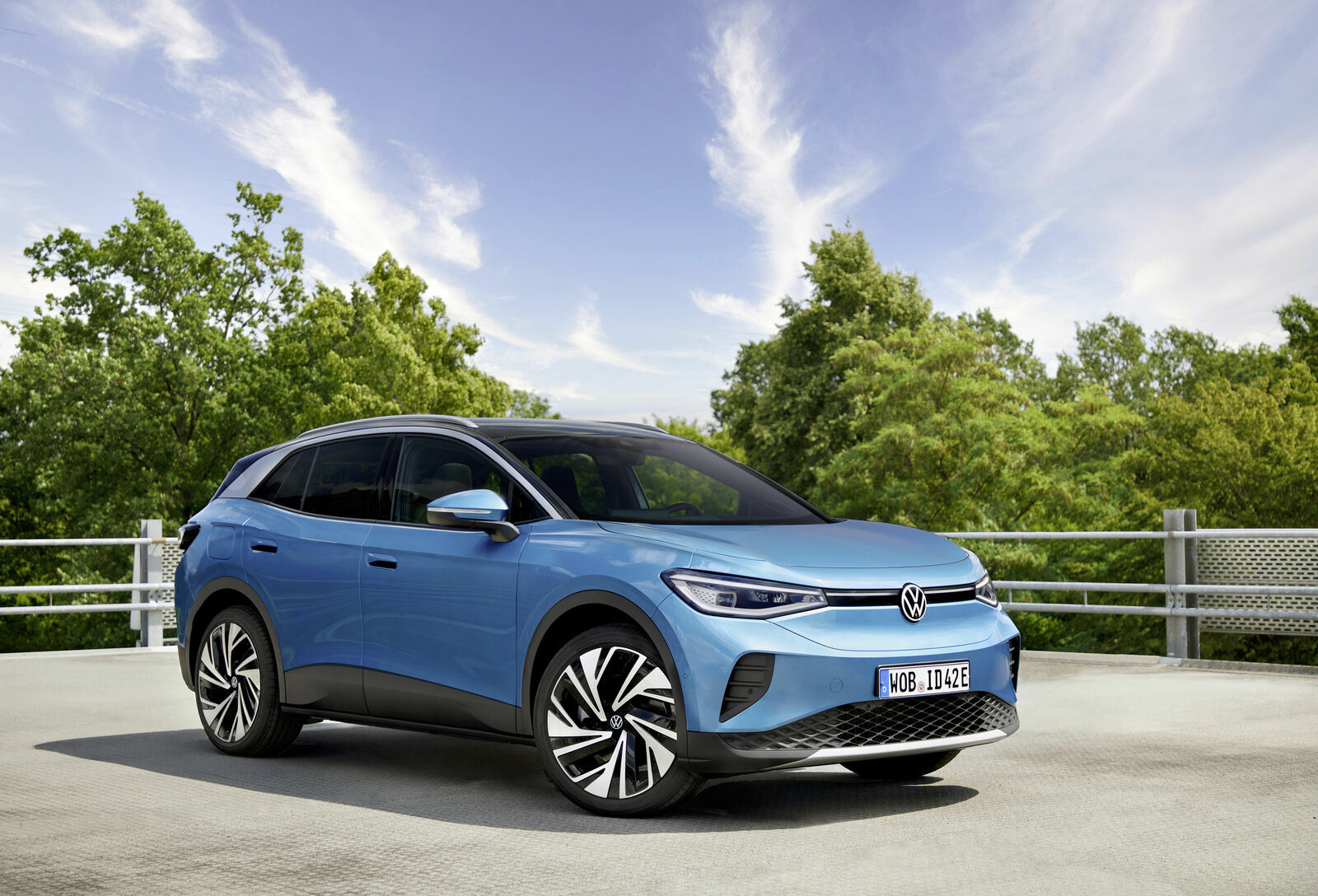
The system includes both internal and external speakers that reproduce motor sounds, creating an artificial but functional auditory experience. While not as sophisticated as some competitors’ systems, it provides basic auditory feedback about vehicle operation and performance.
The vehicle’s thermal management system contributes additional acoustic elements, particularly during highway driving or charging sessions. The cooling fans operate more audibly than those in luxury-focused competitors, and the air conditioning compressor can become noticeable during demanding conditions.
The regenerative braking system has been tuned to provide good energy recovery, which sometimes results in audible motor noise during deceleration.
Volkswagen’s approach to interior sound management in the ID.4 GTX reflects their mass-market positioning. The company has invested moderately in sound-deadening materials, creating a compromise between acoustic refinement and cost-effectiveness.
This approach allows more environmental and drivetrain noise to reach the cabin compared to luxury vehicles, creating a more connected driving experience where the driver receives auditory feedback about vehicle operation, though it may not appeal to those seeking maximum refinement.
Also Read: 5 Vehicles With Smooth Power Delivery vs 5 With Jerky Throttle
