
Driving a convertible is a vibe all its own, there’s something undeniably joyful about cruising with the top down, soaking in the sun, and feeling connected to the road in a way hardtops just can’t replicate.
But here’s the harsh truth: not all convertibles are created equal. Some are surprisingly reliable and practical for daily use, while others are rolling money pits that spend more time at the shop than in your driveway.
Whether you’re car shopping or just daydreaming, here’s a no-nonsense breakdown of five convertibles that make great daily drivers—and five that will test your patience (and your wallet).
5 Convertibles That Are Solid Daily Drivers
Not every convertible is just a weekend toy. Some are built tough enough to handle the daily grind—rain, traffic, coffee runs, and all, without falling apart or draining your bank account.
The best daily-driver convertibles combine style with reliability, offer reasonable maintenance costs, and don’t leave you stranded when the weather turns or the miles pile up. If you’re looking for top-down freedom without sacrificing practicality, these five convertibles prove you really can have fun and function in the same car.
Mazda MX-5 Miata (2016–Present)
If there’s a gold standard for a reliable, affordable, and fun convertible, the Mazda MX-5 Miata wears the crown. Lightweight and mechanically simple, the Miata is a back-to-basics roadster that prioritizes driving enjoyment without the headache.
You can daily this thing year-round in most U.S. climates (save maybe the snowbelt), and thanks to excellent fuel economy and cheap parts, it won’t break the bank. Sure, it’s not exactly roomy, but if you don’t need a family hauler, this car delivers grins-per-mile like nothing else.
he 2016 Mazda MX-5 Miata marks the beginning of a new era for Mazda’s beloved roadster, and it does so in a surprisingly unconventional way. Usually, a full redesign results in a heavier vehicle due to added features and complexity. However, this version of the Miata sheds around 200 pounds compared to the previous model.
Even with the weight loss, the updated MX-5 comes equipped with modern features, including an optional infotainment system featuring a 7-inch touchscreen.
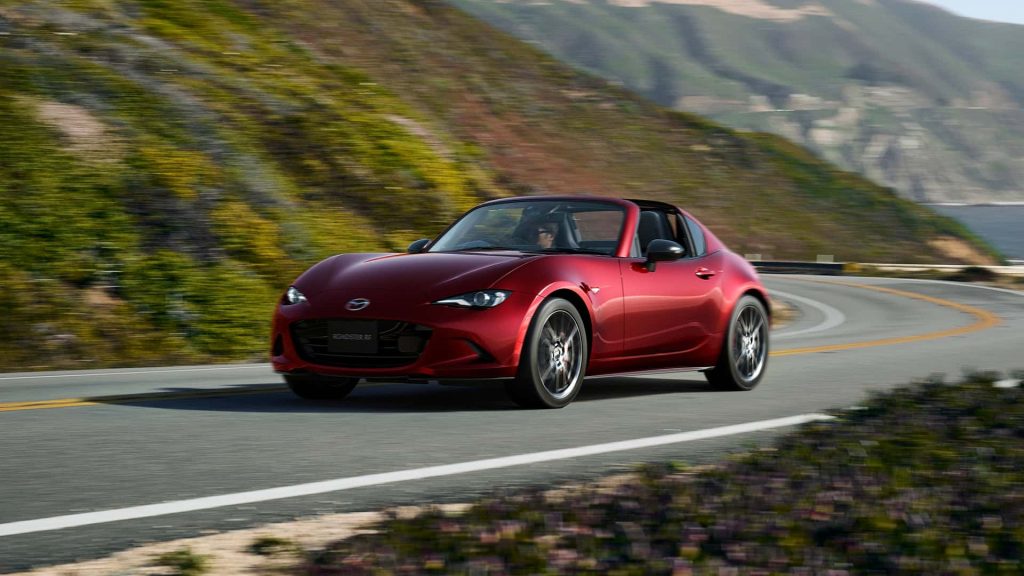
Mazda seems to have pulled off a rare feat, producing a Miata that is simultaneously more stripped-down and more technologically sophisticated than the model it replaces.
Mazda put the MX-5 on a diet for 2016. The resulting roadster is about 200 pounds lighter than the old model. This isn’t just marketing spin—the Miata truly delivers on its promise. Staying true to the spirit of its predecessors, the 2016 edition thrives when the road gets twisty.
It darts through corners with a liveliness that few vehicles can rival, powered by a fuel-efficient four-cylinder engine that provides both satisfying performance and an enjoyable soundtrack.
While the manual transmission remains the ideal match for this car, an automatic transmission is available as well. For the first time, buyers can also opt for an impressive array of comfort and safety features. The end result is a distinctively attractive two-seater that appeals equally to traditional driving enthusiasts and modern tech-lovers.
Of course, owning a Miata does come with its share of trade-offs. The trunk space is quite limited, and the cabin is tight on room, for both people and their belongings. Wind and road noise are noticeable at higher speeds when the top is up, and if you rev the engine beyond 6,000 rpm, it starts to feel a bit coarse.
If your budget stretches further, the 2016 Nissan 370Z Roadster offers a hefty 330-horsepower V6 and a more aggressive approach. But when it comes to delivering the purest roadster experience without breaking the bank, the 2016 Mazda MX-5 Miata remains the obvious pick.
BMW 2 Series Convertible (F23, 2015–2021)
Unlike its more temperamental cousins in the BMW lineup, the 2 Series Convertible—especially the 228i and M240i—is surprisingly dependable.
You get that German handling finesse and upscale interior without the usual headaches. It’s not immune to maintenance costs, but it’s far less dramatic than the 3 or 5 Series convertibles of old. Plus, its manageable size makes it perfect for urban environments while still delivering the kind of spirited drive BMW fans crave.
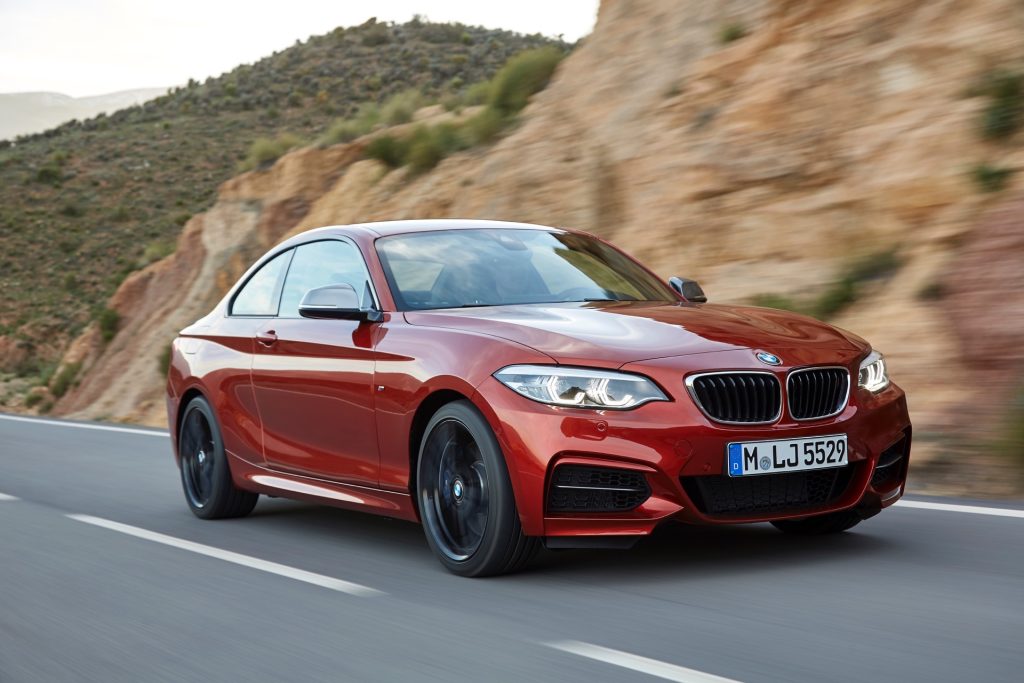
The 2019 BMW 2-series delivers a driving experience that’s quick, agile, and genuinely engaging—reminiscent of the beloved BMWs from years past. The lineup includes two models: the 230i, with 248 horsepower, and the M240i, pushing 335 horsepower.
These cover the range from a slightly sportier-than-average compact to a near-track-ready machine. Both variants are offered with all-wheel drive and convertible body styles. While the back seat is tight for four adults, it’s an ideal vehicle for a solo driver seeking a livelier, more exciting commute.
Though some rivals in the segment offer more advanced driver aids, upscale materials, and better connectivity options, the 2-series still feels like a gift to longtime BMW fans every time you get behind the wheel.
You really can’t go wrong with either engine in the 2-series. Both offer the choice between a six-speed manual or a well-matched eight-speed automatic.
Paired with the automatic transmission in our test car, shifts were smooth and well-timed, and downshifts for overtaking were quick and confident. This setup launched the 230i from 0 to 60 mph in 5.3 seconds.
Handling is another strong suit. The 2-series corners with confidence, helped by quick and accurate steering and a well-tuned chassis. It soaks up most road imperfections well, though over multiple highway expansion joints, passengers might feel like they’re on a coin-operated kiddie ride.
The M240i includes an adaptive suspension system, which features adjustable dampers and comes paired with sticky summer tires for impressive handling.
As you toggle between Comfort, Sport, and Sport+ drive modes, the ride gets increasingly firm. Braking performance is solid too, with a firm pedal feel and short stopping distances from 70 mph.
Inside, the 2-series impresses at first glance, but some shortcomings become evident. The front seats are spacious and supportive, and the layout is driver-focused with simple, clear instrumentation.
However, the rear seat is more symbolic than functional for adult passengers, legroom is severely limited. Materials are generally good, but a few elements feel underwhelming for a vehicle at this price point.
The infotainment system is straightforward, featuring a logical menu structure and an easy-to-use rotary controller. However, the system includes only one USB port, which limits flexibility. Opting for the Premium package brings navigation, real-time traffic data, and Apple CarPlay access for a year. Unfortunately, Android Auto isn’t offered.
Cargo space is another area where the 2-series surprises. The trunk is sizable for a compact car, although folding down the rear seat doesn’t open up much additional room due to the tight rear cabin.
Storage for smaller items is less impressive, cubby space is scarce, and the center console bin is tiny. During our testing, we had to use the cupholders to hold miscellaneous items, which works—until your coffee order gets in the way.
Also Read: 5 Cars With Reliable Infotainment Systems and 5 That Glitch Nonstop
Ford Mustang Convertible (2015–Present)
The modern Mustang Convertible is the perfect mix of American muscle and daily practicality. Whether you go for the punchy EcoBoost or the throaty V8 GT, these newer models are well-built, relatively reliable, and blessed with tons of aftermarket support.
That means if something does go wrong, you won’t have to dig deep to fix it. Plus, it’s a four-seater with a usable trunk, which checks a lot of boxes for daily use. Forget the Mustang’s bad rep from the 2000s—this version has matured into something genuinely livable.
The 2015 Ford Mustang marks a major milestone, the 50th anniversary of this legendary American muscle car. And to commemorate five decades of tire-shredding heritage, Ford has chosen a rather unexpected way to celebrate.
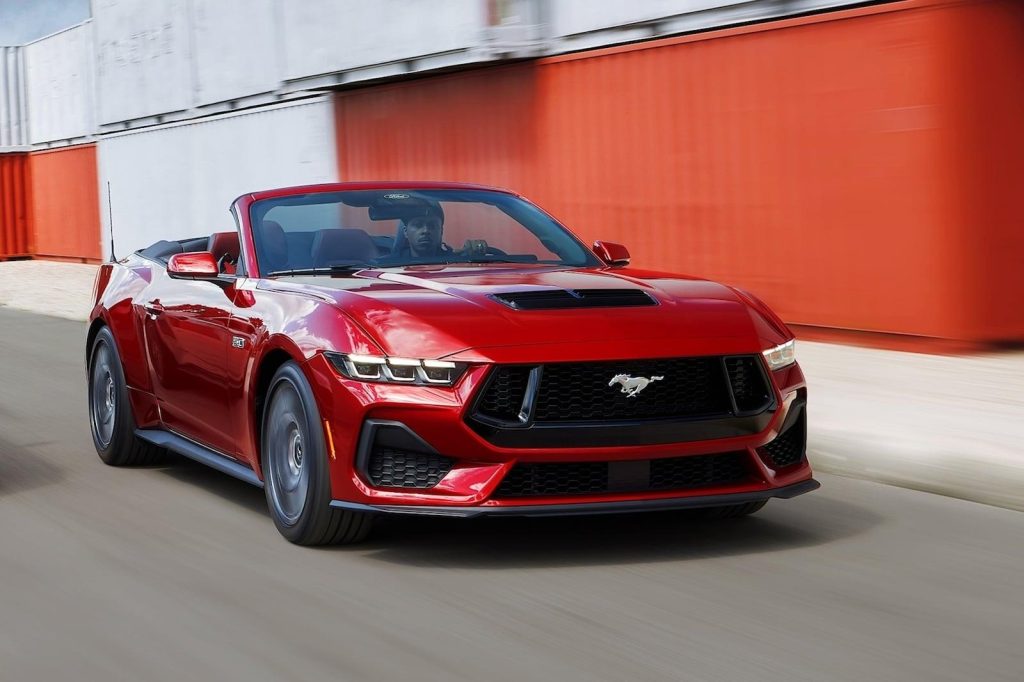
You might assume they’d drop in a 700-horsepower V8 or maybe even a jet turbine for good measure. But no—what you’ll find under the newly redesigned 2015 Mustang’s iconic long hood is, surprisingly, a four-cylinder engine.
But before firing off that angry tweet or strongly worded message to Ford, consider this: the traditional muscle car V8 is still very much alive and well, and there’s also a V6 option. Most importantly, the new four-cylinder isn’t some underpowered throwback, it’s a turbocharged EcoBoost with real muscle of its own.
Longtime Mustang enthusiasts might recall that this isn’t the first time a 2.3-liter turbocharged inline-four has found its way into the pony car’s engine bay. But unlike the less-than-stellar attempts from the late ‘70s and early ‘80s, this new version is a completely different beast. It’s more refined, significantly more powerful, and far more fuel-efficient.
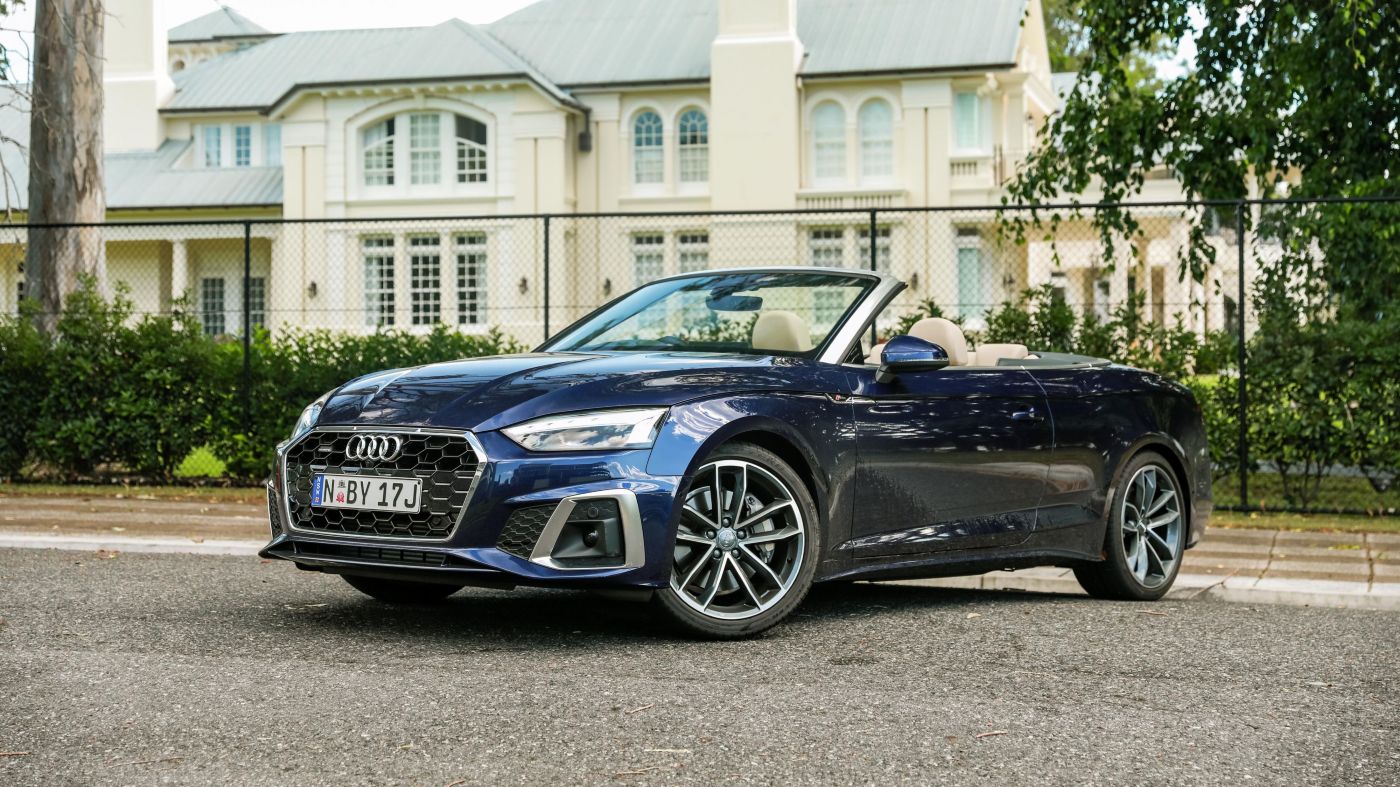
Audi A5 Cabriolet (2018–Present)
While some older Audis are notorious for high repair costs and sketchy reliability, the current A5 lineup is holding up well. Routine maintenance can be a bit steep compared to mainstream brands, but it’s rarely catastrophic. It’s a smart pick for professionals who want some drop-top luxury without buying a service plan in bulk.
Producing 252 horsepower from its turbocharged 2.0-liter four-cylinder engine, the Audi A5 delivers the kind of performance expected from a sporty two-door coupe. During our tests, it demonstrated genuinely brisk acceleration, reaching 60 mph just half a second behind the 400-horsepower Infiniti Q60 Red Sport.
In day-to-day driving, the A5 performs with confidence, responding assertively in traffic and never giving the impression that it’s lacking power. Our test model featured a seven-speed dual-clutch automatic transmission, which delivered sharp, lightning-quick gear changes with minimal interruption to the power flow.
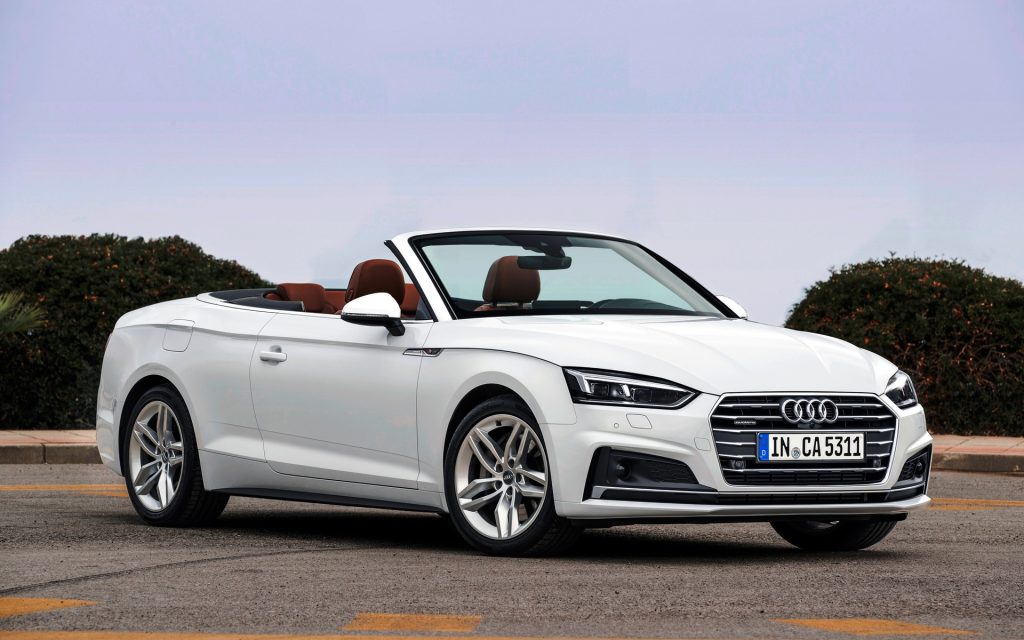
Drivers who prefer a more involved experience can opt for a six-speed manual transmission at no additional cost. Regardless of transmission choice, all A5 models come equipped with standard all-wheel drive.
The A5 feels composed and grounded while cruising, but it truly shines when taken onto winding roads. Its sharp and precisely weighted steering complements the responsive suspension, making it effortless to push the car at speed.
Audi’s Quattro all-wheel-drive system plays a significant role here as well, offering generous traction that helped the A5 grip the pavement with determination during skidpad testing.
Audi has crafted a cabin for the A5 that’s not only sleek and modern but also refined and thoughtfully assembled. The interior space is both accommodating and comfortable, and the overall design is one that will undoubtedly remain appealing for years to come.
Still, while the interior excels in many ways, a few basic luxuries seem to have been overlooked. If you’re in the market for a two-door vehicle that can carry four adults, the A5 can technically fit the bill but ideally, rear-seat occupants should be on the smaller side to stay truly comfortable.
The coupe’s trunk is surprisingly generous, and its flat-folding rear seatbacks add a welcome degree of practicality. Unfortunately, that same utility isn’t matched by the interior storage compartments, which are more limited than expected.
Mini Cooper Convertible (2016–Present)
While older Minis earned their unreliable reputation fair and square, the post-2016 models have cleaned up their act considerably. The modern Mini Cooper Convertible is stylish, efficient, and way more dependable than people give it credit for.
It’s perfect for city life thanks to its compact size and easy parking, and with decent fuel economy, it won’t nickel-and-dime you at the pump either. Yes, the interior is quirky, and no, it’s not spacious—but as a solo commuter or second car, it fits the bill beautifully.
The Mini Cooper Hardtop and Convertible stand as a refreshing contrast to the sea of modern SUVs that often blend together in both design and driving feel.
Since BMW acquired the Mini brand, the company introduced a completely reimagined version for the 2003 model year in the U.S., giving the classic 1959 original a retro-styled reboot while maintaining its groundbreaking design elements—specifically, the transverse-mounted engine that powers the front wheels.
Both the Cooper and the sportier Cooper S are offered in two- and four-door hardtop configurations (though technically they’re hatchbacks) as well as a two-door convertible.
One particularly quirky and charming feature of the convertible is the “Openmeter,” a digital gauge that tracks—down to the minute—how long the top has been down. It’s a playful detail that captures the spirit of the Mini brand.
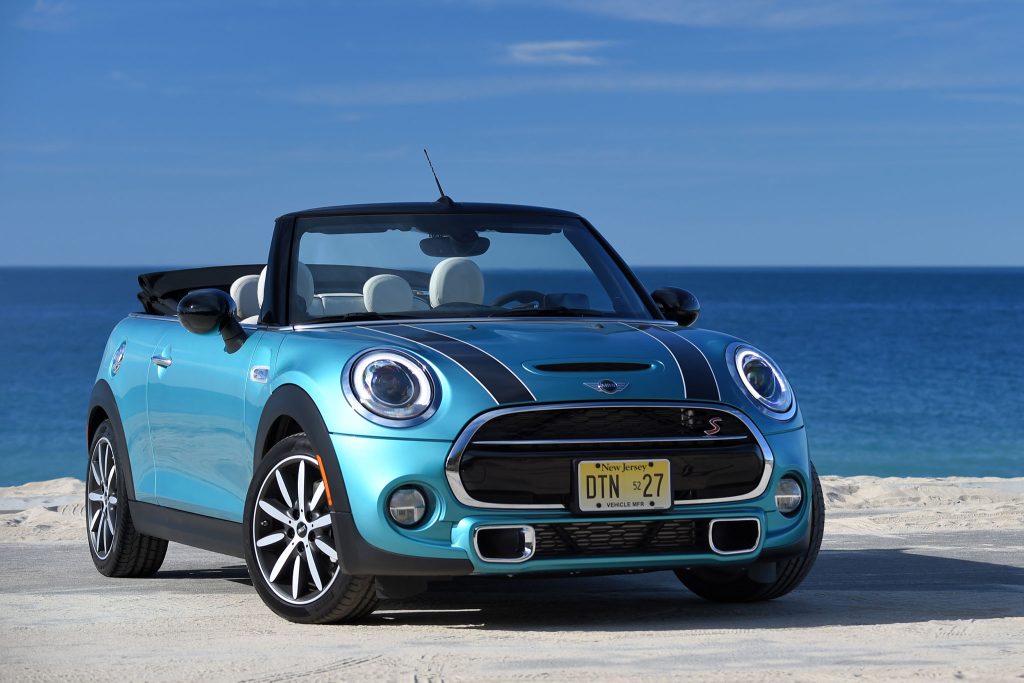
A rearview camera and rear parking distance control are now standard equipment on all Mini models for 2018. The standard, non-S convertible no longer includes a full-size spare tire in the trunk.
A limited-run Oxford Edition has also been introduced, which features unique elements such as distinctive exterior paint, exclusive 17-inch wheels, and premium interior upgrades.
Additionally, Mini offers a new Ice Blue appearance package, which pairs ice-blue paint with a white roof and trim on standard models, or a black roof with orange trim for Cooper S variants.
The entry-level Mini Cooper is equipped with a 134-horsepower, 1.3-liter turbocharged three-cylinder engine. Cooper S models, on the other hand, feature a more robust 2.0-liter turbocharged four-cylinder that produces 189 horsepower and 207 pound-feet of torque.
Also Read: 5 Trucks With the Best Factory Docking Stations and 5 Bare Consoles
5 Convertibles That Are Constantly in the Shop
Not all convertibles are sunshine and joyrides, some are disasters wrapped in good looks. These are the cars that lure you in with sleek designs, throaty exhaust notes, and promises of luxury, only to leave you stranded with repair bills that cost more than your monthly rent.
Whether it’s over-engineered electronics, fragile drivetrains, or just poor build quality, these convertibles are notorious for spending more time at the mechanic than on the road. If you’re thinking of daily driving any of these, be ready to open your wallet and keep it open.
Jaguar F-Type Convertible (2014–2023)
Let’s not sugarcoat it: the Jaguar F-Type is one of the most beautiful cars on the road. It sounds phenomenal, it drives like a dream, and it turns heads wherever it goes.
Unfortunately, it also turns on warning lights—frequently. From buggy infotainment systems to coolant leaks and electronic gremlins, this British beauty brings a whole lot of drama. Unless you’ve got a rock-solid extended warranty or an emergency fund earmarked just for repairs, it’s best admired from a distance.
The Jaguar F-type embodies the essence of a true sports car, combining jaw-dropping looks with thrilling performance. This two-seat Jaguar is available as either a striking coupe or a breathtaking convertible.
In addition to its fierce supercharged V-6, the 2020 F-type lineup includes a more budget-conscious turbocharged four-cylinder engine. Each model delivers an enjoyable driving experience, with crisp handling and a respectable level of ride comfort, though the absence of a manual transmission remains a drawback.
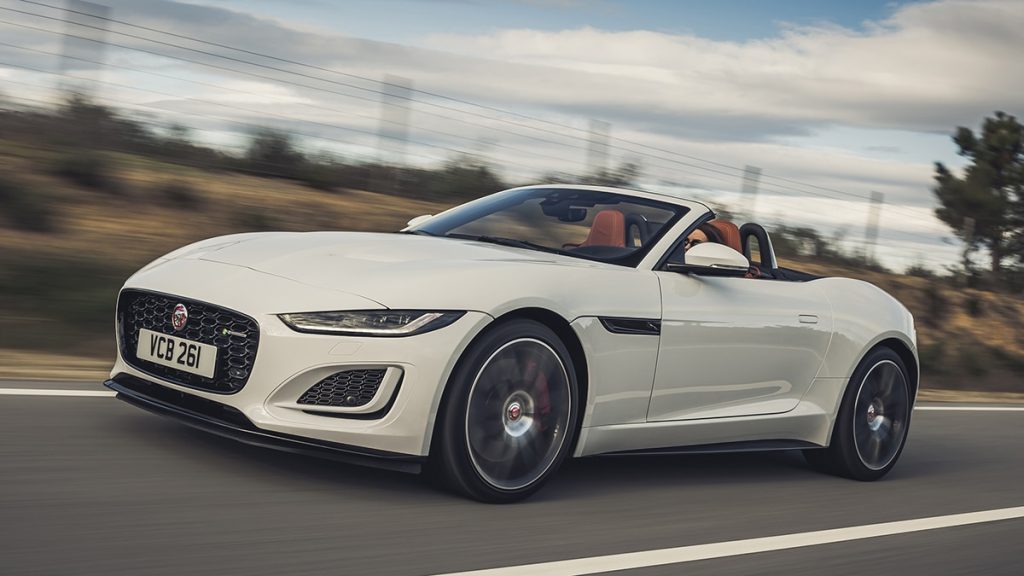
While the F-type boasts numerous attractive features and a cockpit-style interior that emphasizes the driving experience, it falls short on practicality and doesn’t match the overall athleticism of the segment’s top performers.
That said, the F-type R and SVR trims, covered in separate reviews, ramp up the excitement even further, while the standard F-type continues to appeal through its sensuous design and spirited driving manners.
The 2020 F-type benefits from several updates, including an expanded list of standard features, the addition of two new exterior paint options, and the debut of the Checkered Flag limited-edition model.
Offered with either the turbocharged four-cylinder or the 380-hp supercharged V-6, this special edition features unique styling cues both inside and out. All F-type models now come equipped with a refreshed infotainment system as well as standard Apple CarPlay and Android Auto integration.
The lineup also includes front parking sensors as standard equipment. Eiger Grey and Portofino Blue have been added to the paint palette. Sadly, Jaguar has discontinued the manual transmission for the 2020 model year.
The major highlight for 2017 is the introduction of the high-performance SVR trim. This model is equipped with Jaguar Land Rover’s supercharged 5.0-liter V-8, comes standard with all-wheel drive and an eight-speed automatic transmission, and benefits from a revised suspension setup and wider tires.
It also features a titanium exhaust system that shaves off 35 pounds. For those seeking even greater weight reduction, an optional carbon-fiber package trims an additional 110 pounds.
At the other end of the lineup, Jaguar has introduced a new base F-type powered by a supercharged 3.0-liter V-6, available with either a six-speed manual or an eight-speed automatic transmission. Across the full model range, Jaguar now includes standard six-way power-adjustable leather and faux-suede seats.
Maserati GranCabrio (2010–2019)
On paper, the Maserati GranCabrio is irresistible, a Ferrari-derived V8 under the hood, Italian styling to die for, and an exhaust note that makes grown adults swoon.
But the ownership experience? Not so romantic. These cars are notoriously fragile, plagued by suspension problems, electronics failures, and transmission quirks. Add in Maserati’s famously overpriced parts and minimal dealer network, and you’ve got a recipe for frequent frustration. This is a car for a collector, not a commuter.
The last open-top car Maserati produced before the introduction of the GranCabrio was the Spyder, which was based on the 2001 Coupé and offered seating for just two.
Prior to that, the only four-seat convertibles associated with Maserati were created by coachbuilding firms in the 1930s. Italian company Castagna and the British outfit RAG Patents both used the Maserati 26M as the base for their custom-built convertibles.
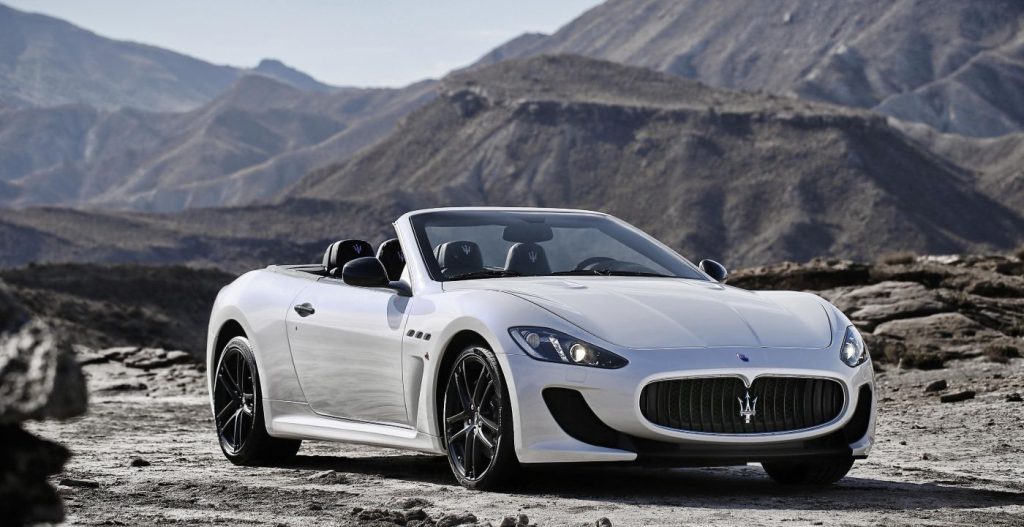
With that in mind, the GranCabrio stands as the first official four-seat convertible ever manufactured directly by Maserati. Despite this, the brand still boasts a long-standing tradition of crafting elegant, open-top sports cars, a legacy that stretches back to the 1950s with the AG6 Frau Spyder.
That heritage carries on with the GranCabrio, because while it may have merits in other areas, what’s immediately undeniable is its stunning design. That sentiment was shared unanimously by everyone we spoke with.
As its name indicates, the GranCabrio is built upon the foundation of the GranTurismo. The coupé version is available with either a 4.2- or 4.7-liter V8, paired with either a conventional automatic transmission or an automated manual. By contrast, the GranCabrio comes with a single engine and gearbox combination: a 4.7-liter V8 mated to an automatic transmission.
It’s available in the standard trim, a more focused Sport variant, or the MC Stradale, which borrows styling cues from the track-inspired GranTurismo MC Stradale, though it receives no mechanical enhancements.
At 4.9 meters long, the GranCabrio takes up considerable road space. It’s 20 centimeters longer than the Mercedes E-Class convertible, which itself can accommodate four passengers, and it exceeds the Bentley Continental GTC by 8 centimeters.
Among its closest rivals in size is the Mercedes-Benz S-Class Coupé. While the GranCabrio doesn’t try to hide its scale, Maserati has taken care to present its proportions in the most flattering way possible.
A significant part of this comes from the choice to go with a traditional canvas roof instead of a folding metal top. The triple-layer soft top, available in six colors, takes 28 seconds to close and can be operated at speeds of up to 19 mph.
BMW 6 Series Convertible (F12, 2012–2018)
The 6 Series Convertible is big, fast, and filled to the brim with tech—but that’s also what makes it a nightmare once it starts aging. Oil leaks, turbo issues, and fragile electronics are common, especially once these cars cross the 60,000-mile mark.
And unlike the smaller 2 Series, repair costs on a 6er are eye-watering. What’s worse is the Active Suspension system, which often fails and costs thousands to replace. It’s gorgeous, yes. Practical? Not even close.
The 2013 BMW 6 Series brings together all the essential elements that define a true grand touring car: striking aesthetics, substantial power under the hood, and a wealth of dynamic capability that makes it equally suited for a spirited drive to the mountains or a cross-continent journey.
Following a complete redesign the previous year, the 2013 model returns largely unchanged, save for some rearrangements in standard and optional features. Buyers still have the option of selecting between a turbocharged six- or eight-cylinder engine, coupe or convertible body styles, and either rear- or all-wheel drive.
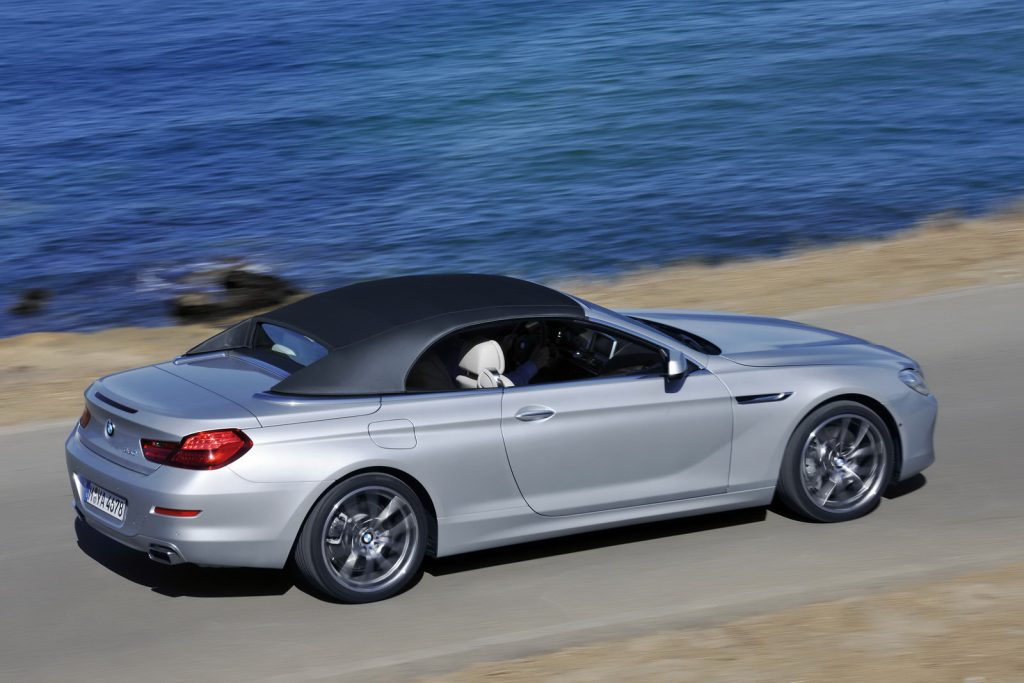
The refined chassis of the 6 Series isn’t just advanced, it also gives drivers the ability to tailor the car’s performance settings based on road conditions and engine choice. The 640i is powered by a turbocharged 3.0-liter inline-six.
While equipping such a large coupe with a six-cylinder might seem unusual at first glance, this engine delivers acceleration on par with the previous-generation V8, while also offering improved fuel efficiency.
For those seeking greater output, the turbocharged V8 found in the 650i has been upgraded to produce 450 horsepower, more than enough to satisfy high-performance expectations.
Chrysler Sebring Convertible (2001–2010)
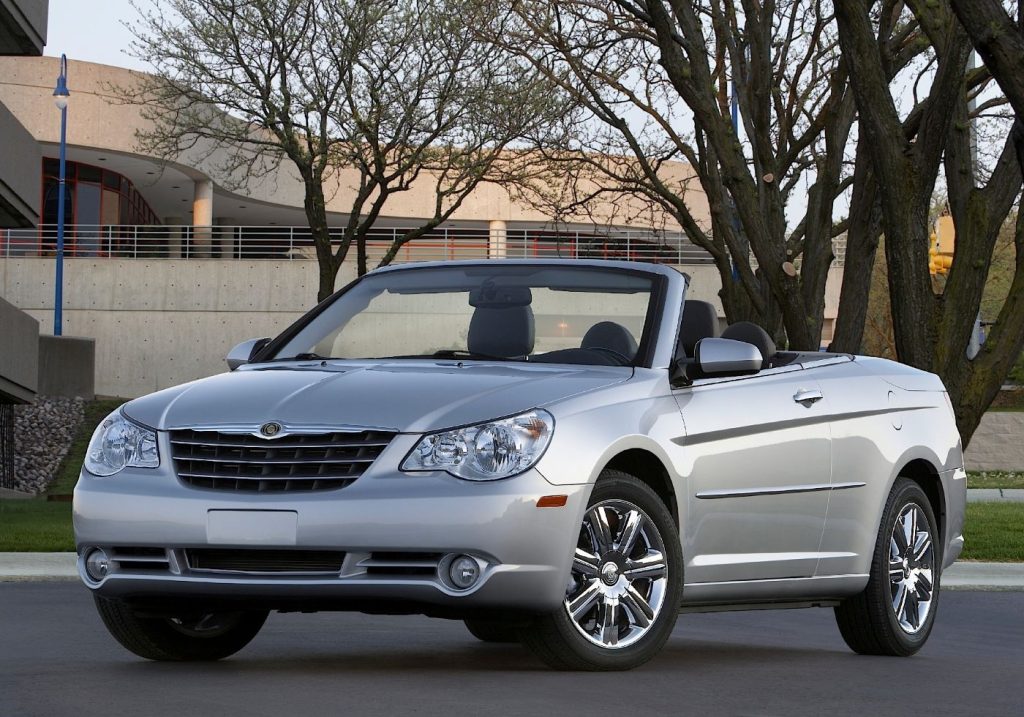
While technically affordable, the Chrysler Sebring Convertible represents the dark side of budget drop-tops. The build quality is bargain-bin, the driving experience is uninspired, and mechanical issues, especially around the transmission and electronics, are all too common.
Even if individual repairs aren’t expensive, the frequency makes it a headache. It may have been the convertible your aunt bought on impulse in 2003, but in 2025, it’s a gamble best avoided.
Chrysler aims to build on the popularity of its Sebring coupes and sedans by introducing new models that retain the familiar design cues of last year’s versions and that’s a smart move.
The outgoing Sebring coupes and convertibles were stylish, capable of seating four adults comfortably, and delivered a sporty driving experience without projecting the stereotypical mid-life crisis vibe.
Now, with the introduction of the new sedan, the Sebring lineup leans further into practicality though that doesn’t mean it’s lost its flair. The new sedan features a handsome, European-influenced design that complements the Sebring brand philosophy of “elegance and engineering.”
While the sheetmetal changes are subtle, the real headline for the updated Sebring lineup lies under the hood, with a refreshed selection of powerplants. Leading the pack is a Mitsubishi-sourced 3.0-liter V6 engine that produces 200 horsepower and 205 pound-feet of torque.
This engine is exclusive to the LXi coupe and comes standard with a five-speed manual transmission, though buyers can also opt for a manumatic Autostick version. Standard in the convertibles and LXi sedans is Chrysler’s own 2.7-liter V6, which also delivers 200 horsepower but slightly less torque at 197 pound-feet.
This engine is paired with a four-speed automatic transmission equipped with the Autostick feature, which is also available as an option for the Limited convertibles and LXi sedans.
For those not shopping in the premium LXi segment, Chrysler offers a new 2.4-liter four-cylinder engine in the base LX trim.
The version found in the Chrysler sedan delivers 150 horsepower and 167 pound-feet of torque, while the Mitsubishi-built version in the coupe offers a slightly lower 142 horsepower. Both the LX coupe and sedan come exclusively with a four-speed automatic transmission.
Though the LX models don’t deliver the same level of power as their higher-end counterparts, they still come equipped with an impressive suite of standard features. Power windows, mirrors, and door locks, cruise control, 60/40 split-folding rear seats, and an AM/FM stereo cassette system are all included on both coupe and sedan variants.
Mercedes-Benz SL-Class (R230, 2003–2011)
The SL-Class might be tempting on the used market—you’ll find them listed under $15K with low miles. But don’t be fooled. The R230 generation is known for two wallet-busting issues: its overly complex hydraulic suspension (Active Body Control) and the folding hardtop roof mechanism.
Both fail often, and both are expensive to fix. Add in aging electronics, sensors, and climate control failures, and you’re looking at a luxurious headache that’s anything but daily-driver friendly.
The Mercedes-Benz SL made its debut in the mid-1950s with the iconic 300SL “Gullwing” coupe, named for its upward-swinging doors.
Not long after, a convertible version joined the lineup. The “SL” in the name stands for “Sports Leicht,” meaning “sports lightweight” in German, while the numbers indicate the engine displacement—for example, “300” refers to a 3.0-liter engine.
The 300SL broke new ground as the first car in America to feature fuel injection, and with the right axle gearing, it was capable of approaching 160 mph.
That was an astonishing feat for any car of the time—especially one powered by a six-cylinder engine. By 1958, the coupe was replaced by a roadster, offering drivers the added thrill of open-top motoring. As time went on, the SL evolved, gaining both luxury and weight.
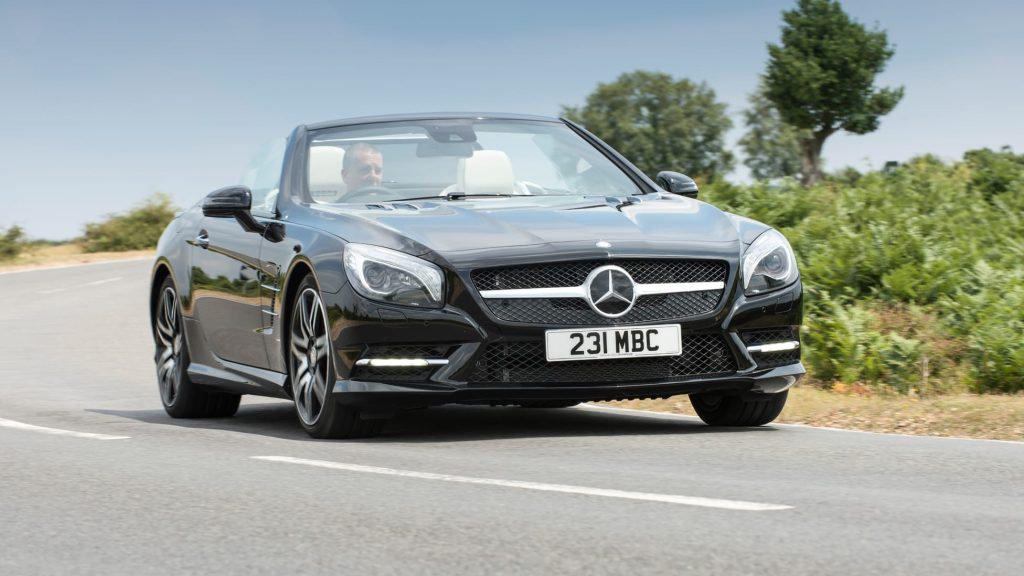
The 1960s saw the introduction of the 230, 250, and 280 SL roadsters. A major shift came in 1972, when the straight-six was replaced by a V8, marking a new era for the SL. This version, famously driven by Steve Austin in The Six Million Dollar Man, remained in production until 1989.
Following its impressive 18-year run, a more aerodynamic but heavier successor arrived in 1990, featuring the 300, 320, 500, and 600 SL models. These offered a range of powertrains, from six-cylinder engines to V8s and even a V12, continuing the SL’s legacy of blending performance with prestige.
At the end of the day, convertibles are about emotion—but don’t let that emotion blind you. The best convertibles balance charm with reliability, giving you open-air thrills without dragging you into a financial black hole.
If your plan is to use your drop-top as a daily commuter, prioritize proven dependability and sensible maintenance costs. Stick with choices like the Miata, Mustang, or Audi A5. Save the GranCabrios and SL-Class fantasies for when you’ve got a second car (and a mechanic on speed dial).
Because let’s face it: looking good on the side of the road with the hood up isn’t the vibe you’re going for.
