When buying a vehicle, most shoppers focus on the sticker price or monthly payments. However, resale value plays a huge role in the total cost of ownership. Some cars depreciate quickly, losing tens of thousands within a few years, while others hold their value surprisingly well.
In this comparison, we explore five vehicles with the best resale value in 2025 and contrast them against five models with the worst depreciation. Whether you’re buying new or used, understanding these trends can help you make a smarter long-term investment in your next car.
5 Vehicles with the Best Resale Value in 2025
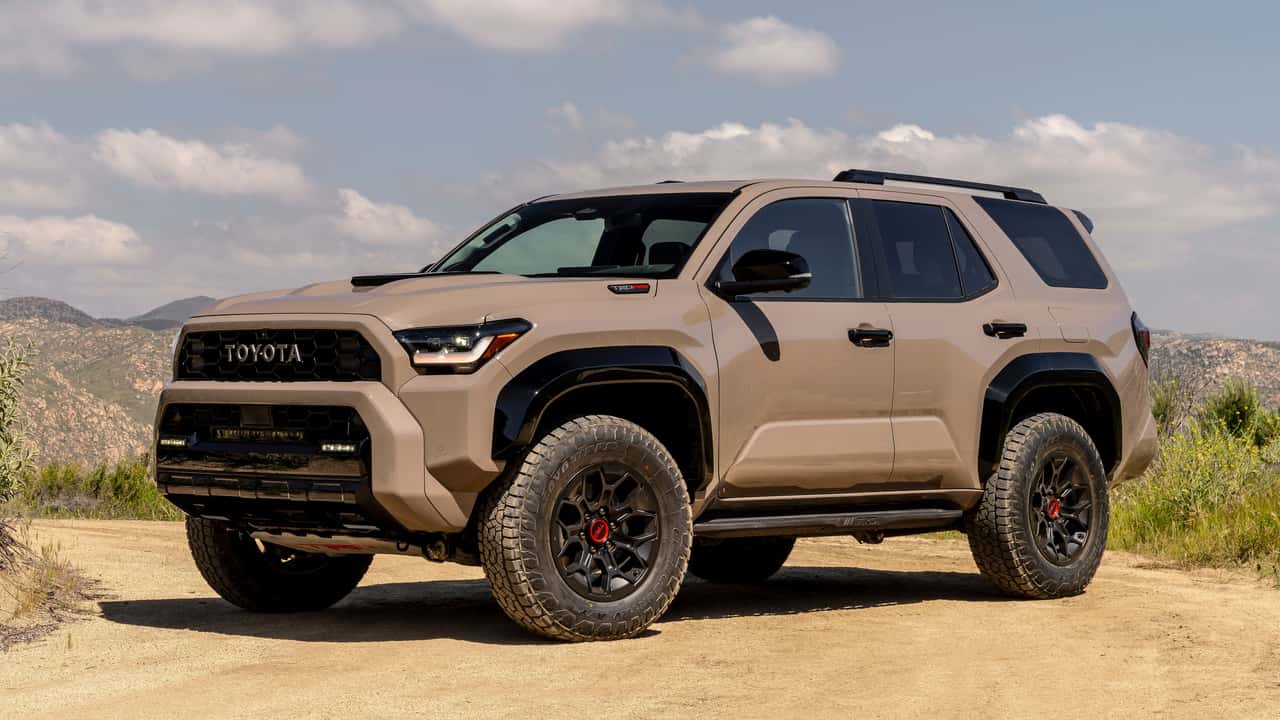
1. Toyota 4Runner: A Rugged Investment
The 2025 Toyota 4Runner is a proven leader in resale value. With only 25% depreciation over five years, it retains 75% of its original value, averaging a resale of $46,648. This makes it one of the most cost-effective SUVs to own long-term.
A two-year-old model could save you over $11,000 upfront, with minimal depreciation in the following years. With a 71-day market supply, buyers may still have room to negotiate. Known for durability, off-road prowess, and brand trust, the 4Runner’s appeal goes far beyond just retaining value’s a smart buy all around.
2. Toyota RAV4: Compact but Strong Value
The 2025 Toyota RAV4 continues to impress with a strong resale value of $26,223, depreciating just 31% over five years. It’s one of the most reliable compact SUVs on the market and has been a favorite among Toyota fans for years.
Buying a used RAV4 is a smart choice; a two-year-old model costs about $6,000 less than a brand-new one. On average, used models sell for around $28,876, offering a good mix of performance and value.
Since there aren’t many new ones available (only about a 31-day supply), prices stay high. Still, because it holds its value so well, even buying new isn’t a bad deal in the long run.

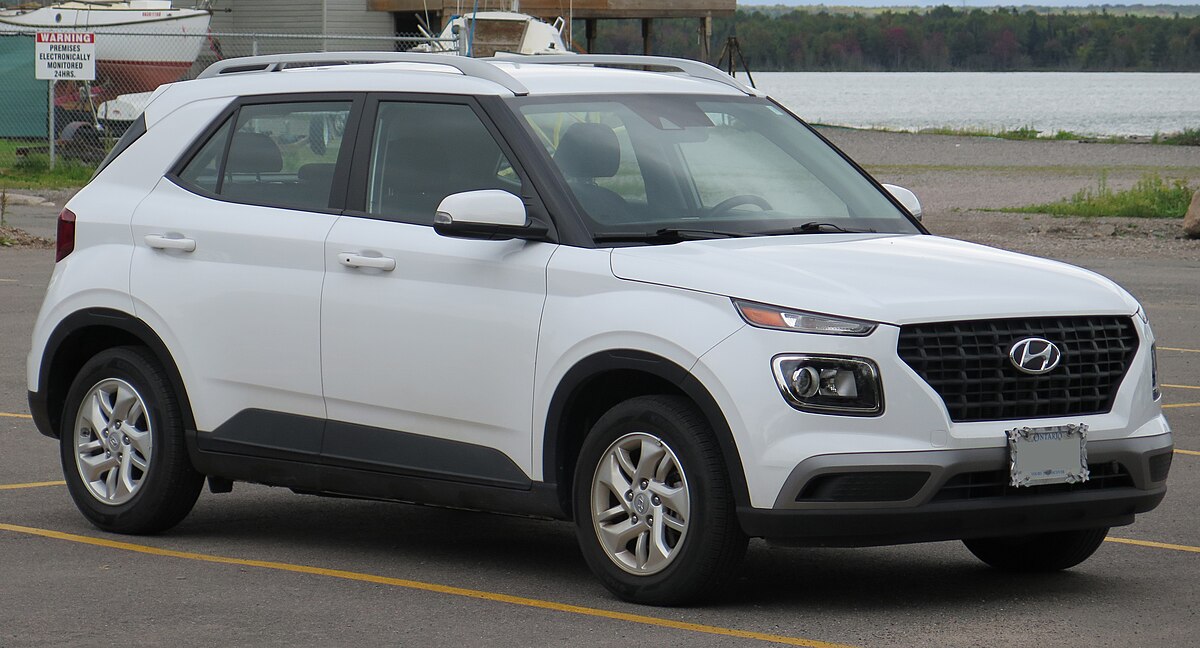
3. Hyundai Venue: Budget Car with Big Value
The 2025 Hyundai Venue may be budget-friendly, but it holds its value surprisingly well. Over five years, it depreciates by only 31%, resulting in a resale value of $16,590. For a vehicle in this price range, that’s impressive.
Buyers can save around $5,000 when purchasing a two-year-old model, and only face about $2,253 in depreciation over the next three years.
The Venue offers practical urban driving, a roomy cabin for its size, and a high 98-day supply, giving buyers leverage to negotiate. It’s a solid value choice for anyone seeking affordability without sacrificing resale performance.
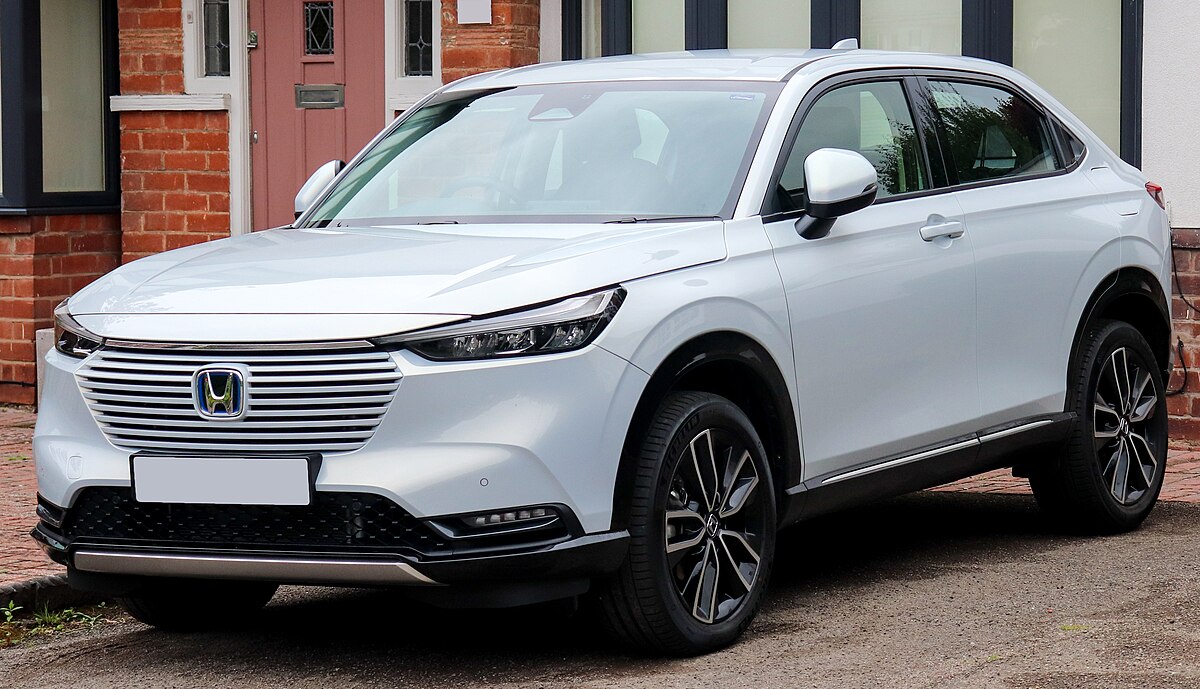
4. Honda HR-V: Small SUV, Big Reliability
With a predicted 32% depreciation over five years and a resale value of $21,218, the 2025 Honda HR-V is a safe, smart pick in the subcompact SUV segment. Buyers opting for used models save about $5,655, while future depreciation remains under $4,200 over the next three years.
A three-year-old HR-V sells for around $21,519, offering stability for resale. Its moderate 59-day supply reflects balanced market demand. Known for reliability, fuel efficiency, and practical design, the HR-V continues to be a favorite for first-time buyers and long-term owners alike.
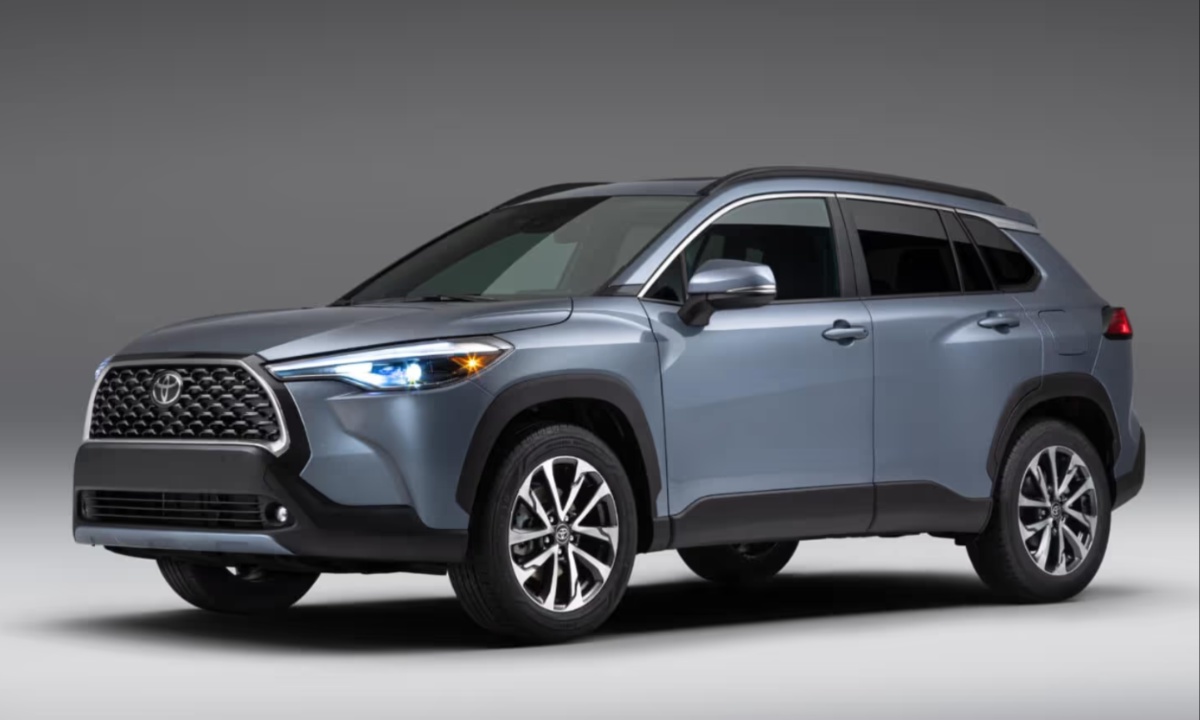
5. Toyota Corolla Cross: New Name, Proven Value
Despite being newer to Toyota’s lineup, the Corolla Cross has already proven it can hold its value. It depreciates 32% over five years, with a resale value of $21,278. Limited supply, just 33 days on average, makes new inventory scarce and expensive, but it may be worth buying new due to low depreciation.
In 2025, three-year-old models average $24,024, showing it can hold value better than many rivals. Built in the U.S. and protected from tariffs, the Corolla Cross is ideal for buyers wanting modern features, affordability, and lasting value in a compact SUV.
5 Vehicles with the Worst Depreciation in 2025
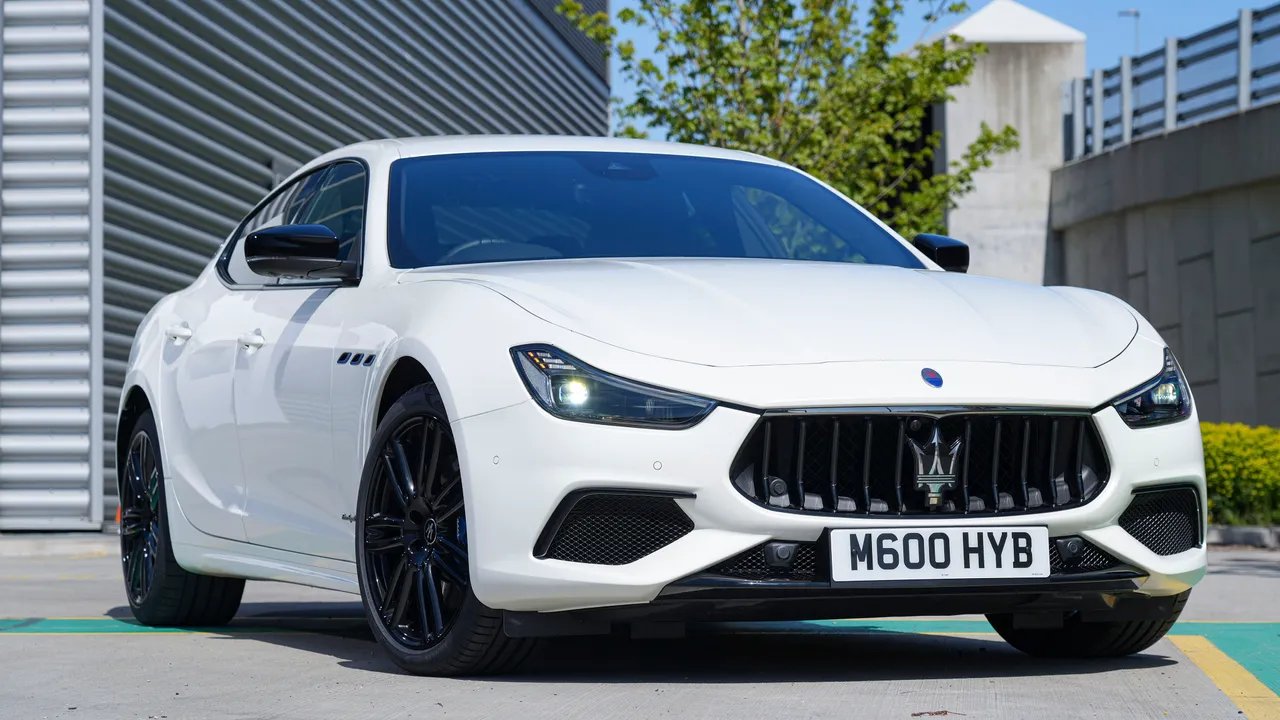
1. Maserati Ghibli: Beauty That Doesn’t Last
While stunning to look at and thrilling to hear, the Maserati Ghibli depreciates fast, 64.7% over five years. From a $69,490 MSRP, it drops to $39,016 in resale value, a loss of over $70,000. Performance falls short of expectations for a sports sedan, with uninspiring handling and body roll.
Though the V8 versions sound incredible, buyers who paid over six figures may now regret the plunge. Still, for used car seekers willing to maintain it, a $40,000 Ghibli may offer a luxury bargain, though one that comes with high upkeep and lower resale prospects.
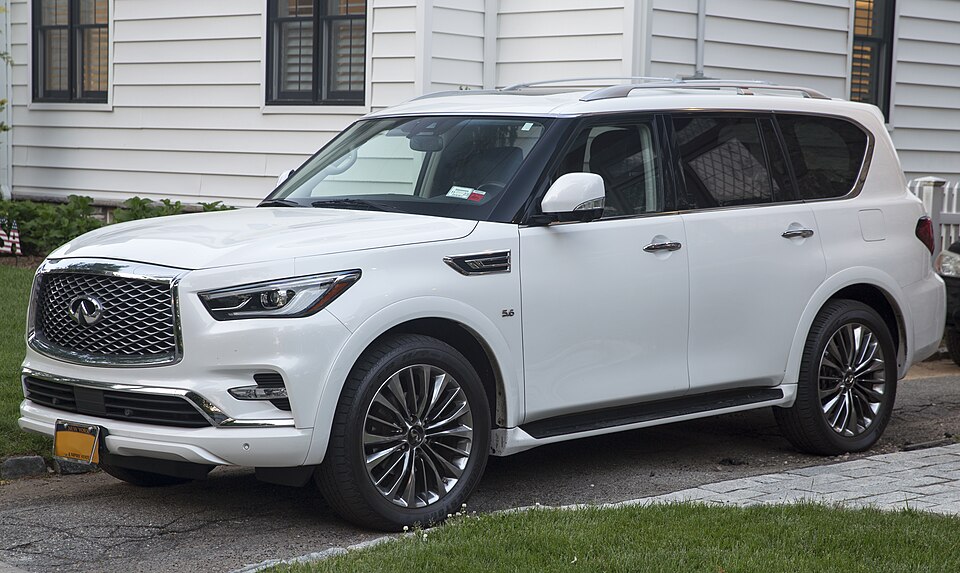
2. Infiniti QX80: Aging Gracefully—But Not Financially
The Infiniti QX80 sees a whopping 65% drop in value, with resale prices averaging just $28,849 from a $66,750 MSRP. Its old platform, poor fuel economy, and uninspired performance led to it being overlooked for years. While 2025 introduced a much-needed redesign, earlier models suffer from serious depreciation.
Its design was too similar to the Nissan Armada to justify its price tag. Unless you’re nostalgic for its naturally aspirated V8 or find one at a steep discount, the QX80 lacks the resale power to make it a sound long-term investment.
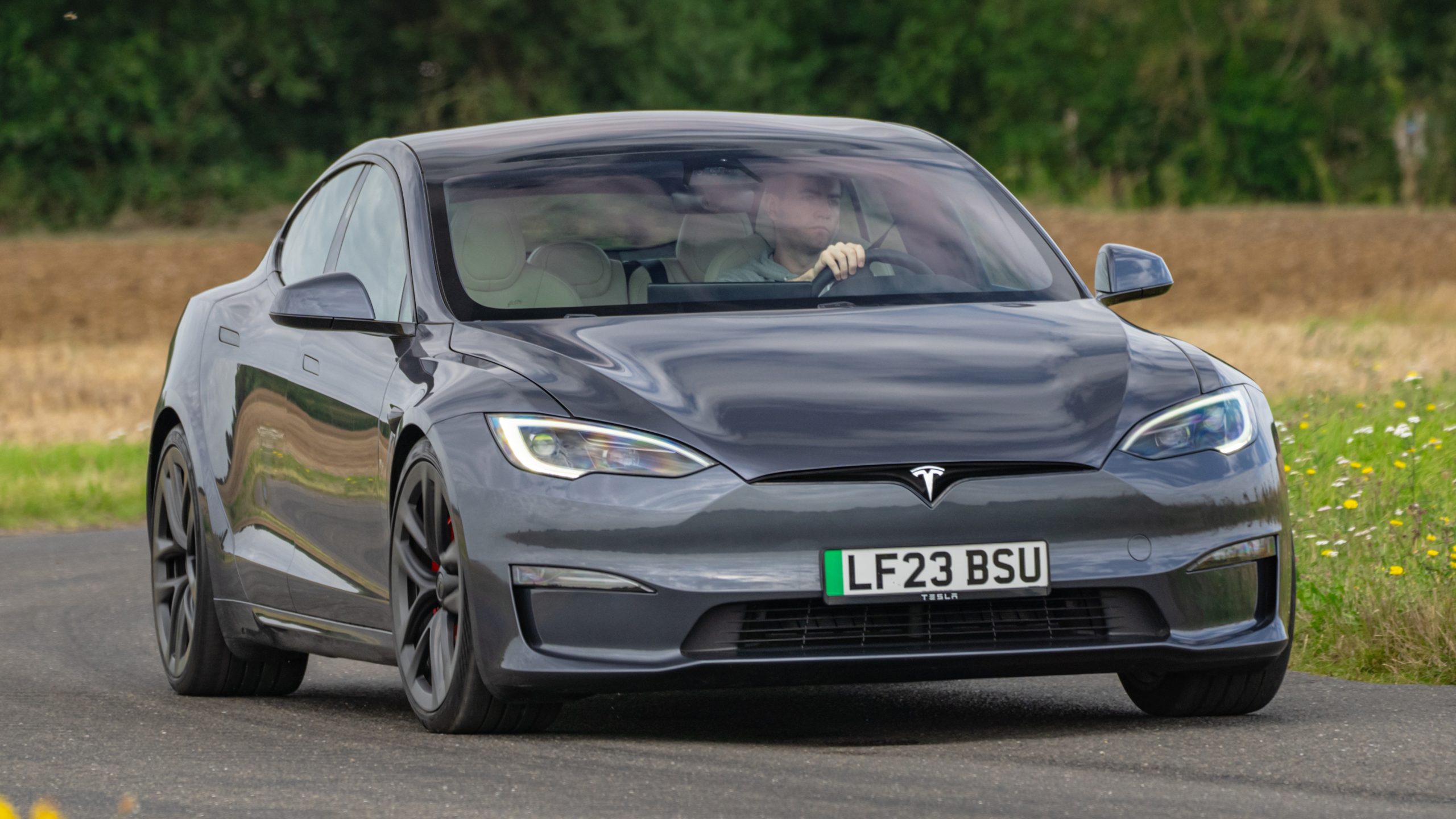
3. Tesla Model S: EV Tech, Tanking Value
The Tesla Model S, a flagship electric sedan, loses around 65.2% of its value over five years, dropping from $69,420 to $27,825. That’s a staggering loss of over $52,000. The rapid evolution of EV tech and fears about battery degradation hurt its resale market.
Buyers are cautious about investing in used EVs, especially older Teslas, despite their performance. While it remains a cutting-edge vehicle in many respects, its resale value doesn’t reflect that. For buyers willing to accept risk, a used Model S could offer high performance at a lower entry cost, but with uncertainty attached.
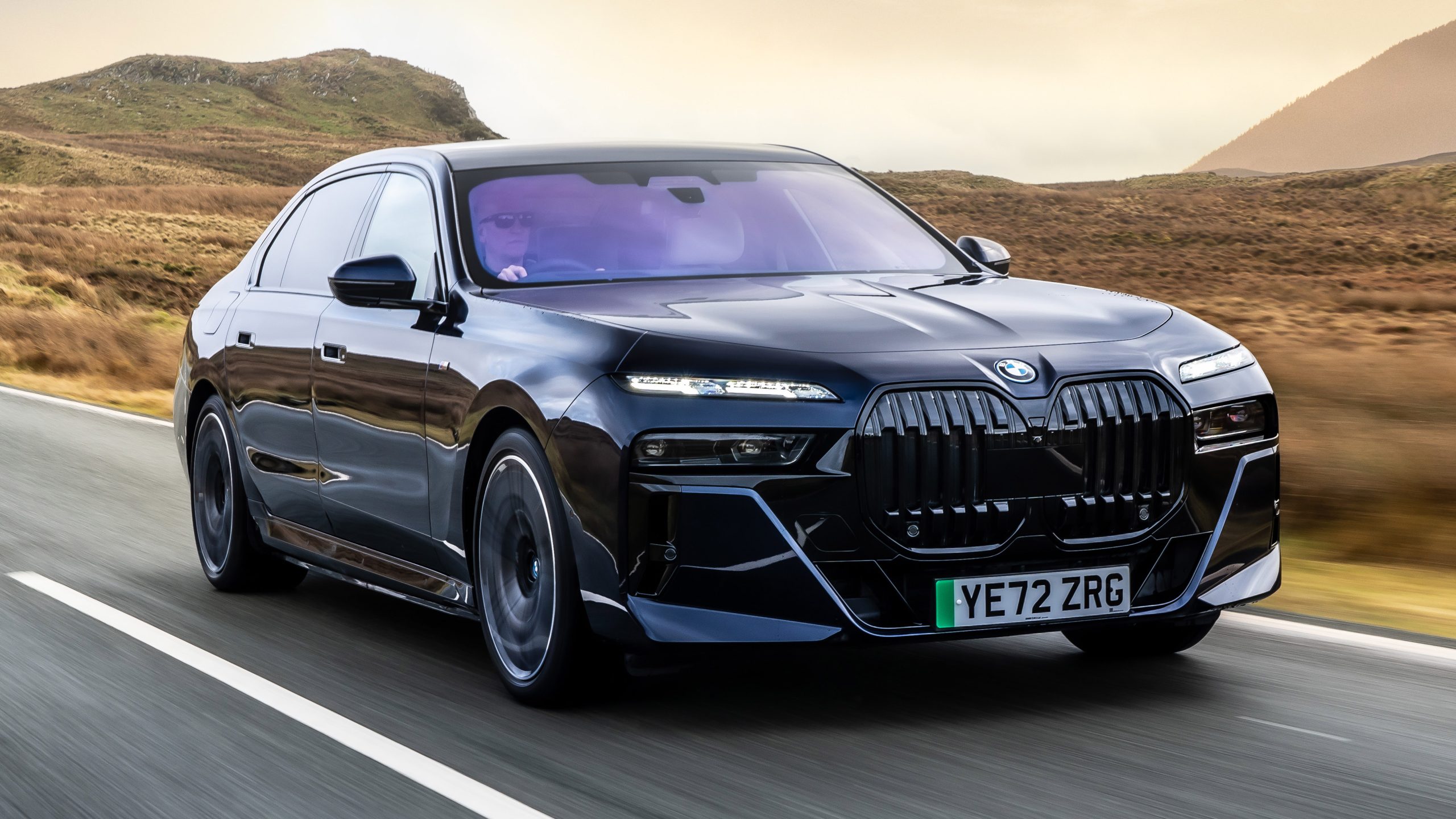
4. BMW 7 Series: Luxury That Doesn’t Pay Off
The BMW 7 Series, despite its luxury status and tech-filled interior, depreciates a massive 67.1% in five years, losing over $65,000 from its $86,450 MSRP. Resale averages around $32,021. Maintenance costs are high, and German luxury sedans are notorious for expensive repairs post-warranty.
Though the 7 Series delivers in ride comfort and performance, its declining resale value puts it behind rivals like Audi or Mercedes. The newest models also feature polarizing designs that may not age well. Ultimately, it’s an extravagant buy upfront, but a less-than-practical one when resale is factored in.
5. Jaguar I-Pace: A Stylish EV Disaster
With 72.2% depreciation, the Jaguar I-Pace holds the unfortunate title of the worst-depreciating vehicle of 2025. Priced at $69,850 new, it drops to just $20,047 in resale value, a loss of over $50,000. While it boasts sleek styling and a 394-horsepower motor, its weak range and lackluster handling disappointed buyers.
Jaguar’s unreliable brand history and slow EV service support further damaged buyer confidence. Now largely discontinued, the I-Pace serves as a cautionary tale about first-gen EVs and early luxury adopters. Even at used prices, it may be hard to justify without major improvements in support and infrastructure.

This side-by-side comparison shows just how varied vehicle value retention can be. Practical SUVs like the Toyota 4Runner and Corolla Cross reward buyers with strong resale values, helping to reduce total ownership costs.
On the flip side, luxury sedans and early EVs, such as the Jaguar I-Pace and BMW 7 Series, may look and feel premium but lose value rapidly. For cost-conscious buyers or long-term investors, choosing a car with a slower depreciation curve is key.
Whether you’re in the market for something rugged, reliable, or electric, knowing how resale plays out can guide a smarter vehicle purchase in 2025.
Also Read: 5 Cars Owners Keep Over 15 Years vs 5 That People Trade In Early