
Electric vehicles (EVs) are growing in popularity, but their long-term value can vary drastically. Some EVs retain their value impressively, competing well with traditional gasoline vehicles, while others depreciate faster than many gas-powered models.
These discrepancies are influenced by brand strength, technology, driving range, consumer perception, and the speed at which EV innovations evolve. The average EV sees over 49% depreciation in five years, compared to a 39% average across all vehicles.
This guide explores five EVs that hold their value well and five that depreciate rapidly, helping buyers make smarter, longer-term investment decisions in the electric vehicle space.
5 Electric Cars That Hold Value
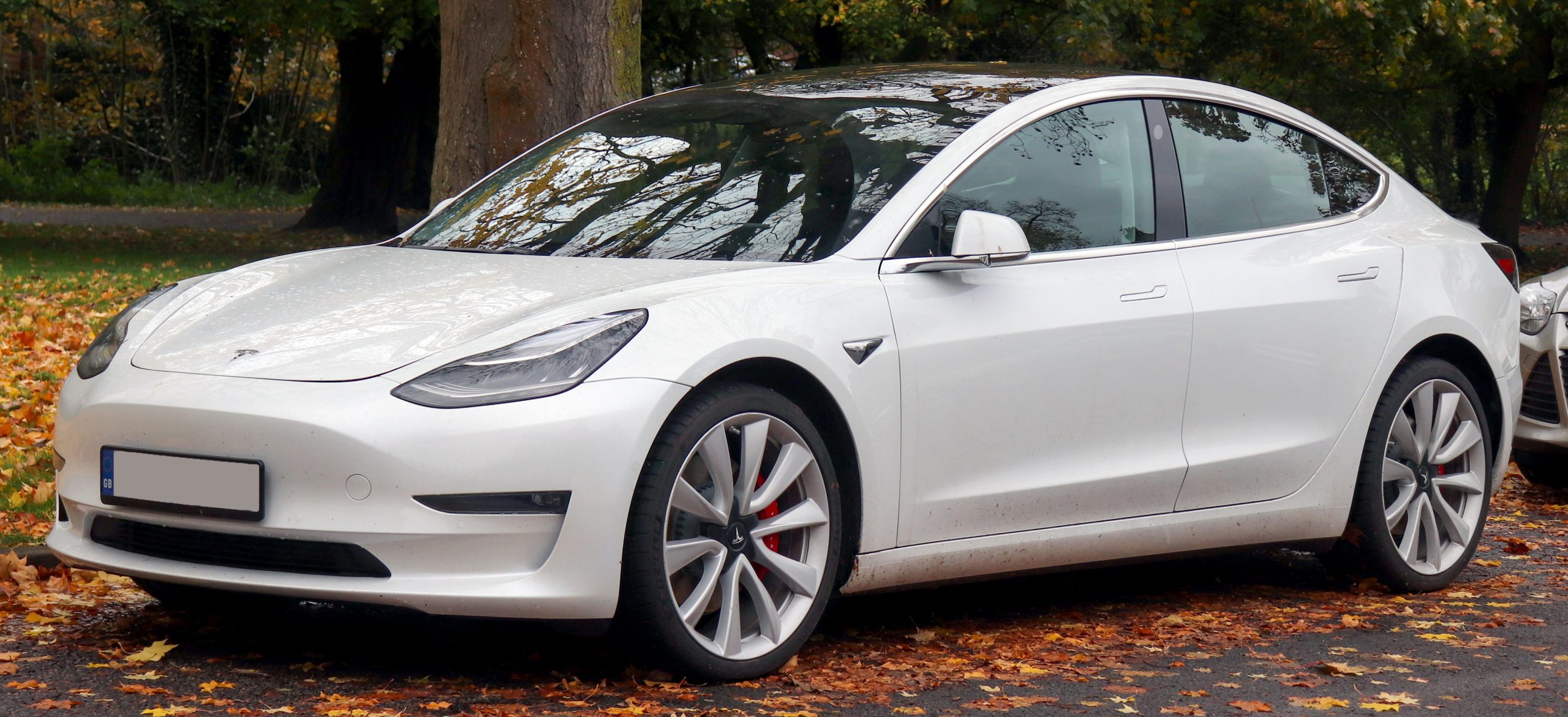
1. Tesla Model 3: Consistent Leader in Value Retention
With a five-year depreciation of 53.3%, the Tesla Model 3 is one of the best value-retaining electric sedans. Despite a high percentage, it holds value relatively well among EVs due to its desirability, high-tech features, and consistent updates, like the recent “Highland” refresh.
The 342-mile range, sleek design, and access to Tesla’s robust Supercharger network contribute to long-term appeal. While it lacks Android Auto and uses a controversial all-touchscreen interface, its strong brand following and refined performance keep it in demand on the resale market. It’s one of the few EVs that continues to command a premium used price.
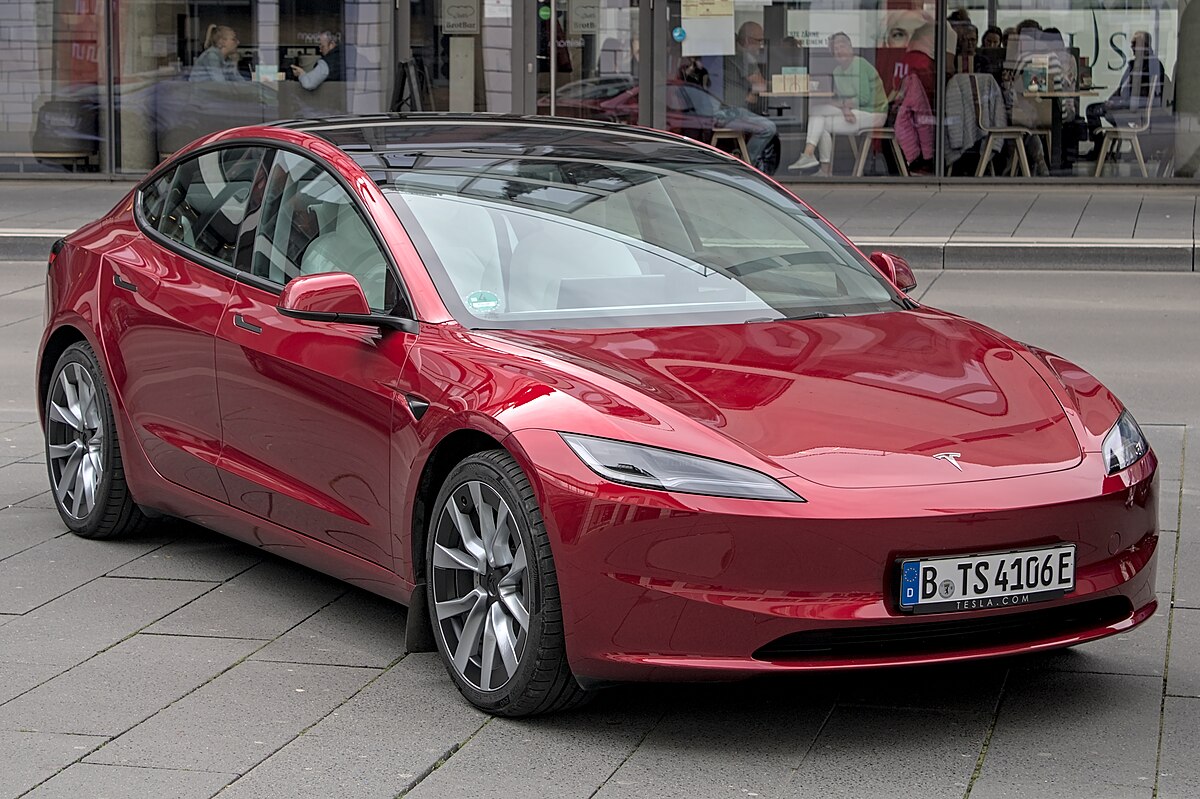
2. Tesla Model X: Luxury EV That Maintains Market Appeal
The Tesla Model X, with a five-year depreciation of 44.8%, remains a strong performer in value retention among luxury electric SUVs. Known for its futuristic design, highlighted by Falcon-wing doors and a powerful dual-motor setup, it offers up to 348 miles of range.
Tesla’s emphasis on performance and tech keeps the Model X desirable, especially with its 1,020-hp Plaid variant. Despite some practical drawbacks like limited smartphone integration and intense cabin sun exposure, its status as a high-tech, high-performance family EV helps it maintain strong resale value.
Buyers appreciate its unique personality, solid range, and Tesla’s strong presence and reputation in the electric vehicle market.
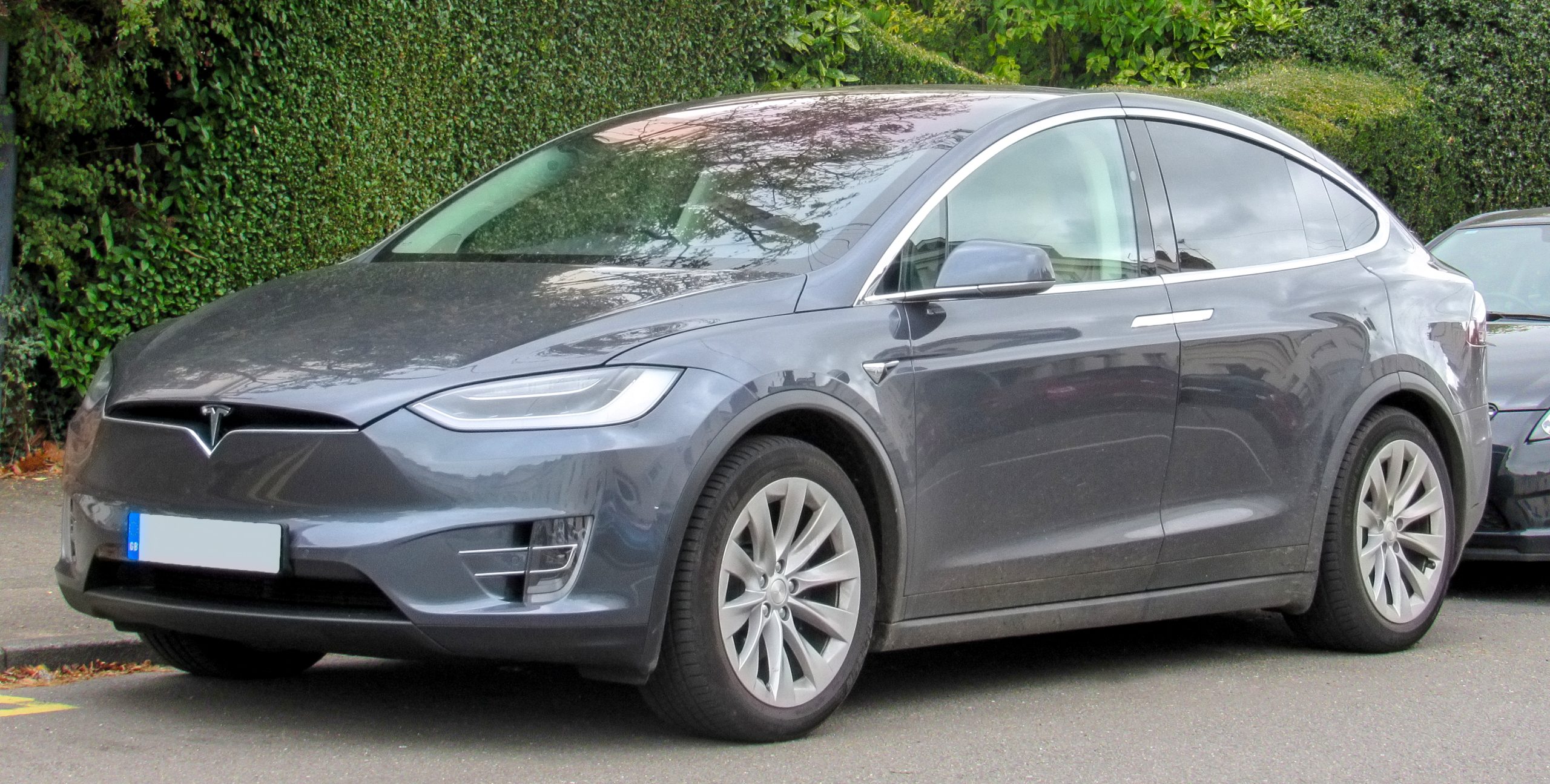
3. Nissan Leaf: Budget EV That Stays Relevant
Depreciating just 44.4% over five years, the Nissan Leaf is an early EV pioneer that continues to offer value in the resale market. Compact, affordable, and ideal for urban commuting, the Leaf remains appealing for buyers prioritizing practicality over flashy features.
Though its 212-mile range is modest compared to newer models, the Leaf offers essential driving tech, a smooth ride, and a quiet cabin.
Limited cargo flexibility and small-item storage do hold it back, but its affordability, reliability, and accessible design make it a top pick among value-conscious EV shoppers seeking solid returns on their investment.
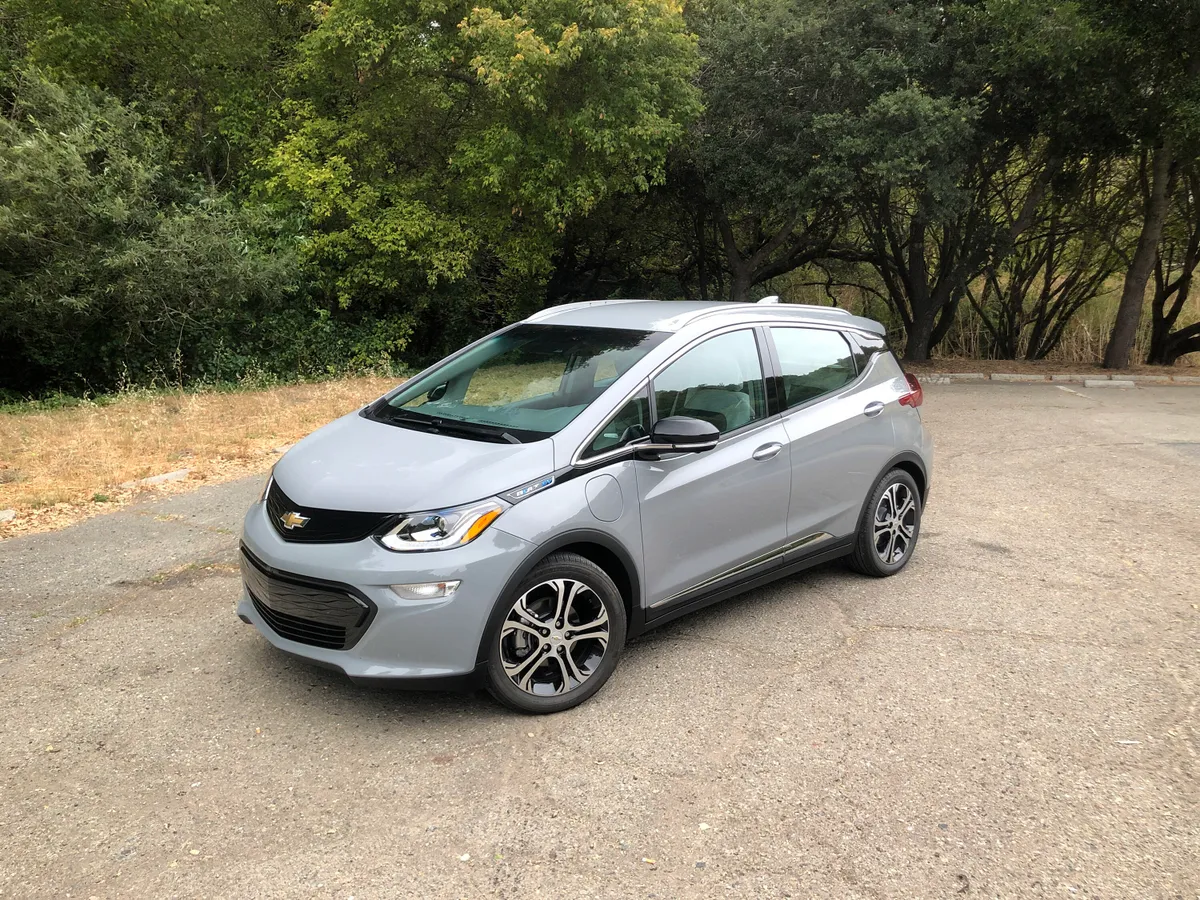
4. Chevrolet Bolt EV: Dependable Performance at a Bargain
The Chevy Bolt EV shows 42.4% depreciation over five years, placing it among the EVs that retain value well. Though the 2024 model year skipped production, the 2023 Bolt holds up with 259 miles of range, quick charging, and efficient city performance.
With a single powertrain, straightforward design, and affordability, it appeals to budget-minded drivers.
While DC fast charging is slower than rivals and the cargo space is limited, the Bolt’s simplicity, reliability, and low operating costs bolster resale value. It set a new benchmark for practical electric hatchbacks and remains a smart buy in the used EV market.
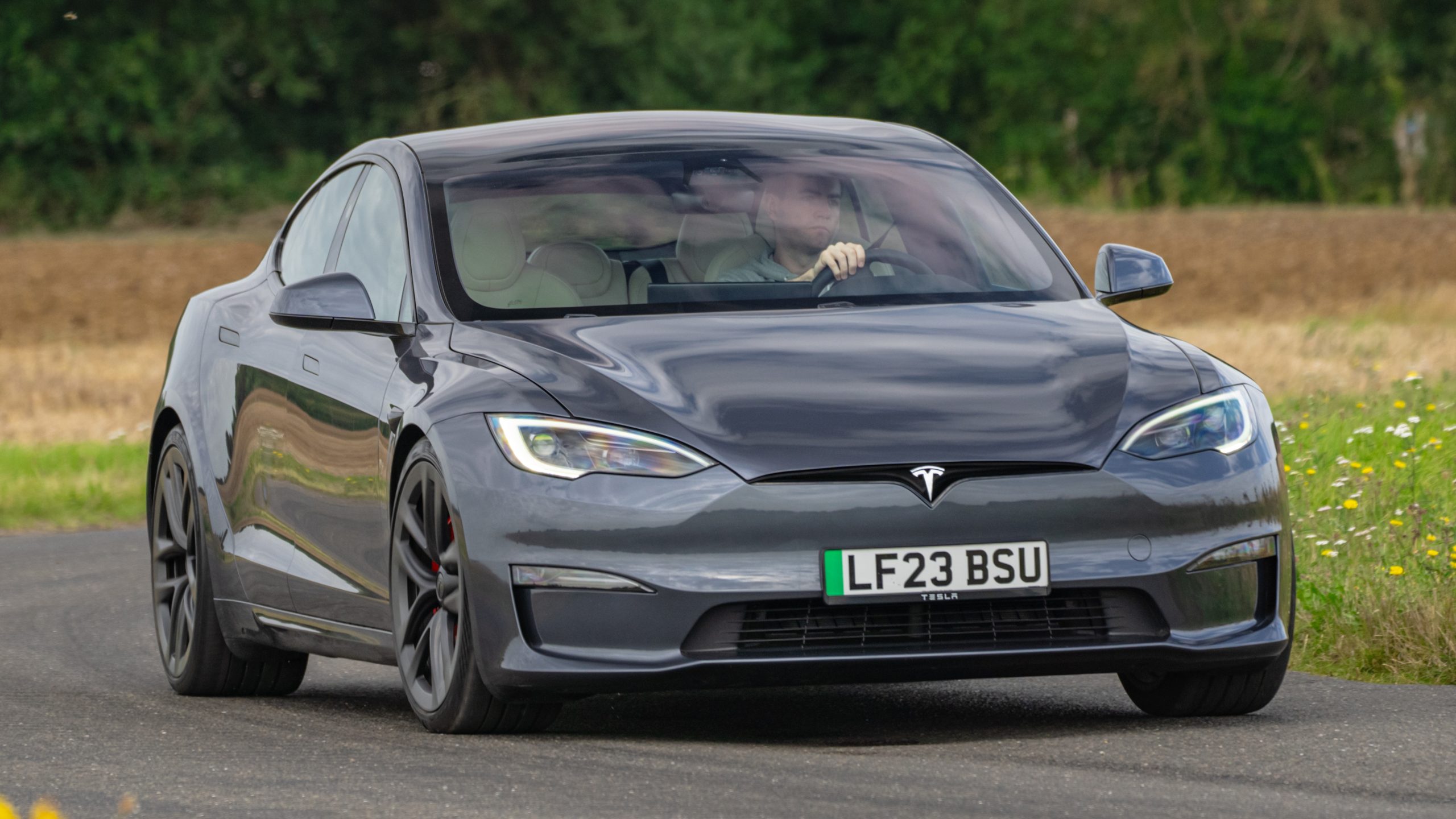
5. Tesla Model S: Performance Powerhouse That Lasts
Tesla’s Model S, with a depreciation of 40.5% over five years, continues to impress in both performance and resale strength. Known for setting the standard in long-range electric driving, the Model S still feels futuristic with over 1,000 horsepower in the Plaid trim and 359 miles of range.
While some critics center on its interior refinement and lack of Apple CarPlay, it remains highly desirable thanks to its acceleration, cargo capacity, and liftback practicality. Tesla’s legacy, robust charging network, and market leadership ensure that the Model S holds value better than many luxury EV competitors.
5 That Depreciate Faster Than Gas Models
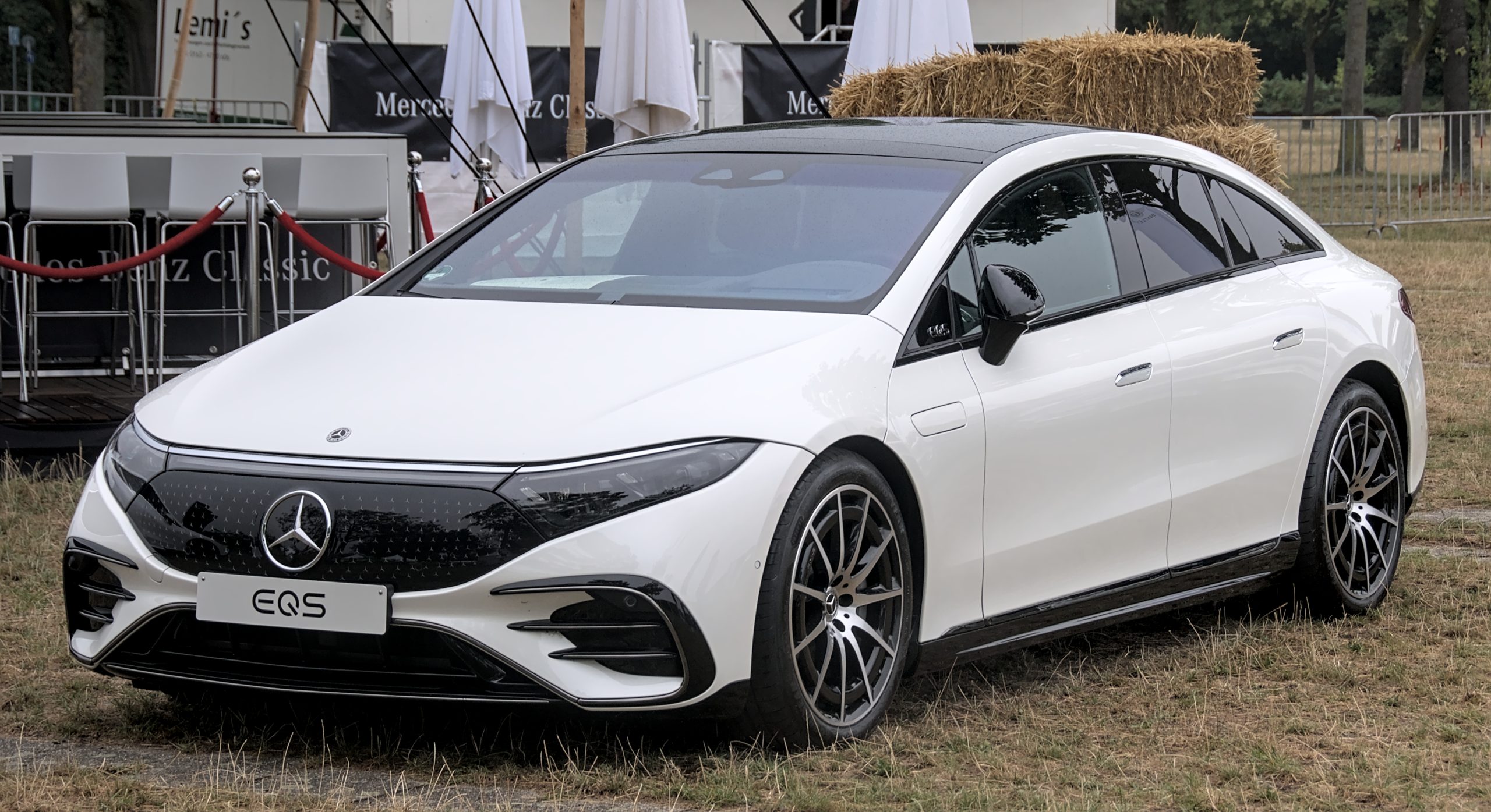
1. Mercedes-Benz EQS: Luxury Tech, Heavy Depreciation
The Mercedes-Benz EQS experiences a staggering 47.8% depreciation in just one year, more than many luxury gas-powered sedans. While it dazzles with a 56-inch Hyperscreen, posh interior, and 352-mile range, its rear seat space and urban maneuverability fall short.
It’s packed with innovation but struggles to justify its high price tag when compared to similarly equipped rivals with better resale histories.
Though long-term owners may enjoy the comfort and features, its weak resale value reflects hesitation among second-hand buyers, making the EQS a cautionary tale for those prioritizing retained value in the premium EV space.
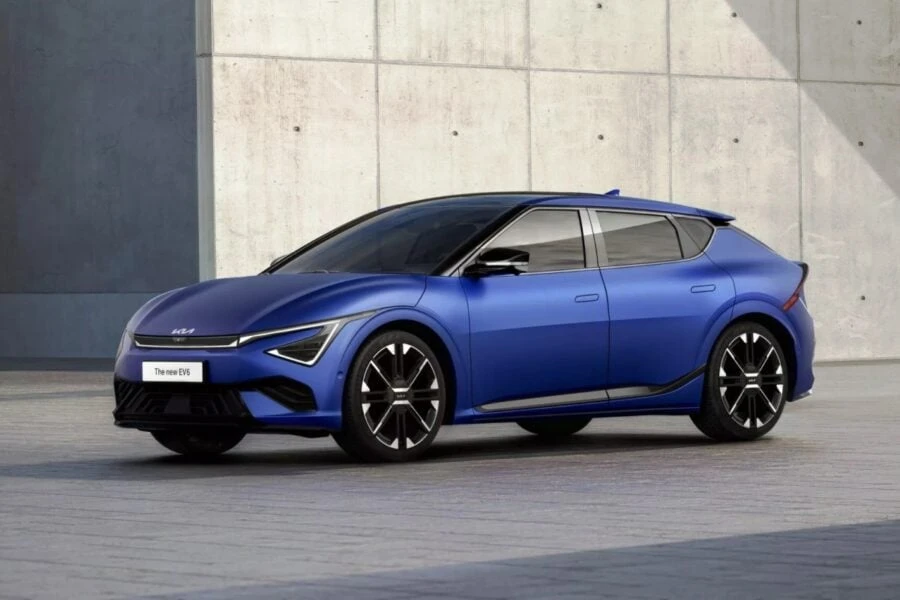
2. Kia EV6: Sporty EV That Drops Value Quickly
Despite being a stylish and fun electric SUV, the Kia EV6 depreciates 33.6% in just one year. With sharp design, quick acceleration, and 282 miles of range, it’s a great car to drive. But limited cargo space, rear visibility issues, and less brand prestige contribute to rapid value loss.
Even though the GT model offers high performance, resale markets still haven’t caught up to its capabilities. For buyers intending to keep it long-term, the EV6 offers an enjoyable ownership experience, but short-term buyers will likely face a steeper-than-expected financial hit compared to some gas SUVs.
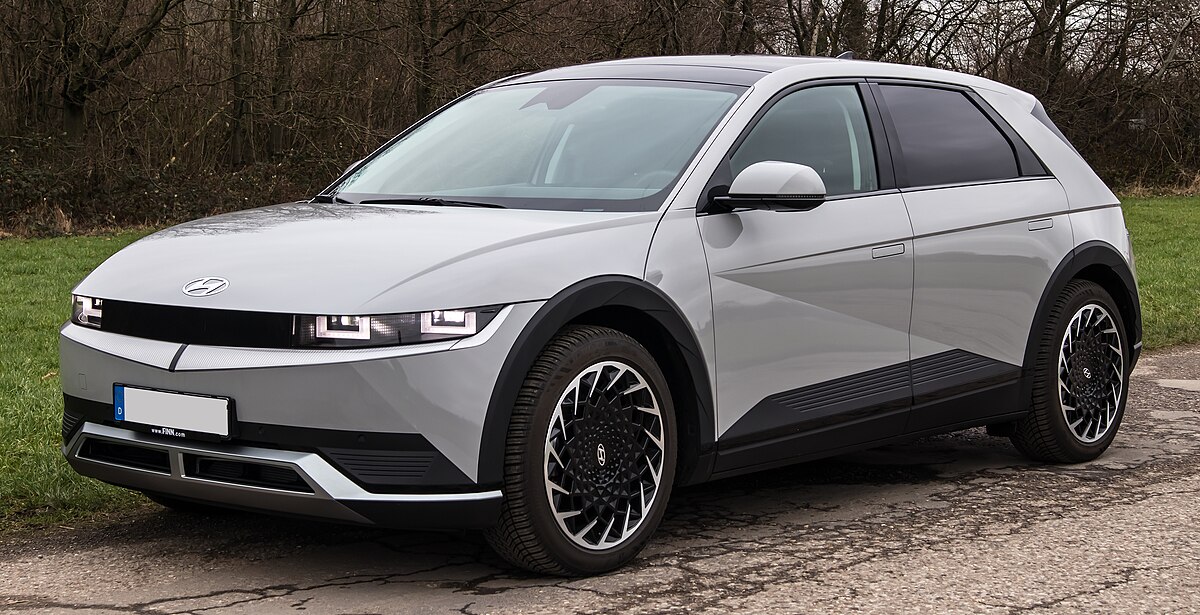
3. Hyundai Ioniq 5: Innovation That Doesn’t Save Value
The Hyundai Ioniq 5 also sees a sharp one-year depreciation of 32.9%, despite critical acclaim. Its retro-futuristic design, rapid charging, and up to 303 miles of range make it compelling. The SEL trim especially offers great value.
However, limited cargo space, thick roof pillars affecting visibility, and a lack of wireless smartphone integration diminish its practical appeal. Buyers may love its aesthetics and tech, but the market hasn’t embraced it on the used side.
As a result, it depreciates faster than many gas-powered compact SUVs, even though its driving experience and features are top-tier for the price.
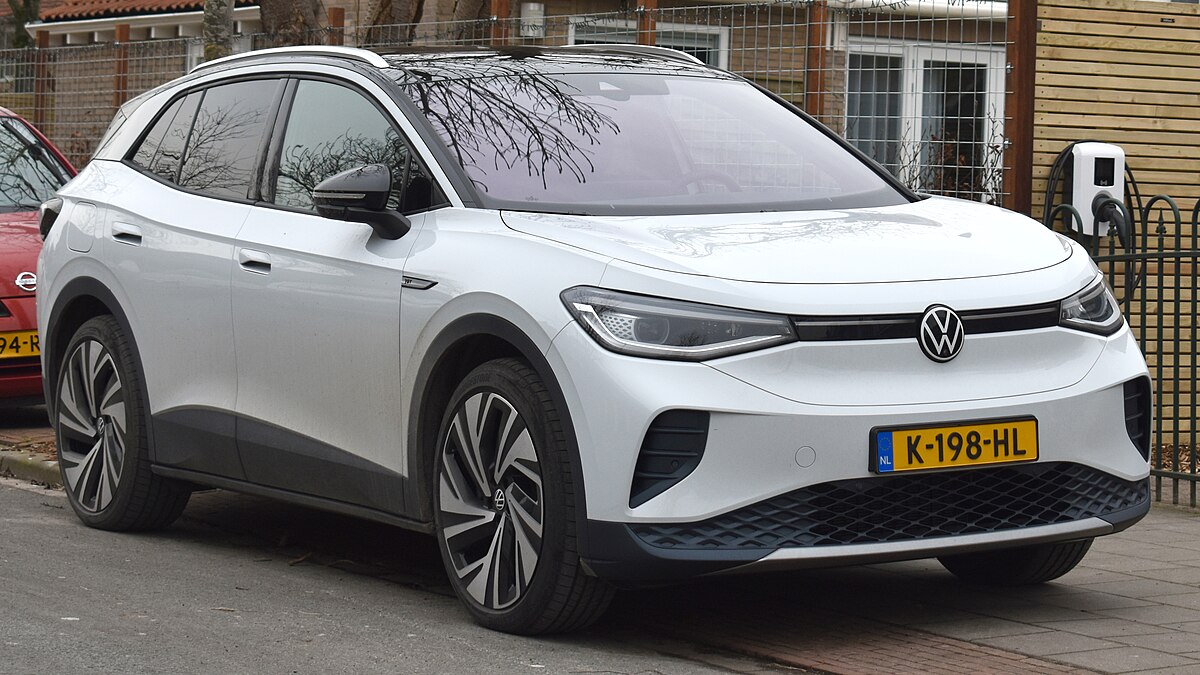
4. Volkswagen ID.4: Practicality Undermined by Value Drop
Volkswagen’s ID.4 depreciates 32.9% after just one year, despite being a practical and approachable EV. Its smooth drive, user-friendly interface, and standard driver-assist features make it great for families.
However, quality inconsistencies and frustrating controls impact its perceived value. The popular 206-mile variant is less competitive today, while longer-range versions face stiff competition.
As a result, it depreciates faster than many similarly sized gas SUVs, especially those with better interior execution. While new buyers may enjoy the experience, the ID.4’s steep early depreciation makes it less appealing as a short-term or resale-oriented purchase.
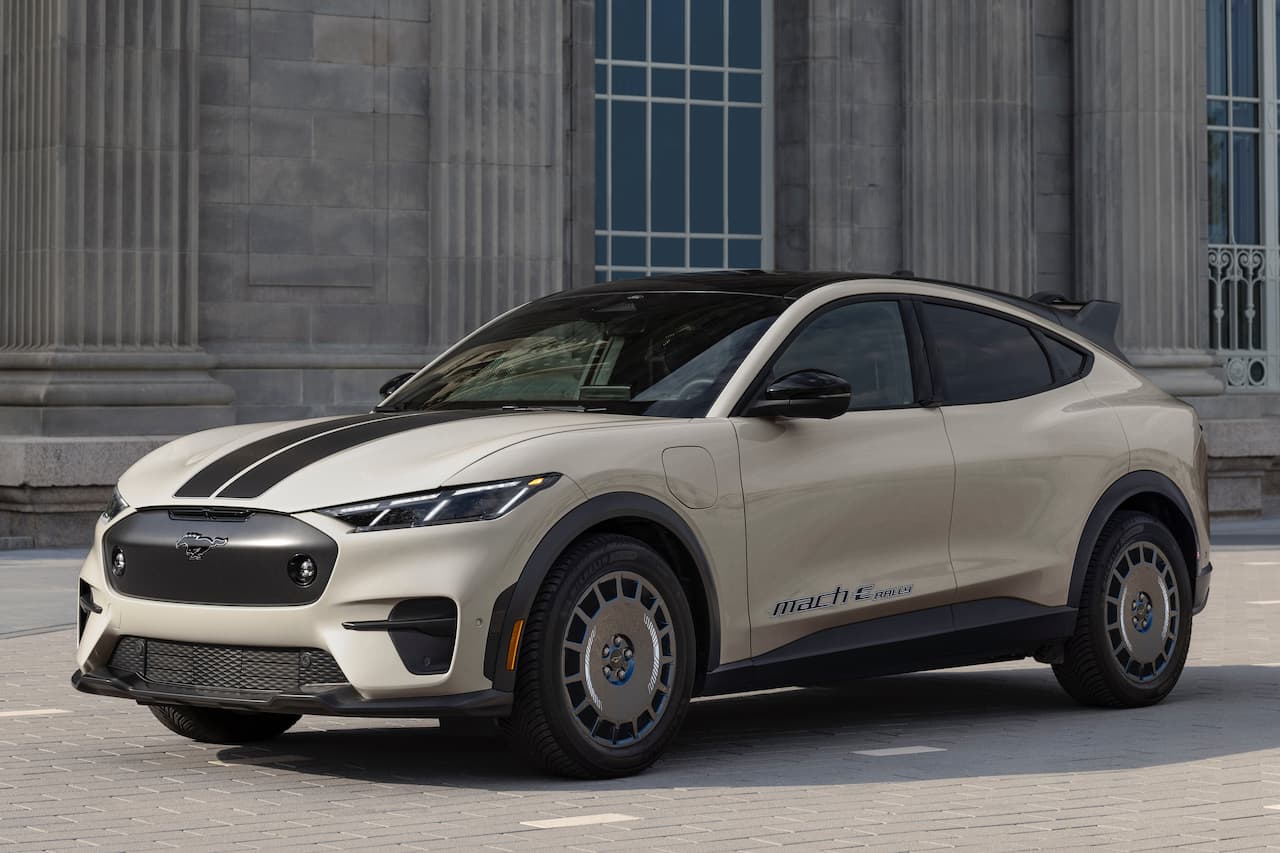
5. Ford Mustang Mach-E: Muscle Car Badge, Weak Resale
The Ford Mustang Mach-E leads rapid EV depreciation with a 29.8% value loss in its first year, more than many gas-powered Mustangs. Despite offering fun handling, 290-mile range, and a sporty GT model, it struggles with ride comfort, limited seat adjustability, and a less engaging drive compared to its gas-powered namesake.
Though the Mach-E is innovative and popular, its resale struggles reflect market uncertainty around newer EV brands outside Tesla. It’s still a great drive and offers practical tech, but for buyers concerned about depreciation, gas-powered alternatives or value-retaining EVs might offer a safer investment.
Not all EVs are equal when it comes to resale value. Tesla dominates the top five with models that retain their value due to innovation, performance, and a robust charging network. On the flip side, even luxury models like the Mercedes-Benz EQS or sporty options like the Kia EV6 depreciate faster than many gas-powered vehicles.
For buyers looking at long-term ownership or resale potential, these trends matter. By understanding which EVs hold their value and which don’t, consumers can make smarter, future-proof buying decisions, choosing electric not just for sustainability but also for financial sensibility.
Also Read: 5 Cars Perfect for Rural Areas vs 5 That Need Dealer Fixes for Every Issue
